
Huawei MateBook 14s in review: Outstanding, proproductive notebook
A TEST REPORT from Yinan Xia  on December 19, 2021, 18:16 am | 2 comments
Most people probably know the Chinese manufacturer Huawei mainly for their very good smartphones. But their product portfolio is by no means limited to these. Huawei has also been building premium notebooks for many years.
As a new model in the MateBook series, the 14s aims to impress with top hardware for its comparatively low price of 1.149 euros. Such as a premium design, Intel Core i7-11370H processor and a 90 Hertz 2,5k touch display. As always, there are also Huawei's own advantages through the software in combination with a Huawei smartphone.
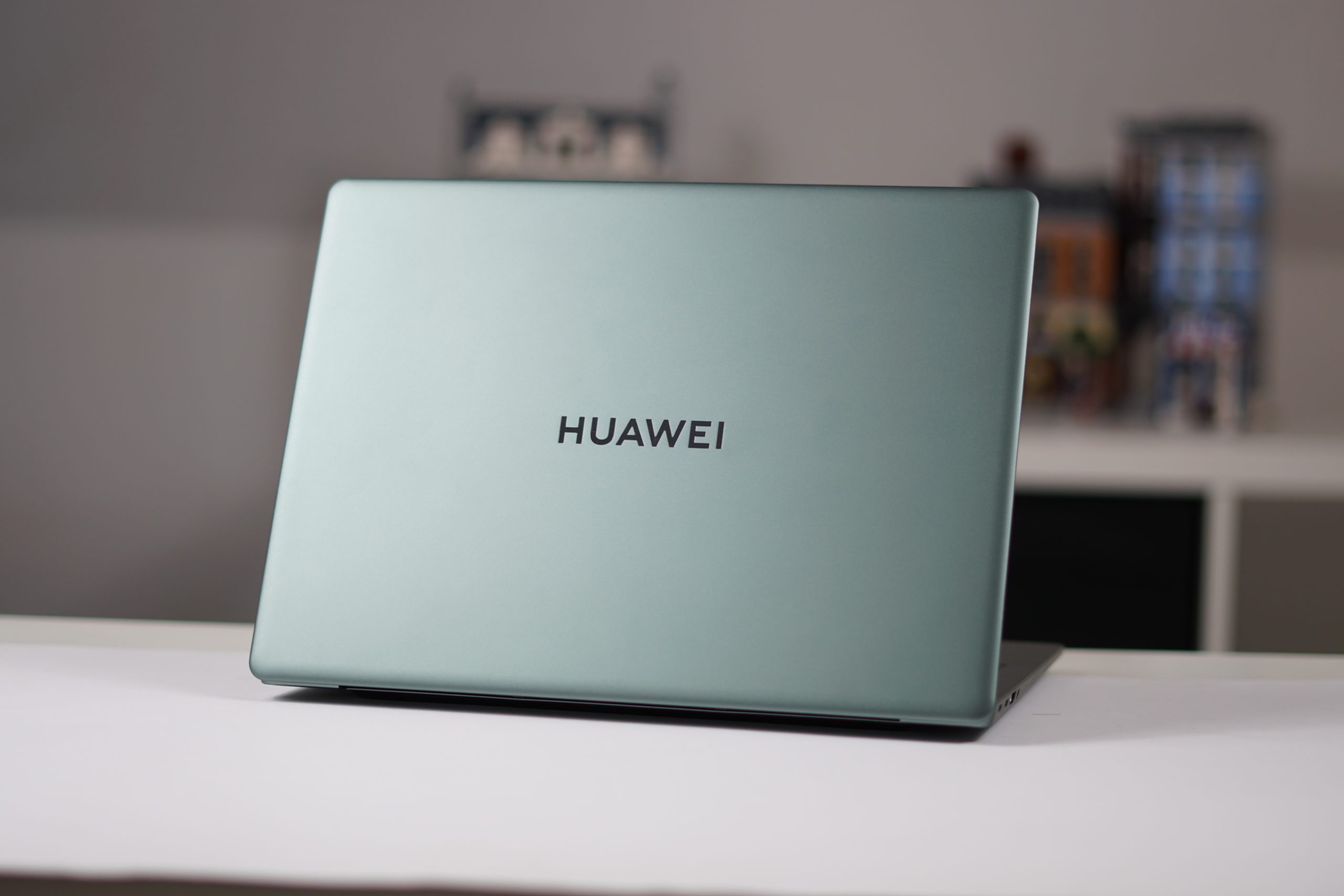
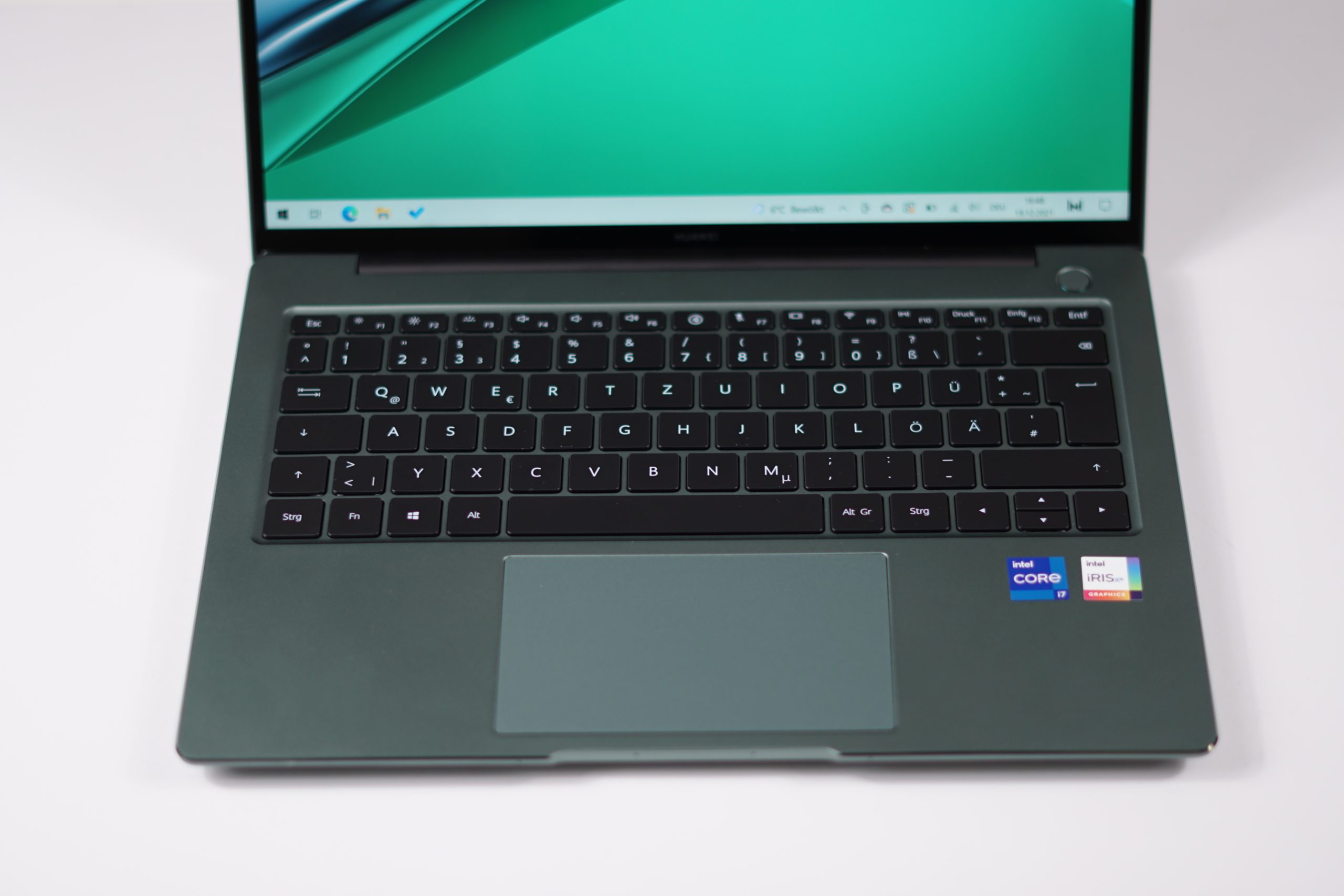
The MateBook 14s relies on the typical design of the high-quality Huawei notebooks. All three sides are made of aluminum and are properly processed. The high-quality hinge ensures that the device can be opened with one hand. There are high-gloss rounded corners at each corner, which can look very nice with light reflection. Compared to the previous models, Huawei has relocated the front camera to the top of the display with the same, very thin edges. For most users who do video conferencing frequently, this position is much more humane than being filmed from the bottom up. With a weight of only 1,43 kilograms, the 14 inch notebook definitely belongs to the lighter class. The height of 16,7 millimeters is also very portable.
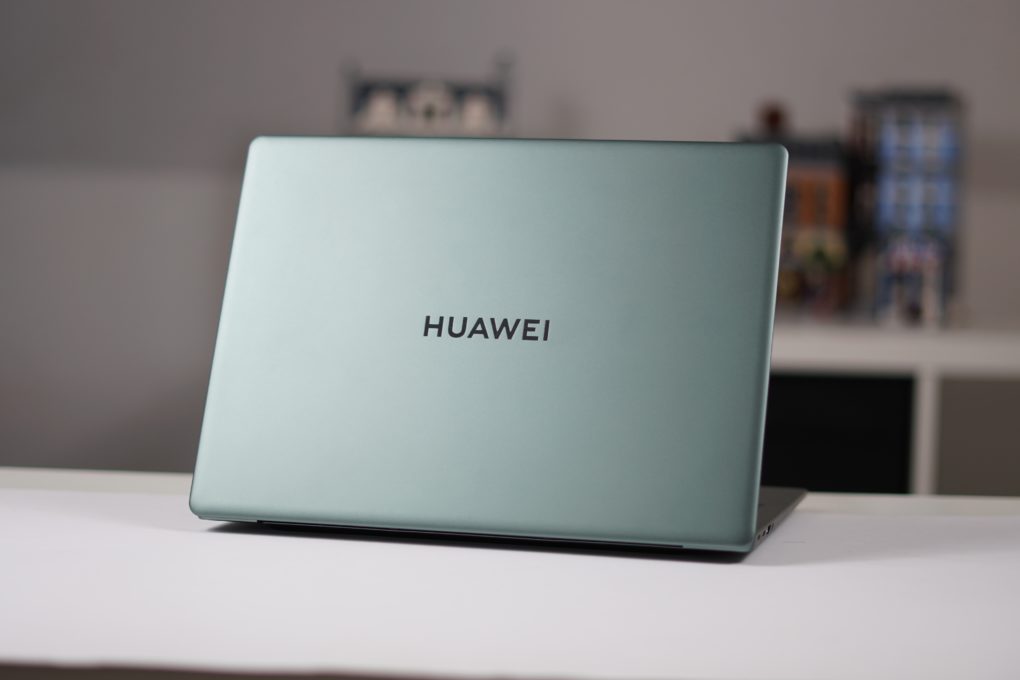
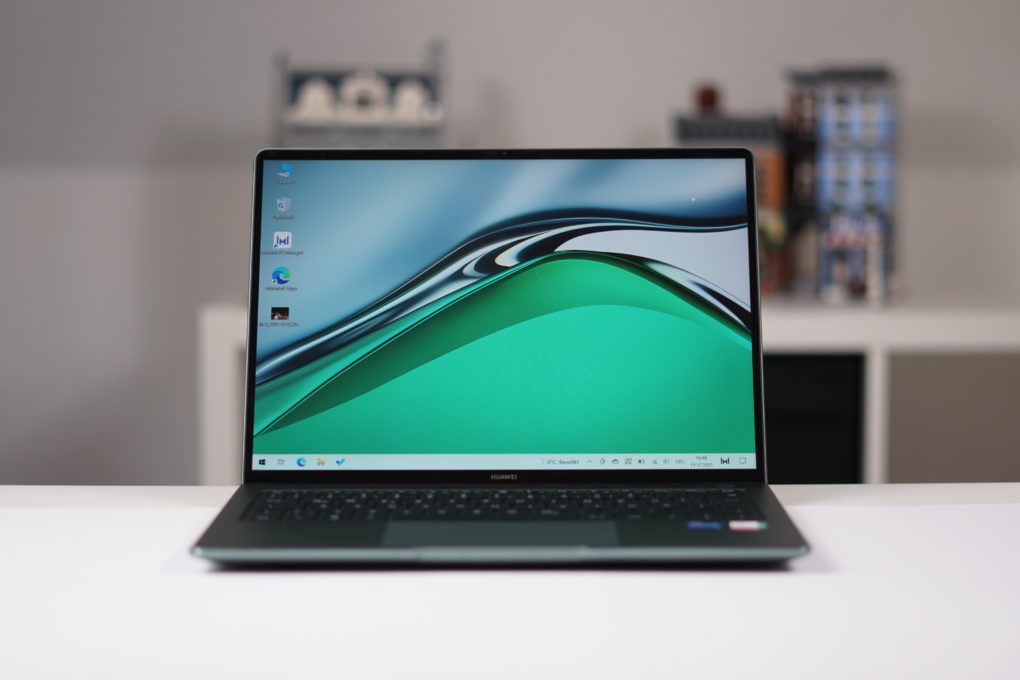
On the outside there is only the large Huawei logo, so the design looks very clean overall. After Huawei released the MateBook X Pro had already presented the color emerald green, this year there is again a green version to choose from: and is called Spruce Green. With significantly less saturation and a subtle appearance, I think the look is very successful. You can stand out from the crowd with it. Opened, the view falls directly on the inside with keyboard, trackpad and fingerprint sensor.
-
- Picture: TechnikNews
-
- Picture: TechnikNews
-

- Picture: TechnikNews
-
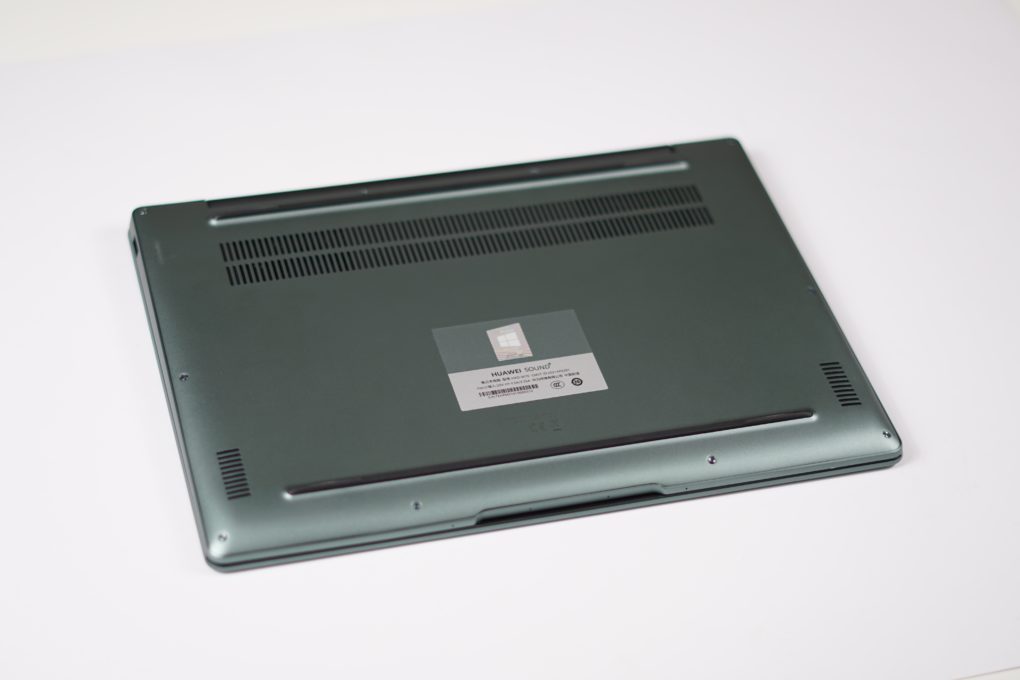
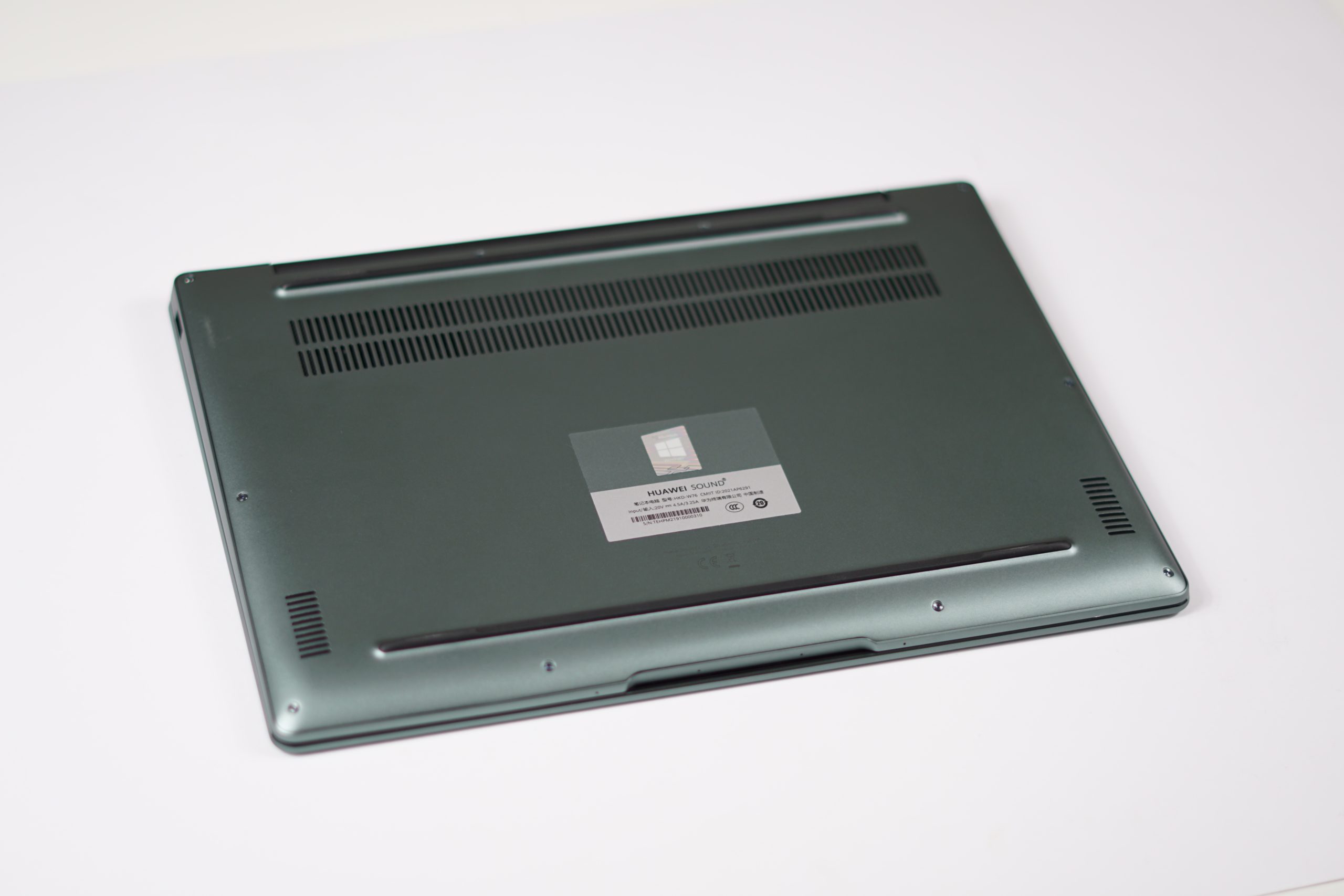
- Underside (image: TechnikNews)
-
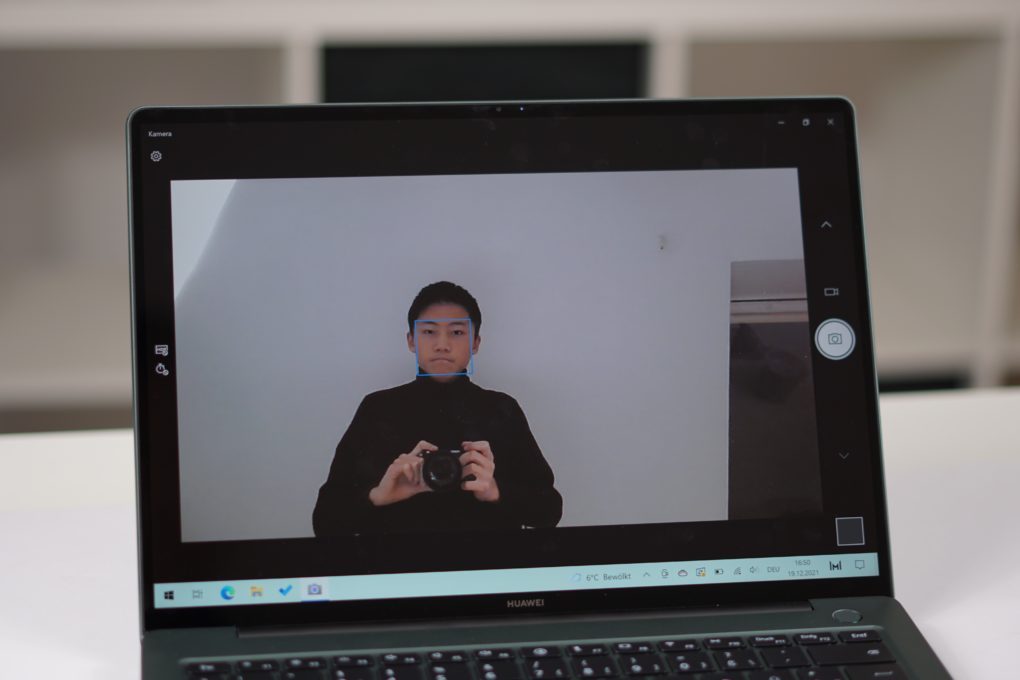
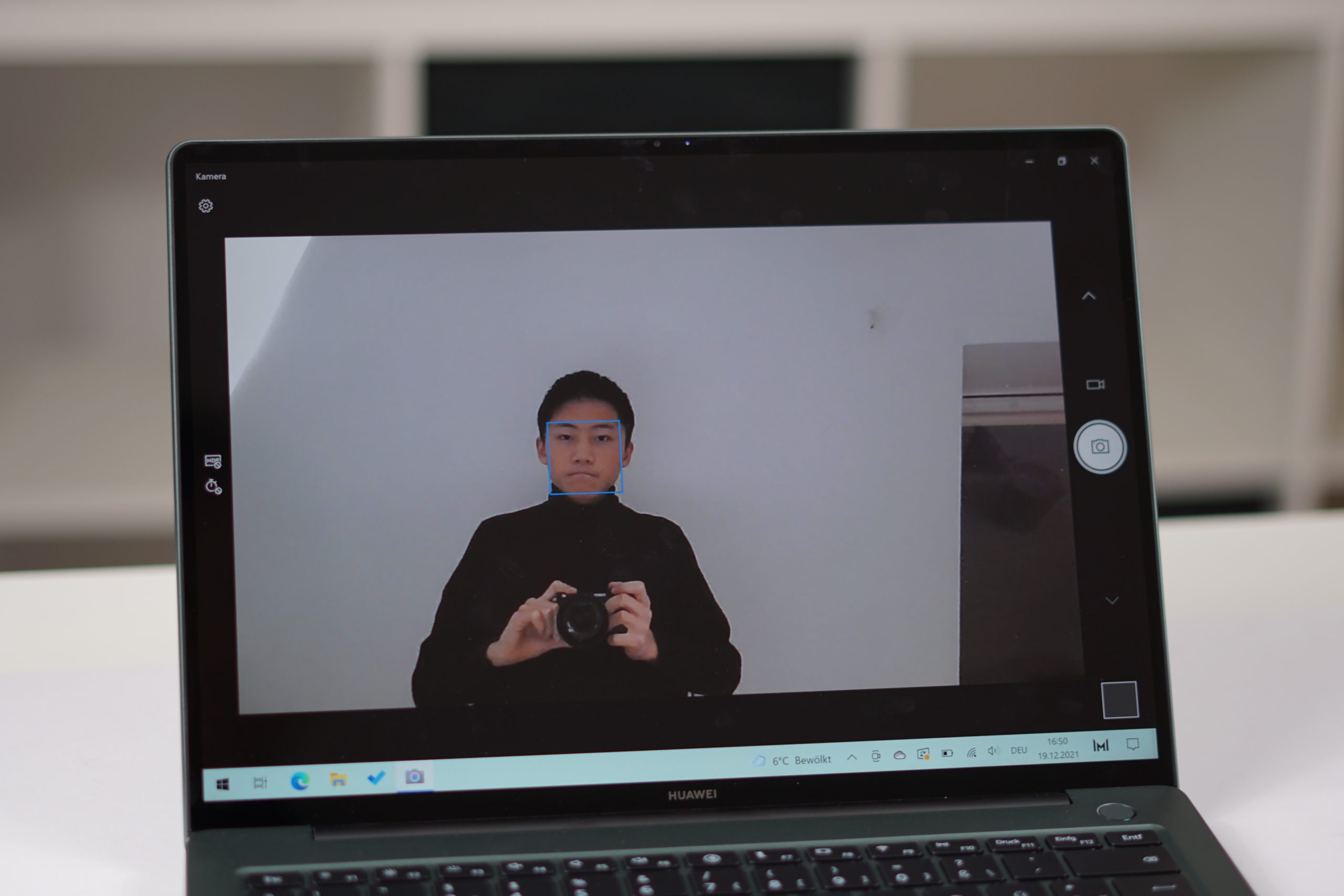
- Front camera (image: TechnikNews)
Connections
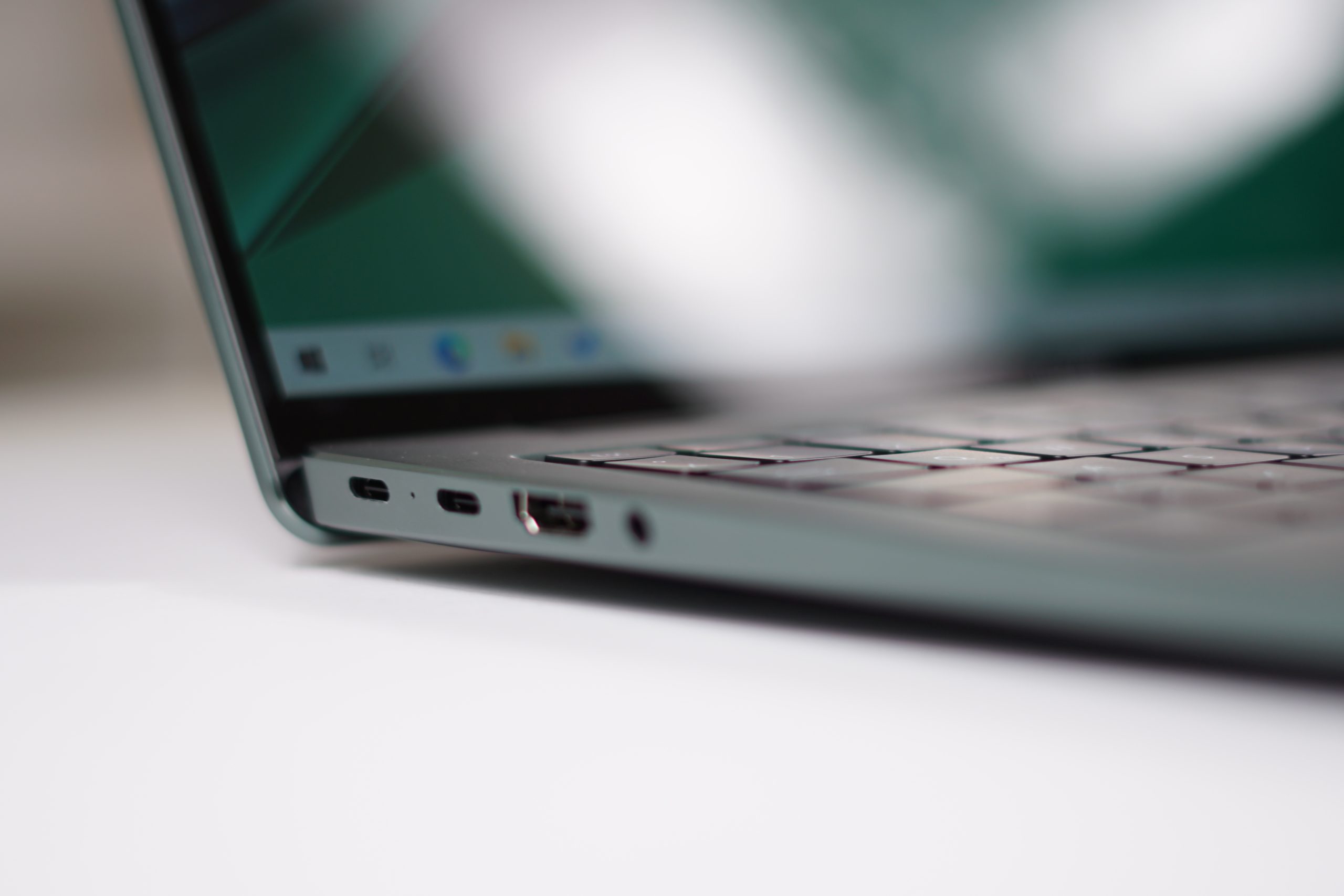
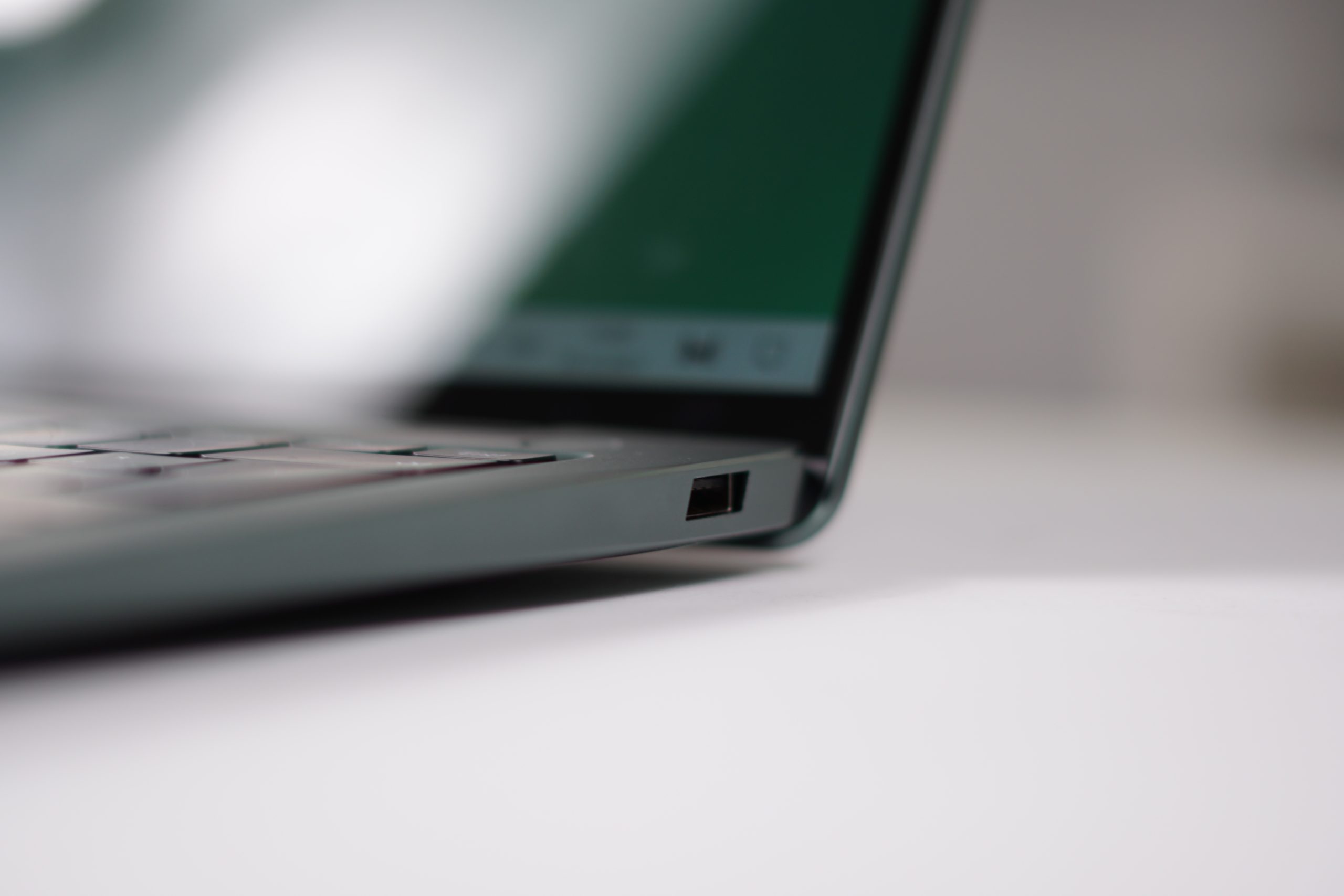
The ports are on the side of the MateBook. There are two full-fledged USB-C ports on the left, each supporting data transfer, charging and DisplayPort, a 3,5 mm jack and an HDMI port. On the right side there is a classic USB-A port with USB 3.2 Gen 1 standard. It should also be mentioned that the version of the MateBook 14S with a terabyte of storage on the second USB-C socket on the left supports Thunderbolt 4.
-
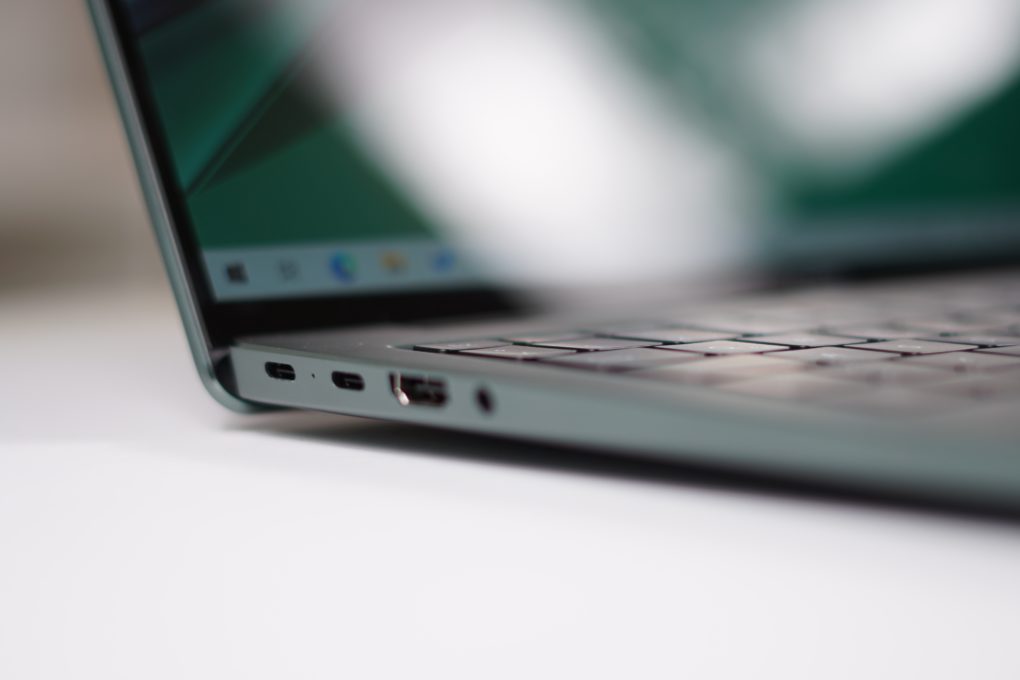
- Left side (image: TechnikNews)
-
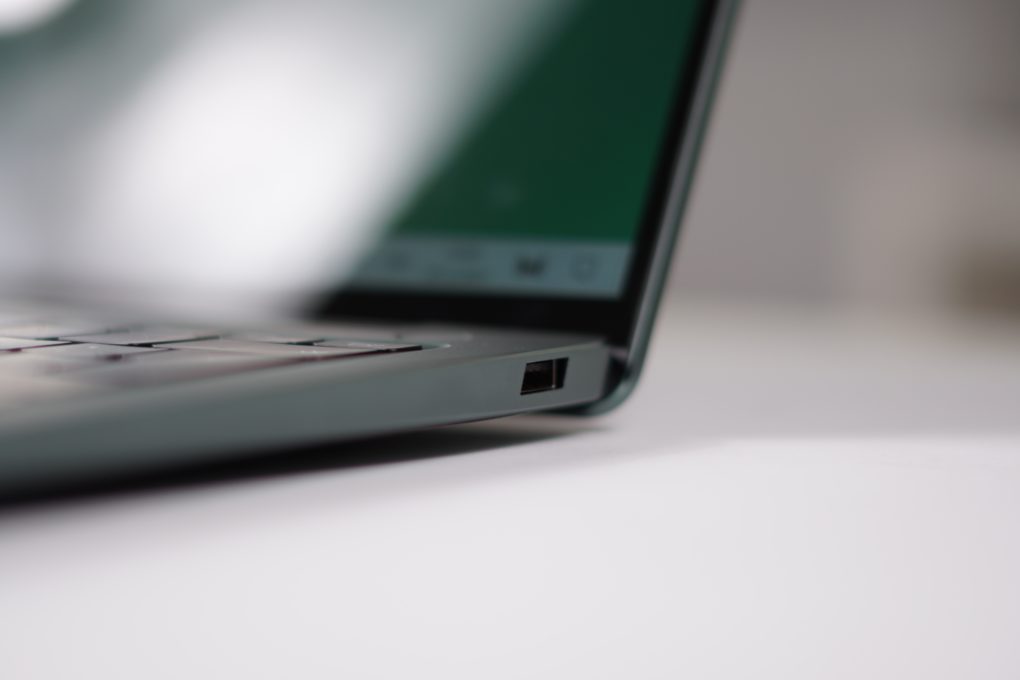
- Right side (image: TechnikNews)
Display & speakers - surprisingly good
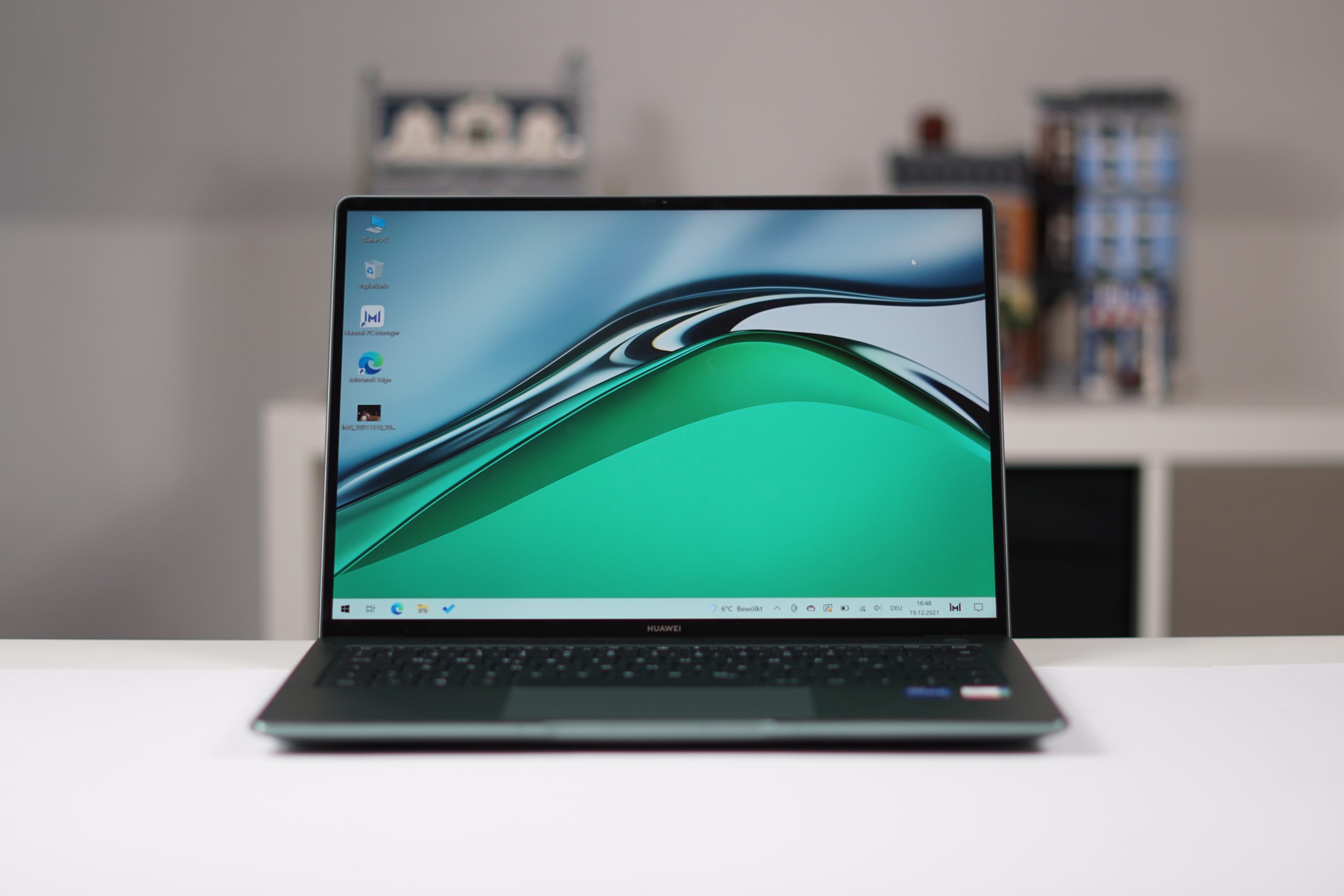
On the front we see a 14,2-inch display. It has a higher 3:2 screen format, which is particularly beneficial when reading and writing documents, i.e. when it comes to productivity. With the 2,5k resolution of 2520 x 1680 pixels, it has a PPI of 213, which is more than sharp enough for a notebook display.
The display is made of high-gloss material, which also makes it touch-sensitive. Together with the refresh rate of 90 Hertz, which can be activated using the Fn+R key combination, it is very pleasant to look at. According to real-world tests, it covers 94,8 percent of the sRGB color space and achieves a brightness of 484 nits.
I really enjoyed using this display, especially the 90 Hertz refresh rate and accurate color reproduction, more than the MateBook X Pro, for example.
The Huawei MateBook 14s now uses the HUAWEI Sound System. This is a solution consisting of four speakers, which are supposed to provide high-quality sound. I was really surprised at first glance. Even if the sound can't keep up with an Apple MacBook Air, it is significantly better than many other Windows notebooks I've heard before, including the MateBook X Pro. The sound system is perfectly adequate for simple music listening in between.
Input devices & unlock
The keyboard of the Huawei MateBook 14s has a key travel of 1,5 mm and is of course backlit. The longer keystroke makes typing extremely comfortable, and typing longer texts on it should not be a problem.

Key pressure points (image: TechnikNews)
In comparison, the trackpad can't quite keep up. It's made of plastic, which feels less high quality than glass. As with other Windows notebooks, the pressure points are of less quality and cannot be clicked everywhere. Compared to an Apple MacBook or the HUAWEI MateBook X, which in my opinion is the best Windows trackpad on the market, I would recommend always using a mouse.
To overcome the lock screen, the MateBook 14S supports both Windows Hello through infrared face recognition, as well as unlocking via the fingerprint sensor. Both are very fast and reliable, so that you never actually have to enter your PIN in everyday life.
Performance & Battery Life - Not the focus, but good
As a business-oriented notebook, performance is of course not the highest priority, but the Huawei MateBook 14S comes standard with the Intel Core i7-11300H processor with Intel iRIS Graphics, 16 gigabytes of RAM and 512 gigabytes of mass storage. You can choose between balanced and performance-oriented mode, which can be activated when connected to the power supply via Fn+P or via the PC Manager software. The difference in performance is not that great, which is why you can basically use the notebook like a smartphone as long as the battery lasts.
The pure performance in everyday life is of course very good, even with more complex multitasking, because the CPU is quite powerful and the cooling is excellent for such a thin notebook. Even simple video editing in the Adobe Premiere Pro program that I tested is possible, and the performance is better here than with my previously tested Huawei MateBook X Pro 2020. Although users who often do complex tasks should opt for a notebook with a dedicated graphics card. When performing complex tasks, the built-in fans turn up, but they are comparatively quiet and have a pleasantly frequent sound.
As for the battery, the Huawei MateBook 14s is equipped with a 60 watt hour battery. Even if the runtimes are of course significantly worse for me as a user of an Apple M1 SoC, it is still higher up in the Windows comparison and does not represent a weak point. Surprisingly, a power supply with a speed of 90 watts is included. This is the fastest speed that a Huawei notebook has ever had. Furthermore, the size of the power supply is similar to that of smartphones. It also supports some fast charging standards, for example to quickly charge a Huawei smartphone.
Software – Exclusive highlight for proproductive Huawei users
On the software side, the Windows 10 user interface is used as standard, whereby an upgrade to Windows 11 is already available free of charge. HUAWEI PC Manager software makes it very easy to update drivers and discover hardware errors,
When talking about a Huawei notebook, of course, you should never neglect the exclusive features. A few months ago I already had a detailed report on the functions of the new HarmonyOS 2.0 ecosystem. What particularly stands out is the easy connection of different hardware products.
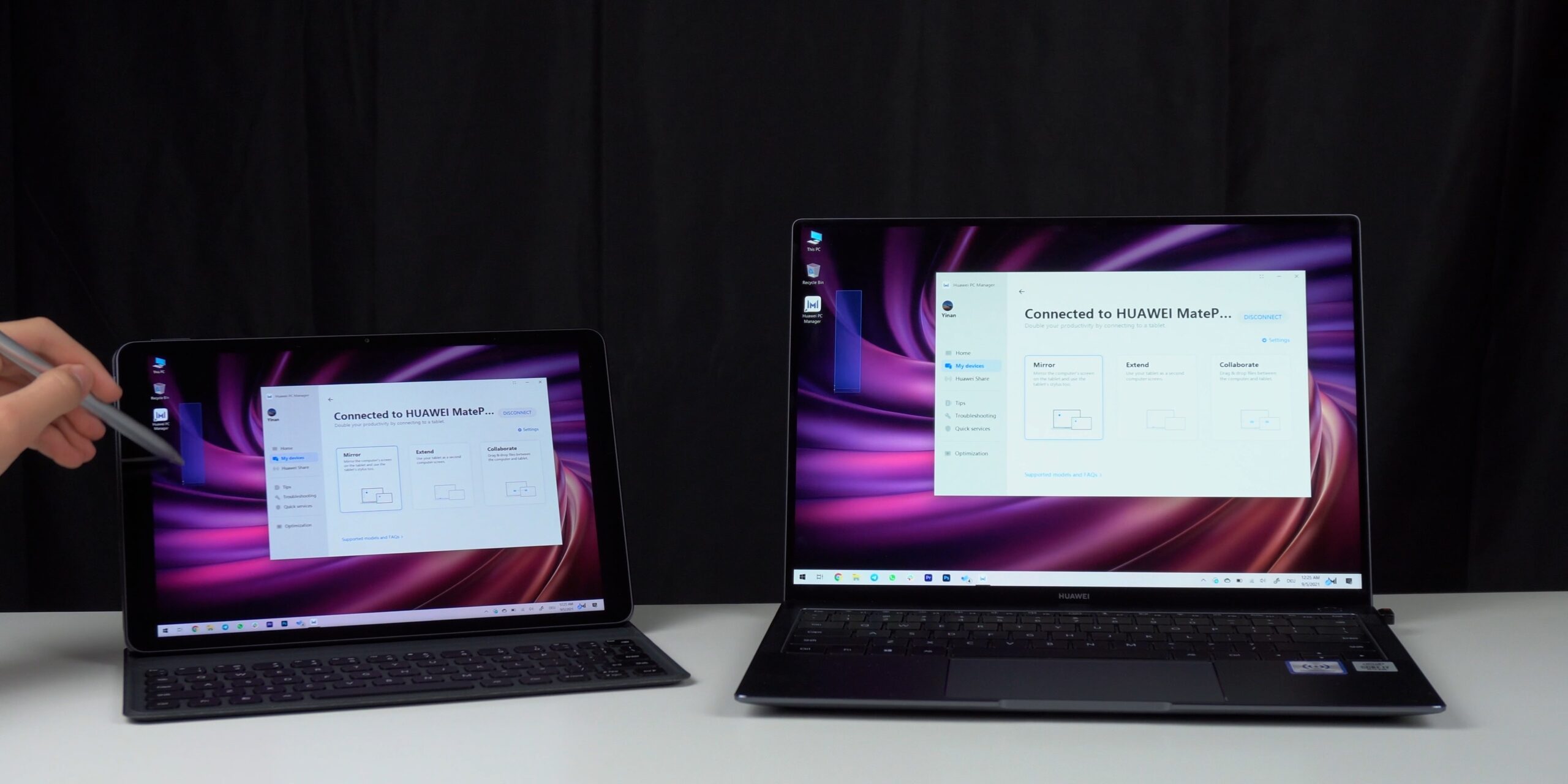
Users of current Huawei smartphones, such as the Huawei Nova 9, Enjoy features such as multi-screen collaboration, where the smartphone screen can be switched to the Matebook screen with a tap on the NFC-enabled trackpad prois injected. In this mode, you can easily operate your smartphone using the MateBook display or trackpad, share files with drag-and-drop, and maximize multitasking efficiency. Instead of logging into the MateBook via WhatsApp Web, you can simply answer WhatsApp messages with the notebook keyboard on your smartphone. The latency with this feature is surprisingly low. Users of current Huawei tablets simply have the option of using this as a portable second screen.
-

- Picture: TechnikNews

-

- Picture: TechnikNews
Conclusion
The test results listed above show that the HUAWEI MateBook 14s is a very well-rounded overall package in terms of design, display, keyboard, performance, battery and more. Because it hardly has any major weaknesses and, in my opinion, even performs significantly better than the flagship model of the company in many areas, I can use it for Windows users prorecommend without hesitation.
It is obvious that this notebook has to proproductive users. Those who, for example, are often on the go and rely on the thin design. To maximize their experience, Huawei uses a 3:2 screen format, for example, and offers functions such as multi-screen collaboration for Huawei smartphone users. But even if you're not one of them, the MateBook 14s offers a very good user experience for its price. It shows Huawei's many years of experience in the notebook segment. Only the MacBooks with the M1 chip from Apple were able to convince me a little more here. If you are not dependent on the Windows operating system, you can also take a look around at Apple.
Qwerty keyboard? Why is this disadvantage not discussed. Greetings, Peter
Hello Peter,
As you can see in the pictures above, my model has a QWERTY keyboard layout, which is why I did not go into the disadvantage 😉
I also checked once, if you buy the device from Huawei Germany, you also get a QWERTY keyboard.
Regards
Yinan from TechnikNews