
Tesla Model 3 Performance review: Tesla's sports ace
A TEST REPORT from Leander Diedrich  on April 16, 2025, 20:09 am | Write a comment
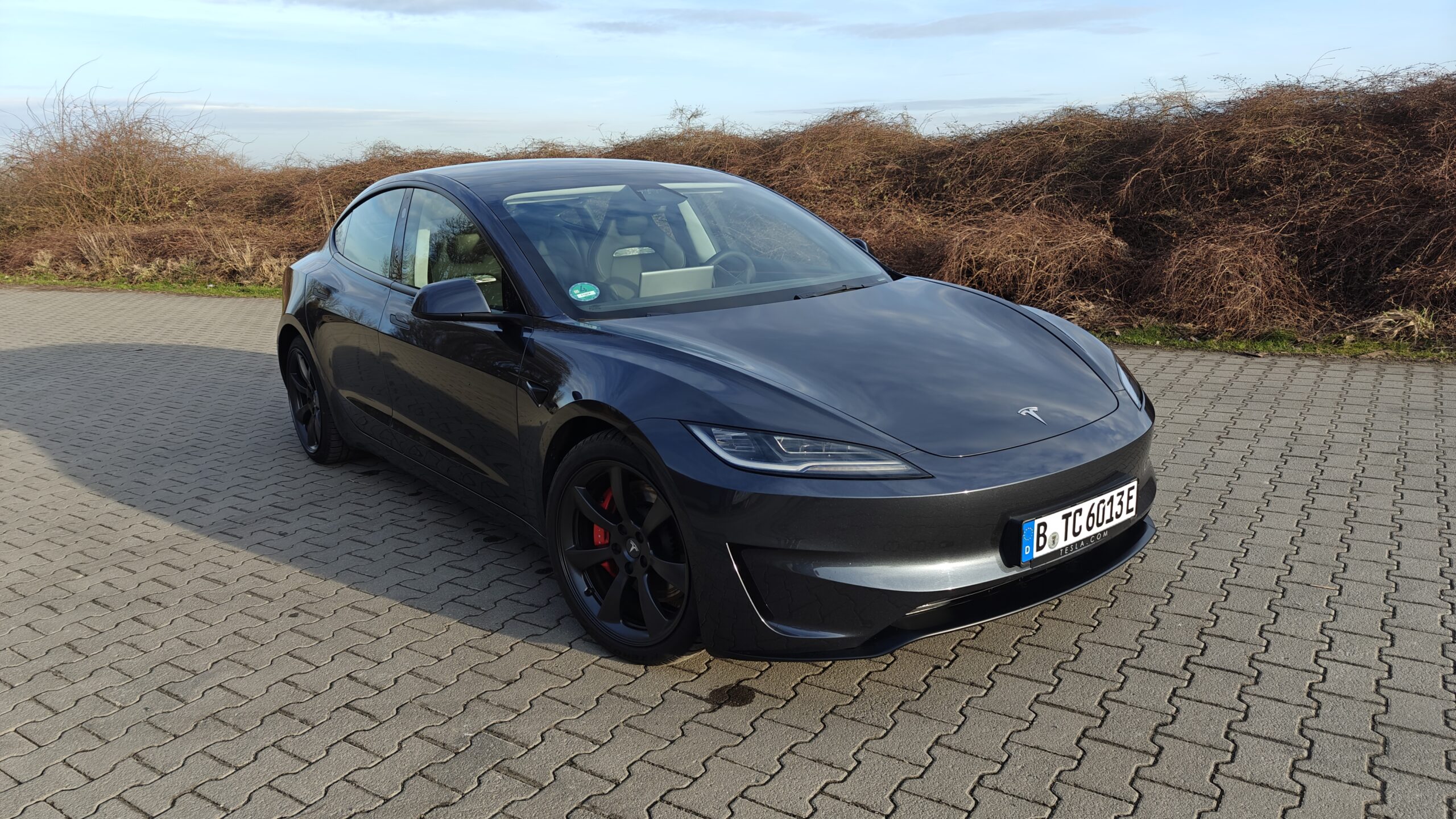
The Tesla Model 3 got a facelift last year: Renamed "Highland," the Americans are putting the proven bestseller on the road with a fresh facelift. I spent two weeks extensively testing the most powerful "Performance" version to see what this new look entails.
Conclusion: An electric sports car like no other
If one had to describe the Tesla brand in one word, "unconventional" would probably be the most appropriate. This strategy of not doing everything like everyone else has taken Tesla a long way. Tesla's tremendous sportiness, modern operating concept, and many other details are mastered not only in the Model 3 Performance.
But here and there, the Americans have overdone it a bit: The missing steering column stalks have worsened the operating concept rather than improved it. Unfortunately, the "improvement" doesn't include the autopilot, where Tesla has been treading water for years in Europe.
Nevertheless, the American model's positive aspects are convincing. The Tesla Model 3 Performance is an electric sports car like no other and does not do everything, but many things better than the competition. For a price of €59.470 for the most powerful version of the Model 3, you get a great overall package.
The test in the video
This is new in the Model 3 “Highland”
Exterior in roadster look
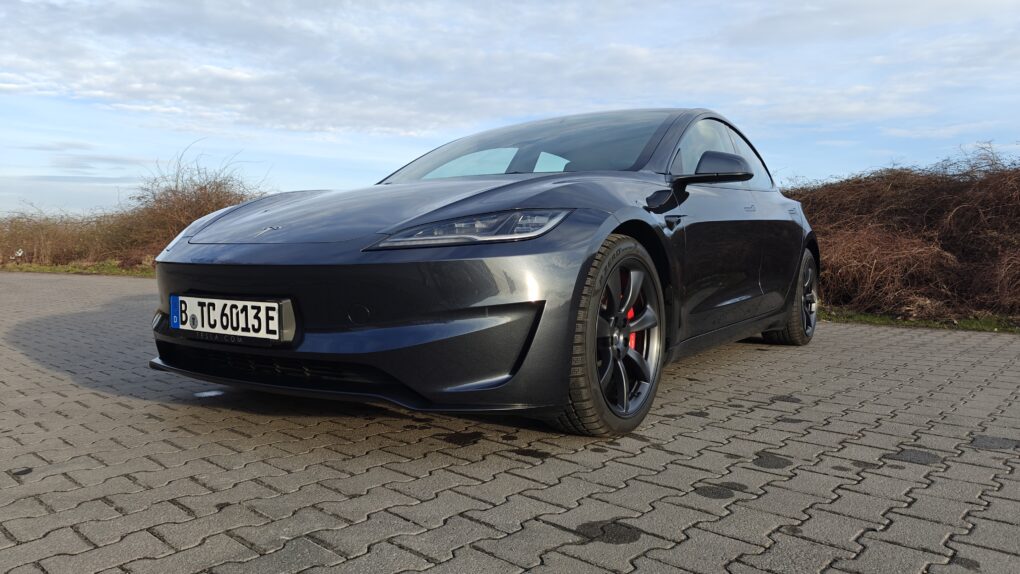
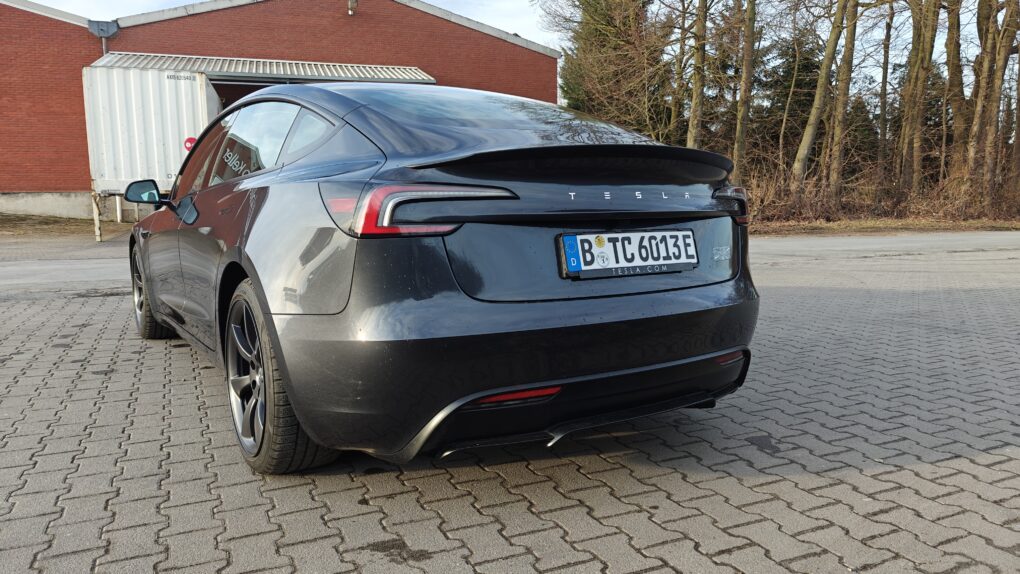
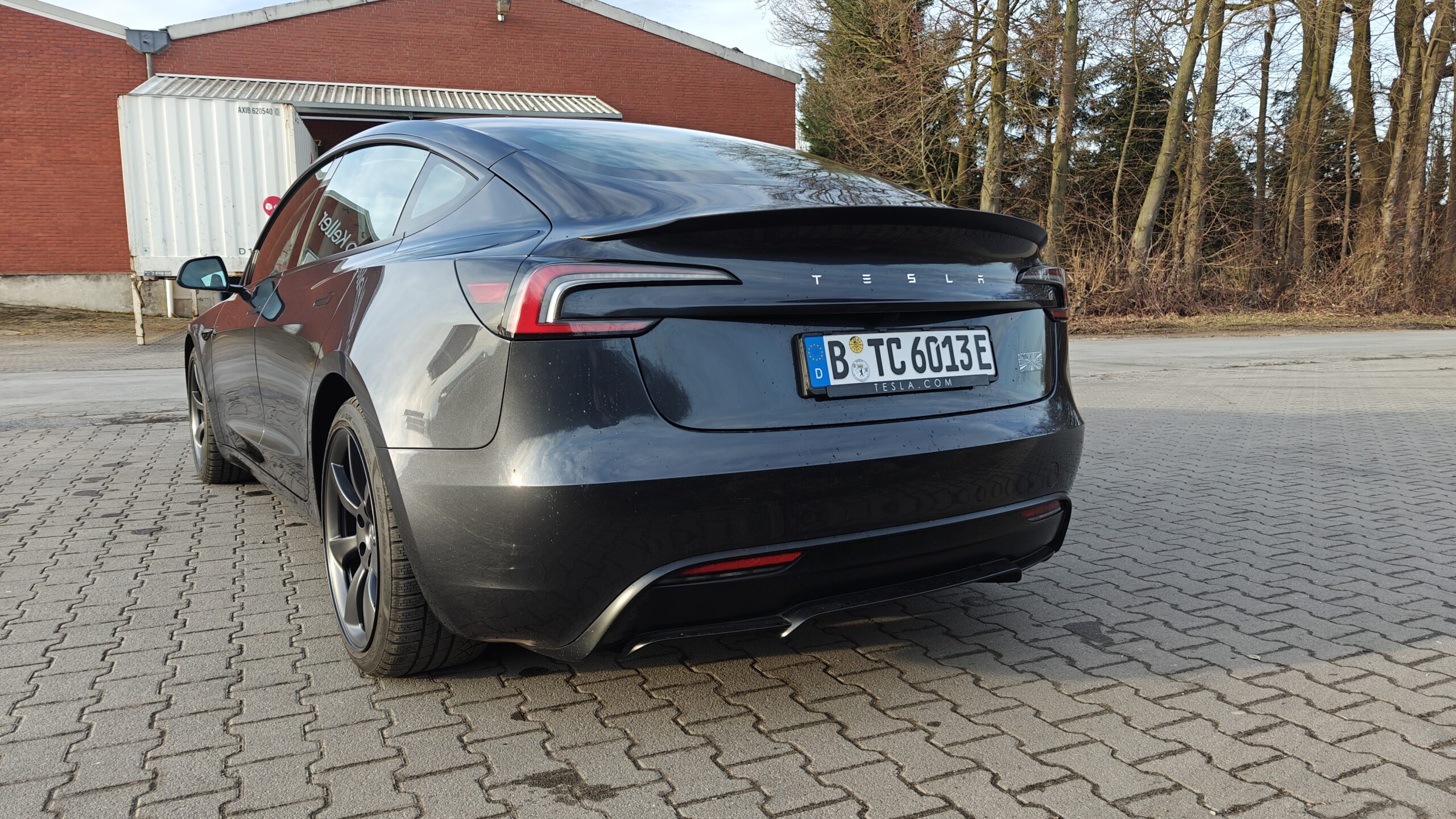
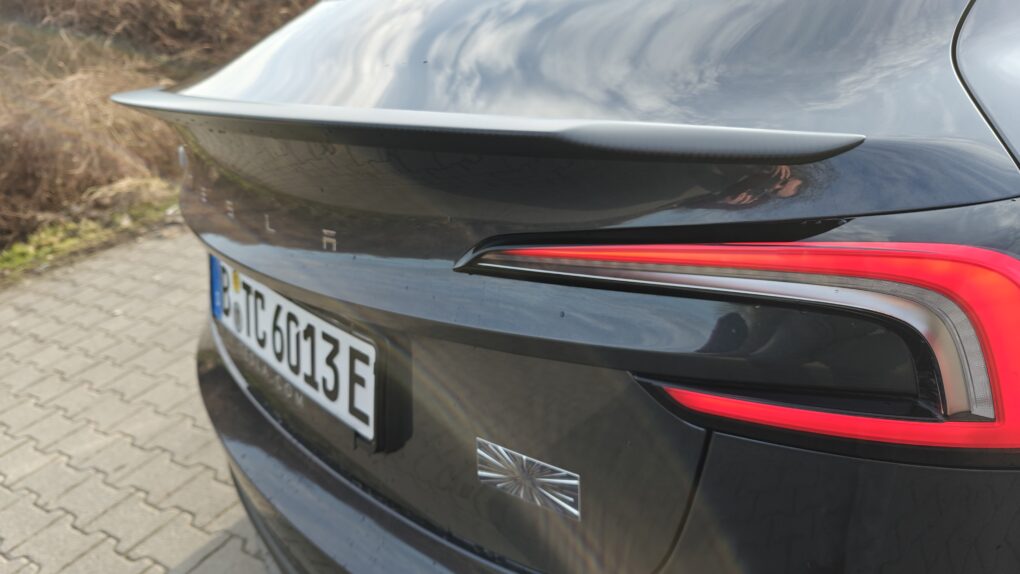
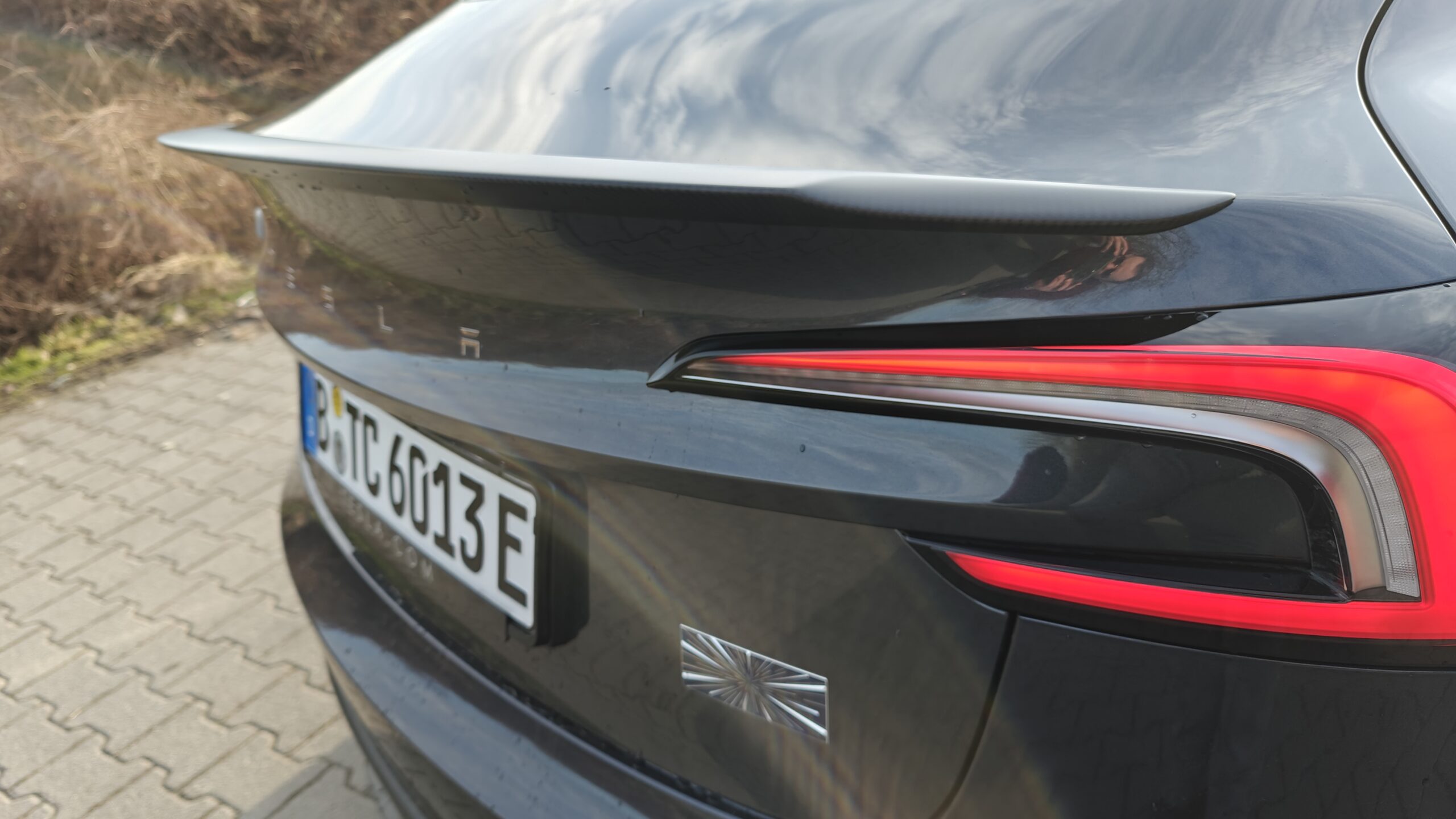
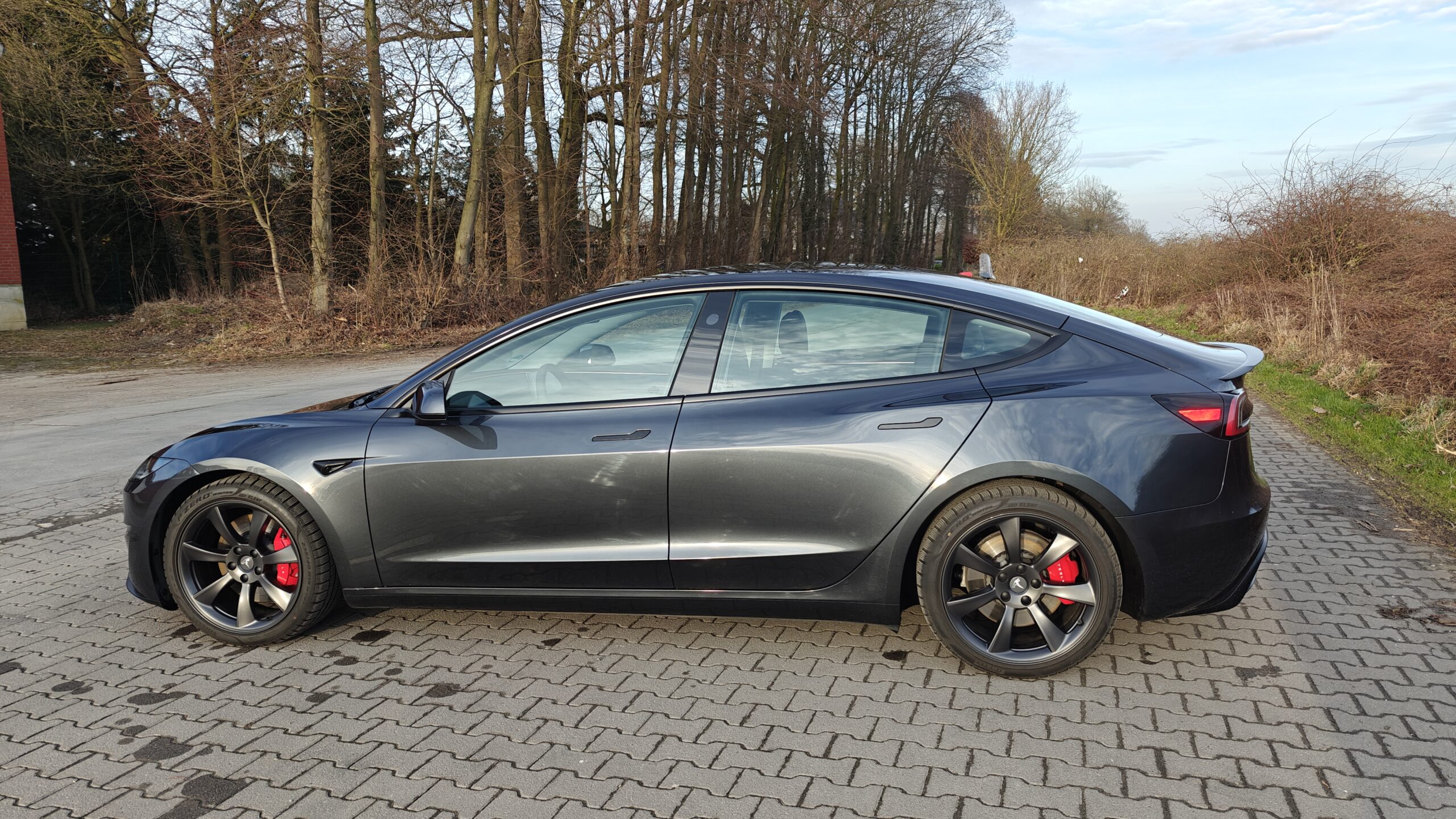
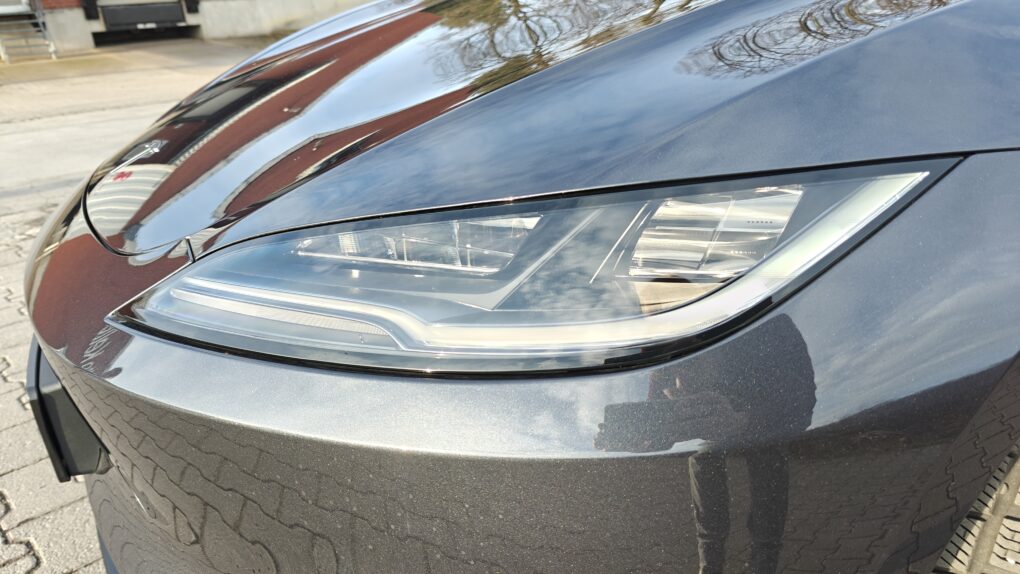
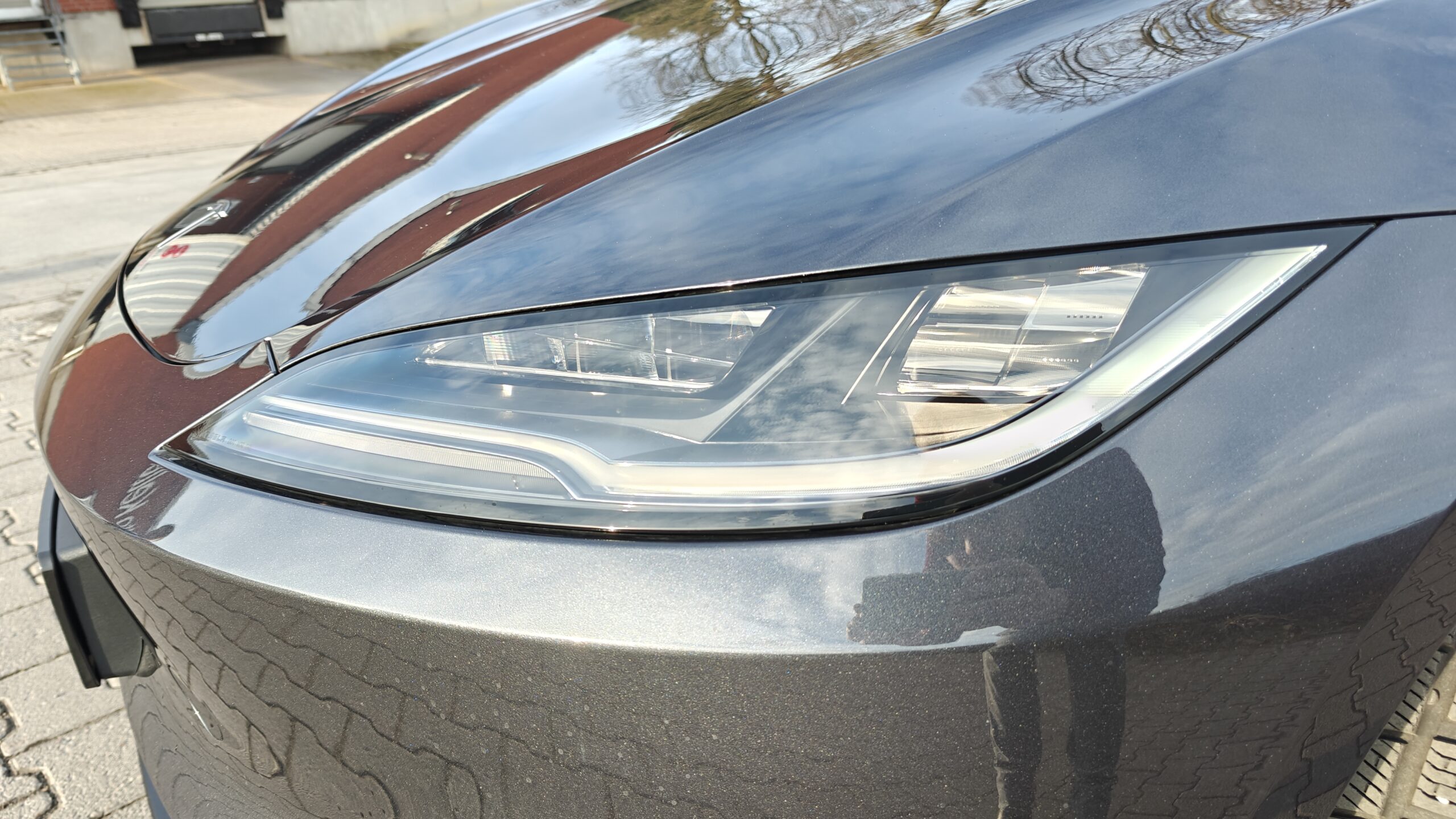
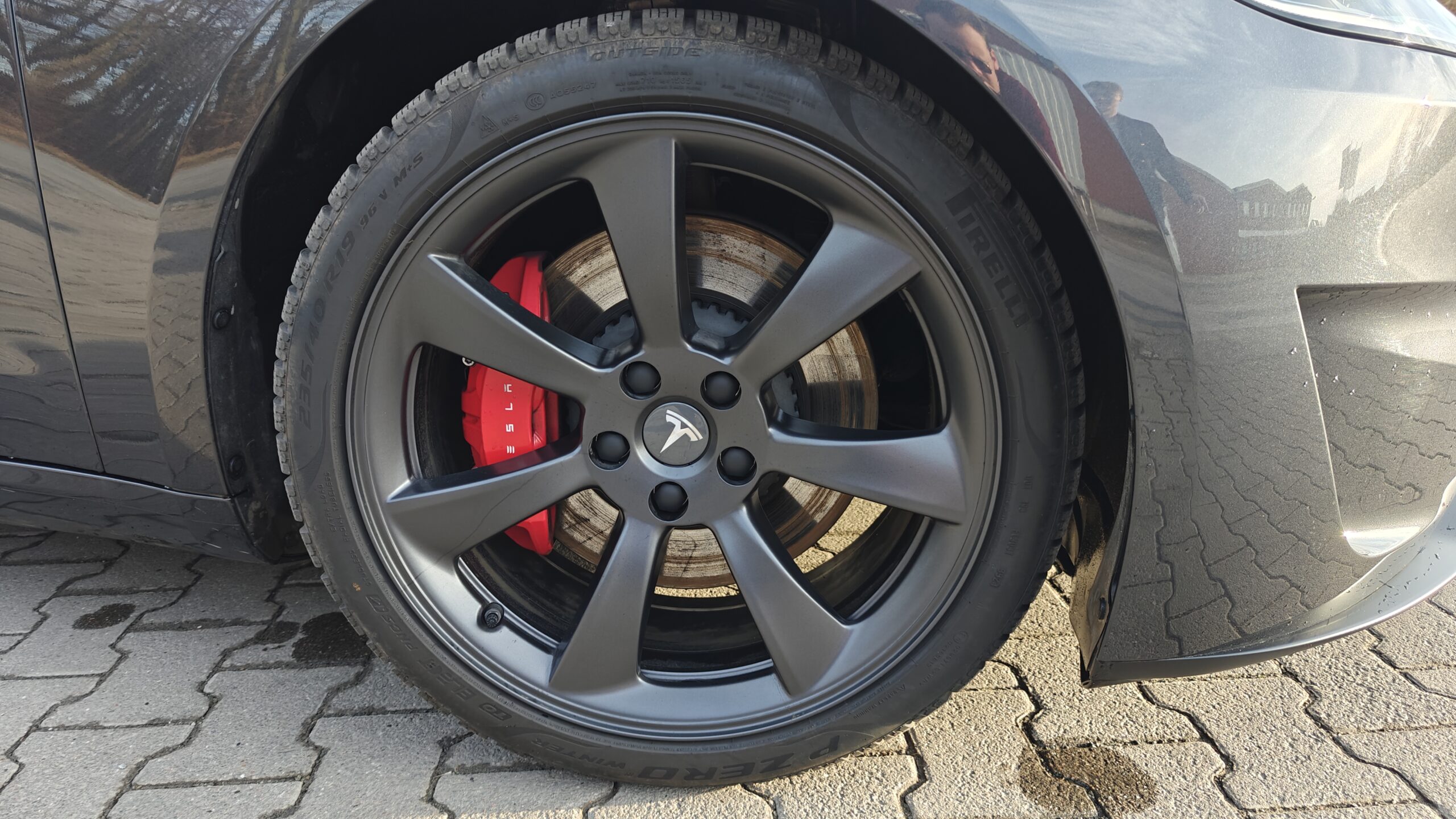
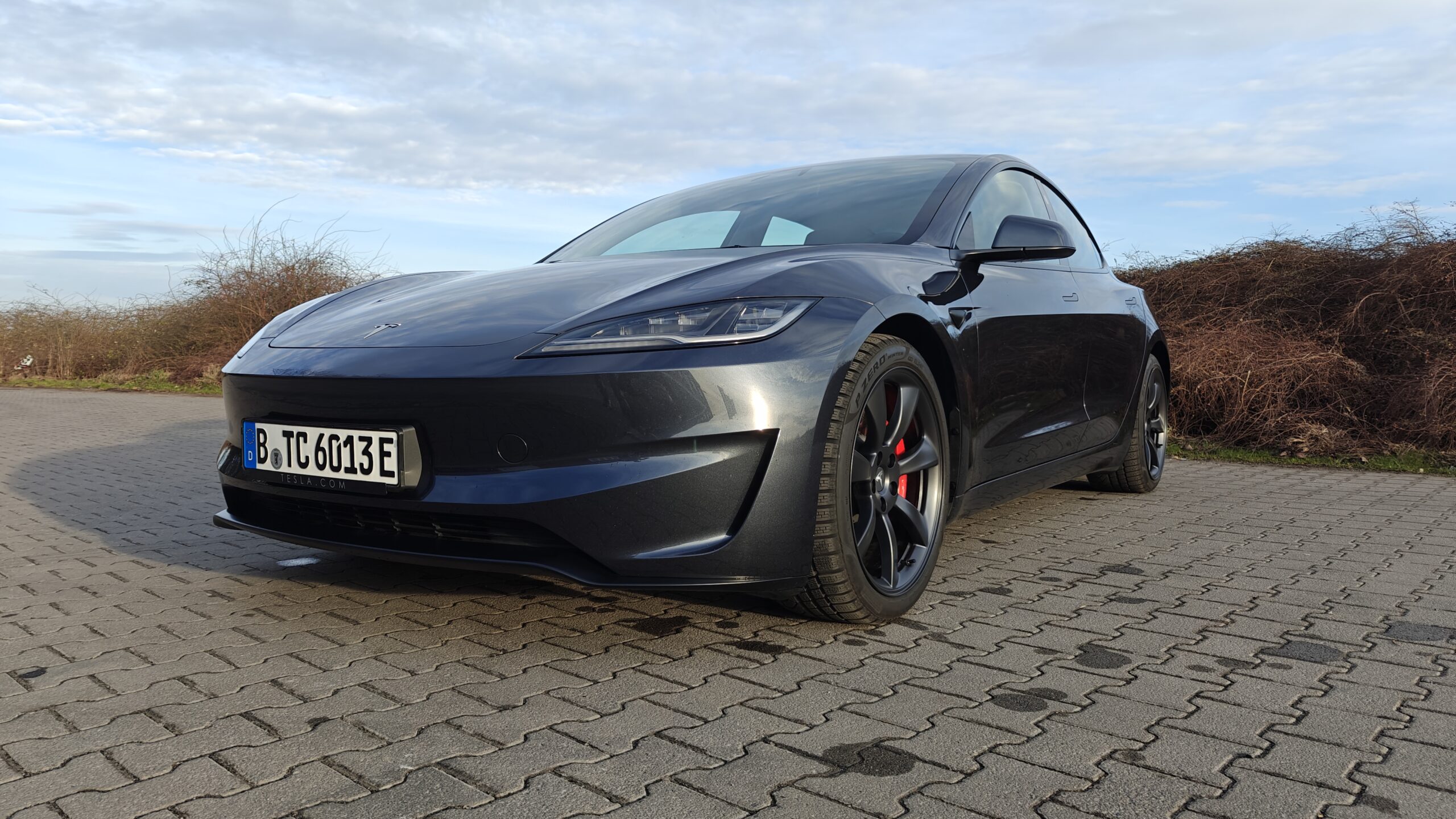
From the outside, Tesla has made some changes to the appearance of the Model 3. The slimmer headlights are immediately noticeable, strongly reminiscent of the new Roadster – which has been around for seven years now. Tesla has also sharpened the taillights: they're a bit more angular, a bit sportier. Only from the side is there any noticeable difference from the predecessor; the vehicle's silhouette has remained virtually the same.
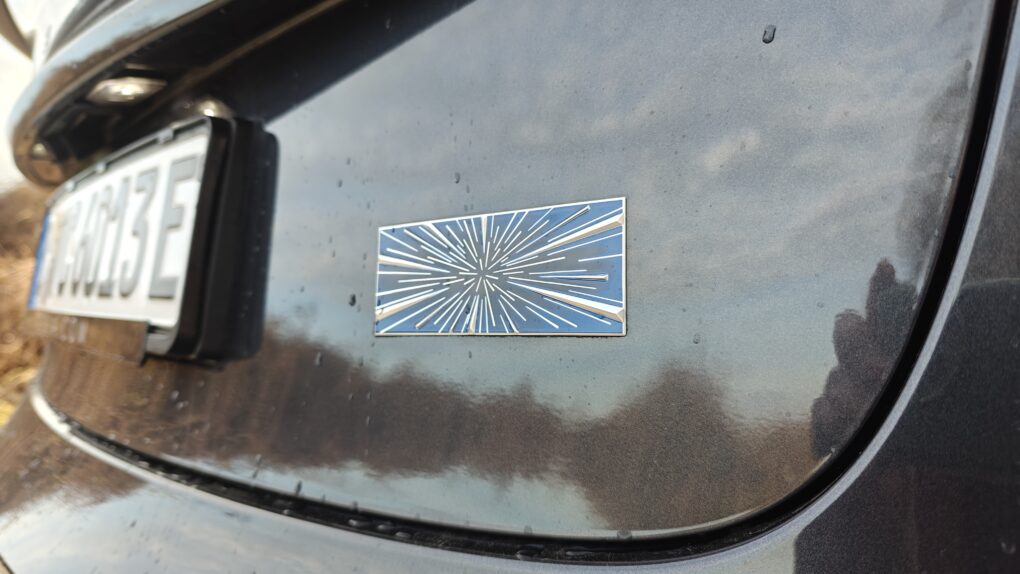
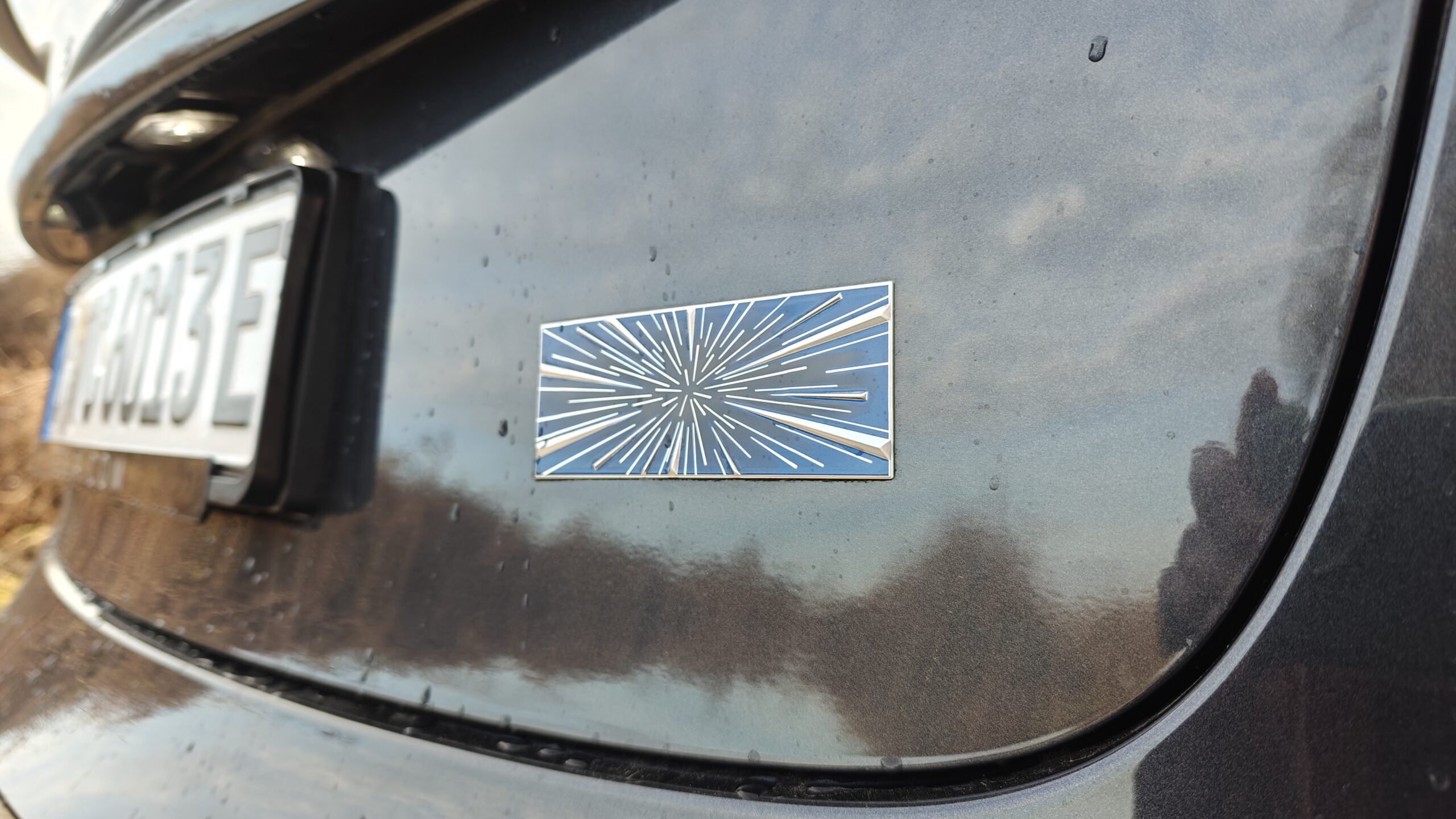
The most powerful version, the "Model 3 Performance," can now be identified by a small emblem on the rear, depicting the "Ludicrous Mode" from the movie "Spaceballs." This isn't new: Tesla already featured this Easter egg as an animation on the screen in older Model S and X models whenever the car was switched to the sportiest mode.
-
- Picture: TechnikNews
-
- Picture: TechnikNews
-
- Picture: TechnikNews
Improved interior quality
Just as with the exterior of the Model 3, Tesla has also made changes to the interior. The wood-look dashboard is gone, replaced by a carbon fiber panel, solidly framed in a soft, leatherette-like material. The light beige headliner remains unchanged; Tesla could have enhanced it a bit.
The seats in the Model 3 Performance are designed a bit more sportily than in the standard versions, offering more lateral support for fast cornering. As a nice touch, the Performance seats in the first row feature the familiar Ludicrous badge.
The equipment list is growing
If you visit the configurator on the Tesla website to put together your dream vehicle, one thing quickly becomes apparent: There are hardly any expensive options for additional equipment. This is simply because even the budget versions of Tesla's fleet usually come with everything your heart desires.
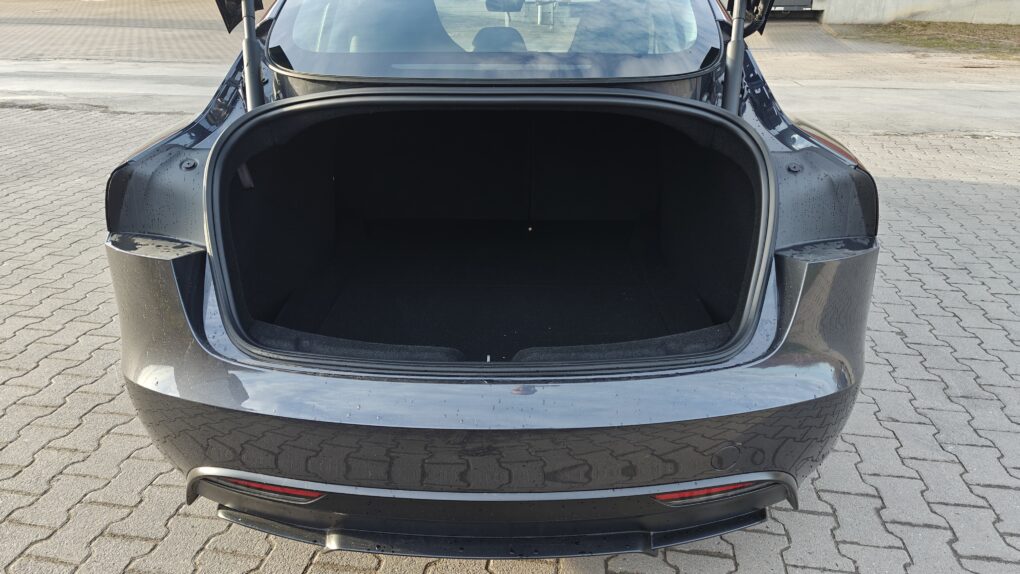
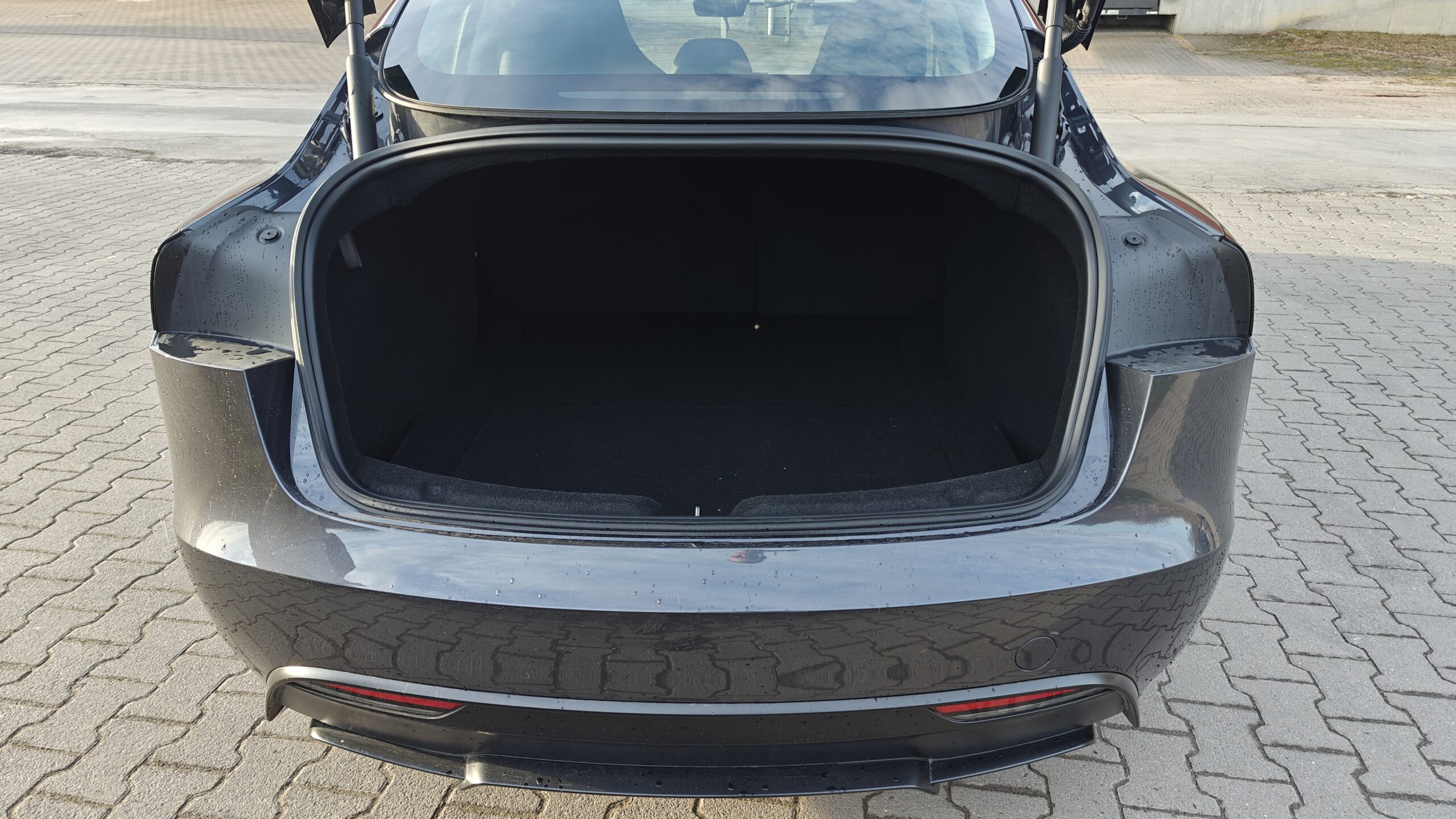
Tesla is consistently continuing this pricing policy with the Model 3 Highland, equipping even the entry-level model with seat ventilation, ambient lighting, and a display for the rear row of seats. All of this was missing from all previous versions of the Model 3 and represents a significant upgrade to the already excellent equipment – as with the predecessor, heated front and rear seats, a power tailgate, and a glass roof are standard.
-
- Picture: TechnikNews
-
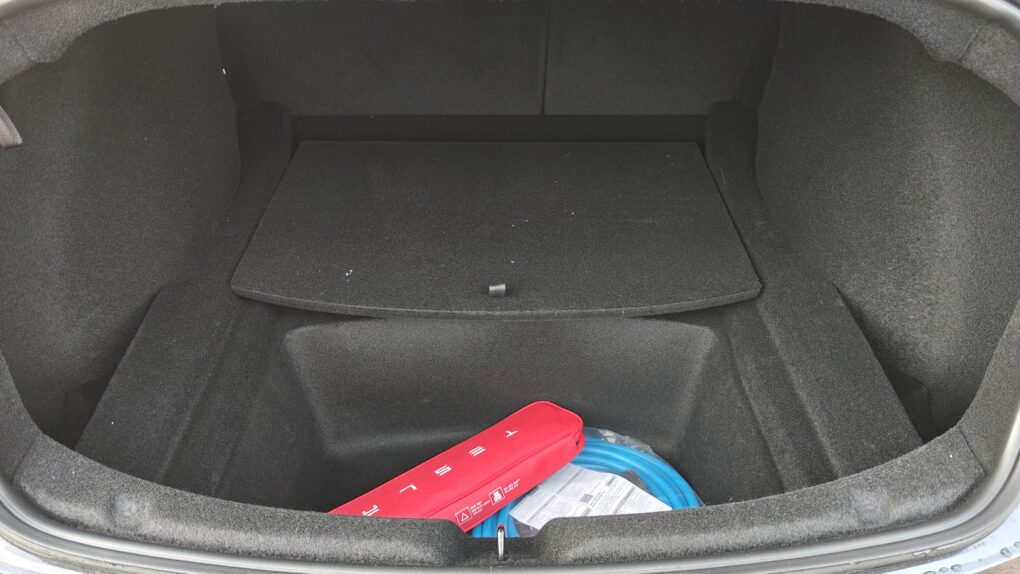
- Picture: TechnikNews
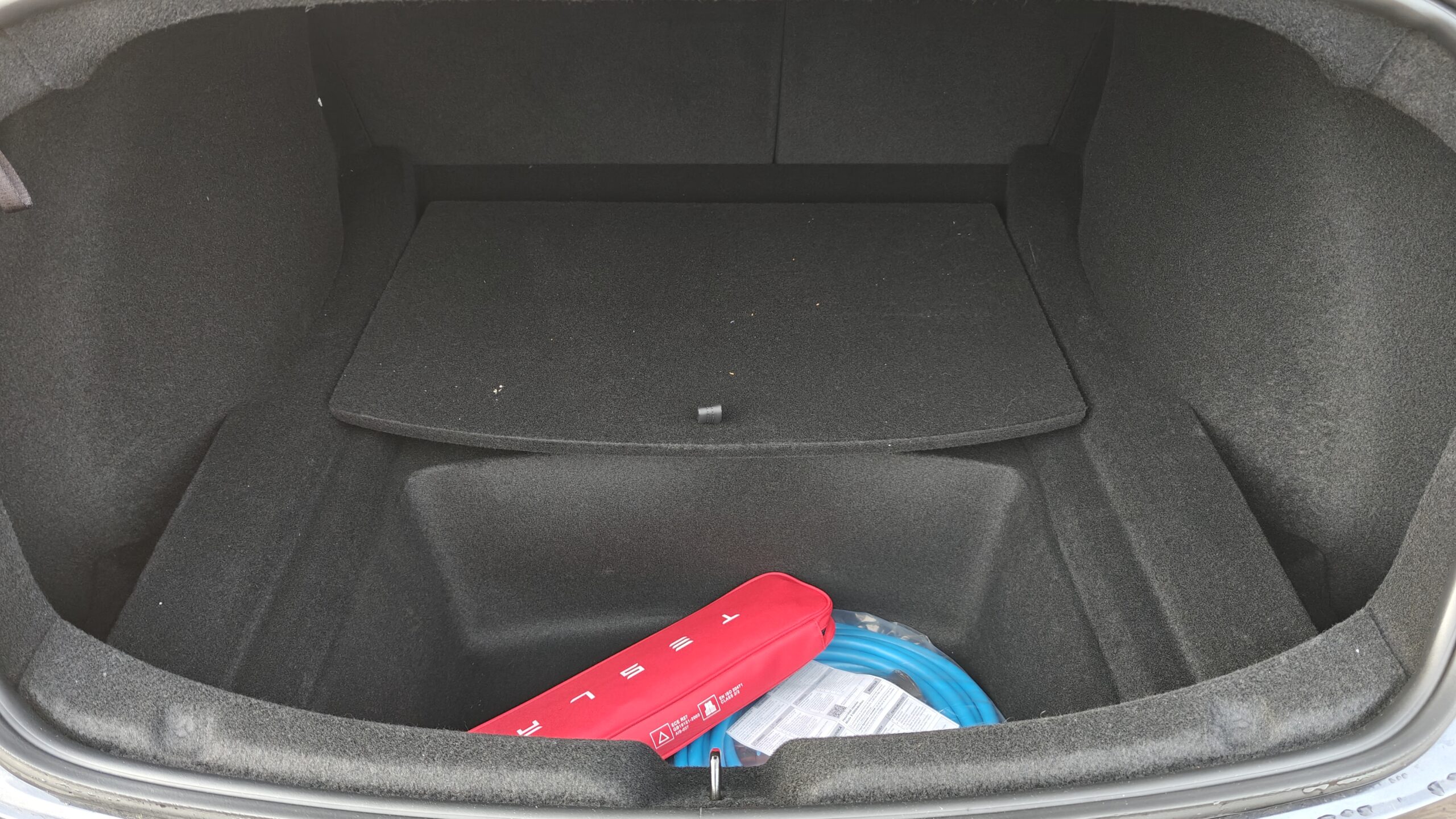
-
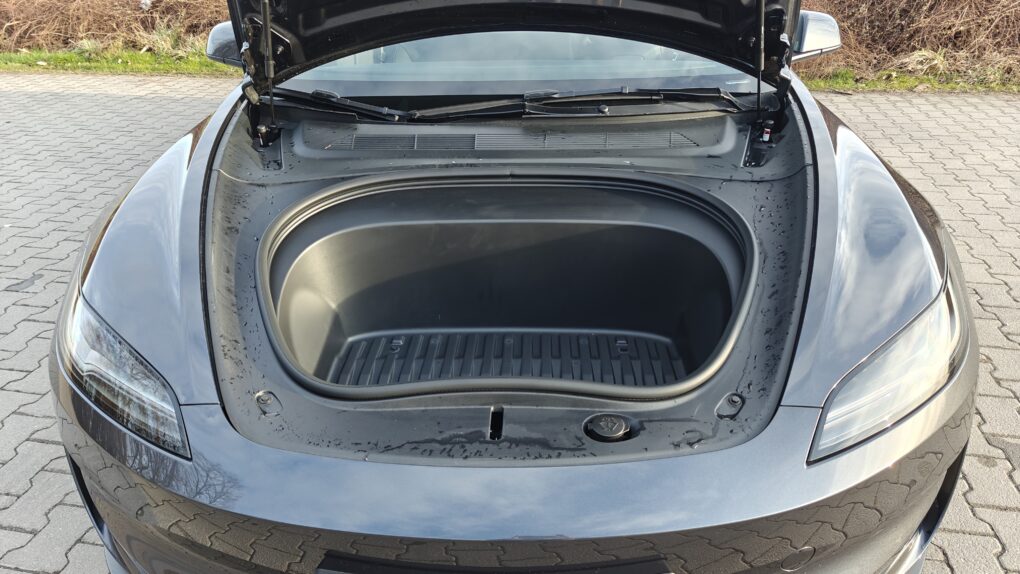
- Picture: TechnikNews
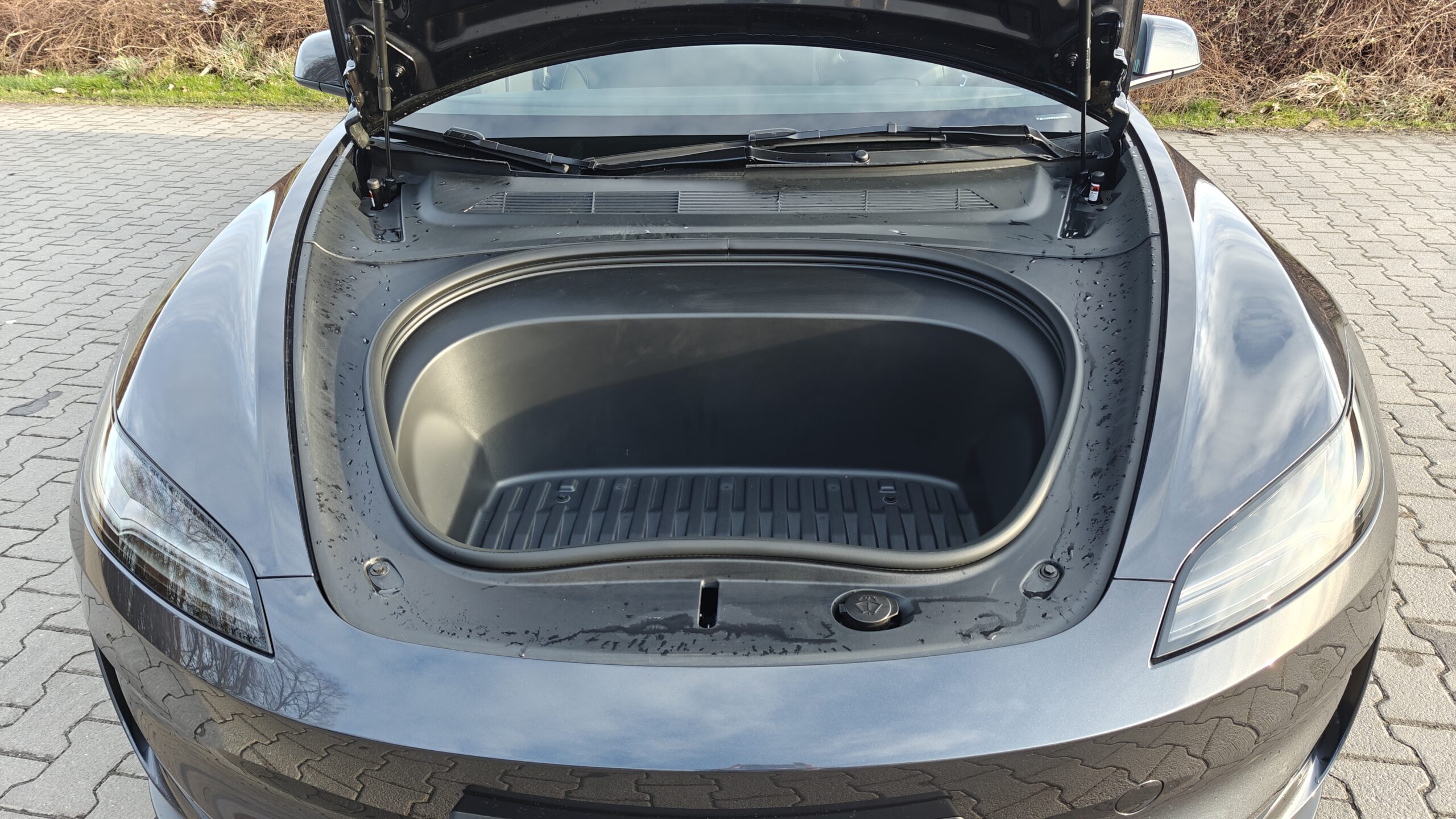
Performance
Acceleration is unparalleled
Tesla doesn't skimp on performance. But if you select the most powerful option in the configurator, things quickly become criminal. Two electric motors in the Model 3 Performance produce 400 kW / 544 hp, and the Tesla accelerates from a standstill with unparalleled sharpness. It accelerates from 0 to 100 km/h in just 3,1 seconds.
Performance at the charging station needs improvement
The Model 3 Performance's fast charger presents a somewhat different picture. While the maximum DC charging power of 250 kW is more than decent, in reality, it's usually far from that. Only with luck does the display jump to 250 kW, only to drop drastically again after a few seconds. At just 30%, the Model 3 only reaches 150 kW—a mere 100 kW less than its peak power. At 50%, the power display drops into the double digits.
The Model 10 Performance takes a good 80 minutes to charge from 3 to 33%, not a particularly good time. Tesla can even do it much better: The Tesla Model Y Standard Range with BYD's LFP battery makes the jump from 10 to 80% in just 19 minutes—almost a quarter of an hour faster than the Model 3 Performance.
Long distances without problems
Despite its modest charging capacity, the Model 3 Performance is a good car for long distances. With the aforementioned 544 hp and all-wheel drive, you shouldn't expect any efficiency records from the Model 3 Performance; for that, you'd better opt for the smaller rear-wheel drive version.
Nevertheless, the Performance model achieved a good fuel consumption of 137 Wh/km at 90 km/h and 183 Wh/km at 120 km/h in the range test. Both consumption figures were measured in February at an outside temperature of 10°C. With the 75 kWh battery, this results in a range of 547 km at 90 km/h and 410 km at 120 km/h.
Picture: TechnikNews
Top-class software and connectivity
Smooth operation with a feel-good factor
The central touchscreen display in the Tesla Model 3 Performance makes a very good impression. Not only is the system's speed outstanding, but the options are also extremely diverse. Media like Netflix or YouTube can be streamed in both the front and rear seats, and there's also a wide selection of games to entertain you.
Last but not least, music can be streamed via various platforms such as Spotify, Amazon Music, or YouTube Music, which, combined with the excellent sound system, is truly an experience. In short, you feel very comfortable in the Tesla even when stationary; boredom never occurs.
Stable and versatile smartphone app
Tesla also does a lot right with its smartphone app. The connection to the vehicle is stable, and the options offered are very extensive.
The smartphone plays a crucial role, even for getting into the vehicle and driving off. The "mobile phone key" connects automatically to the Tesla via Bluetooth and unlocks the vehicle as soon as the door handle is operated. An NFC key card serves as a backup in case the phone isn't handy.
Furthermore, the Tesla can be monitored around the clock via the smartphone app. Live images from Sentinel Mode can be accessed, and potential "threats" can even be scared away via a voice connection using the speakers on the outside of the vehicle.
In addition to standard app functions such as pre-conditioning, route planning, and other vehicle settings, the app also allows you to book a service appointment. For minor repairs, you often have the option of ordering a "Tesla Ranger" to come to your home and perform the work directly at home.
-
- Picture: TechnikNews
-
- Picture: TechnikNews
-
- Picture: TechnikNews
Missing steering column levers are a mistake
Tesla's penchant for unconventional approaches has often been rewarded in the past. However, every now and then, the Americans take it to extremes and increasingly attract criticism. The best example of this is the Model 3 Highland's lack of stalks behind the steering wheel.
Gear selection: Smart solution
The gear selector lever in Tesla cars was always located to the right of the steering wheel. This lever has now disappeared; instead, Tesla offers two ways to select the gear.
The first option is gear selection via the touchscreen. A small slider appears on the left edge of the display when stationary or at low speeds. You can drag it down for reverse and up for forward.
Typically, however, the slider is just a backup for the so-called "Smart Shift." This automatically calculates the direction the vehicle is most likely to travel based on historical and camera data and engages either forward or reverse gear as soon as the brake is applied. In practice, this actually works very well and offers a good alternative to conventional lever control.
Turn signals: Not optimal
The turn signal has also been relocated due to the removal of the steering column stalk; it's now located as buttons on the steering wheel. This is basically fine for driving on the highway or turning on country roads.
Things get exciting when you're trying to exit a roundabout. Suddenly, the steering wheel is facing the wrong way, and your head is spinning. Which button is for the right?
After a while, you'll get the hang of it, as you always exit the gyroscope to the right, so you only have to remember which button is the right one once. Nevertheless, the traditional lever version would definitely be easier here.
High beam: Why truck drivers don't like Tesla
Tesla has also come up with an alternative for the high beams, due to the lack of a lever. Like the turn signal, a button has been integrated into the steering wheel for adjusting the high beams. To flash, you press this button briefly; to turn on the high beams, you hold the button for one second.
This leads to a number of problems in practice. First, it should be mentioned that the Model 3 comes standard with matrix LED lights. However, these often fail to detect oncoming trucks, especially on the highway, because the headlights of oncoming traffic disappear behind the guardrail.
If you want to turn off the high beams manually, you have to briefly press the high beam button on the steering wheel. At this point, however, you'll inevitably flash your headlights, which will not only continue to dazzle the oncoming truck, but also the vehicles ahead in your lane. So, in principle, no matter what you do, you'll constantly dazzle other road users on the highway.
A simple solution would be to permanently turn off the high beams on the highway. But that doesn't work either, because as soon as Autopilot is activated, the automatic high beams are also activated at the same time – regardless of whether you manually turned them off beforehand. It's a dilemma that currently has no solution. Tesla urgently needs to address this with a software update.
Picture: TechnikNews
Autopilot with weaknesses
Tesla has been offering Autopilot in all its vehicles at no extra charge for several years. The system can automatically maintain lanes and adaptively control speed. For an additional €3.800, the system can be upgraded, theoretically even later via a software update, to include automatic lane change, Smart Hail, and Autopark. The "full potential for autonomous driving" includes all of the aforementioned enhancements plus traffic light and stop sign assistance – an additional charge to the basic Autopilot: €7.500.
Tesla was a very early adopter of Autopilot, a very impressive assistance system. However, in recent years, development in Europe has virtually come to a standstill. There's still no reliable sign recognition, which means that when driving on Autopilot, the driver is constantly braking in places where there used to be roadworks with speed limits years ago, but which have long since disappeared. Other systems, such as those from Volkswagen or BMW, automatically and predictively brake and accelerate at speed signs – Tesla is a far cry from that.
The automatic lane change assistant also doesn't work reliably enough. Sometimes the lane change is aborted or even doesn't work at all.
Overall, Tesla Autopilot requires too much driver intervention, which negatively impacts driving comfort. While Tesla can do things differently, as can be seen with Full Self Driving in America, European customers currently have none of that. It remains to be seen when the system will be available in Europe.