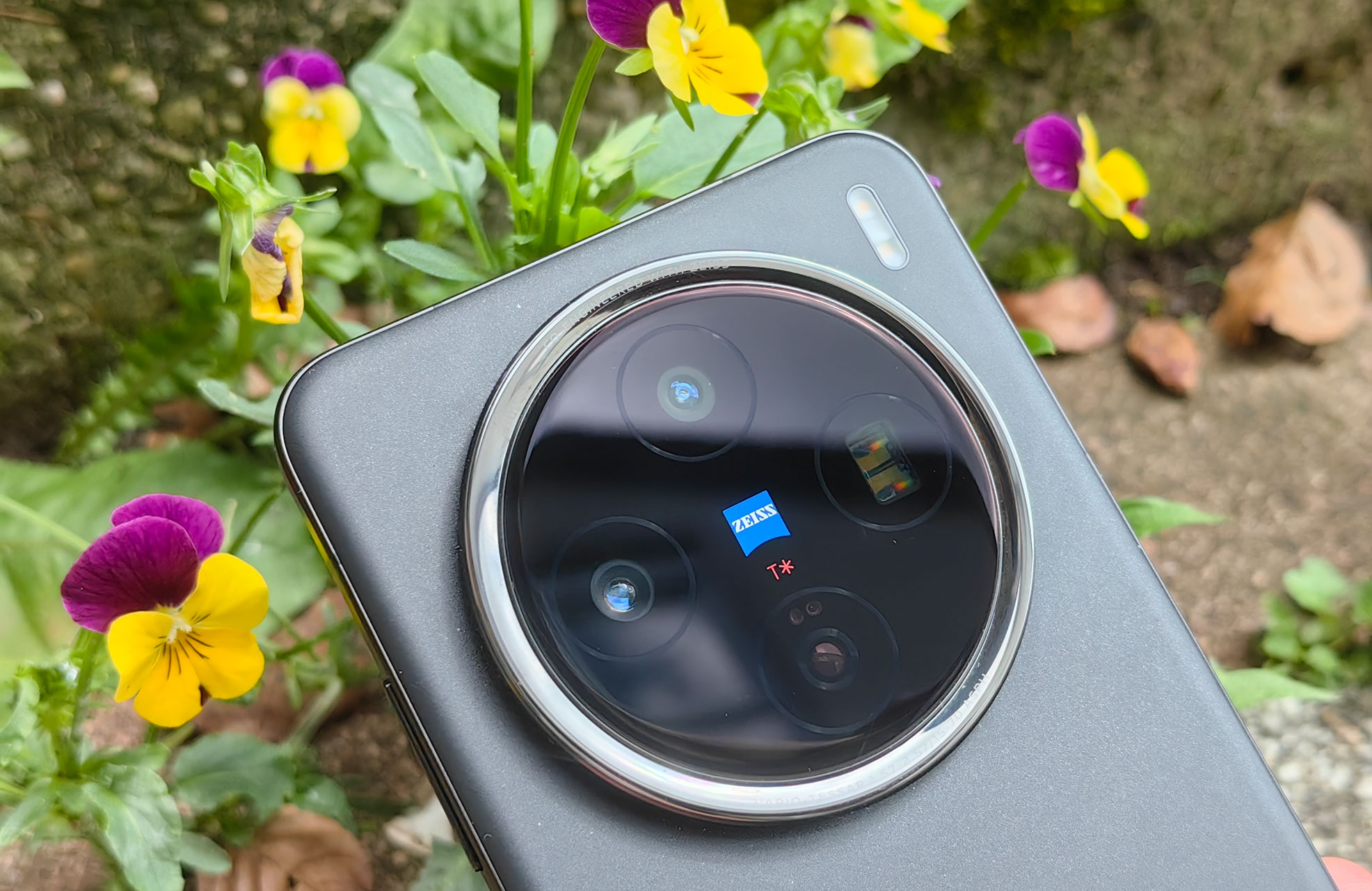
The Vivo X200 is clearly in the shadow of the X200 Pro – but is that really justified? A look at the specs and the current price of around 700 euros certainly raises doubts.
For what I consider a fair price, you get, among other things, a 120 Hz OLED display, the MediaTek Dimensity 9400 processor, up to 12 GB of RAM, three 50-megapixel cameras, and a 5.220 mAh battery. Compared to the Pro model, on paper, you only have to make slight compromises in the main and telephoto cameras, storage, fingerprint sensor, and wireless charging. Find out whether these compromises are noticeable in everyday use and why I liked the Vivo X200 so much in this review.
Conclusion on the Vivo X200
The Vivo X200 honestly surprised me—in the best possible way. I didn't expect the differences to the more expensive Pro model to be so minimal in everyday use. On paper, the Pro model may seem a touch better, but in daily use, you hardly notice it. The X200 also offers a strong camera, a fast fingerprint sensor, and an overall well-rounded user experience.
Given the current price At around €700, the X200 is a much more attractive choice for me. Compared directly to the X200 Pro, which currently costs around €1.100, it offers significantly better value for money. I consider a €400 premium to be absolutely excessive – in my opinion, a fair price would be somewhere between €150 and €200.
We would like to thank Vivo Austria for providing the Vivo X200!
Design – the perfect size
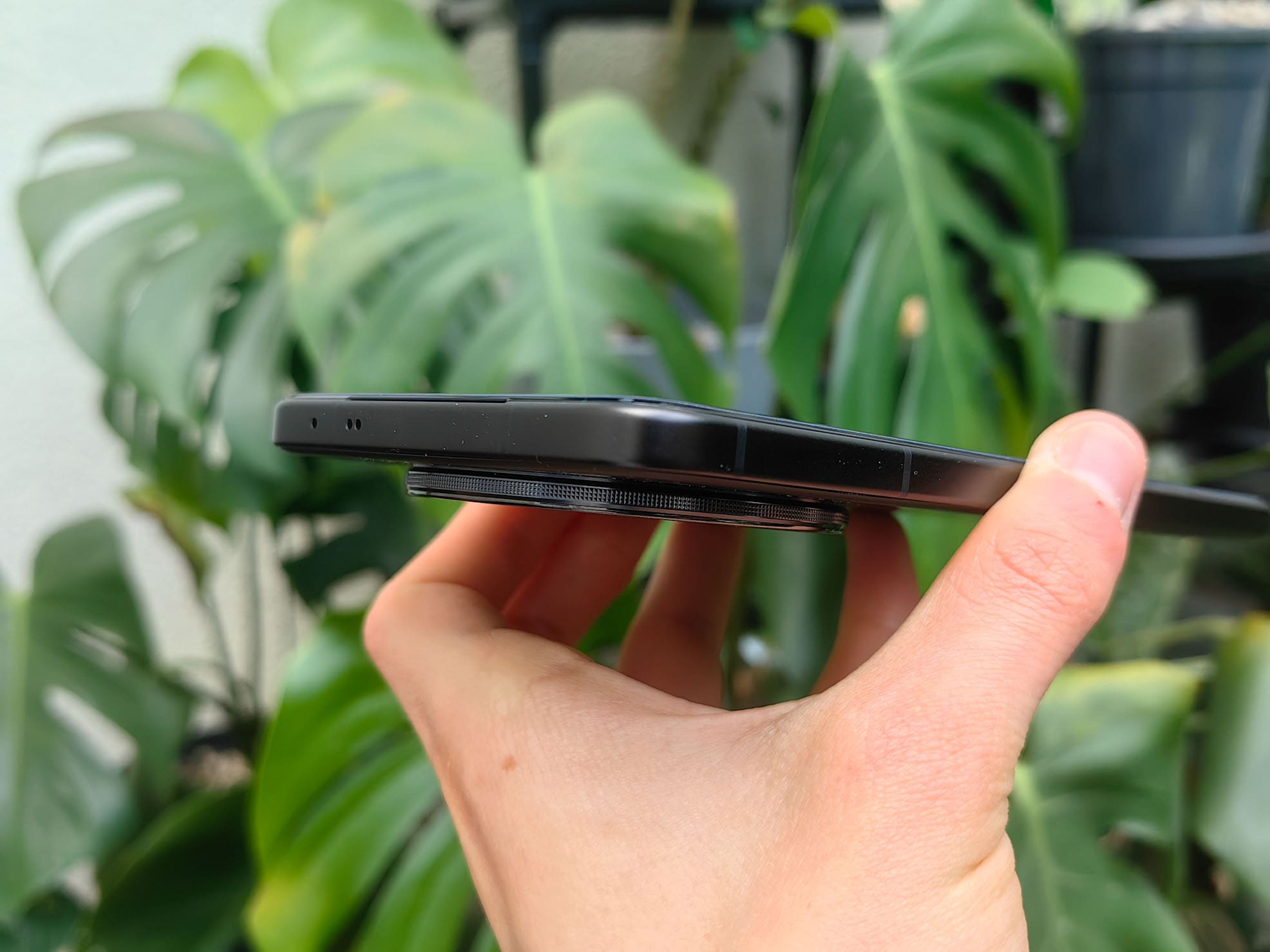
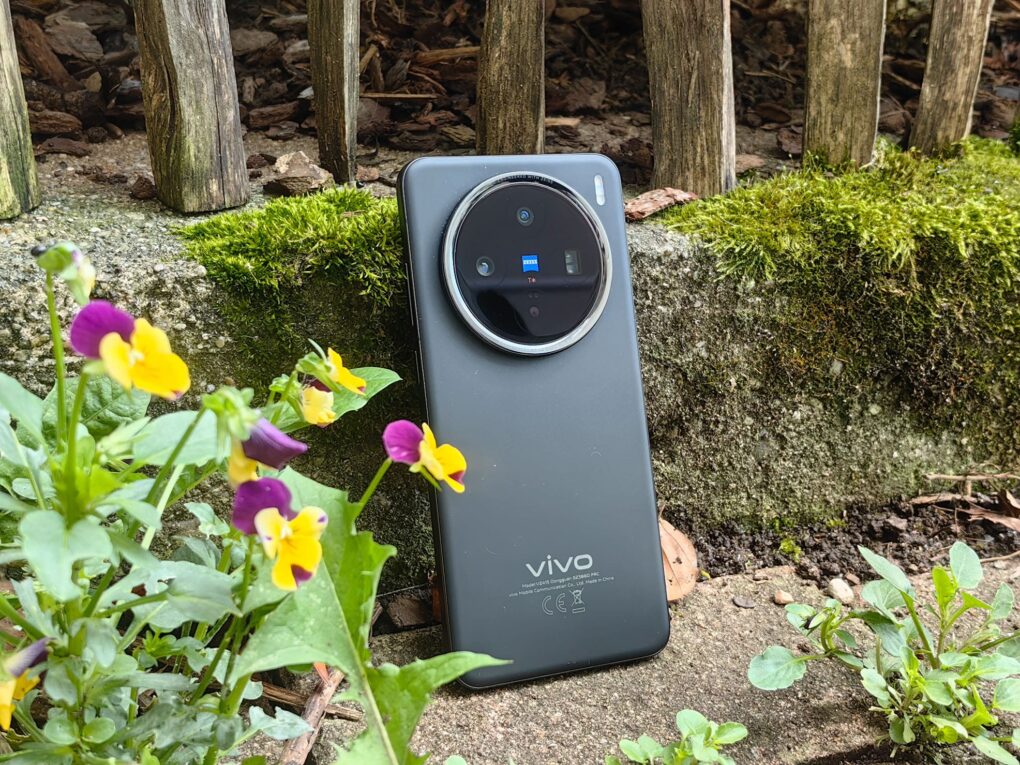
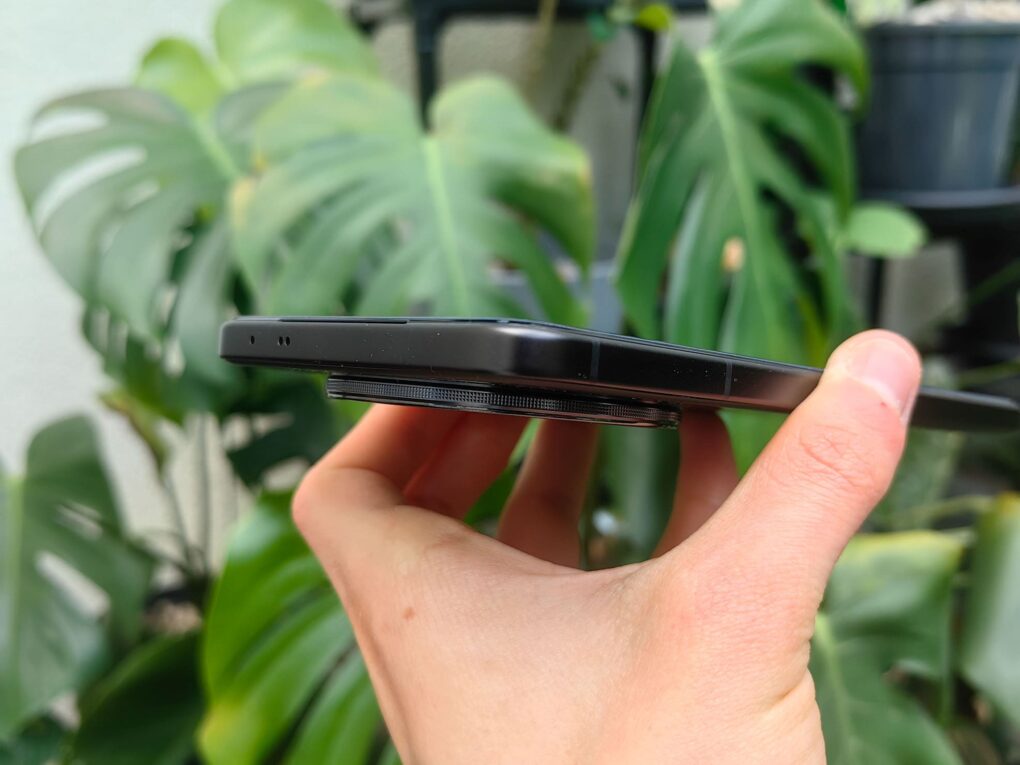
The Vivo X200 Pro impressed us across the board in our test, but its enormous size probably won't be for everyone. And this is exactly where the regular X200 perfectly matches up. With dimensions of 160,27 × 74,81 × 7,99 millimeters, it's not exactly a small smartphone, but it's noticeably more compact and, at 197 grams, noticeably lighter. For me, it's almost the perfect smartphone size, even if full one-handed operation isn't always possible. Despite the angular frame, the X200 feels very comfortable and easy to grip. The material used is matte aluminum, which feels very robust and high-quality. It's also hardly susceptible to fingerprints.
-
- Picture: TechnikNews
-
- Picture: TechnikNews
-
- Picture: TechnikNews
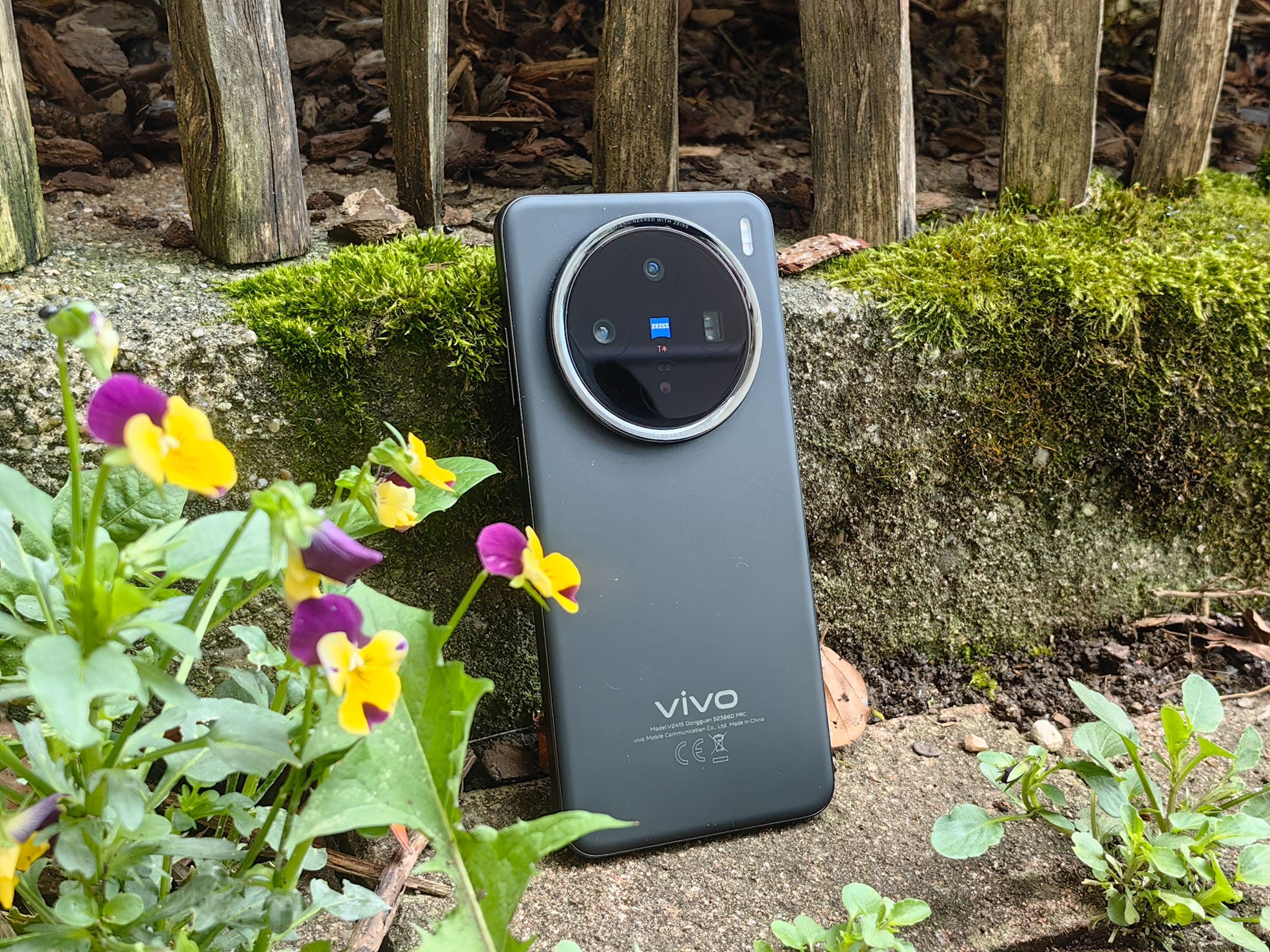
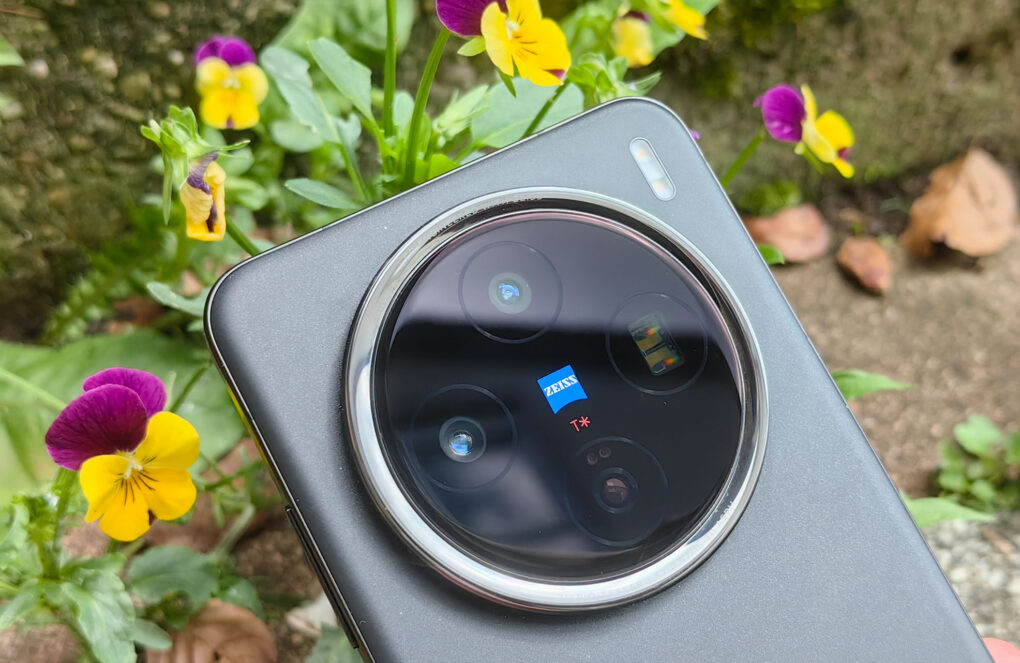
Matte glass is used on the back, which creates a high-quality and elegant impression. Unfortunately, there's only one color available: black, which I find a bit of a shame. Personally, I like the silver color of the Pro model much better. The triple camera is located in the upper third, which, similar to the X200 Pro, protrudes significantly from the housing. I personally like this camera design very much, but I've also talked to a few people.propeople who didn't like the camera design.
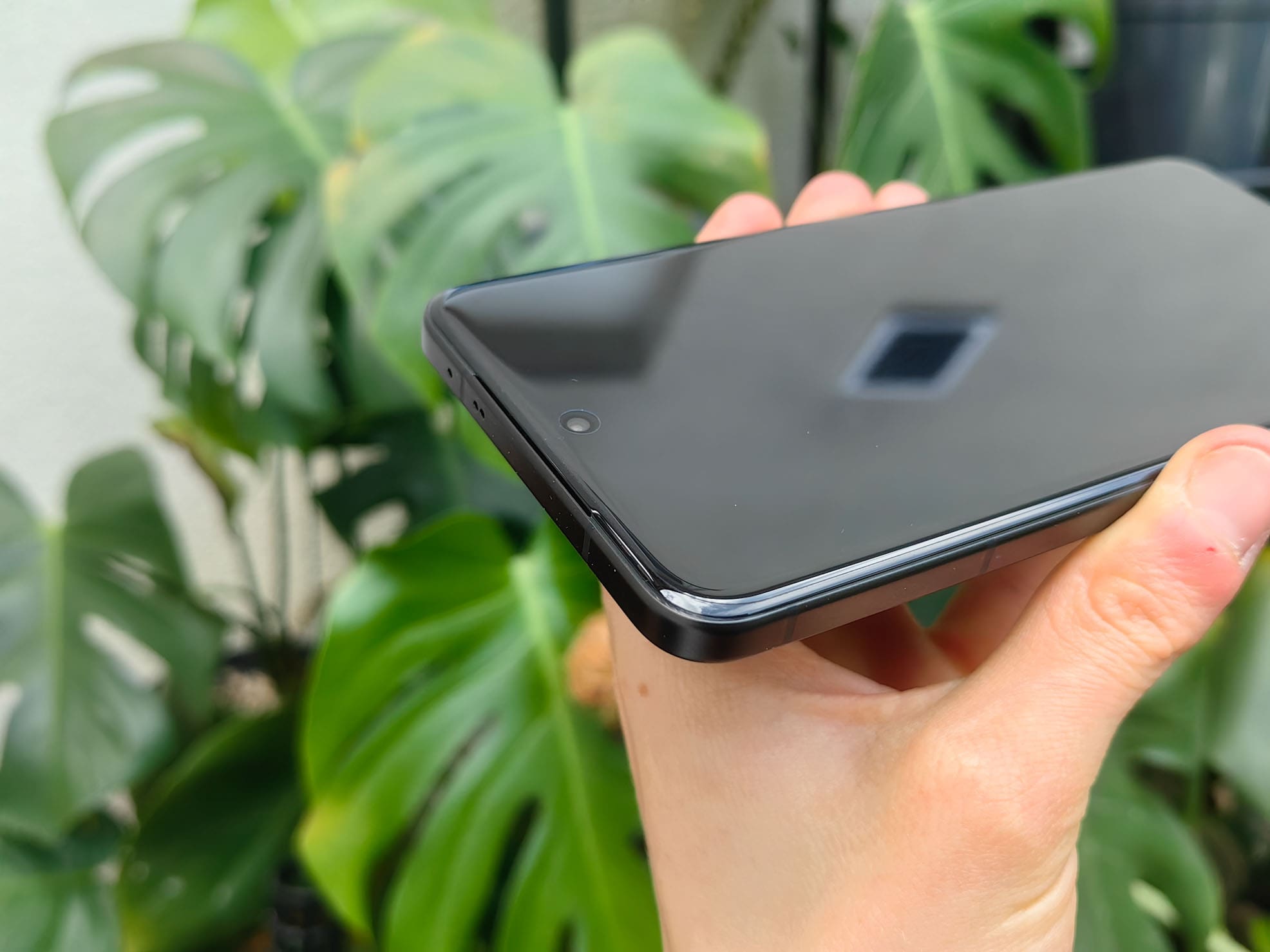
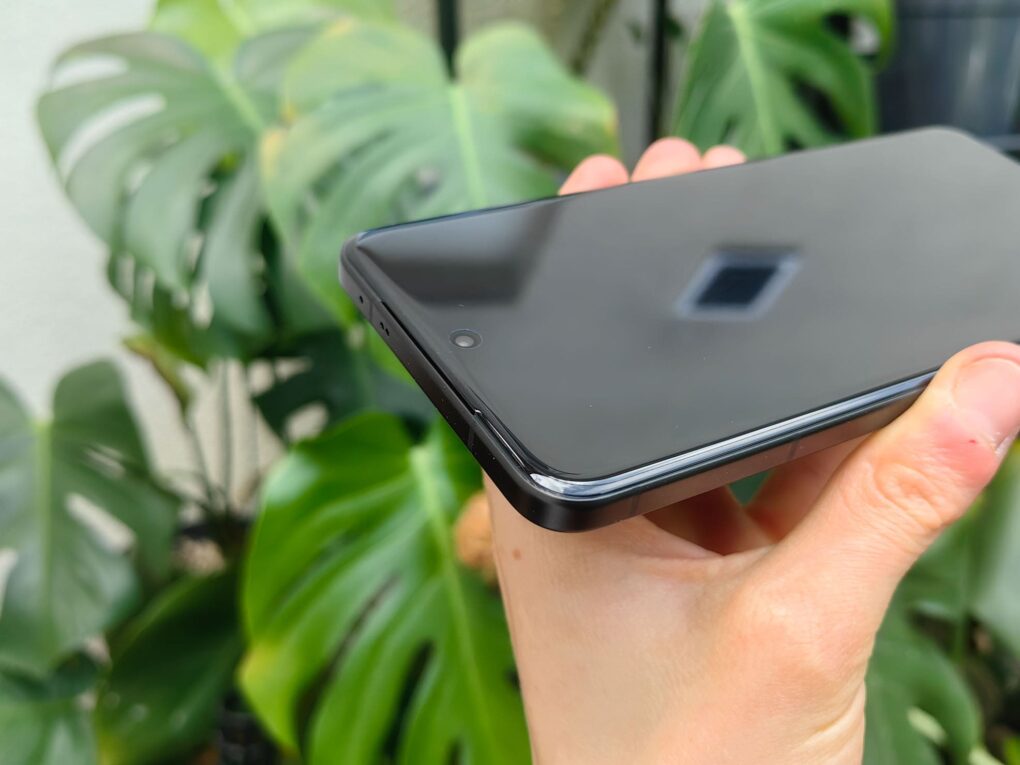
My absolute design highlight is on the front. As with the Pro model, the display is subtly rounded on all four sides, making edge swipes particularly comfortable. It also makes the display bezels appear even thinner than they already are. In my opinion, the Vivo X200 is currently one of the most beautiful smartphones on the market.
Display – excellent
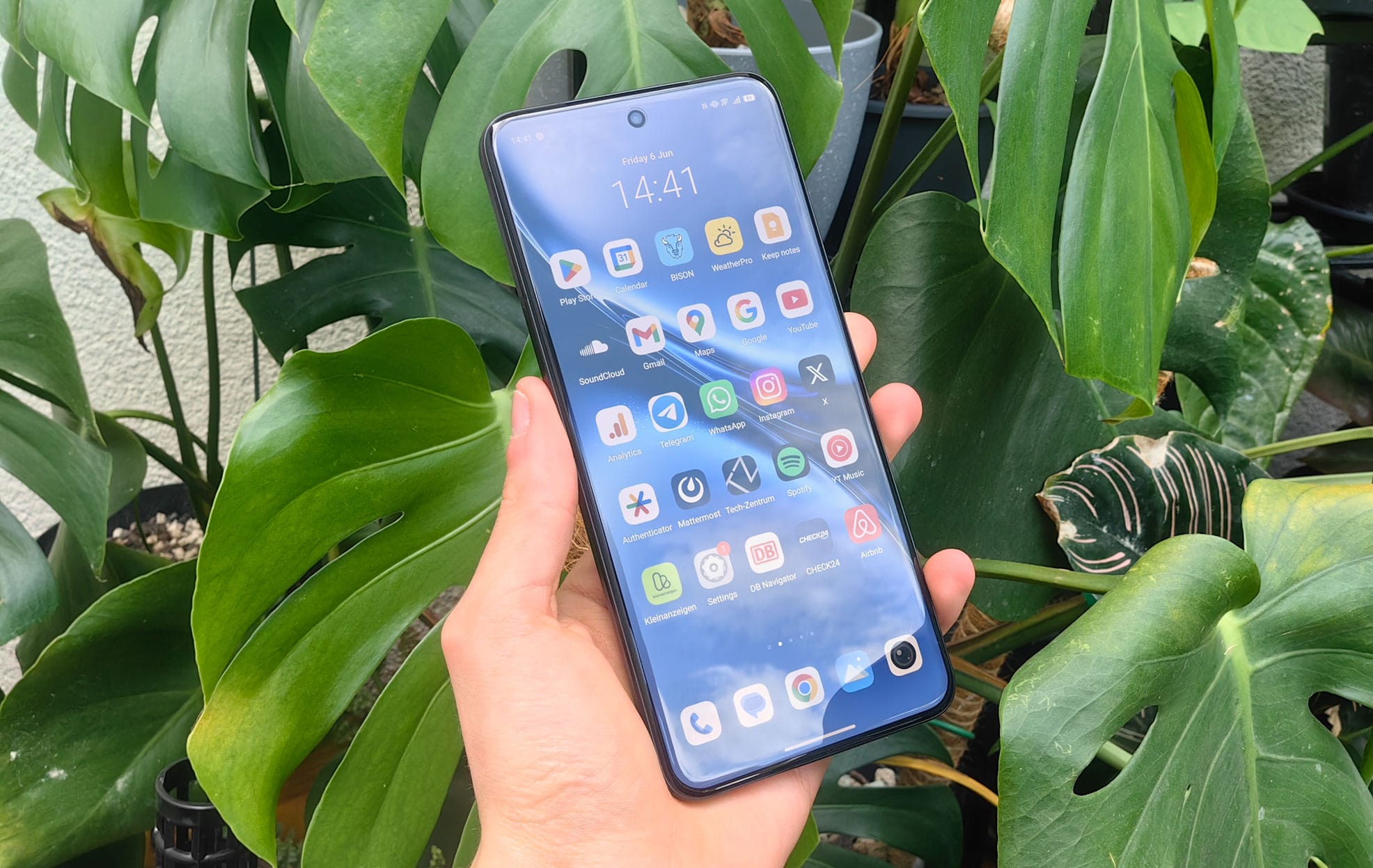
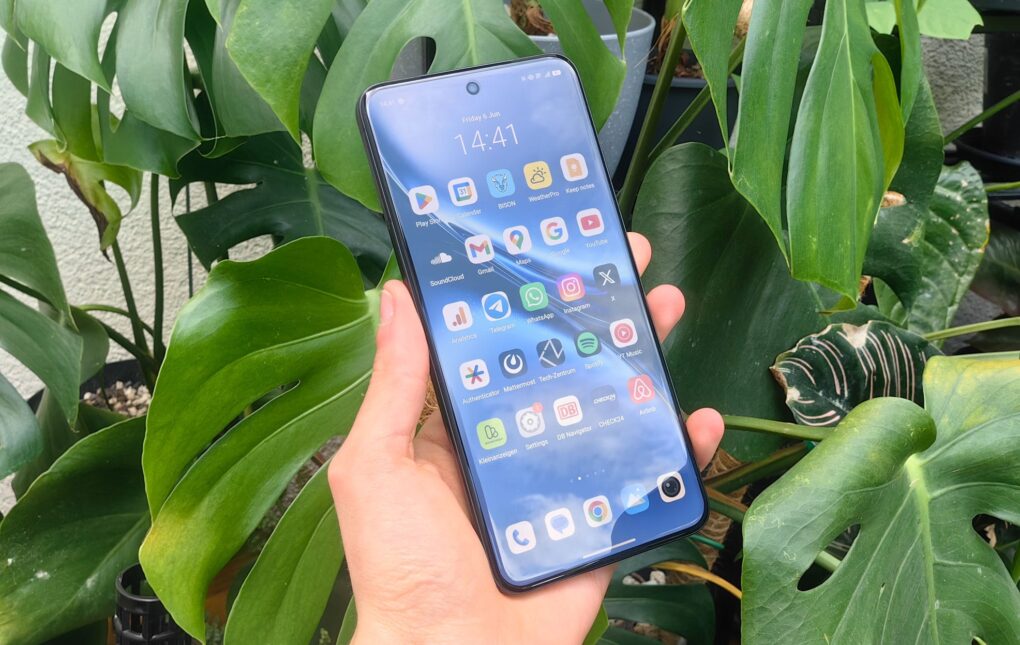
The display measures 6,67 inches, making it only slightly smaller than the X200 Pro. It's an OLED panel with a resolution of 2.800 x 1.260 pixels and a smooth refresh rate of 120 Hz. The resolution is so high that you won't be able to see any individual pixels in everyday use. Animations and scrolling appear beautifully smooth thanks to the 120 Hz refresh rate.
Picture: TechnikNews
I really like the color reproduction, as it reproduces colors realistically, especially in "Natural" mode. If you prefer a more saturated look, you can adjust it in the settings with just a few clicks. The viewing angle stability is very stable, and the maximum brightness is above average—especially for a price tag of €700. Even on very sunny days, I never had any issues with readability.
Software – Funtouch OS 15
The X200 runs Funtouch OS 15, which is based on Android 15. Vivo promises four major Android updates as well as security updates until 2030. Samsung, Apple, and Google offer a bit more, but for the current price, that's perfectly acceptable.
Funtouch OS has a clean overall look and is free of unnecessary bloatware. The design of the home screen, notification bar, and lock screen is well thought out and harmonious. The Settings app could be a bit more structured, but it offers a wealth of features – such as customizable animations or a versatile always-on display. Overall, the software is suitable for users who prefer a more classic and simple look, as well as for those who like to fine-tune details. Personally, I prefer Magic OS on the HONOR Magic 7 Pro – but that's purely a matter of taste.
Performance – fast and warm
As with the Pro model, Vivo has installed the MediaTek Dimensity 200 in the X9400. It also comes with 12 GB of RAM and 256 GB of internal storage. The X200 Pro also comes in a version with 16 GB of RAM and 512 GB of internal storage.
The SoC is based on the modern 3-nanometer process and, according to the data sheet, is particularly efficient. However, I noticed that the device occasionally became noticeably warm, even during light use. But this was never a cause for concern.
And how about performance? It's outstanding. Apps open and close lightning fast, thanks in part to the very smooth animations that Vivo has cleverly tuned. Stutters or lags? None. The X200 handles even complex applications effortlessly. In terms of speed, Vivo is clearly in the top league.
Battery – better than the Pro?!
The battery has a capacity of 5.220 mAh, which is 20 mAh more than the X200 Pro. Since the Pro's display is slightly larger, the Vivo X200 actually lasts slightly longer. At the end of the day, with screen-on time of 3,5 to 4,5 hours, I still had at least 65 percent and a maximum of 70 percent battery left. Great!
The smartphone can be charged with up to 90 watts. A full charge takes less than an hour, which is a solid performance. Unfortunately, the Vivo X200 – unlike the X200 Pro – doesn't support wireless charging, which I find quite a shame in this price range.
Camera – surprisingly good
Vivo uses a triple camera setup developed in collaboration with ZEISS. It's positioned as follows:
- 50 Megapixel main camera
- 50 megapixel ultra wide angle camera
- 50 megapixel telephoto camera – 3x optical
Picture: TechnikNews
Especially in "Standard" color mode, the Vivo X200 captures very natural shots that appear significantly less oversaturated than in "Vivid" mode. Colors appear balanced, the dynamic range is excellent, and the image sharpness is impressive across the board. In good lighting conditions, there is practically no difference to the more expensive X200 Pro—the image quality is almost identical.
A slight difference becomes apparent in lower light conditions: The X200's photos appear slightly cooler and slightly darker, but the difference is hardly relevant in everyday use. The ultra-wide-angle camera also delivers almost identical results in a direct comparison with the Pro model—there are no significant compromises here.
Although the telephoto camera looks significantly different from the Pro on paper, the regular X200 also delivers impressive zoom results. Images are particularly detailed and clear at 3x and 5x magnification. Even at 10x zoom, the shots remain usable. Sure, the X200 Pro offers a bit more zoom capability overall—but in my opinion, that alone doesn't justify the noticeable premium.
Other – fingerprint sensor, speaker, etc.
Unlike the X200 Pro, which is equipped with a modern 3D ultrasonic fingerprint sensor, the regular X200 relies on an optical sensor under the display. While this is considered somewhat less secure, it works just as quickly and accurately in everyday use. Unlocking works reliably and without lag.
Last but not least, I would like to highlight the stereo speakers and the vibration motor. I was not a fan of the vibration motors for a long time, but since the X80 Pro Vivo is also at the top here.

 on June 27, 2025, 15:47 pm | Write a comment