
Google today announced Android 17, the next major stage of its mobile operating system. According to the company, Android has been transformed from a classic operating system into a true "intelligence system". Version 17 relies fully on deeply integrated AI functions, State-of-the-art security architectures and improved creative tools, while at the same time modernizing the infotainment system in the car and the sharing between different platforms.
Gemini Intelligence in everyday life: From app automation to Rambler
At the heart of Android 17 is Gemini Intelligence, which helps the user to perform complex tasks. proto actively perform tasks. The AI is capable of independently navigating and automating multi-step tasks within popular apps such as food delivery or ridesharing. This is particularly useful in conjunction with visual context: If you have a shopping list open in your notes, simply hold down the power button to ask Gemini to create a suitable shopping cart with a delivery service. Similarly, taking a photo of a travel flyer is enough to instruct the AI to search for a similar tour on Expedia, while the progress can be tracked in the background via live notifications.
Additionally, Gboard is introducing Rambler, a new feature optimized for natural human speech. Users who stumble over their words while dictating, use filler words like "um," or correct themselves no longer need to worry, as Rambler filters out the key points and rephrases them into a concise, written text. Thanks to its advanced multilingual model, the tool understands nuances and can seamlessly switch between different languages within a single message. The "Create My Widget" feature is also being introduced for the home screen, allowing users to easily generate highly personalized widgets using natural language, such as a weekly recipe dashboard or a weather display showing only wind speed and rainfall.
Maximum security against banking scams, theft and malware
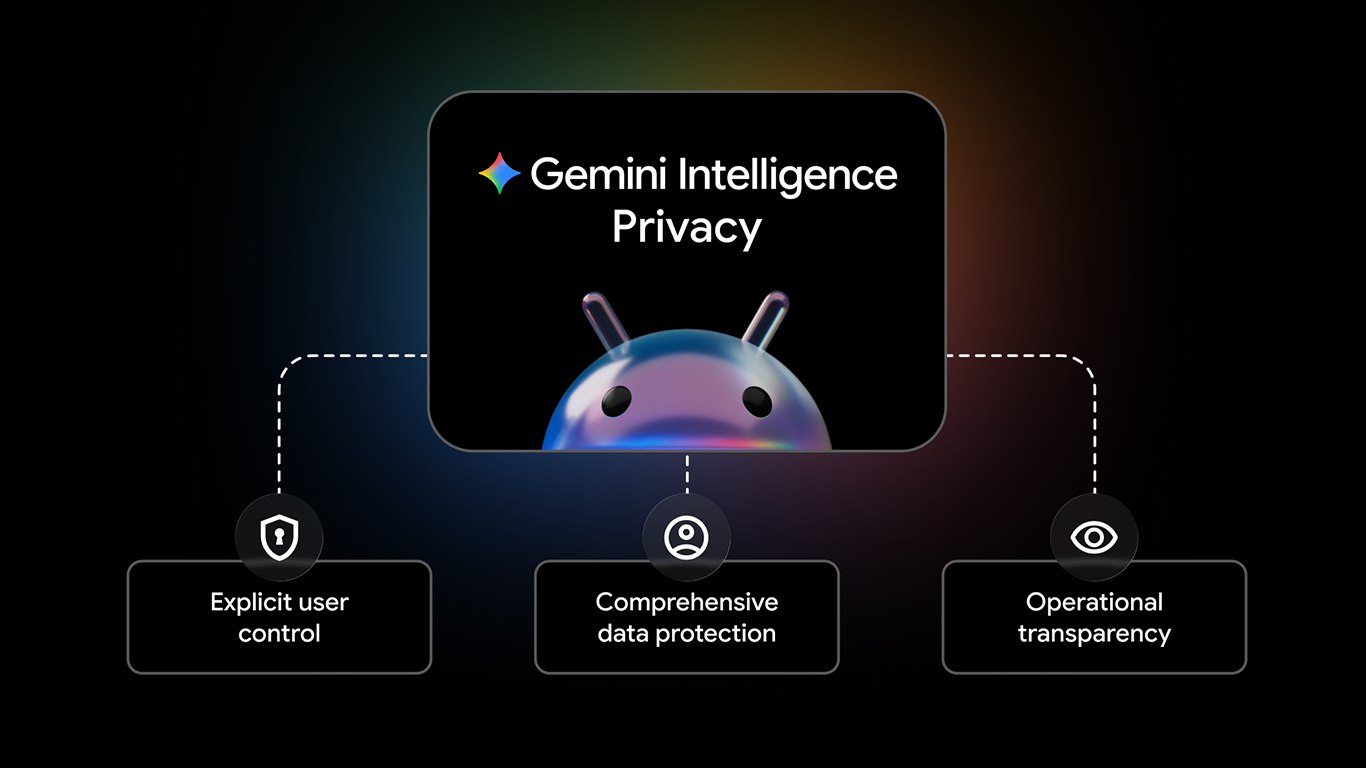
Security and privacy are paramount in Android 17 and are based on the three core principles of explicit user control, comprehensive data protection, and operational transparency. To combat worldwide losses caused by fraudulent bank calls, also known as caller ID spoofing, Google is introducing verified financial calls. The system automatically compares incoming calls in the background with installed and logged-in banking apps and terminates calls from spoofed numbers.
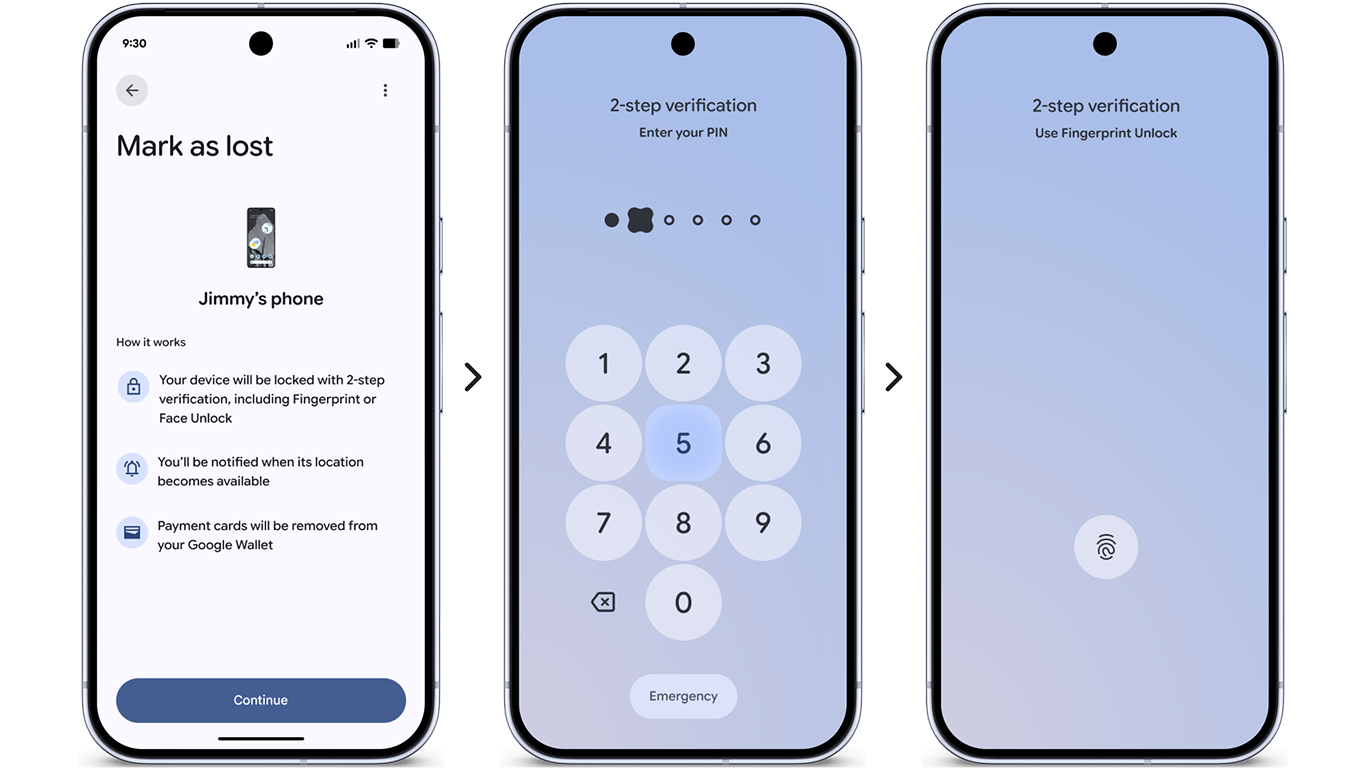
At the same time, enhanced Live Threat Detection, powered by on-device AI, provides real-time protection against malicious applications by now also recognizing suspicious behavior patterns such as unauthorized SMS forwarding or the misuse of overlays. In the event of device theft, the phone can be locked via the Find Hub using the "Mark as lost" function, which now requires mandatory biometric verification such as a fingerprint or facial scan. This prevents thieves who may have previously obtained the passcode. User privacy is protected. proIt also features a new temporary location button for quick tasks such as finding a cafe and a precise contact picker that only grants access to specifically selected contacts instead of the entire address book.
New tools for creators and digital well-being
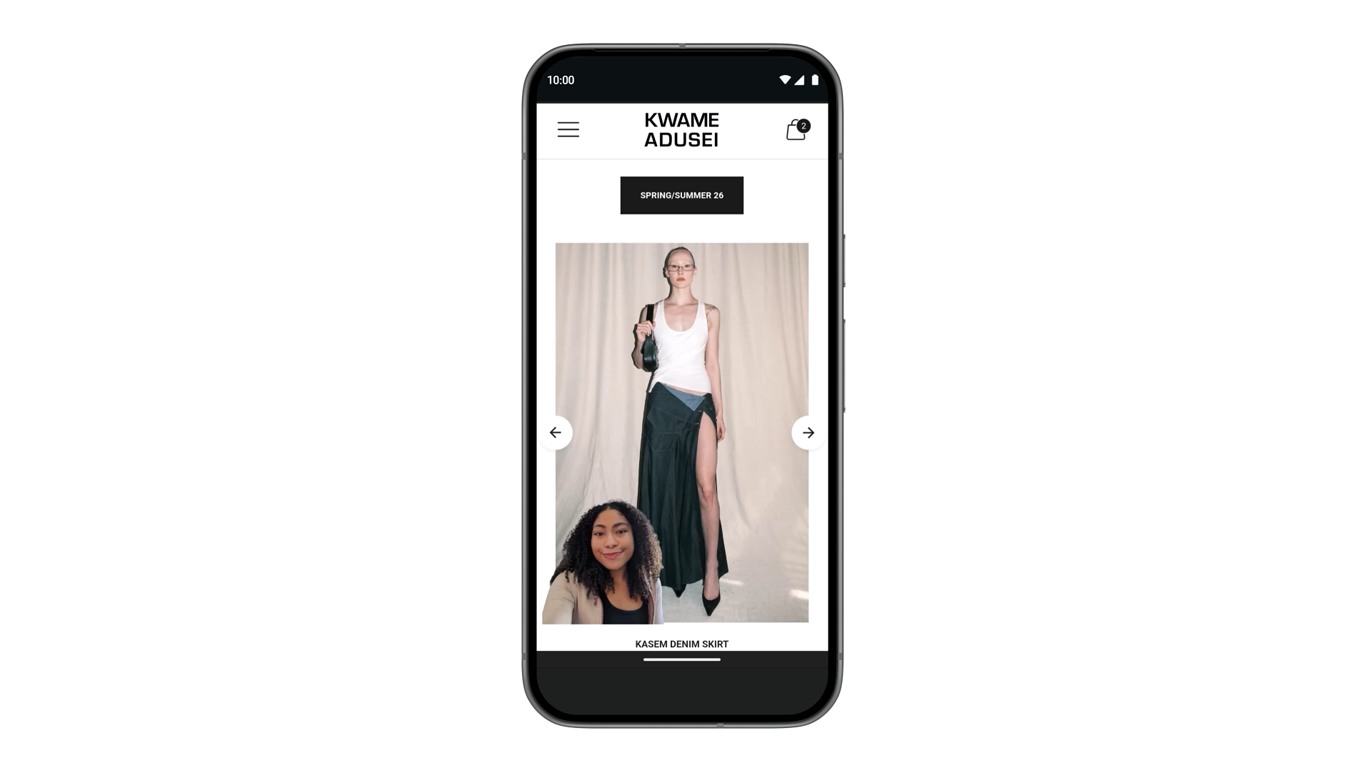
For content creators, Android 17 offers tools that were previously only available through third-party solutions. The Screen Reactions feature allows users to simultaneously record their face and the screen content to easily create reaction videos. Meta's Instagram integration has been significantly optimized, bringing Ultra HDR for photos, Night Sight, and integrated video stabilization directly into the app, with tests confirming excellent video quality upon upload. Professional filmmakers can also utilize APV (Advanced Professional Video), a highly efficient video format that debuted on devices such as the Samsung Galaxy S26 Ultra.
To counteract unconscious scrolling on smartphones, Google is introducing the Digital Wellbeing feature Pause Point. When distracting apps are opened, the function forces a 10-second pause, allowing users to take a breather or start suggested alternatives such as an audiobook. Disabling the feature prematurely is intentionally made more difficult, as it requires a complete restart of the smartphone.
Android Auto, cross-device sharing and 3D emojis
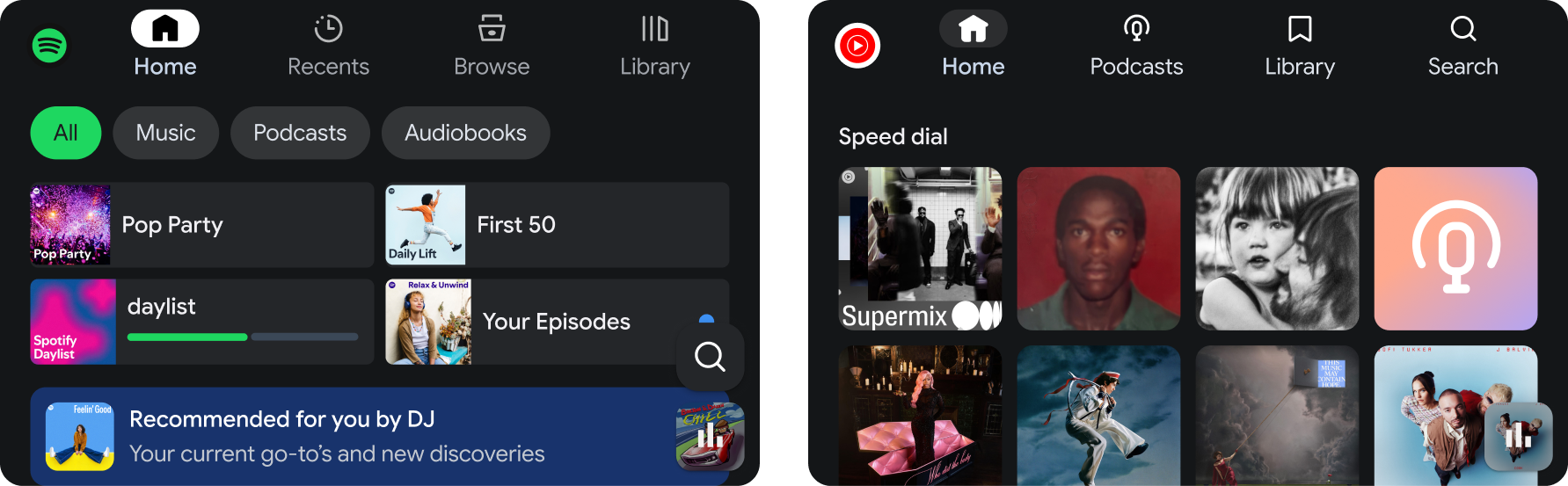
The innovations also extend to the automotive sector and the interaction of various devices. Android Auto receives a comprehensive visual update based on Material 3 Expressive with customizable widgets and a detailed 3D view in Google Maps, including lanes and traffic lights. When parked, users can watch YouTube videos in full HD at 60 frames per second. pro It streams for a second, with playback seamlessly transitioning to pure audio mode when the car starts moving. Gemini in the car also understands incoming text messages in context and suggests appropriate replies via Magic Cue. In vehicles with a directly integrated Google system, Gemini can additionally answer vehicle-specific questions, such as explaining warning lights on the dashboard.
For easier sharing, Quick Share will be directly compatible with AirDrop for supported Android devices starting this year, while for all other recipients, a cloud-based QR code can be generated to quickly transfer files to iOS devices. Switching between iOS and Android has also been revamped, allowing passwords, photos, eSIMs, and even the home screen layout to be migrated wirelessly. Finally, Google is introducing new Noto 3D emojis, which feature a three-dimensional look, bringing more vibrant emotions to digital communication.
Release and device compatibility
Android 17 and the new Gemini Intelligence features will be rolled out in waves starting this summer for the Samsung Galaxy S26 and the Google Pixel 10, before other smartphones, watches, and laptops follow later in the year. Many of the more complex AI functions and automations require devices with at least 4 GB of RAM and a paid Gemini Pro or Ultra subscription.