Apple's entry into the foldable smartphone market is drawing closer and apparently brings with it extensive software adjustments. According to current information, the device will use an interface strongly reminiscent of the iPad to optimize the larger display area for efficient multitasking.
Software: iOS with tablet genes
Who Bloomberg News Reports indicate that Apple is planning a special adaptation of iOS for the foldable iPhone. Although the device will not run iPadOS, key elements of the tablet software will be adopted. These include sidebars on the left edge of the screen and the ability to run two apps side-by-side. This side-by-side feature clearly emphasizes productivity, while developers will be able to more easily adapt their iPhone apps to the wider layout via new interfaces.
Hardware: Wide display and goodbye to Face ID
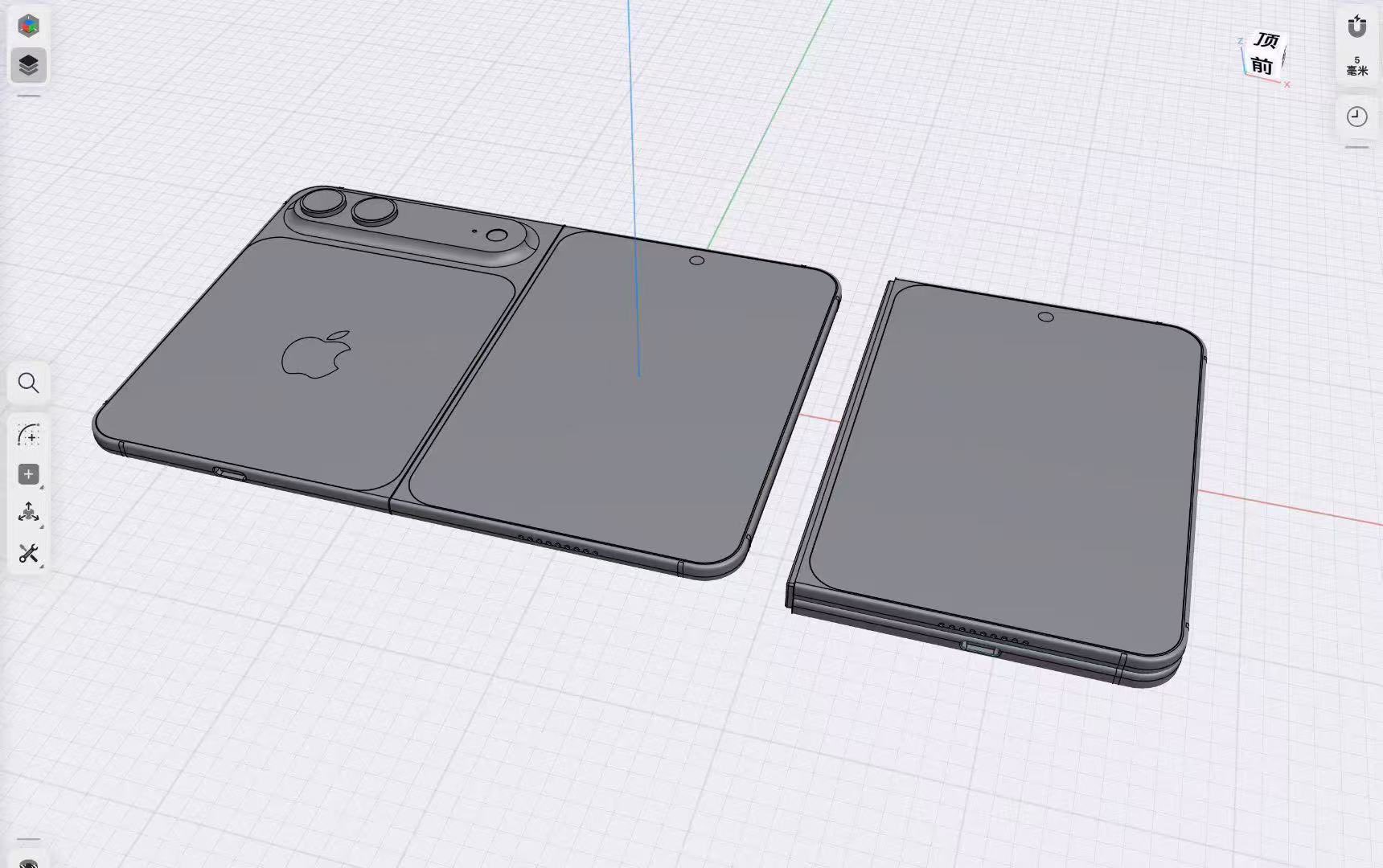
The inner display of the new iPhone is expected to be similar in size to the iPad mini when unfolded. Unlike many current foldables, Apple is opting for a wider aspect ratio, which should offer advantages, especially for video playback. However, to keep the thickness of the device slim when folded, the company will have to implement some technical solutions.proMisse to enter. Since the sensors for Face ID would take up too much space, the fingerprint sensor Touch ID moves into the power button on the side – a first for modern high-end iPhones.
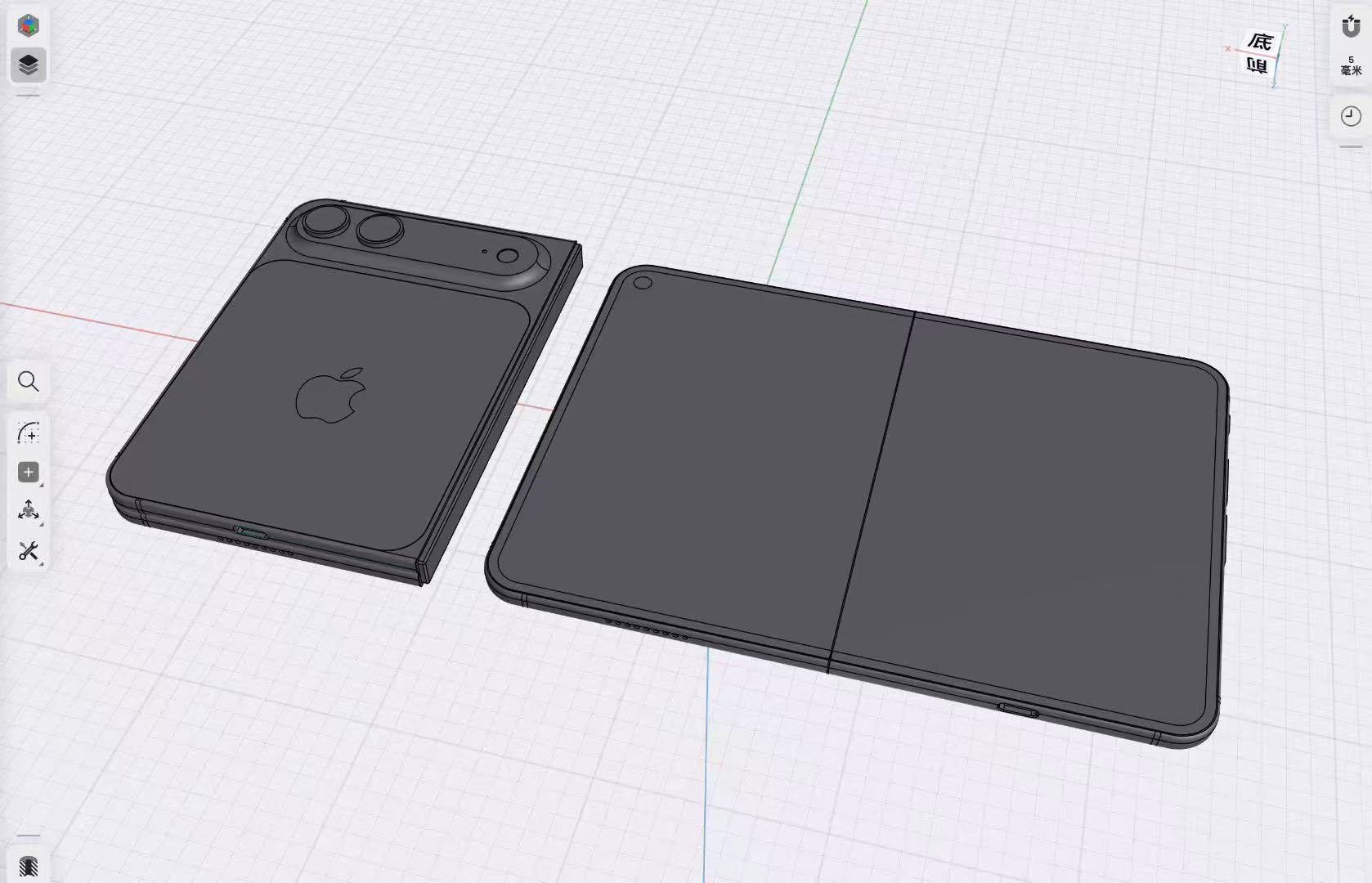
The external display will be more compact than those of current standard iPhones and will forgo the familiar pill-shaped notch. Instead, a small hole-punch design will be used for the front camera, which is also expected for future MacBook models with touchscreens. Despite the removal of the Face ID hardware components, Dynamic Island will remain as a software feature for system notifications.
Focus on display quality and durability
According to internal sources, Apple has announced the market launch. Bloomberg News The release was deliberately delayed to address issues such as the visible crease in the display and mechanical durability. A new display technology is intended to significantly reduce the crease compared to the competition, though it won't eliminate it completely. During the testing phase, Apple also decided against an under-display camera because the image quality didn't meet their standards. Therefore, the inner display will also feature either a small cutout or a hole-punch design.
Price and release
The foldable iPhone will be positioned at the top end of the portfolio and is expected to cost around $2.000. This puts it significantly above the current Pro models, but with its large inner display and new multitasking options, it offers clear added value for power users. A dual-camera system will be used on the back, a reduction compared to the three lenses of the current Pro series. The release is expected in fall 2026, meaning Apple will be entering this device category roughly seven years after the first Samsung Fold.