
smart #1 Brabus review: Unobtrusively sporty
A TEST REPORT from Dominic Lux  on February 22, 2024, 13:00 | Write a comment
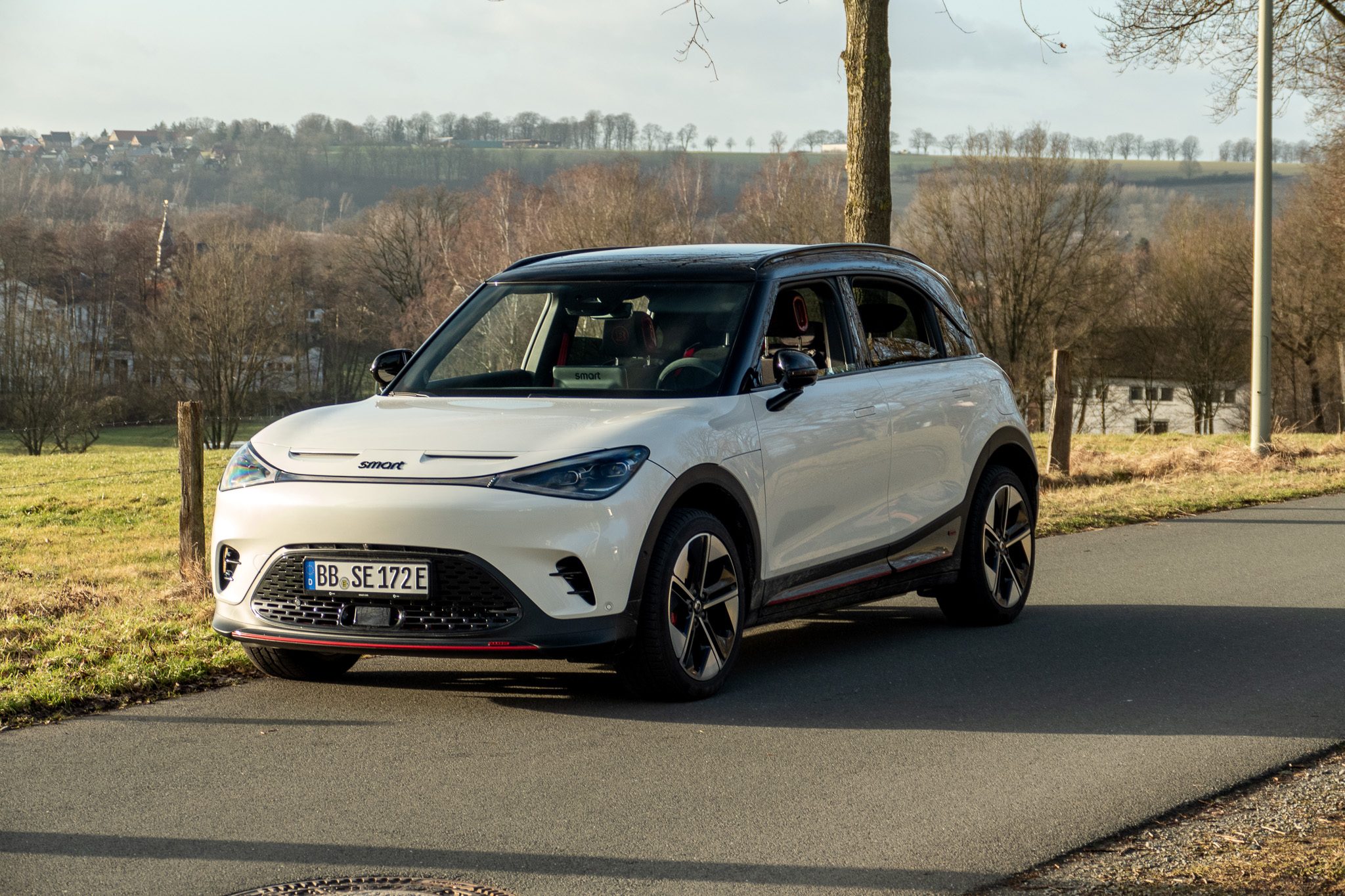
The smart #1 enjoys immense popularity. It was therefore not difficult to predict that the long-standing collaboration with Brabus, the tuning company known for its Mercedes-Benz brand, would be continued. We tested the unassuming smart #1 Brabus in everyday driving. Find out what the compact SUV can do, and especially whether the Brabus version is worth it, here.
With the smart #1, the new joint venture between Mercedes and Geely has brought a truly excellent compact SUV to market. We have Premium as well as those Pro + Version of the #1 with rear-wheel drive and 272 hp has already been tested in everyday life. Now with the top “Brabus” equipment there is all-wheel drive and a whopping 428 hp of power. We found out for you how they feel in such a compact car.
tl;dr: Really outstanding performance
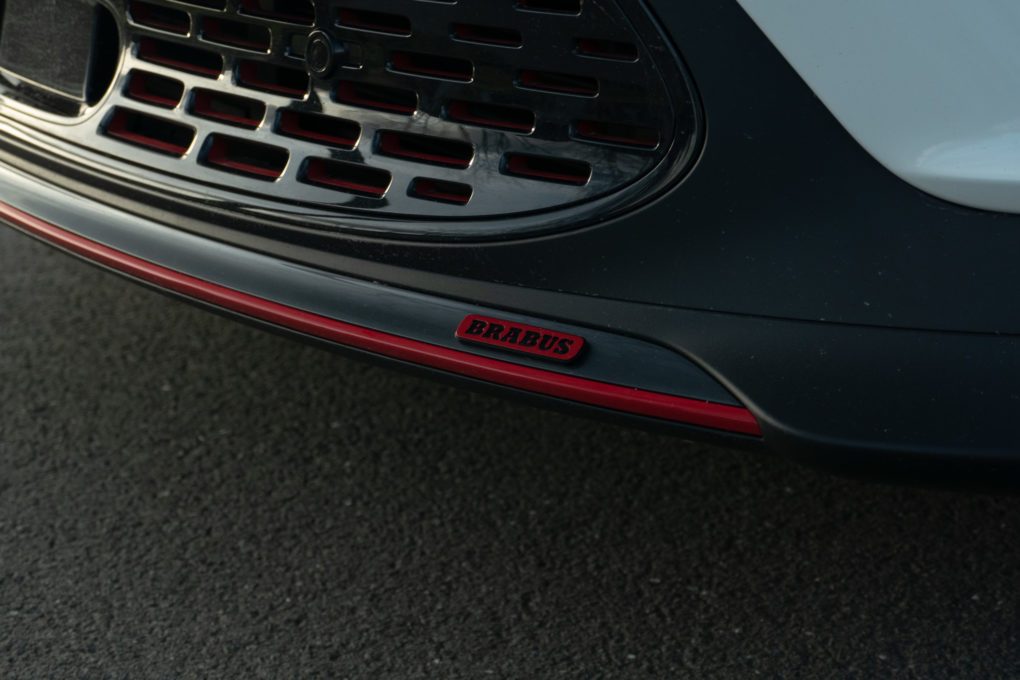
From the outside, the #1 Brabus looks fairly normal, until you notice the smaller Brabus logos, which could hint at a bit more "power." Our test car had a somewhat unspectacular paint job, but it did ensure a good sleeper look. But let's get to the hard facts: The smart #1 Brabus accelerates from 3,9 to 0 km/h in just 100 seconds. That's an impressive figure, which in the combustion engine world would require you to look at a much more expensive model. The #1 Brabus uses the same 66 kWh battery as the premium version. Realistically, 62 kWh of this is usable. This results in a range of around 360 km in everyday use, which can then be recharged with up to 153 kW at a fast-charging station, with a very good charging curve in this range, which, among other things, gives the VW MEB models a run for their money.
Sporty driving is of course also possible; consumption is then less than 10 degrees at 20-22 kWh per 100 km. A good value for this performance, but it could be a little more efficient, but you can prefer the normal rear-wheel drive version if you want to be more economical.
Test report as video
Design: unspectacular, but Brabus
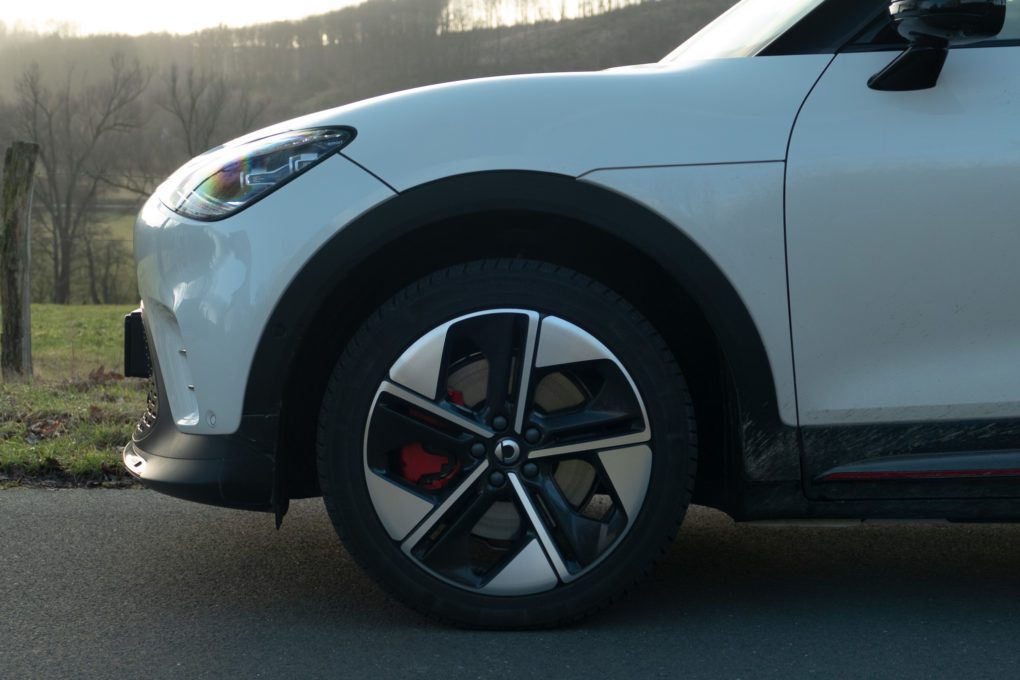
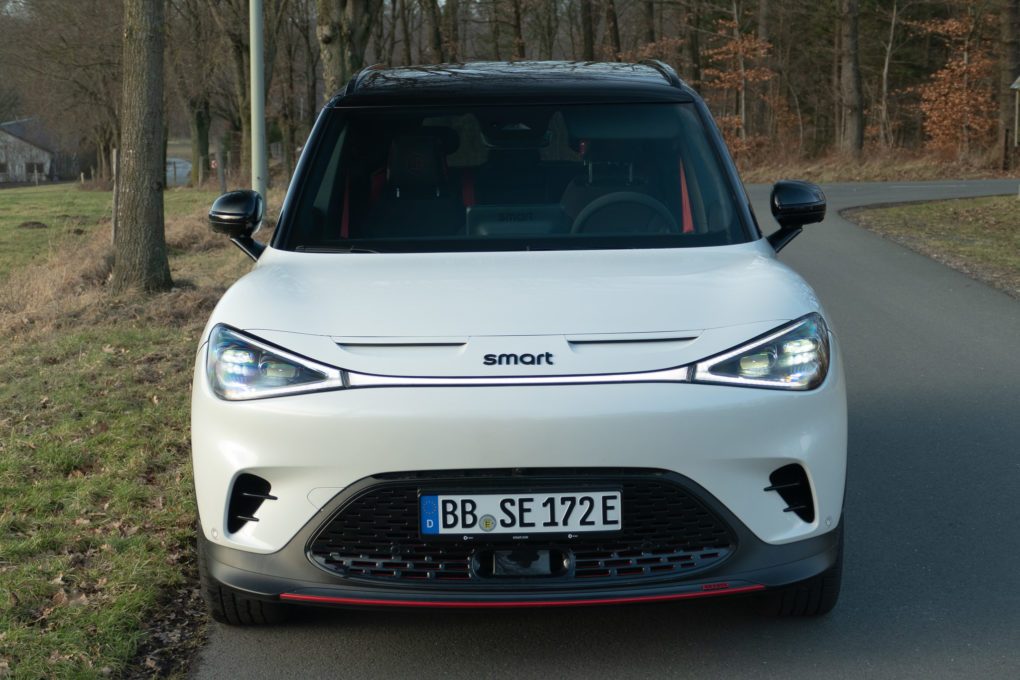
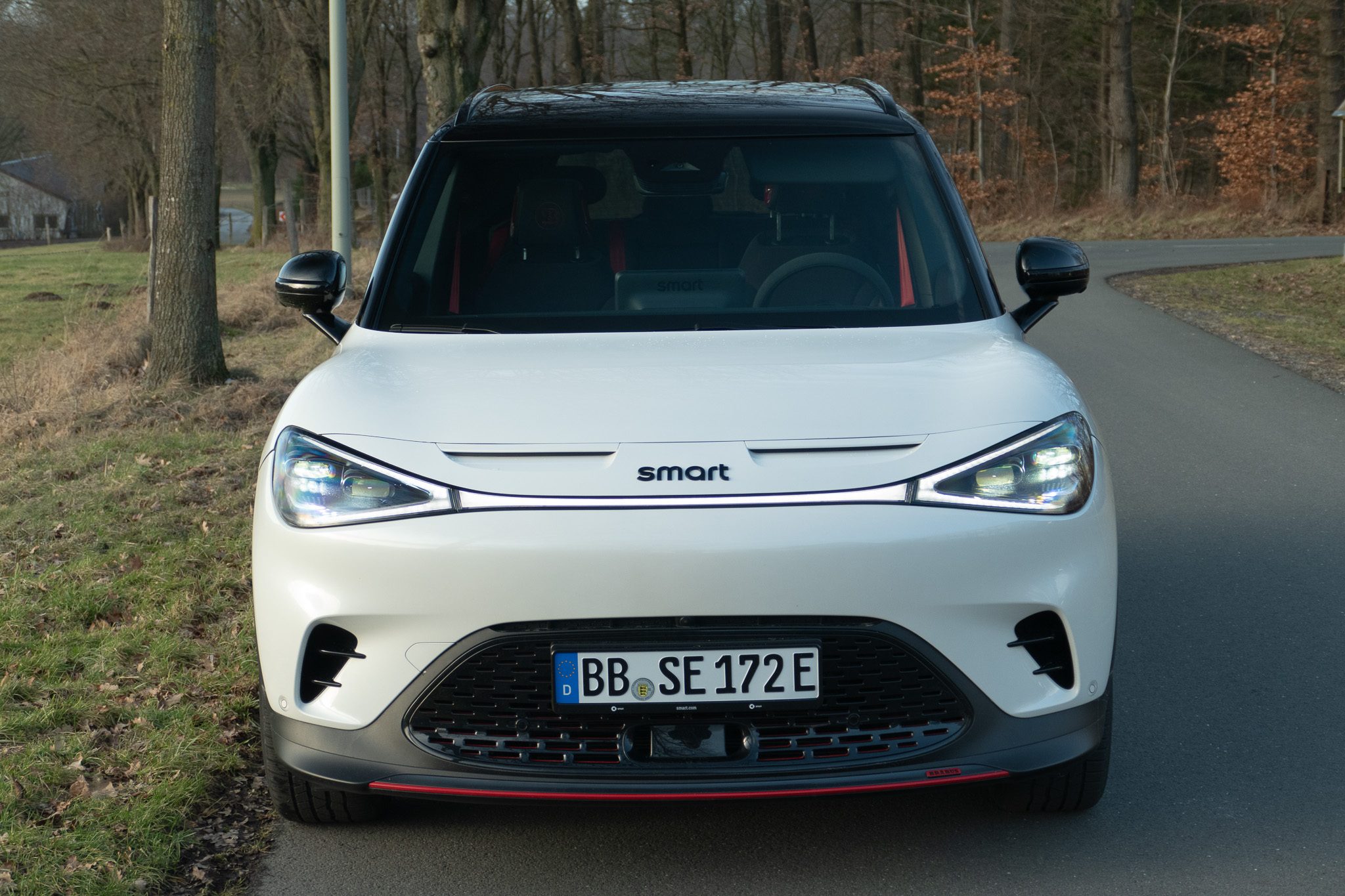
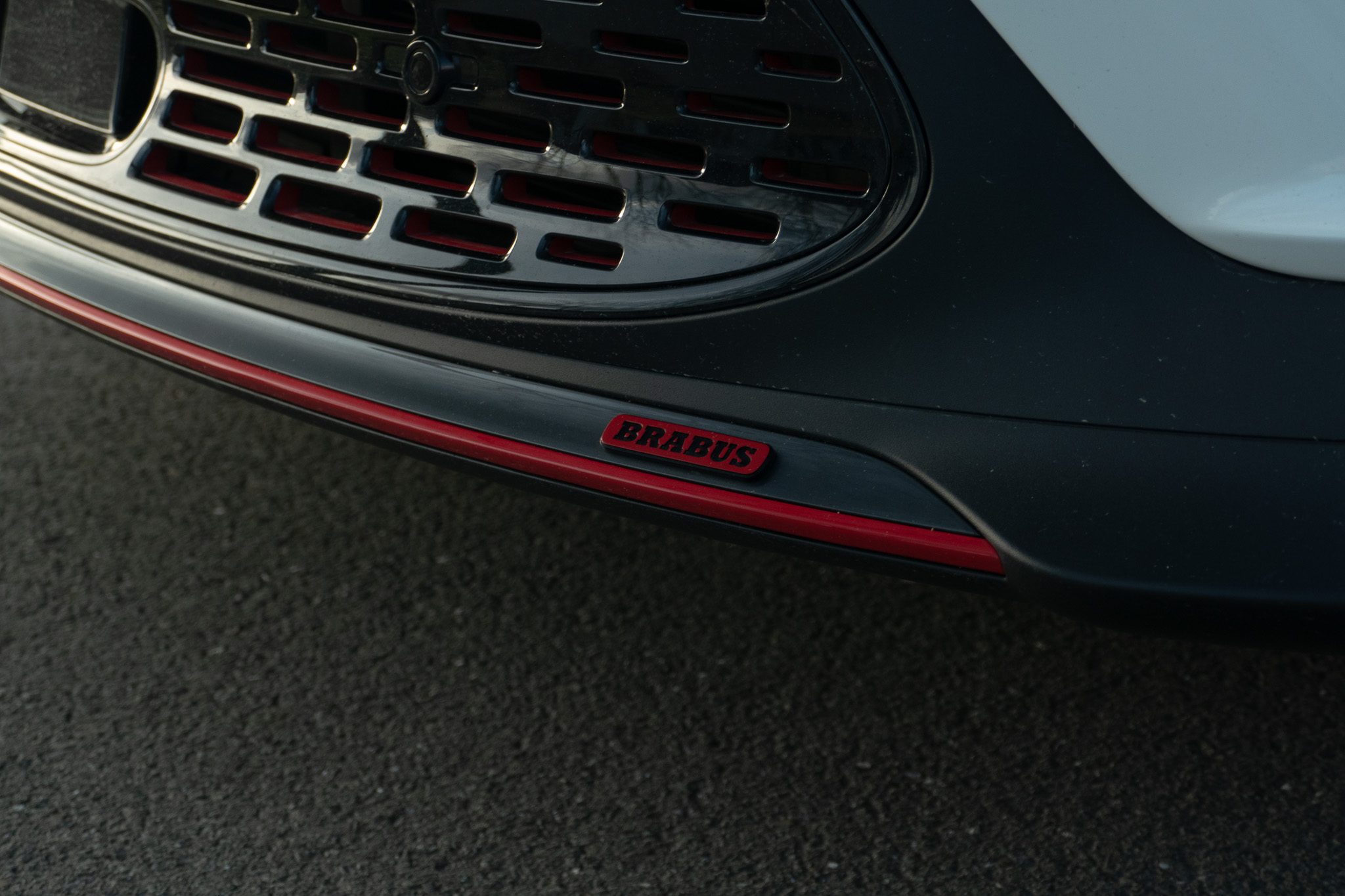
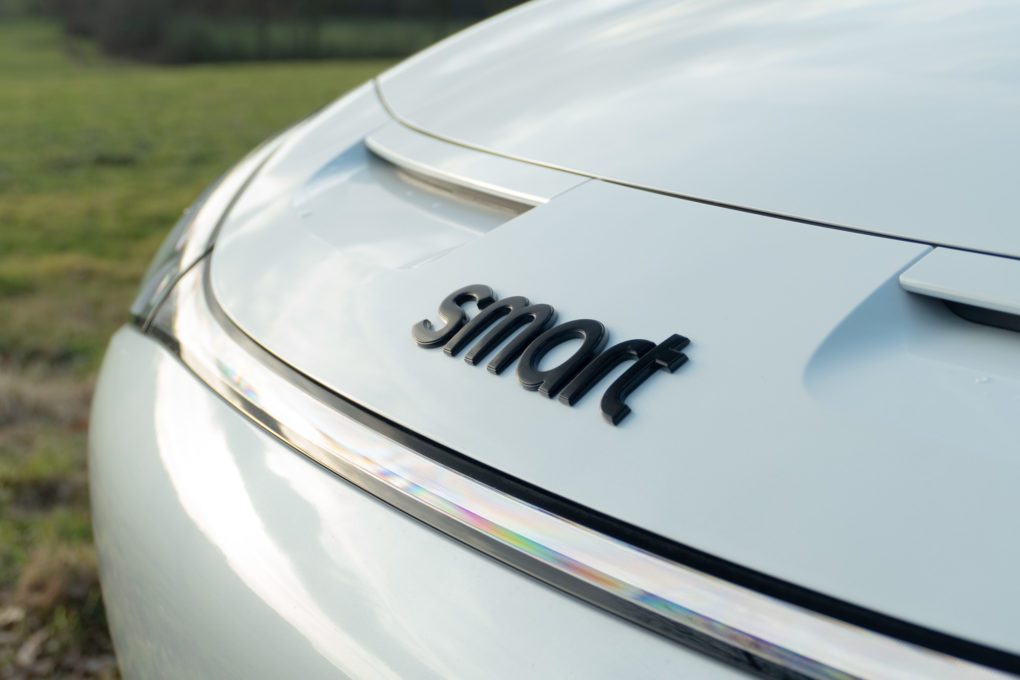
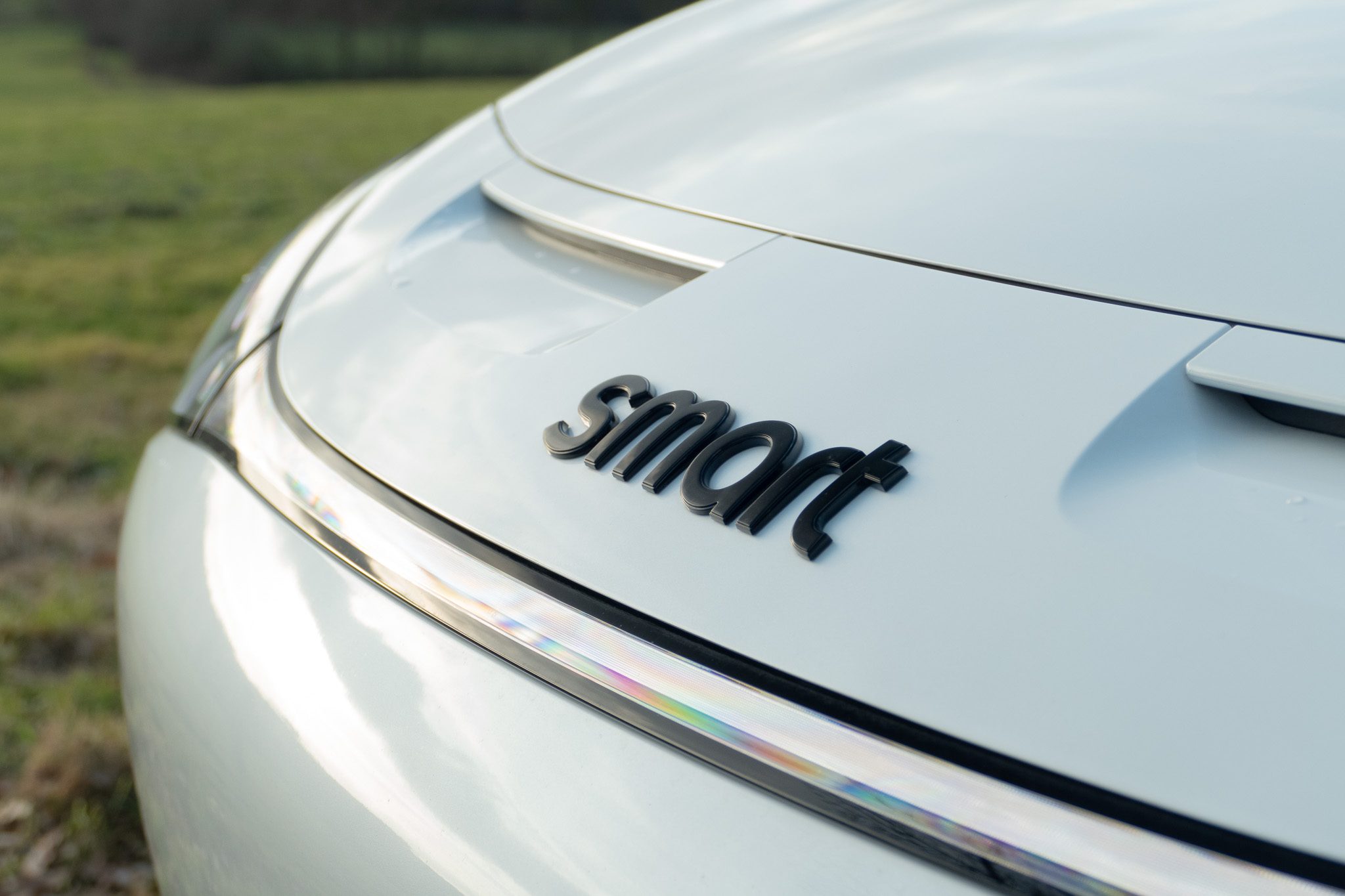
At least this applies to the test car, which is white with a black roof; it hardly shows that it is the Brabus version. All around you can find the Brabus logos with some carbon foiling on the extended perimeters. The two fake air inlets on the hood could then tell the targeted connoisseur that it is the Brabus. Nevertheless, I would personally go for the version with a red roof and red exterior mirrors.
-
- Picture: TechnikNews

-
- Picture: TechnikNews
-
- Picture: TechnikNews
-
- Picture: TechnikNews
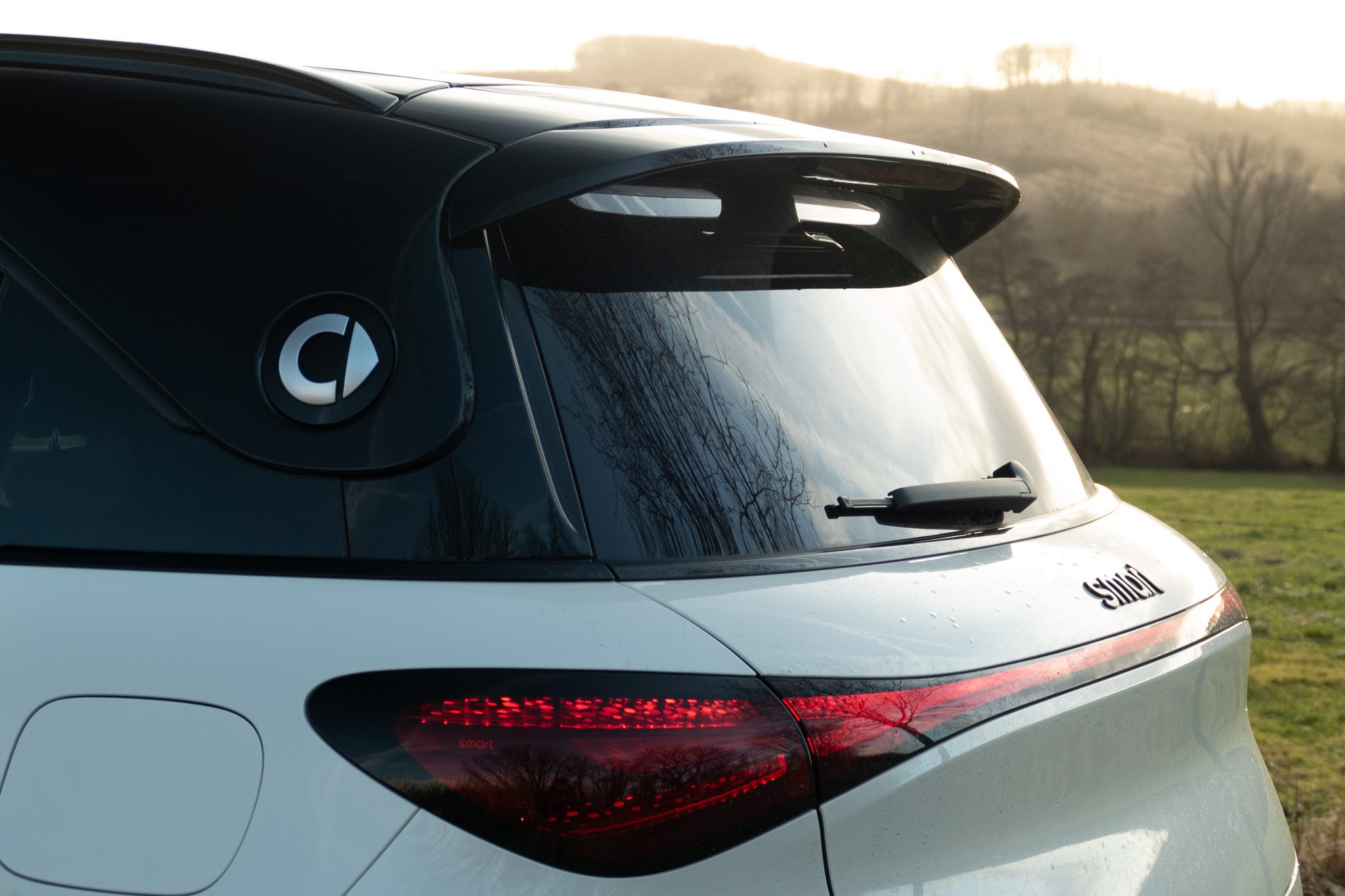
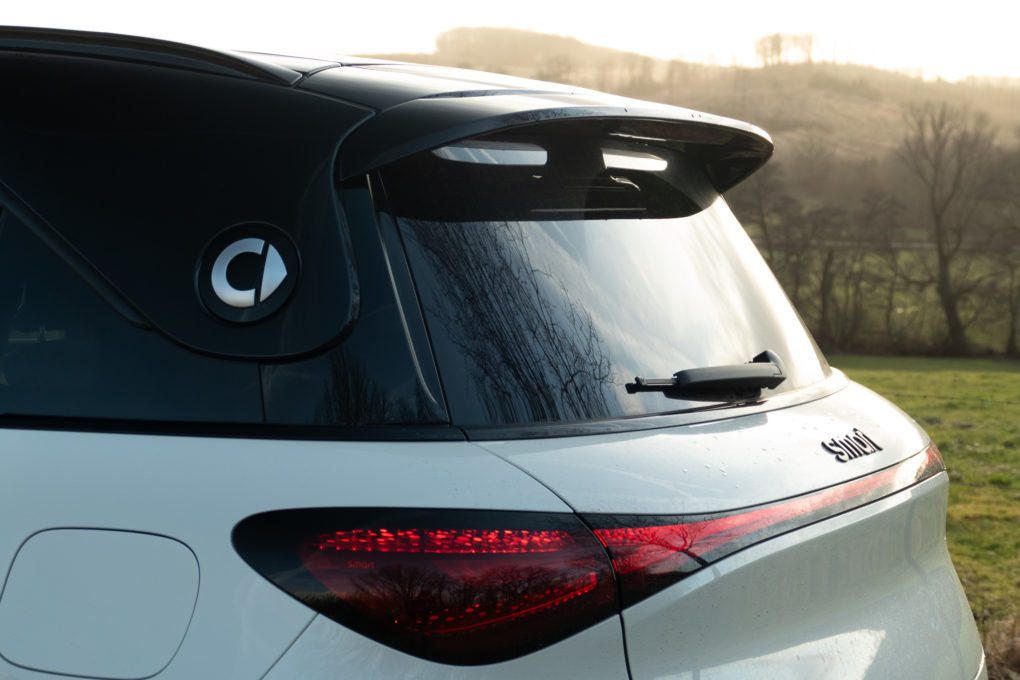
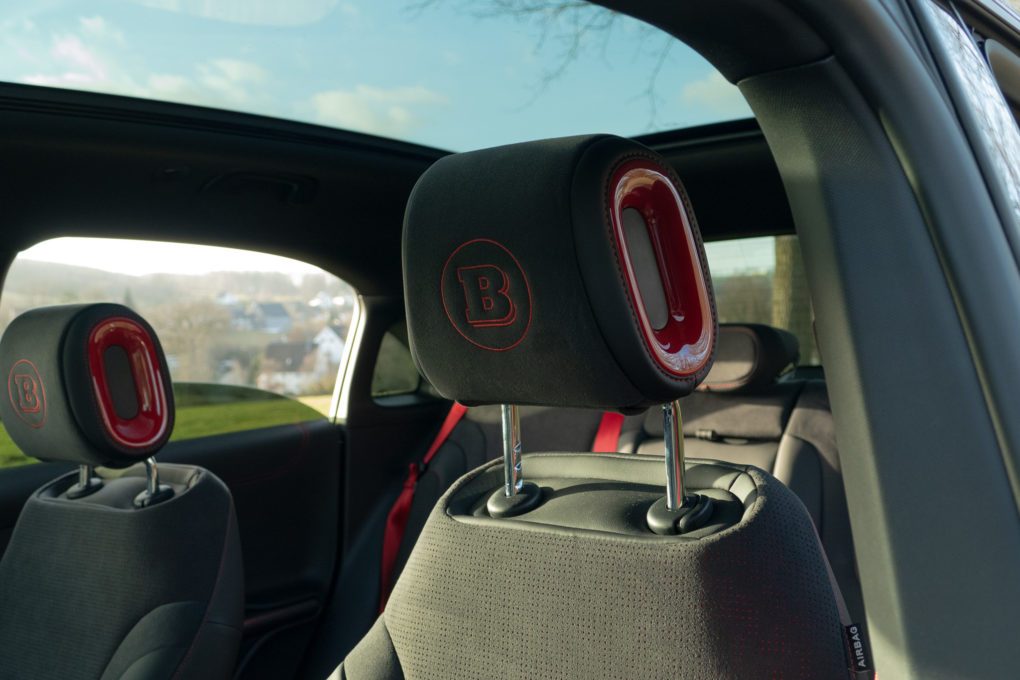
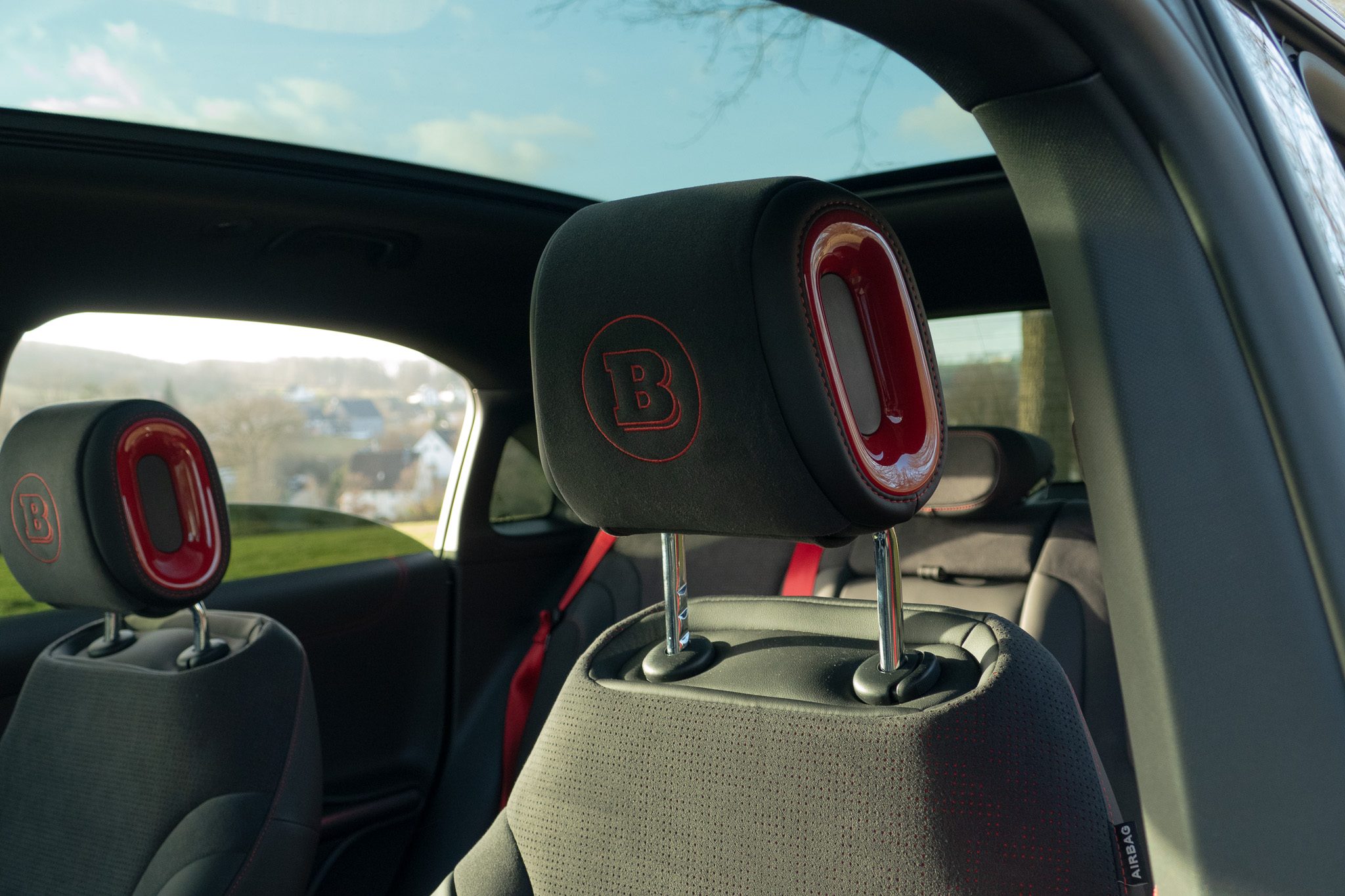
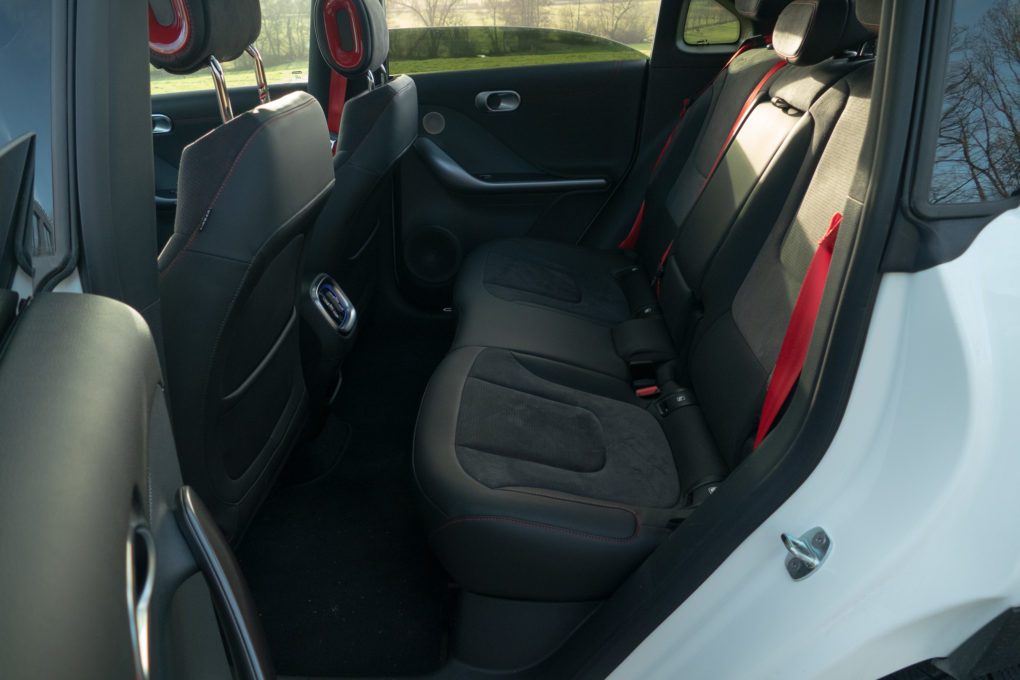
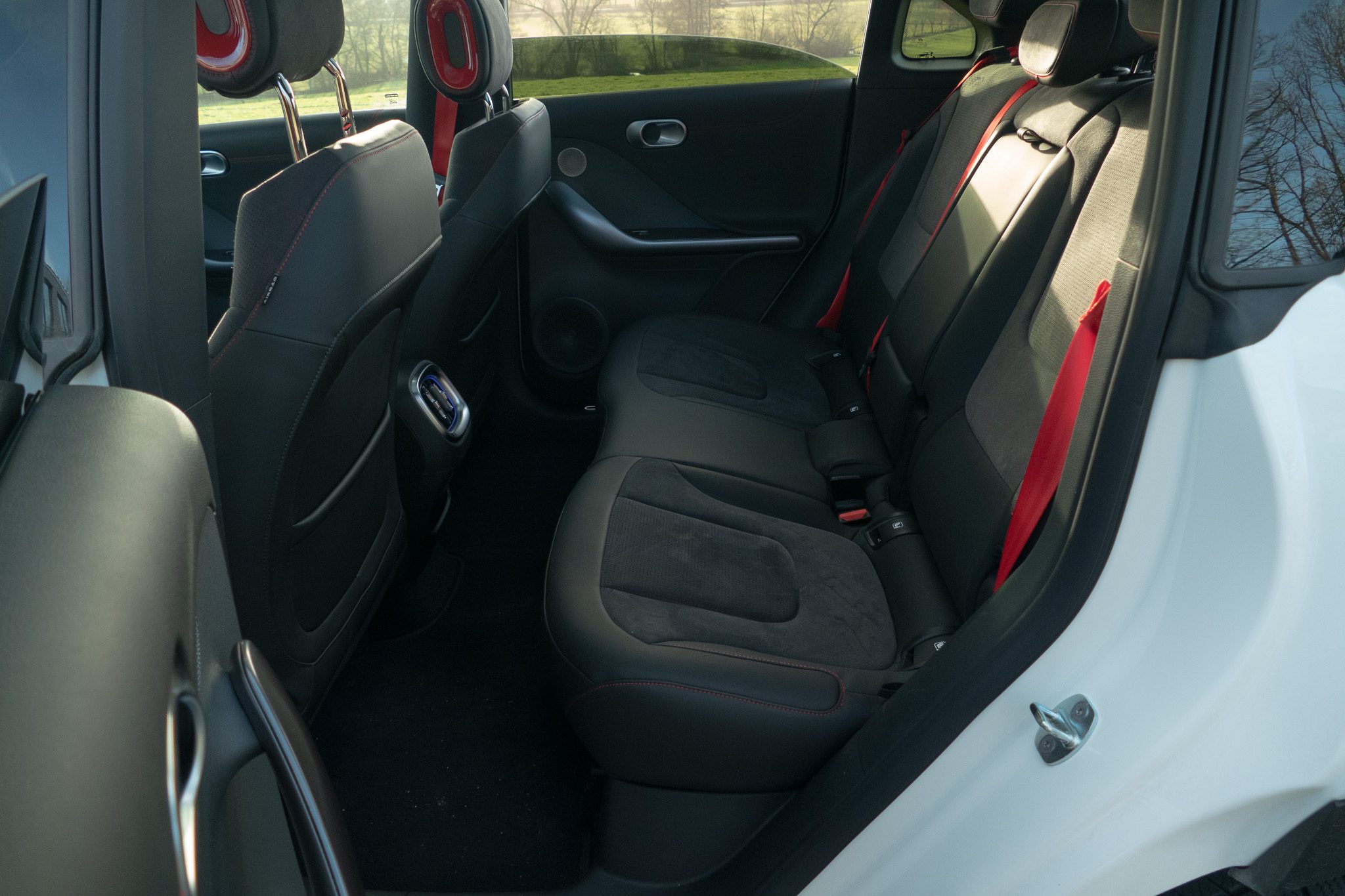
The red, sporty brake pads and the red lower lip at the front were also convincing from the Brabus, as was also a small spoiler at the rear of the vehicle. At night, the Brabus logo appears out of the mirrors onto the floor projected. If they had perhaps replaced the smart logo on the C-pillar with the well-known large "B," it would have been even more successful in my opinion. The interior features red seatbelts, a lot of Alcantara velour, and a silver-gray dashboard, which is also only available with the Brabus. The seats have a similar texture and are quite comfortable, but one shouldn't expect sports bucket seats. Comfort takes precedence over sportiness here, that's clear. The headrests are decorated with red plastic on the sides and offer the already mentionedproBig Brabus logo, embroidered. The steering wheel is also made of a material similar to Alcantara and is very interesting to touch.
Infotainment: Android Auto and Apple CarPlay now wireless
In our smart #1 Premium test, neither screen mirroring method was available. Now, via an over-the-air software update, Android Auto and Apple CarPlay are available across the entire infotainment display in very good resolution and with lightning-fast speed. This is how it should be in all modern vehicles, at least as an alternative to the manufacturer's own system. Unless, of course, you're already using Android Automotive. The rest of the system hasn't changed much. The Brabus still has virtual engine sounds, but they're already very loud and annoying at 98 km/h.
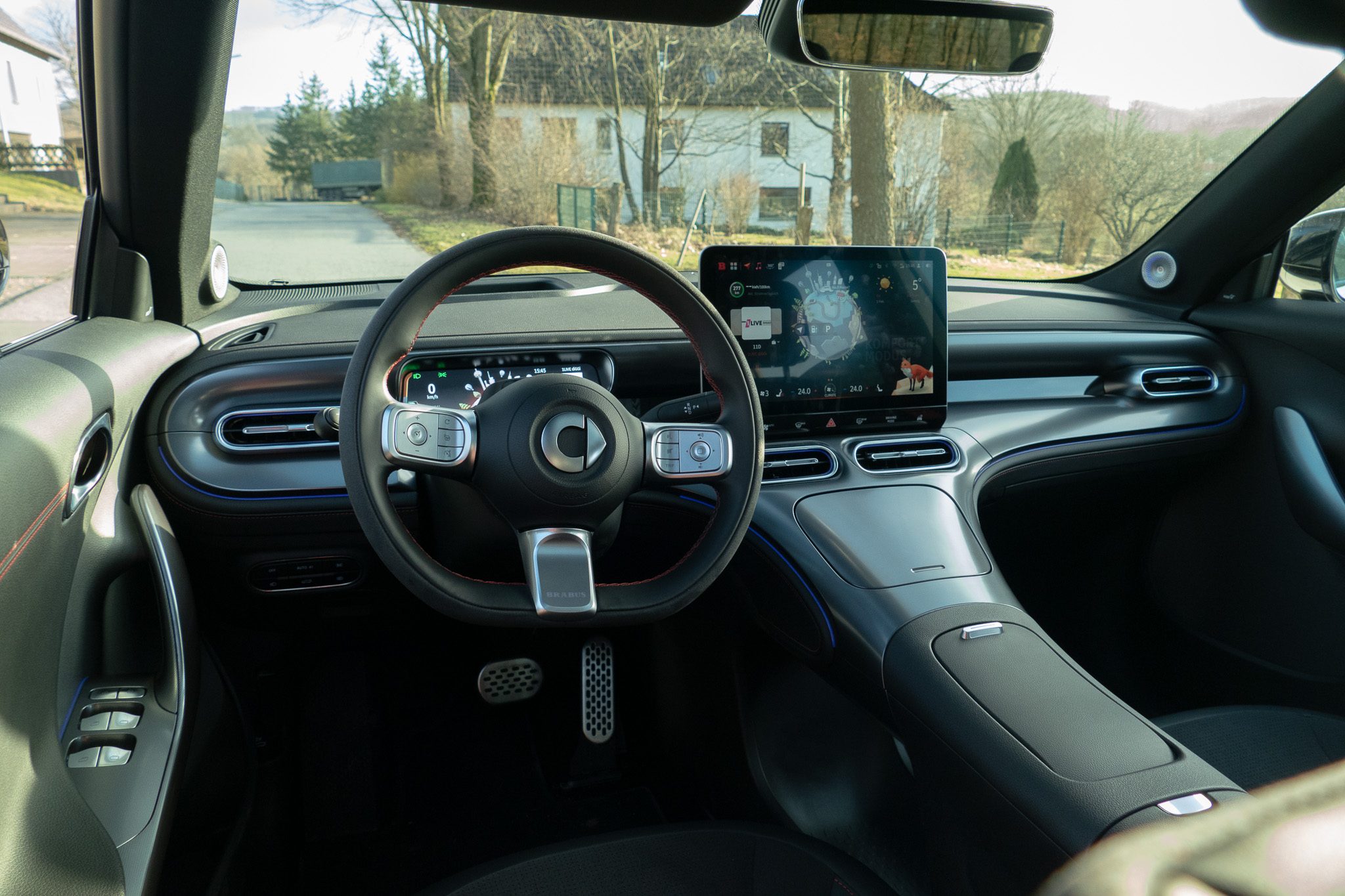
Picture: TechnikNews
Therefore, I would deactivate it permanently, which is fortunately possible at any time. You can find more information about the rest of the smart #1 infotainment system in our #1 Premium Review. On the last day of our test there was a small OTA update, which activated the already installed steering wheel heating, which becomes pleasantly warm.
Driving behavior: Pleasant in curves and extremely fast
The #1 Brabus, as the name suggests, has been trimmed by Brabus so that you can drive it a little sportier, which the driver doesn't hold against. After all, 428 hp are available at any time. Due to its height, it naturally wobbles a bit in very strong winds, but with the right tires it can still transfer its performance well to the road. The only thing we were missing here was a proper launch control feature.
-
- Picture: TechnikNews
-
- Picture: TechnikNews
-
- Picture: TechnikNews
It has plenty of room for spontaneous overtaking. It easily reaches a top speed of 180 km/h, which was first introduced by Volvo within the Geely Group. It's definitely a lot of fun to drive every day, but I'd still prefer the standard smart #1 Premium; the 272 hp rear-wheel drive is simply sufficient. But if you want more sportiness thanks to the high horsepower, the Brabus is certainly an option.
Prices: Relatively cheap for the performance and features
Smart is currently asking €48.990 (including 19 percent VAT) for the #1 Brabus. In our opinion, this is a very fair price for the vehicle's performance and quite good quality. Compared to direct competitors like the Cupra Born or the VW ID.3, which offer significantly more spartan equipment and whose software currently can't compete with that of the smart. Except for charging route planning, however, smart says it intends to remedy this with an update by the end of February. We'll remain curious.
Anyone who wants a coupe-like smart #1 should look at the smart #3. This is essentially a crossover SUV version of the #1 and offers slightly more space in the rear and trunk. We'll, of course, test it for you in due course.