
DS 7 E-Tense 4×4 300 review: Plug-in hybrid with style
A TEST REPORT from Kasimir Hupe  on August 02, 2025, 9:59 pm | 1 comment
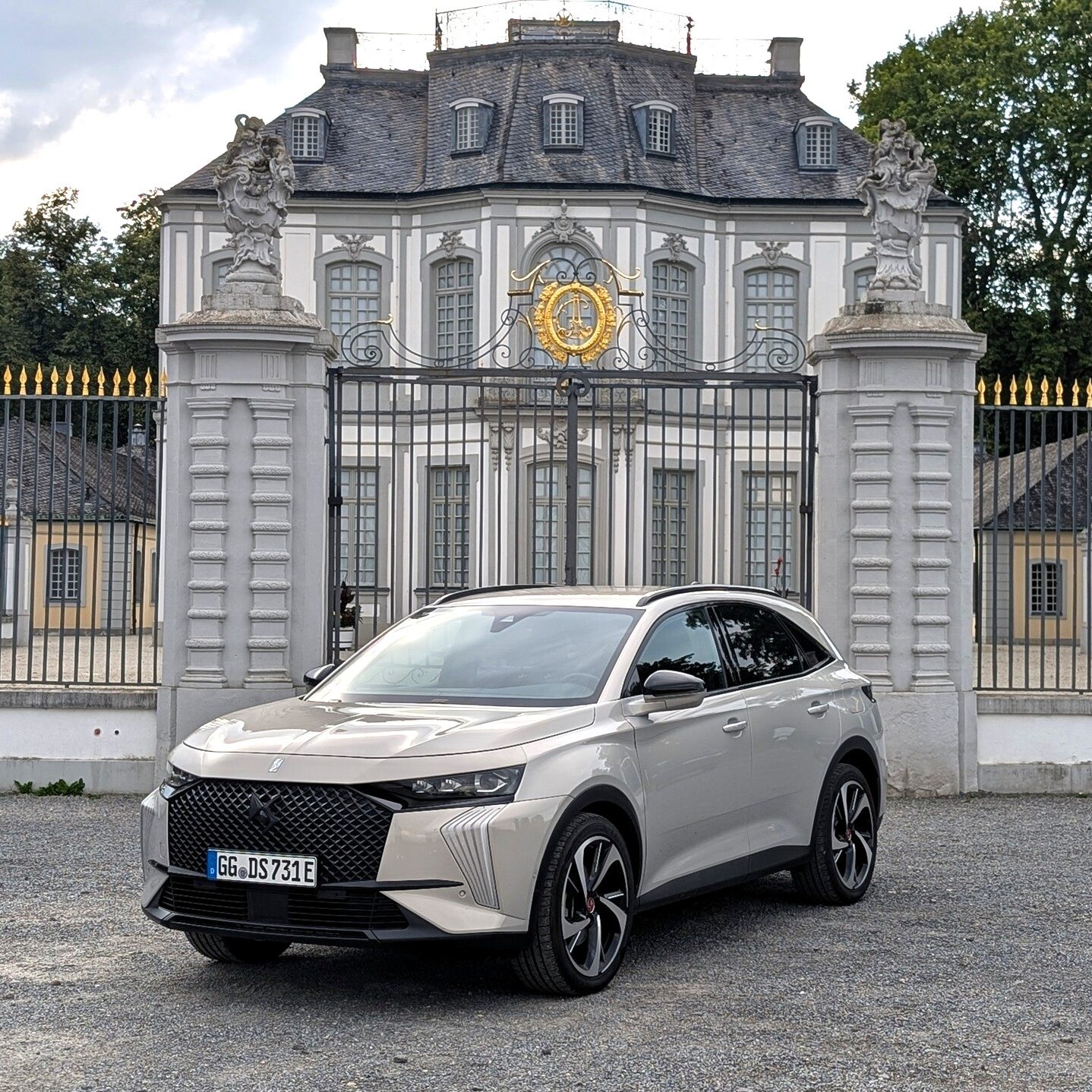
DS Automobiles, the premium subsidiary of Citroën, doesn't just want to build vehicles, but also put the French way of life on wheels. Its flagship, the DS 7, has been redesigned in recent years and, in its second-most powerful plug-in hybrid version, the 4×4 300, enters our test, ready to give the established competition a run for its money. But can the Frenchman With its combination of 300 hp of system power, all-wheel drive, and avant-garde design, it's more than just good-looking? We tested the extravagant SUV for you over two weeks and experienced not only its extravagance but also its everyday usability.
The DS 7, originally introduced as the "DS 7 Crossback," celebrated its world premiere on February 28, 2017, at the Geneva Motor Show and was delivered from January 2018. As the first independent model of the DS Automobiles brand, which was spun off from Citroën in 2015, it was intended to revive the French premium automotive tradition. It is based on the EMP2 platform of the PSA Group (now Stellantis) and is manufactured in France and China. The SUV attracted particular attention when French President Emmanuel Macron unveiled it as the Presidential vehicle chose.
In 2022, the DS 7 Crossback received a comprehensive facelift and has since been known simply as the "DS 7." The updates include a revised front and rear design, new lighting technology (DS Pixel LED Vision 3.0), modernized assistance systems, and more powerful plug-in hybrid variants up to the top model E-Tense 4×4 360. Equipment lines such as "Pallas," "Étoile," "Jules Verne," and "Performance" offer various levels of comfort and exclusivity. In the future, DS Automobiles plans to produce only fully electric models such as the recently introduced DS N°8 and no longer offer pure combustion engines.
tl;dr (conclusion) to DS 7 E Tense:
The DS 7 Plug-in Hybrid 4×4 300 is a statement SUV for individualists. It deliberately avoids direct comparison with its German competitors, focusing instead on extravagant design, excellent ride comfort, and an interior reminiscent of haute couture craftsmanship. The powerful hybrid drive also ensures confident performance, while the camera-based suspension effectively smooths out bumps in the road.
But where there's light, there's also shadow. In detail, the French car reveals several weaknesses that are painful in the premium segment: outdated Type 2 charging technology, a small 14,2 kWh battery that only allows a purely electric range of 50 kilometers, and the lack of standard convenience features like "Auto Hold." Those who can overlook these quirks, only want to drive short distances in pure electric mode, and have a penchant for something special will find the DS 7 a distinctive and comfortable companion that slows down and enhances everyday life. It's less a technical perfectionist than a charismatic grand tourer in SUV format.
Strengths and weaknesses of the DS 7 E-Tense:
✅ Strengths:
High recognition value thanks to extravagant design and attention to detail.
Camera-controlled Active Scan Suspension absorbs bumps confidently.
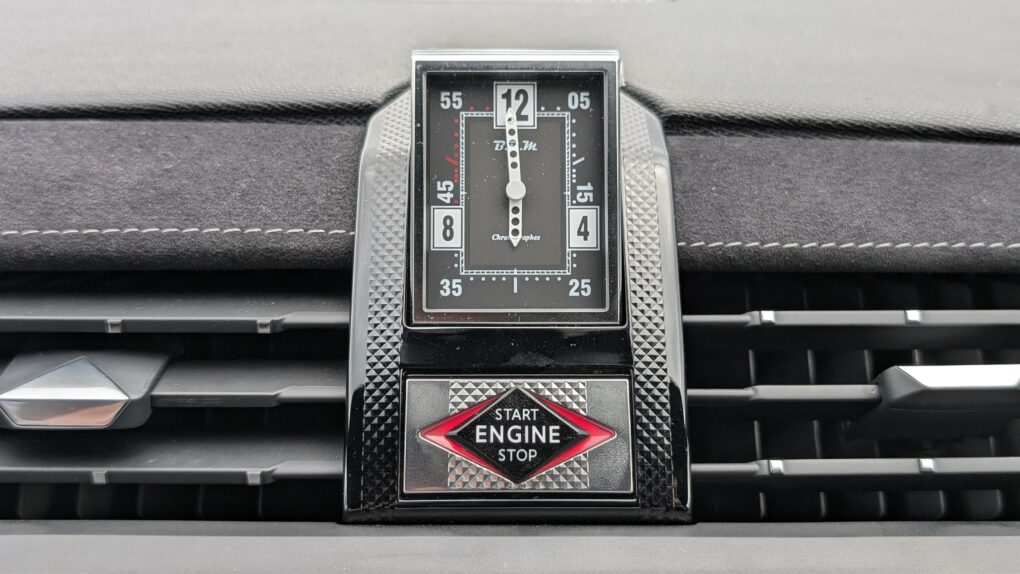
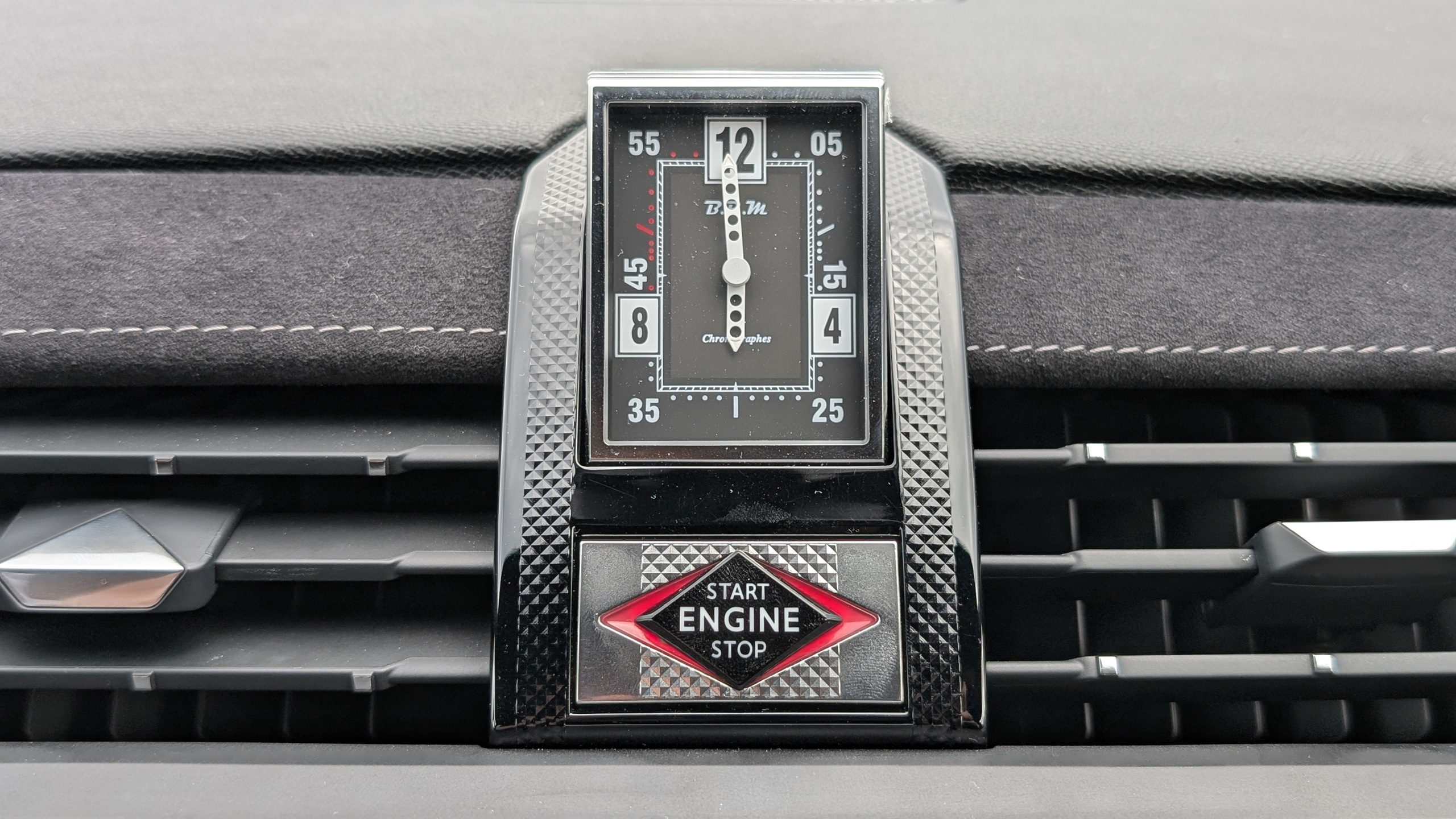
High-quality nappa leather, Alcantara and exclusive BRM clock with extension mechanism.
Powerful acceleration and harmonious interaction of the engines.
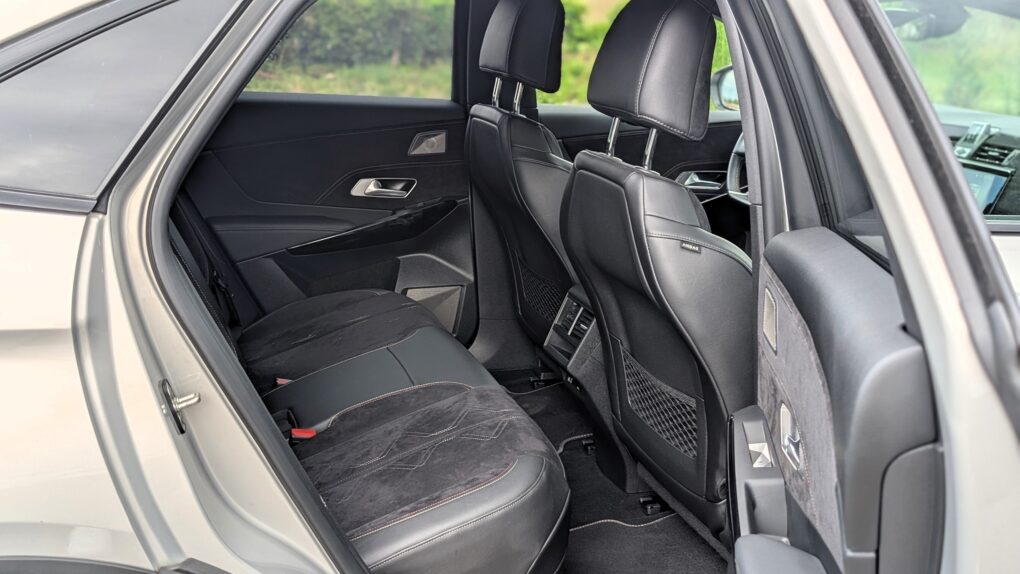
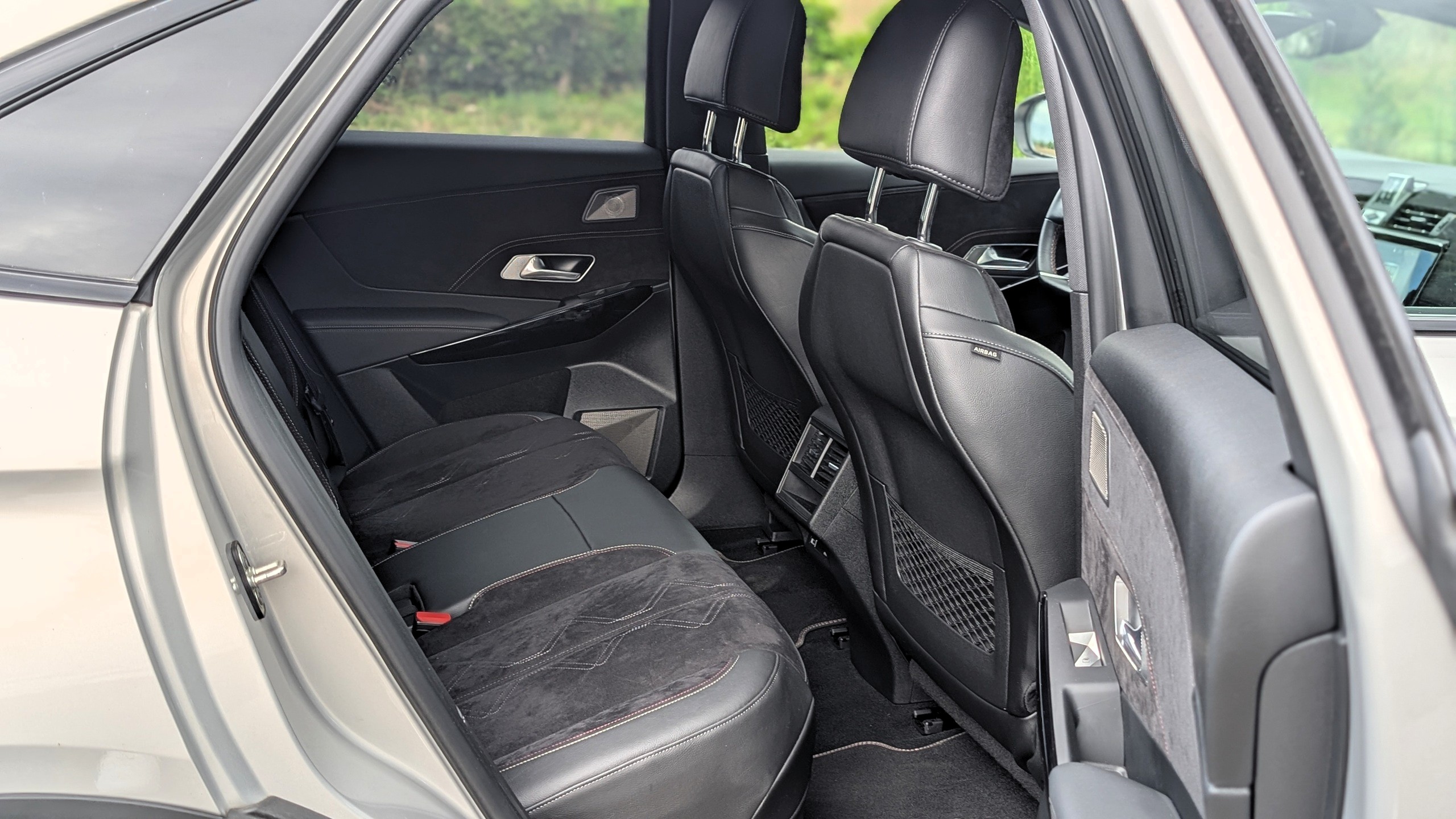
Generous space for passengers and luggage.
Convenient entry and exit.
❌ Weaknesses:
Only 7,4 kW charging capacity and no CCS fast charging port are no longer up to date.
With a full battery, only around 50 kilometers can be achieved purely electrically.
Missing auto hold function.
Picture: TechnikNews
Design and exterior of the DS 7 E-Tense: strikingly different
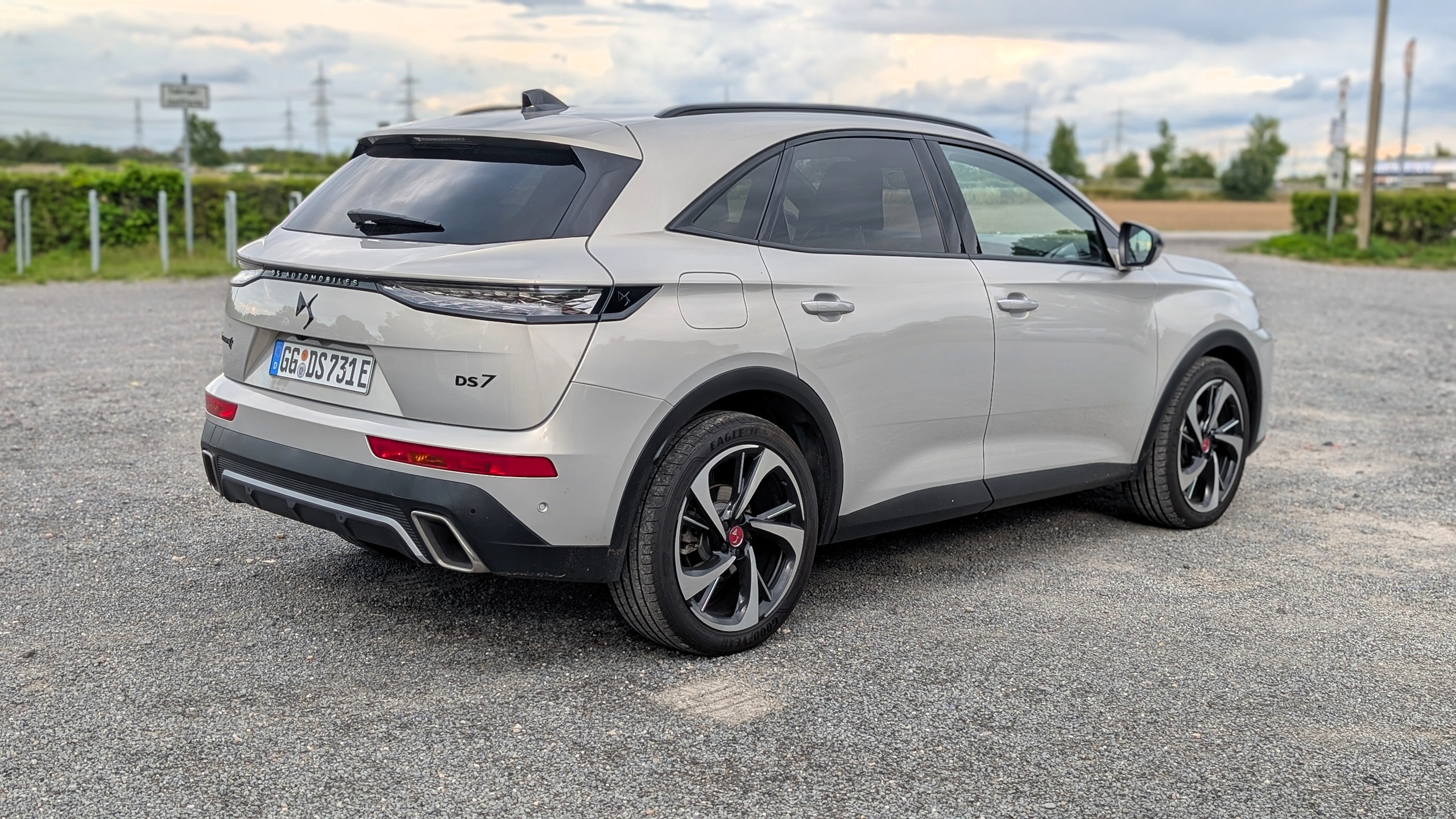
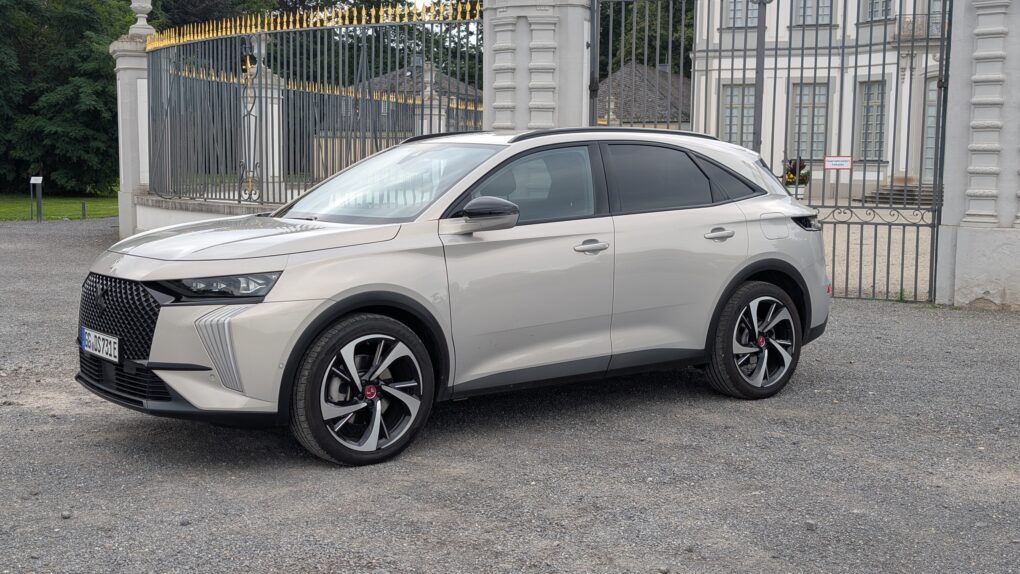
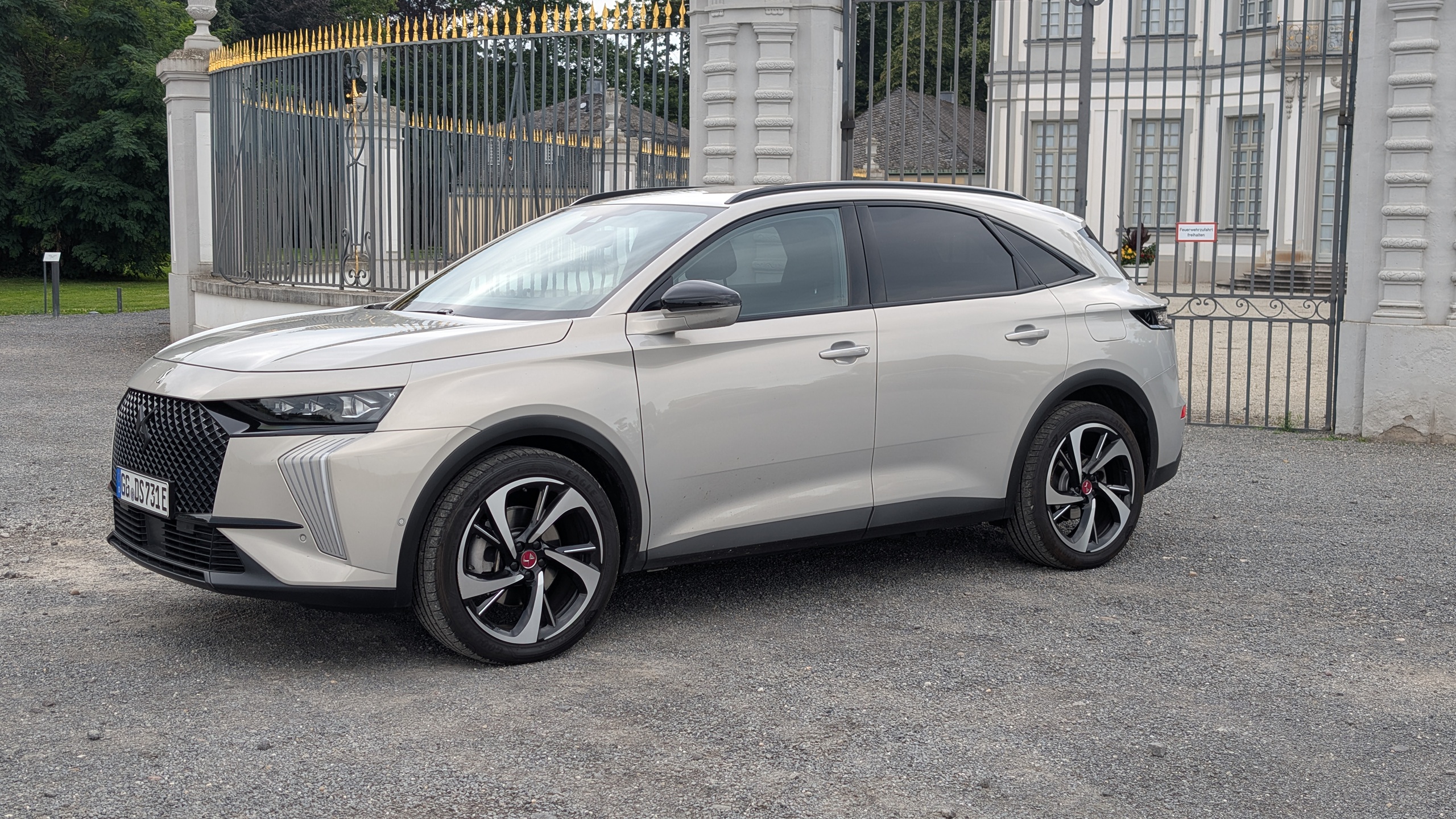
It's clear at first glance: the DS 7 is no car for wallflowers. It aims to stand out, polarize, and attract attention, and it succeeds. The 4,59-meter-long DS 7 received a facelift in 2022, with the front end undergoing significant changes: The "Light Veil" daytime running lights incorporate 33 LEDs, giving the SUV a distinctive light signature.. The matrix pixel headlights (DS Pixel LED Vision 3.0) illuminate up to 380 meters and precisely adjust the beam angle. At the rear, the slim LED taillights with their 3D diamond-shaped effect underscore the luxurious appeal. Embossed "DS AUTOMOBILES" lettering replaces the old logo.
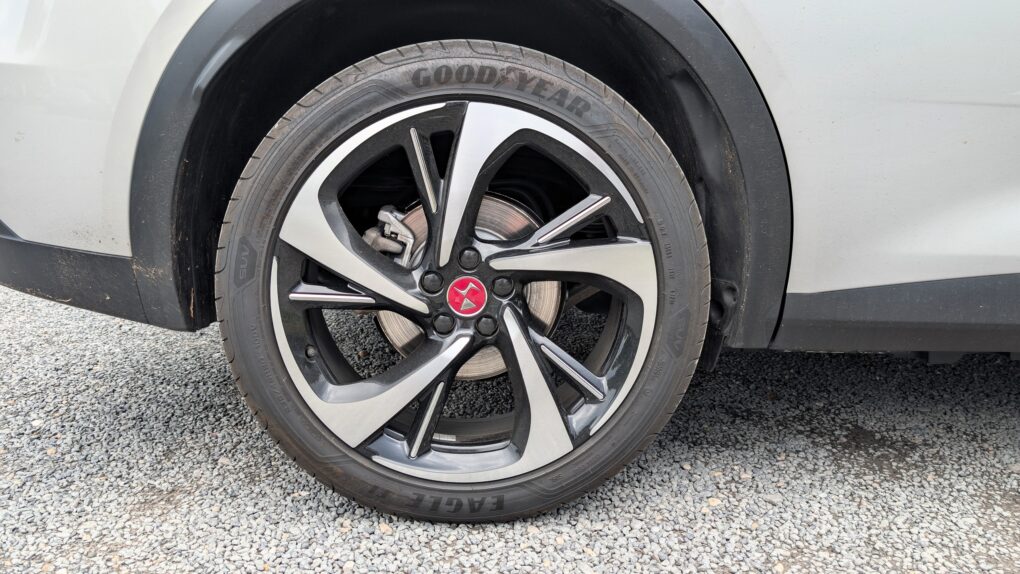
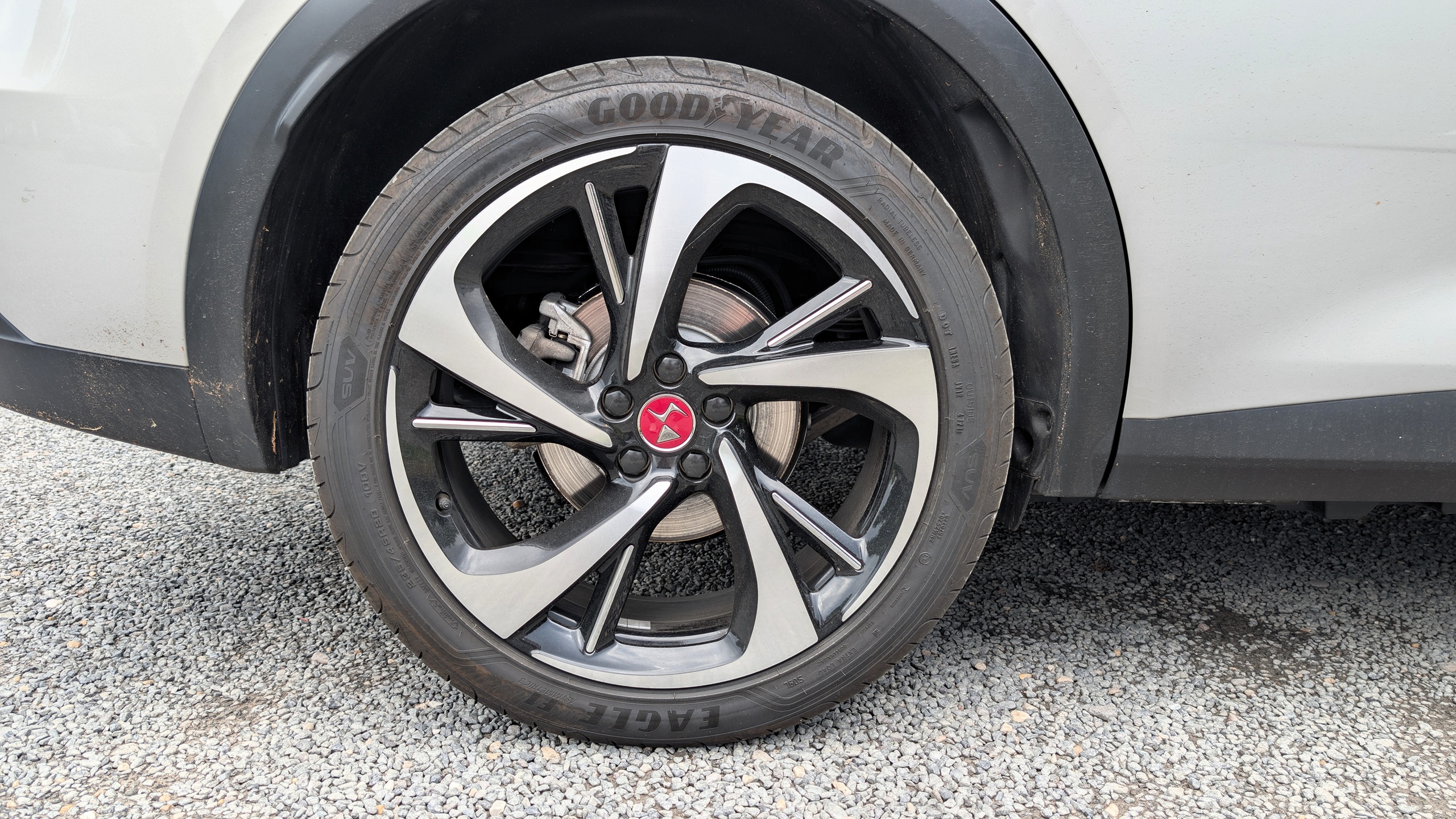
20-inch alloy wheels fill the wheel arches, while subtle chrome trim on the "Rivoli" and "Pallas" models shines brightly. The proportions – a long wheelbase (2,74 meters) and short overhangs – make the 1,63-meter-high vehicle appear more stretched than competitors such as the Audi Q5 or the Volvo XC60The DS 7 remains manageable in tight parking garages (10,9 meters turning circle). The only criticism is the wide C-pillar, which limits diagonal visibility. However, this is well compensated for by the standard 360° camera system. The gaps and the paint finish of the test car (Etoile trim in "Crystal Gray") appeared first-class. The door seals withstood high-pressure car wash tests without any noise. Only the high-gloss decorative trim strips may be somewhat prone to micro-scratches.
-
- Picture: TechnikNews
-
- Picture: TechnikNews
inner space of the DS 7 E-Tense: Exclusive and charismatic
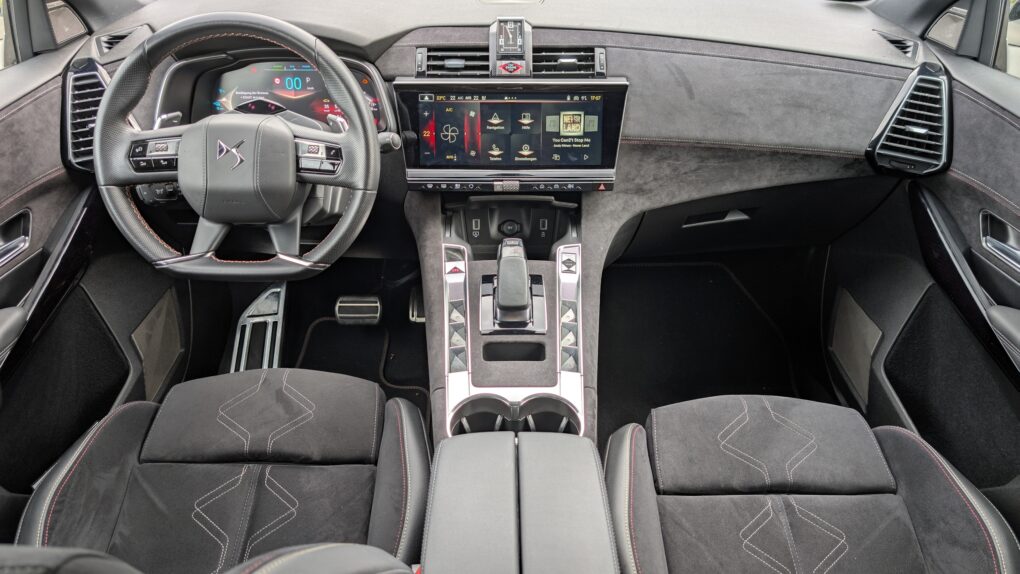
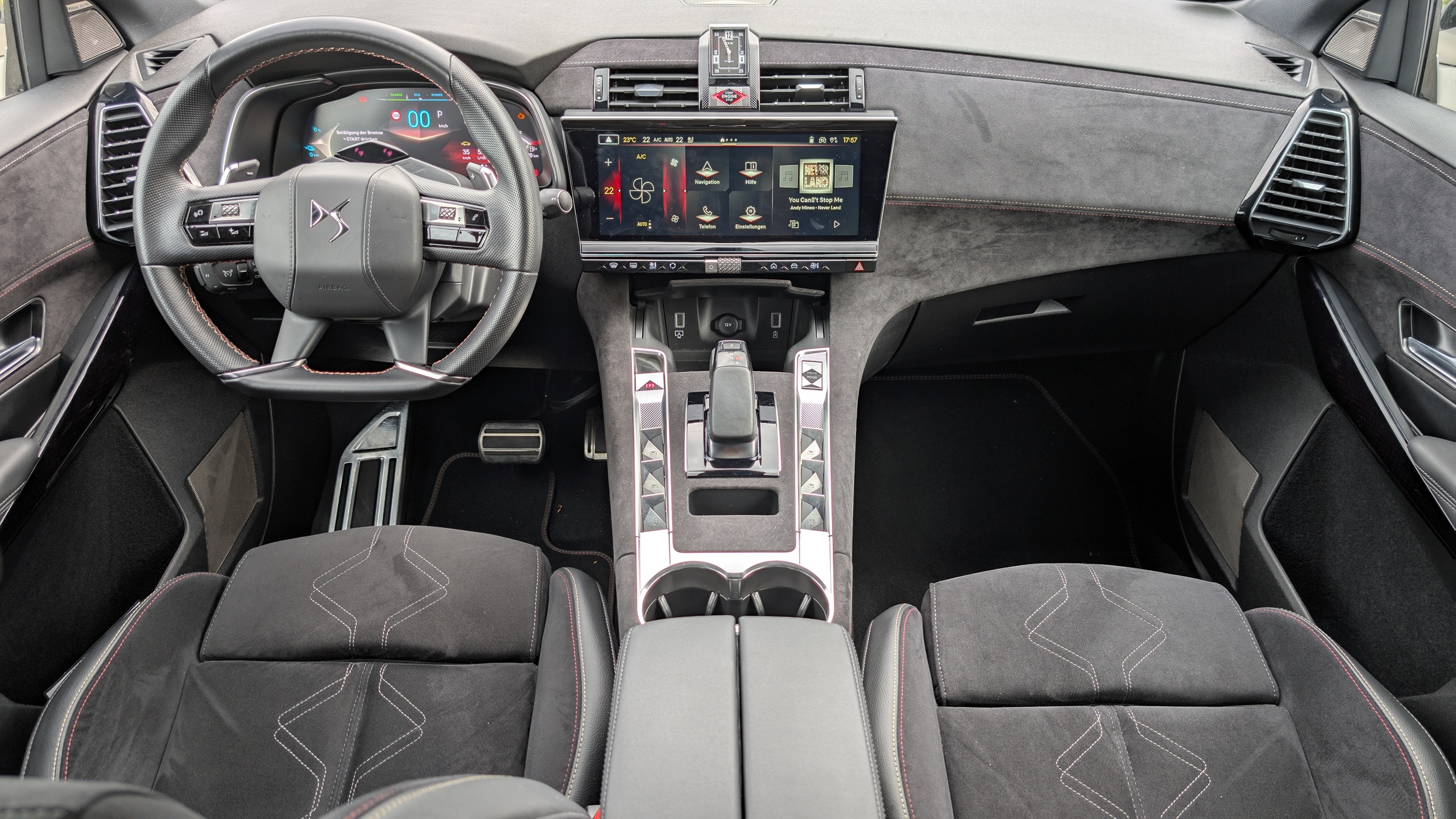
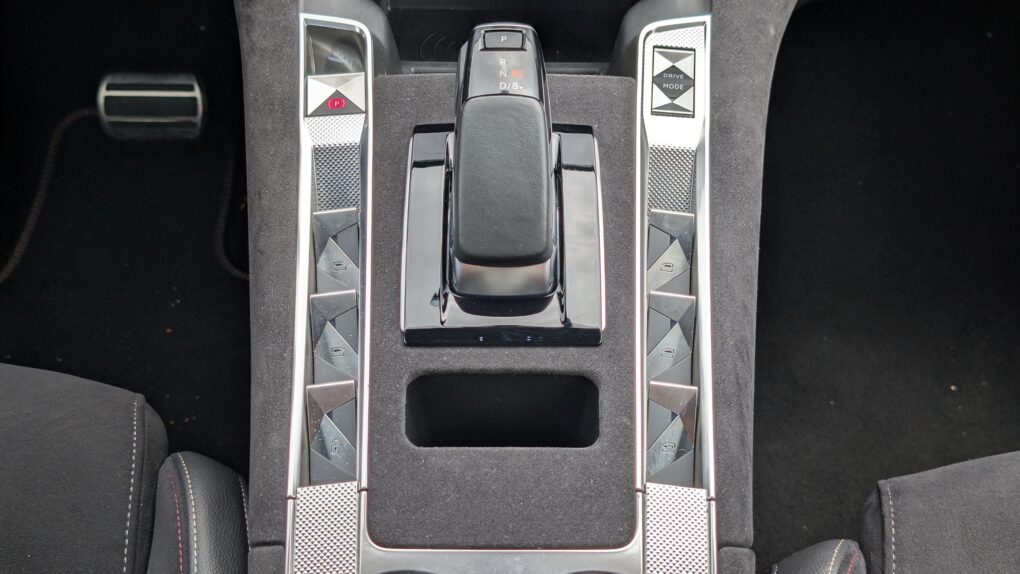
Entering the interior of the DS 7, you feel less like you're in a car and more like you're in the lobby of a Parisian design hotel. Soft nappa leather with elaborate decorative stitching in a pearl or bracelet finish, Alcantara, and guilloché aluminum flatter the hands and eyes. The diamond design theme can be found everywhere—from the control switches and the graphics on the display to the shape of the air vents. The electrically adjustable front seats (14-way) also offer generous padding and good armrests for long journeys. However, the massageproprograms review barely felt any pressure, even at maximum intensity.
A charismatic detail is the nice analogue clock from BRM Chronographs, which elegantly folds out and in over the central display when the vehicle is switched on and off. It is a piece of traditional watchmaking craftsmanship in a digitalized world. Thanks to the large door cutouts, entry and exit are effortless despite a ground clearance of 19 centimeters. Seniors praised the "good hip height." However, the focus on design also has its pitfalls. For example, the window regulators are unconventionally positioned on the center console, which requires some getting used to.
-
- Picture: TechnikNews
-
- Picture: TechnikNews
Storage space and room: Sufficient, but not perfect
The center console houses a rubberized key tray with an inductive charging station for smartphones, which is not only practical but also non-slip. Equally clever is the tray for the vehicle key in the center console itself, which perfectly and securely holds it and another key.
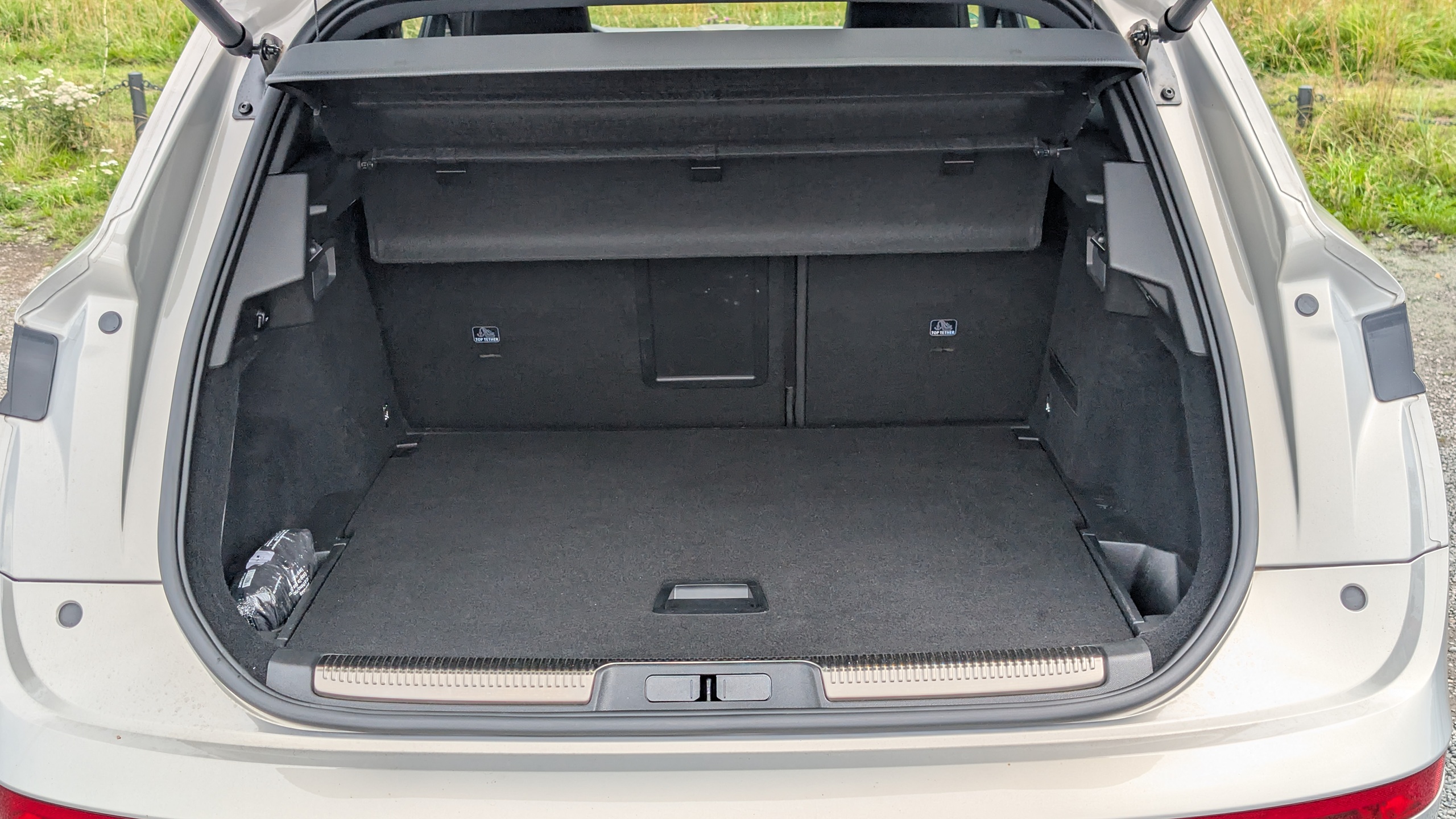
One drawback, however, is the storage space in the first row of seats. Unfortunately, there's no storage space under the expansive center console, only a large compartment under the armrest. The space itself is generous both front and rear, and the trunk volume of 555 to 1.752 liters is absolutely competitive for this class.
-
- Picture: TechnikNews
-
- Picture: TechnikNews
Infotainment and sound of the DS 7 E-Tense: Well structured
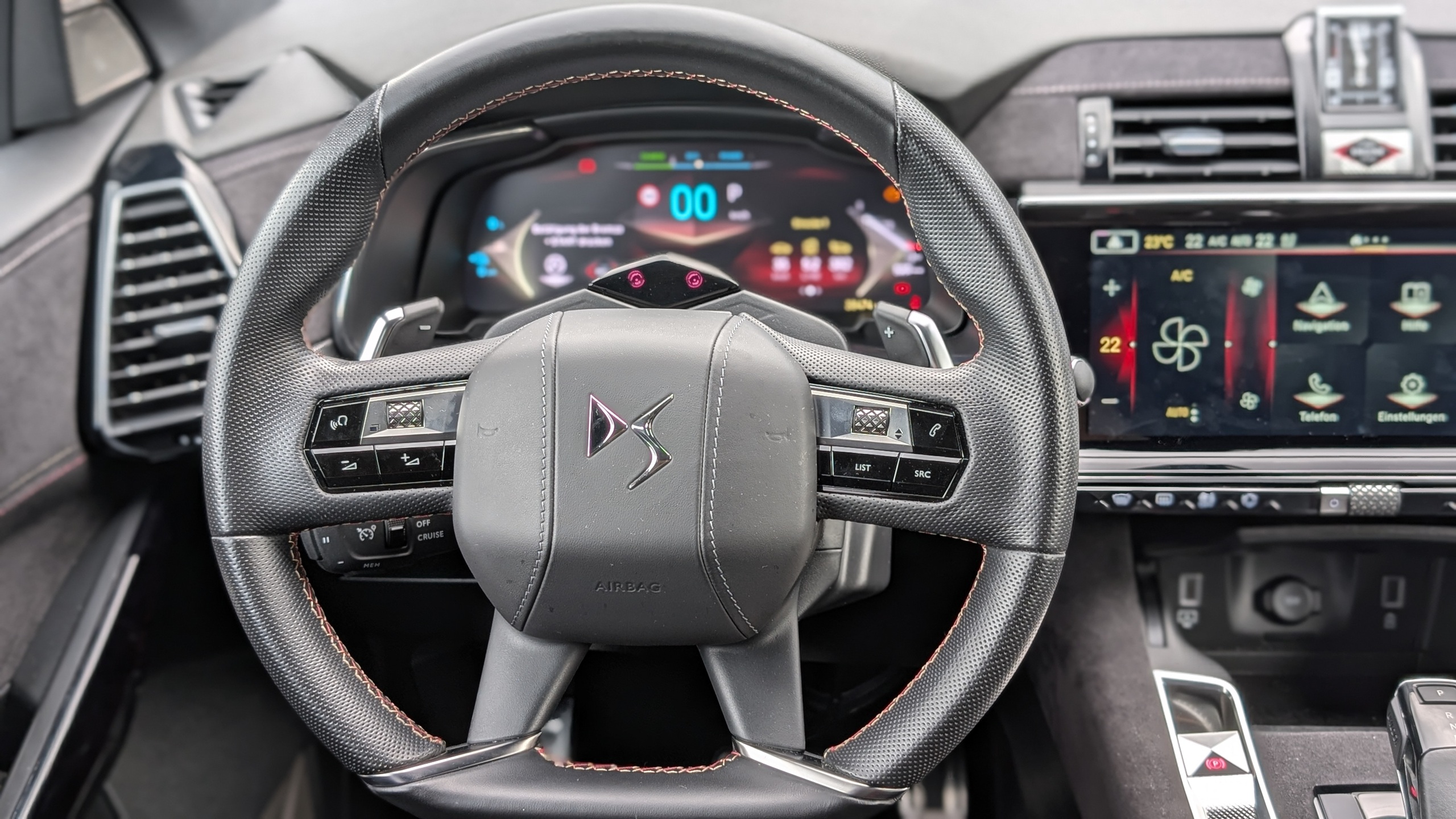
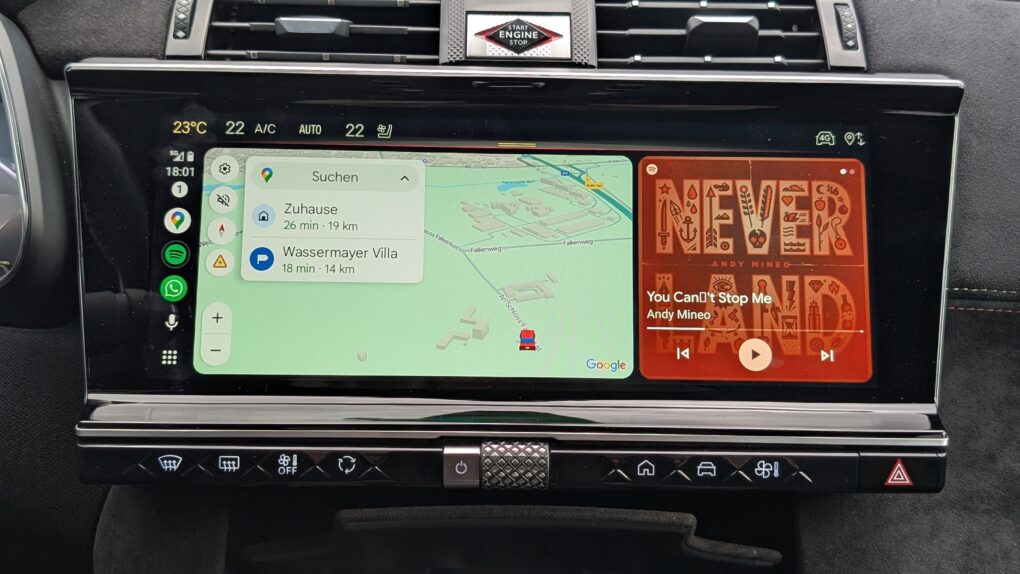
The central 12-inch touchscreen is high-resolution, and the menu structure with its customizable widgets is significantly more intuitive than in the previous model. The graphics of the 12,3-inch digital instrument cluster are sharp and highly configurable. Nevertheless, the responsiveness of the Snapdragon-based system doesn't quite match the top solutions from BMW or Mercedes Benz Occasional delays in map loading or menu changes are noticeable.
For audiophile connoisseurs, the optional Focal Electra HiFi system With 14 speakers and 515 watts of power, however, it's a clear recommendation. It delivers a clear, powerful, and well-balanced sound that perfectly complements the vehicle's sound insulation and transforms the interior into a concert hall.
-
- Picture: TechnikNews
-
- Picture: TechnikNews
comfort and connectivity: The flagship discipline
The DS 7 sees itself as a travel lounge and impresses with its comfort across the board. Combined with excellent insulation, the acoustic glazing ensures quiet in the interior. The highlight, however, is undoubtedly the camera-based, adaptive suspension. “DS Active Scan Suspension”A camera mounted behind the windscreen scans the road surface and adjusts the damping of each wheel proactively adapts to the bumps ahead. The result is smooth gliding and a driving experience reminiscent of Citroën's legendary hydropneumatic models, without feeling spongy.
The new “DS IRIS System” It combines online navigation, over-the-air updates, and a well-functioning natural voice control system with ChatGPT support. Wireless Apple CarPlay/Android Auto is also standard. The dual-zone automatic climate control responds quickly, but on a 2°C day, even at the highest setting, the cooling performance was only sufficient for a temperature difference of 32°C. The same applies to the seat ventilation: Even at the highest setting, the cooling is rather weak and doesn't deliver the desired refreshing effect.
-

- Image: DS Automobiles

-
- Picture: TechnikNews

Drive of the DS 7 E-Tense: Powerful and harmonious at the same time
The heart of the SUV is the Plug-in hybrid powertrain called the "E-Tense 4×4 300." It combines a 1,6-liter four-cylinder turbo gasoline engine producing 200 hp with two electric motors. One electric motor producing 110 hp is located at the front of the transmission, while a second motor with 110 hp drives the rear axle. The result is a system output of 300 hp and a whopping 520 Nm of torque, which is managed via a smooth-shifting Aisin EAT 8-speed automatic transmission.
The power delivery is impressive. In hybrid mode, the DS 7 accelerates powerfully and almost seamlessly. The sprint from 0 to 100 km/h takes a commanding 5,9 seconds. Running on electric power alone, it can reach a top speed of 135 km/h, and the top speed is 235 km/h, which is sufficient for most everyday driving and even highway driving. The interaction of the three engines and the 8-speed automatic transmission is largely imperceptible and harmonious. Only when high performance is required or the battery is depleted is the hum of the four-cylinder clearly audible, but it is not unpleasant.

Image: DS Automobiles
Driving dynamics and handling: No corner robber
Despite its impressive performance, the DS 7 is no corner-hugger. Its focus is unmistakably on comfort and poise. The steering is light and precise, but lacks feedback. When cornering at speed, the heavy weight of almost two tons becomes noticeable, and the body leans noticeably to one side. However, the all-wheel drive, powered by the electric motor on the rear axle, ensures excellent traction at all times, especially in wet conditions or on loose surfaces. Braking distances from 100 km/h were consistently 35 meters.
The five driving modes (Electric, Comfort, Hybrid, Sport, and 4WD) affect the damping, steering, throttle response, and transmission, and can be easily adjusted via a button on the center console. "Sport" mode significantly increases the responsiveness of the accelerator pedal and steering, but can be acoustically annoying on longer journeys due to the increased engine speed.
One point that is repeatedly criticized in urban areas or stop-and-go traffic is the lack of an "Auto Hold" function. At traffic lights or in traffic jams, you therefore always have to keep your foot on the brake or manually activate the electronic parking brake. In a vehicle that is in the premium segment in terms of price and technology, this omission is hardly understandable and represents a real disadvantage in everyday comfort.

Image: DS Automobiles
Assistance systems: comprehensive and confident
The DS 7 offers a comprehensive arsenal of modern driving aids. “DS DRIVE ASSIST” combines adaptive cruise control with active lane keeping assist, enabling Level 2 semi-automated driving. Adaptive ACC with Stop&Go function, lane centering, and traffic jam pilot further relieve the driver's workload in stop-and-go traffic. The system works reliably on highways and well-marked country roads, effortlessly maintaining the lane and distance to the vehicle ahead. The pixel-LED high beams also precisely mask the road, and the matrix projections remained flawless during testing.
Another highlight is the DS NIGHT VISION, an infrared system that highlights people and animals on the display in the dark before they are visible in the headlight beam – a real safety plus. A blind spot warning system, a rear cross-traffic alert system, and a 360-degree camera system round out the package. The only criticism: the lane keeping assist system intervenes too forcefully when lane markings fade. This can be irritating, for example, in narrow construction zones.
-

- Image: DS Automobiles

-

- Image: DS Automobiles

Consumption and electric range of the DS 7 E-Tense: No brilliant performance
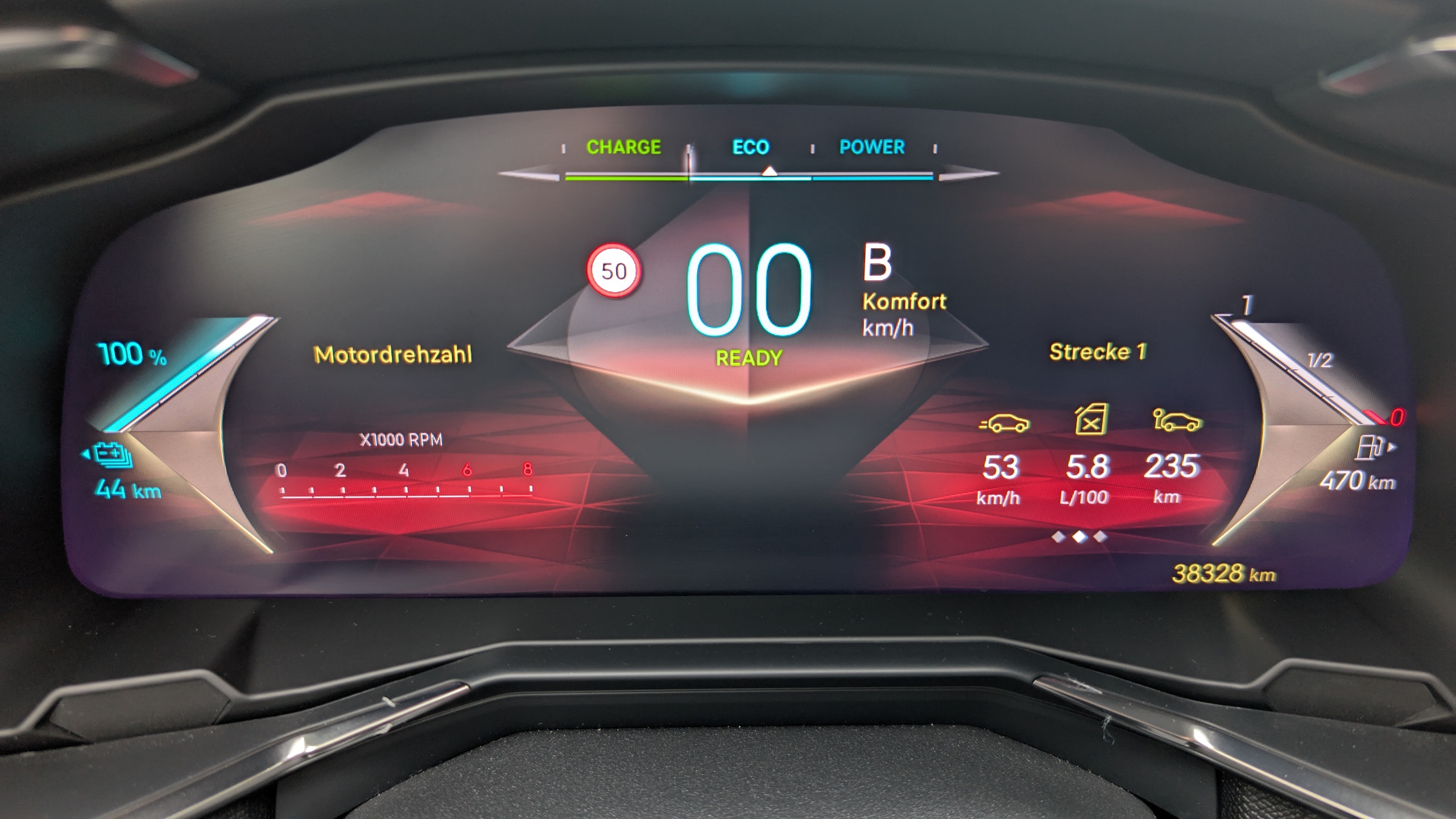
The DS 7 houses a 14,2 kWh battery (gross), which, according to the WLTP standard, is sufficient for up to 62 kilometers of pure electric driving. However, our test revealed a common pattern in practice: At 100% charge, the onboard computer usually only showed a range of around 48 kilometers. This value is actually achievable with conservative driving and mild temperatures. In winter or with brisk driving, however, the range quickly drops to 35 to 40 kilometers. With a full 43-liter tank and a full battery, this results in a maximum total range of approximately 650 kilometers.
When the battery is empty, the DS 7 operates as a classic full hybrid. Fuel consumption then adjusts depending on the driving style.proFuel consumption ranges from 7,5 to 9,5 liters per 100 kilometers; with a fully charged battery, consumption drops to 5,5 to 6,6 liters per 100 kilometers—an acceptable, but not outstanding, figure for such a heavy SUV. Another nuisance is the so-called "vampire drain." When the vehicle is parked and locked, the battery loses charge. A loss of around 7% overnight is not uncommon. This means that someone who parks in the evening with a range of 50 kilometers may start the next morning with only 46 kilometers.
Picture: TechnikNews
Charging with the DS 7 E-Tense: Nothing special
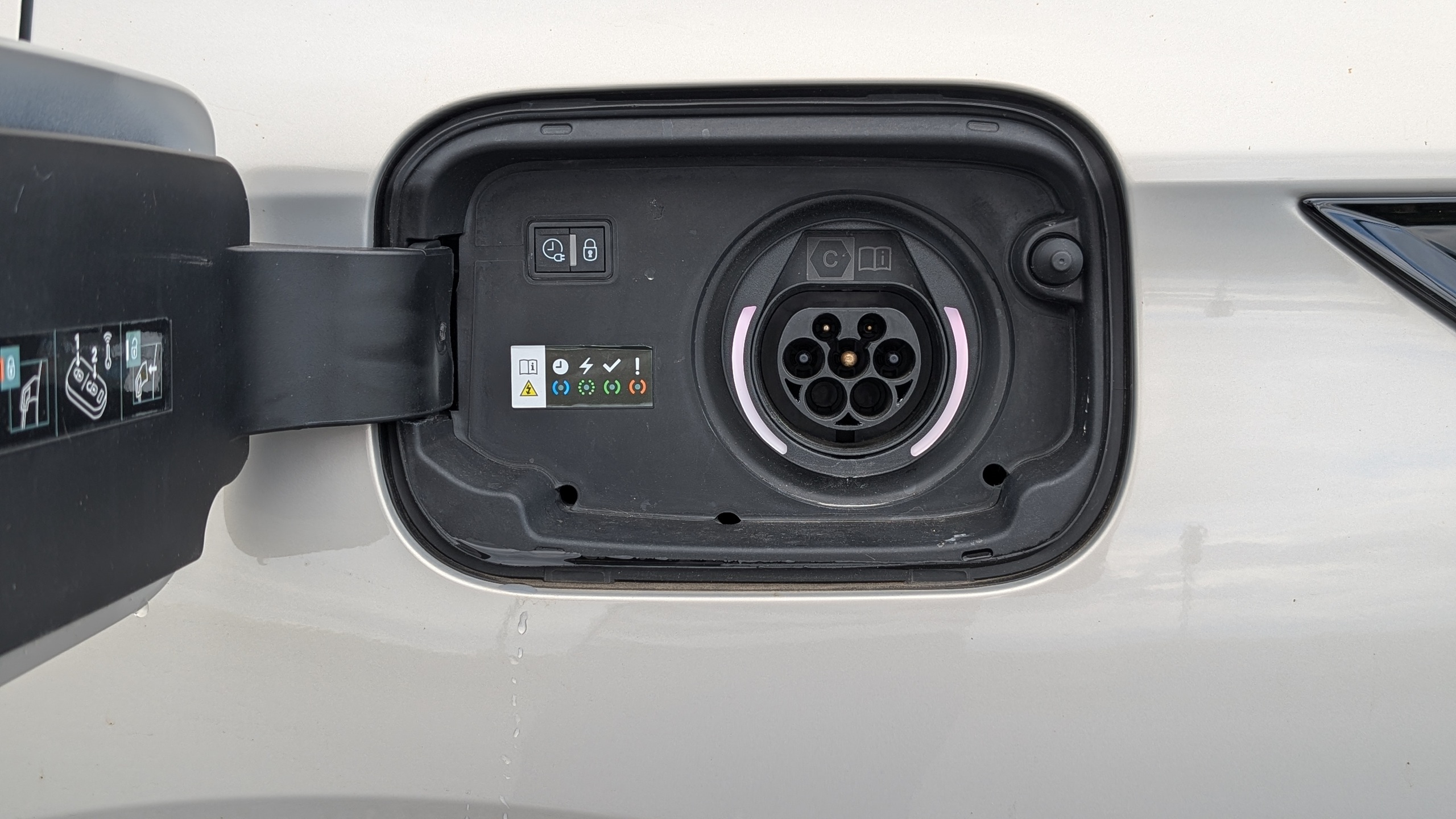
This is where the DS 7 reveals its greatest technological weakness. While many competitors now rely on three-phase charging at 11 kW or even a CCS connection for fast direct current charging, the French model lags somewhat behind with its 7,4 kW maximum charging power. Furthermore, the maximum charging power is only achieved in single-phase mode. However, given the small battery size, this weakness is manageable.
A full charge therefore takes one:
2,3 kW household socket: approx. 7 hours 30 minutes
7,4 kW wallbox: approx. 2 hours
22 kW public AC column: approx. 2 hours
Picture: TechnikNews
Price and warranty of the DS 7 E-Tense:
The entry into the world of the DS 7 Plug-in-Hybrid 4×4 300 starts (as of July 2025) at around Euro 59.000. Depending on the selected equipment and additional options, the price can quickly exceed the €65.000 mark. This puts it in the price range of rivals such as the Audi Q5, the BMW X3, and the Mercedes GLC, but it is better positioned in direct comparison due to its more extensive standard equipment (all prices are as of July 2025 and include 19% VAT).
DS Automobiles typically offers a two-year, unlimited mileage warranty. However, this is now below average in the premium segment. The high-voltage battery comes with the industry-standard eight-year or 160.000-kilometer warranty. The paintwork warranty is three years.
and the guarantee against rust perforation is twelve years.

Picture: TechnikNews
Many thanks to DS Automobiles for providing the DS 7 Plug-in Hybrid 4x4 300 for this test report. This did not influence our opinion!
Congratulations on that borderline-ugly interior. It looks like a dusty, cold castle (like the one in the cover photo). You have to get that right.