
Volvo XC60 Recharge Polestar Engineered review: One for all?
A TEST REPORT from Benedict Behring  on March 24, 2025, 10:30 | Write a comment
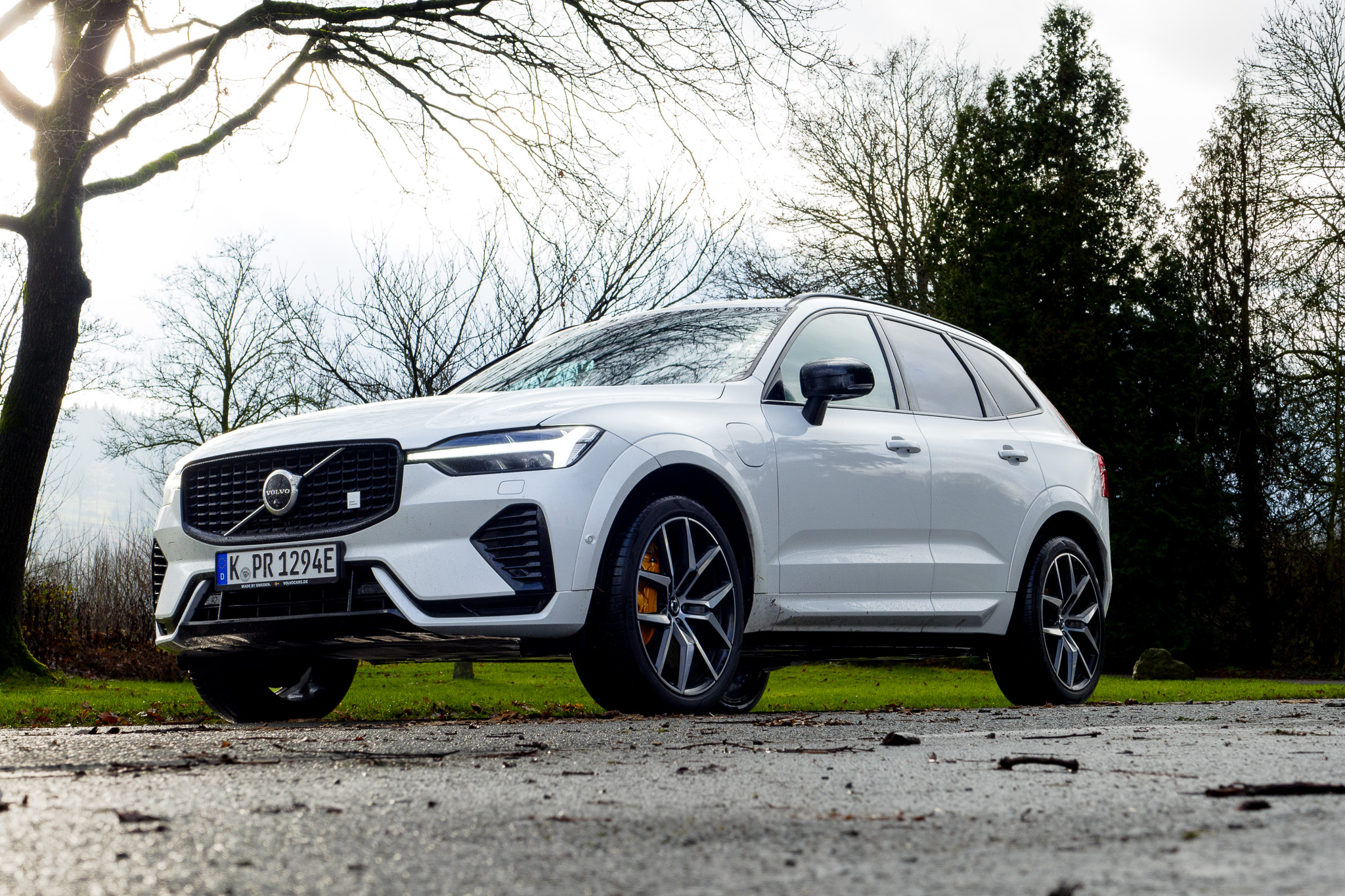
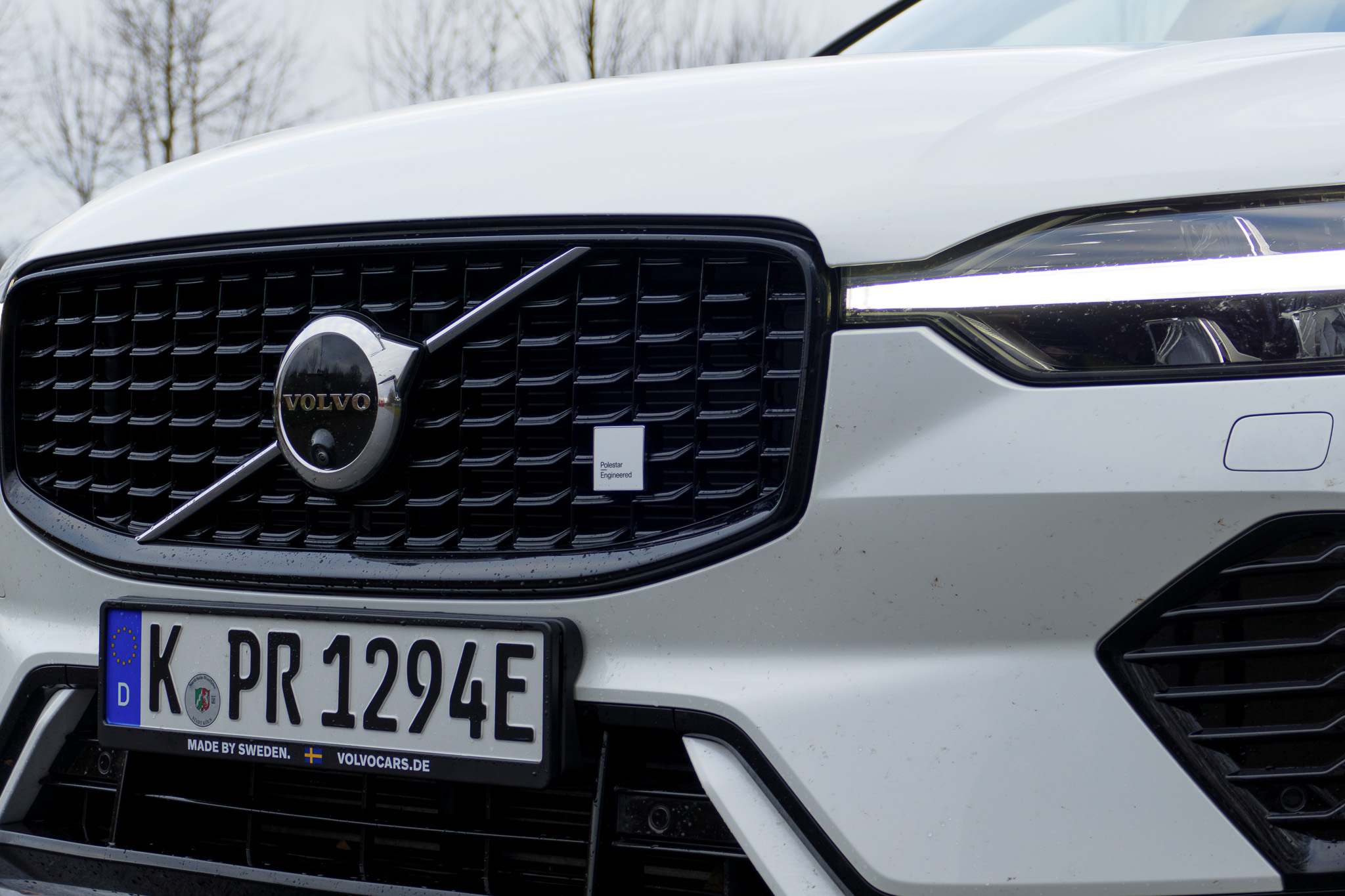
XC stands for Cross Country at Volvo, and the number after it simply indicates the size of the vehicle. Thus, the XC60 is a mid-size SUV. The additional "Polestar Engineered" badge in the grille reveals that this family SUV offers plenty of power. Find out whether all of this fits together and how it performs in everyday life in this review.
The Volvo XC60 already combines many qualities. A high entry but perfect city dimensions, powerful but safe, elegant but high-performance. You'll find out how all of this fits together and what the biggest criticisms are in the following review.
tl;dr: Well thought out but expensive
The Volvo XC60 Polestar Engineered impresses as a powerful plug-in hybrid with a successful combination of comfort, sportiness, and efficiency. Its striking design with gold brake calipers, a wide styling, and Polestar branding underscores the car's sporty DNA. Inside, Volvo relies on high-quality materials, innovative details, and sophisticated controls – even if some convenience features, such as an electric parcel shelf or wireless Apple CarPlay, are missing.
The XC60's handling is agile and precise. The headlights impress with some of the best lighting technology in the segment, while the assistance systems largely work reliably. The versatile drivetrain is particularly noteworthy: The combination of electric motor and combustion engine ensures a very low fuel consumption of 1,1 liters in hybrid mode. The downside: once the realistic 50 kilometers (9 miles) are used up on electric power alone, fuel consumption quickly jumps to 100 liters per XNUMX km (XNUMX mpg). Charge mode allows for flexible recharging while driving, but naturally also at the cost of increased fuel consumption.
The bottom line is that the Volvo XC60 Polestar Engineered is a car for both city and country, offering a successful blend of performance, efficiency, and Scandinavian design. Whether the test car's price of €94.370,00 (including 19% VAT) is justified remains a matter of personal judgment – I find it a bit too high.
-

- Picture: TechnikNews
-
- Picture: TechnikNews
-
- Picture: TechnikNews
Design: It's the details that matter
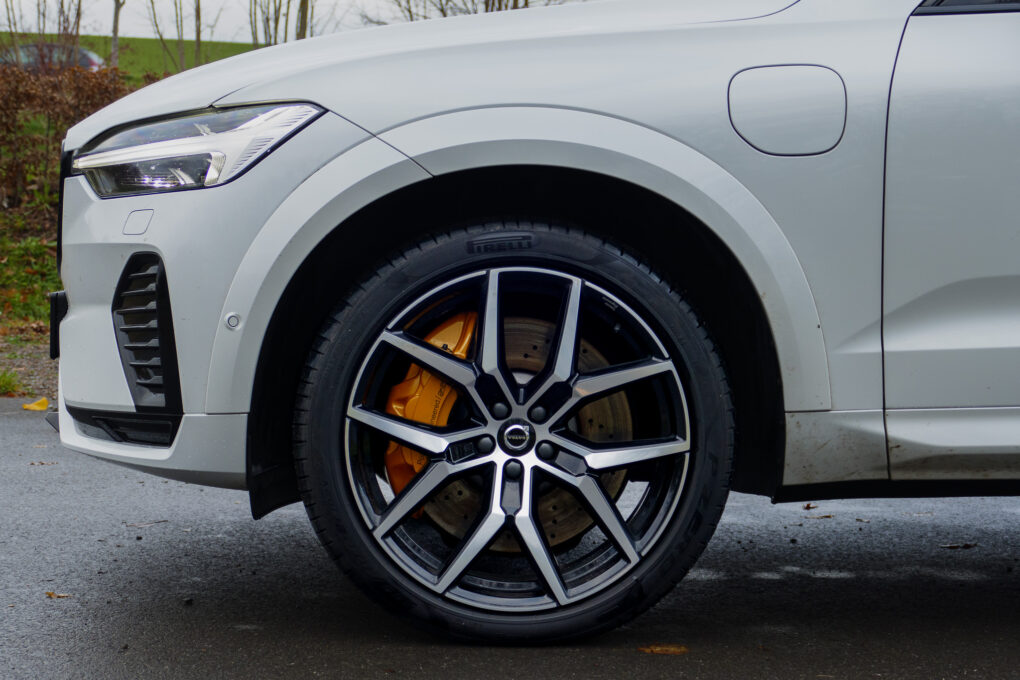
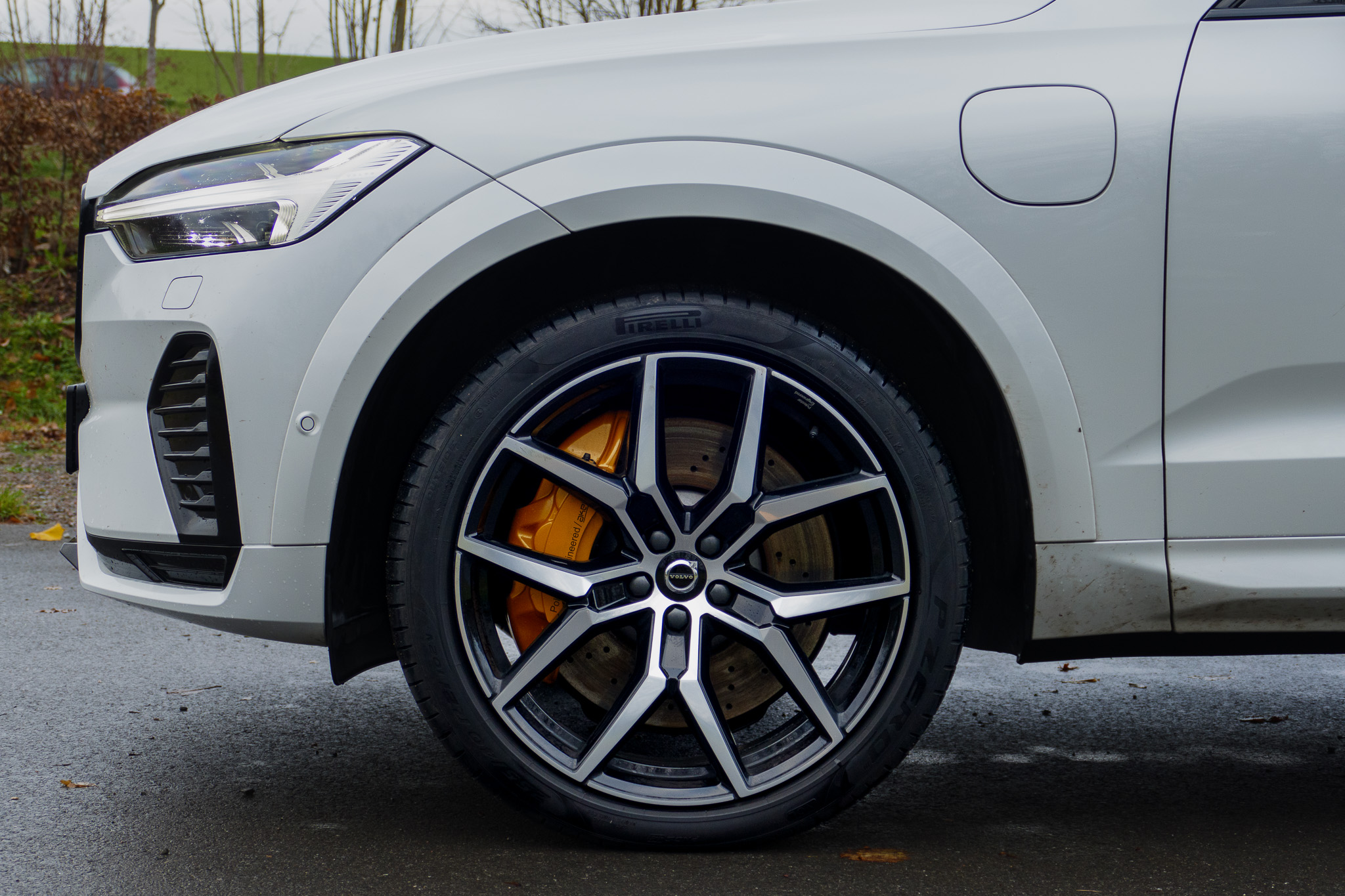
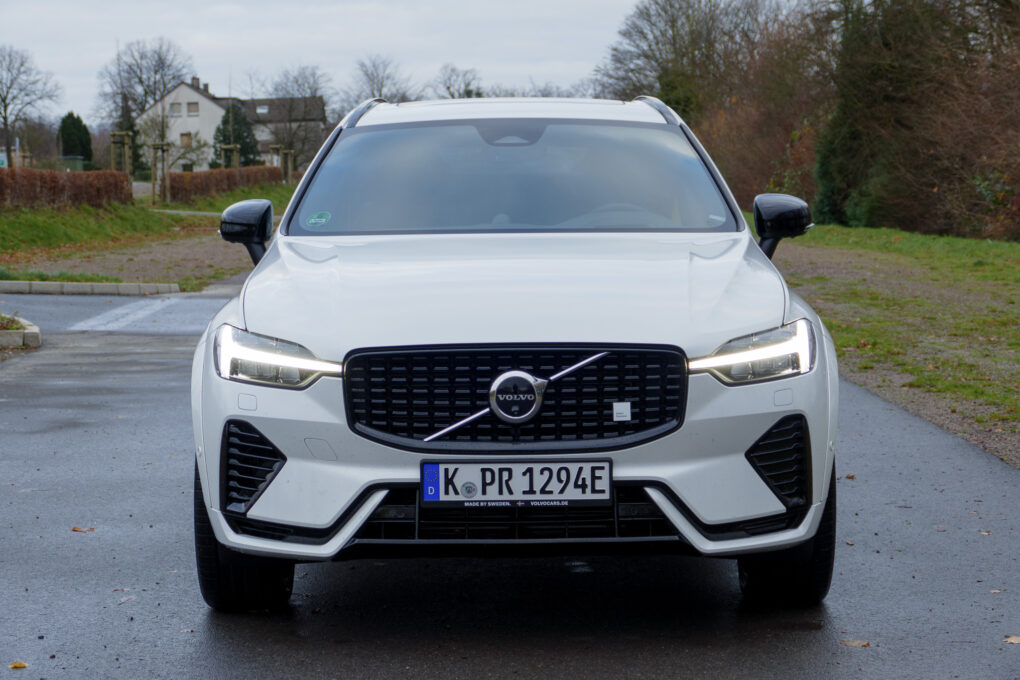
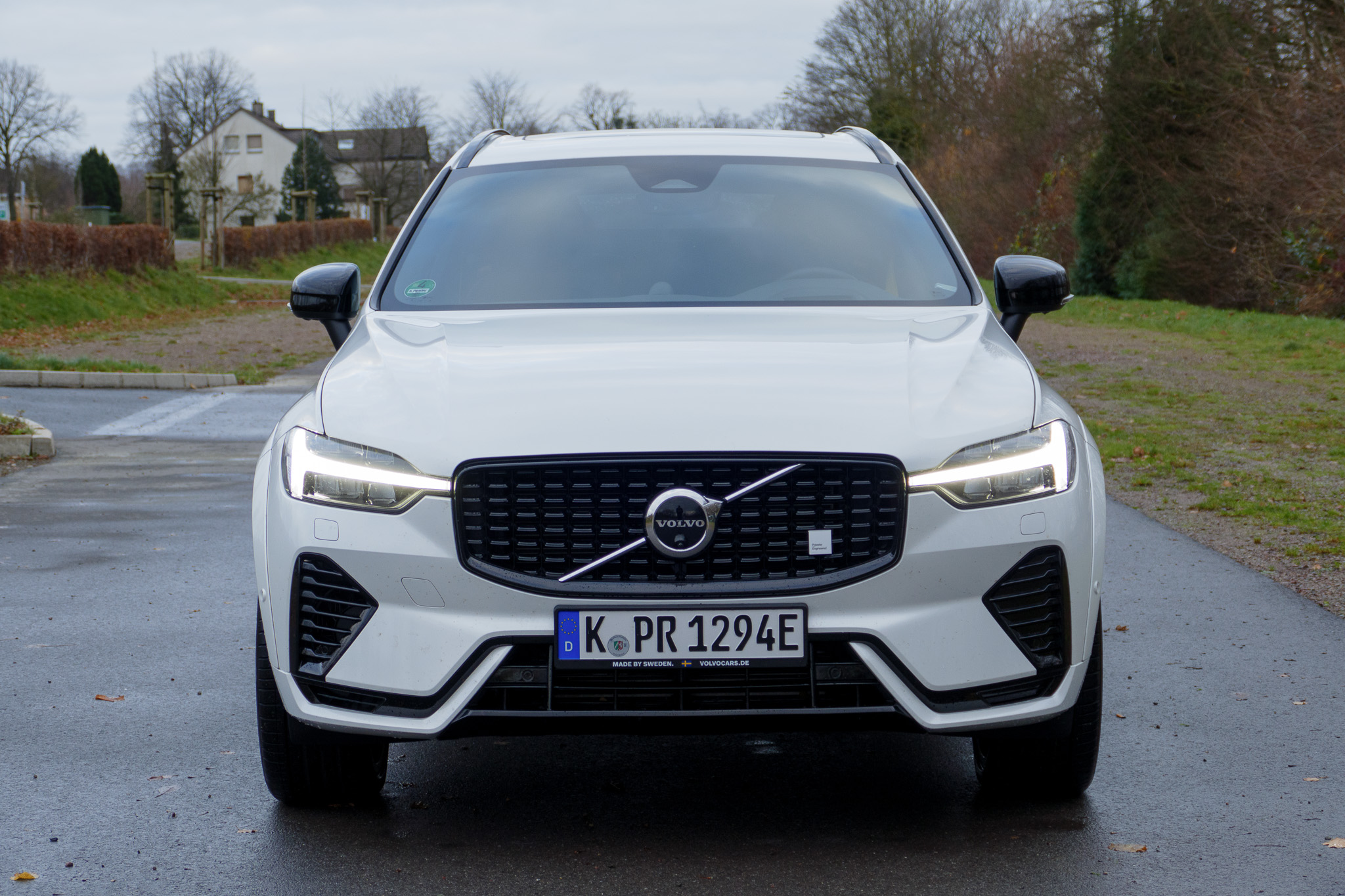
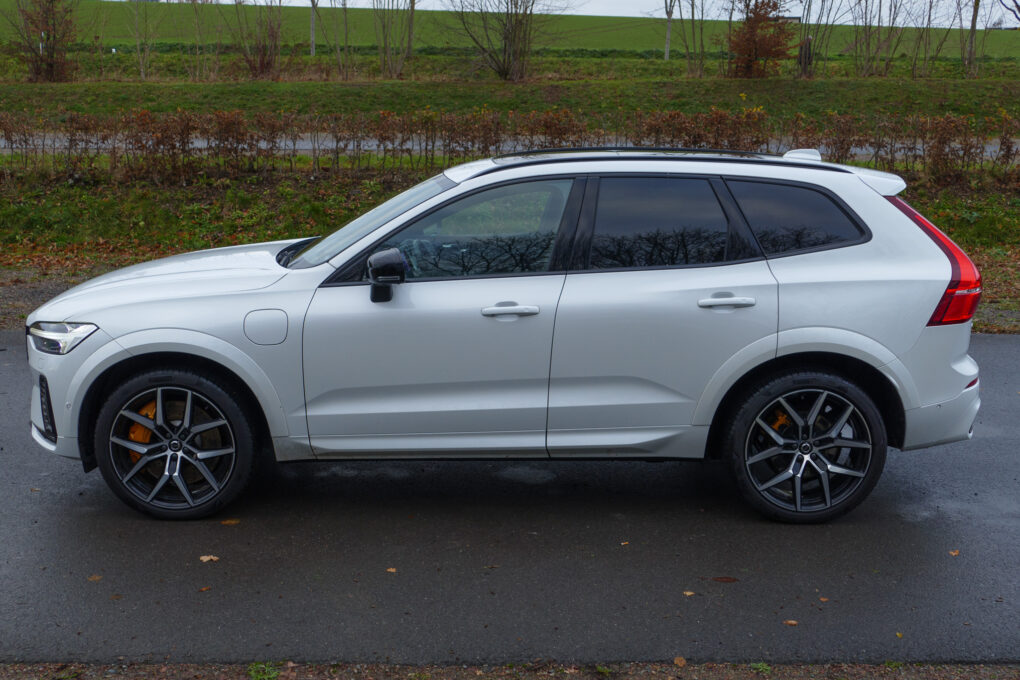
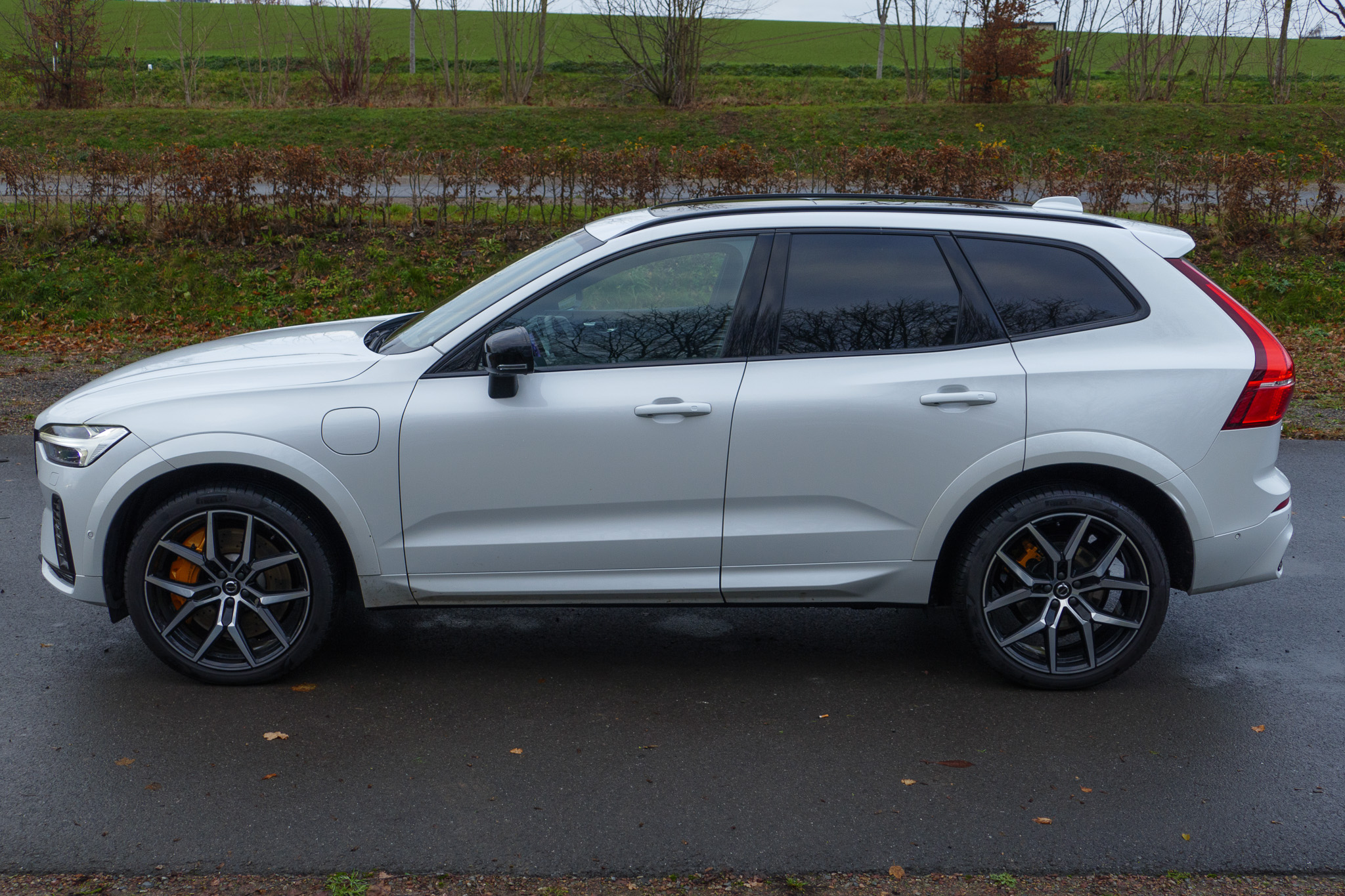
The Polestar Engineered badge on the grille and the power tailgate provide a subtle hint of the XC60's sporty performance. Less subtle, however, are the golden 6-piston Akebono brake calipers, which unmistakably indicate the powerful braking power.
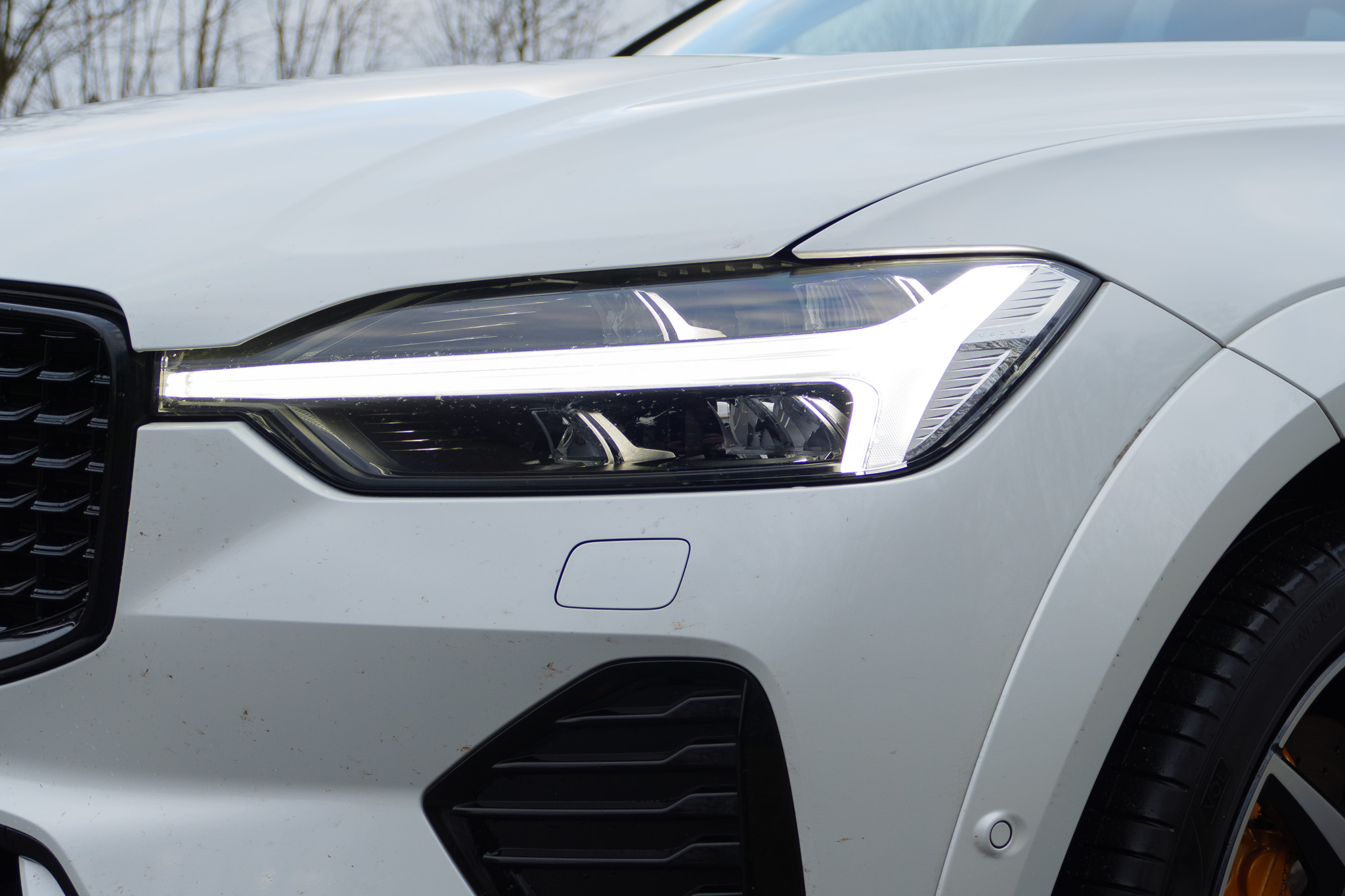
The fender flares reinforce the SUV's muscular appearance, while the 21-inch wheels with a distinctive 5-Y-spoke design and Polestar branding underscore its sporty demeanor. The dynamic appearance is complemented by the powerful front end: The "Thor's Hammer" LED headlights define the Volvo's striking look, while the downward-sloping front end likely benefits aerodynamics.
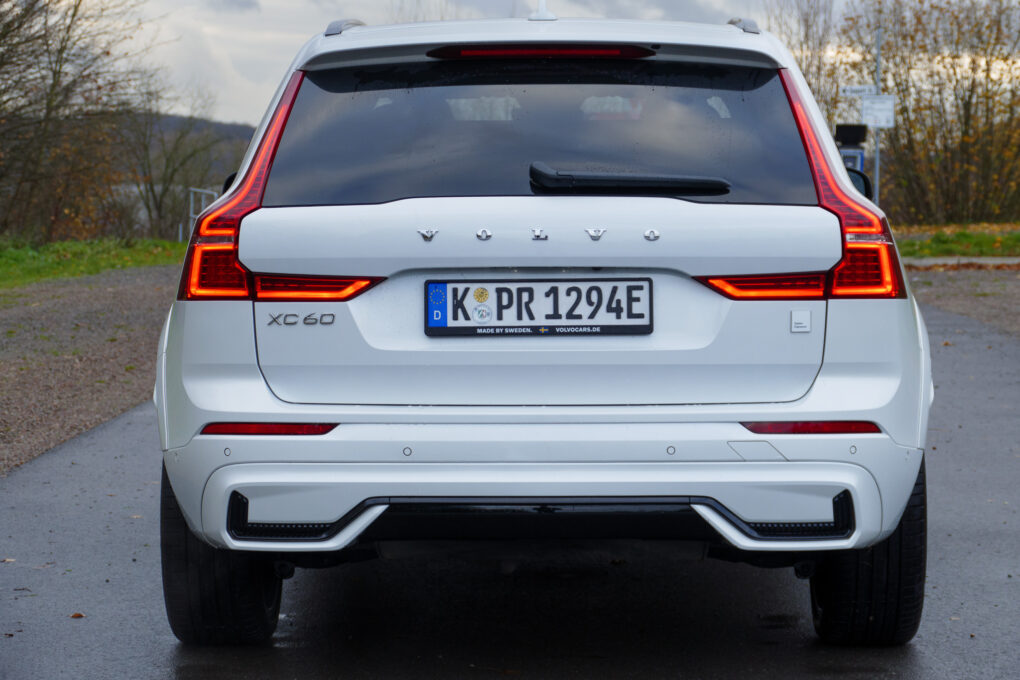
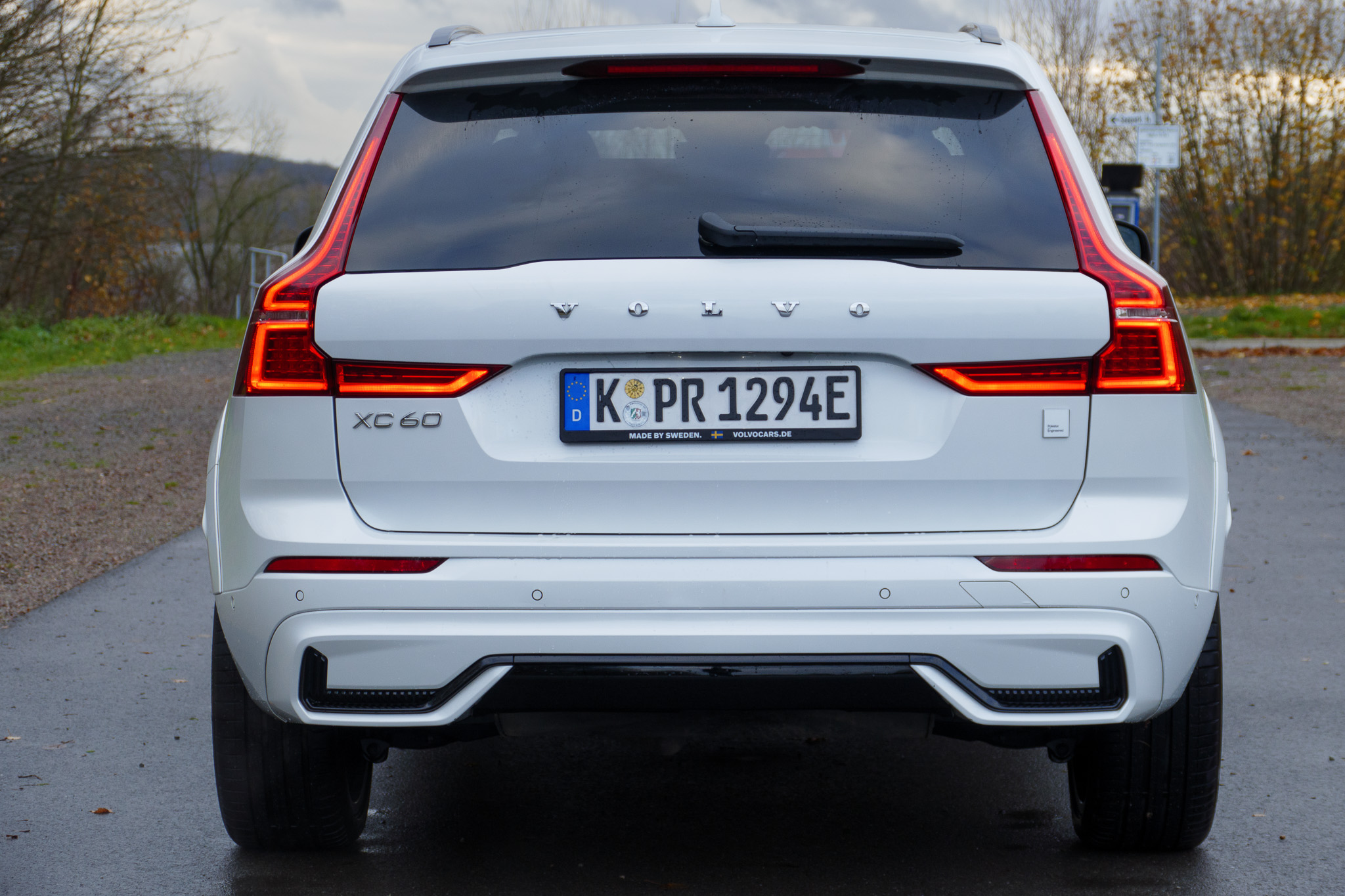
Functional details such as keyless opening and closing of all doors also ensure convenience – however, there is no automatic locking function when you walk away from the vehicle. The combination of the sporty front and rear aprons rounds off the design and gives the XC60 a particularly dynamic character.
-
- Picture: TechnikNews
-
- Picture: TechnikNews
-
- Picture: TechnikNews
Interior: The perfect middle?
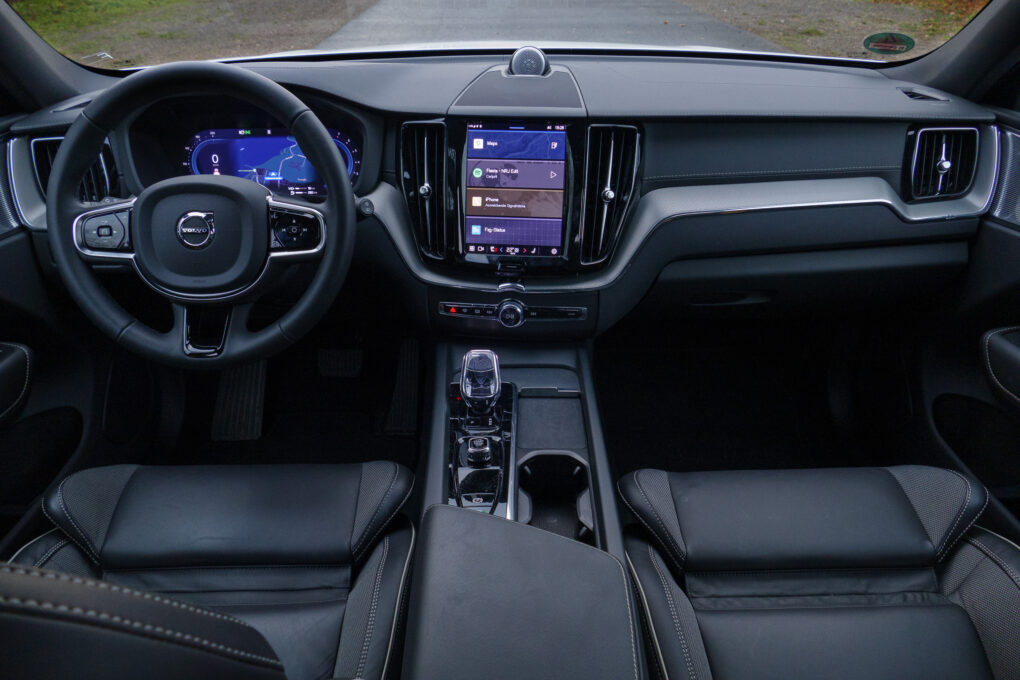
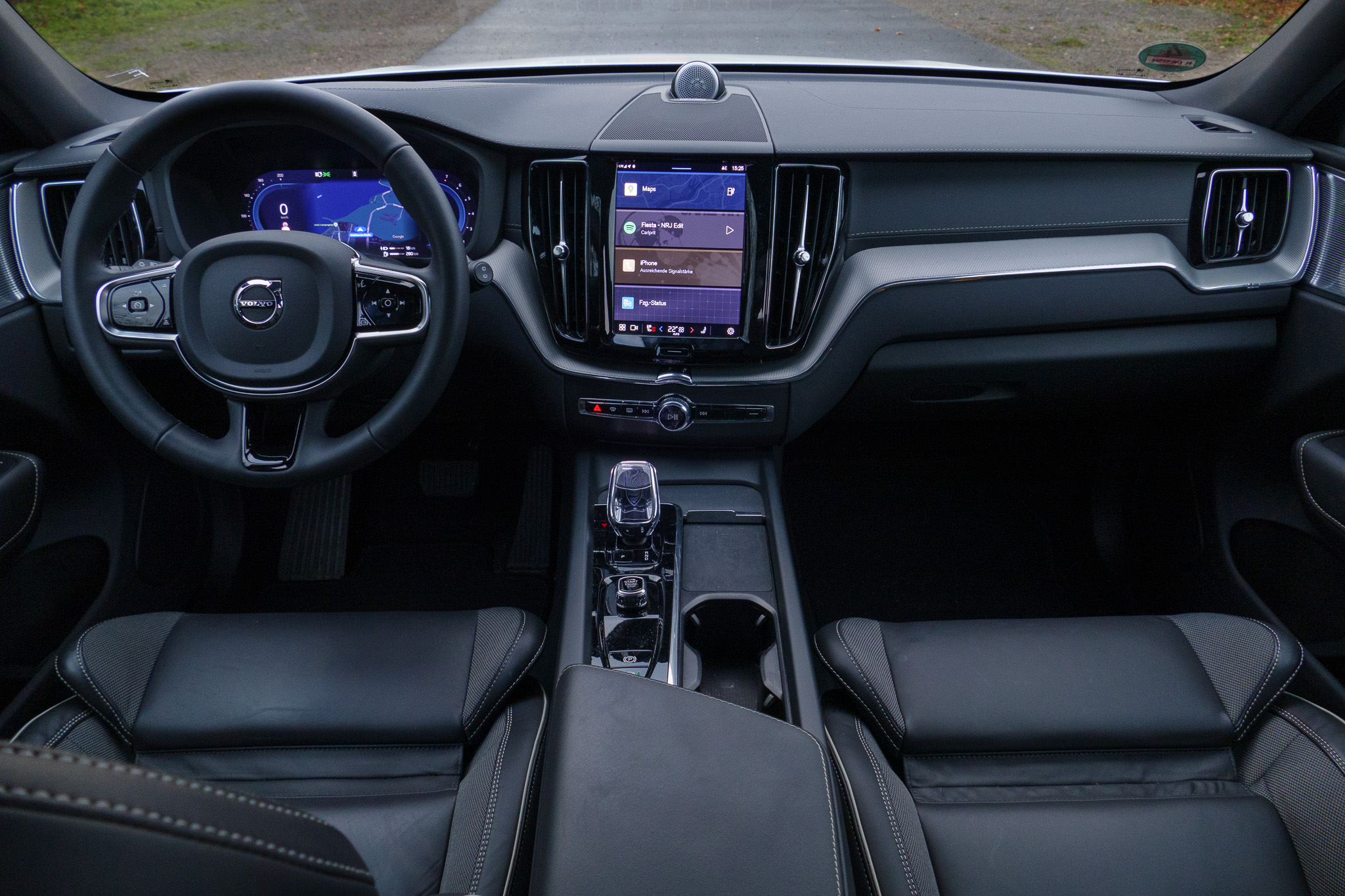
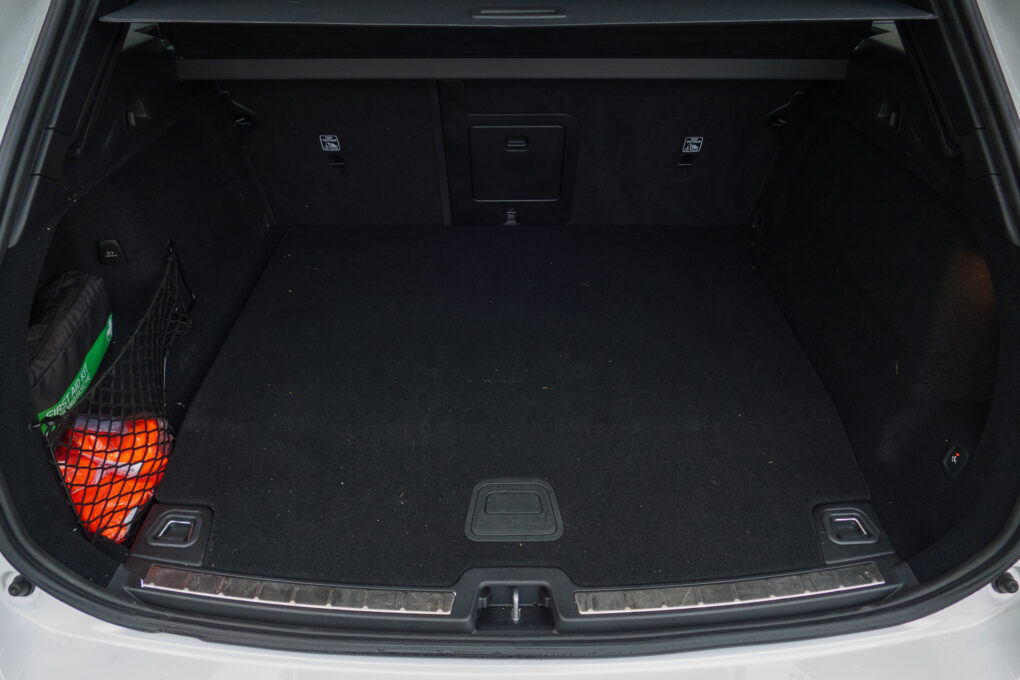
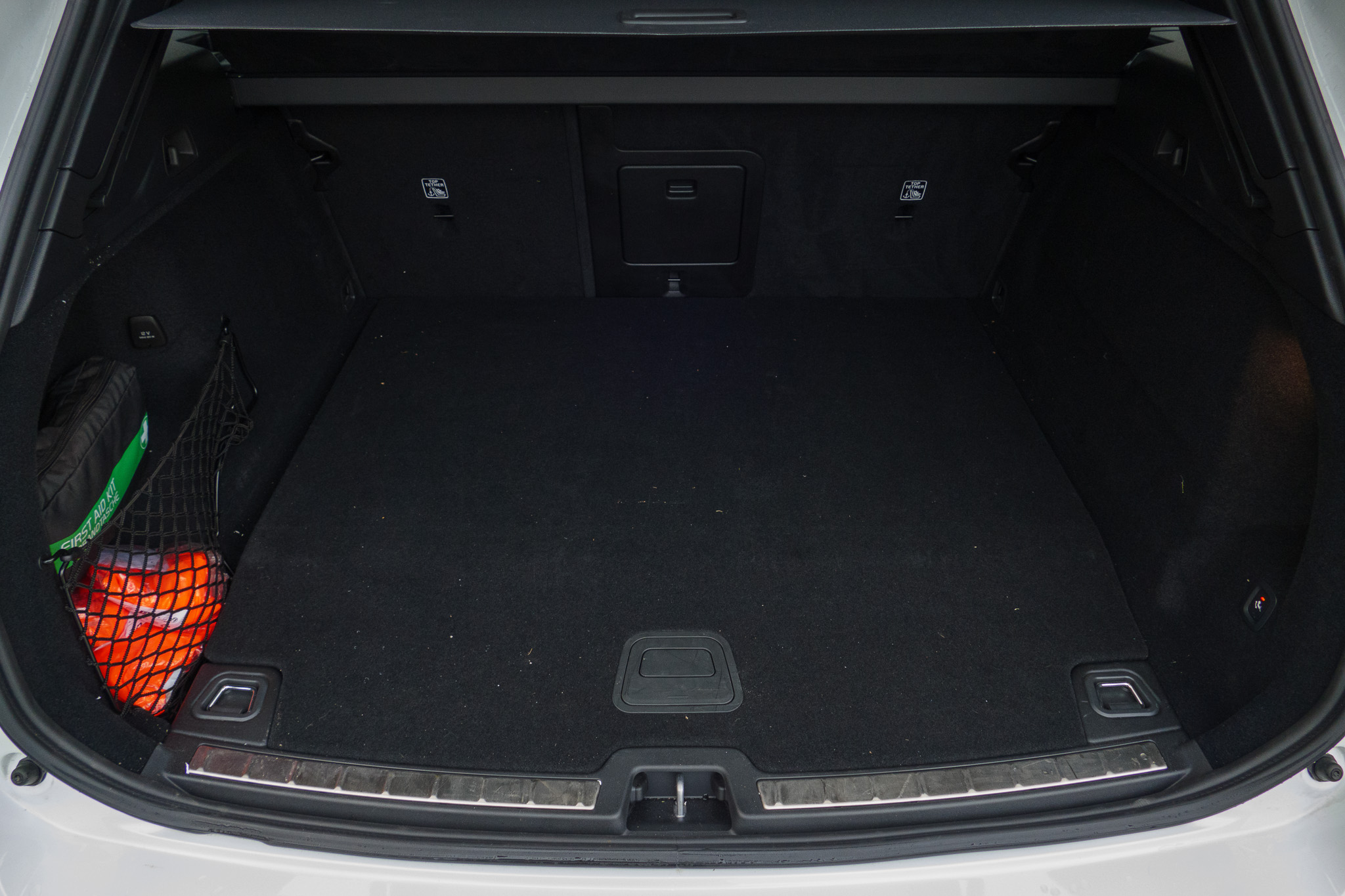
The Volvo XC60 measures 4,71 meters long, 1,90 meters wide, and 1,66 meters tall. This places it exactly between its siblings: 27 cm longer than the XC40 and 24 cm shorter than the XC90 – a successful balance of spaciousness and urban usability. The interior offers generous space in the front seats, but space is somewhat limited in the rear. The trunk, with its flat loading area and flexible 40/60 split, is slightly smaller than the class average at 468–1.395 liters. Unfortunately, there is no electric opening, only a removable parcel shelf, which seems somewhat questionable in this price class. The interior is largely finished in black and silver, and the electric panoramic glass sunroof creates an airy feeling of space, while the semi-automatic tow bar with a maximum towing capacity of 2.250 kg offers additional functionality.
-
- Picture: TechnikNews
-
- Picture: TechnikNews
-
- Picture: TechnikNews
Features
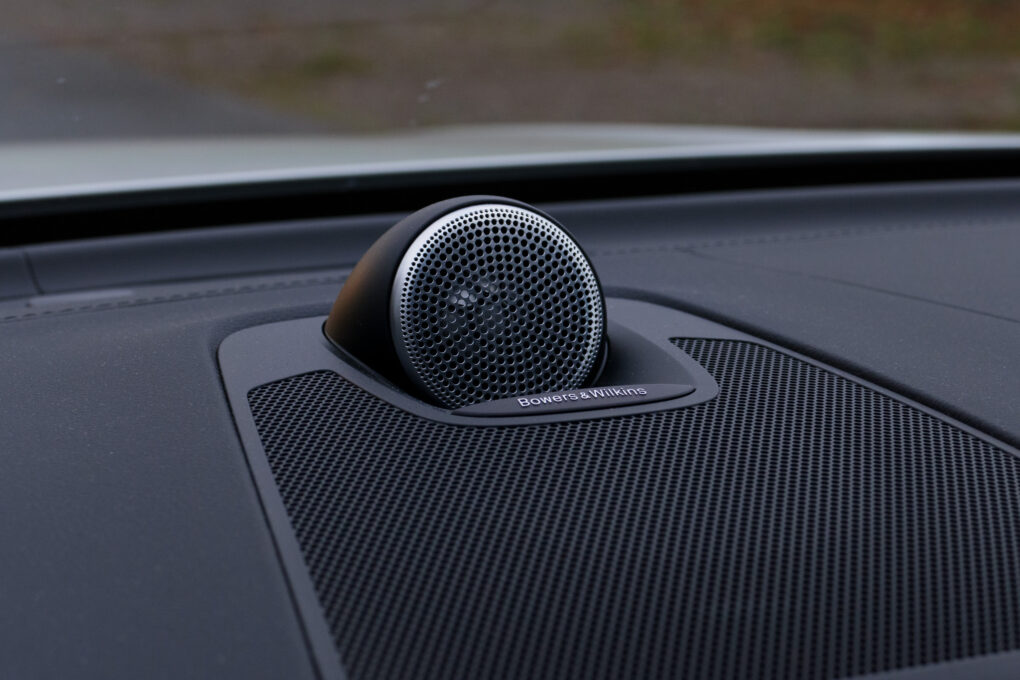
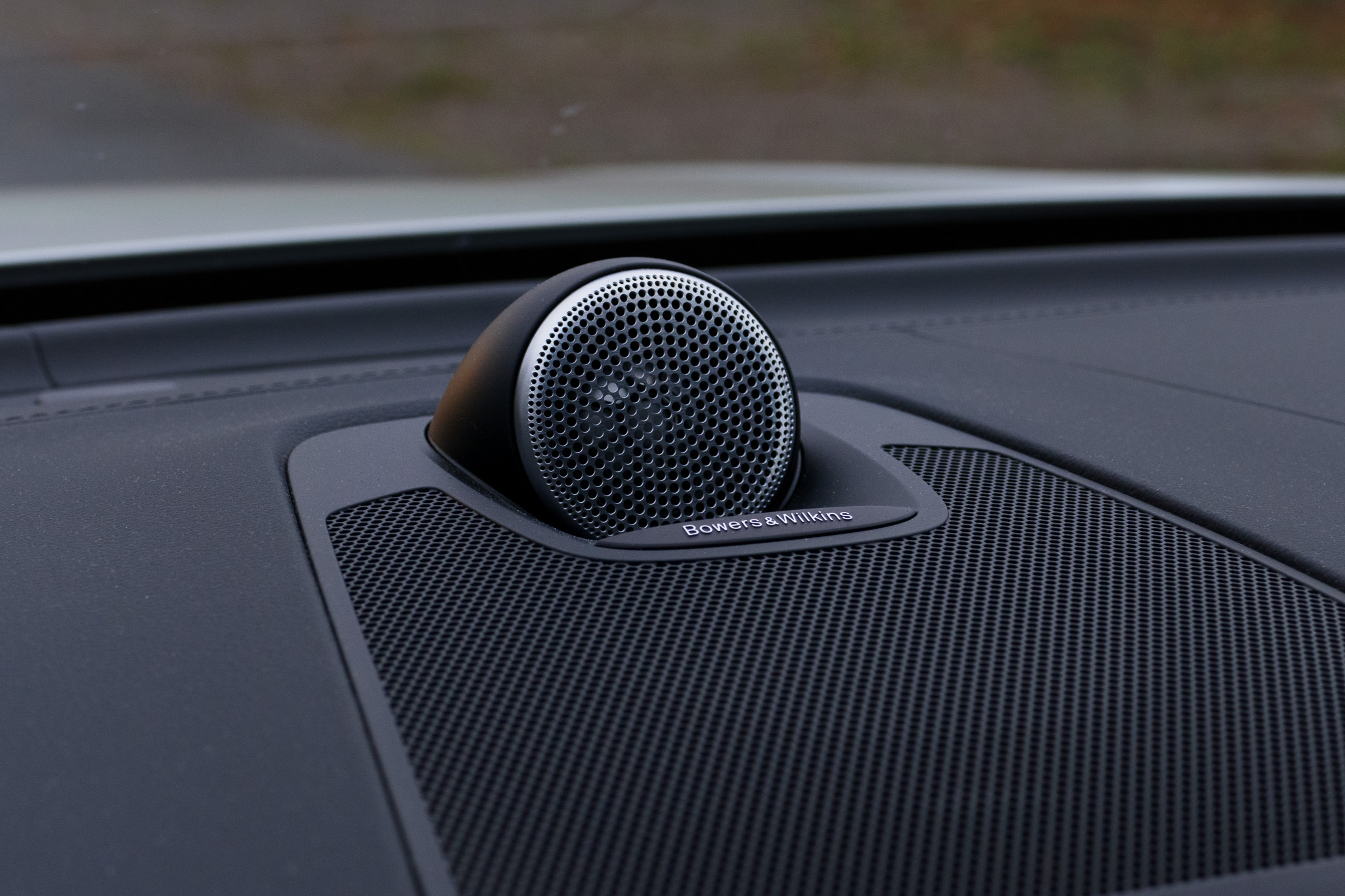
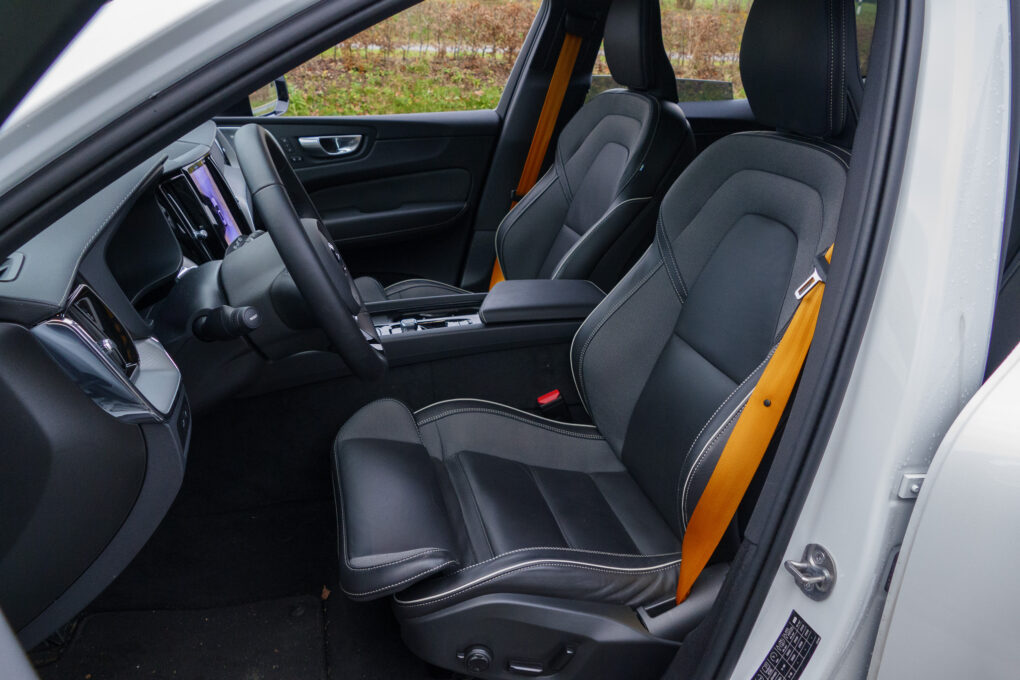
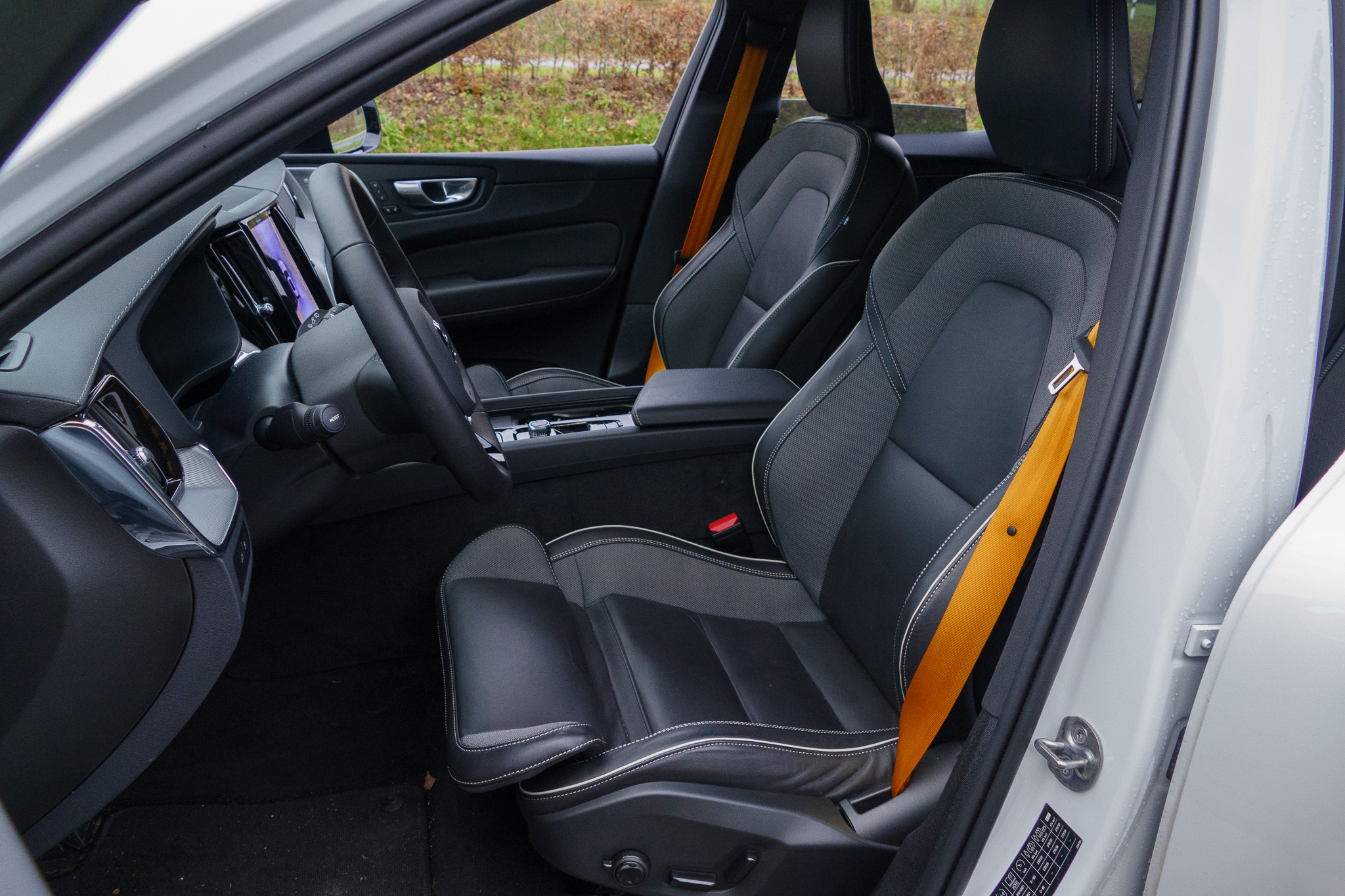
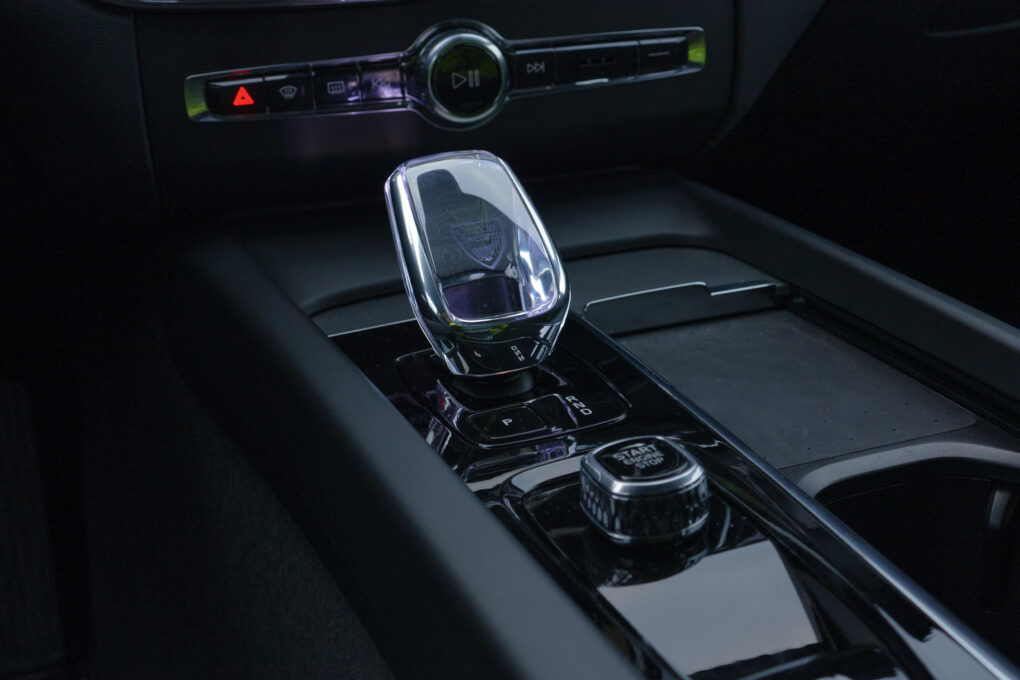
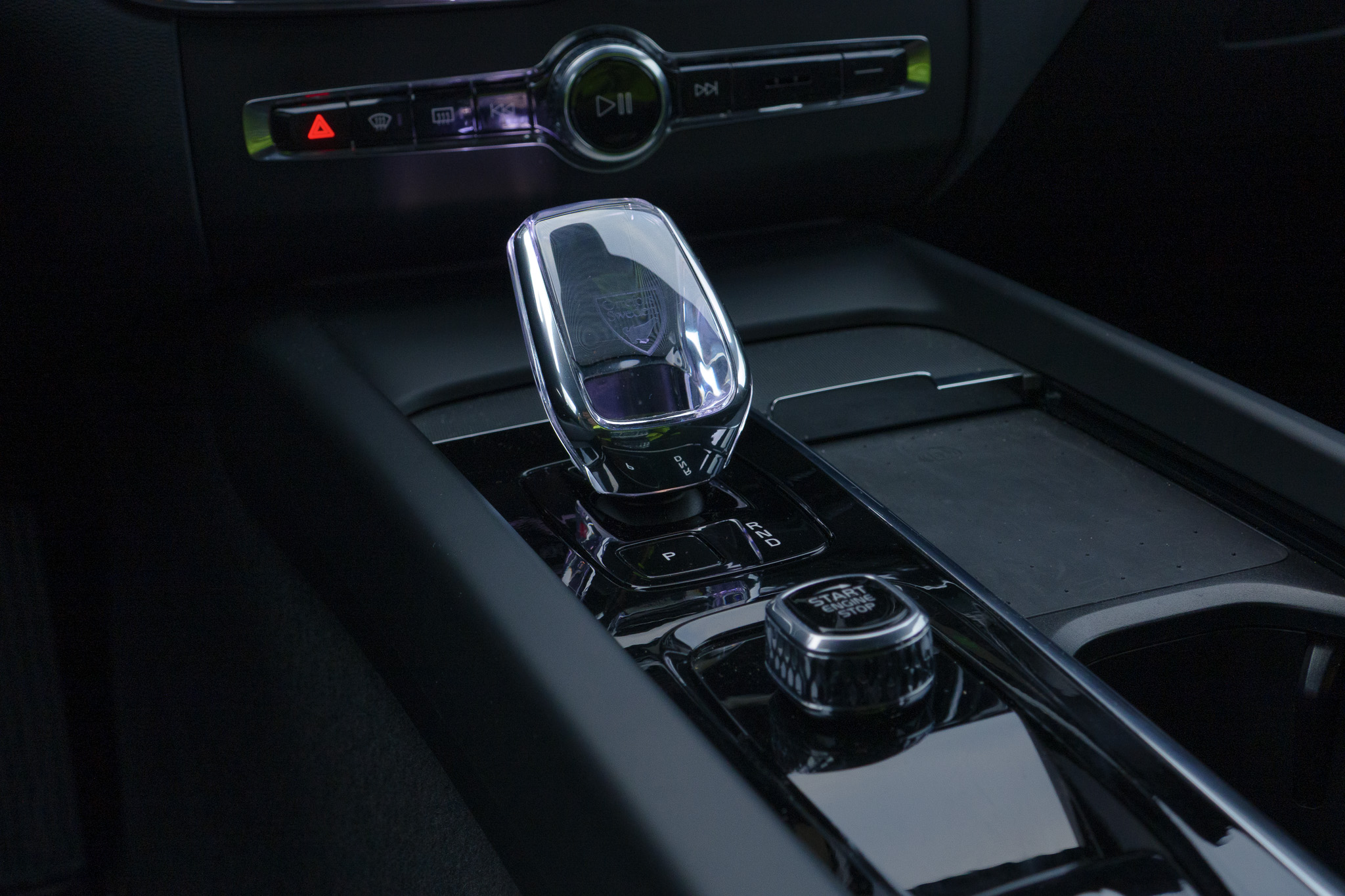
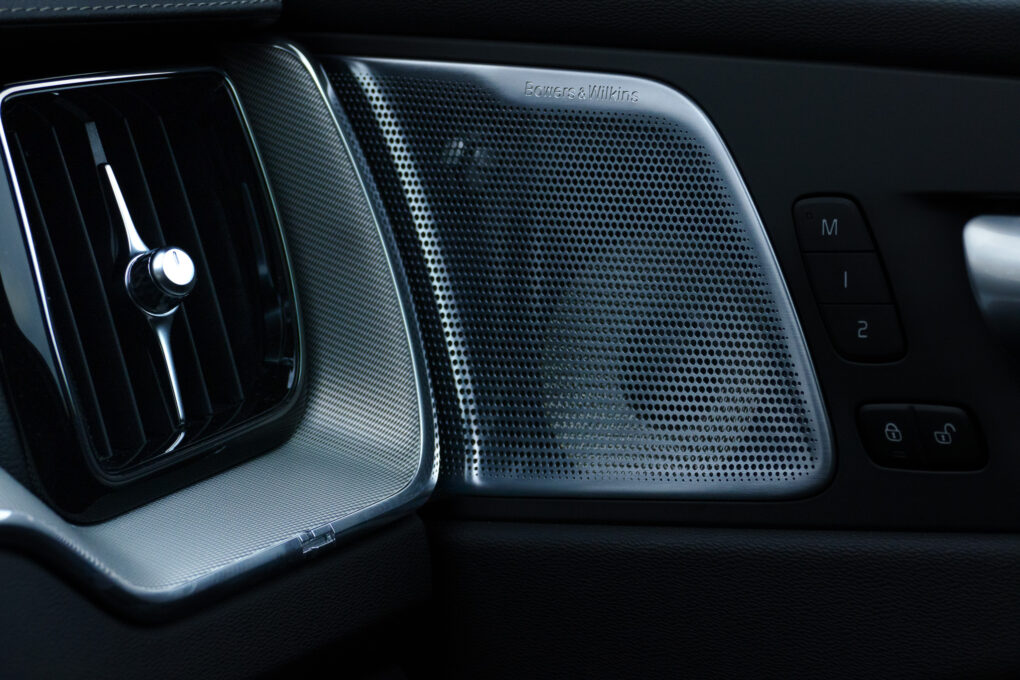
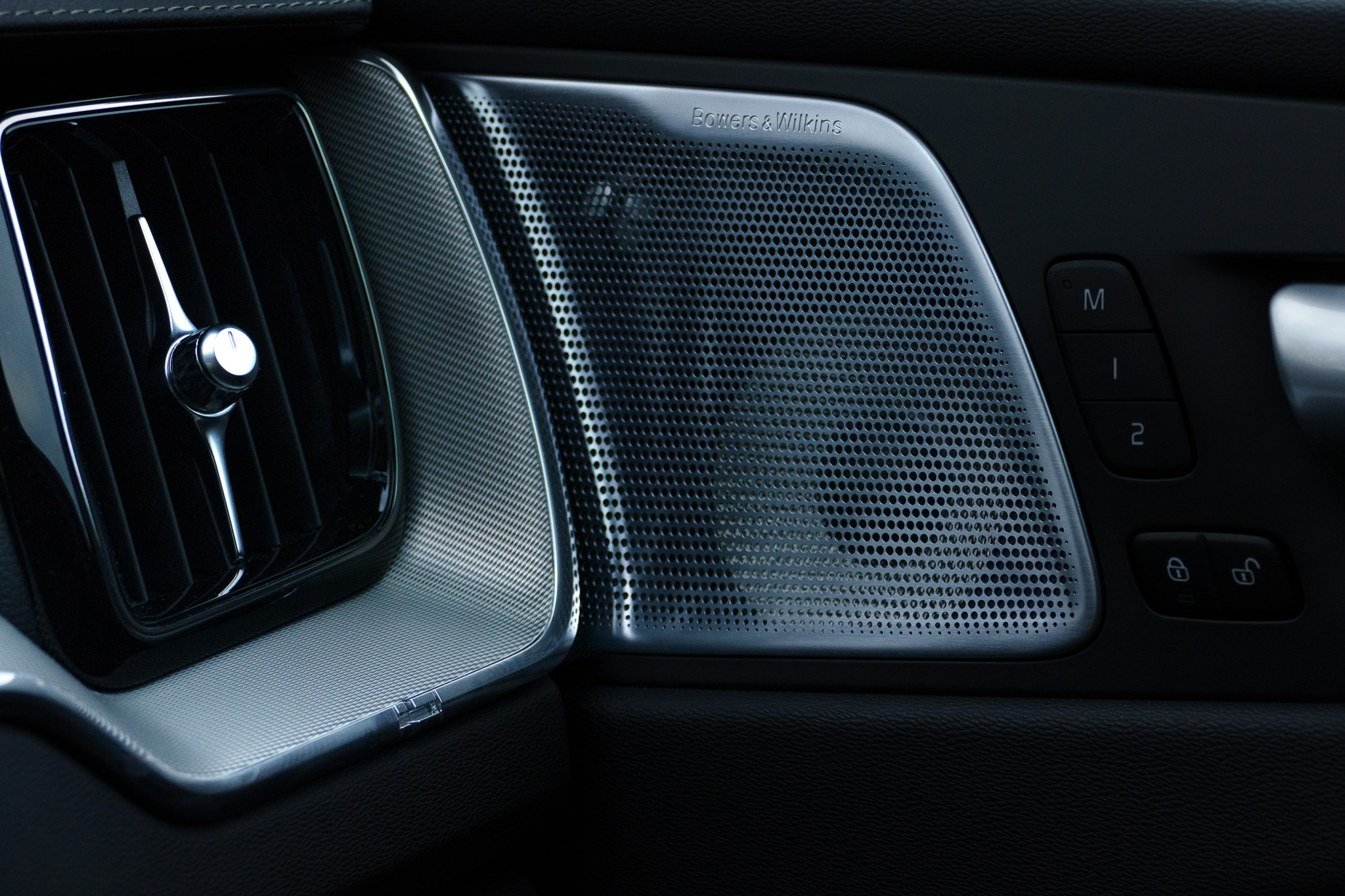
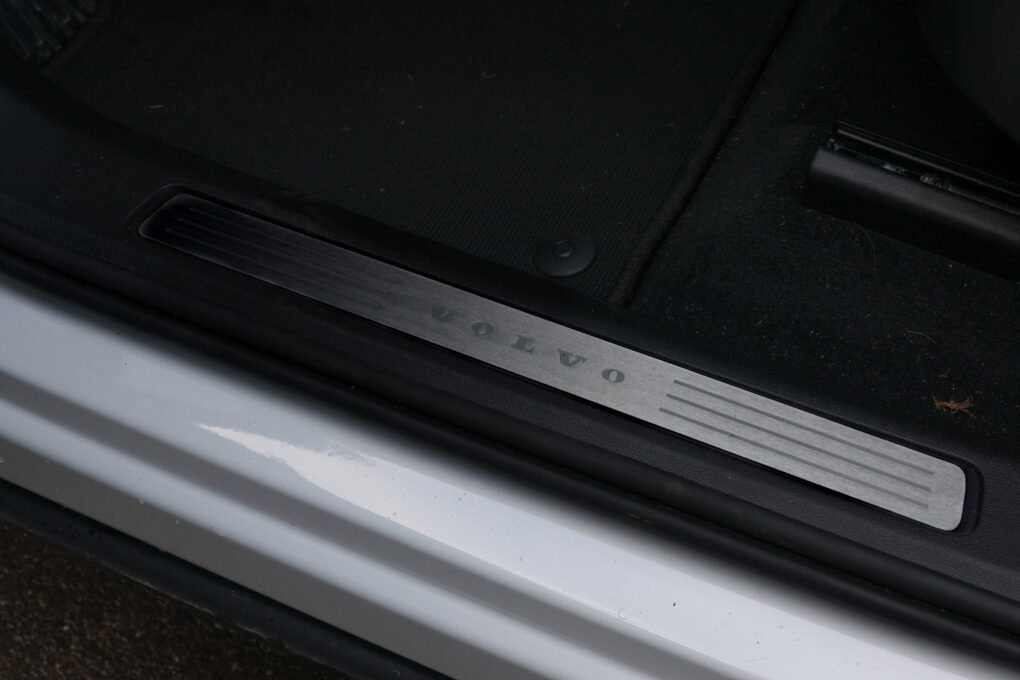
There are two USB-C ports in the rear, but no dedicated climate zone above the rather high center tunnel. A special feature are the two integrated child seats on the outer rear seats. Due to this design, there is no seat heating. However, the seats are height-adjustable and disappear seamlessly when not in use. Another practical detail: the rear headrests fold down automatically at the touch of a button. In the front, the electrically adjustable sports seats are rather tightly padded over time and consist of a partial leather/mesh textile mix. The ambient lighting is stylishly and discreetly integrated behind the surfaces, although the door sills unfortunately remain unlit. A charming detail: On the right air vent, at second glance, there is a small Swedish flag – at first glance, it appears to be a chipped trim strip. The speakers of the Bowers & Wilkins sound system offer excellent sound quality. They are openly positioned and have metal covers, which harmoniously integrate them into the design with the metal elements covering the entire dashboard and the center console. The latter houses several high-quality details. For example, the interior-illuminated gear knob is made of Orrefors crystal glass. While it can also be used to shift manually, paddle shifters would be a much more intuitive addition for such a powerful engine. Particularly noticeable is the exceptionally hot steering wheel heating, which is more intense than in most vehicles. A nice side effect of the crystal gear lever: It provides good cooling for the right hand. The seat heating operates at a comfortable level.
-
- Picture: TechnikNews
-
- Picture: TechnikNews
-
- Picture: TechnikNews

connectivity
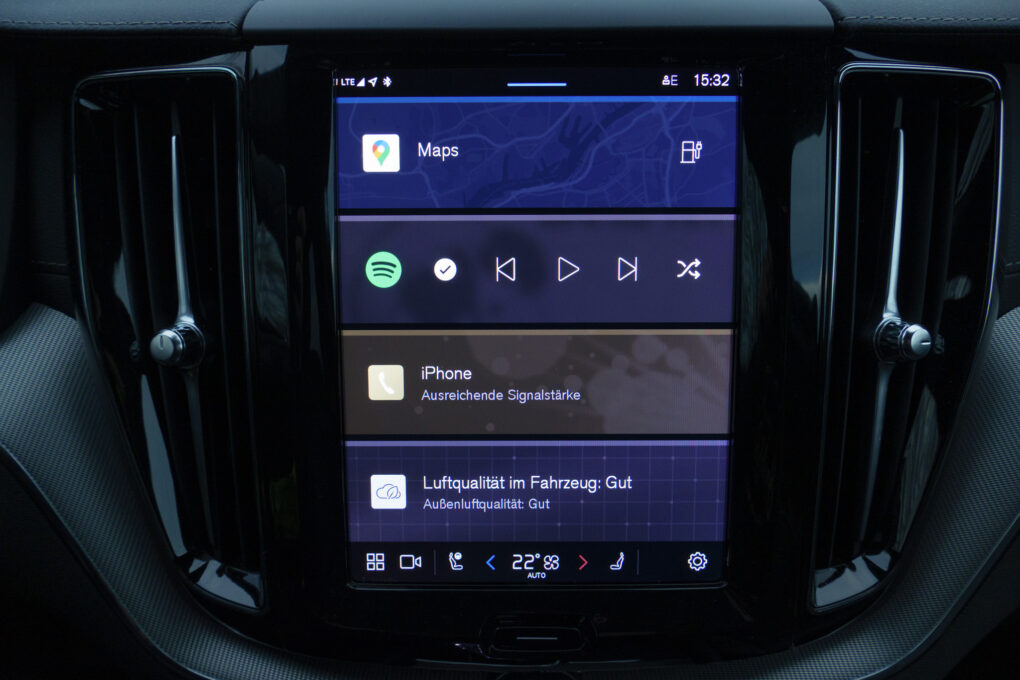
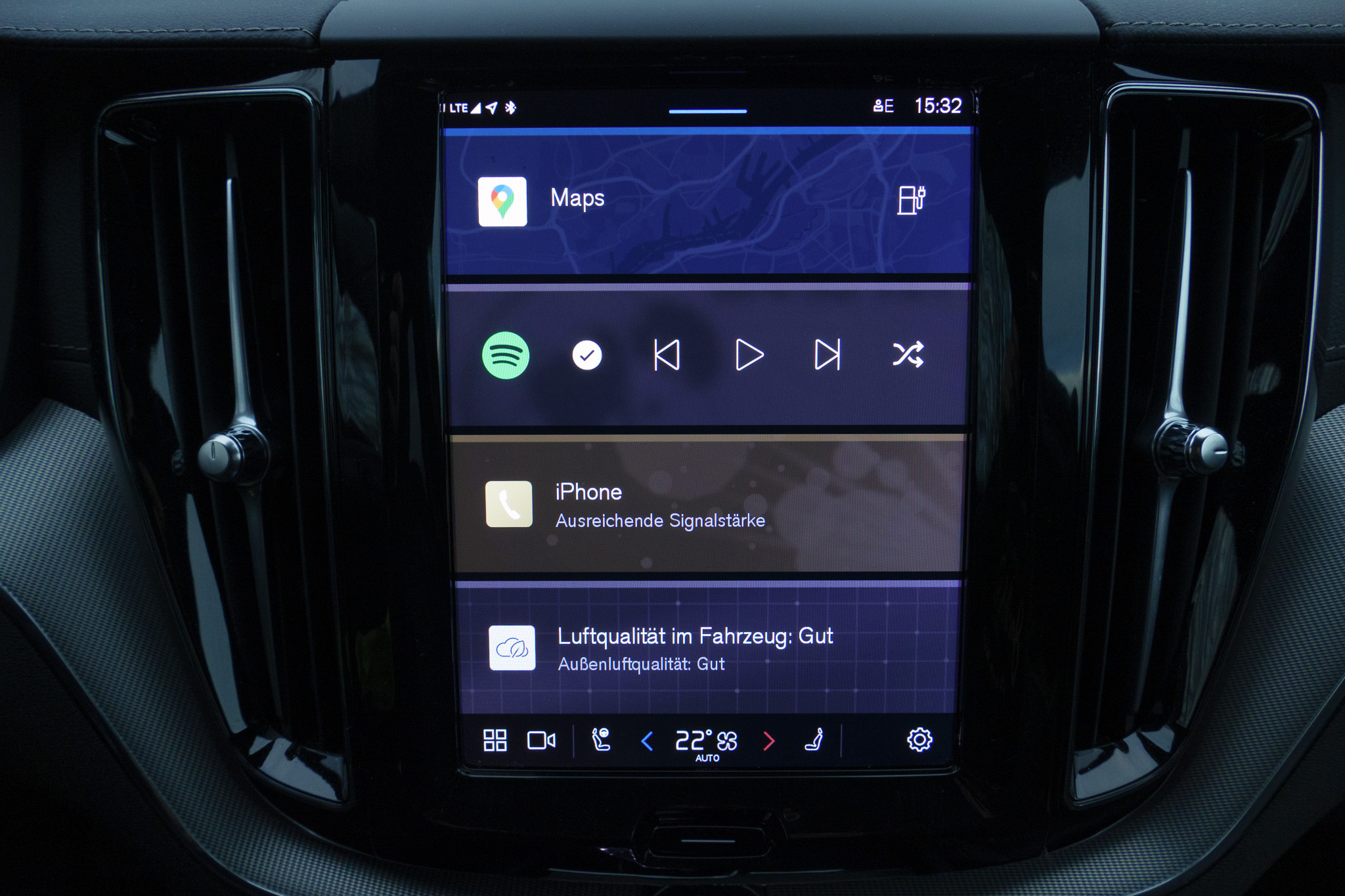
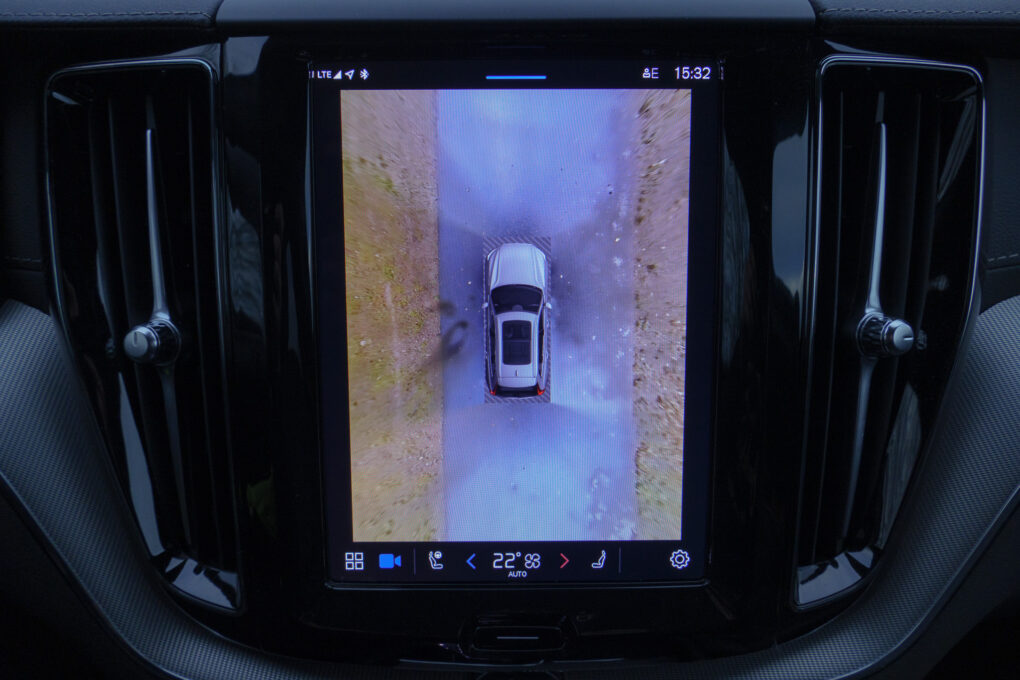
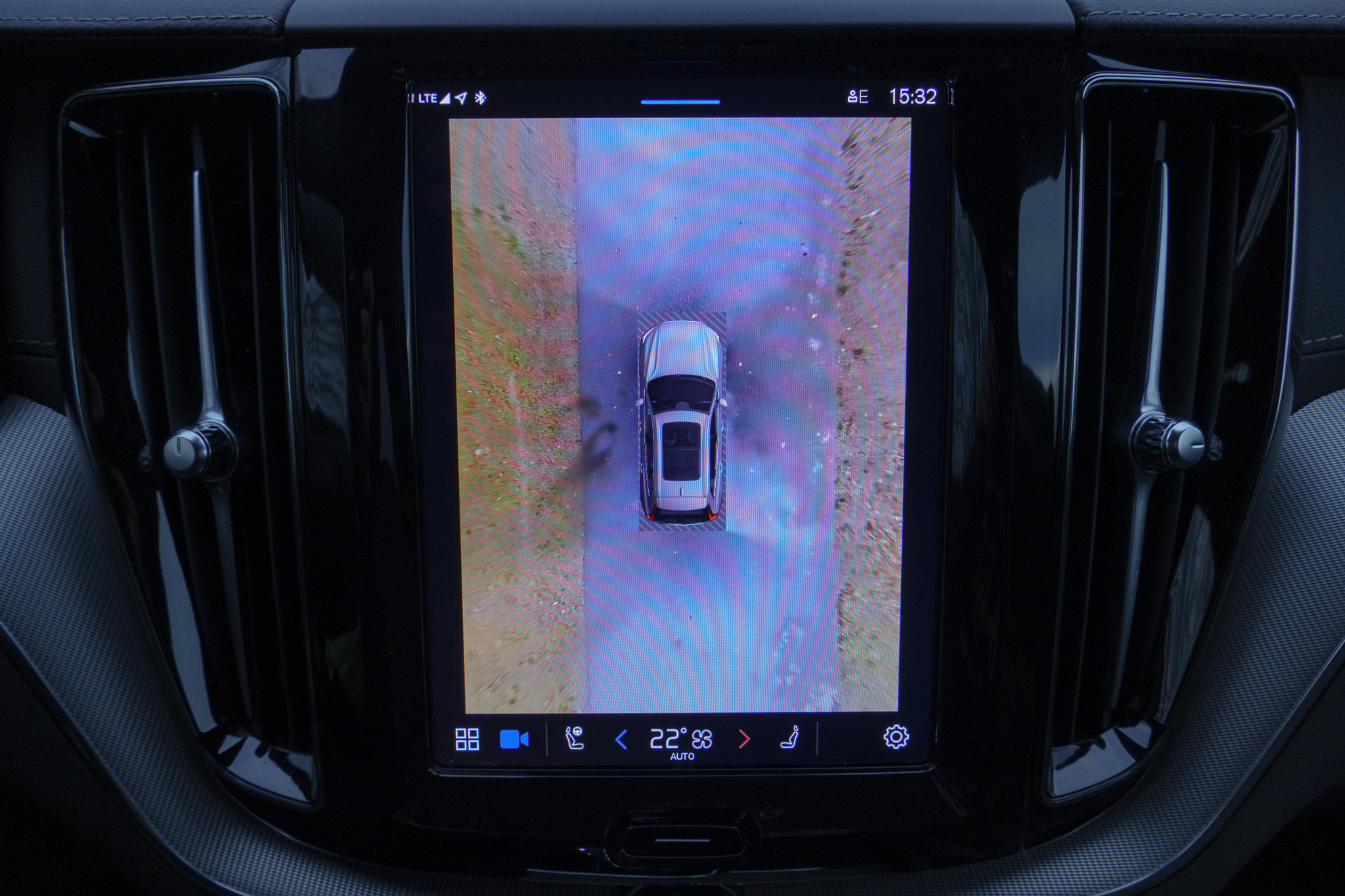
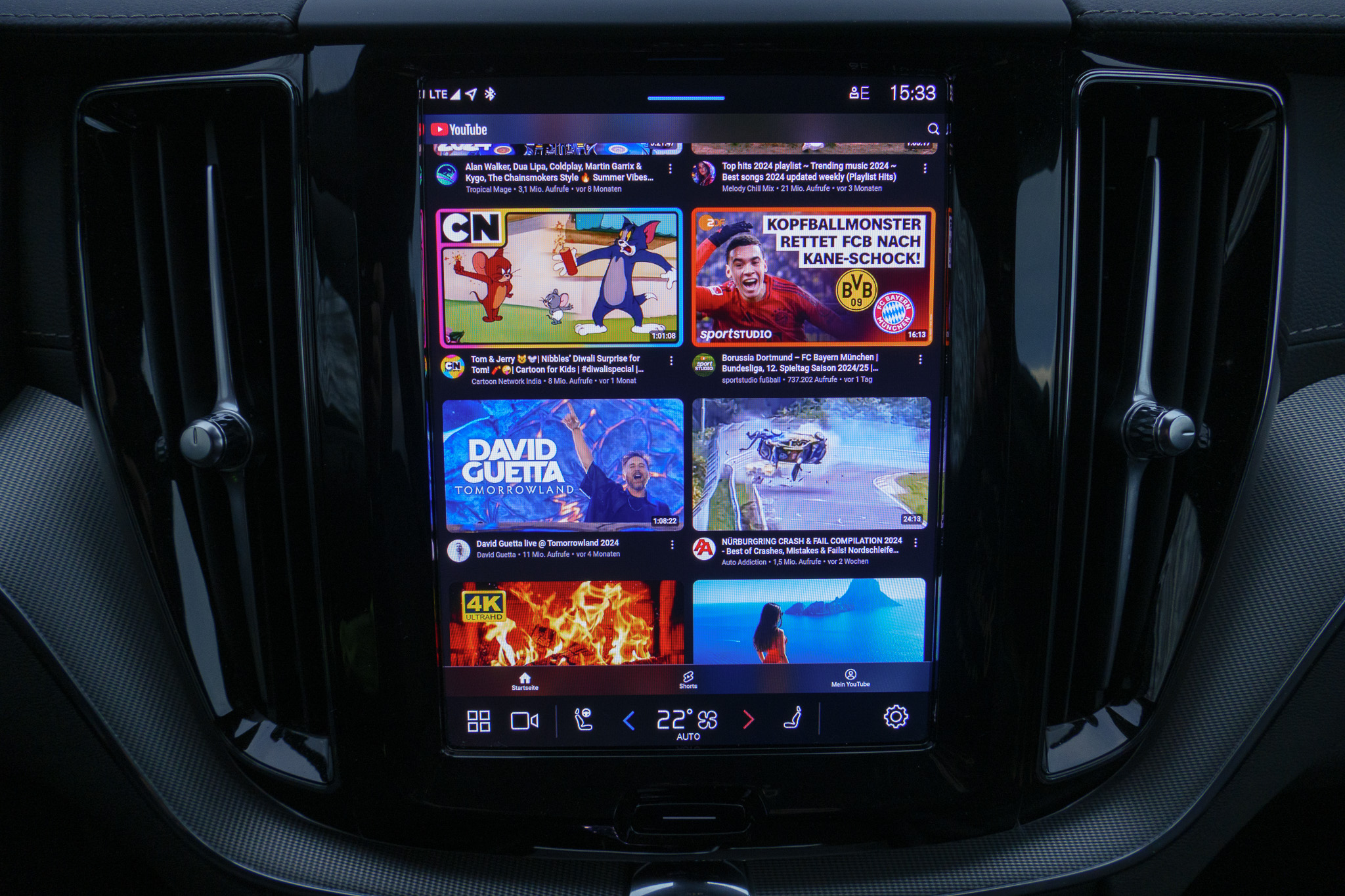
In typical Volvo fashion, the start/stop button isn't pressed, but turned. The cupholders and the QI charging pad are concealed by a metallic roller blind, which not only provides a clean look but also has the practical benefit of clamping a large phone onto the somewhat small charging pad, although the disadvantage is that the cupholders can no longer be used. There's still enough space in the door panels for bottles, and at least the front passenger can check their phone while driving and use it if necessary. Connectivity is provided by two USB-C ports in the center console, including one for Apple CarPlay and Android Auto—yes, unfortunately, both only work with a cable. At least there are special channels for cable routing to prevent them from getting squashed. The central display works quickly and is based on the old Volvo layout—but a major update is indeed on the way. Hopefully, the Google voice assistant will get more features. The cameras, which can be controlled from here, provide a sharp 360-degree image and make parking easier. The most important functions remain accessible via physical buttons, allowing for intuitive operation. The striking vertical air vents next to the display fit perfectly into the design. Apple CarPlay works. prowithout any problems, and the navigation map can also be displayed on the digital speedometer. However, this offers only limited customization options overall.
-
- Picture: TechnikNews
-
- Picture: TechnikNews
-

- Picture: TechnikNews
Driving impression: How assistance systems help and slow down at the same time
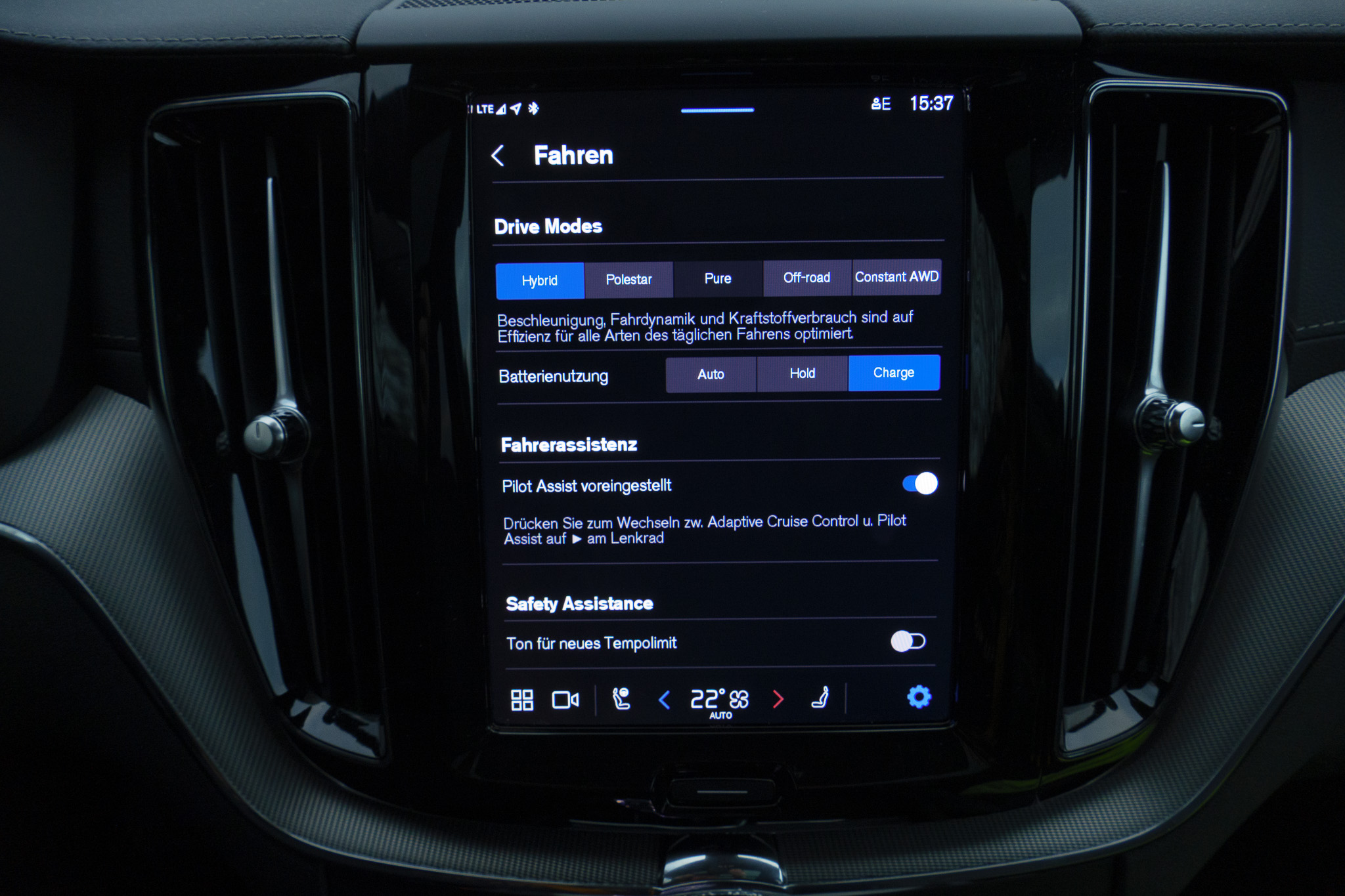
The Volvo XC60 offers various driving modes, including the option to choose between one-pedal driving and classic coasting. The ease of use of the speed warning on the steering wheel is particularly impressive – a quick press of the left arrow button is enough. By comparison, with BMW, the Set button must be held down briefly, and with other manufacturers, there's no way around laboriously tapping through the infotainment settings. The driver assistance systems work reliably and can be flexibly adjusted, either with active lane keeping assist, which requires two lines for orientation, or with just adaptive cruise control (ACC). The headlights with automatic high beam are particularly impressive: instead of relying on matrix or pixel LED technology, the light cones shift specifically to block out certain areas. This works extremely precisely and quickly, even blocking out cyclists. Of all the cars I've had the pleasure of testing so far, this is probably the most reliable system.
Picture: TechnikNews
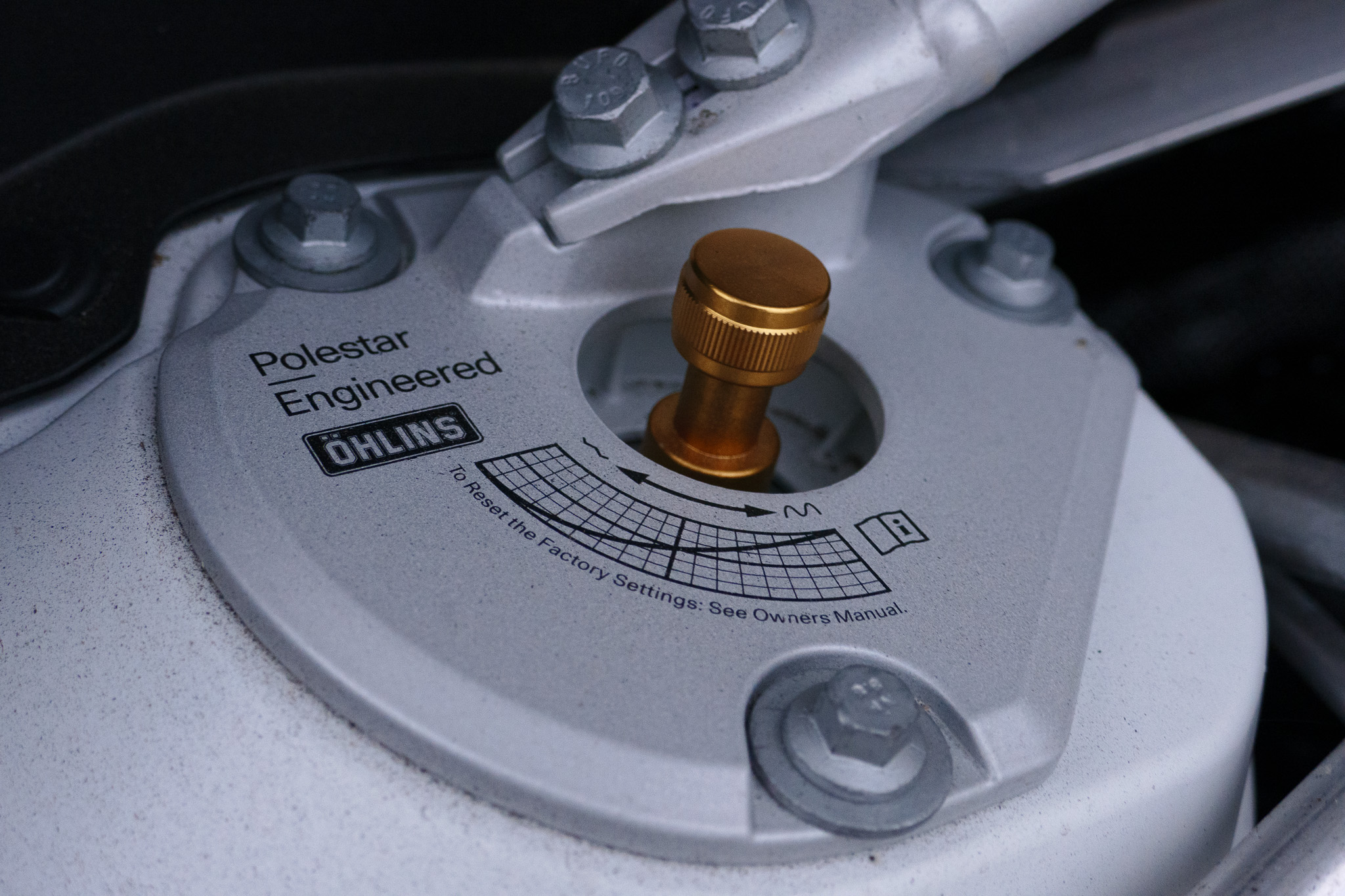
The lane keeping assistant performs strongly on the highway, but occasionally struggles on winding country roads. The height and weight of the XC60 are particularly noticeable in wet corners, where it quickly reaches its physical limits. On dry roads, however, it corners with a sporty feel. Throttle response is a bit jerky when the battery is empty, even during gentle acceleration. However, the energy from the final braking maneuvers is usually sufficient for a smooth start. The Polestar Engineered suspension with Öhlins shock absorbers offers a comfortable setup and can be manually adjusted for firmness at the front and rear.
Picture: TechnikNews
Regenerative braking mode is rather reserved above 100 km/h. Below that, however, it brakes much harder, which proved very helpful, especially in city traffic. In the sporty Polestar mode, the engine speed remains in the upper range for longer, making the XC60 seem more agile. On the highway, however, the speed is electronically limited to 180 km/h, and you can clearly feel how much the engine is suddenly cut off. In the XC60, Volvo once again offers an extremely comprehensive safety assistance system. We did notice one potential point of criticism, however: If the system mistakenly detects that we are about to rear-end someone, it automatically tightens the seatbelts. On one occasion, this pulled the driver slightly away from the steering wheel, which was more of a hindrance than a help in that situation. Off-road mode is active up to a speed of 40 km/h. If you exceed this speed, it automatically switches to constant all-wheel drive mode. The adaptive pedal response detects the next speed limit on request and adjusts the acceleration or deceleration accordingly.
Picture: TechnikNews
Consumption and range: strong performance, range ok
As a plug-in hybrid with 455 hp and 709 Newton meters, the Volvo XC60 combines powerful performance with high efficiency. Its 2.163 kg accelerates from 0 to 100 km/h in seconds. In hybrid mode, average fuel consumption is an impressive 1,1 liters per 100 km, as long as the battery is regularly charged. If you ignore battery charging and drive purely on gasoline, you can easily reach 9 liters, with room for improvement depending on speed and traffic volume.
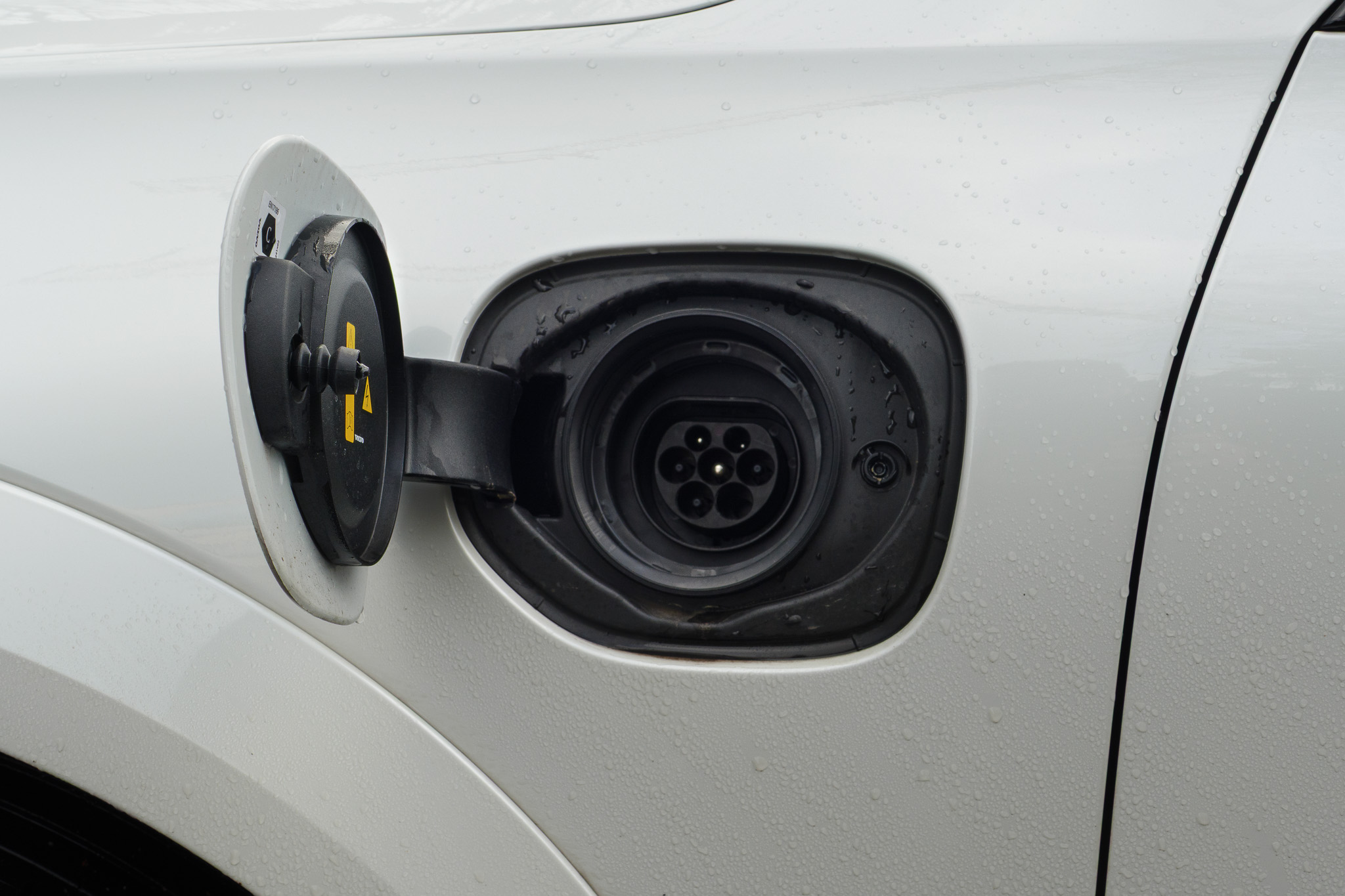
For additional flexibility, there's Charge Mode, in which the combustion engine charges the battery while driving. To achieve an electric range of 50 km, the engine requires approximately 7,5 liters of gasoline. However, this energy is delivered precisely for purely electric driving, ensuring the desired range is actually achieved.
The Volvo is rated at a maximum urban range of 84 km according to the WLTP cycle. It has an 18,8 kWh battery capacity. Realistically, the Volvo ranges between 45 and 57 kilometers in a mix of city and country driving.
The XC60 thus offers both everyday efficiency and the ability to drive electrically when needed, independent of an external charging option.
Picture: TechnikNews
Thanks to Volvo Germany for providing the Volvo XC60 Recharge Polestar Engineered for this review.