
New generation of FRITZ!Box with a redesigned look
of David Wurm  on September 06, 2026, 16:07 | Write a comment
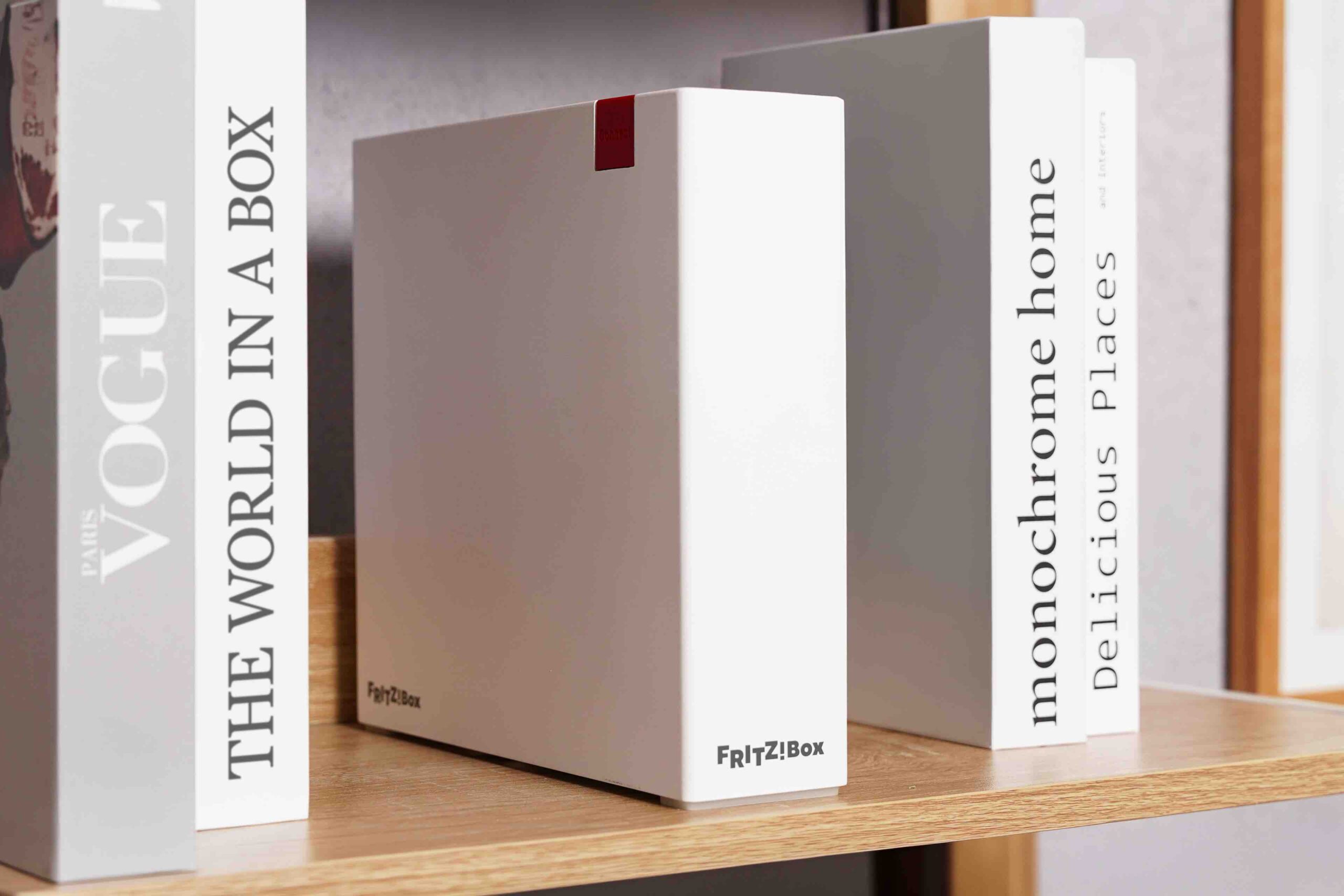
At IFA 2026, FRITZ! unveiled the FRITZ!Box DSL/Fiber 7-90, the first model in a new generation of routers. In addition to a new naming convention, the manufacturer is also introducing a fundamentally redesigned casing.
The box can be mounted standing, on the floor, or on the wall and features integrated cable management with the connections located on the underside. Operation has been reduced to a single button and a status LED. According to the manufacturer, the new design also allows for more favorable positioning of the eleven antennas. FRITZ! uses a passive, fanless cooling system; average power consumption is said to be around 12 watts. The previously used "AVM" branding has also been completely dropped; the brand will now remain "FRITZ!".
Wi-Fi 7 with up to 12,2 Gbit/s and Multi-Gigabit LAN
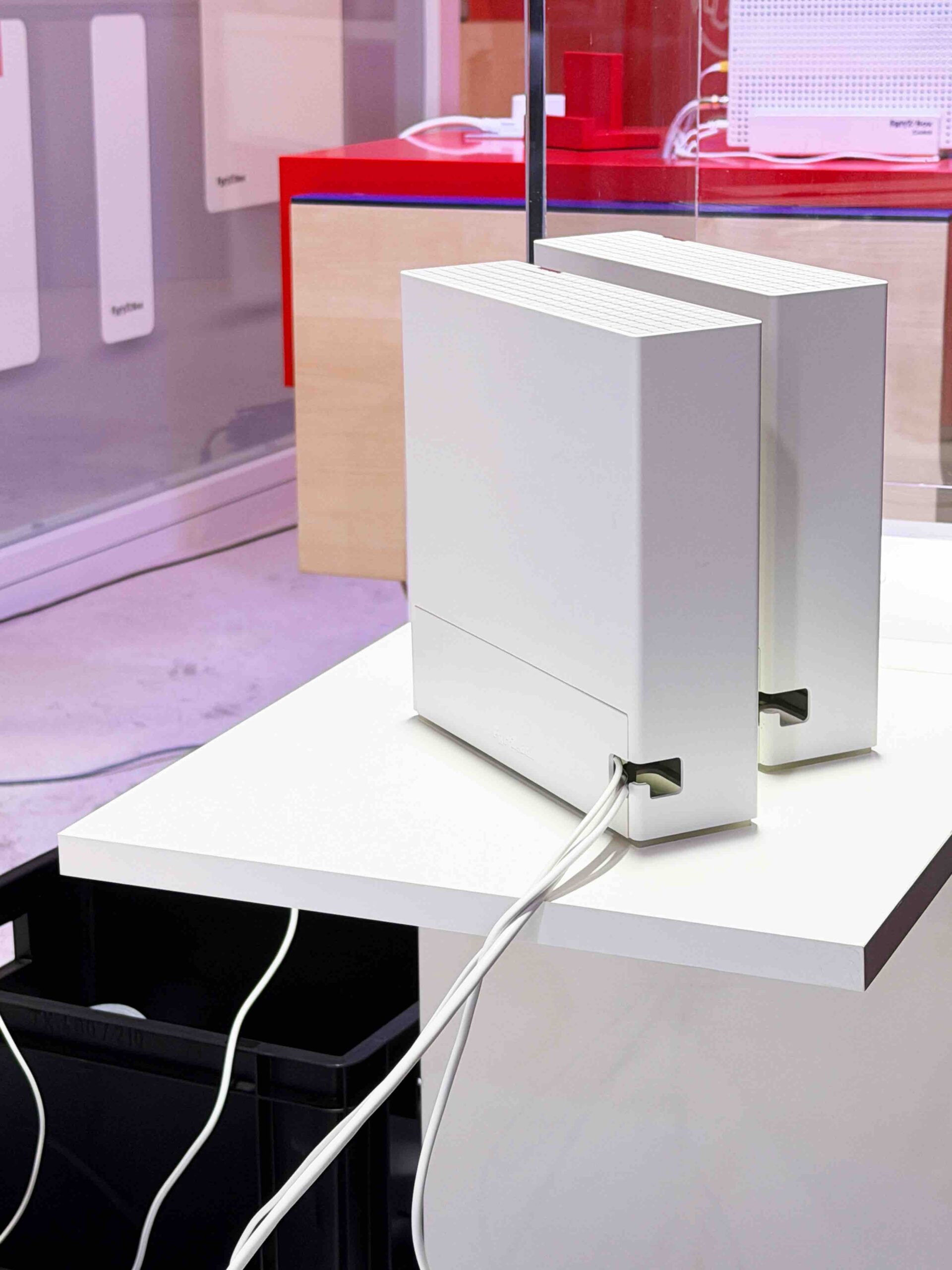
Picture: TechnikNews
Technically, the FRITZ!Box DSL/Fiber 7-90 is designed for both fiber optic and DSL connections. It supports GPON with speeds up to 2,5 Gbps, AON with speeds up to 1 Gbps, and DSL including Supervectoring 35b with a maximum speed of 300 Mbps. For Wi-Fi, the router uses tri-band Wi-Fi 7 on 2,4, 5, and 6 GHz bands and, according to the manufacturer, achieves a combined data rate of up to 12,2 Gbps. This includes up to 5.760 Mbps each on the 5 GHz and 6 GHz bands and 688 Mbps on the 2,4 GHz band. Multi-link operation and Wi-Fi Mesh are also supported. For wired devices, there are two 2,5 Gigabit Ethernet ports and two Gigabit LAN ports.
Smart Home, telephony and new naming scheme
In addition to its networking capabilities, the new FRITZ!Box continues to function as a telephony and smart home hub. DECT, DECT ULE, and Zigbee are integrated for this purpose, and IP and SIP telephony, as well as an analog telephone connection, are also supported. A USB port allows the use of storage media or printers. The operating system will be FRITZ!OS 8.50, which includes features such as VPN, parental controls, NAS, media server, and guest Wi-Fi. With this model, FRITZ! is also introducing a new naming scheme: The model name will now first indicate the supported connection type, while the following number combination will provide information about the Wi-Fi generation and product series.