
BYD Seal 6 DM-i Touring review: A Chinese station wagon with good quality?
A TEST REPORT from Dominic Lux  on March 09, 2026, 12:00 | Write a comment
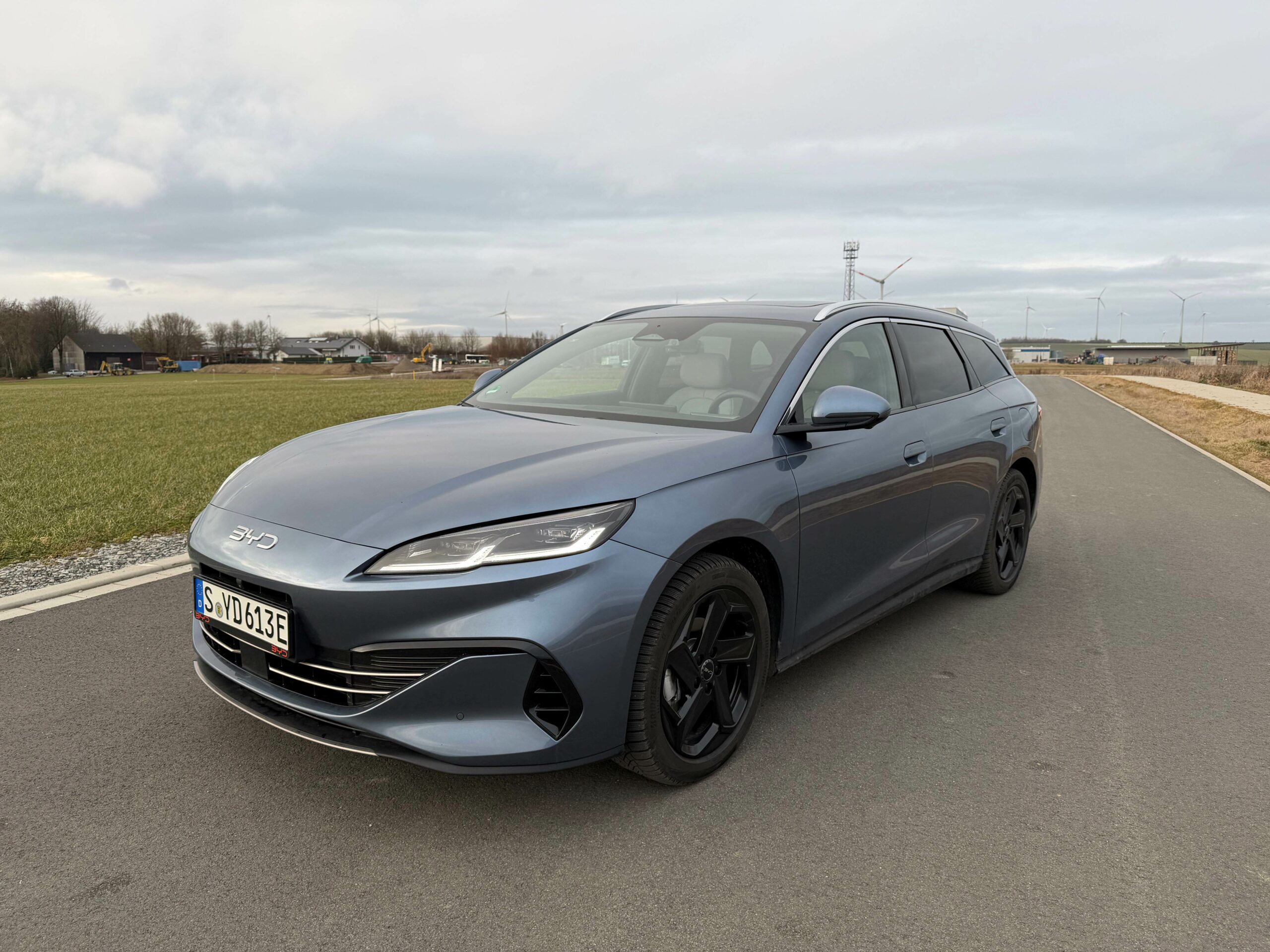
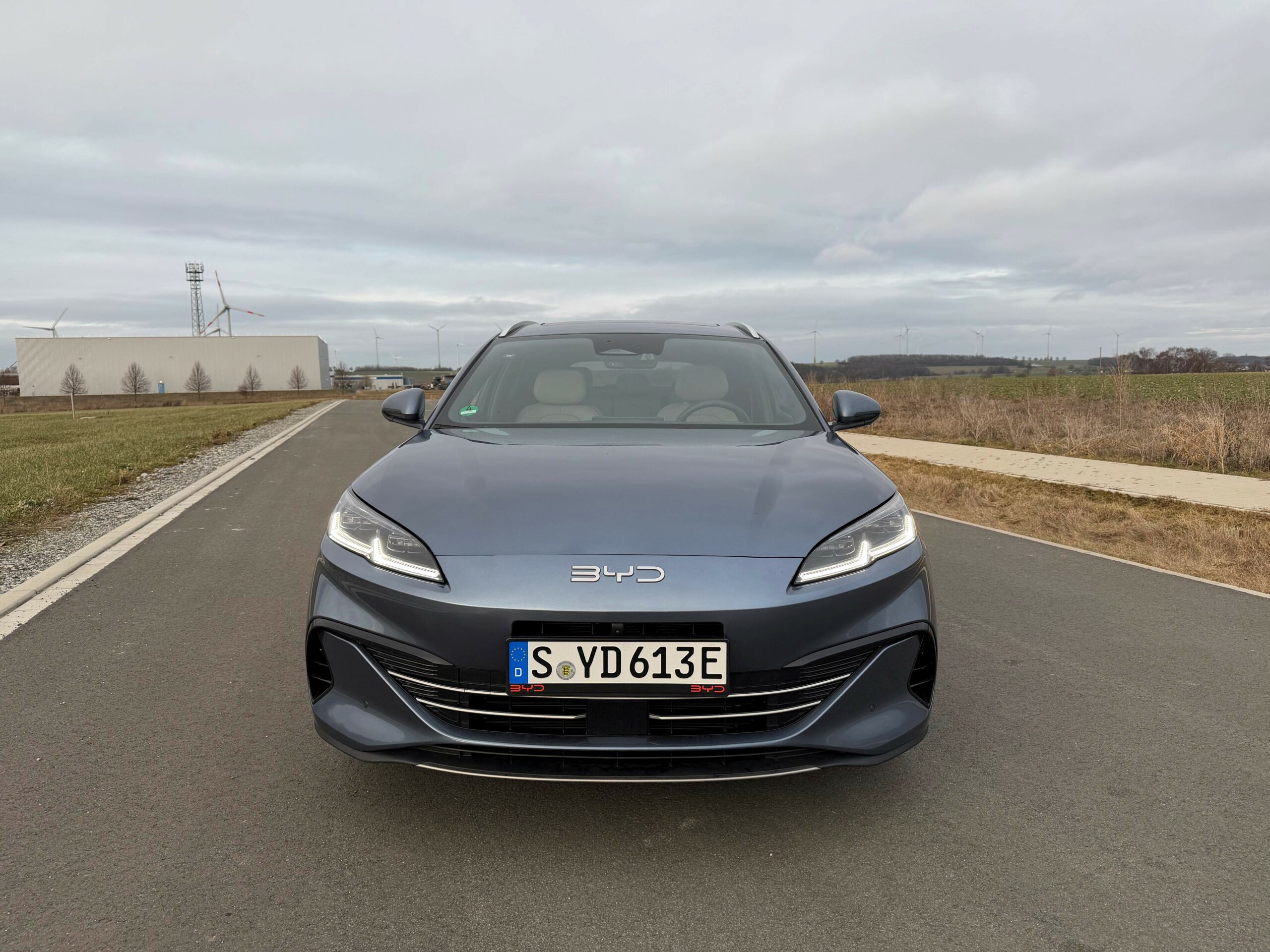
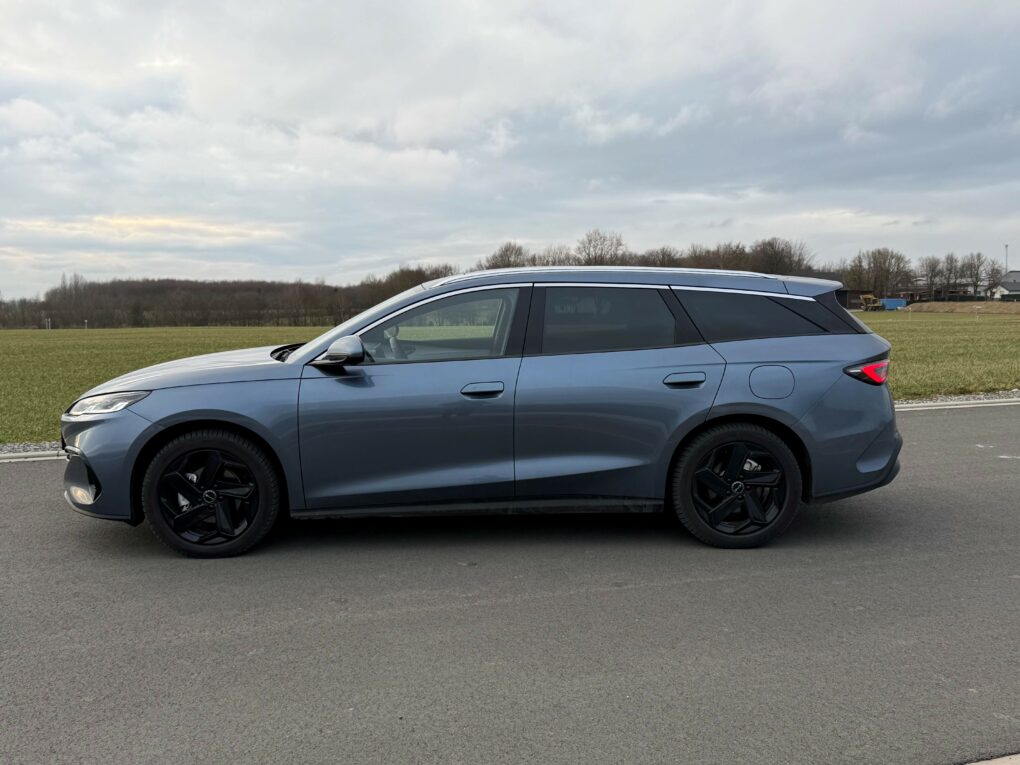
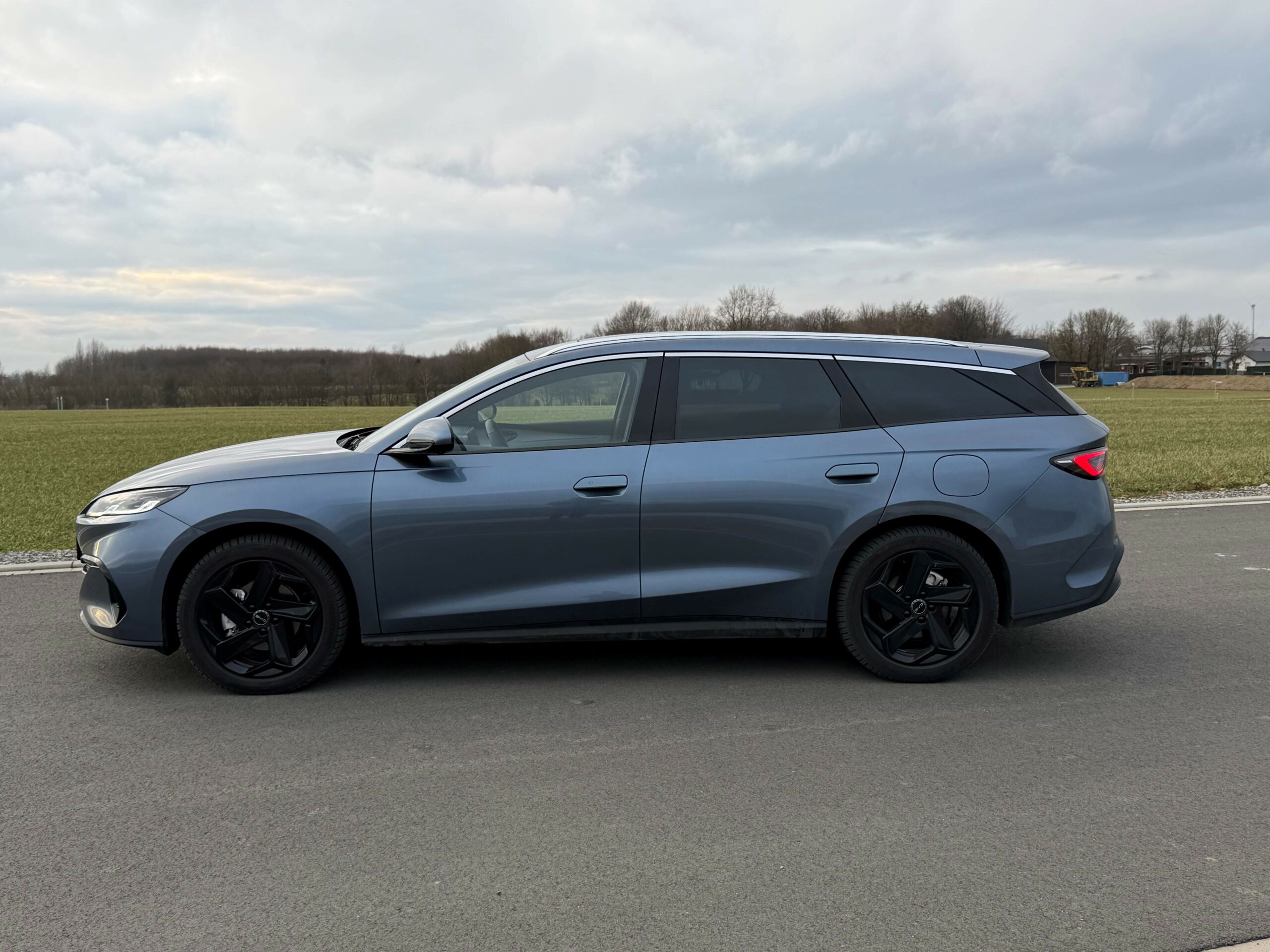
For two weeks we had at TechnikNews The opportunity to thoroughly test the new BYD Seal 6 DM-i Touring (yes, it can really be called that). The vehicle marks an important milestone for the Chinese manufacturer: It's the brand's first station wagon to officially make its way to Europe. Given the European, and especially the German, preference for practical station wagons, this step is only logical. But how does the newcomer fare in the rigors of everyday use? And above all: Can the plug-in hybrid concept hold its own against the strong German competition?
tl;dr: A station wagon straight out of a textbook, but with outdated technology?
The BYD Seal 6 DM-i is the Chinese brand's first station wagon in Europe. The powertrain drives almost like a REEV, but on paper it remains a classic plug-in hybrid (PHEV). With a realistic electric range of around 80 km and very weak charging performance (2,7 kW AC / 30 kW DC), it falls short in a direct comparison with its fiercest competitor, the new VW Passat eHybrid (110 km range, 11 kW AC / 50 kW DC, better driver assistance systems). Once the battery is depleted, the typical "PHEV curse" kicks in: exorbitant fuel consumption. Thanks to its attractive price, it's still worth considering, but only if you can consistently charge the vehicle every day at home or at work. And only if the charging cable is included from the factory, even if it's not wrapped in plastic.
Video report:
The drive concept: A PHEV that would like to be a REEV
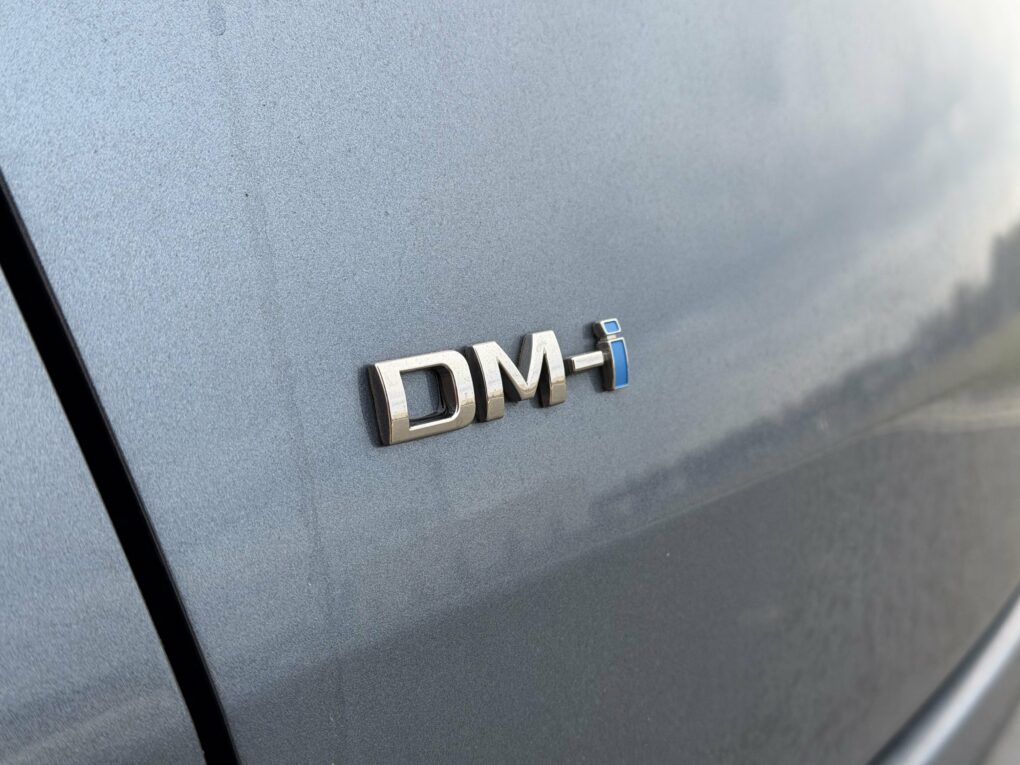
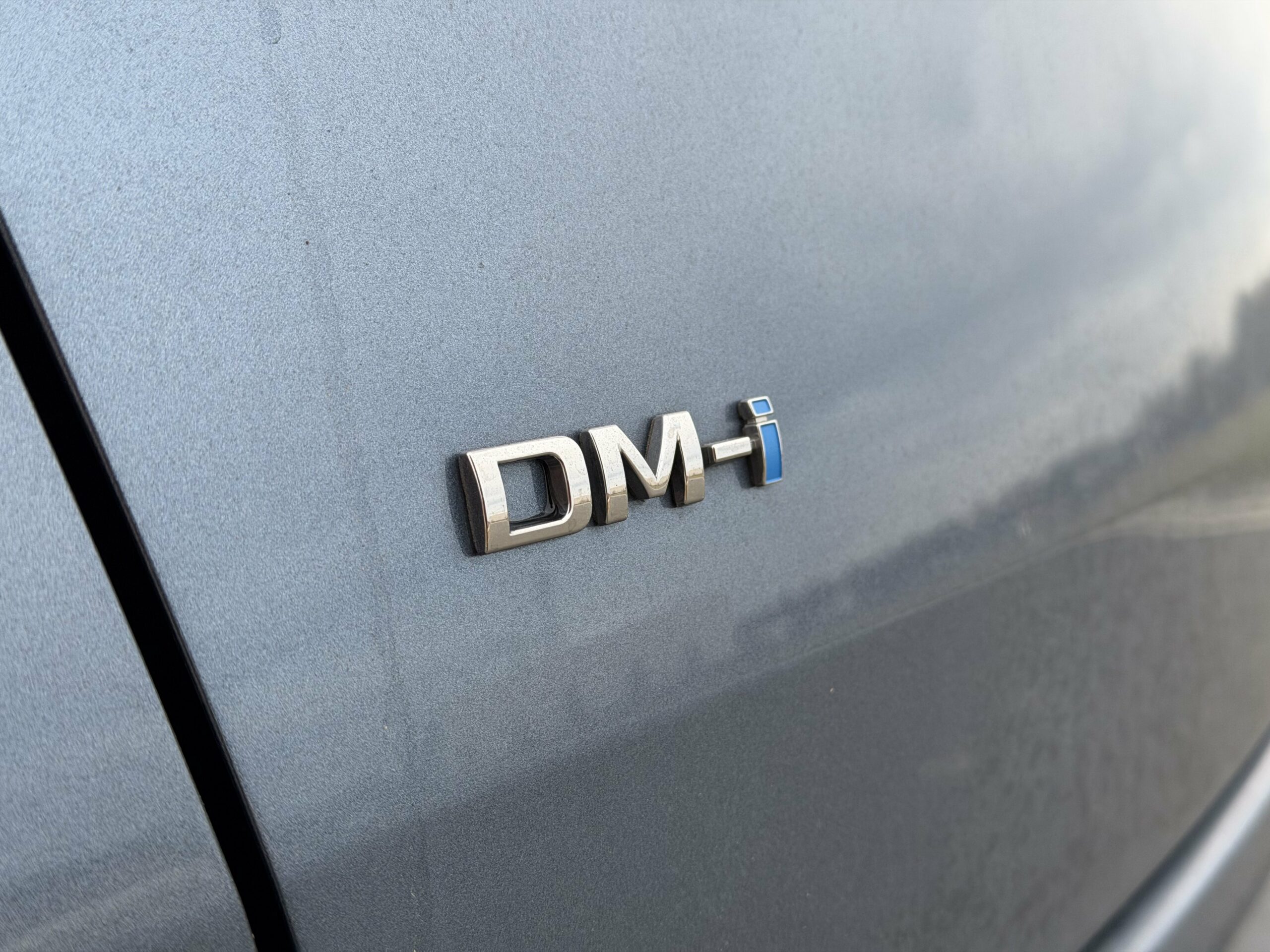
Anyone looking into BYD's drive technologies will quickly come across the abbreviation "DM-i" (Dual Mode intelligent). In practice, the Seal 6 DM-i behaves remarkably similarly to a so-called REEV (Range Extended Electric Vehicle) over long distances. This means that in many driving situations, the combustion engine primarily serves as a generator, providing electricity for the electric motor. proIt uses a hybrid system instead of directly driving the wheels. Nevertheless, on paper and in its final technical implementation, it is a classic PHEV (plug-in hybrid), even though it is powered by an electric motor at all times.
-
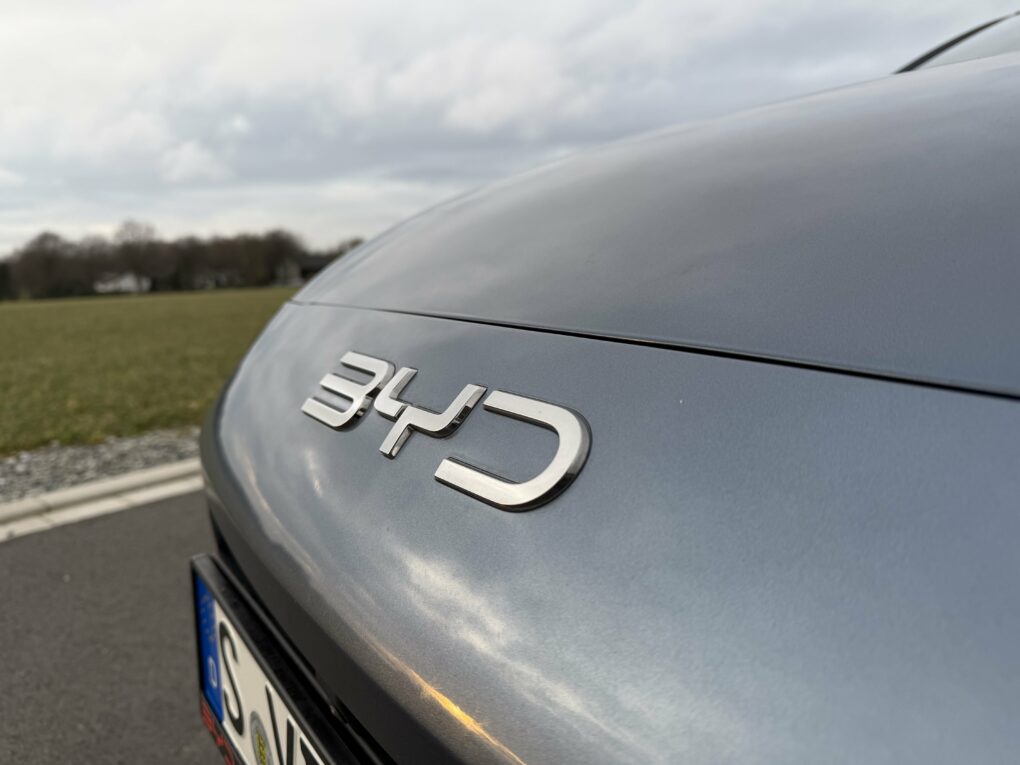
- Picture: TechnikNews
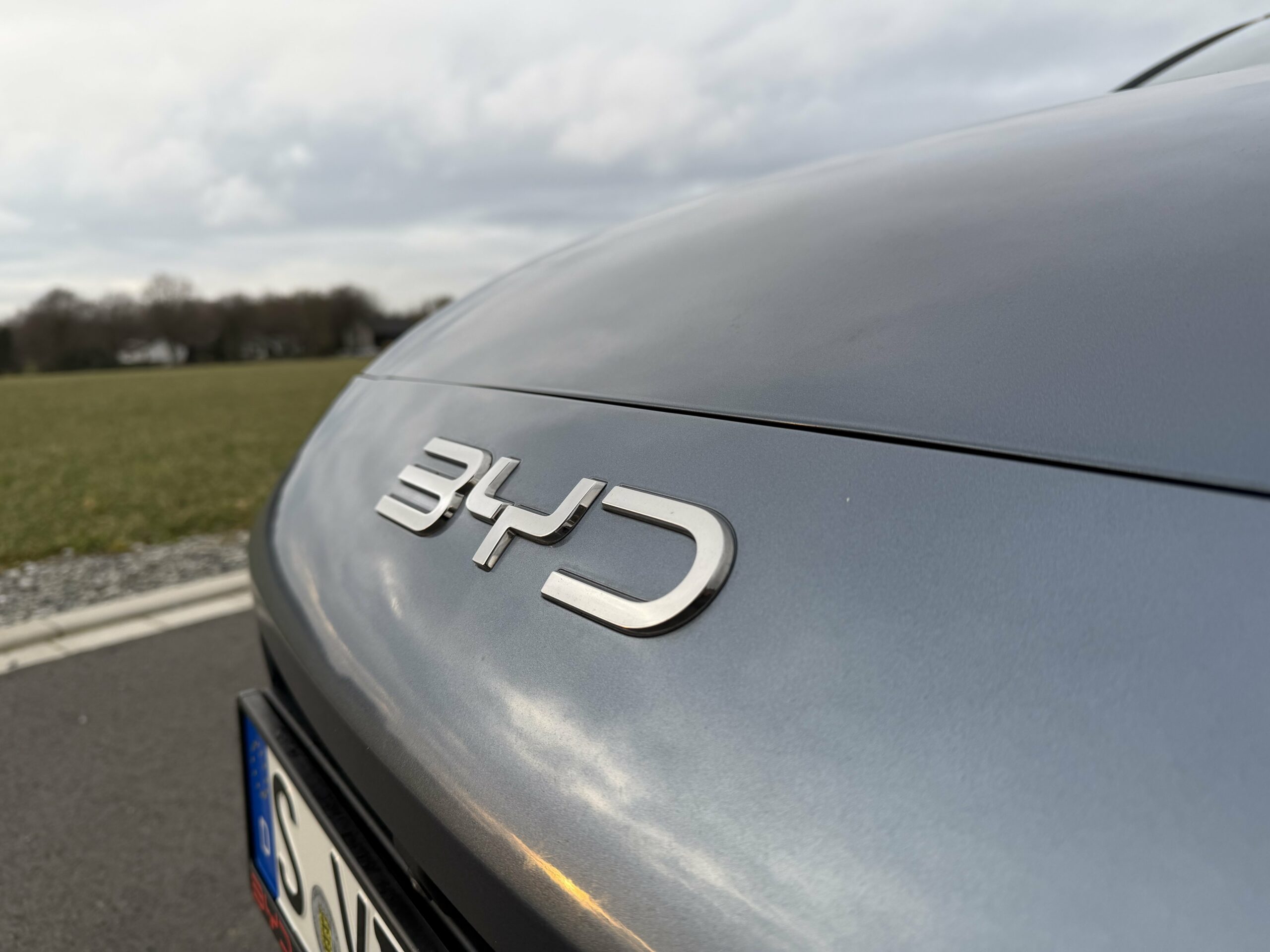
-
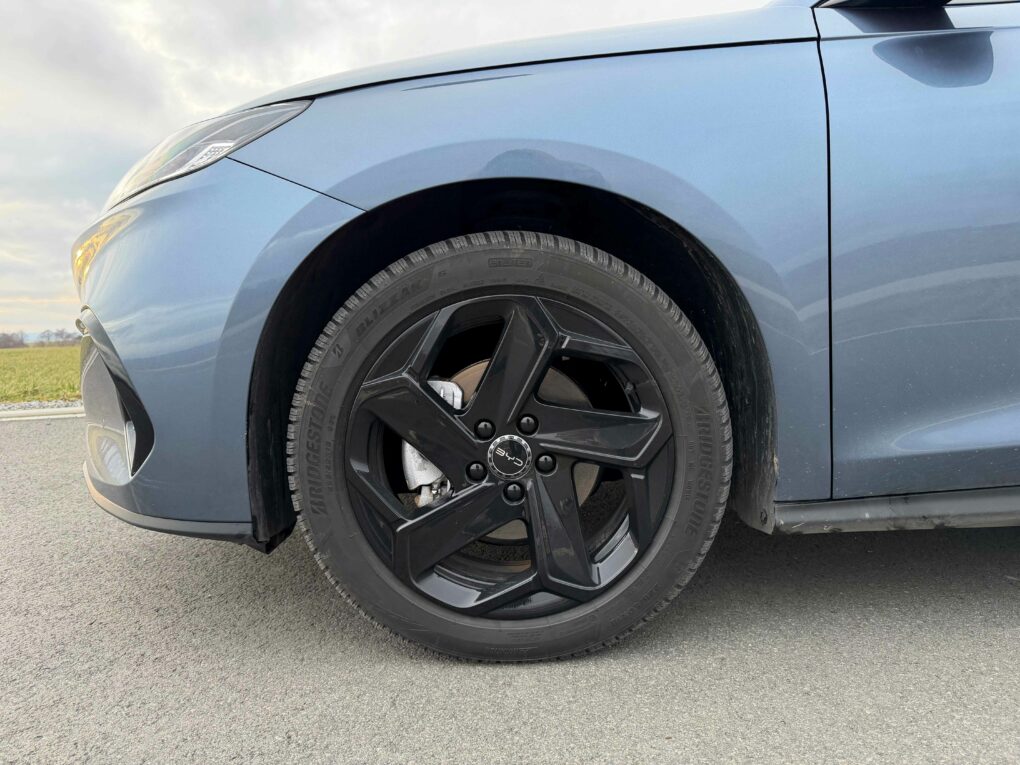
- Picture: TechnikNews
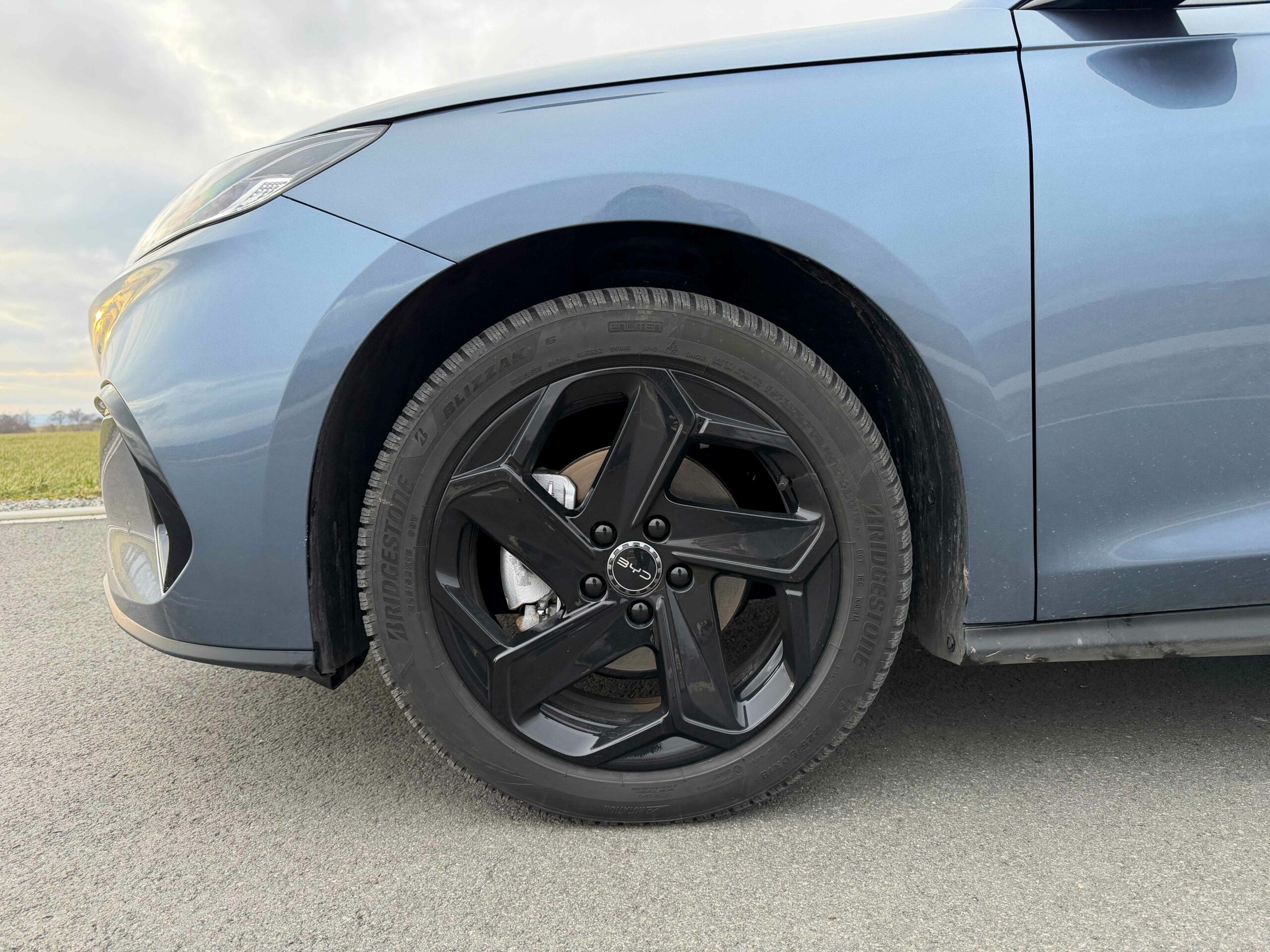
-
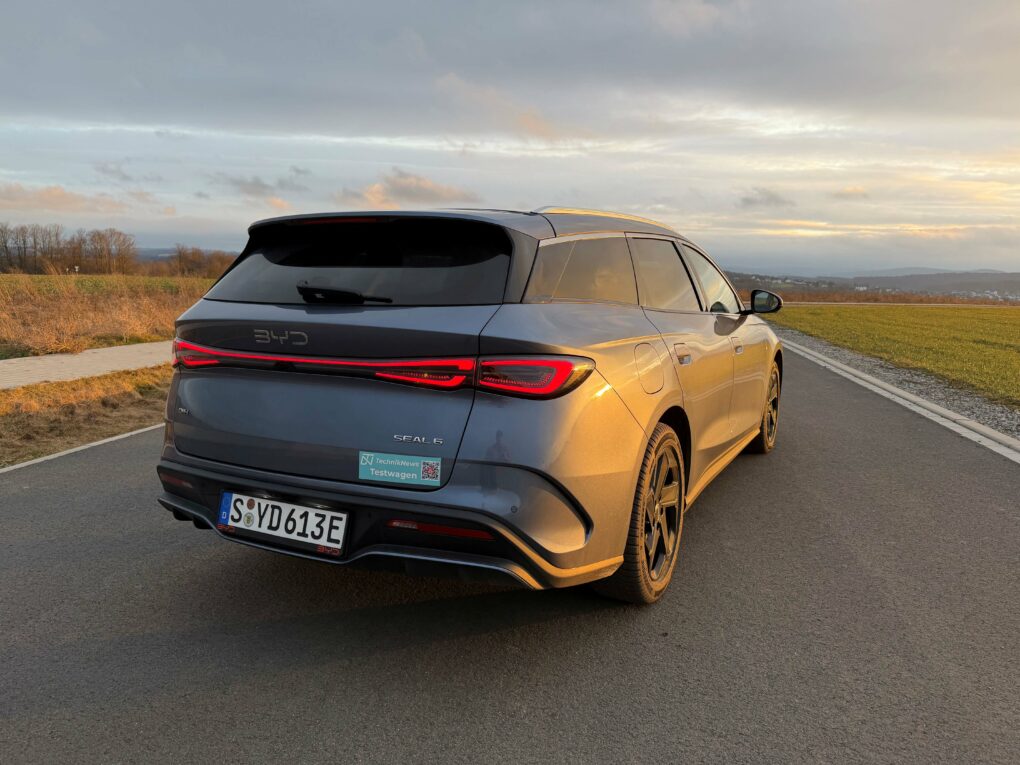
- Picture: TechnikNews
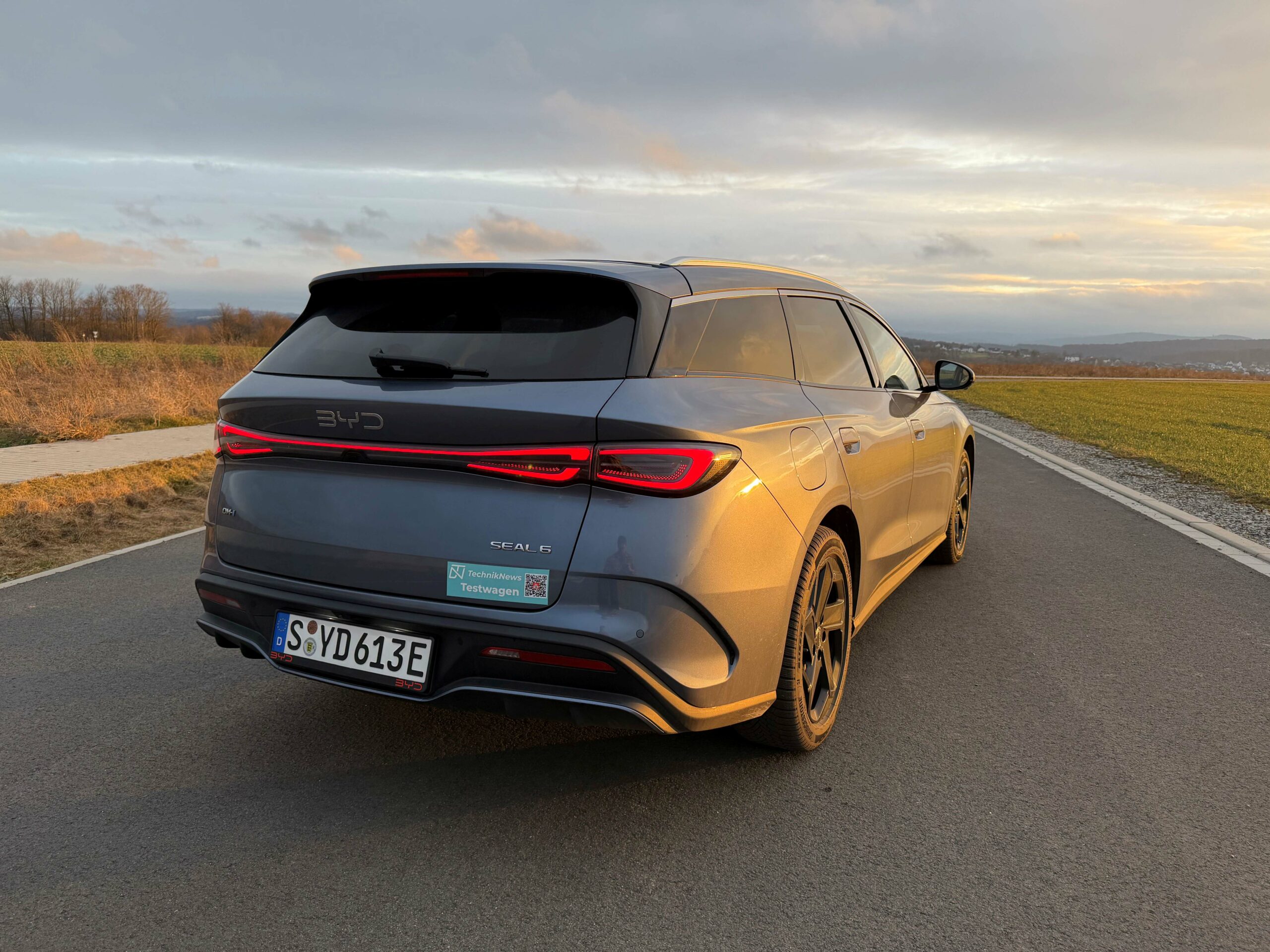
-
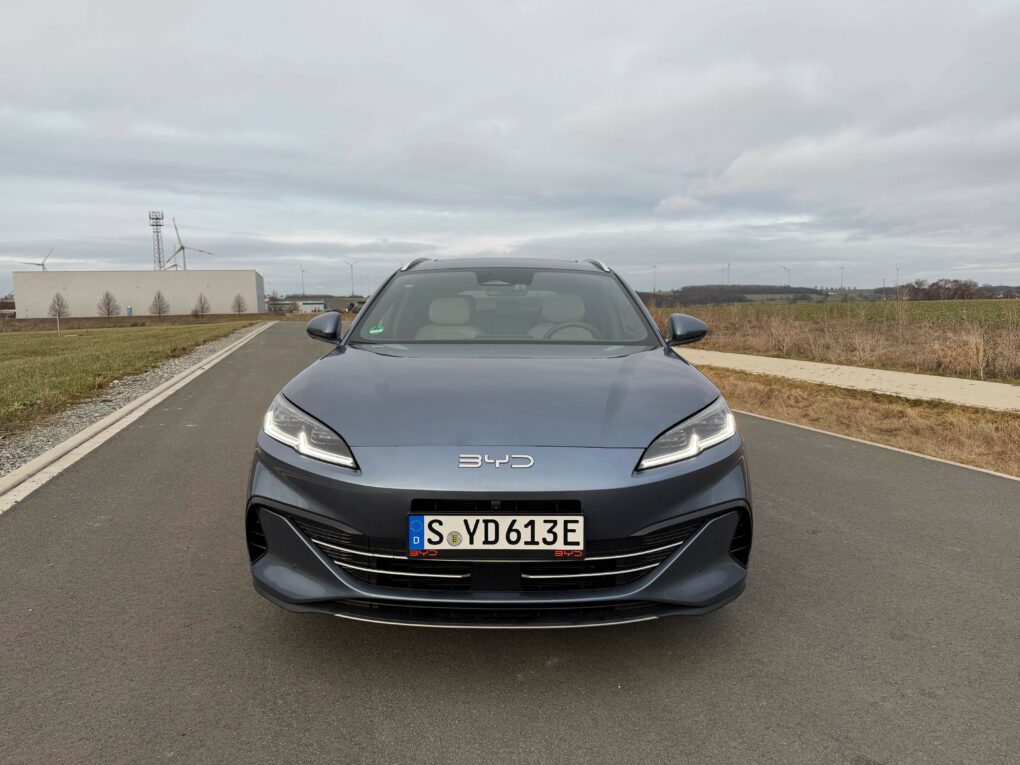
- Picture: TechnikNews
Range: 1300 km WLTP and the infamous “PHEV curse”
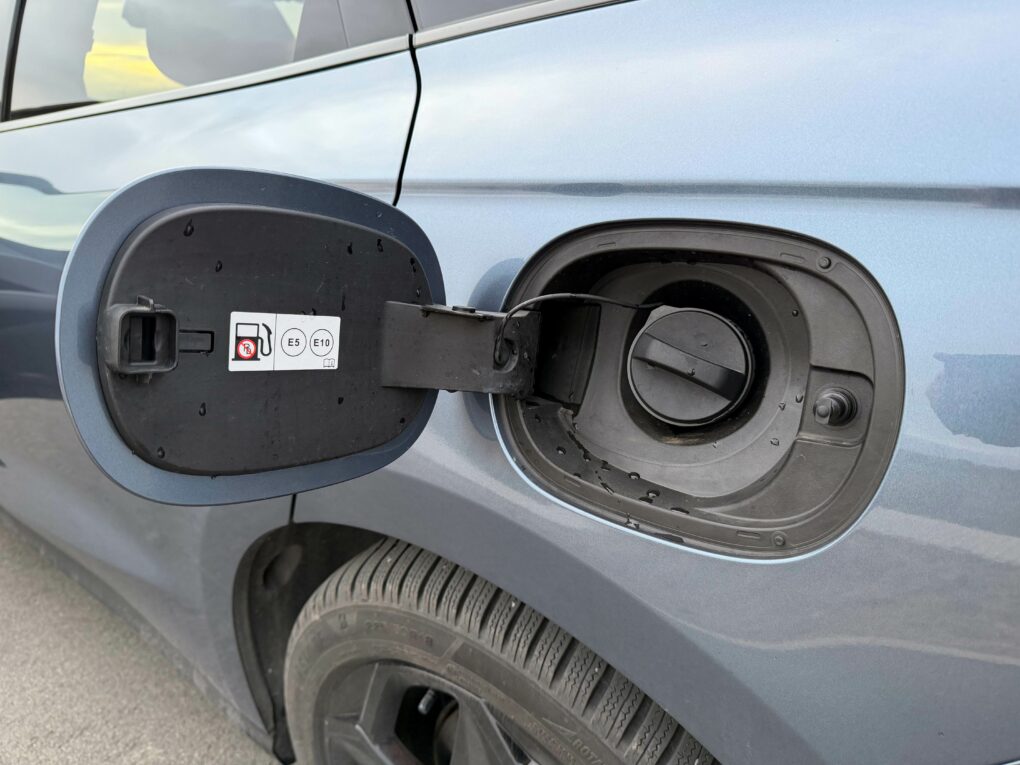
Let's get to the hard facts of electromobility: range. Compared to the latest generations of German PHEVs, the BYD unfortunately falls short. In our test, the realistic all-electric range settled at around... 80 kilometers One. While this is perfectly adequate for most daily commutes, it doesn't set any new standards. The variousproWhile a claimed range of 1300 kilometers in combined driving might raise eyebrows in advertising, realistically, you'll only achieve around 650 kilometers in everyday use. That's a typical figure for a gasoline engine in this size class. Fuel consumption settles at 3-4 liters per 100 km with a charged battery, and over 10 liters without. Which isn't exactly fuel-efficient.
-
- Picture: TechnikNews
-
- Picture: TechnikNews
-
- Picture: TechnikNews
-
- Picture: TechnikNews
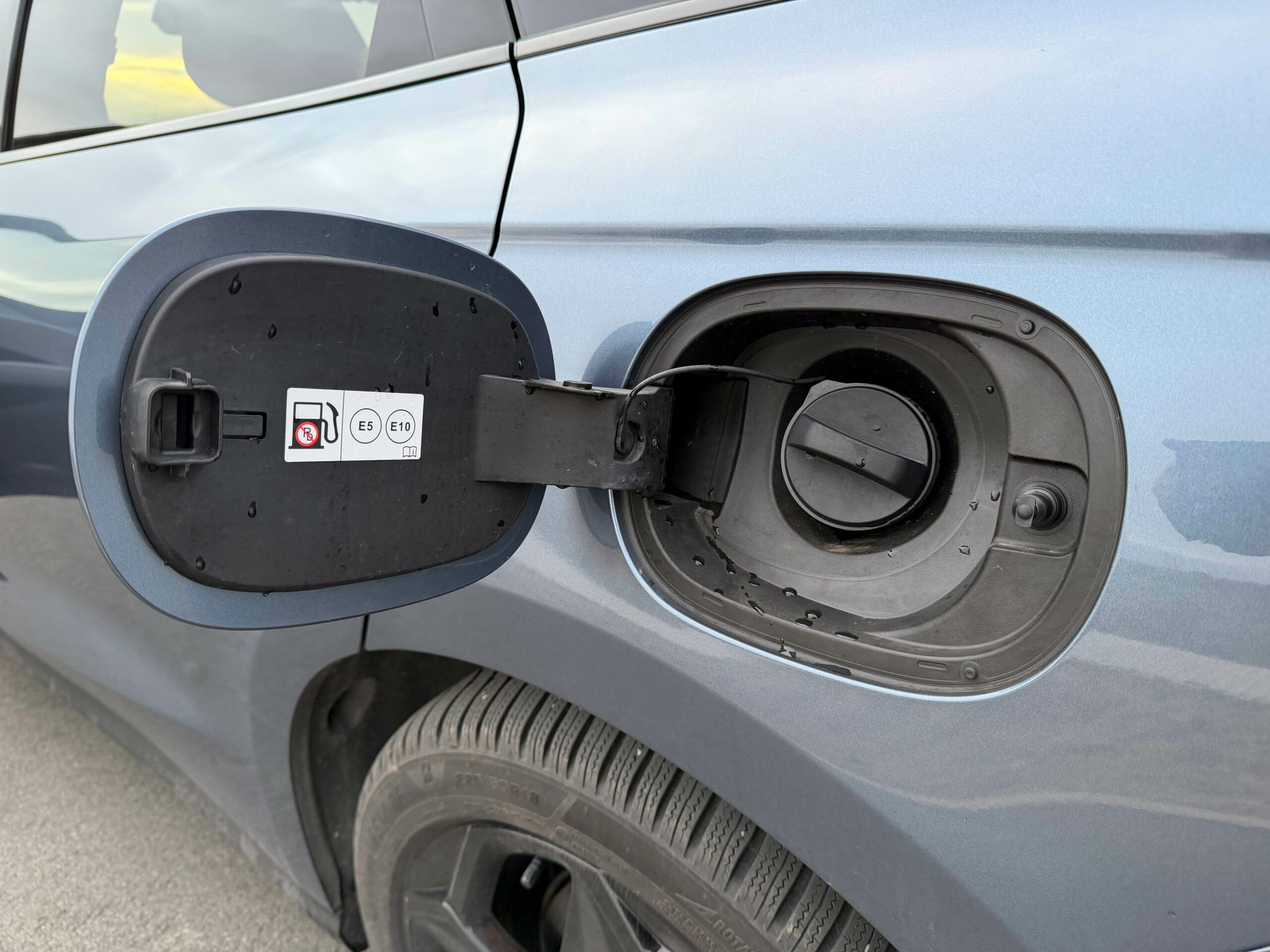
Once the battery is depleted, a problem emerges that we affectionately (or rather, frustratedly) call the typical "PHEV curse." As soon as the battery capacity runs low and the combustion engine has to do the bulk of the work, the fuel consumption of the BYD Seal 6 DM-i skyrockets. The system's efficiency plummets, and fuel consumption quickly reaches levels that one would have preferred to avoid. To be fair, we must emphasize that this phenomenon is not a problem exclusive to BYD. The competition also suffers considerably when the heavy battery pack is dragged along as useless ballast.
Charging performance: The major weakness in everyday use
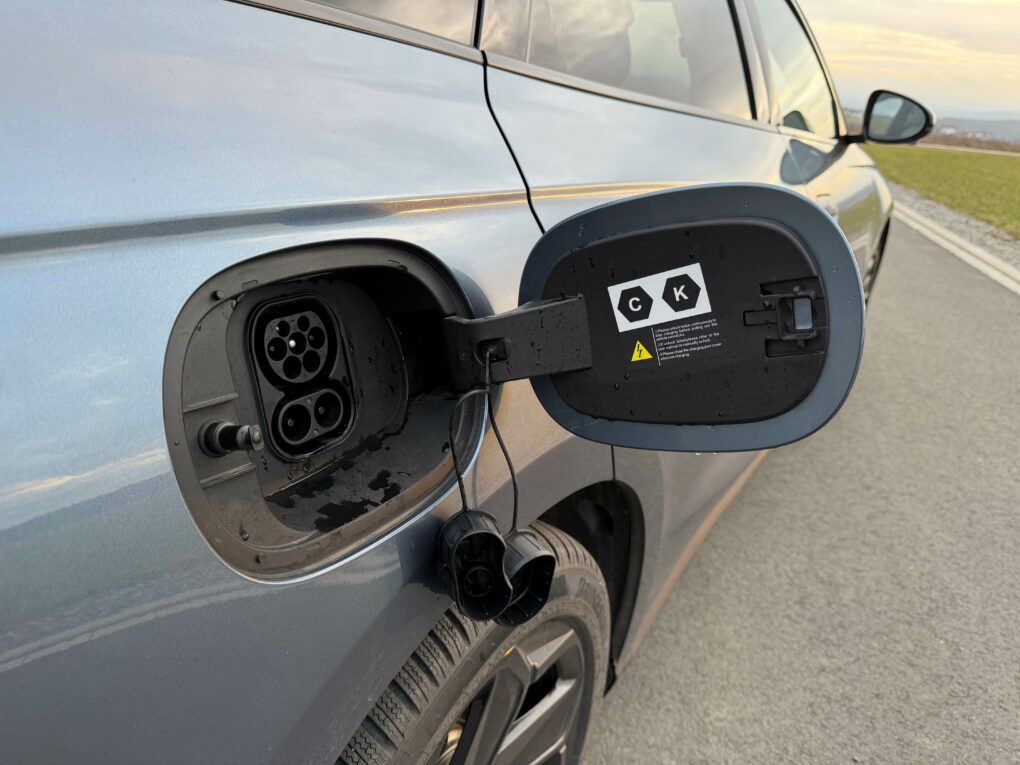
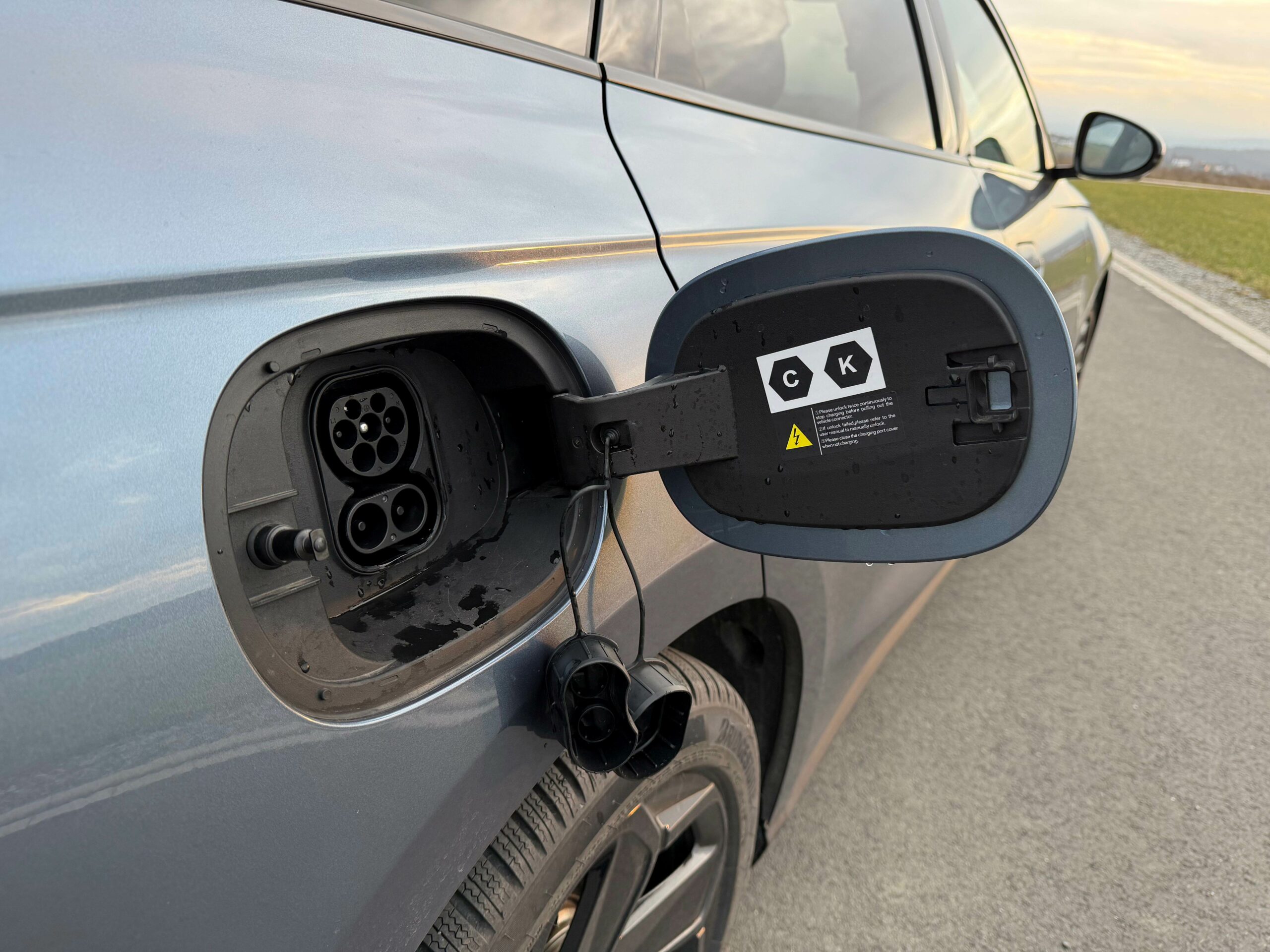
If the range is rather average, the car should at least recharge quickly, right? Unfortunately, this is where the BYD Seal 6 DM-i reveals its biggest weakness. For European standards, its charging performance is simply no longer up to date for plug-in hybrids.
In a typical 11 kW wall box In Germany, the station wagon charges at just one phase due to single-phase charging. 2,7 kWThis is excruciatingly slow. If you plug the car in overnight, you'll have a full battery in the morning, but want to quickly top up your range for a few precious kilometers while shopping? Forget it.
The BYD doesn't deliver a stellar performance even at DC fast chargers. The maximum charging power here is meager. 30 kWThis results in a loading time of approximately 45 Minutes for a full charge. This definitely doesn't save time on long journeys or in hectic everyday life.
The direct competitor: VW Passat eHybrid
To properly assess the BYD's performance, we need to bring its fiercest competitor into the ring: the brand-new VW Passat eHybrid. Volkswagen has made massive improvements to the latest generation of its PHEVs, and it shows in every aspect.
The Passat clearly beats the BYD in several crucial categories:
Charging capacity: VW now offers standard features 11 kW AC and considerable 50 kW DCThis is a huge upgrade compared to the BYD and makes everyday charging much more flexible and practical. A quick stop at a fast charger actually results in a noticeable increase in range for the Passat.
Reach: The VW Passat eHybrid delivers realistic results. 110 km Electric range before the combustion engine has to kick in (and fuel consumption in the Passat then skyrockets). Those extra 30 kilometers can make all the difference for many commuters.
Assistance systems: Here you can see the years of experience the Wolfsburg engineers have. VW's Travel Assist works more predictively, smoothly, and reliably than BYD's system. The steering interventions on the Seal 6 DM-i often still seem a bit nervous, and the traffic sign recognition made a few mistakes in our test.
Interior: Plenty of space for the whole family
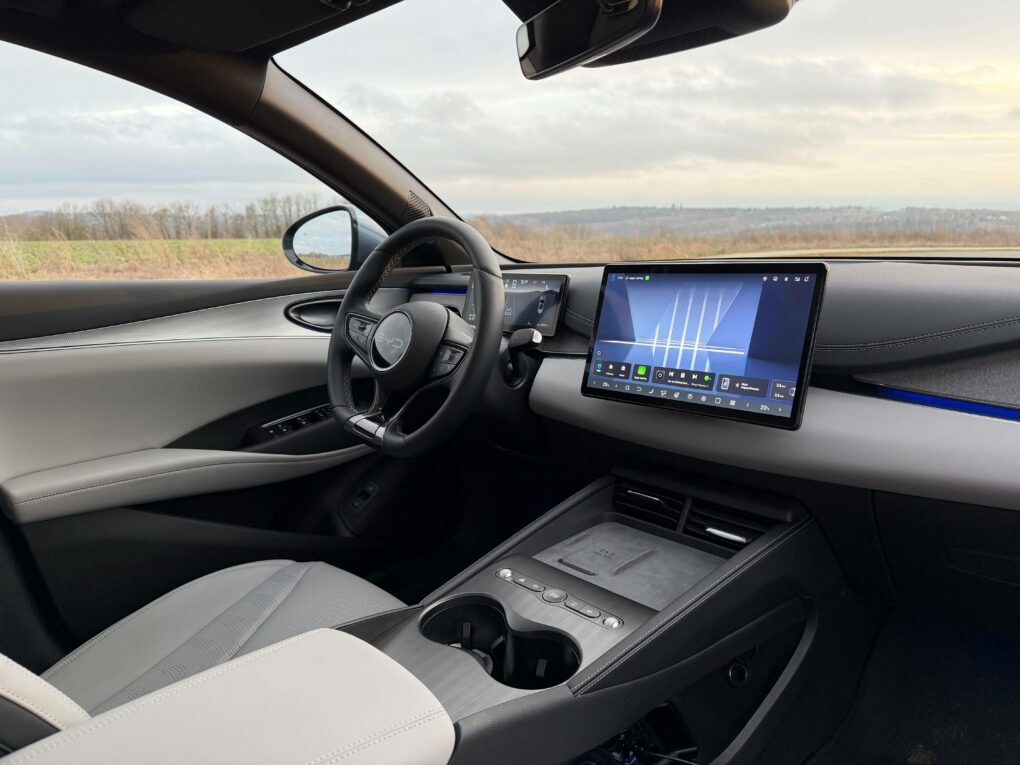
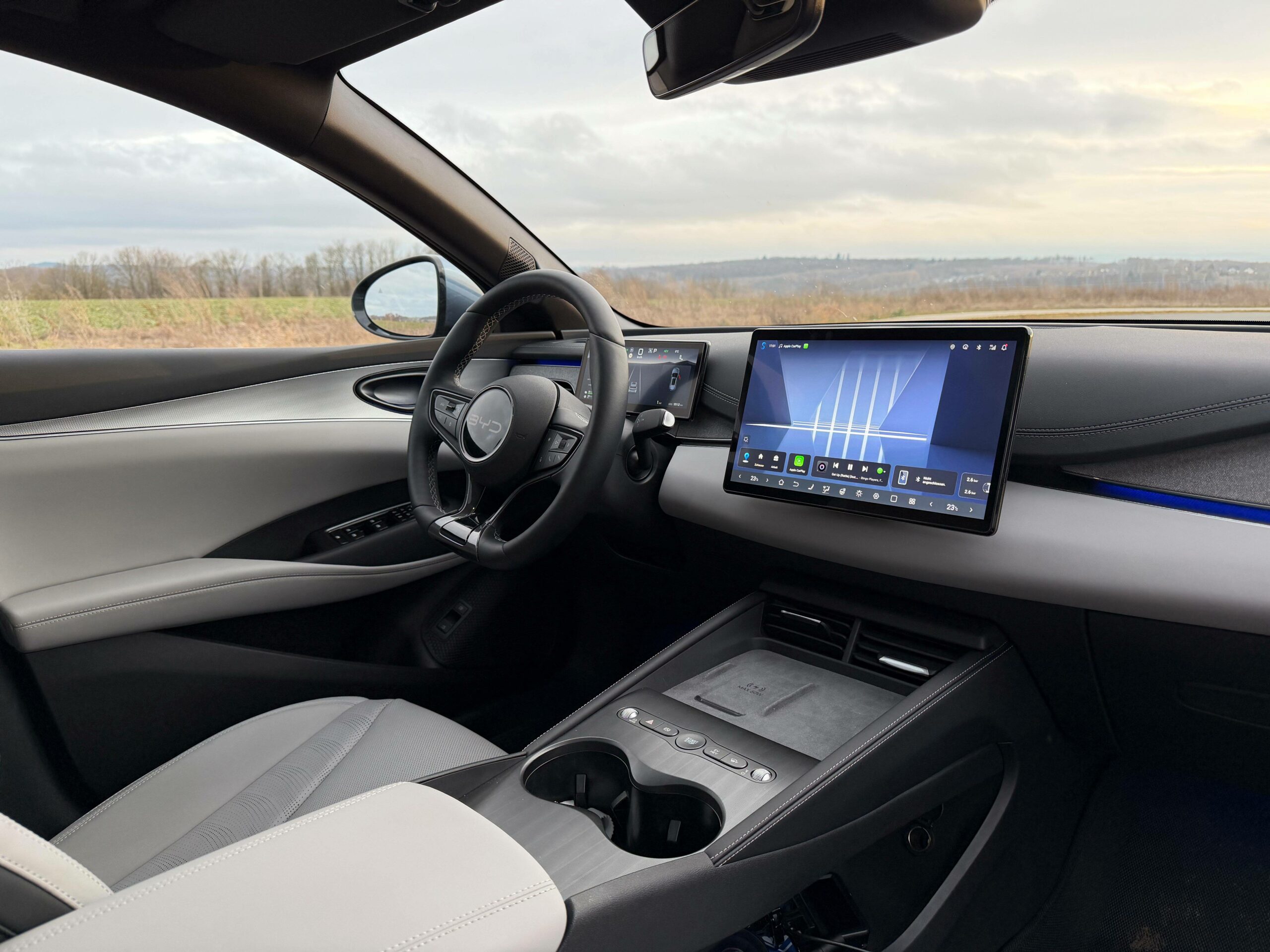
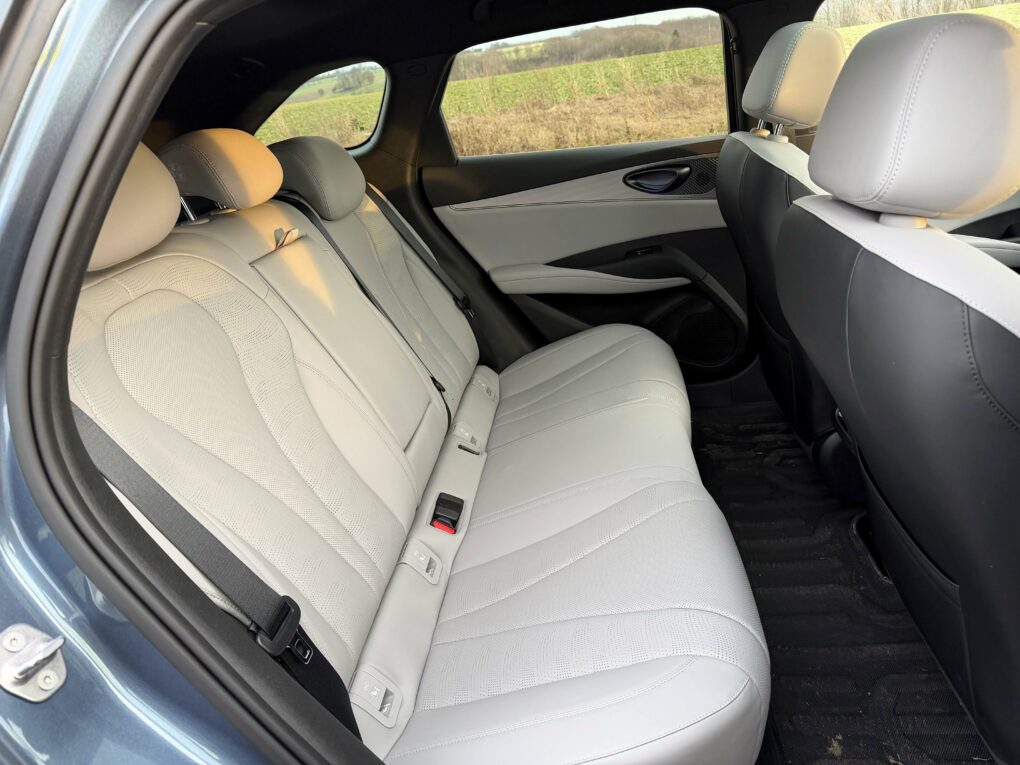
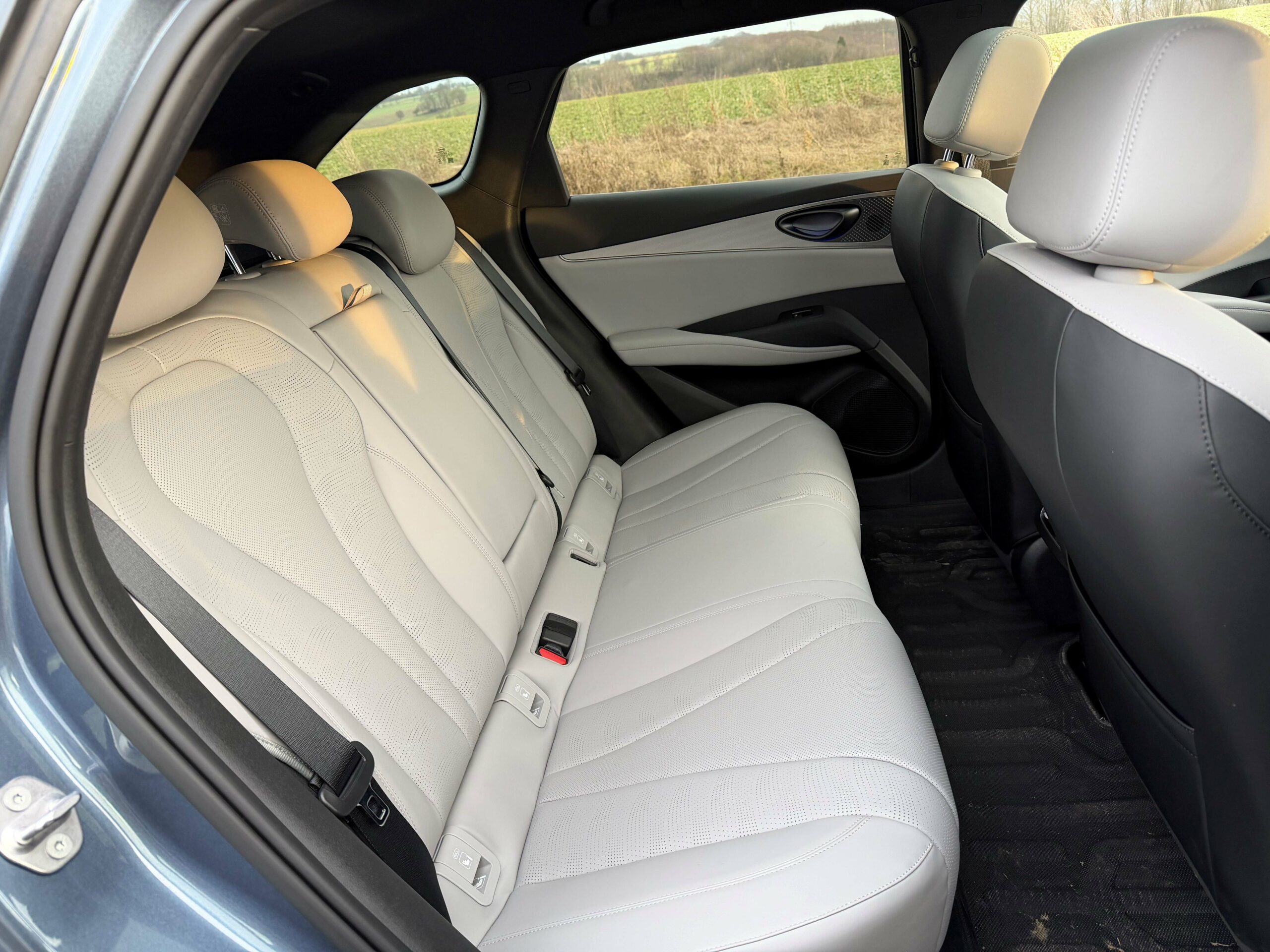
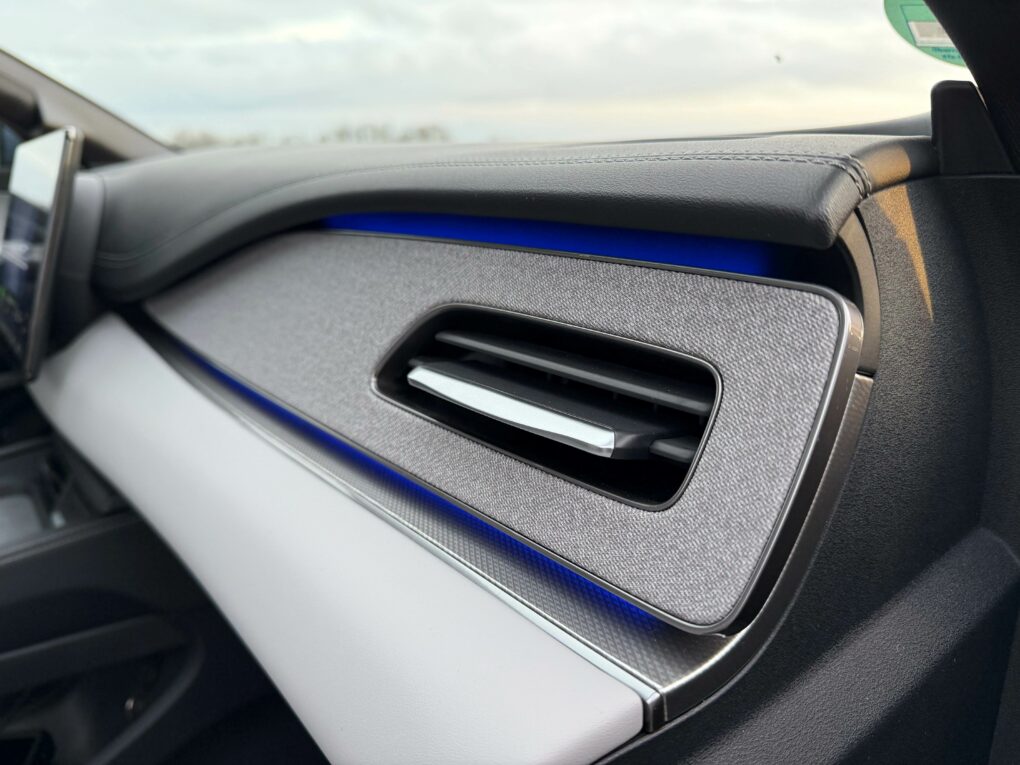
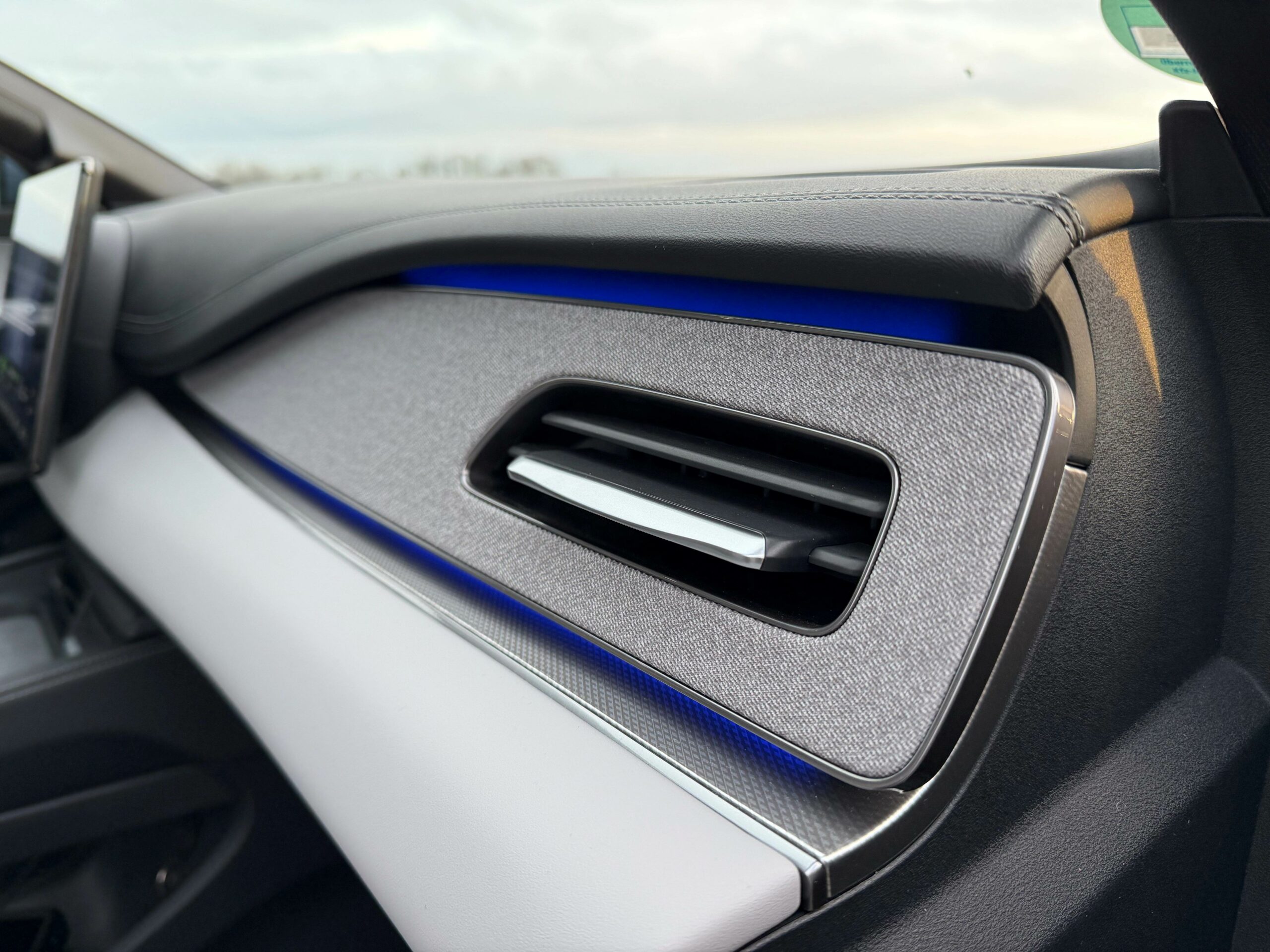
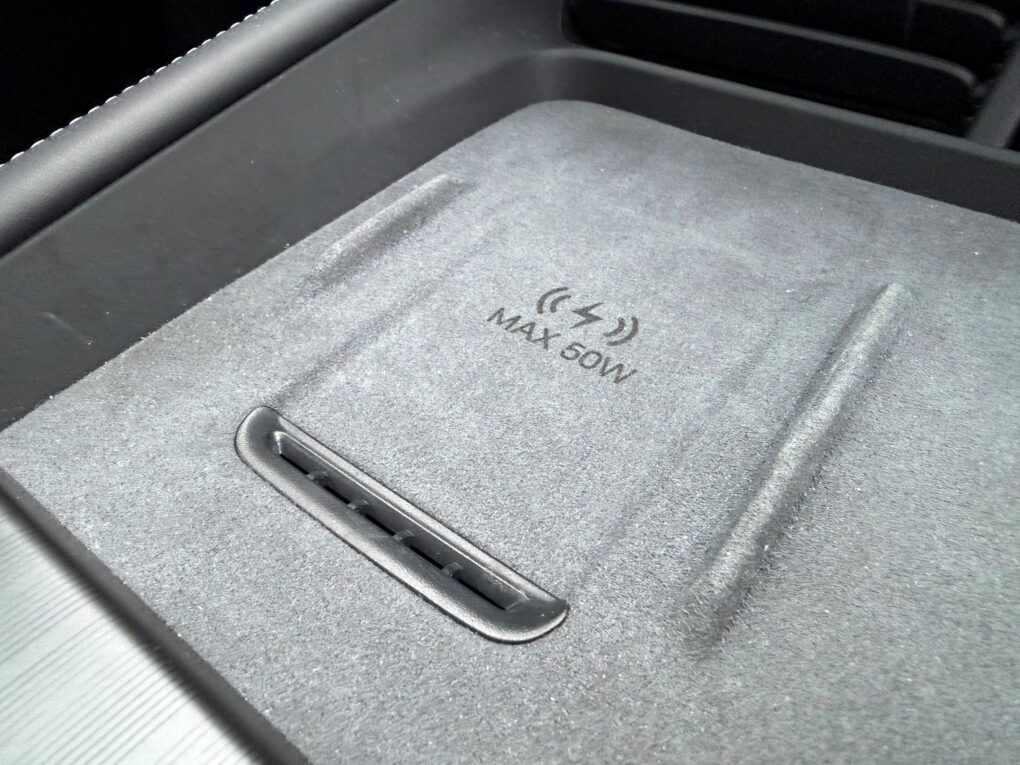
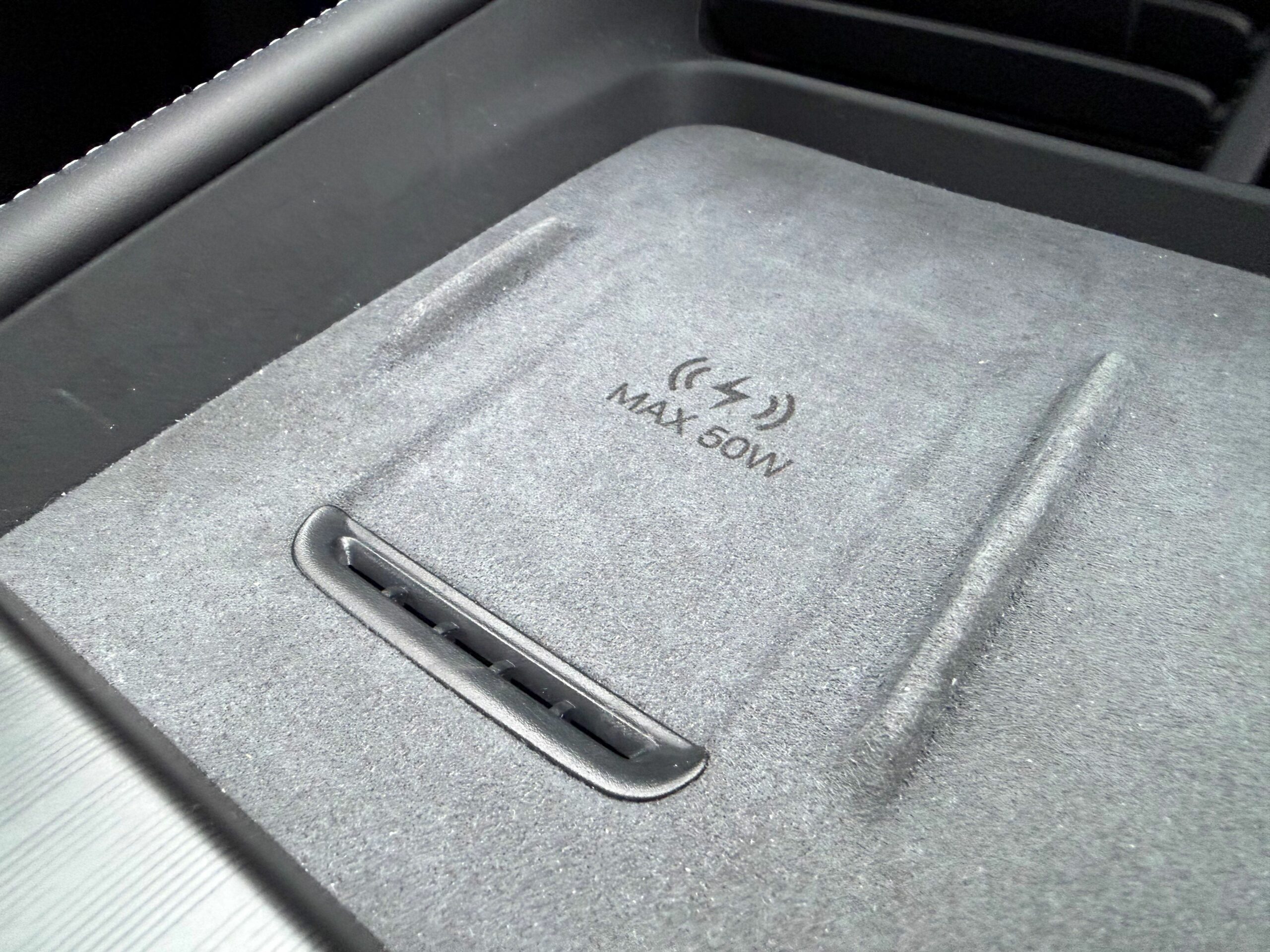
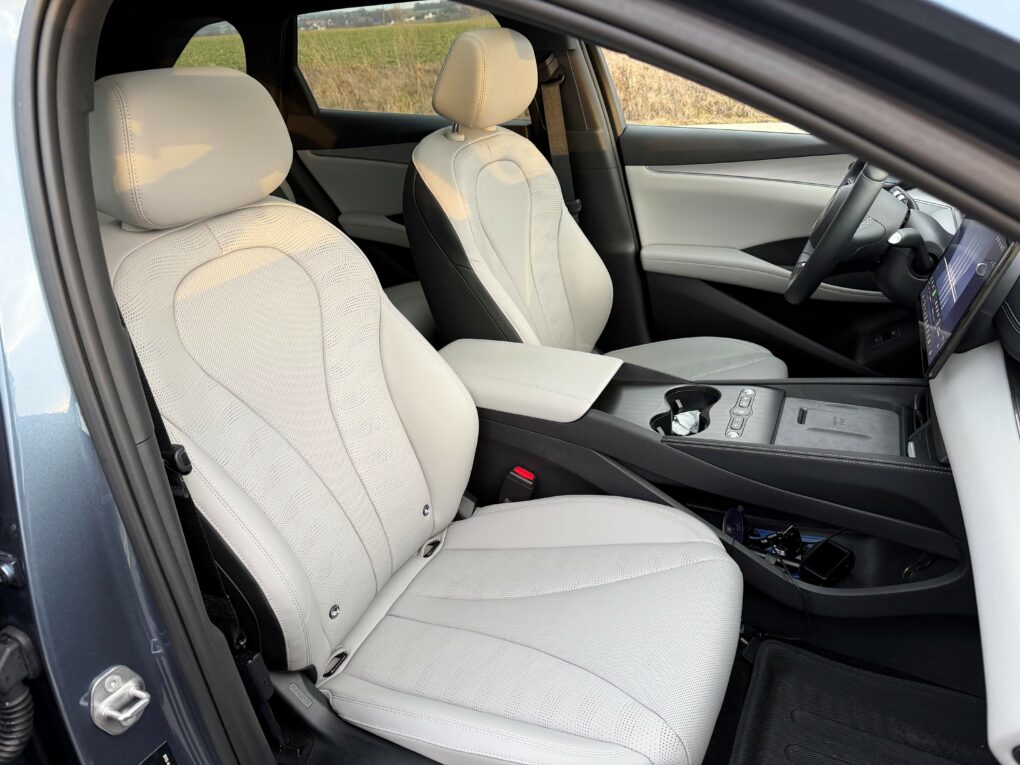
Despite the criticism regarding charging capabilities, the BYD Seal 6 DM-i deserves credit for being an excellent touring car. The suspension is tuned for comfort and absorbs bumps with ease. The interior boasts high-quality workmanship, the materials feel good to the touch, and the BYD infotainment display responds lightning-fast, even if the menu structure is sometimes a bit convoluted. Apple CarPlay and Android Auto work wirelessly without any major issues. The rotating display we've seen in other BYD models is now a thing of the past. It was probably used more as a "showpiece" than for any real practical purpose.
-
- Picture: TechnikNews
-
- Picture: TechnikNews
-
- Picture: TechnikNews
-
- Picture: TechnikNews
-
- Picture: TechnikNews
-
- Picture: TechnikNews
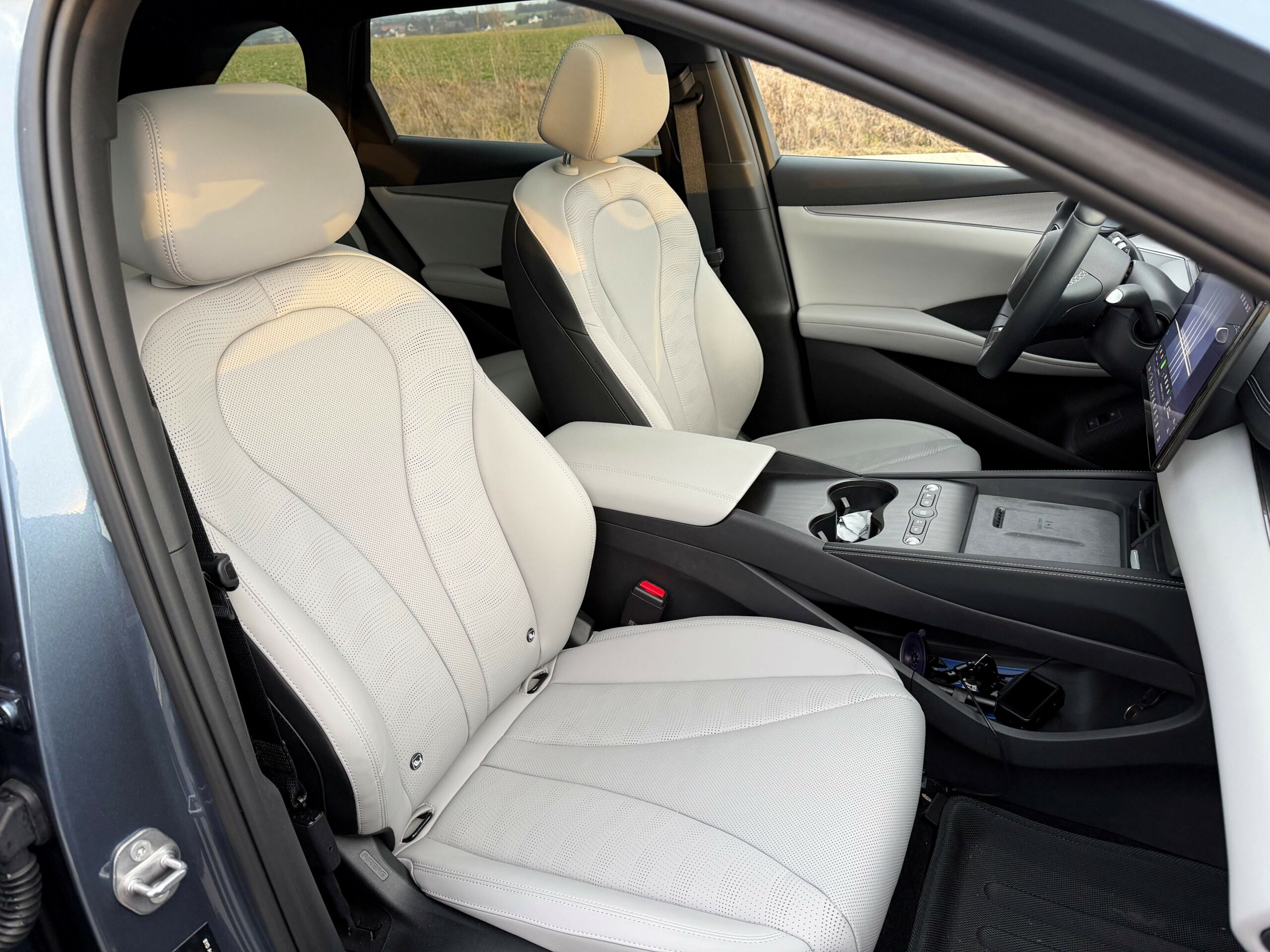
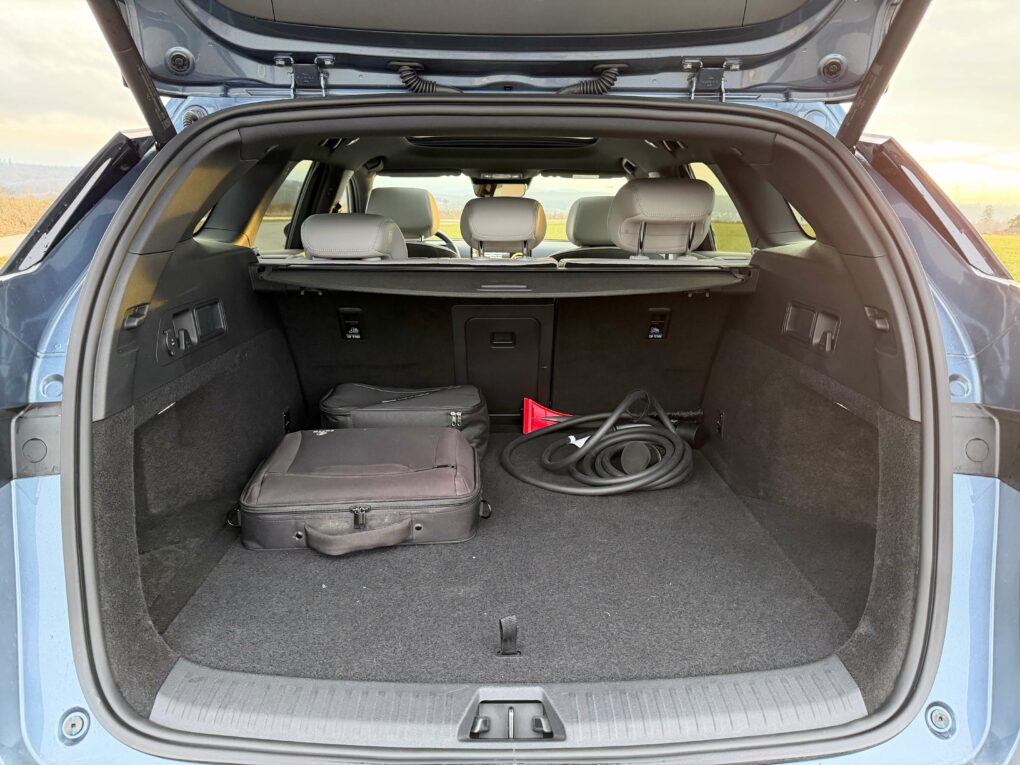
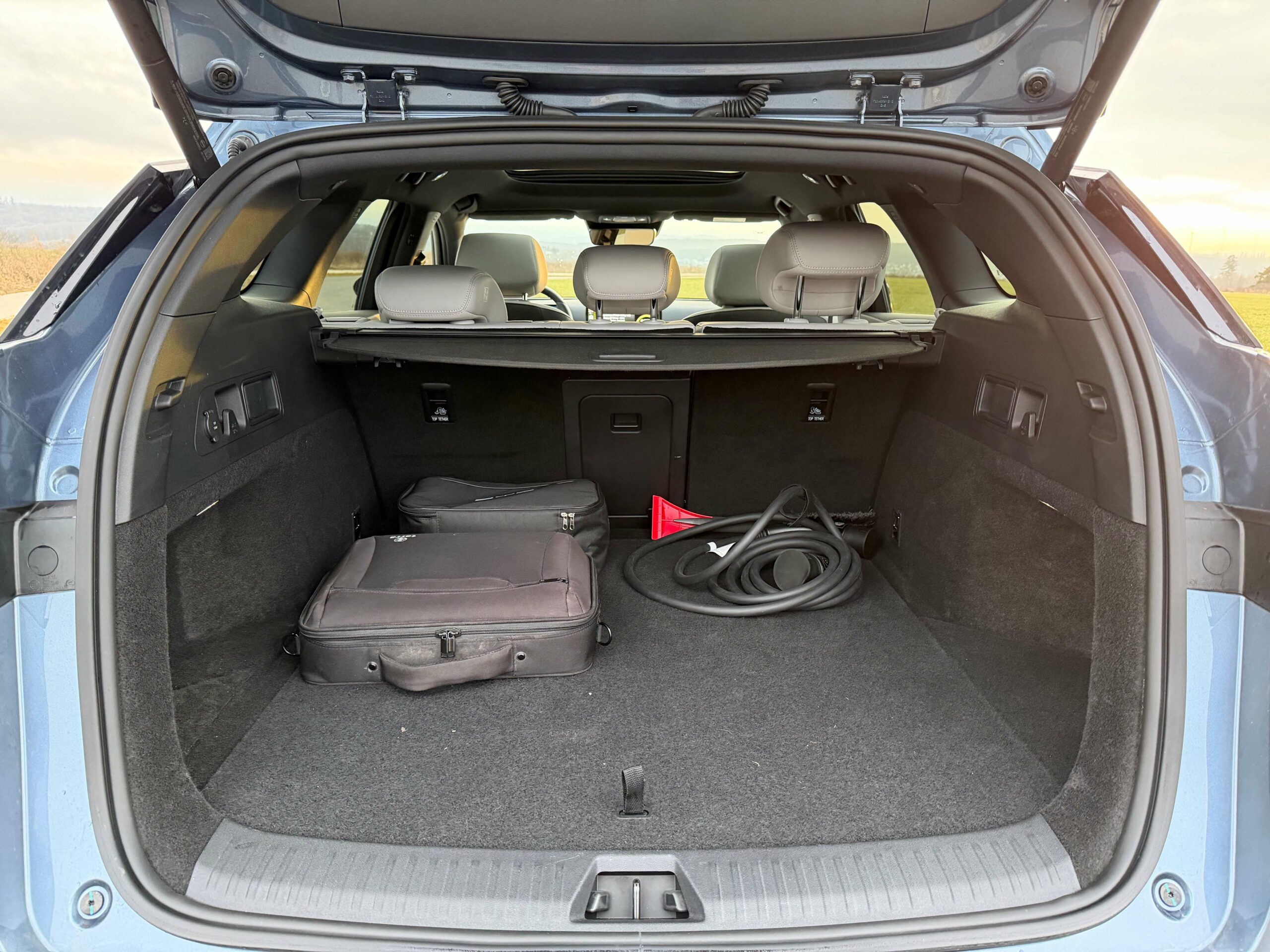
As an estate, it offers precisely the space that families in Europe are looking for. The boot is spacious, the loading sill low, and the rear legroom generous. In this respect, it's absolutely competitive. What's more, it's more than half the price of a comparable Passat eHybrid. Of course, the Passat offers better software and a faster charging system. But is that really worth almost twice the price? That ultimately comes down to the buyer's personal assessment.
Conclusion: Who should consider the BYD Seal 6 DM-i?
The central question we asked ourselves during the two weeks was: Despite its charging shortcomings, is the BYD Seal 6 DM-i a good option for driving most daily routes electrically, given its attractive price?
The answer is: Yes, but under one mandatory condition. BYD's pricing is aggressive, and the car offers a lot of comfort and features for the money. Anyone who appreciates the financial savings compared to a VW Passat eHybrid will likely be happy with the BYD. when own useproIt fits perfectly.
This means in plain language: Anyone who wants to drive economically and truly experience the benefits of a PHEV should (and must!) be able to charge it at home or at work every single day. Only those who start the day with a full battery, do not exceed the 80 kilometer electric range for their commute, and can comfortably (and slowly) recharge the car in the evening will enjoy this concept.
However, for those who live in a rented apartment without their own wallbox, rely on public charging stations, or regularly drive long distances, this (and actually any) PHEV will be absolutely the right choice. not It's worth it. Without consistent charging, the "PHEV curse" negates all financial advantages on long journeys. Those willing to spend more will find the VW Passat eHybrid to be a significantly more well-rounded and practical technology package. However, those who charge diligently at home will find the BYD to be a spacious, comfortable, and affordable entry into the world of electric station wagons.