
Mini Cooper SE review: Is the Chinese Mini still a true Brit?
A TEST REPORT from Dominic Lux  on February 15, 2026, 10:01 | Write a comment
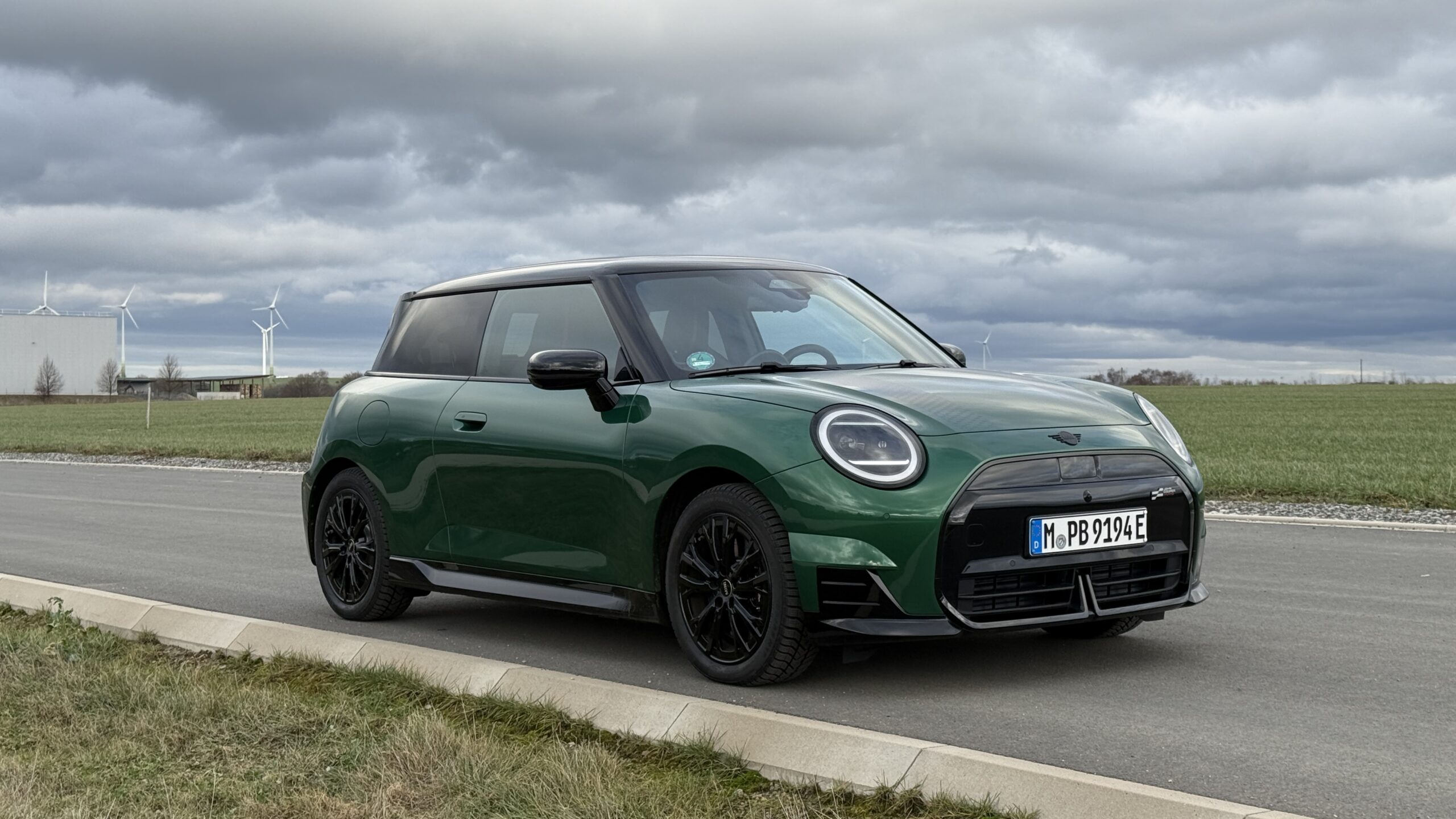
The new Mini Cooper SE He no longer comes from Oxford, but from China. He is employed there by Great Wall Motors (among others, for ORA built in Germany (known as such), but still wants a real BMW SproIt's true. We put the all-electric compact car to the test in winter temperatures. Can the so-called "go-kart feeling" survive the transformation?
tl;dr: Convincing despite obvious weaknesses?
The new Mini Cooper SE, even when produced in China, impresses with its high build quality and typical Mini charm. The new Mini OS 9 on the round OLED display is a visual highlight and offers excellent route planning that rivals other manufacturers. The driving experience is agile and fun, but the suspension in the John Cooper Works trim is very firm, almost too uncomfortable for long journeys. This also applies to the sport seats, which can become uncomfortable after a while.
The charging speed has drawn criticism: a maximum of 100 kW DC and the lack of a 22 kW AC option are simply too slow for a premium city car in 2026. With a test vehicle price exceeding €41.000, Mini is also charging a premium for its lifestyle offering. However, those looking for a stylish, well-connected city car and who can overlook these minor shortcomings will find it a very enjoyable overall package.
Video report: Is this still a real Mini?
Design & Interior: Classic meets modern
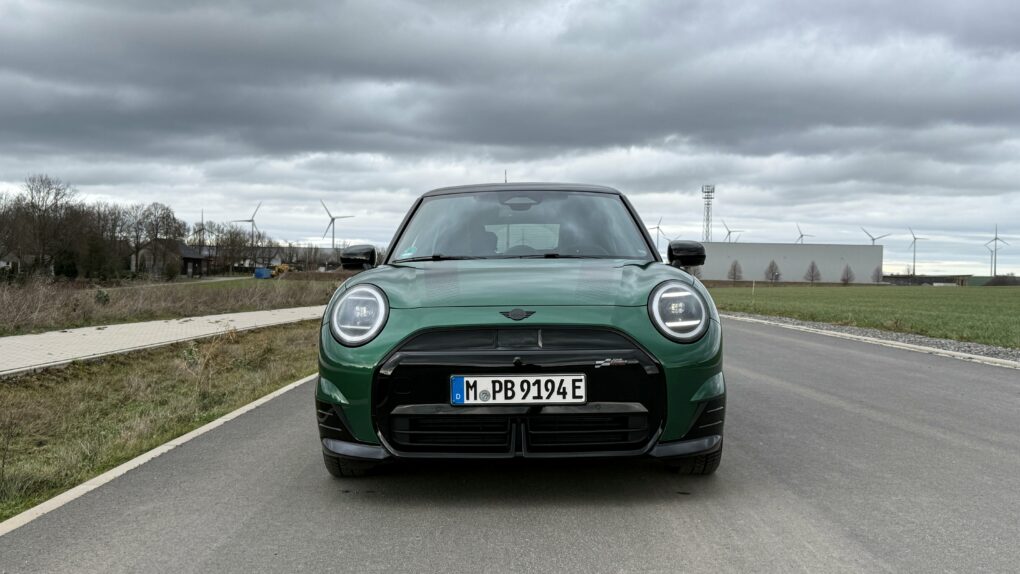
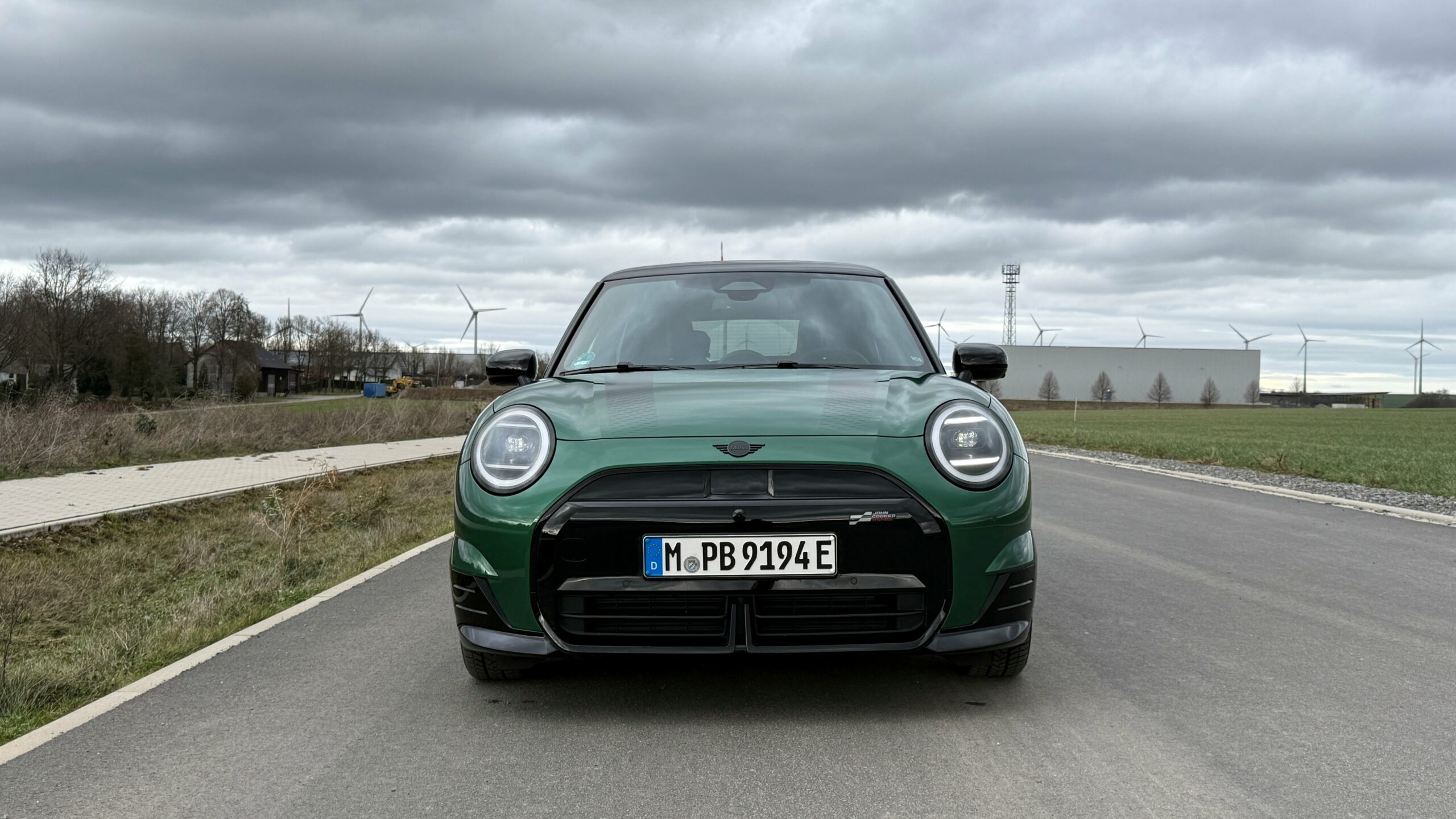
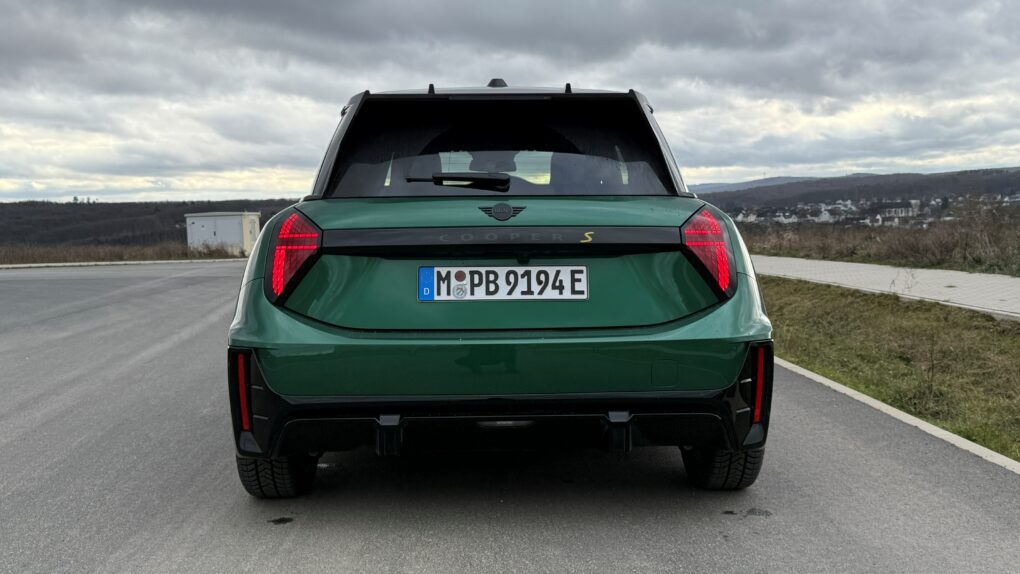
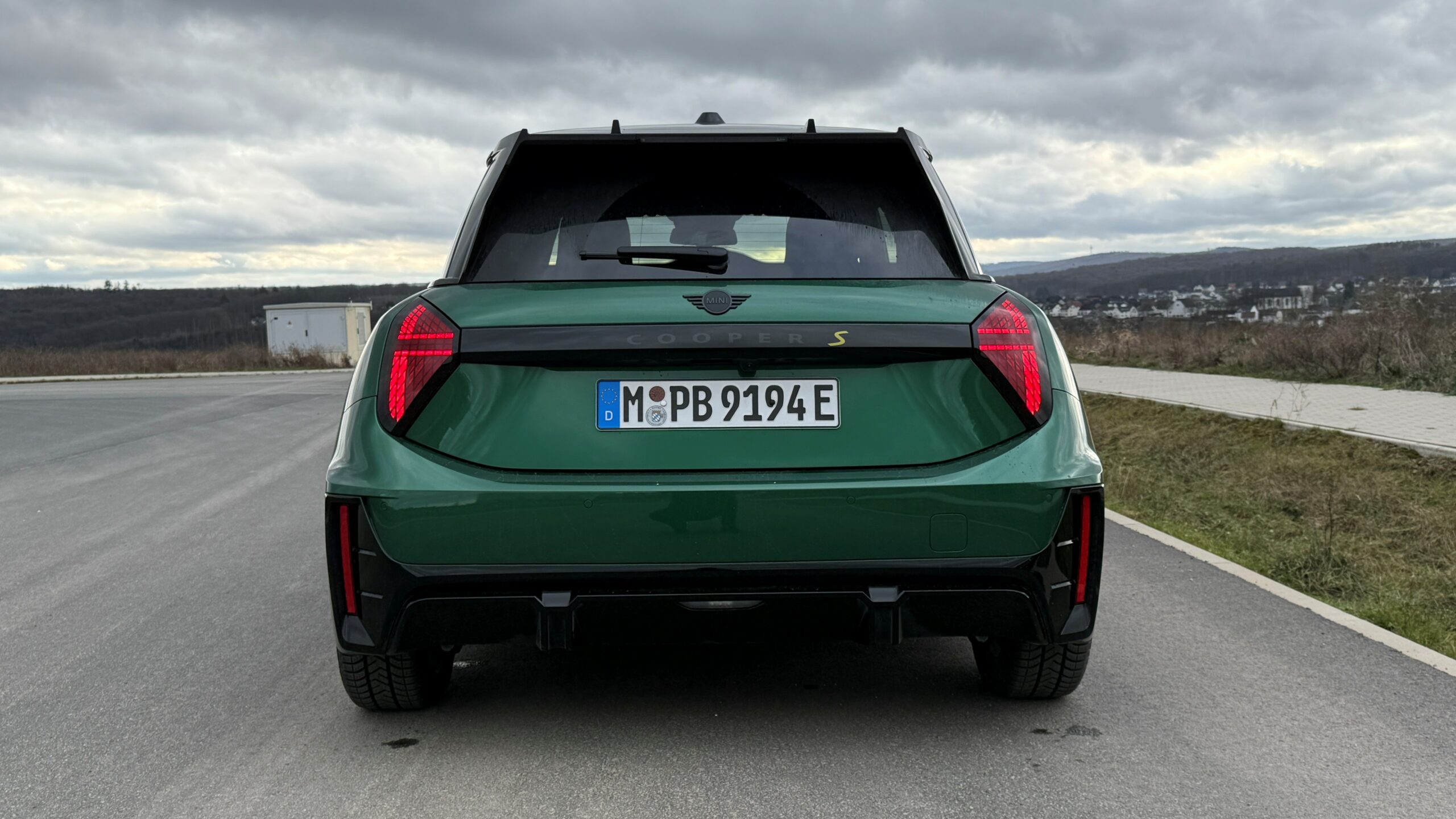
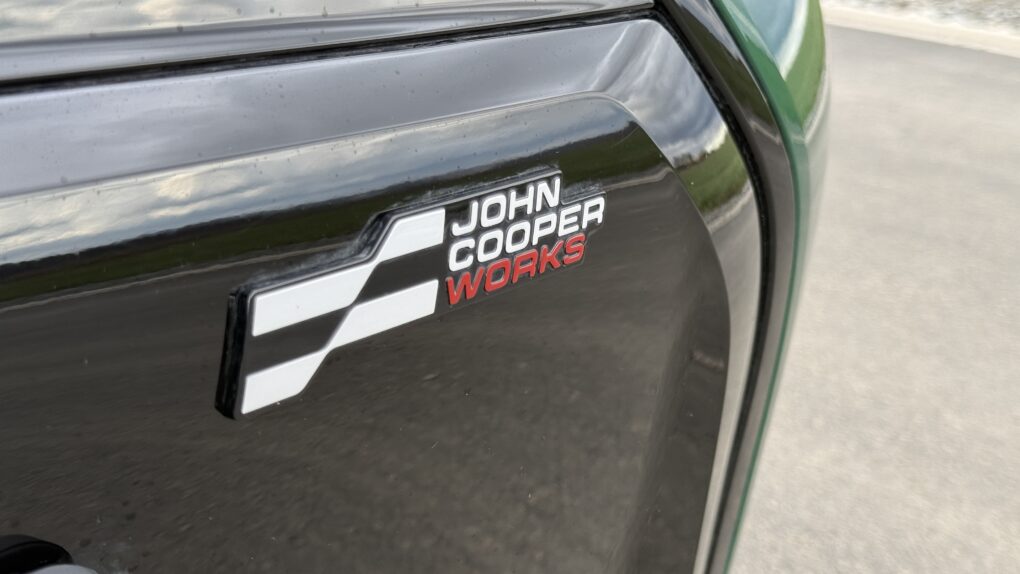
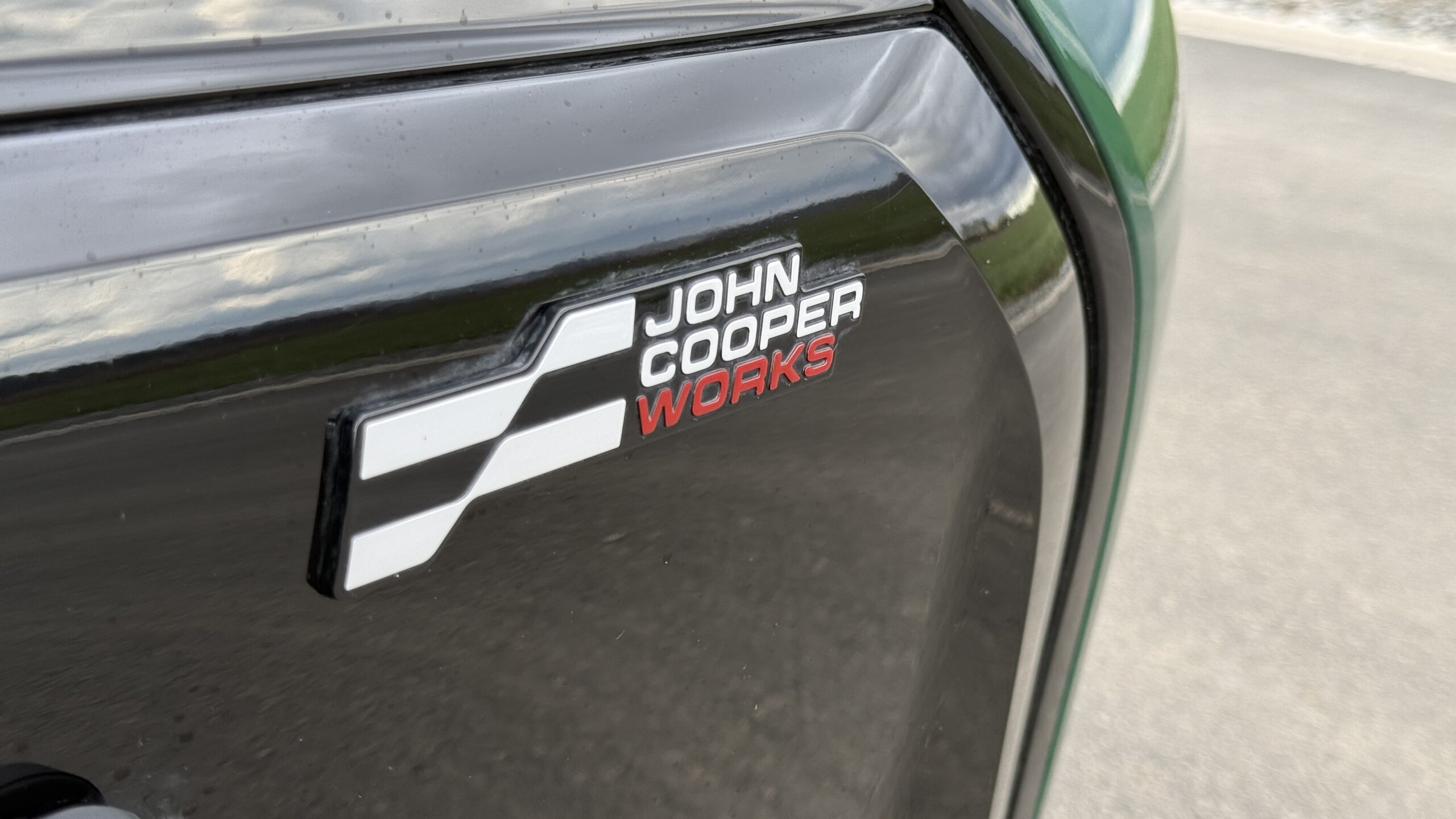
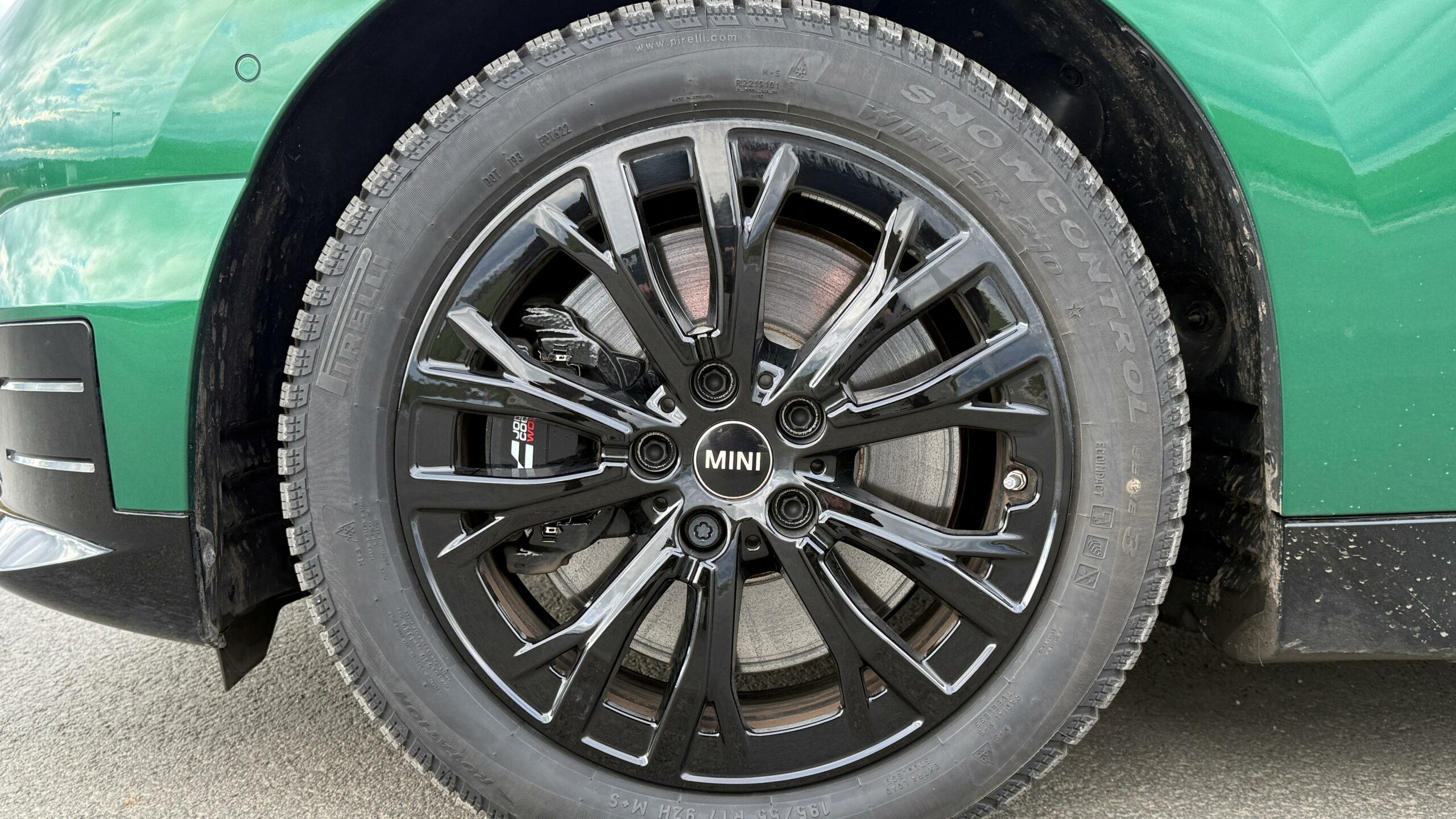
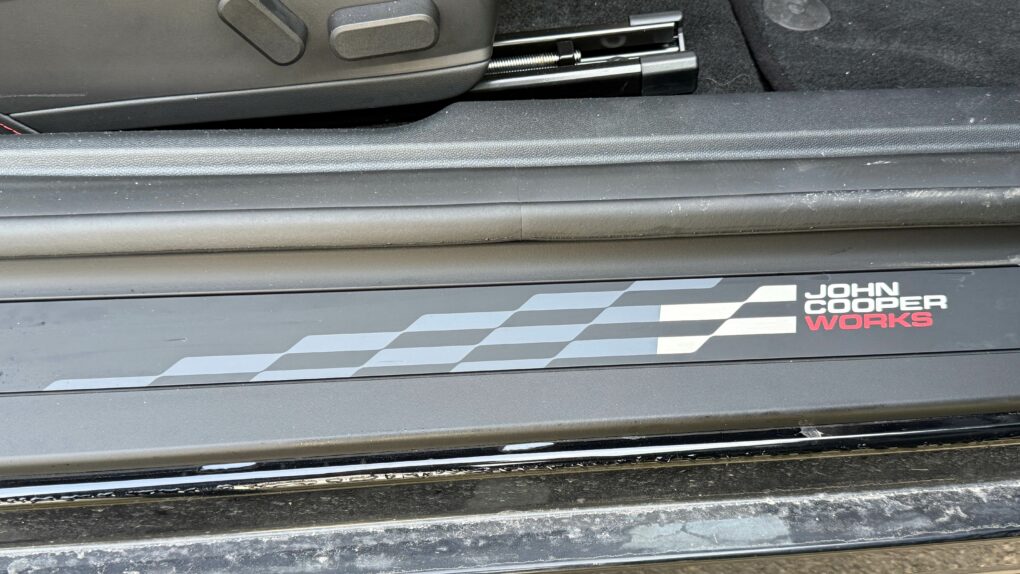
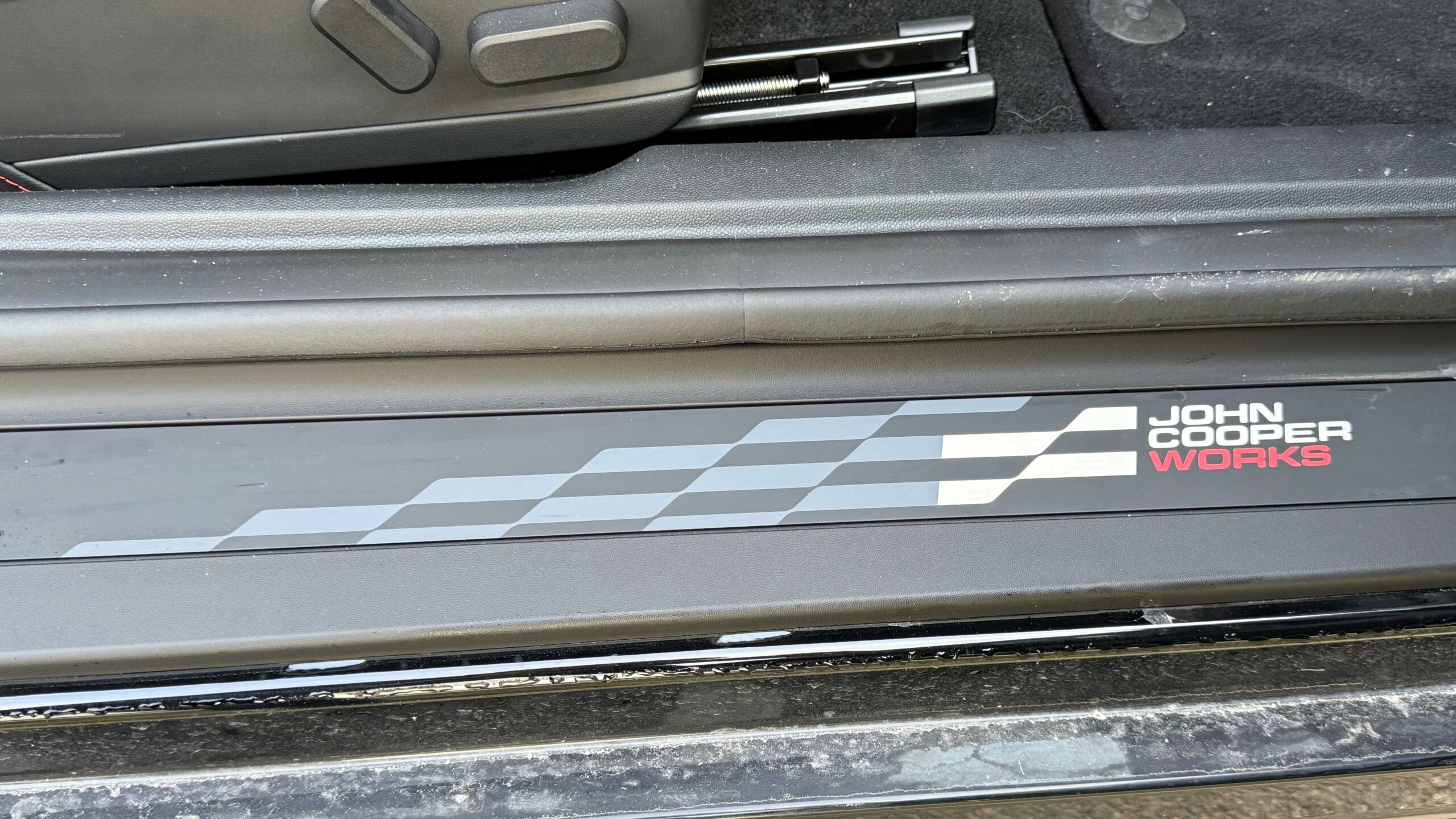
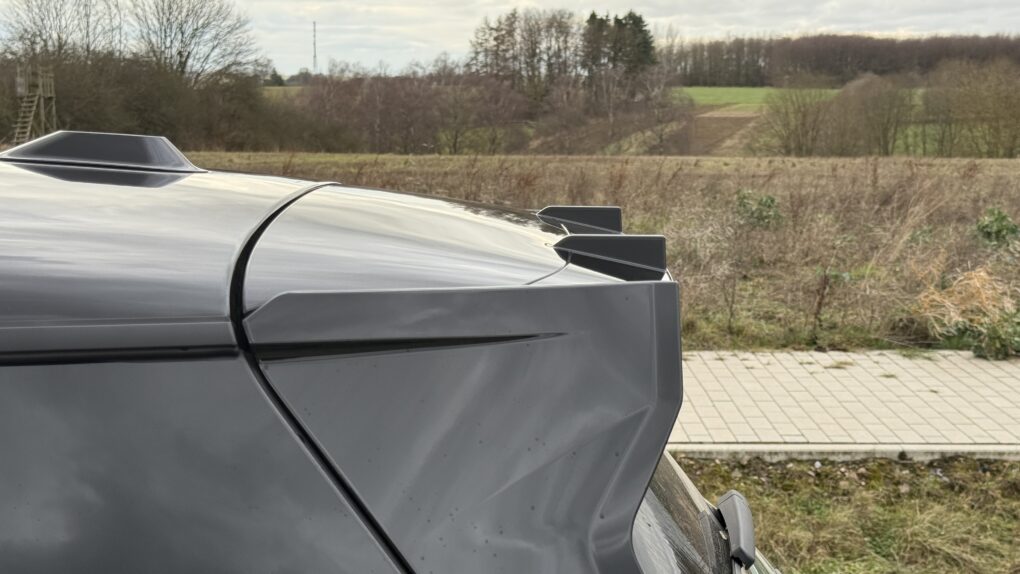
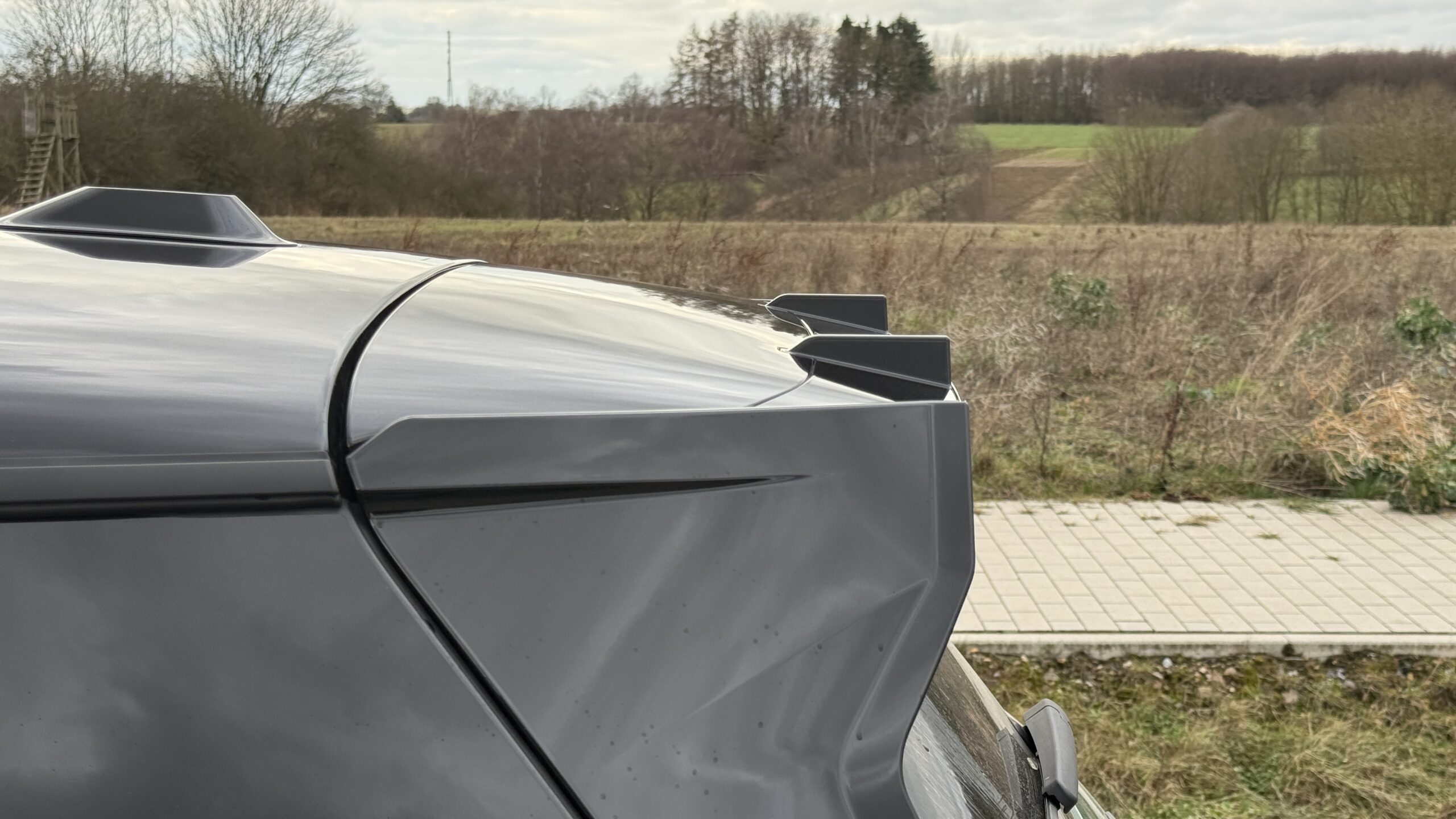
Visually, the new Mini remains true to its roots. Our test car, in John Cooper Works trim and British Racing Green, looks sporty without being ostentatious. The new matrix taillights (which are an acquired taste) and the classic stripes on the hood complete the look.
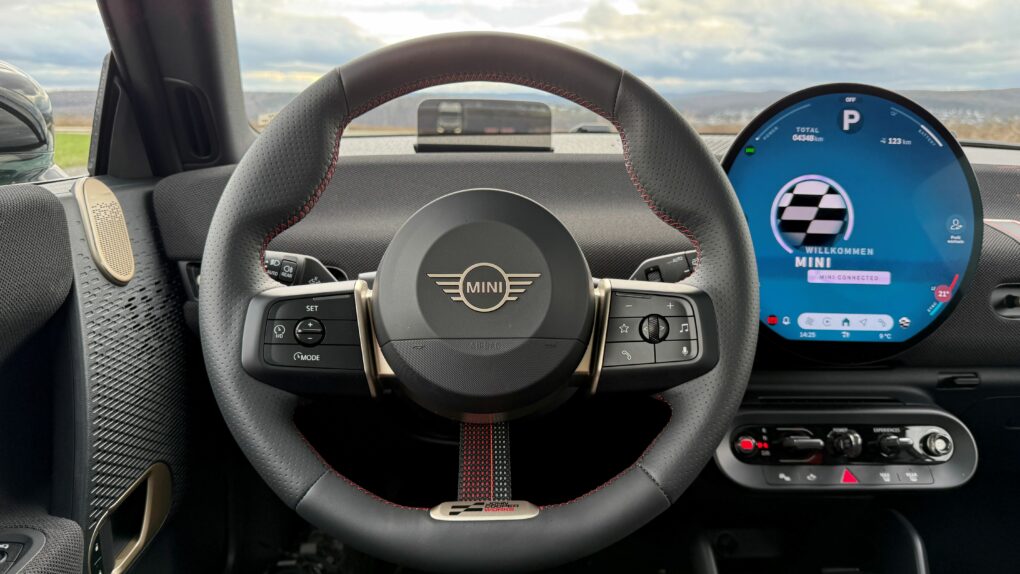
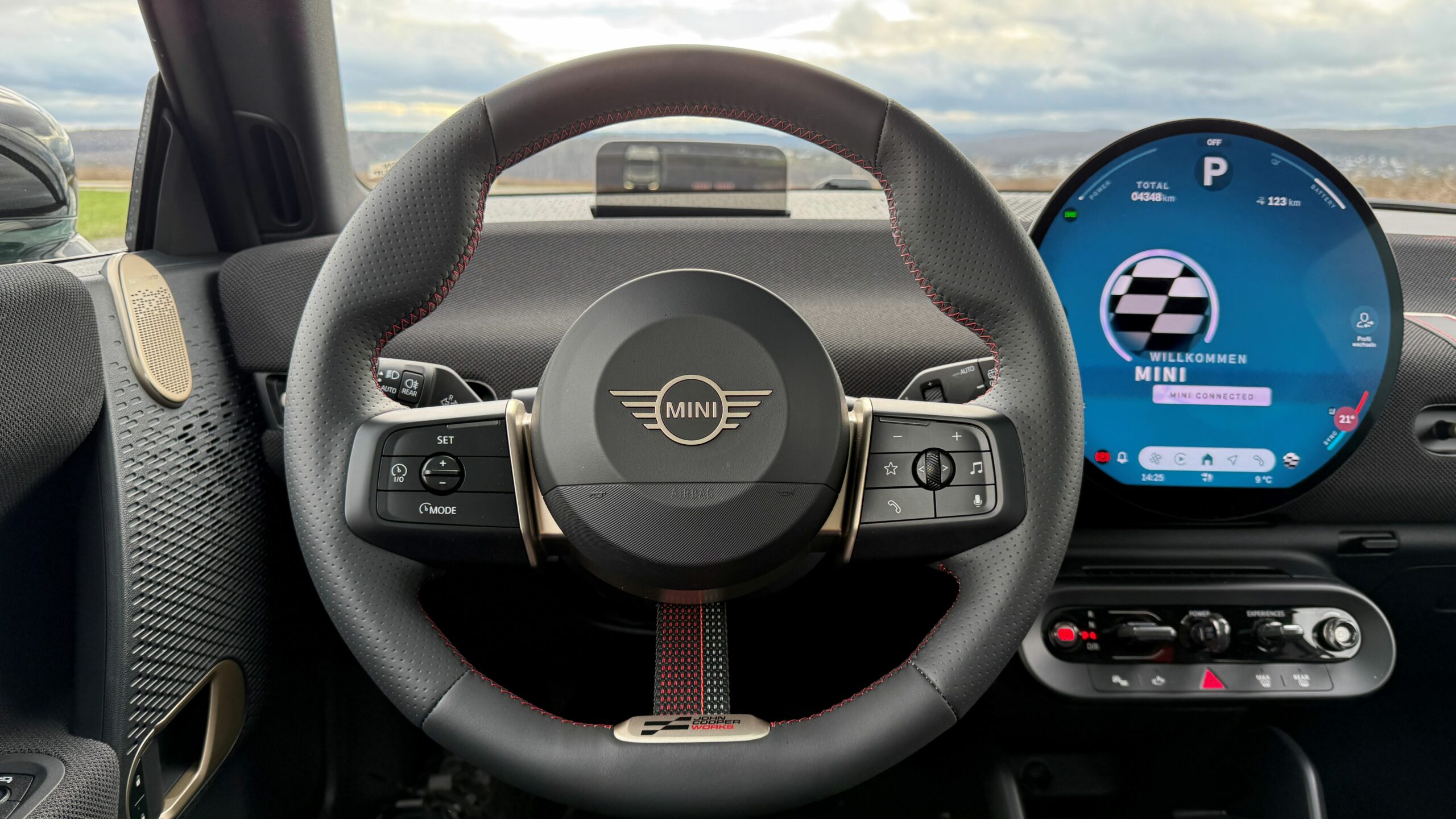
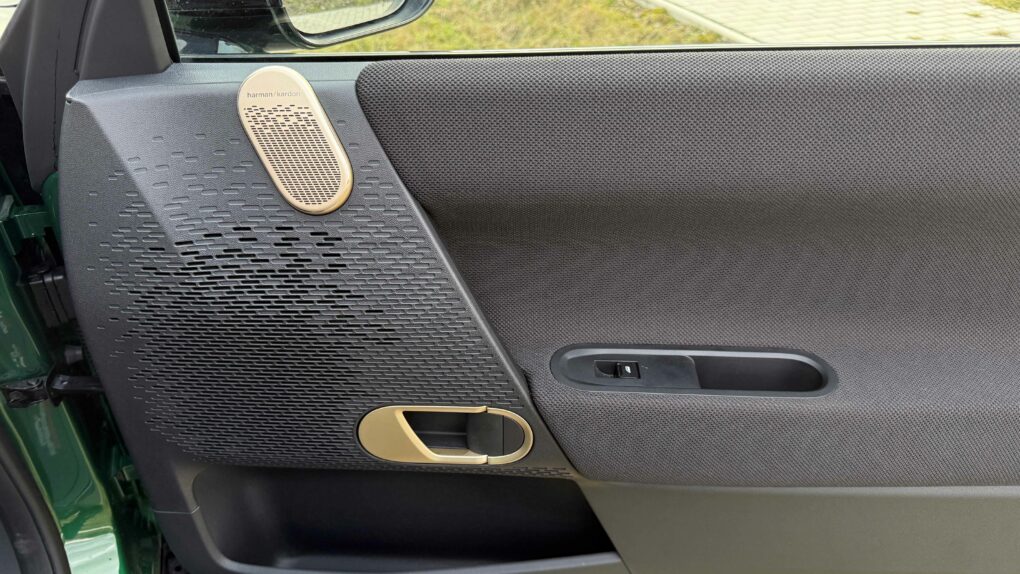
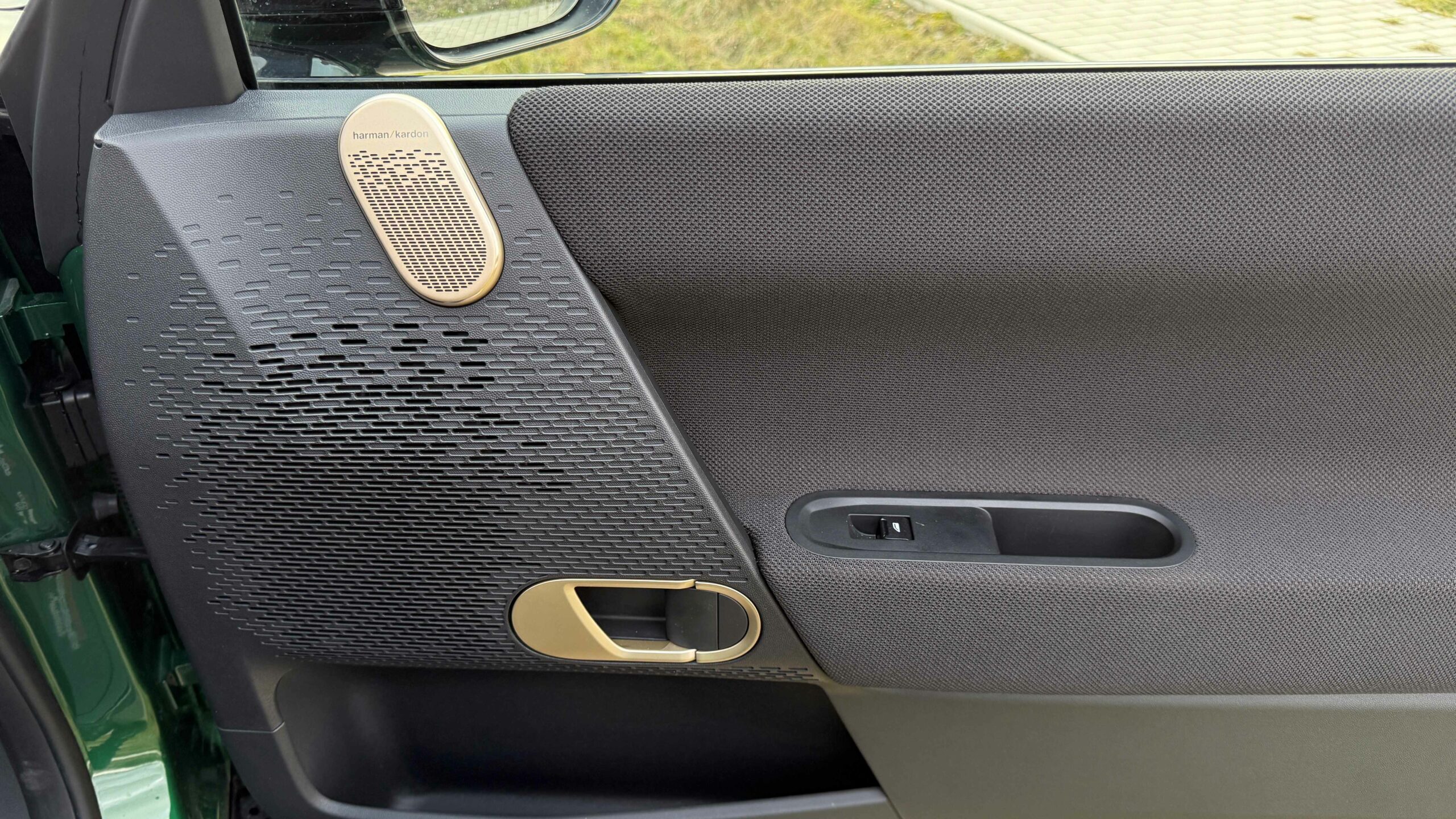
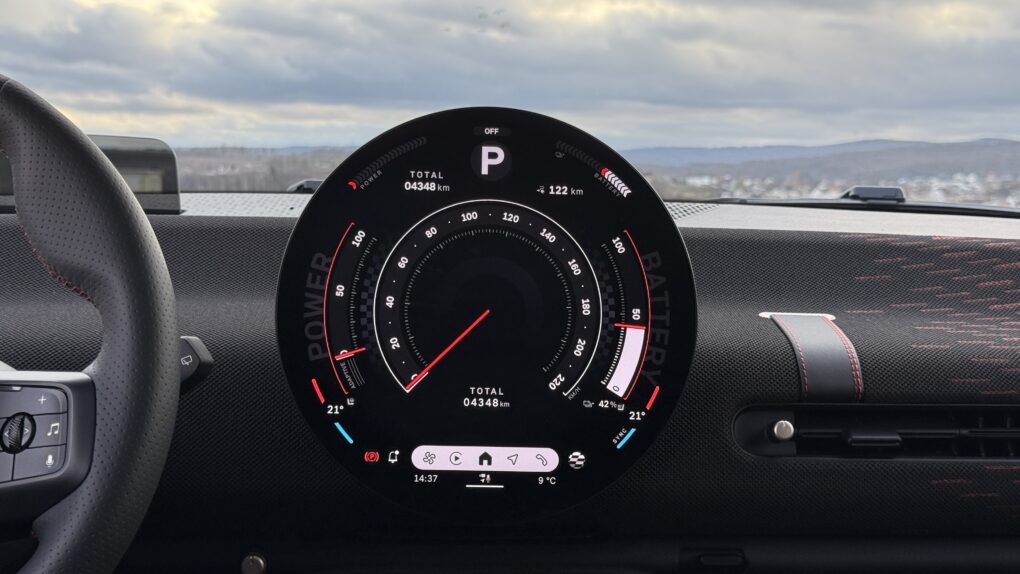
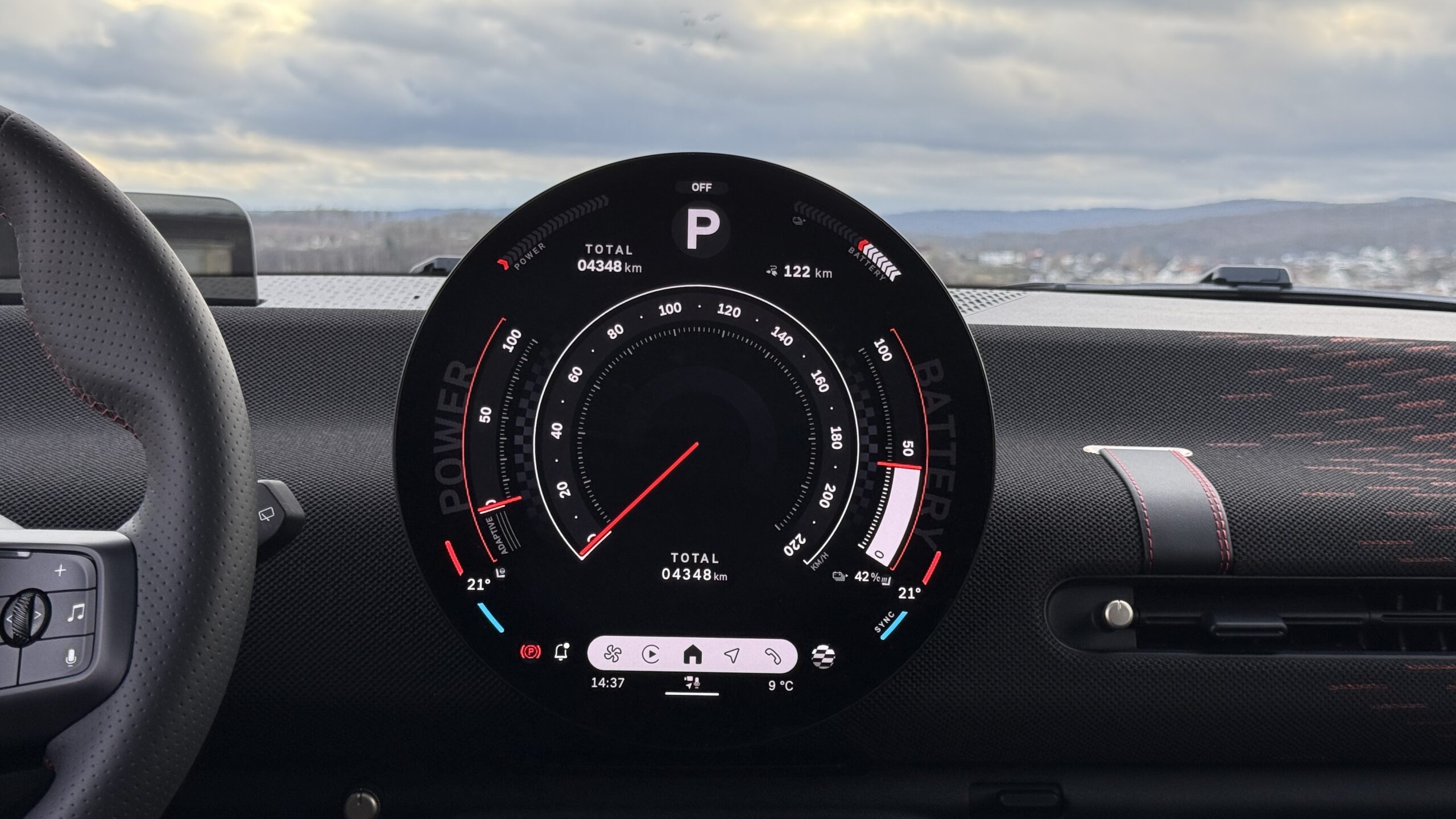
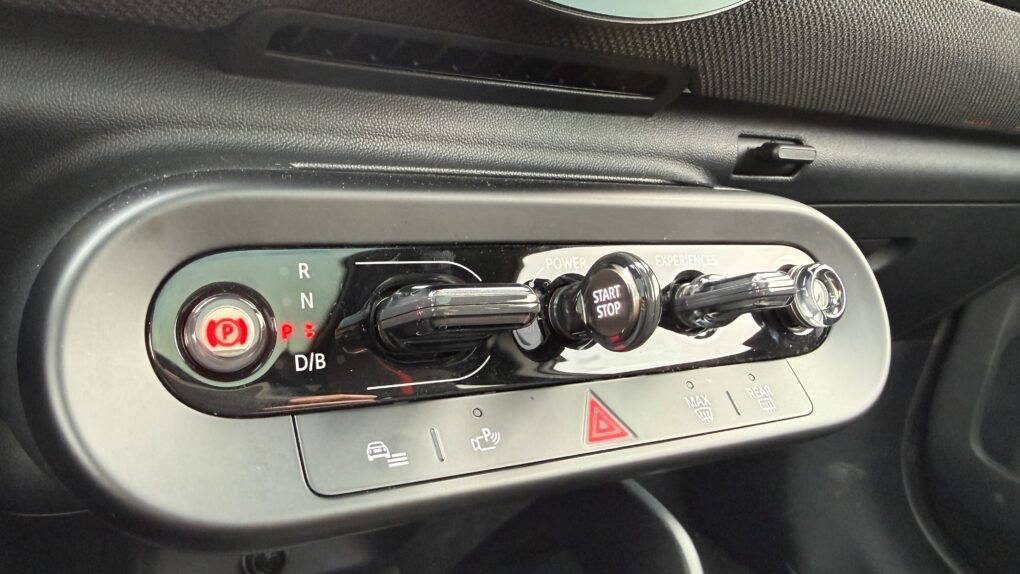
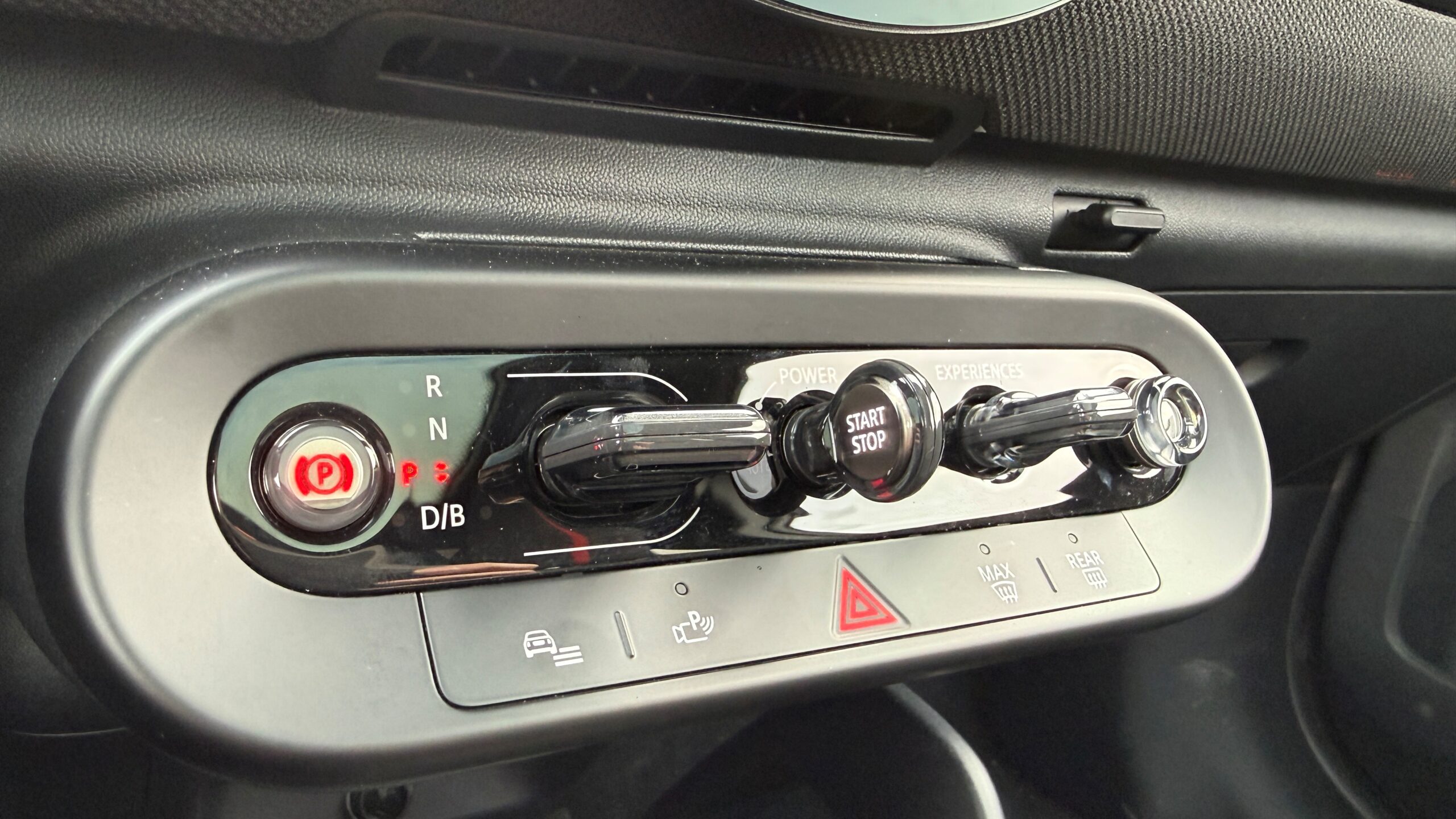
The interior is dominated by the new, round design. OLED display In the center. It's razor-sharp and its animations appear very fluid (feels like 120 Hz). The dashboard is covered with a durable fabric, which looks stylish but could be prone to dirt. Below the screen are the typical "airplane switches" for gear selection and start/stop, which makes operation easier.
-
- Picture: TechnikNews
-
- Picture: TechnikNews
-
- Picture: TechnikNews
-
- Picture: TechnikNews
-
- Picture: TechnikNews
-
- Picture: TechnikNews
-
- Picture: TechnikNews
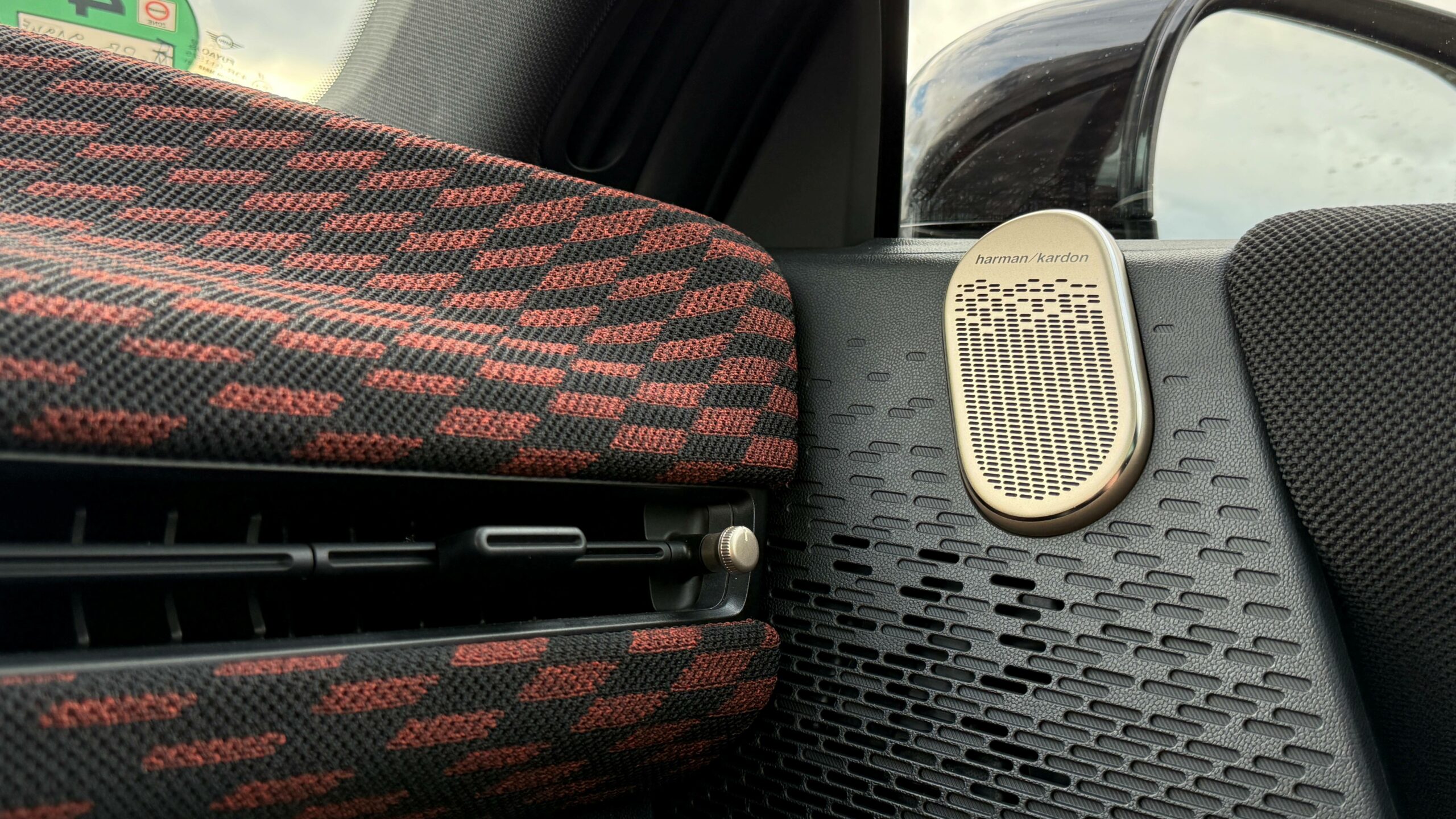
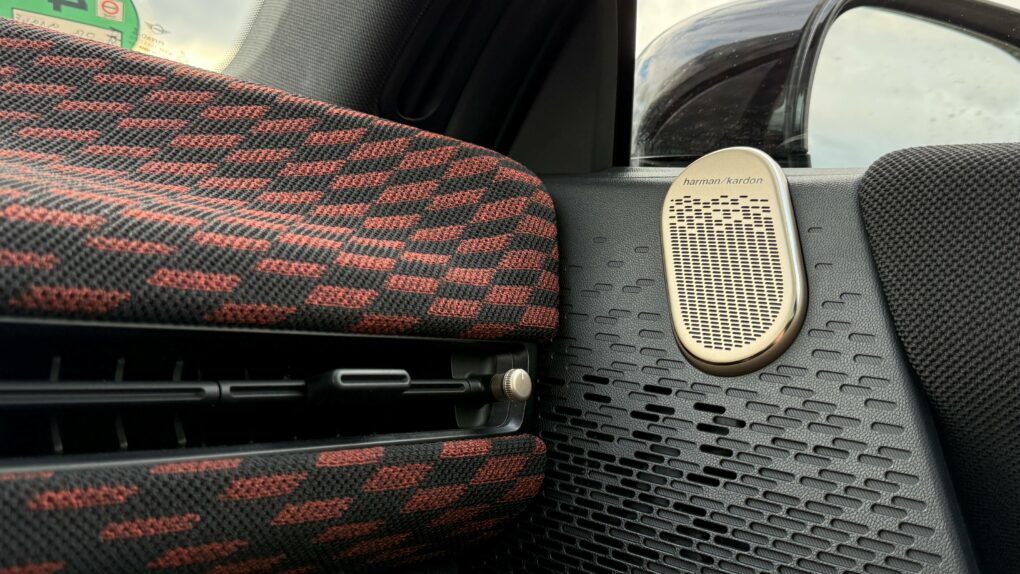
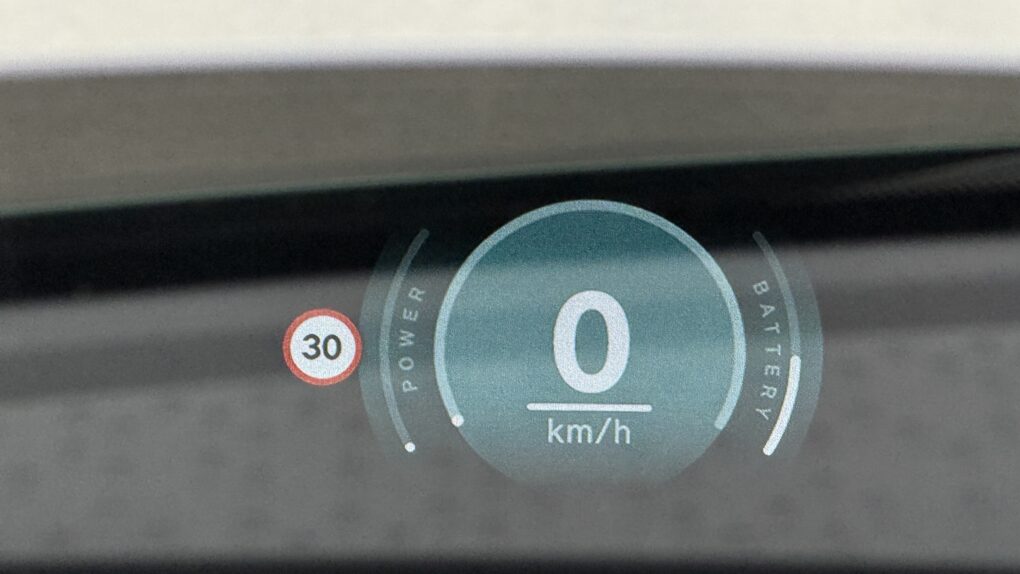
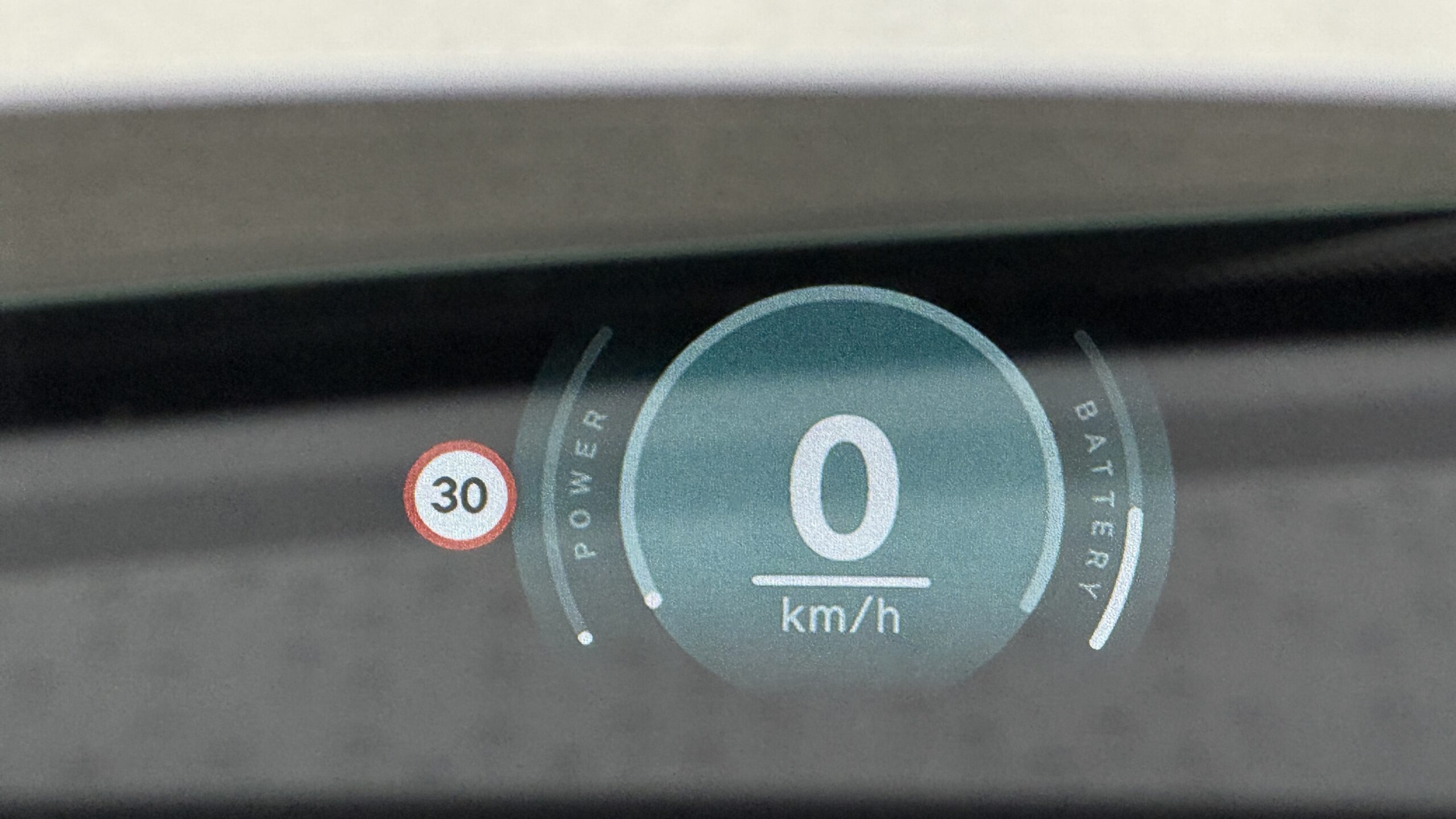
One drawback: The head-up display is only projected onto a retractable plexiglass screen. proProjected. In this price range (over €40.000), we would have expected a projection onto the windshield. The JCW sports seats offer good lateral support, but proved to be somewhat too hard and uncomfortable in our test on journeys exceeding 200 km.
Software & Infotainment: A quantum leap
Mini (or rather BMW) has delivered here. The Mini Operating System 9 is based on Android, but feels like a premium system through and through.
Navigation: The charging route planning is excellent. It reliably calculates charging stops, pre-conditions the battery, and even shows the availability of charging stations.
Voice control: It responds quickly to the keyword "Hey Mini" and understands natural commands much better than its predecessor.
Fun features: The various "Experience Modes" (e.g., Go-kart, Vivid, Timeless) not only change the design but also the sound of the car. The "Go-kart Mode" even simulates a slight "exhaust burble" when decelerating – amusing, but a matter of taste.
-
- Picture: TechnikNews
-
- Picture: TechnikNews
-
- Picture: TechnikNews
-
- Picture: TechnikNews
-
- Picture: TechnikNews
CarPlay and Android Auto are wirelessly integrated, although CarPlay occasionally stuttered or restarted during testing when switching modes. It's possible this is due to iOS 26, which we should mention here.
Driving dynamics & range: A true Mini?
Technically, the car is based on a Great Wall Motors platform (similar to the ORA 03), but the tuning is noticeably from Munich. 160 kW (218 PS) and 330 Nm The torque provides plenty of acceleration. The steering is direct, the suspension firm. While the car does bounce a bit on poor roads, it corners like it's on rails.
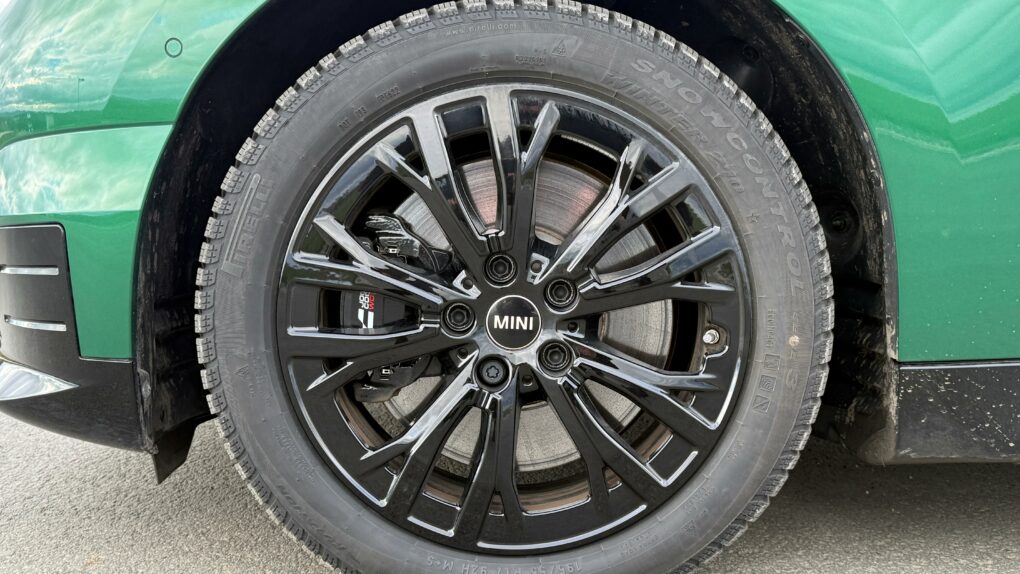
Consumption & range in winter testing: At outside temperatures of -4 to -6 degrees Celsius and with winter tires, consumption in the city settled at approximately 16-18 kWh/100km. On the motorway route from Munich to Warstein, consumption was 19,5 kWh per 100 km. We drove at an average speed of 120 km/h.
Battery pack: 54 kWh (approx. 50 kWh net)
Range (winter): Realistically, about 250 km.
Range (summer): Estimated range up to 300 km.
This is a significant improvement over its predecessor, but still makes the Mini primarily a car for the city and surrounding areas.
Store: The biggest weakness
While driving is fun, charging requires some patience.
DC charging: Officially up to 95 kW. In our test, we briefly saw a peak of 101 kW. The charging curve is stepped; it takes approximately [timeframe missing] to charge from 10% to 80%. 32 to 35 minutesFor 2026 standards, that's just average. A VW ID.3 charges faster now.
AC charging: The Mini only charges at 11 kW using a wallbox. A 22 kW option, which would be ideal for a city car (for quickly topping up during a city visit), is unfortunately completely missing.
The new Mini Cooper SE is a successful, albeit expensive, lifestyle electric car. But let's be honest, Mini has always been a lifestyle choice. Its Chinese origins aren't apparent; the "BMW DNA" in the chassis and software is clearly noticeable. Those who primarily drive in the city and value design, good software, and driving fun will be happy with it. Those who frequently drive long distances will be bothered by the hard seats and the mediocre charging performance.
Price of our test vehicle: Approximately €41.000 (including equipment).