
Polestar 3 review: First drive in the premium electric car
A TEST REPORT from Leander Diedrich  on September 26, 2024, 14:35 am | Write a comment
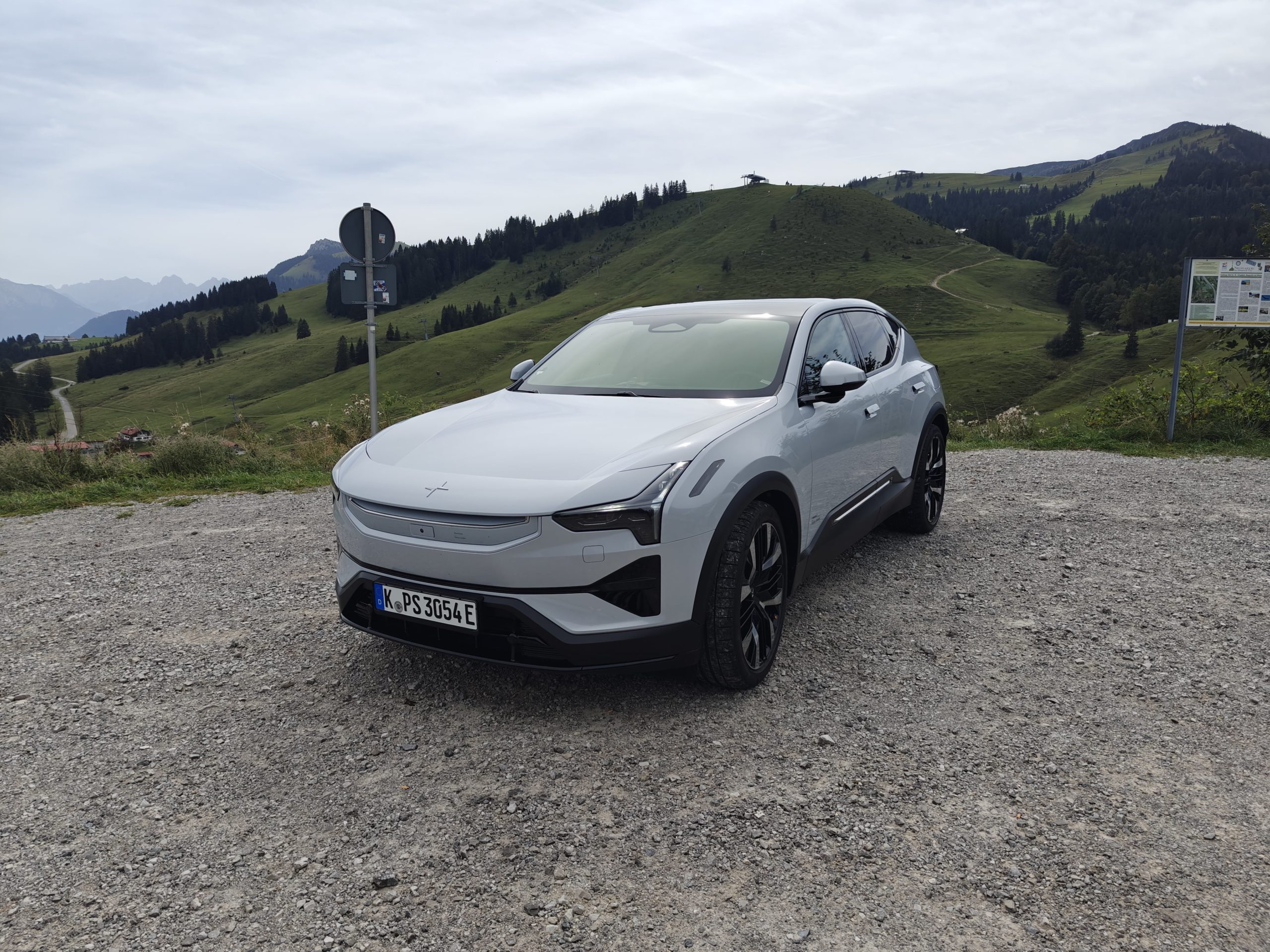
Polestar has launched two new vehicles this summer: In addition to the Polestar 4, the Polestar 3 expands the portfolio of the Swedish-Chinese manufacturer of electric vehicles. This is the brand's first SUV with high-end equipment and sporty driving data. We accepted Polestar's invitation and sent the Polestar 3 on a first test drive in Bad Tölz in Upper Bavaria.
Conclusion
The short test drive in the Polestar 3 certainly leaves a lasting impression. For an entry-level price of just under 80.000 euros, the buyer gets a luxury electric car that is impressive. In addition to the high comfort factor, the Polestar is by no means lacking in the sportiness that Polestar has been committed to since its inception. The software also impresses with its overall good and smooth usability. The driver assistance systems are not quite at the top level; the competition is a little better positioned here - but compared to other vehicles from Polestar, this is definitely the best system on board. Overall, Polestar has succeeded in creating a very impressive electric car with the Polestar 3.
Confident appearance
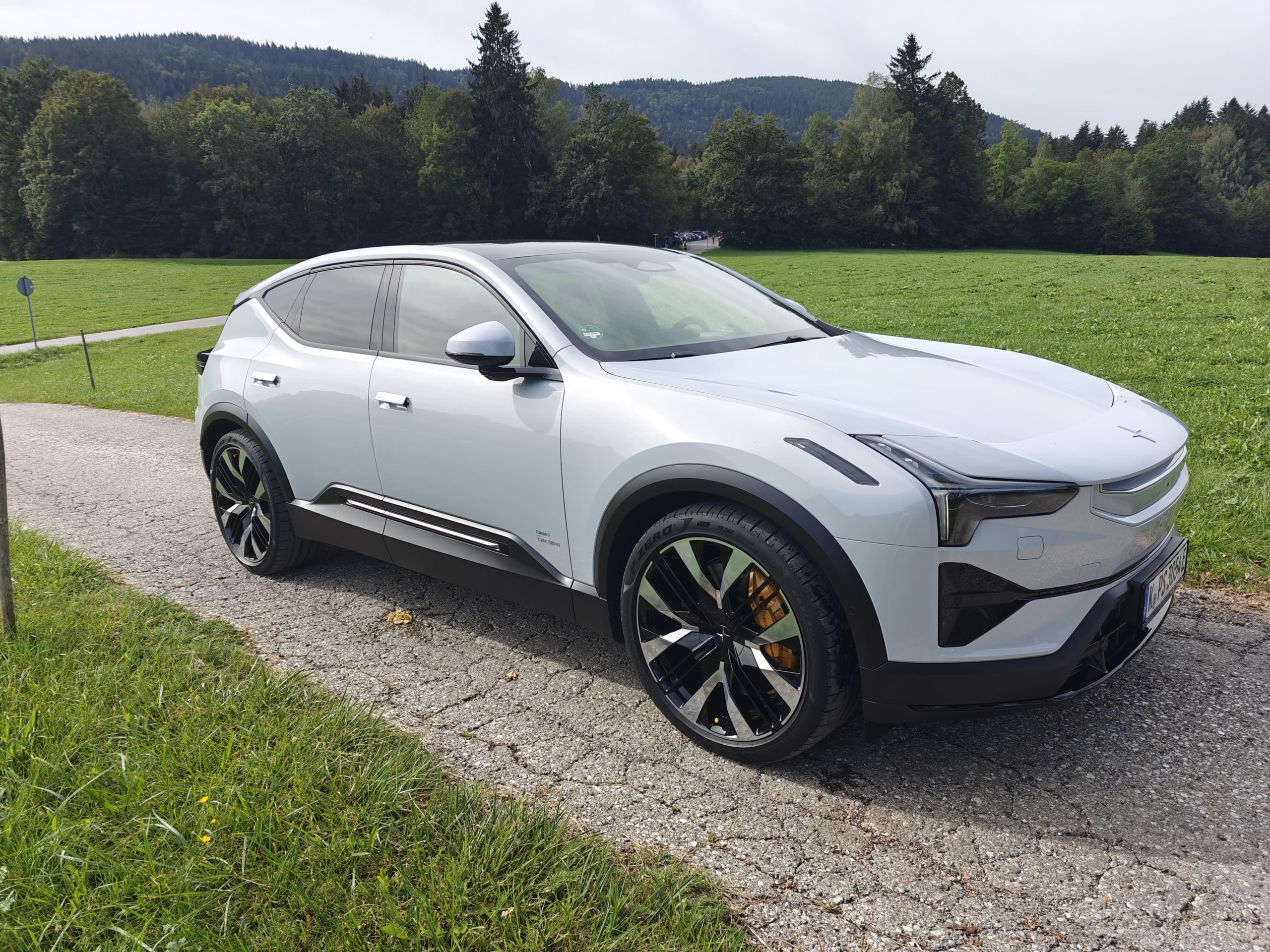
The Polestar 3 makes a bold visual appearance. While it looks like a normal SUV from the front, from a different angle the roofline stretches far back, making the Polestar look like a very voluminous shooting brake. While the look of the headlights on the Polestar 4 has a different design language, those of the Polestar 3 are reminiscent of the first models. Here Polestar optionally uses HD LED headlights with 1,3 megapixels, which ensure that other road users are blocked out particularly precisely. One of Polestar's trademarks are without question the frameless exterior mirrors, which can also be found in the Polestar 3; with the EX30, Volvo has now also included this look in its range.

Picture: TechnikNews
Furnishings with a luxury feel
When you get into the Polestar 3, you immediately notice that you are dealing with a high-priced vehicle. The materials in the interior are very high quality, cleanly processed and largely recycled. When we test-sat in our vehicle, we were able to test the optional wool covers, which offered very pleasant seating comfort even in the high late summer temperatures. In terms of space, the Polestar 3 is, as expected, very generously equipped: Both legroom and headroom make traveling on the back seat more than just comfortable. The Bowers & Wilkins sound system with an incredible 1.600 watts of power and 25 loudspeakers, some of which are hidden in the headrests, provides suitable entertainment in the interior. Polestar leaves no questions unanswered here; the sound of this system is an experience.
Picture: TechnikNews
The Polestar 3 is most impressive due to its chassis. This is optionally available as an adaptive air suspension, which allows the vehicle to glide over larger bumps. For slightly sportier journeys, which are no problem at all with 380 kW / 517 hp despite the vehicle's size, the chassis can also be set a little harder. During our test section through the Bavarian foothills of the Alps, the Polestar 3 could be driven through the mountain passes like a flat sports car.
Software: Almost perfect
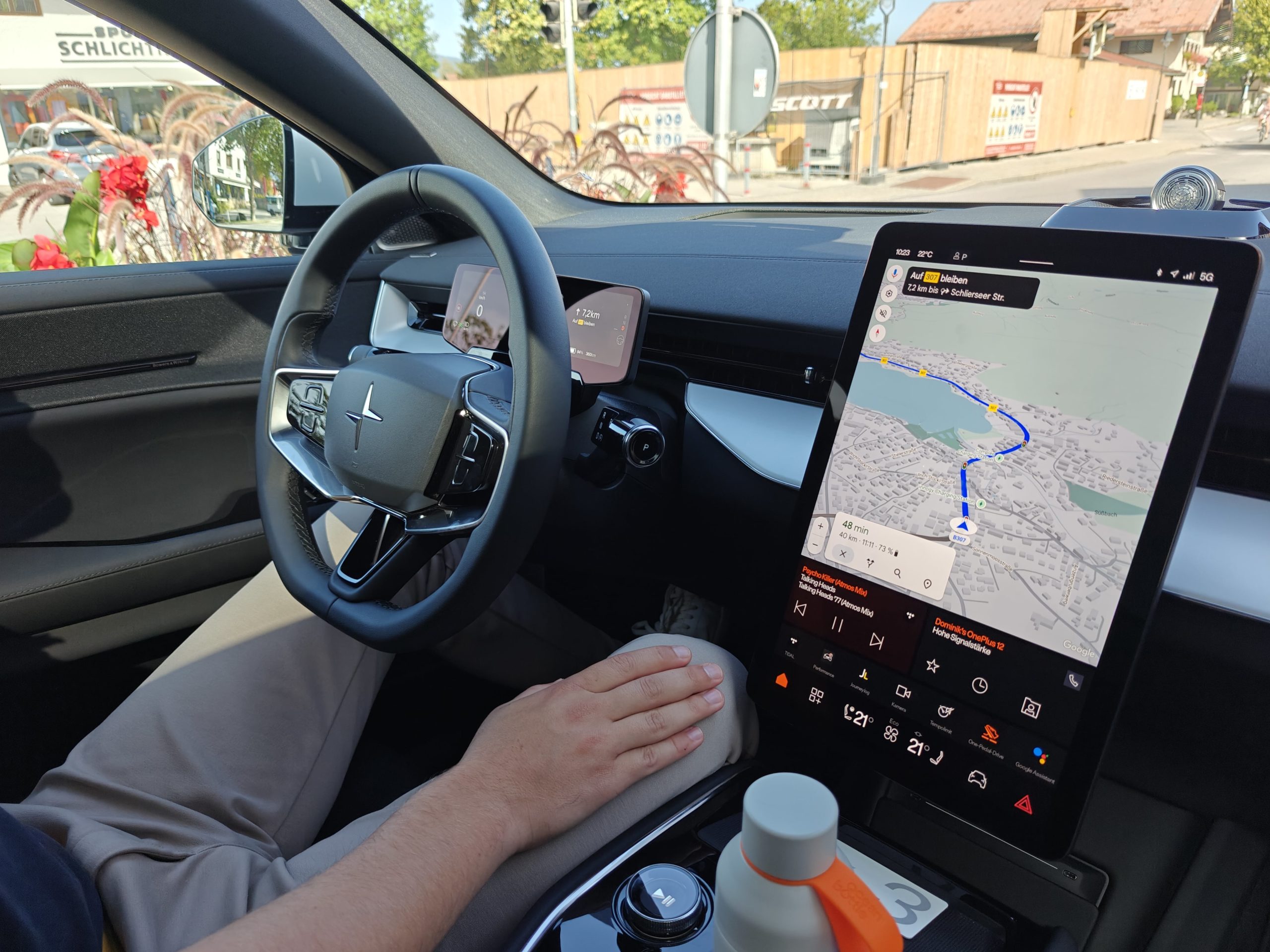
The infotainment system of the Polestar 3 is based on Android and makes a good impression. The software runs smoothly and the Google voice assistant is always a good support. The touch-sensitive buttons on the steering wheel are modern, but weaken the otherwise good usability. The autonomous system works very quietly and is appropriate for the vehicle class, very comfortable and reliable. Polestar still has no sign recognition with automatic speed adjustment. In addition, the system reacts very sensitively if it feels neglected by the driver: after just a few warnings to pay more attention, the driver assistance systems switch off and can only be used again when the vehicle starts driving again.
Picture: TechnikNews
Long range at no extra cost
The Polestar 3 is certainly not a bargain at €78.590, but it does offer a lot of features in the basic version. This includes the battery with a generous 111 kWh, which enables a range of up to 650 kilometers according to the WLTP cycle. A not insignificant point of criticism is the AC charging power, which at 11 kW is definitely too low for such a large battery. The Polestar 3 can be charged with up to 250 kW via DC.