
Tesla Model Y (RWD) in an Austrian test: Simple, spacious, good
A TEST REPORT from David Wurm  on February 11, 2026, 15:13 p.m. | Write a comment
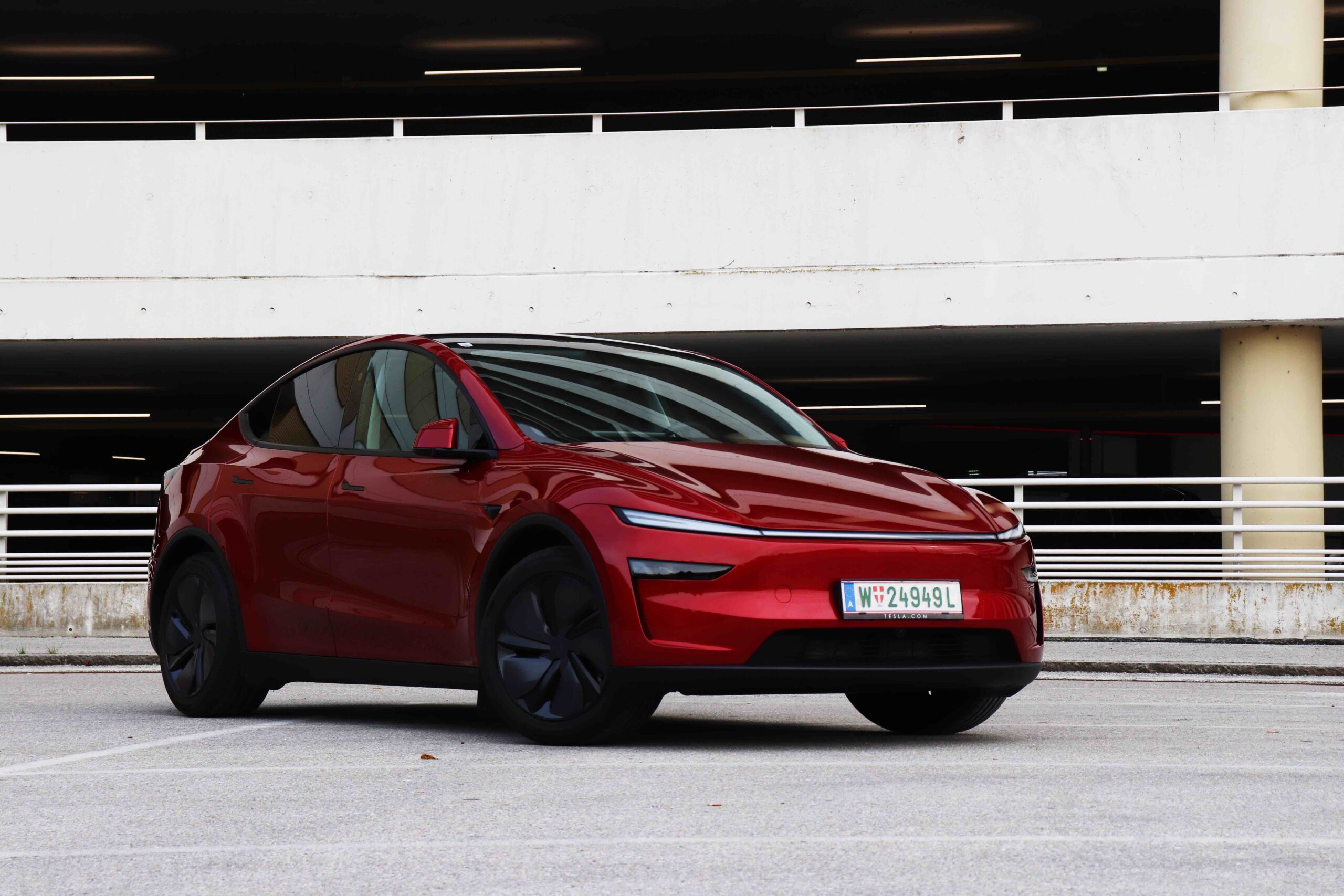
The Tesla Model Y RWD is a well-designed electric SUV with an excellent display, strong software performance, and very good charging planning. The combination of range, charging network, and ease of use is hard to beat – nevertheless, there are minor areas for improvement that would further enhance its appeal. In this test, we also pay particular attention to the charging infrastructure in Austria.
And finally ... After roughly 1.000 kilometers across Austria – highway, country roads, a bit of city driving – a very positive impression remains. Many things work surprisingly well. A few things are annoying. And the truth lies precisely in between.
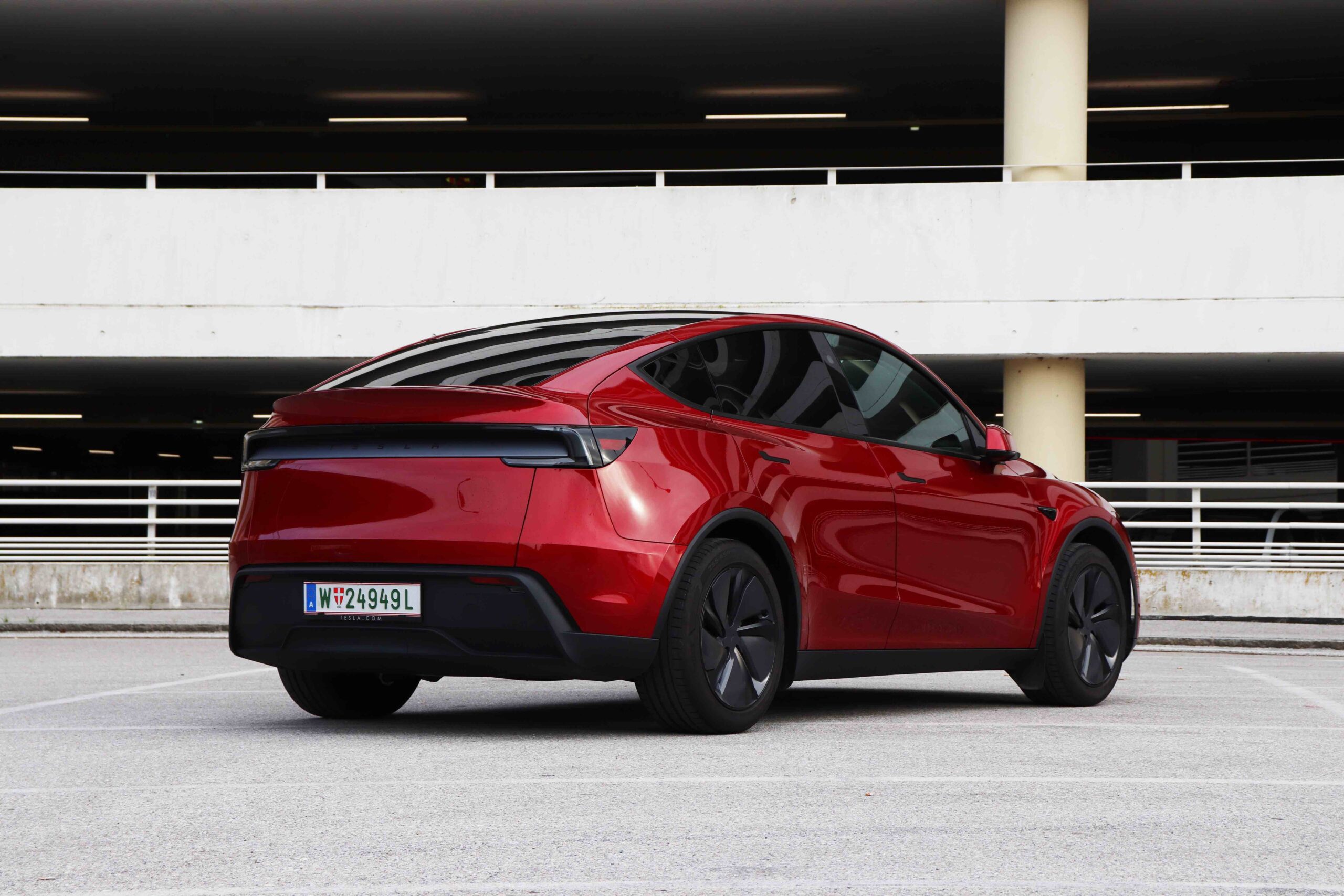
For those seeking a true price/performance marvel – ample space, good range, excellent charging integration, and modern infotainment – the Model Y RWD is a very strong choice. In Austria proDrivers particularly appreciate the excellent charging infrastructure, which is sometimes lacking with other manufacturers (overloaded charging stations, especially along the A1 West Autobahn, or slow chargers are often a nuisance in many other tests). The seamless Supercharger integration in Austria is also surprisingly good.
Picture: TechnikNews
However, those who value more sensitive driver assistance systems, classic switches, or a more subdued driving experience (even though this has improved significantly since the last generation!) will have to make compromises. The Autopilot's quirks (strict lane keeping, no flexible switching between Autopilot and adaptive cruise control) and the sometimes annoying automatic windshield wipers are aspects that could be avoided.
Nevertheless, the overall package is hard to beat – especially considering the starting price of €40.000 (including 20% VAT / 0% vehicle tax) for our test vehicle and the fast delivery. The new Tesla Model Y now also offers even more range in its base version.
Simple & spacious
Visually, Tesla remains true to its style. The Model Y looks like the raised, more practical sibling of the Model 3. It's somehow understated, but considerably more comfortable. At almost 4,7 meters long, the Model Y is anything but compact, but thanks to the glass roof and airy design, the interior feels even more spacious.
Picture: TechnikNews
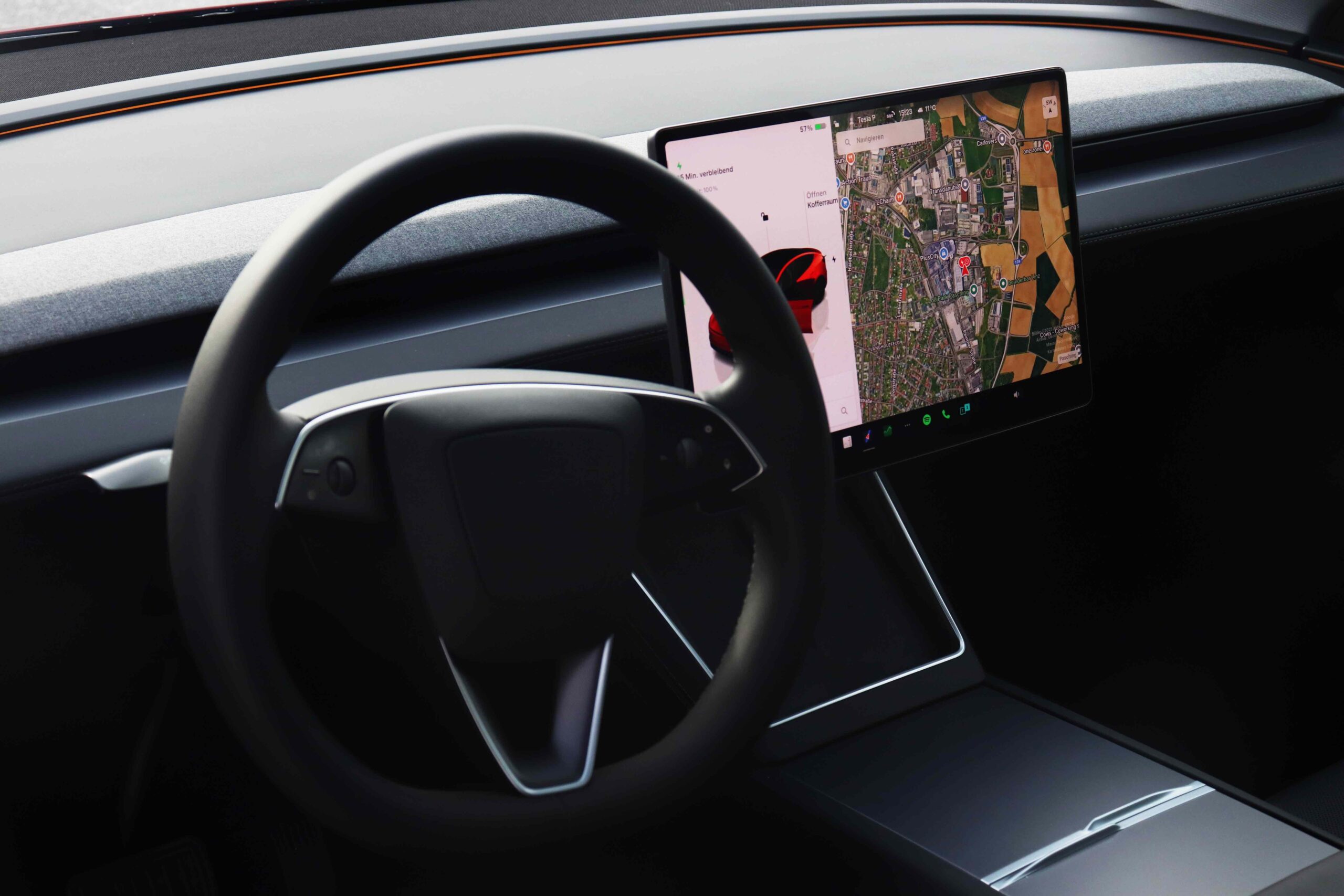
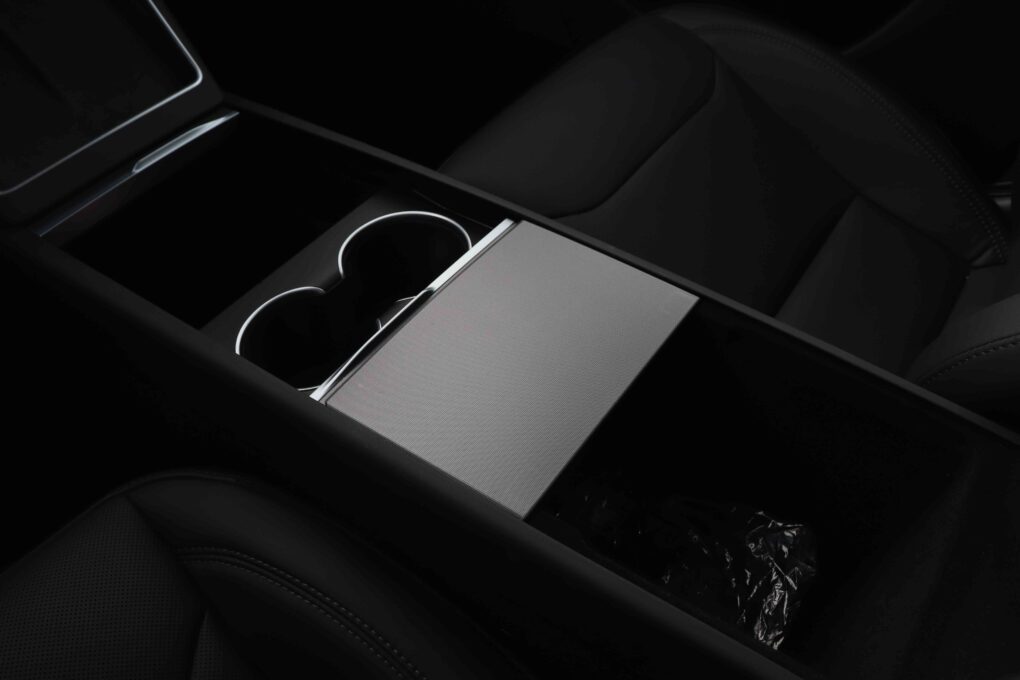
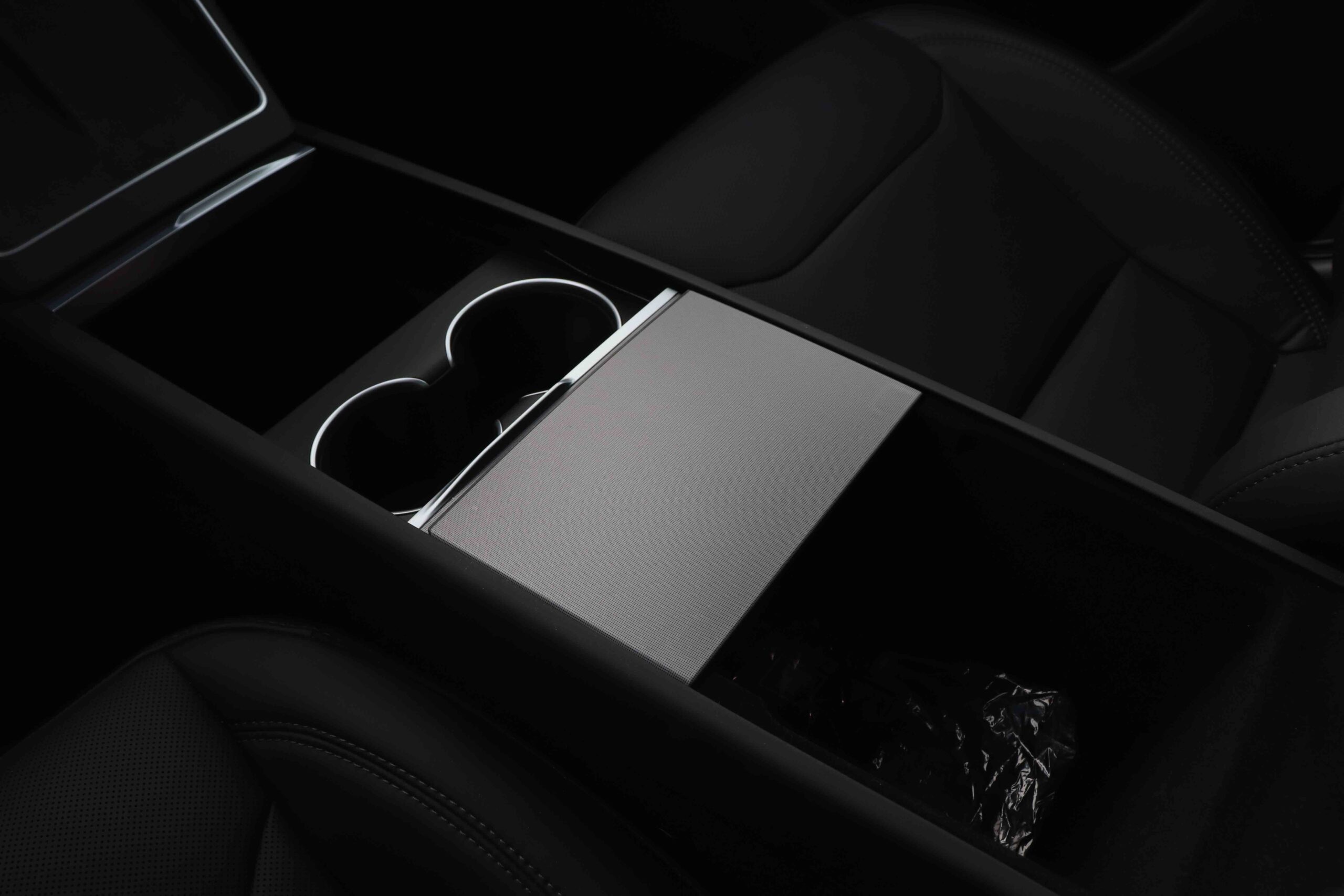
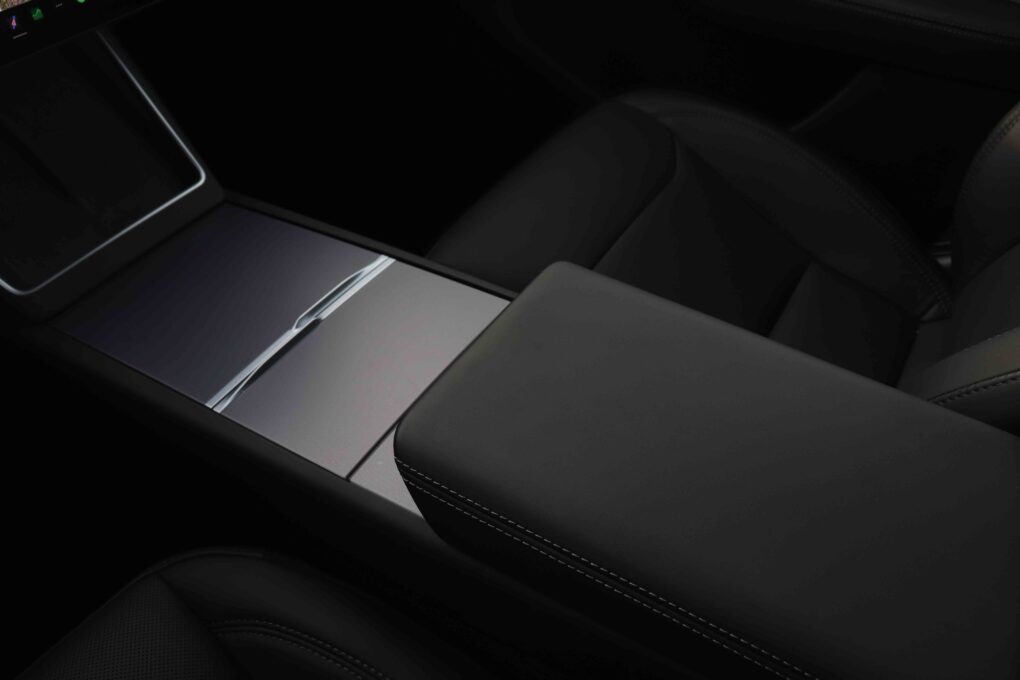
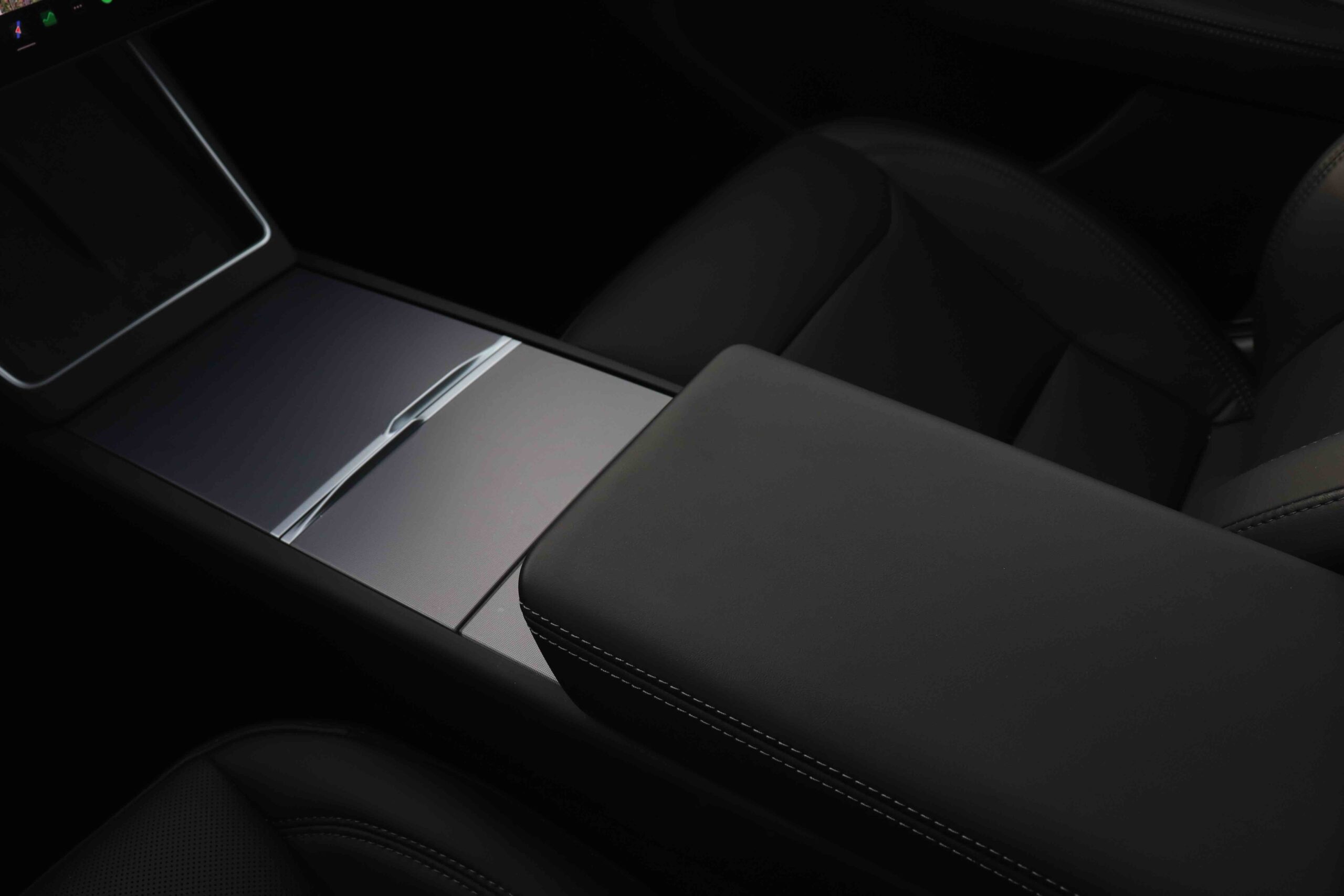
The interior follows the familiar Tesla principle: a 15-inch display handles virtually all functions, and you won't find any traditional instruments. This is a matter of taste. Those who appreciate distraction-free design and a clean, uncluttered look will feel right at home. Those who prefer physical buttons will have to adjust. The build quality of our test vehicle was generally good; nothing rattled or felt loose. Tesla has made significant improvements in this area in recent years, which wasn't always the case. The materials are good, though not quite at the luxury level – here you can tell that Tesla prioritizes technology over leather and decorative stitching.
-
- Picture: TechnikNews
-
- Picture: TechnikNews
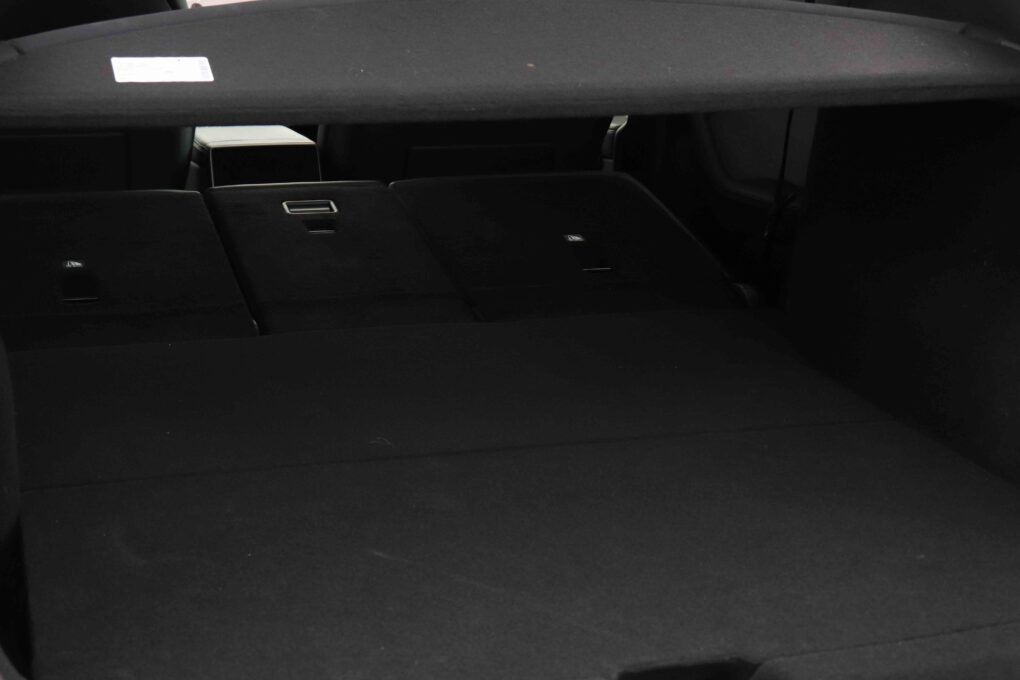
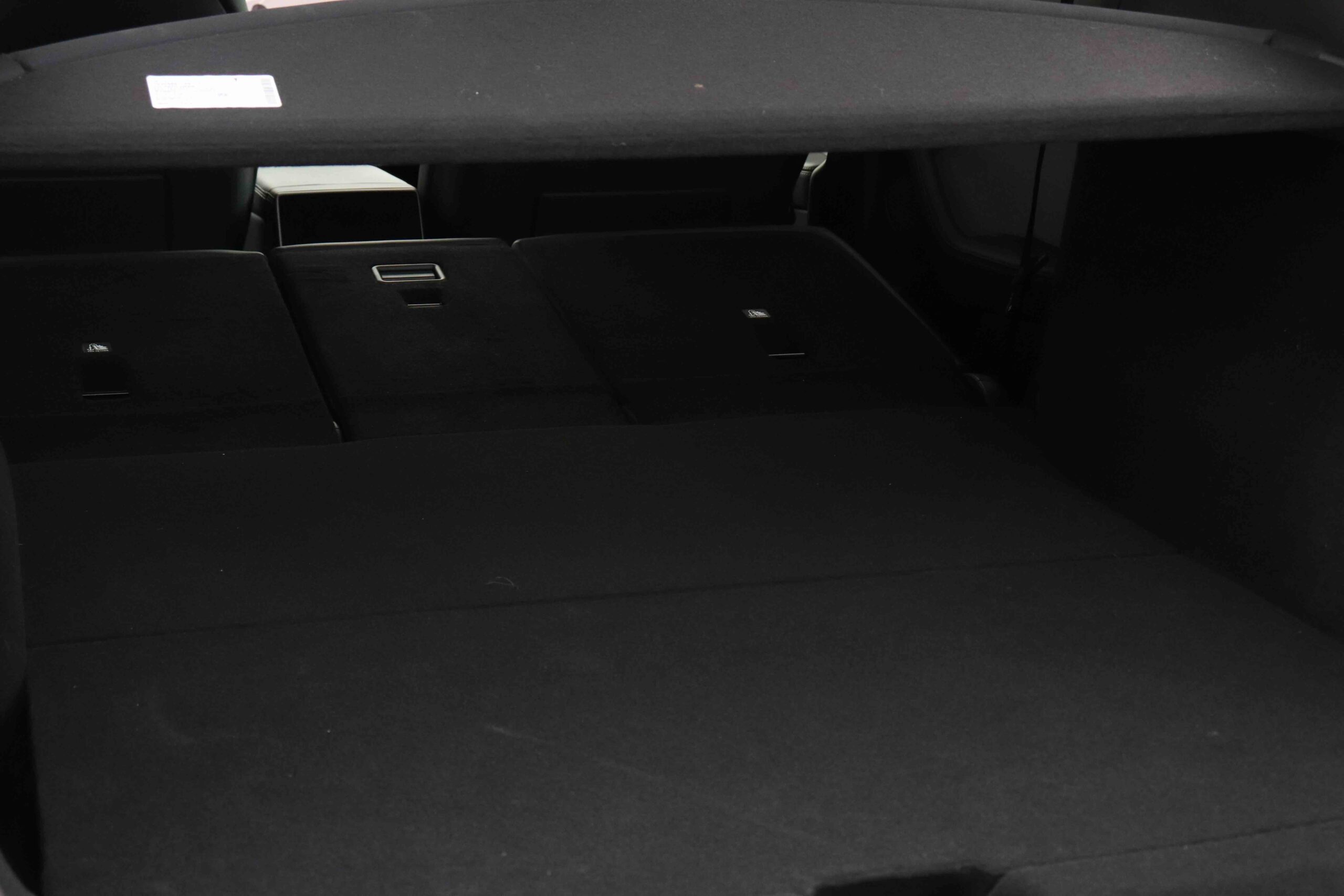
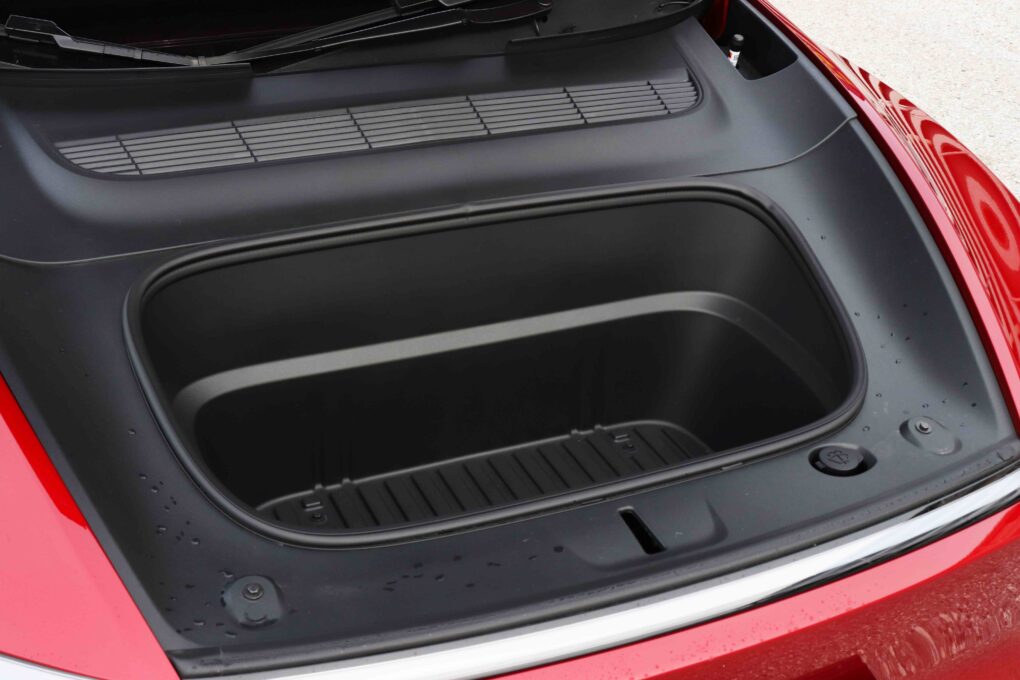
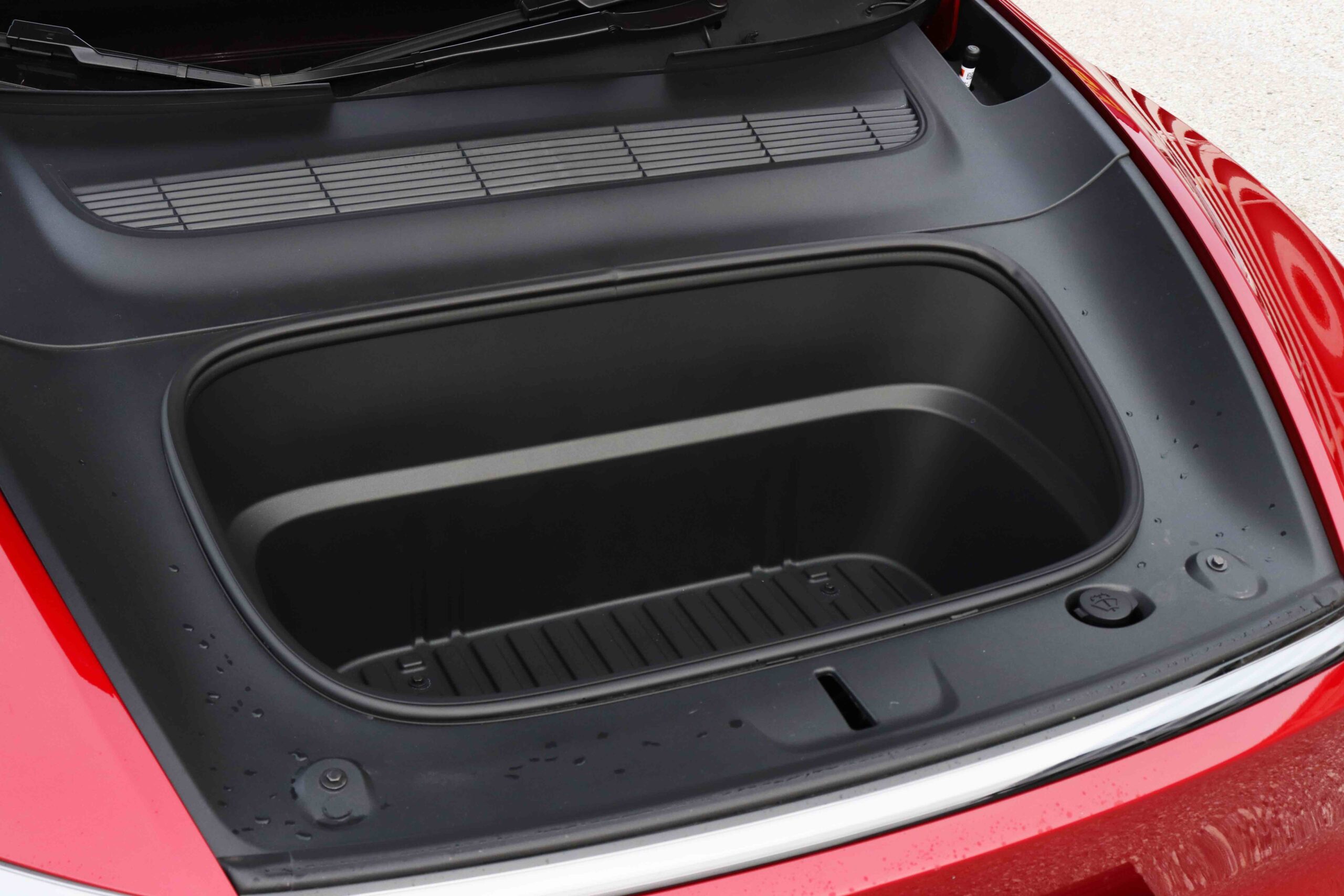
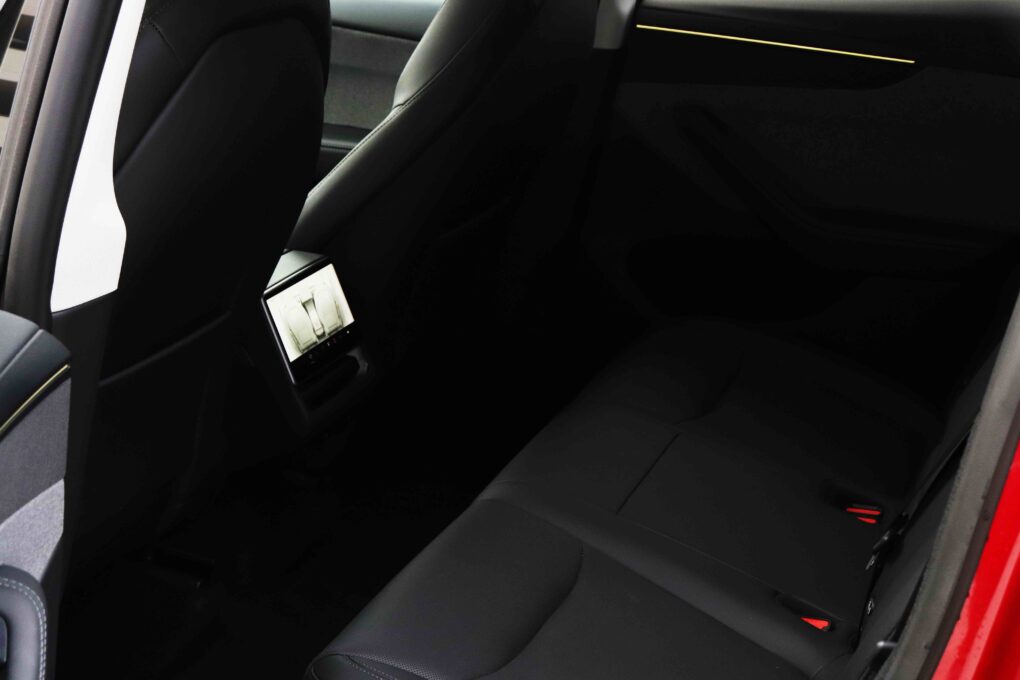
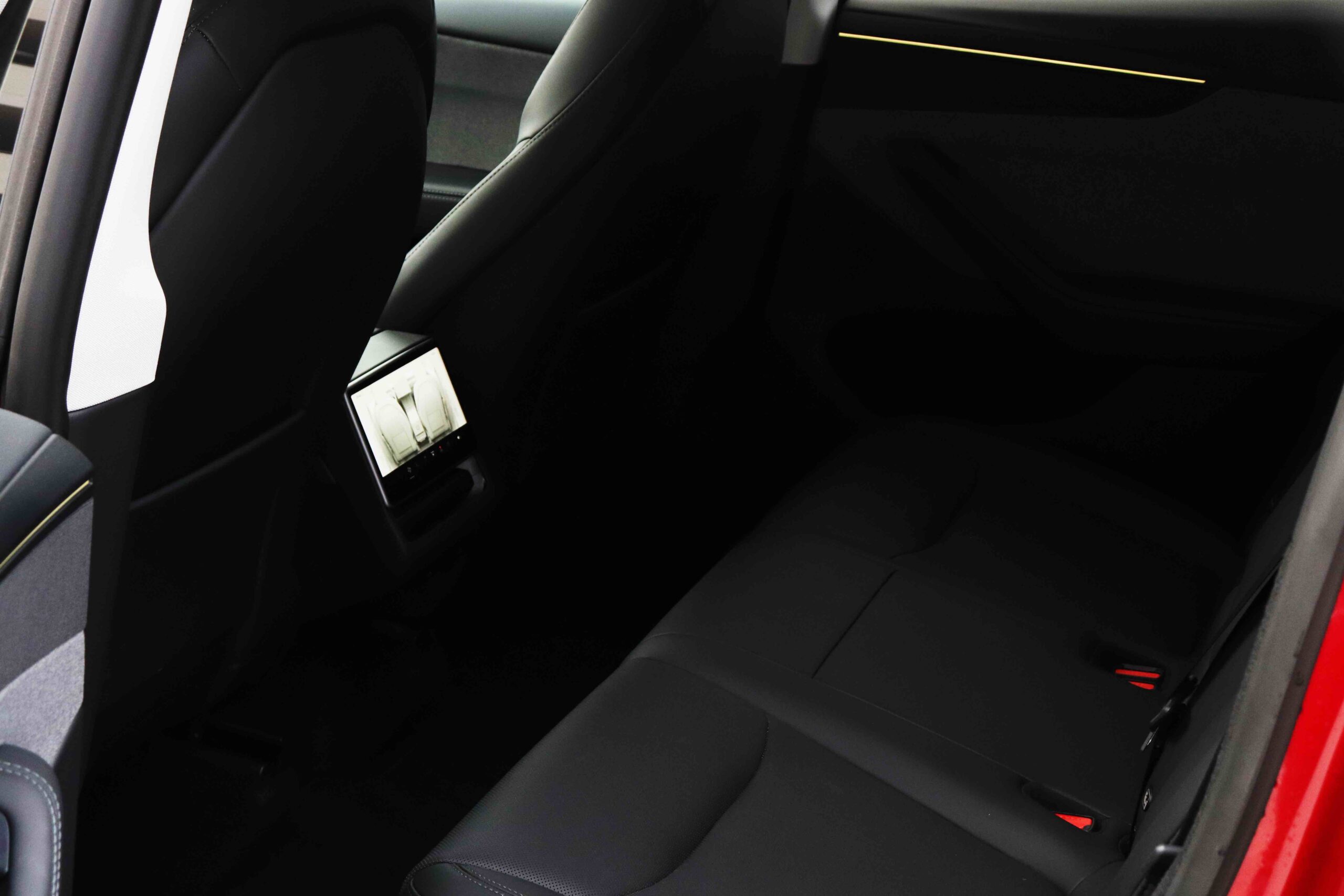
The spaciousness, however, is all the more impressive. Both front and rear passengers sit comfortably, the large trunk is perfectly suited for families – and there's even a frunk. The Model Y really shines in everyday use.
-
- Picture: TechnikNews
-
- Picture: TechnikNews
-
- Picture: TechnikNews
Efficiently on the go – with tight tuning
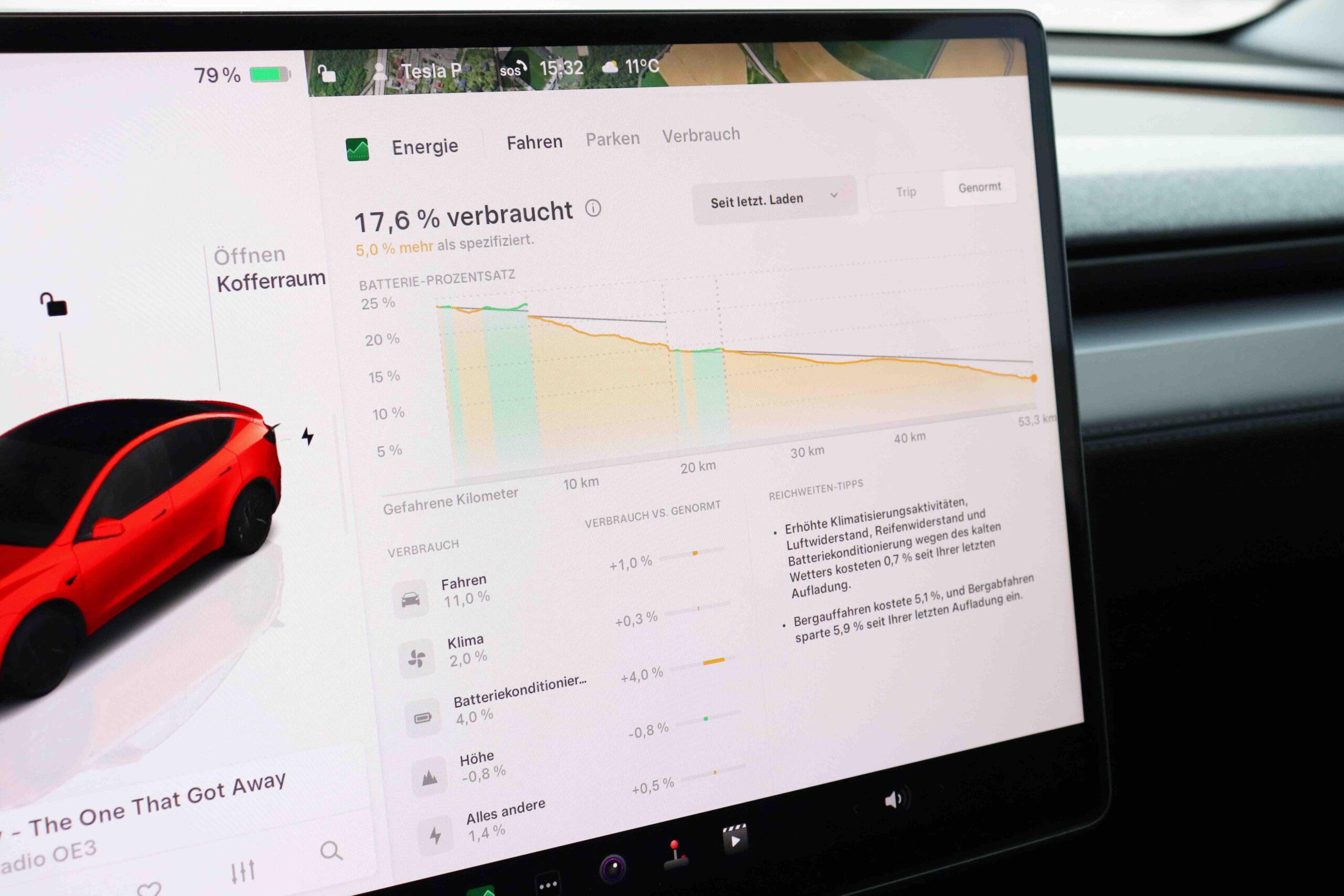
So how does it perform in practice? Here, the Model Y RWD delivers solid results. At temperatures around 15 degrees Celsius and in a mix of highway (130 km/h), country roads, and city driving, consumption fluctuated between an excellent 15 and 18 kWh. pro 100 kilometers. This results in realistic ranges of around 400 kilometers for our model – depending on driving style and topography, it could be slightly more or less.
The WLTP figure of around 500 kilometers remains ambitious, but is not entirely unrealistic if you drive defensively. For Austrian conditions – including slight inclines and, depending on the region, a high proportion of motorway driving – around 380 to 420 kilometers is more realistic.
Picture: TechnikNews
The driving experience feels instantly familiar. Accelerating, recuperating energy, and gliding along silently – it all works so naturally that after a short time you forget you're even driving an electric car. The rear-wheel drive provides smooth acceleration, and the car feels stable on the road. However, the suspension is rather firm. It's pleasantly direct on good roads, but quite noticeable on rougher surfaces or expansion joints. Those seeking maximum ride comfort will have to make some compromises here.
Software and charging – Tesla's flagship discipline
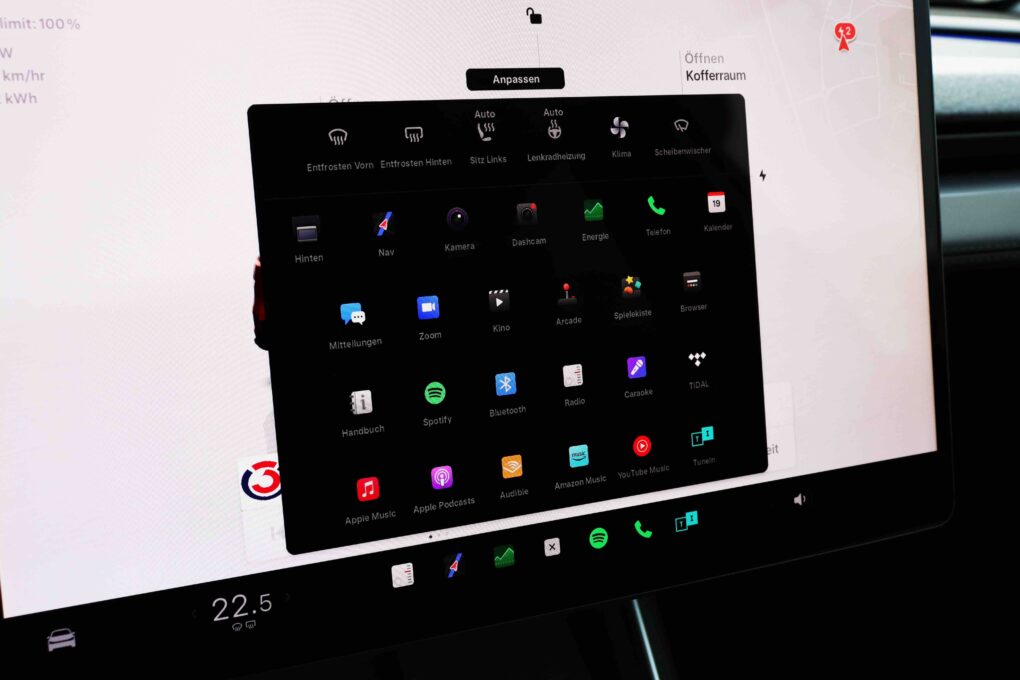
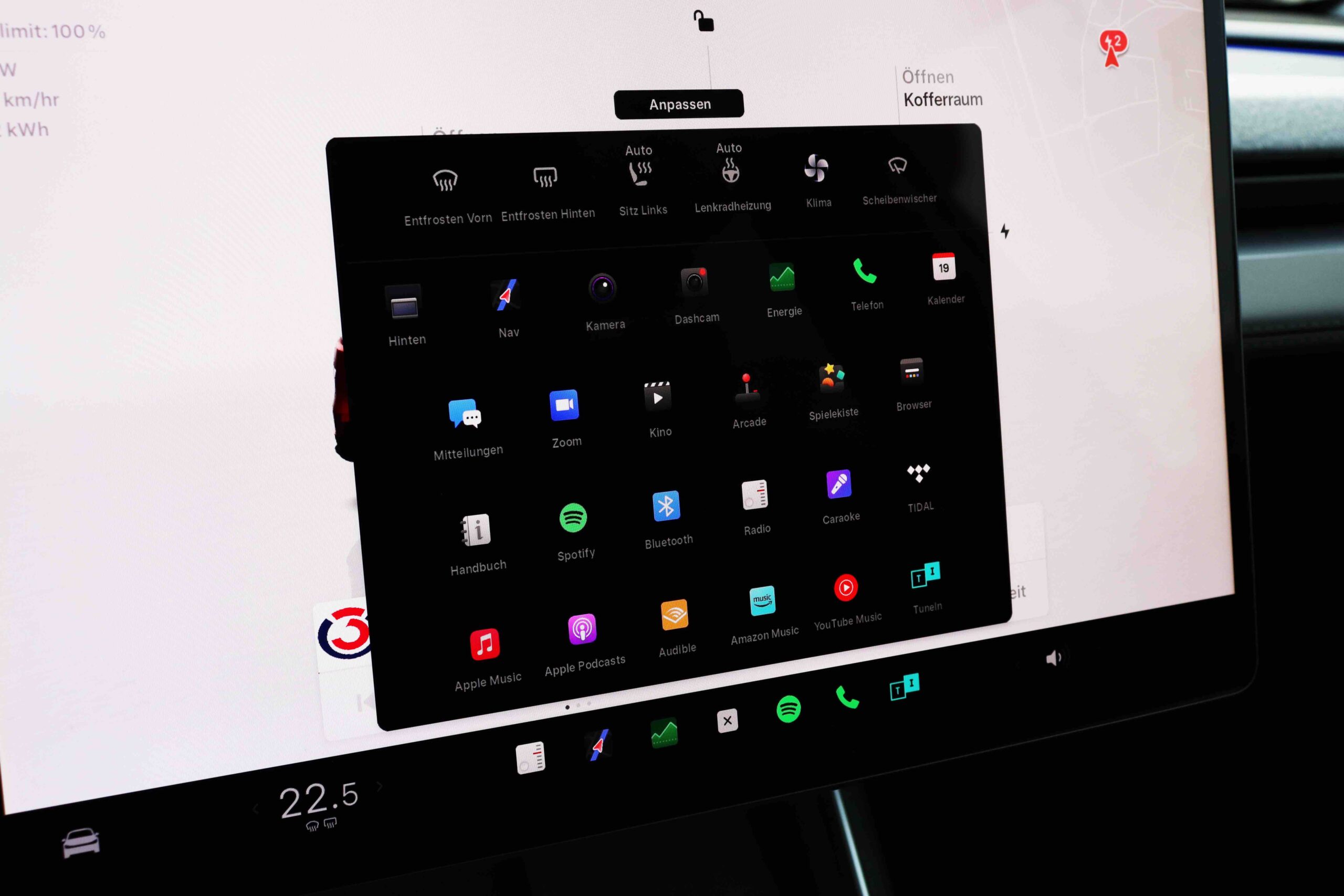
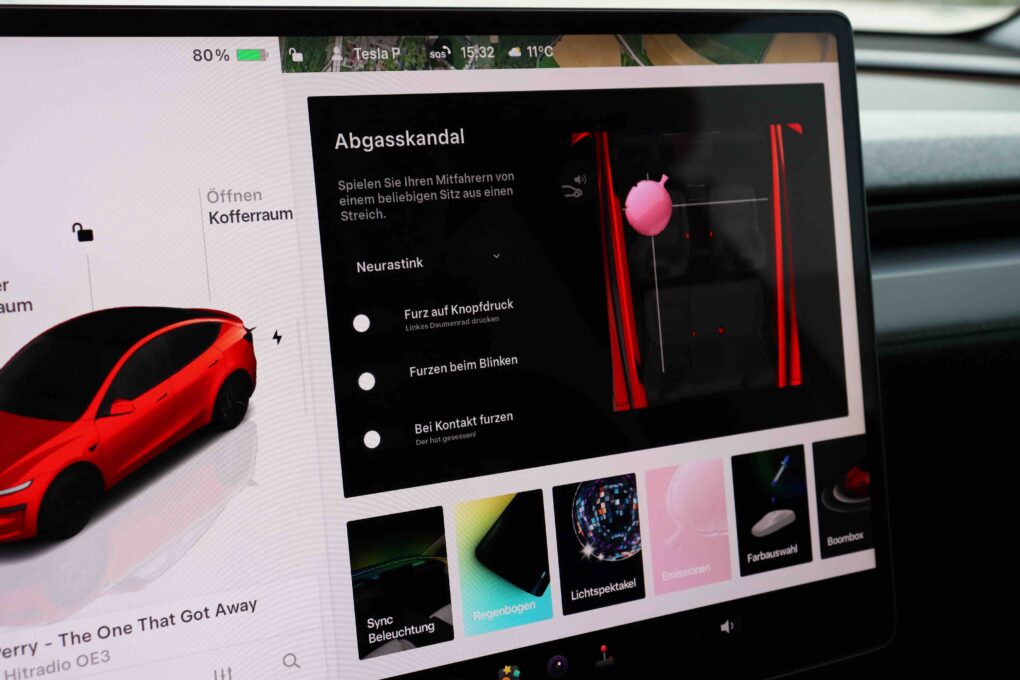
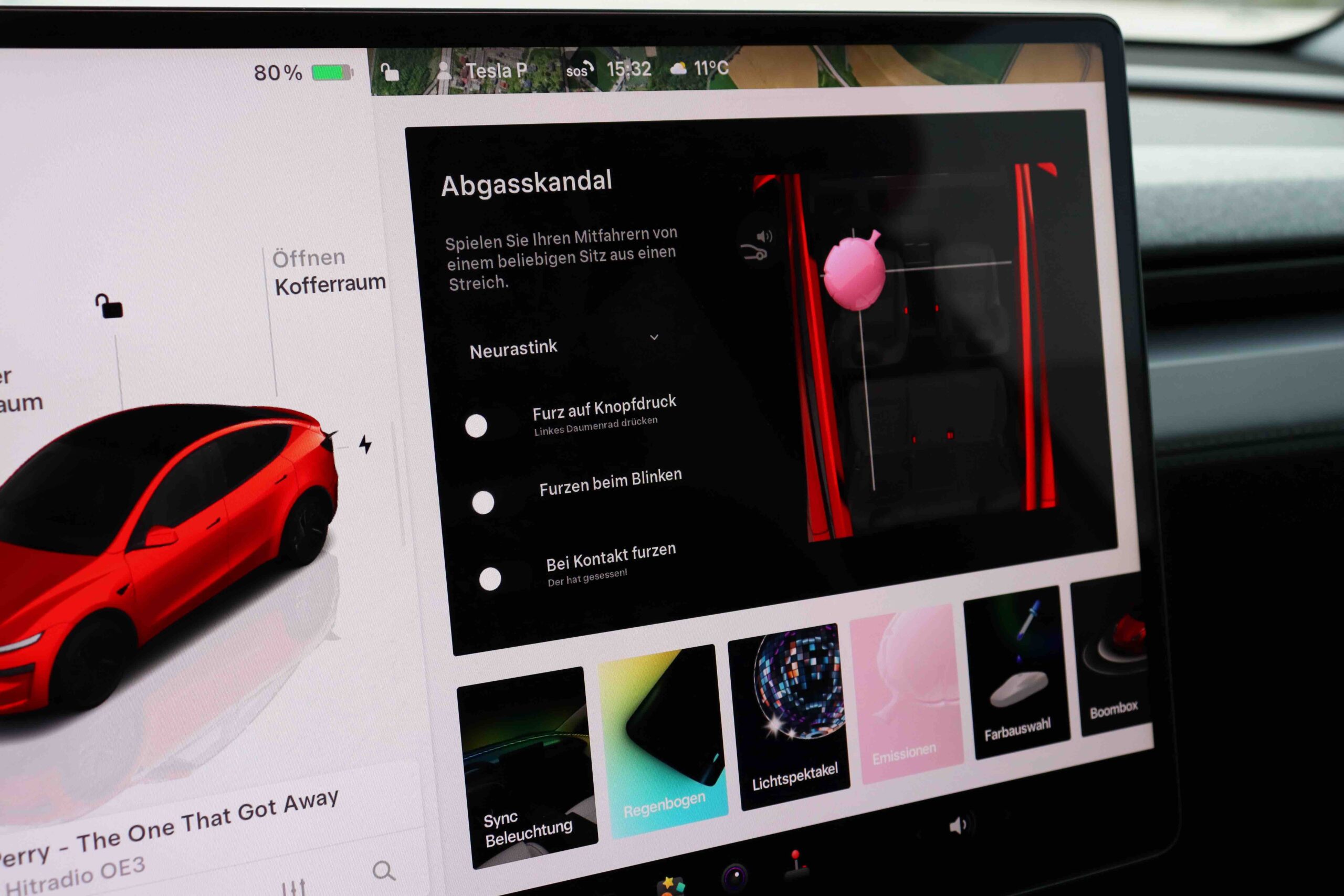
Where the Model Y truly shines is in its software. The central display is incredibly responsive (yes, really!), the menu navigation is logically structured, and over-the-air updates bring regular improvements. Compared to many competitors, the system feels the most thoughtfully designed. In addition, there are tons of extras, like racing games while charging, Netflix, a browser, TuneIn integration, a whoopee cushion, and much more.
-
- Picture: TechnikNews
-
- Picture: TechnikNews
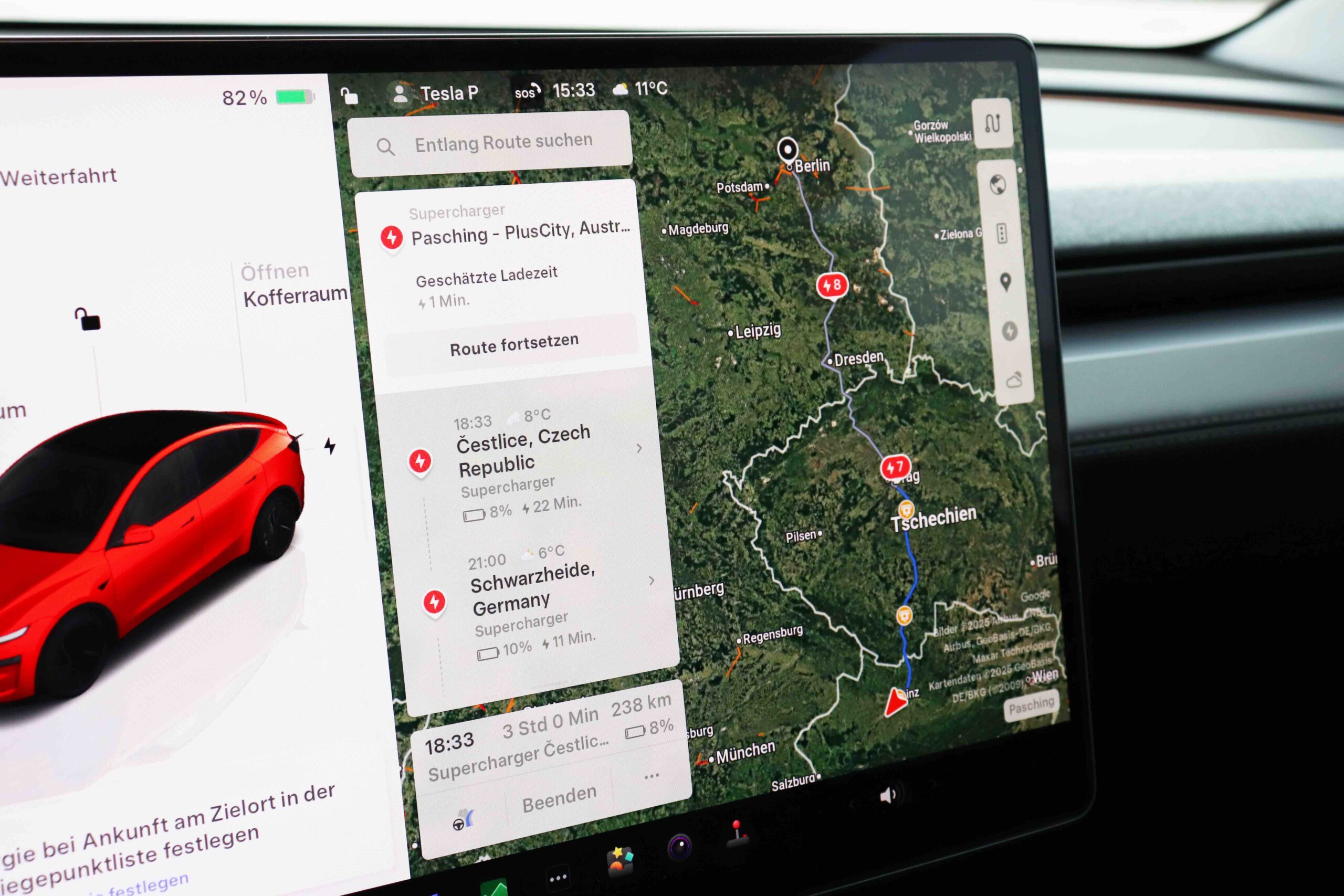
The charging planning feature is particularly convenient for everyday use. Once you enter a destination, the system automatically calculates the necessary stops, taking traffic and charge level into account, and conditions the battery before fast charging. At the Supercharger itself, it's usually as simple as plugging in and charging. Superchargers are also dynamically assigned to vehicles based on their utilization, meaning we never experienced any waiting times during testing. However, should a wait occur, you'll be notified as soon as you enter the Supercharger destination. Extremely practical.
Picture: TechnikNews
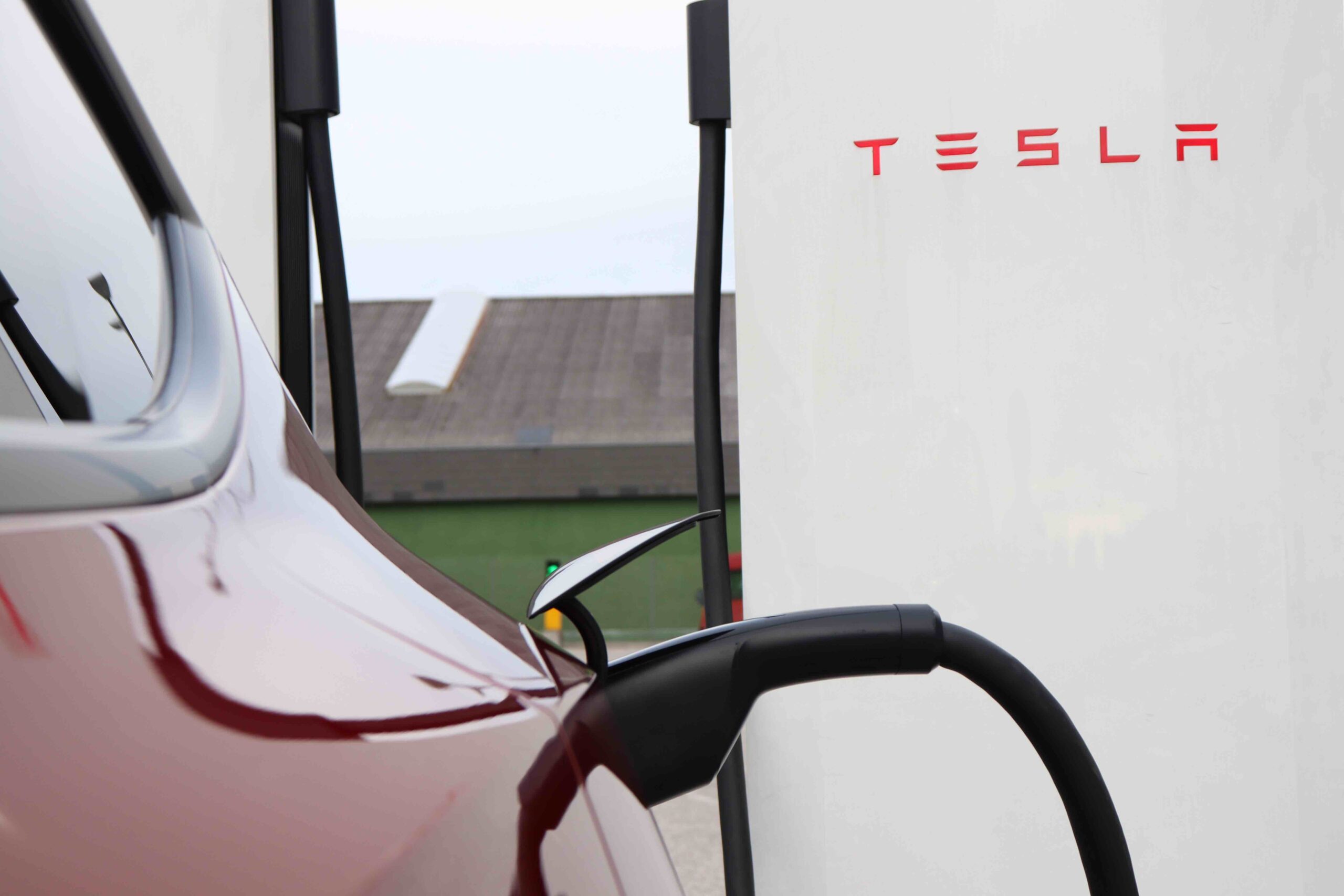
This is a particular advantage in Austria. The Supercharger network provides excellent coverage of the main routes, and alternative providers complement the offering effectively. Nevertheless, the seamless integration into the Tesla system remains a compelling feature that one quickly learns to appreciate in everyday use. While the Superchargers aren't always centrally located, but rather somewhat remote, they are generally equipped with good infrastructure (restrooms, vending machines, etc. for passing the time).
Across Europe, access to every country is almost exclusively possible using Tesla Superchargers.
Picture: TechnikNews
App integration – this is how it should work
One aspect that is almost more important in everyday use than many driver assistance systems is the smartphone app. And this demonstrates how thoroughly Tesla has designed its ecosystem.
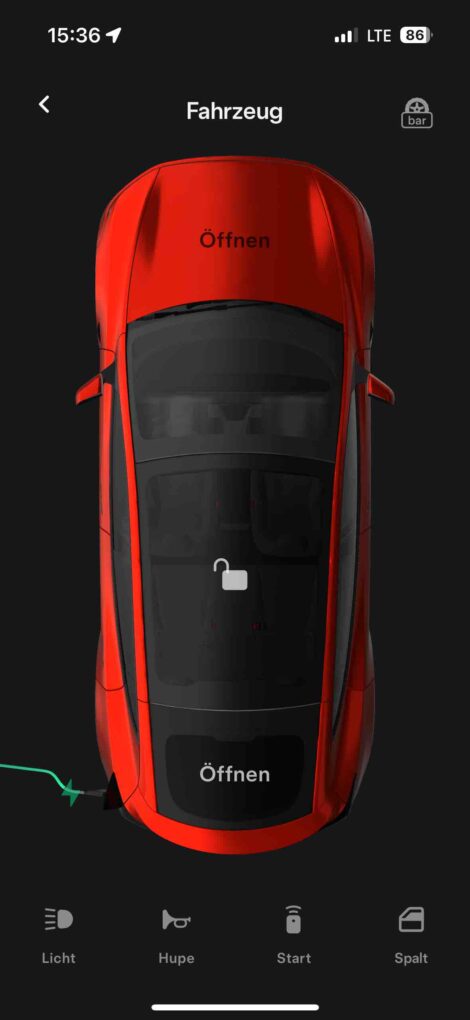
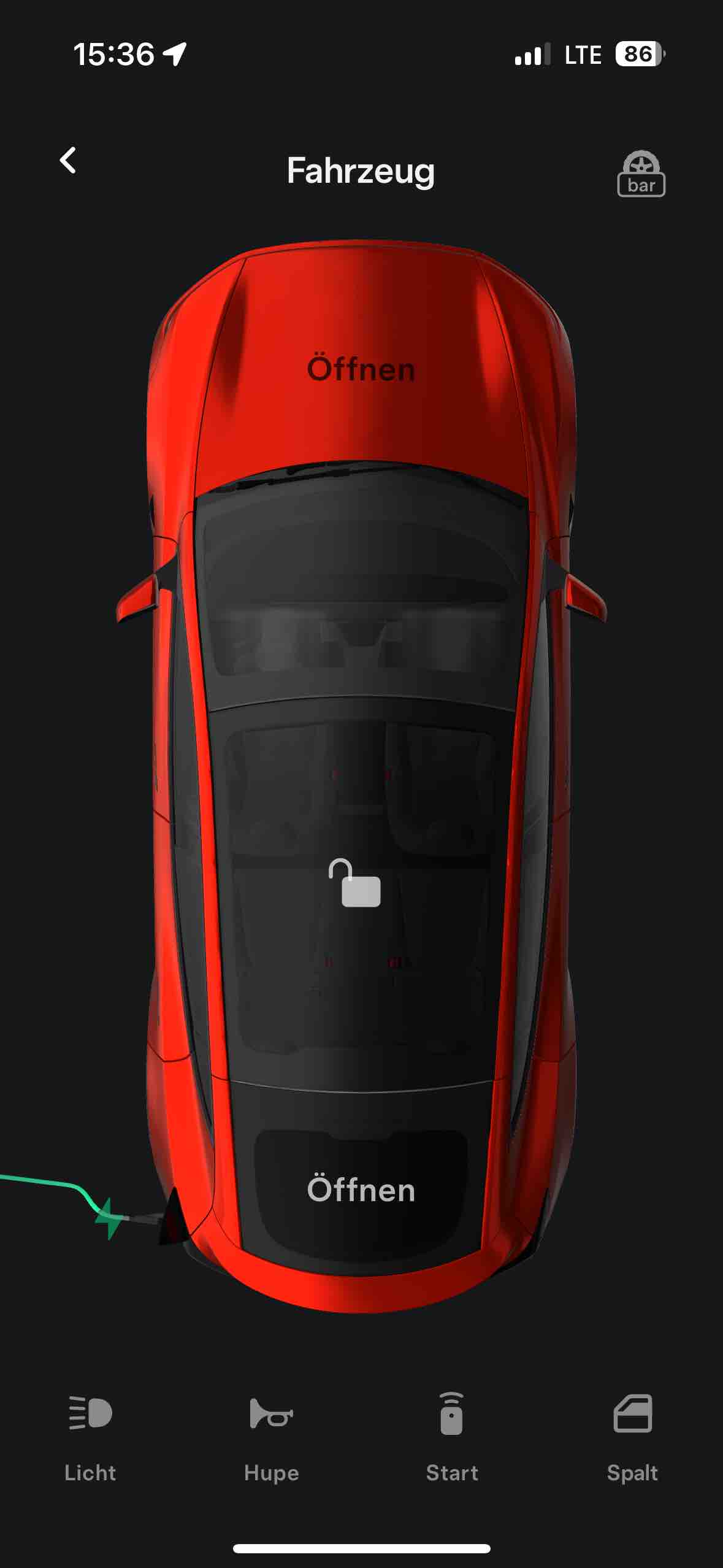
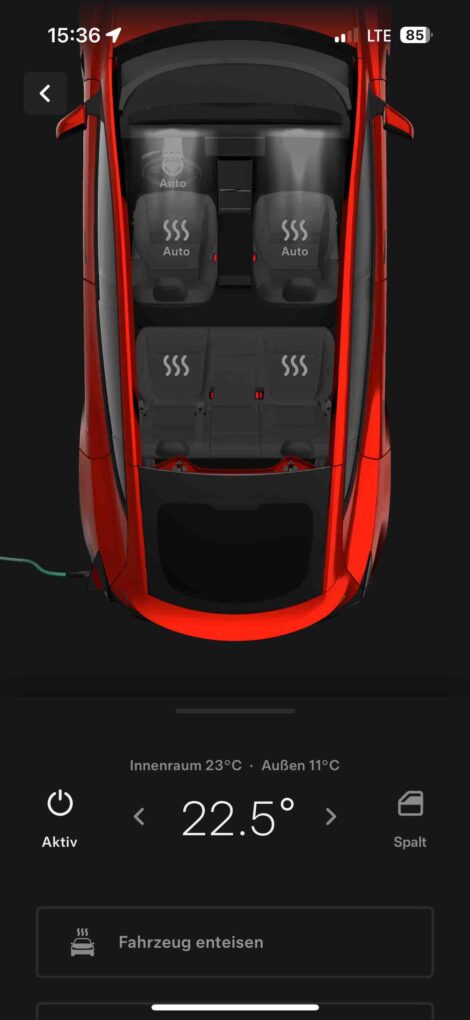
The car works almost seamlessly with the app. Checking the charge level, starting or stopping the charging process, activating pre-conditioning – everything works quickly and reliably. Especially convenient on iOS: The current charging status is displayed as a "Live Activity" directly on the lock screen. You can see in real time how many percent are charged and how much time is left, without even having to open the app. That's exactly how it should work.
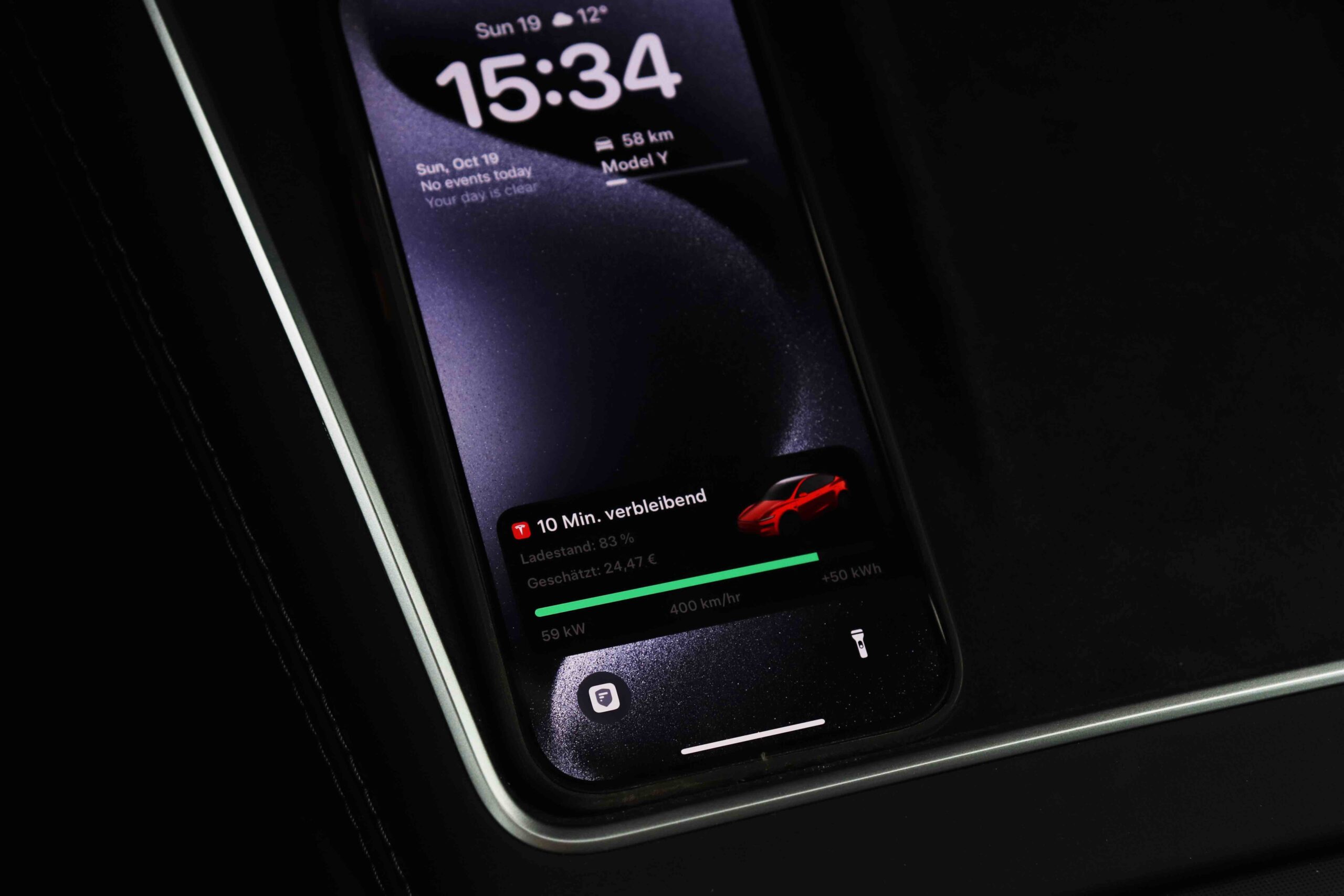
Picture: TechnikNews
In addition, there are helpful notifications. Shortly before potential blocking fees are incurred at the Supercharger, the app reminds you to move your vehicle. It may not seem spectacular, but it prevents unnecessary costs in everyday use – and shows that some thought has gone into the design.
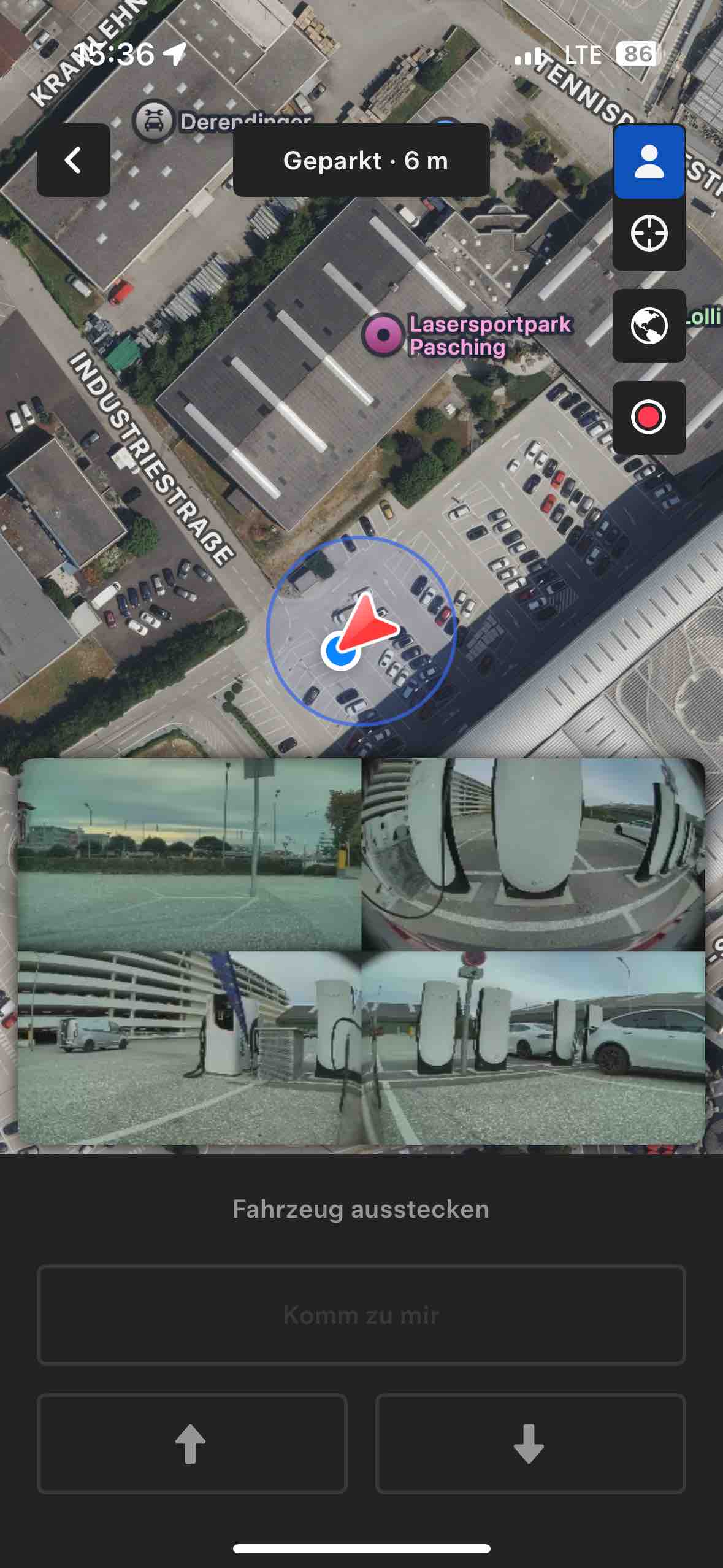
Remote functions are also integrated: The vehicle can be moved forwards and backwards via an app, for example, to get out of a tight parking space. However, the "summon" function only works over a few meters in Austria and with limitations – a nice feature, but more of a gimmick than an everyday help here. On the other hand, the ability to remotely access the vehicle's cameras is practical. This allows you to see what's happening around the car at any time – for example, in public parking lots.
-
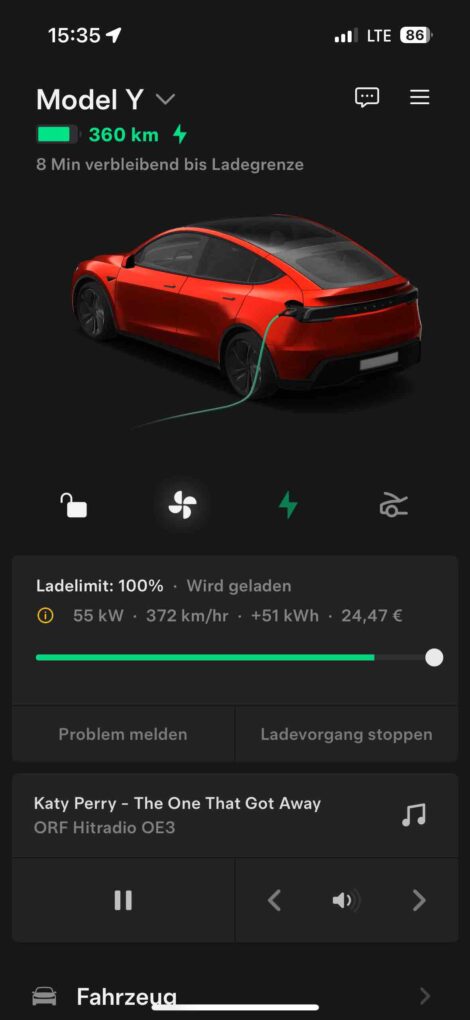
- Picture: TechnikNews
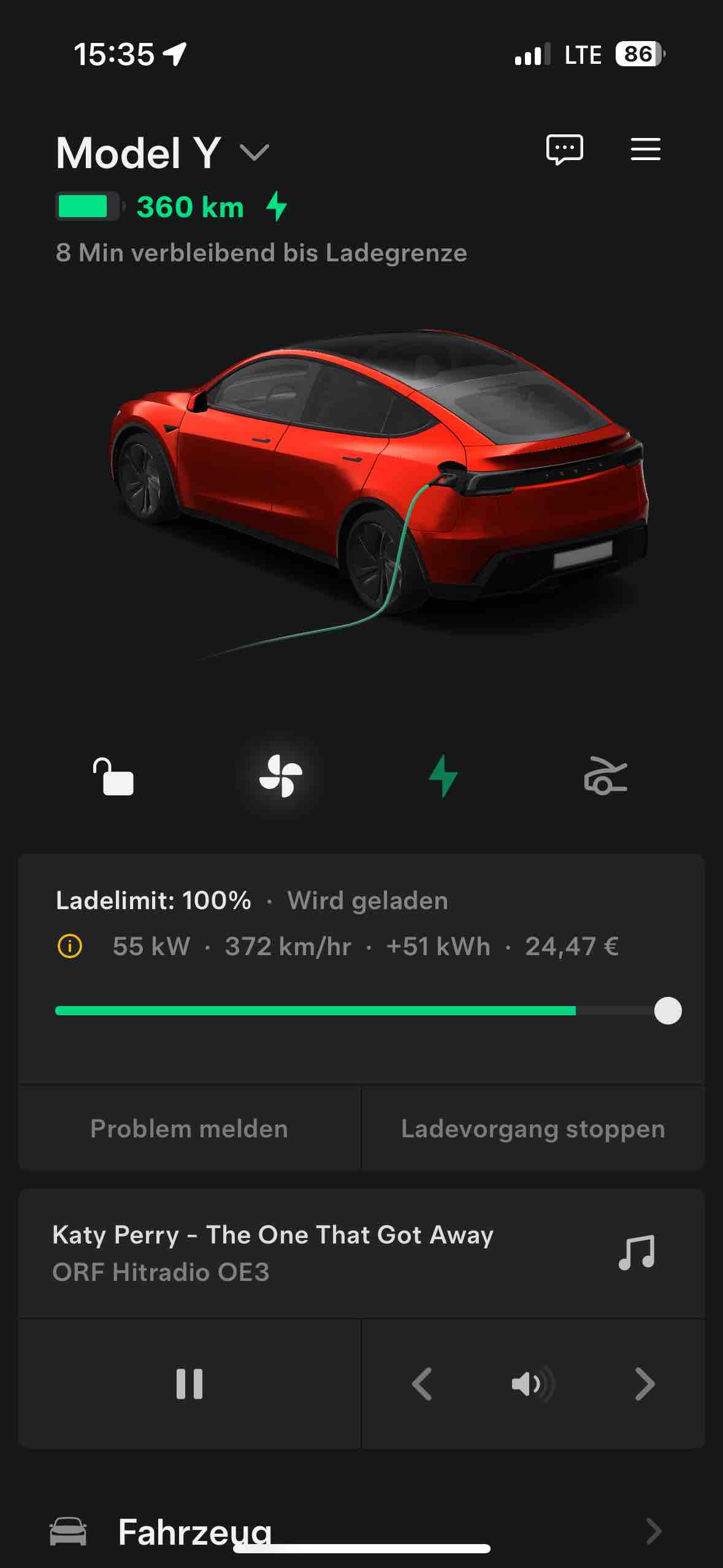
-
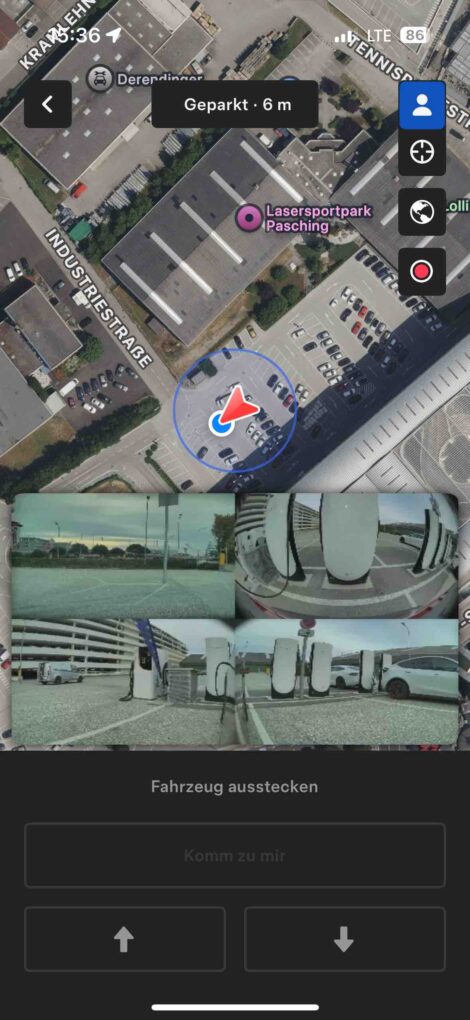
- Picture: TechnikNews
-
- Picture: TechnikNews
-
- Picture: TechnikNews
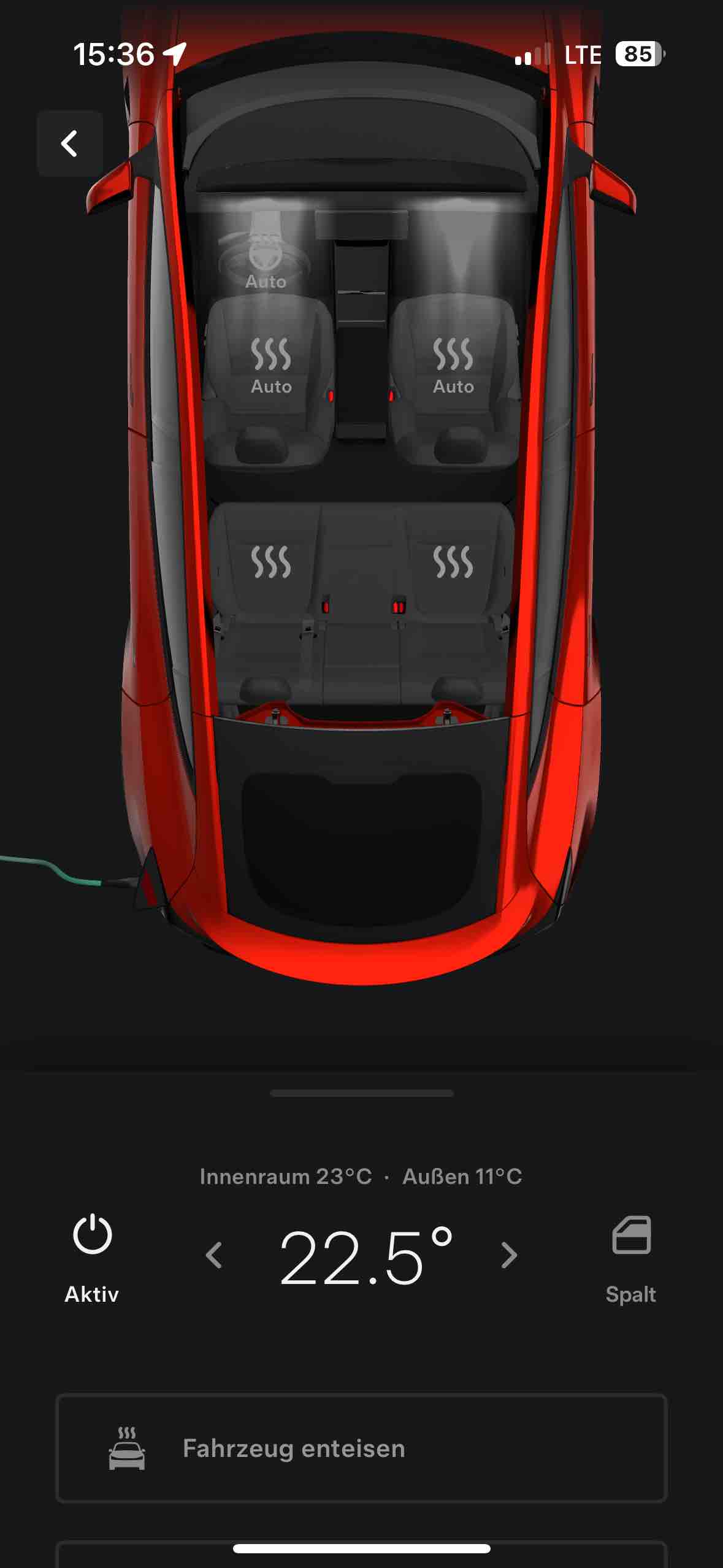
Overall, the app doesn't feel like an add-on, but rather an integral part of the vehicle. Once you're used to it, you'll hardly want to be without features like live charging status or push notifications.
Driver assistance systems – good, but
The driver assistance systems leave a mixed impression. The autopilot reliably keeps the vehicle in its lane and regulates the distance, which noticeably reduces stress on longer highway journeys. At the same time, the system is very inflexible. If you deliberately want to drive slightly offset (for example, when encountering a wider truck in the adjacent lane) or initiate a lane change more forcefully, the system sometimes deactivates itself. The lack of a flexible switch between lane keeping assist and pure adaptive cruise control could also be implemented more elegantly. Previously, this could be done directly via the lever on the steering wheel; now it's only possible through the settings menu.
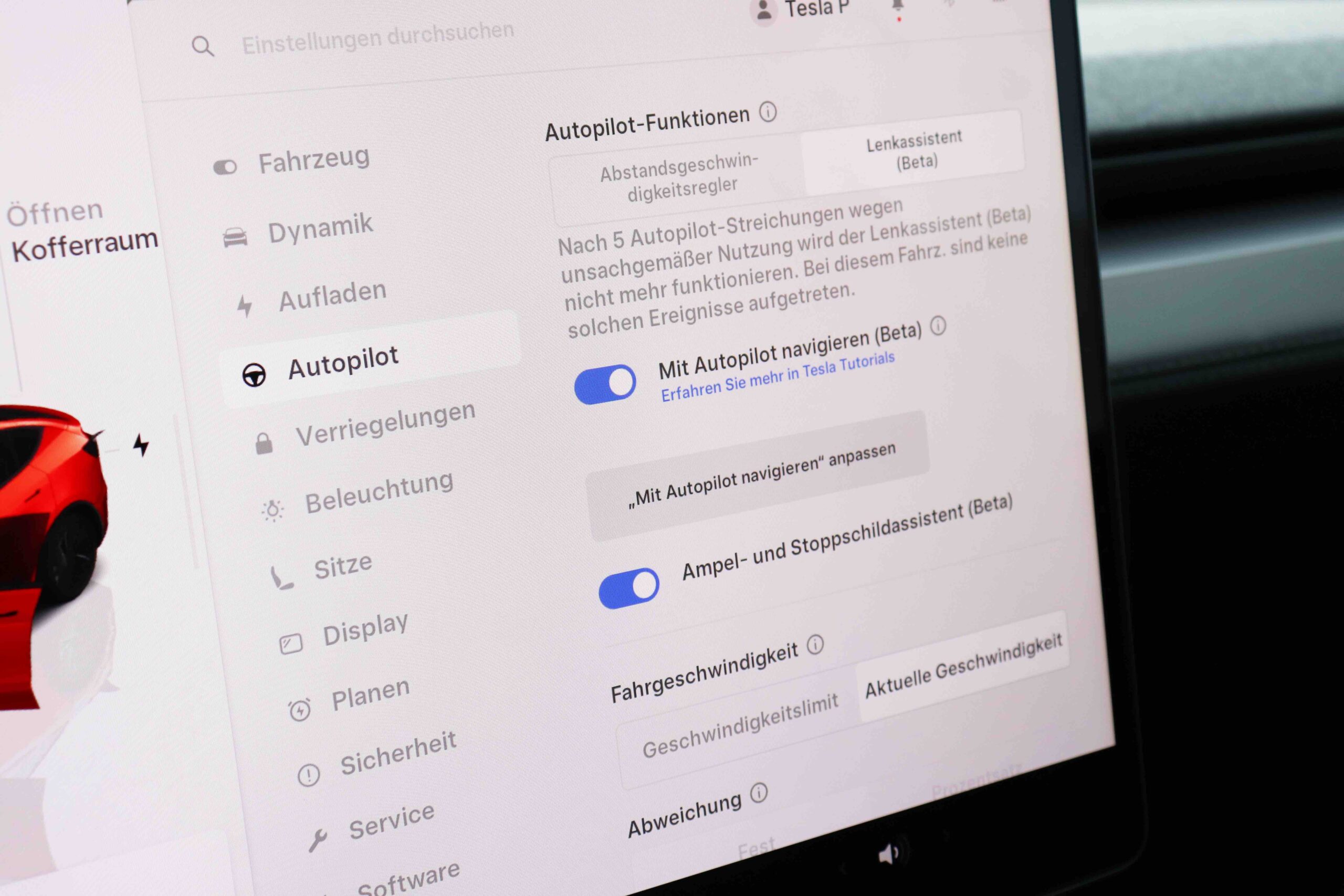
Picture: TechnikNews
Another point is the automatic windshield wiper function. Because Tesla uses cameras instead of a traditional rain sensor, misinterpretations occasionally occur – such as wiping on dry roads, especially when driver assistance systems are active. This isn't a serious problem, but it feels unnecessarily underdeveloped in everyday use.
A user interface without buttons – progress or just a matter of getting used to it?
Anyone coming from a classic cockpit with buttons, rotary knobs, and a separate speedometer will pause for a moment upon first getting in. Austrians are known for their fondness for "things that have always been done that way"—and buttons in cars are no exception. There's a turn signal lever and a steering wheel—yes, although the former has sometimes been replaced by turn signal buttons on the steering wheel. But that's about it: everything else is controlled via the central display. Speed, navigation, climate control, mirror adjustment, opening the glove compartment—everything is managed through the screen. There aren't even adjustable air vents; these are also controlled via the display.
In everyday use, it works surprisingly well. After a few days, you know where everything is, and many functions are logically structured. Particularly pleasing is the interface's instantaneous response; there's no lag, and nothing feels cluttered. Compared to some competitors, a Tesla feels like a modern, oversized iPad – with tires and a steering wheel as added features.
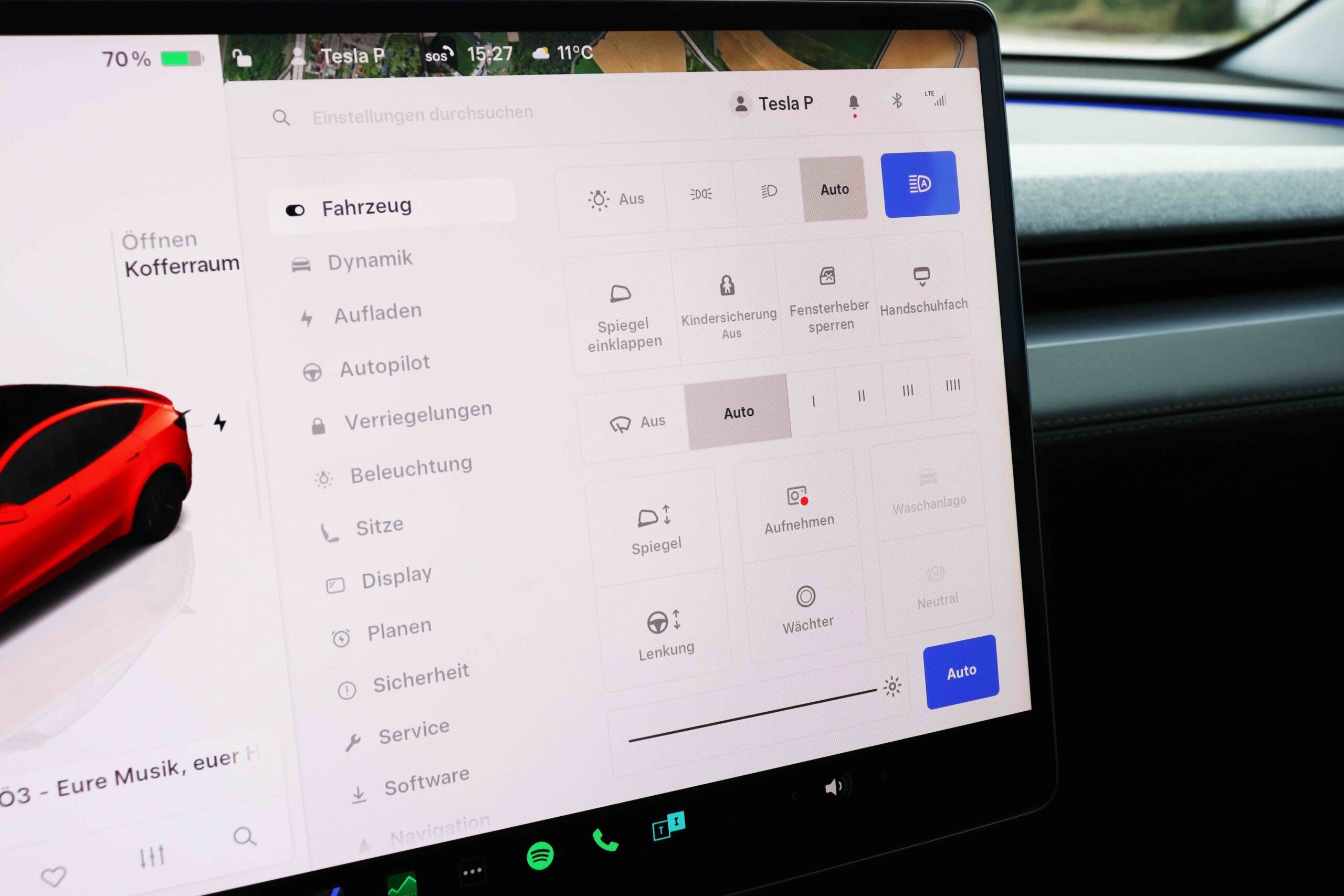
Picture: TechnikNews
Nevertheless, there are situations where a classic button would be preferable. For example, when you want to quickly adjust the ventilation or open the glove compartment while driving. While much is possible via voice command – and the voice control actually understands a surprising amount – sometimes, yes, the direct, tactile feedback of a button or rotary knob is simply easier.
Therefore, I urge everyone here: Just take it for a test drive.probeer