
Toyota Mirai 2 review: hydrogen versus electric on long journeys
A TEST REPORT from Dominic Lux  on November 23, 2023, 12:00 | Write a comment
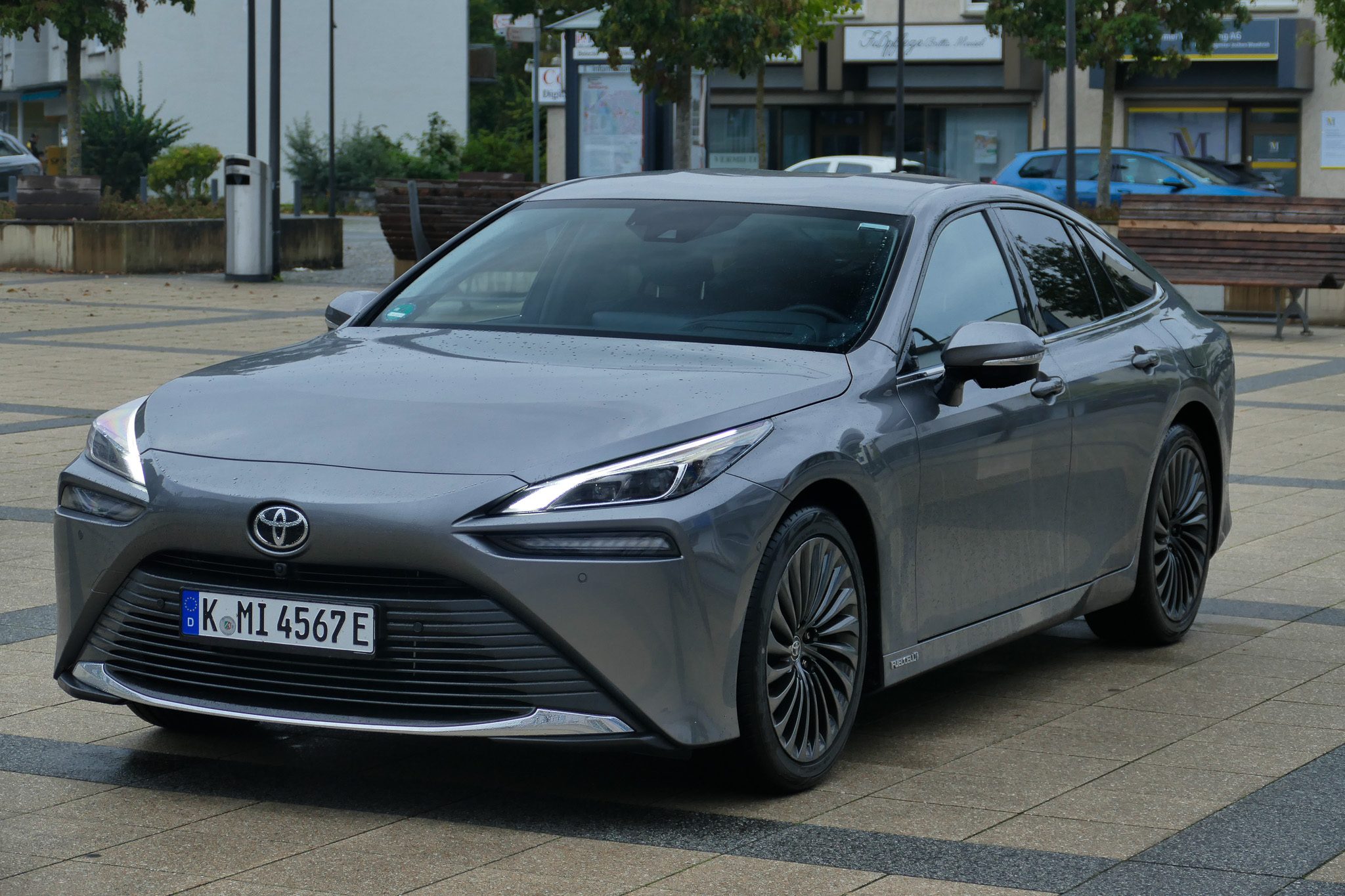
What do you think of when you're told that hydrogen cars are better than purely electric cars? Long discussions? Or rather in practice: who will reach their goal faster? We wanted to find out for you. We therefore combined our everyday test with the Toyota Mirai 2 with a small challenge. We drive together in a Tesla Model Y Long Range near Stuttgart (approx. 450 km) and see who needs longer for this road trip. The result might surprise you.
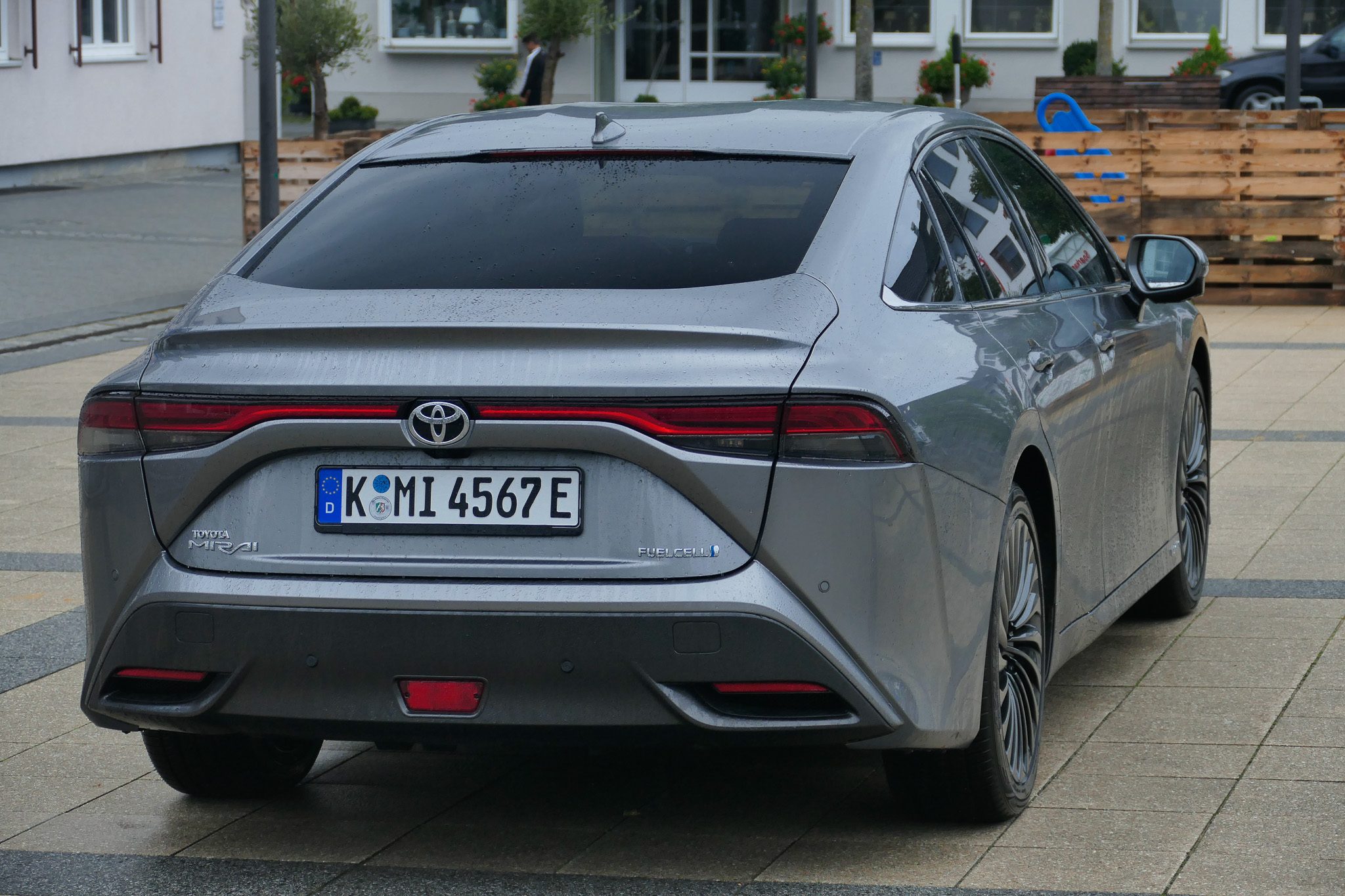
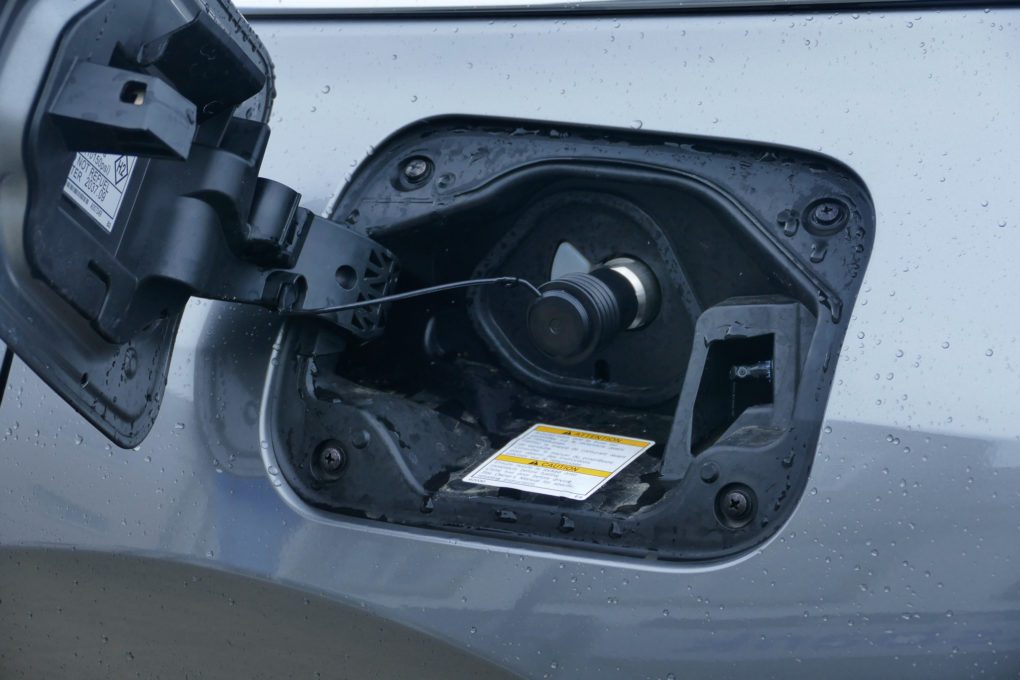
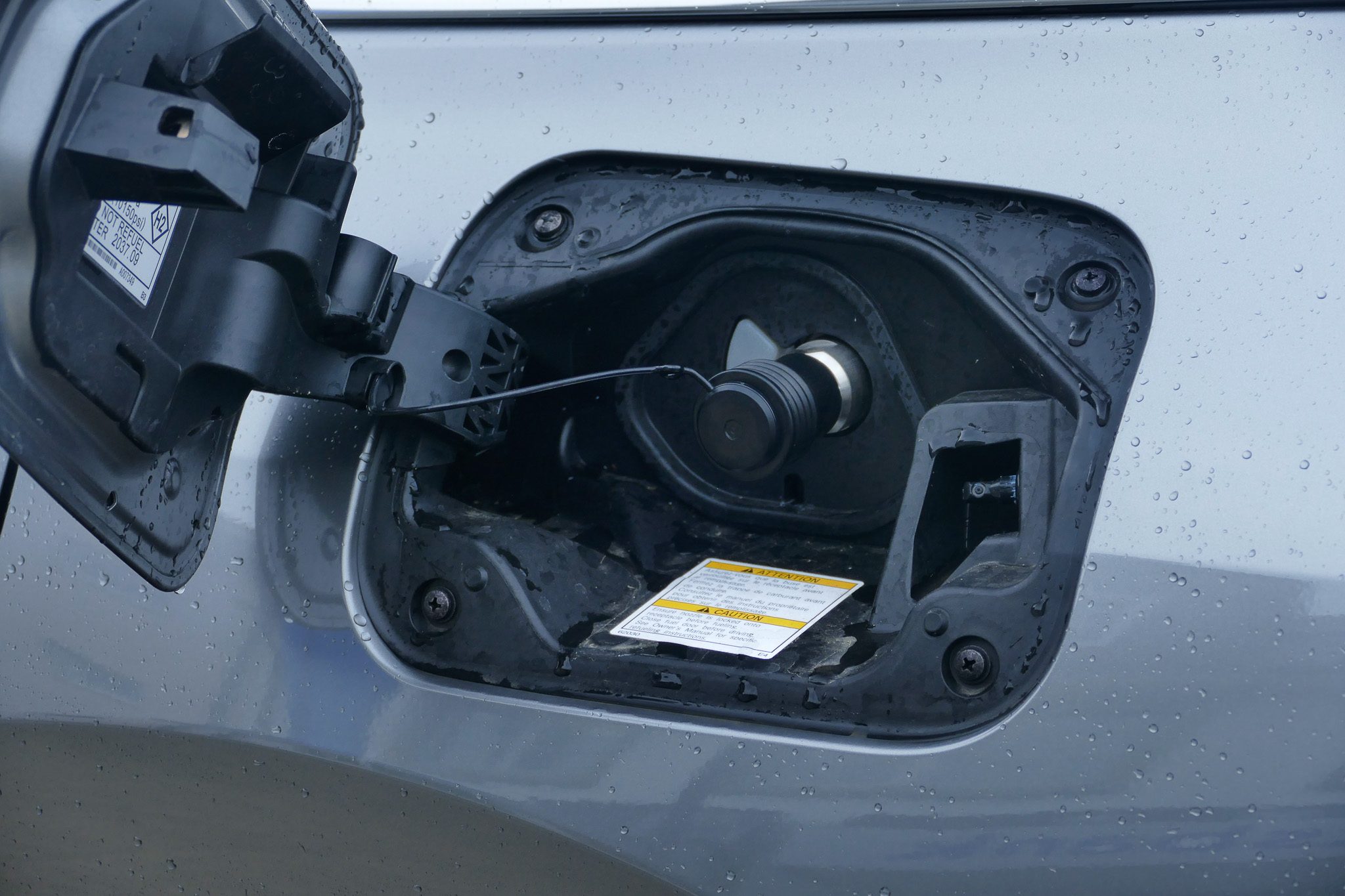
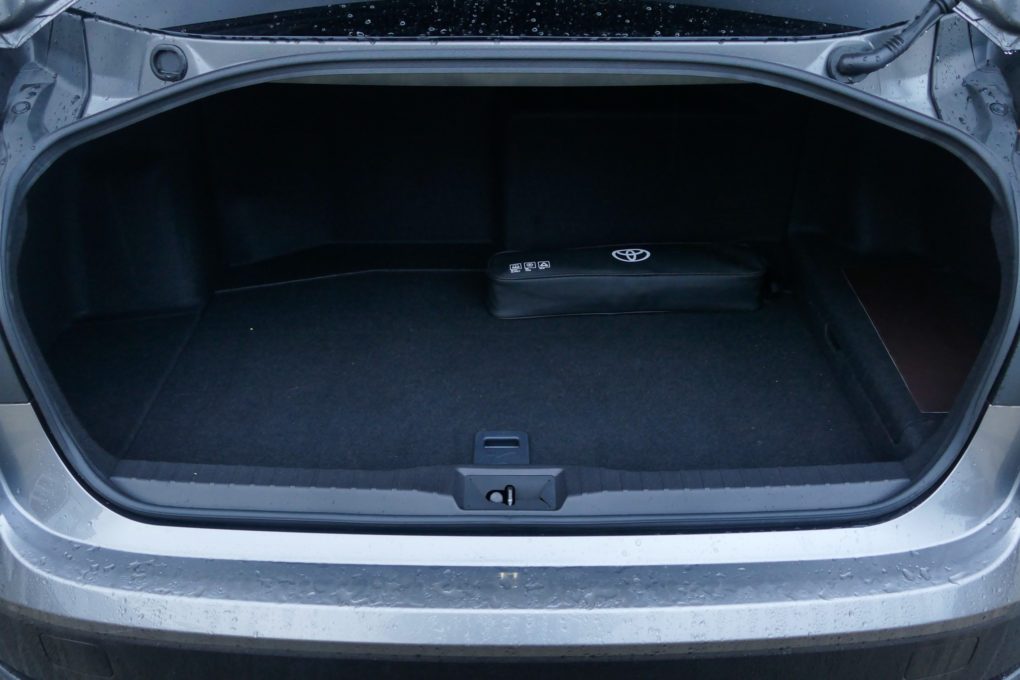
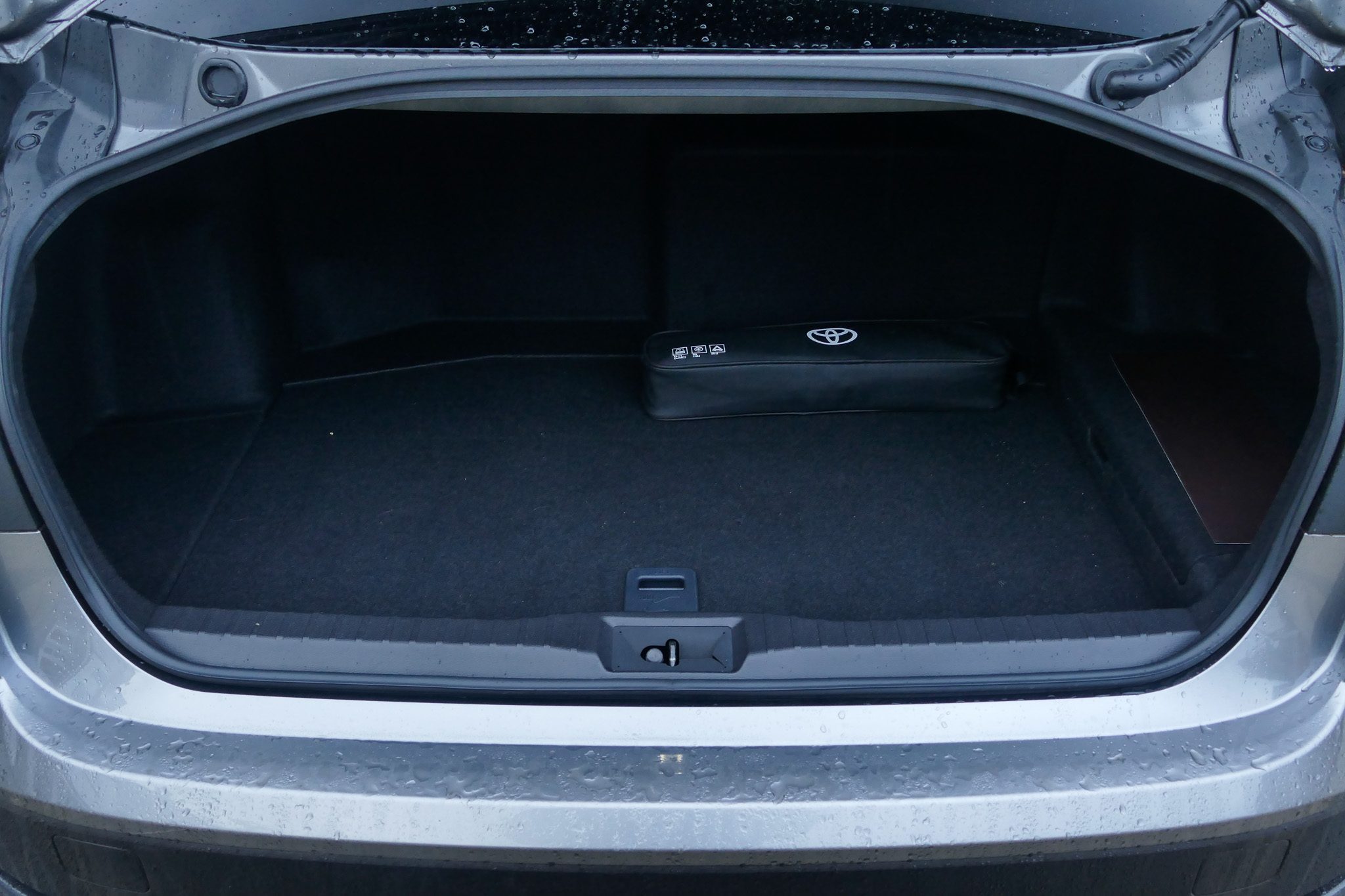
tl;dr – At first glance, the Mirai 2 promises a lot of storage space and space in the rear, right? I'm sorry, but I have to destroy your hopes immediately. Because in the interior, especially in the rear, there is just as much space as in a current generation VW Polo. How is this possible? Oh well. The three hydrogen tanks have to be stored somewhere. In the Mirai 2, the tanks are located in the center console, under the back seat and also under the trunk. It's not just the rear that suffers, but the entire car.
There is no weight saving compared to electric cars. The only disadvantage is that you have a lot less space in a very large area. The trunk is only 321 liters and the rear seats cannot be folded down. The VW Polo also offers a larger trunk again. So you can already see that the Mirai 2 is more of a concept car that has been made roadworthy. And that with dimensions of 4,9 meters long and (without mirror) 1,88 meters wide. Other sedans of this caliber, whether electric or combustion engine, offer significantly more space in all areas.
Still, the Mirai 2 glides out of placeproproblems really well over any road surface - thanks to an air suspension that is adaptively adjusted. The electric motor at the rear has an output of just 134 kW / 182 hp. That's just enough to keep you from moving too slowly. In order to get the immediate “boost” that you are used to from electric motors, Toyota installed a small high-voltage battery. This covers a full 2-3 kWh. The hydrogen fuel cell then immediately kicks in to supply the engine with electricity. The technology behind it is definitely very interesting. Nevertheless, it is far inferior to the pure electric car.
Interior & Infotainment: Well made
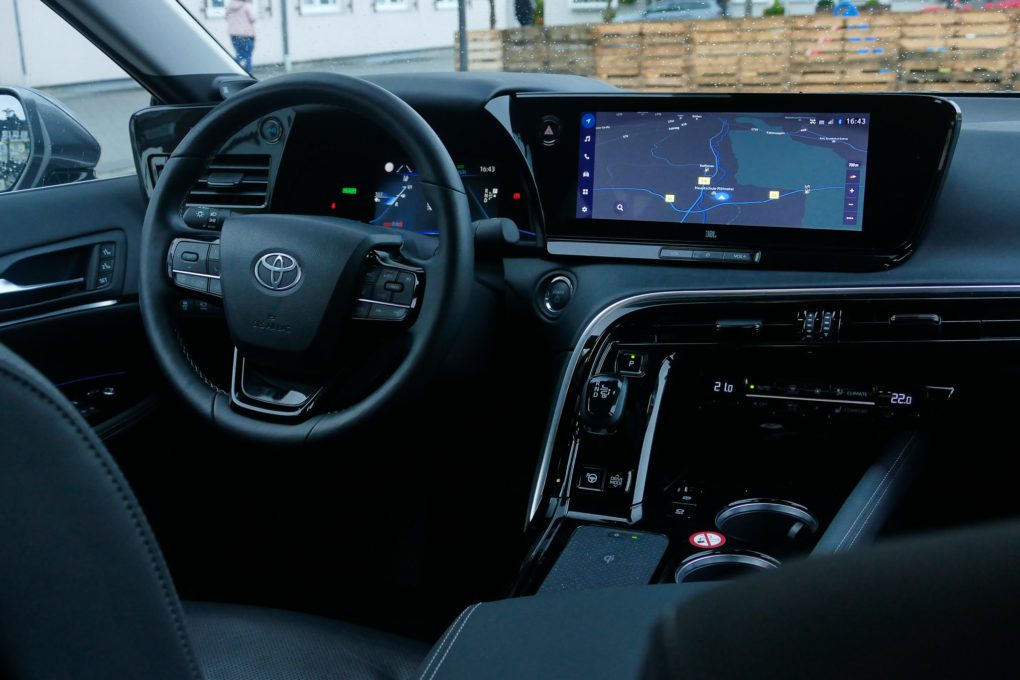
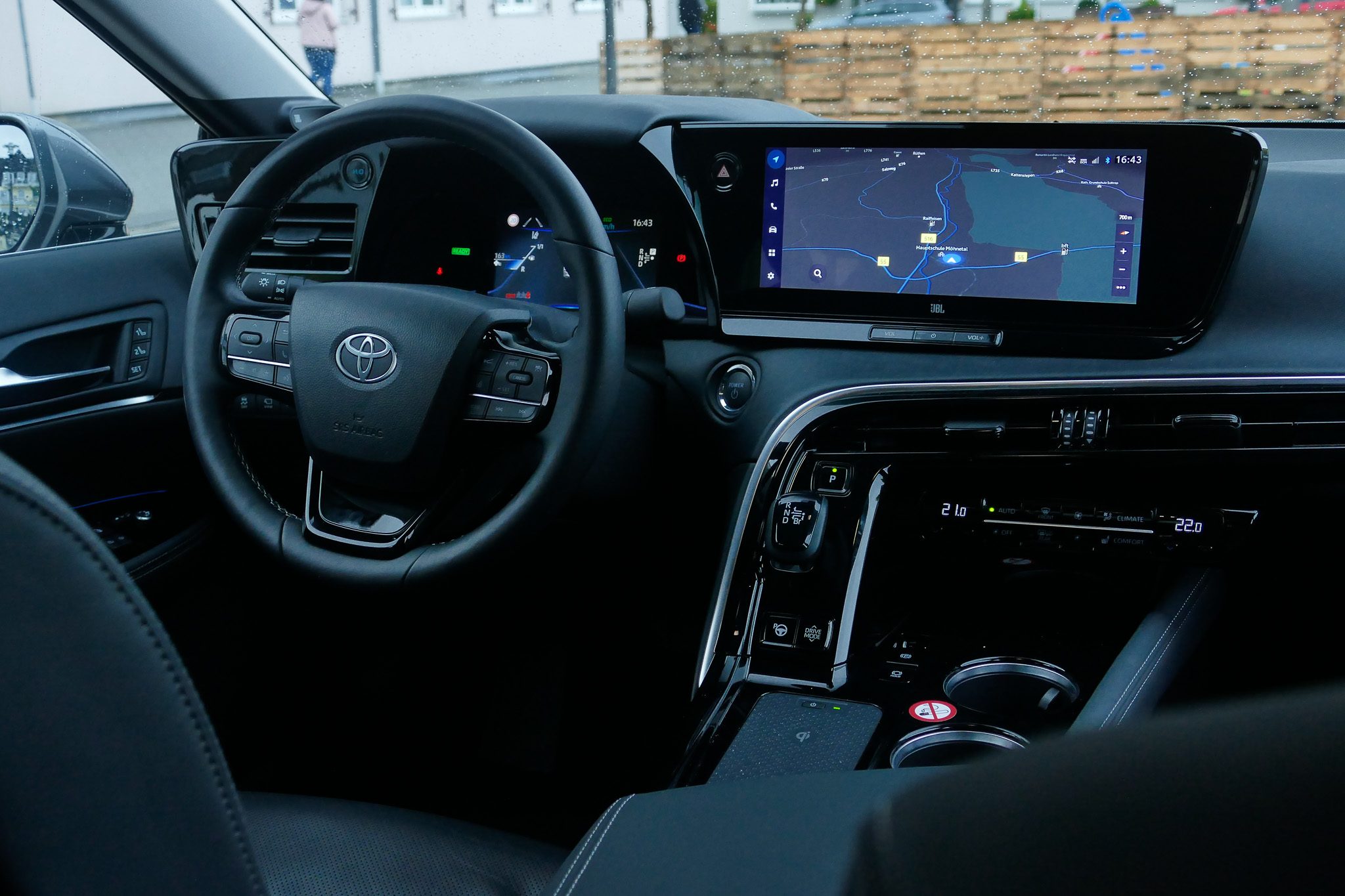
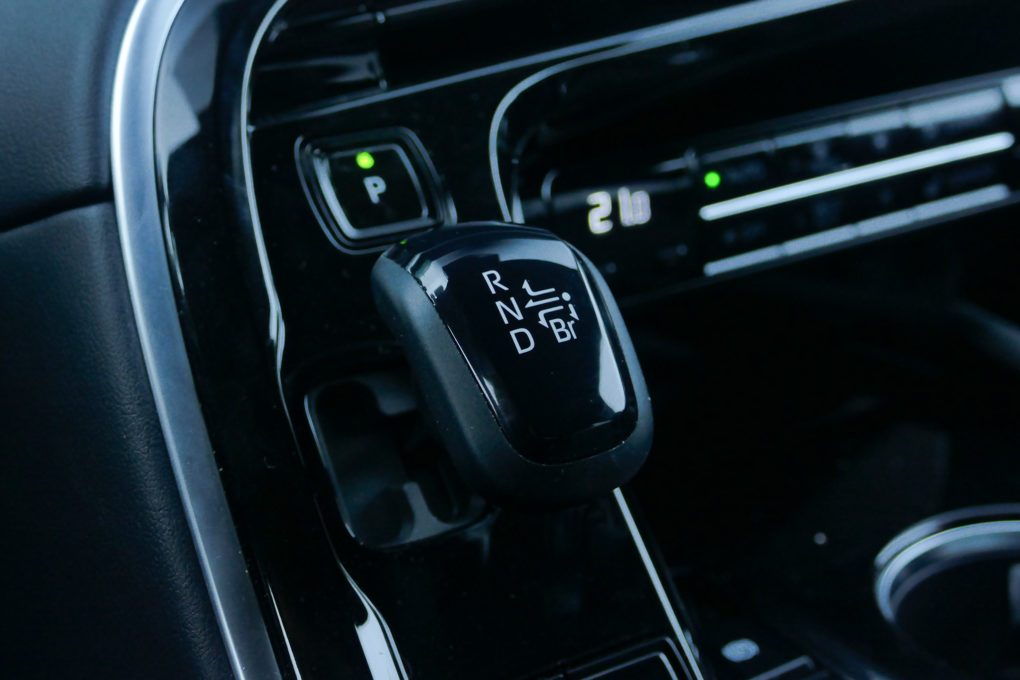
When we look at the interior of the Mirai 2, one thing is immediately apparent: it is very well made. Definitely better than that Toyota bZ4X, which we previously tested. You could even think that Toyota initially planned this car as a Lexus, but then stuck their own brand name on it.
-
- Picture: TechnikNews
-
- Picture: TechnikNews
-
- Picture: TechnikNews
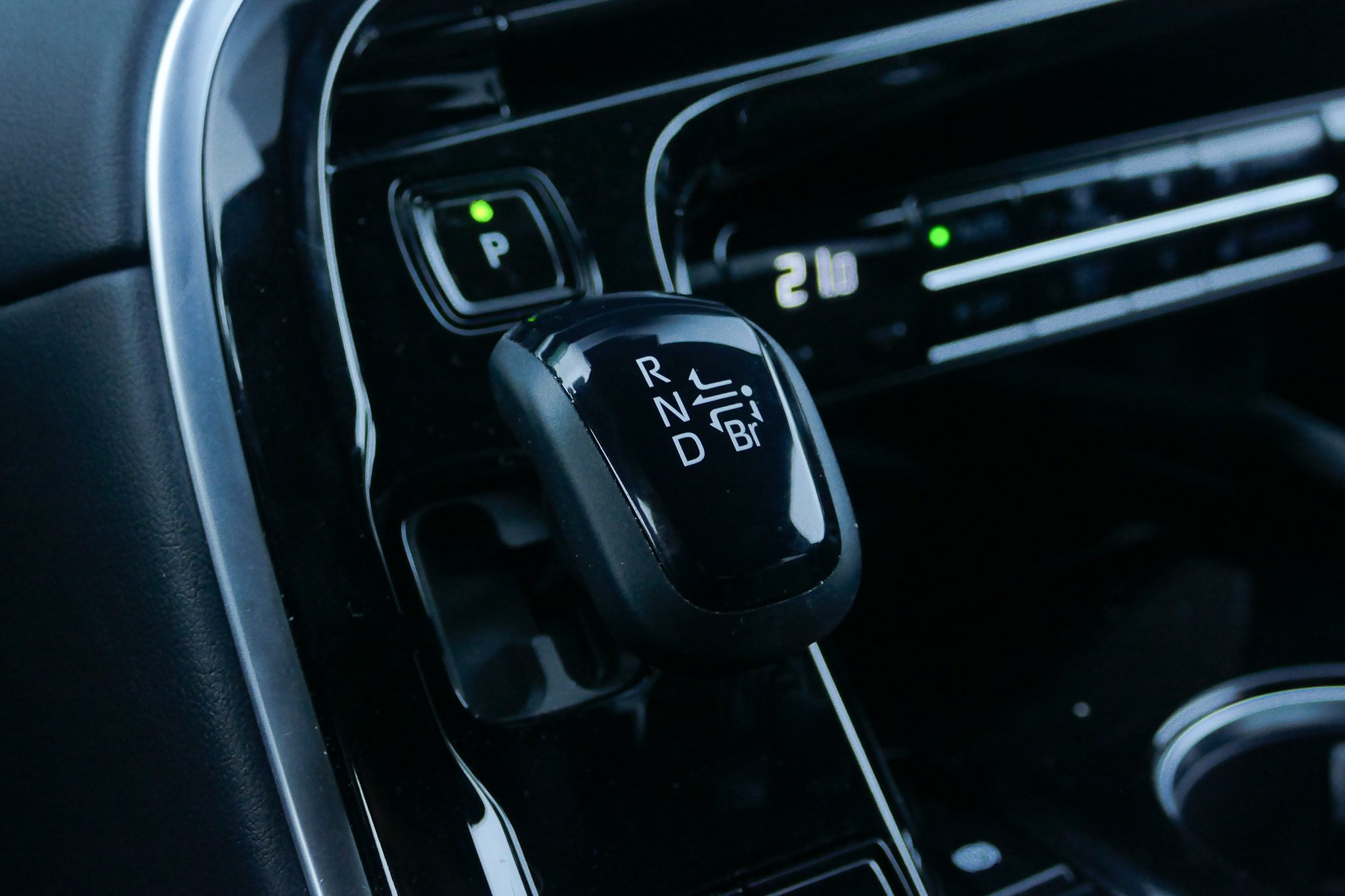
Despite the fact that the driver's seat is comfortable, you clearly notice that the wide center console takes up a lot of space. The driver and front passenger seat are electrically adjustable. There is even a massage function. A lot of things are really well implemented for the price, and the infotainment has also been significantly revised.
In older model years of the Mirai 2 there was relatively old-fashioned infotainment. Now we have the smooth, possibly Android-based system that we found in the bZ4X and the Subaru Solterra. If you would like to read more about this system, you are welcome to check out the bZ4X test report.
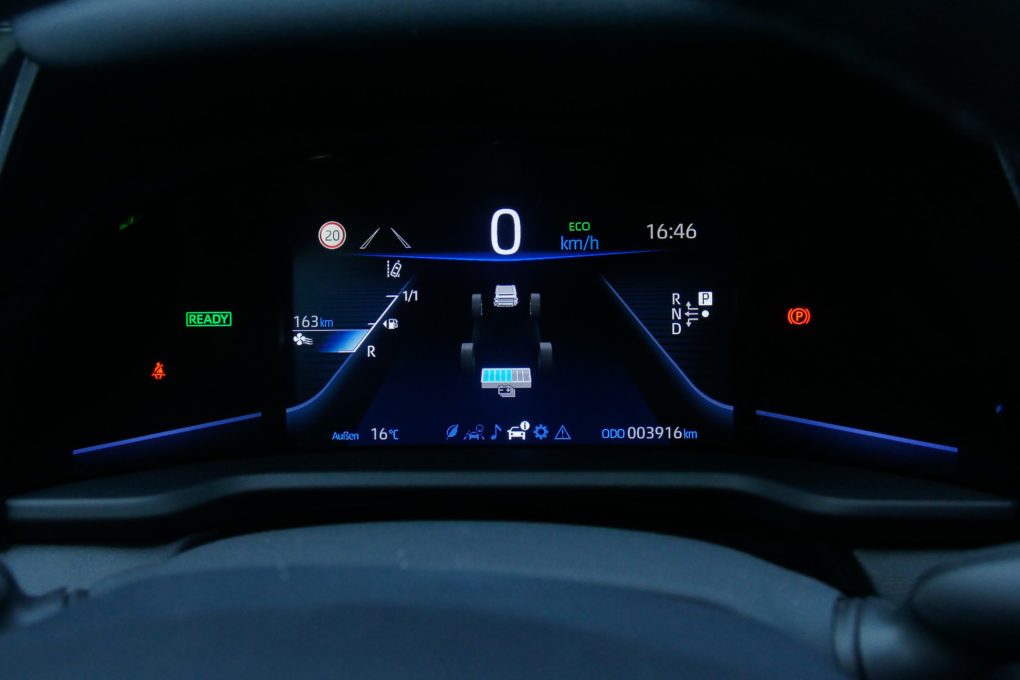
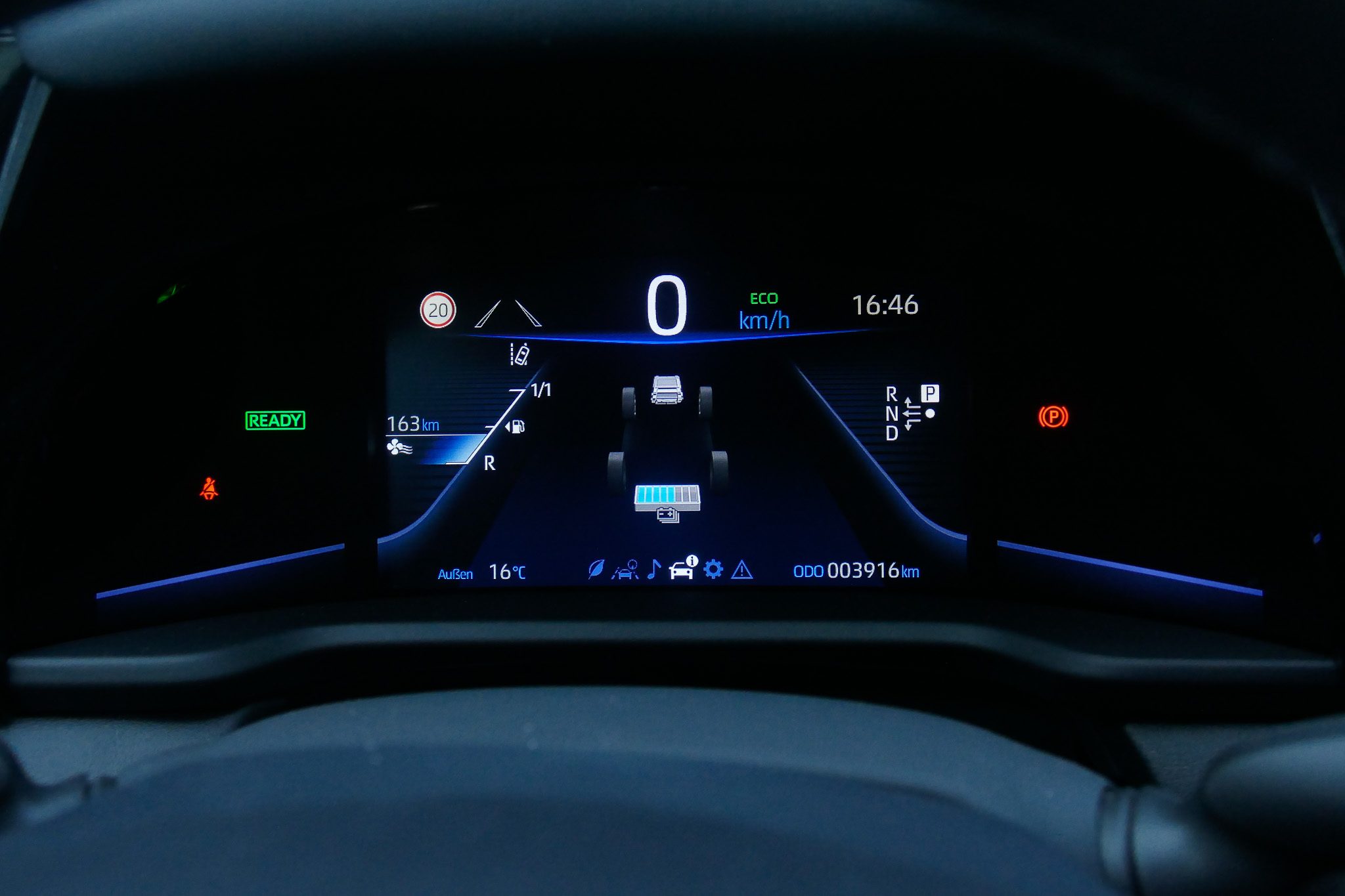
However, the driver info display still seems a bit out of date, especially when compared to the rest of the infotainment. However, it still contains all the necessary information on board.
Driving experience: Solid and relaxing
Good to very good – that’s how you could describe the driving experience with the Mirai 2. As already mentioned above, the vehicle glides very comfortably over all road surfaces, which makes driving very relaxed even on long journeys. If it weren't for the "pressure" to get to the hydrogen filling station in time before the next defect occurs.
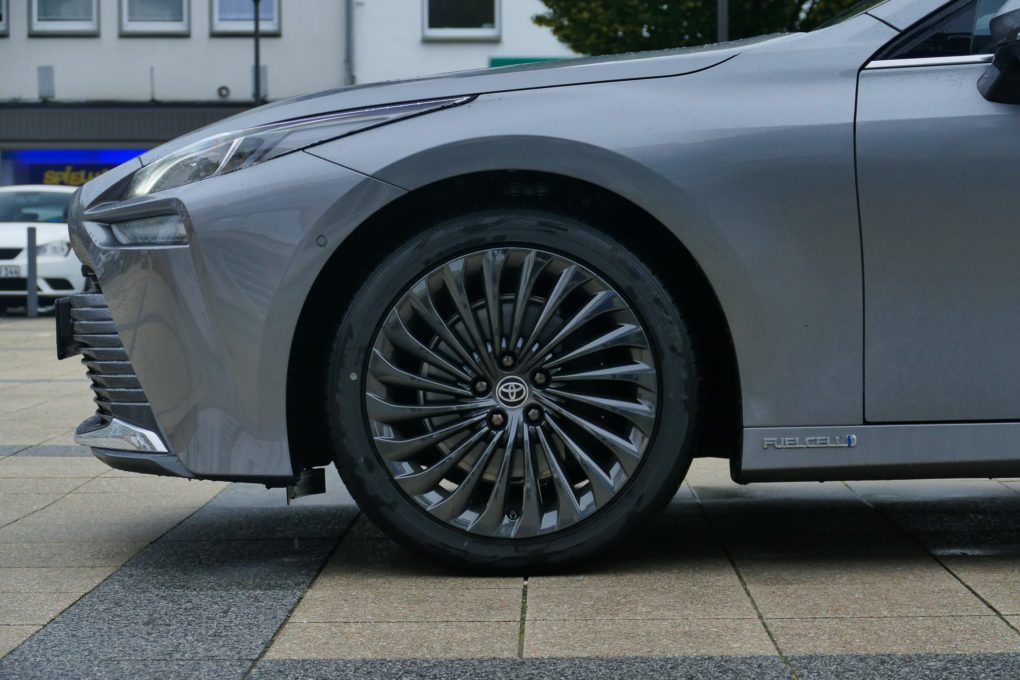
When it comes to acceleration, you can say with a yawn that it is “ok”. Not more. 182 hp is not necessarily justified for a vehicle that weighs almost 2,5 tons. Sure, it's also enough for overtaking on country roads. Nevertheless, you don't have to be surprised if you are easily overtaken by significantly cheaper electric cars. Matrix LED headlights were even installed in the Mirai 2. These worked well, but dimmed significantly too late in some cases, so that there were a few flashing lights from oncoming traffic.
-
- Picture: TechnikNews
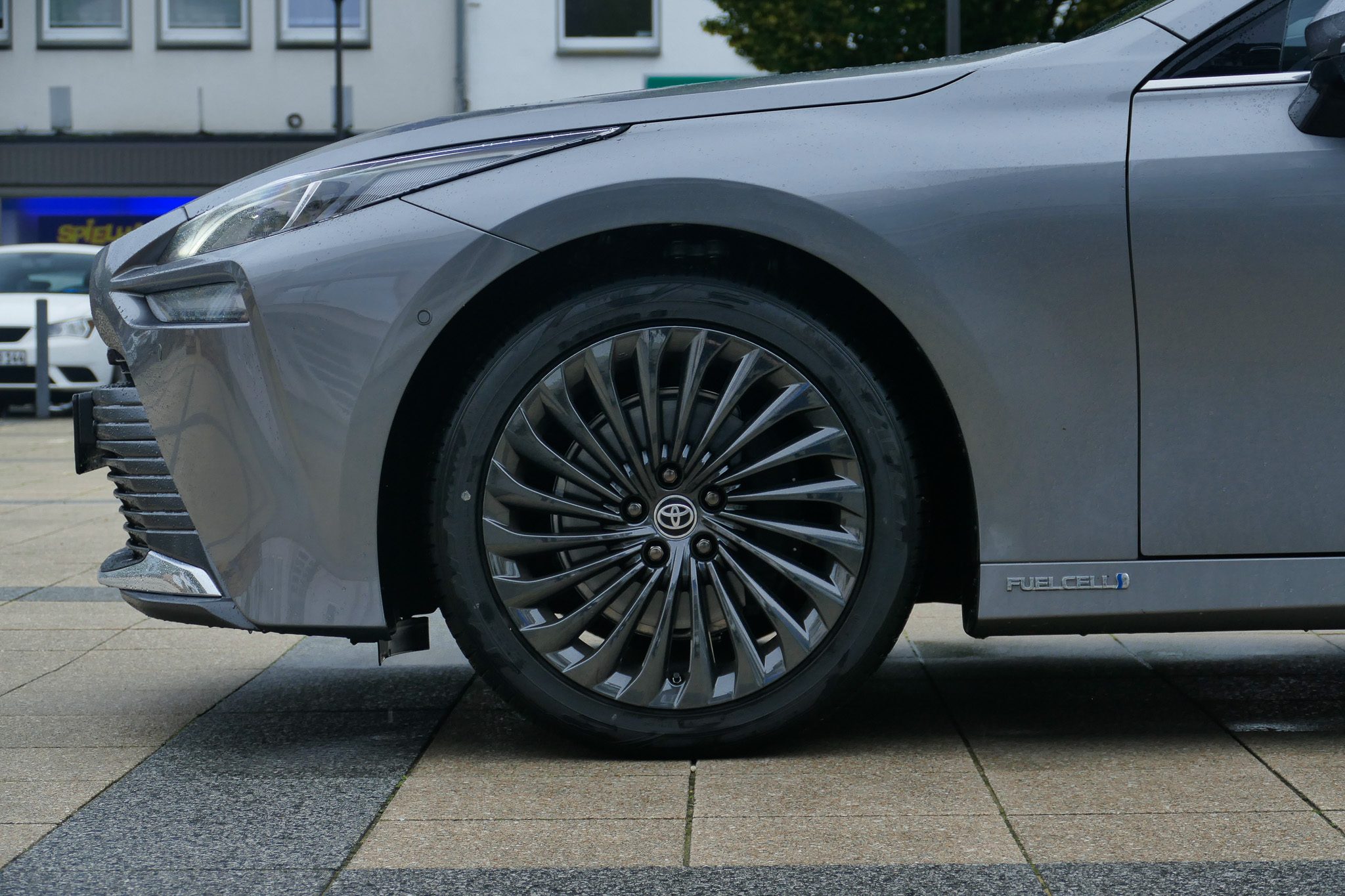
-
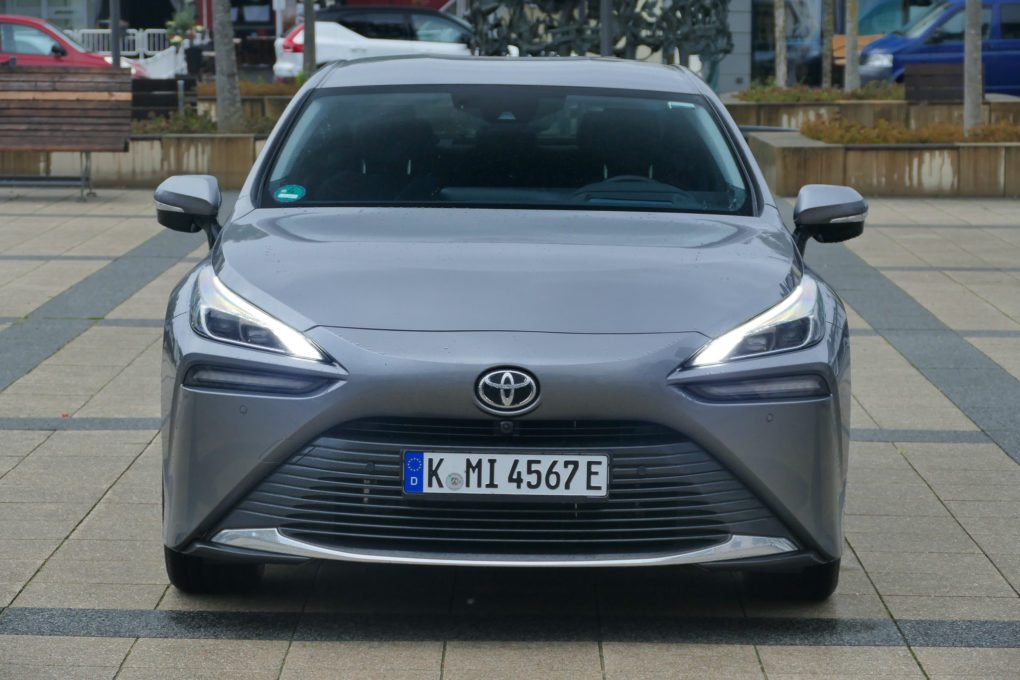
- Picture: TechnikNews
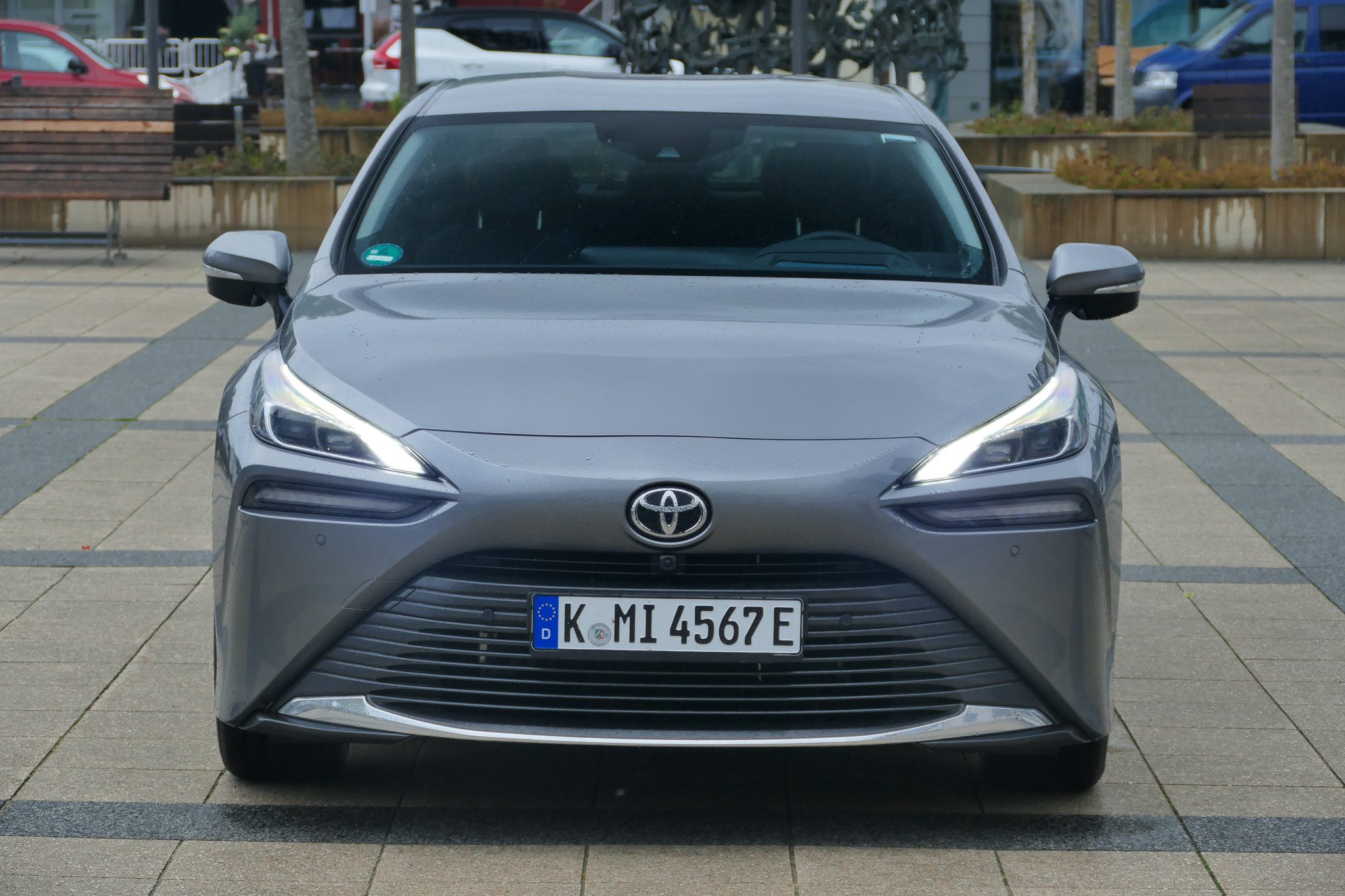
-
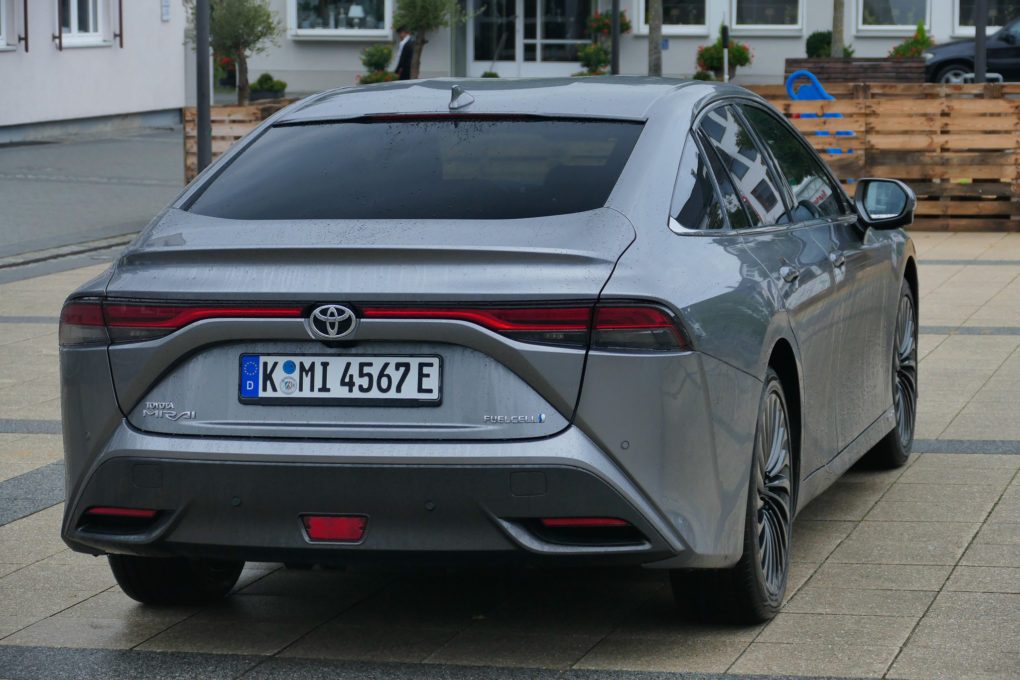
- Picture: TechnikNews
-
- Picture: TechnikNews
-
- Picture: TechnikNews
At least you can let a show effect “escape” while driving with a handy H₂O button on the left dashboard. This means that all of the “water residue” that has accumulated in a collecting basin is transported outside in one fell swoop.
When the outside temperature is cooler, a larger cloud of smoke (non-harmful) water vapor comes out from behind the vehicle. Even with shorter acceleration attacks on the accelerator pedal, a cloud of water vapor is created behind the vehicle.
Comparison test: who wins? Electric versus hydrogen
We were able to do so with the kind support of METALLsolar GmbH start a comparison test: Tesla Model Y Long Range against the Toyota Mirai 2. Who will win on a spontaneous road trip to Stuttgart, which covers around 400 kilometers. The result also surprised me very much.
Both vehicles started with a remaining range of 400 kilometers prognosticated. You can also see the exact status and the final result in my Twitter / X Post follow up. In terms of driving comfort, I would prefer the Mirai 2.
Thanks to the air suspension, it glides much more smoothly than the Model Y when driving. On the technical side and especially in terms of infotainment and charging route planning, the Tesla obviously wins. With the Toyota I just drove away because the system can't plan routes with H₂O gas stations.
In order not to keep you in suspense for too long: The end result at an average speed of 130 km/h is that both vehicles were at their destination at the same time. However, there is a big difference: While the Tesla had to charge at a supercharger on the route, I was able to practically drive through. But due to realistic traffic conditions, there was also a short traffic jam, so the time difference was almost marginal or non-existent.
Range anxiety? For electric, no, for hydrogen, yes?
Unless you take the psychological approach, because I didn't know whether the hydrogen filling station at my destination was working, nor did I know whether it even had enough hydrogen in the tank to get me home. While the Model Y connected to the supercharger without any problems and was full again after a good 15-20 minutes, I fortunately didn't have any of the problems mentioned above with the hydrogen filling up. Later on, however, I actually came across an H2O filling station that was "empty".
But in terms of sheer simplicity, nothing beats charging a full electric car. It was a very interesting experience for us, but in our experience there is actually not a single advantage of an FCEV (hydrogen car) in everyday life. There are no clear advantages either when “refueling” or on long journeys. In my personal opinion, I see no future in hydrogen in private transport.
Even when it comes to trucks, the air is becoming increasingly thinner for hydrogen-powered alternatives, even though the new electric trucks can drive 500 km at a time when fully loaded. Of course, the infrastructure here also needs to be improved a bit.
Thanks to METALLsolar in 59581 Warstein /sichtigvor for providing the Tesla Model Y Long Range for our comparison test. The charging costs were also covered. Toyota Germany covered the hydrogen tank costs, but this did not influence our opinion.