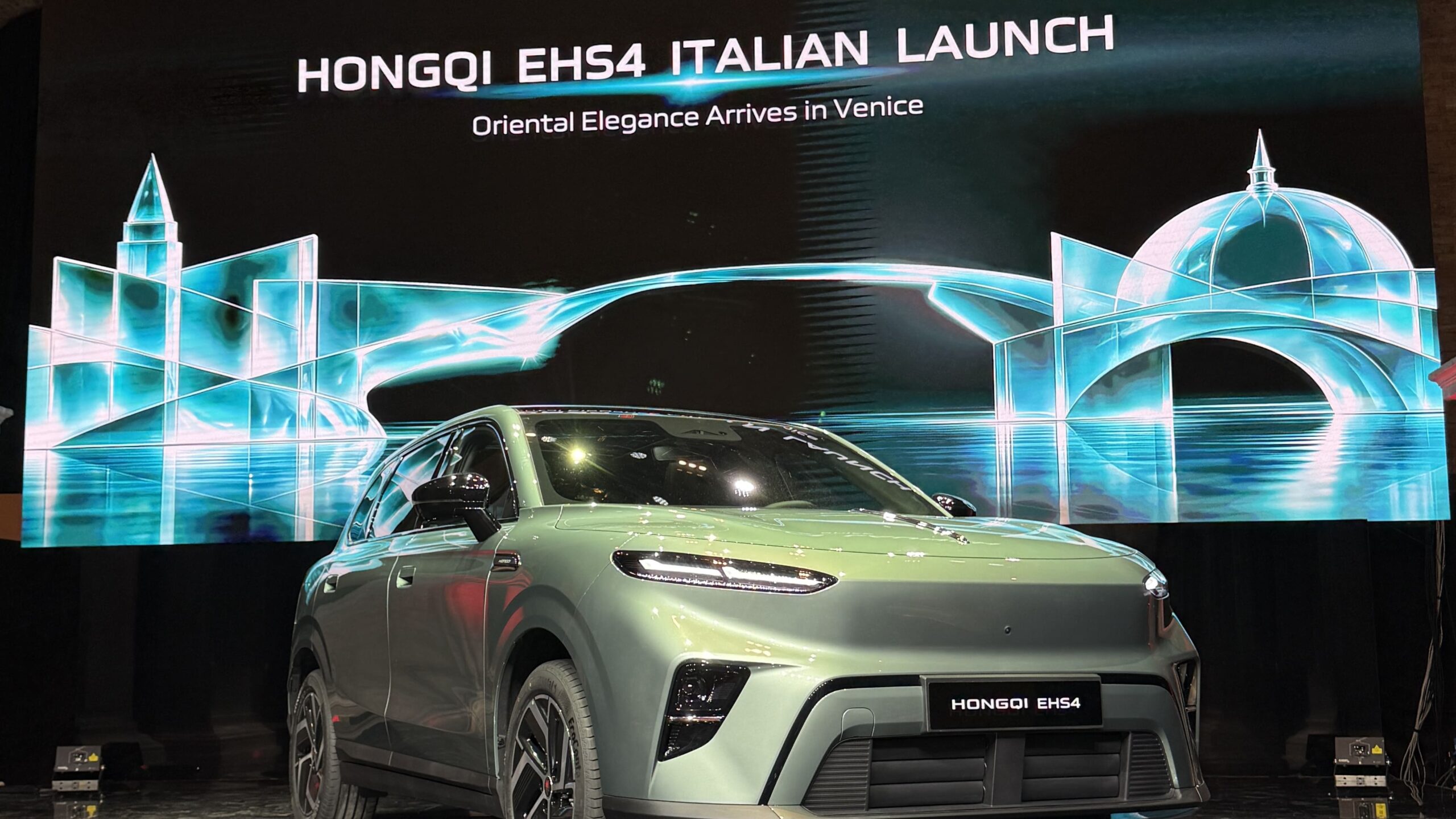
In Venice, we were one of only two German media outlets to have the opportunity to drive the new Hongqi EHS4. A handful of newsrooms from other countries were also on board.
We had an hour to drive the new EHS4 at the Hongqi event in Venice on November 16th and 17th. Our route was roughly equal parts highway and country roads, interspersed with a few villages. The highway section was particularly revealing. Even at higher speeds, wind noise was barely audible. However, the steering and suspension provided more discussion after the drive.
Plenty of space in the rear and electrically adjustable front seats
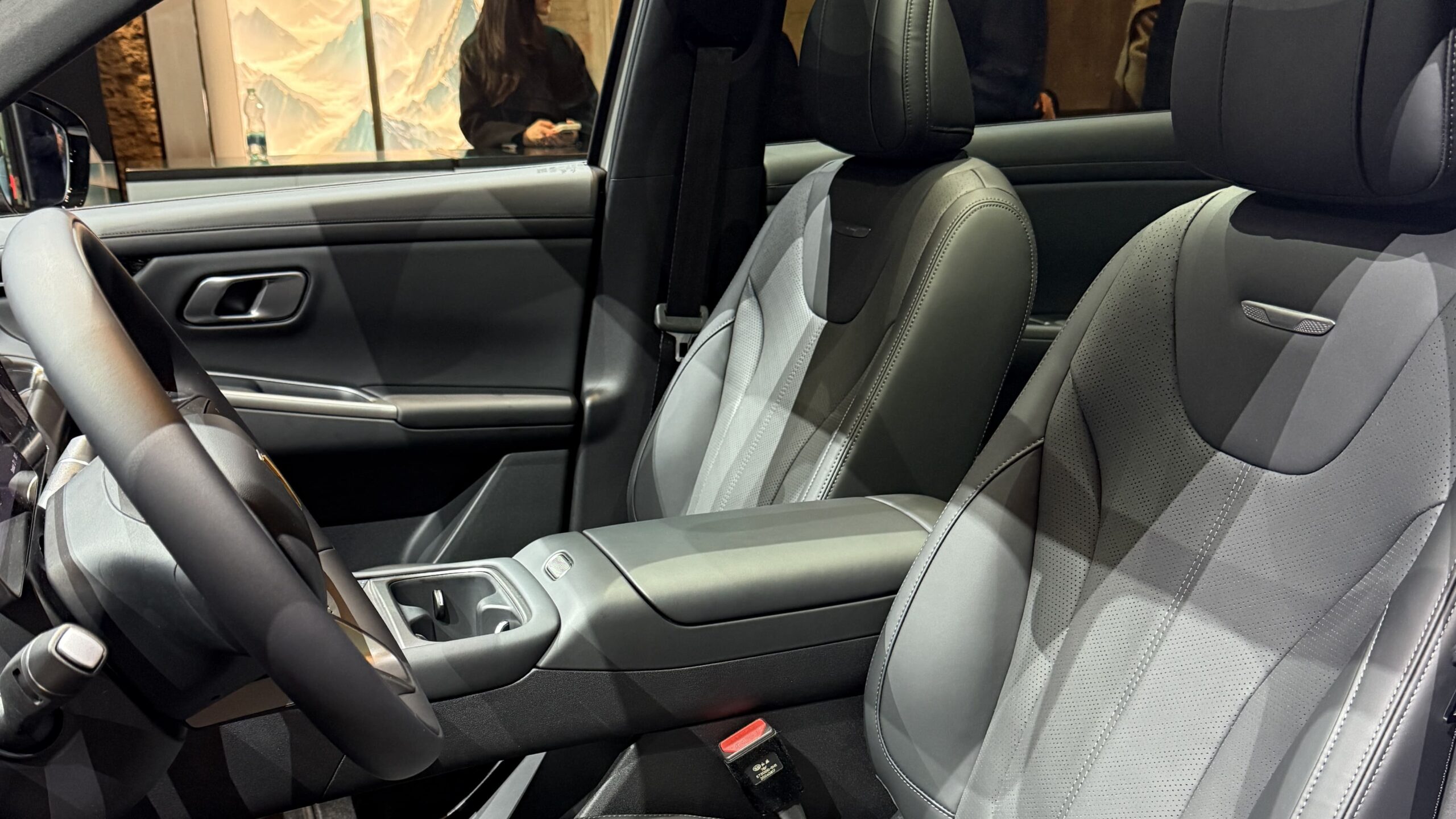
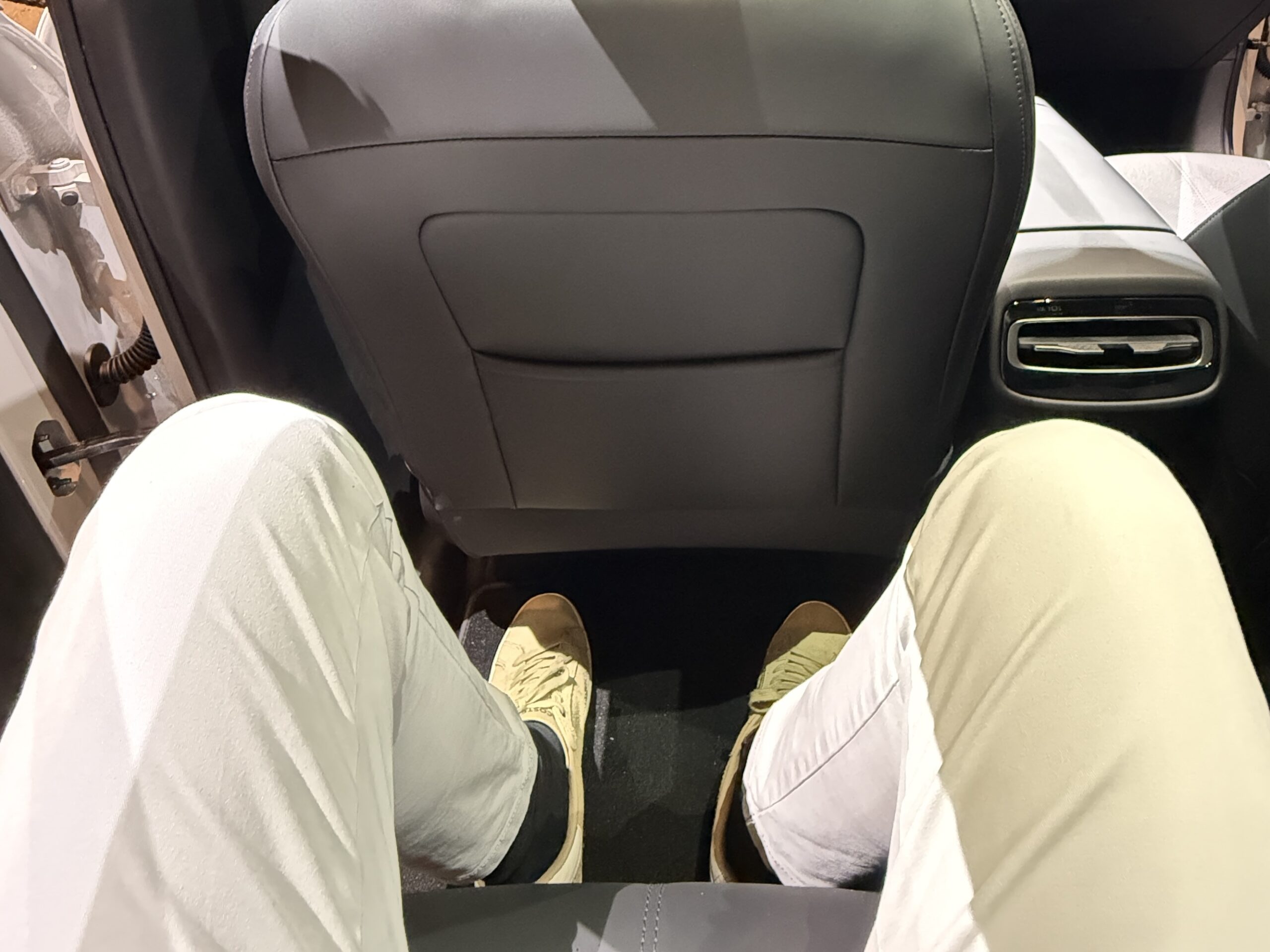
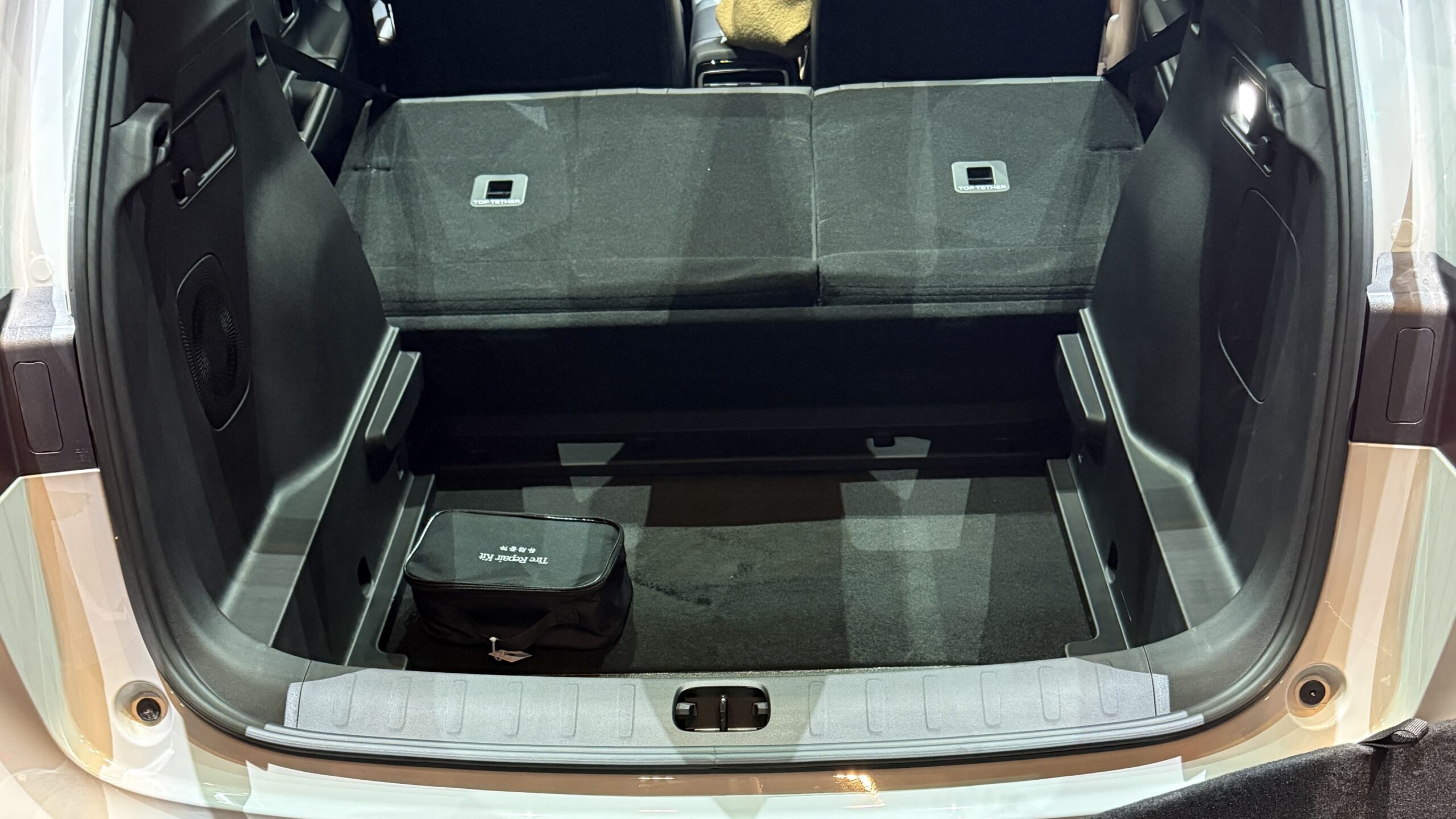
The EHS4 is 4,54 meters long and has a wheelbase of 2,74 meters. This benefits the passengers. There is ample headroom and legroom in all seats, even in the second row. Rear passengers will find a small, fold-out compartment on the back of the center console. Up front, additional storage compartments are distributed across the console and dashboard. The 33-liter storage space under the hood is ideal for the charging cable, keeping it accessible even when the trunk is full. The trunk capacity is 557 liters, or 1704 liters with the rear seats folded down.
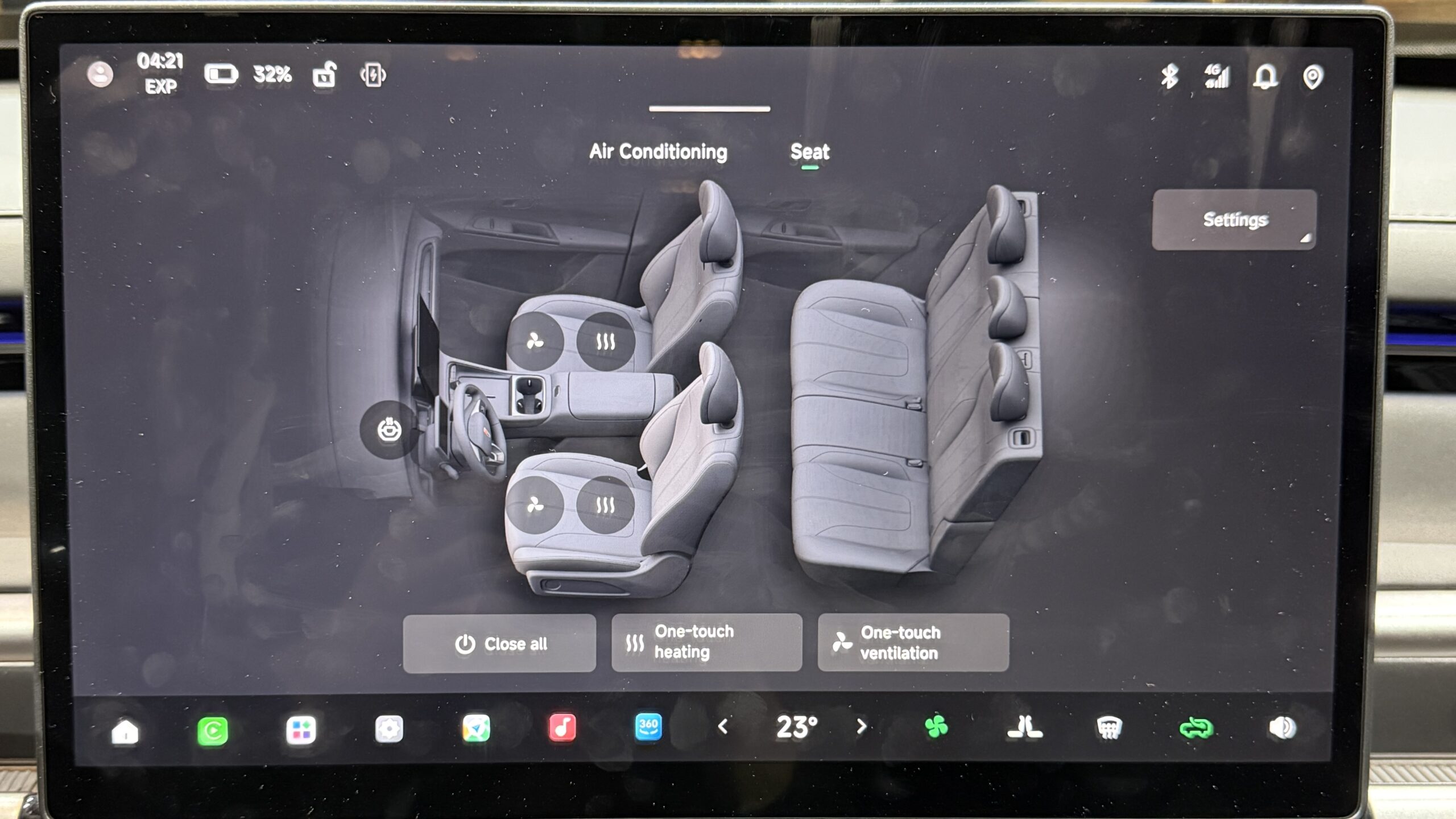
The front seats in our vehicle were heated and ventilated. They can be electrically reclined far enough back that you can lie down during a break. The headliner above the seats is covered in Alcantara. I also really liked the small dials on the steering wheel. Their detents are clearly perceptible, and each click feels precise.
I'm less convinced by the function of the large rotary knob in the center console. Physical controls are already scarce in the EHS4, and it's precisely this one that's so poorly designed. proThe smallest control is solely for selecting between three driving modes. I would have preferred to adjust the volume there. The Yamaha sound system in the car I drove actually sounds quite good.
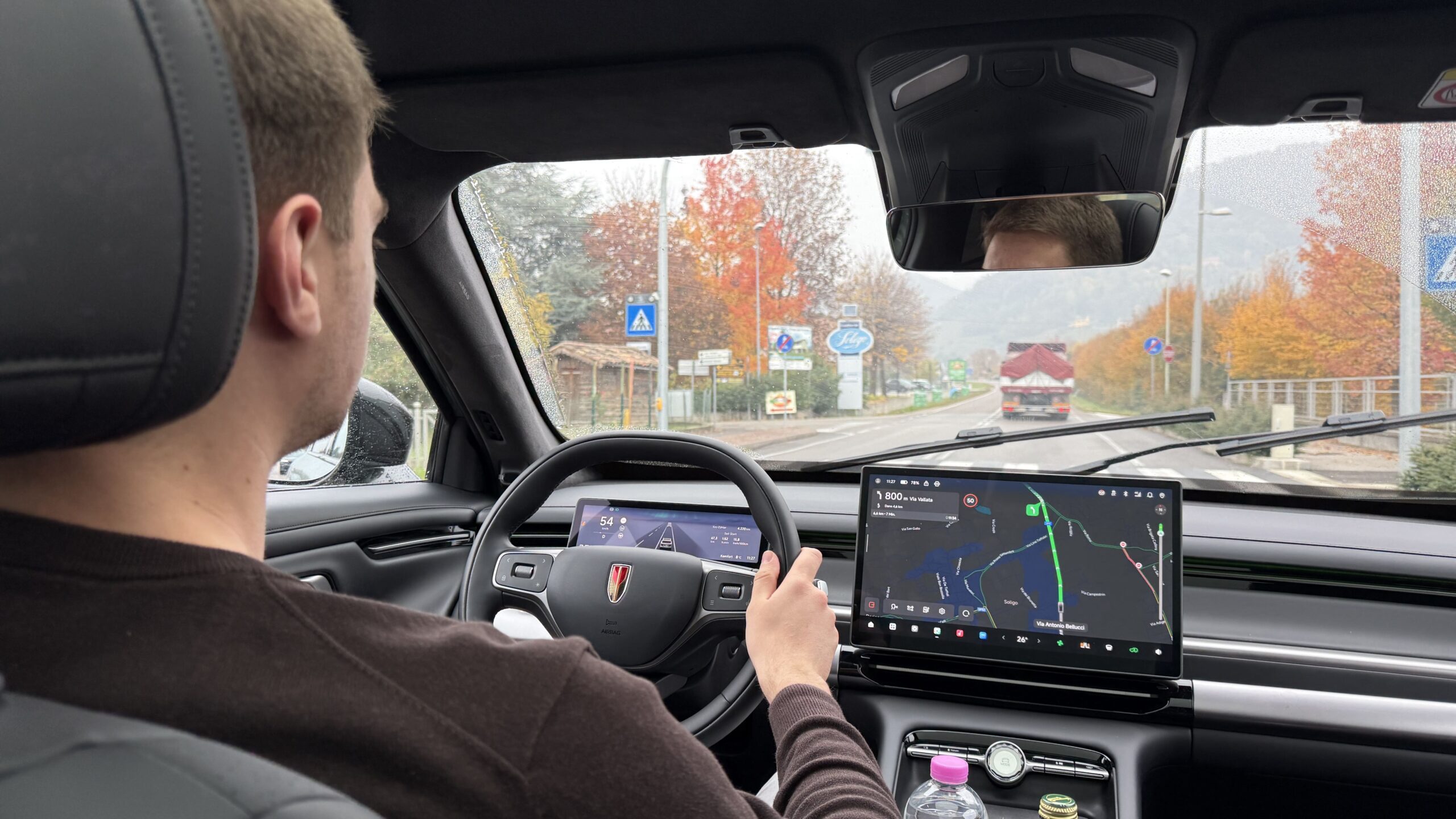
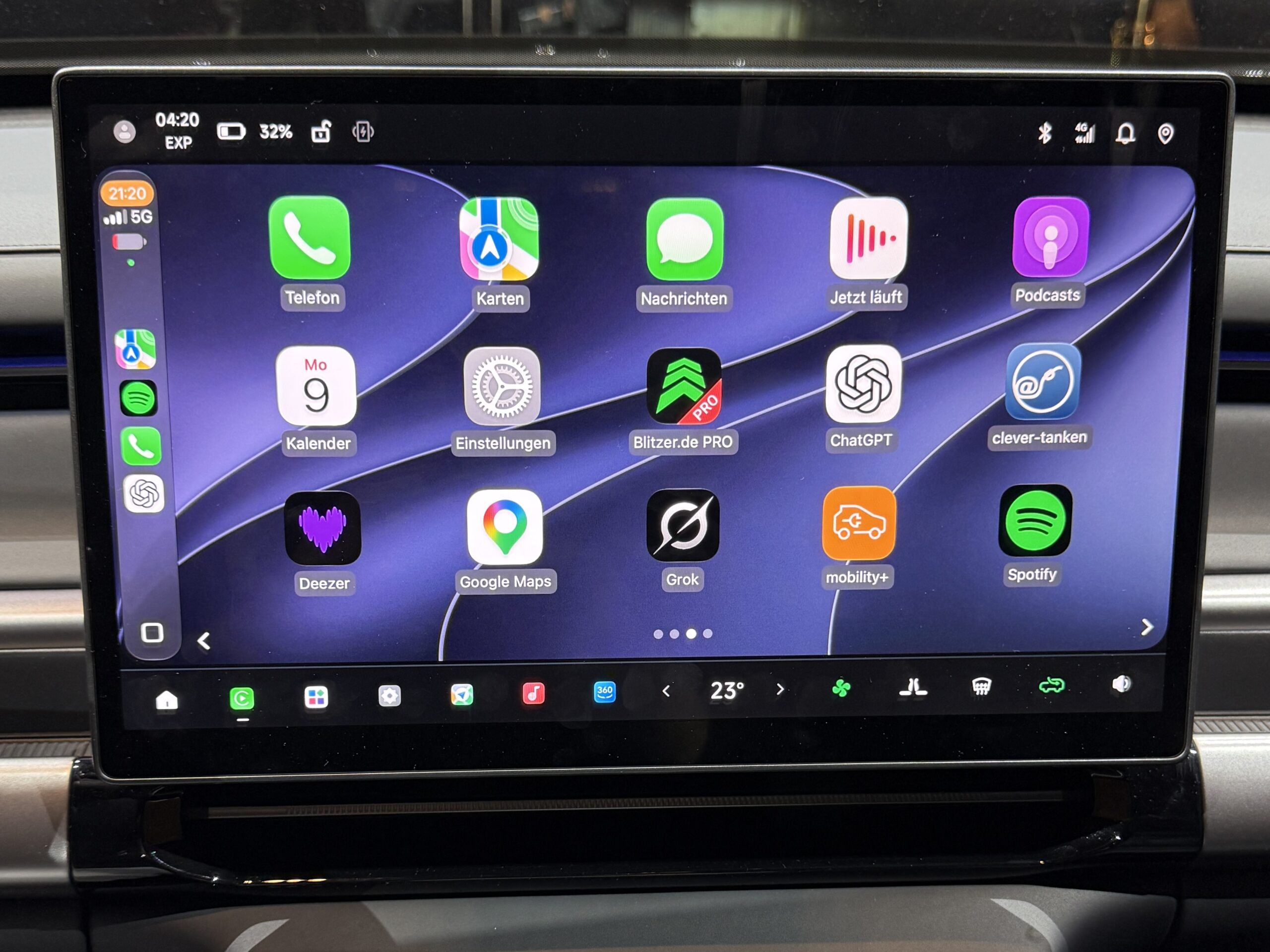
Most functions are operated via the 14,6-inch touchscreen with 2K resolution. The built-in navigation system goes into great detail when choosing a route. It even shows how many traffic lights are on the suggested routes. This is a helpful indicator when two routes are of similar length. However, the system first needs to enter the destination. This is precisely where the software briefly faltered during our test drive. For everyday use, reliable destination entry would be more important to me than the number of traffic lights.
Once the route was set, I really liked the navigation. On the Italian motorway, it gave me plenty of advance notice of the next toll booth. At rest stops, we could see well before the exit whether there were toilets and food available. Especially on an unfamiliar route, this is information I can immediately put to good use.
The lane keeping assist also worked well on our test drive. The attention warning, however, was far too sensitive. Even a brief glance to the side was enough to trigger the system's audible alert. Our vehicle was also equipped with a 360-degree camera. I found its image quality acceptable for this price range.
Firm suspension, plenty of play around the mid-range.
The EHS4 is based on a 400-volt platform. Its electric motor is located on the rear axle and delivers 218 hp. Hongqi states a 0-100 km/h sprint time of seven seconds. On our test drive, the steering particularly stood out to me. It has a fairly large dead zone around the center position. For small corrections, you have to move the steering wheel a bit before the car noticeably reacts.
I found the suspension quite firm. I was all the more surprised, then, by how noticeably the body rolled at higher speeds on the motorway. I would have preferred a bit more stability. Changing the driving modes does little to improve this. The EHS4 doesn't have adaptive dampers; the suspension settings remain the same in Standard, Comfort, and Sport modes.
Acoustically, I preferred the EHS4. Hongqi specifies 59 decibels at 60 km/h and 68 decibels at 120 km/h for the interior. We didn't measure this ourselves on our test drive, but the figures certainly match my subjective impression. Wind noise, which often becomes more prominent in an electric car as speed increases, was barely audible in the EHS4.
Munich design for the European market
Hongqi has been building cars since 1958. According to the manufacturer, the EHS4 is the first model from the Chinese brand specifically developed for Europe. The five-seater was designed at the Munich design center under the direction of former Audi designer Christian Winkelmann.
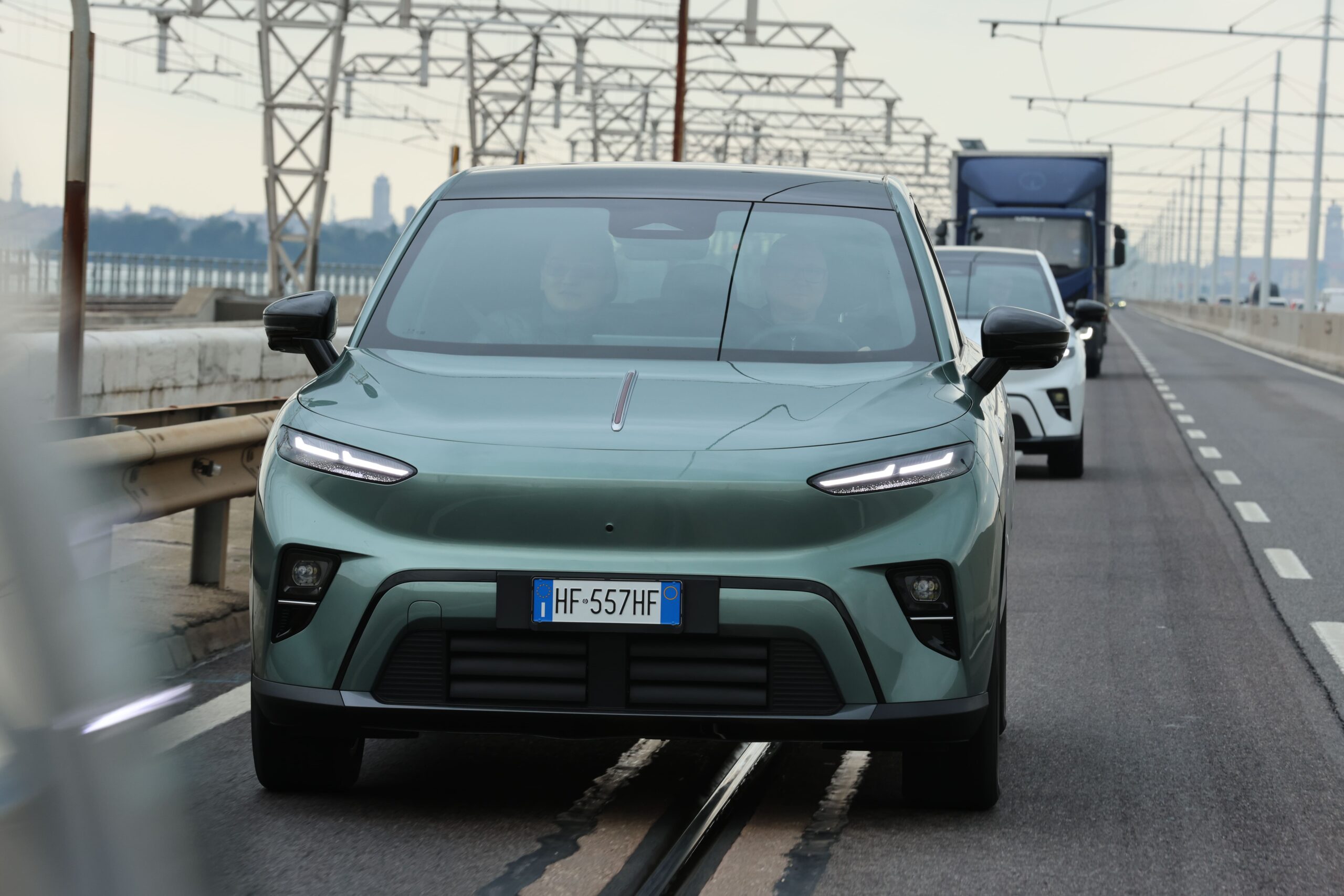
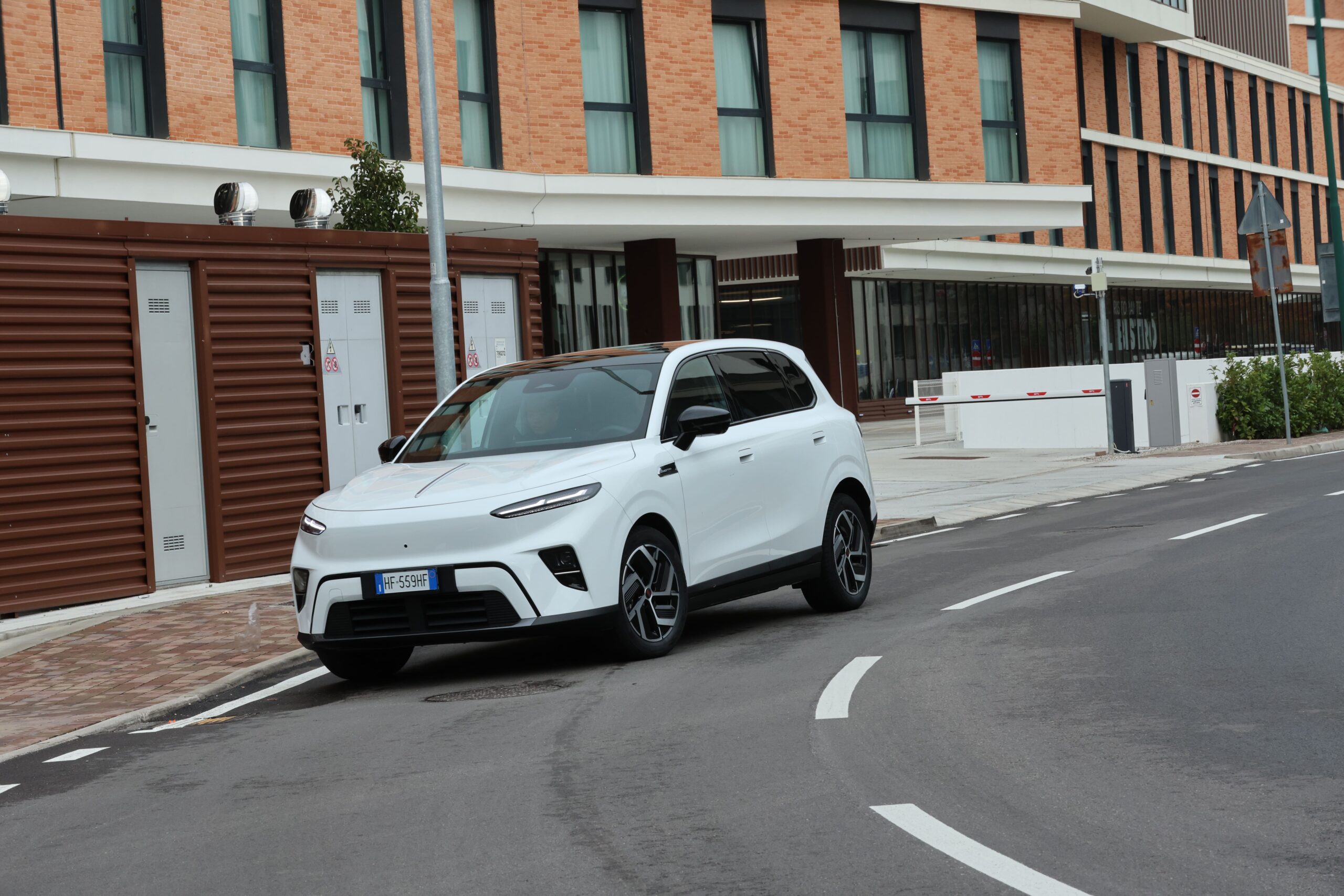
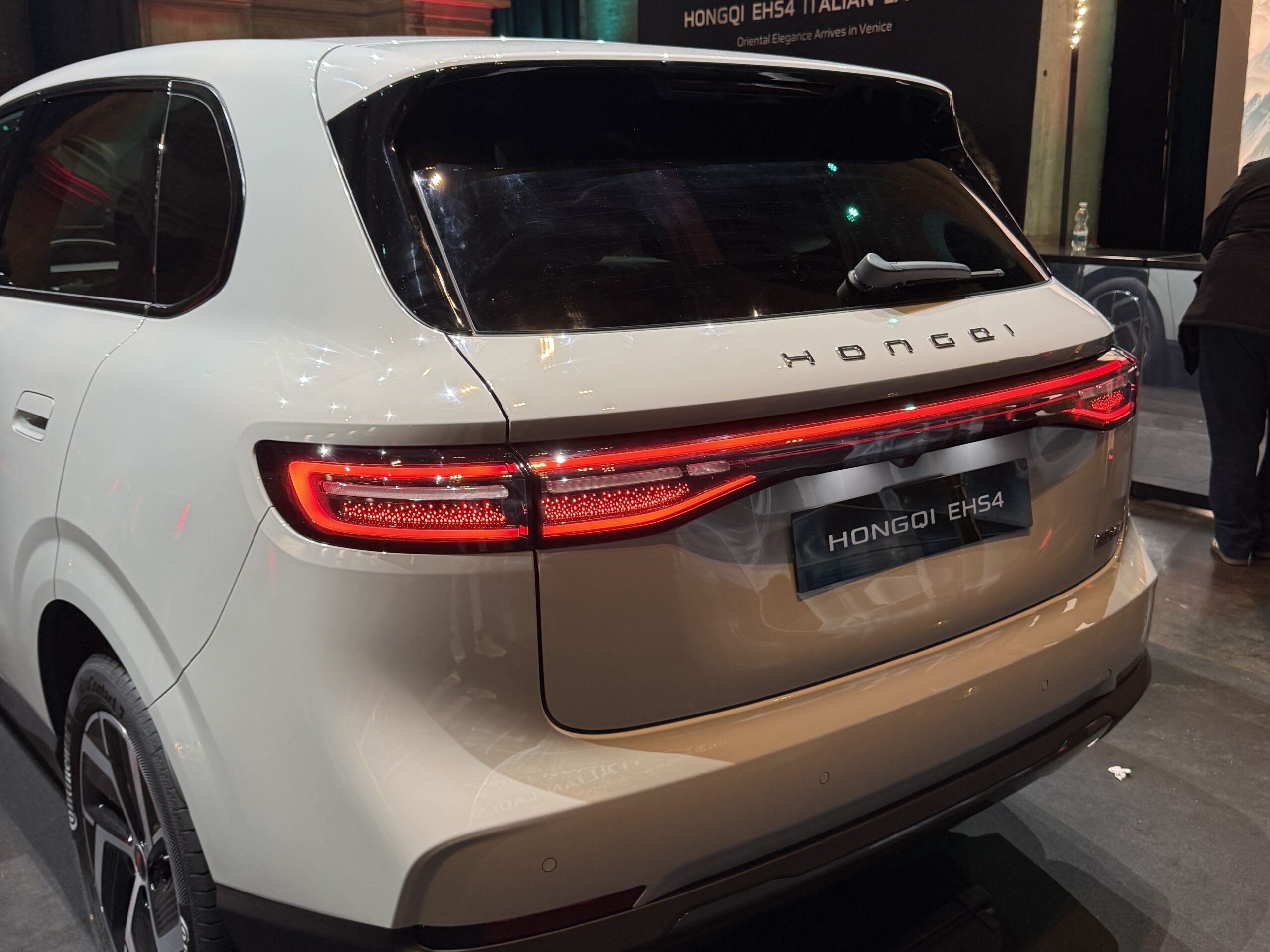
A narrow trim strip runs down the center of the front, in the direction of travel. The flat headlights are positioned to the left and right of it. From a few meters away, their slim shape is particularly noticeable. Upon closer inspection, the many small points that form the light pattern become apparent. In profile, the details are less pronounced. The door handles are recessed into the doors and are barely visible against the painted surfaces.
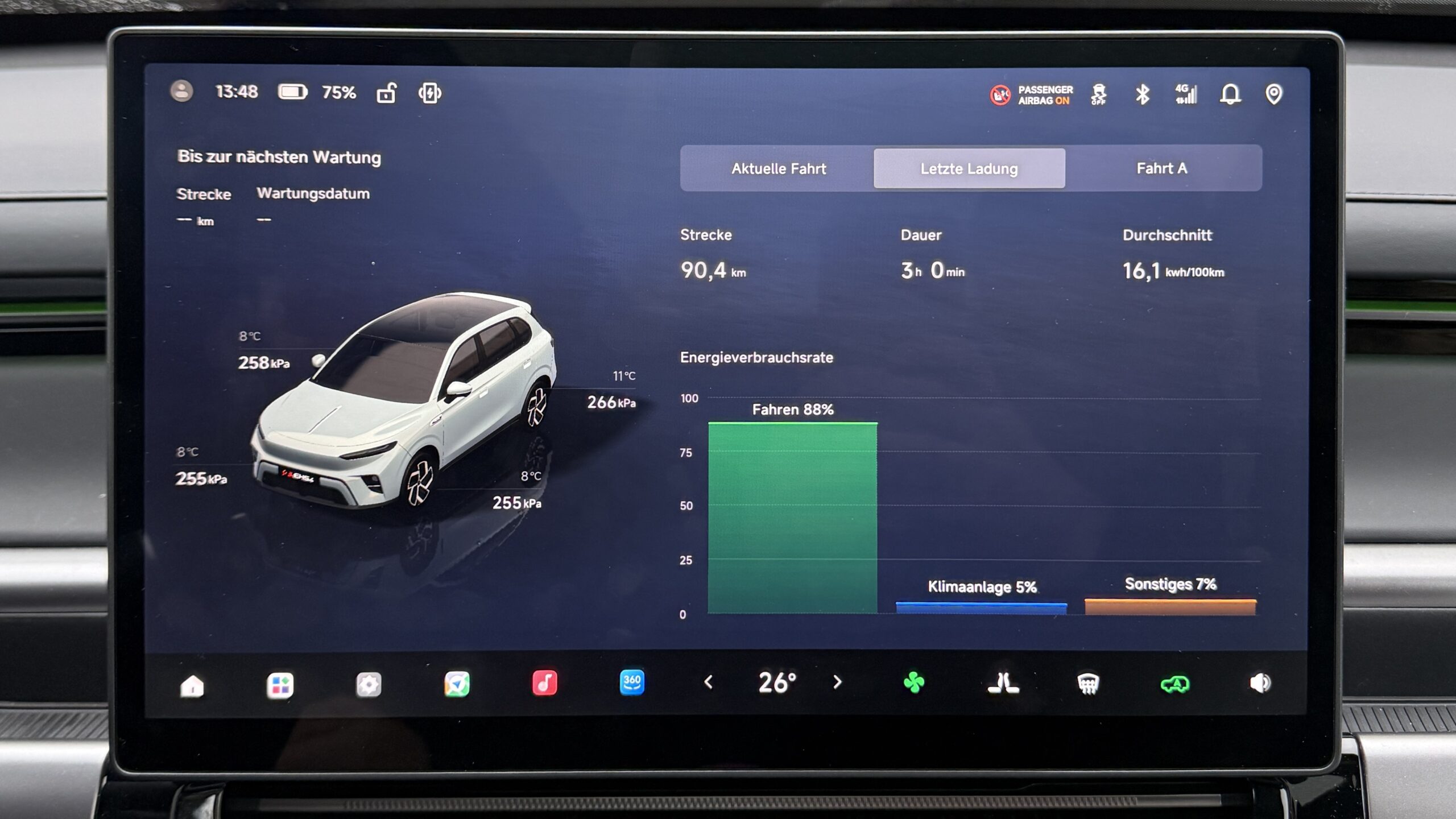
16,1 kWh pro 100 kilometers on our route
At the end of the hour, the EHS4 showed an average consumption of 16,1 kWh. pro 100 kilometers. Considering the amount of highway driving, that's an interesting initial figure. However, our test drive was too short to make a reliable statement about everyday range.
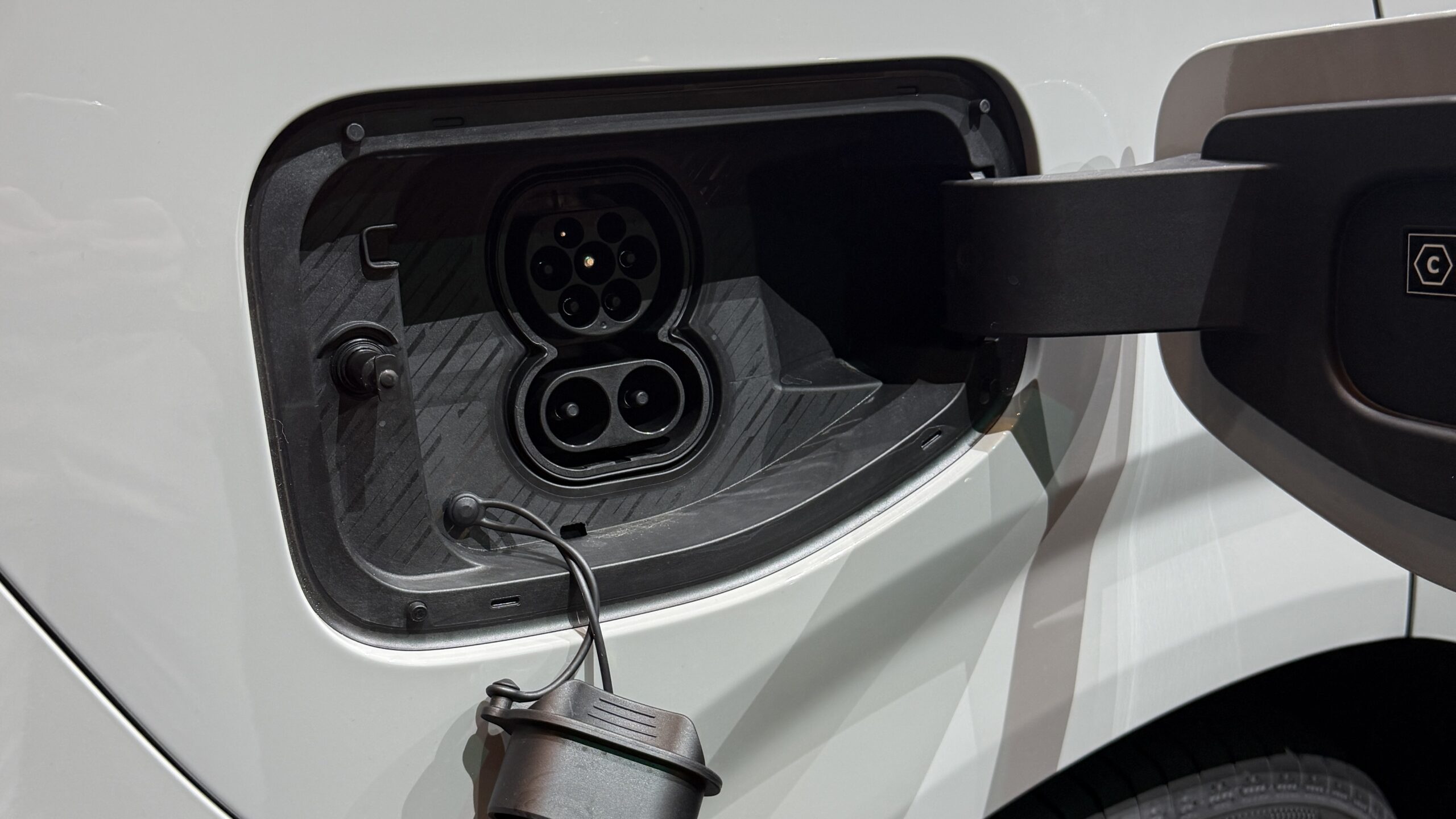
The lithium iron phosphate battery has a capacity of 68,7 kWh. Hongqi states a range of up to 470 kilometers according to WLTP. At a suitable fast-charging station, the EHS4 can charge at up to 178 kW. The manufacturer states a charging time of 18 minutes for a charge from 30 to 80 percent.
Prices and initial conclusion
In Italy, the EHS4 launches in two trim levels. The T1 is priced at €32.900 as part of the introductory offer, while the T2 is priced at €34.900. The regular Italian price list lists them at €35.900 and €37.900, respectively. At the event in spring 2027, a launch in other European markets was mentioned. Pricing and launch date for Germany are still to be determined.
For around €33.000, you can get an electric SUV in Italy that also offers decent space for rear passengers. What impressed me most on the first drive was how quiet it remained on the motorway. I would have liked a more direct response from the steering around the center position, and a bit more composure from the driver attention warning. And the 16,1 kWh pro 100 kilometers? That certainly makes one curious to see what the EHS4 can achieve on a longer distance with a single battery charge.
Many thanks to Hongqi for the invitation to Italy. This did not influence our opinion!