
Volvo ES90 review: Does the best sedan come from Sweden?
A TEST REPORT from Dominic Lux  on June 25, 2026, 8:00 am | Write a comment
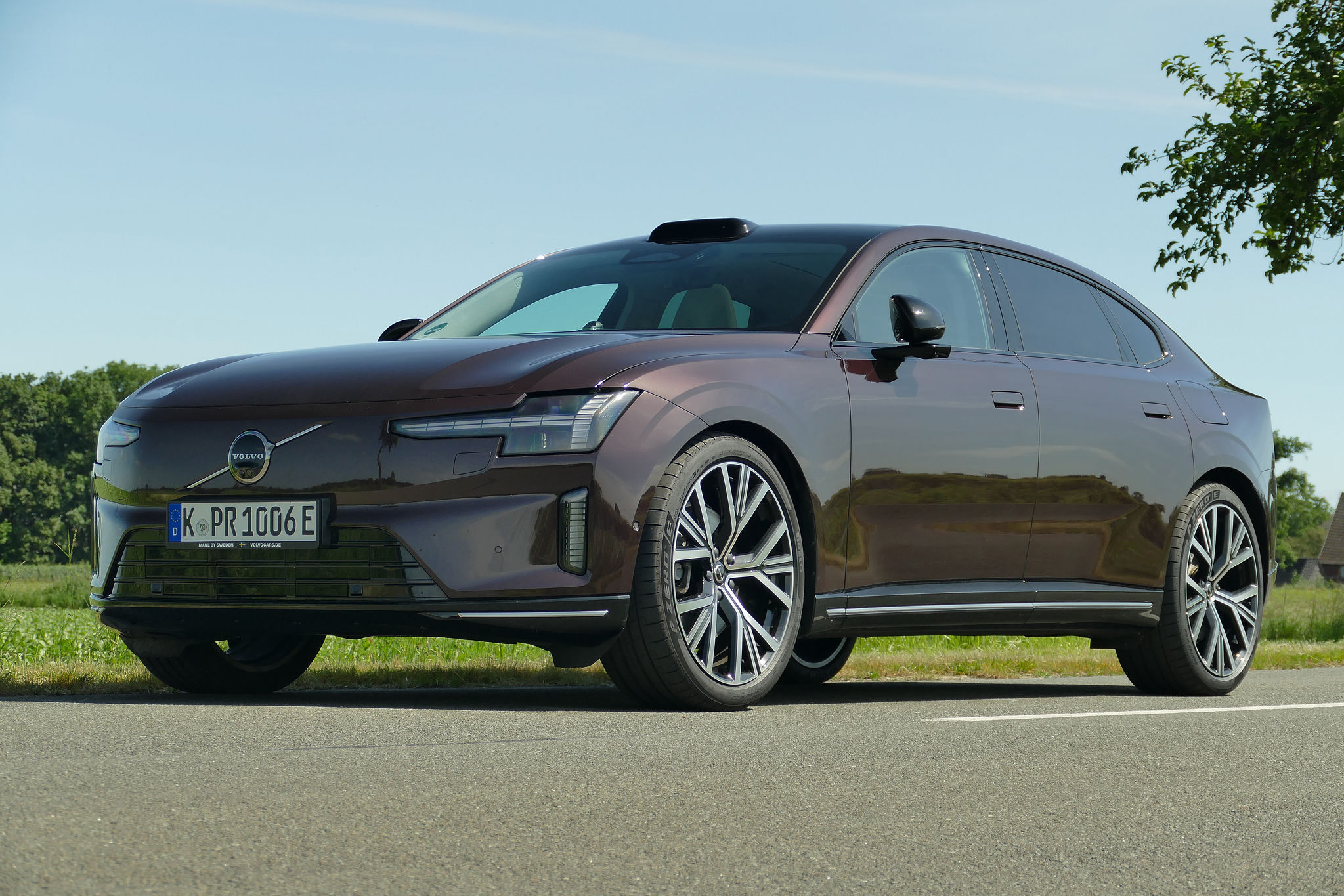
Electromobility is developing rapidly, and while many manufacturers in the luxury segment are opting for extravagant, almost polarizing designs, the Swedish automaker Volvo is taking a slightly different approach with its latest flagship. The Volvo ES90 enters the arena of electric luxury sedans and promises to bring the brand's classic virtues – safety, Scandinavian understatement, and outstanding comfort – into the age of 800-volt architectures.
The result speaks for itself and provides the perfect visual framework for a car that plays in the nearly €100.000 price range. Whether the powerful Swede can impress not only visually but also technically, and whether Volvo has learned from the initial software hurdles of the EX90, we will clarify in this detailed test report.
tl;dr: A real Volvo
The Volvo ES90 is an extremely stately electric sedan, almost five meters long and over 2,12 meters wide, that scores points with outstanding long-distance comfort and a gigantic amount of rear passenger space. The adaptive air suspension and the phenomenal Bowers & Wilkins sound system make it the ultimate highway cruiser. 245 kW (333 PS) The rear-wheel drive is perfectly adequate for even somewhat faster overtaking maneuvers. The biggest surprise, however, is its efficiency: with a real-world consumption of around 16 to 17 kWh per 100 kilometers, the 2,4-ton behemoth beats many competitors. Weaknesses, on the other hand, are revealed in the relatively small trunk volume of under 450 liters, the inherently disastrous visibility through the tiny rear window, and the fact that AC charging remains limited to 11 kW. Anyone with the necessary cash of around EUR 97.000 However, anyone who brings their own test vehicle will receive a nearly perfect touring vehicle.
Video reports: The driving impression
Design and exterior: Classic Volvo DNA in a bar-of-soap format
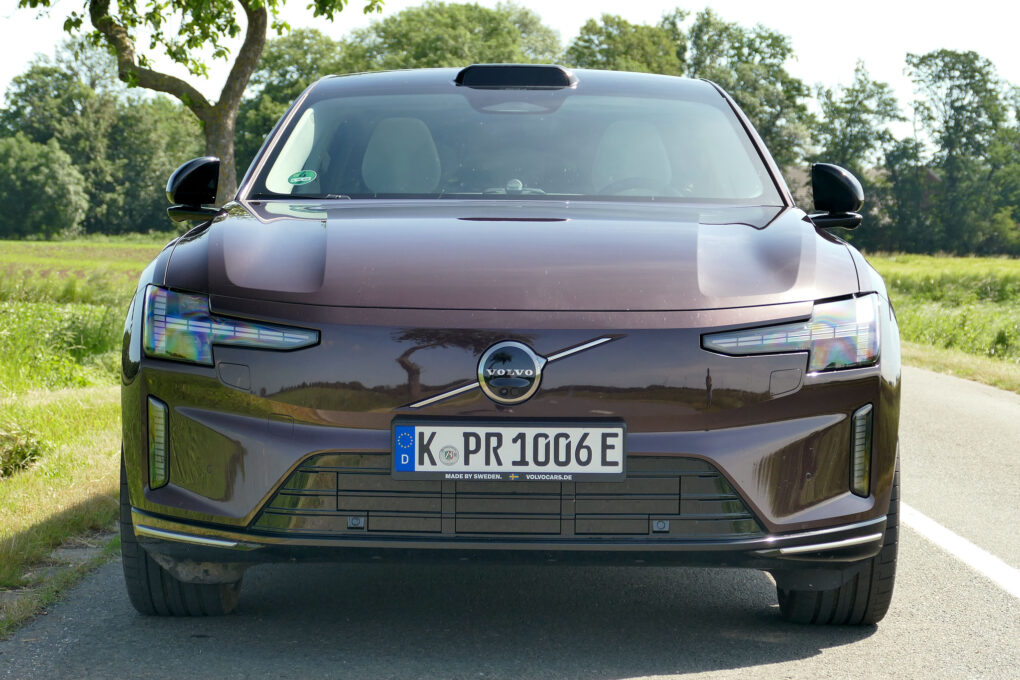
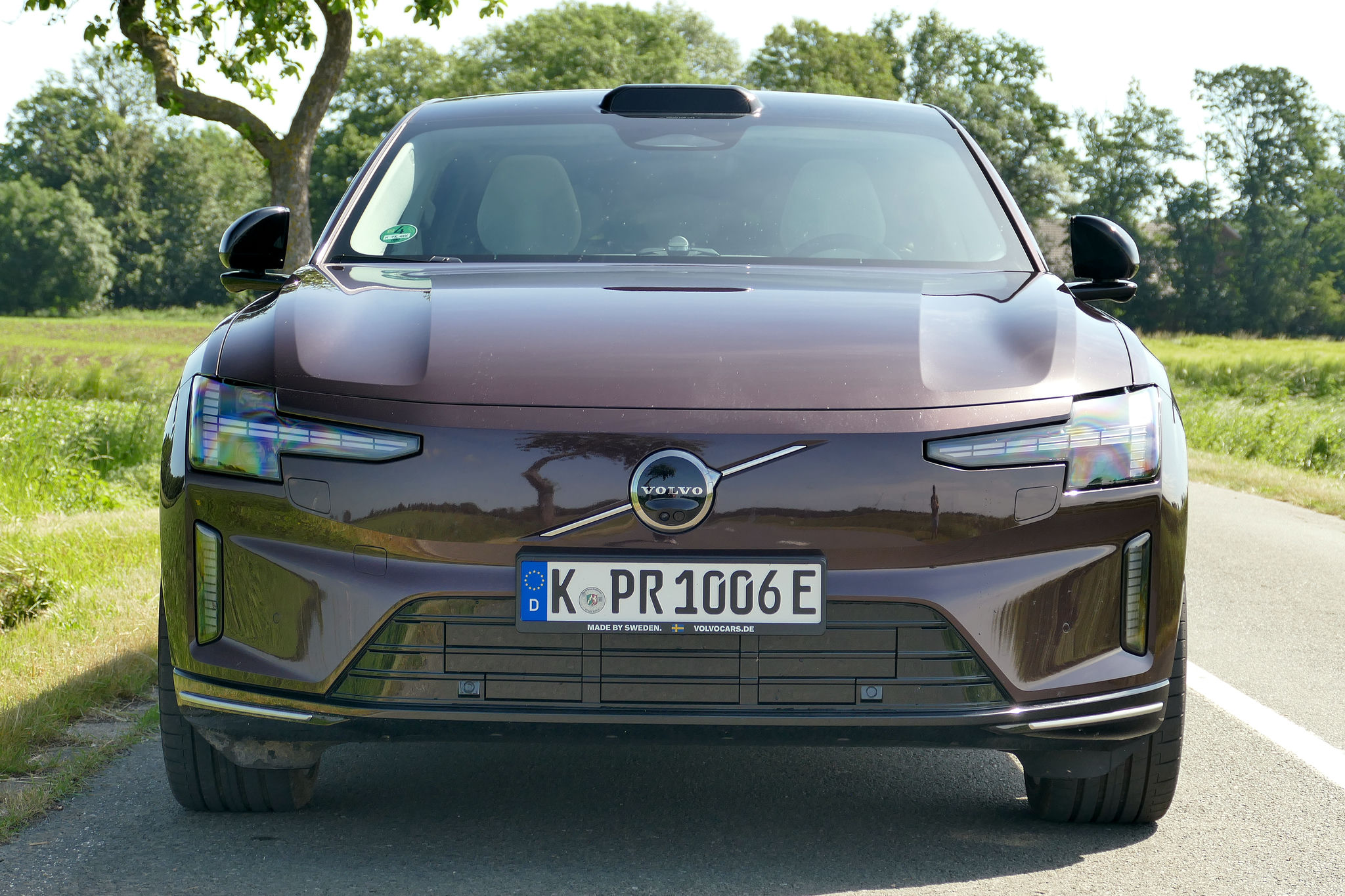
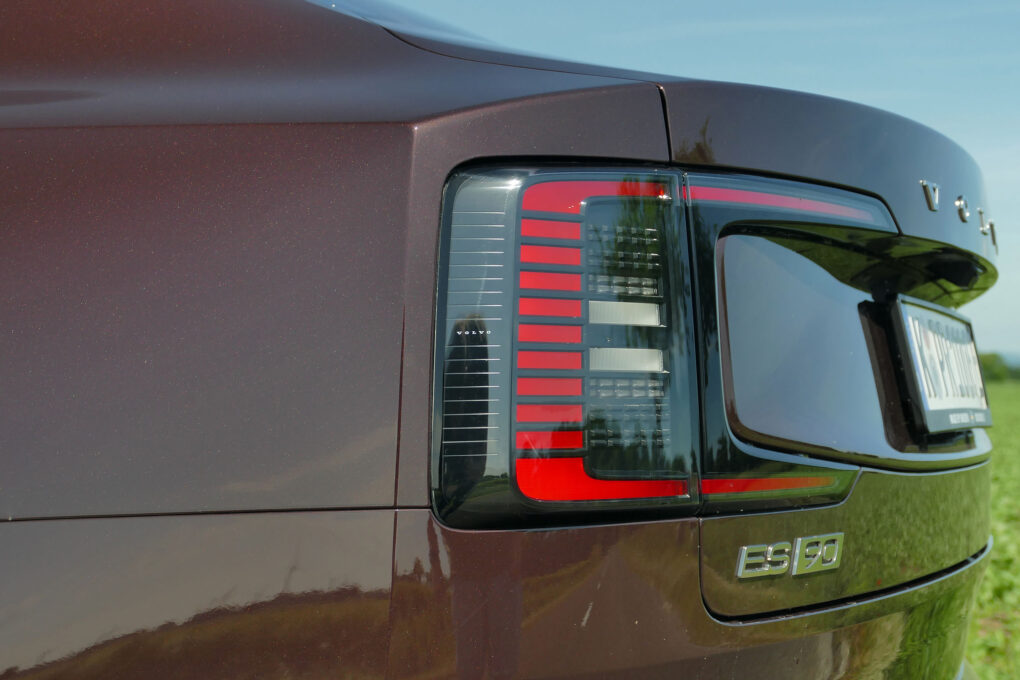
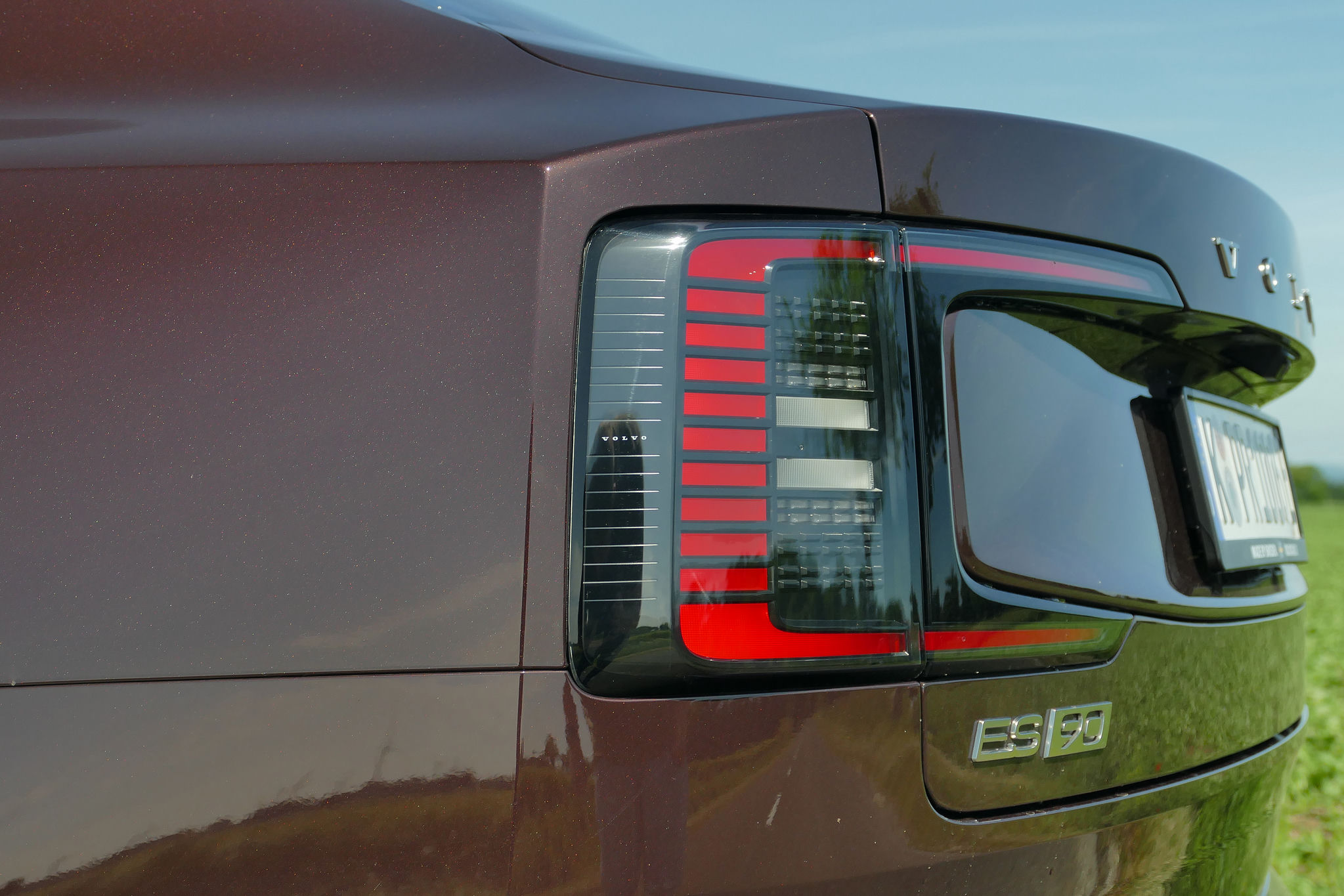
Standing before the ES90, several impressions immediately spring to mind. First and foremost, this vehicle exudes classic Volvo design language from every pore, a definite plus in today's world of often overly styled electric cars. The front is dominated by the striking, iconic "Thor's Hammer" headlights, which perfectly frame the closed grille design. The light signature is particularly interesting: while the lower pixel lights function as daytime running lights while driving, the upper lights, due to European regulations, are only permitted to illuminate as a welcome and leaving animation, as they are positioned too far from the main light source.
-
- Picture: TechnikNews
-
- Picture: TechnikNews
-
- Picture: TechnikNews
-
- Picture: TechnikNews
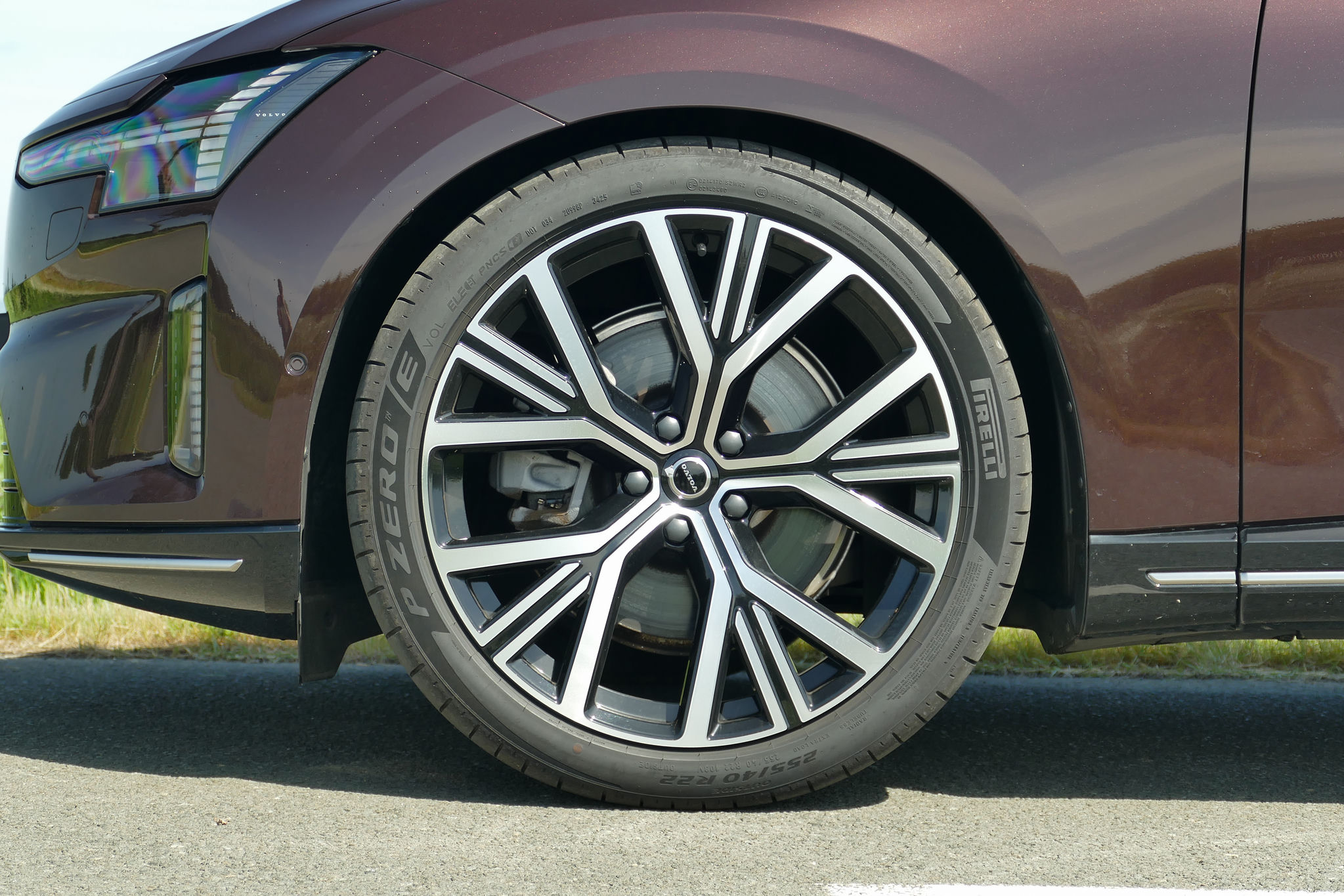
-
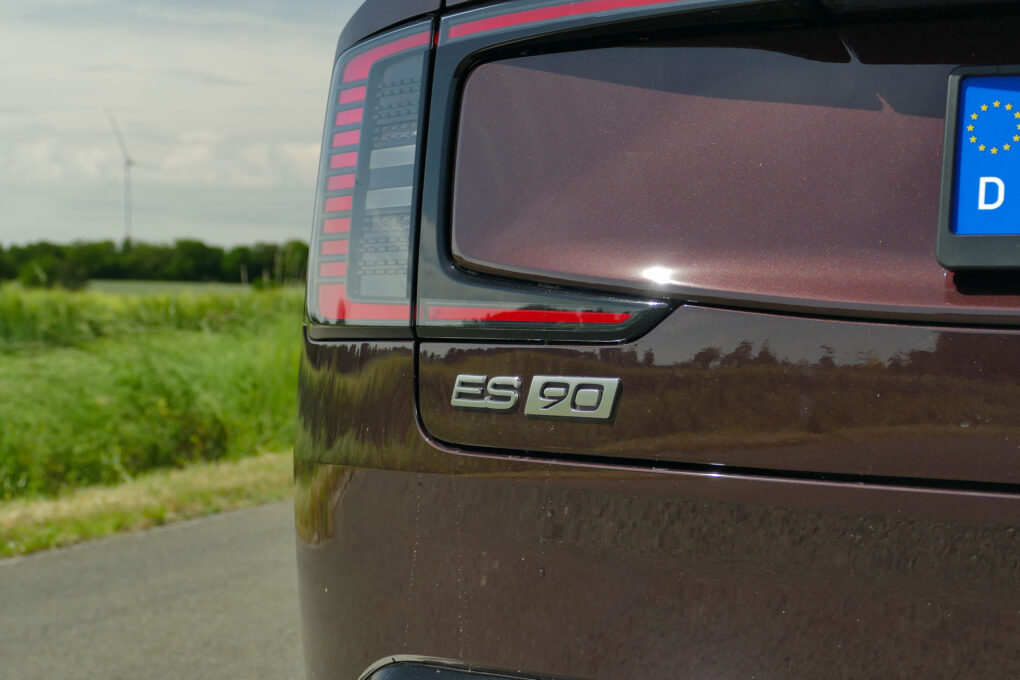
- Picture: TechnikNews
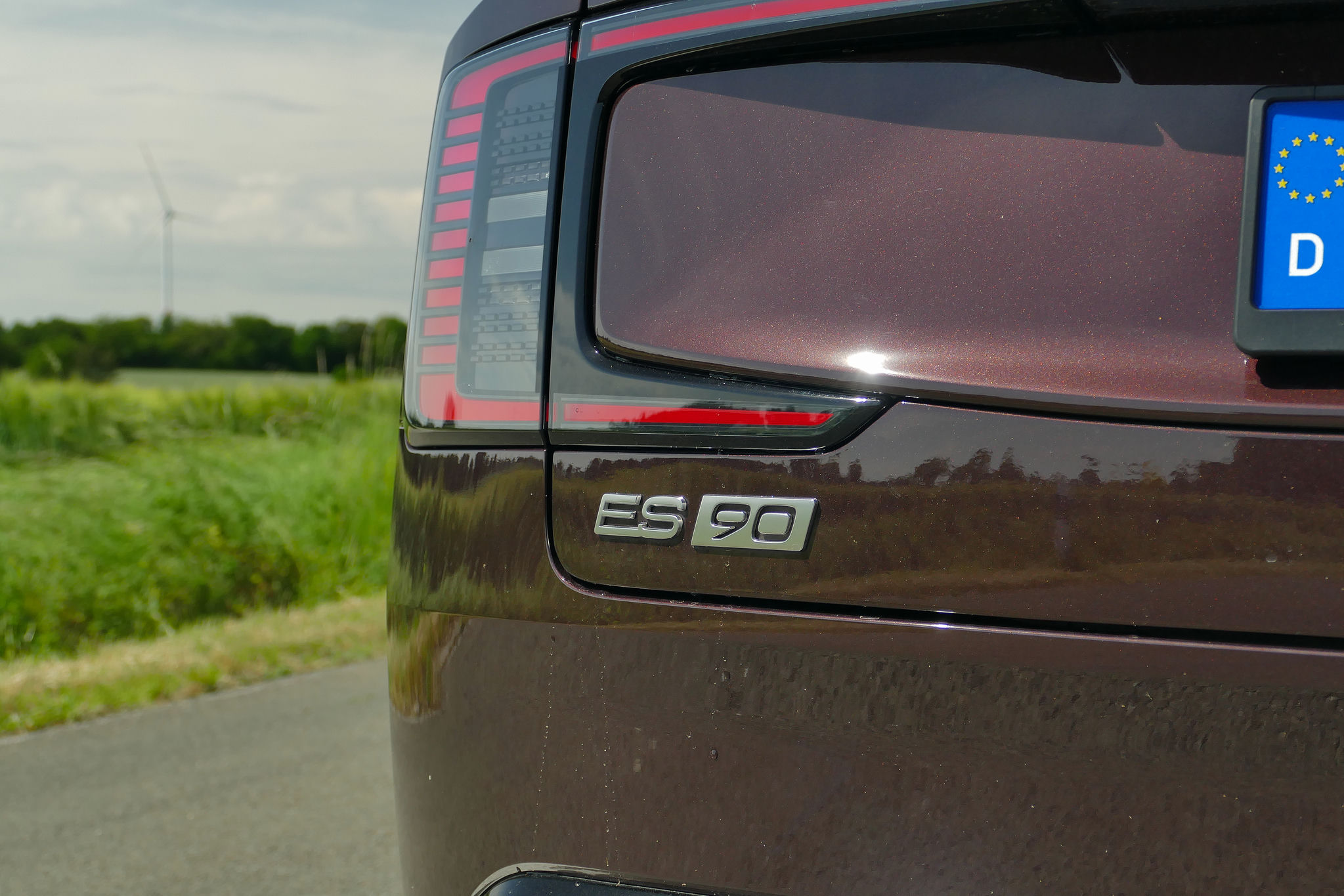
-
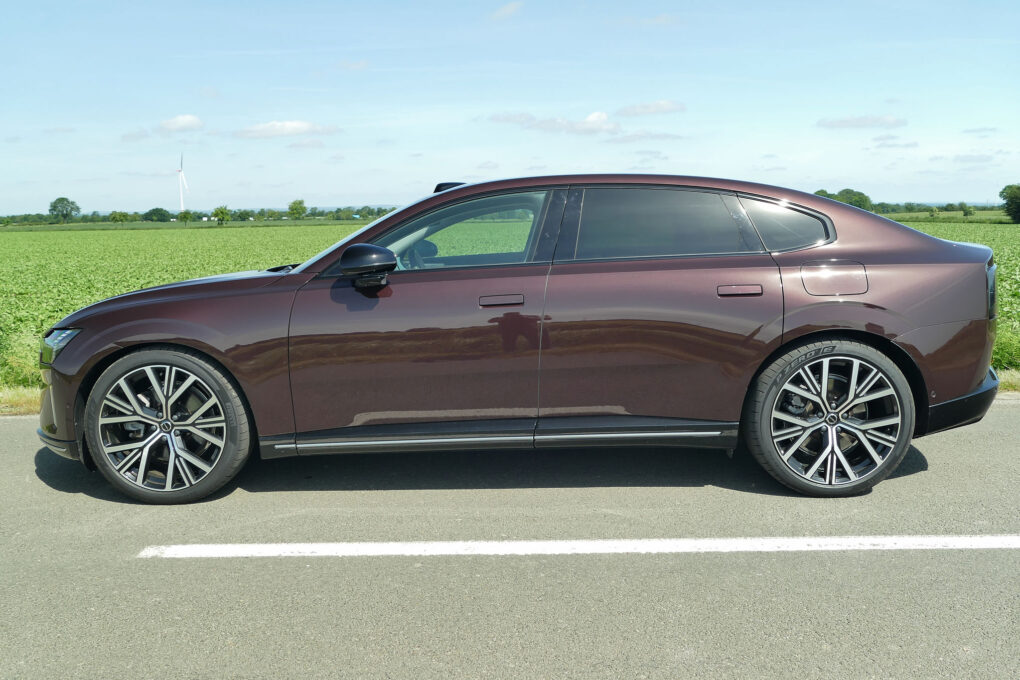
- Picture: TechnikNews
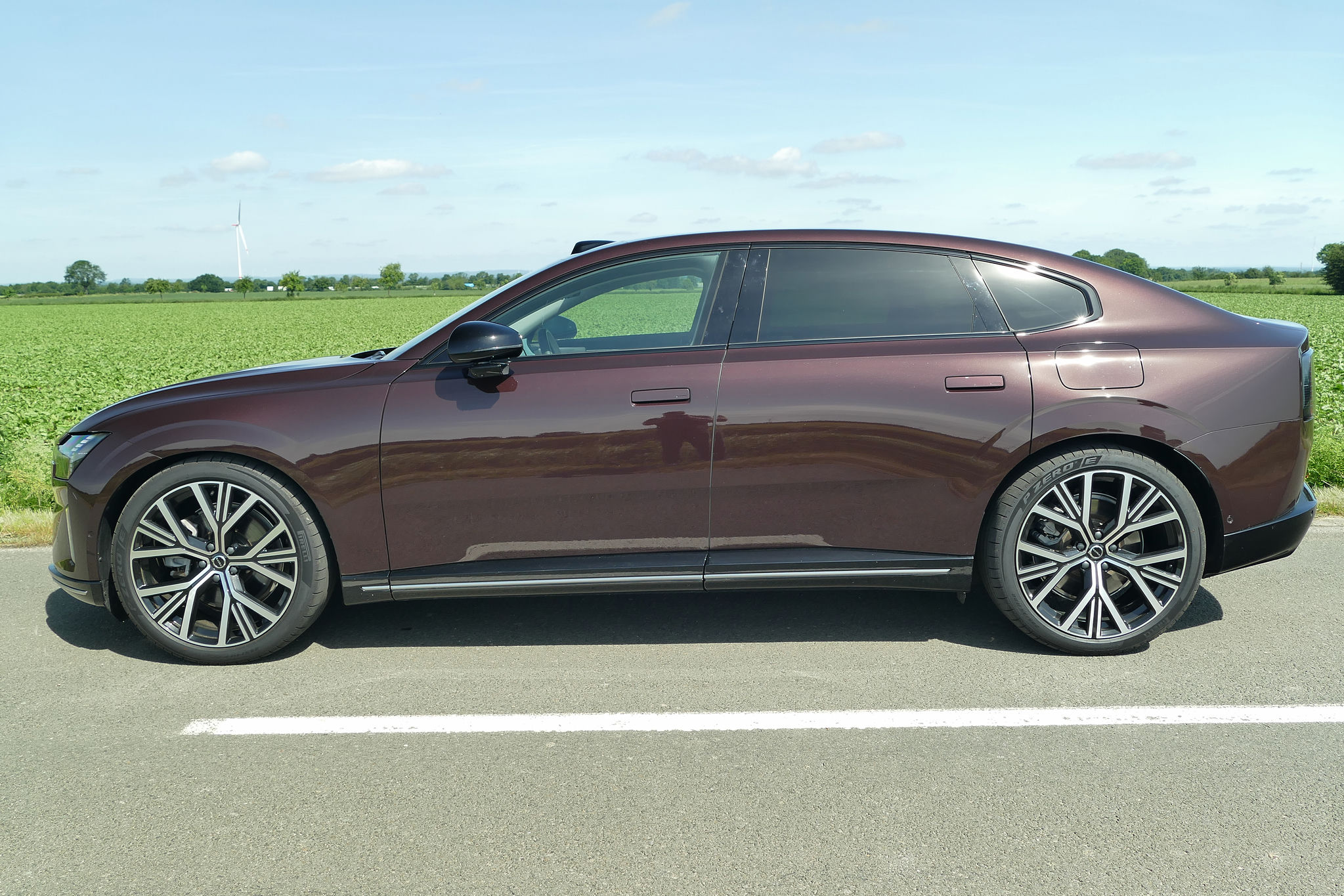
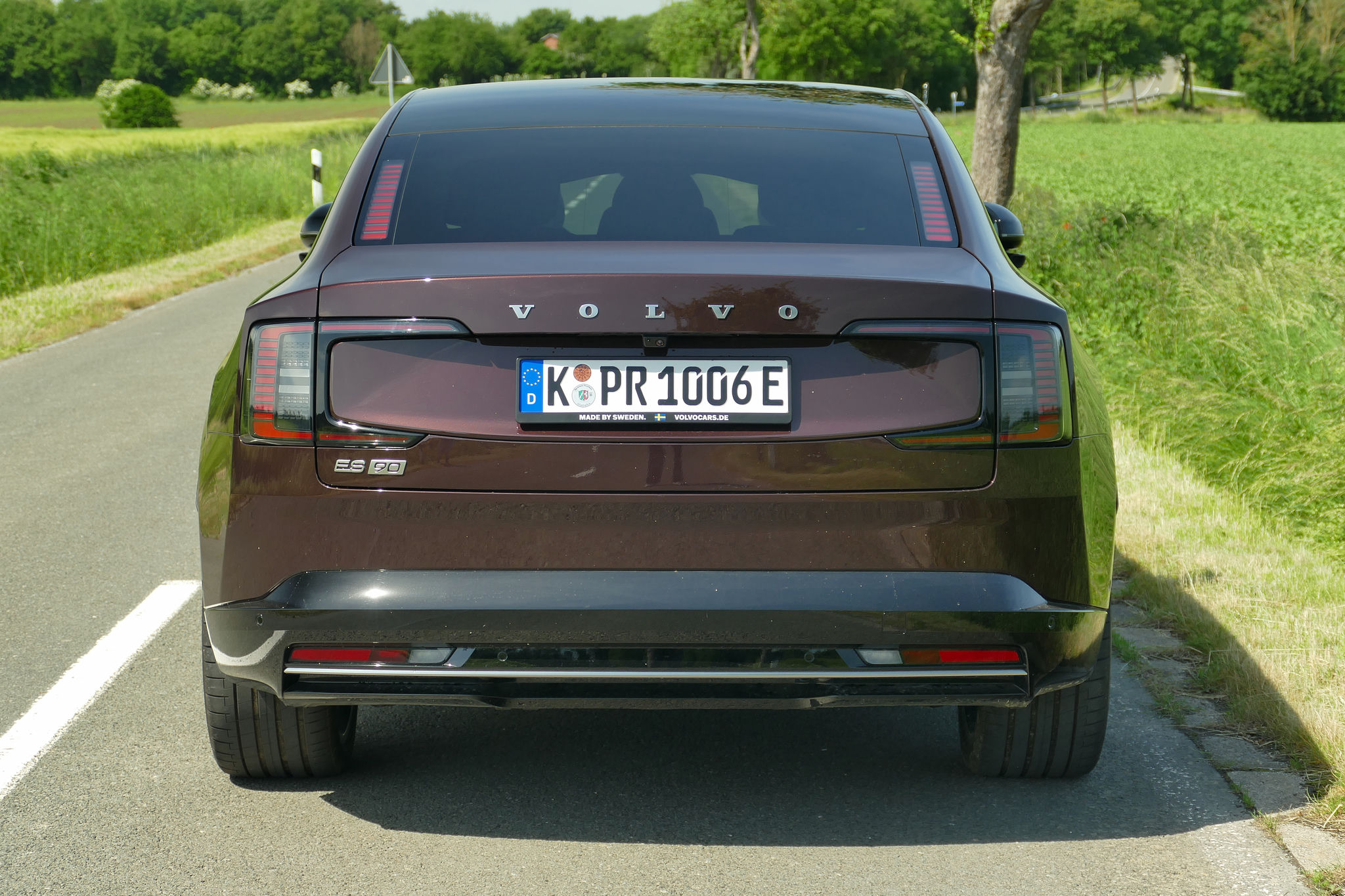
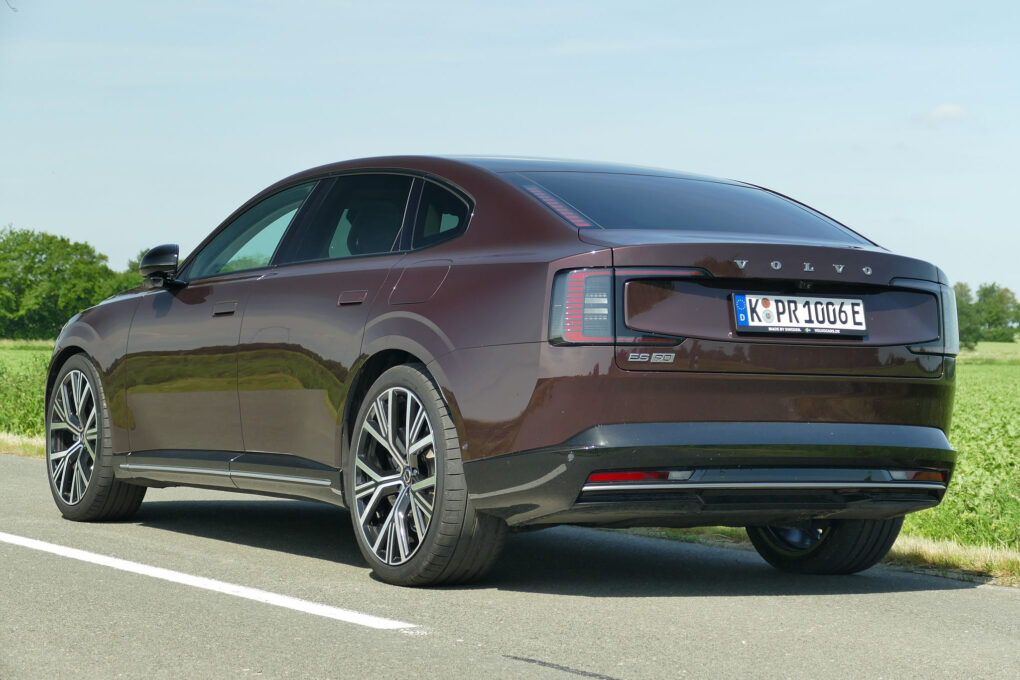
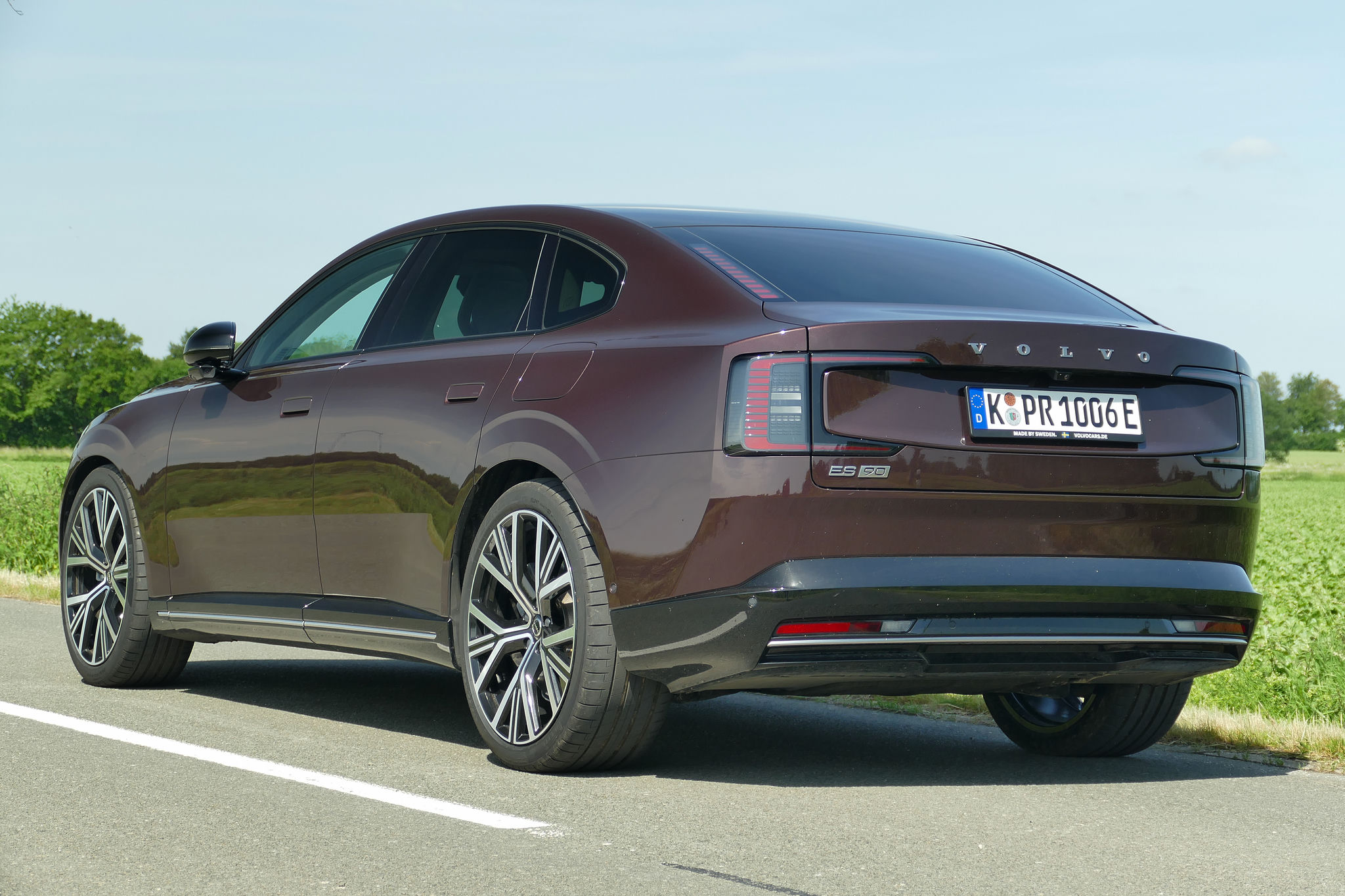
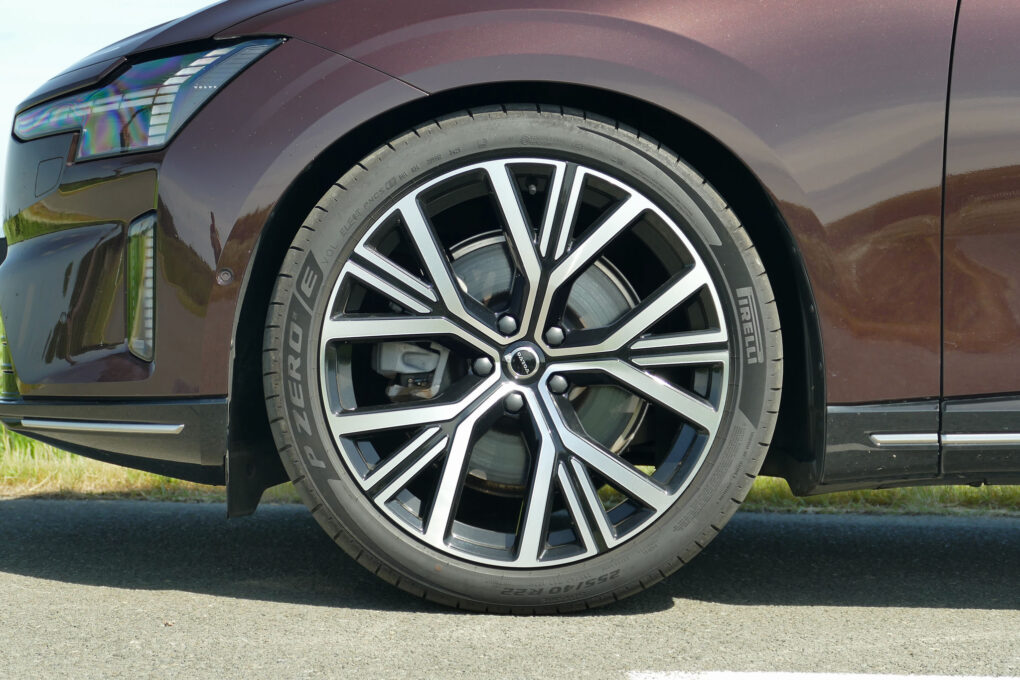
At nearly five meters long and a proud 2,12 meters wide, including its frameless, elegantly designed side mirrors, the ES90 has an extremely imposing presence on the road. The Mulberry Red paintwork further enhances this effect. Depending on the light, the color shifts between a deep, sophisticated wine red in direct sunlight and a subtle black under cloudy skies. Gone are the days when Volvos were ridiculed as boxy "hearses." The ES90 is as aerodynamic as a bar of soap, yet simultaneously boasts proportions that are almost reminiscent of an SUV coupé. The body sits relatively high for a sedan, which, curiously, even prompts Volvo to specify an official wading depth for the vehicle. This underscores the robust, slightly high-riding character that clearly distinguishes the ES90 from its lower-slung competitors on the road.
Trunk space and practicality: Sedan-Compromiss
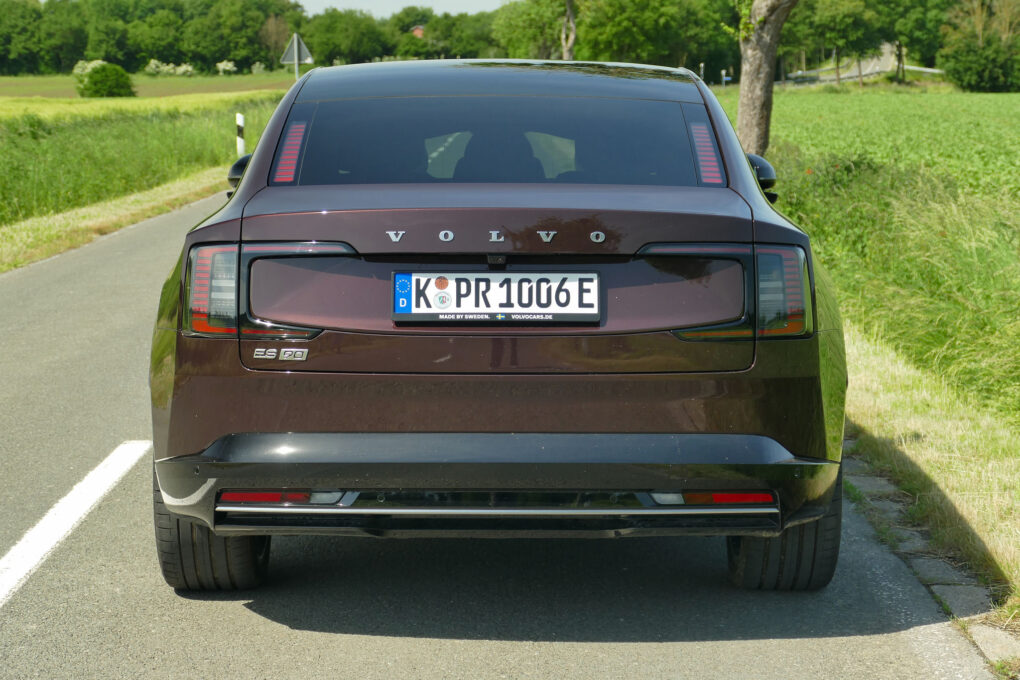
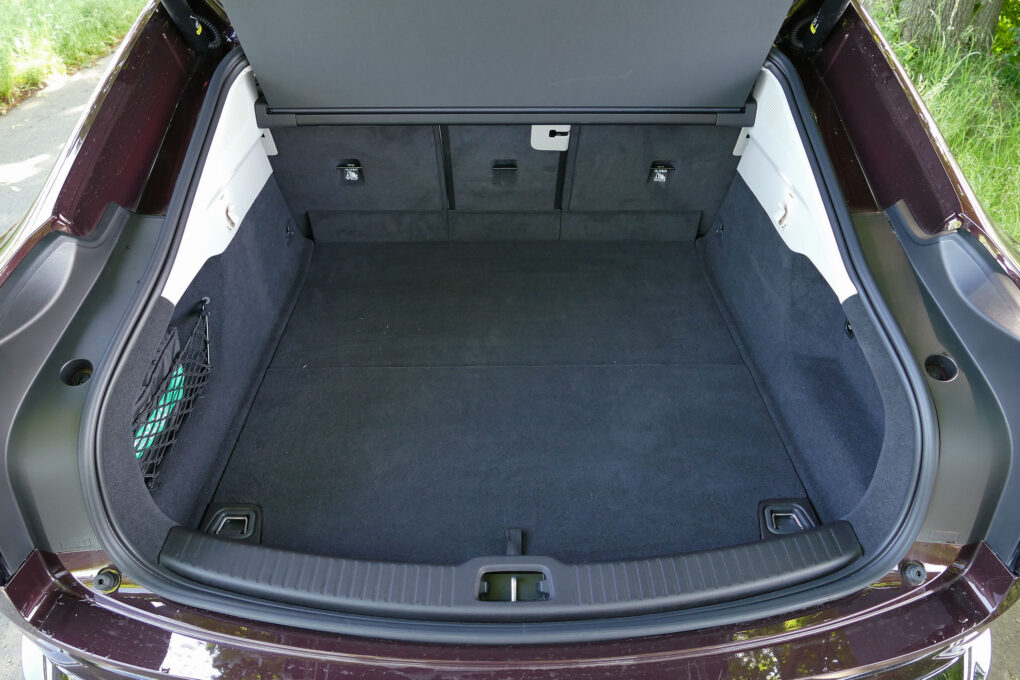
Anyone who traditionally associates Volvo with enormous station wagon cargo spaces will have to rethink their expectations with the ES90. Opening the tailgate doesn't reveal a wide-opening hatchback opening, but rather a classic, relatively narrow sedan-style opening. With a volume of just under 450 liters in its normal configuration, the Swedish car doesn't break any records. Folding down the rear seats, which is thankfully possible in this vehicle class, increases the space to 1.200 liters. However, this could quickly become cramped for a multi-week family vacation, inevitably raising hopes for a future, all-electric EV90 station wagon.
-
- Picture: TechnikNews
-
- Picture: TechnikNews
-
- Picture: TechnikNews
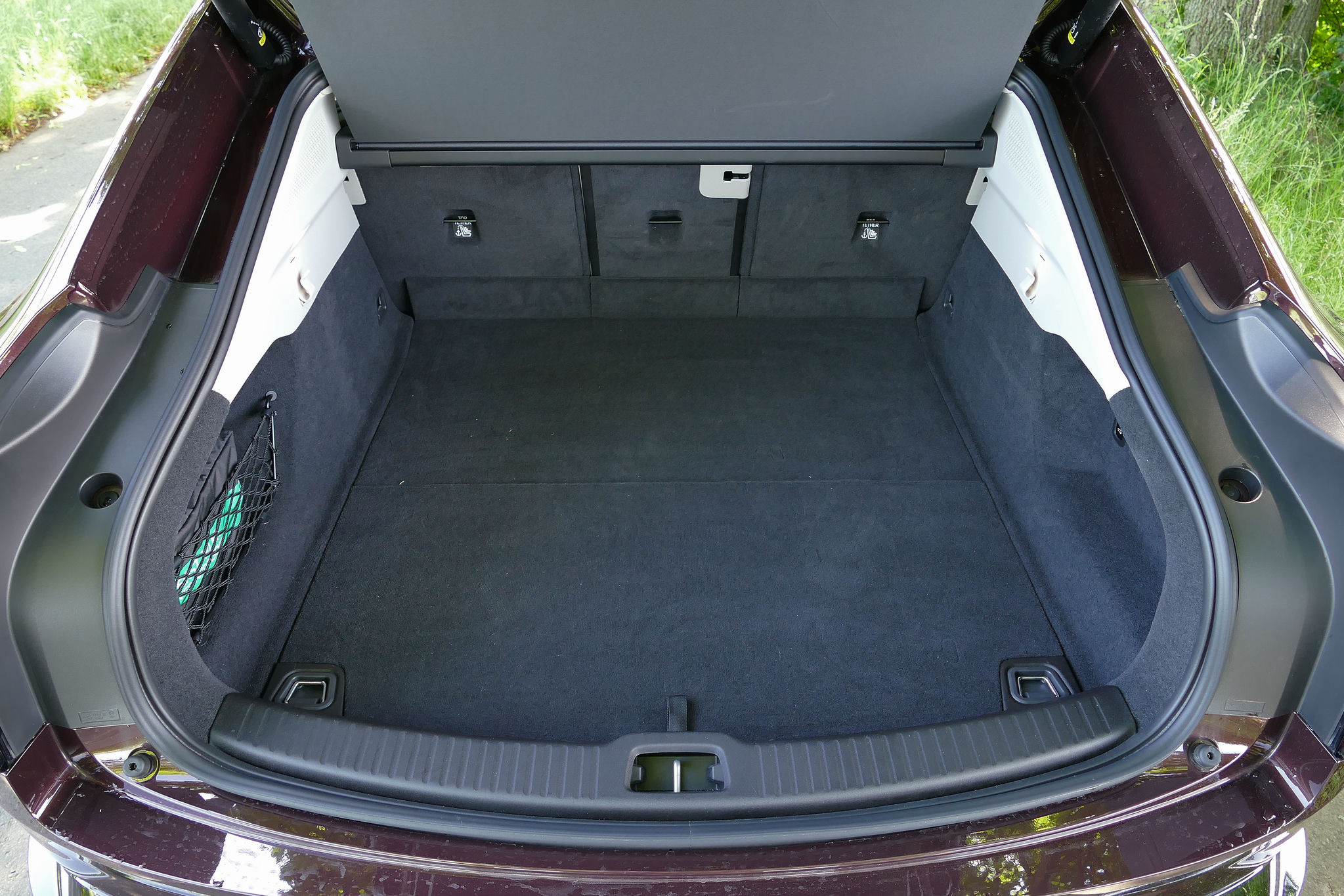
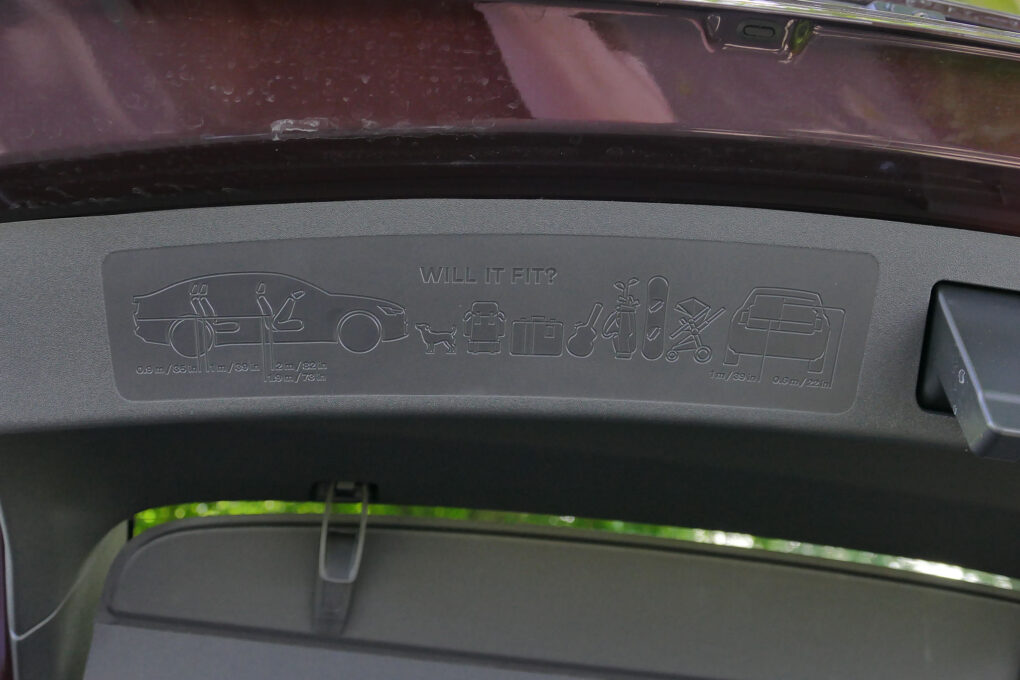
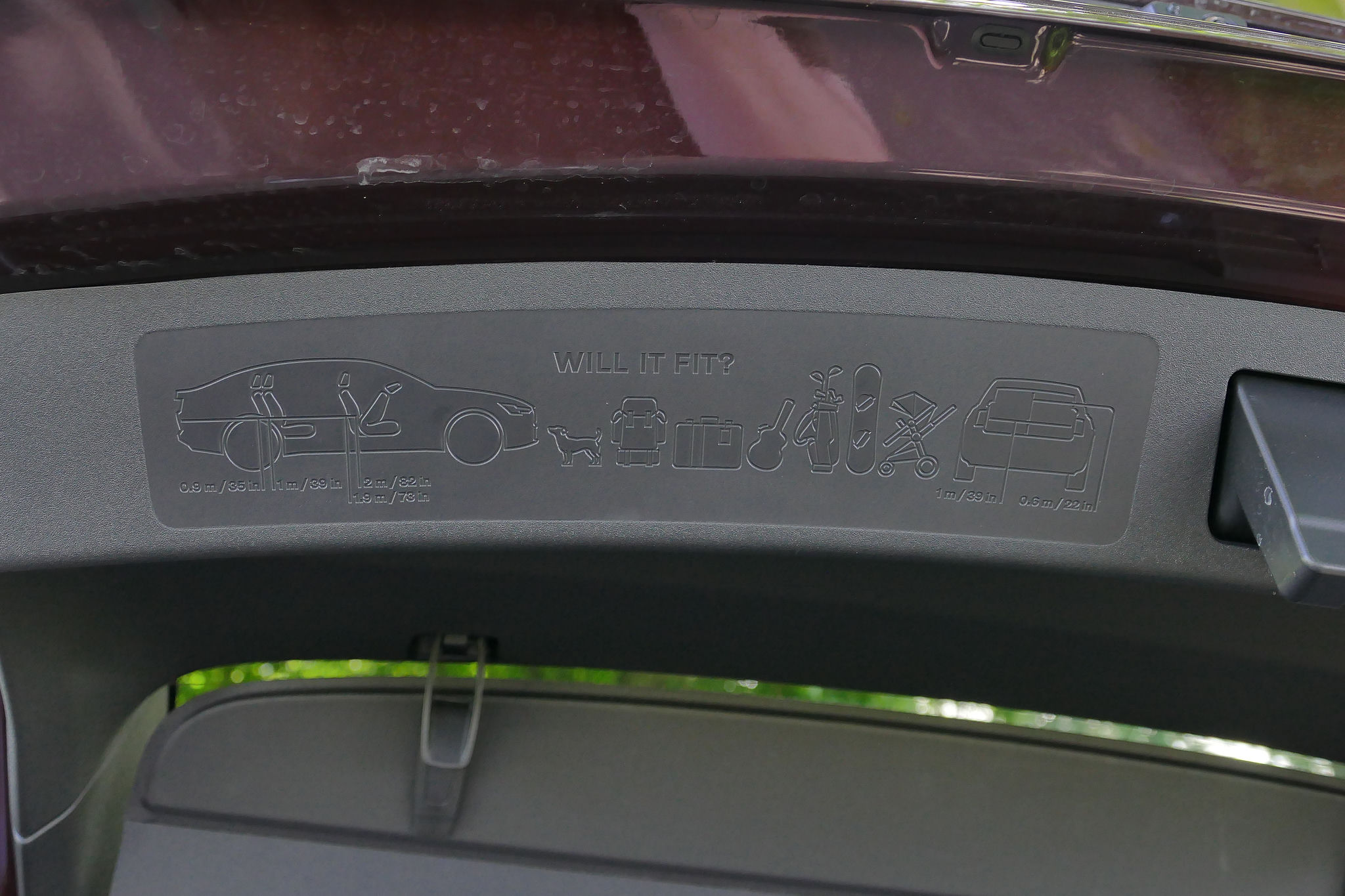
Nevertheless, Volvo has integrated smart features to enhance practicality. On the inside of the tailgate, you'll find the "Will it fit?" motif, already familiar from the EX30, which humorously and graphically illustrates exactly which items will fit in the trunk. Another clever detail is hidden next to the 12-volt socket in the luggage compartment. Those who have ordered the optional air suspension can significantly lower the rear of the vehicle at the touch of a button. This transforms the car almost into a lowrider, with the wheels tucked deep into the wheel wells. This function considerably lowers the loading sill, making it much easier on the back to load heavy crates of drinks or luggage.
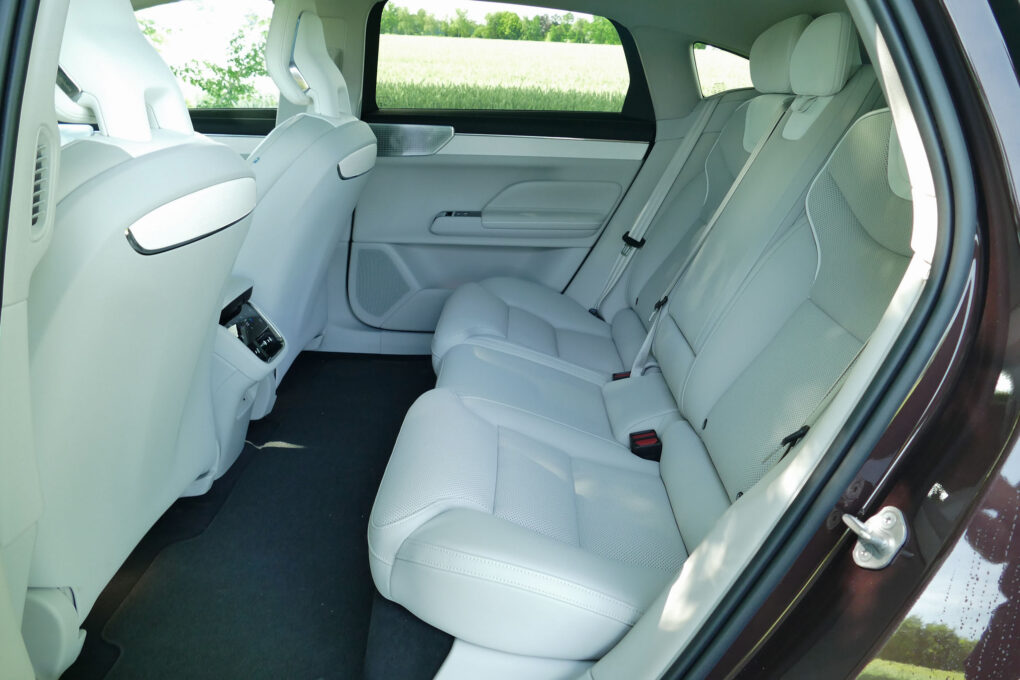
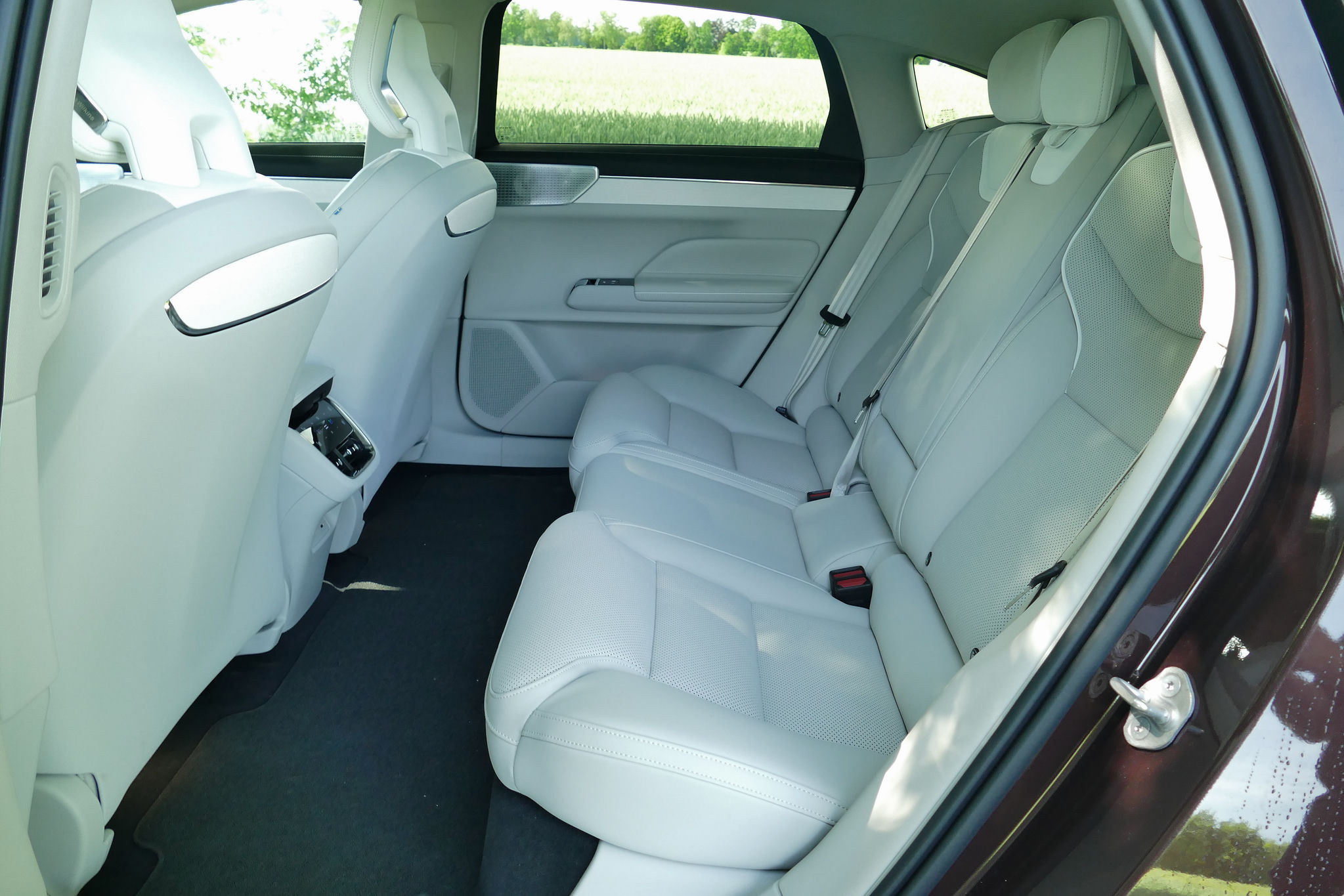
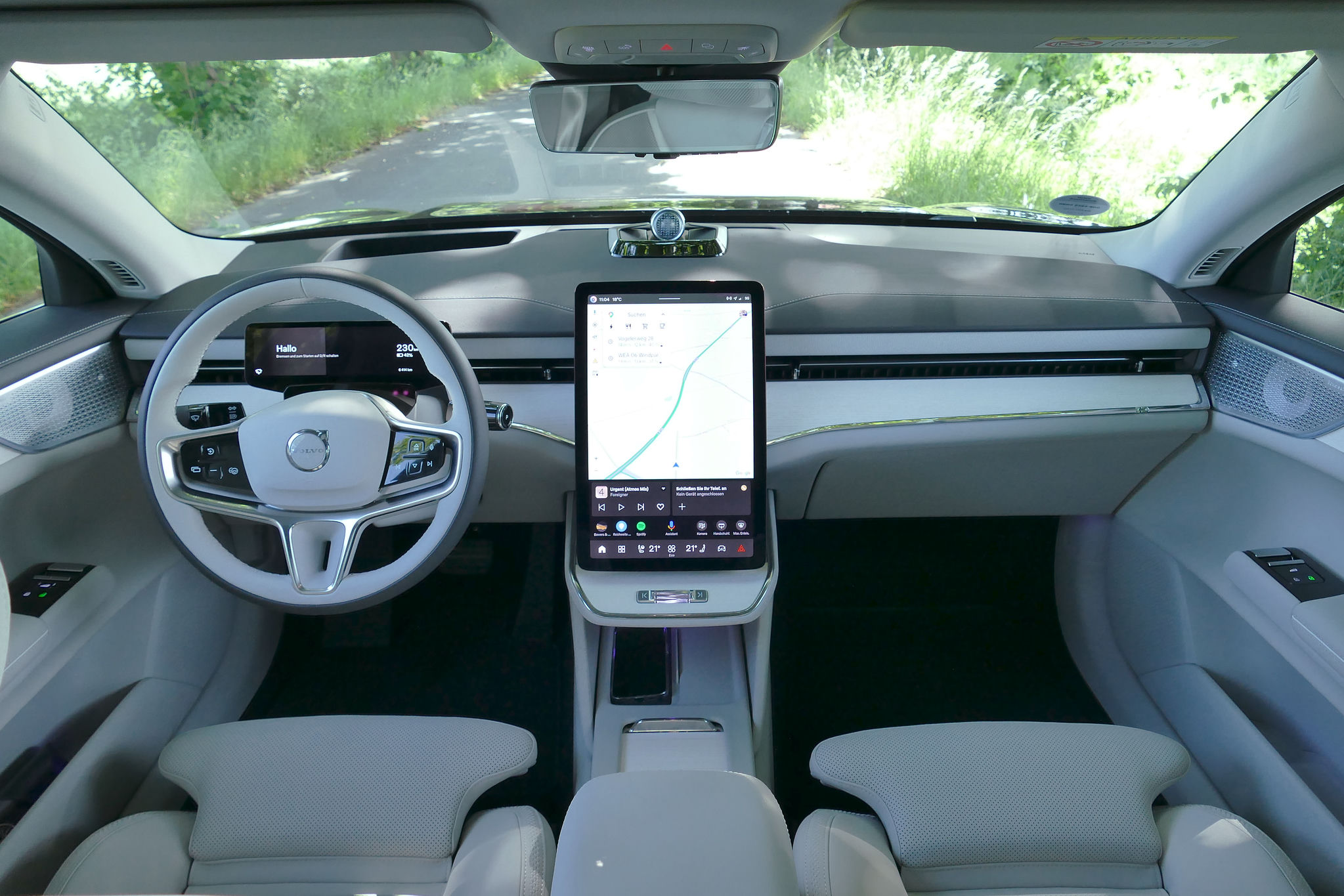
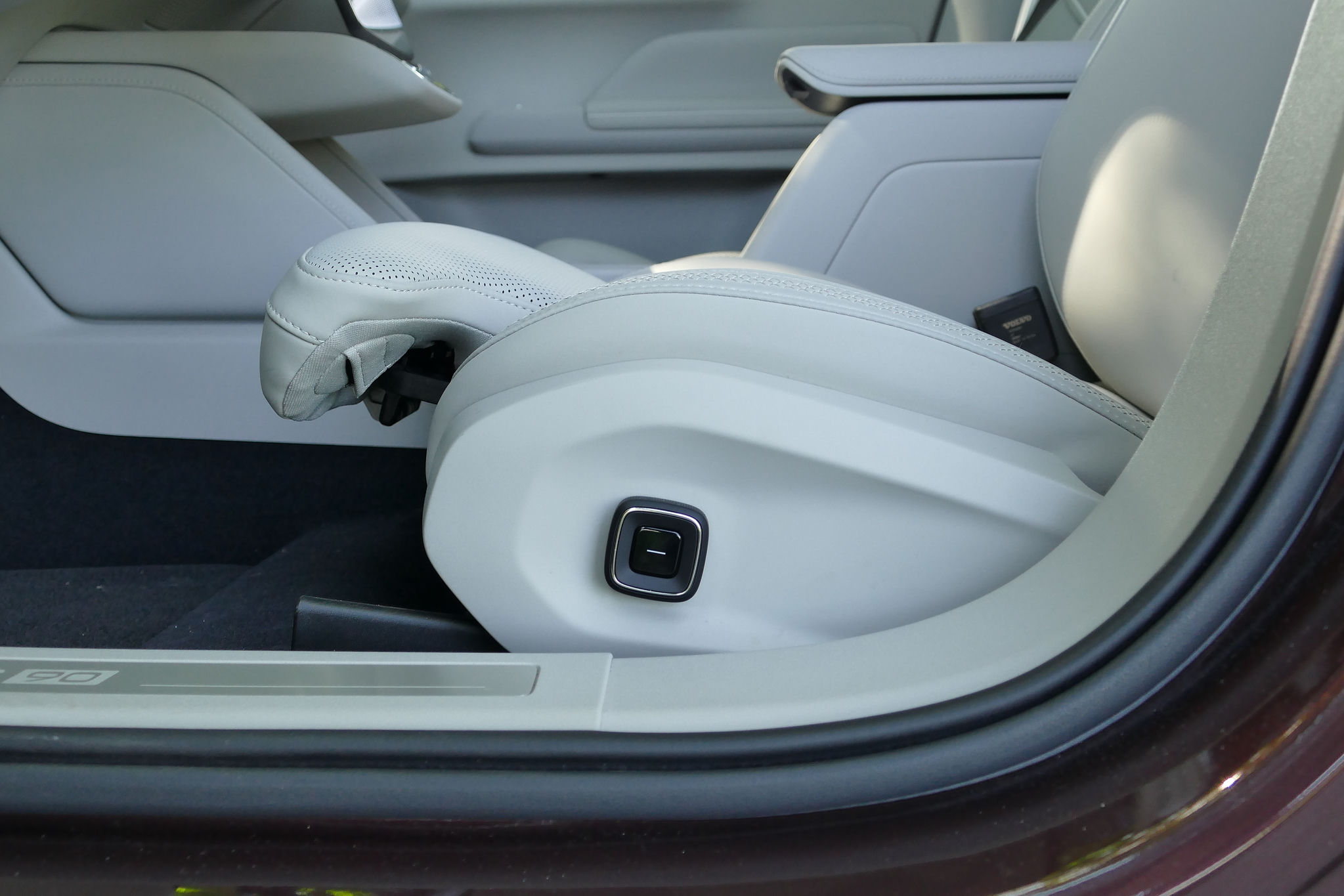
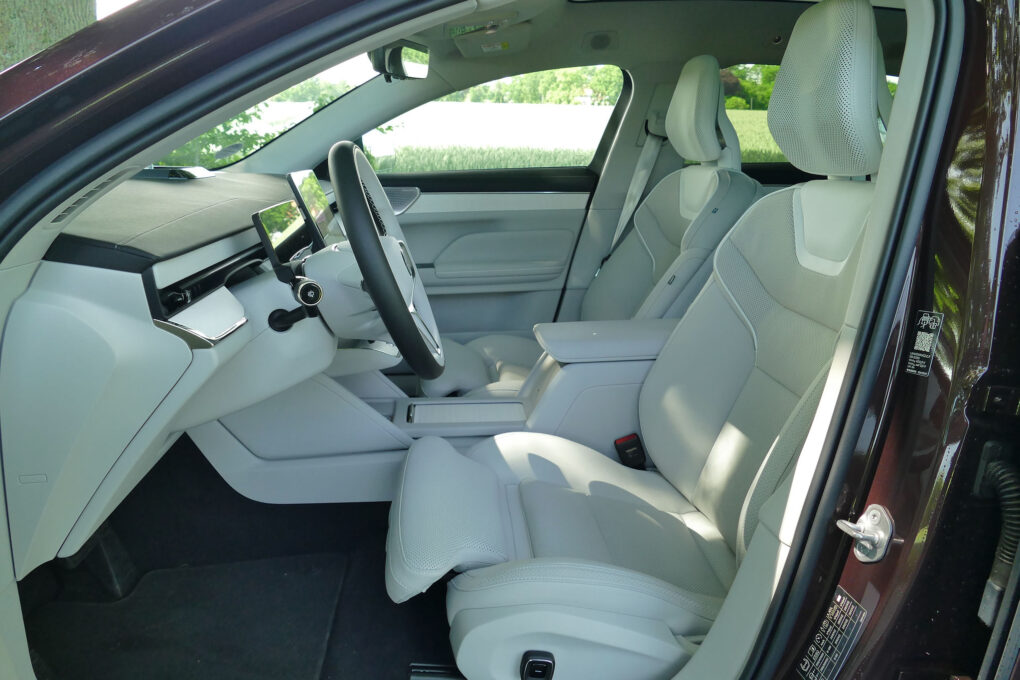
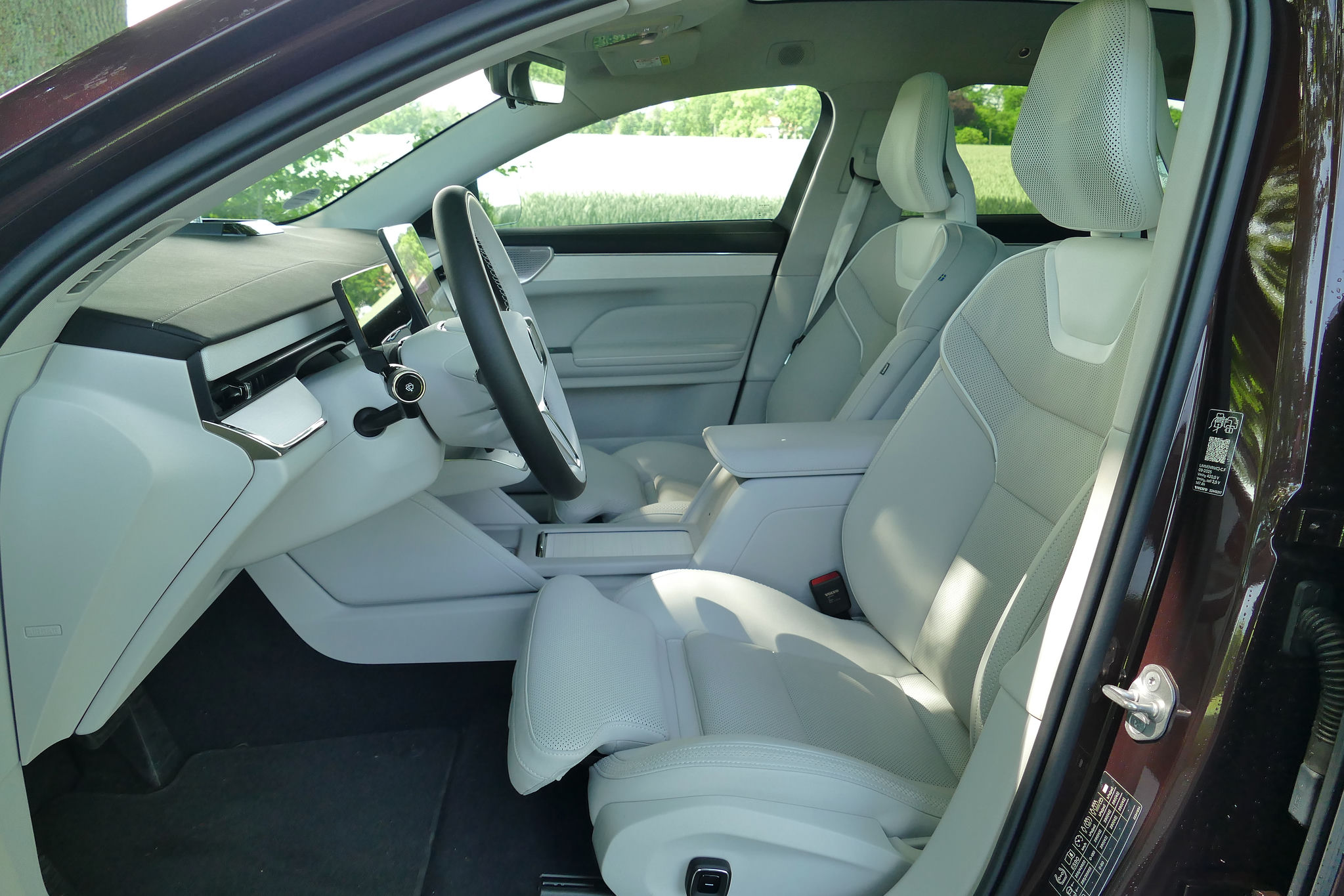
Stepping into the ES90's interior, you're immediately enveloped in the typical Scandinavian feel-good ambiance. Everything is bright, welcoming, and finished with the highest quality vegan materials and genuine wood trim. The rear compartment, in particular, resembles a spacious lounge. Legroom in the back is simply exceptional. Even with the driver's seat adjusted for someone 1,80 meters tall, rear passengers can comfortably stretch their legs and even find a veritable "garage" for their feet under the front seats. A separate multi-zone climate control system, heated seats, and even ventilated seats further enhance the comfort in the rear. Despite the sloping roofline, headroom under the dimmable panoramic glass roof is also generous.
-
- Picture: TechnikNews
-
- Picture: TechnikNews
-
- Picture: TechnikNews
-
- Picture: TechnikNews
-
- Picture: TechnikNews
-
- Picture: TechnikNews
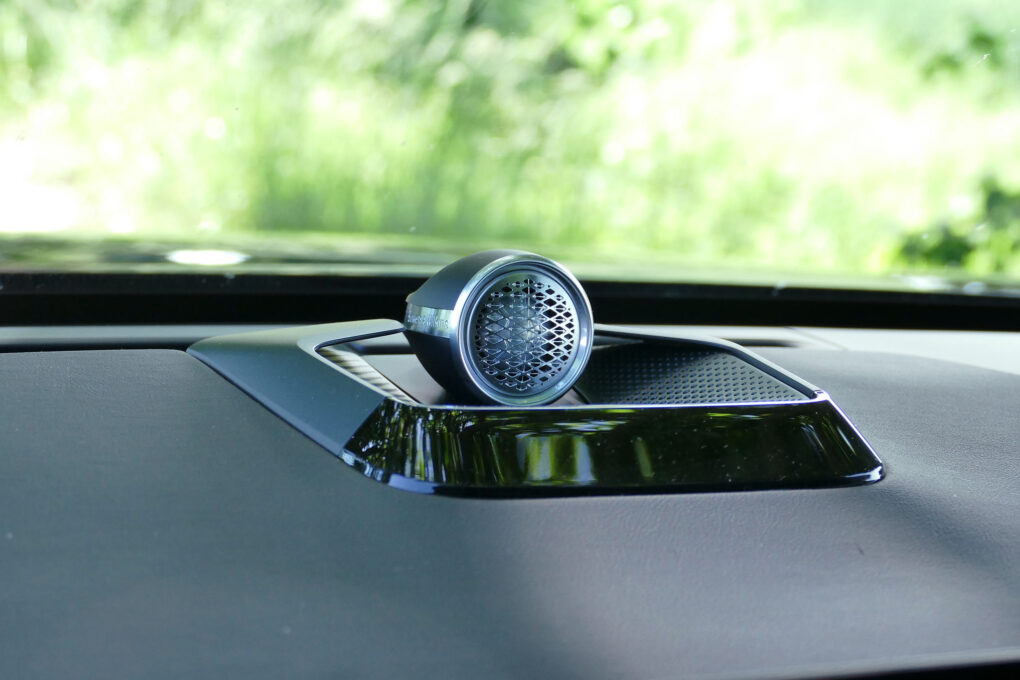
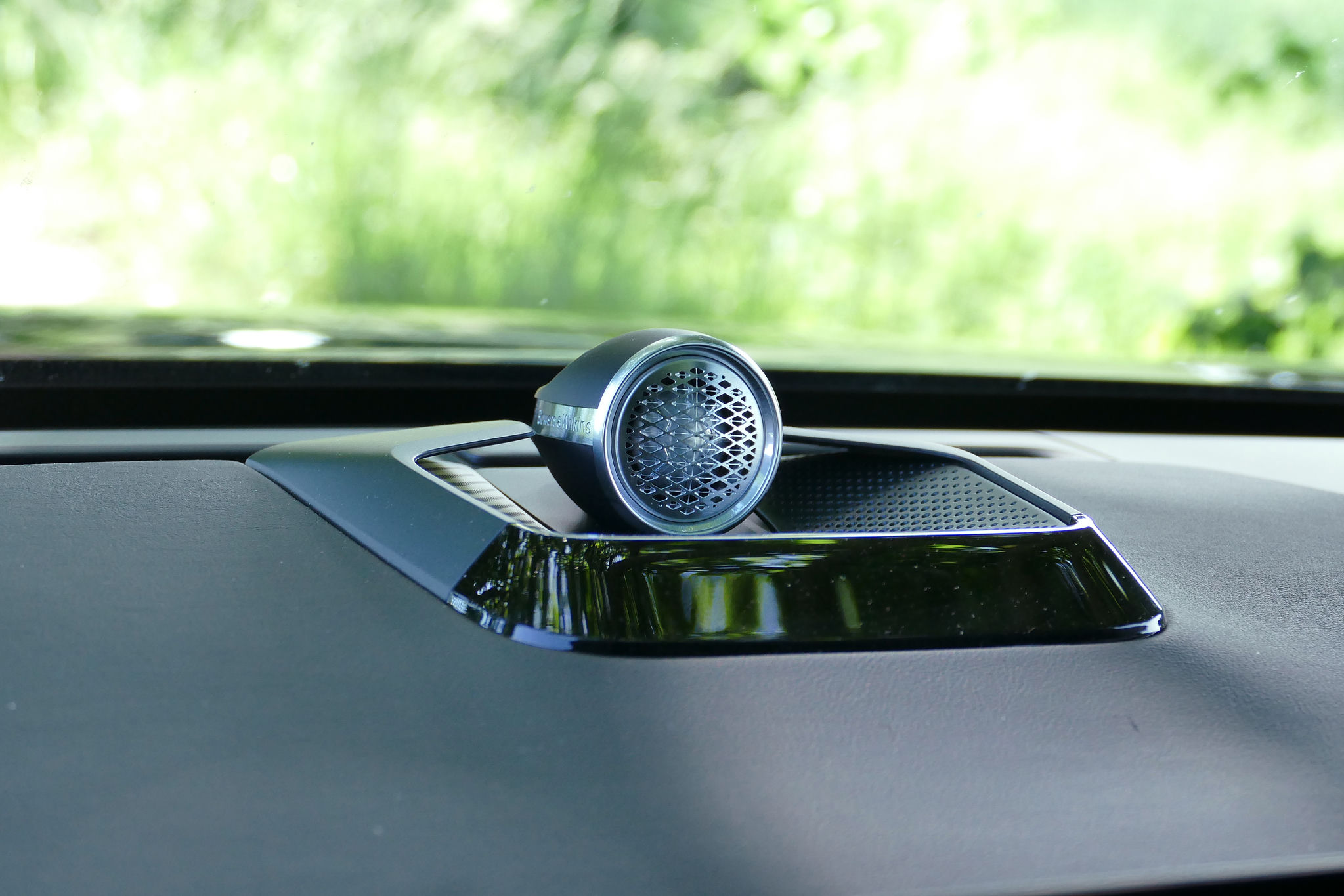
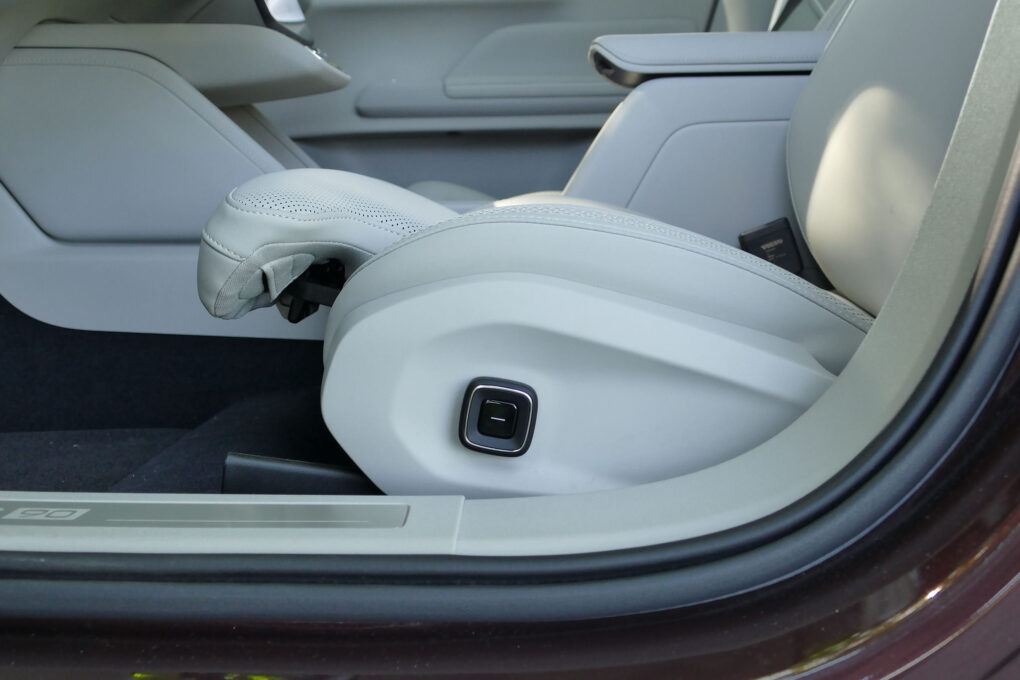
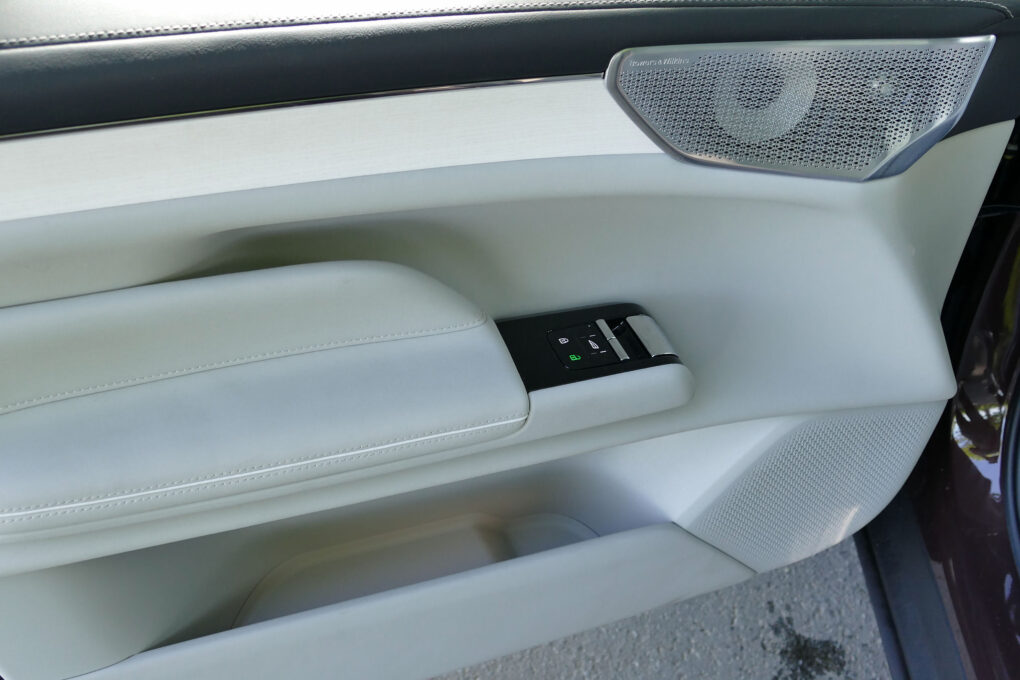
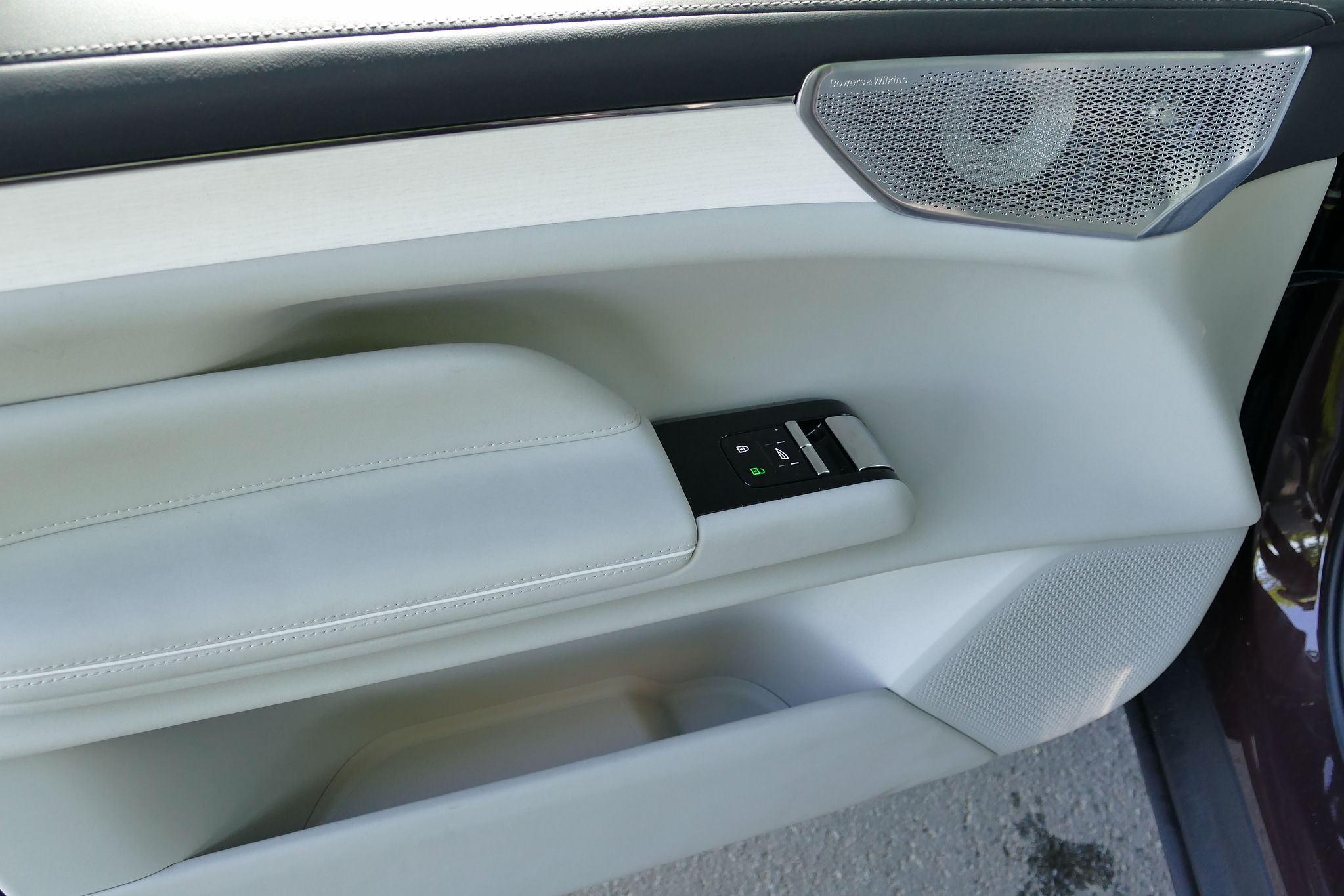
The craftsmanship in the front deserves special mention. Thankfully, you won't find any piano black trim here. Instead, soft surfaces, backlit real wood, and elegant aluminum covers for the integrated sound system dominate. The doors close gently thanks to the soft-close mechanism and can be opened from the inside using a clever design: a light pull unlocks the door electrically, while a stronger double pull serves as a mechanical backup should the onboard electronics fail. The front seats are an absolute highlight. In addition to perfect ergonomics, Volvo offers a genuine, highly adjustable massage function that rivals the benchmark set by the VW ID.7. Combined with the ability to use both seat ventilation and heating—ideal for quickly drying wet clothing—this showcases the Swedes' years of experience in building long-distance vehicles.
Infotainment and operation: Google Automotive with its pros and cons
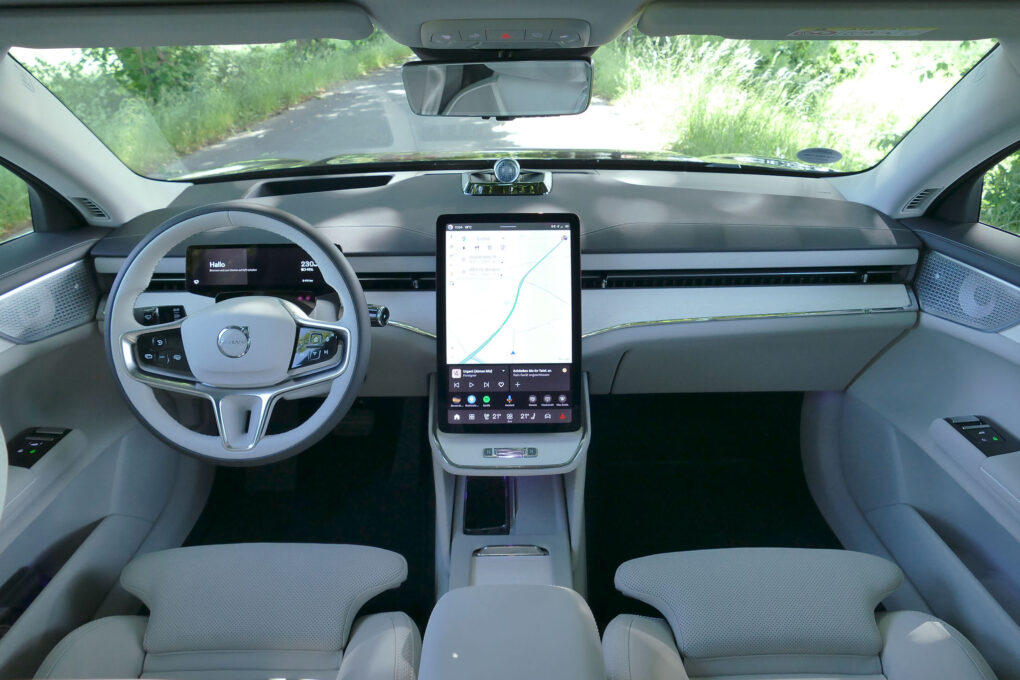
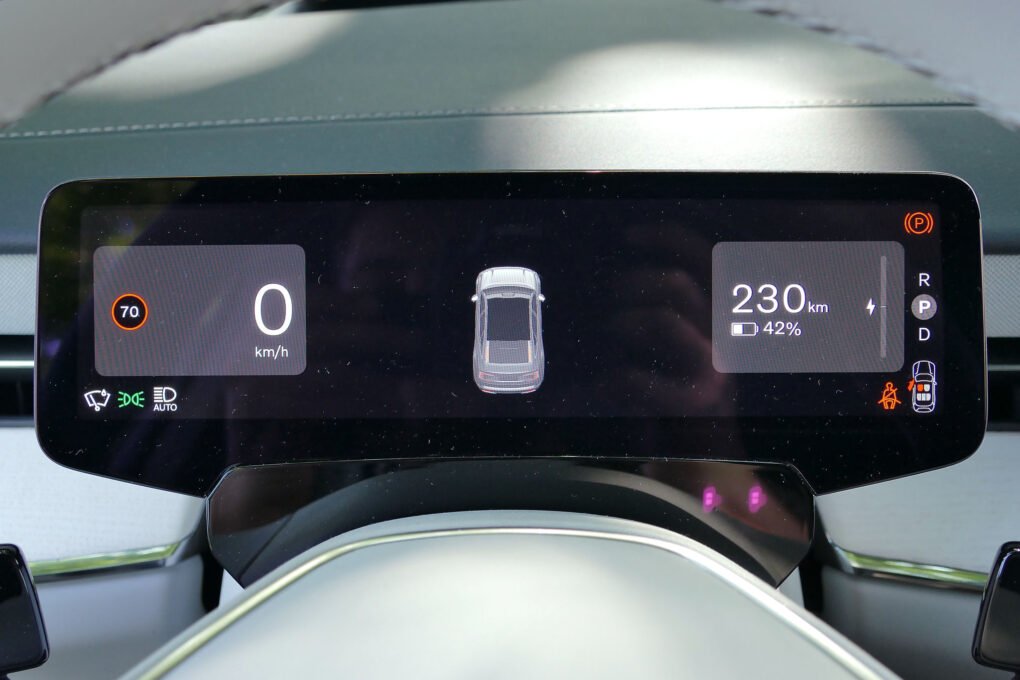
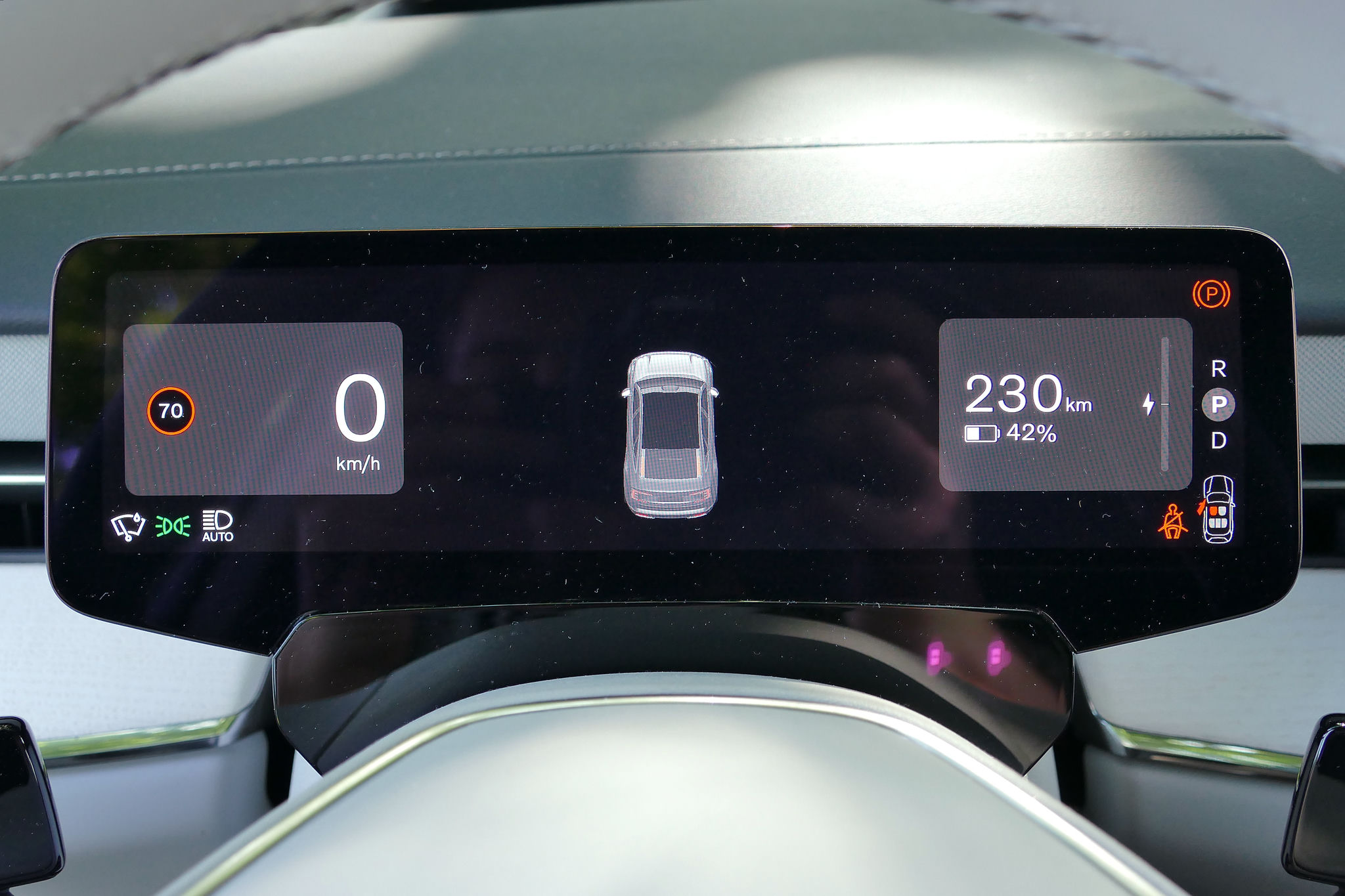
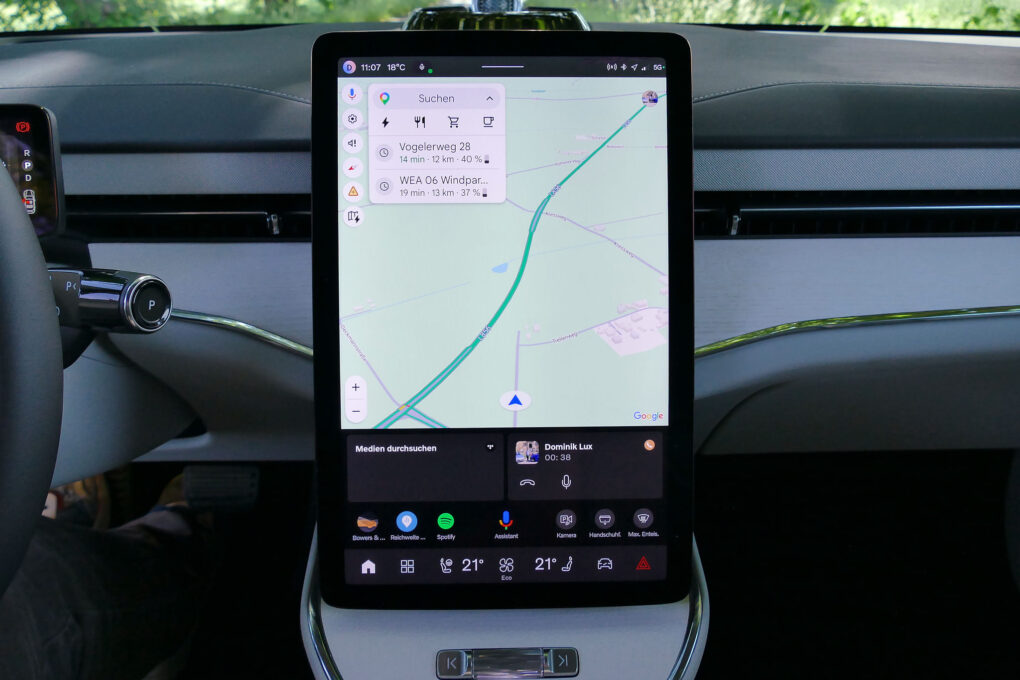
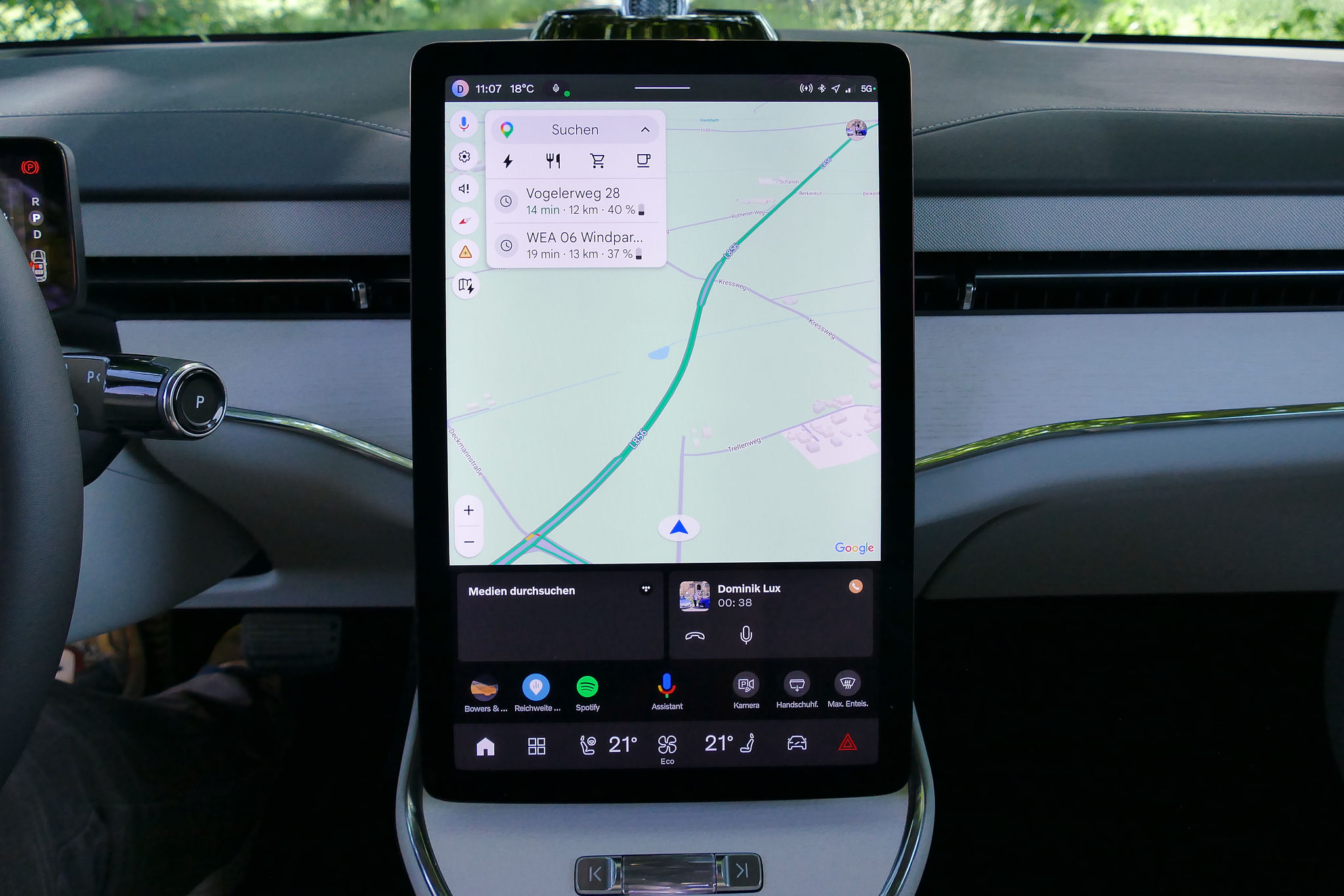
The central control element is the upright touchscreen in the center console, which is identical in shape and positioning to the EX90 (here reviewThe system has been adopted from the previous generation. We are already familiar with the small, minimalist driver display on the steering column and the excellently legible head-up display. The system reacts lightning-fast, primarily due to the natively integrated Android Automotive operating system. Google Maps acts as the core of the navigation system, calculating charging routes, including dynamic range and percentage information at the destination, in a matter of seconds. Spotify and wireless Apple CarPlay are, of course, seamlessly integrated.
Infotainment Deep-Dive: Our new format on YouTube
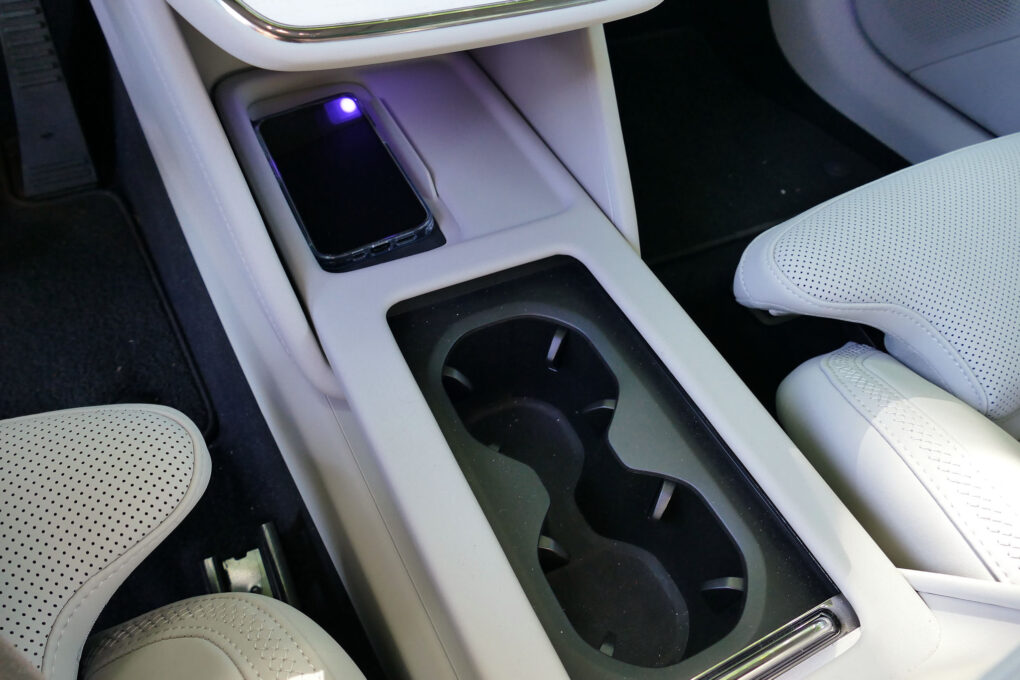
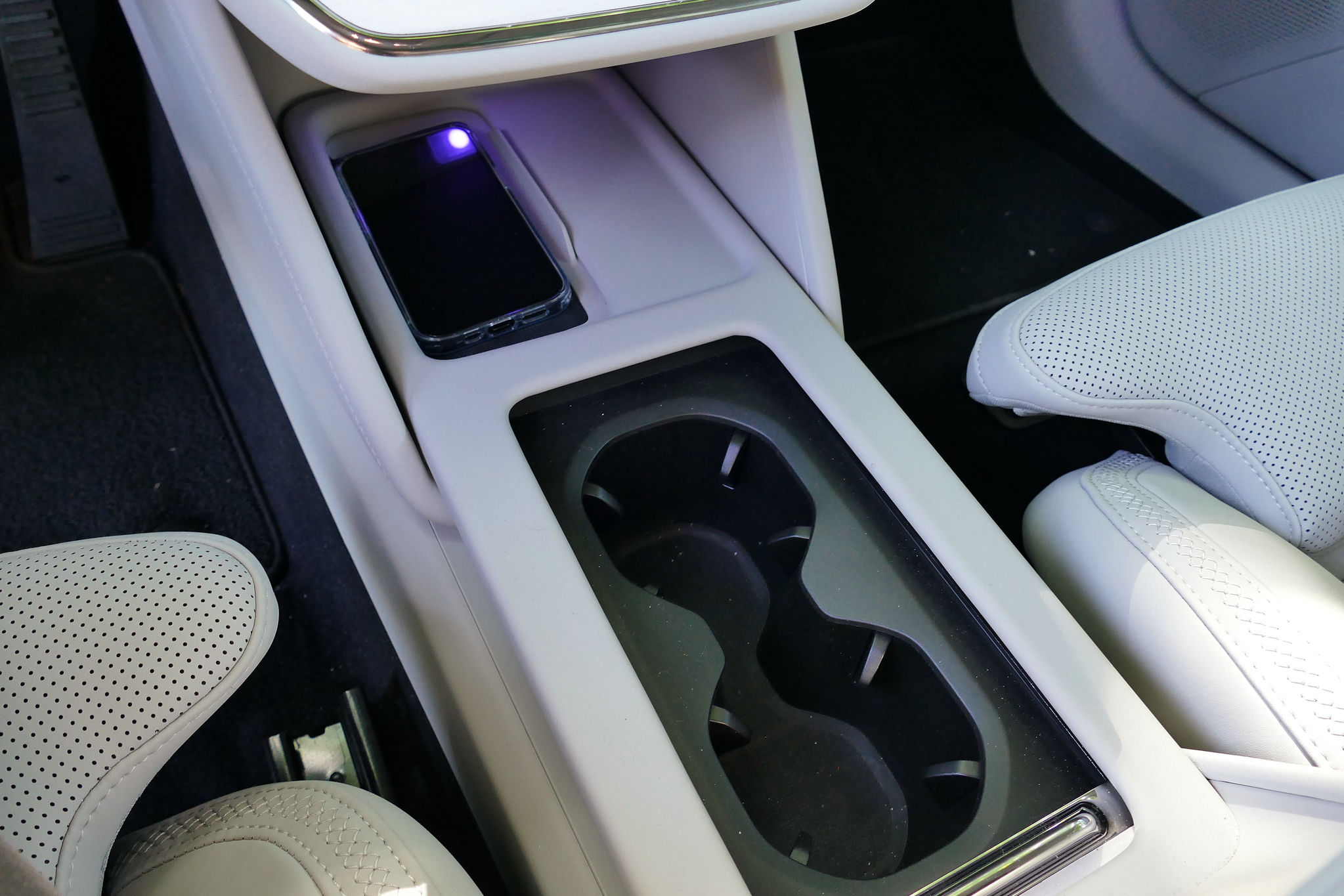
While the charging planning itself works excellently, there is room for criticism regarding the detailed settings. Although the system allows filtering for specific payment providers, a much-needed filter for dedicated charging networks, such as Ionity or EnBW, is completely missing. Especially in a vehicle designed for frequent drivers, this missing charging provider filter, which Volvo did offer in earlier software versions, is an incomprehensible shortcoming. The rest of the cockpit controls are largely limited to the touchscreen. Even the exterior mirrors and steering wheel must be adjusted electrically via the menu, a decision that other manufacturers have thankfully abandoned. Physical controls are limited to an elegant rotary dial for volume and skip buttons on the floating center console, which also offers space for cupholders and a (unfortunately single) wireless smartphone charging pad.
Driving dynamics, comfort and assistance systems: A silent cruiser with a minor visual flaw
On the road, the Volvo ES90 reveals its true character: it's the epitome of a deeply relaxed touring car. While the adaptive air suspension's firmness can be adjusted via the menu, even in its firmer setting it remains entirely dedicated to comfort. On country roads with poor asphalt, the car glides majestically over potholes and bumps without transmitting any noticeable vibrations to the cabin. In fast corners, you can feel its considerable 2,4-ton curb weight, but the vehicle remains consistently safe and predictable, even if the steering could sometimes provide a bit more feedback.
The acoustic comfort is phenomenal up to a speed of 130 km/h. It feels like driving with cotton wool in your ears, the cabin is so perfectly insulated. To still allow for easy conversation with rear passengers, Volvo has integrated voice amplification via the Bowers & Wilkins speakers. However, above 150 km/h, noticeable wind noise enters the interior, presumably originating from the prominent LiDAR sensor on the roof.
LiDAR is no longer available.
AproRegarding LiDAR and driver assistance systems: Pilot Assist performs admirably on the highway. The vehicle stays in its lane perfectly and only complains surprisingly late when you take your hands off the steering wheel. The system performs automatic lane changes on request, but sometimes acts a bit too cautiously. Predictive traffic sign recognition works excellently; however, new speed limits must be manually confirmed on the steering wheel before the car adjusts its speed—a fully automatic mode would be preferable here. The visualization on the display, which uses the sensor cluster to detect even parked cars or vehicles ahead in detail, is sometimes a bit clunky. We prefer the implementation by XPENG or Mercedes in this regard. However, there is one major point of criticism: The rear window is merely an extremely narrow slit. Rear visibility through the regular interior mirror is almost nonexistent. You are practically forced to order the optional camera-mirror system, which eliminates the blind spot behind the car.
Battery, charging and consumption: The big efficiency surprise
Let's get to the heart of every electric car. The Volvo ES90 is built on a modern 800-volt platform and, in the single-motor, rear-wheel-drive version we tested, houses a 92 kWh NMC battery (88 kWh usable). Its 333 hp is more than enough to propel this behemoth to highway speed in 6,6 seconds. As has been standard practice for Volvo for years, the top speed is electronically limited to 180 km/h.
However, the Swedish engineers achieved their absolute masterpiece in terms of efficiency. During the test period on mixed routes, the average consumption settled at an incredible 16 to 17 kilowatt hours. pro 100 kilometers. For a vehicle of this frontal area and weight class, that's an outstanding figure that completely dispels any range anxiety. One reason for this is the excellent thermal management and the perfectly calibrated one-pedal driving, which decelerates smoothly and predictably all the way to a standstill, including auto-hold. With regenerative braking switched off, the ES90 coasts acceptably, although it doesn't quite reach the perfection of a more radically optimized aerodynamic vehicle.
-
- Picture: TechnikNews
-
- Picture: TechnikNews
-
- Picture: TechnikNews
-
- Picture: TechnikNews
-
- Picture: TechnikNews
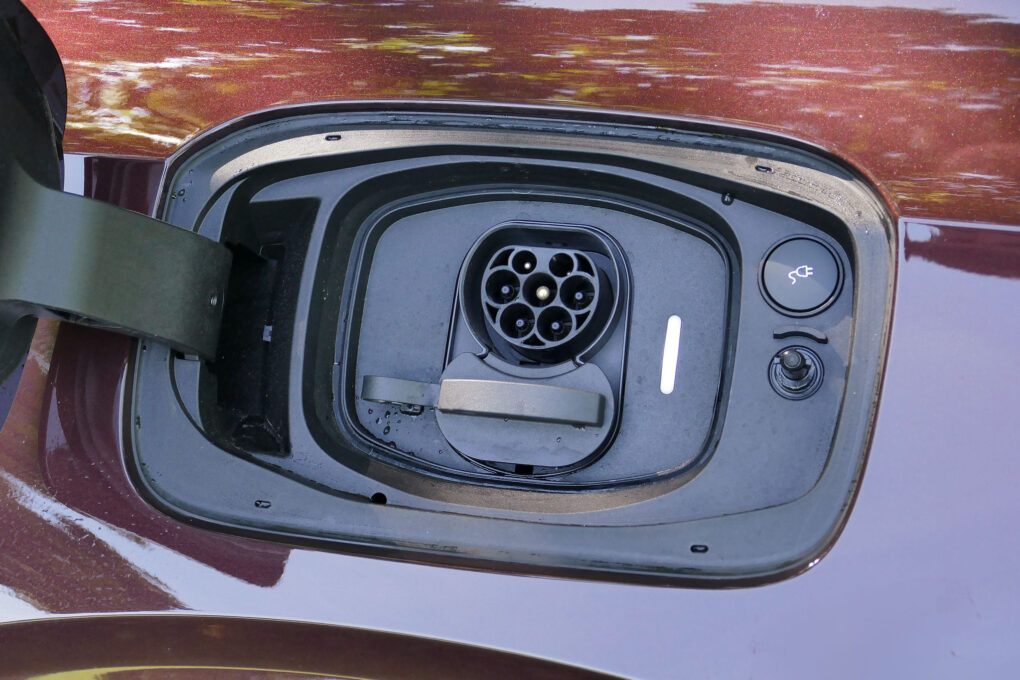
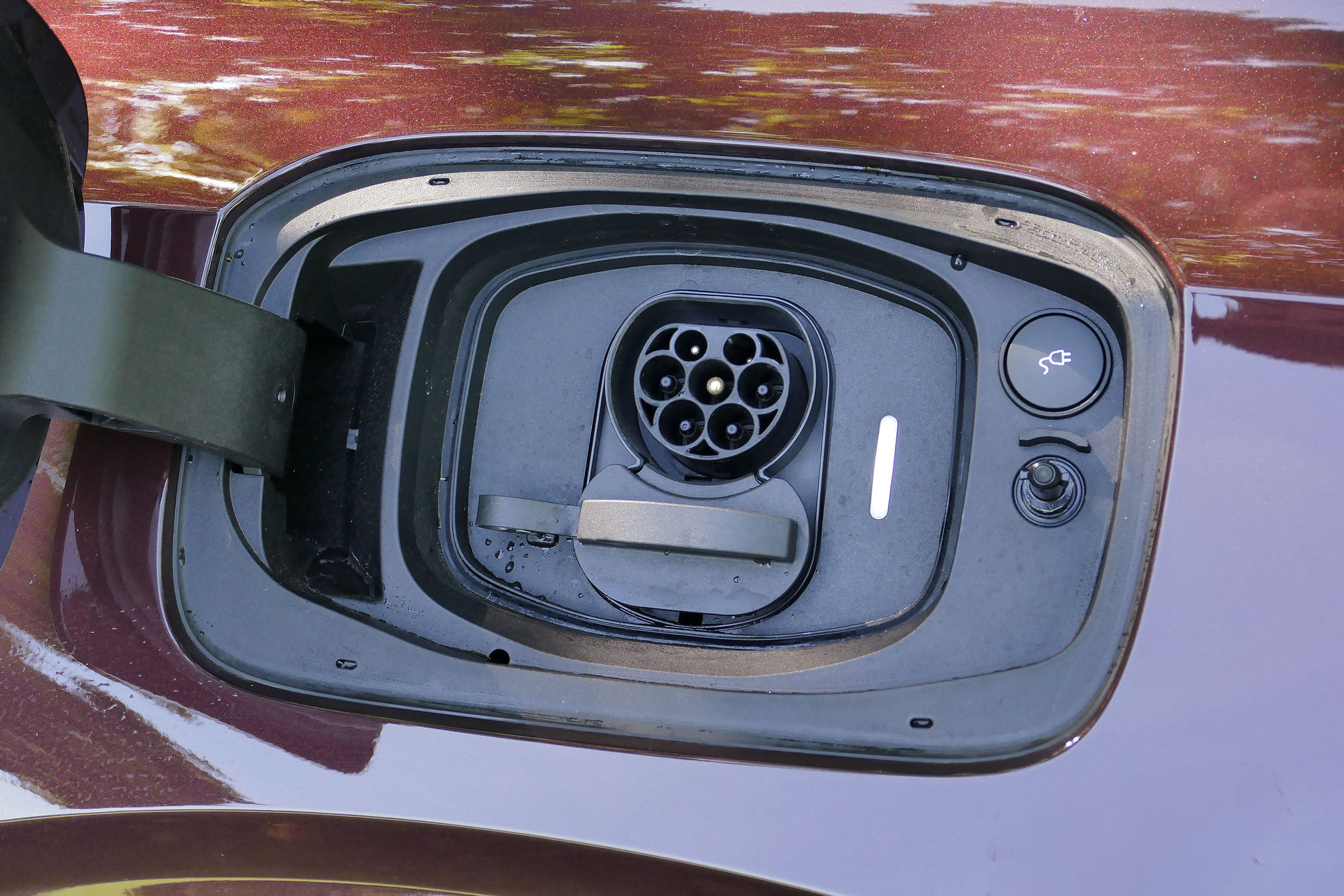
The 800-volt architecture then demonstrates its strengths at the charging station, albeit with some minor limitations. In our test, charging from 15 to 80 percent took exactly 26 minutes. The peak charging power briefly reached 199 kW, with an average of a very good 142 kW flowing into the battery. Volvo specifies a typical 10-to-80 percent sprint time of an optimistic 22 minutes, for which the battery likely needs to be at a more precise temperature due to the 30-minute manual preconditioning. Somewhat puzzling in this price range is the fact that the ES90 only charges at a maximum of 11 kW at a home wallbox or public AC charging stations. A 22 kW onboard charger would definitely have suited its premium aspirations.
Conclusion: A luxurious statement for long-distance travel
The Volvo ES90 is an impressive piece of engineering and confidently positions itself as an electric alternative in the premium automotive class. For just under 97.000 euros (including 19% VAT), For the price of our fully equipped test car, you get a vehicle that combines comfort, safety, and efficiency at an extremely high level. The Bowers & Wilkins sound system is in a league of its own, the rear passenger space is lavish, and the real-world consumption of 16 kWh will leave you staring in disbelief at the on-board computer. If you can live with the limited rear visibility and if the trunk space of a sedan is sufficient for your everyday needs, you'll find the ES90 to be one of the most composed and relaxed highway cruisers currently on the market. The Swedes have done their homework, and the ES90 impressively demonstrates that true luxury lies above all in absolute tranquility.
The Volvo ES90 was provided to us by Volvo Germany for this test. This did not influence our opinion. Thank you to Volvo Germany for the loan!