
Mitsubishi Eclipse Cross review: A classic reinvented?
A TEST REPORT from Dominic Lux  on October 07, 2022, 17:05 p.m. | Write a comment
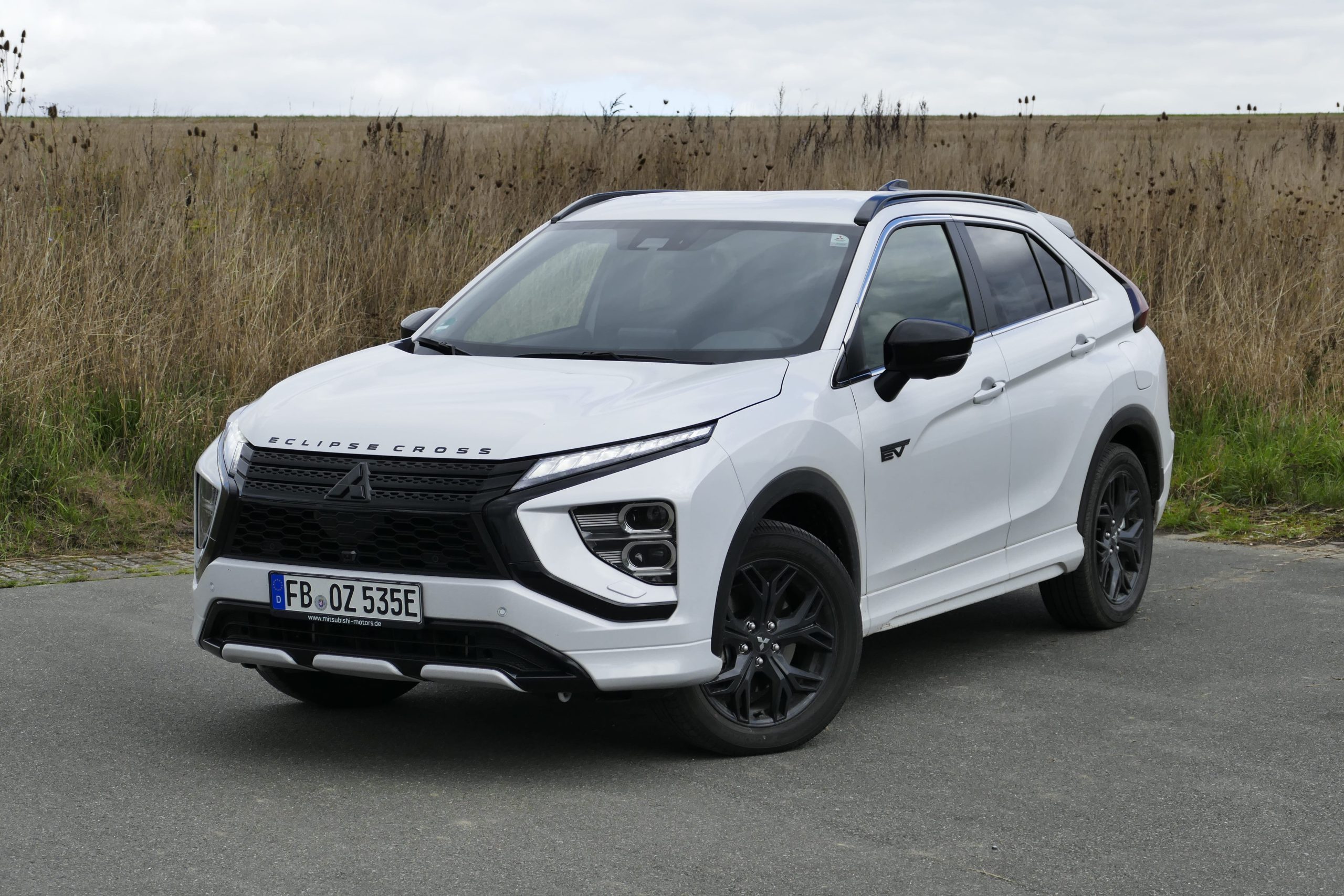
When you think of a Mitsubishi Eclipse, some might think of the classic sports car from the 90s. But today it's about that Mitsubishi Eclipse Cross PHEV, a combination of compact sedan and SUV. We were able to test it extensively for 2 weeks.
The all-important question is: does a plug-in hybrid still make sense in 2022? And is the Eclipse Cross worthwhile as a PHEV (plug-in hybrid)? During the 2-week test period, I tried to answer these questions as best I could.
Design: Facelift with larger rear window
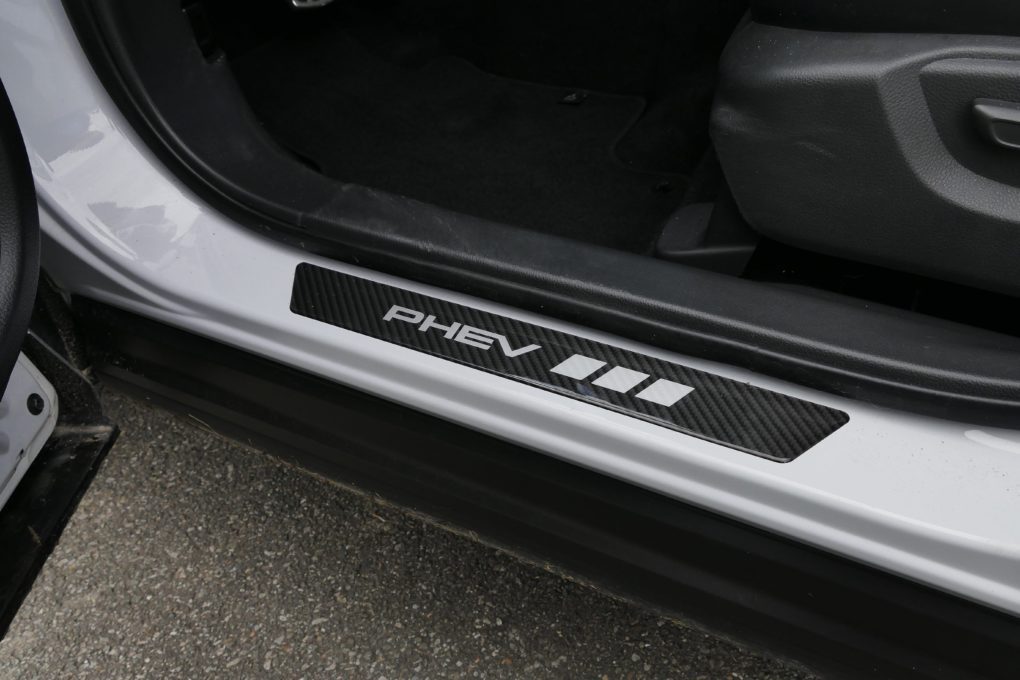
That's right, because the original Eclipse Cross was only available as a pure combustion engine in 2018. This had an interesting rear window, which was divided in two by a continuous brake light. In 2020, a facelift model was shown, which was more conventional. However, the current Eclipse Cross is only available as a pure PHEV. The old diesel and petrol engines have been replaced with the newer powertrain from the successful Mitsubishi Outlander PHEV.
-
- Image: Alexander Karwig for TechnikNews
-
- Image: Alexander Karwig for TechnikNews
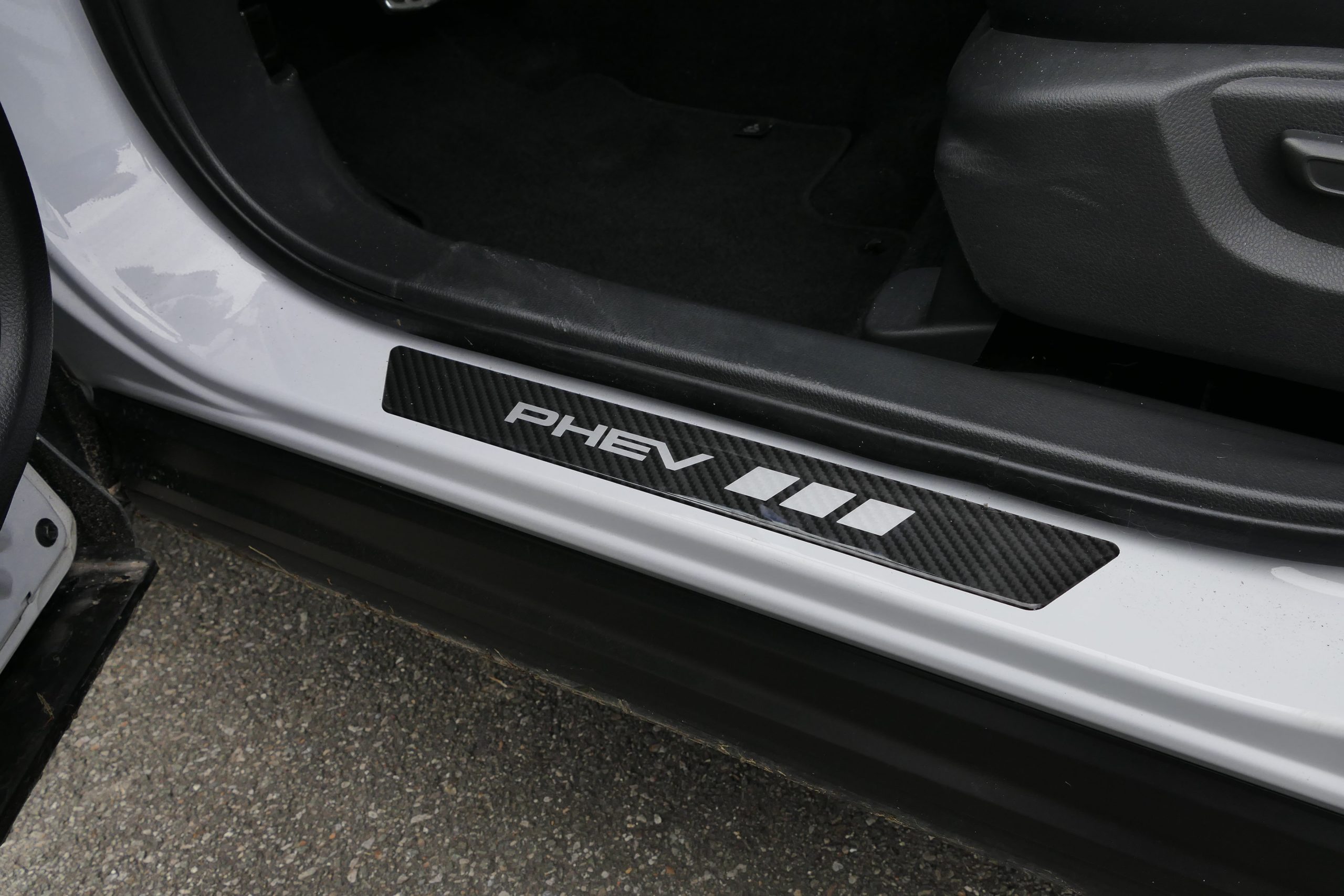
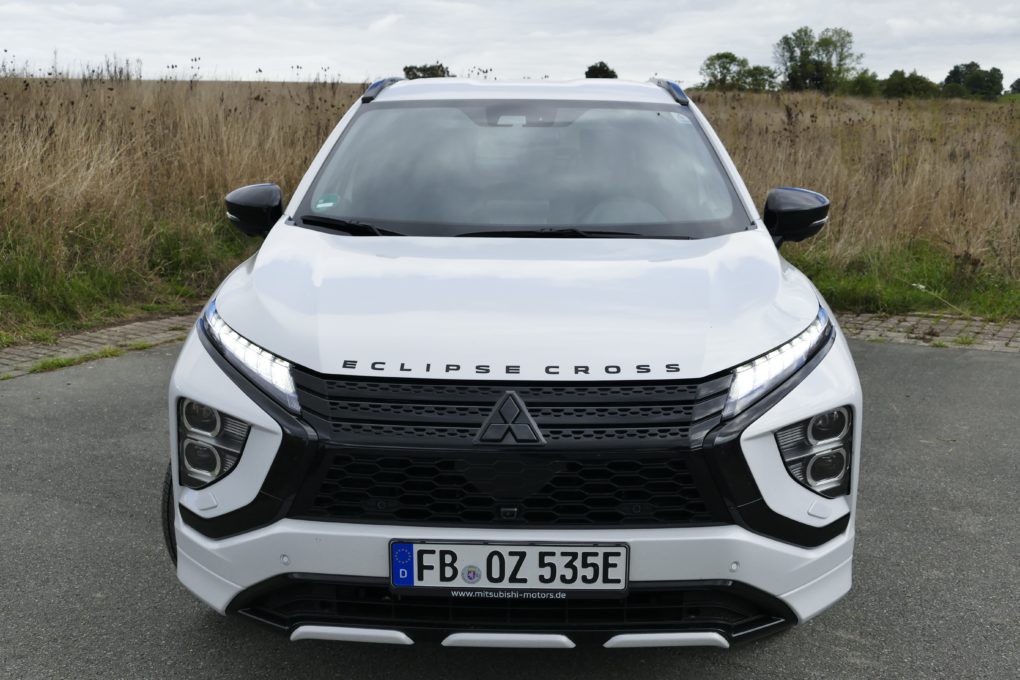
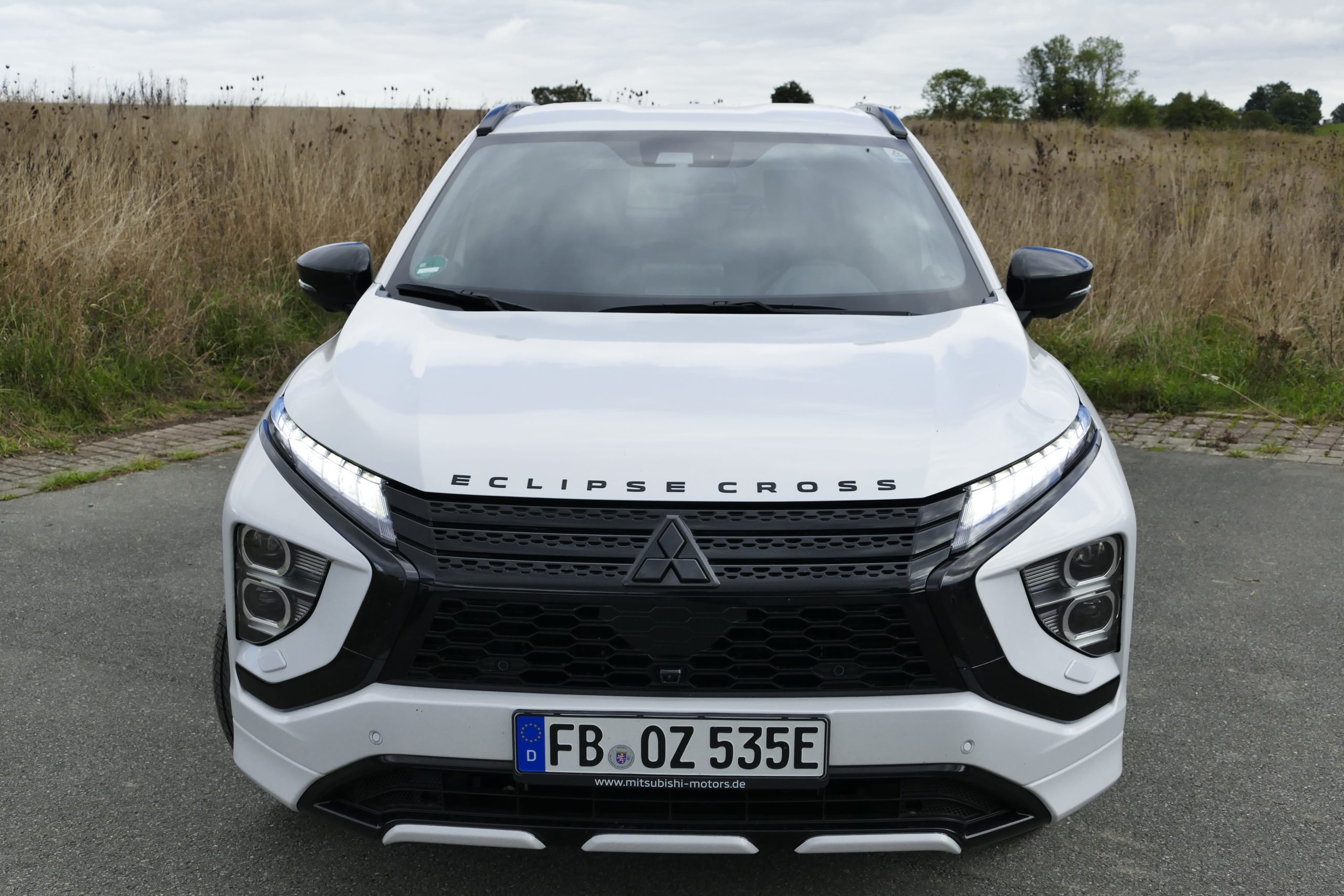
Viewed from the front, the Eclipse Cross PHEV looks a little beefy - at least according to editorial colleagues. I thought it looked like a typical Mitsubishi. At least, since the Japanese group has conspired more to station wagon SUVs and, apart from the Space Star, does not offer any real competitors to the VW Golf or similar. The Mitsubishi Eclipse Cross PHEV has taken on rather large dimensions with dimensions of 4,45 meters x 1,80 meters x 1,68 meters. The wheelbase is 2,60 meters. As a PHEV, the Eclipse Cross weighs a good 2 tons.
Interior: Conventional Japanese
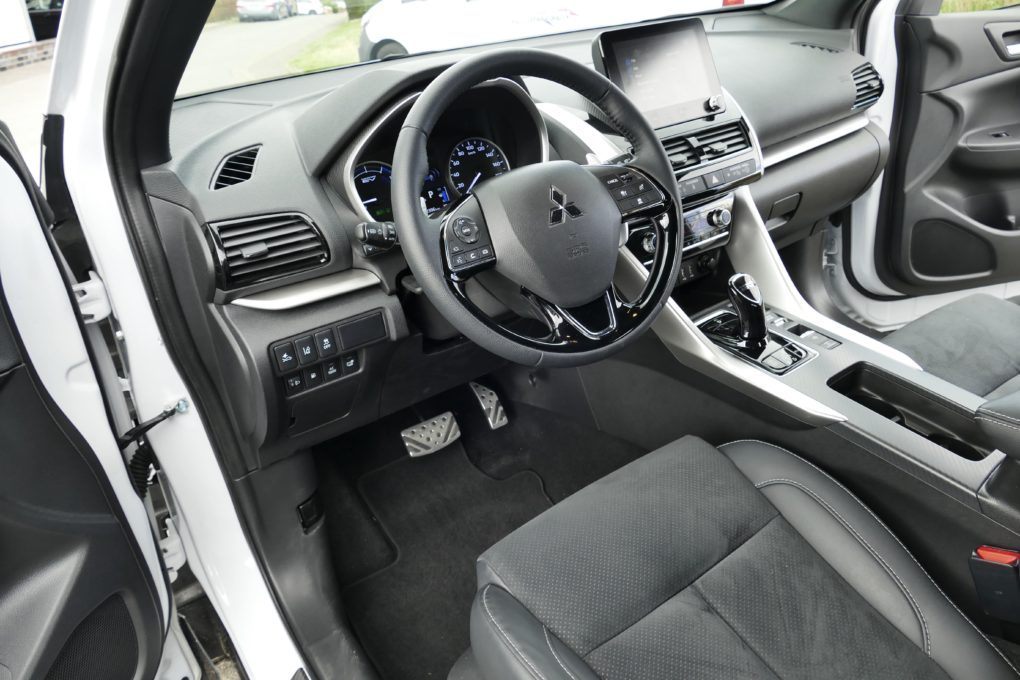
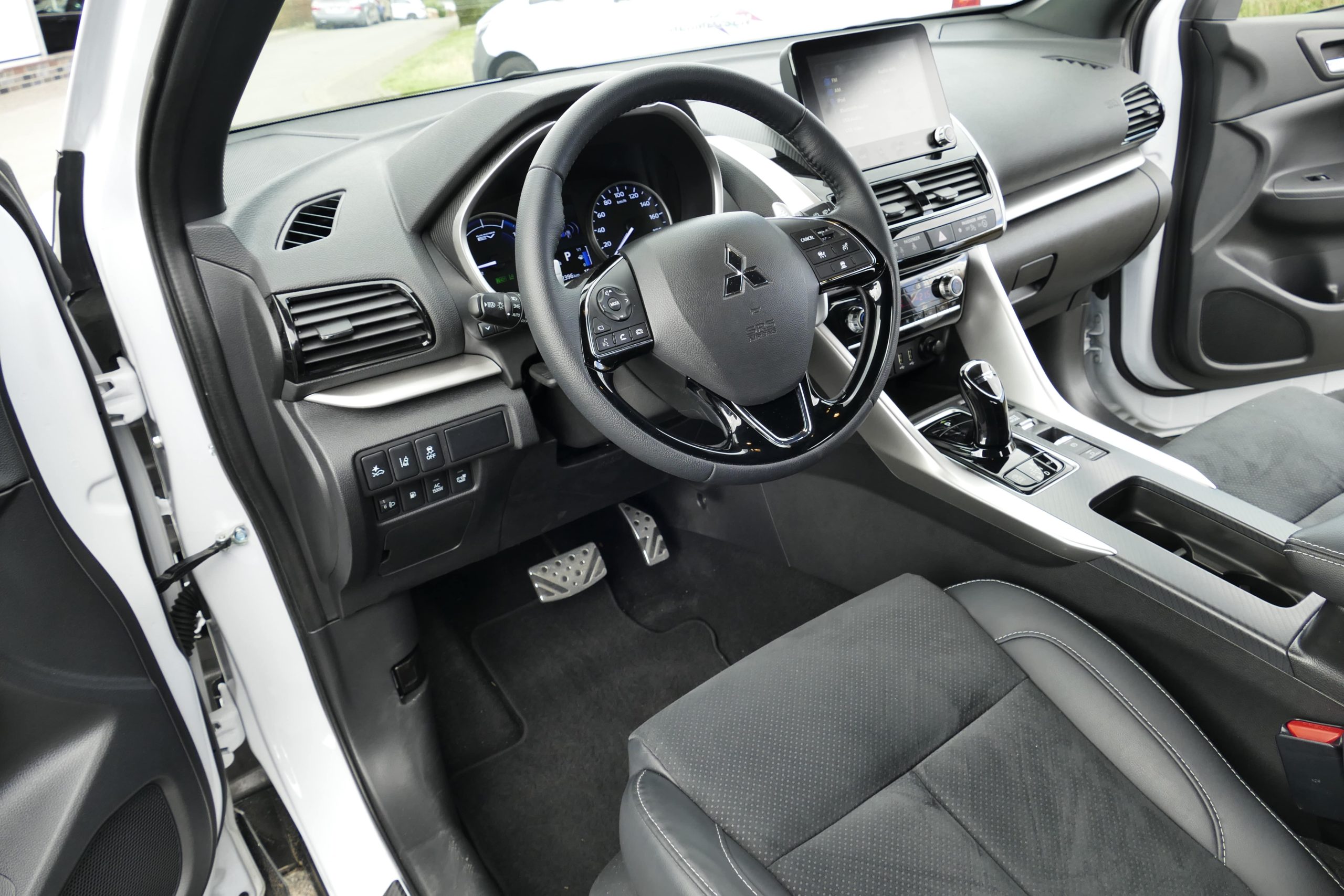
Inside the Eclipse Cross PHEV we find quite a lot of switches and buttons. He looks like a typical Japanese from the inside. Even the front seat heating is controlled via large toggle switches as in the past. At the same time, there are fixed buttons for controlling almost all functions. The assistants are deactivated or activated directly via the steering wheel or via buttons on the left below the steering wheel. An 8-inch TFT display is used for infotainment. There is DAB radio, Apple CarPlay and Android Auto (but only via cable) and of course classic FM radio and AM.
-
- Image: Alexander Karwig for TechnikNews
-
- Image: Alexander Karwig for TechnikNews
-
- Image: Alexander Karwig for TechnikNews
-
- Image: Alexander Karwig for TechnikNews
-
- Image: Alexander Karwig for TechnikNews
-
- Image: Alexander Karwig for TechnikNews
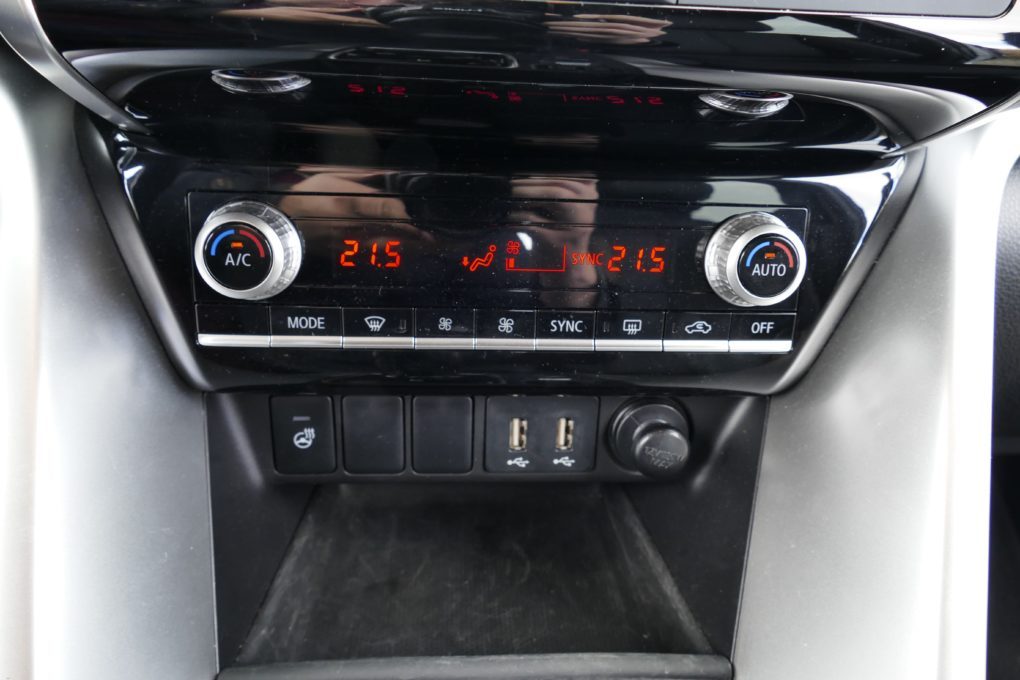
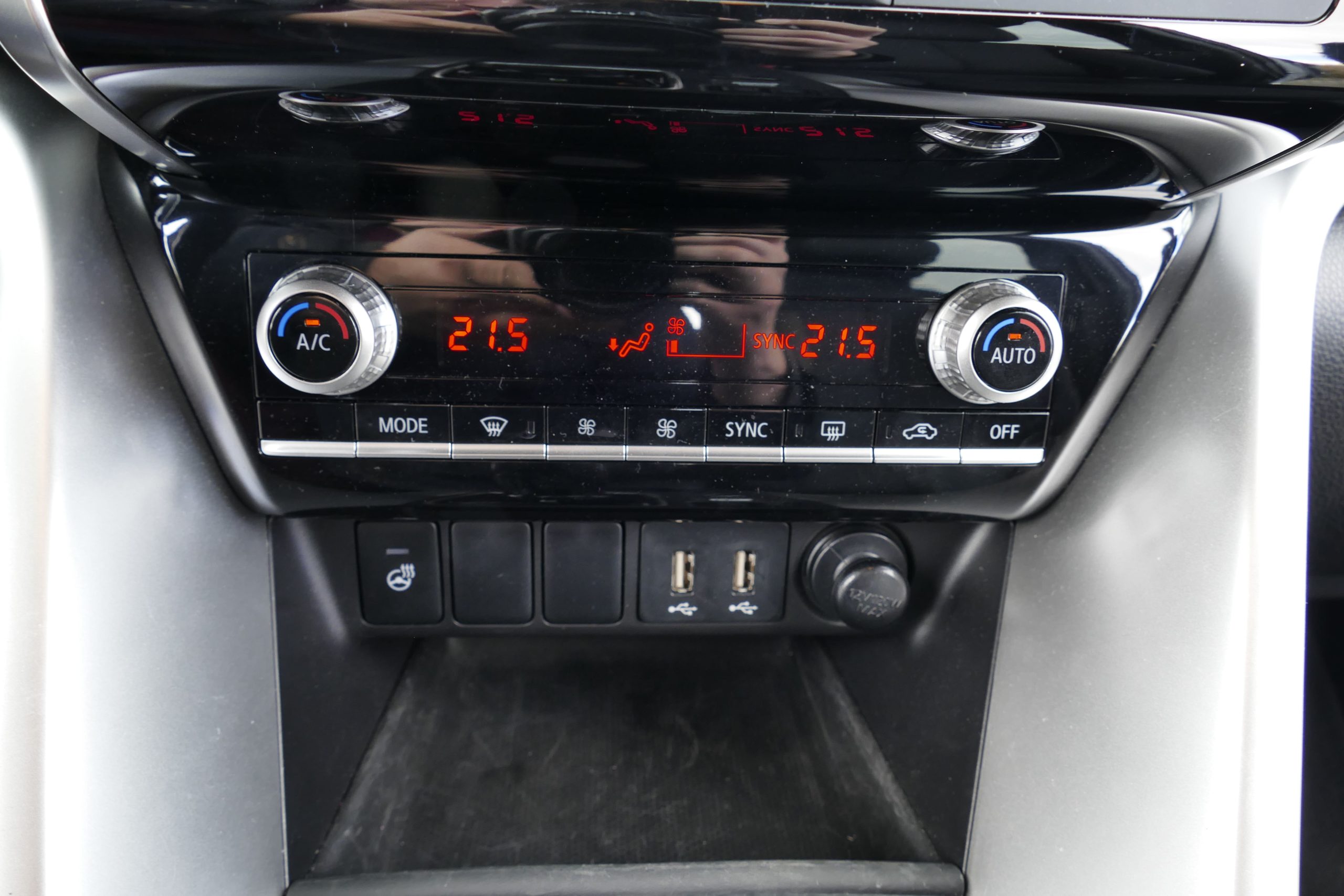
The climate control comes with 2-zone control. In terms of design, it looks very retro. Underneath are two USB Type-A interfaces for data exchange or to connect CarPlay or Android Auto. There is also a 12-volt connection there. On the far left of the connections is the steering wheel heater, which also heats the exterior mirrors at the same time.
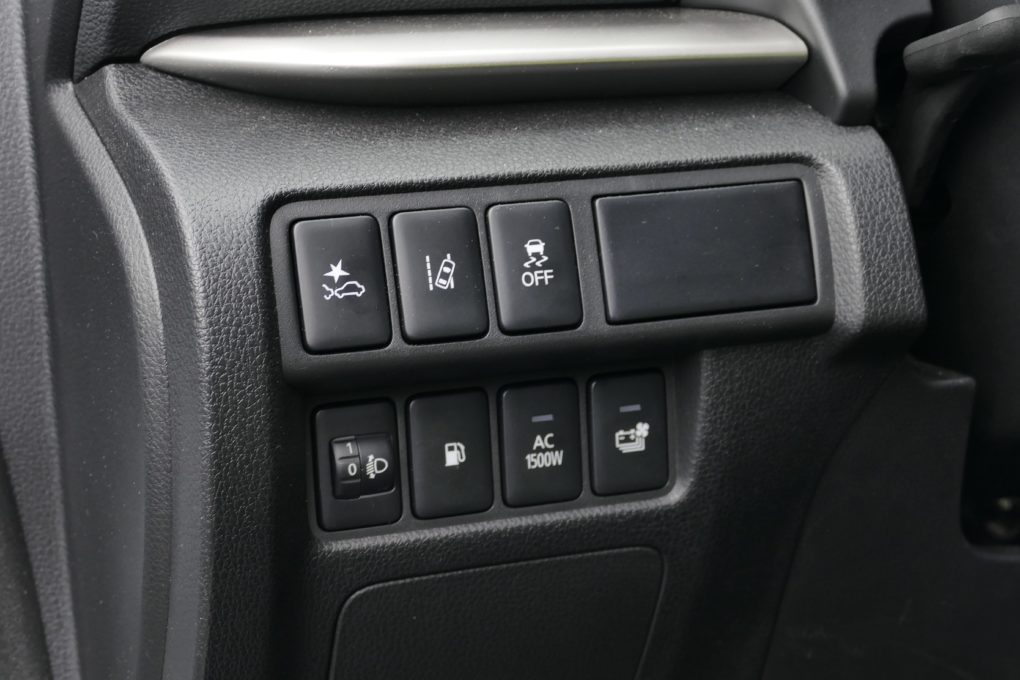
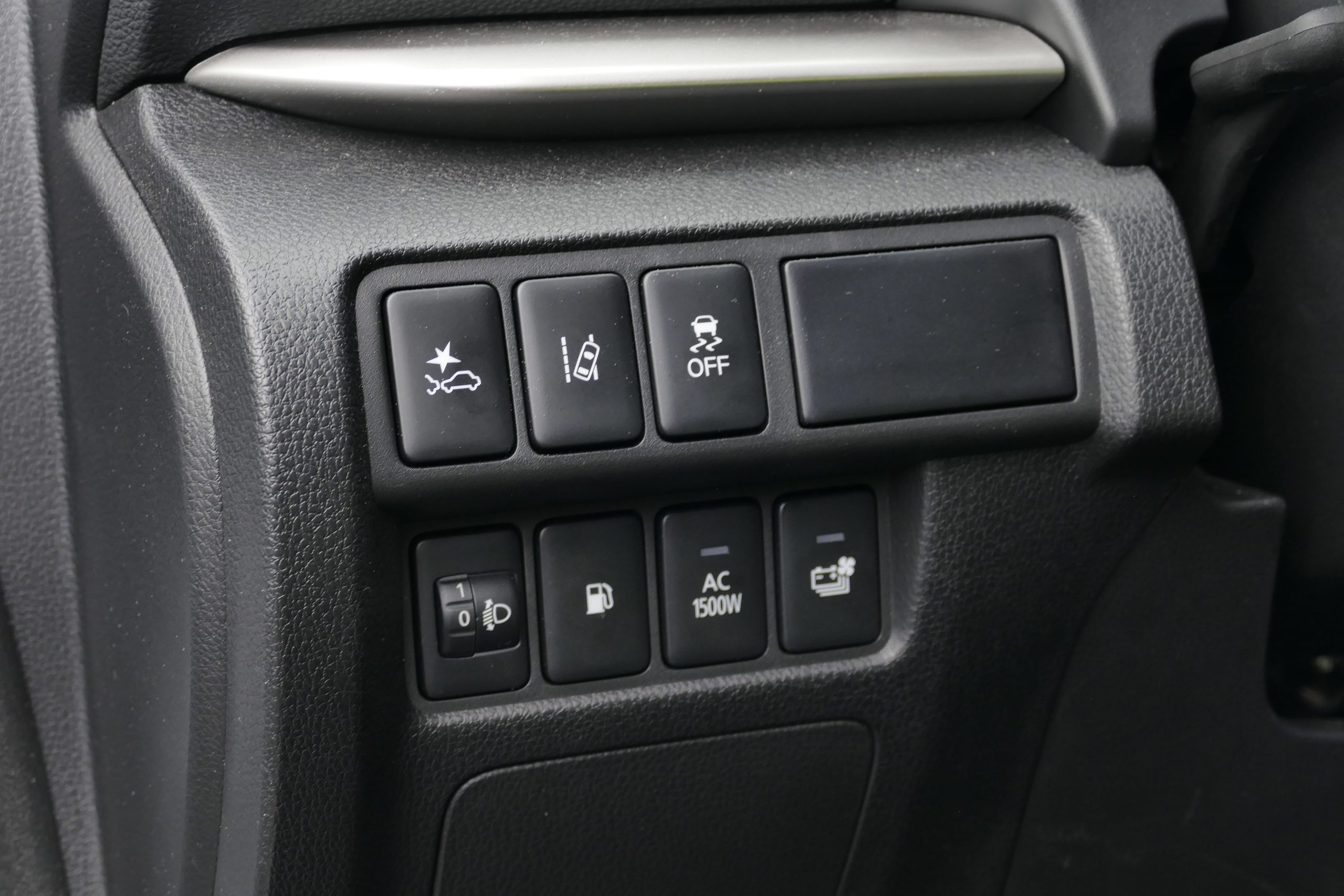
As I mentioned before, there are various buttons on the left side under the steering wheel to activate or deactivate the assistance systems of the Mitsubishi Eclipse Cross PHEV. A row below are buttons for opening the petrol tank cap, setting the headlight range control, activating the 1500 watt AC Schuko socket in the trunk and setting the preconditioning of the driving battery.
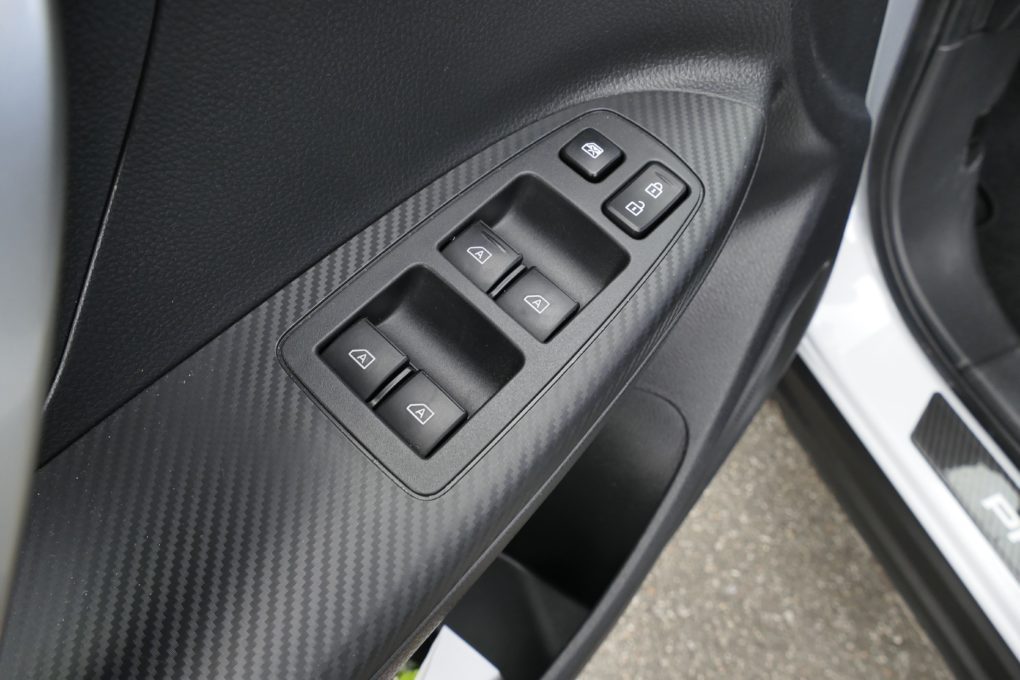
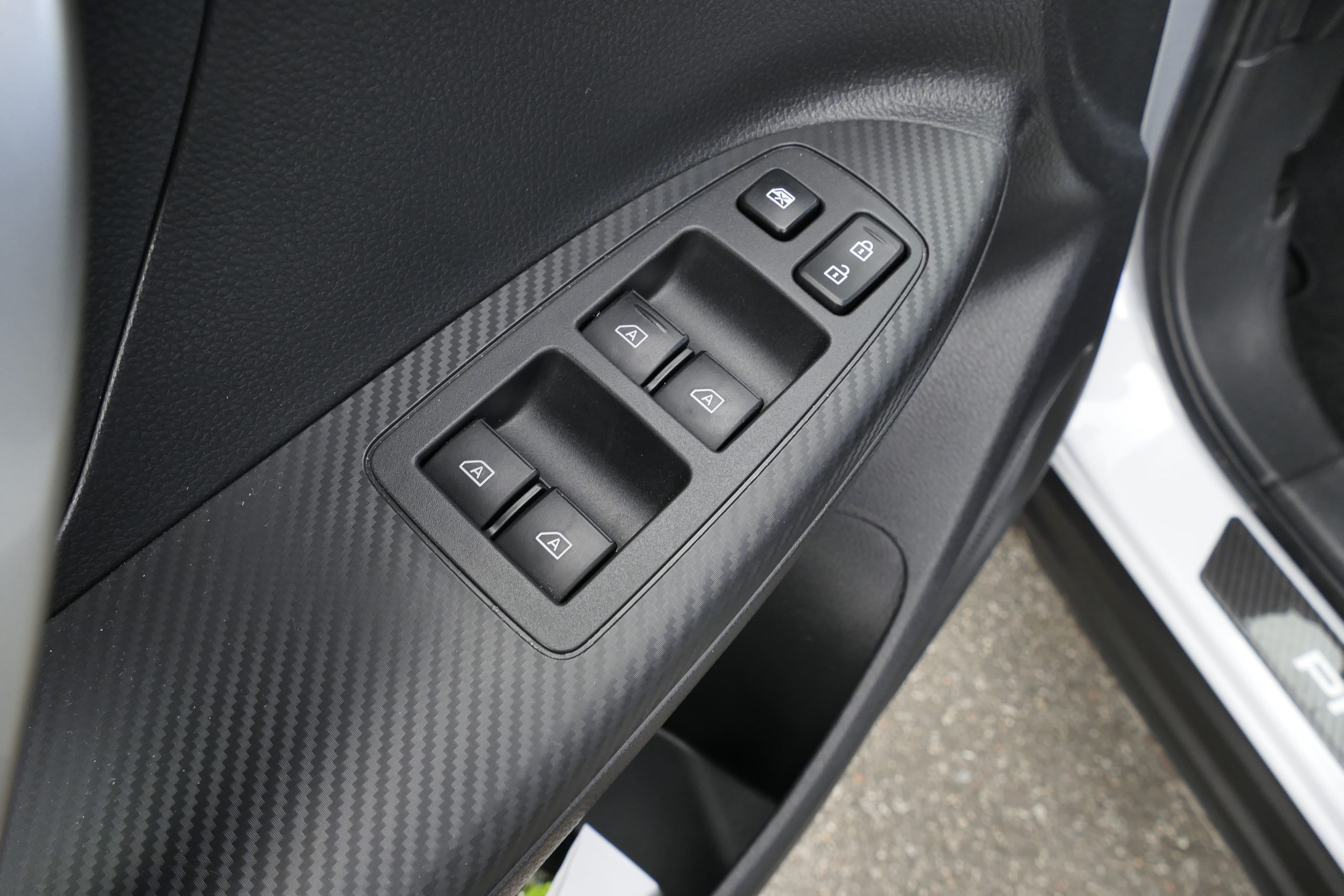
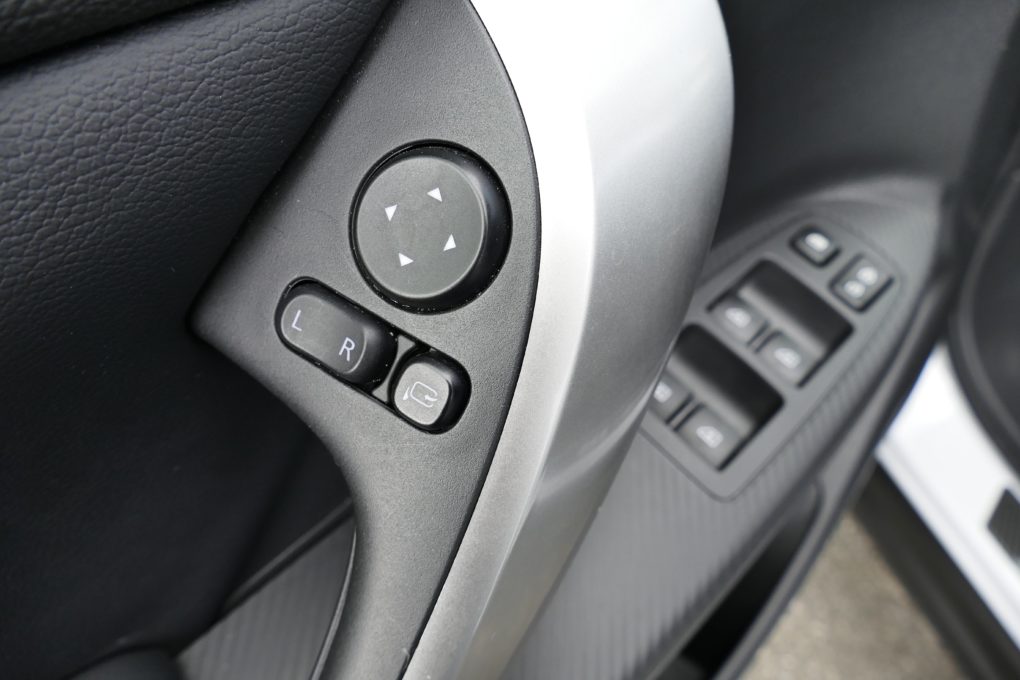
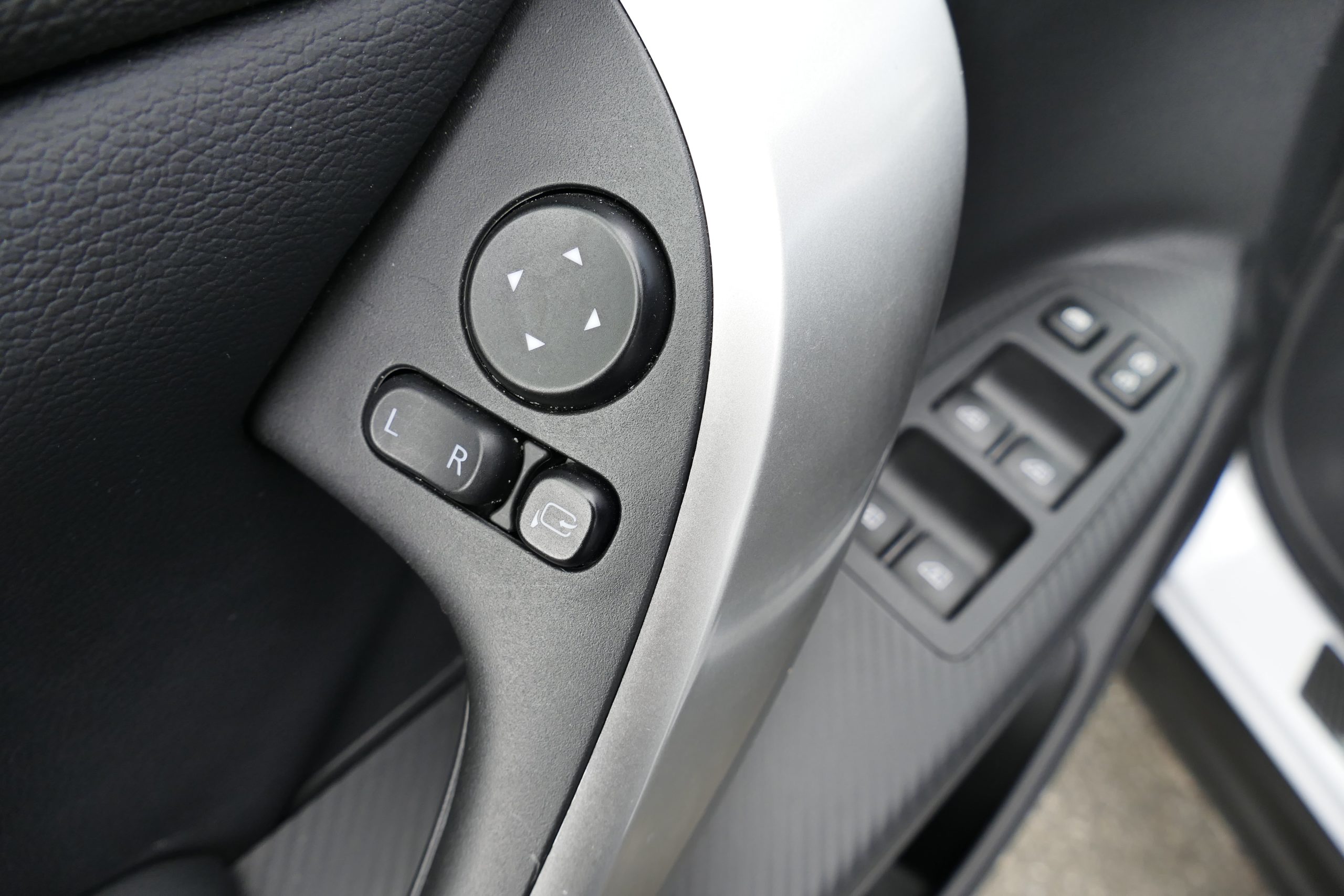
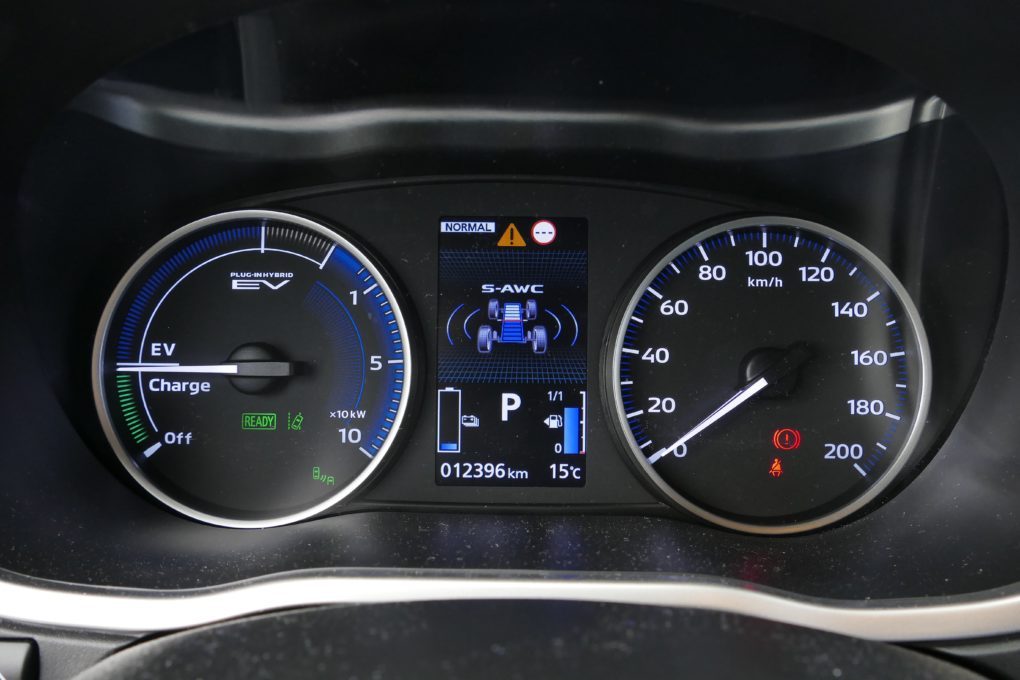
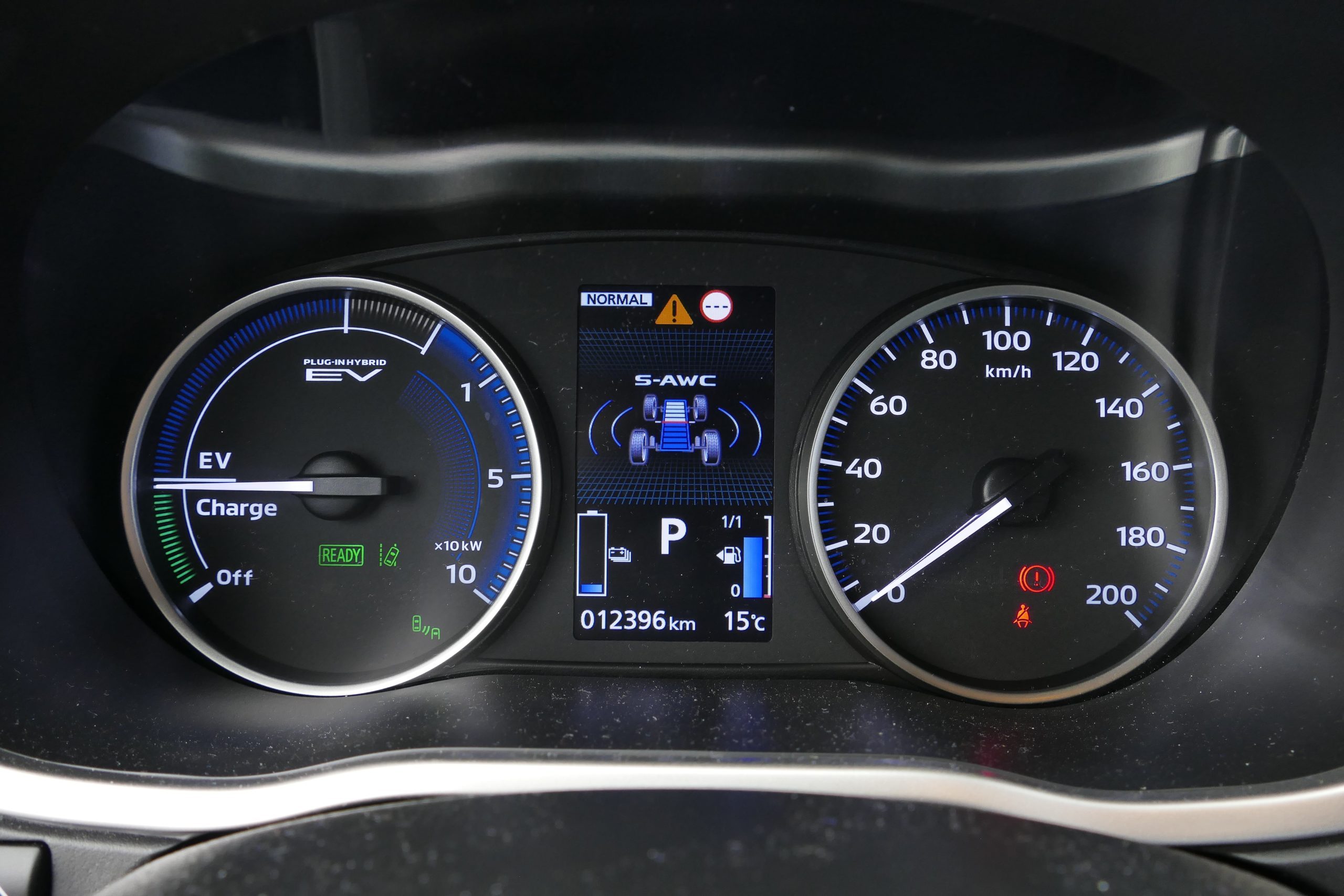
The speedometer is completely analog except for a small TFT display in the middle. But I still find it quite chic with the blue design. The mirror and window control is quite simple and classic. There are various display options to choose from on the TFT display. You either see the average fuel consumption, how eco-friendly you drove or how the all-wheel drive is distributed.
Optional extras: head-up display and Mitsubishi Power Sound System
Despite the many classic features in the interior, there is an optional head-up display, which works with a Plexiglas pane and is located above the steering wheel on the sun visor. This is retracted at the end of the journey and thus protected from dust. Unfortunately, our test car didn't have this, so we can't really judge it. But I personally find the solutions right in the disc proinject something better.
We had the large sound system with us in our test car. The Mitsubishi Power Sound creates a really good and solid sound in the interior. I don't expect anything special when it comes to sound systems in cars (as long as they don't come from well-known audio manufacturers). But the Power Sound System installed here definitely deserves the name. And in my opinion, you should configure this directly with the purchase.
Trunk big enough, rear seats very comfortable
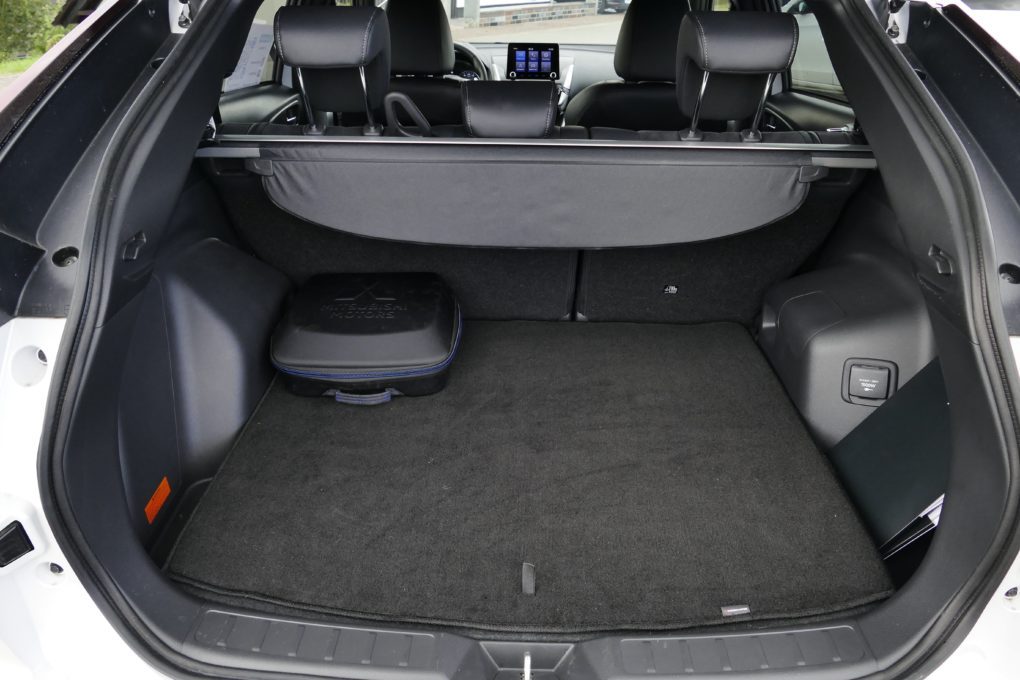
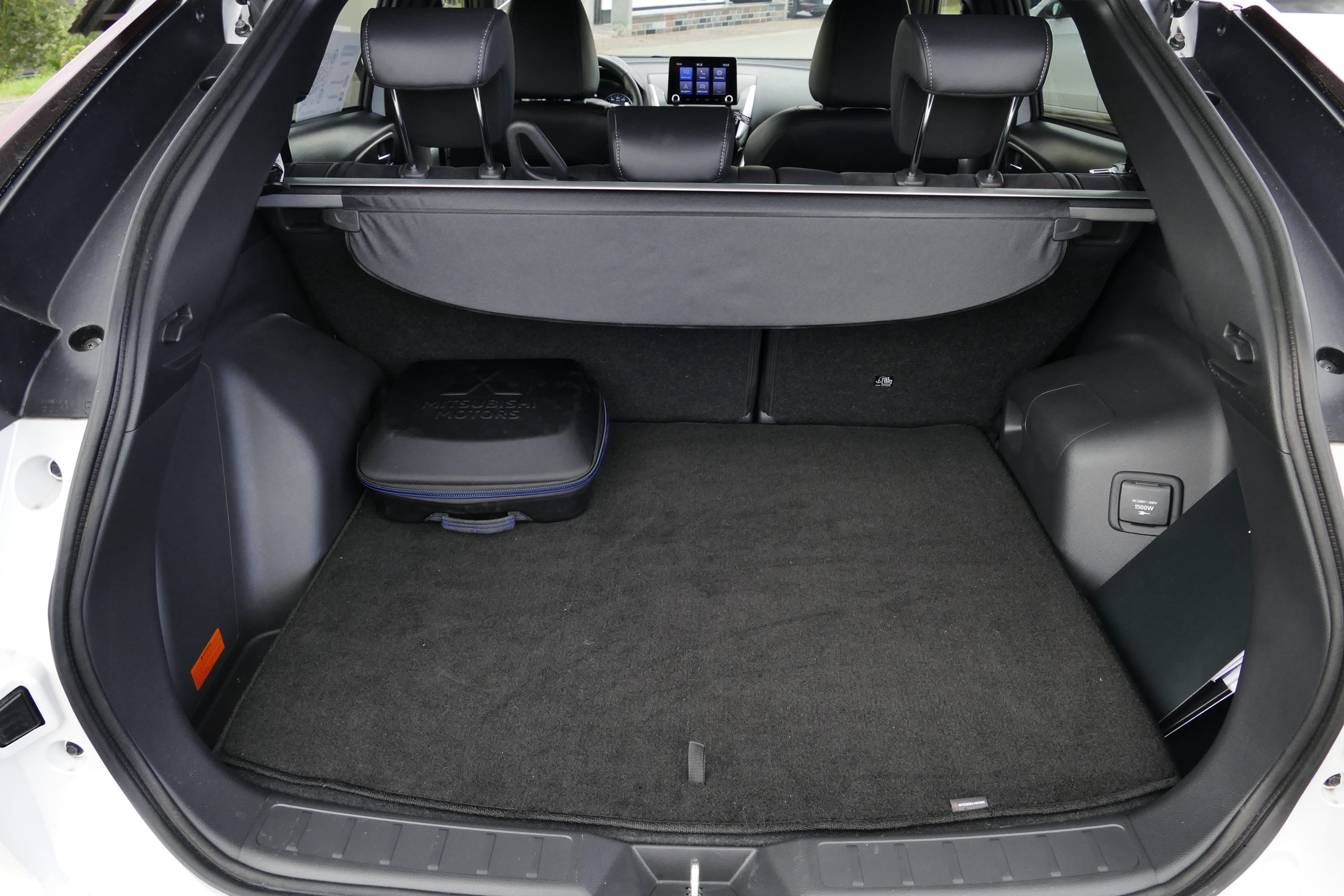
With 345 liters, the trunk is rather small, at least in relation to the size of the vehicle. With the rear seat folded down, it is at least 1230 liters. There is a 240-volt Schuko socket on the right-hand side in the trunk.
-
- Image: Alexander Karwig for TechnikNews
-
- Image: Alexander Karwig for TechnikNews
-
- Image: Alexander Karwig for TechnikNews
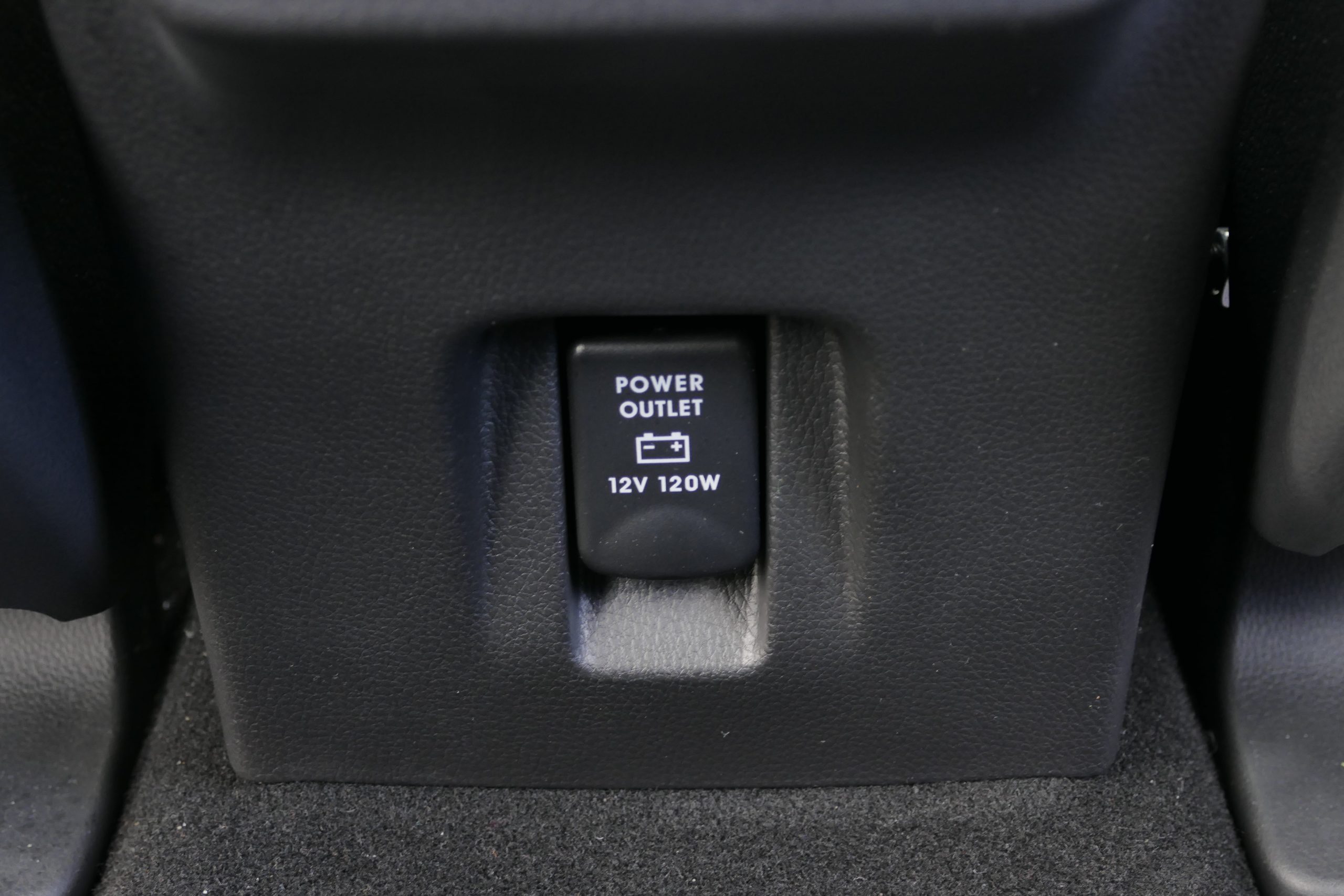
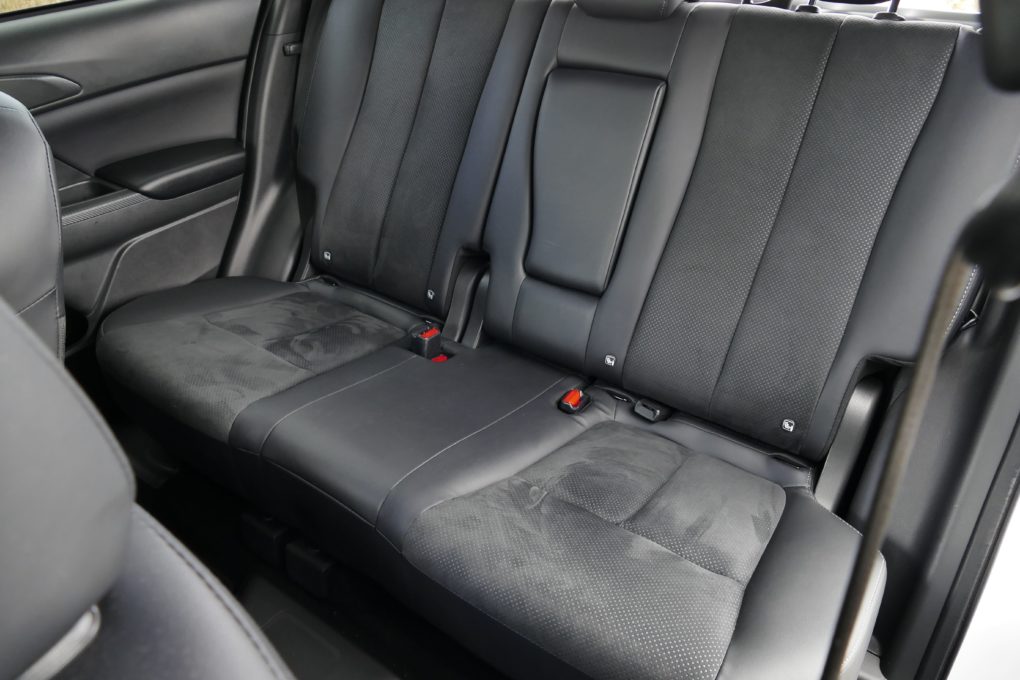
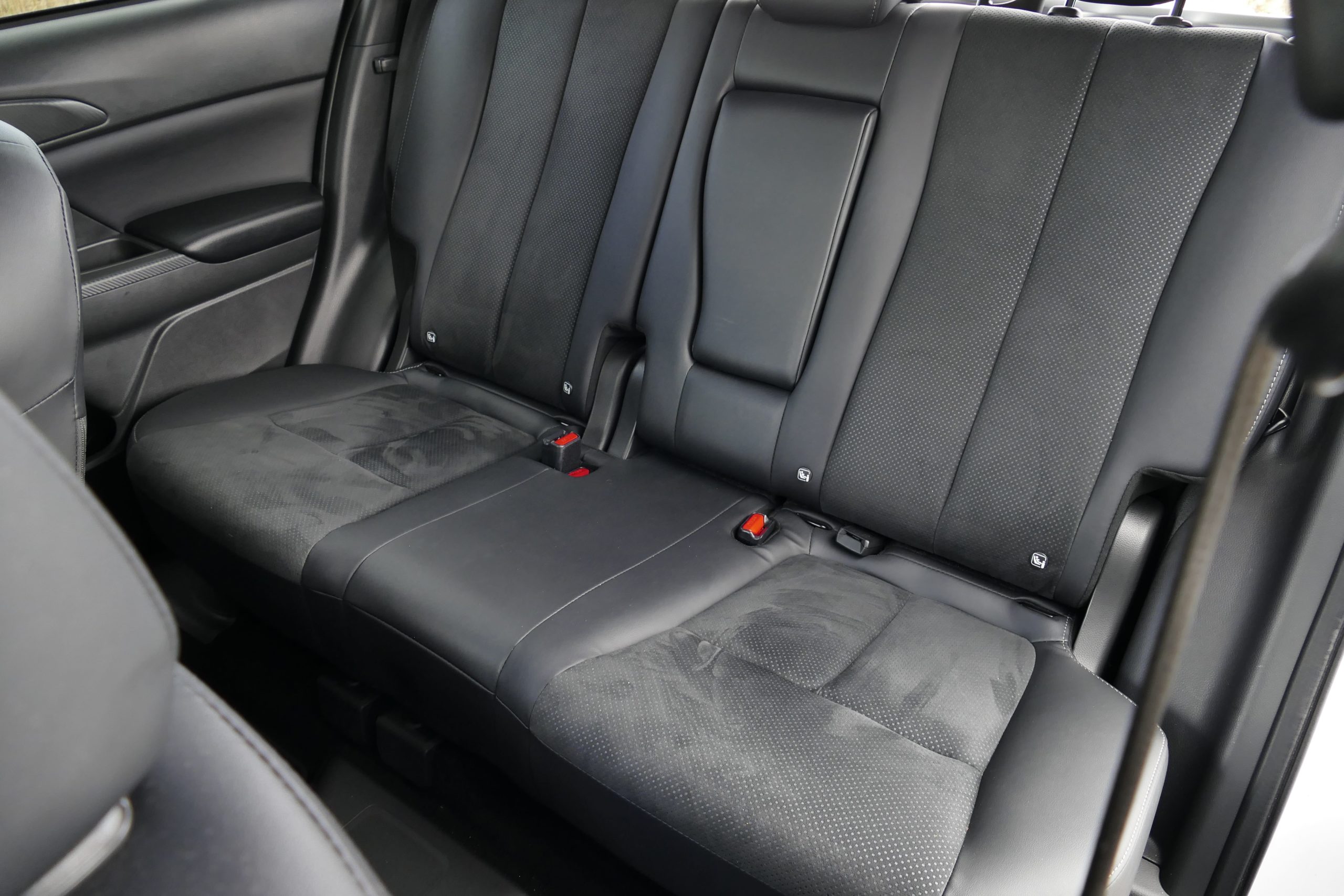
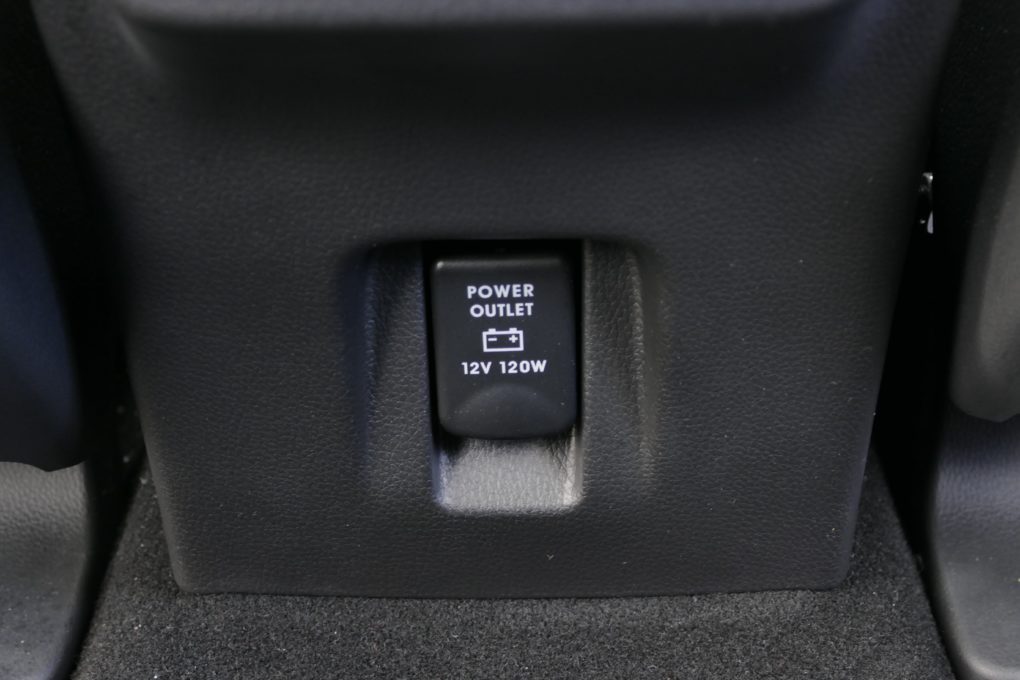
The rear seat is definitely a plus. There is definitely legroom and headroom here. Comfort is also provided with two additional seat heaters on the outer seats. There is also a cigarette lighter for the rear passengers. However, we would have preferred two more USB ports here. Fortunately, the center tunnel is kept very flat.
Driving impression: A combustion engine with only one gear?
The front axle of the Eclipse Cross PHEV is driven by a petrol engine and an electric motor. There is another electric motor on the rear axle. Combined, these engines produce a good 188 hp. He is sealed off at 165 kilometers pro hour, as it would only increase consumption immeasurably. What is clear is that the Eclipse Cross PHEV was designed as an electric car. The car glides quietly and without problems through the landscape in EV mode.
However, as soon as the battery runs out after a good 45 kilometers or you carry out a kickdown to overtake, the petrol engine jumps in to provide support and to charge the battery. However, this has to make do with only one gear. Therefore, it sounds very loud at higher speeds. So you will be rewarded if you drive a lot with electricity. But if you only drive with petrol, you will be punished a little with the loud engine noise.
The Eclipse Cross also performed well in off-road terrain. We didn't get stuck with it. It mastered this quite easily and without any major problems in gravel or tarmac driving mode. And it even did this purely electrically.
My conclusion: classic station wagon SUV as a bread-and-butter car
If you are looking for a large car with station wagon and SUV characteristics and don't want to miss out on all-wheel drive, the Eclipse Cross PHEV is a very good car for a good price. There isn't too much equipment, but the focus is on the essentials. If you like something a bit more modern, you can even get a head-up display installed as an option. The assistance systems, such as the city emergency brake and ACC with adaptive cruise control, are definitely worth ordering, as they are modern and worked without problems in our test. A blind spot assistant in the mirrors helps when reversing and even warns of cross traffic.
Anyone who wants to get the bonus and an E-license plate in 2022 can expect a delivery time of one to three months if they order now. Furthermore, the Eclipse Cross PHEV is available minus the subsidy from just 30.000 euros. This is a very good price for such a large car. However, a PHEV is only worthwhile if you really charge it every day at a socket or wall box. However, the Mitsubishi Eclipse Cross PHEV can also be fully charged in 50 minutes with a CHAdeMO connection at a 30-kilowatt fast charging station. Here, however, the charging process stops automatically when the battery is 80 percent charged. This ensures that the battery is preserved in the long term.
In my personal opinion, a PHEV only makes sense if you can cover at least 80 kilometers and more purely electrically. Competition from China with the Great Wall Motors Group Wey brand is coming later this year with the Coffee 01. Incidentally, these vehicles are also imported via the Emil Frey Group, just as is the case with Mitsubishi. It remains exciting whether PHEVs are really the transitional solution or whether it would be better to rely on fully electric vehicles immediately.
Many thanks to Mitsubishi Germany for providing a test car of the Mitsubishi Eclipse Cross PHEV.