
Smart #3 Premium review: The Benz without a star
A TEST REPORT from Leander Diedrich  on June 02, 2025, 21:36 am | 1 comment

The Smart #3 is, after the #1, the second all-electric Smart since the brand was relaunched with a purely electric portfolio. Far removed from the original Smarts, the kings of parking, Smart is now embracing the SUV trend and offering its customers sporty electric cars with German-Chinese know-how. I tested Smart's second offering extensively for two weeks to see how it performs in everyday use.
Conclusion
The Smart #3 Premium starts at €48.490, providing an electric car for fans of sporty, electric driving and extensive features. The Smart's design and craftsmanship are particularly impressive.
A closer look at the #3, however, reveals some unavoidable shortcomings. The driver assistance systems, in particular, while at a good level in terms of handling, repeatedly cause unfortunate errors in the same situations. Smart also needs to work on the infotainment system; too many things are very cumbersome and not very user-friendly. The Smart #3 has Mercedes at its core – but the star is missing.
Picture: TechnikNews
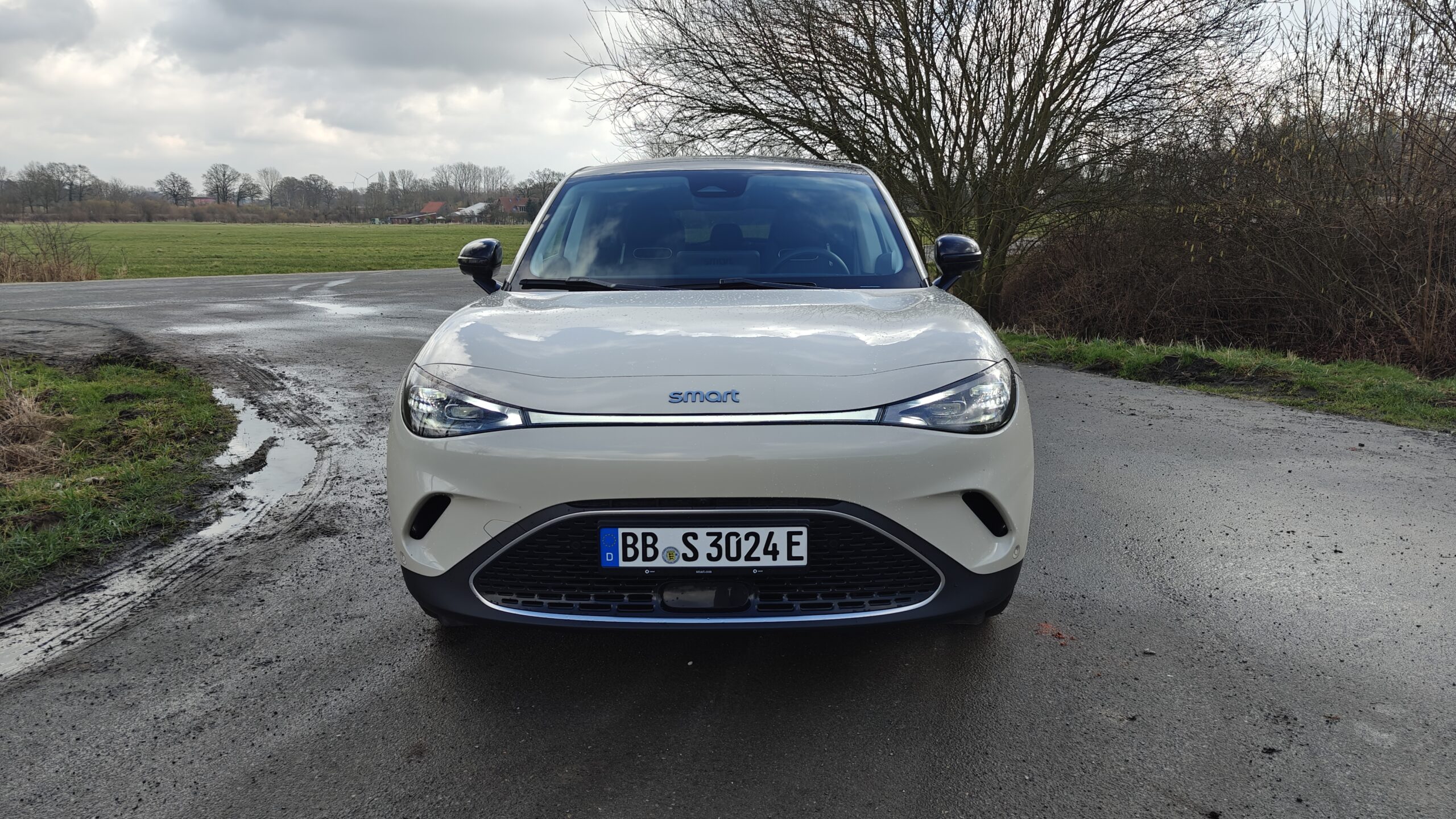
Mercedes look with Smart logo
Exterior
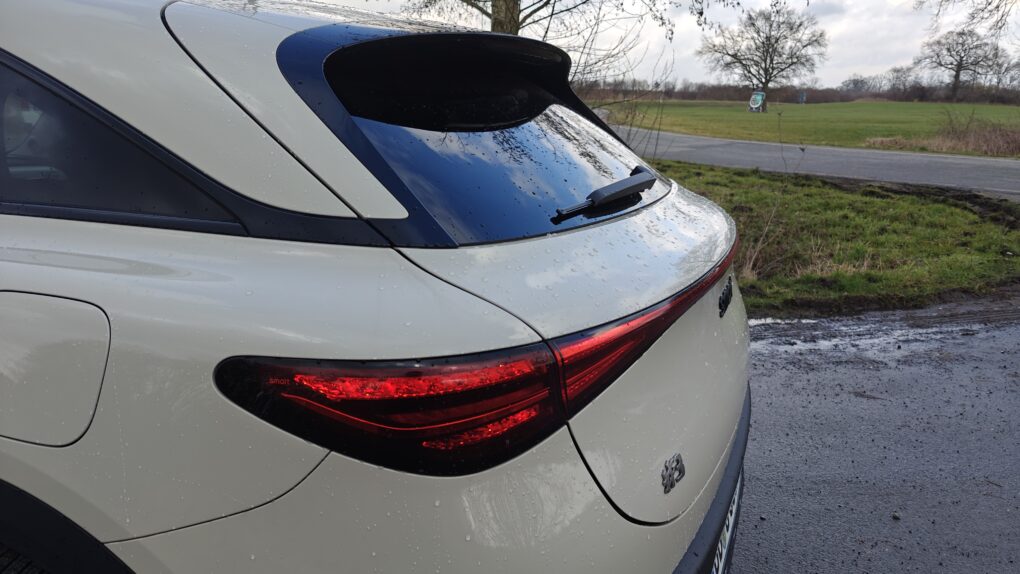
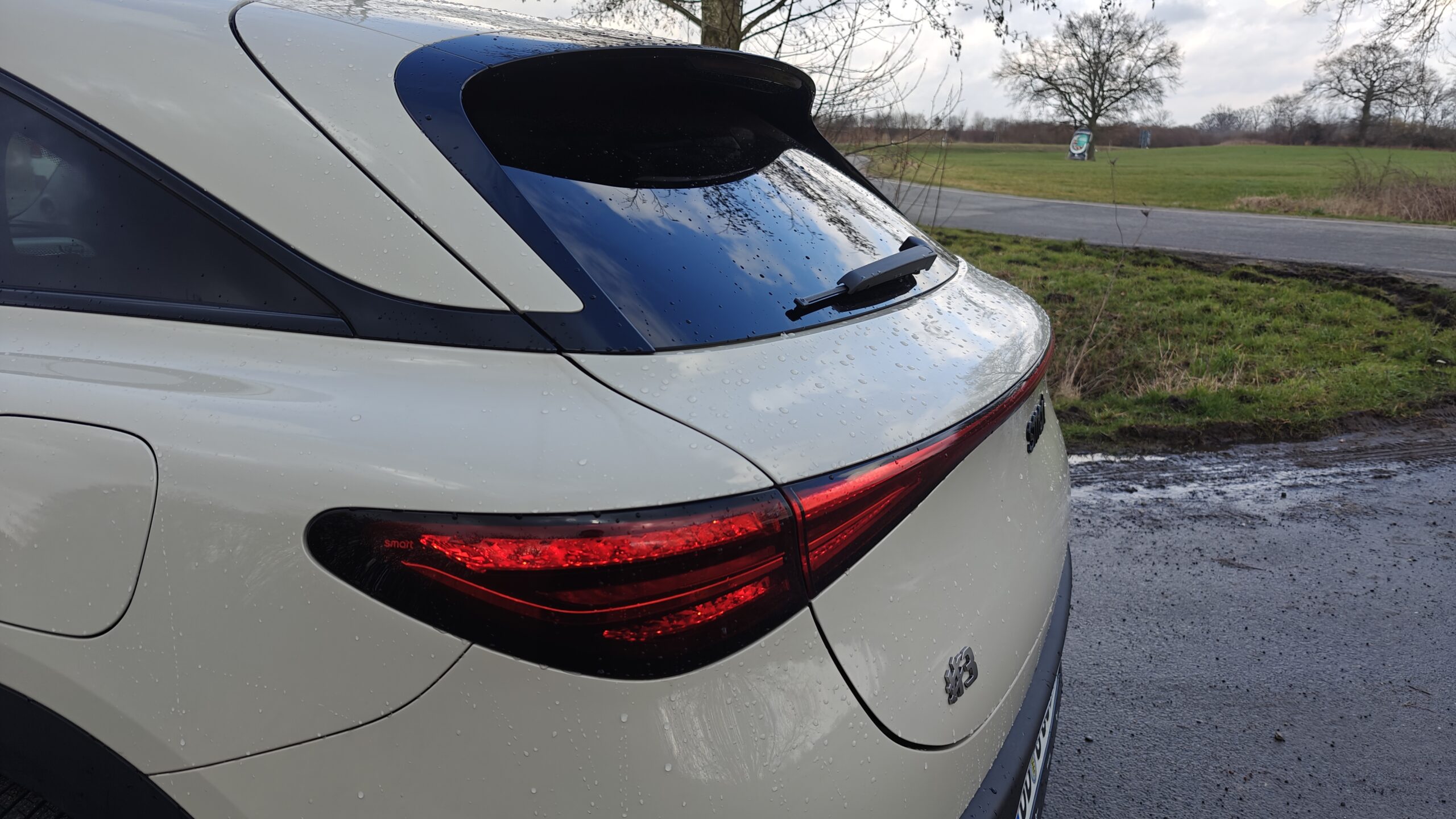
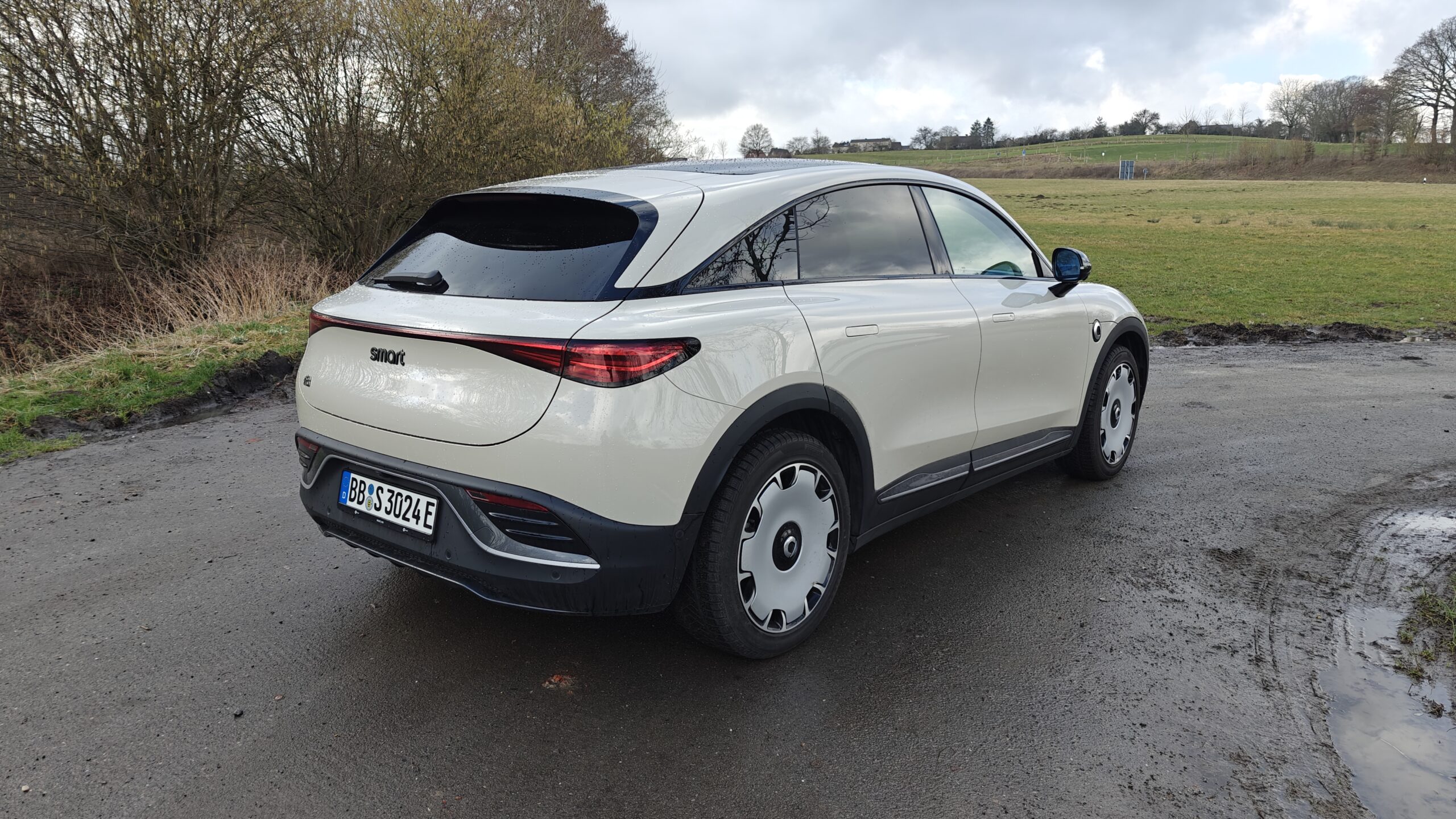
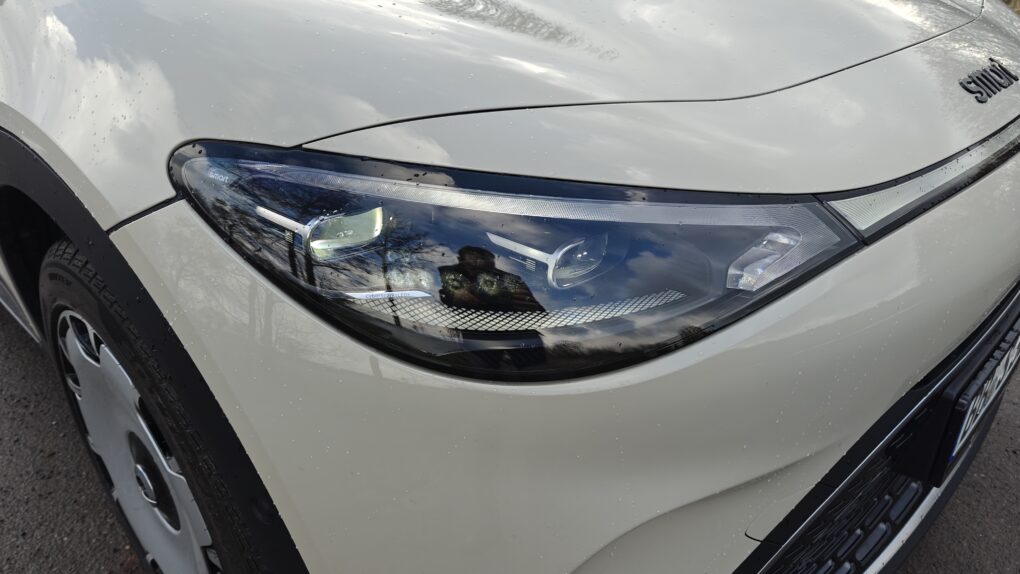
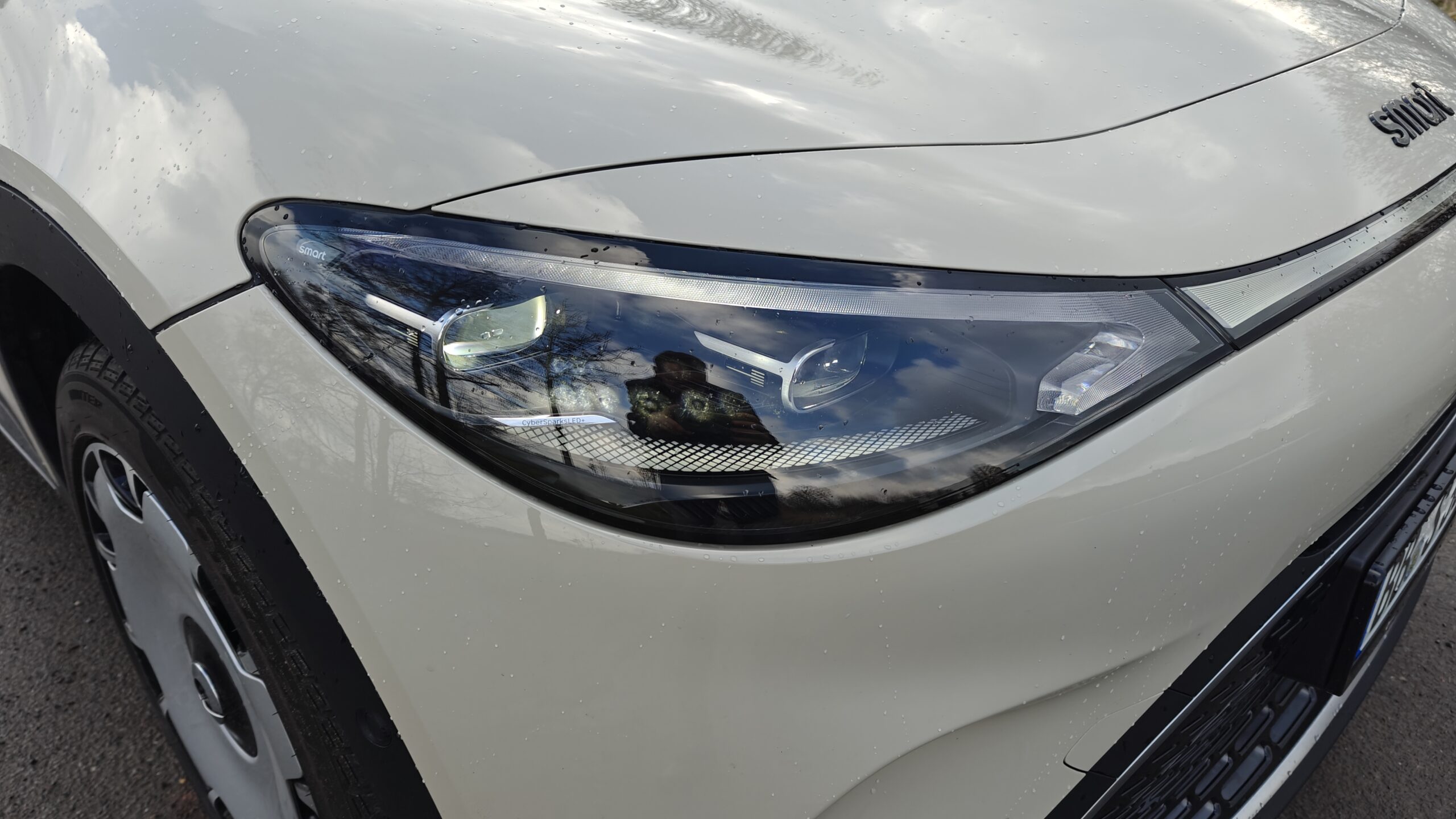
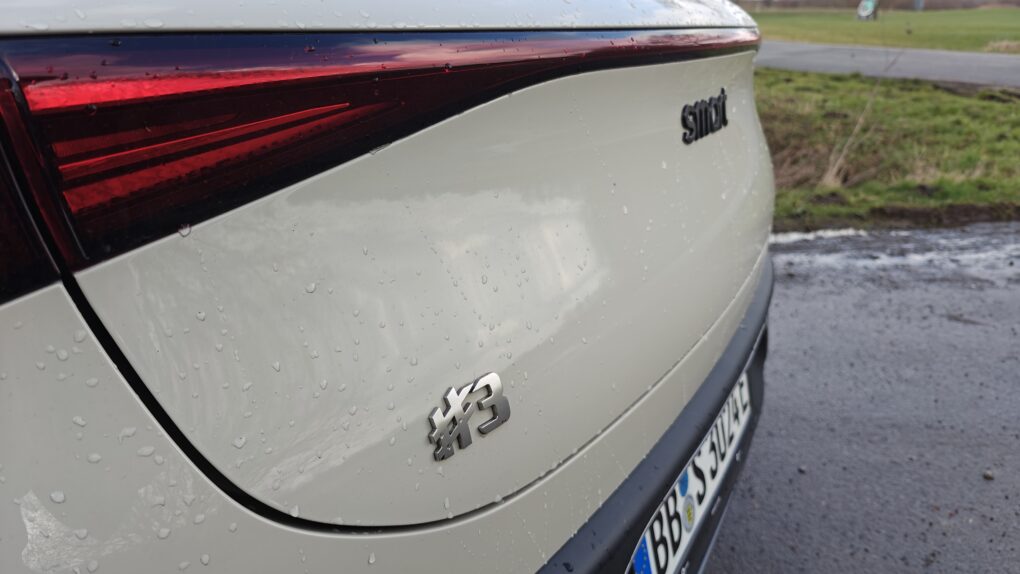
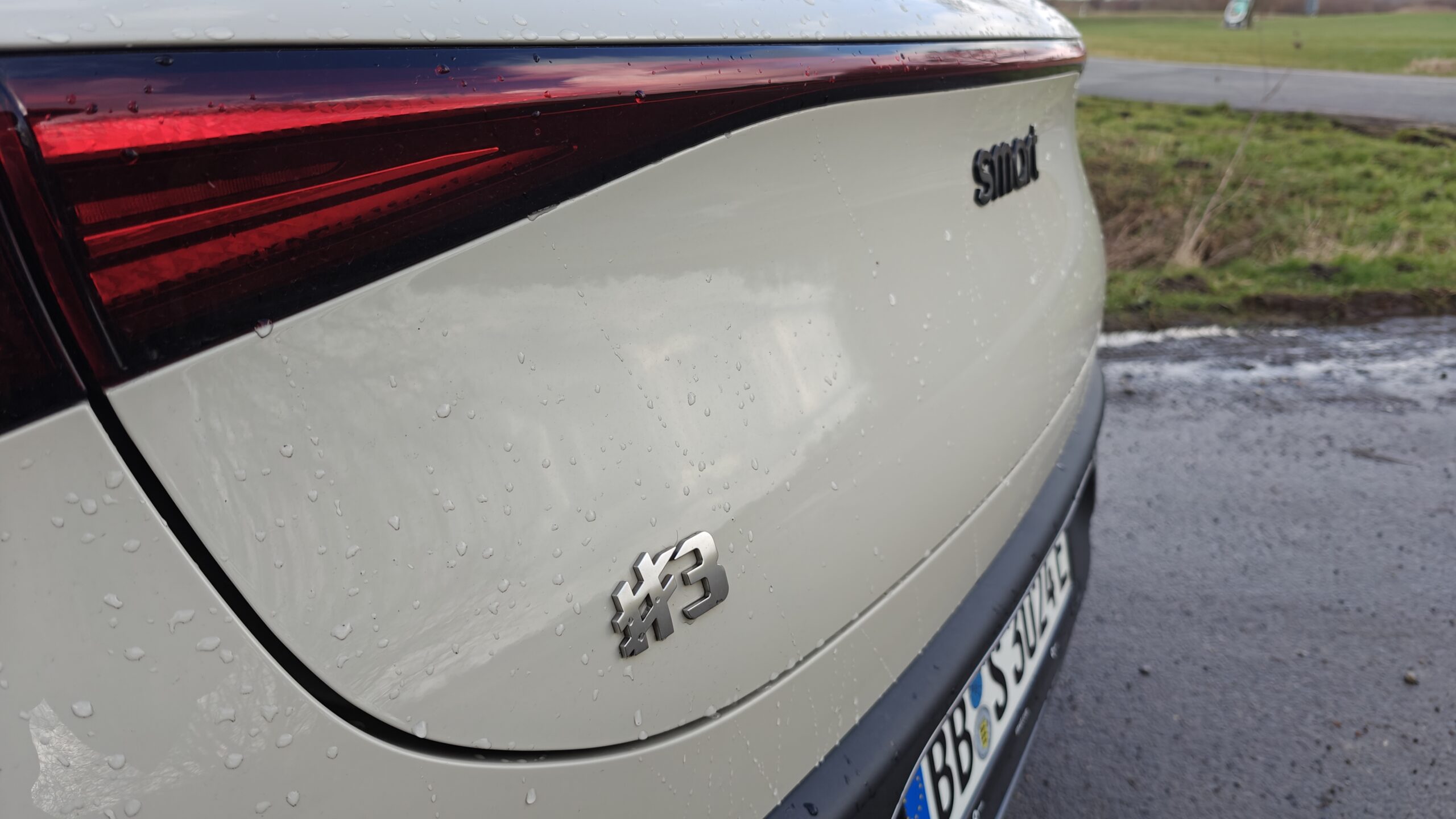
The fact that Mercedes-Benz, alongside the Chinese company Geely, also plays a half-controlling role in Smart's design is quickly apparent when looking at the exterior. The rounded design and the light signatures at the front and rear are very reminiscent of the electric Mercedes models and create a very stylish impression.
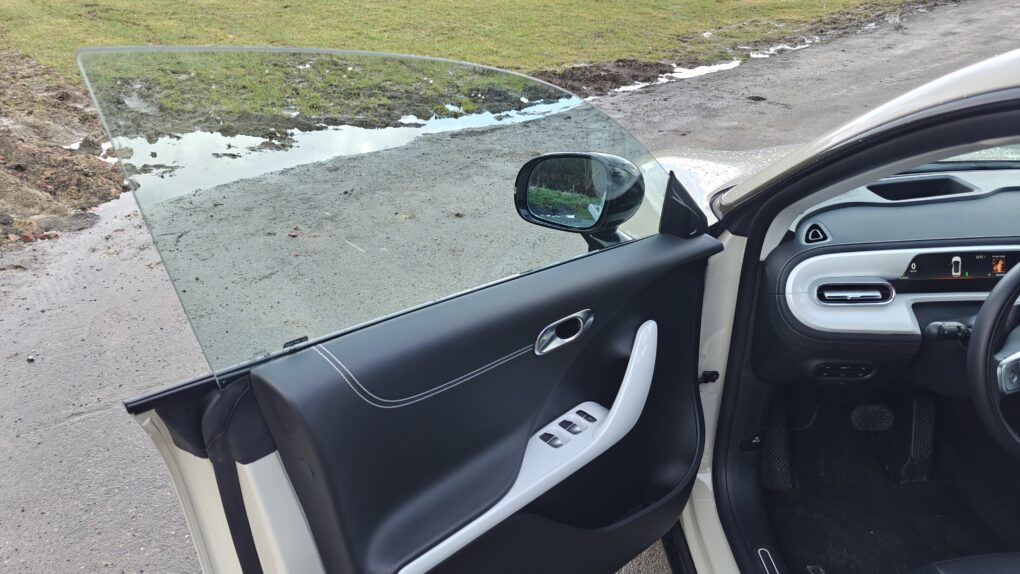
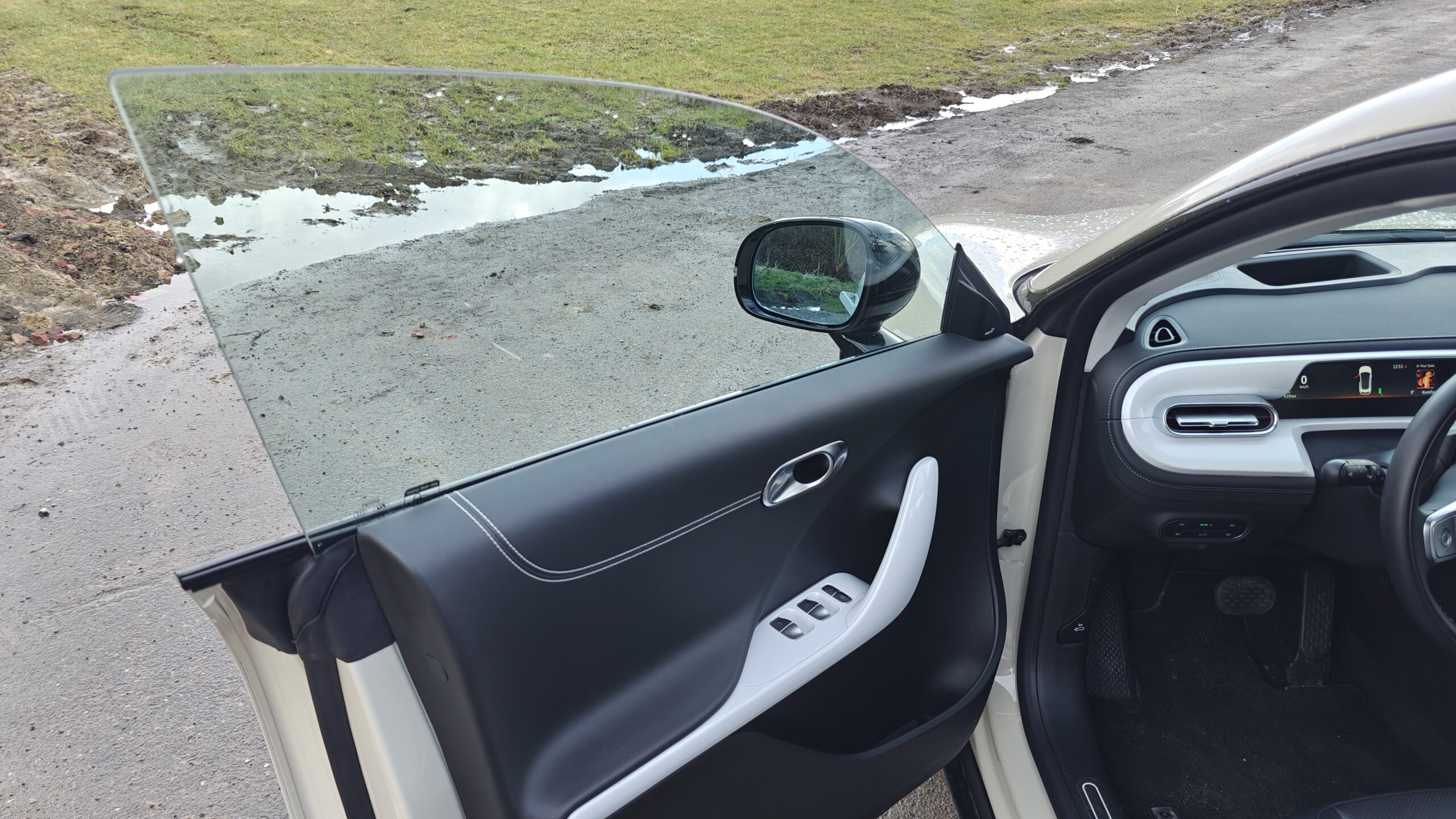
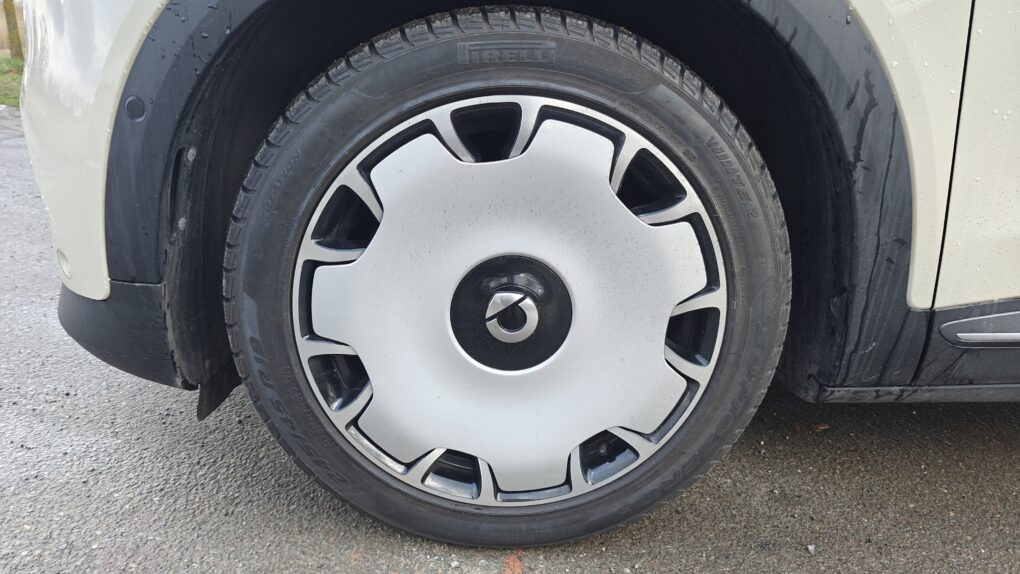
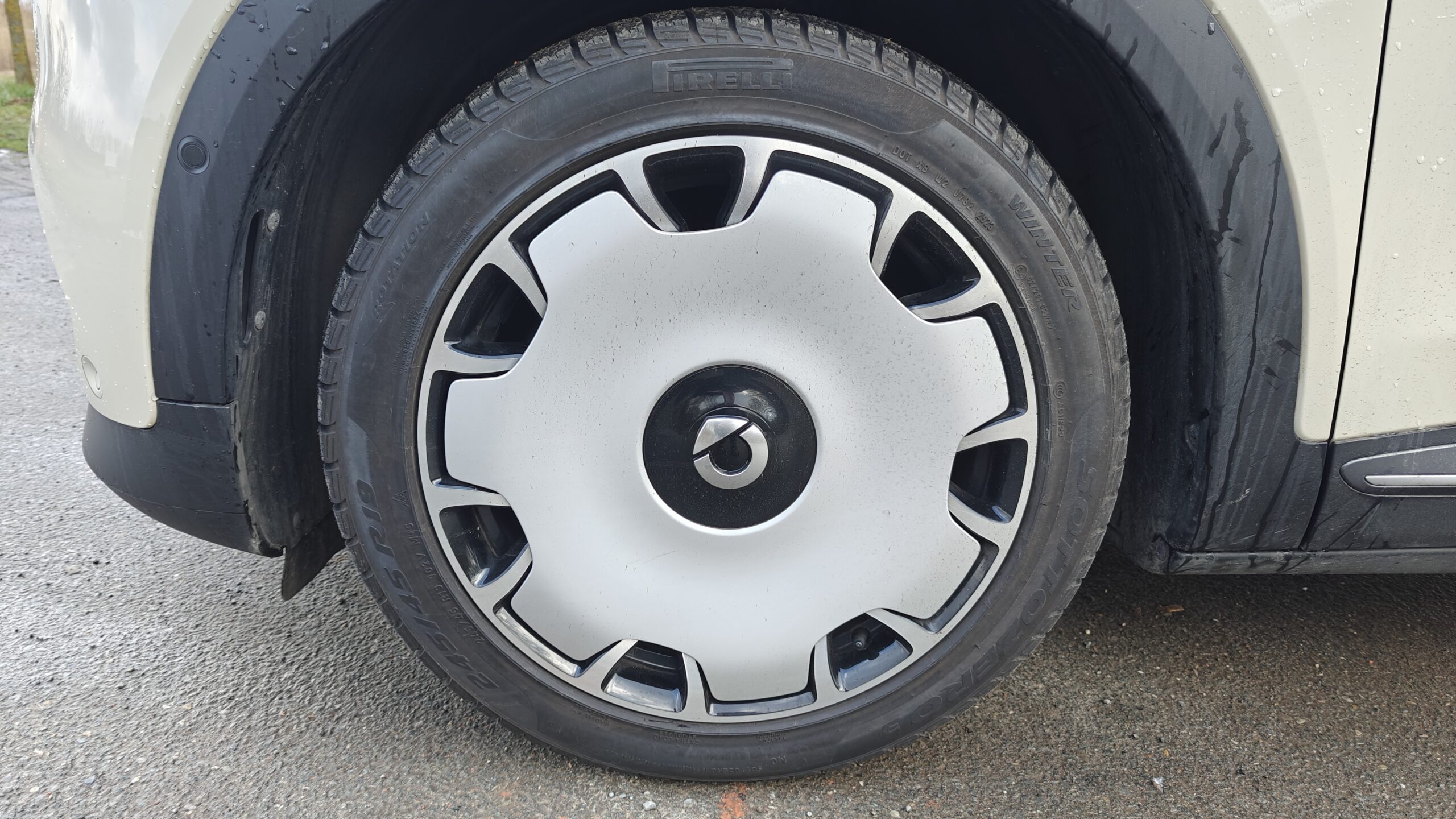
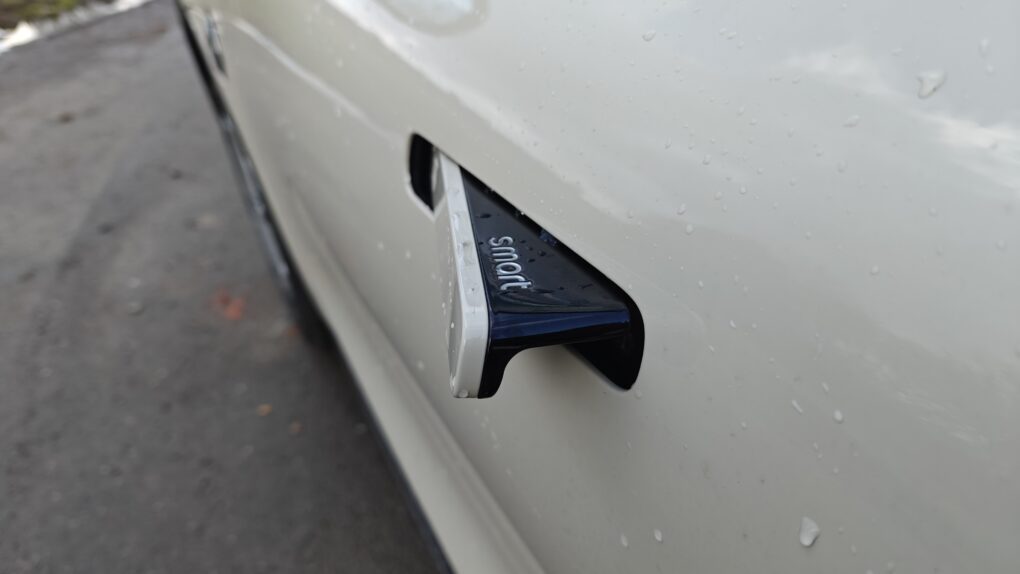
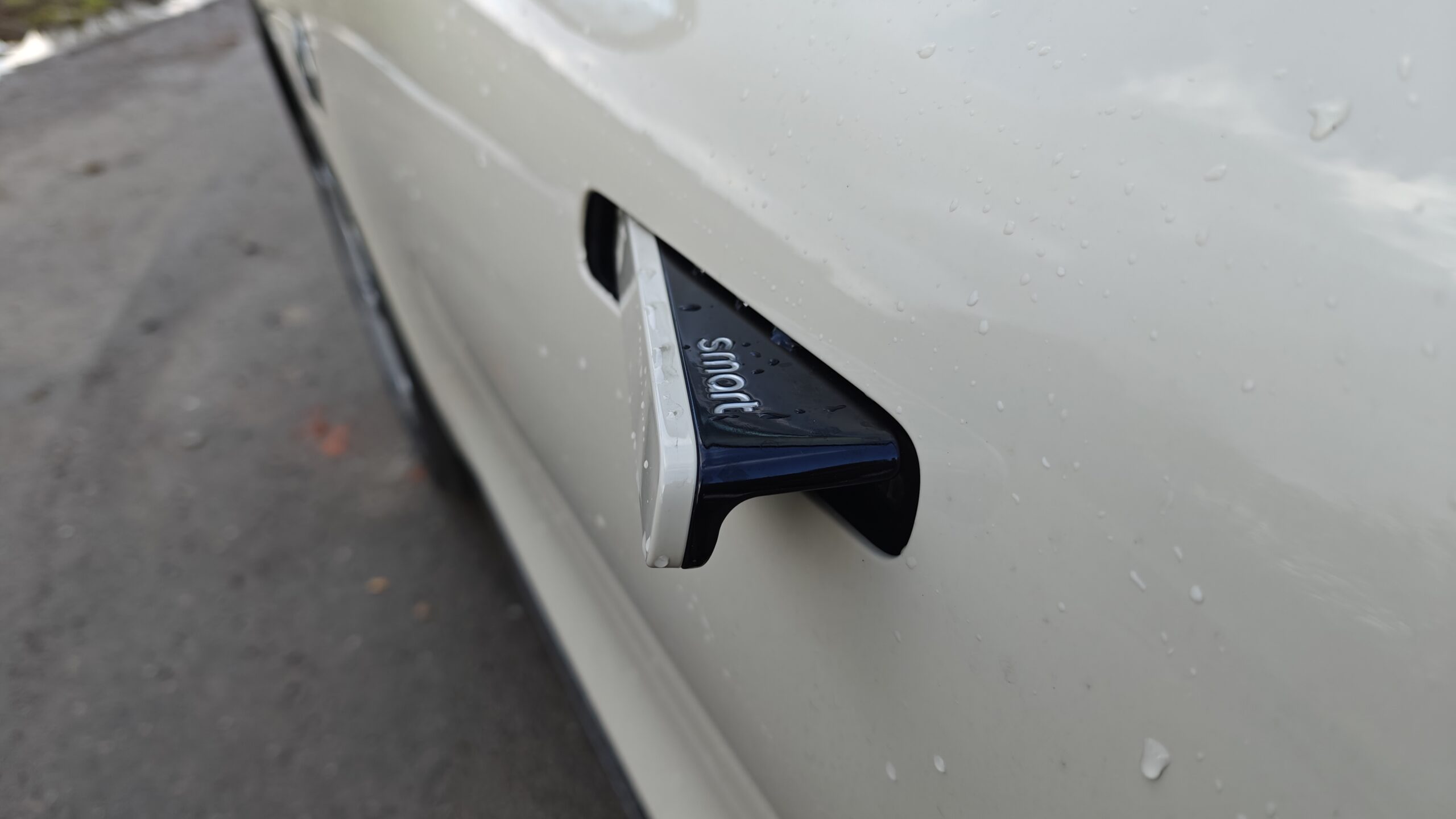
The 19-inch "Torque" alloy wheels give the Smart a very spacey touch. While the frameless doors are somewhat less quiet than conventional doors, they still look very stylish.
-
- Picture: TechnikNews
-
- Picture: TechnikNews
-
- Picture: TechnikNews
Interior
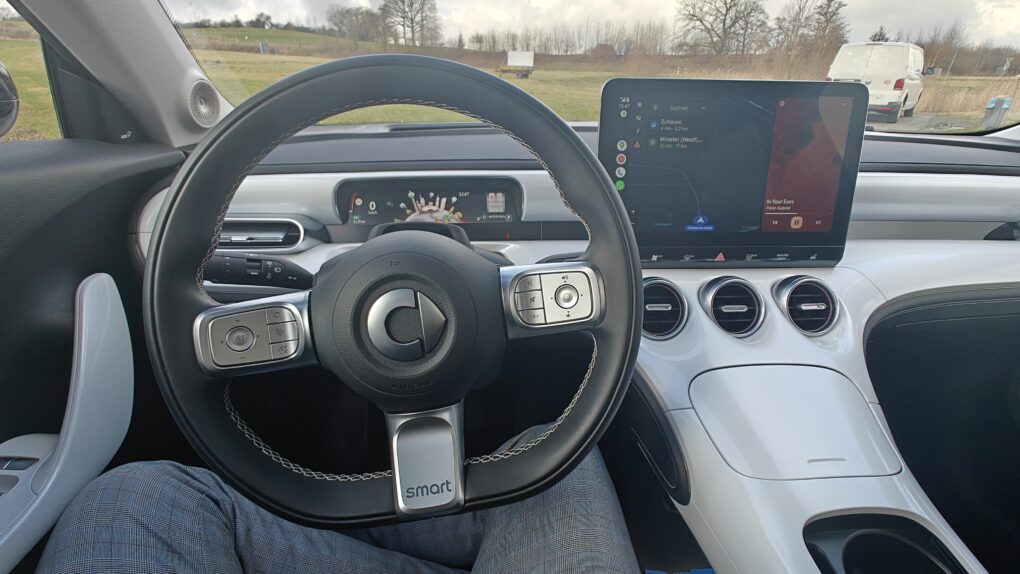
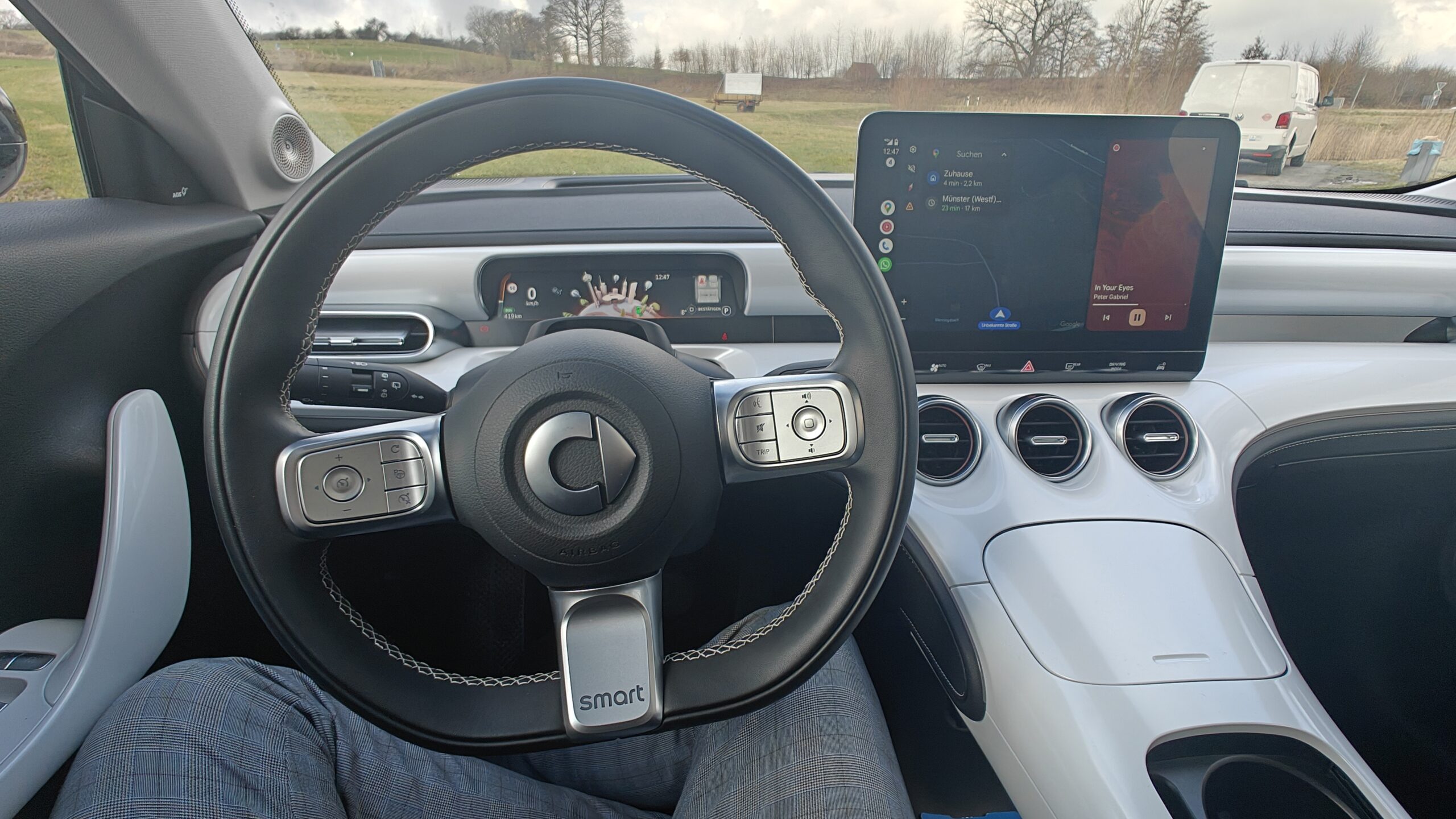
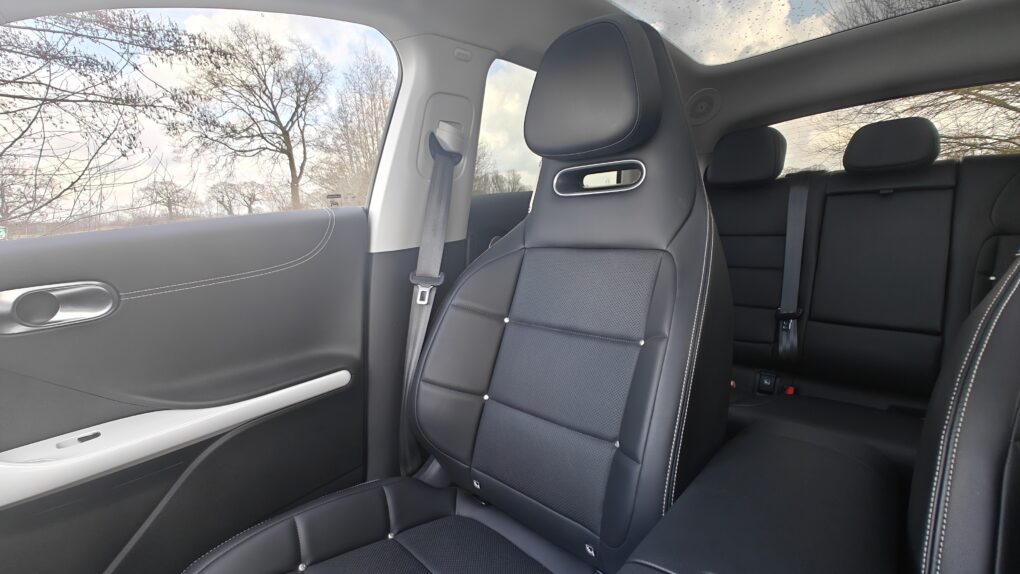
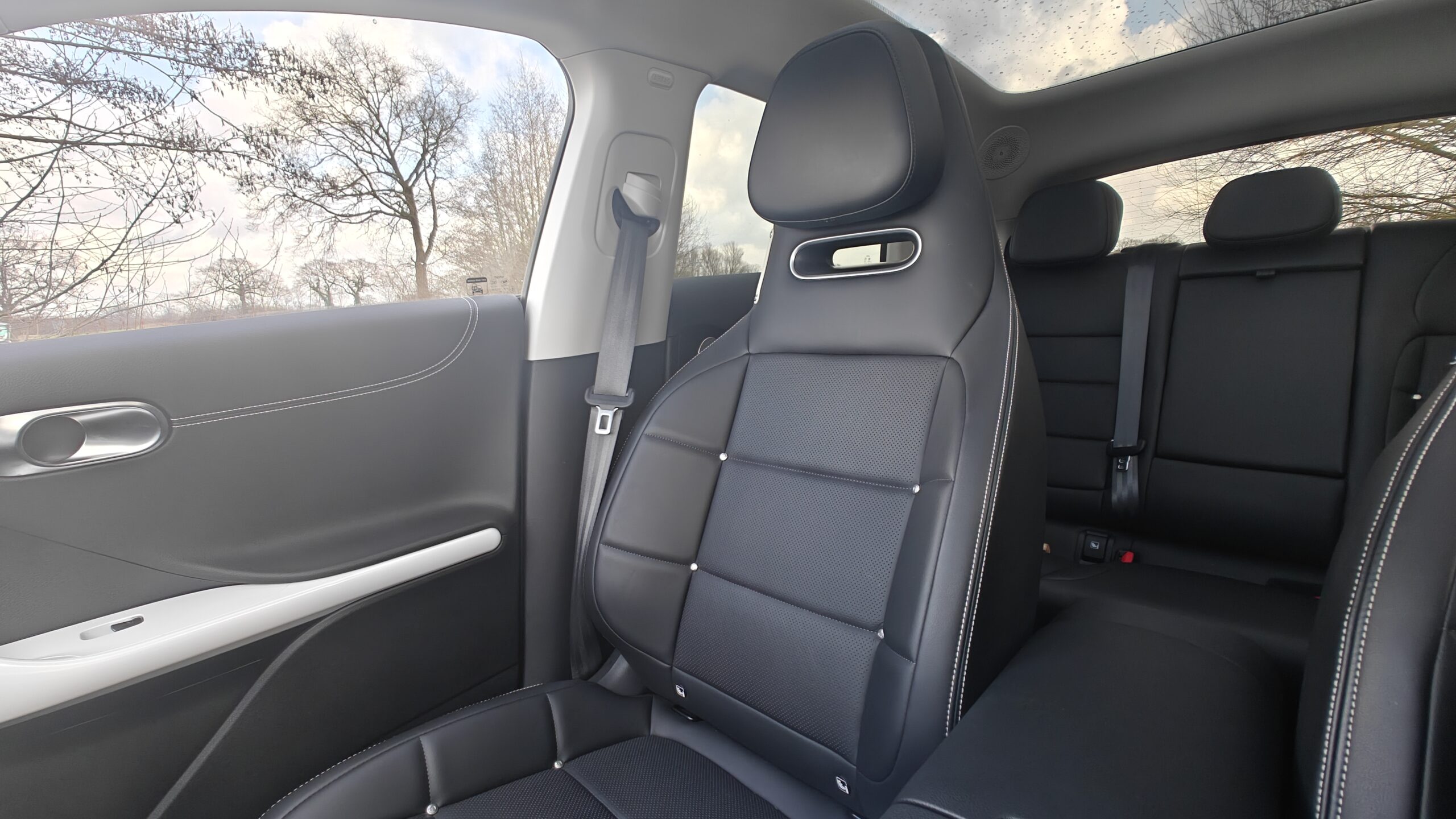
The interior of the #3 can be configured in various color combinations. The test vehicle features the "Dark Matter" trim with black seats and a white center console. Although the latter is made of hard plastic, it looks good. The seats and door panels are upholstered in real and synthetic leather and feature high-quality decorative stitching.
Driving at night is a real highlight in the #3. This is when the multi-color, adjustable ambient lighting, which is superbly integrated into the interior, comes into play. Smart's designers weren't satisfied with simple LED strips: The speakers and air vents are also framed in LED elements, giving the vehicle a stunning look at night.
Even in the smallest trim level, the "Pro," the Smart #3 comes with three-stage adjustable seat heating for the driver and front passenger. What's striking here is that it automatically turns off after about 10 minutes, as if the car is warning the driver or front passenger to save energy. But the car is actually wrong: Driving with seat heating and cooler air temperature is always more efficient than driving without seat heating and warmer air. A somewhat irritating feature.
-
- Picture: TechnikNews
-
- Picture: TechnikNews
-
- Picture: TechnikNews
Operating concept
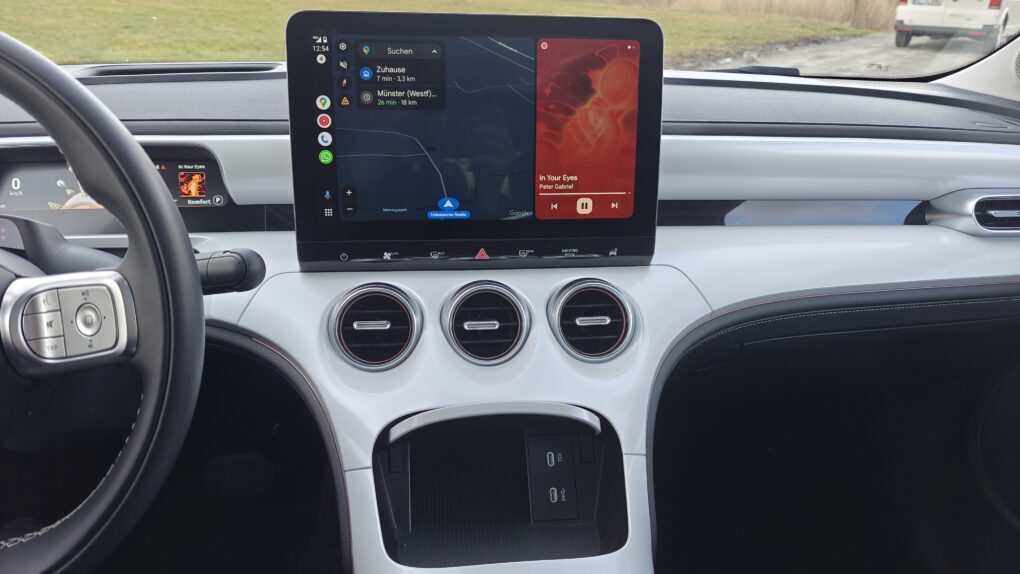
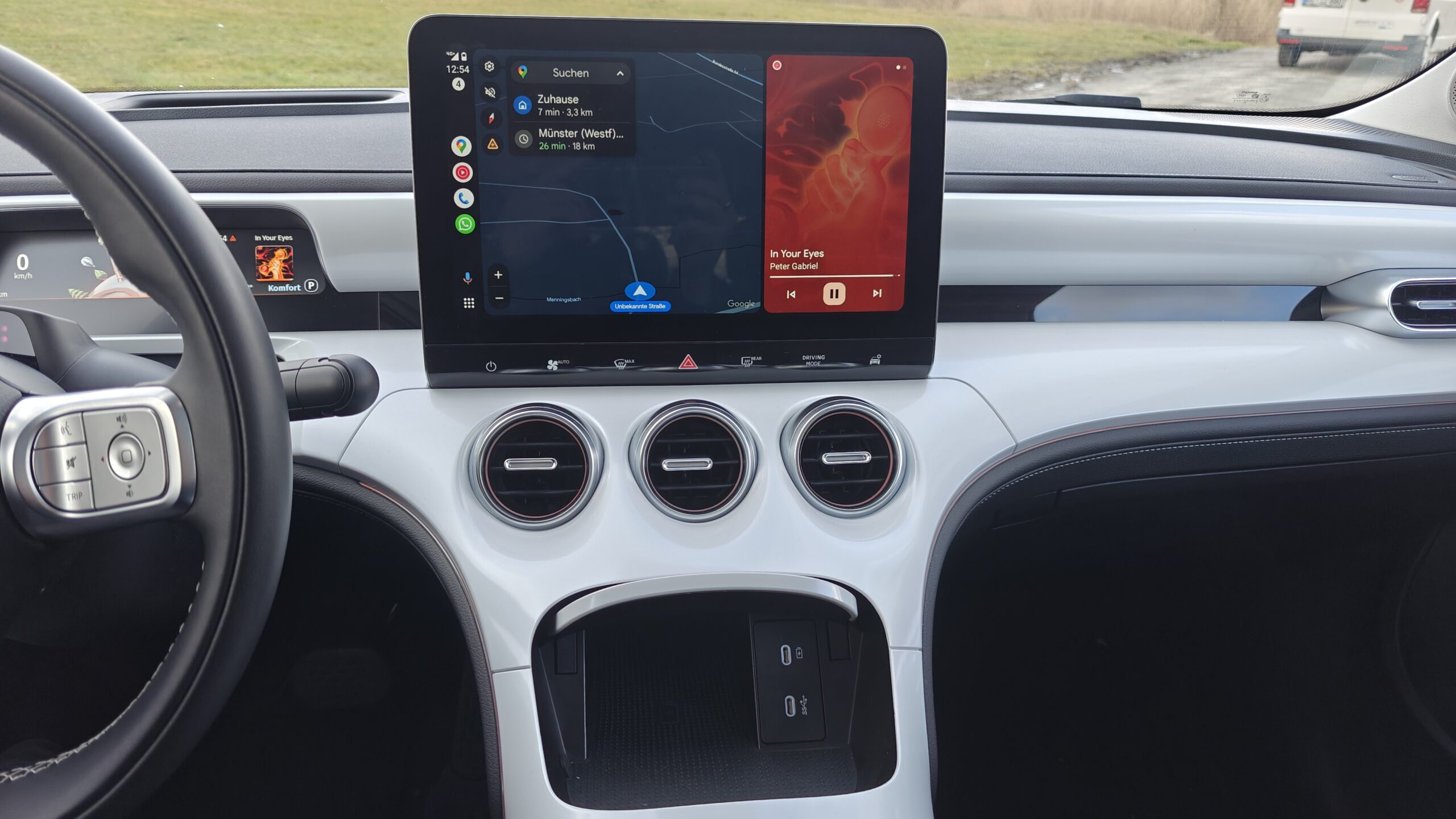
The Smart #3 features a 12,8-inch central main display and a 9,2-inch driver display. The premium version adds a 10-inch head-up display. In addition to the touchscreen, the Smart features high-quality push buttons that are easy to use.
The menu navigation on the main display seems a bit convoluted overall. Important menus with driving settings are divided without any discernible structure and are located in various places throughout the system. The very intrusive speed warning tone can only be turned off with too much of a detour, rather than with a simple button press like in other vehicles. This is quite a nuisance in everyday use with the #3.
To make settings more direct, the #3 features voice control. If you want to use this, you'll be asked on each new trip whether you agree to the company's privacy policy. This can't be in the best interests of the average driver.
Picture: TechnikNews
Smart Pilot Assist with a major shortcoming
Starting with the Pro+ trim level, the #3 features Smart Pilot Assist. This system reliably keeps you in lane, especially on highways, and also maintains your speed via adaptive cruise control. While the integrated sign recognition also works flawlessly, unlike other vehicles, the speed limit is only adjusted after the sign is reached—and therefore too late.
The #3 with Smart Pilot Assist cannot change lanes on the highway; driver intervention is required here. As soon as the turn signal is activated, the lane keeping system temporarily deactivates, giving the driver time to steer the vehicle into the new lane. However, they don't have much time: Unless the lane change is a "Fast & Furious"-style affair, the #3 attempts to return to its original lane far too aggressively. Sweaty palms are the norm for the driver.
-
- Picture: TechnikNews
-
- Picture: TechnikNews
-
- Picture: TechnikNews
Quite a few manufacturers need to work on automatic route planning with charging stations – Smart is one of them. While the navigation system adds charging stations as needed, there's no way to select specific providers where you'd prefer to charge. Furthermore, charging stations are accessed far too early, when the battery is still at 30% charge. If you then simply drive past the charging station, the Smart gets stubborn and simply doesn't add a new charging station – even though it should now be looking for one.
Important information such as waypoints along the route or the expected battery charge upon arrival at the destination are missing from the #3. Instead, the #3 informs the driver at every exit on the motorway that he should now not The visual representation is virtually identical to the opposite instruction, which is to take the next exit, which is quite confusing for the driver. Since no waypoints are visible, the driver can't tell when the correct exit is coming and is left wondering at each exit whether to drive past or take the exit. This leaves me quite astonished – Smart urgently needs to take action here.
-
- Picture: TechnikNews
-
- Picture: TechnikNews
-
- Picture: TechnikNews
Performance data and driving comfort
Smart equips the #3 Premium with rear-wheel drive and a powerful 200 kW / 272 hp – even in this version, driving fun is guaranteed. If that's not enough for you, you can opt for the 428 hp Brabus version of the #3. The #3 also performs well at AC charging stations and wall boxes: The Premium trim offers a powerful 22 kW charging capacity.
The #3 is less convincing at the fast-charging station. While its maximum charging power of 150 kW is acceptable, the charging curve could be better. Smart is currently demonstrating that things can be done differently with the new #5.
Depending on the driver's current mood, various driving modes can be selected. However, in each of these modes, the accelerator pedal is very sensitive, even in Comfort mode. However, the #3 features very good recuperation, allowing for strong deceleration without braking.
The range test was quite demanding for the #3 due to the wintry temperatures of 3 degrees Celsius, but it still performed well on the test track. At 90 km/h, the Smart achieved a fuel consumption of 181 Wh/km, and at 120 km/h, 224 Wh/km. With a usable battery capacity of 62 kWh, this translates to a winter range of 343 km and 277 km, respectively.
Three-stage seat heaters have been around for decades.
The automatic shut-off after a certain time is the same – it has nothing to do with electric cars.