
Volvo EX90 (2026) review: Up to 680 hp and finally 800 volts
A TEST REPORT from Kasimir Hupe  on September 14, 2026, 9:13 am | 💡 recently updated | Write a comment
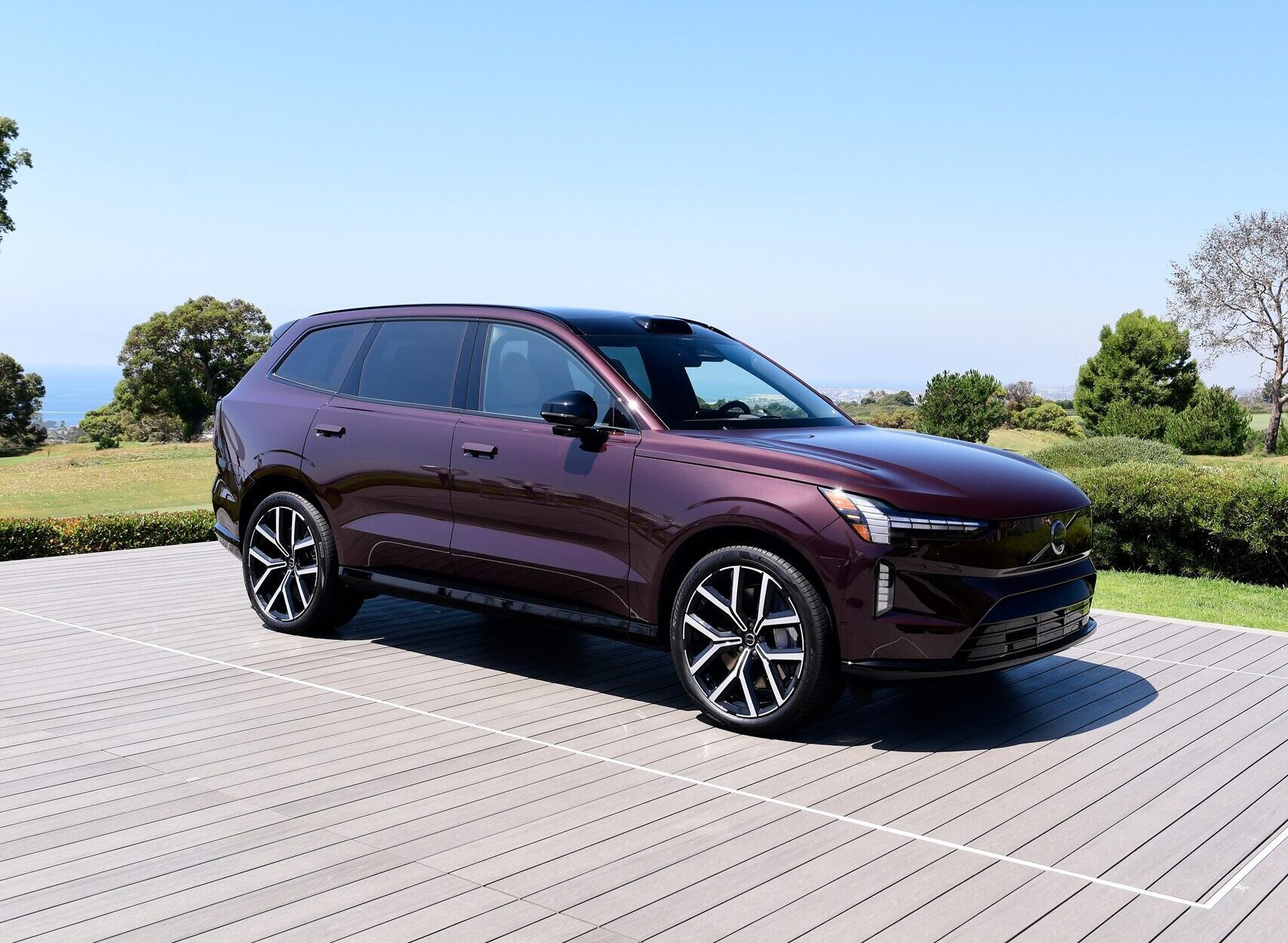
For two weeks, a Volvo EX90 Twin Motor Performance in Mulberry Red sat parked in front of my door. With 500 kW (680 hp), a 103 kWh battery, and a peak charging capacity of 350 kW, the spec sheet certainly looks impressive. The SUV also now features an 800-volt architecture. You can find out what this comprehensive update to the Volvo EX90 actually means in everyday driving in our detailed test report.
When Volvo unveiled this SUV in Stockholm in November 2022, it was the first model built on the large SPA-II (Scalable Product Architecture 2) platform and was intended to pave the way for the Swedish automaker's electric future. The ambition was high: it was to be the safest Volvo ever, a software-defined car, and the electric sibling of that... Volvo XC90 his name, who had represented the brand in the large SUV segment since 2002.
With the 2026 model year, Volvo has fundamentally revised the EX90 once again, giving it, as we have already reportedIt received an 800-volt architecture along with two new computers. This was exactly the version I had, and it answers the question of whether the update was worthwhile surprisingly clearly.
Conclusion on the Volvo EX90 (tl;dr): A great long-distance car for the family.
Despite its up to 680 hp, the Volvo EX90 isn't a car geared towards sporty driving, nor does it try to be. It's a very quiet and safe long-distance touring vehicle with ample space for seven people. After the upgrade to an 800-volt electrical system, it finally boasts the charging capacity of up to 350 kW that one would expect from a modern long-distance vehicle. A combined consumption of around 20 to 21 kWh per 100 kilometers in everyday driving is also impressive for a vehicle of this size. For those who regularly travel with seven people, the EX90 is a superb touring car that's truly enjoyable to drive.
However, there are two things to accept. Firstly, the unladen weight of approximately 2,7 tons is undeniable, as it significantly impacts every winding drive, which is why adaptive air suspension should be on every order list. Secondly, operating the car via the touchscreen remains a challenge.proThe interface, which Volvo mitigates with its well-designed menu structure, is still likely to be annoying and take some getting used to for some. However, those who prioritize quiet, comfort, and a high level of safety, and have the necessary funds, will hardly find anything more suitable in this segment.
Strengths and weaknesses of the Volvo EX90:
✅ Strengthen:
- Good everyday consumption of around 20 to 21 kWh per 100 kilometers
- 350 kW peak charging power, 10 to 80 percent in approximately 22 minutes
- Excellent noise insulation and high suspension comfort on long journeys
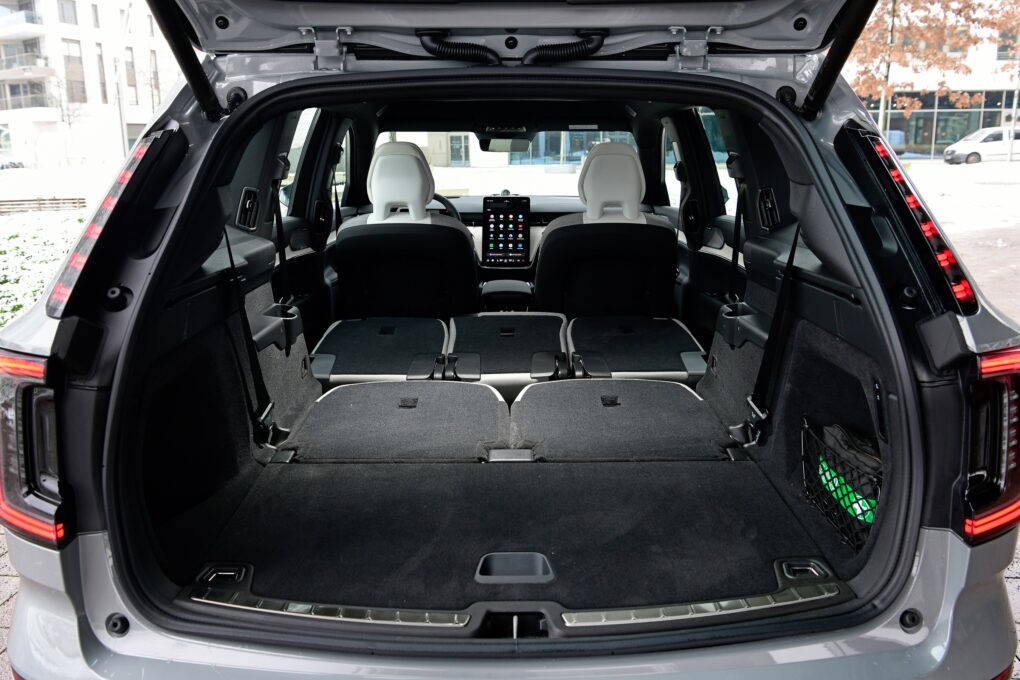
- Seven seats with a flat floor, a usable third row and a rectangular boot.
- Safety equipment at a very high level
- Reliable assistance systems
- Bowers & Wilkins sound system with 25 speakers and 1.610 watts
❌ Weaknesses:
- The high weight of 2,7 tons is noticeable in curves.
- Almost all functions are operated via the touchscreen.
- AC charging is only possible at 11 kW, not 22 kW as an option.
- High motorway fuel consumption
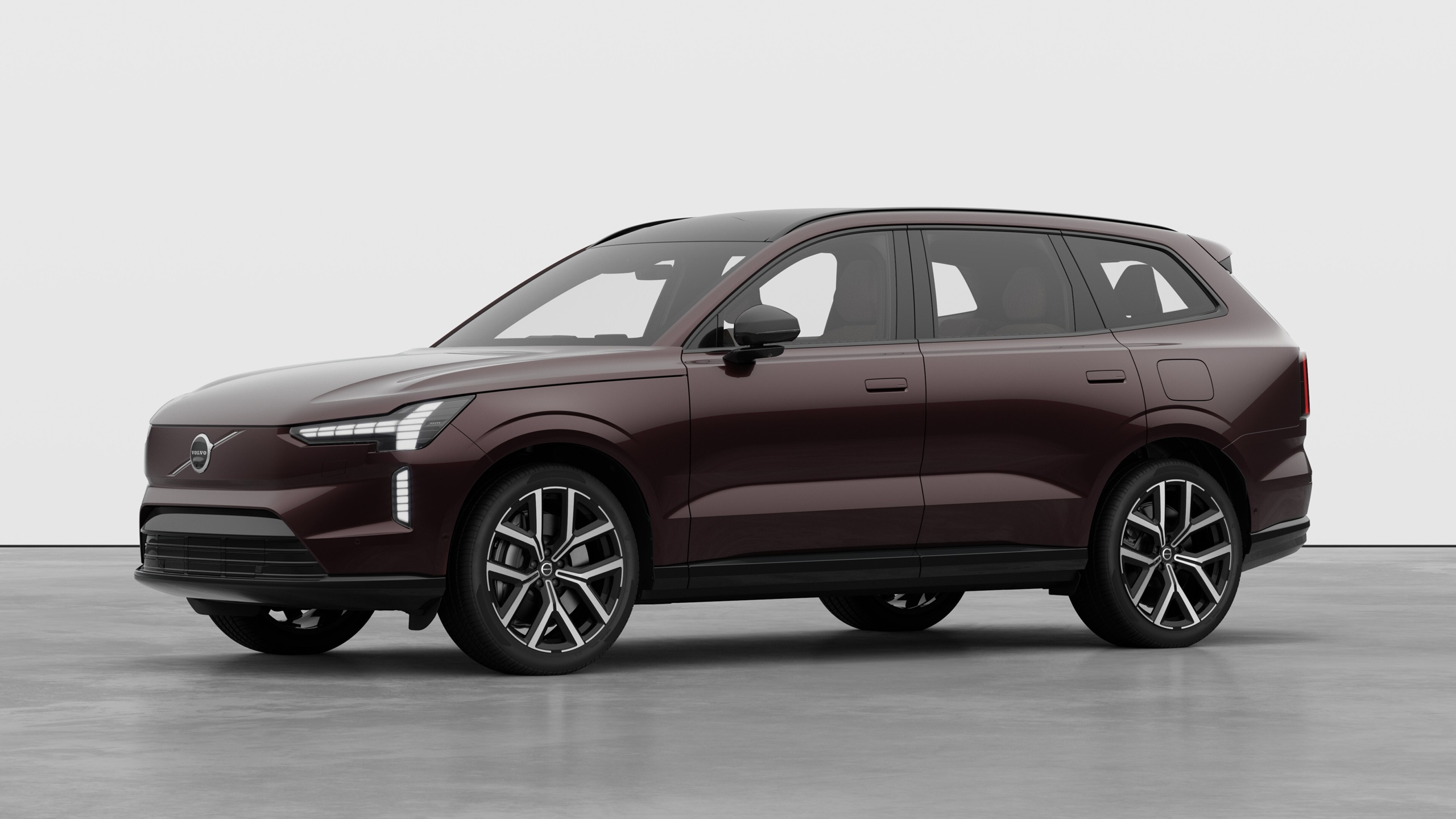
Image: Volvo
Design and exterior of the Volvo EX90: Calm and elegant
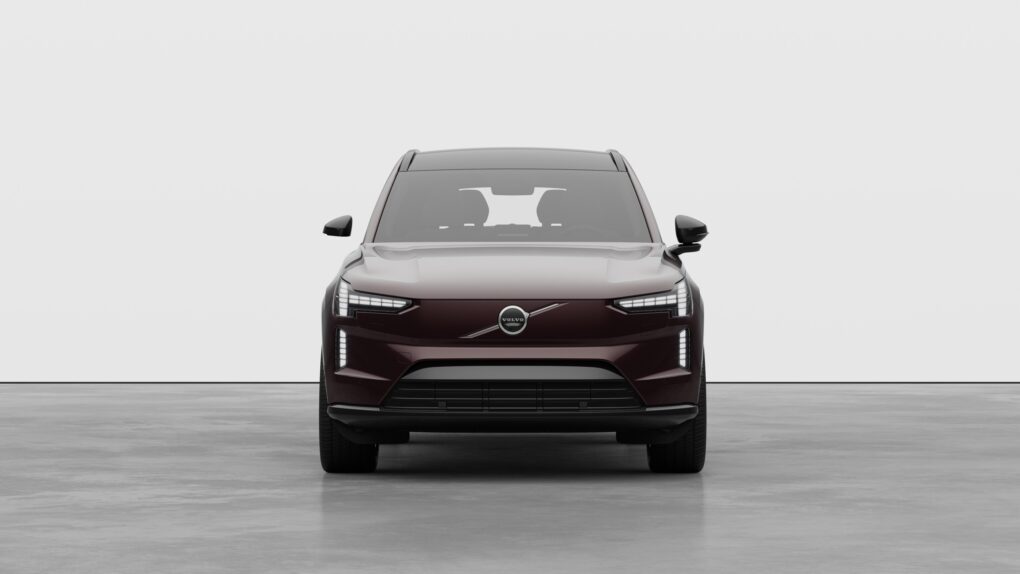
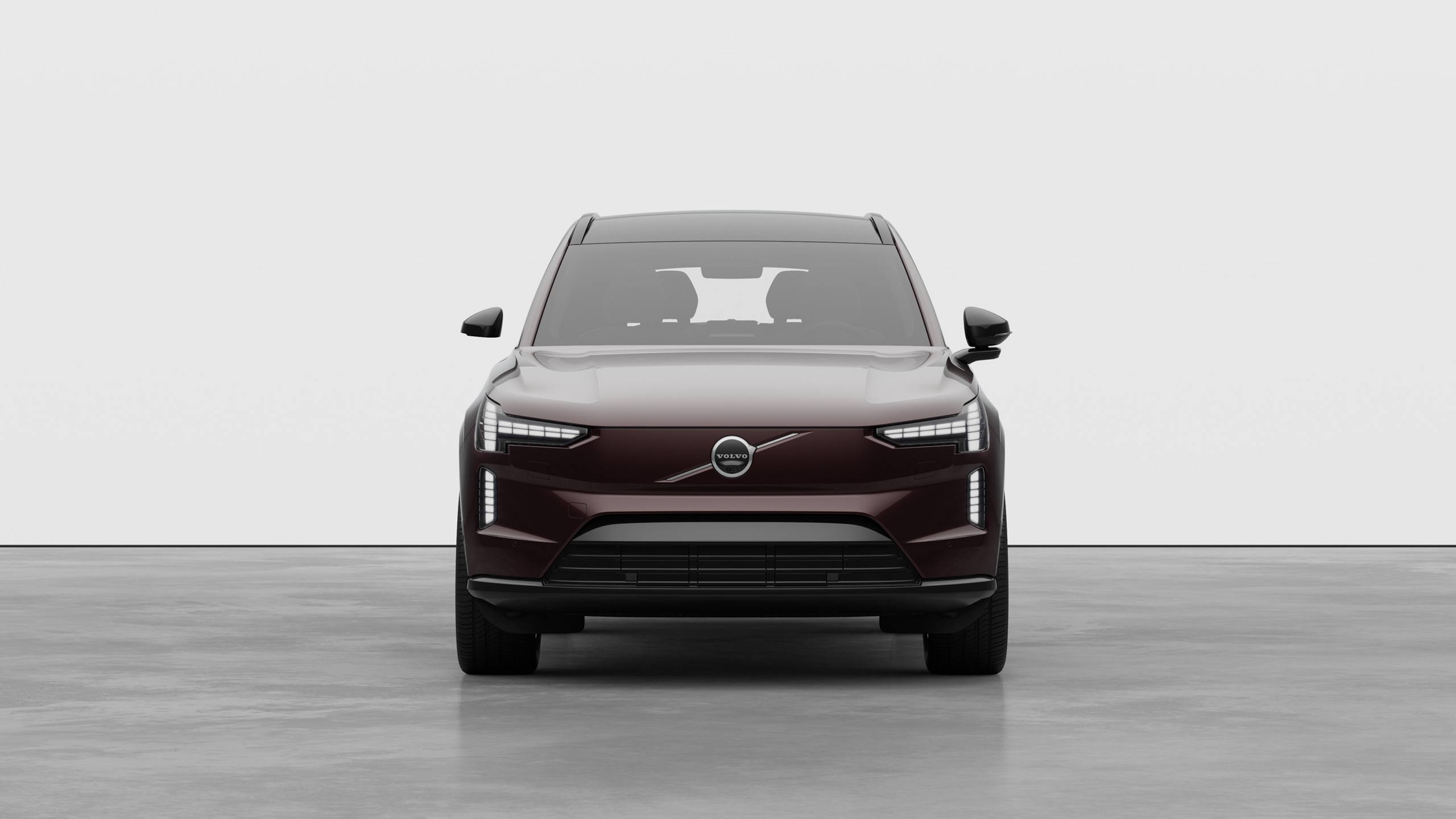
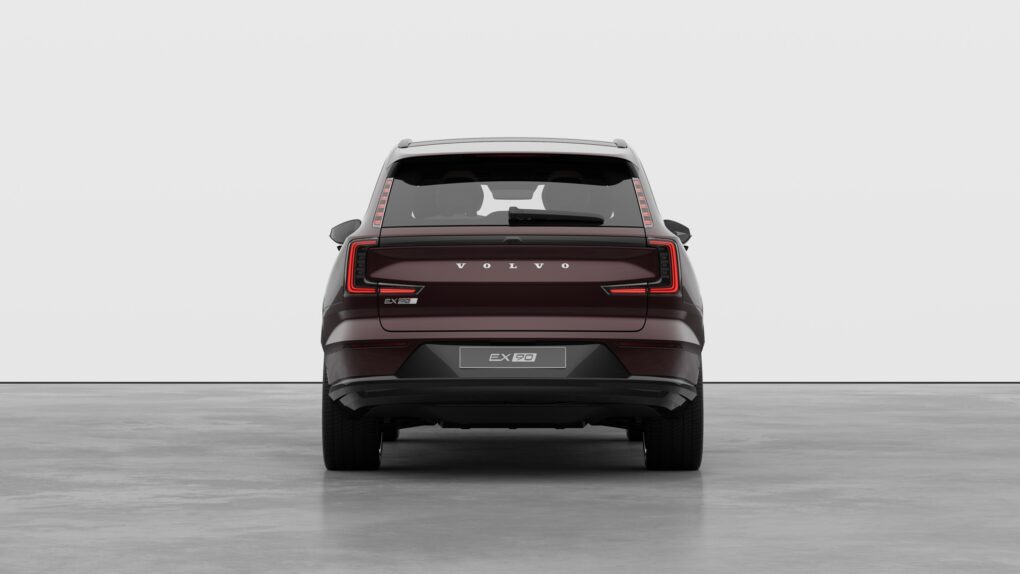
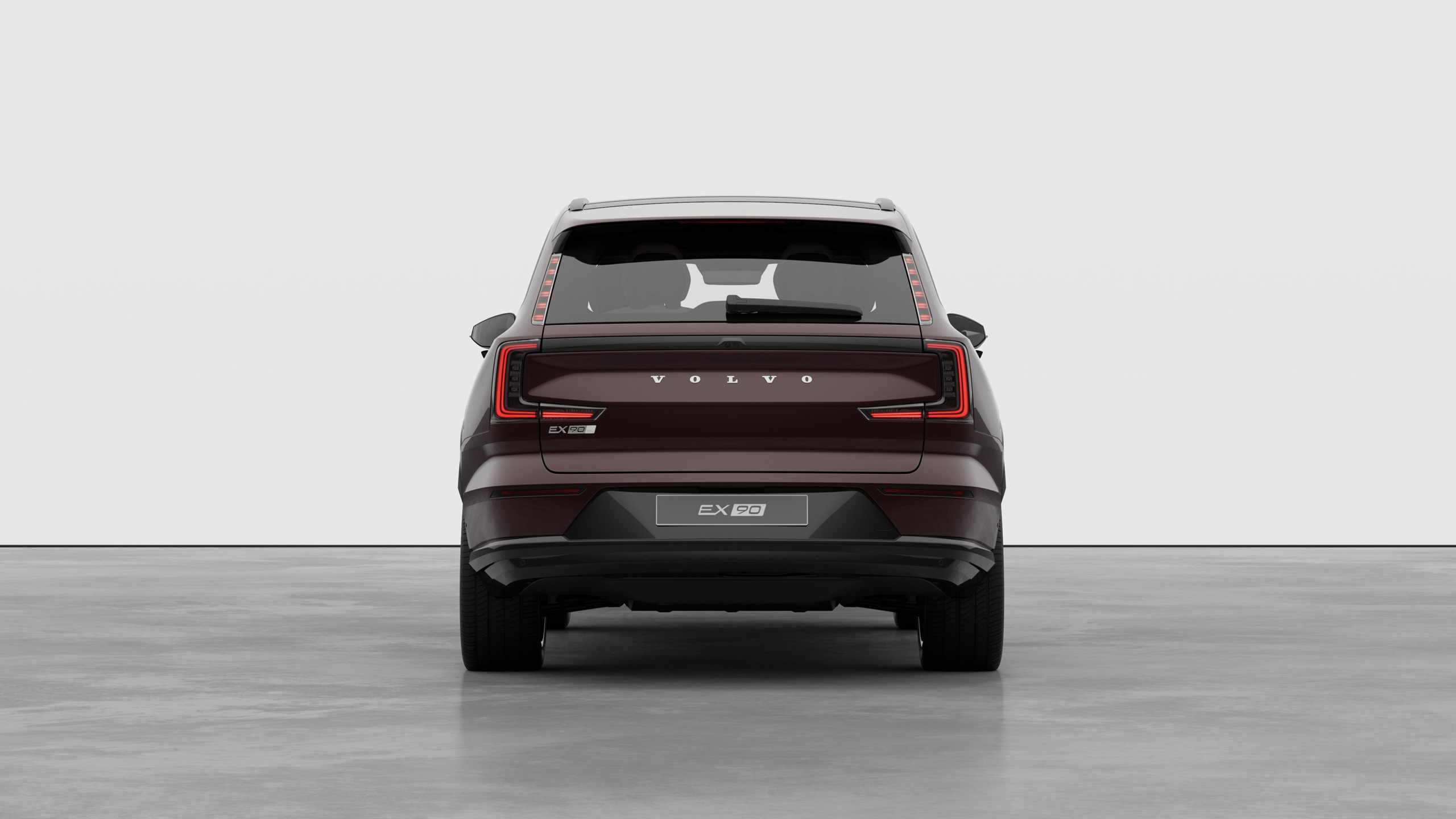
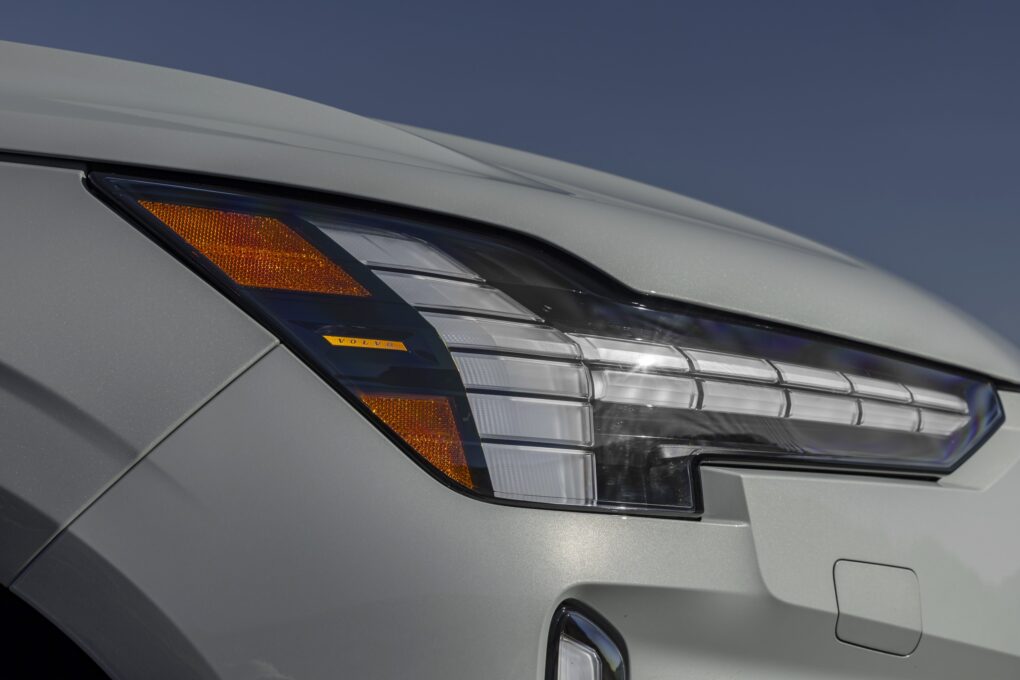
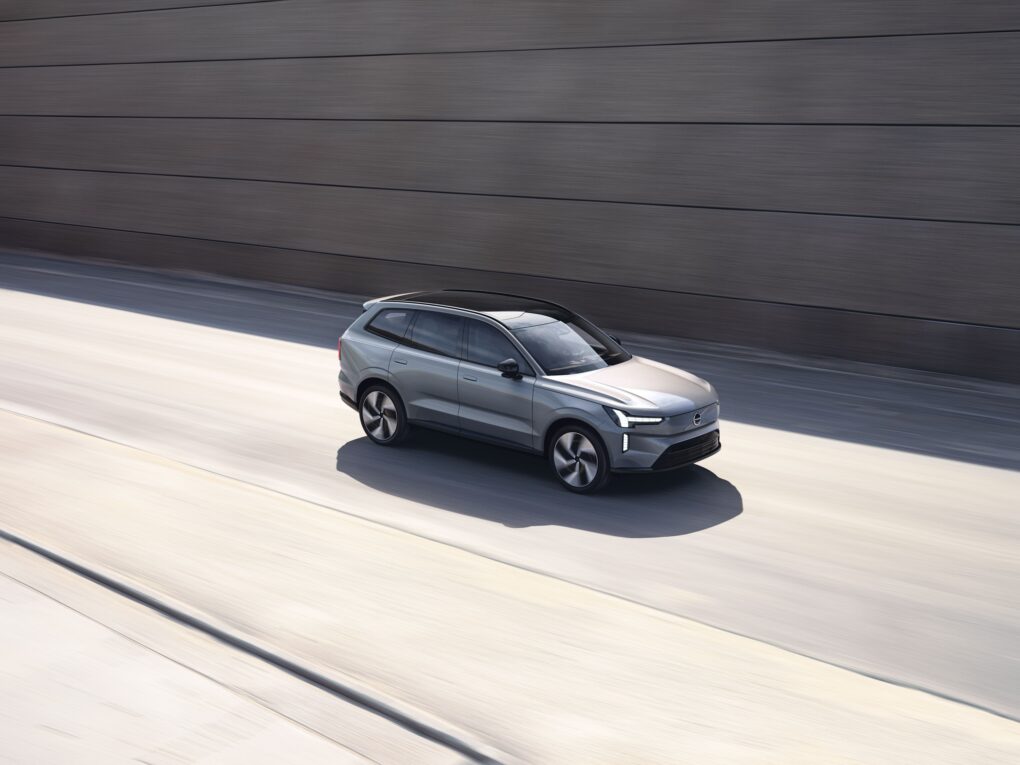
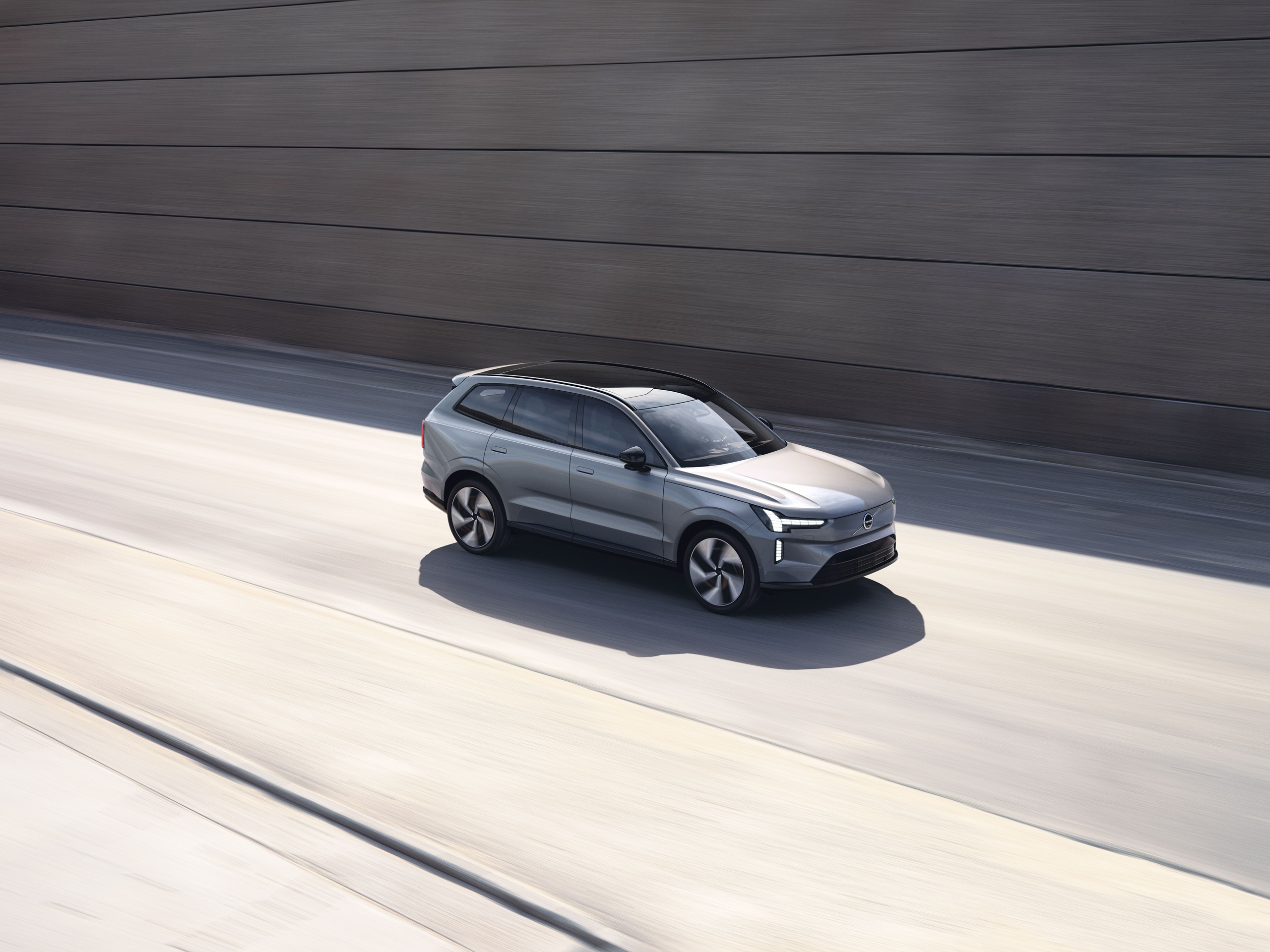
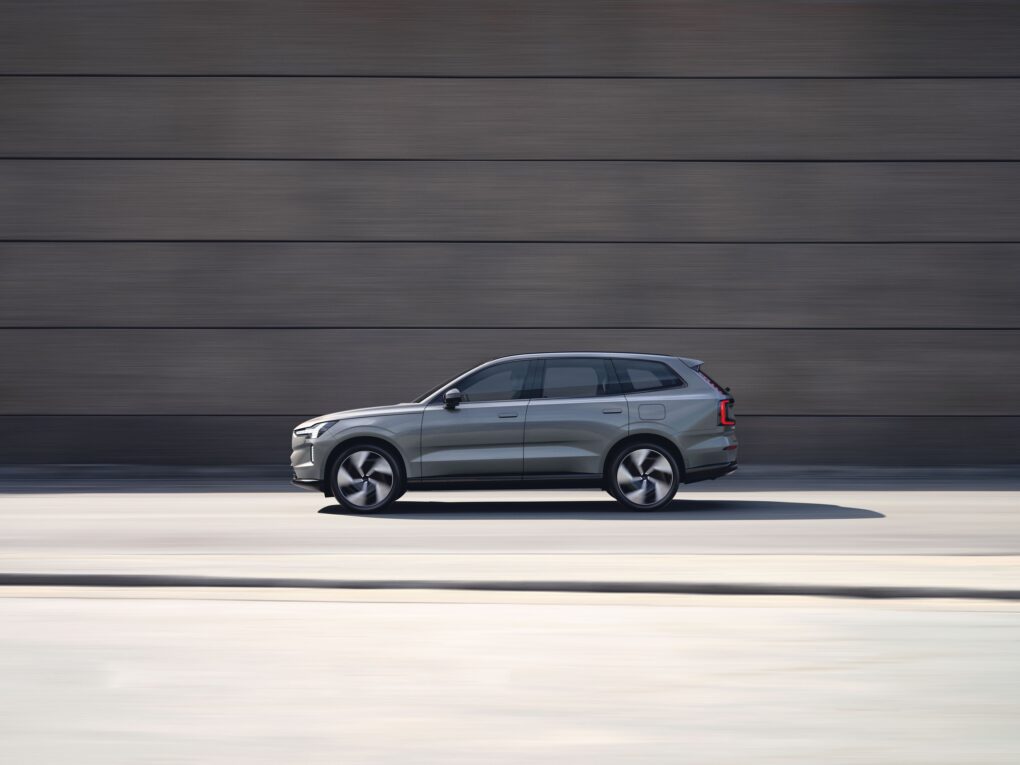
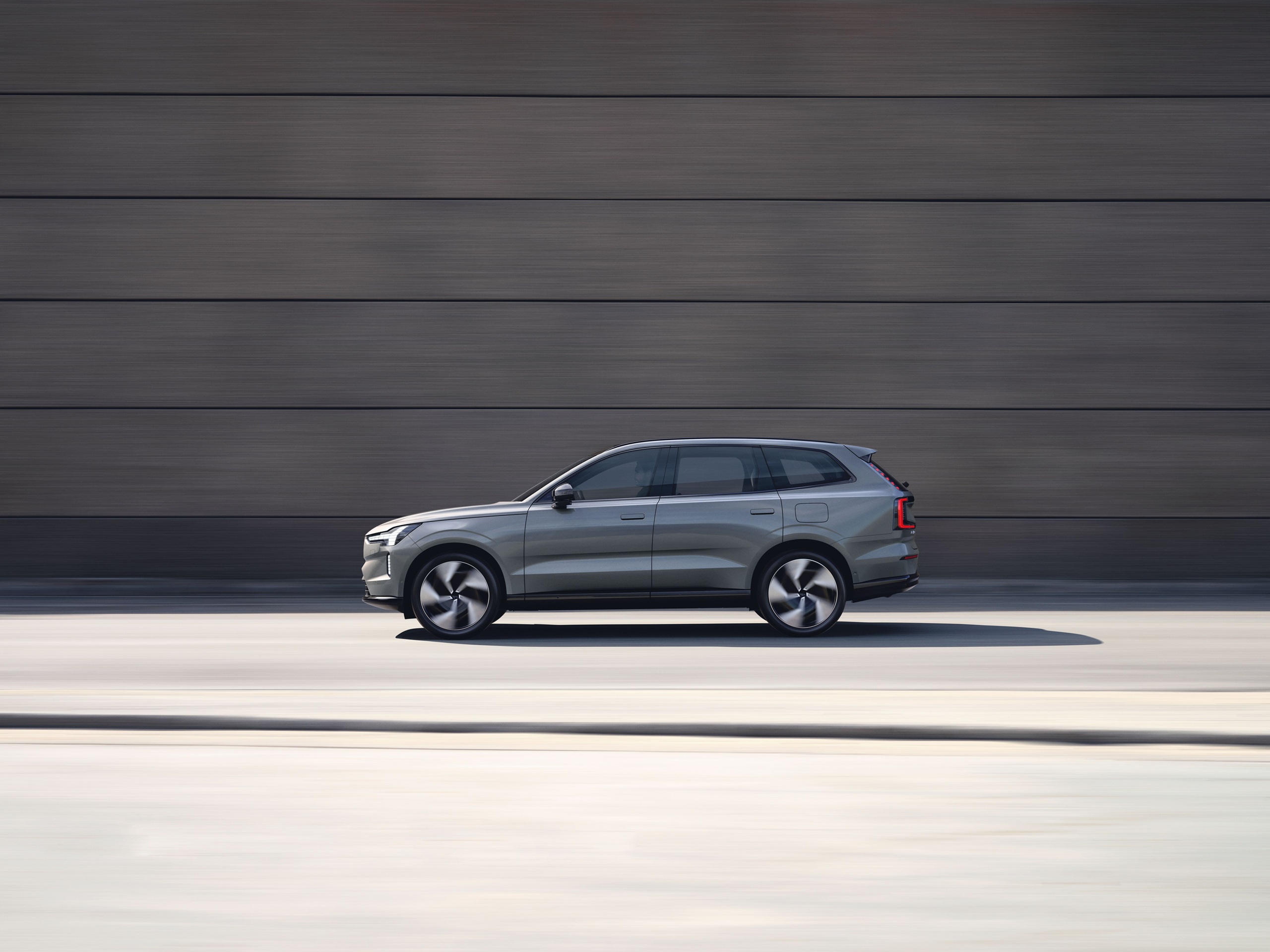
At 5,03 meters long, 1,96 meters wide (excluding mirrors), and 1,74 meters high, the Volvo EX90 is a substantial vehicle, but it never feels that way. This is due to its 2,98-meter wheelbase, short front overhang, and Volvo's consistent preference for smooth surfaces. The closed, body-colored grille also conceals louvers that automatically adjust between zero and 90 degrees depending on cooling requirements. The door handles are flush with the doors, and the windows are flush with the pillars. The drag coefficient of 0,29 is also remarkably low for a car with this frontal area.
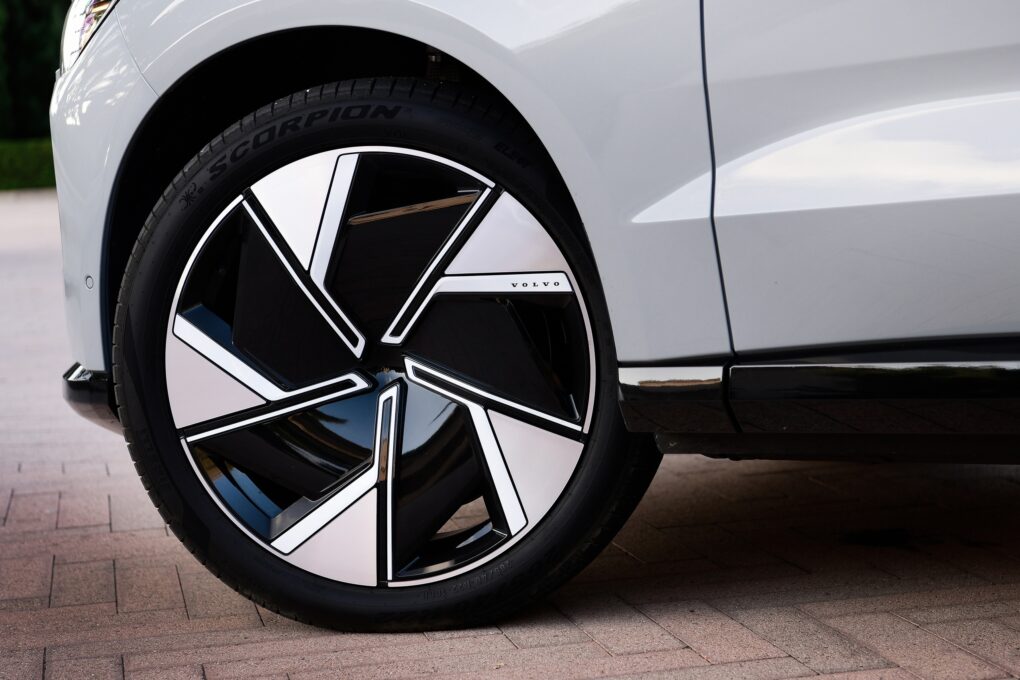
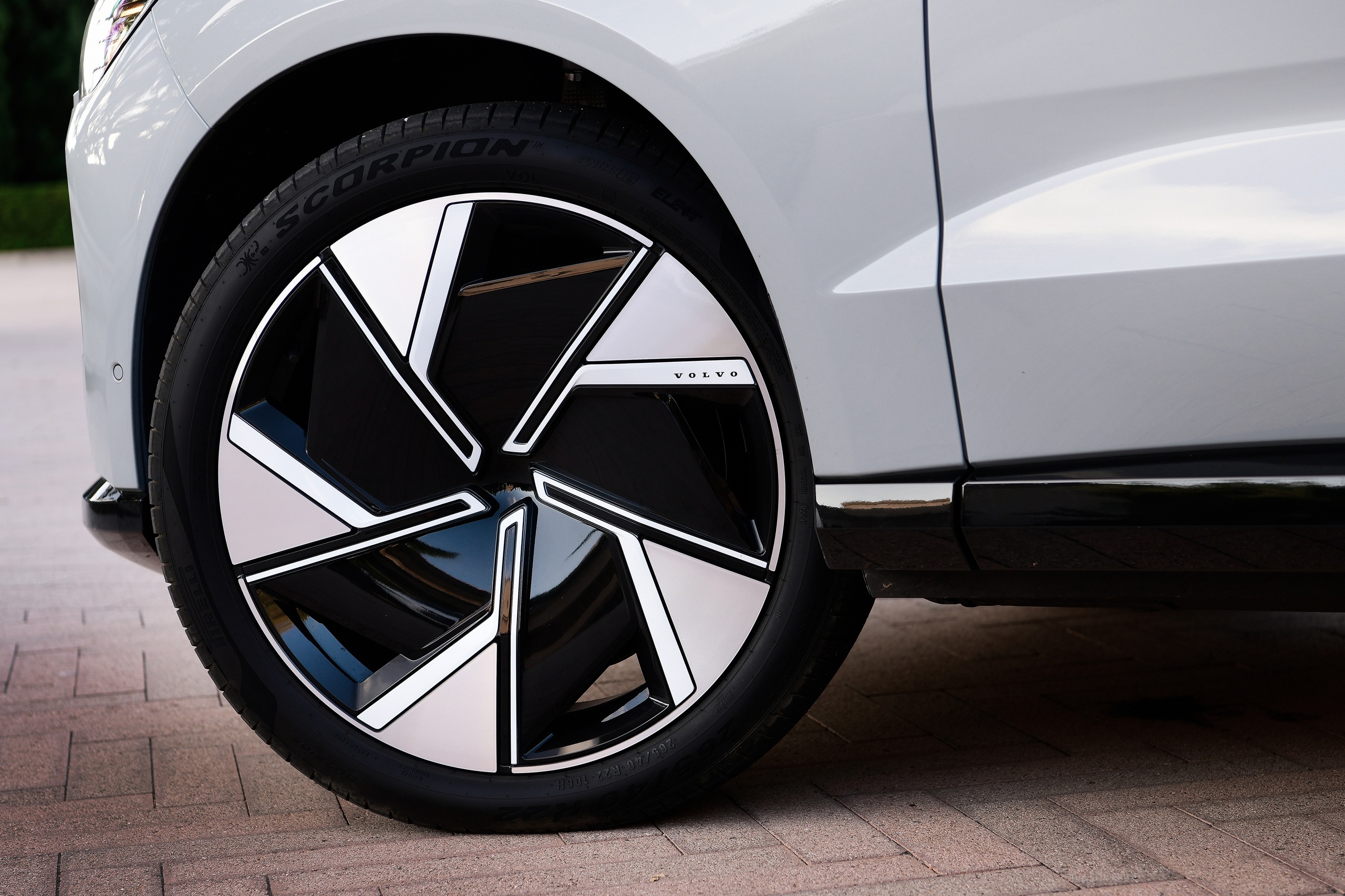
In the metallic paint finish "Mulberry Red," available for an additional €1.150, the car looks sophisticated and is significantly more understated than its competitors. Kia EV9 stands with his legs wide and angular, and the Nio EL8 It tends to be rather anonymous on the road. Volvo maintains its typically Swedish minimalist design, which is pleasant in everyday use, but sometimes looks a bit too tame in photos. The 22-inch wheels on the test car help to counteract this somewhat.
-
- Image: Volvo
-
- Image: Volvo
Space: Seven seats and plenty of room
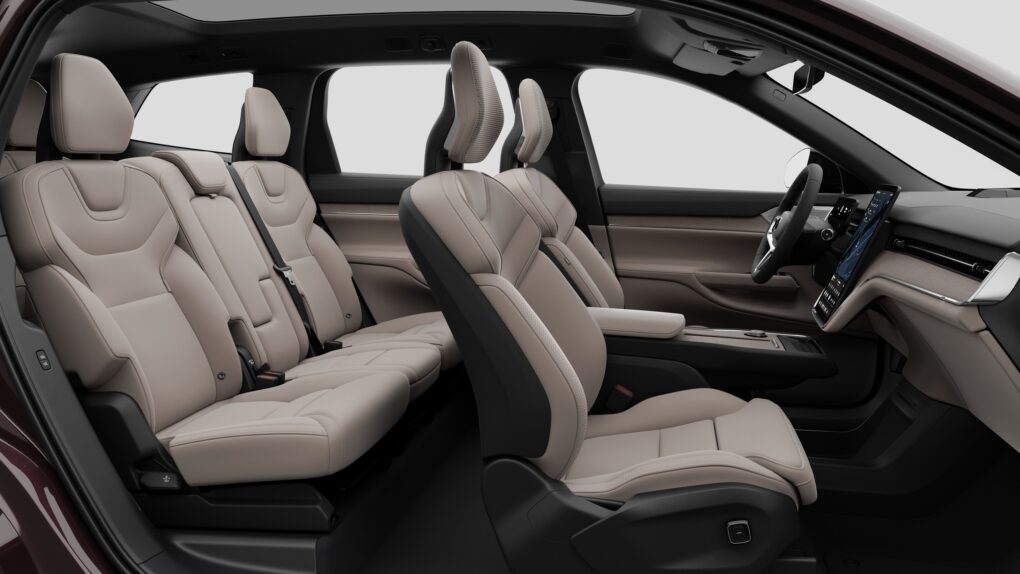
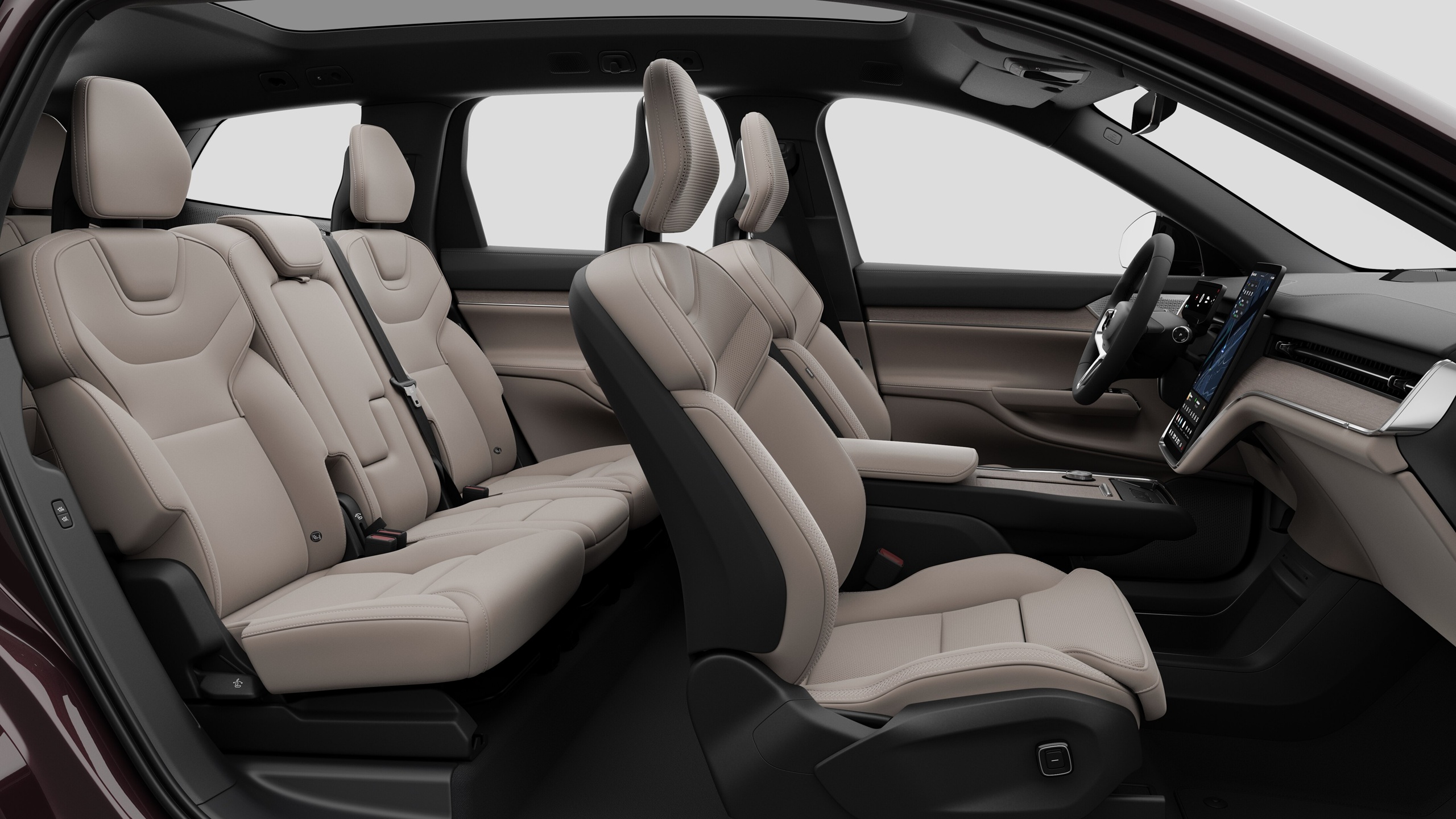
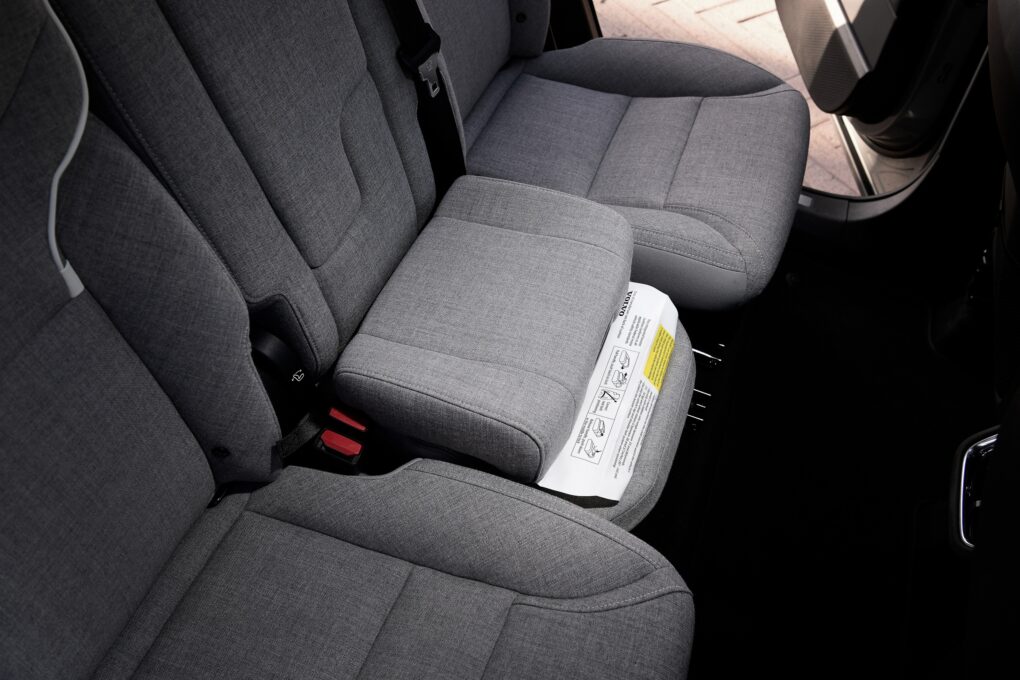
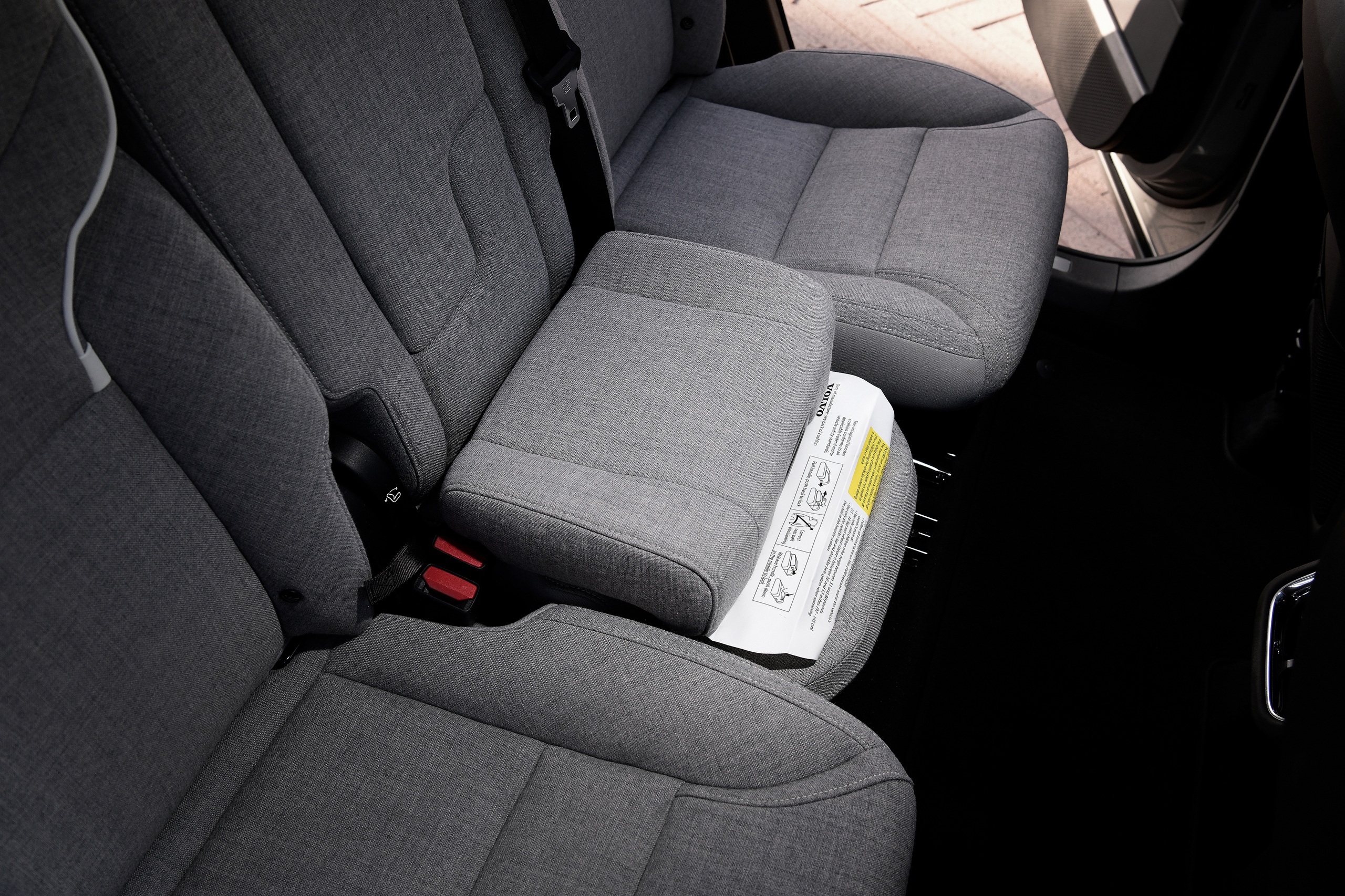
The test vehicle was a seven-seater, the configuration that probably makes the most sense for large families. Since there's no center tunnel and the floor is completely flat, passengers in the second row sit high and upright, without bent knees. The seats can be moved lengthwise, allowing for more space in either the second or third row. Even adults can easily get into the third row without contorting themselves.
Two adults should only sit in the very back for short journeys; children and teenagers, however, will find it comfortable for extended periods. The third row of seats features its own cupholders, phone holders, and USB ports. Four-zone automatic climate control with a separate control panel for the rear passengers is also standard equipment in Volvos – a feature that is far from common in this class.
-
- Image: Volvo
-
- Image: Volvo
Trunk: Large and nice and deep
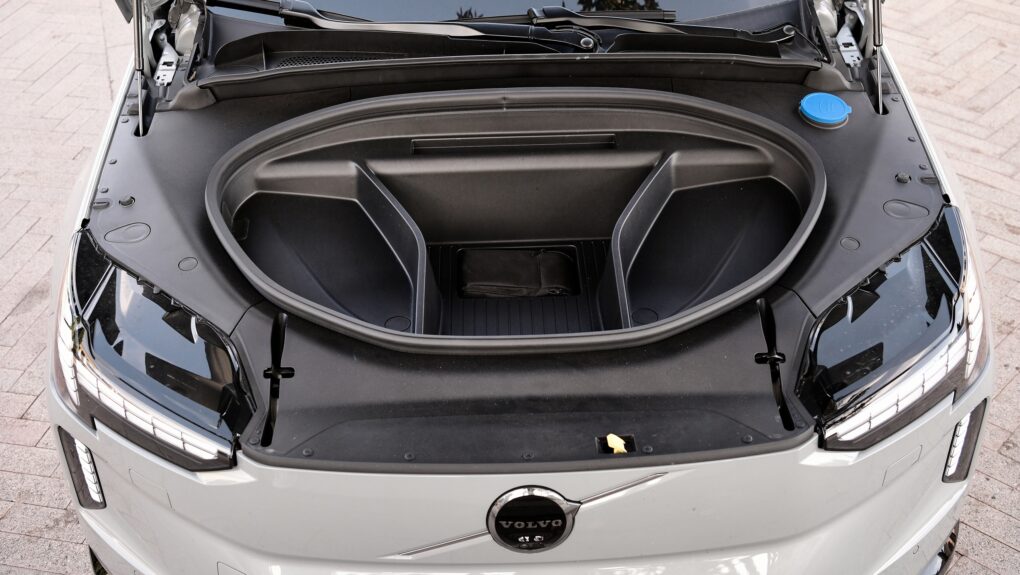
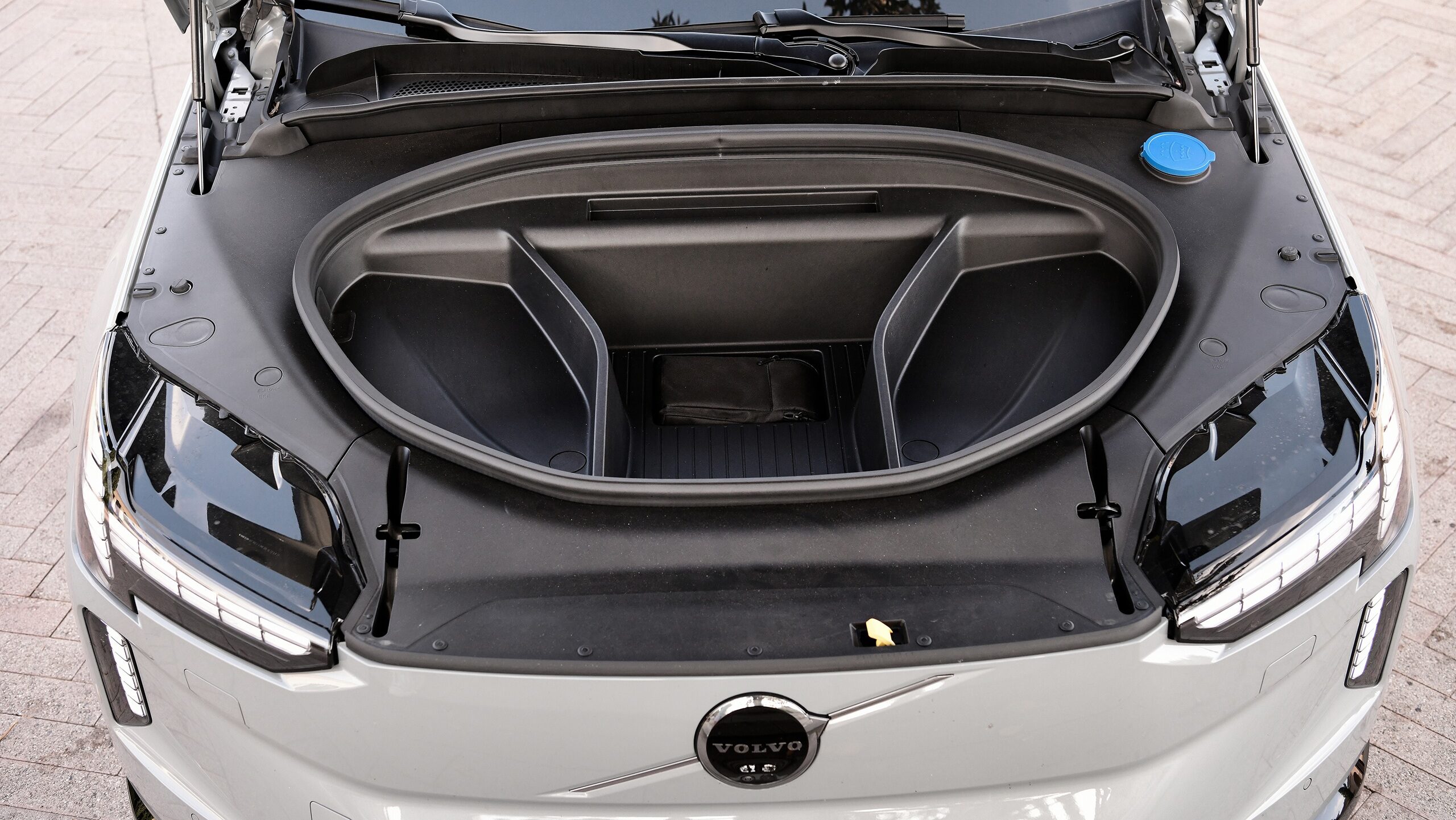
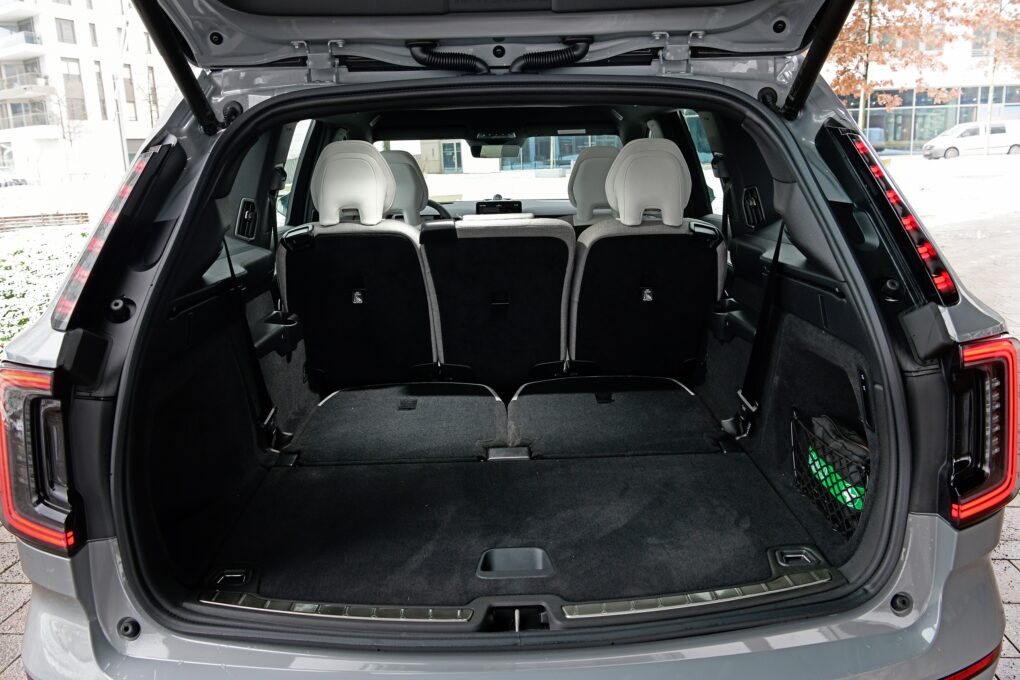
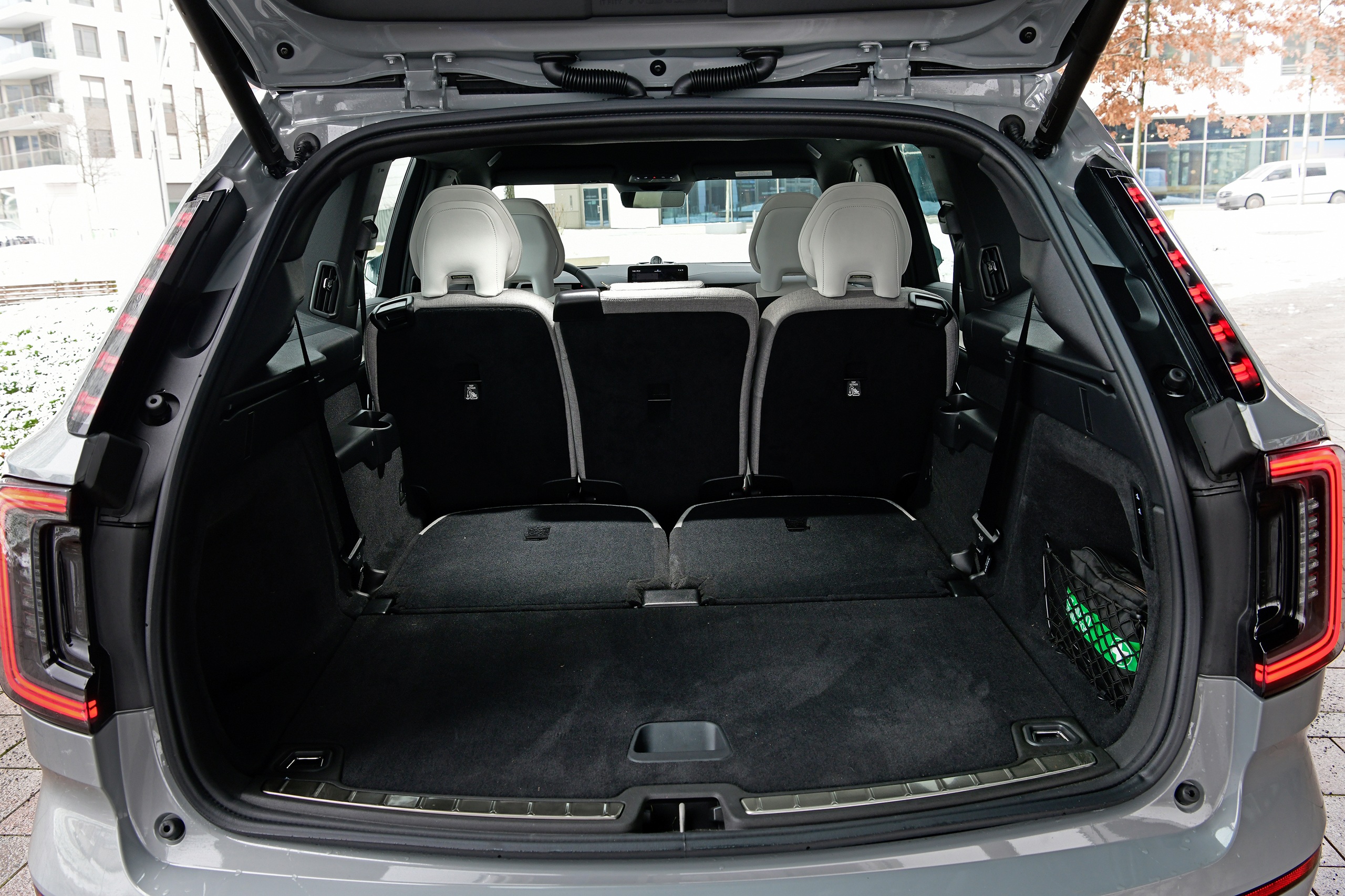
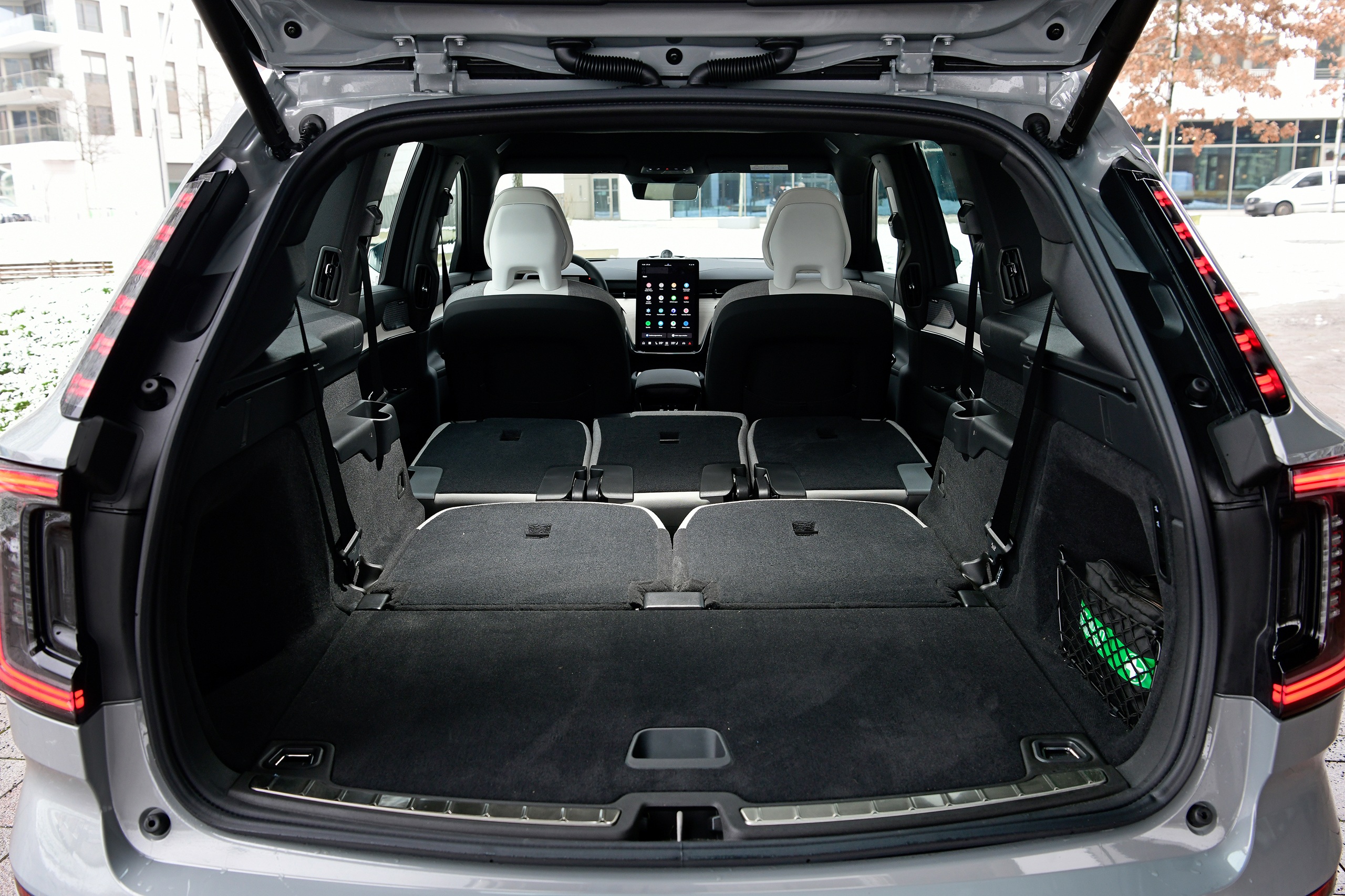
Volvo quotes 324 liters of cargo space behind the third row of seats, 697 liters behind the second row, and up to 2.135 liters with the seats folded down and loaded to the roof. More important than the figures, however, is the design: there's no intruding wheel arch, the tailgate opening is very wide, and the loading sill is low. There's also an additional 65-liter compartment under the floor for charging cables and small items. At the front, under the hood in the frunk, there's another 46 liters of storage space, where, for example, the charging cable can be stowed away without taking up any trunk space.
The third row of seats in the Volvo EX90 can be folded down electrically at the touch of a button, while the second row must be folded down manually. Those wishing to tow a trailer can utilize a towing capacity of up to 2.200 kilograms and can opt for the fully electrically extending tow hitch for an additional 1.190 euros.
-
- Image: Volvo
-
- Image: Volvo
Interior of the Volvo EX90: Wool instead of leather
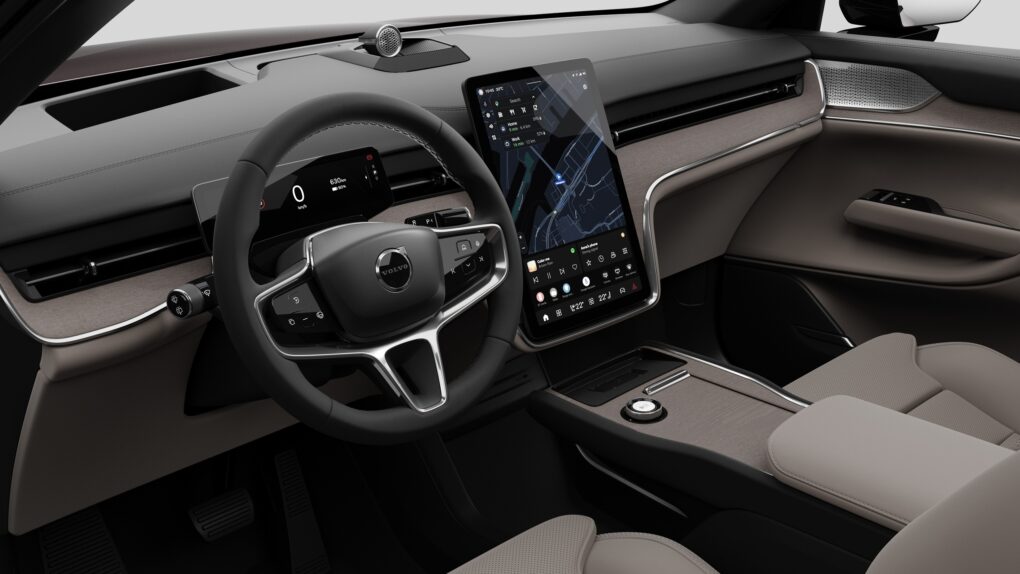
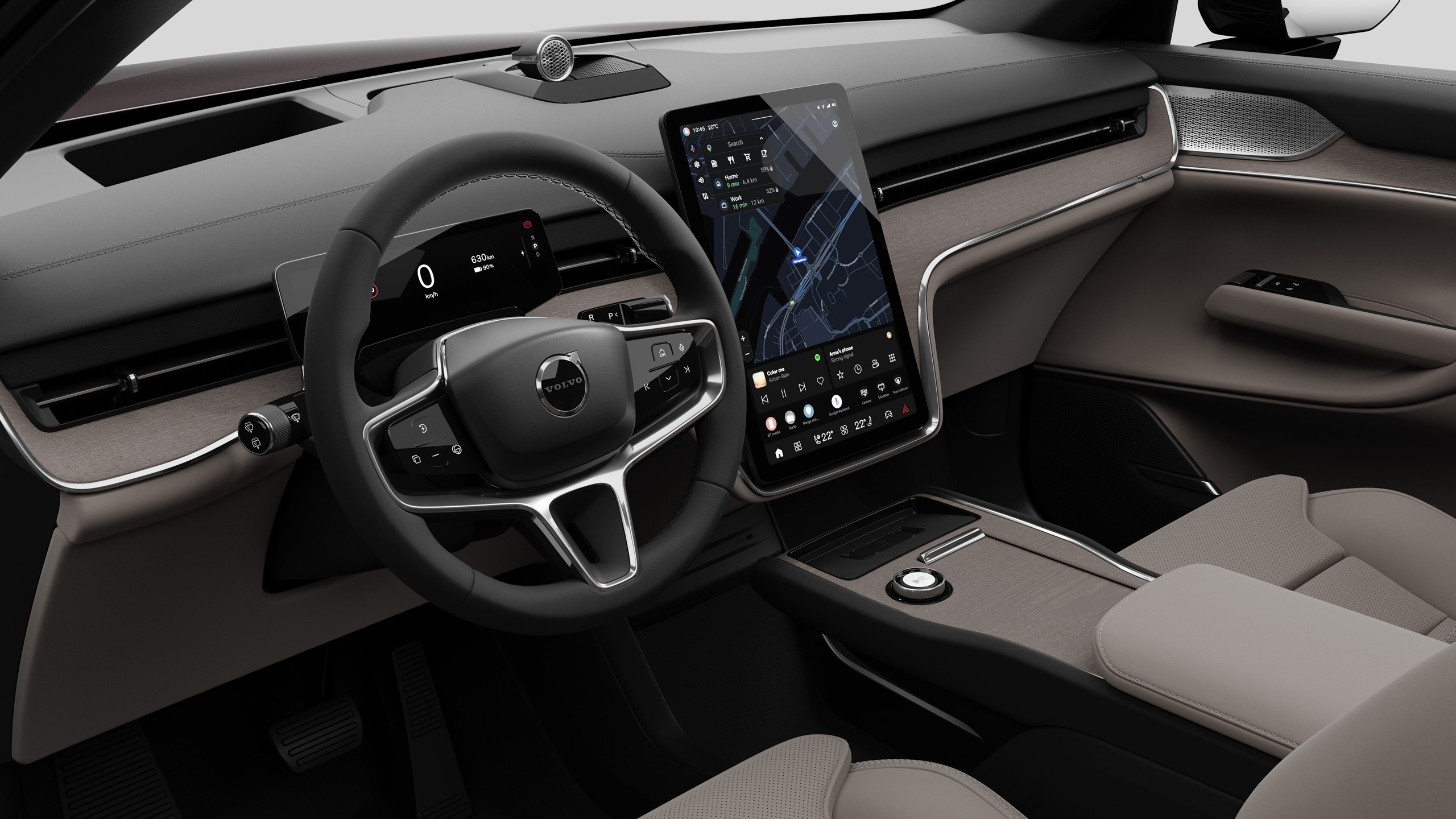
Leather is no longer used in the interior of the Volvo EX90, and it isn't missed for a second. The test vehicle featured the "Tailored Wool Blend" upholstery, a €600 option. This is a blend of 30 percent wool and 70 percent polyester that feels dry and comfortable and causes less perspiration than leather on long journeys. Backlit real wood inlays provide a warm glow in the dark. The front seats are eight-way electrically adjustable and offer five massage functions.programs that contribute to relaxation on long journeys, although they could be a little stronger.
Above it all is the fixed panoramic glass roof, which in the Ultra trim features an electrochromic dimming function. Unfortunately, the glass can only be switched to completely light or completely dark; there are no intermediate settings. On the plus side, the changeover is pleasingly quick. Those accustomed to comfort features in this class will perhaps only miss a refrigerator in the center console, like in the... Nio EL8.
-
- Image: Volvo
-
- Image: Volvo
Infotainment and connectivity: Google is on board, but unfortunately there are no buttons.
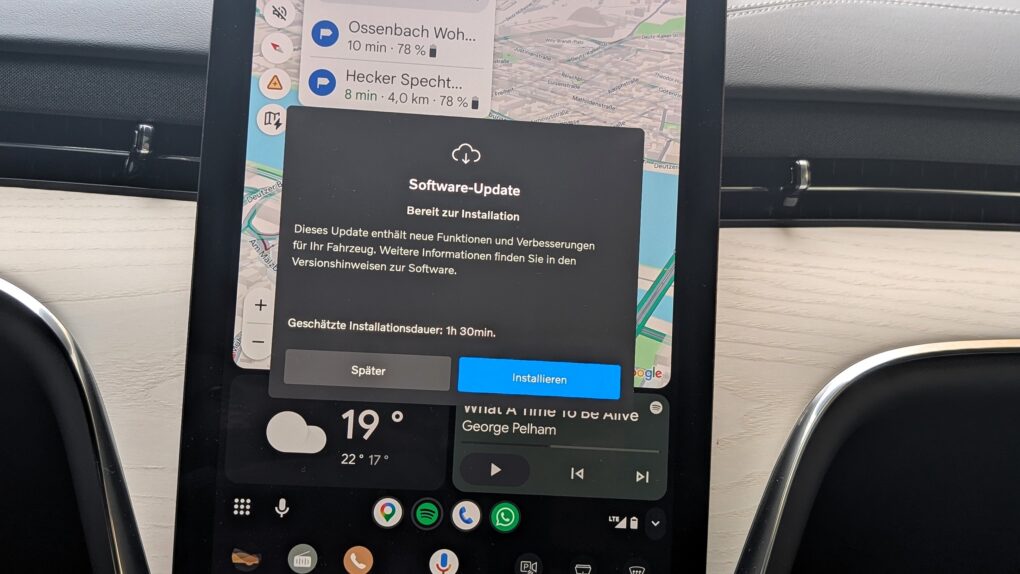
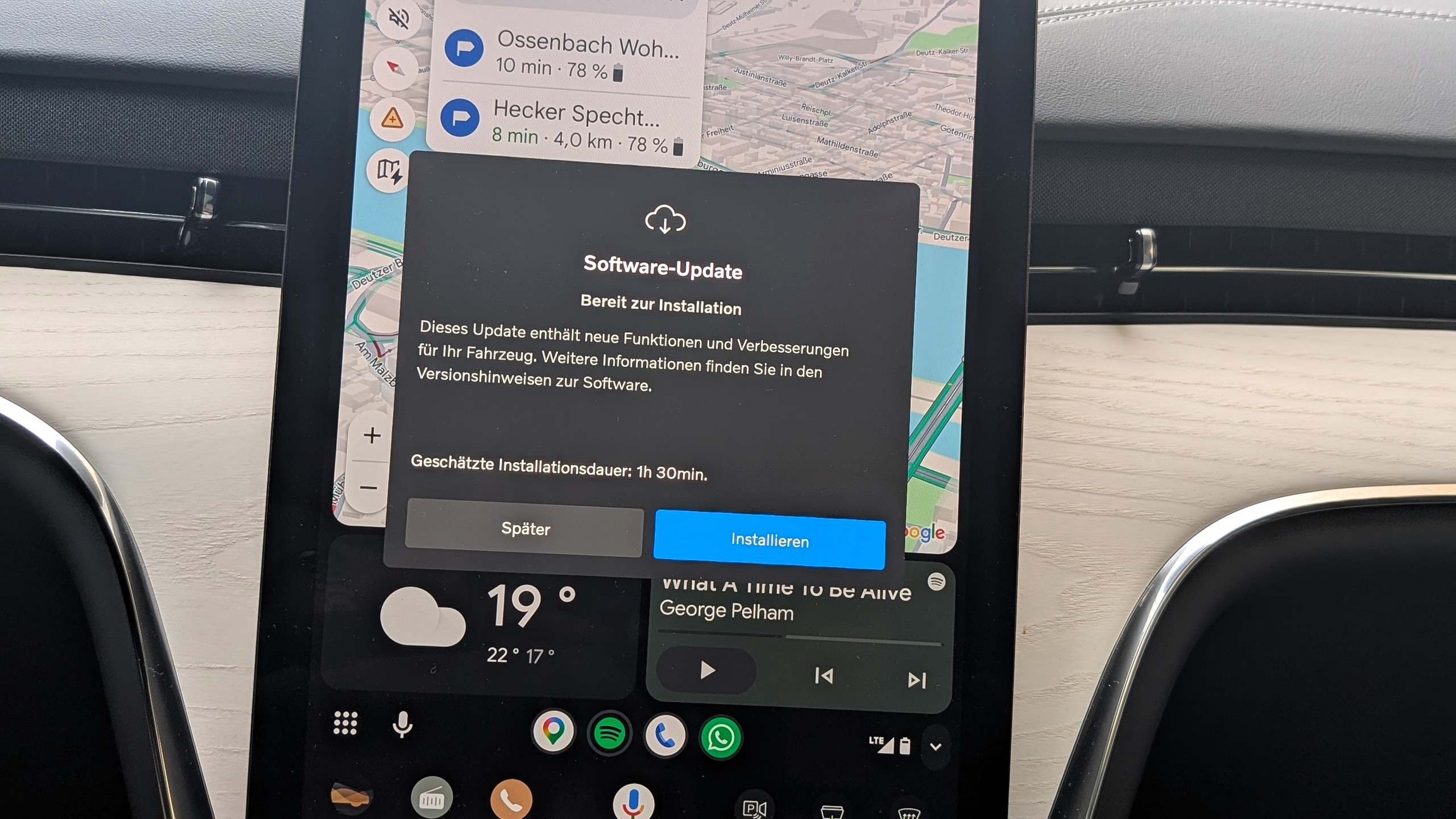
At the center of the cockpit is a 14,5-inch portrait-oriented touchscreen. Behind it runs Android Automotive with Google Maps, the Play Store, and the voice assistant. Google GeminiBehind the steering wheel, a 9-inch driver display provides information in three selectable views. A 9 x 3-inch head-up display is also included. The displays are sharp, the menus are logically structured, and the lower context bar only shows functions like the 360-degree camera when they are needed. A dedicated Qualcomm processor handles the graphics, and updates are delivered over-the-air. Wireless Apple CarPlay and Android Auto are also included.
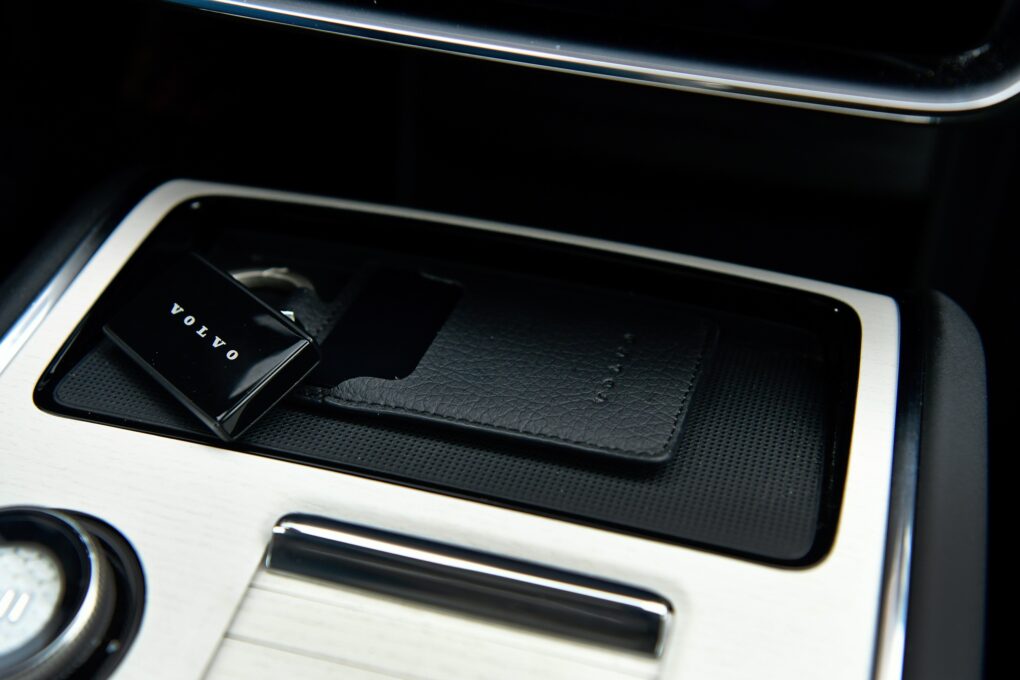
Nevertheless, the controls remain a weak point of the Volvo EX90. Adjusting the mirrors, changing climate settings, deactivating driver assistance systems – all of this is done via the display. And then there's the key card. It has to be held against the door handle to unlock the car and placed in the charging cradle to start it. This is simply annoying in everyday life when your hands are full. The solution is the Digital Key. Those who... Volvo Cars app Once installed and the smartphone registered as the key, you can simply go to the car, unlock it, and drive off. It's best to do this on the very first day; then the annoyance will disappear completely.
-
- Picture: TechnikNews
-
- Picture: TechnikNews
Sound system: 25 speakers and 1.610 watts for 3.460 euros
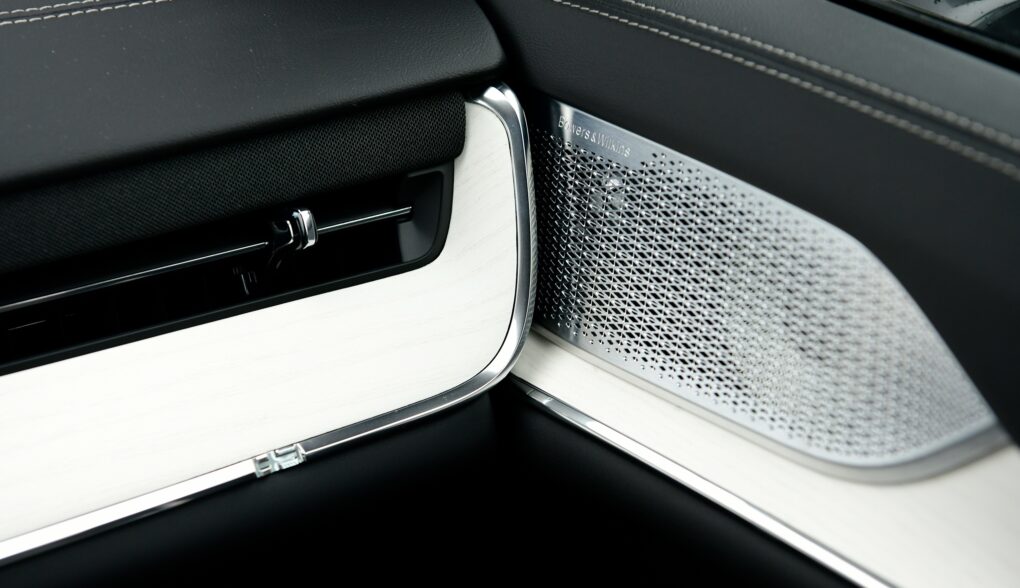
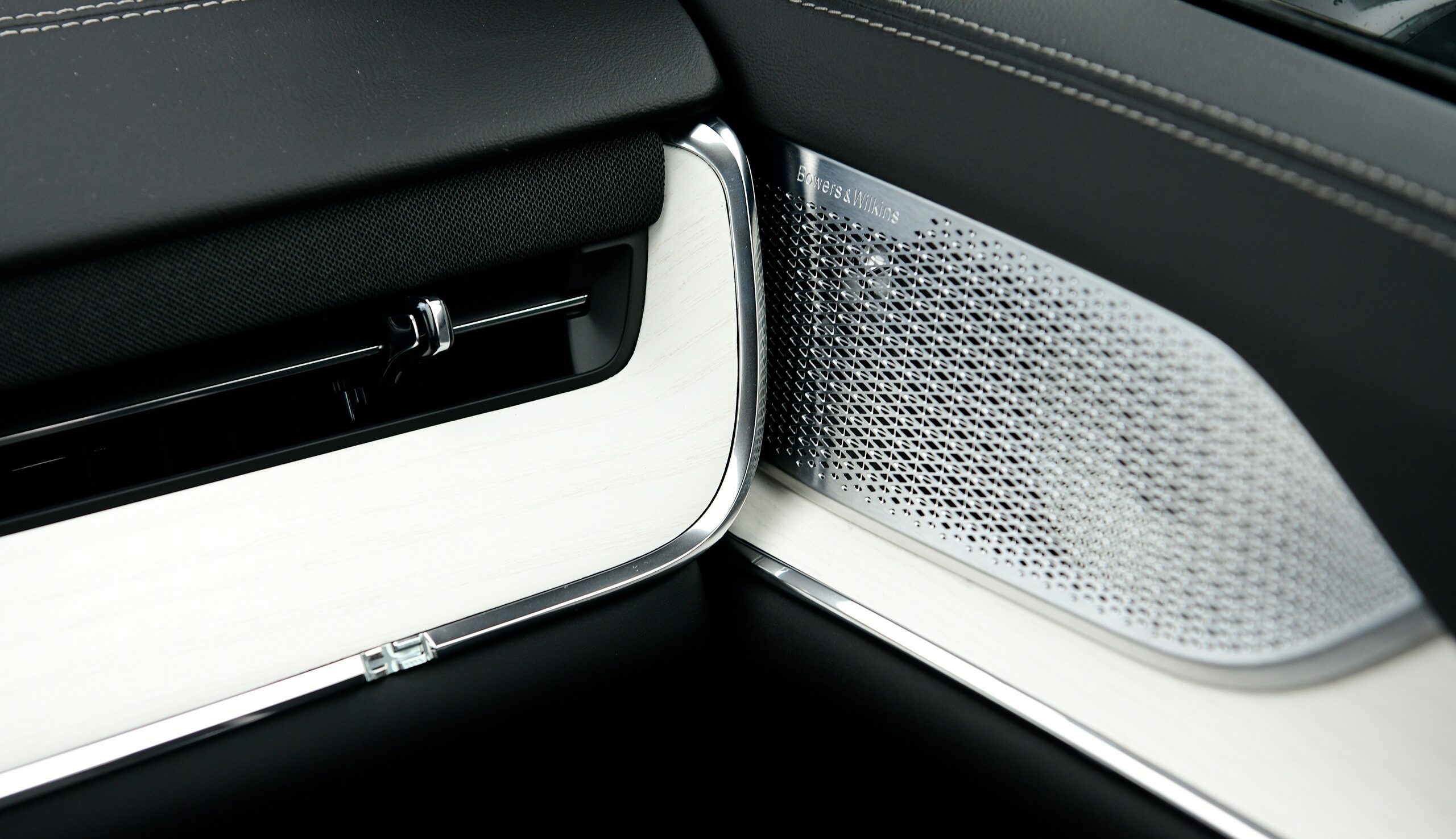
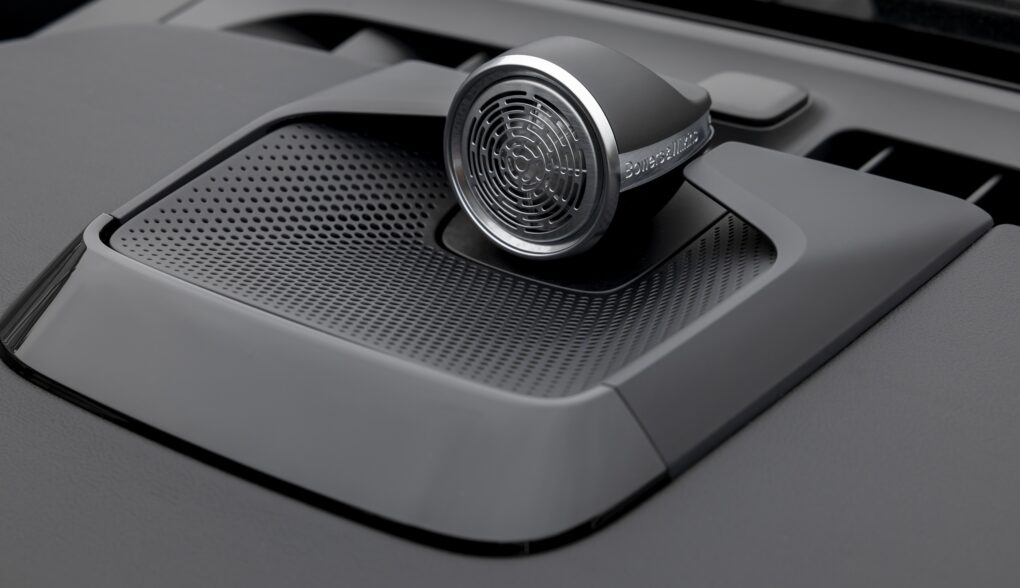
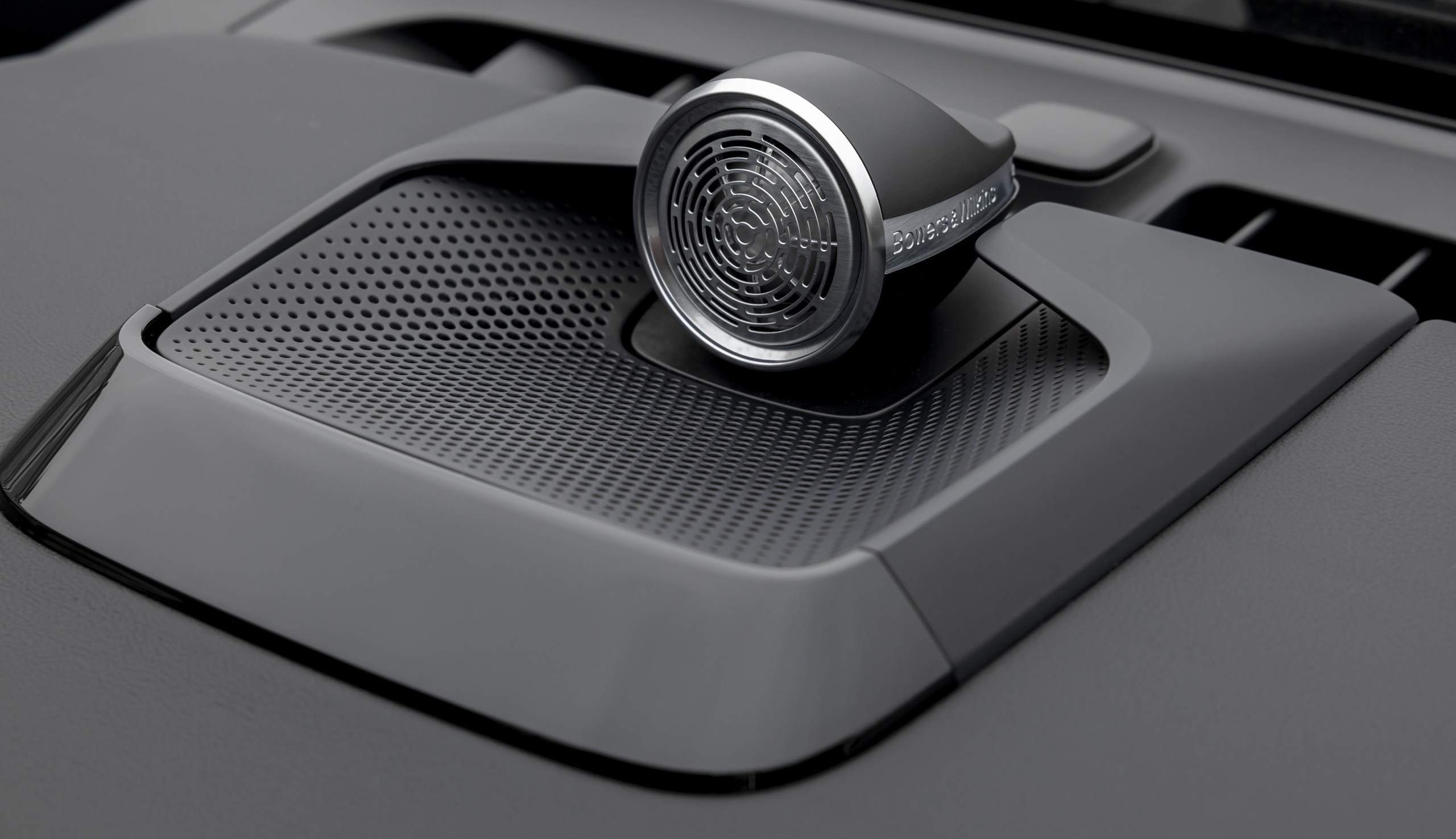
The Volvo EX90 comes standard with ten speakers and 325 watts. From the Plus trim level upwards, a Bose system with 14 speakers and 940 watts is included. The test vehicle had the next upgrade, the high-fidelity system from... Bowers & Wilkins with 25 speakers, 1.610 watts and Dolby Atmos for 3.460 euros. Five Nautilus tweeters, four 3D speakers in the headliner, a 250-millimeter subwoofer and two aluminum speakers in each of the front seats produce a sound that keeps voices cleanly in the center and is not fatiguing even at high volume.
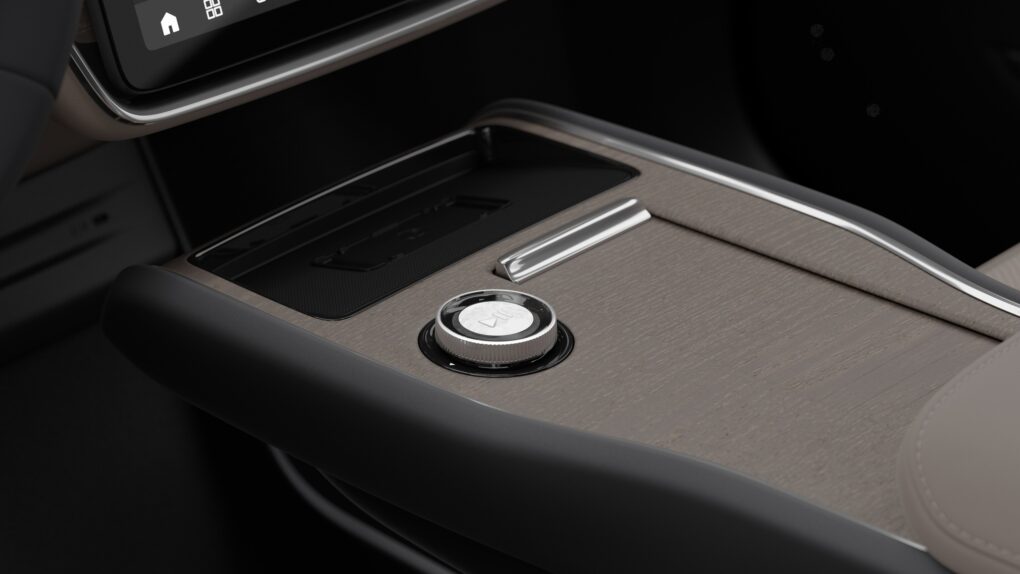
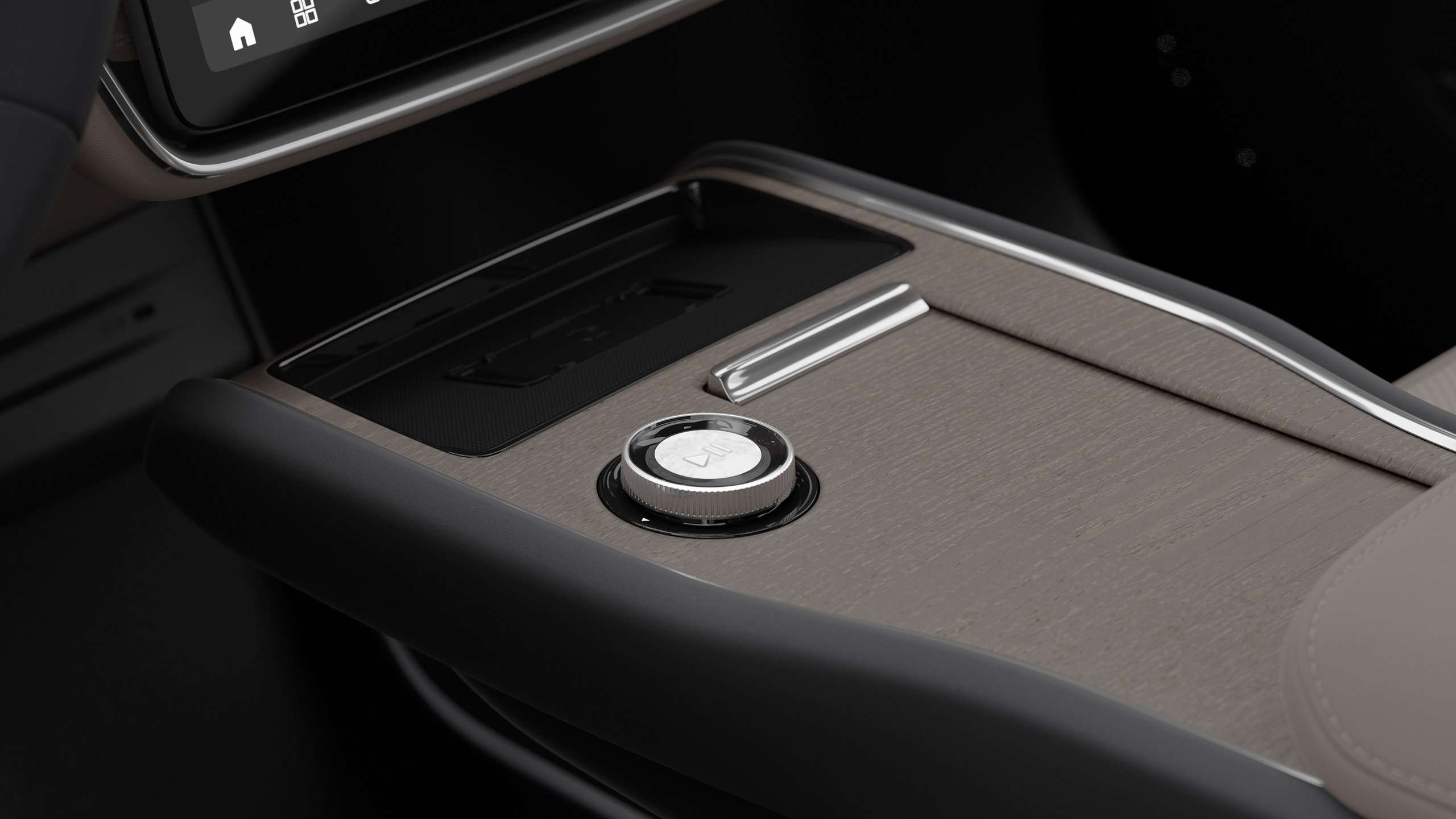
Three listening modes are available. “Studio” sounds neutral, “Individual Stage” brings the sound closer to the individual seat, and “Concert Hall” recreates the concert hall in Volvo’s hometown of Gothenburg, which sounds astonishingly realistic. For comparison: In Volvo XC90 Plug-in Hybrid Bowers & Wilkins incorporates 19 speakers with 1.410 watts – the EX90 takes things a step further. At €3.460, it's a lot of money, but it's definitely worth it. The crystal-glass media control knob on the center console is a nice touch in the car, and easy to reach even without looking.
-
- Image: Volvo
-
- Image: Volvo
Volvo EX90 driver assistance systems: Confident on the motorway
The test car was equipped with the Pilot Assist package for €2.400, and this money is well spent. The system maintains lane position and distance superbly up to 150 km/h, brakes to a standstill in stop-and-go traffic, automatically resumes driving, and even takes over lane changes if desired, as soon as the turn signal is activated. A new feature is the curve speed assistant, which reduces speed before curves based on map data. On long motorway journeys, all of this works smoothly and without the nervous steering corrections that are common in some competitors.
Maneuvering is aided by the Park Assist Pilot, which parks the car independently both parallel and perpendicular to the road, and also exits the parking space when parallel parking. The 360-degree camera displays a 3D view, although its resolution lags behind that of competitors. The intelligent speed assistant reliably alerts the driver above 20 km/h, but fortunately, it can be quickly deactivated via a shortcut on the display. Everything else is hidden in submenus.
-
- Image: Volvo
-
- Image: Volvo
Safety: Volvo continues to lead the way here
Five stars in the Euro NCAP (European New Car Assessment Programme) in the 2025 test year, achieving high scores in both adult and child occupant protection is mandatory. The real advantage lies in the sensor technology. Eight cameras, five radar units, and twelve ultrasonic sensors provide a real-time image of the surroundings. This is processed by two NVIDIA processors capable of approximately 500 trillion operations. pro The evaluation process is completed every second. In the industry, these operations are referred to as TOPS (Tera Operations Per Second). The safety cage is made of hot-formed boron steel, and the battery sits in its own aluminum housing with an integrated crumple zone.
In everyday driving, two of these systems are particularly noticeable. The driver monitoring system uses infrared sensors to track eye movements and alerts the driver if their gaze wanders from the road for too long. If necessary, it brakes the car to a standstill and places an emergency call. The occupant detection system uses an interior radar that detects movements in the sub-millimeter range, thus registering even the breathing of a sleeping child in the back seat. The EX90 cannot be locked while someone is in the car. Volvo's continued electronic speed limiter of 180 km/h aligns with this approach – even if this can sometimes be perceived as a restriction on German autobahns.
-
- Image: Volvo
-
- Image: Volvo
Volvo EX90's powertrain: Up to 680 hp and one-pedal driving
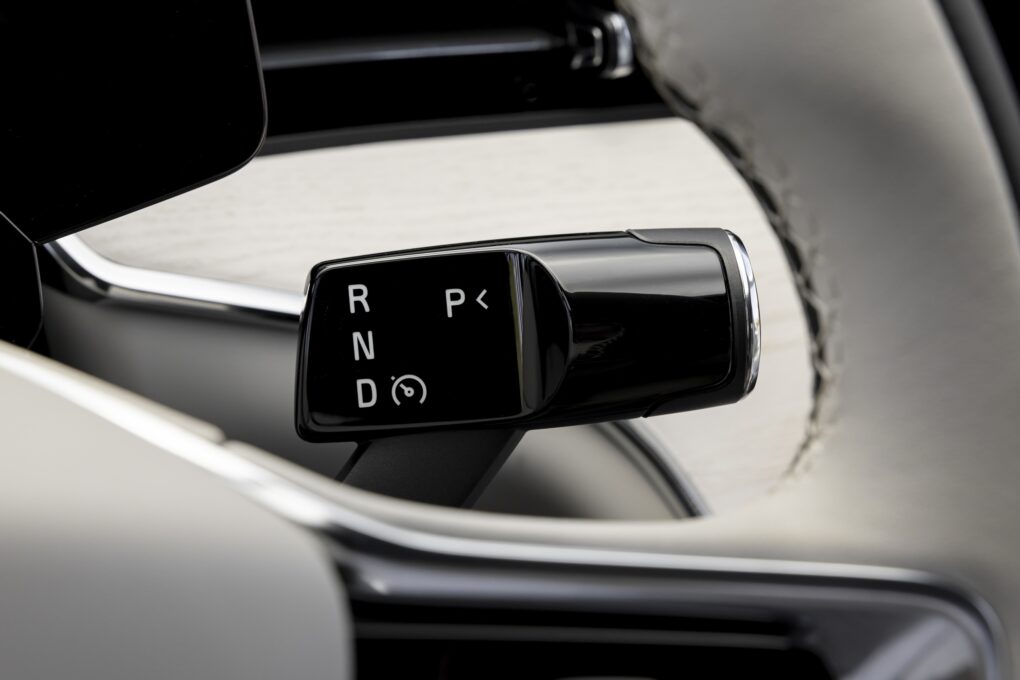
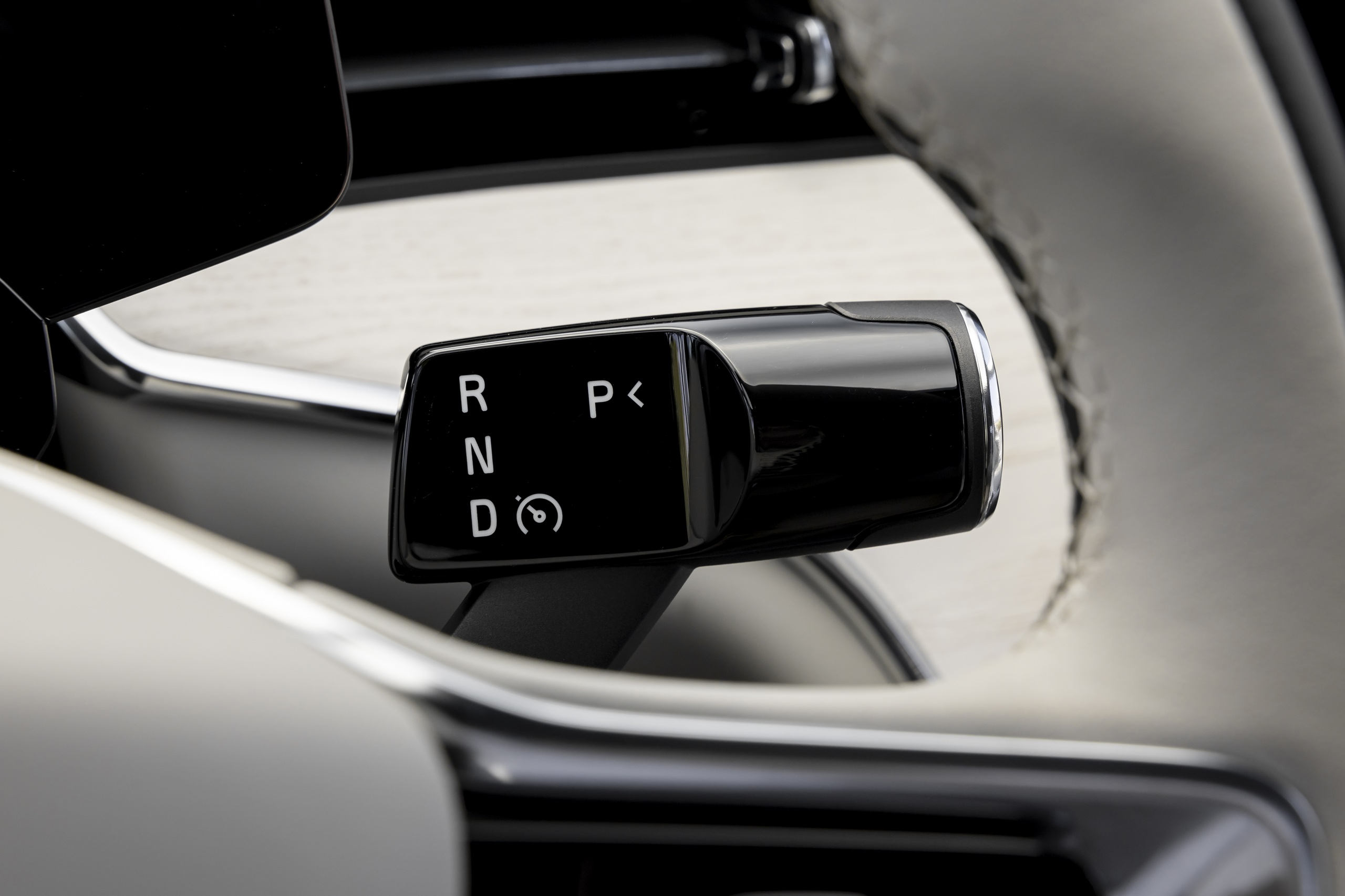
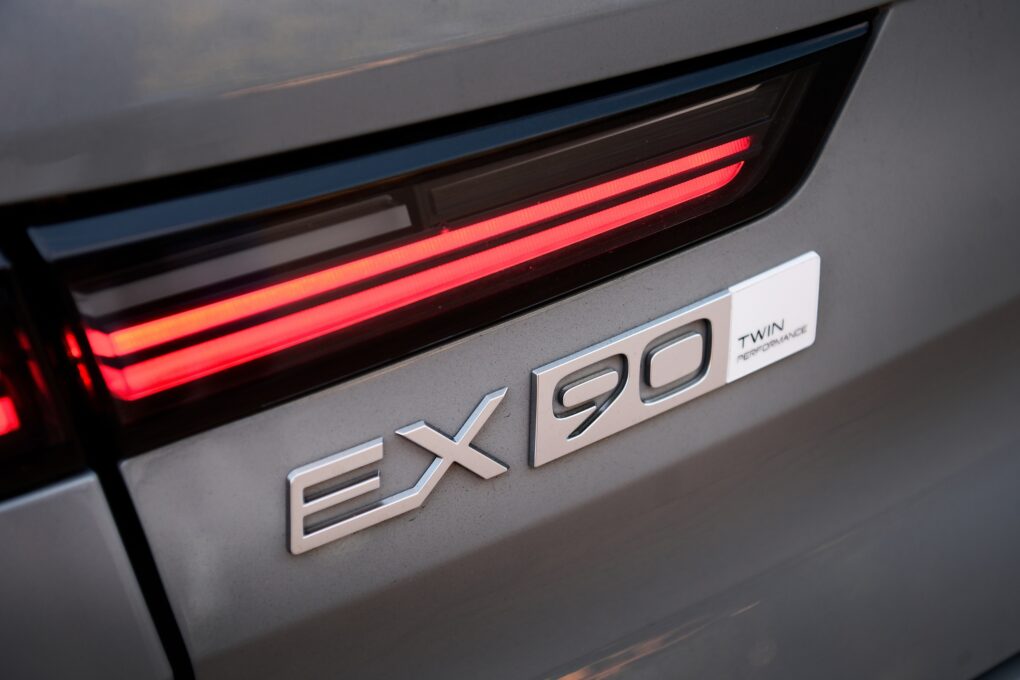
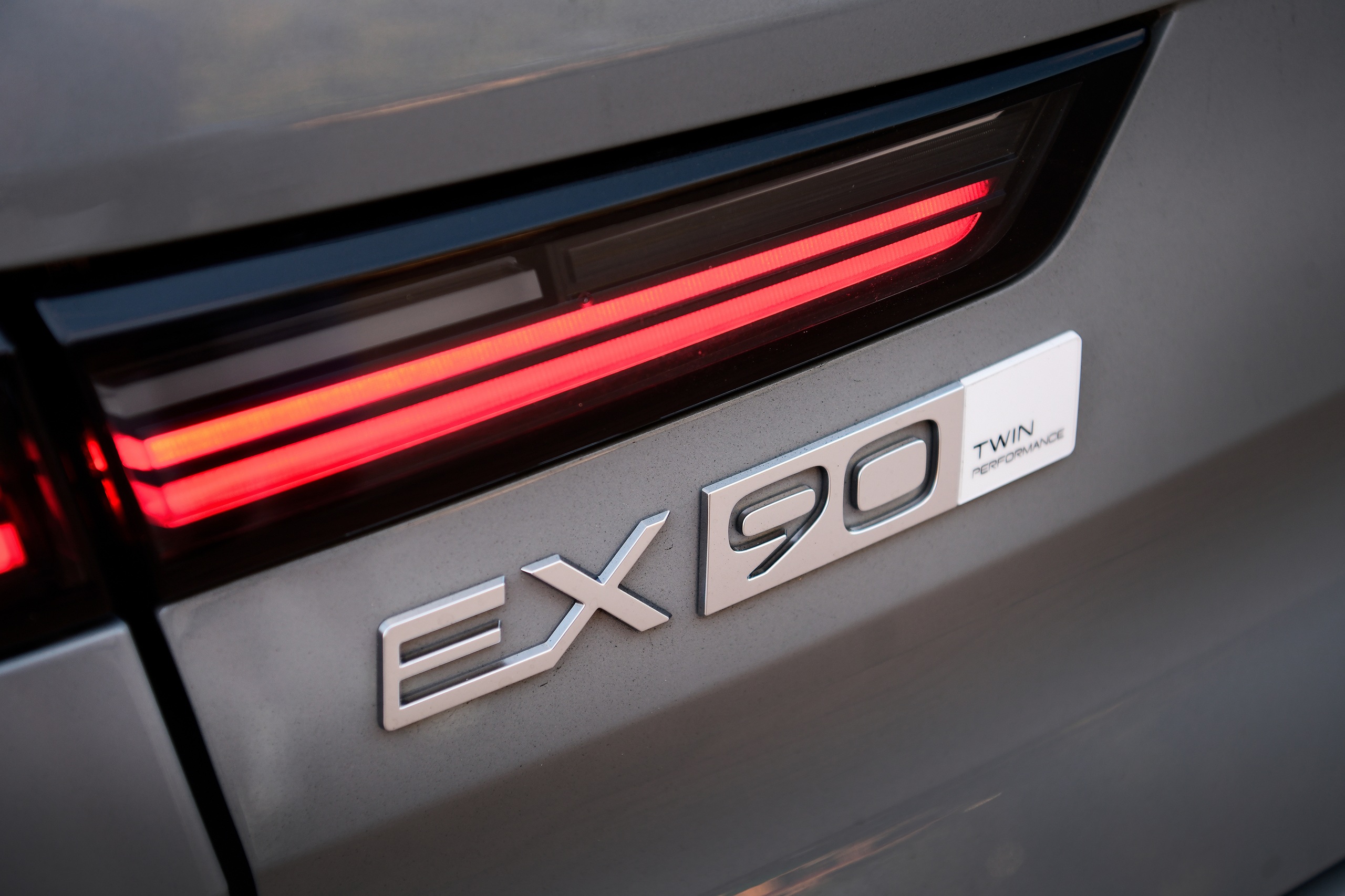
The Twin Motor Performance variant uses a 220 kW (299 hp) and 390 Nm asynchronous motor at the front and a 280 kW (381 hp) and 480 Nm permanent magnet synchronous motor at the rear. Together, they produce 500 kW (680 hp) and 870 Nm of torque, with the rear axle bearing a significantly heavier load. The sprint to 100 km/h takes 4,2 seconds, which is remarkably fast considering the vehicle's curb weight of approximately 2,7 tons. All versions also feature a single-stage shift-by-wire transmission.
In everyday driving, the most noticeable feature is its unobtrusiveness. There's no gearbox or shift jerkiness, just a smooth, even forward motion. Volvo offers several modes for one-pedal driving, and here the switch off is worthwhile.proBeers. The "Low" setting comes closest to the familiar driving experience of a combustion engine and is the best recommendation for first-time electric car drivers. The "High" setting also works well after a short adjustment period and makes the brake pedal almost unnecessary in city traffic. The automatic mode, which uses a sensor to adjust deceleration to the vehicle in front, feels somewhat unpredictable.
-
- Image: Volvo
-
- Image: Volvo
Driving dynamics and handling: Comfort king with limitations on winding roads
The Volvo EX90 feels heavy overall, and even heavier in corners. On straightaways and highways, however, the car is superb: it smooths out transverse joints, keeps the body stable, and absorbs road noise so effectively that conversations across three rows are effortless. But as soon as the road gets twisty, its mass becomes noticeable. The steering is precise but provides little feedback, and the body rolls more readily than expected. Anyone wanting to drive the EX90 sportily will be fighting against the laws of physics.
Technically, the foundation is sound. The front wheels are suspended by double wishbones, while the rear uses an integral axle, both predominantly made of aluminum. Frequency-selective dampers are also fitted to the front axle. For the Plus and Ultra trim levels, Volvo also offers adaptive air suspension with Four-C control, which can process up to 500 signals. pro The system analyzes the vehicle's speed every second and adjusts the dampers accordingly. Anyone buying a Volvo EX90 who frequently drives on country roads or roads requiring maintenance should choose this option: it doesn't make the car lighter, but it significantly reduces body roll.
-
- Image: Volvo
-
- Image: Volvo
Battery: 106 kilowatt hours and a new voltage level
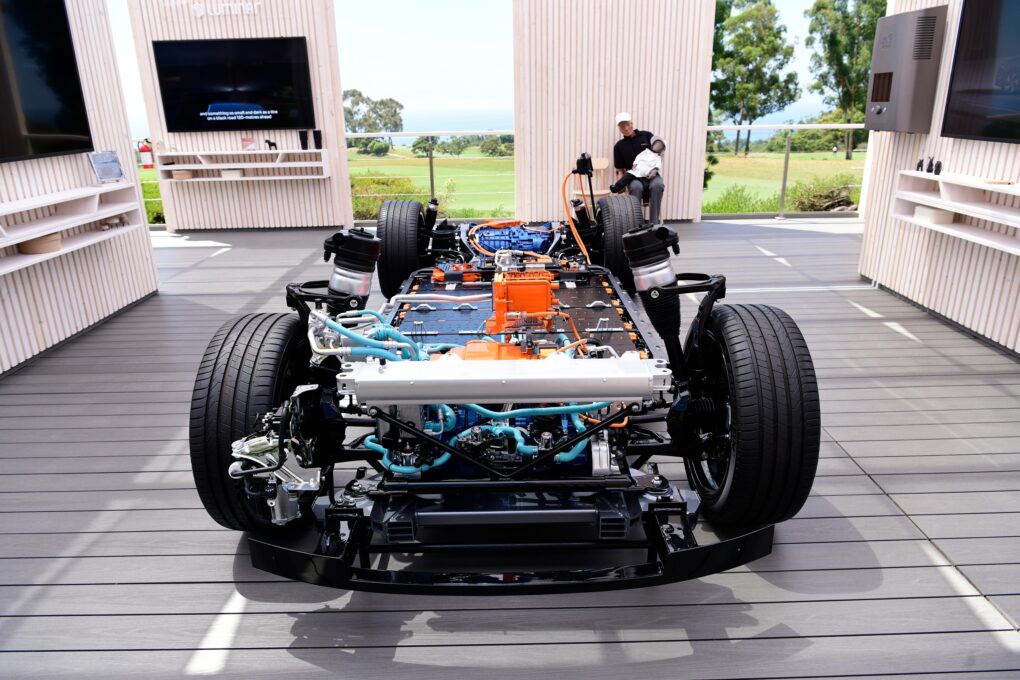
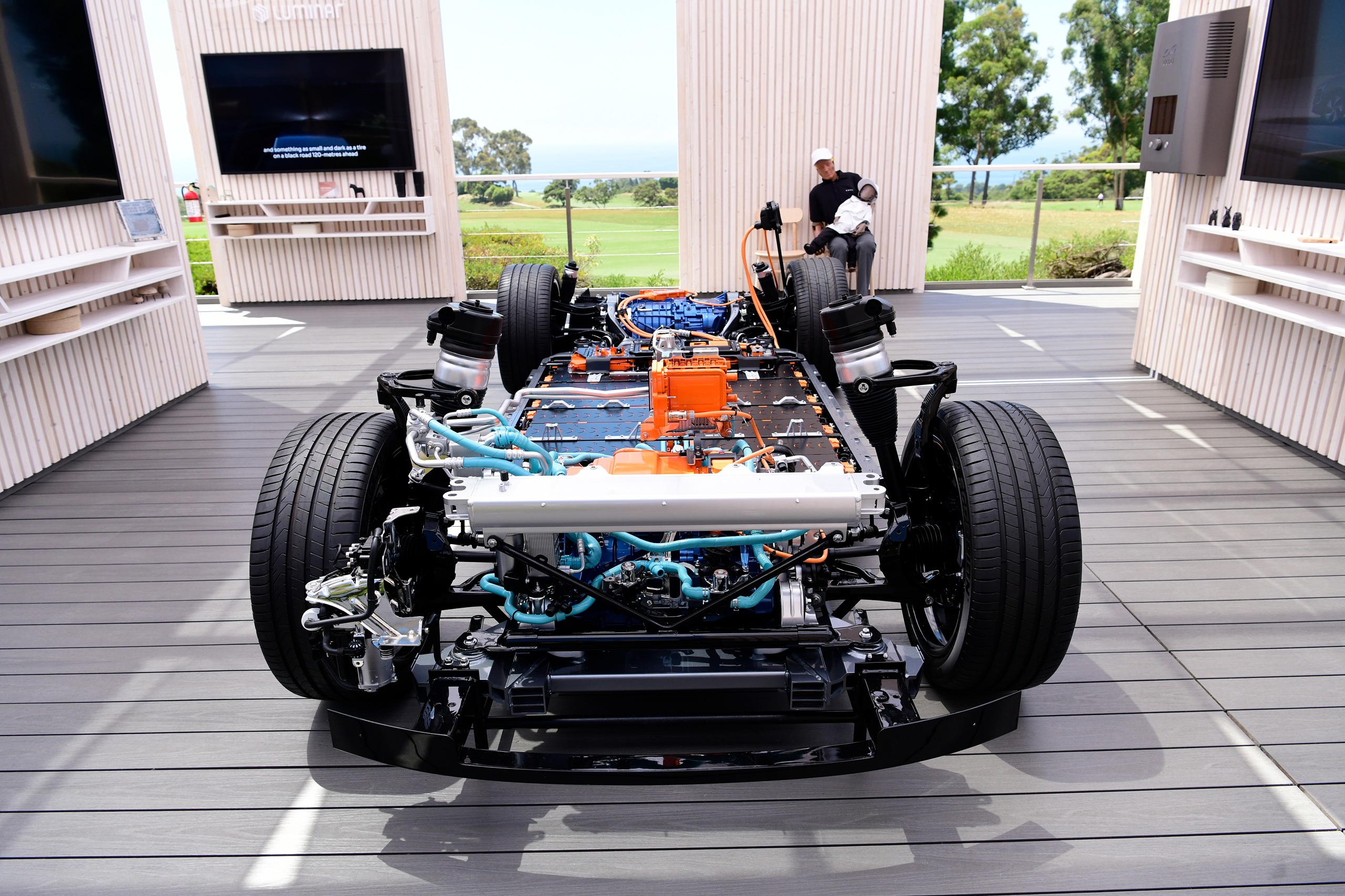
The Volvo EX90 features a lithium-ion battery with a gross capacity of 106 kWh, of which 103 kWh are usable, located in the underbody. However, the key advancement for the 2026 model year is the operating voltage of 800 volts. This reduces current and thus heat losses, enabling thinner cables and significantly shorter charging times.
The cells are positioned low and centrally between the axles. This gives the car a low center of gravity and a near 50:50 weight distribution. It also increases torsional rigidity. On the hardware side, the Volvo EX90 is also prepared for bidirectional charging; this will be enabled via a future update.
-
- Image: Volvo
-
- Image: Volvo
Fuel consumption of the Volvo EX90: Economical in everyday driving, thirsty on the motorway
The manufacturer's stated consumption for the test vehicle is 20,1 kWh per 100 kilometers according to WLTP. However, the on-board computer reported even lower figures: around 19 kWh in the city and about 17,5 kWh on the highway. Experience shows that such readings are typically five to ten percent too low, as charging losses are not factored in. So, when plugged in, the Volvo EX90 is more likely to achieve a consumption of 20 to 21 kWh per 100 kilometers. And even that is a very good figure for a 2,8-ton car with 22-inch wheels. This is due, among other things, to the standard heat pump and the consistent recuperation via the one-pedal driving system.
On the motorway, the picture changes. There, the on-board computer displayed 26 to 28 kWh per 100 kilometers, which in reality corresponds more to 27 to 30 kWh. That's the price you pay for a frontal area of 2,87 square meters and a curb weight of approximately 2,7 tons. Those who primarily drive the EX90 in the suburbs and in the city will be driving one of the more economical large electric SUVs. However, those who drive at 160 km/h in the fast lane every day will pay a hefty price.
Range of the Volvo EX90: The large battery helps
Depending on the model variant, the Volvo EX90 offers a WLTP range of approximately 569 to 624 kilometers. Volvo specifies up to 598 kilometers according to WLTP for the Twin Motor Performance test vehicle, and even 749 kilometers in urban driving.
This isn't just wishful thinking: With a real-world consumption of 19 to 20 kWh and 103 usable kilowatt-hours, this translates to a real-world range of approximately 520 to 540 kilometers in mixed driving conditions, and even more in pure city traffic. On the highway, the range then shrinks to about 350 to 390 kilometers due to the higher consumption.
Picture: TechnikNews
Loading: This shows what the update is worth.
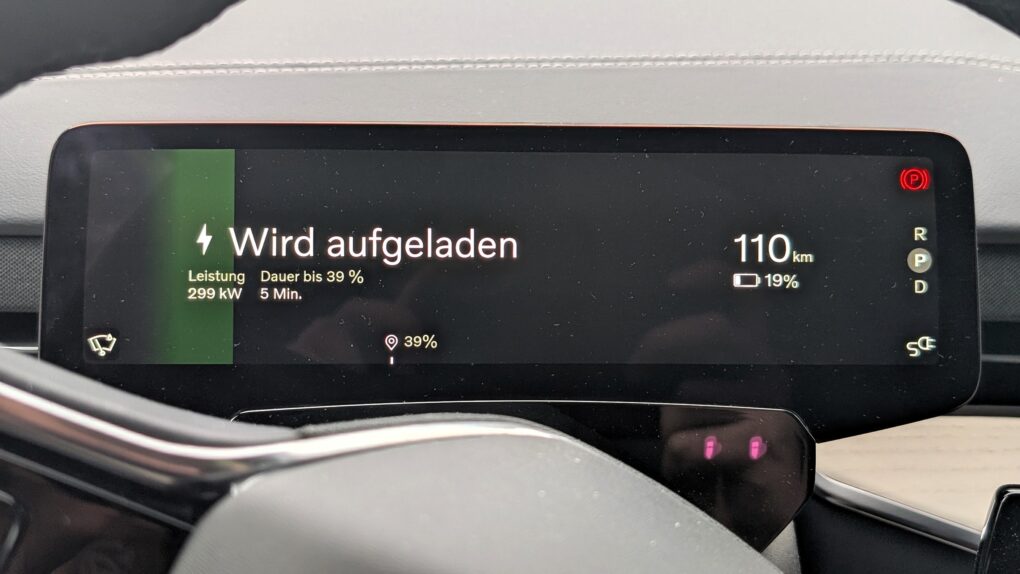
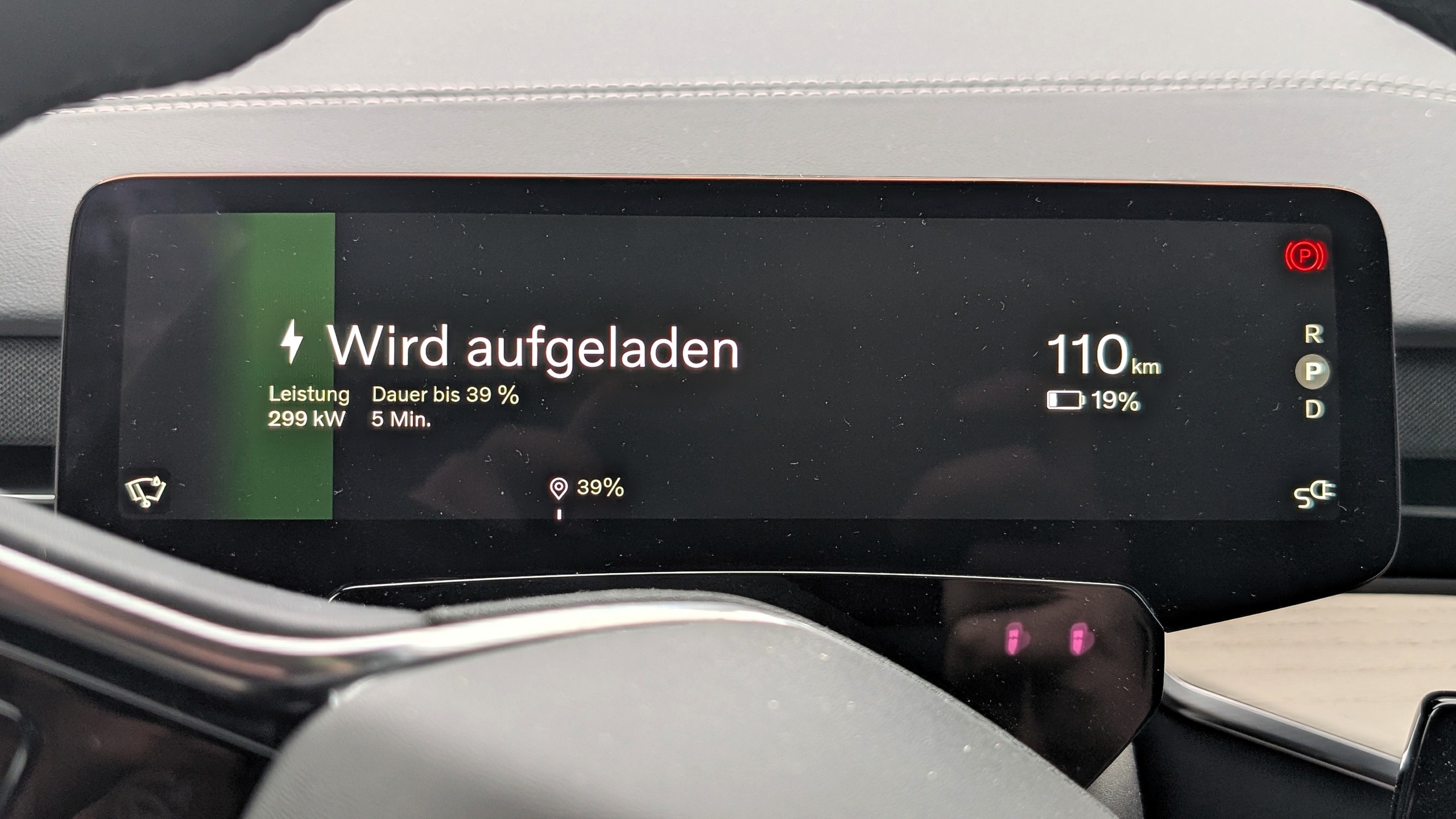
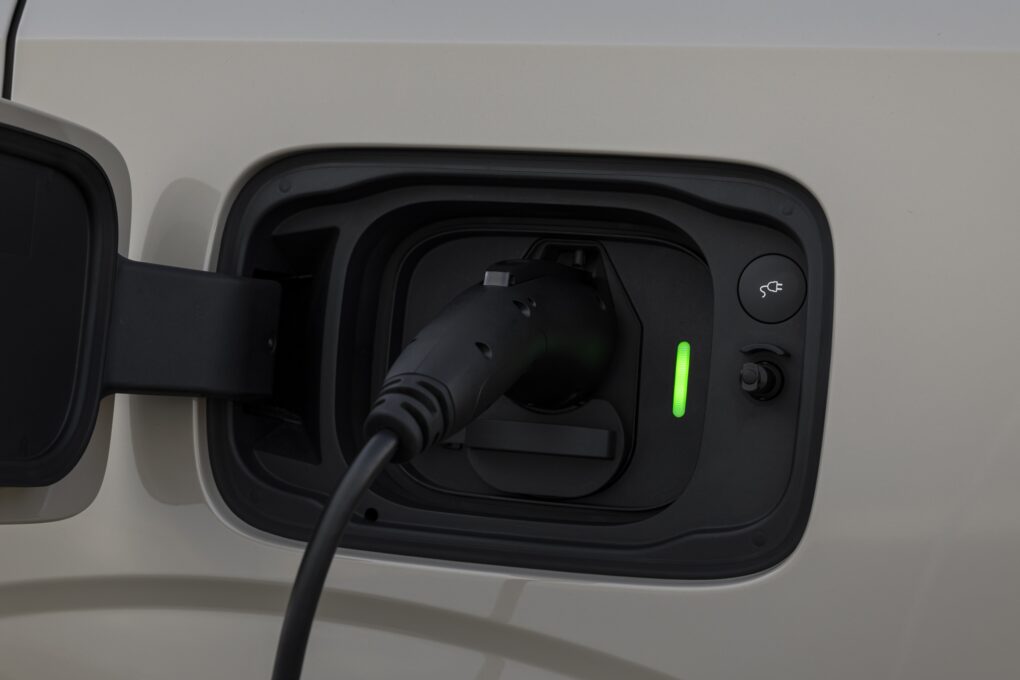
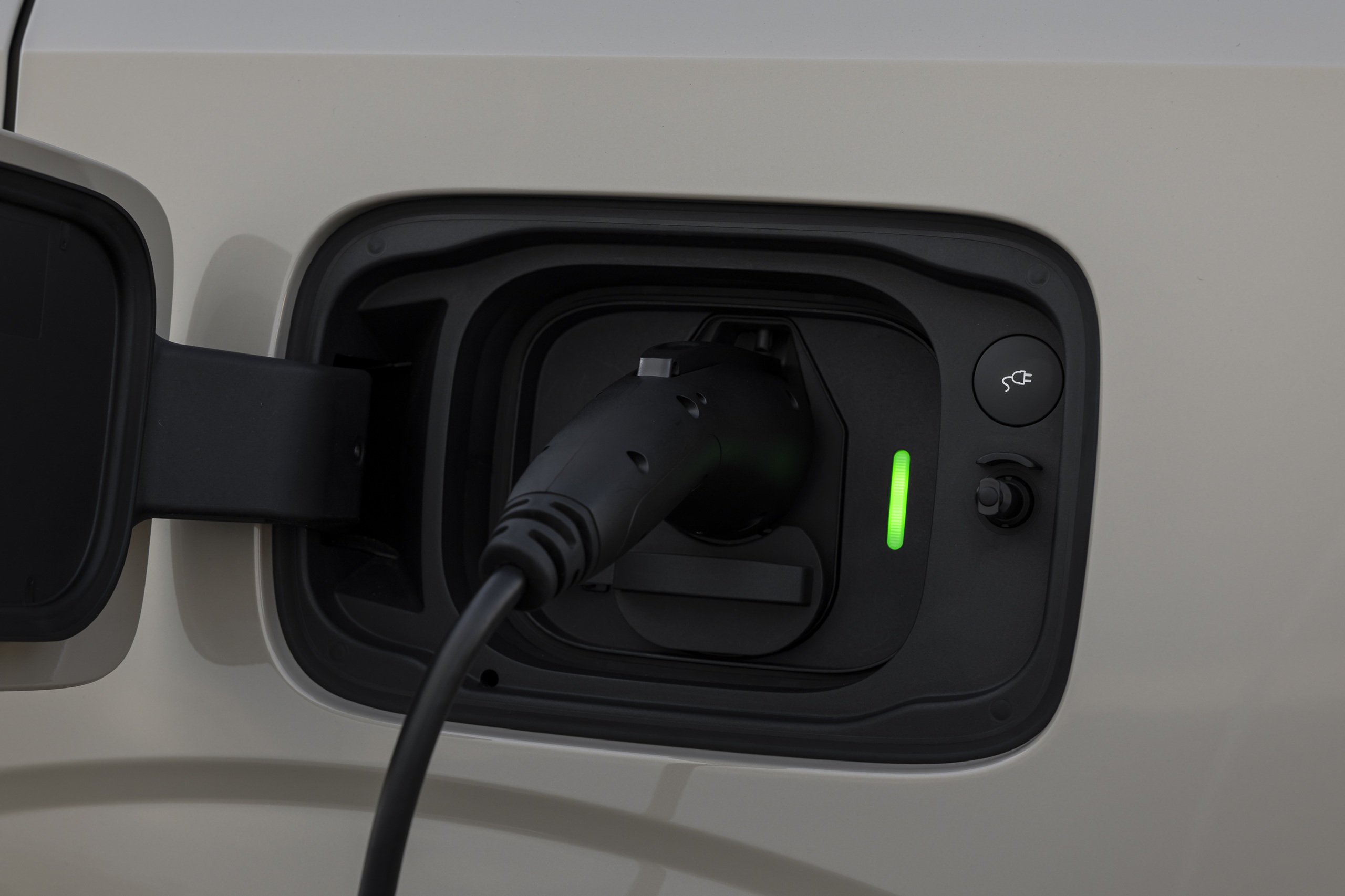
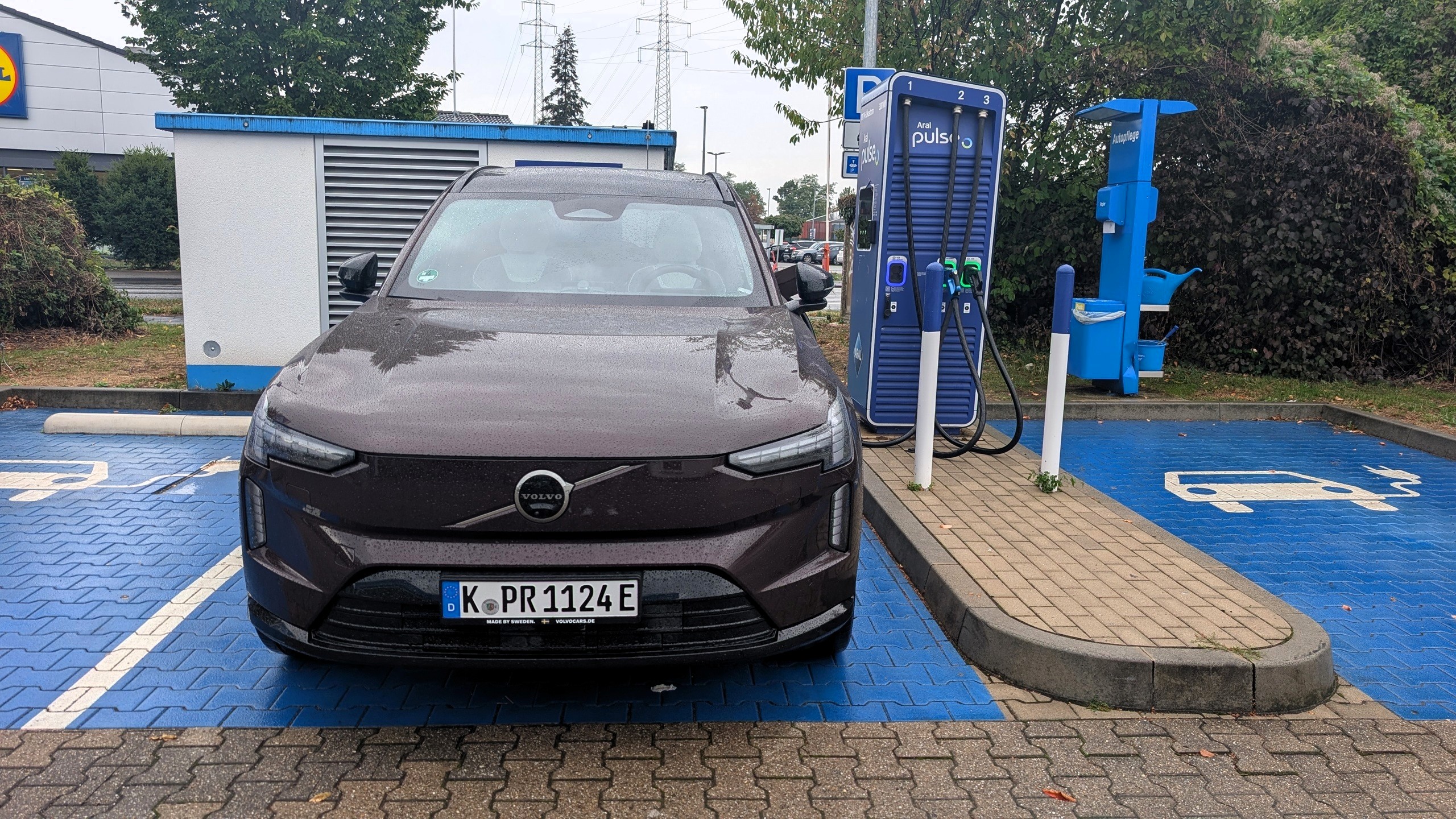
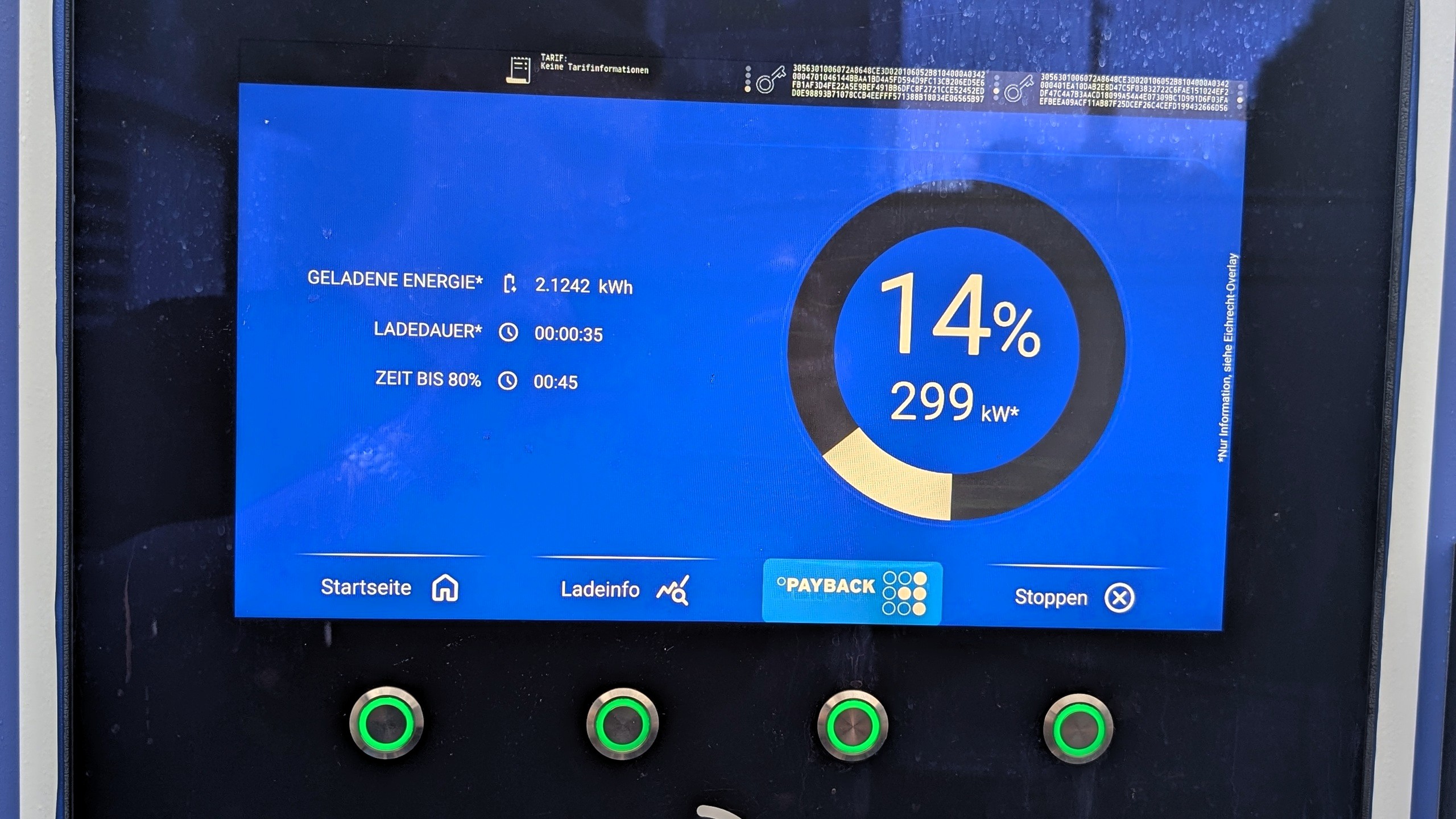
Volvo promises a charging capacity of up to 350 kW and a charge from 10 to 80 percent in 22 minutes. In practice, the results fell just short, but this was due to the charging station, not the car: At a 300 kW charger, the Volvo EX90 drew the full 300 kW immediately from a 14 percent charge level, without any warm-up phase or hesitation. Charging from 13 to 75 percent took 21 minutes with an average output of 193 kW. At a higher-capacity charger, the charging times would be even faster.proA charging time of 350 kW and 22 minutes is therefore quite realistic. According to the manufacturer, the car recharges enough electricity for 245 kilometers in ten minutes, and this figure matches what the on-board computer displayed during the test.
Unfortunately, there was no update for AC charging. The onboard charger has a maximum output of 11 kW, meaning a full charge at a wallbox takes approximately ten hours. Those who regularly use a 22 kW charging station will be frustrated, as the Volvo only utilizes half of that capacity. Overall, after the update, the Volvo EX90 remains one of the fastest-charging large electric SUVs on the market.
Picture: TechnikNews
Price and warranty of the Volvo EX90: It quickly costs six figures.
Those who need less performance in terms of features can get the Volvo EX90 as a single engine in the Core trim level. Starting at approximately 84.190 euros. The Volvo EX90 Twin Motor in the top-of-the-line "Ultra" trim starts at €101.790. The Performance Package adds another €5.200. Our test vehicle was also equipped with the following extras: Winter Package (€500), Pilot Assist Package (€2.400), long cargo cover (€120), tinted windows (€510), electric tow bar (€1.190), Mulberry Red paint (€1.150), wool upholstery (€600), Bowers & Wilkins sound system (€3.460), and 22-inch wheels (€960). The total price of the test vehicle thus came to €119.180. That's a lot, but it's also practically fully loaded.
For comparison: The Kia EV9 GT starts at €90.490 and the Hyundai IONIQ 9 Performance is available from €82.850. Both offer similar interior space and are therefore around €10.000 cheaper. The Nio EL8 starts at €105.900 including the battery, and the Lucid Gravity Grand Touring at €119.900. The Volvo is thus positioned almost exactly in the middle in terms of price. (All prices in this article are as of September 2026 and include 19% VAT.)
The guarantee The warranty covers three years or 100.000 kilometers for the vehicle, eight years or 160.000 kilometers for the battery, and twelve years against rust perforation. The Volvo EX90 requires servicing every 24 months or 30.000 kilometers, which keeps running costs pleasantly low.
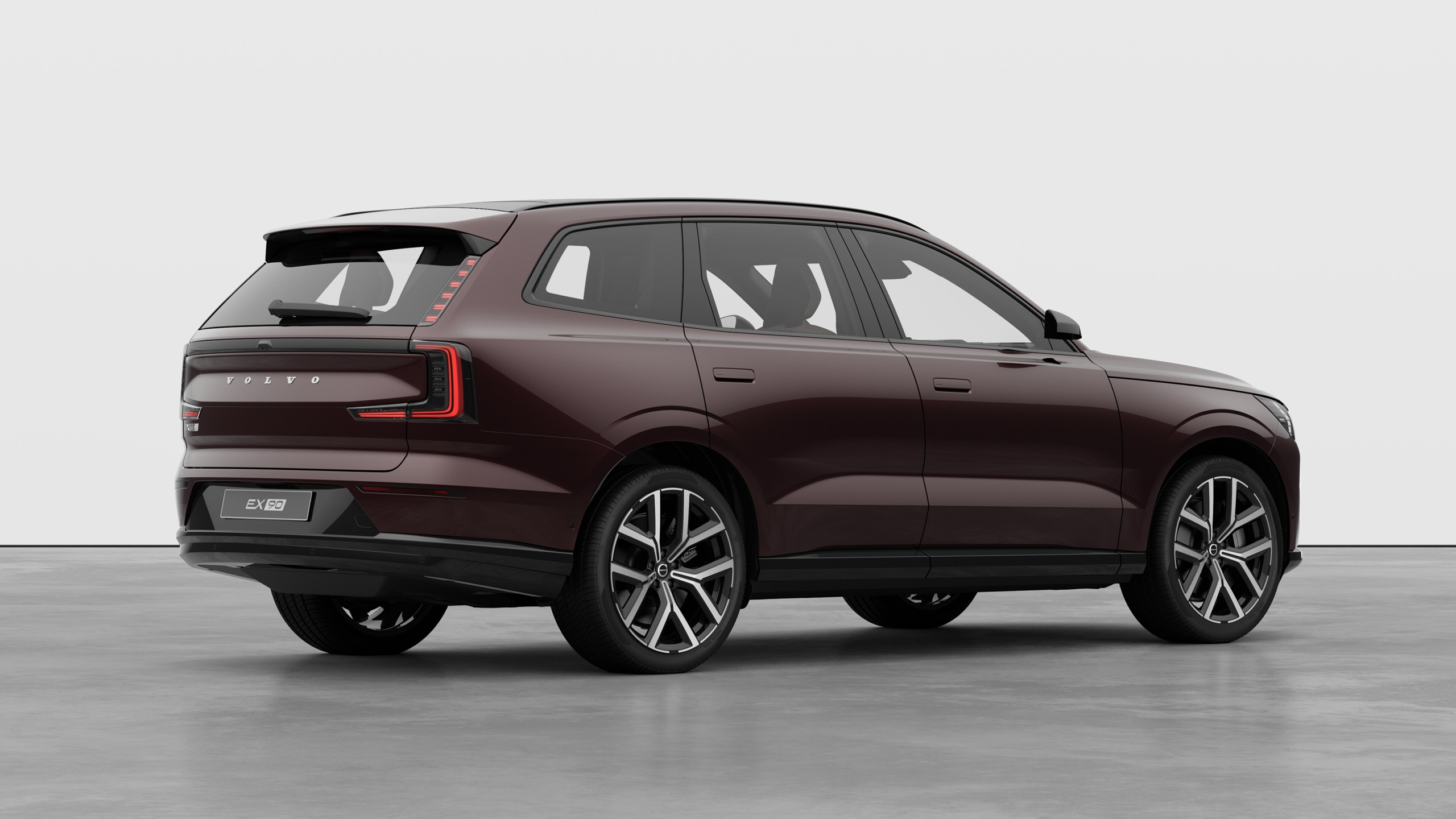
Image: Volvo
Many thanks to Volvo Germany for providing the Volvo EX90 Twin Motor Performance for this test report. This did not influence our opinion!