
Polestar 3 Dual Motor in everyday test: The attempt to be sporty
A TEST REPORT from Dominic Lux  on August 10, 2025, 10:00 pm | Write a comment
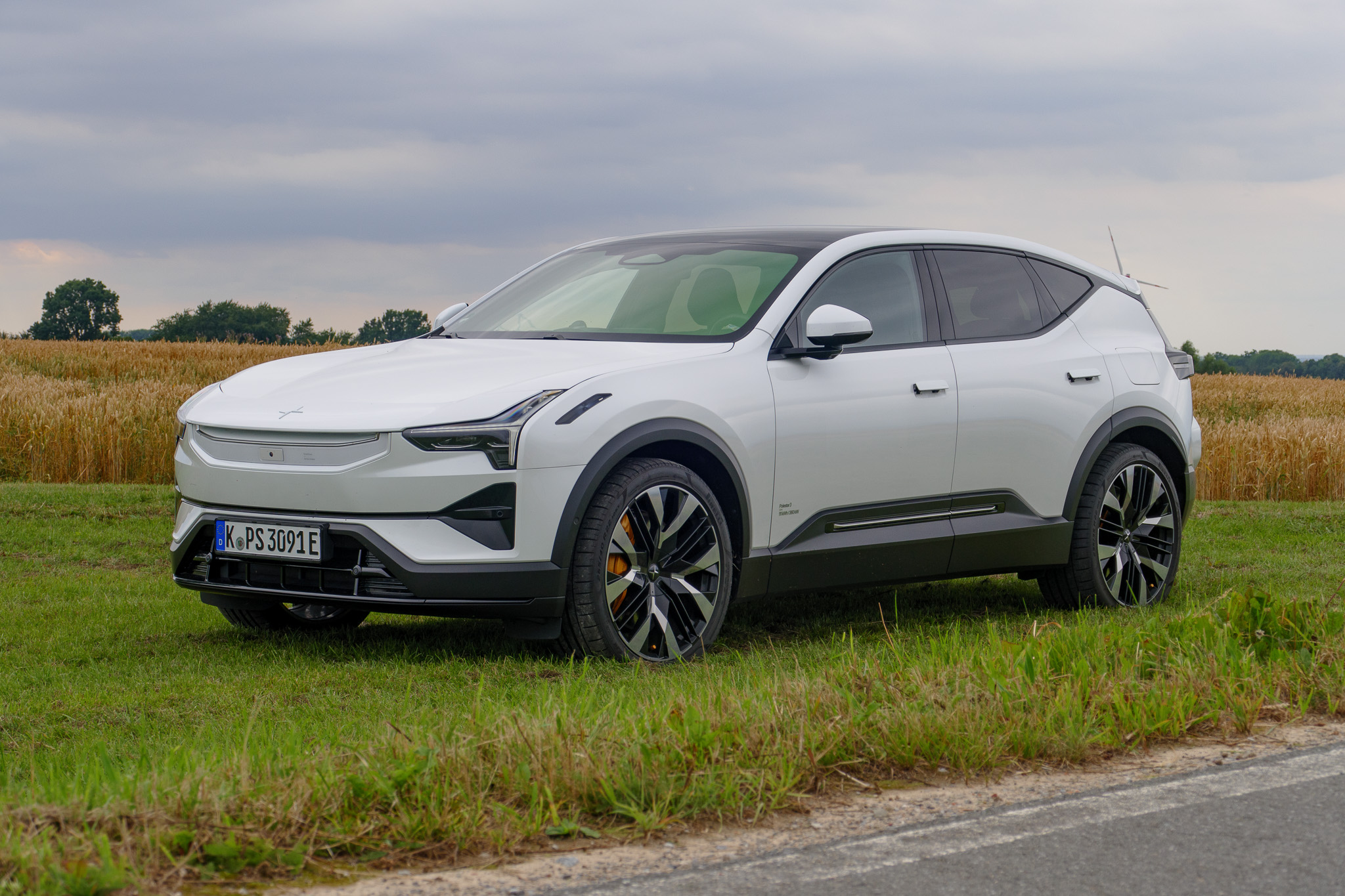
After the Polestar 2 follows, albeit somewhat late, the Polestar 3It brings many promising innovations, including torque vectoring, the next generation of Android Automotive, and, for the first time in a Polestar, a Bowers & Wilkins sound system with Dolby Atmos. According to our first impression In Bad Tölz we had the opportunity to drive the Polestar 3 in the Dual Motor Long Range variant extensively for a week.
tl;dr: Good at heart, just too late?
The Polestar 3 Dual Motor proves itself review as a high-quality electric SUV with a strong design, impressive driving dynamics, and modern software including Android Automotive. The Bowers & Wilkins sound system and minimalist interior are particularly appealing, even if the piano lacquer elements quickly lose their value in everyday use. The maximum charging capacity of around 250 kW seems a bit outdated compared to the competition. Nevertheless, the Polestar 3 delivers a convincing overall package. Due to its lower entry-level price compared to the Volvo EX90, with which it shares the platform, it could be a more attractive choice for many.
Video report:
Design: Swedish elegance?
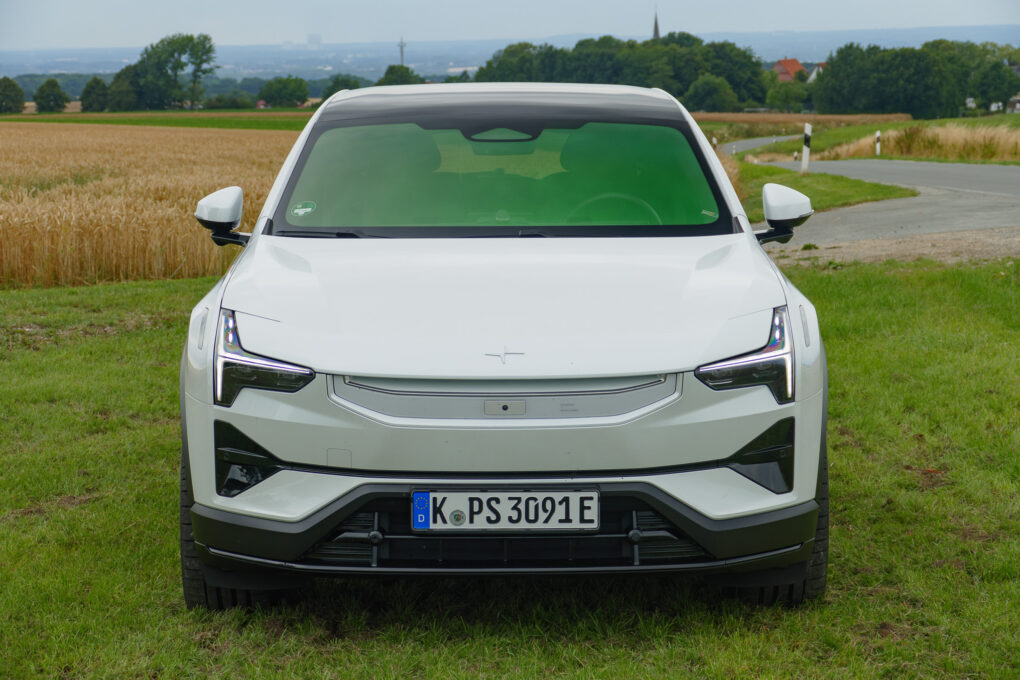
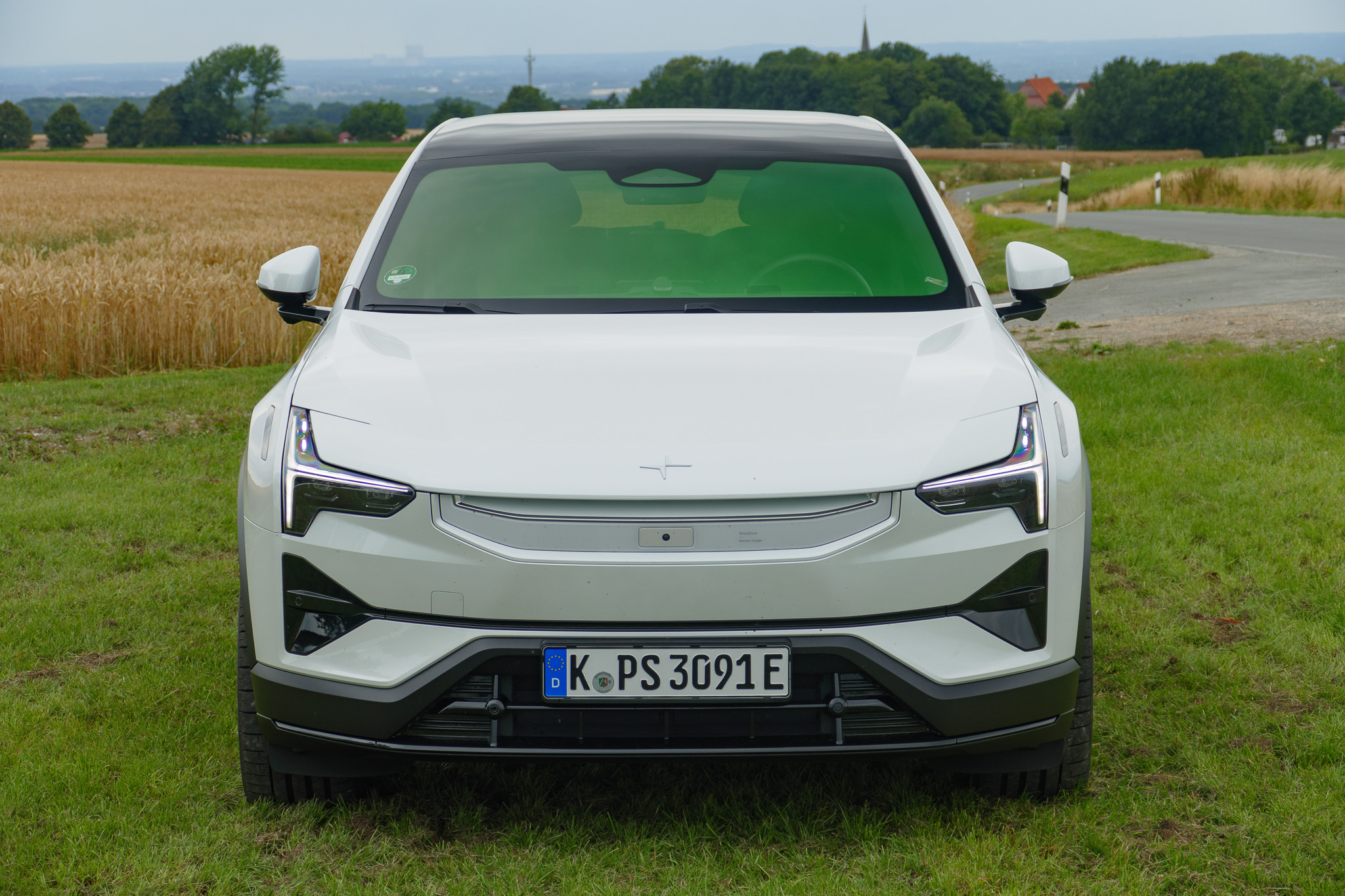
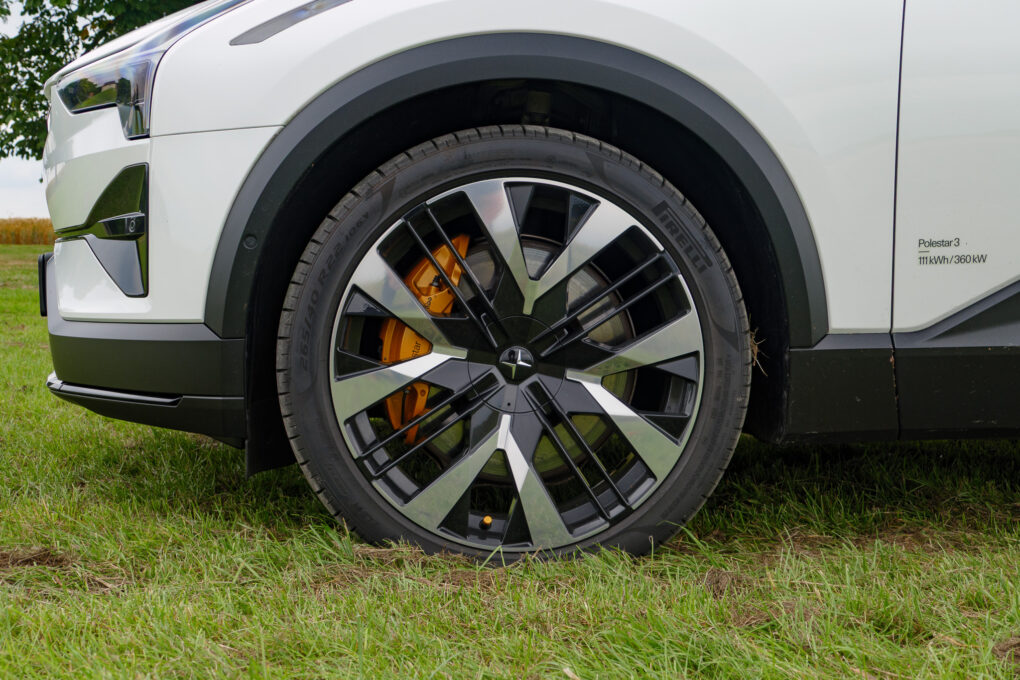
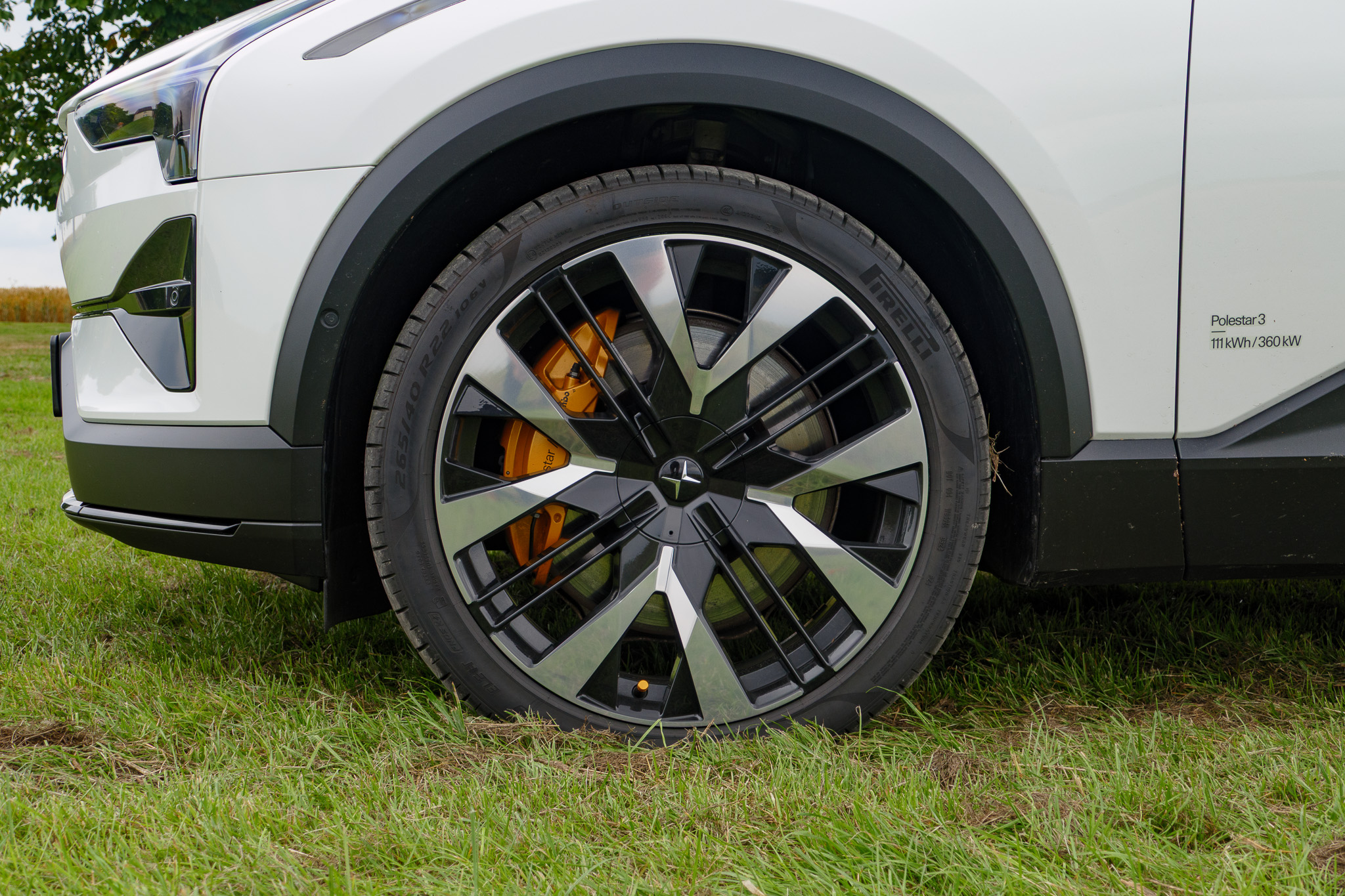
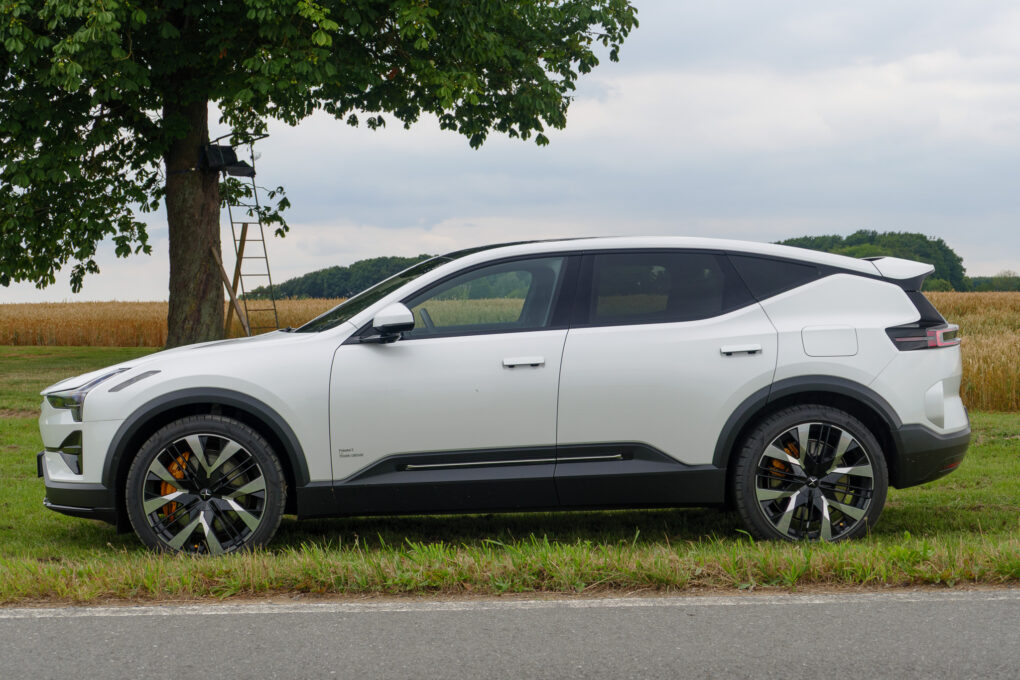
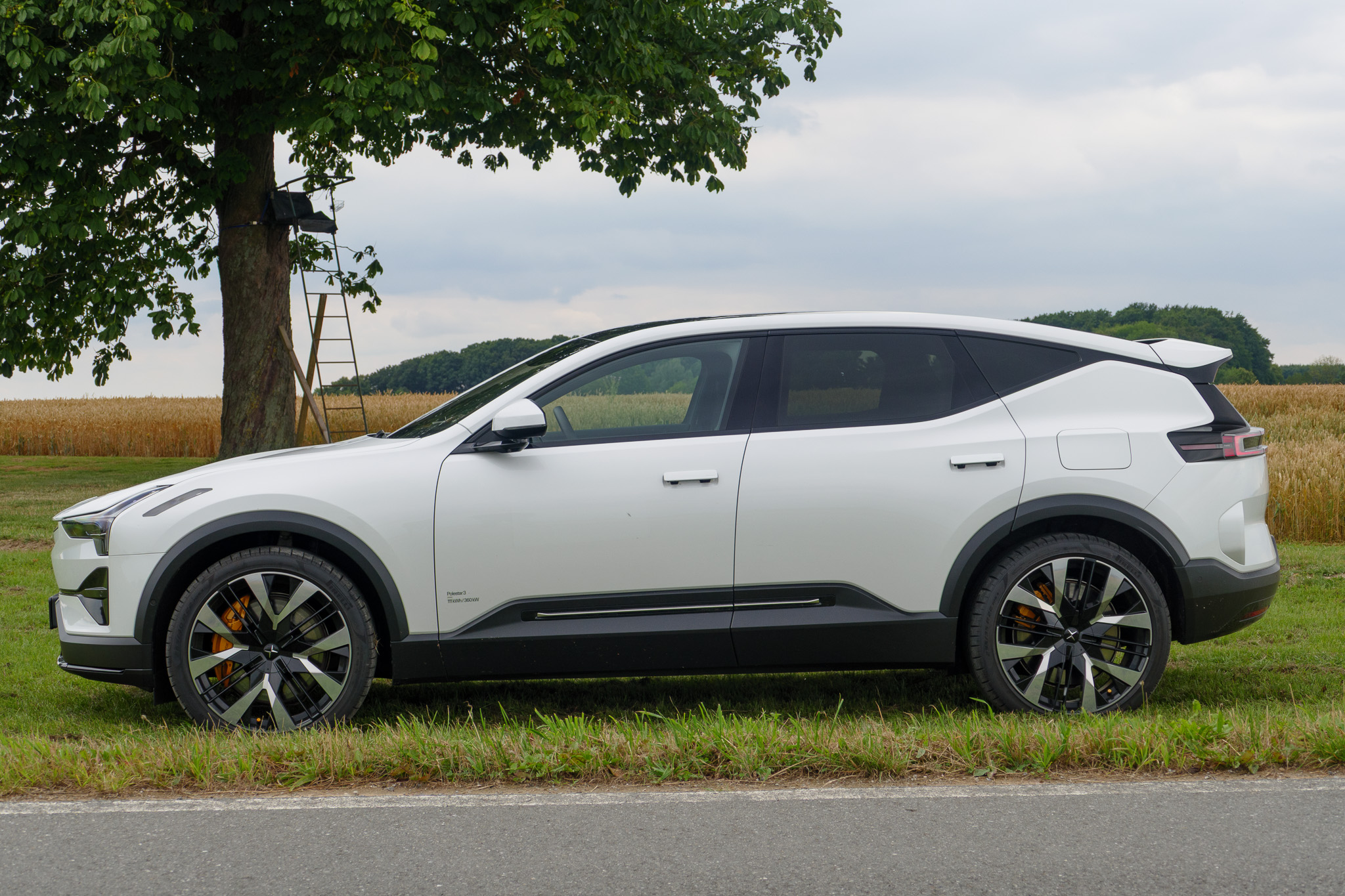
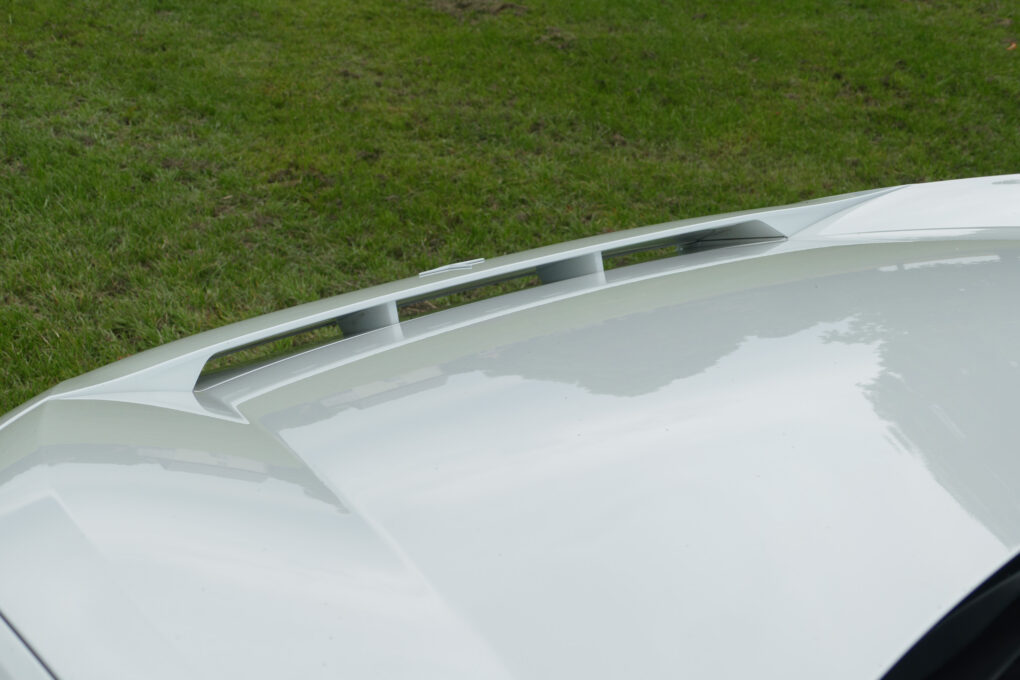
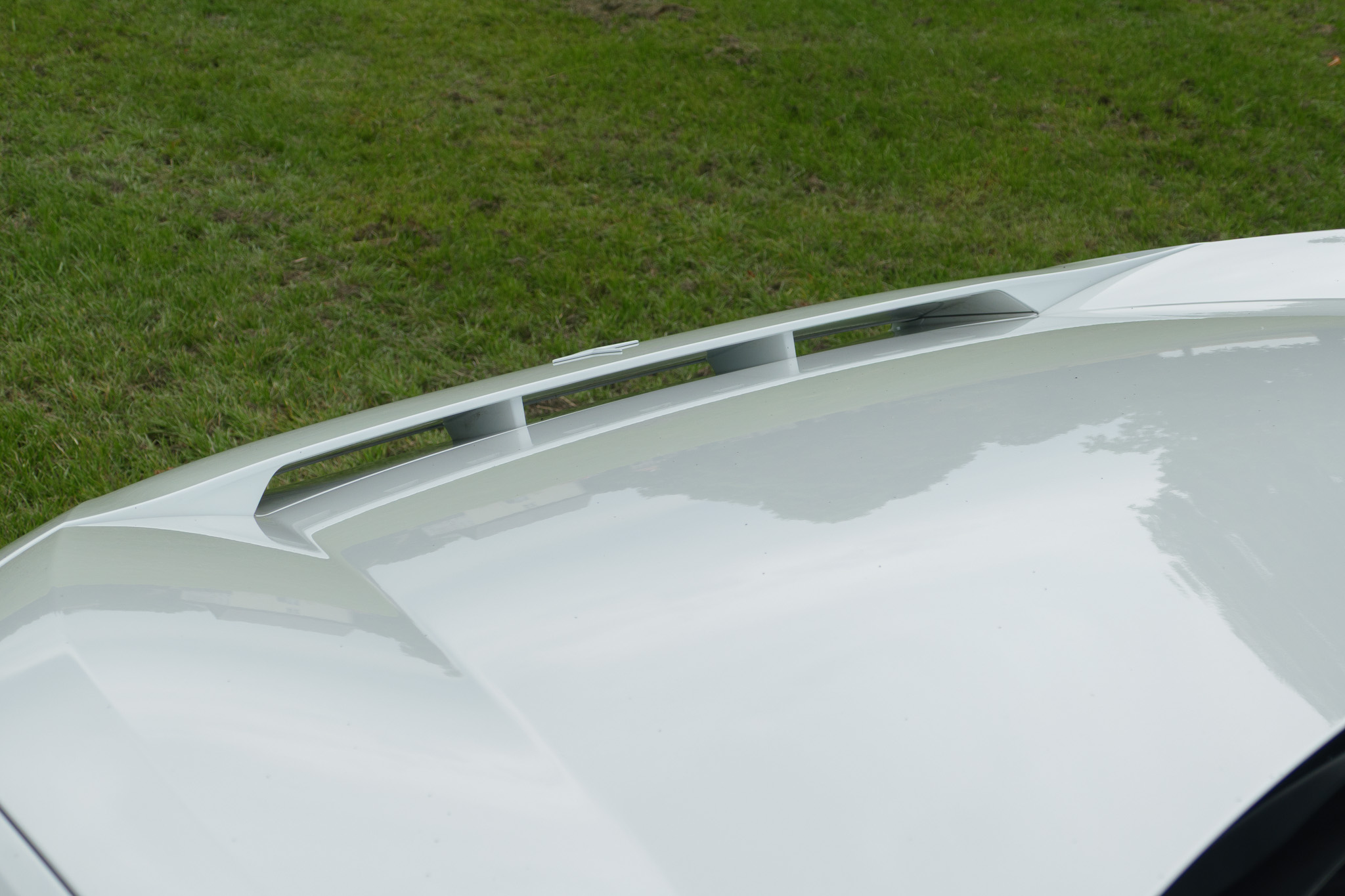
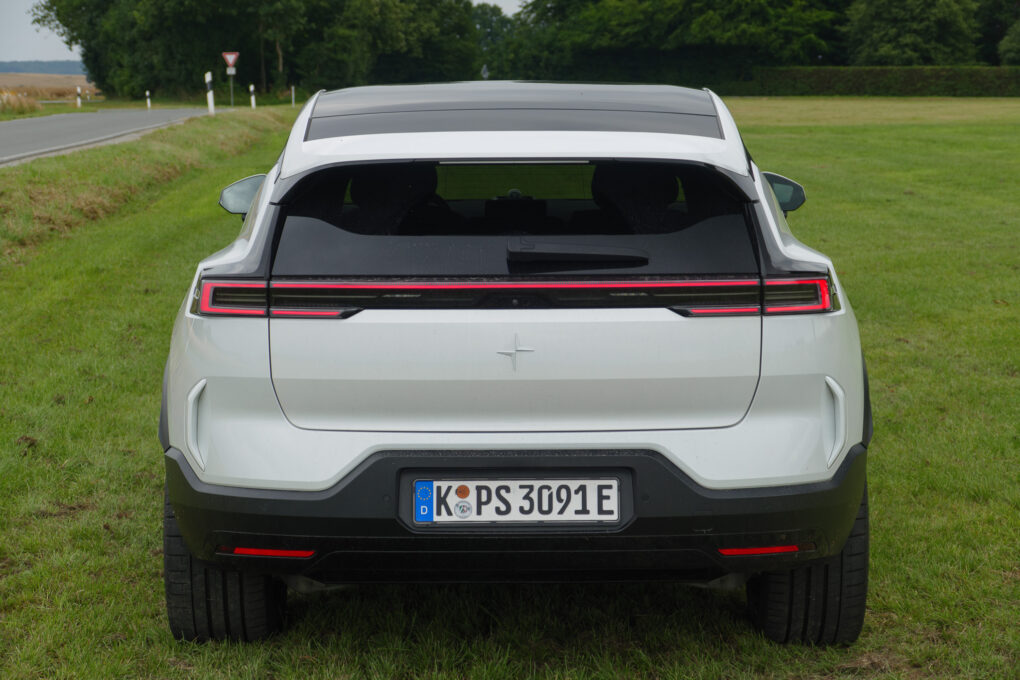
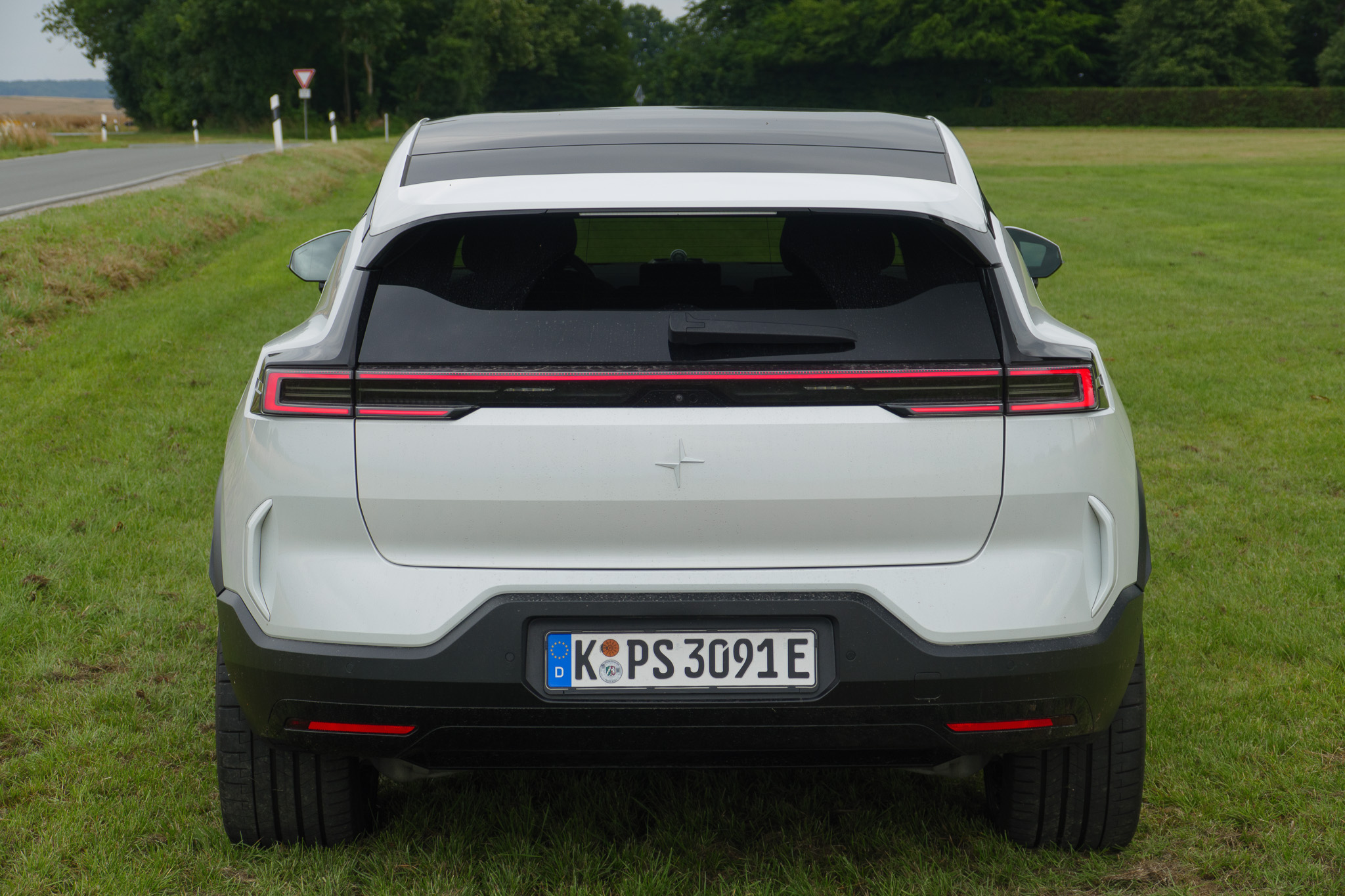
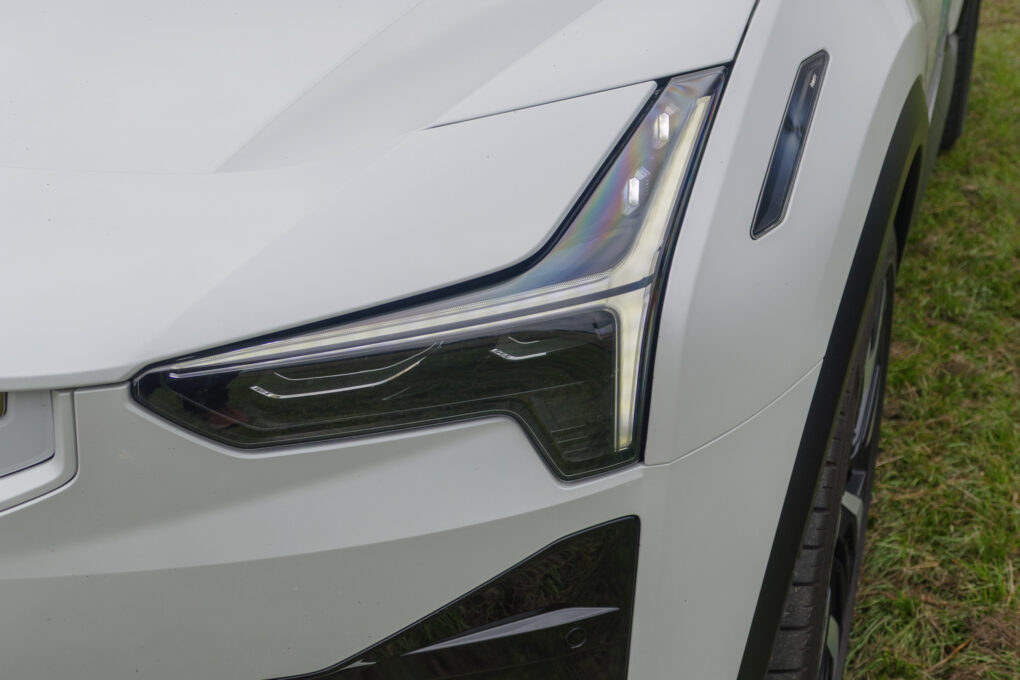
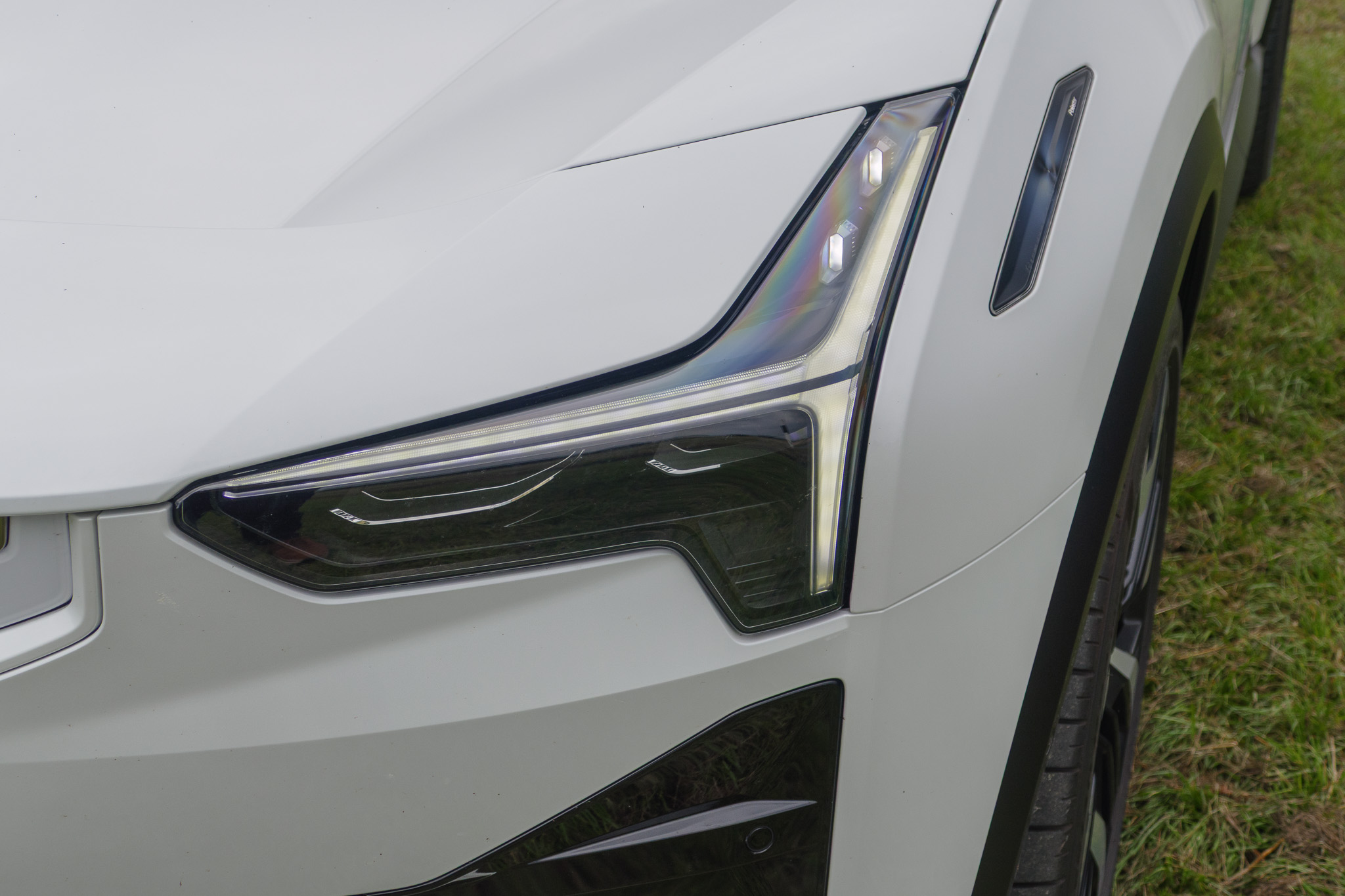
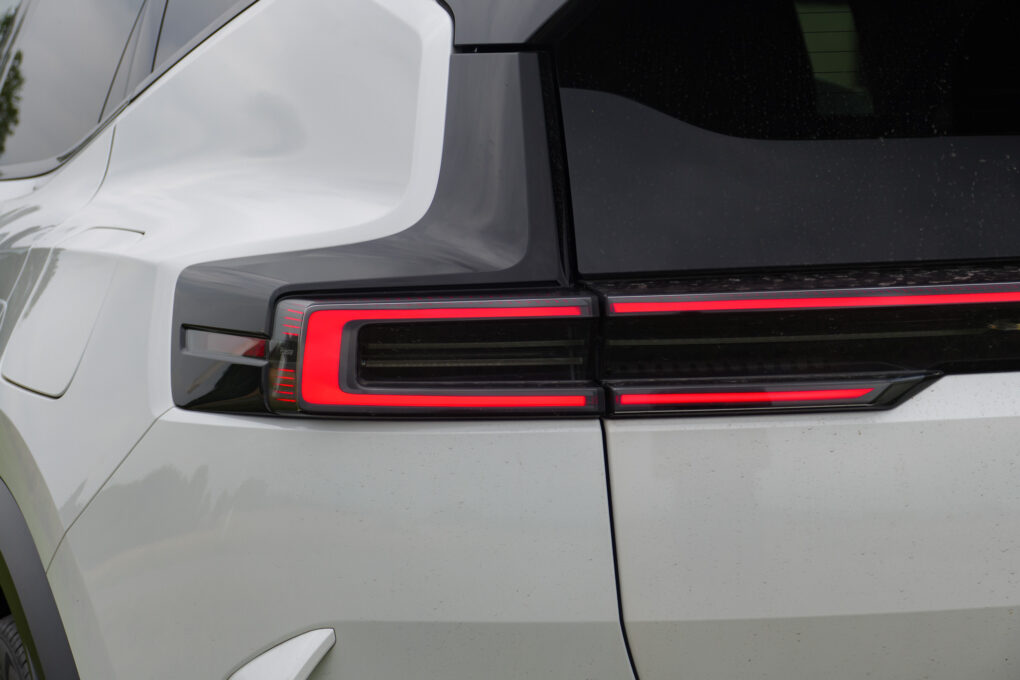
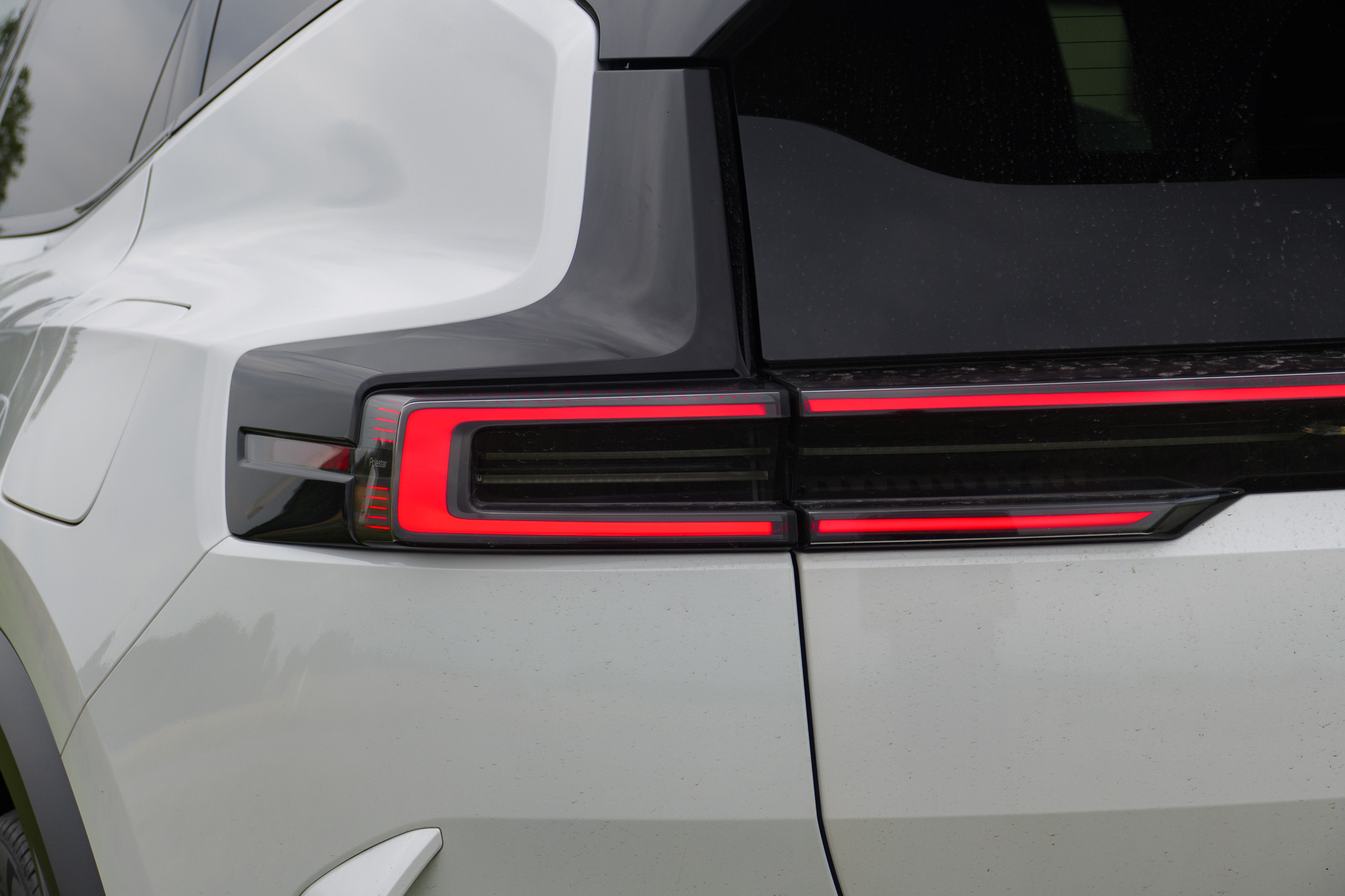
The design of the Polestar 3 is powerful, minimalist, and sophisticated. Clean lines, a rather muscular silhouette, and striking light signatures at the front and rear give the SUV a futuristic yet Scandinavian-sleek appearance. Particularly striking is the aerodynamically shaped roof with air deflector, which elegantly combines technology and design. The flush-mounted door handles and the continuous taillight underscore the modern premium appeal without being obtrusive. Overall, Polestar achieves a distinctive appearance that visibly distinguishes itself from Volvo's design while still fitting the corporate identity.
-
- Picture: TechnikNews
-
- Picture: TechnikNews
-
- Picture: TechnikNews
-
- Picture: TechnikNews
-
- Picture: TechnikNews
Interior: Lots of piano lacquer, lots of space
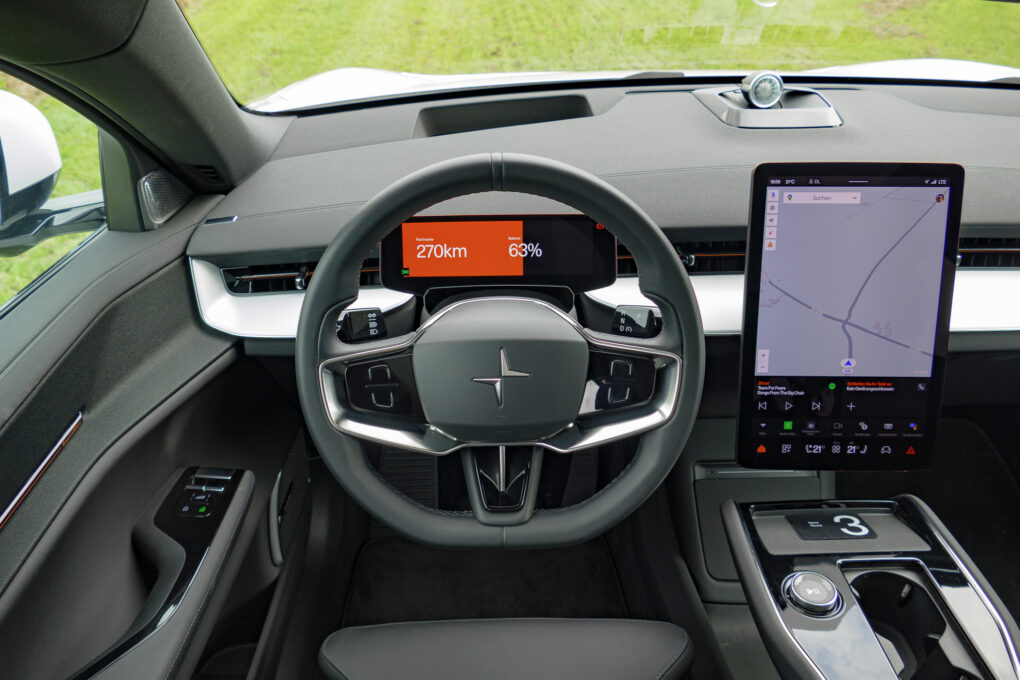
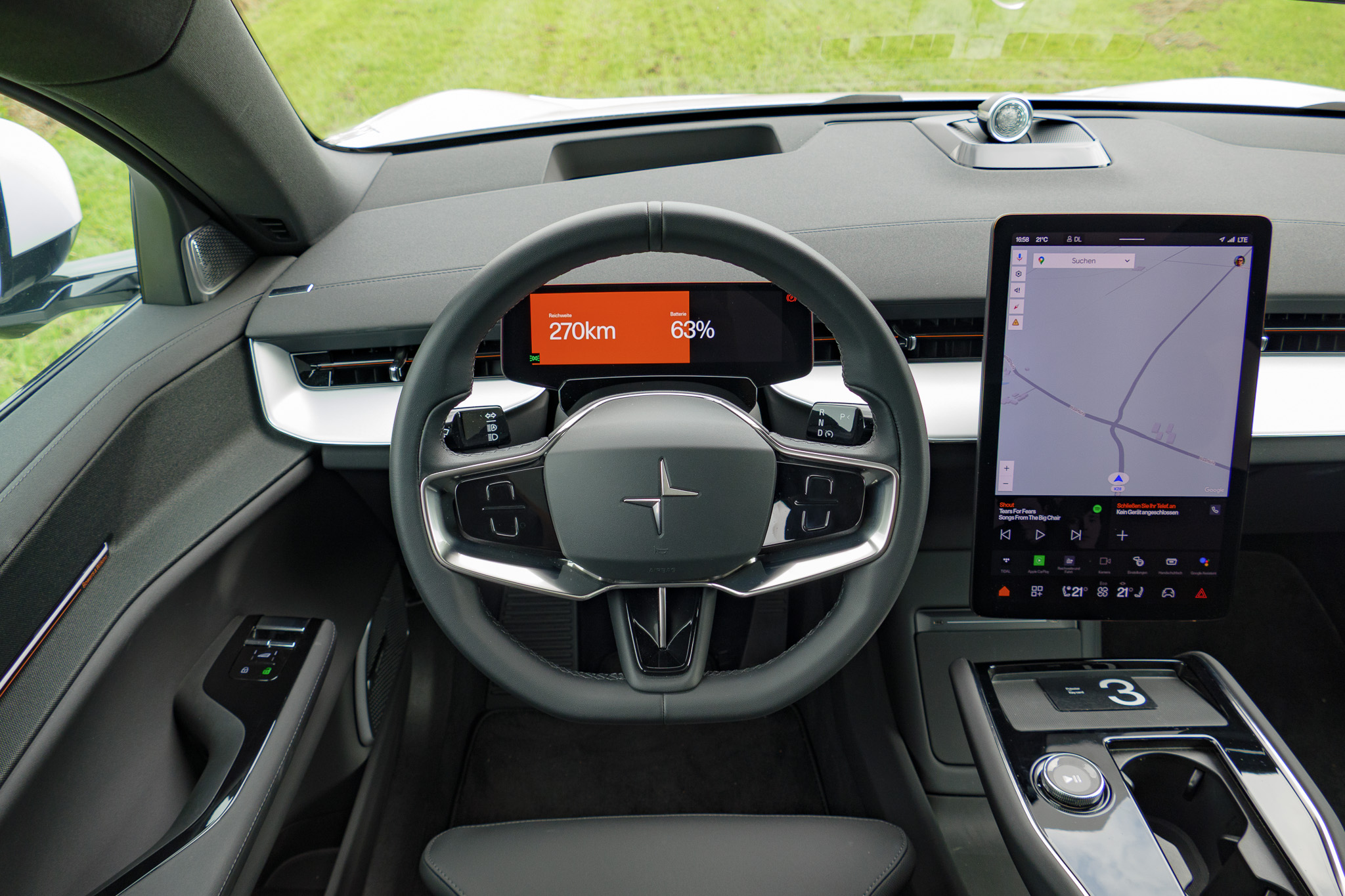
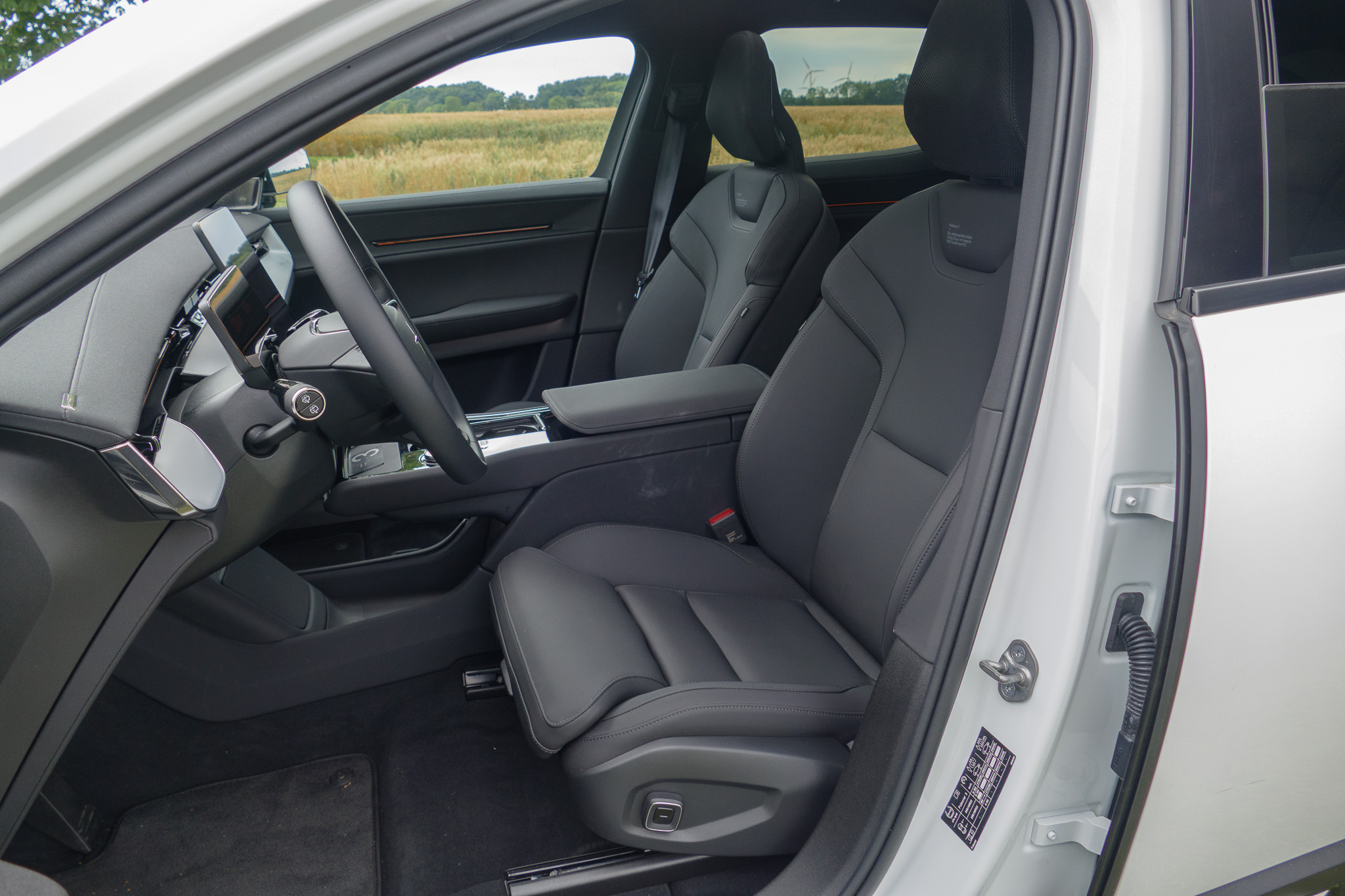
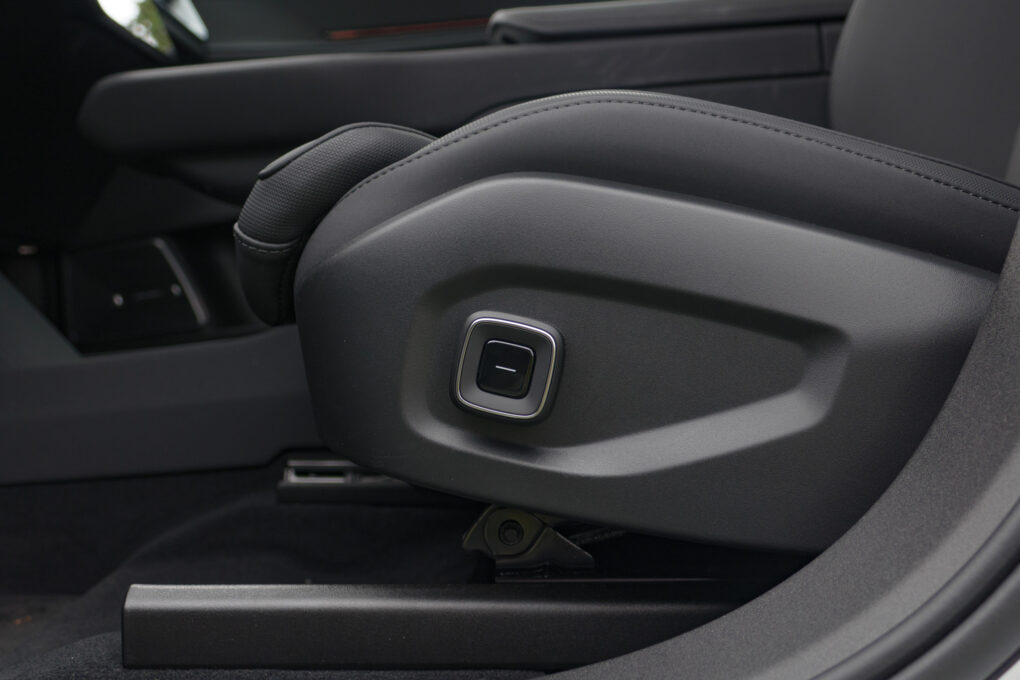
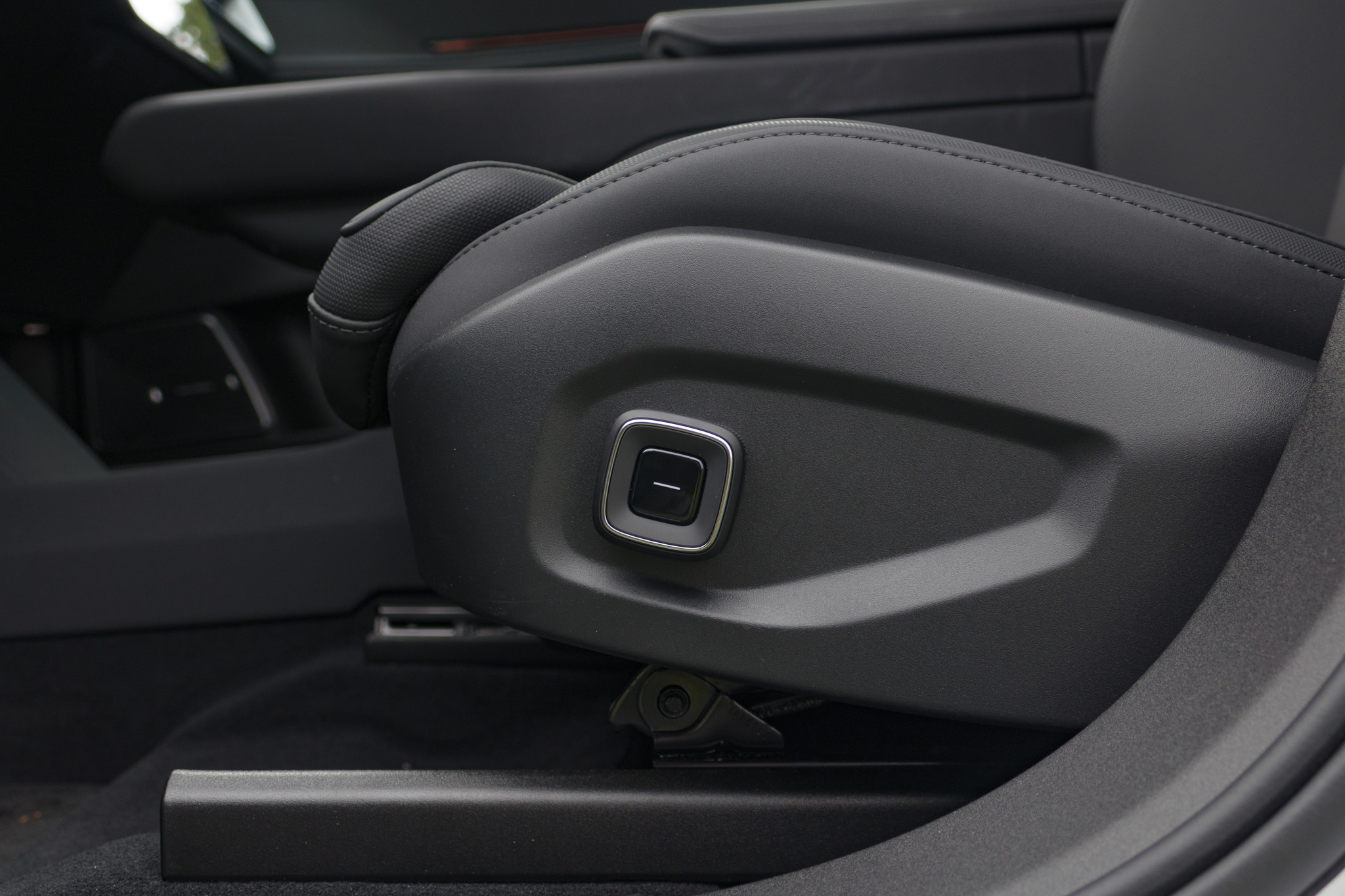
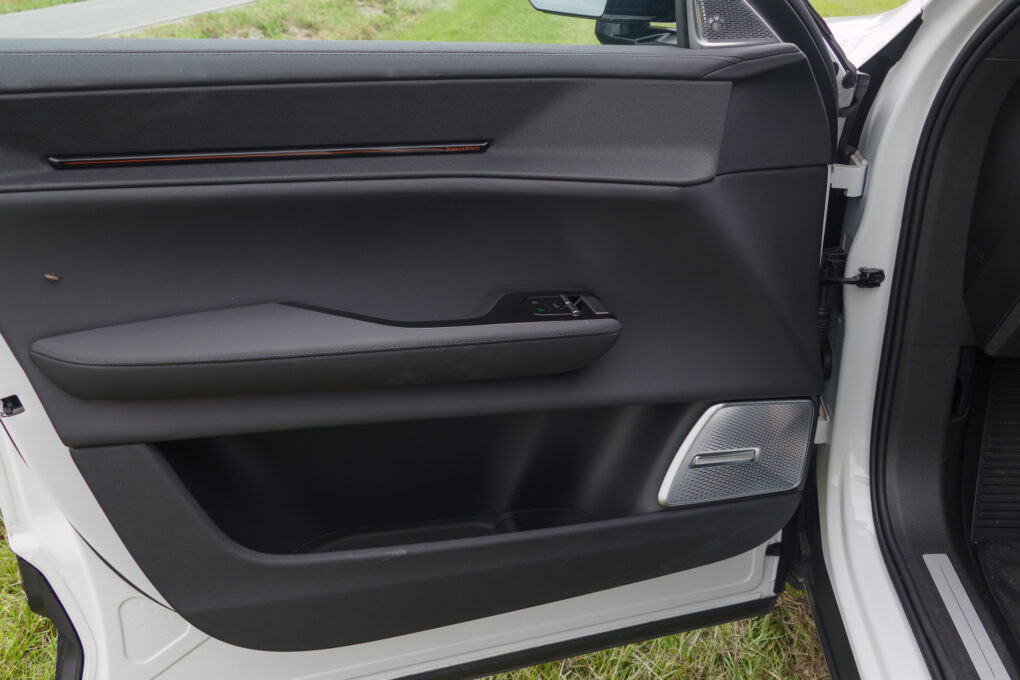
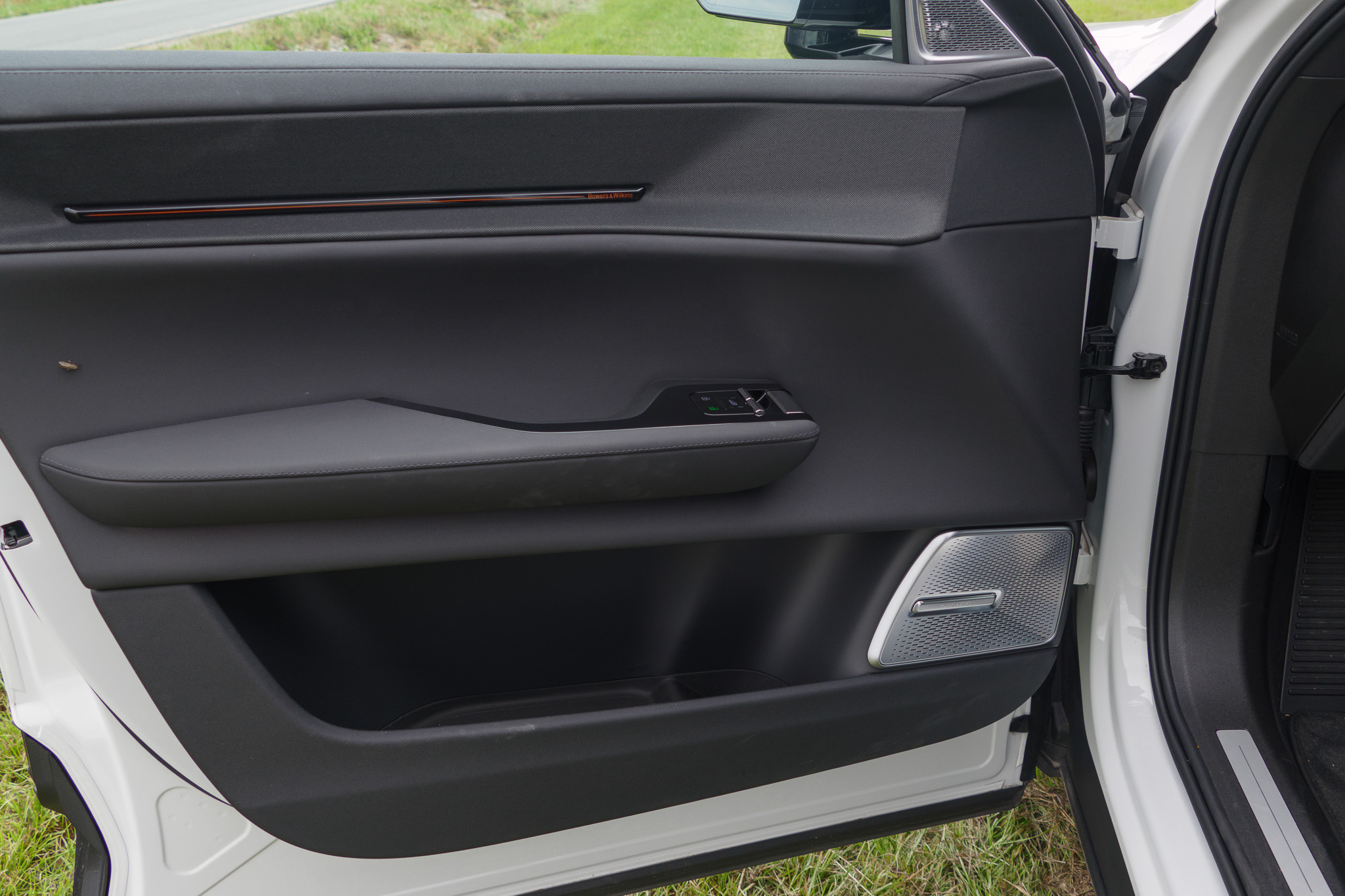
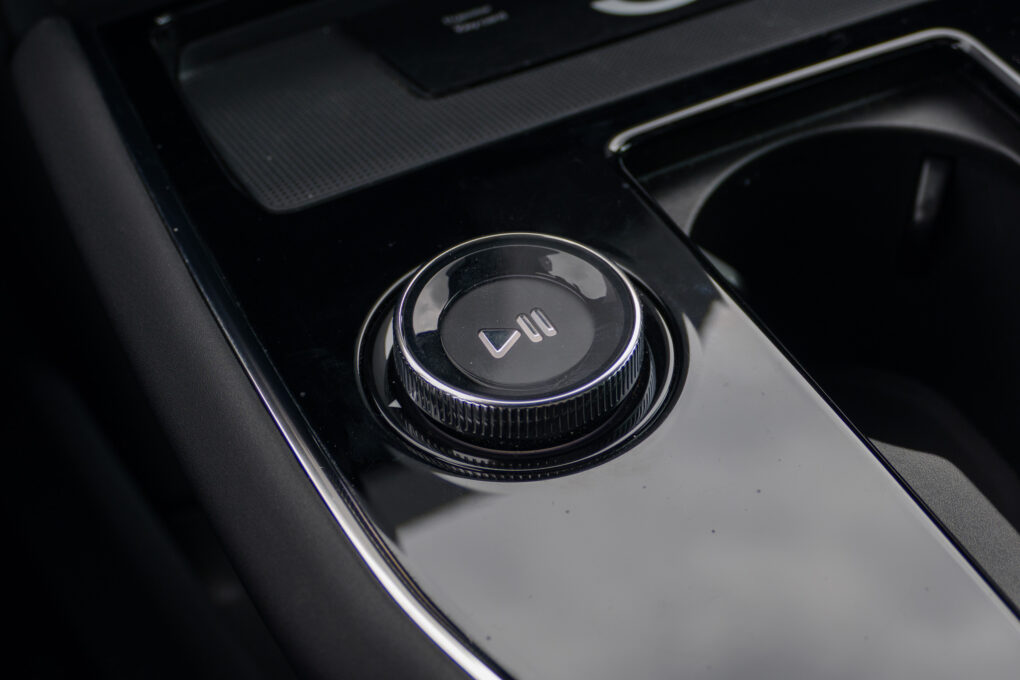
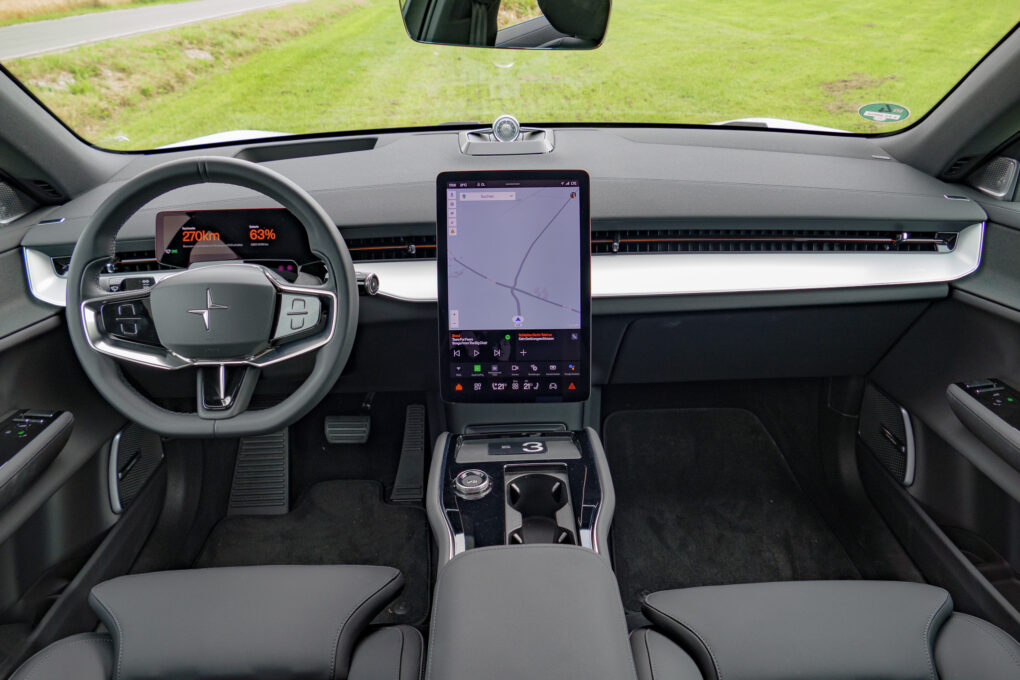
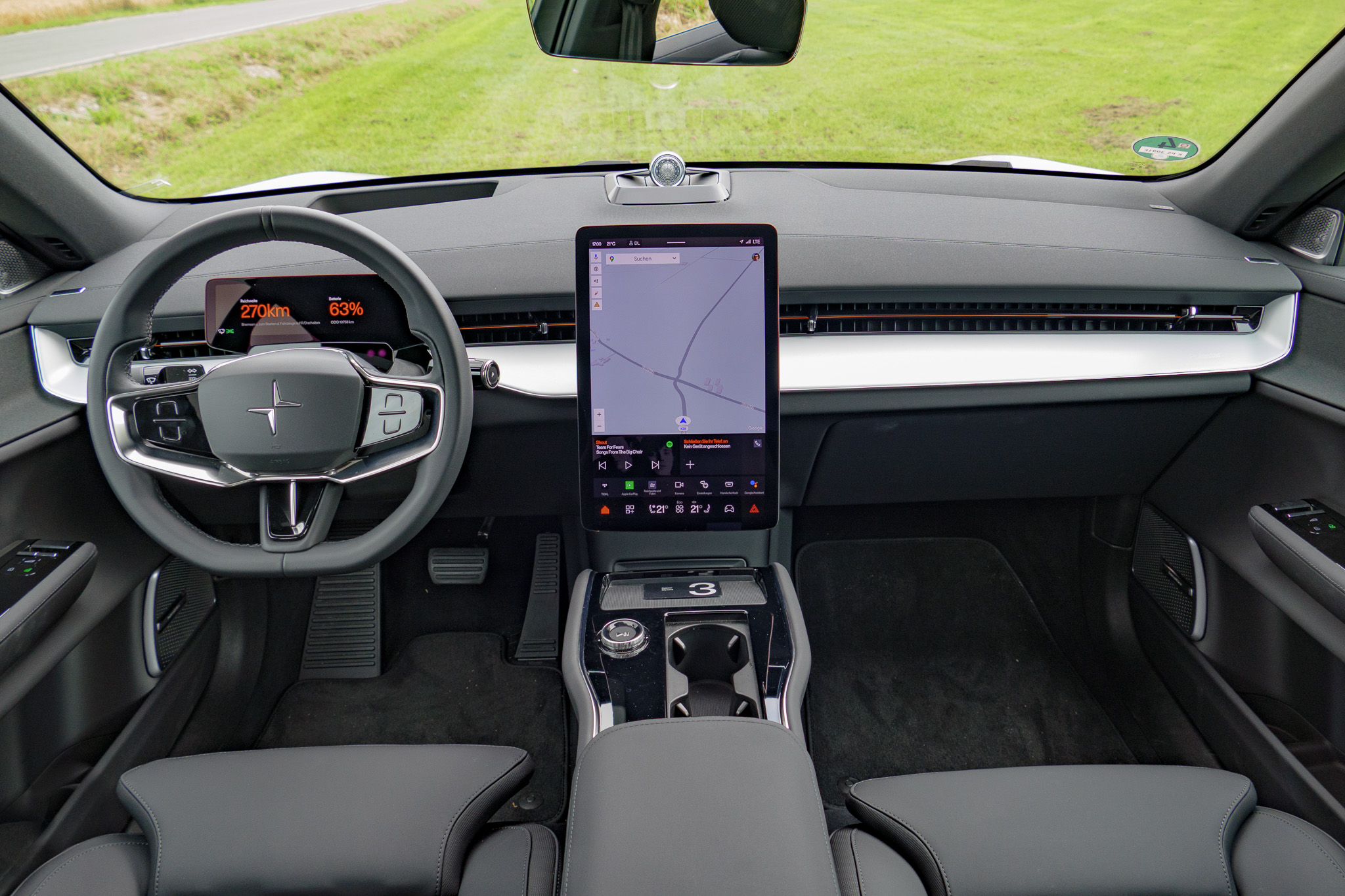
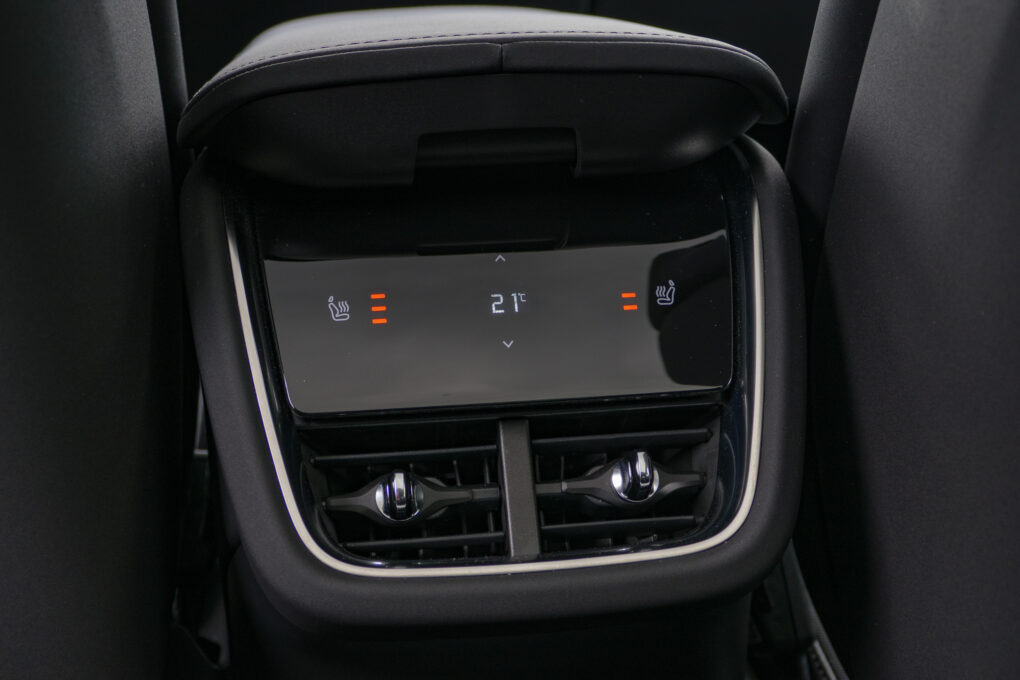
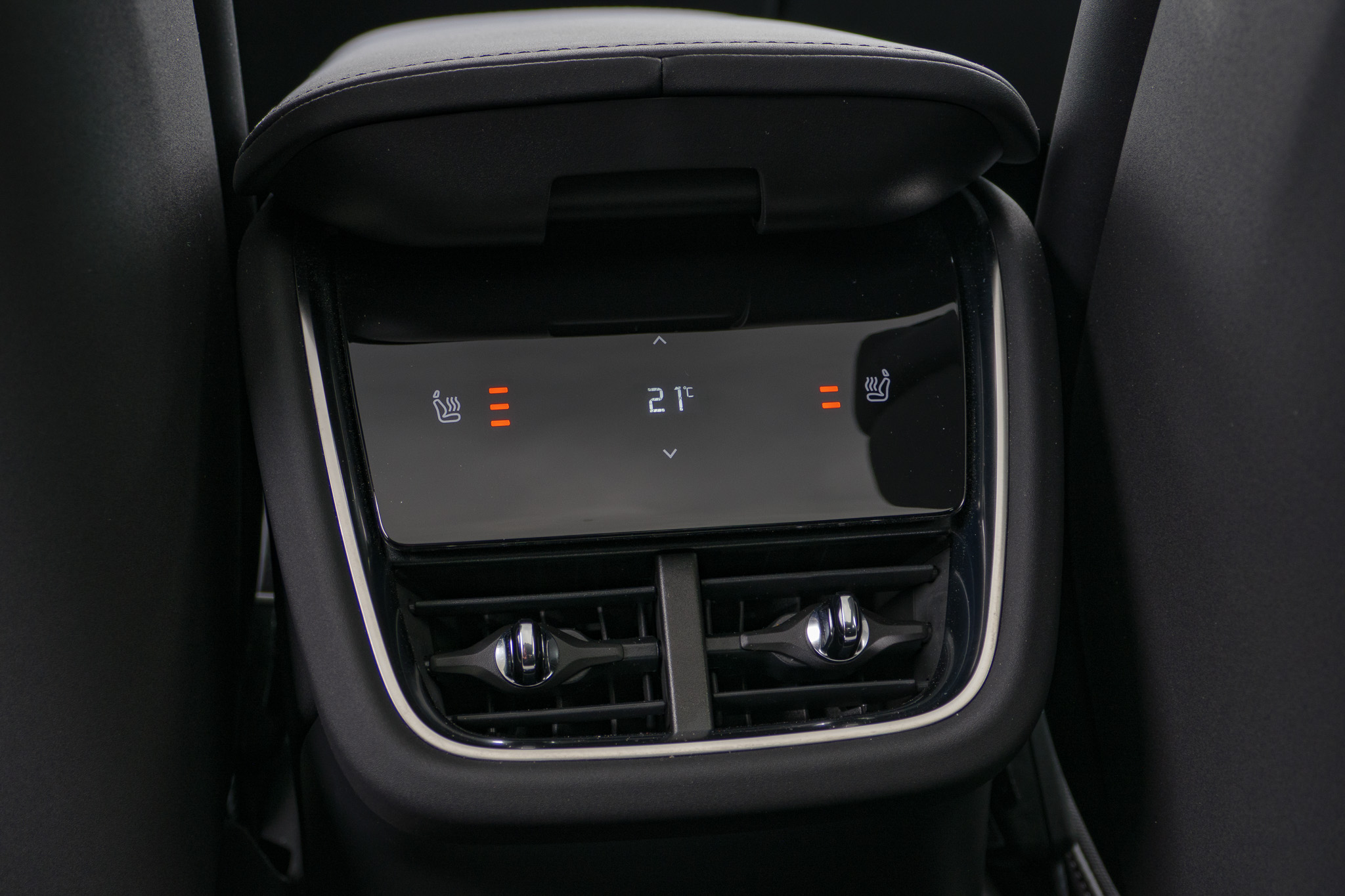
The Polestar 3's interior is modern, uncluttered, and of high quality. However, the excessive use of piano lacquer is particularly noticeable, especially in the center console and door panels. This material is out of place, especially where you frequently touch the car in everyday life. It scratches easily, attracts fingerprints, and begins to look less classy after just a short period of use.
-
- Picture: TechnikNews
-
- Picture: TechnikNews
-
- Picture: TechnikNews
-
- Picture: TechnikNews
-
- Picture: TechnikNews
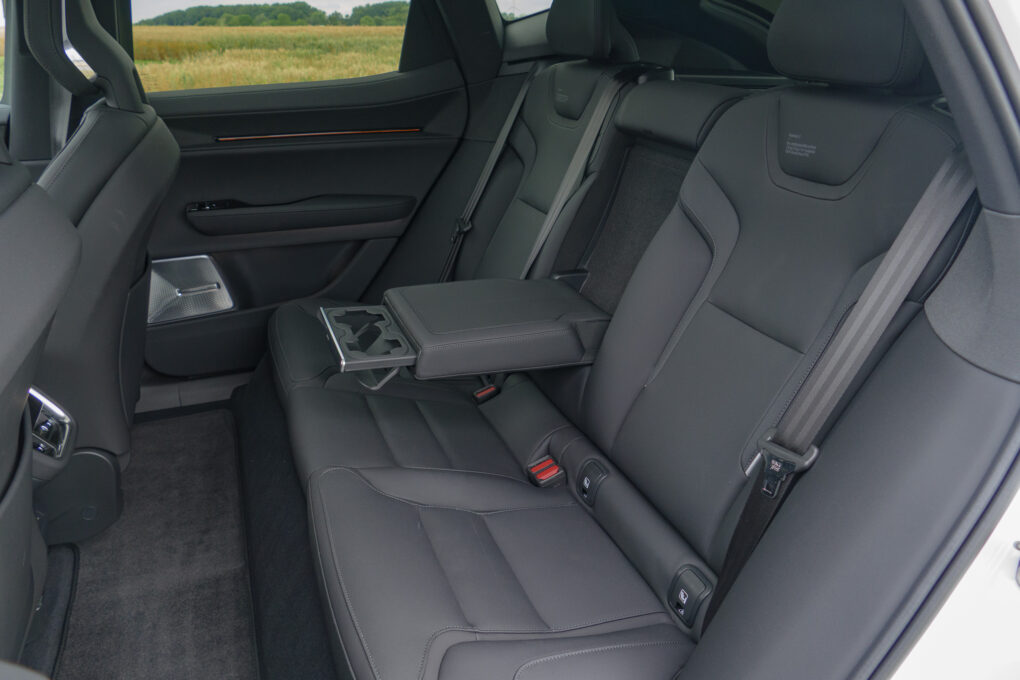
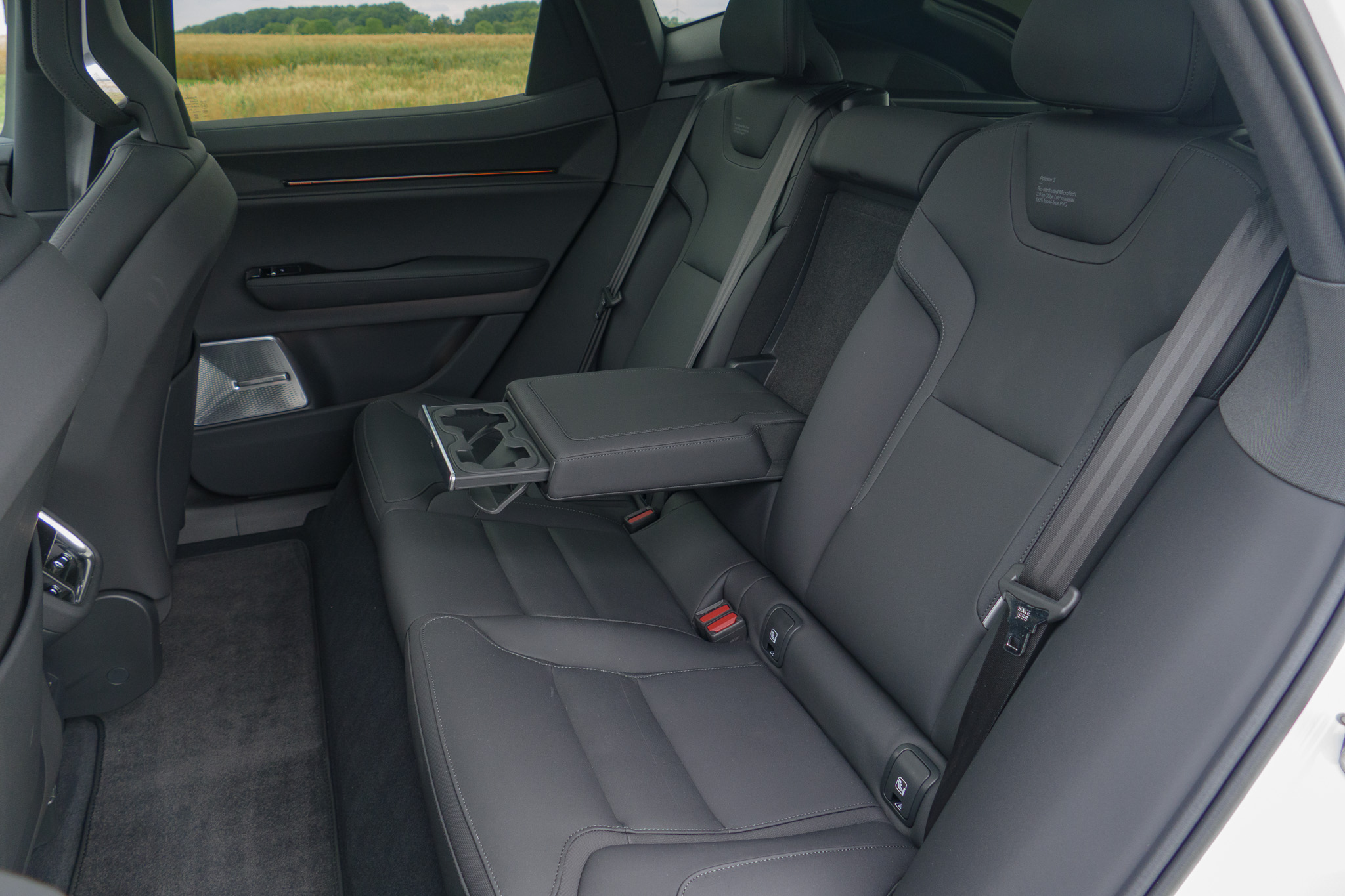
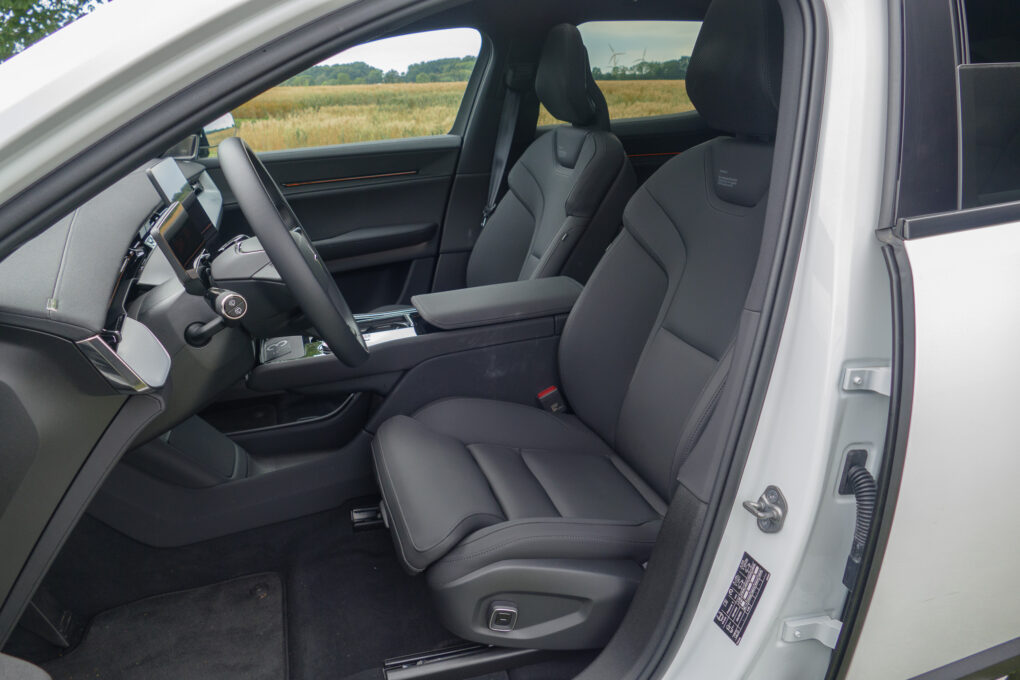
Aside from that, the interior offers generous space for all passengers and impresses with its well-thought-out ergonomics. The 14,5-inch (approx. 37 cm) portrait-oriented infotainment touchscreen is reminiscent of Volvo models like the EX30 or EX90 and fits seamlessly into the brand's design philosophy. In direct comparison, the landscape-oriented display in the Polestar 4 seems almost contradictory.
Bowers & Wilkins sound system
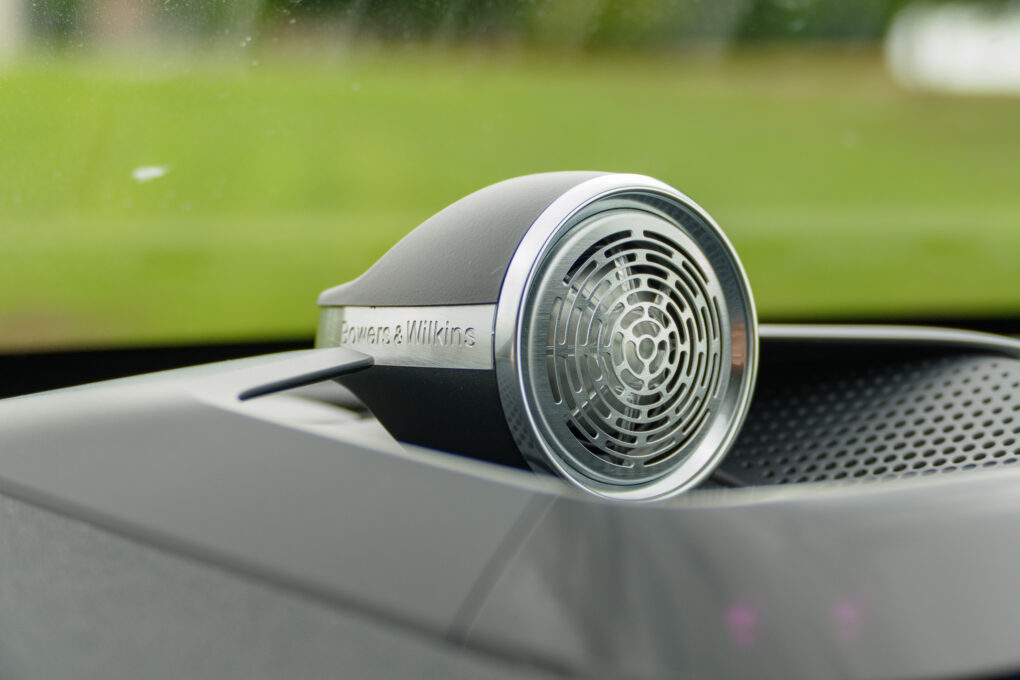
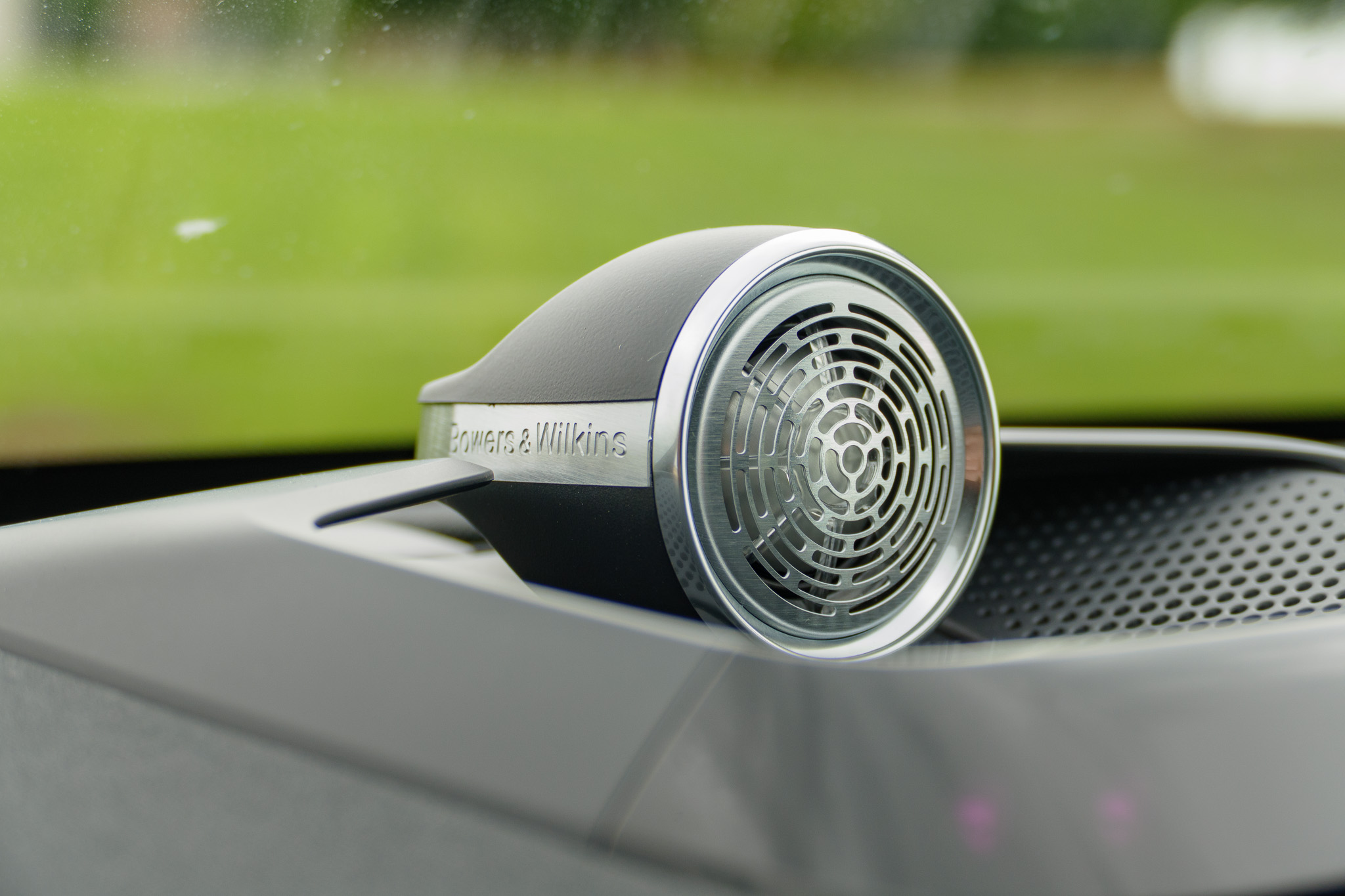
The new Bowers & Wilkins sound system makes its debut in the Polestar 3, setting new standards. It features a Dolby Atmos system with 1.610 watts of power and a total of 25 speakers. Combined with the double glazing and special audio glass, this creates an exceptionally quiet cabin, ideal for enjoying music in Dolby Atmos via the high-quality streaming service Tidal. Only then does the system unfold its full sonic power. The sound can also be customized using a comprehensive equalizer and the Abbey Road Studio mode.
-
- Picture: TechnikNews
-
- Picture: TechnikNews
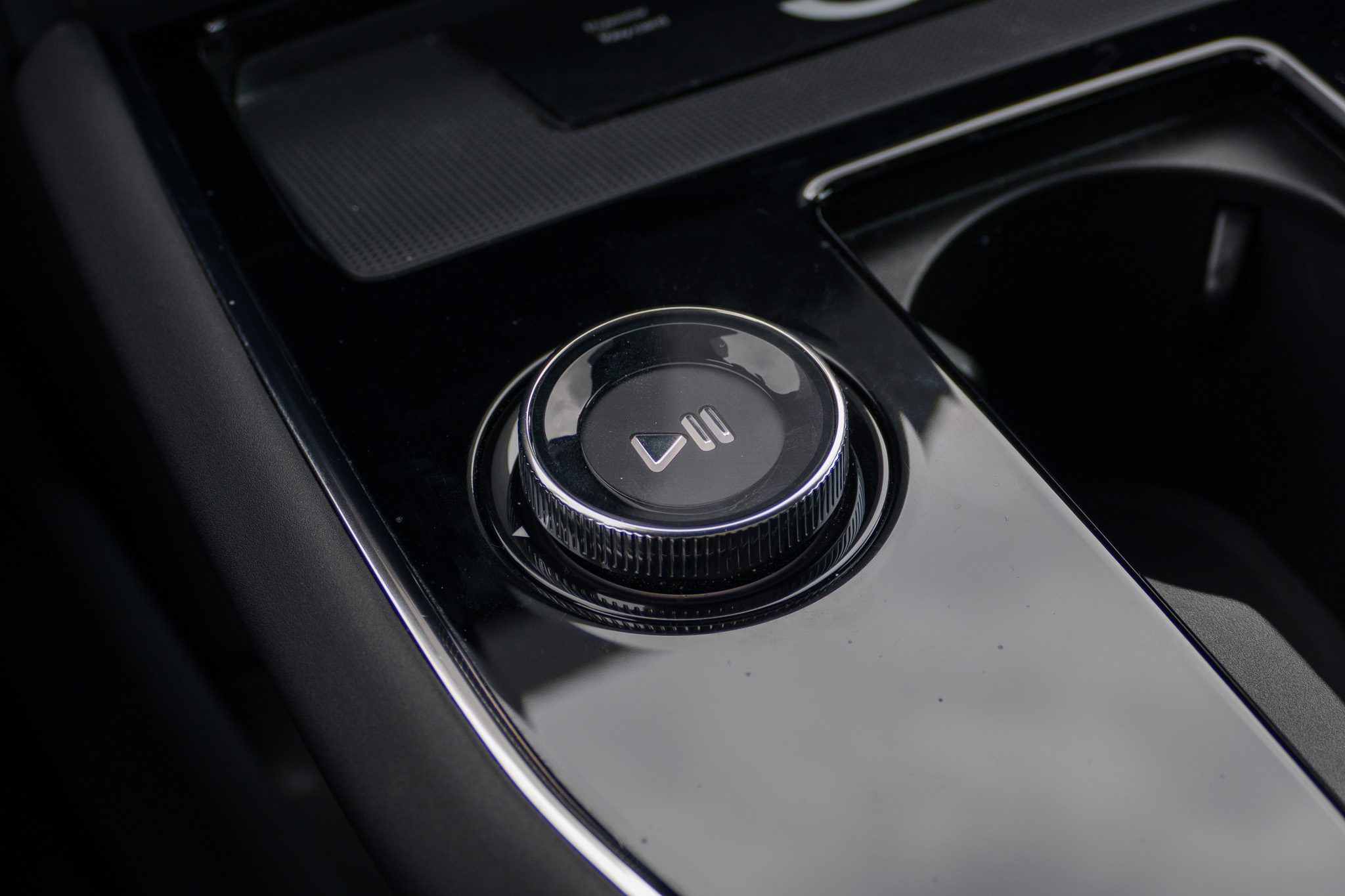
I've tested many vehicles and experienced a wide variety of sound systems in everyday driving. Until now, the Bowers & Wilkins Diamond Surround System in BMW models was my benchmark. But now I have to revise that. As someone who would describe myself as a semi-audio enthusiast, I can confidently say that the Polestar 3 (for an additional charge) offers one of the best, if not the best, sound systems currently available on the market. The nearly identical system in the Volvo EX90 sounds even slightly better, which is probably due to the slightly larger interior cabin.
Starting with the 3 model year (we tested the 2025 model year), the Polestar 2024 will likely offer optional active noise cancellation through the Bowers & Wilkins system, which should further mask driving noise.
Infotainment: Google Automotive x Polestar
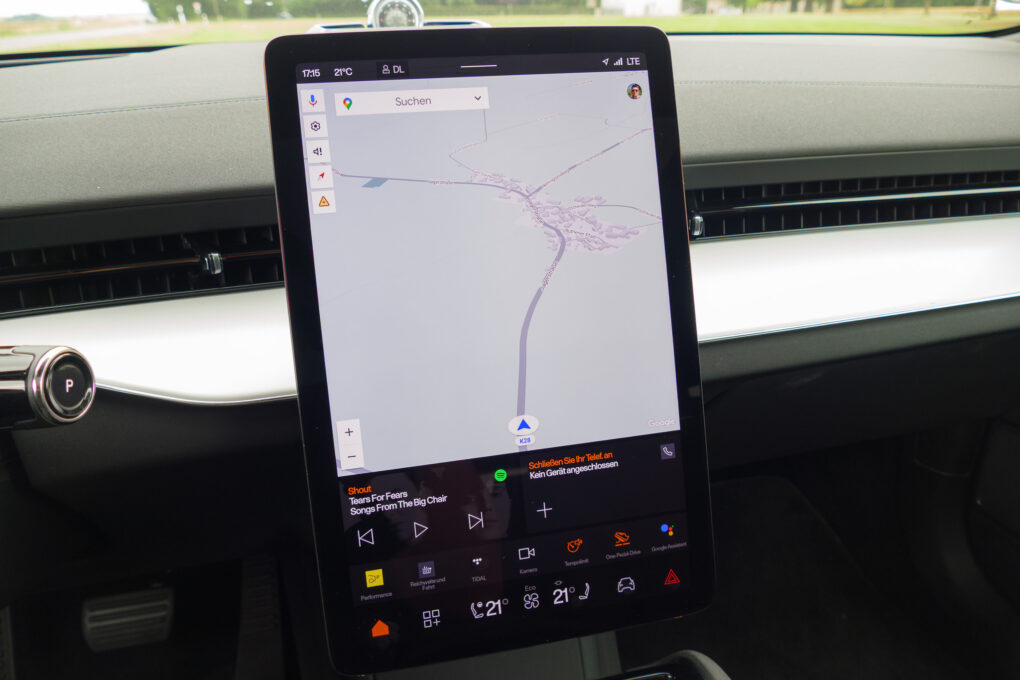
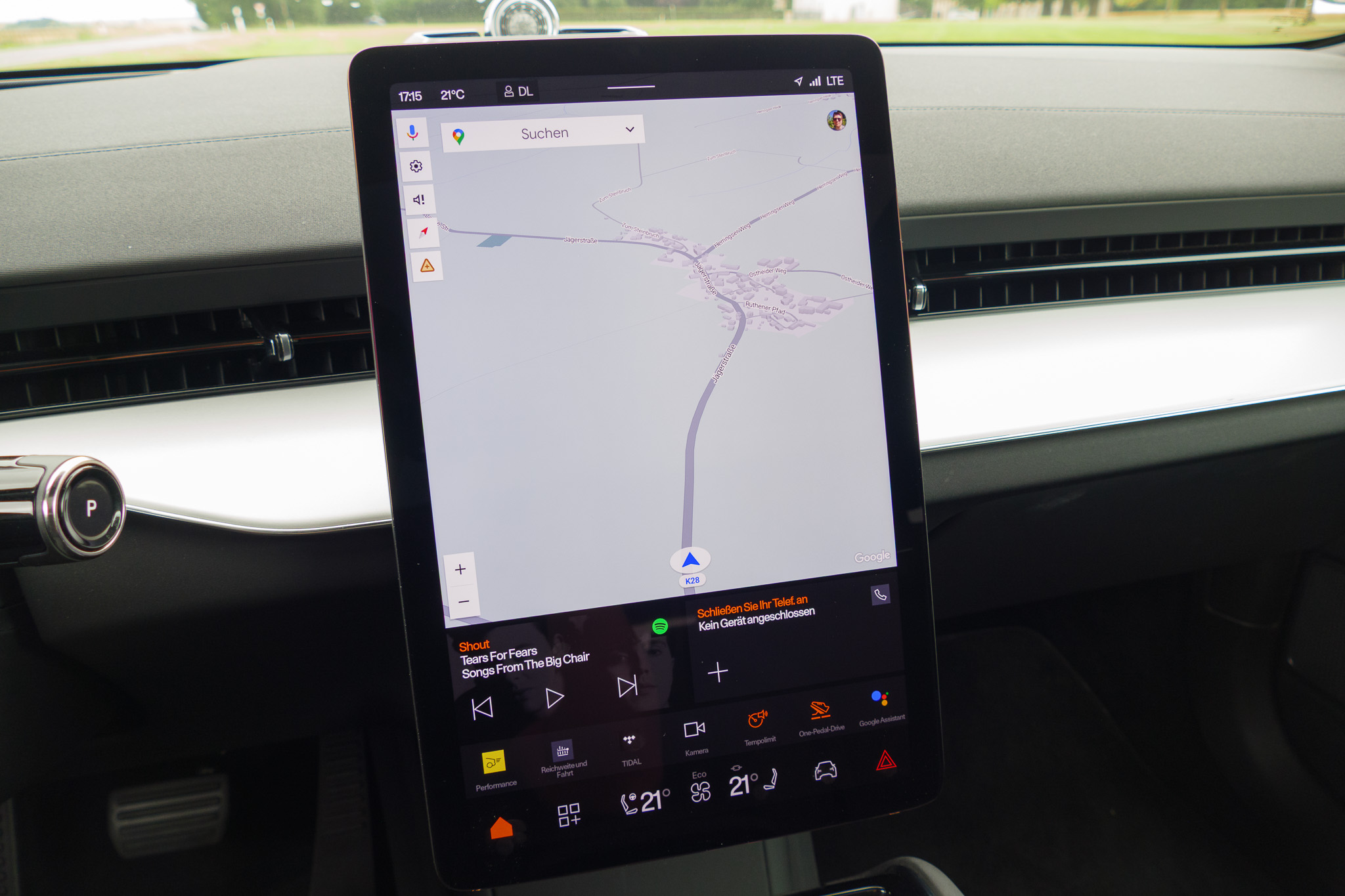
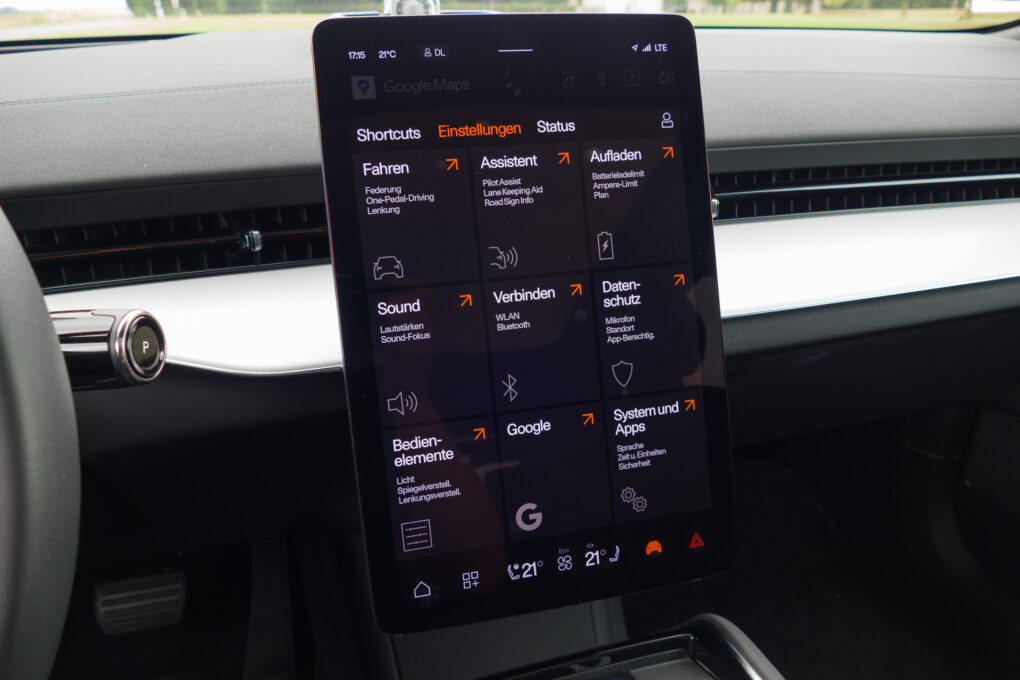
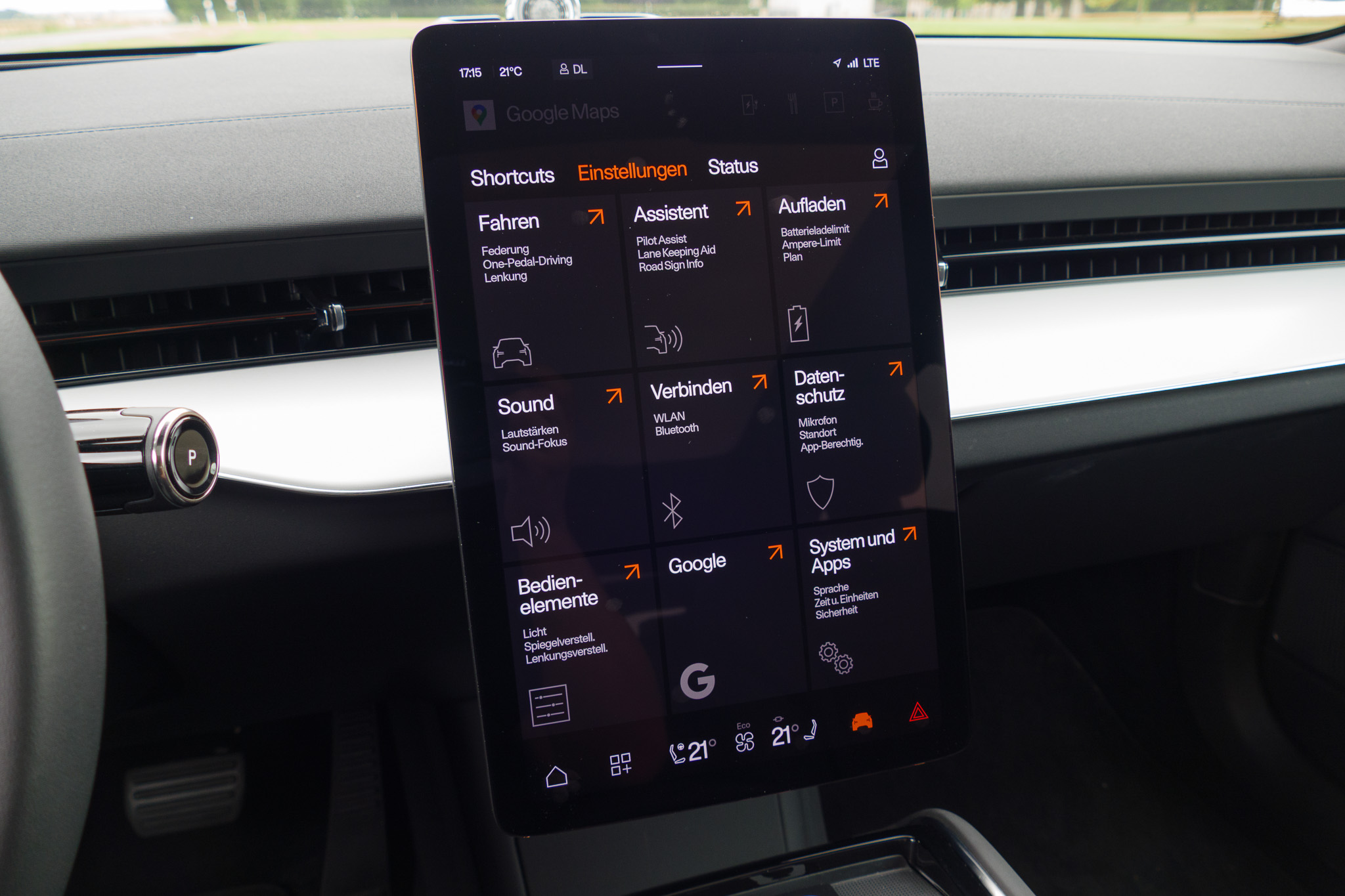
The infotainment system in the Polestar 3 is powered by Google Automotive and impresses with a clean, intuitive design, which Polestar has enhanced with its own stylistic touches. In addition to the usual Google services like Google Maps and the Google Assistant, the system also offers a Performance app that can measure G-forces and acceleration values from 0 to 100, among other things. YouTube, Amazon Prime Video, and popular music streaming services are also available.
-
- Picture: TechnikNews
-
- Picture: TechnikNews
-
- Picture: TechnikNews
-
- Picture: TechnikNews
-
- Picture: TechnikNews
The Google Play Store now also offers simple games like Angry Birds, which provide entertainment while charging. Overall, the system runs smoothly and reliably, as you would expect from a Google-based system. The further optimized charging scheduling is particularly noteworthy.
Thanks to a charging provider filter, preferred providers like Aral Pulse can be selected. The navigation system takes this preference into account and schedules charging breaks, whenever possible exclusively at these stations. Given the current tariff situation and the confusing price level, this offers a practical and money-saving option for everyday use.
Driver assistance: Pretty good and safe
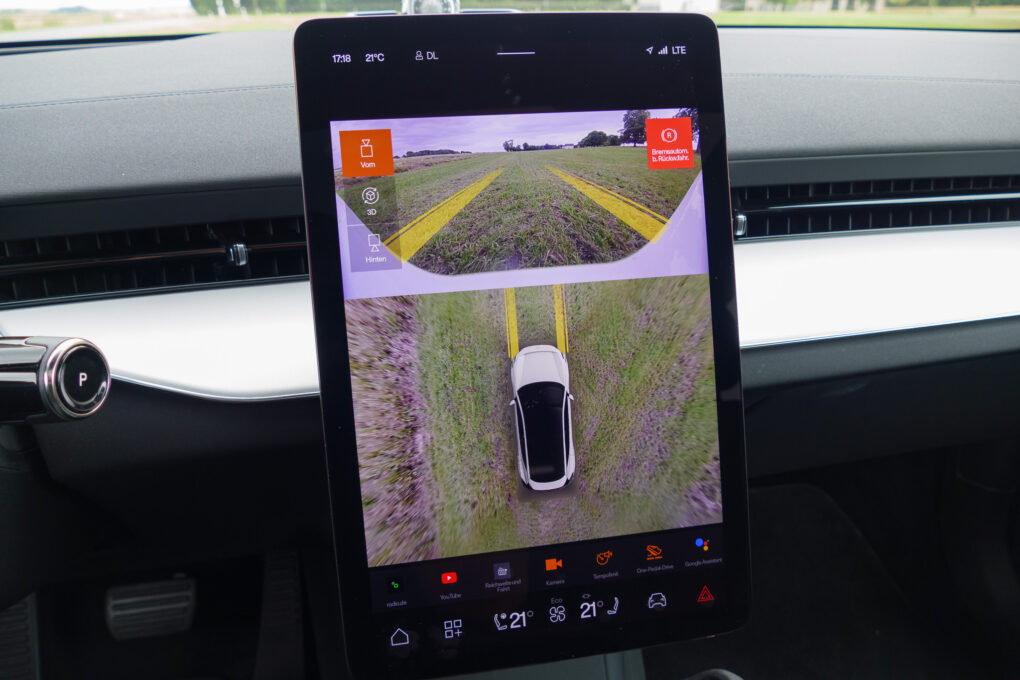
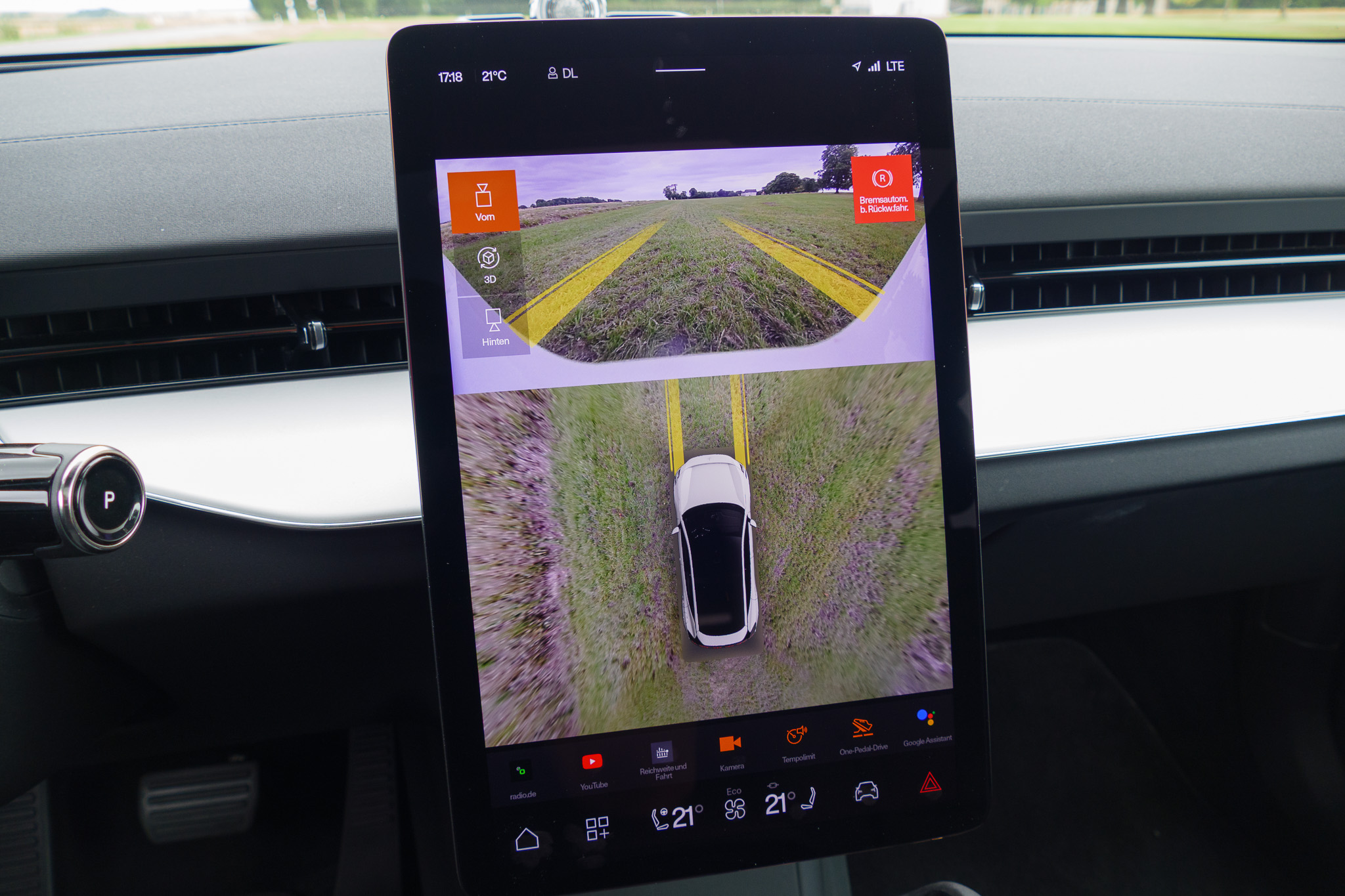
Polestar also places great emphasis on comfort and safety when it comes to driver assistance systems. Numerous assistants are already included as standard, providing support in everyday life and making driving more relaxing. Those opting for the optional Pilot Pack also receive adaptive cruise control with stop-and-go function, lane keeping assist, a 360-degree camera, and Highway Assist, which enables partially automated driving. All of these functions are operated intuitively via the central touchscreen or, alternatively, via the easily accessible buttons on the steering wheel.
-
- Picture: TechnikNews
-
- Picture: TechnikNews
-
- Picture: TechnikNews
-
- Picture: TechnikNews
-
- Picture: TechnikNews
Overall, the result is a balanced blend of modern touch controls and a classic haptic feel. However, it's worth noting that the steering wheel buttons aren't labeled for their respective functions; we can only hope that Polestar introduces this with the next model year. Although the recognized functions were then displayed on the cockpit display, incorrect entries still occurred frequently.
The steering assistant works smoothly with strong steering corrections, even handling sharp turns without any problems. It remains a Level 2 driver assistance system, but with the optional Luminar LiDAR system, the Polestar 3 could certainly reach Level 3. However, that's still a long way off, at least in Europe. The 360-degree camera has good resolution and a less pronounced fisheye effect than in the Polestar 2. There's no automatic parking assistant.
Range & consumption: Big, bigger, but not very efficient?
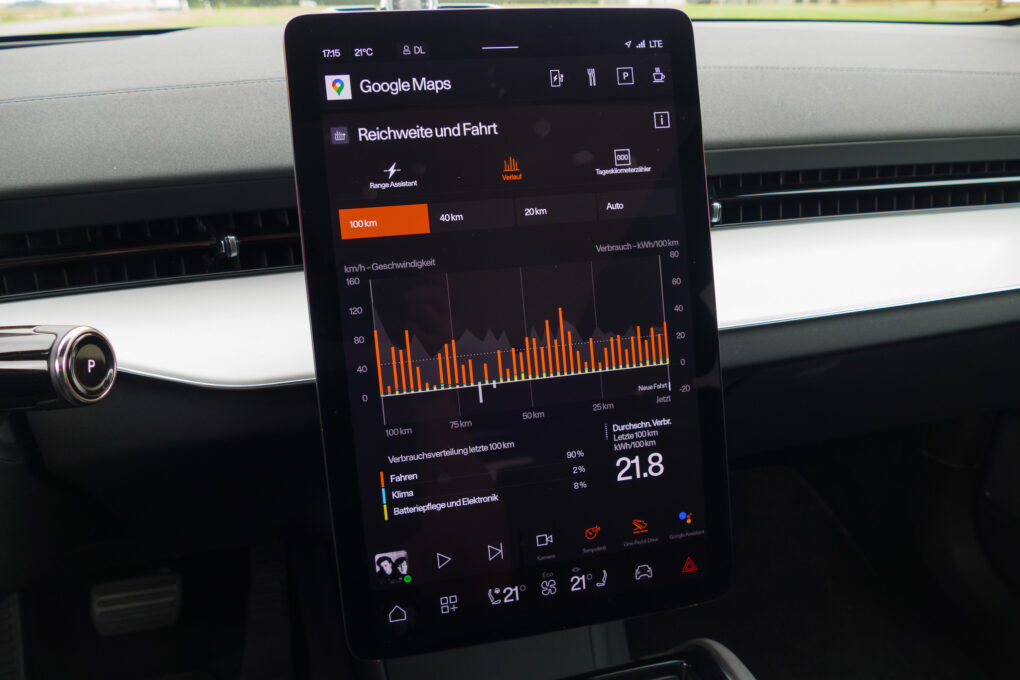
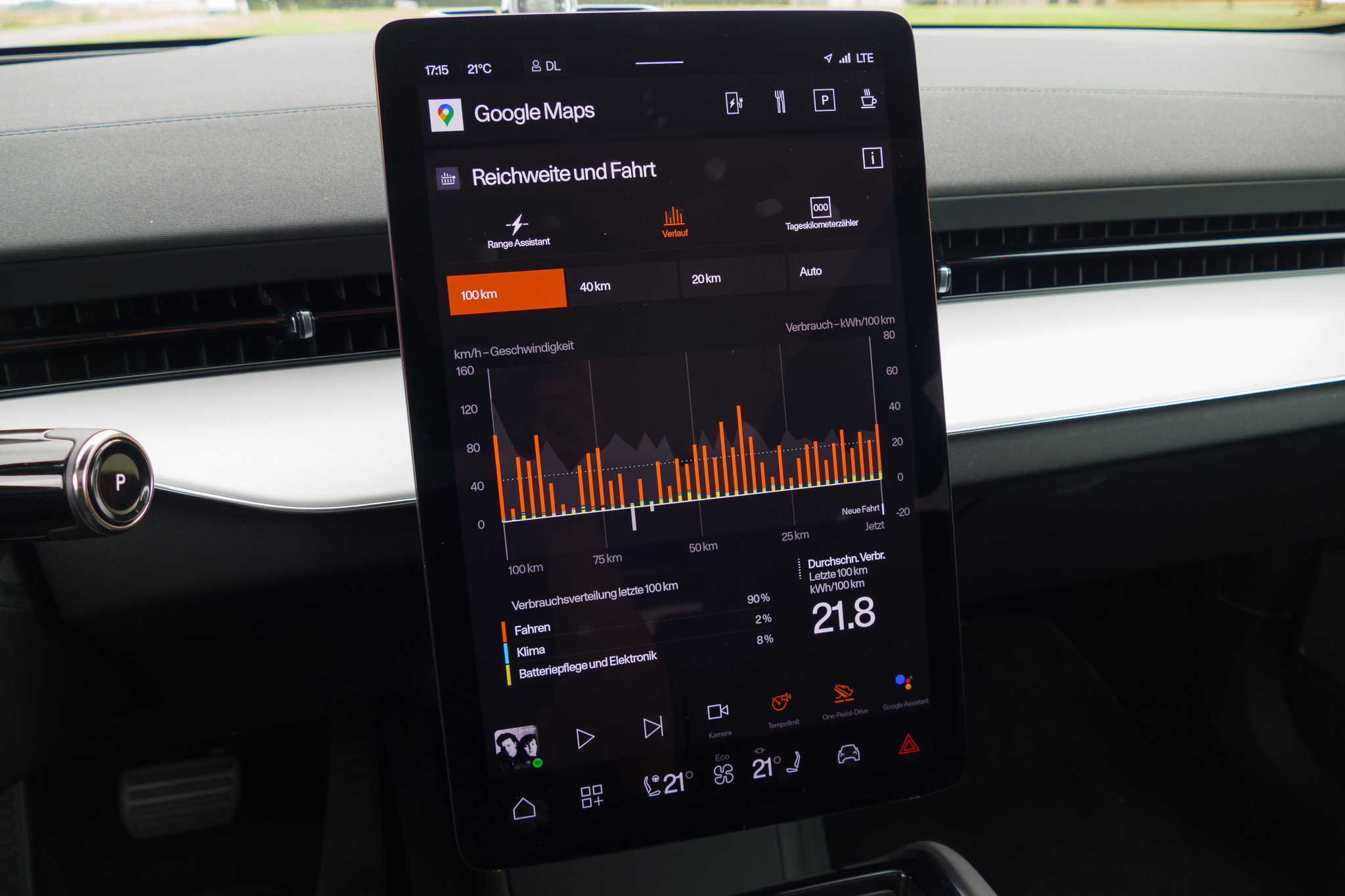
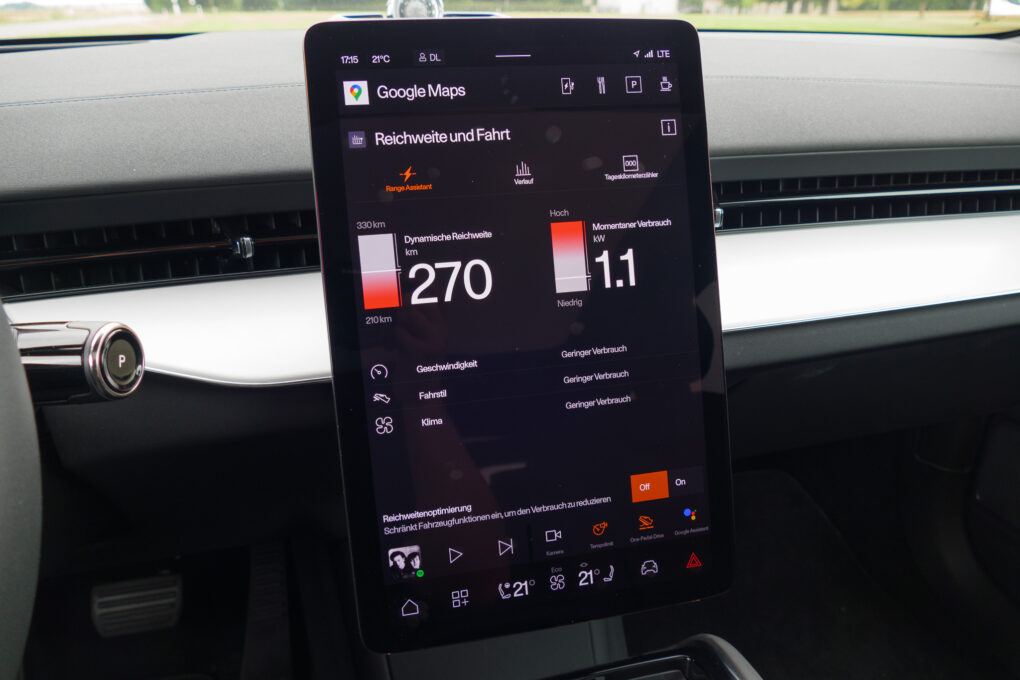
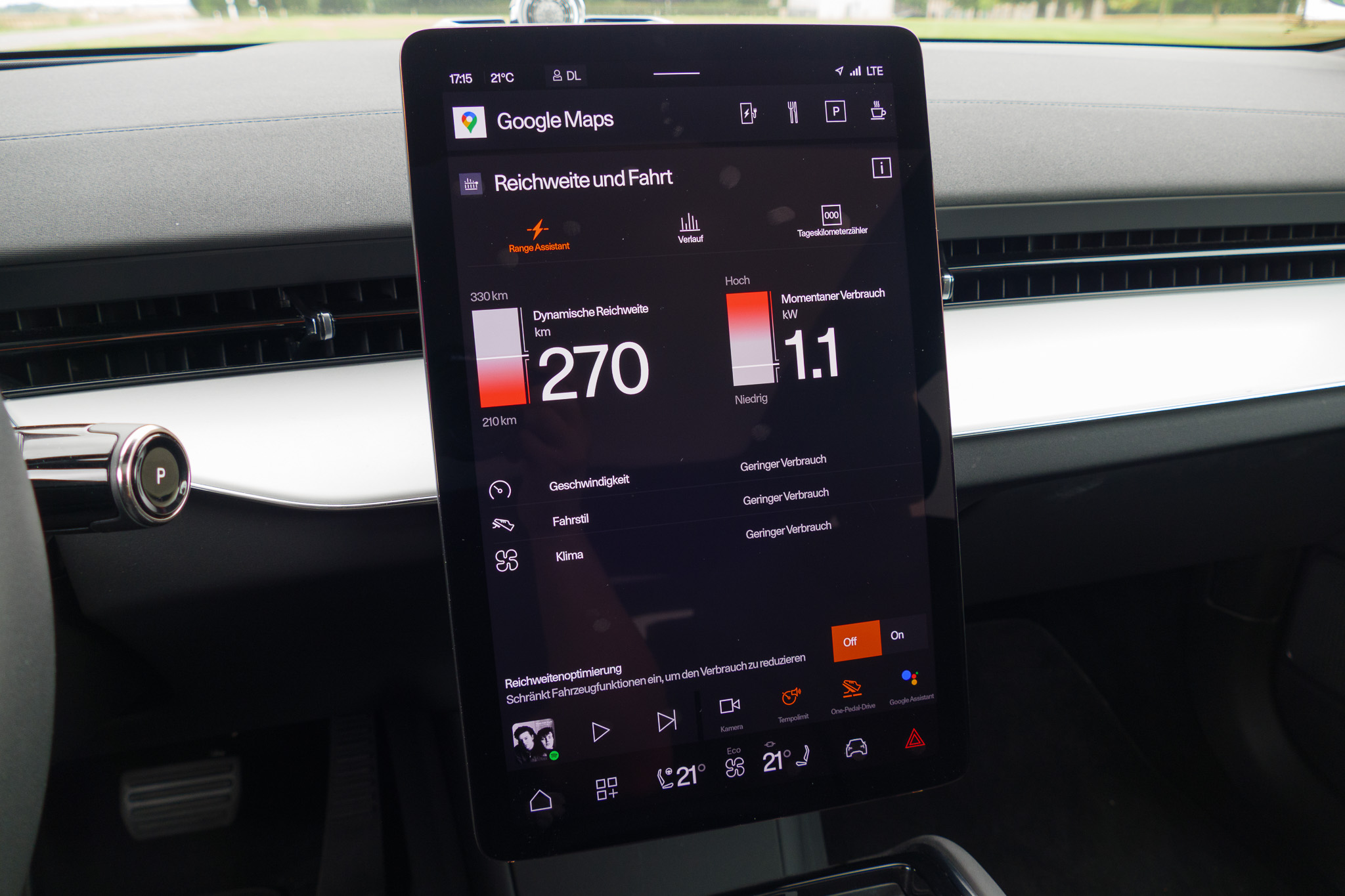
The Polestar 3 impresses with its large battery and an officially stated range of up to around 610 kilometers (WLTP), a strong argument on paper. In practice, however, consumption increases rapidly when driving briskly or on the highway. Values around 25 to 28 kWh/100 km are not uncommon, which pushes the actual range significantly below the WLTP value. Despite the large battery capacity, those who drive long distances will need to use the charging station more often than they might expect for an SUV in this class. This is definitely something to keep in mind.
Charging performance: Fast, but not top class
When charging, the Polestar 3 takes advantage of its 250 kW DC charging capacity at suitable HPC charging stations, which, under ideal conditions, can charge the battery from 30 to 10 percent in about 80 minutes. This is fast and sufficient for relaxing breaks on the highway, but is slightly below the top values of the competition. Unfortunately, the standard AC output is only 11 kW, which is sufficient for overnight charging at a wallbox. Reliable route planning with charging recommendations, even with a charging provider filter from Google Maps, helps with long journeys. This worked without issues during our test period.