
333, 585 or 750 – what the numbers on gold jewelry really mean
A ADVICE from TechnikNews  on October 16, 2026, 12:20 am | Write a comment
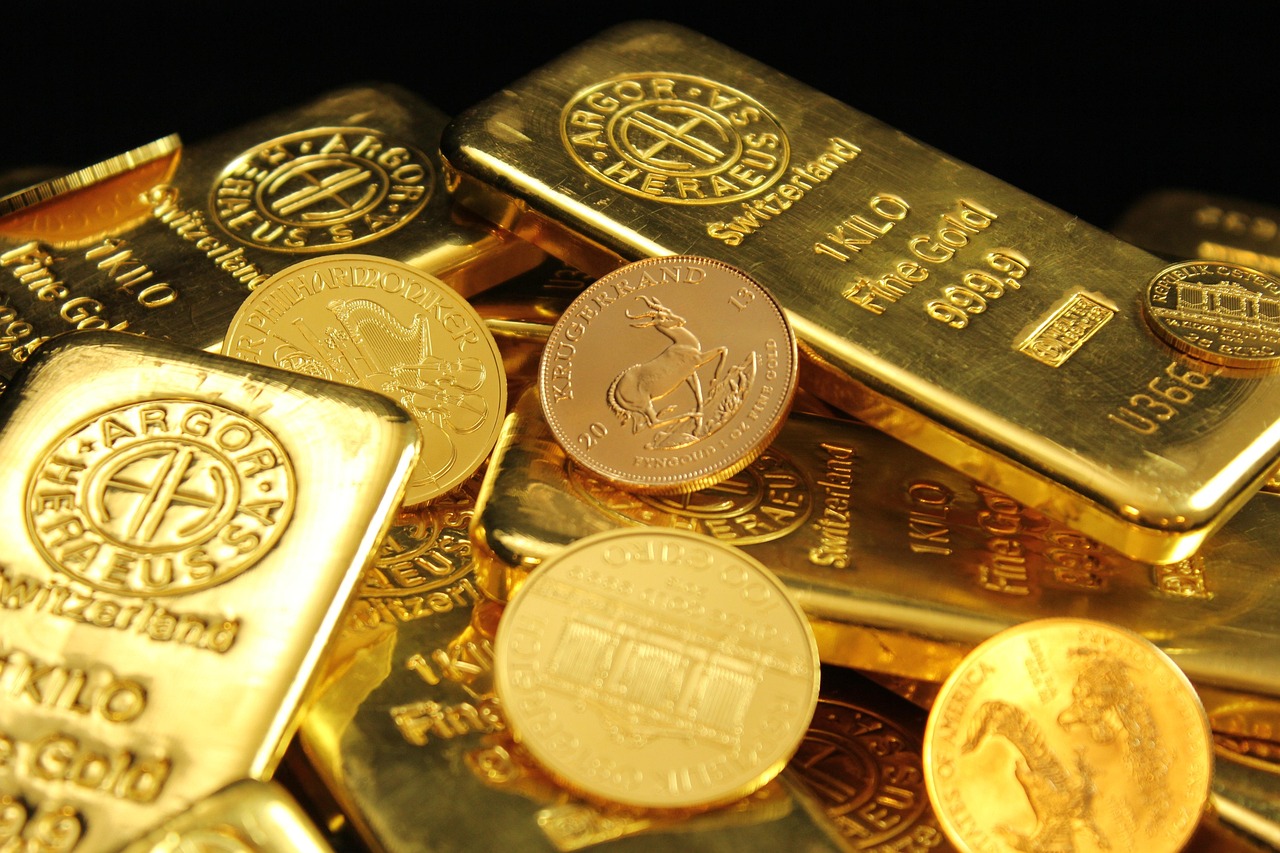
You may have already spotted this tiny number on a necklace or on the inside of your ring. The markings 333, 585, or 750 look like model numbers, but instead tell you the gold purity. And that's a key factor in determining how valuable your jewelry is.
The three-digit number indicates how many out of 1.000 parts of an alloy consist of pure gold. For example, in 585 gold, it's 585 parts, or 58,5 percent. The remaining 41,5 percent consists of other metals. If you'd like to learn more about this common alloy, you can find further information in the... Guide to 585 gold Further information on purity and properties.
The calculation is correspondingly simple for the three well-known stamps:
- 333 stands for 33,3 percent gold.
- 585 for 58,5 percent
- 750 for 75 percent.
Internationally, you will also encounter the specification in carats:
- 333 is equivalent to 8 karat
- 585 is equivalent to 14 karat
- 750 is equivalent to 18 karat
Why isn't jewelry simply made of pure gold?
Pure gold is relatively soft, so it is combined with other metals for jewelry. This mixture is called an alloy, and depending on its composition, properties such as hardness and color change.
Copper, for example, produces a more reddish hue, while other alloys make gold appear lighter. The number in the hallmark tells you a lot about the gold content, but not everything about the composition of your jewelry. A ring made of 750 gold contains more than twice as much pure gold as 333 gold. Nevertheless, for some pieces of jewelry, it can be advantageous to choose an alloy with a lower gold content, for example, if you have specific color preferences.
Where can you find the small number?
If you want to examine your jewelry, you sometimes need a magnifying glass or your smartphone's macro function. On a ring, the hallmark is usually on the inside; on necklaces and bracelets, you should first look at the clasp. On earrings, it can be found on the post or the jump ring.
If you don't find a number, it doesn't automatically mean your jewelry is fake. Especially with older or heavily worn pieces, a marking may be missing or barely legible.
The material value is determined by the fineness.
The gold content plays a crucial role when determining the pure material value of a piece of jewelry. Besides the fineness, the weight and the current gold price are particularly important. Robert Nyberg, CEO of Goldbrief, deals professionally with the valuation of the precious metal. He points out: "Many people are surprised by the value even small amounts of scrap gold can still hold." That's precisely why it's worthwhile to first understand what information an existing hallmark actually provides.
A ring can, of course, also possess a completely different personal or artisanal value. Design, craftsmanship, age, and memories cannot be determined by a three-digit number.
High information content in a hidden location
If you see 333, 585, or 750 on a piece of jewelry in the future, you can immediately understand what the numbers mean. They don't indicate size, manufacturer, or model, but rather the percentage of pure gold within the alloy. This transforms an inconspicuous hallmark into a simple indication of the material. 585 means 58,5 percent gold, and 750 means 75 percent. However, the hallmark doesn't tell you anything else that makes your jewelry special.
Latest Comments