
Land Rover Range Rover SV review: A V8 living room on wheels
A TEST REPORT from Benedict Behring  on February 23, 2026, 9:00 | Write a comment
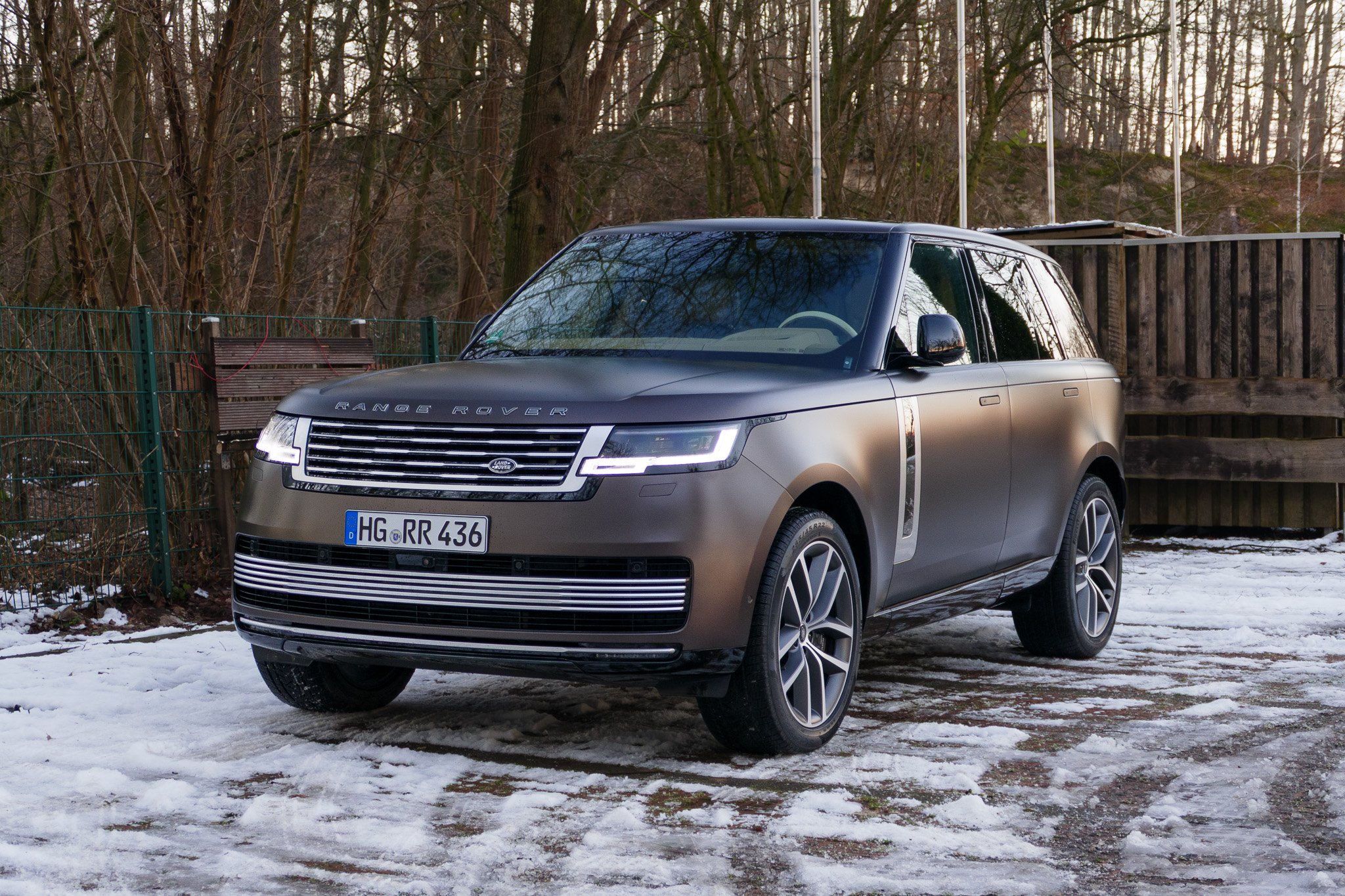
The Range Rover SV is the most luxurious vehicle currently offered by Land Rover. We had the opportunity to test the standard-wheelbase version; the only way to experience even more opulence is in the long-wheelbase variant with the rear Signature Suite and club table.
tl; dr
The Range Rover SV clearly positions itself in the top segment of luxury SUVs. It combines a 615 hp V8 mild hybrid engine with extensive comfort and a wealth of technology. From its powerful presence to its four discreetly placed exhaust pipes, the Range Rover is both stylish and sporty. This behemoth handles everyday shopping trips just as well as long journeys on holiday.
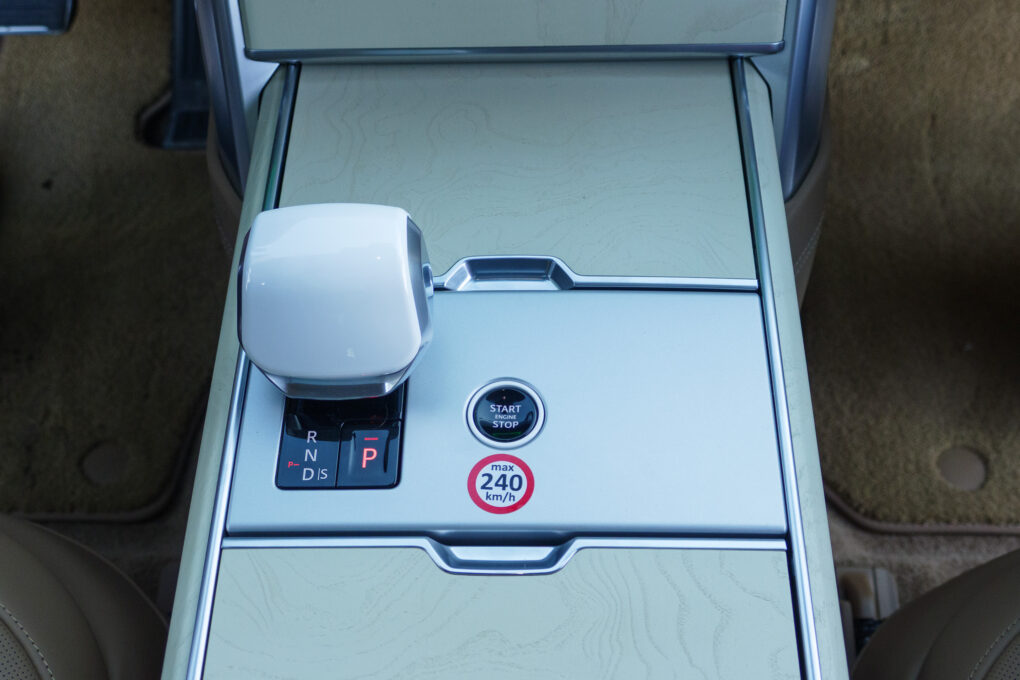
From the ceramic on the gear selector to the rear control display, everything appears very well thought out. Overall, the rear of the Range Rover SV offers a high degree of comfort, flexibility, and control. The seats are generously sized, the controls are intuitive, and the combination of spaciousness, lighting, and climate control creates a pleasantly homey atmosphere. Plenty of technology and features for individual customization and practical functions, without making the space feel cluttered. We'll leave aside the fact that electrical components are generally more prone to failure and more expensive to repair. And the fact that fuel consumption can easily reach 15 liters per 100 kilometers shouldn't be a shock either.
-
- Picture: TechnikNews
-
- Picture: TechnikNews
-
- Picture: TechnikNews
Design
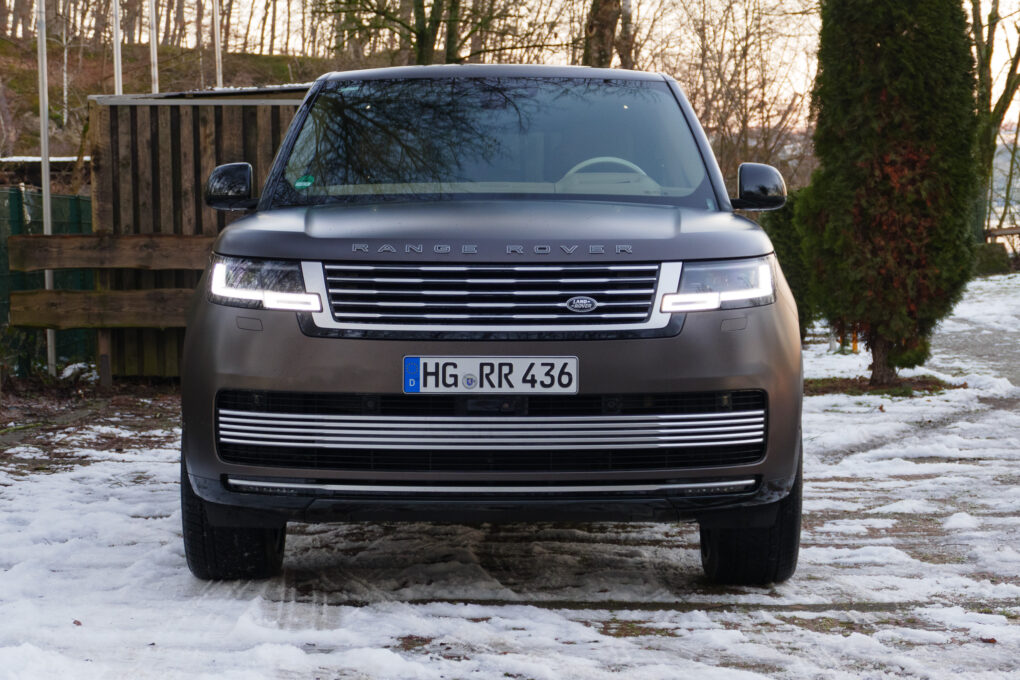
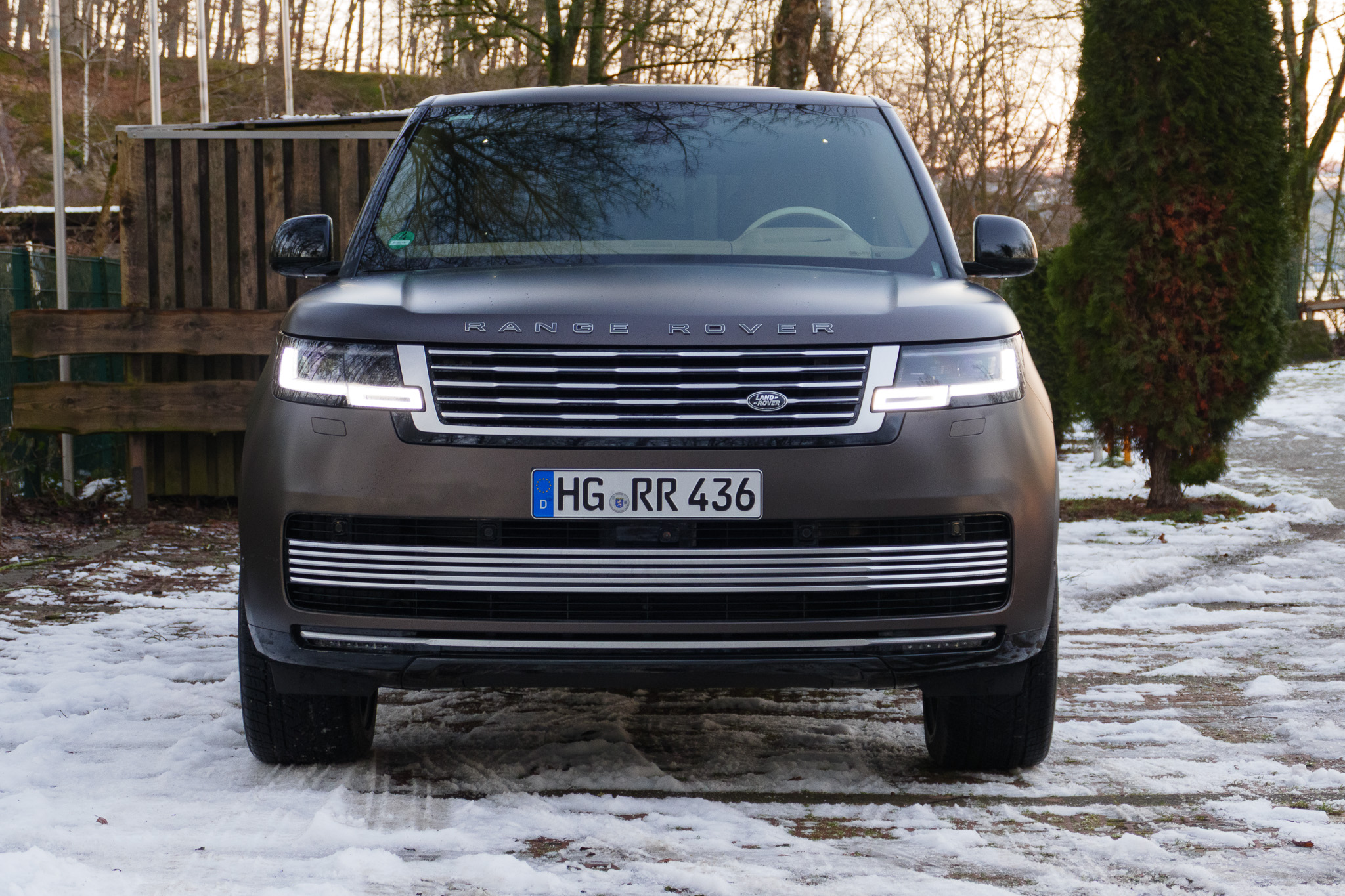
The Range Rover SV makes an imposing impression at first glance. The front is powerful and striking, with the characteristic RANGE ROVER logo on the hood, and below it the Land Rover badge – a subtle indication that the Range Rover is just one of the models from the iconic British brand. The grille features numerous silver accents and is flanked by generous air intakes, giving the vehicle a stylish and commanding presence. The headlights, with their distinctive daytime running lights, are particularly eye-catching: the rectangular lights blend harmoniously into the grille. The matrix headlights operate reliably, automatically adjusting to the height of the vehicle ahead and featuring an animation when switching on and off. The high beams are extremely bright, and the cornering lights activate quickly.prochen, and despite the gentle brightening and dimming, full light output is available in a fraction of a second.
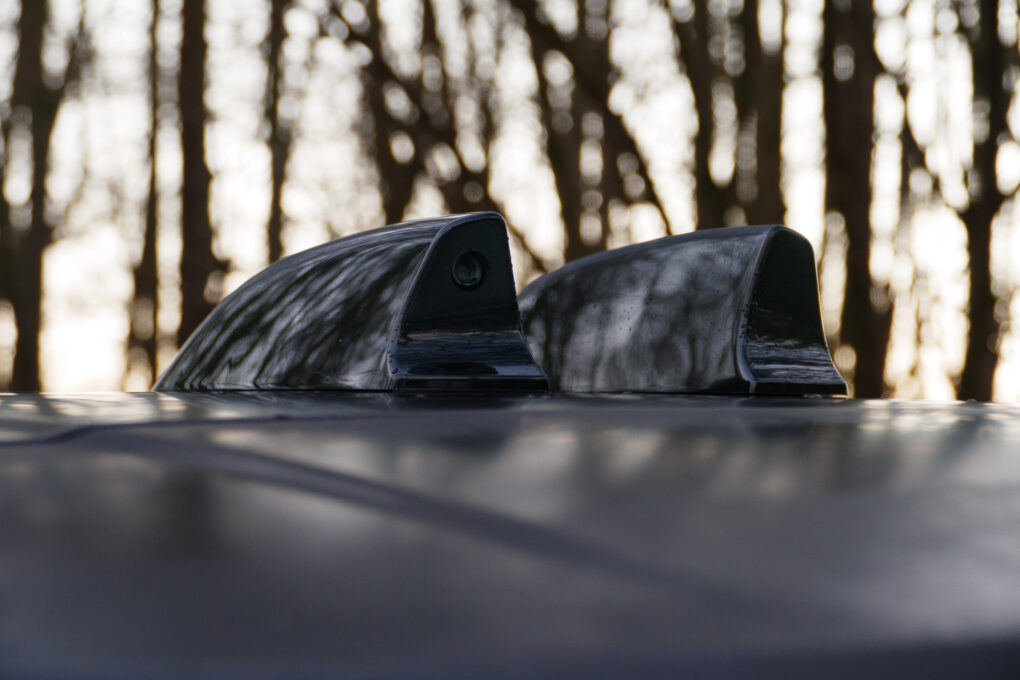
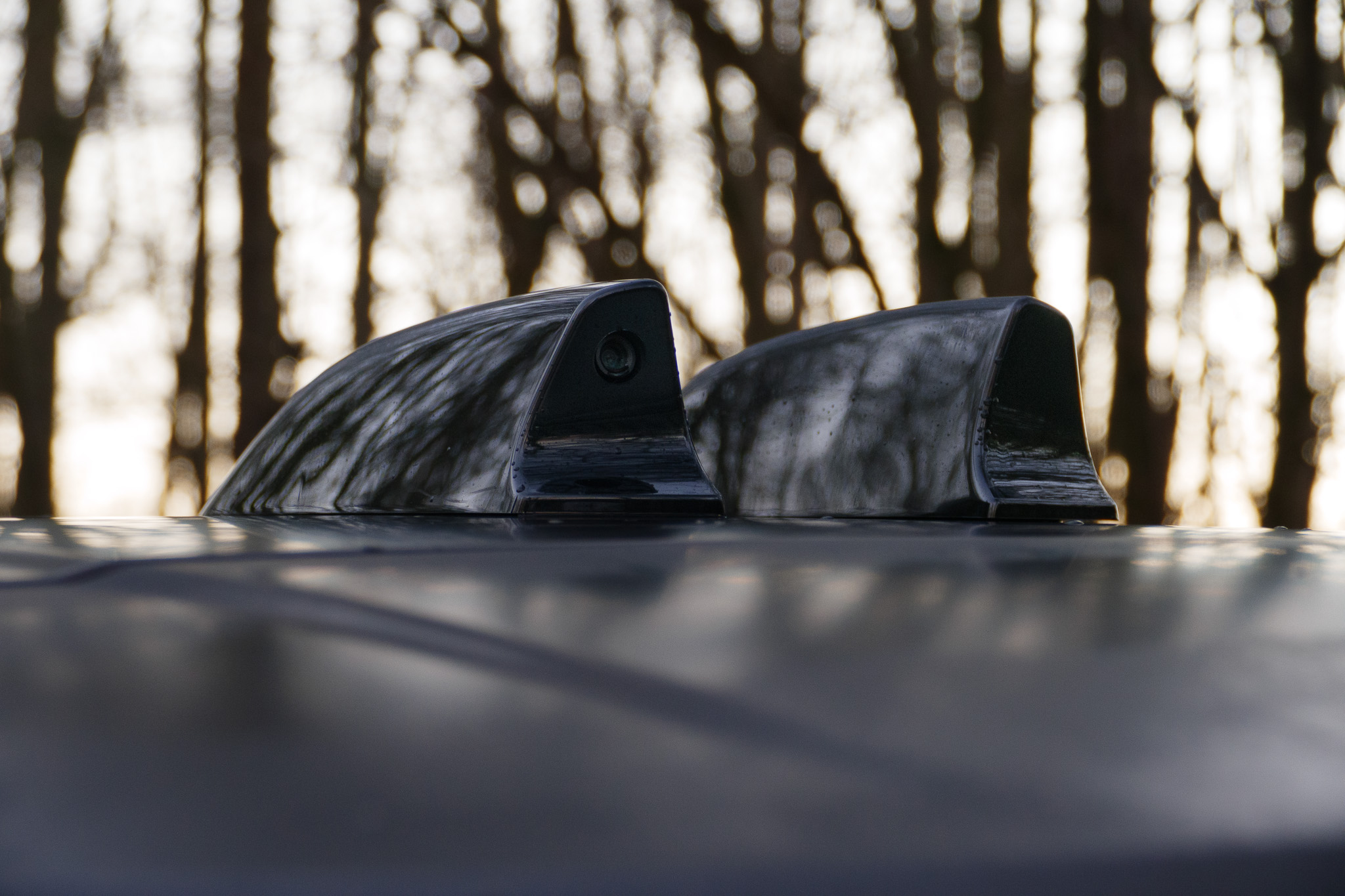
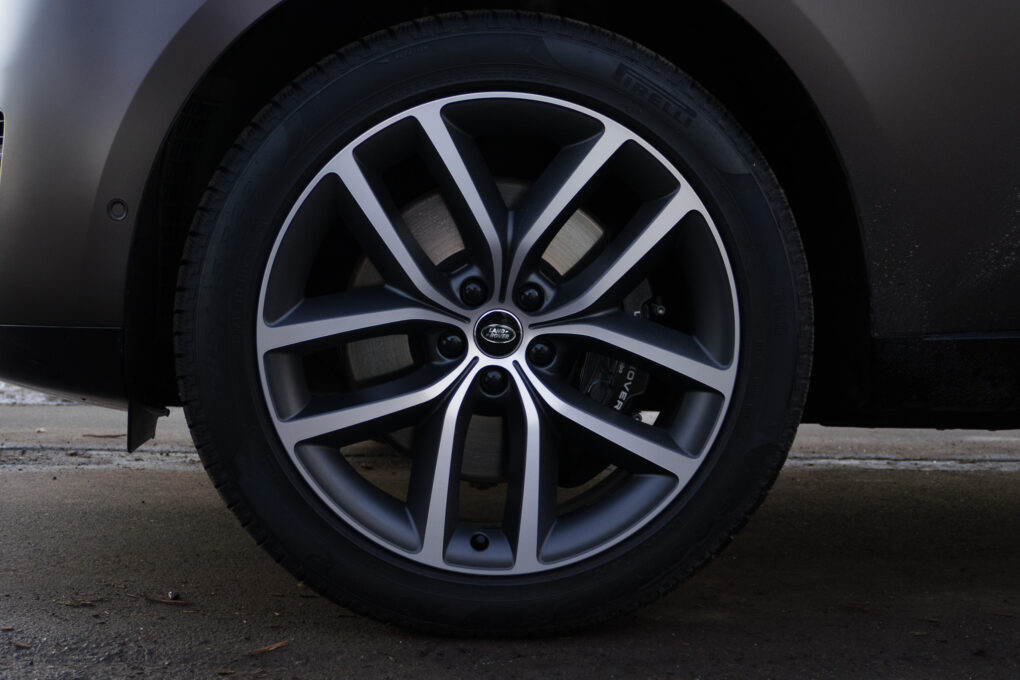
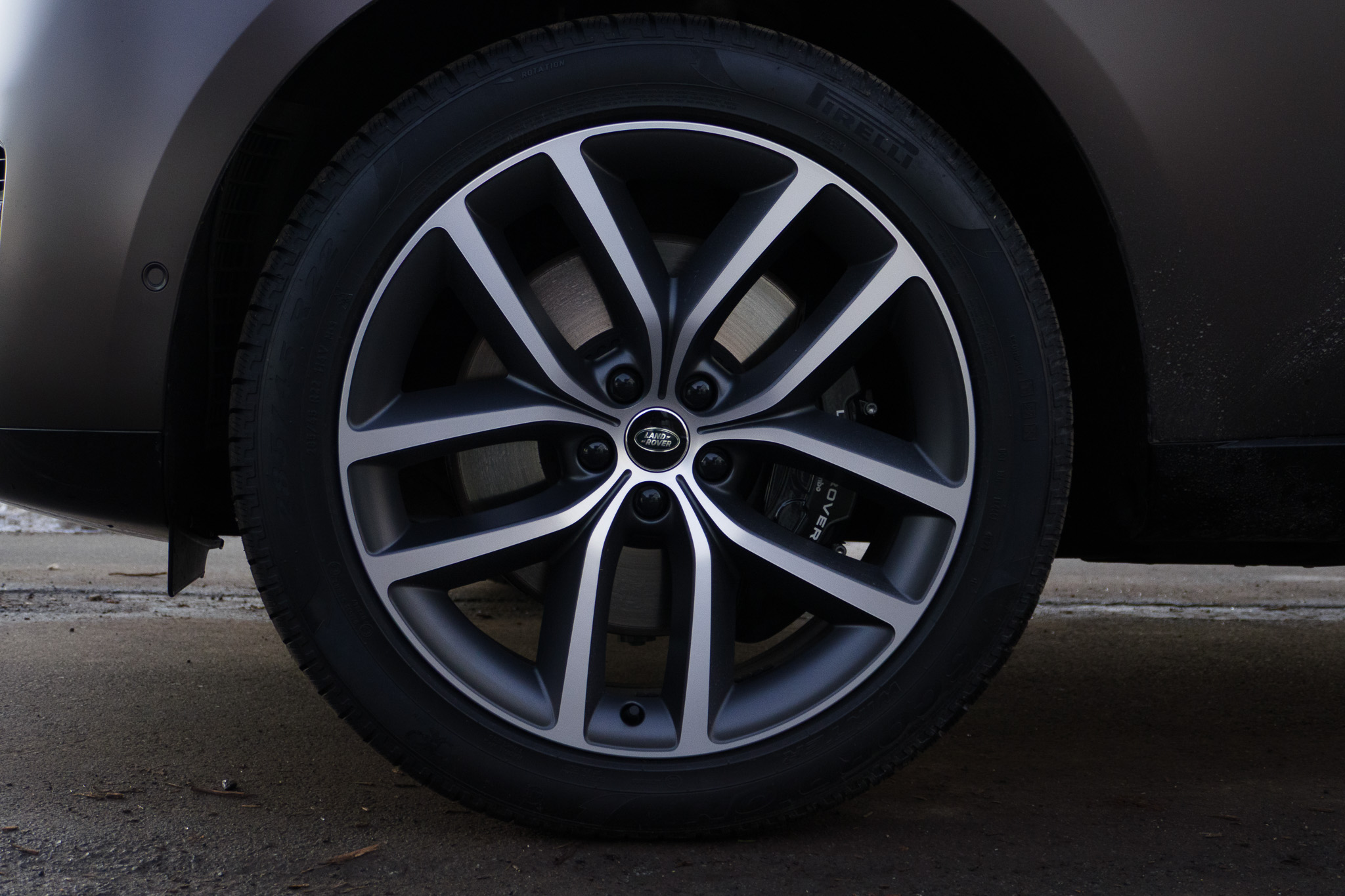
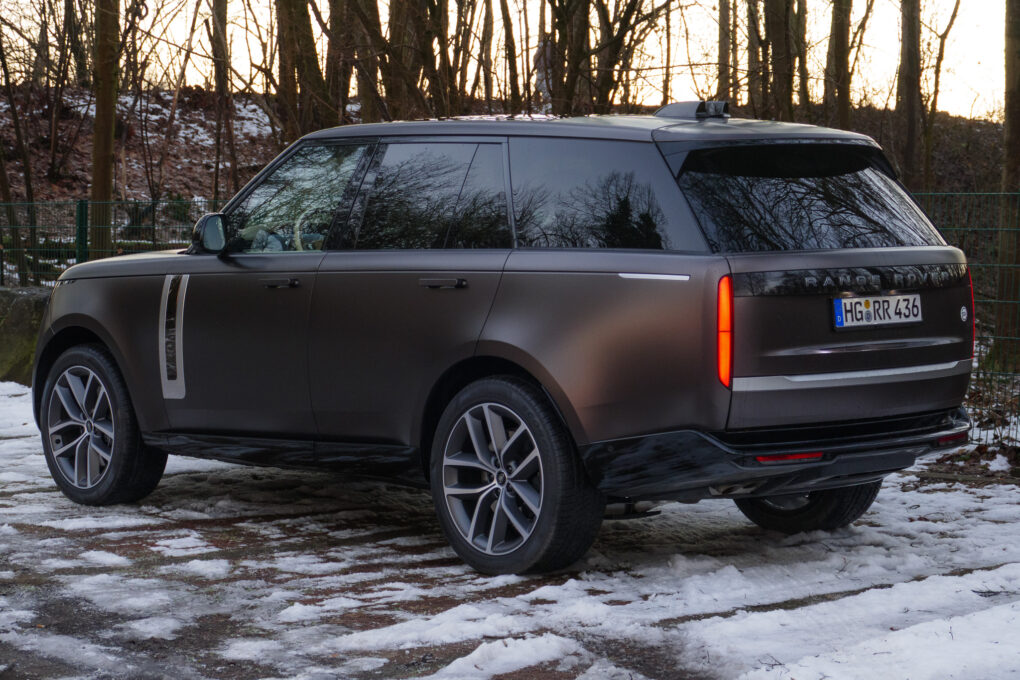
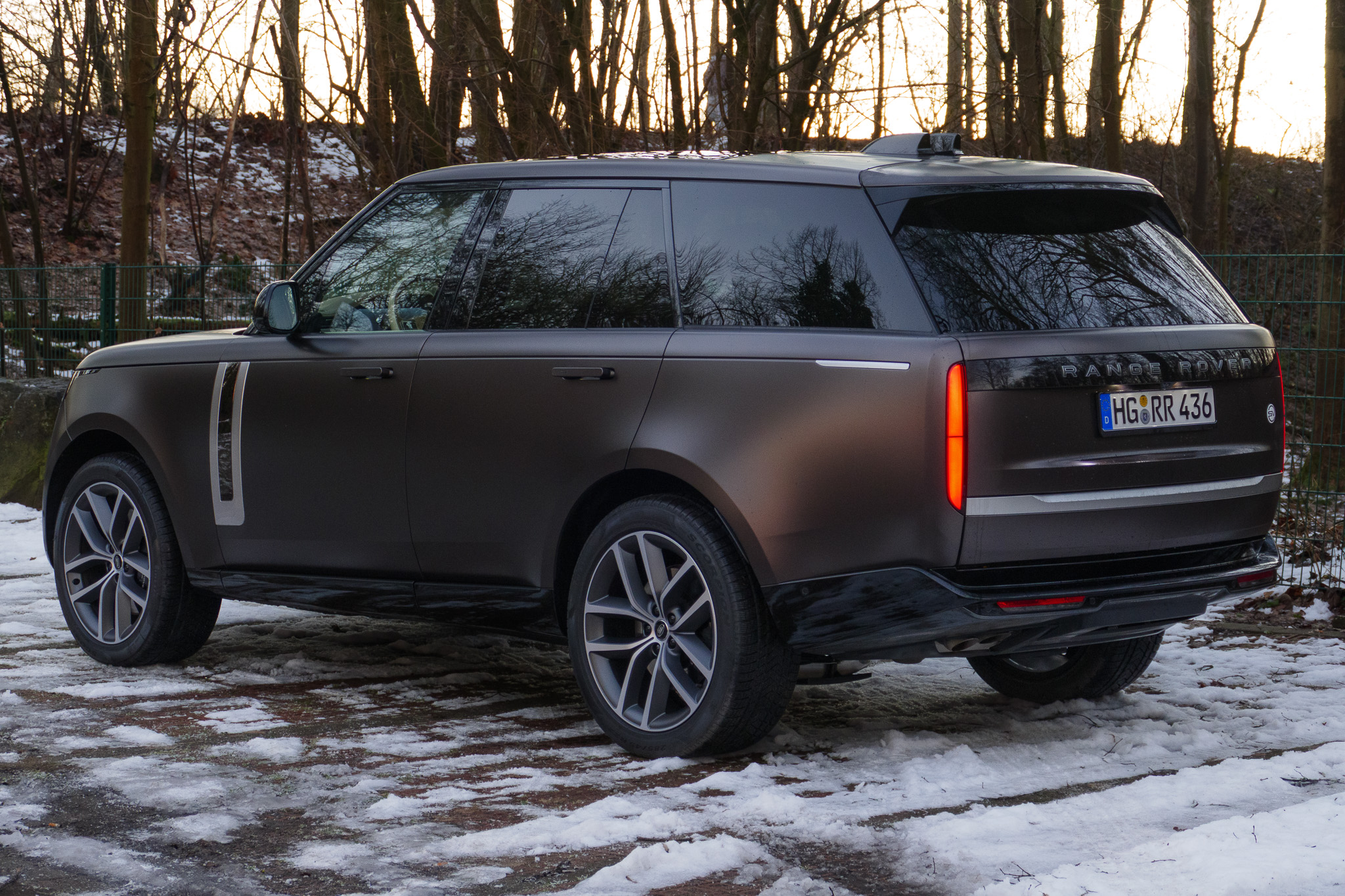
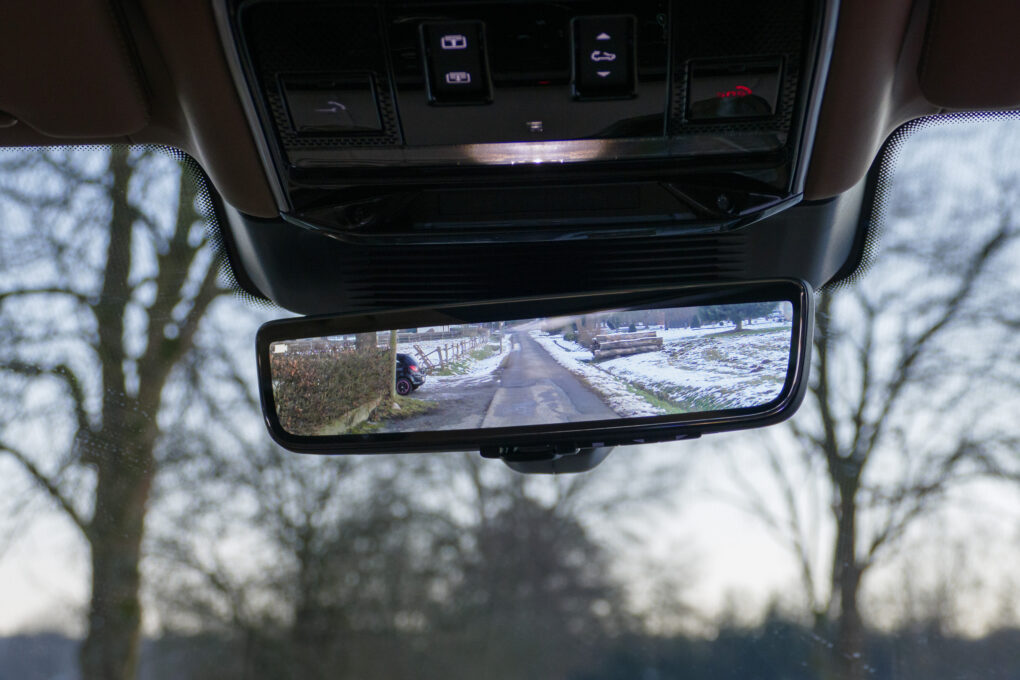
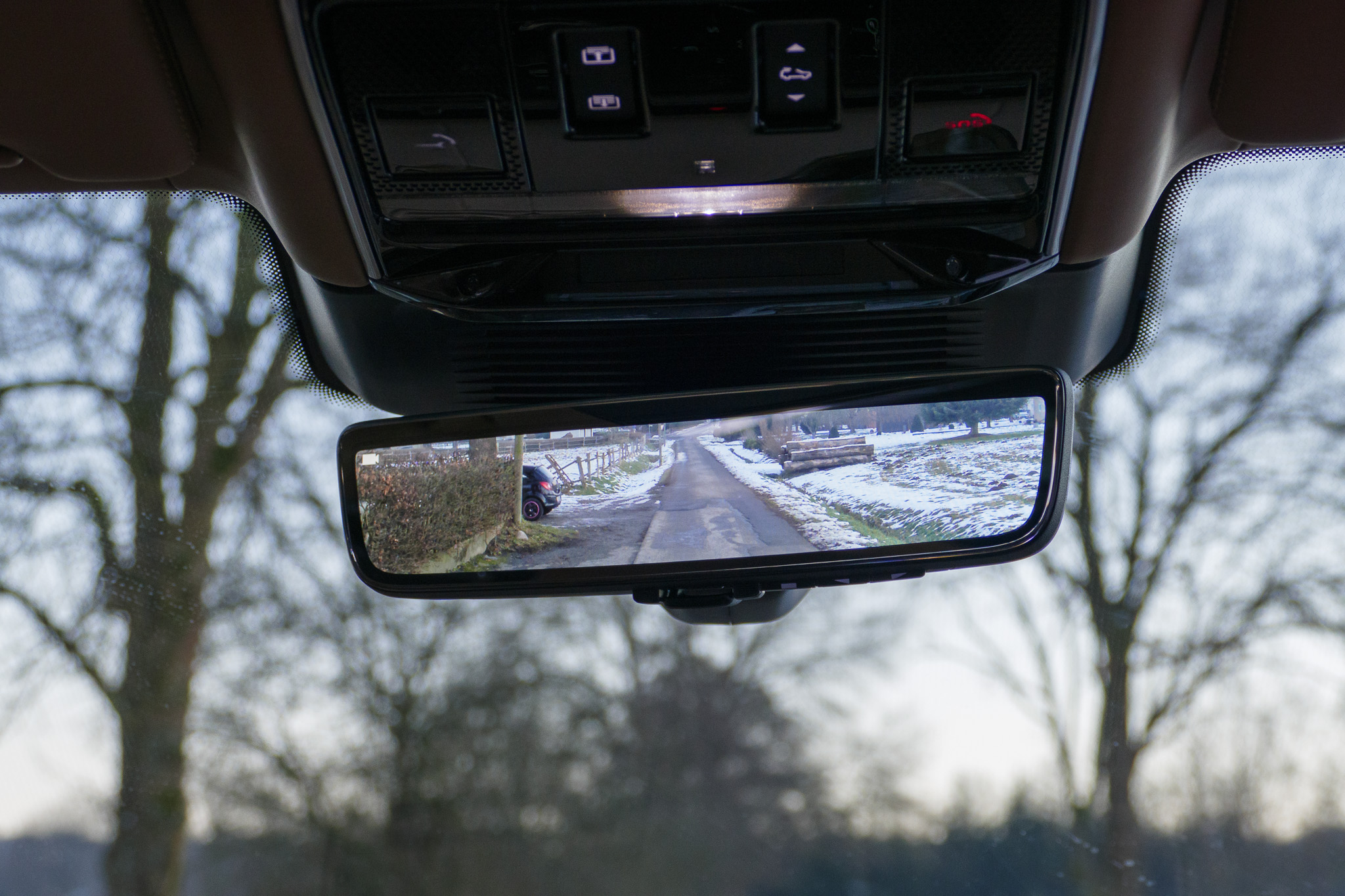
The 22-inch wheels (configurable up to 23 inches) and the retractable door handles, which feel substantial and improve aerodynamics, are striking features along the sides. Typical of Range Rover are the side trim panels, which on this model feature the etched SV logo. Soft-close doors are standard, and a subtle chrome accent on the rear quarter panels adds further visual appeal. Two fins protrude from the roof, one of which houses the camera for the electric rearview mirror. This mirror is particularly impressive during night driving, offering a better view than the standard mirror while also reducing glare. Additional cameras on the mirrors provide a 360° view, and integrated lighting along the sides of the vehicle significantly simplifies maneuvering.
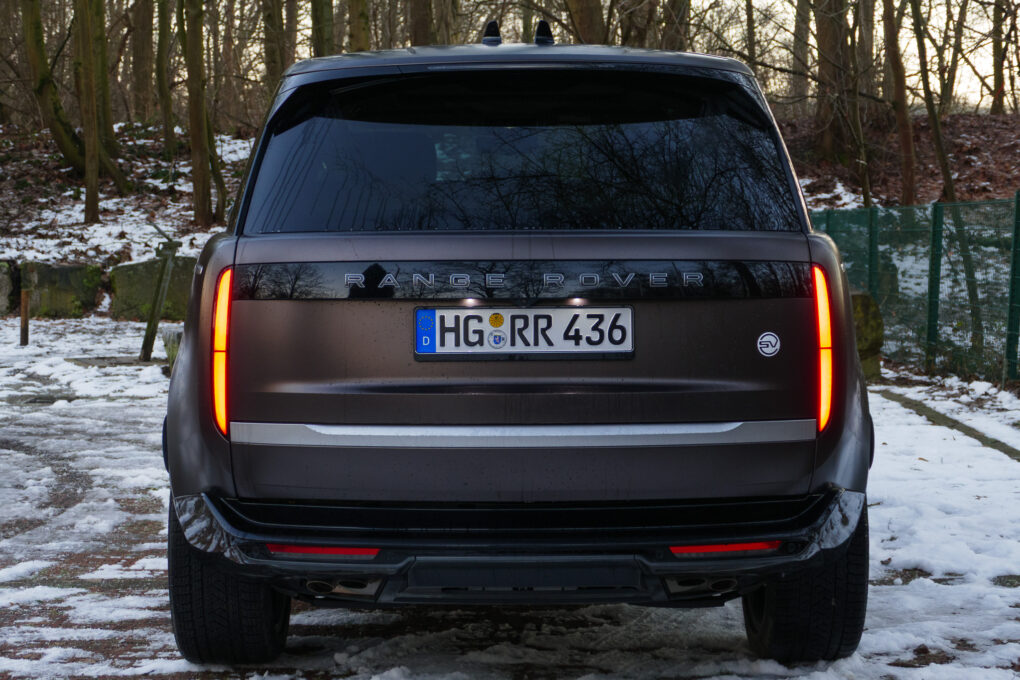
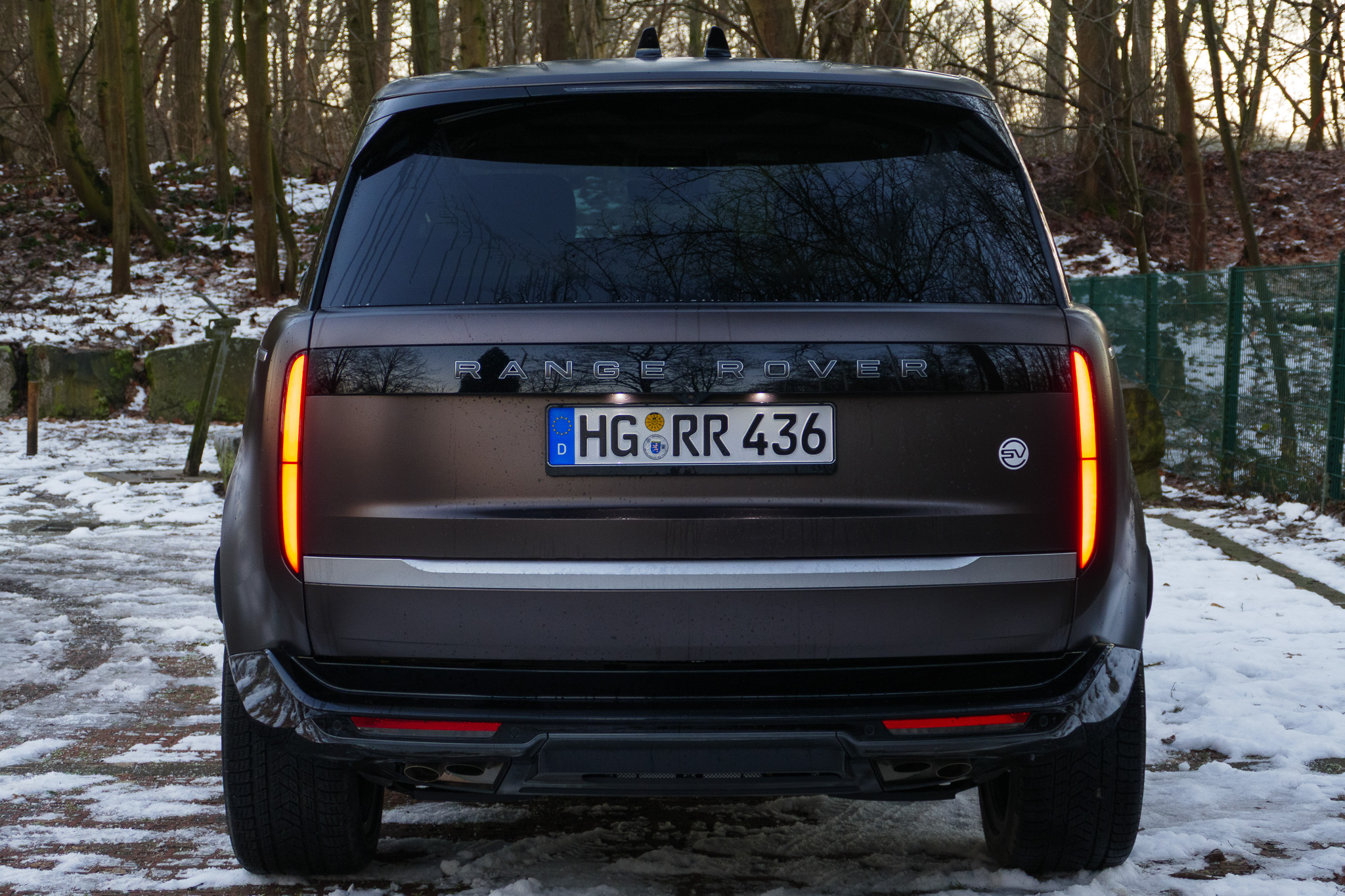
The rear end completes the elegant design. The full RANGE ROVER lettering is complemented by a white ceramic badge on the SV model. The boot opens electrically and, like the BMW X5 or X7, is divided into two sections. Pressing a button below the first "R" opens the upper section, and another press opens the lower section. Both sections open simultaneously with the key. When closing, the sections can be operated individually or together.
-
- Picture: TechnikNews
-
- Picture: TechnikNews
-
- Picture: TechnikNews
inner space
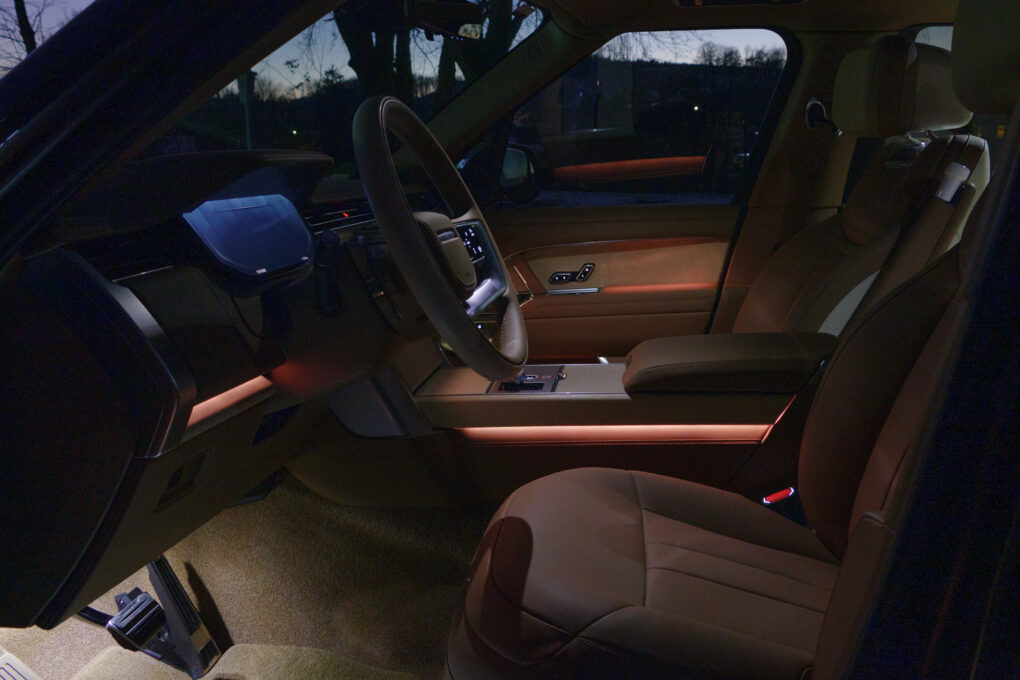
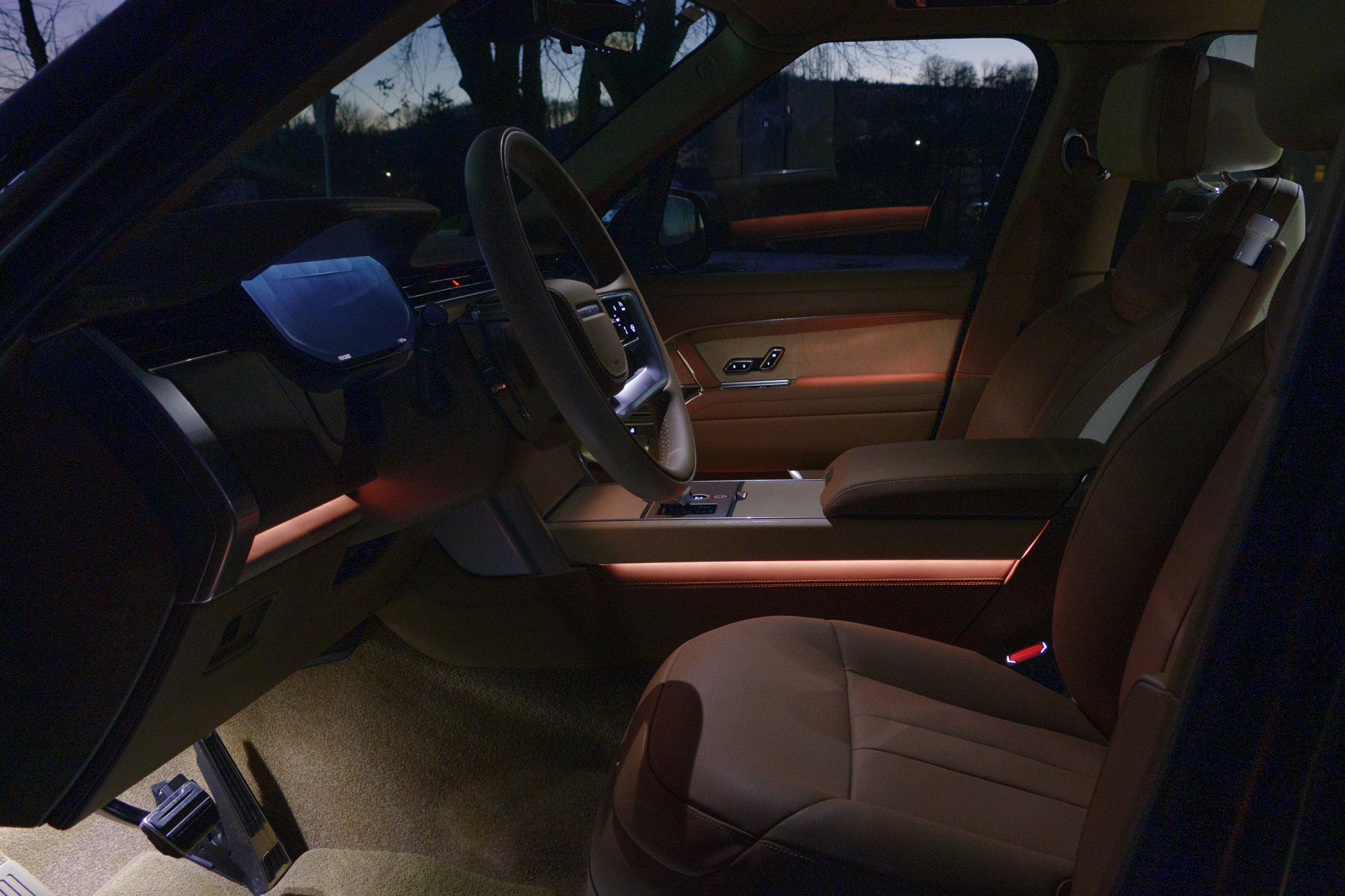
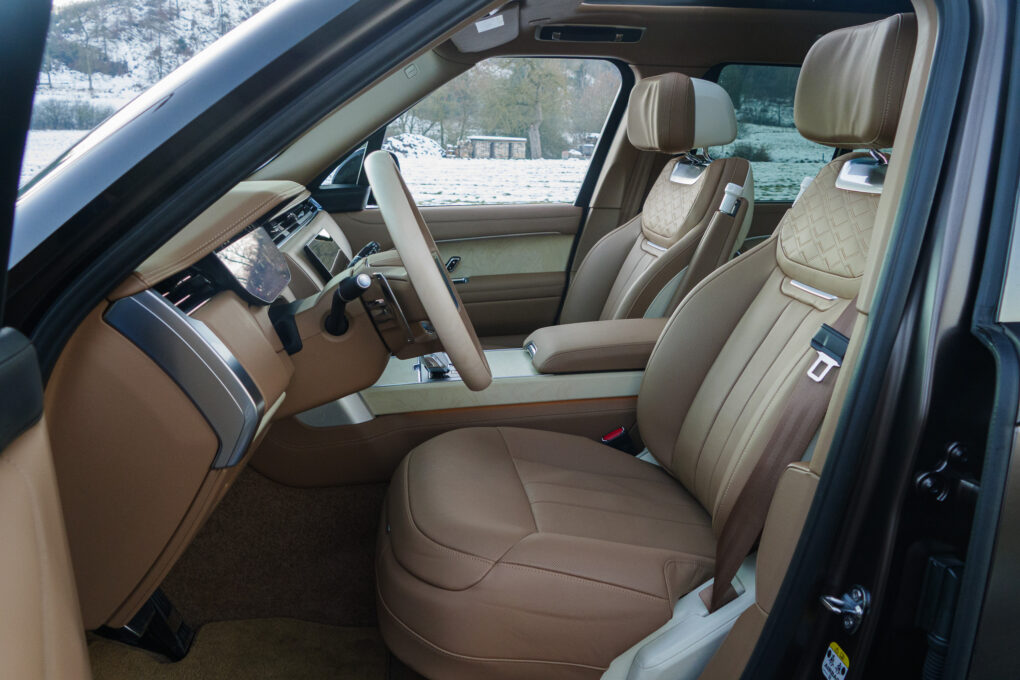
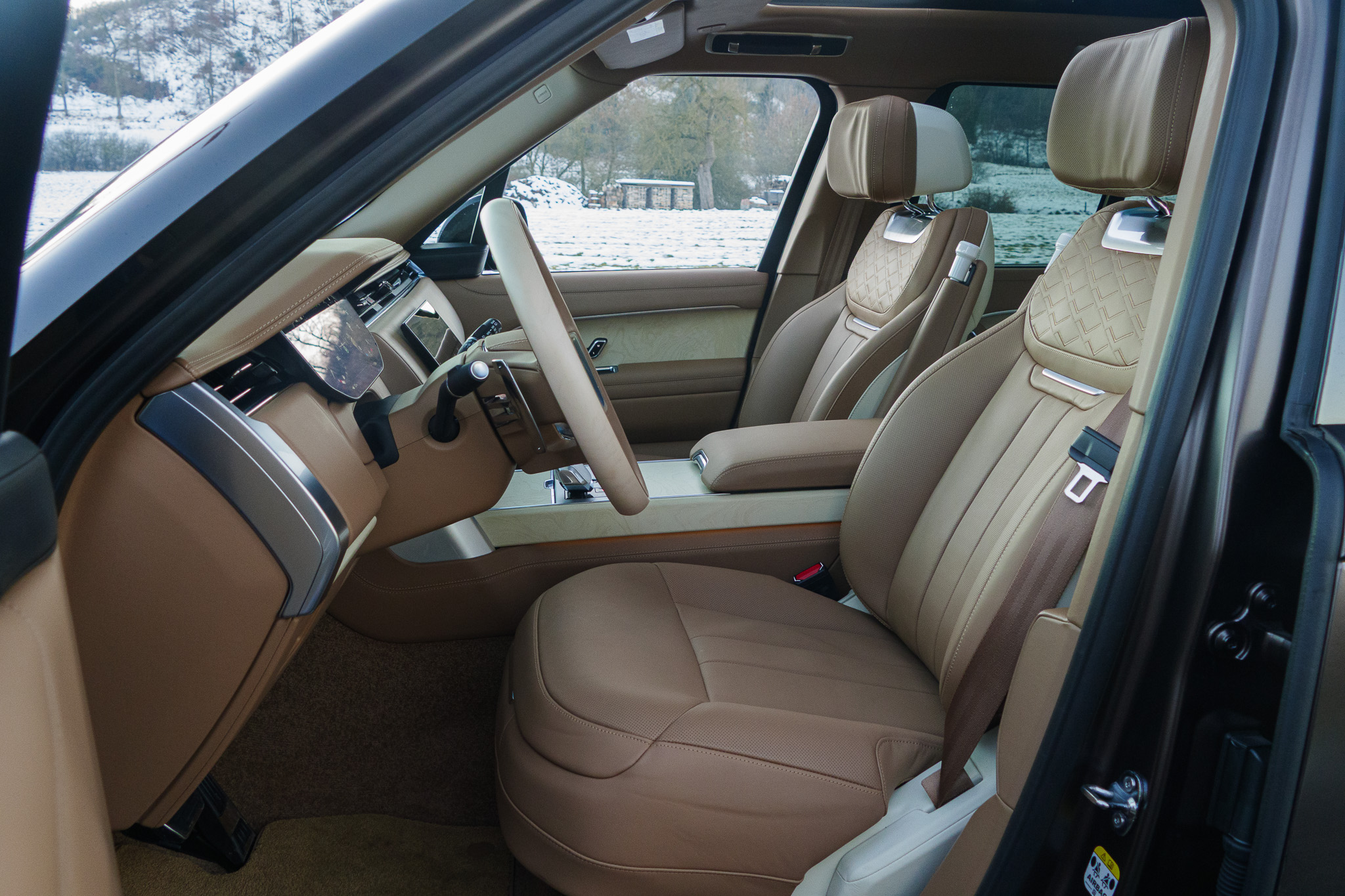
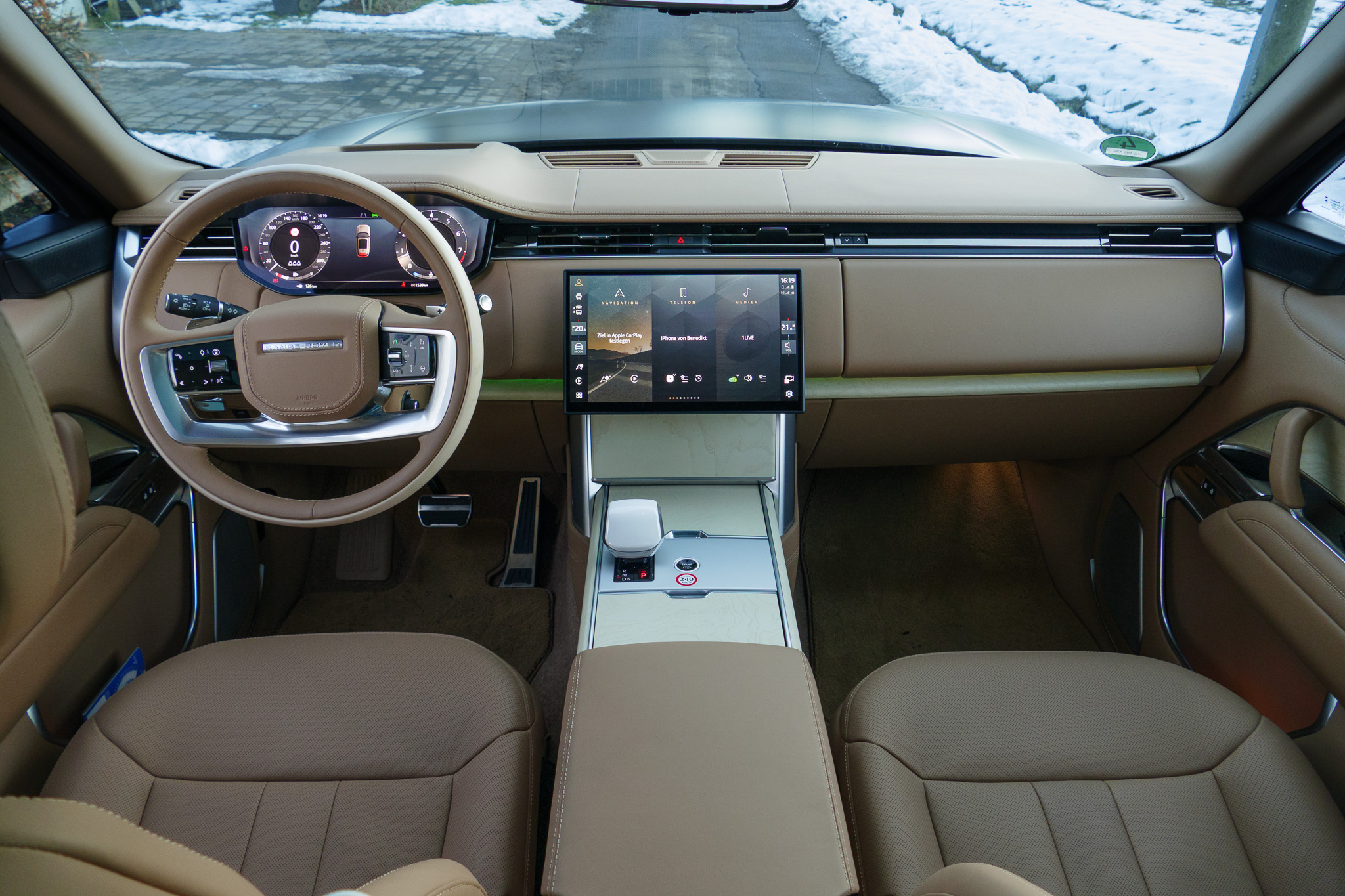
The interior of the Range Rover SV is a prime example of luxurious minimalism: Instead of an overabundance of materials, Land Rover focuses on two main fabrics, consistently and expertly crafted, complemented by select accents of wood and ceramic. Leather covers virtually every square centimeter – from the door panels and seats to the fully leather-trimmed headliner and dashboard. Even the backs of the headrests, the backs of the front seats, and the A, B, and D pillars are upholstered in leather. All grab handles on the roof are also softly coated, conveying not only comfort but also a sense of quality when getting in and out.
The entire floor is covered in velour carpet that extends throughout the vehicle. The floor mats are even plusher, a difference you can feel even through your shoes. Even in the trunk, a fabric floor covering extends to the middle of the side panels, ensuring that plastic surfaces remain virtually invisible – apart from a few minimal elements along the parcel shelf rails.
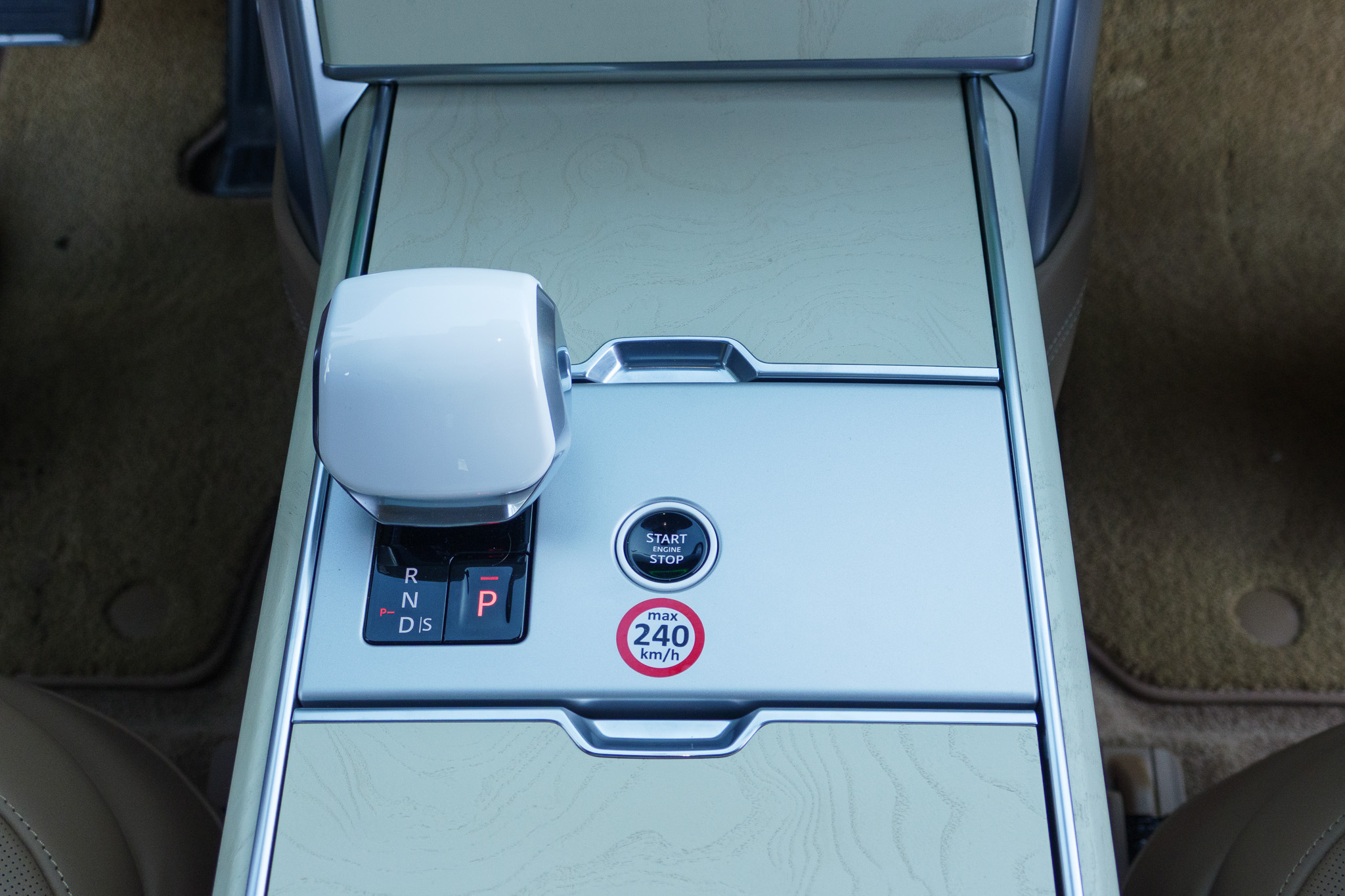
Wooden accents lend the interior an extra touch of elegance: The door panels, center console, and front dashboard are trimmed in fine wood, highlighted by subtle, color-adjustable ambient lighting. The steering wheel also features wood and feels pleasant to the touch. Ceramic elements on the gear selector and start/stop button underscore the high-quality feel without appearing ostentatious.
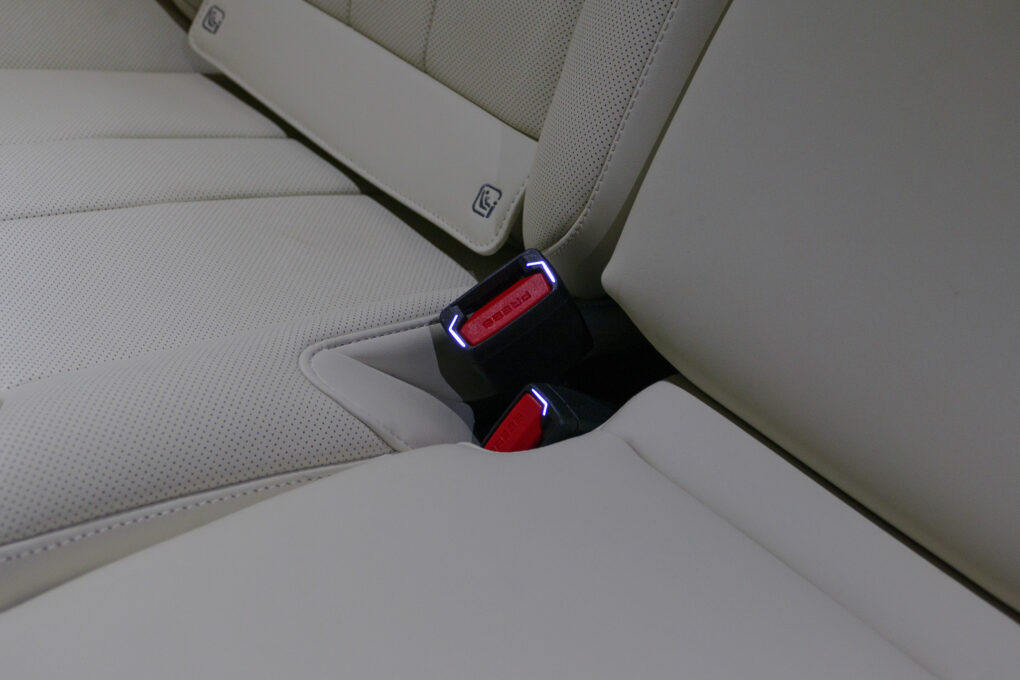
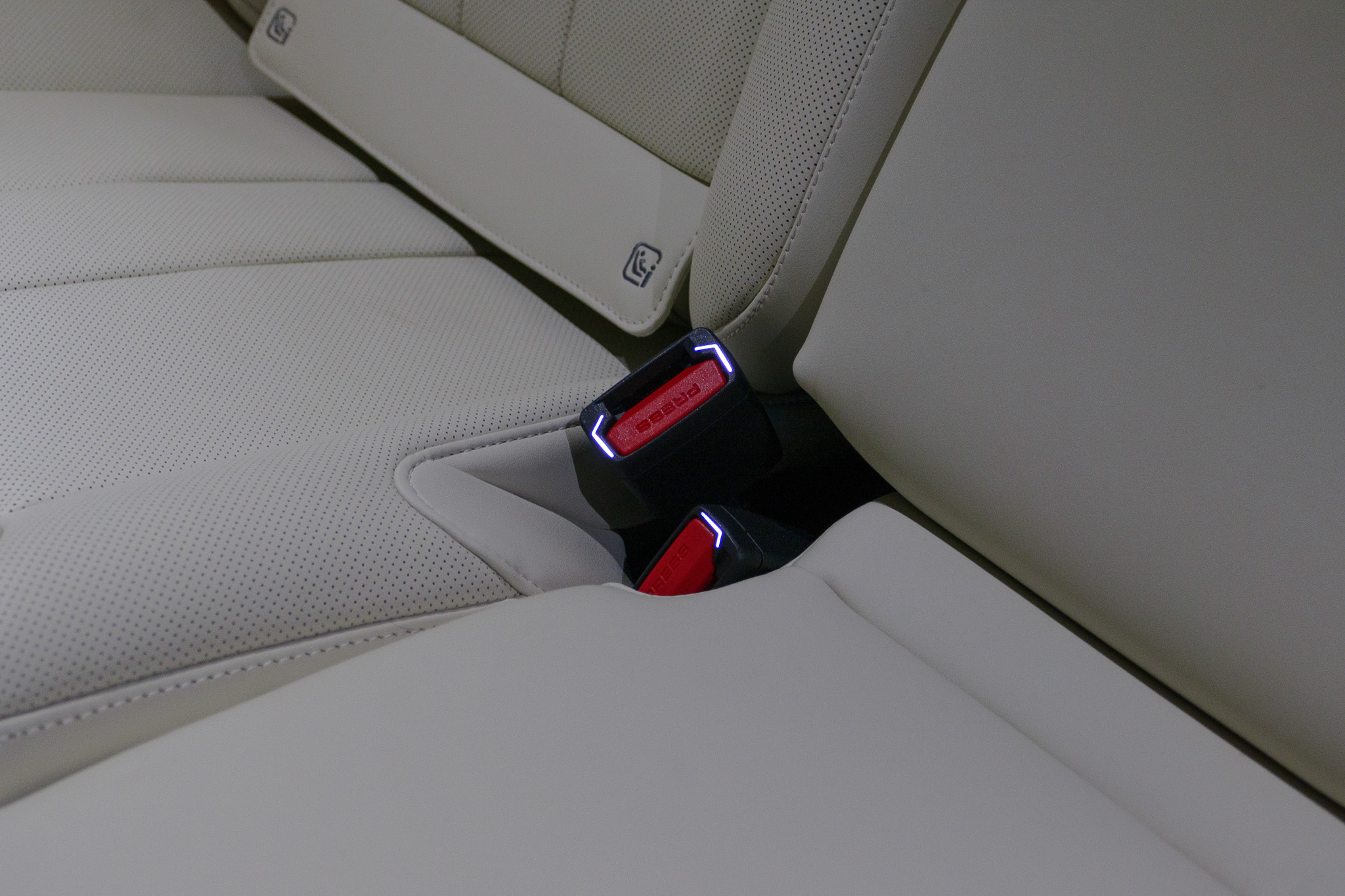
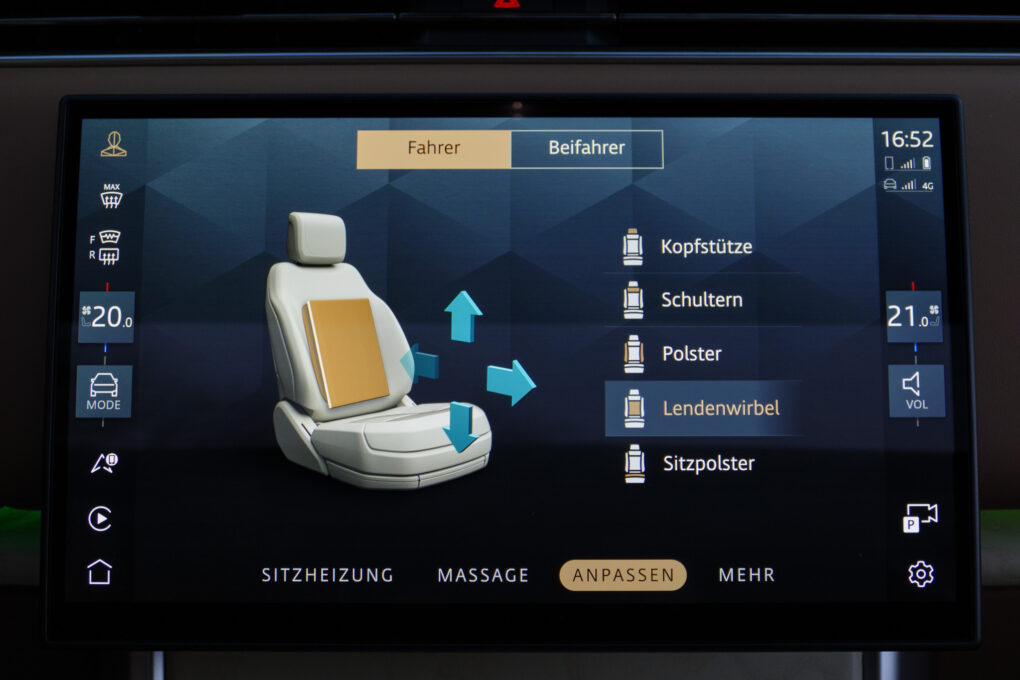
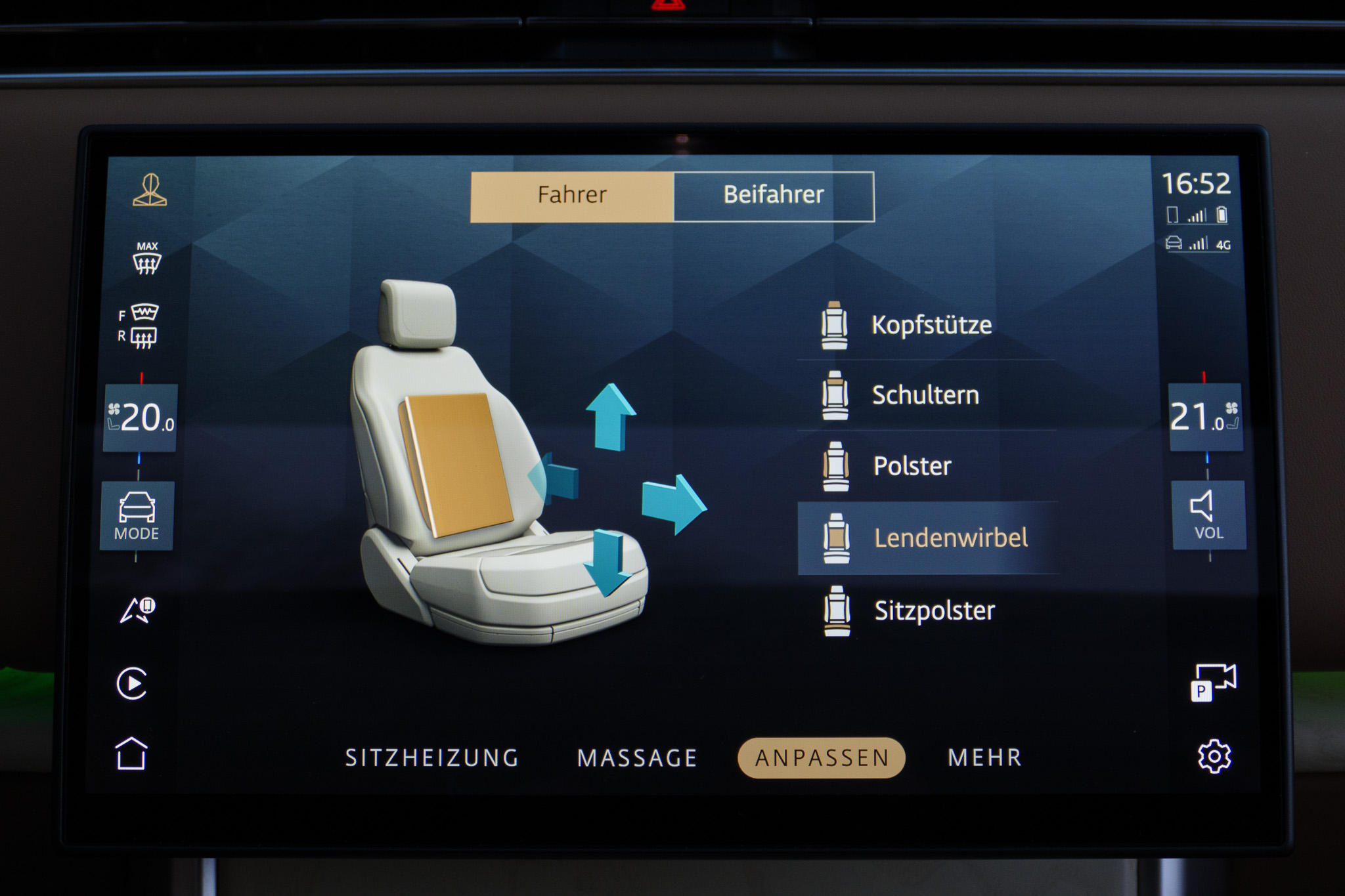
The color-coded seats are in a class of their own: as multifaceted as they look, they are equally individually adjustable. A unique feature is the ability to inflate the shoulder section separately, resulting in an even more upright posture. This was already evident in the tested BMW X6 M Competition The shoulder area couldn't be inflated, but could be adjusted electrically throughout, which I found even more comfortable. The soft headrests can be angled laterally, and the seats themselves are heated, ventilated, and have massage functions. The armrests and center console are also heated, a particularly welcome feature in winter. Discreetly illuminated seatbelt buckles on all seats not only help with buckling up but are also a minimalist highlight.
With a starting price of €225.500,00 for the Range Rover SV, one naturally pays close attention to build quality. Despite intensive use during the test, hardly any element creaked or squeaked. A slight creak from the driver's seat grab handle was the only noticeable issue, but this can be explained by frequent use and does not detract from the overall high-quality impression of the interior.
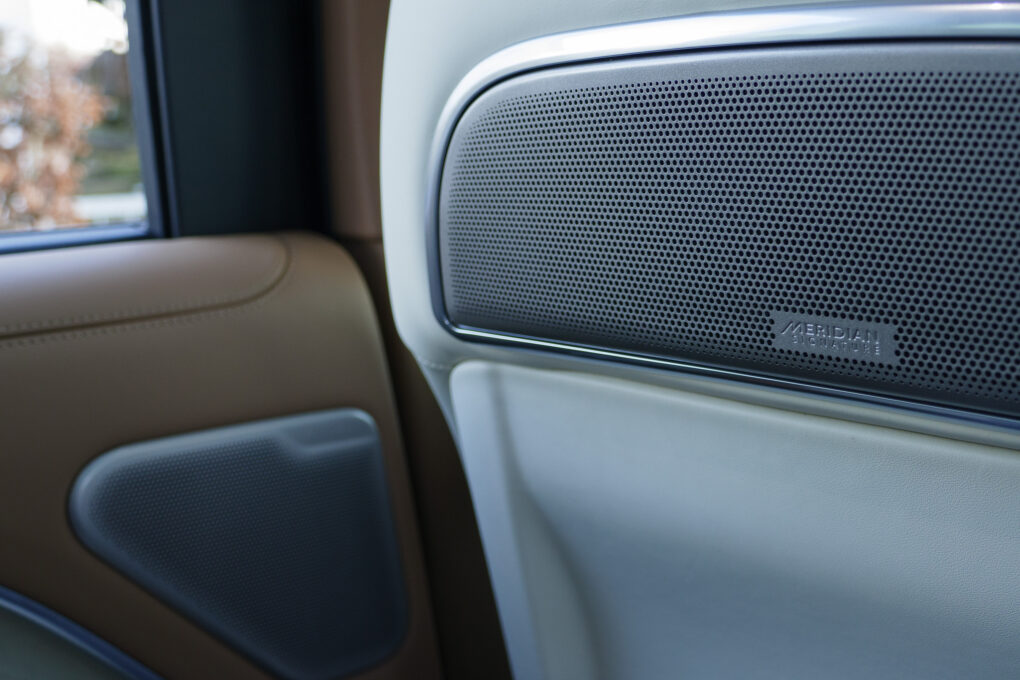
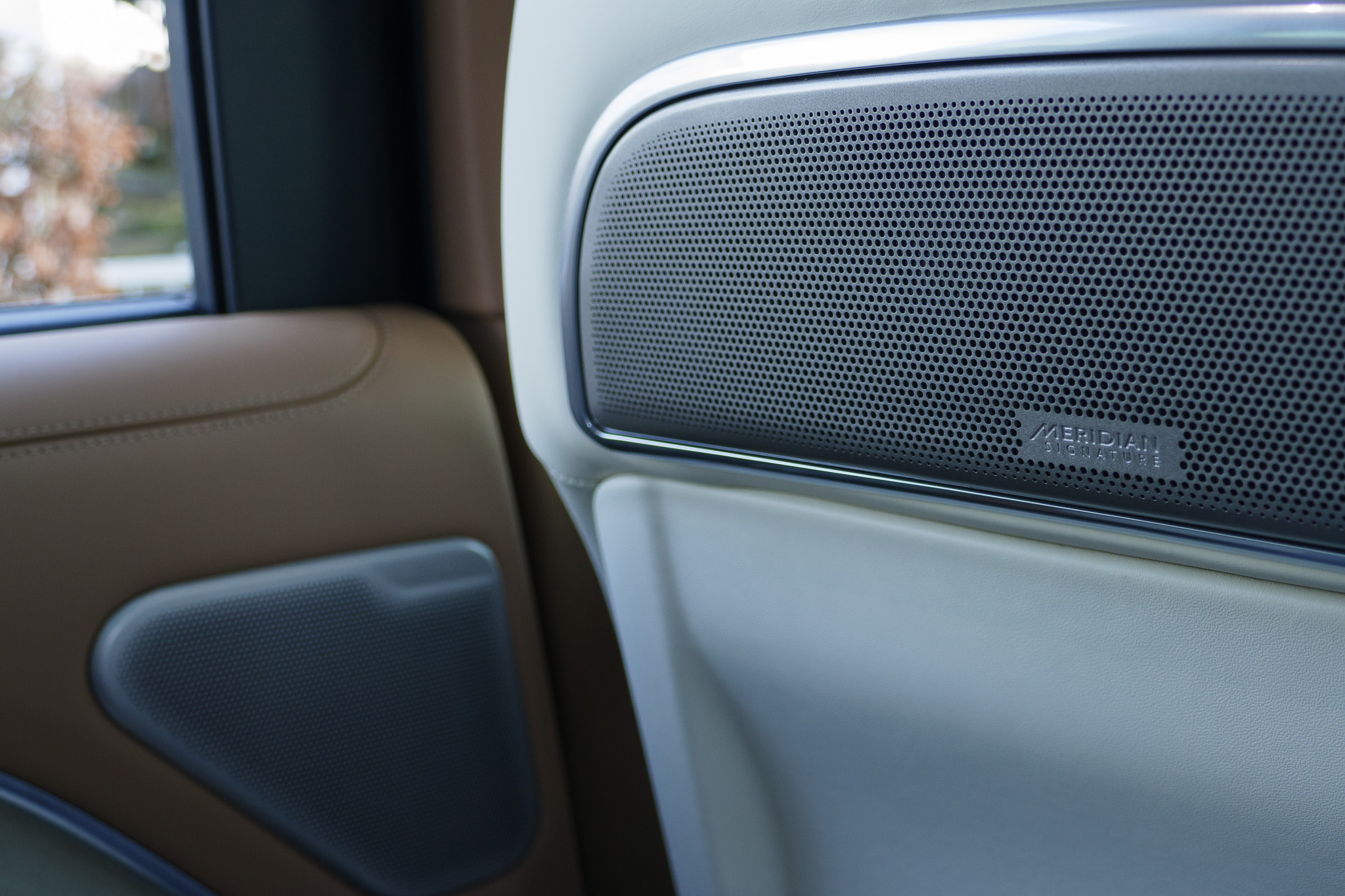
The Meridian sound system delivers a rich, immersive audio experience with a 1.600 W amplifier and a total of 34 speakers, some of which are discreetly integrated into the headrests. A two-channel subwoofer provides powerful bass, and active road noise cancellation minimizes outside noise. The system is particularly impressive with its full, yet not overpowering, bass. Highs and mids are also respectable, although true high-end reference systems offer a slight edge.
Overall, the interior of the Range Rover SV conveys the feeling of sitting in a mobile, state-of-the-art living room: spacious, high-quality, comfortable, and at the same time technologically advanced. Every detail seems meticulously thought out without overwhelming the driver or passengers.
-
- Picture: TechnikNews
-
- Picture: TechnikNews
-
- Picture: TechnikNews
-
- Picture: TechnikNews
-
- Picture: TechnikNews
-
- Picture: TechnikNews
Driver and passenger
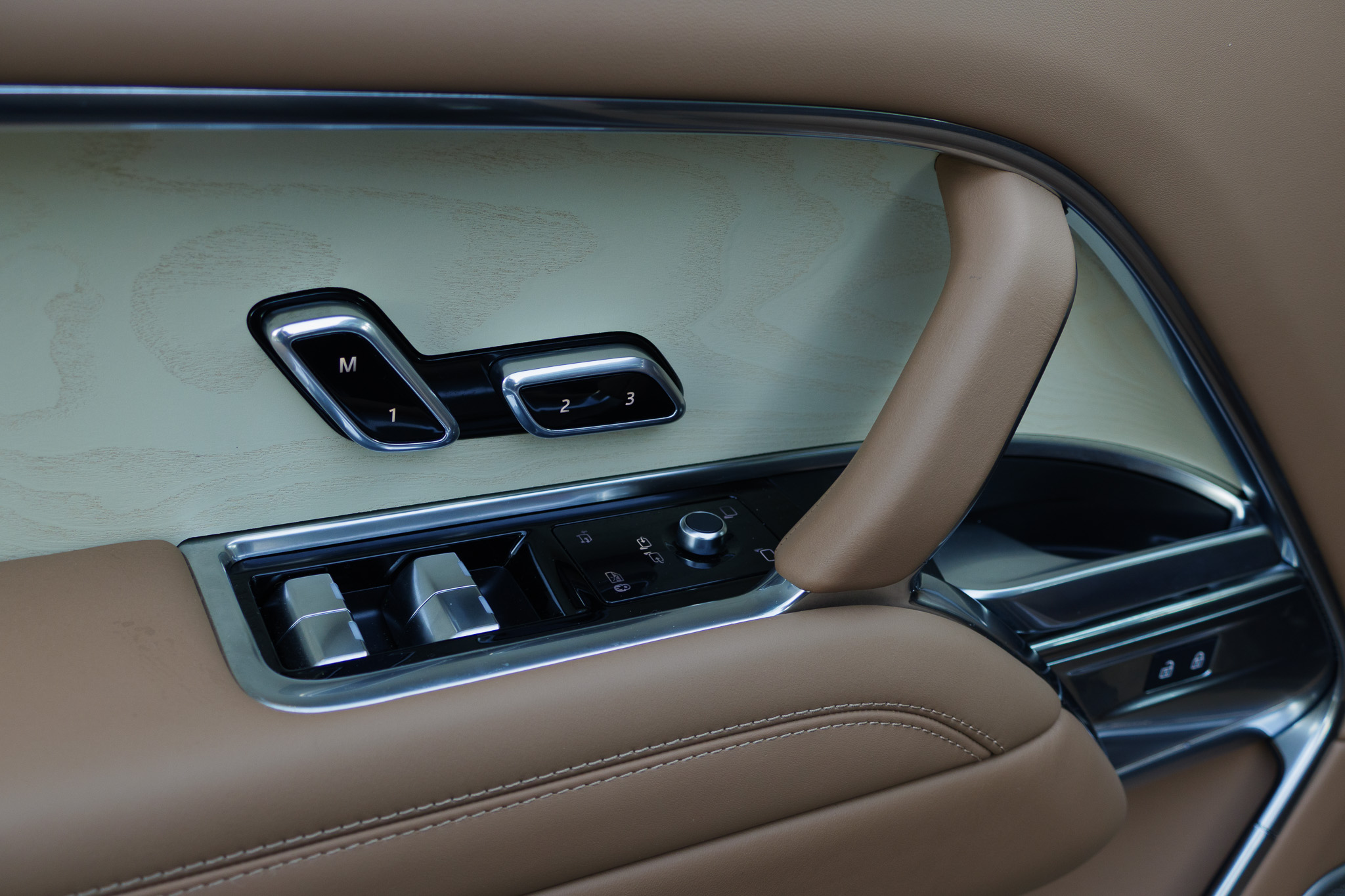
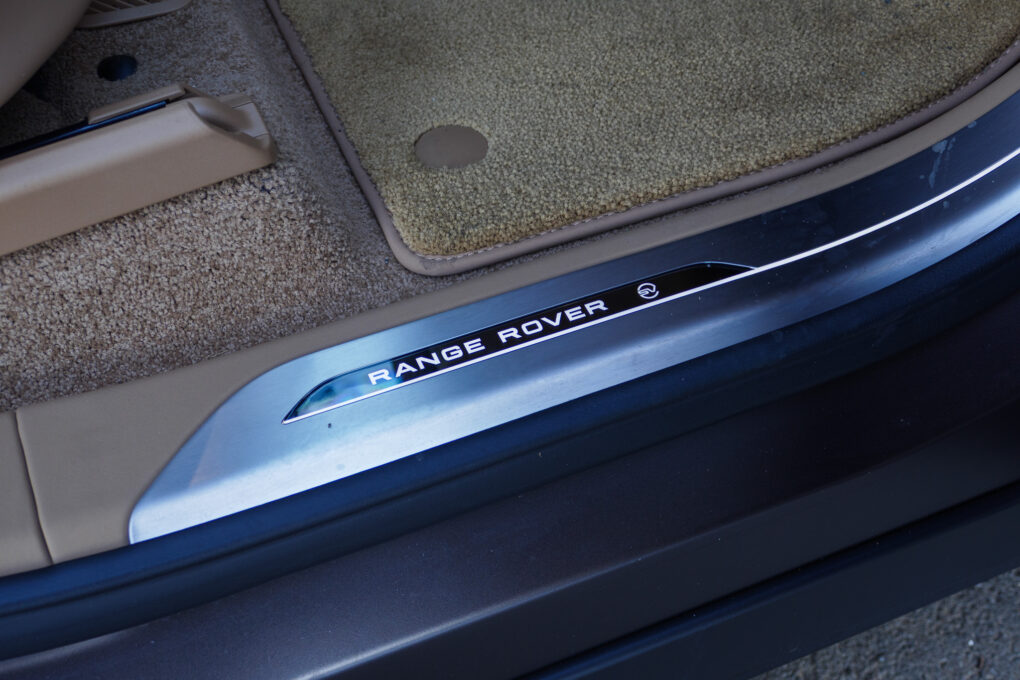
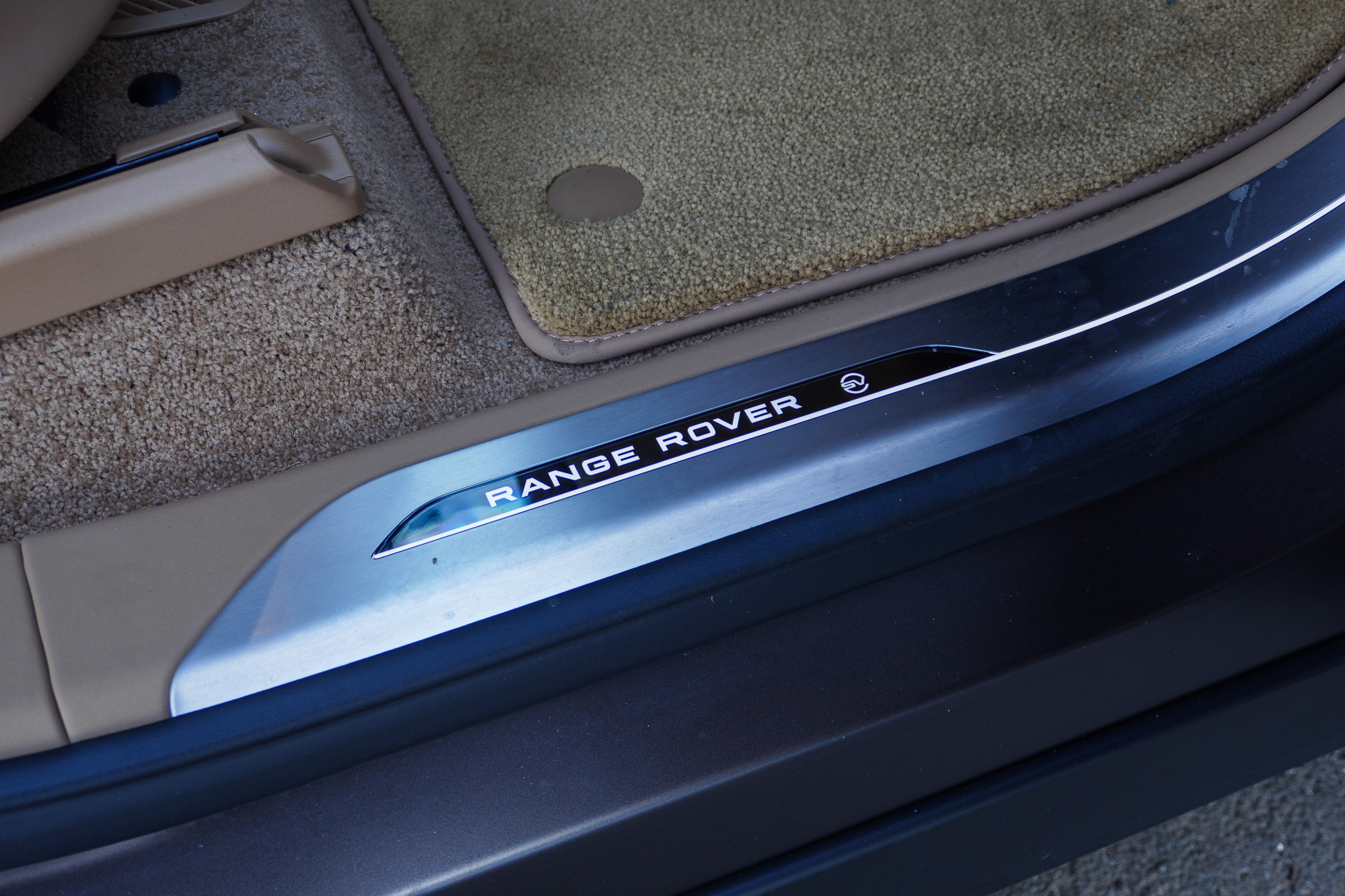
Getting into the Range Rover SV is pleasantly understated, yet immediately conveys a sense of quality. Illuminated door sills for the driver and front passenger, bearing the "Range Rover SV" lettering, clearly indicate the special edition, while a subtle backlit stripe is featured in the rear sills. The door panels are largely identical at the front and rear, but the driver has all the controls within easy reach: windows, rear sunshades, and an additional shortcut button for lowering the entry height.
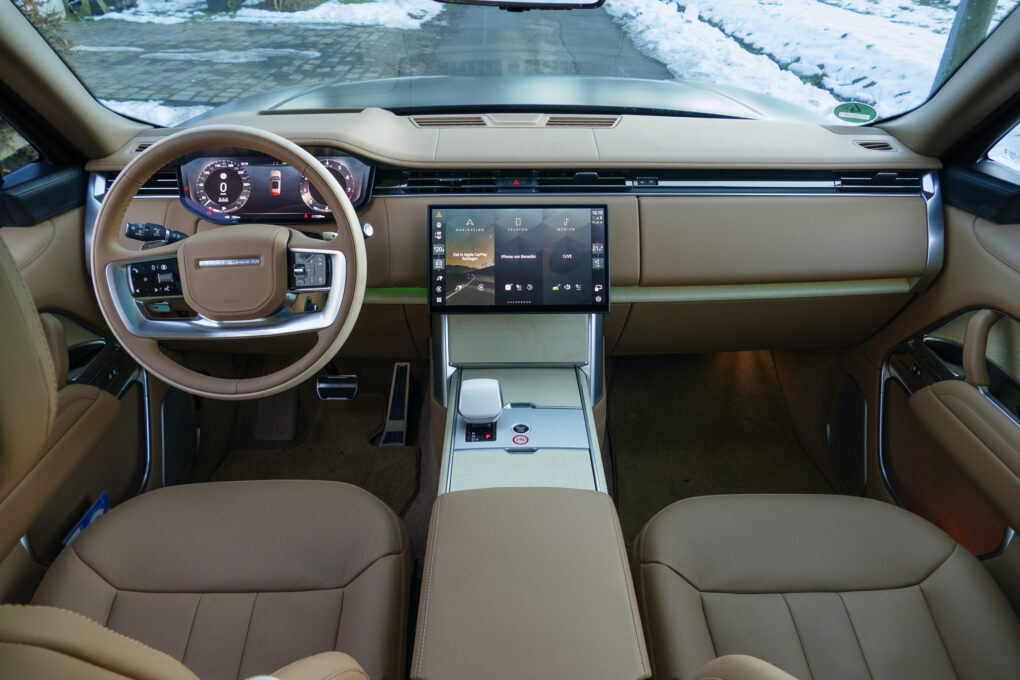
The electrically adjustable steering wheel combines leather and wood for a pleasant feel and, despite the material mix, heats up quickly thanks to the steering wheel heating. The leather-wrapped airbag cover features the RANGE ROVER logo. The freely assignable button on the steering wheel is particularly practical. During testing, I configured it to activate the camera function with a short press and the massage function with a longer press. Furthermore, the driver assistance systems can be customized, for example, by displaying the speed limit warning only visually or deactivating the lane keeping assist if the electronic aids become intrusive. The metal paddle shifters feel solid and produce a crisp click when engaged.
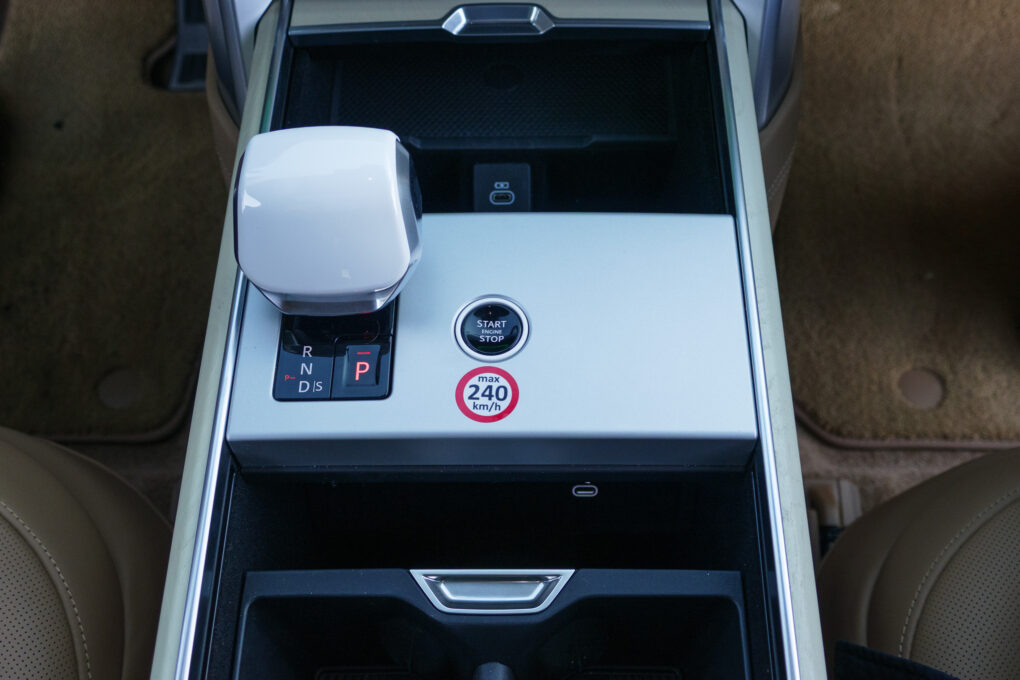
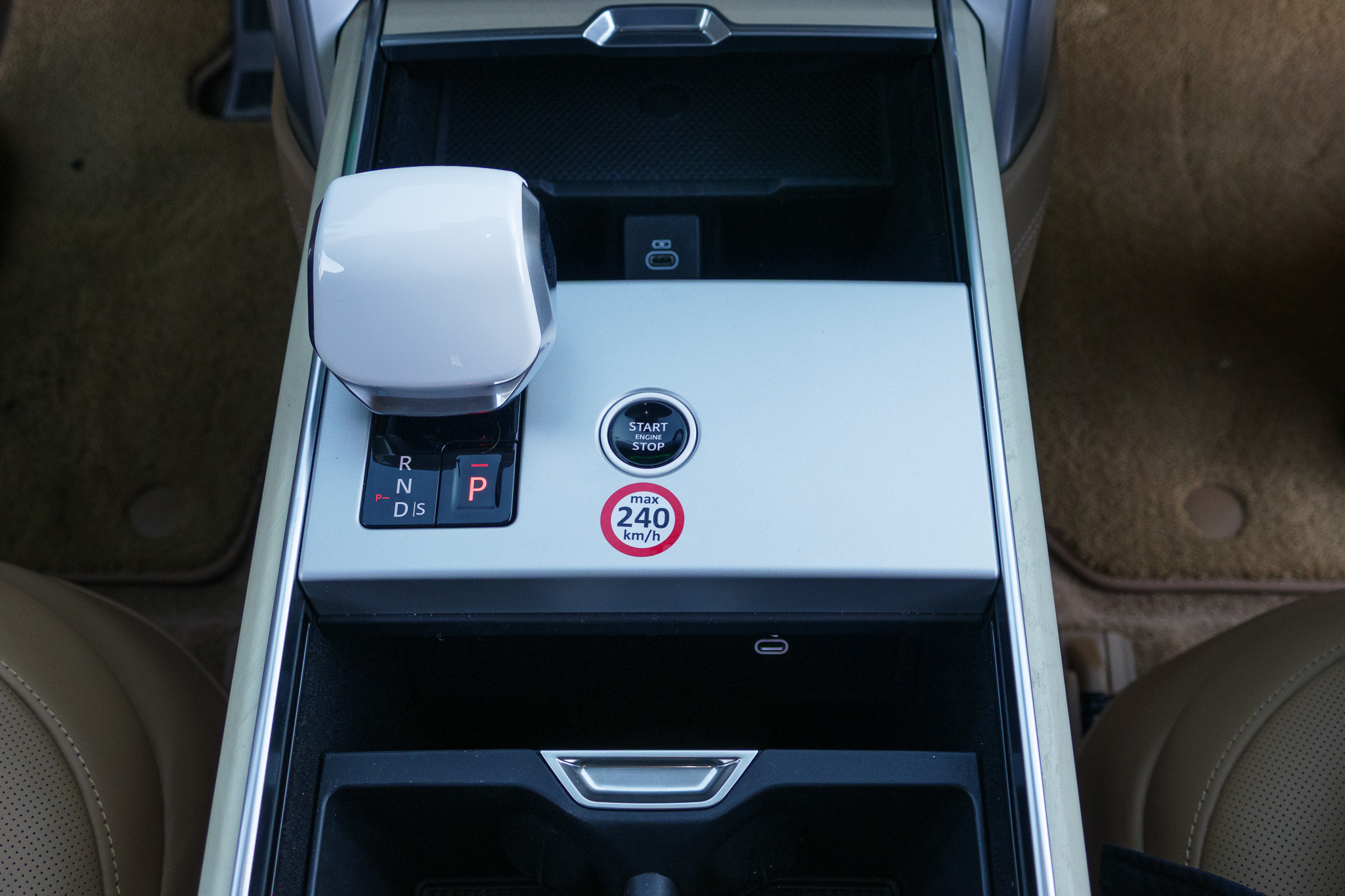
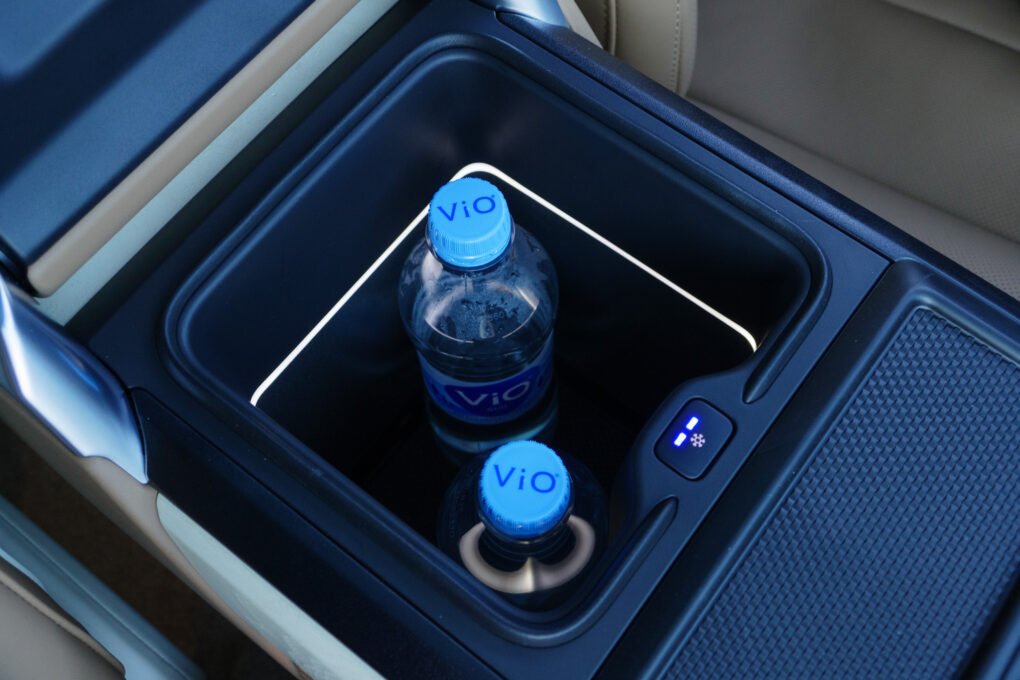
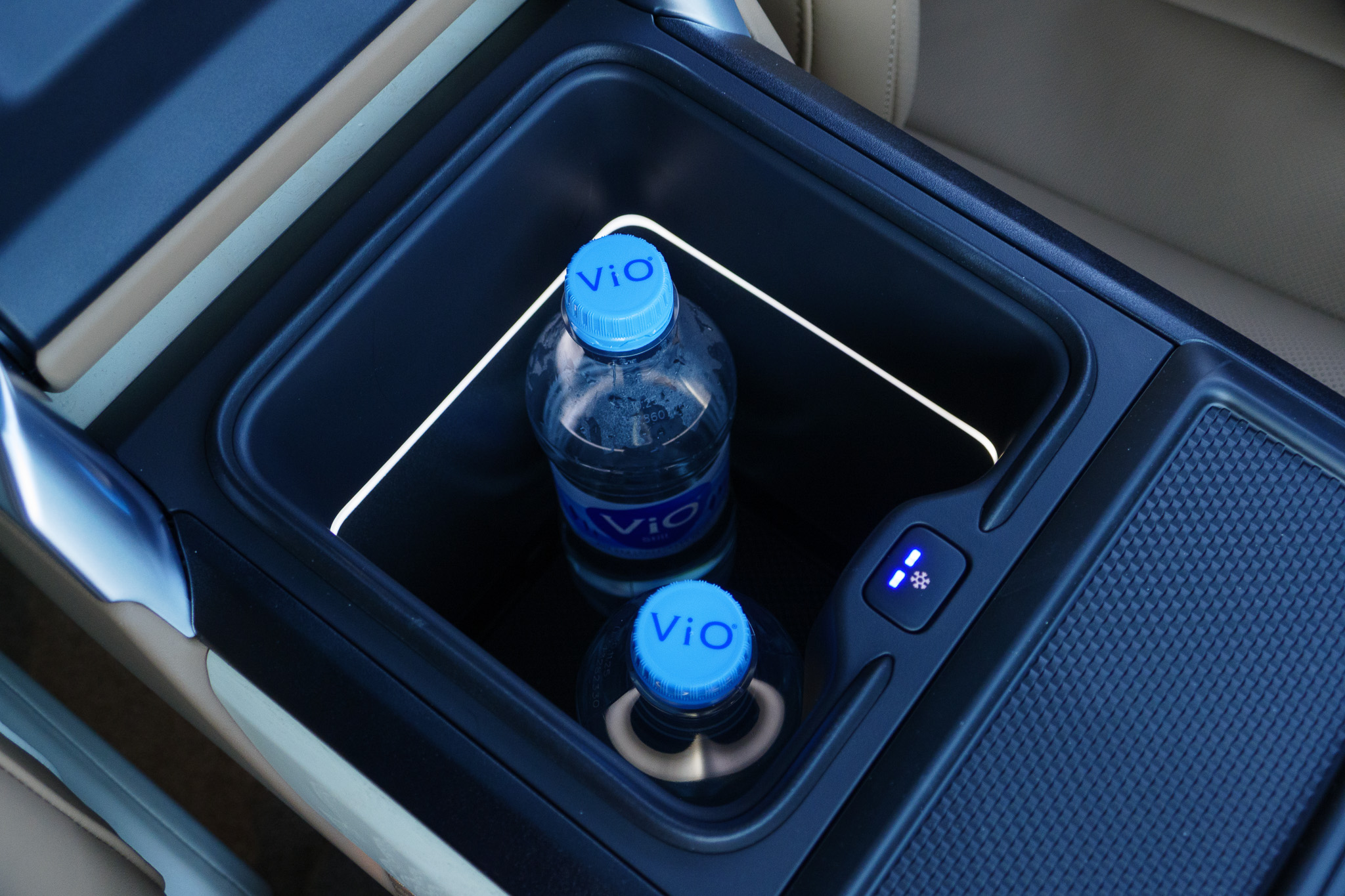
The center console is clearly structured and practical. Two sliding compartments offer storage for everyday items, but unfortunately, they lack ventilation. The front compartment (9,5 cm high x 21 cm wide x 11 cm deep without the charging pad) contains a USB-C port and a Qi charging pad, while the rear compartment (20 cm high x 21 cm wide x 11 cm deep) offers another USB-C port and two cupholders. Pushing the cupholders back creates additional storage space lined with felt. A light press on the sliding cover closes the compartments almost silently, restoring a tidy appearance to the interior. Beneath the center console is a rubberized tray for small items and a mini-fridge (22,5 cm high x 15 cm wide x 15,5 cm deep) with two temperature settings, suitable for 0,5-liter PET bottles or snacks for short trips.
The dashboard remains untouched by recessed handles. Two discreet, illuminated buttons open the lower and upper glove compartments, both of which are lined with felt and also illuminated. The sun visors are cleverly divided into two sections. One folds out to the side, the other forward. A small but very thoughtful comfort feature for such a large vehicle. Two folding armrests next to the center console significantly increase the available surface area, which is particularly pleasant on longer journeys and with a larger passenger. The white ceramic knobs at the top are for adjusting the depth of the armrests and are not, for example, pull-out umbrellas.
-
- Picture: TechnikNews
-
- Picture: TechnikNews
-
- Picture: TechnikNews
-
- Picture: TechnikNews
-
- Picture: TechnikNews
-
- Picture: TechnikNews
infotainment
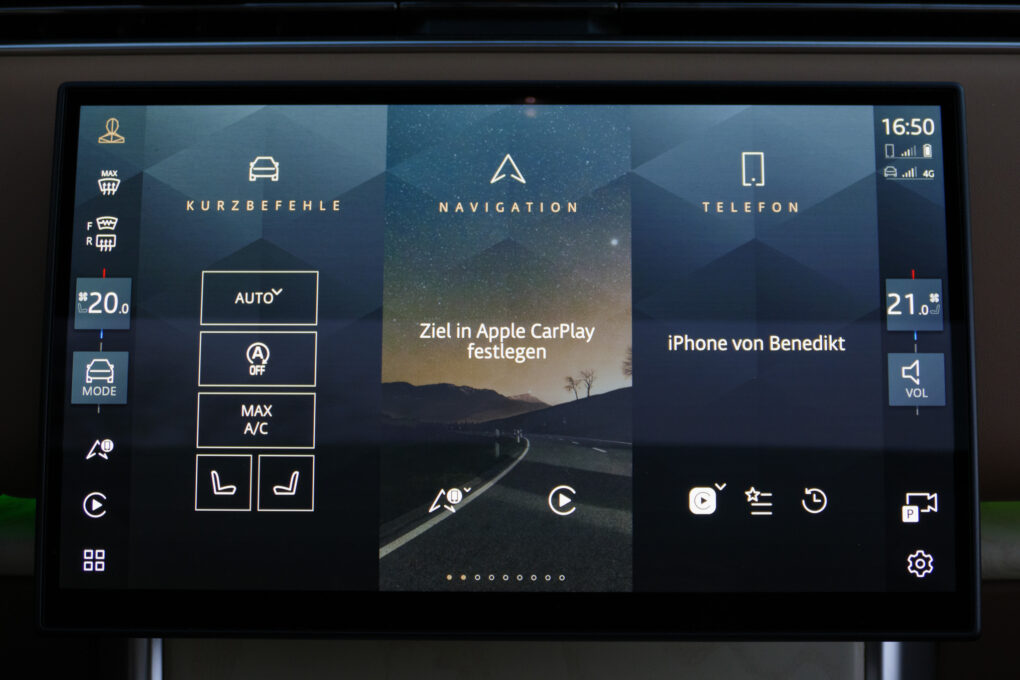
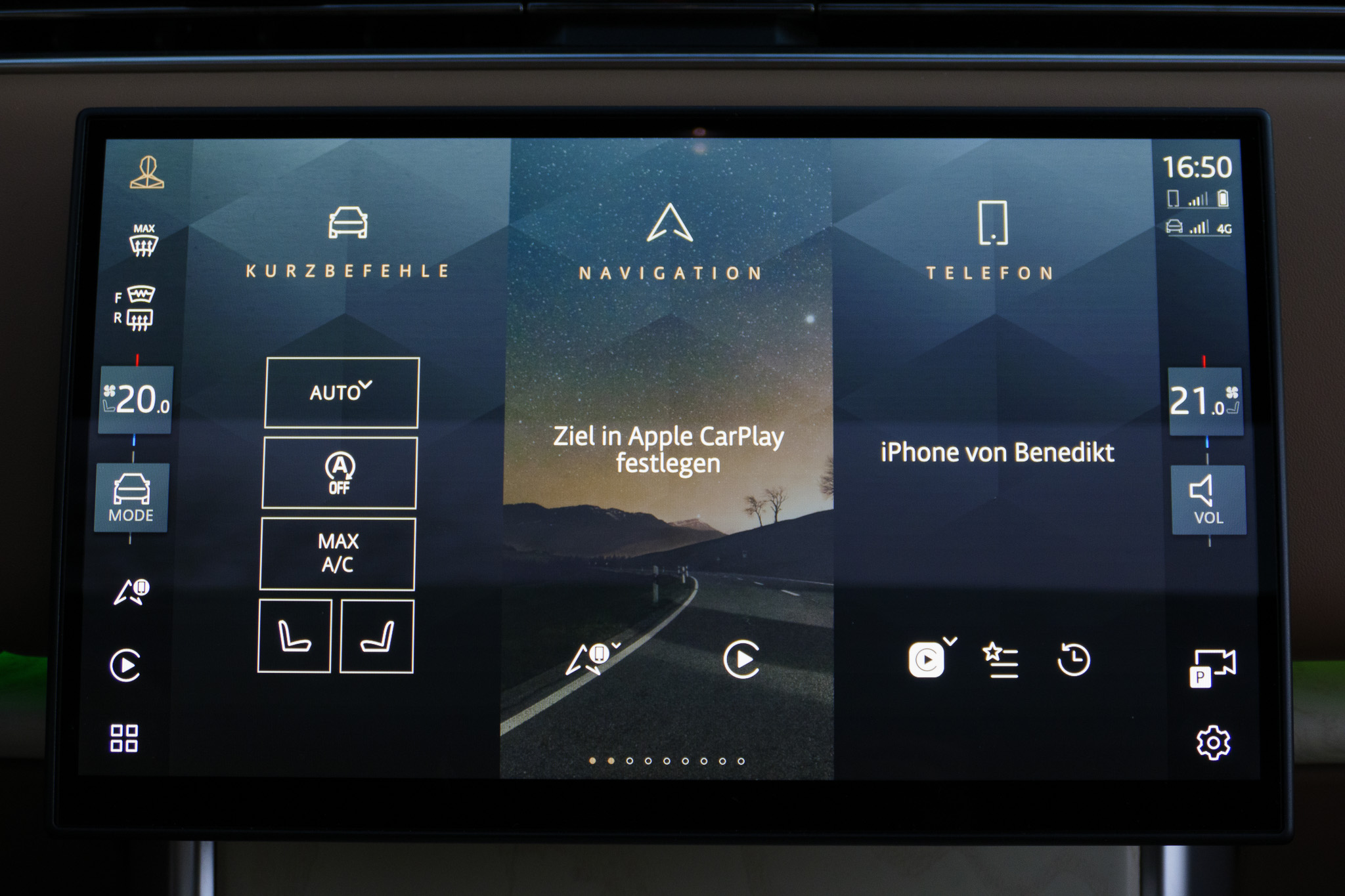
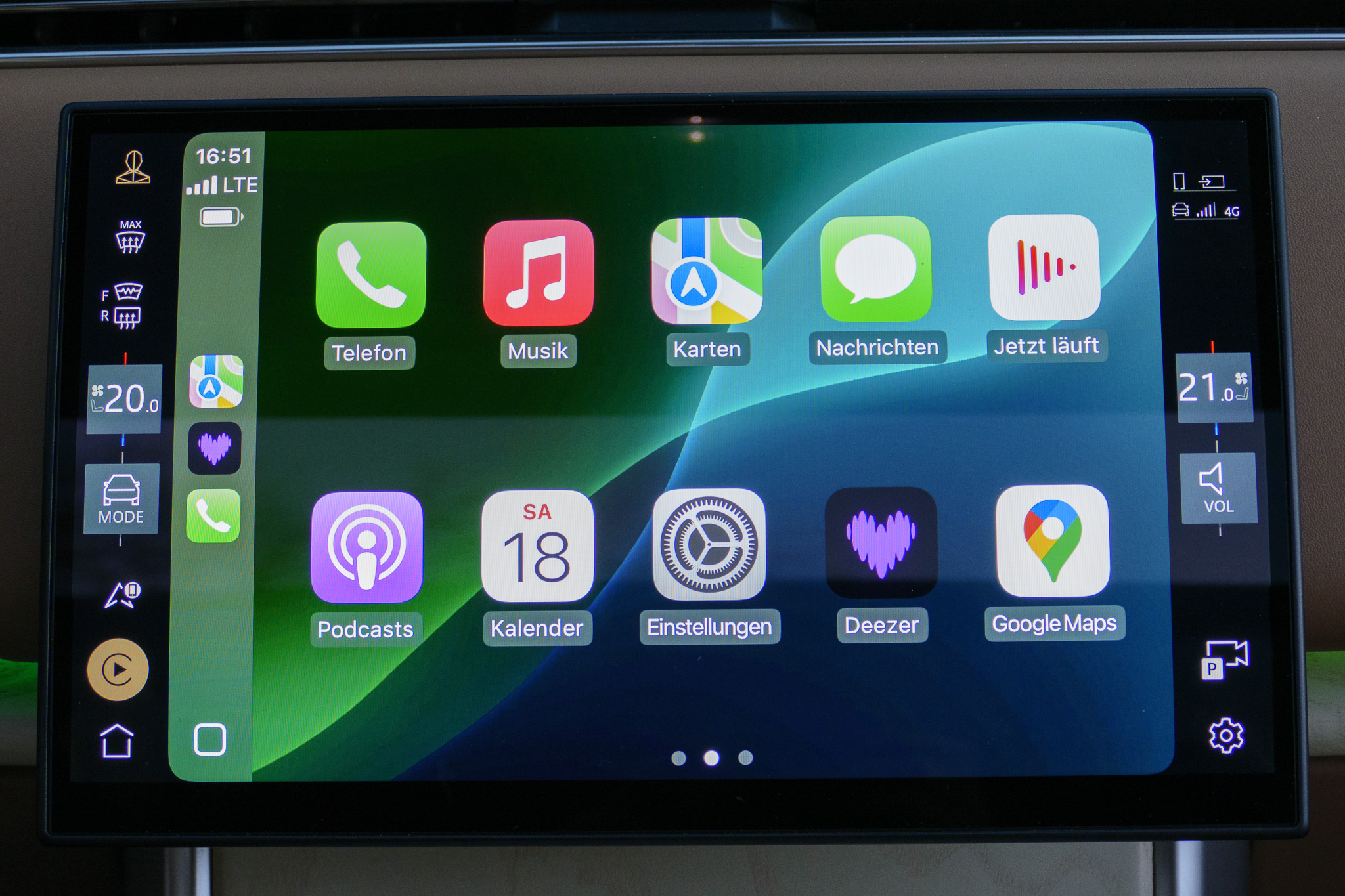
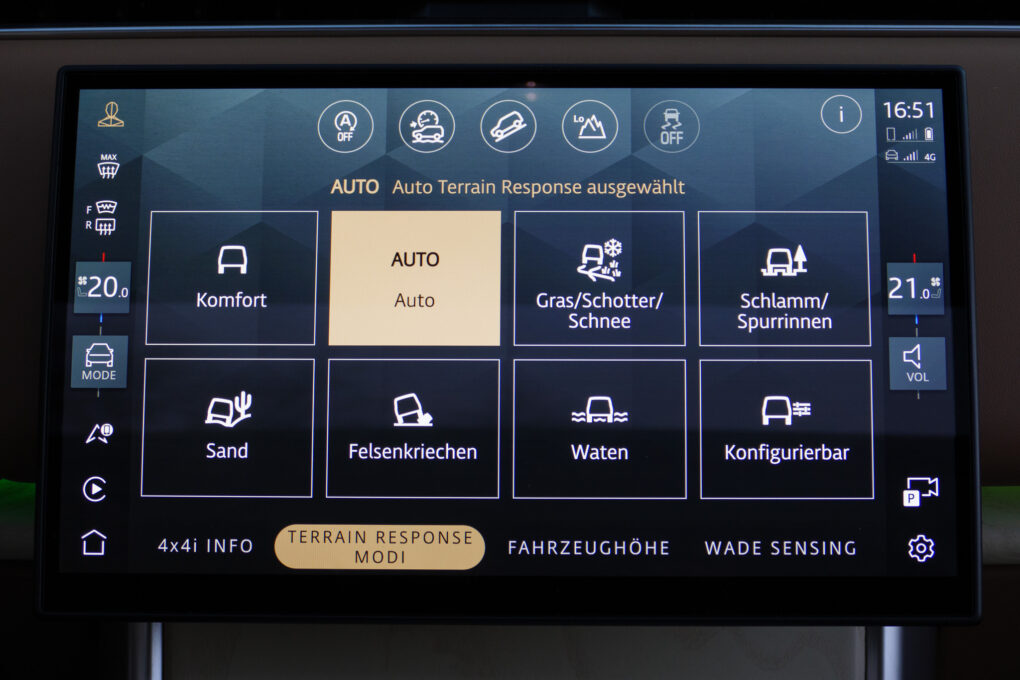
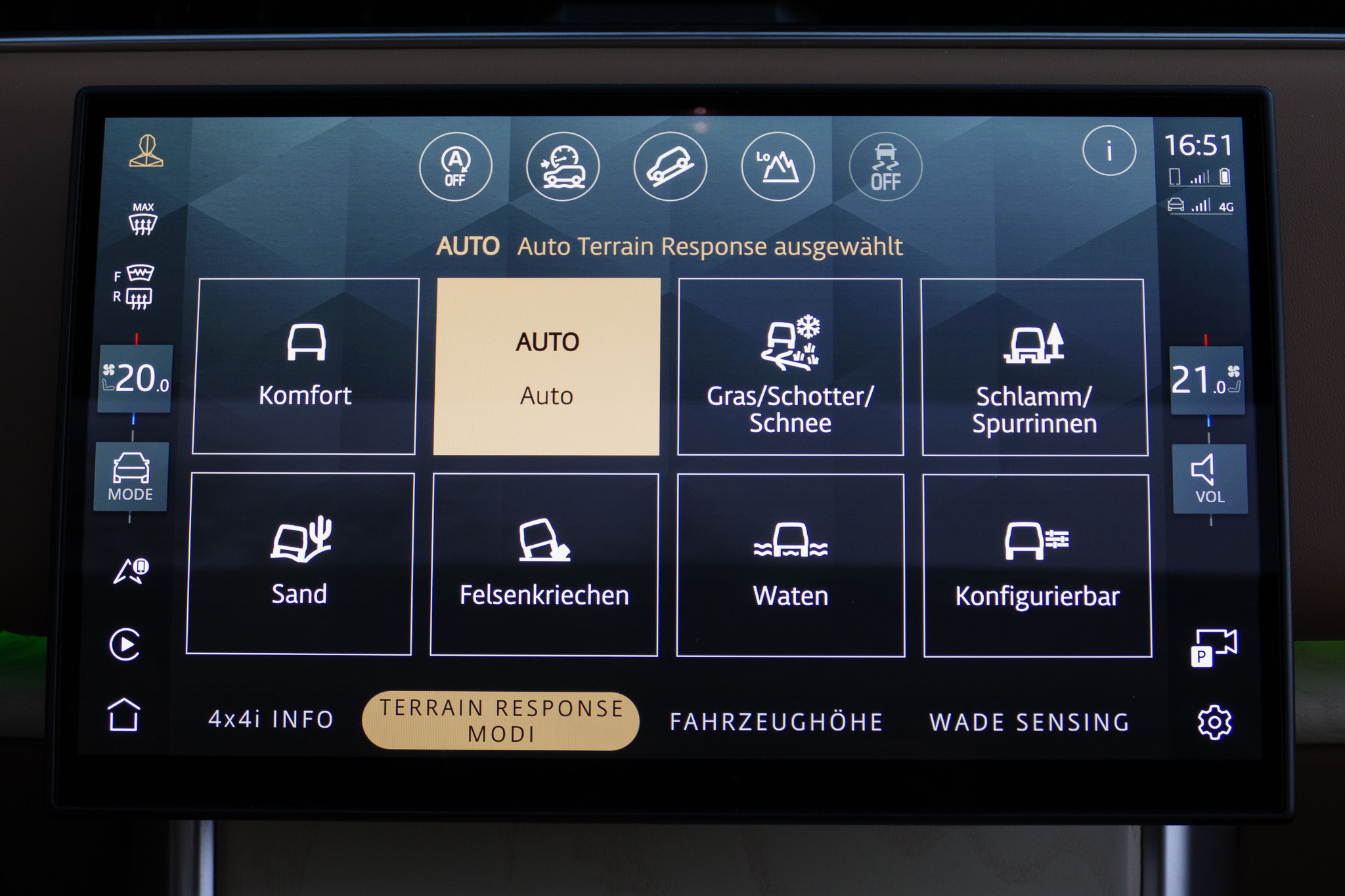
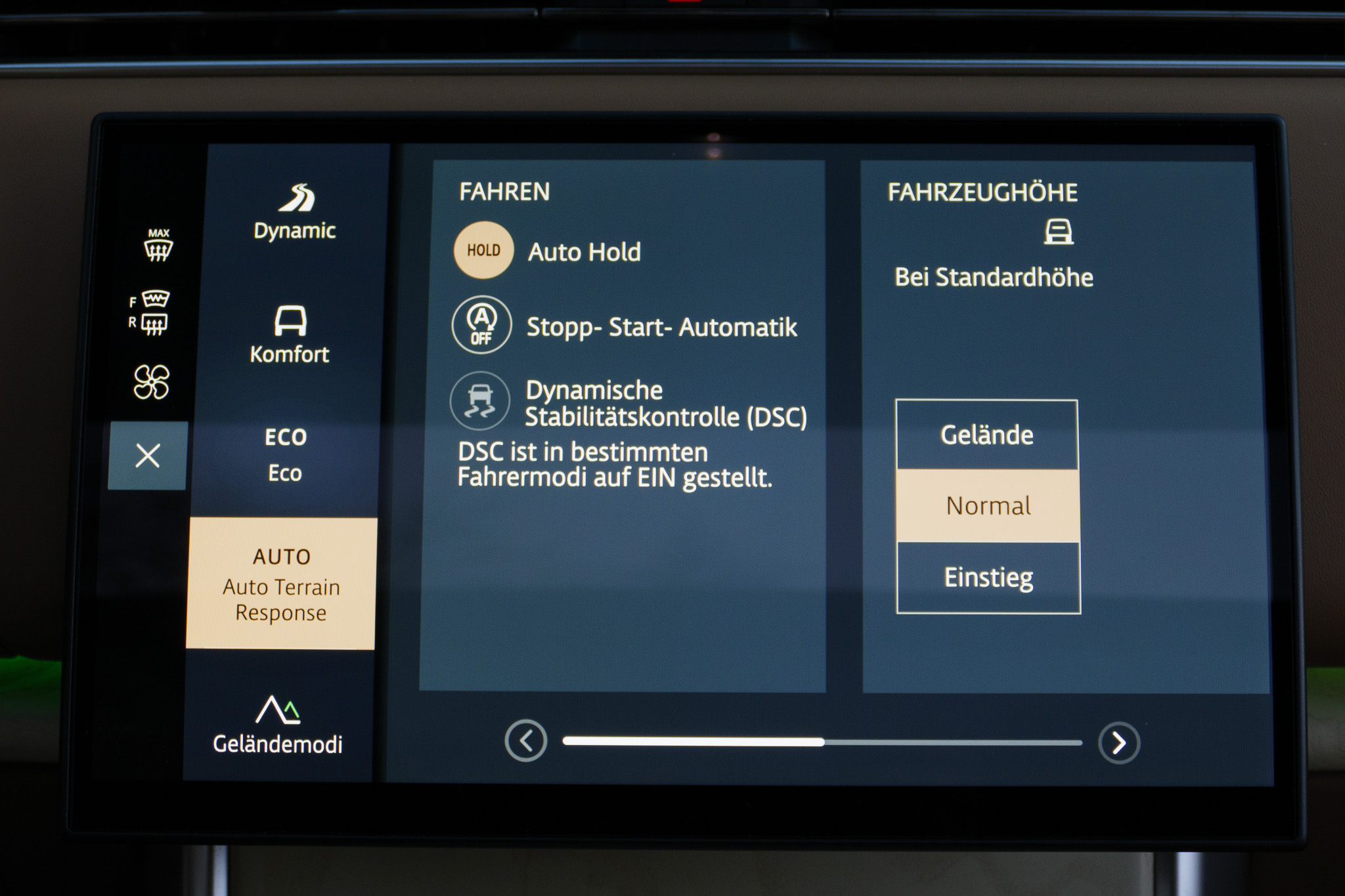
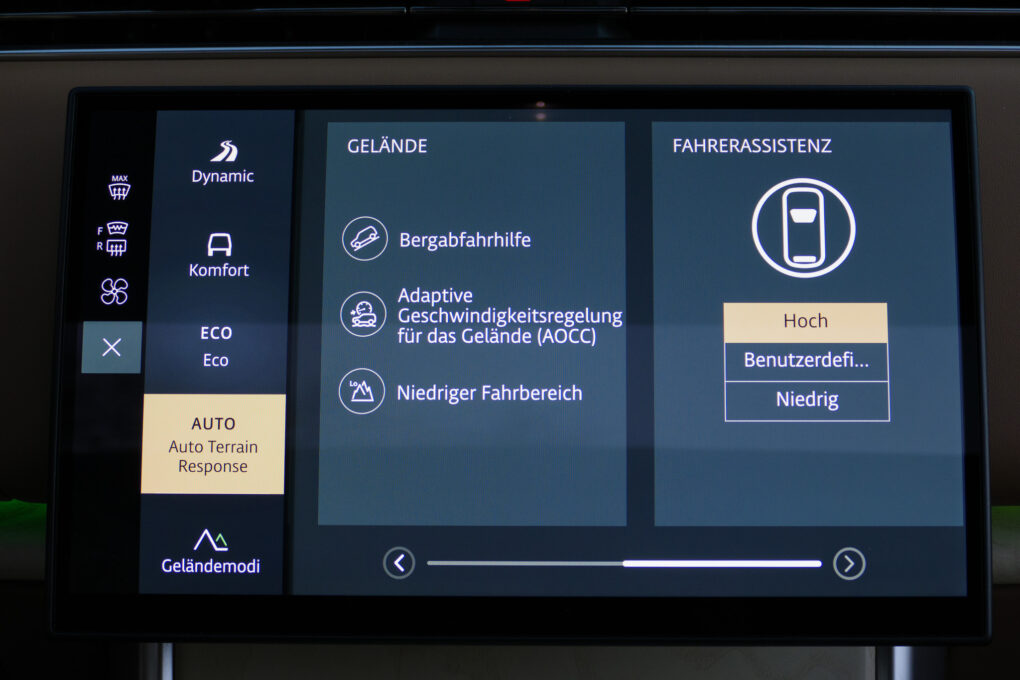
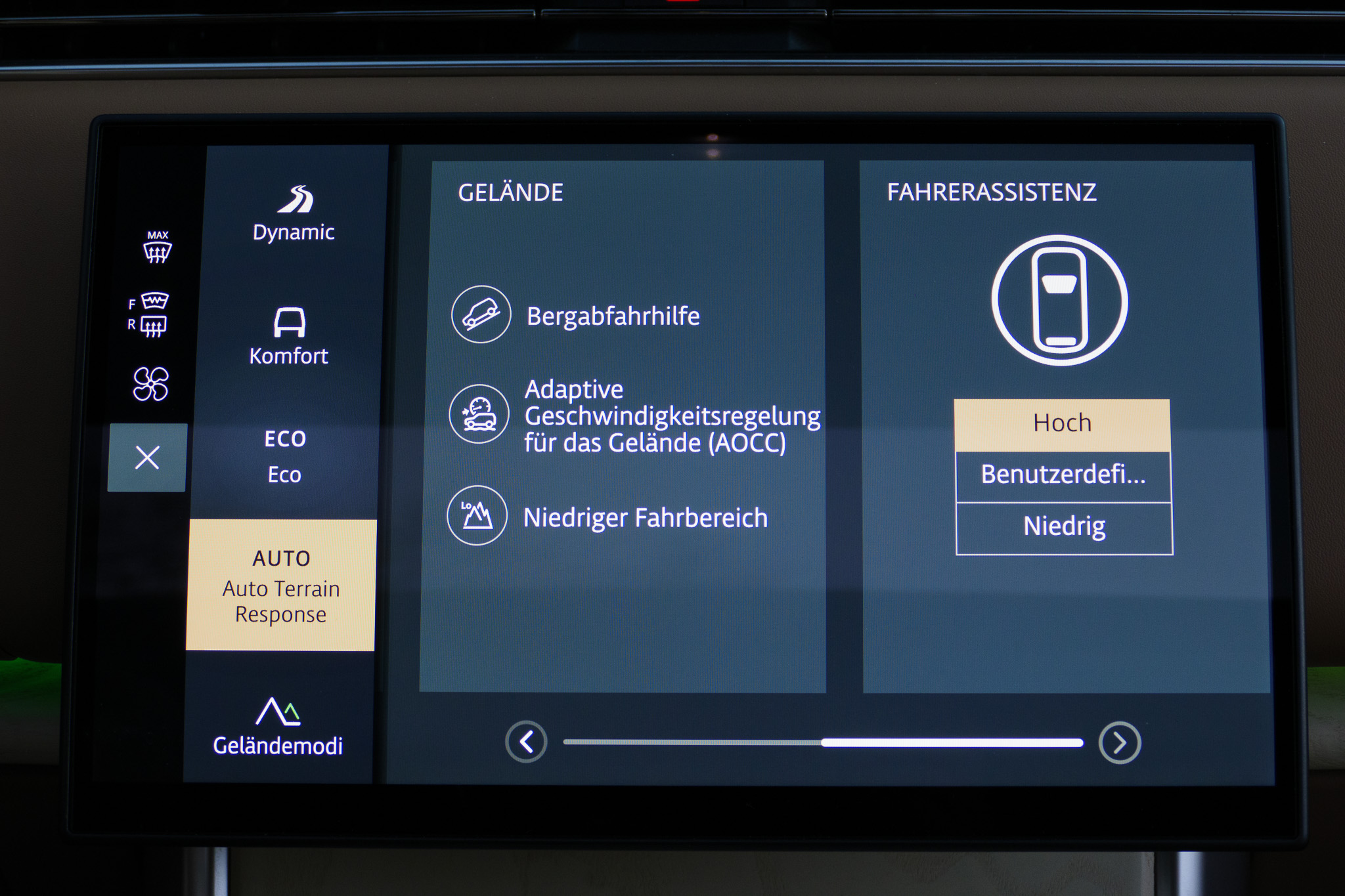
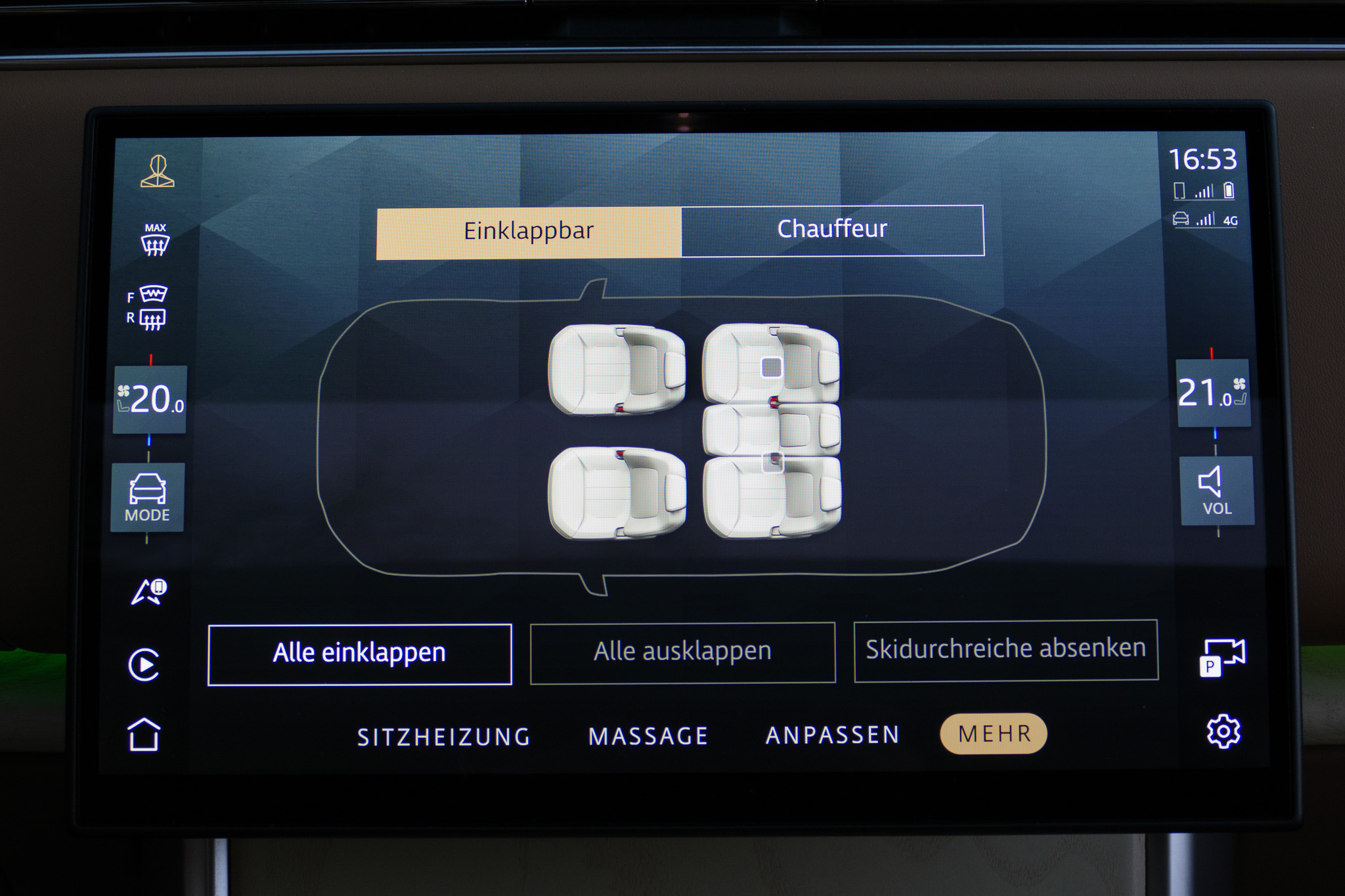
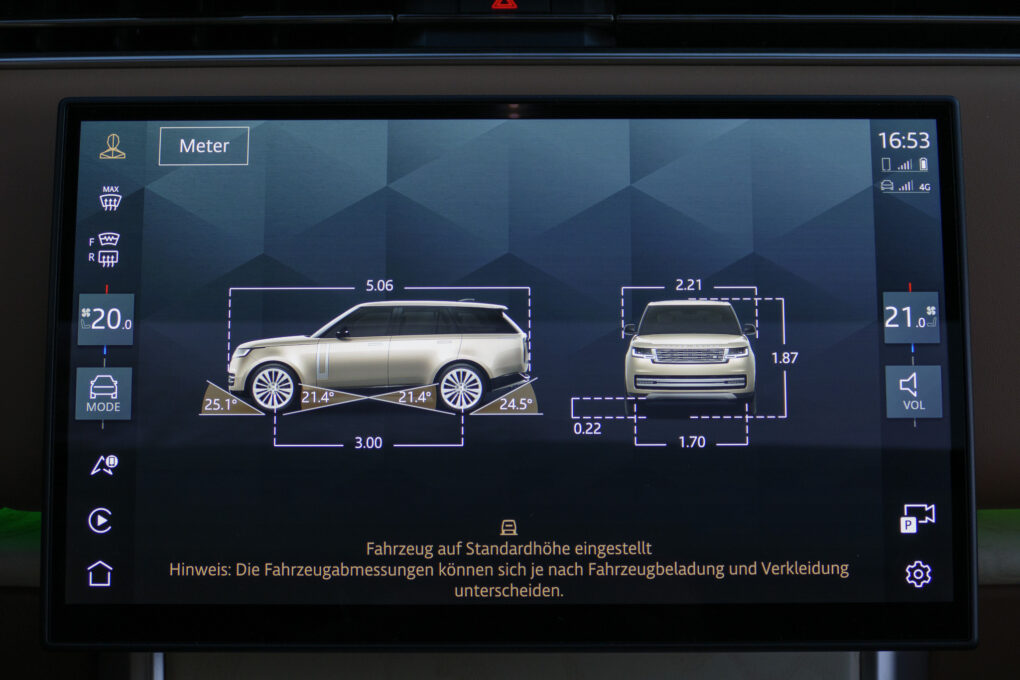
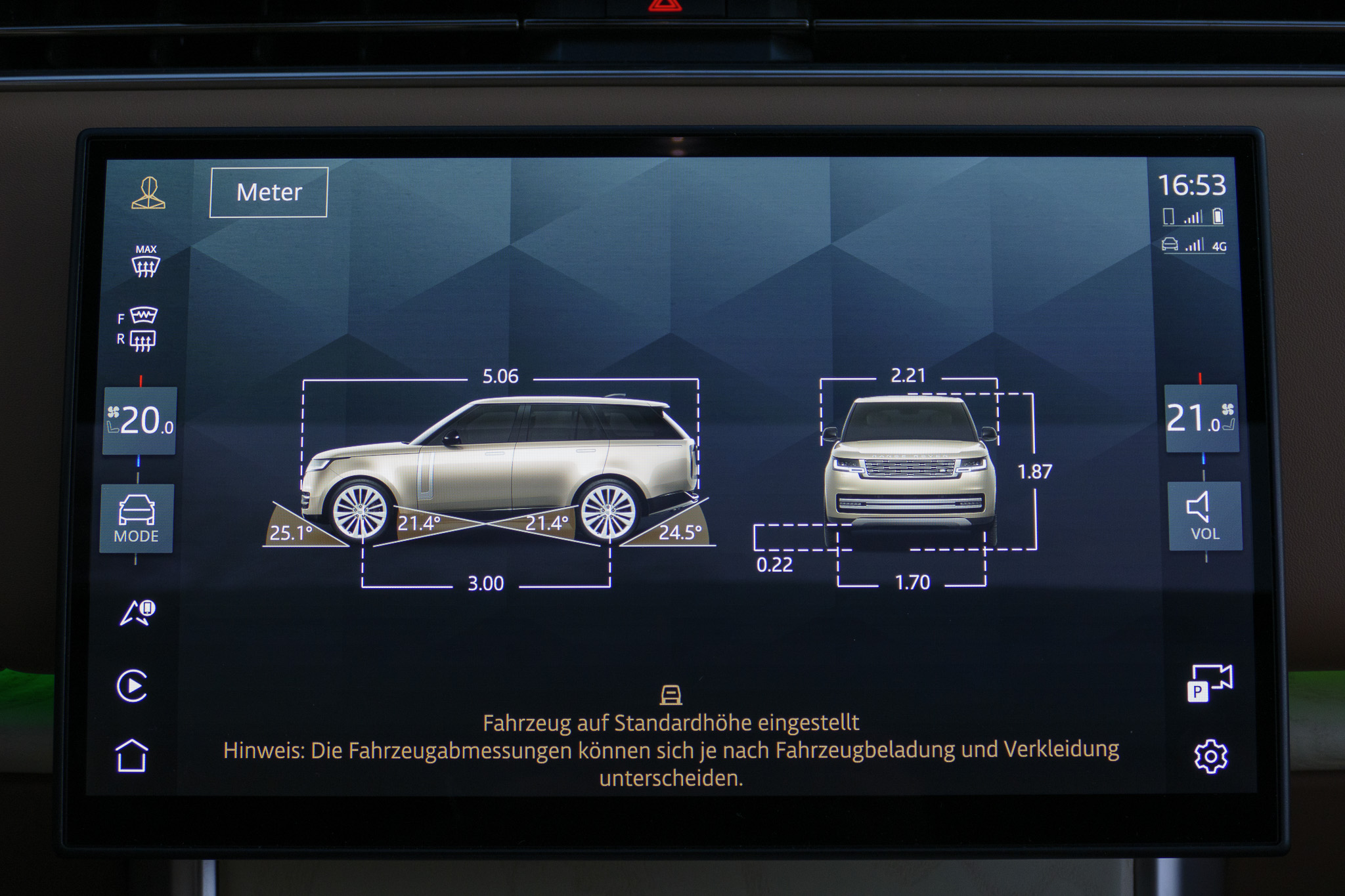
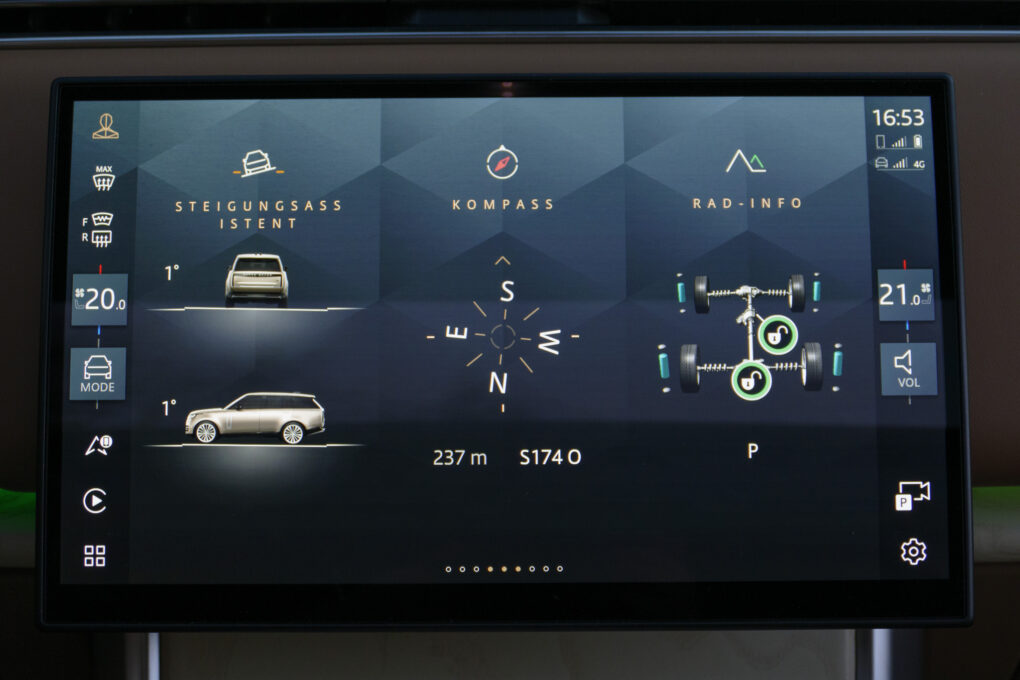
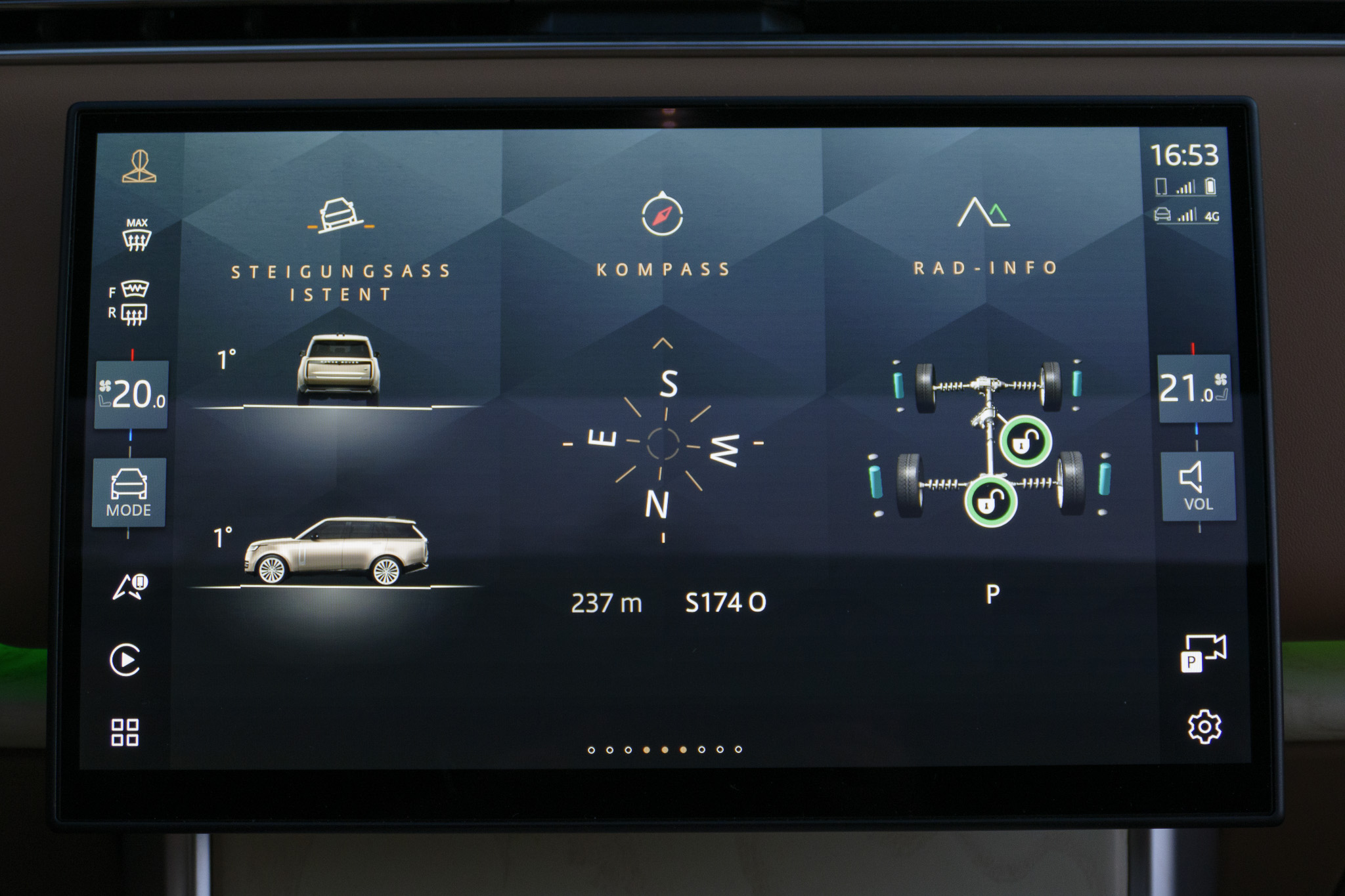
The infotainment system in the Range Rover SV is modern and clearly structured: The 13,1-inch display shows content in tiles that can be arranged as desired. Standard features include low-range mode, navigation, media, hill start assist, compass, and numerous other functions. The climate control system is particularly noteworthy. Unlike traditional systems with physical buttons, the temperature can be adjusted intuitively by swiping on the display. Operation is smooth and reliable even without looking and is one of the best touchscreen climate control solutions I have encountered. The same principle applies to driving mode selection and volume control.
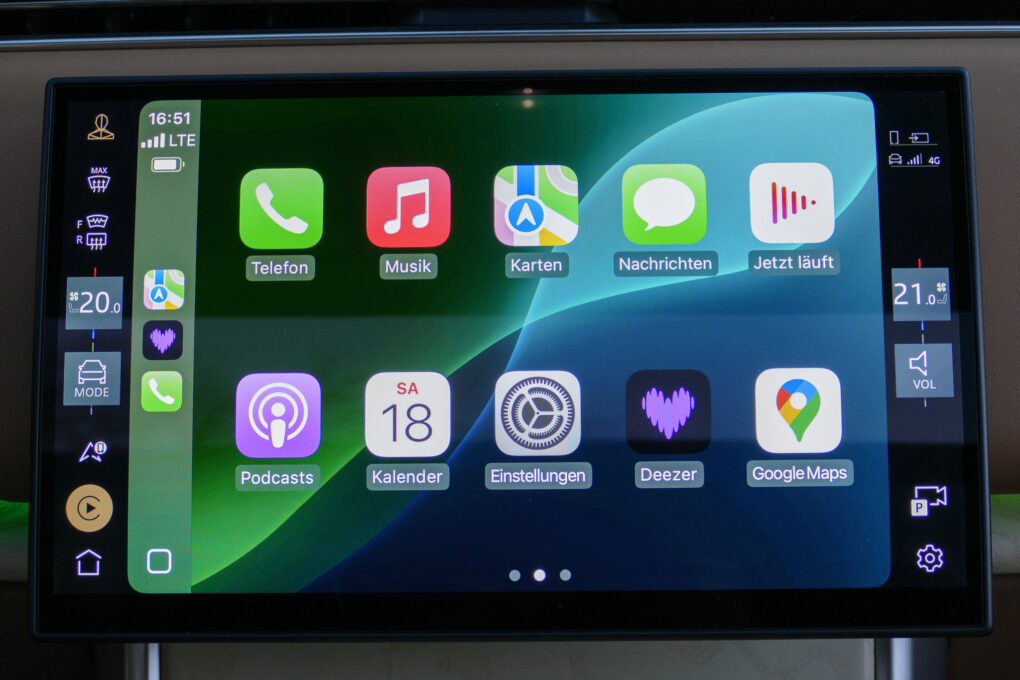
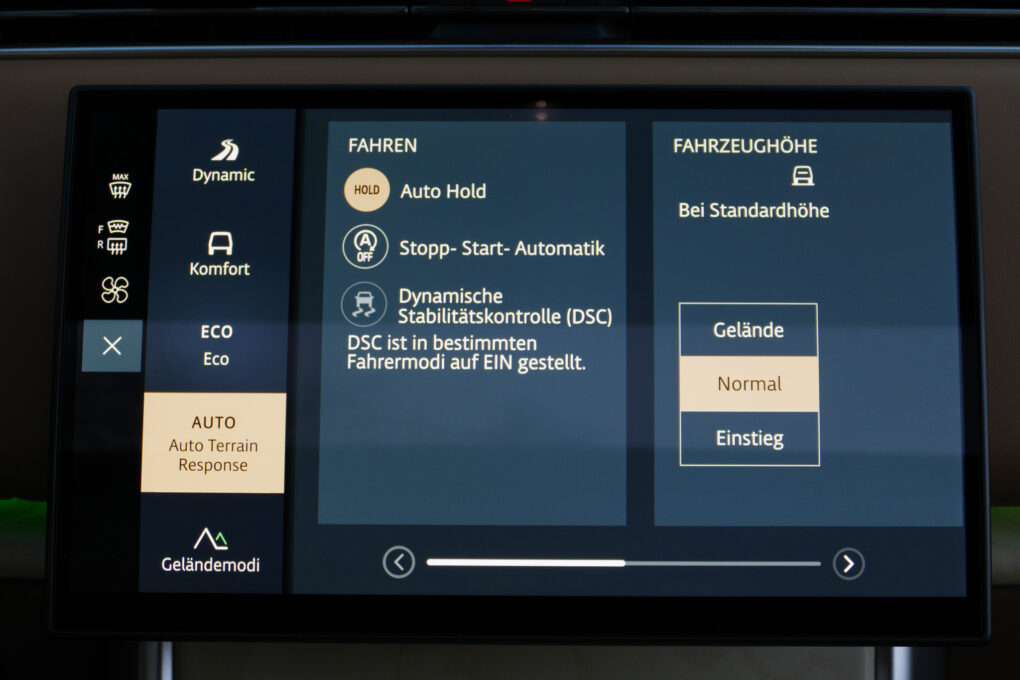
The system supports Apple CarPlay and Android Auto wirelessly and connects quickly. Furthermore, almost all vehicle functions can be controlled via the infotainment system. The vehicle height can be adjusted from normal level to off-road height, and features such as hill descent control, off-road cruise control, low-range mode, and water depth sensing (up to 90 cm) can be activated. The start/stop system can also be deactivated, although in our test the engine barely stopped, making it hardly noticeable in everyday driving.
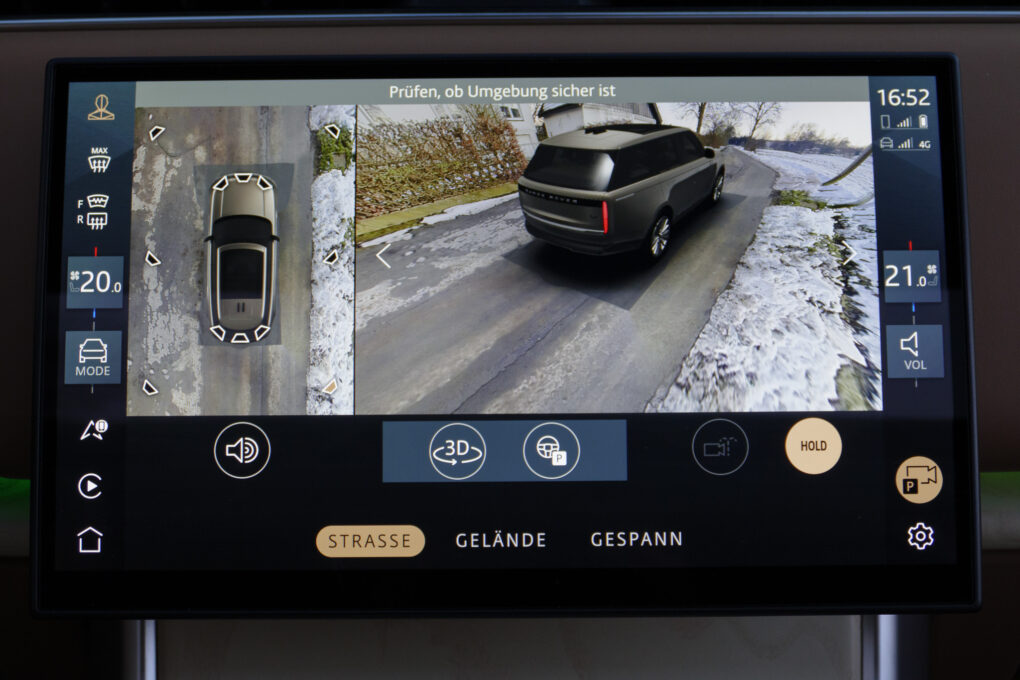
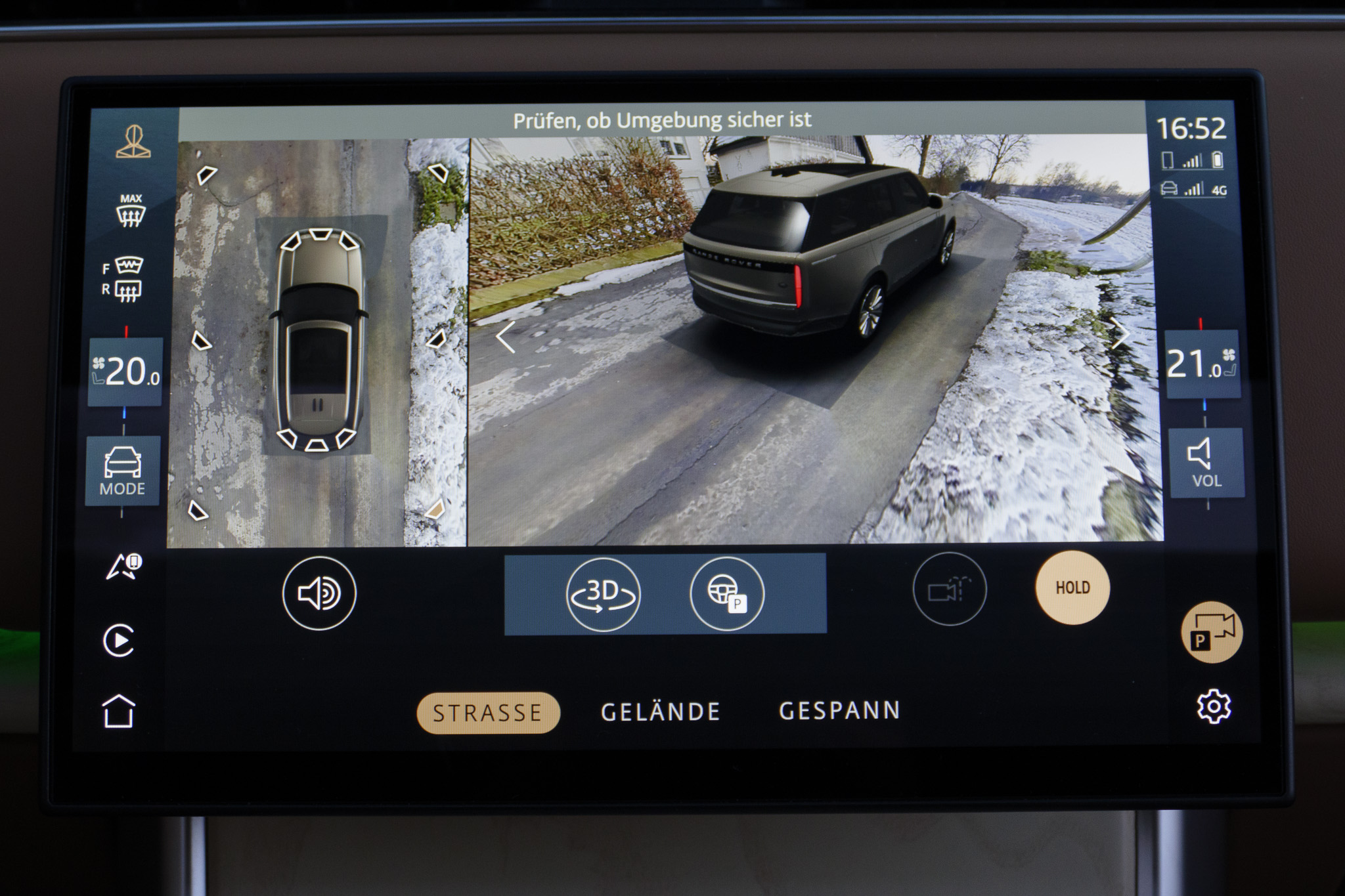
The high-resolution 360° camera is very helpful, not only assisting with maneuvering but also offering the option of displaying the vehicle as a 3D model. The reversing camera can also be cleaned with water at the touch of a button. The electric panoramic sunroof and the sunshade can be adjusted directly via the roof control unit.
The infotainment system can optionally offer haptic feedback, with a slight vibration indicating that a menu item has been activated. In my test, I found this somewhat annoying and deactivated the function because the display then only responded reliably to stronger pressure.
The voice assistant works reliably and allows you to speak into it, which is particularly useful when using the radio setting, so you can immediately re-enter a misunderstood title or radio station.
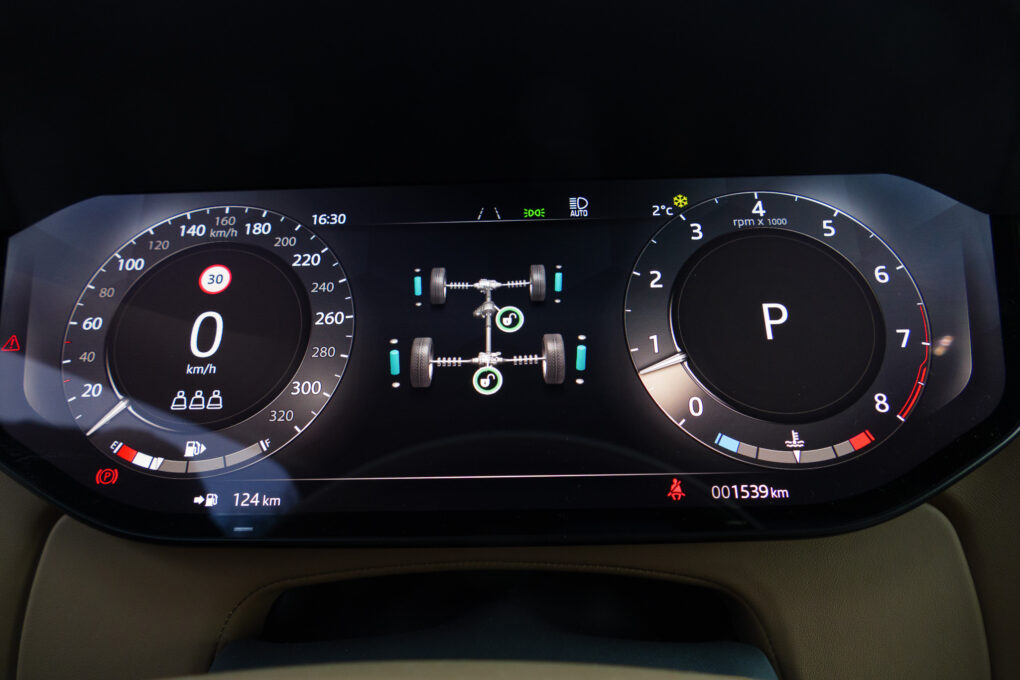
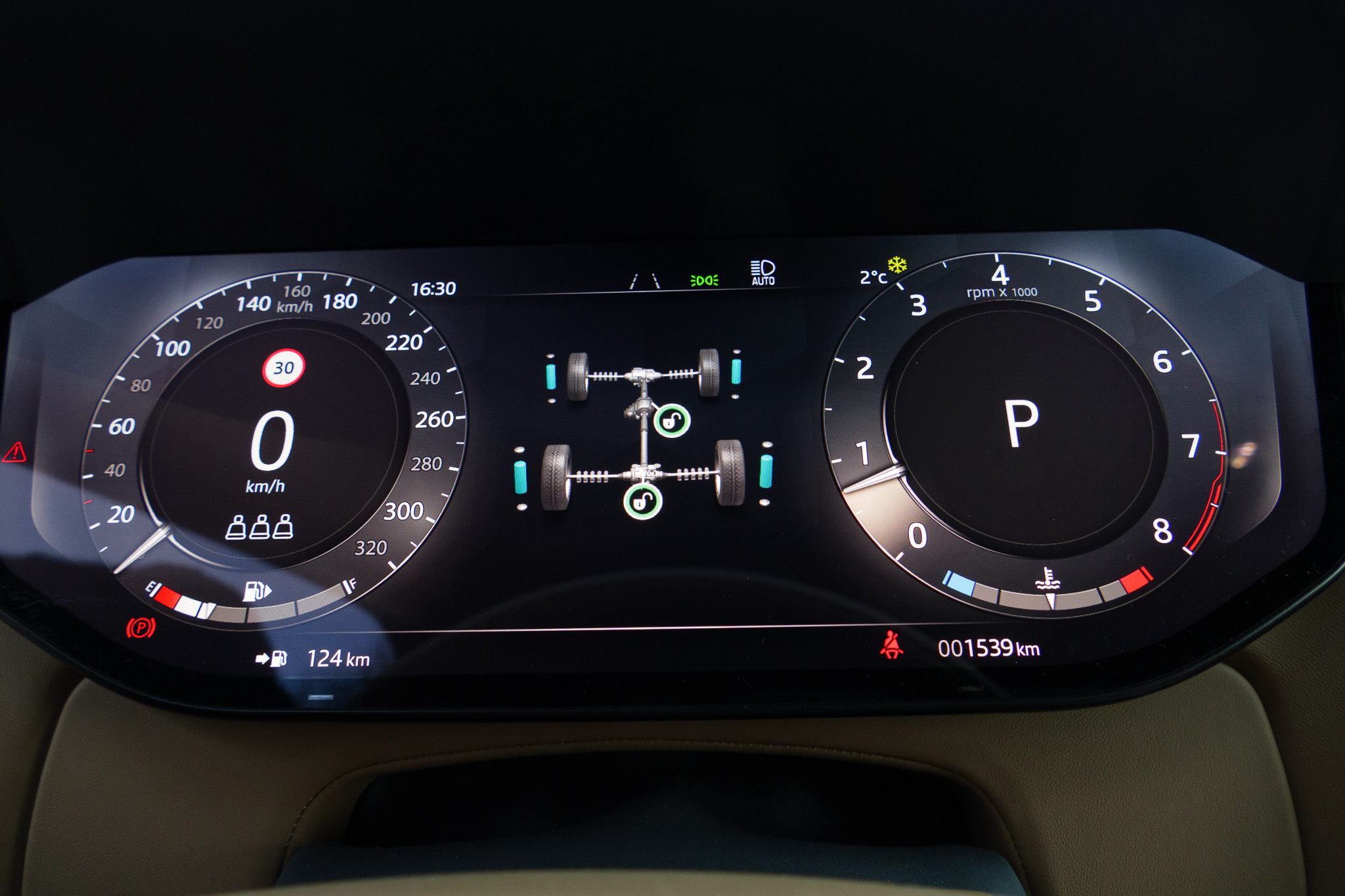
The display itself is high-resolution, as is the digital instrument cluster. The latter can also be customized, allowing information such as speed, navigation, and driver assistance systems to be displayed according to individual preferences. Overall, the infotainment system conveys a sense of modern clarity and numerous functions without appearing cluttered, and provides readily accessible access to all relevant information both in everyday driving and off-road.
-
- Picture: TechnikNews
-
- Picture: TechnikNews
-
- Picture: TechnikNews
-
- Picture: TechnikNews
-
- Picture: TechnikNews
-
- Picture: TechnikNews
-
- Picture: TechnikNews
-
- Picture: TechnikNews
-
- Picture: TechnikNews
-
- Picture: TechnikNews
Background
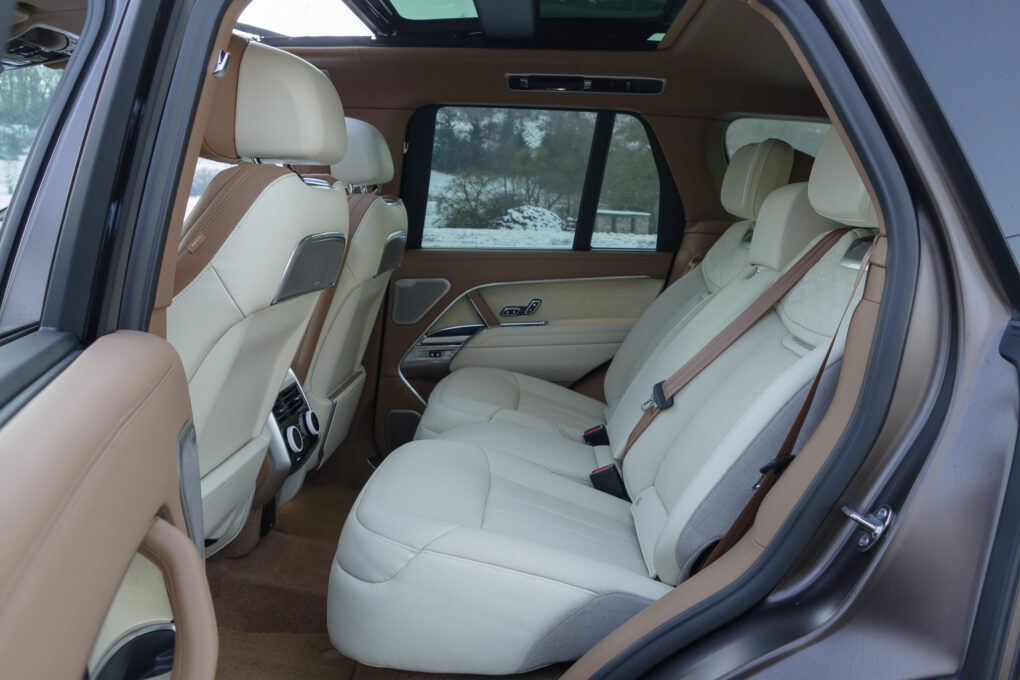
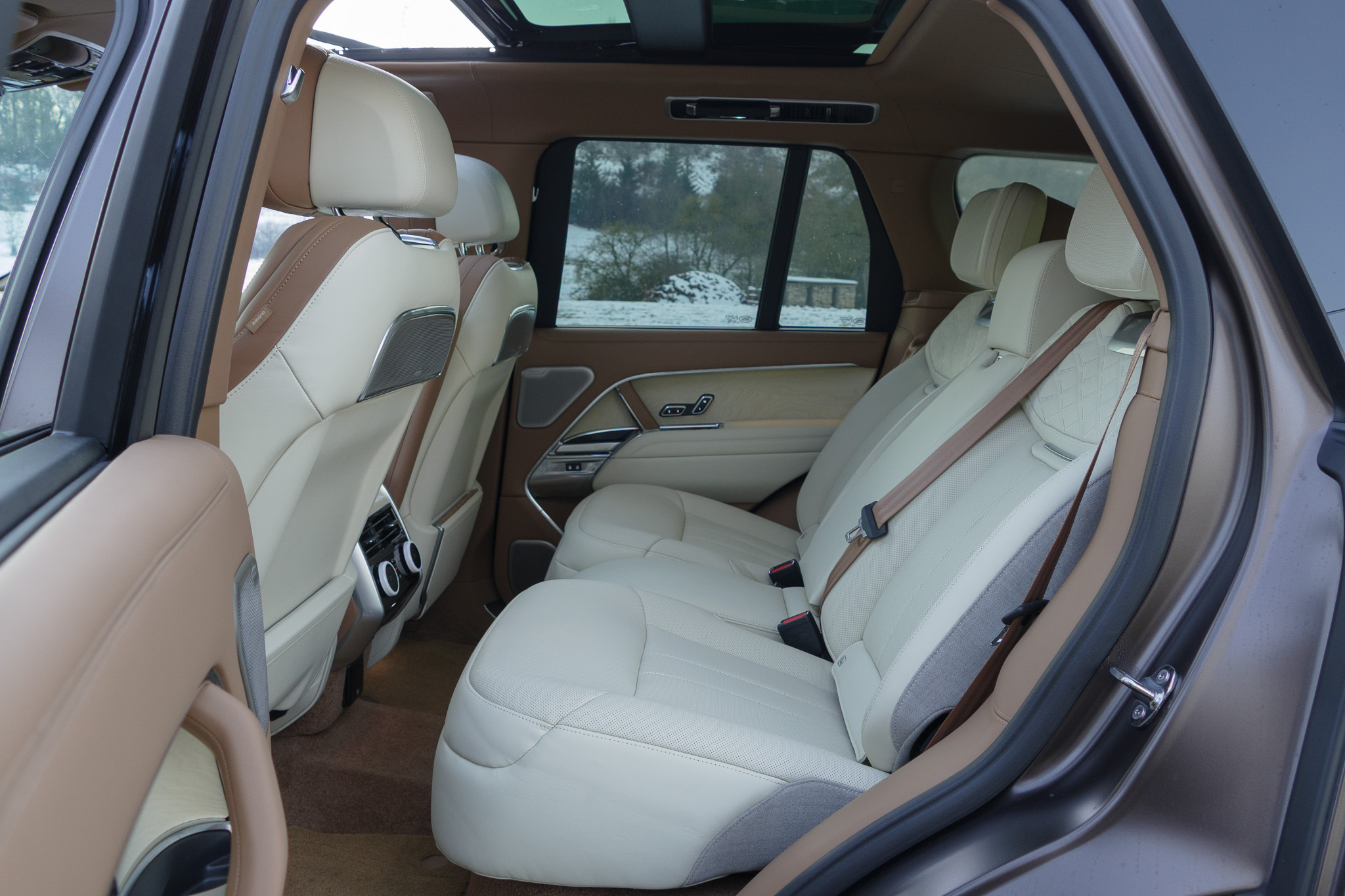
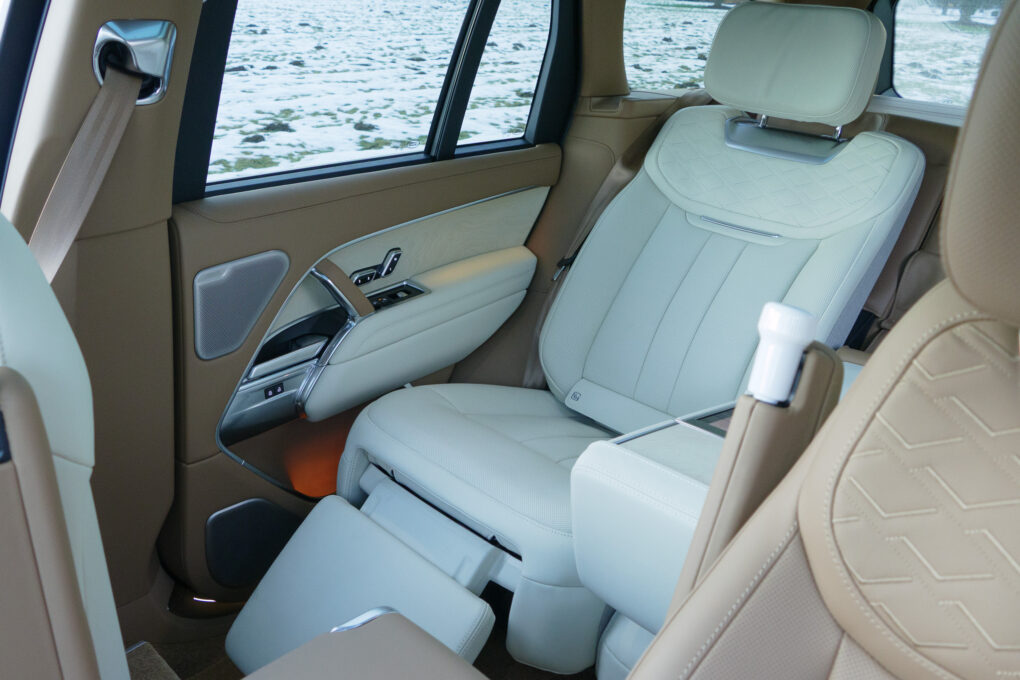
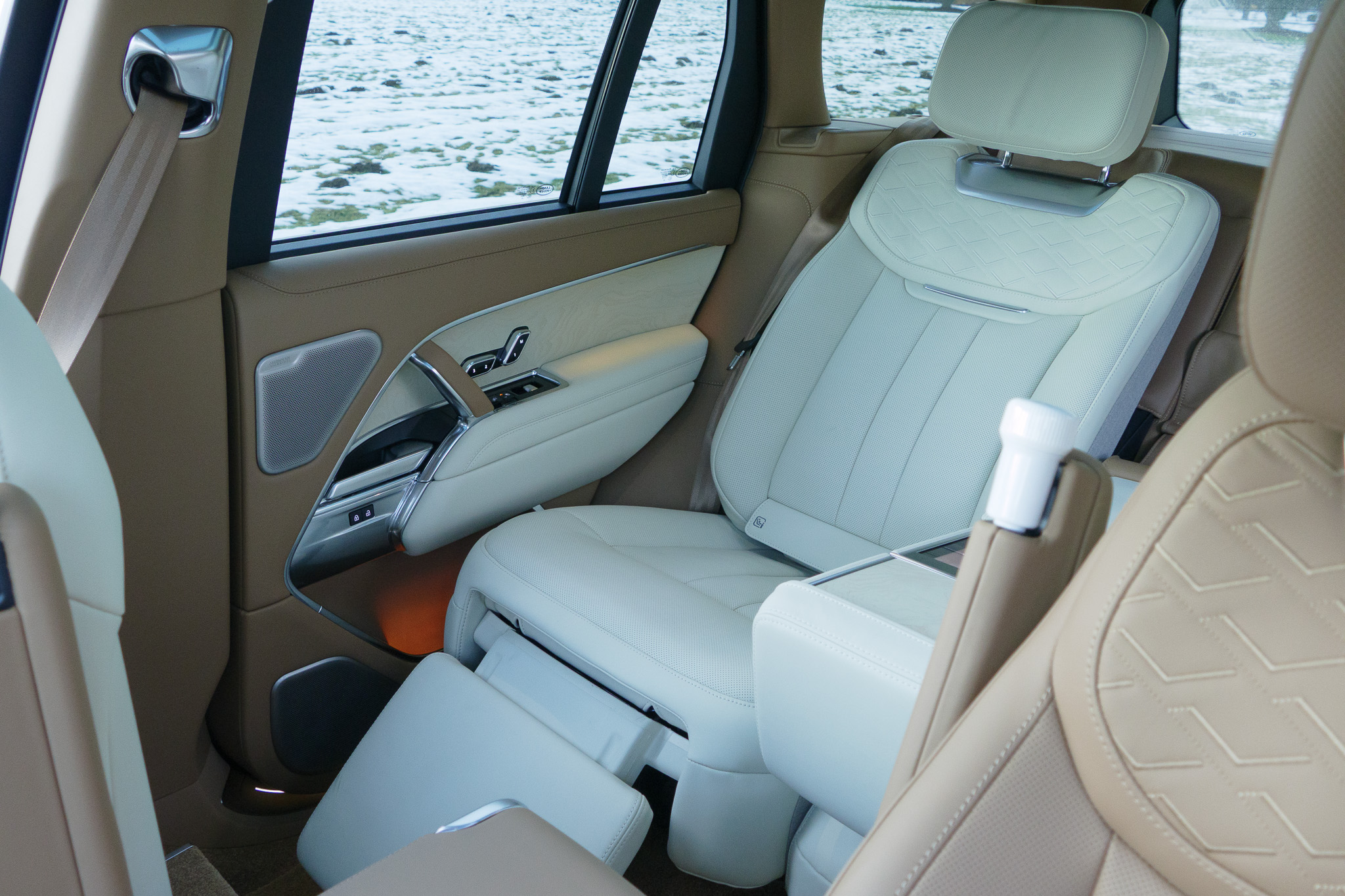
The rear of the Range Rover SV offers surprisingly more space than one would initially expect. Even someone who is 1,90 m tall can sit comfortably behind a driver of the same height.
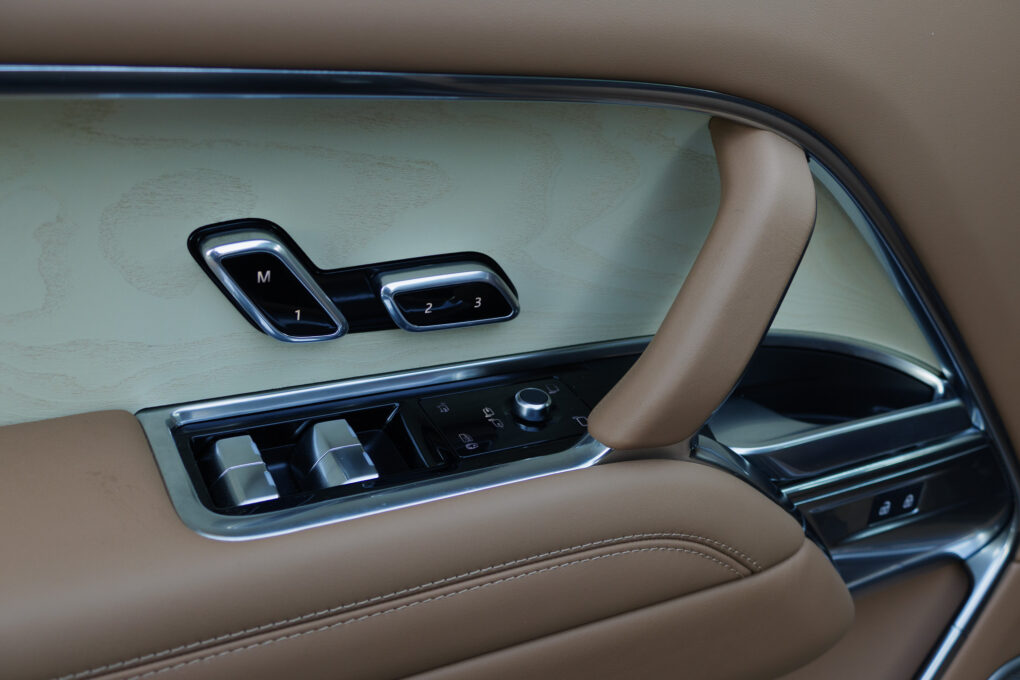
Most of the functions are controlled via the door panels: music can be paused to speak with the driver, and lighting controls are also integrated. You can choose between warm or cool light, each with adjustable brightness. This allows you to create a pleasant ambiance, for example, for reading or working on a laptop. The windows can be controlled from both rear seats, and an interesting detail stands out. If you try to fully open a window automatically, it initially opens only a crack. In my opinion, this is a practical feature if you want a quick breath of fresh air or to communicate safely with people outside. Of course, the windows can be lowered completely. When the windows are closed, the sunshade retracts electrically if needed.
The seats offer numerous adjustment options. The seat cushions can be widened, the headrests adjusted in height, and the backrest reclined via the door panels. The two outer seats feature a three-stage memory function. The middle seat has a more reclined position but still offers ample space and comfort. The roof can be controlled from the rear using the same row of buttons as the lights. The latter remembers the last selected light color. Additionally, there are air vents above the passengers on the roof control panel, but these cannot be completely closed, resulting in a faint whistling sound. A minor point of criticism in an otherwise high-quality interior.
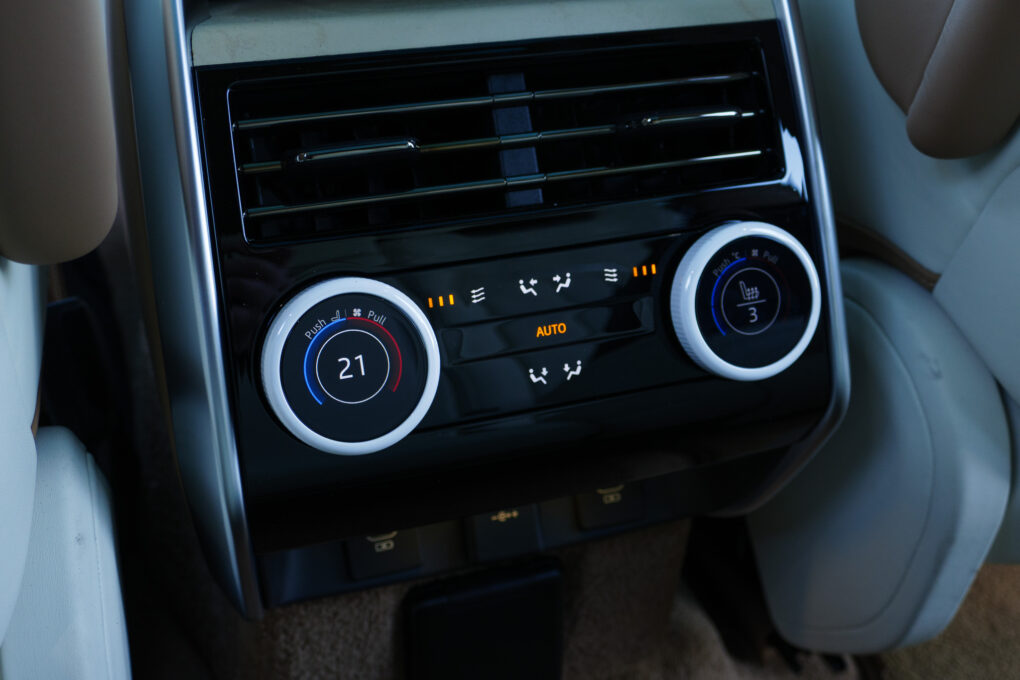
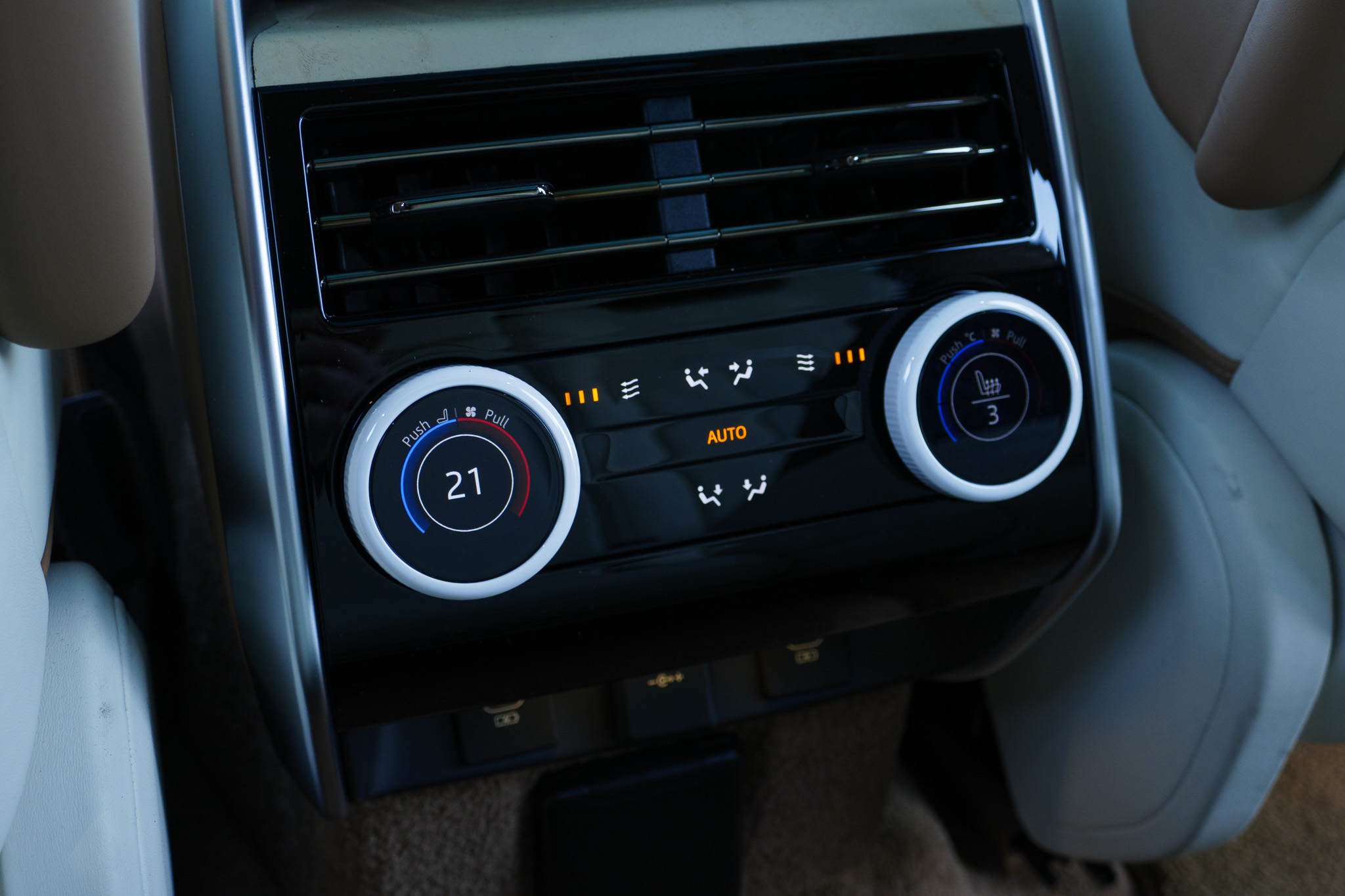
The silver coat hooks are conveniently located on the C-pillar. The climate control for the rear seats is intuitive and familiar from other models. The electric rotary control allows you to adjust not only the temperature, but also the seat ventilation and heating. The airflow can be directed automatically or specifically to the footwell or upper body.
-
- Picture: TechnikNews
-
- Picture: TechnikNews
Electric center console
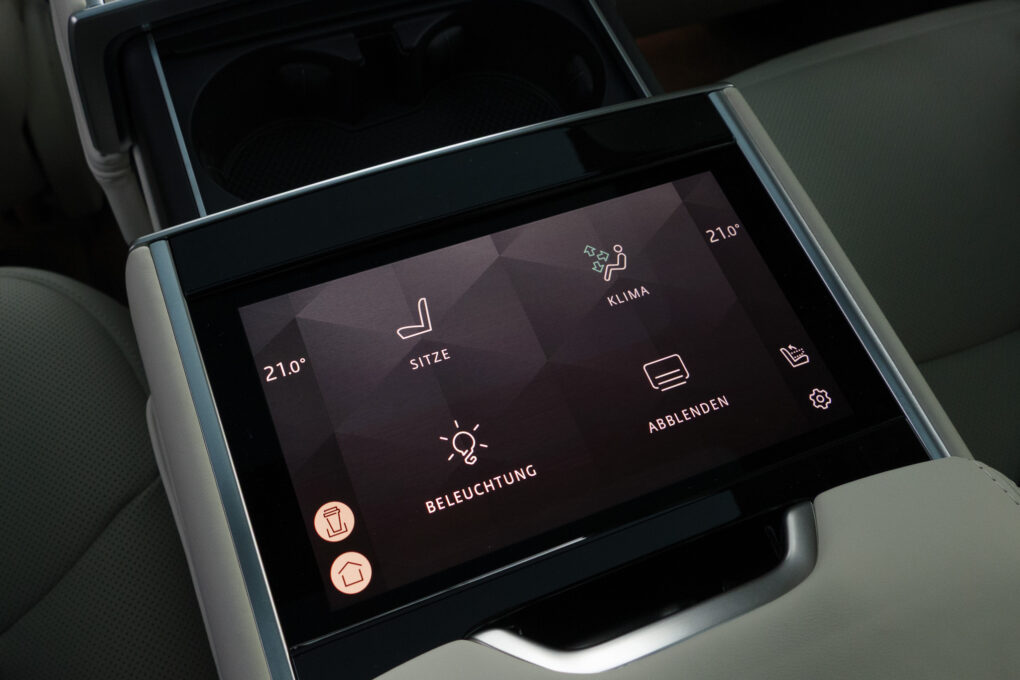
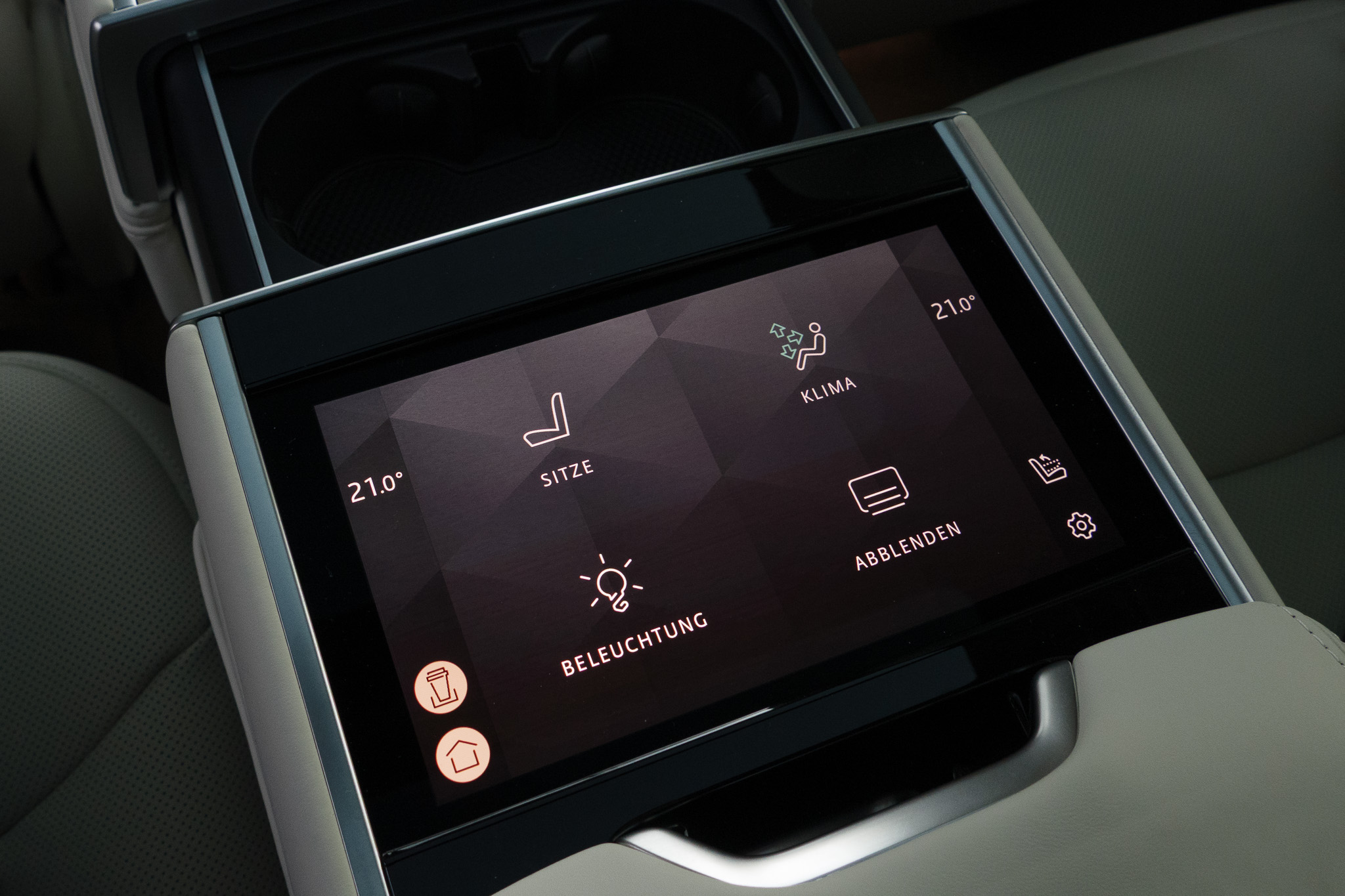
The electric center console in the rear of the Range Rover SV is unique. At the touch of a button, it extends and transforms into a generously sized armrest. The front wood trim also moves forward electrically, revealing two cupholders or champagne holders. A smartphone can be placed in the center, provided it isn't too large. At the touch of another button, the cupholders retract, leaving the armrest closed and uncluttered.
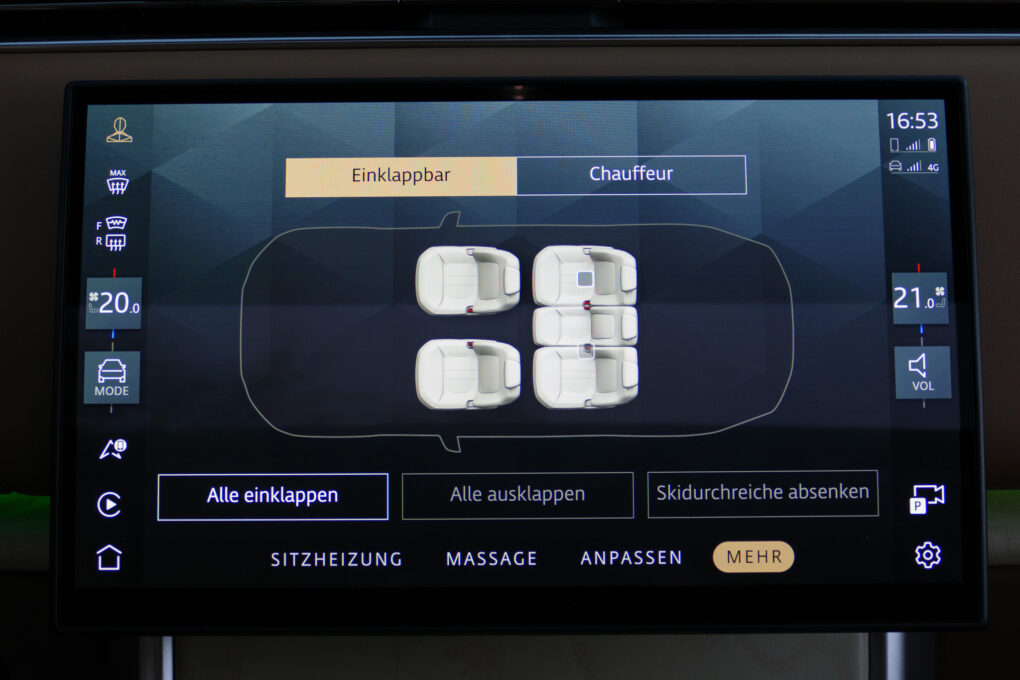
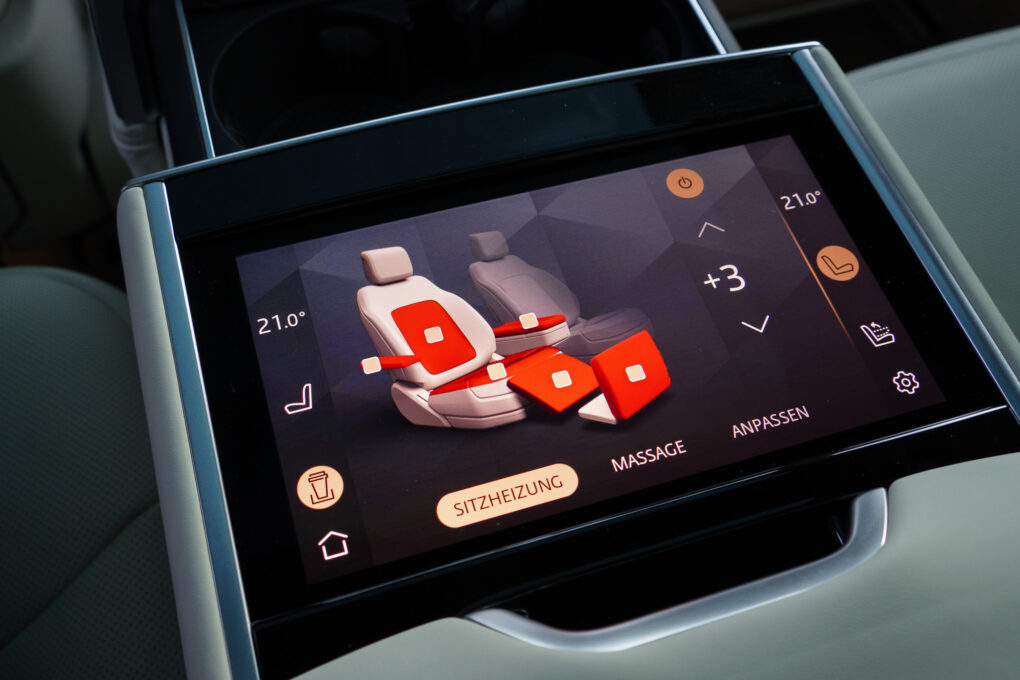
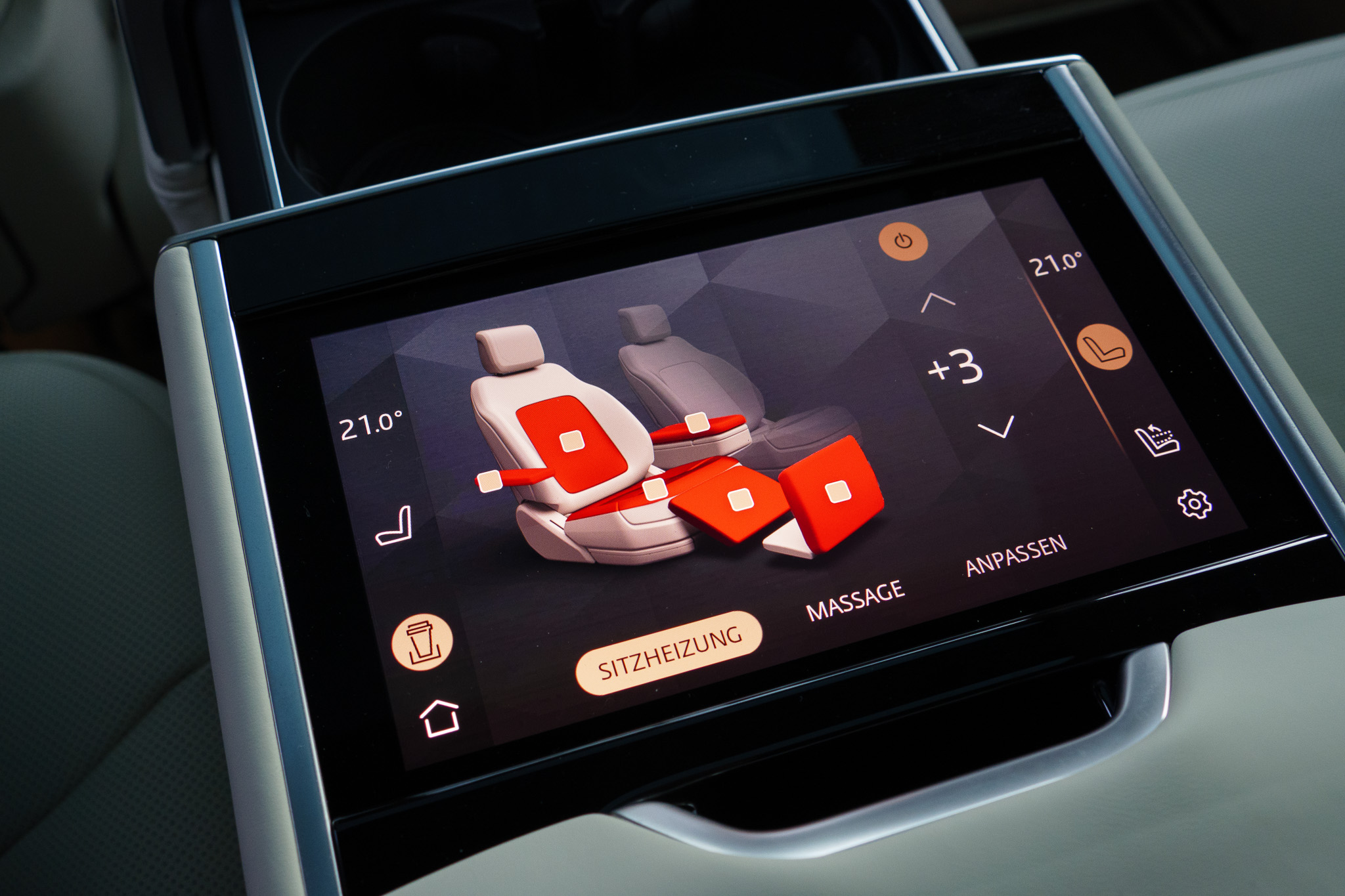
The seats can be adjusted in detail via the center console. Seat heating and cooling can be activated for individual areas: the cooling affects the seat and backrest, while the heating can be adjusted to specific areas such as the feet, thighs, seat cushion, or back. The armrests on the door panels and the leather-covered parts of the center console can also be heated individually.
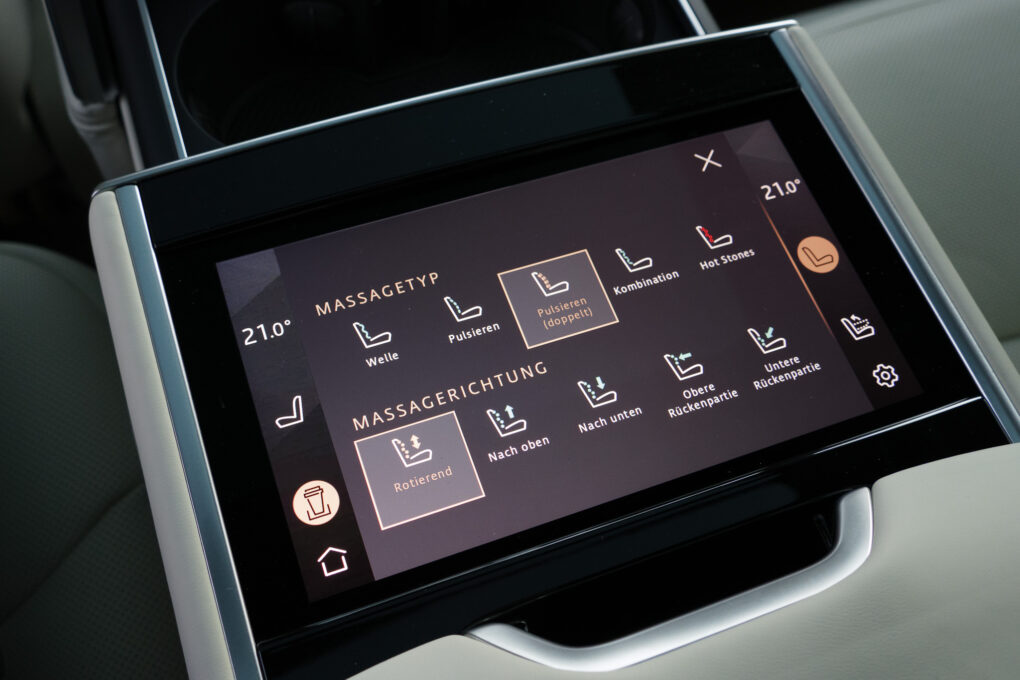
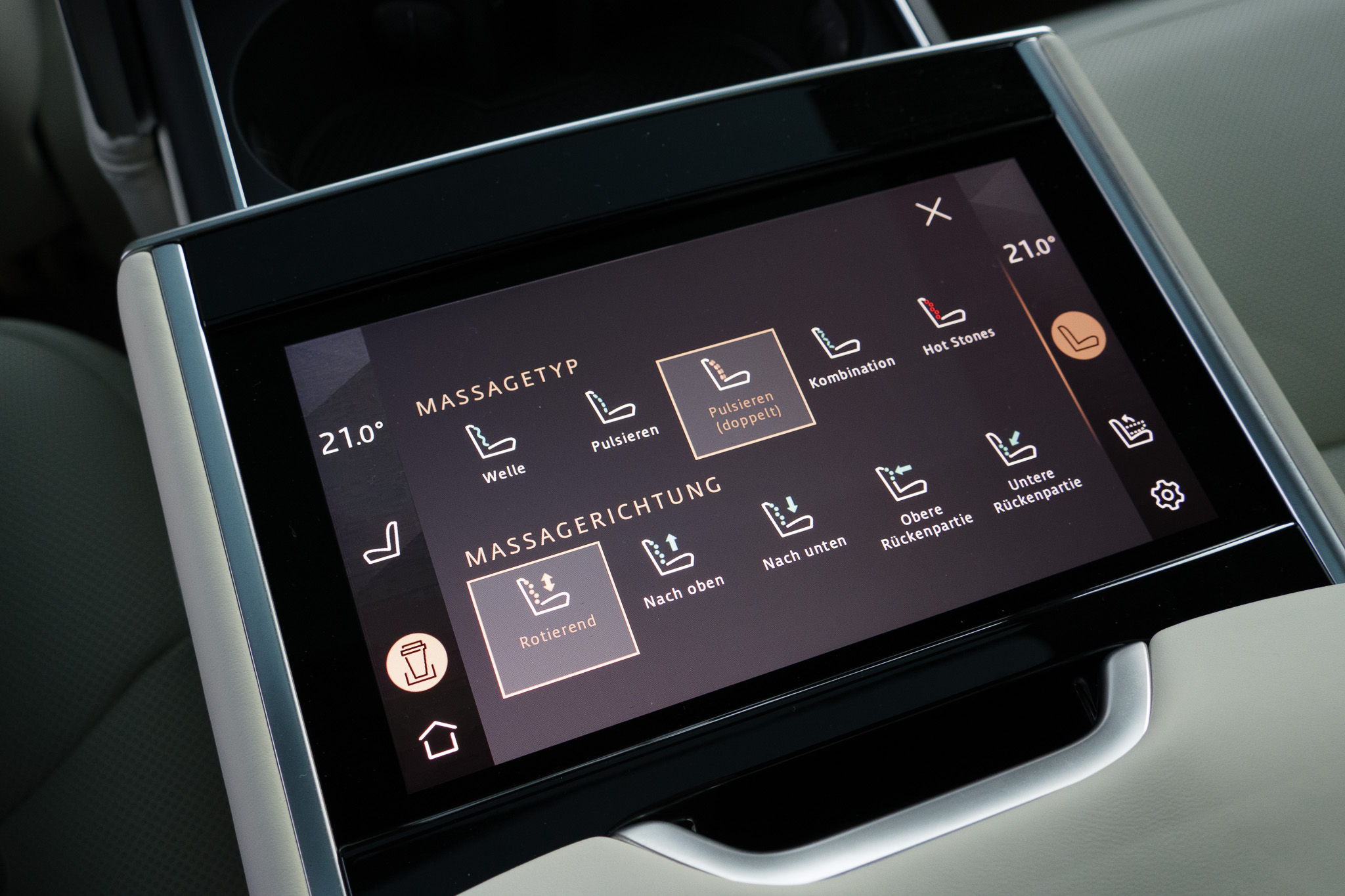
The massage function offers five modes, each with five directions and five intensity levels. At the touch of a button, the right rear seat can be reclined into a lying position, with the front seat moving forward, the leg rest raising, and the footrest lowering. This ensures a very relaxed position, even on longer journeys, although it does slightly restrict the driver's view to the right. All elements of the reclining position (footrest, leg rest, seat bolsters, backrest, and headrest) can be adjusted individually. A single press of a button transforms the reclining seat back into a normal seat, allowing a front passenger to sit in the front again.
The front seat can also be adjusted from the rear, increasing legroom or moving the headrest forward. The latter is very practical for passengers who want to see out the front or for those prone to dizziness. The climate control is easily operated via the display, as is the lighting. The sunshades can also be adjusted to any desired position. Naturally, the ambient lighting can also be individually customized. A pass-through to the trunk allows items to be retrieved from the luggage compartment while driving. For those in a hurry, the display can optionally show the arrival time of the destination set in the navigation system.
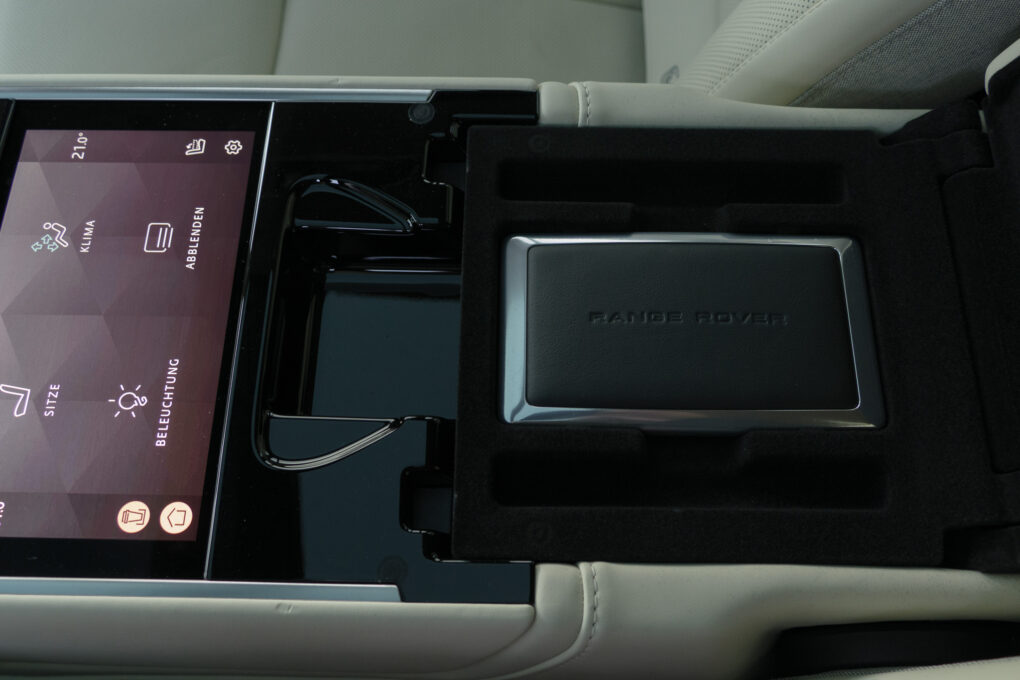
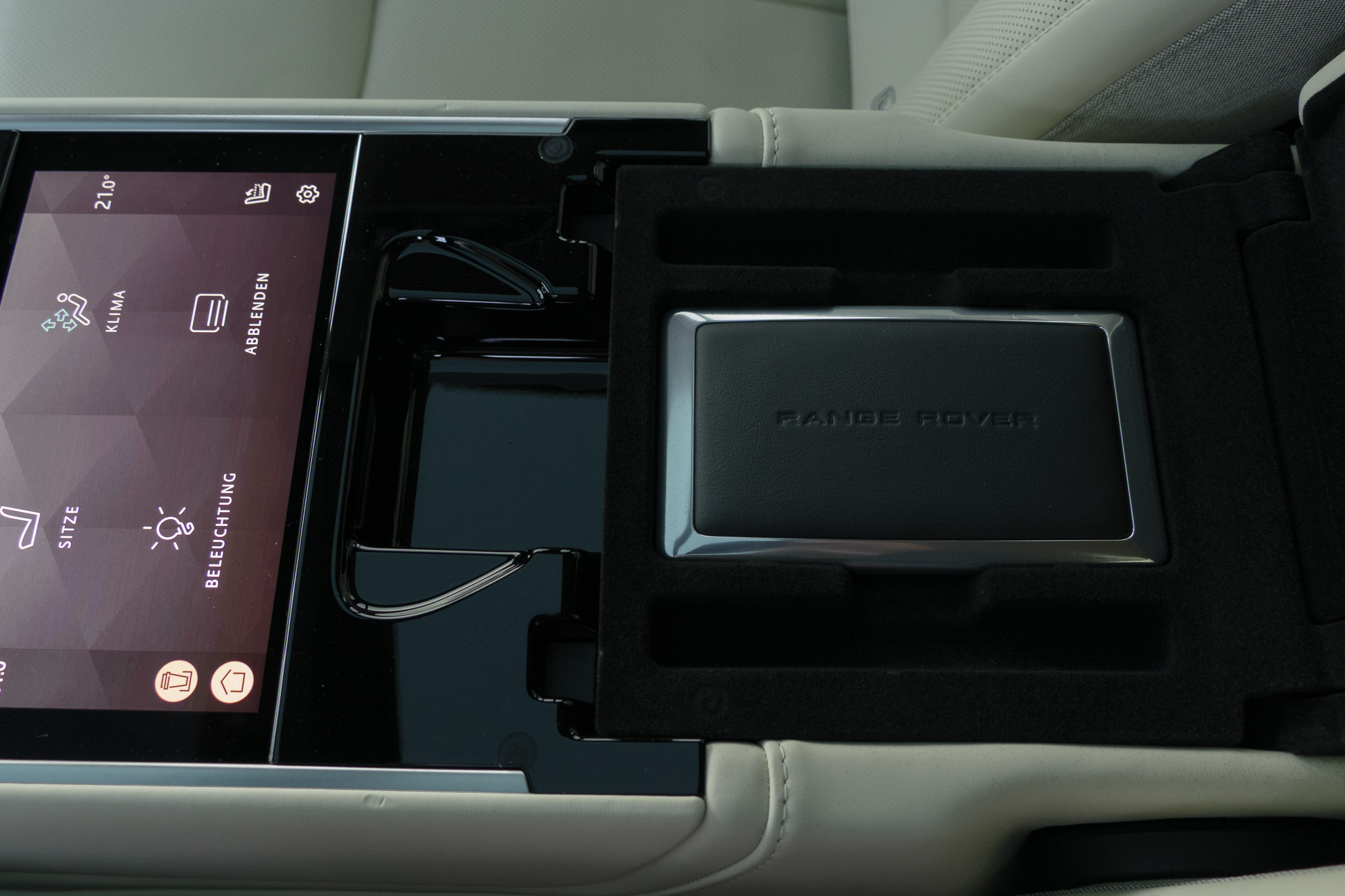
Beneath the leather-covered section of the center console is a two-tiered compartment. First, a leather-covered mirror with the RANGE ROVER logo is revealed, next to which are two small storage compartments, perhaps for pens. Below this is another illuminated compartment (7 cm high x 13 cm wide x 15 cm deep) with two USB-C ports. Additional connections are located under the front of the center console: two USB-C ports, a 12-volt socket, and a 230-volt socket with 130 W AC power. With a simple tap on the touchscreen, the armrest rises again.
-
- Picture: TechnikNews
-
- Picture: TechnikNews
-
- Picture: TechnikNews
-
- Picture: TechnikNews
trunk
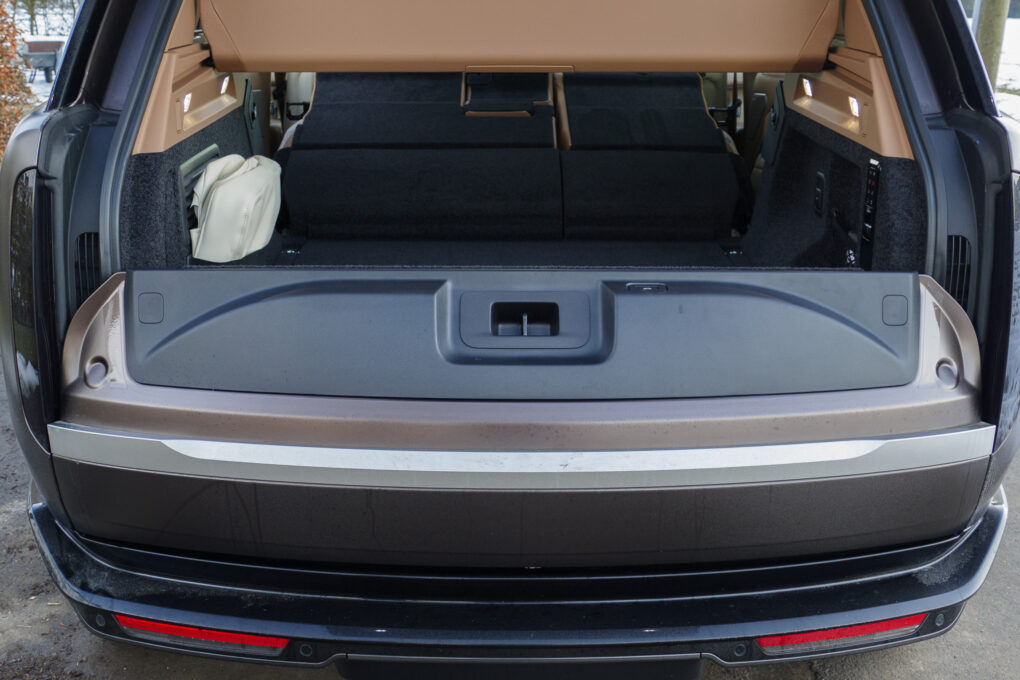
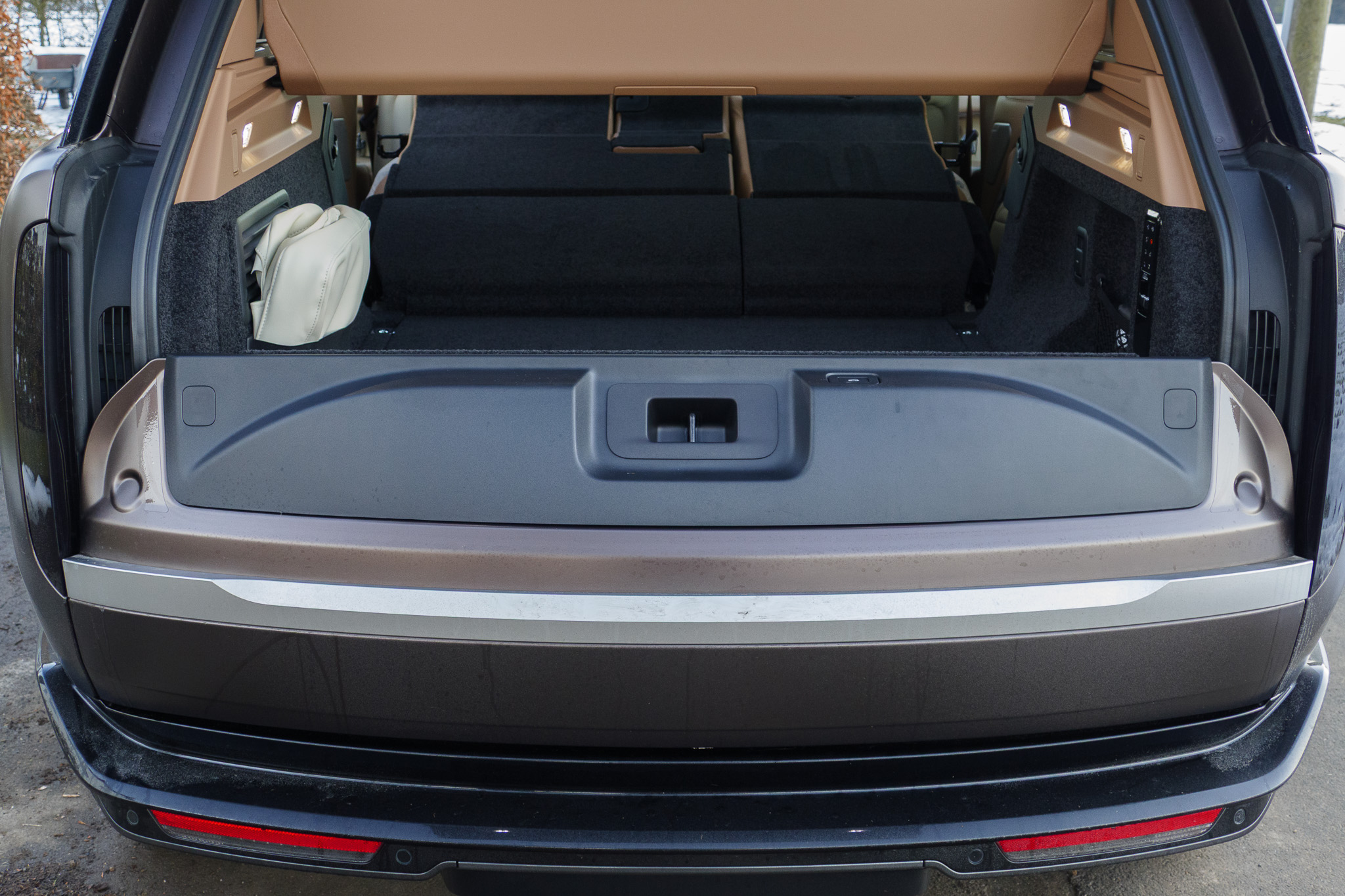
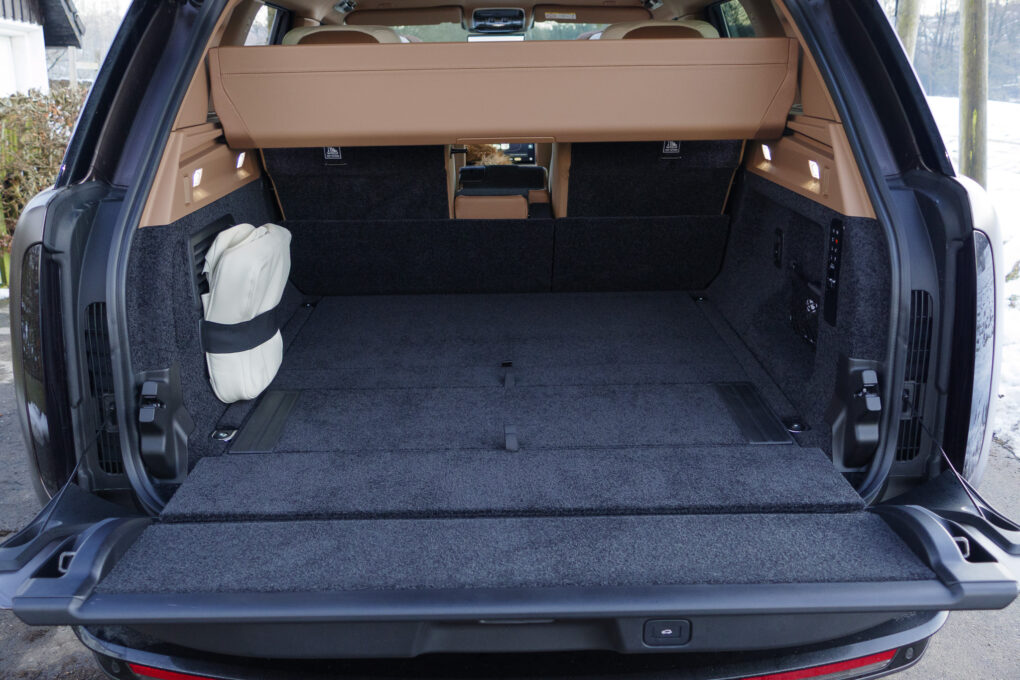
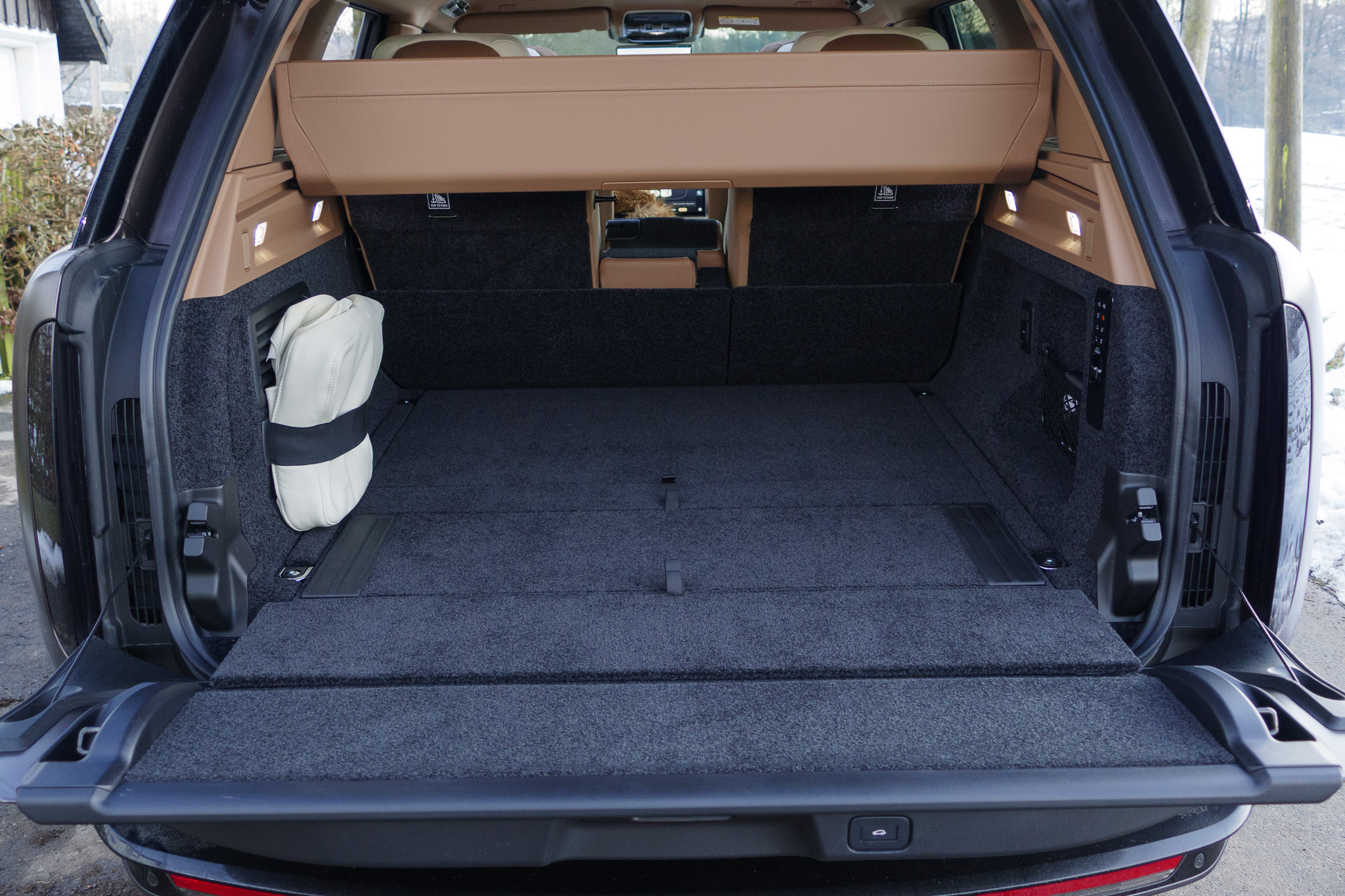
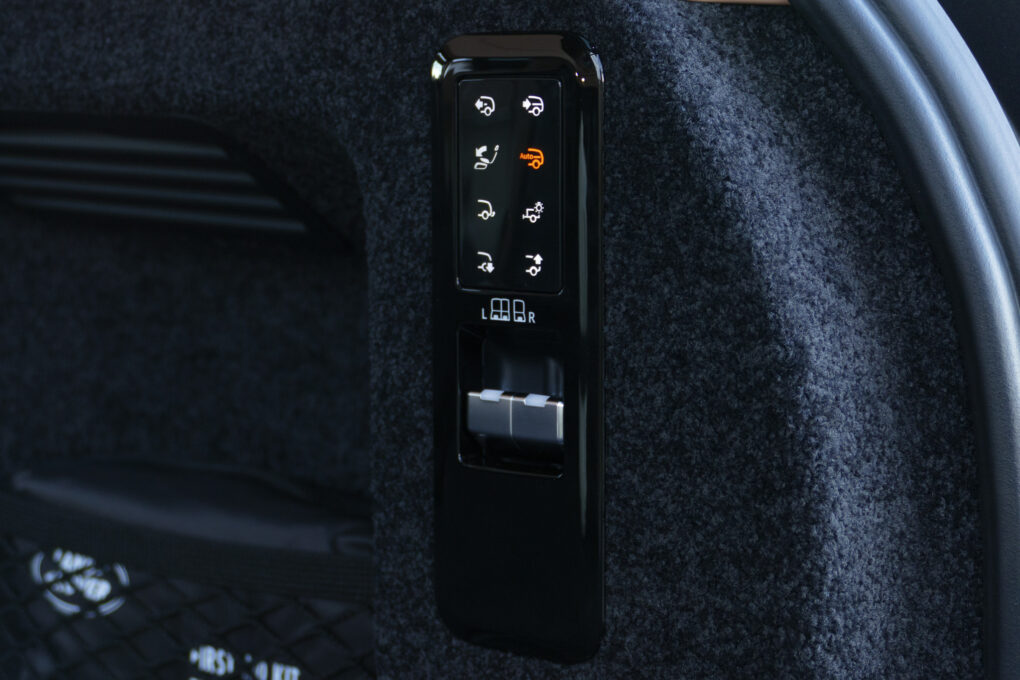
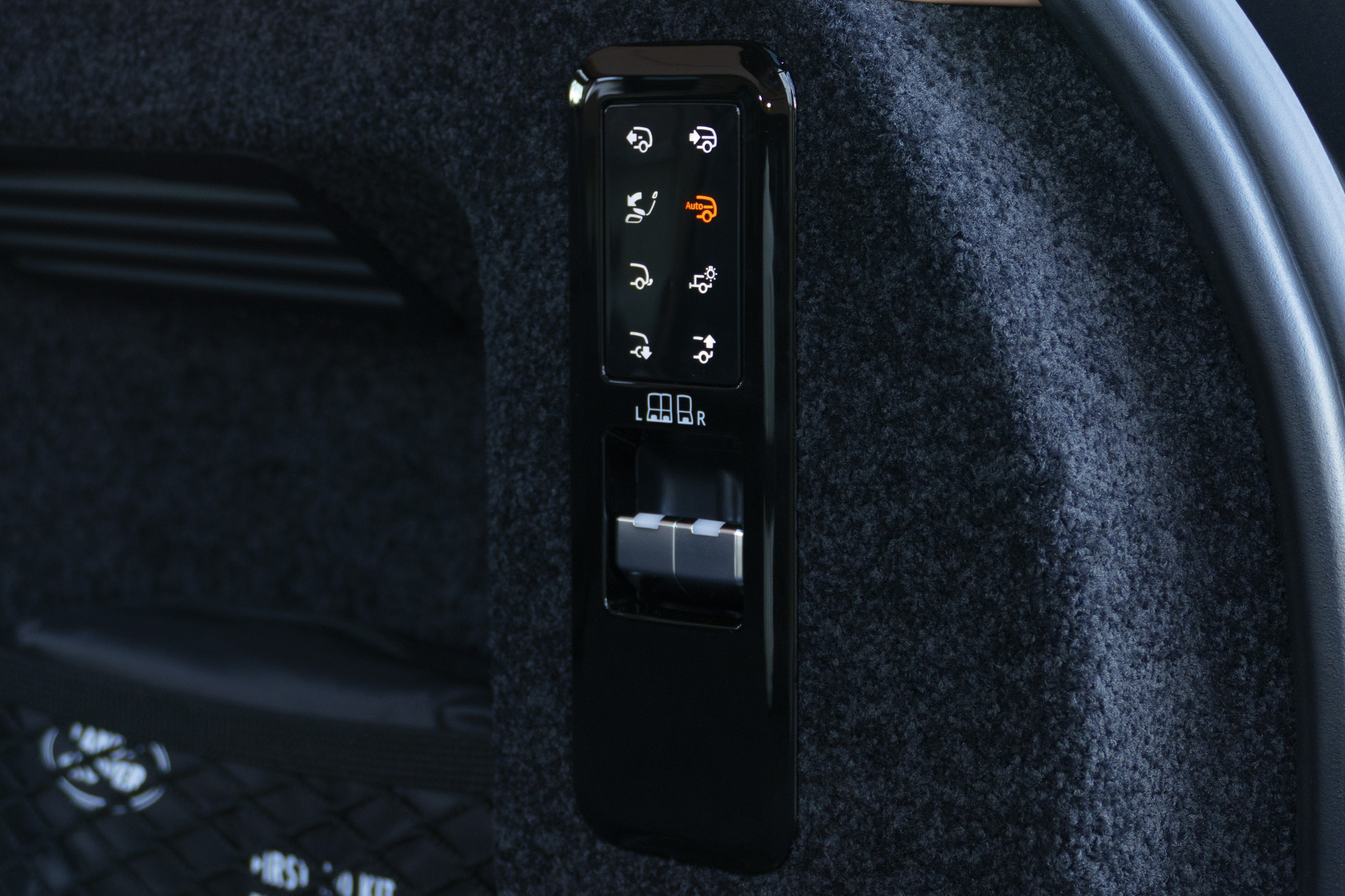
The Range Rover SV's boot is functional and versatile. A control unit allows several functions to be operated directly from the boot: the rear seats can be folded down individually using electric controls, the rear can be lowered by up to 5 cm or raised to a height of up to 9 cm above the normal level. The tow bar can also be extended electrically. The maximum towing capacity is 3,5 tonnes, making the SV practical even for heavy loads.
The ski pass-through can be easily opened with a gentle push after being unlocked from the rear. The parcel shelf can be opened or closed electrically (or even removed completely). Folding down the rear seats doesn't create a completely flat loading area, but it does increase the cargo volume from 818 liters to 1.841 liters.
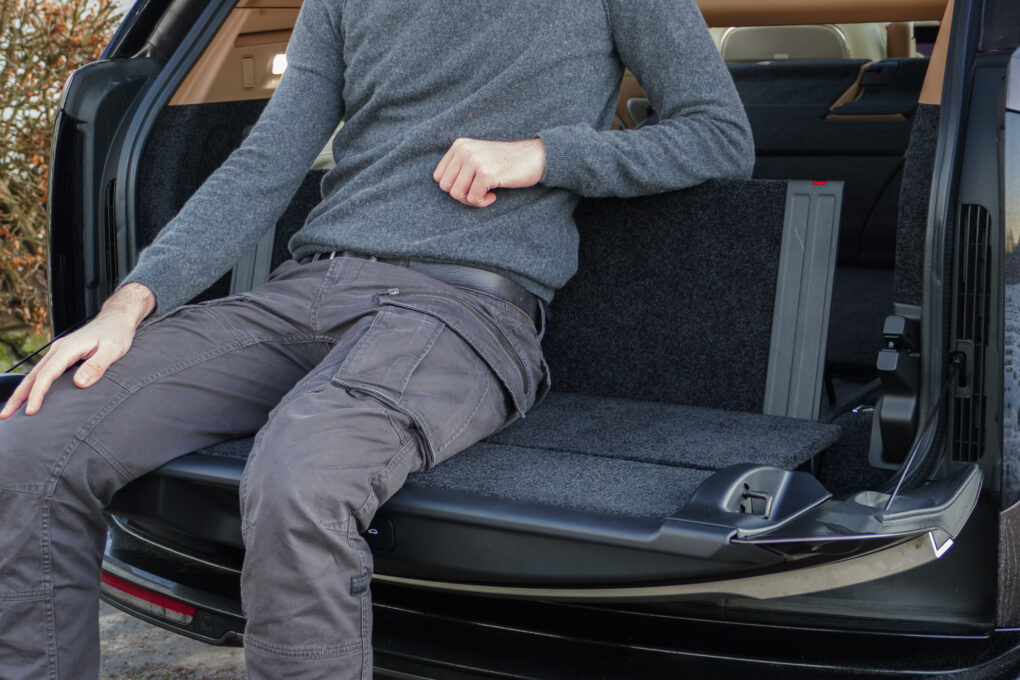
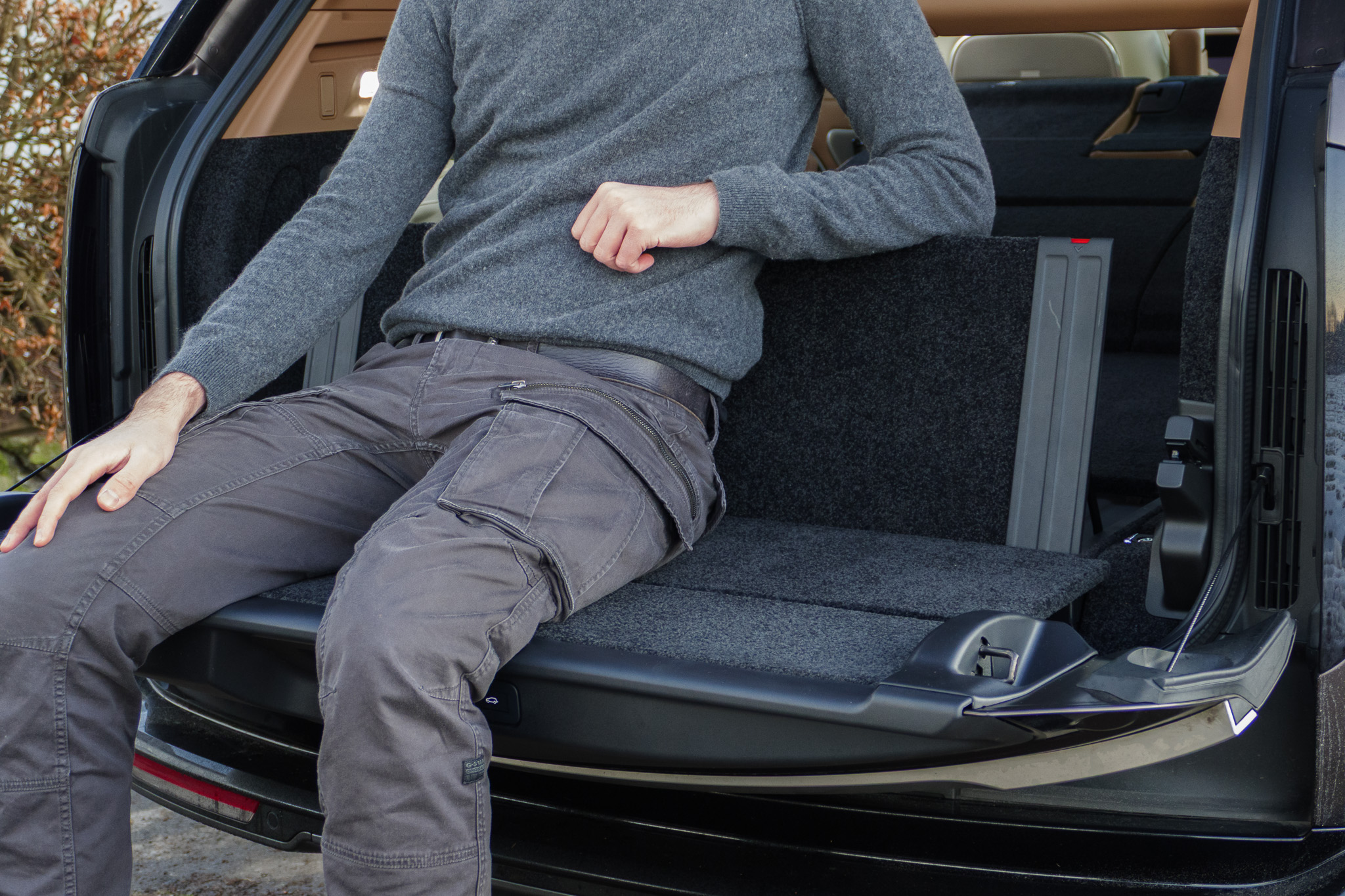
For added safety and organization, the cargo area divider can be folded down to serve as a backrest, allowing for comfortable seating on the lower tailgate. There are cup holders on both sides of the trunk. A spare tire is located under the floor, keeping the cargo area itself unobstructed.
The trunk lighting is excellent. Four light units, each with two LEDs, provide ample brightness. A 12-volt socket is also available, and for an additional €500,00, a padded seating area for the trunk can be configured as an option.
-
- Picture: TechnikNews
-
- Picture: TechnikNews
-
- Picture: TechnikNews
-
- Picture: TechnikNews
App
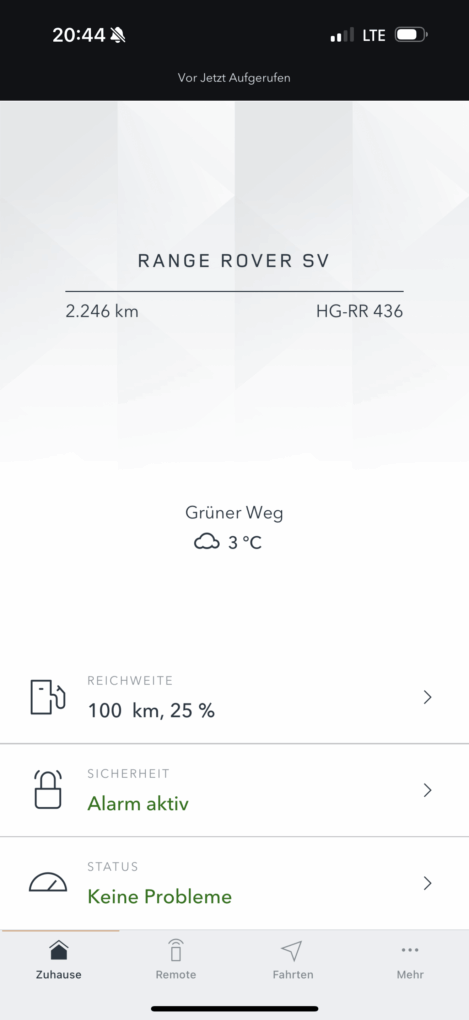
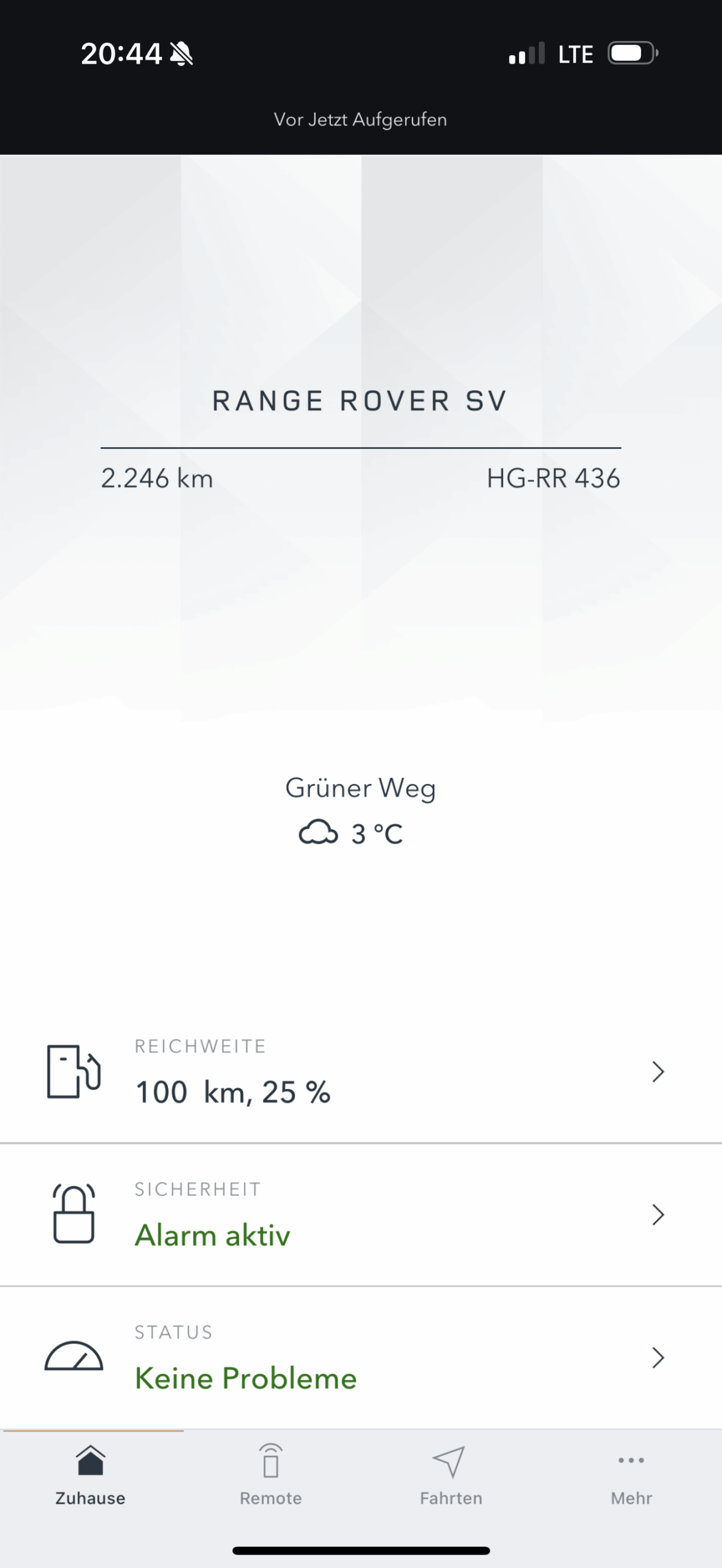
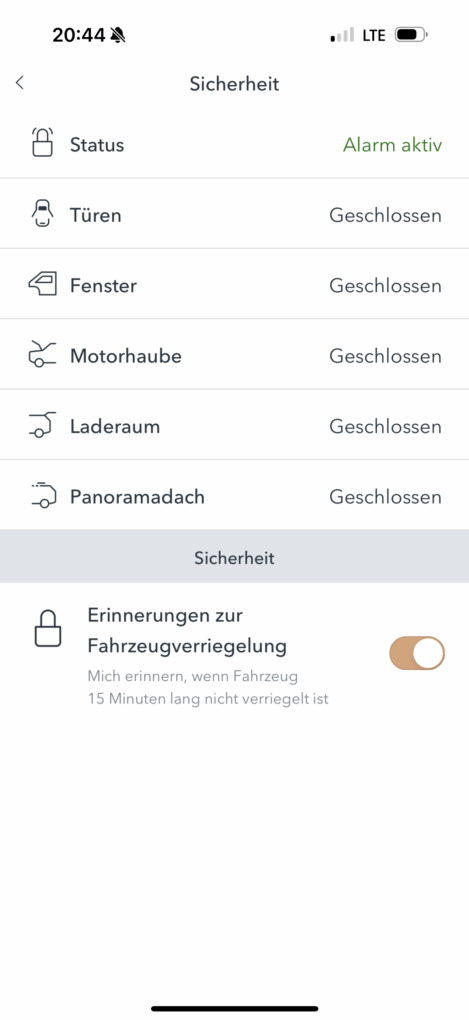
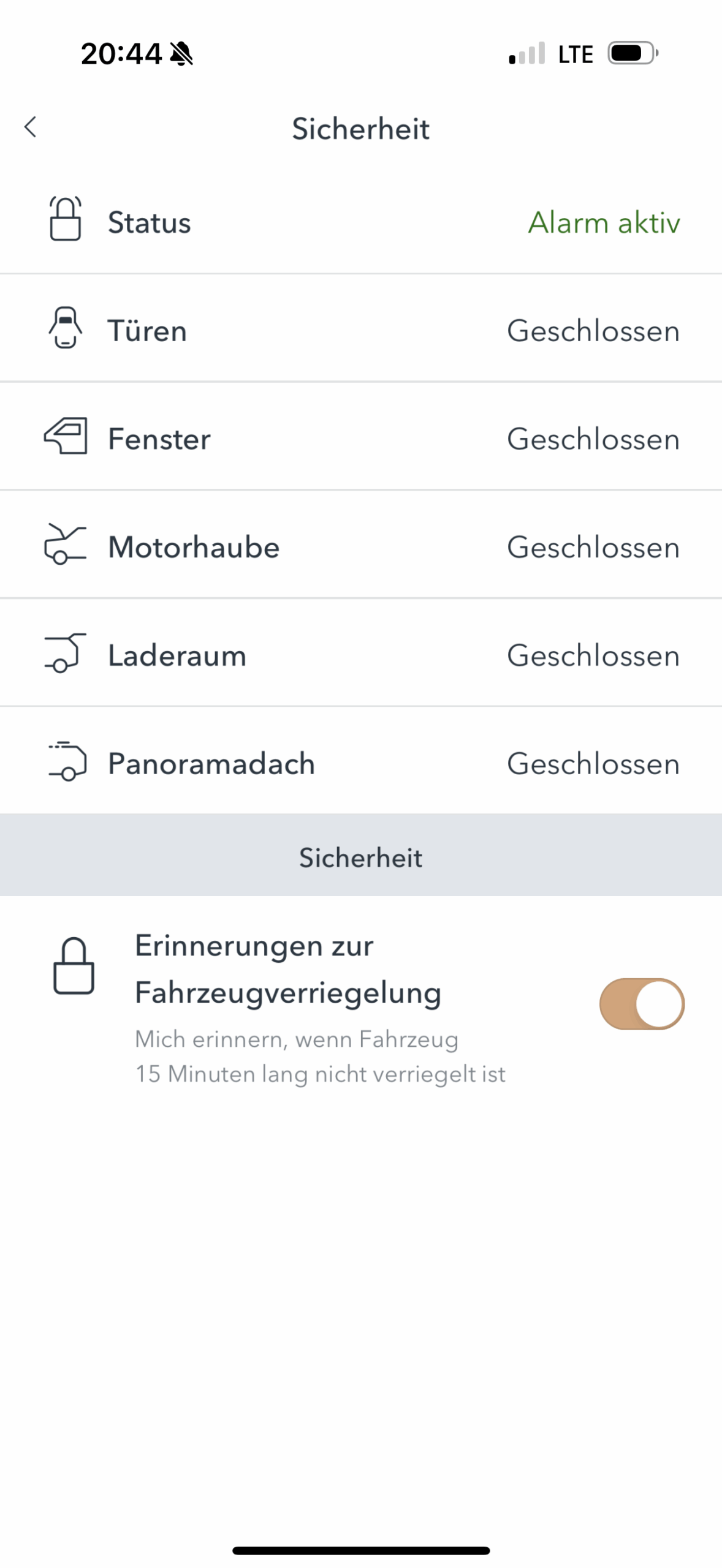
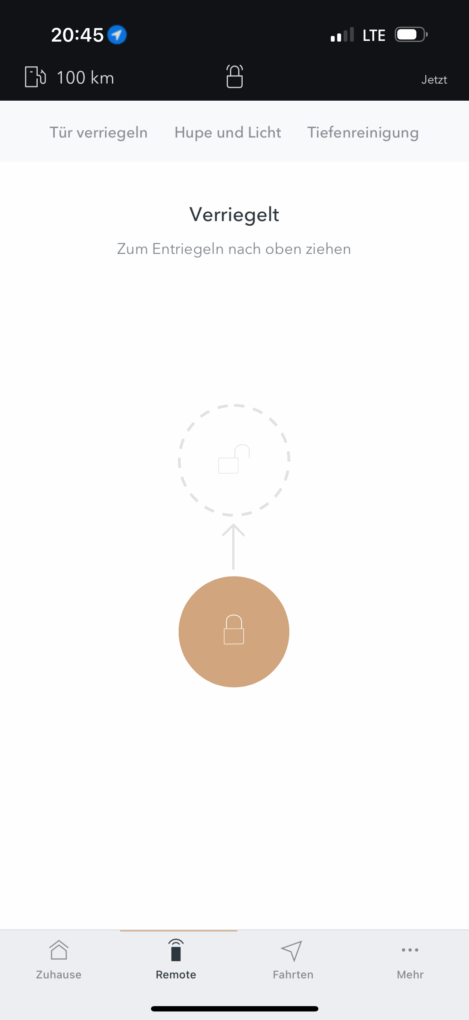
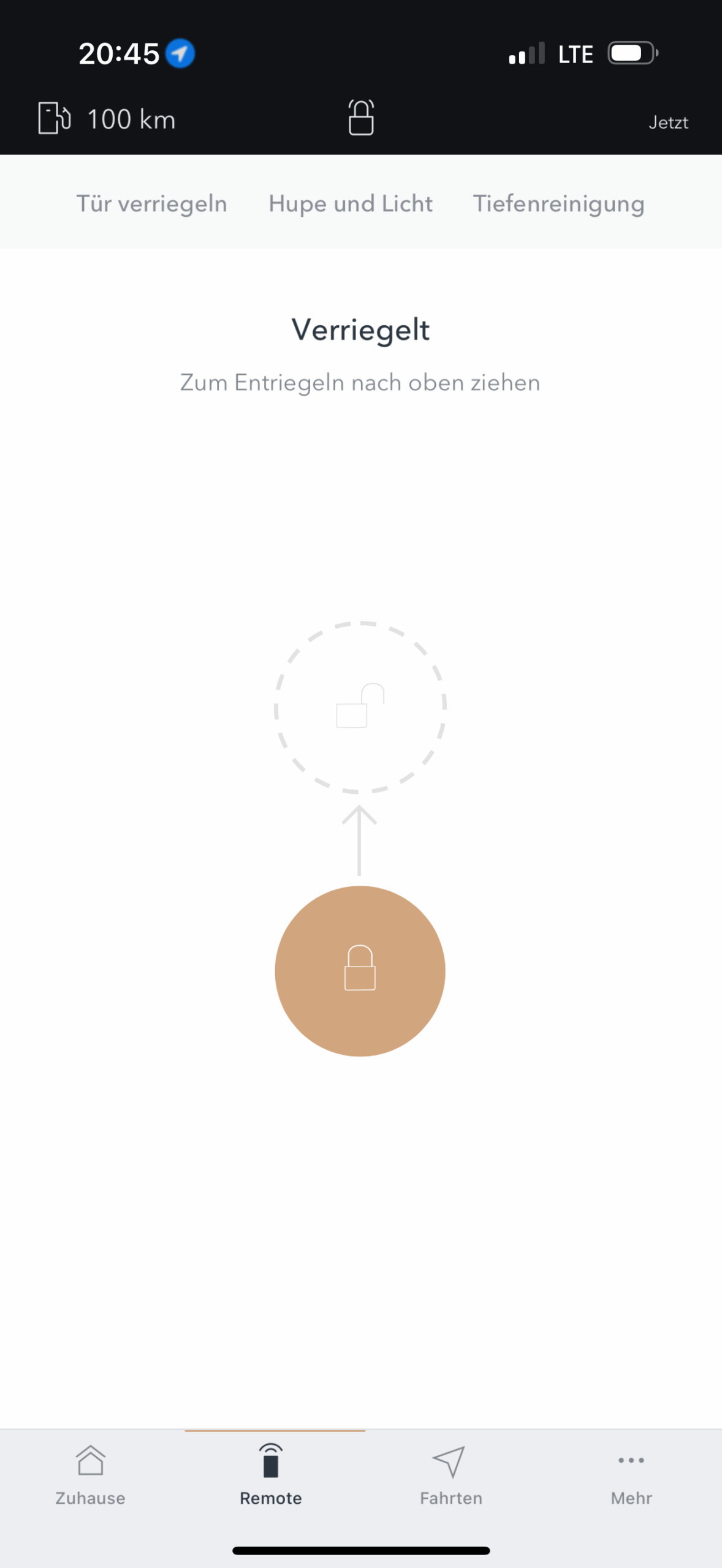
The accompanying Range Rover app allows you to conveniently access various vehicle information. You can check whether the vehicle is locked and, if necessary, lock or unlock it remotely. Additionally, the horn and lights can be activated via the app, which is particularly useful for quickly locating the car in confusing parking garages or large parking lots. Operation is simple and intuitive, so even those who are not tech-savvy will quickly get the hang of it.
-
- Picture: TechnikNews
-
- Picture: TechnikNews
-
- Picture: TechnikNews
Driving impression and consumption
We tested the P615 AWD MHEV SV version of the Range Rover. It's an all-wheel-drive mild hybrid with a 4,4-liter twin-turbocharged V8 gasoline engine that delivers 615 hp and 750 Nm of torque. The top speed is 261 km/h, and it accelerates from 0 to 100 km/h in 4,5 seconds – impressive for a vehicle weighing nearly 2,8 tons.
The sophisticated technology is evident as soon as you get in: the automatic entry assist lowers the vehicle when unlocking, while the rear entry and exit assist adjusts the seats to create more space for getting in and out. On the road, the adaptive speed limiter ensures that the system automatically recognizes new speed limits and adjusts the speed accordingly. The ACC with lane keeping assist is, as with the previous model, Land Rover Defender tested by us It's fine for maintaining distance to the car in front, but it already has problems staying in its lane on moderately sharp bends.
The driving modes are extensive: Dynamic, Comfort, Eco, Auto-Terrain, and various off-road modes can be activated, individually configured, and even renamed at any time. These modes allow you to control the center and rear differentials, set the drivetrain to Comfort, Normal, or Dynamic, adjust the steering stiffness, and fine-tune the traction control for more or less wheel spin. The suspension can also be configured from soft to normal to firm.
The cameras offer different viewing angles: road mode for a normal all-around view, off-road mode in which the front tires and hood are displayed transparently, and trailer mode, which shows how the trailer is moving behind. Various trailersproThe files can be pre-configured with dimensions. In Dynamic mode, the car drives noticeably more stably, the suspension feels somewhat firmer, and body roll is reduced.
The parking assistant provides support in every direction when parking – parallel, perpendicular, forwards or backwards – and can also automatically return the vehicle to its original position should it become too tight.
You can hear the powerful V8 engine working under the hood, but it remains discreet. The four-stage active exhaust system ends almost invisibly and subtly beneath the vehicle, opening with engine speed and producing a robust, yet never intrusive, sound. Despite its large surface area, the Range Rover proves surprisingly stable on the road, even in strong winds. Normal conversations are possible inside the cabin below 140 km/h. Above 200 km/h, a loud whirring noise penetrates the interior. It sounds a bit like confused wind noise entering through the ventilation system.
The brakes provide good deceleration, and the turning circle of 11,37 meters is remarkable for a vehicle of this size. Despite its large size and all the technology, driving it feels quite normal, almost familiar, as if you were driving a car that costs as much as a condo every day. The throttle response is somewhat delayed compared to the available power, but the manual mode allows for quick gear changes using the paddle shifters. If needed, the car revs up to 6.500 rpm. One minor criticism: the turn signal audible can be difficult to hear with music playing, even at low volume.
The fuel tank holds 90 liters, which is perfectly adequate for long journeys or heavy trailer loads. Overall, the Range Rover conveys a feeling of sovereignty and control, without the vehicle's considerable weight being noticeably apparent. The SV convincingly combines off-road capability, comfort, and sporty performance.
CONSUMPTION
Fuel consumption is generally in the double digits. For calm, restrained driving, you'll be rewarded with 12 liters per 100 kilometers. However, if you drive the Range Rover as you would expect from the SV model, you can expect up to 20 liters per 100 kilometers on fast laps. The retractable door handles, intended to improve aerodynamics, are probably best mentioned with a smile.
Thanks to Land Rover for providing the Range Rover SV for this test report..