
Maserati GranTurismo Folgore review: When luxury goes electric
A TEST REPORT from Dominic Lux  on October 11, 2025, 19:18 am | Write a comment
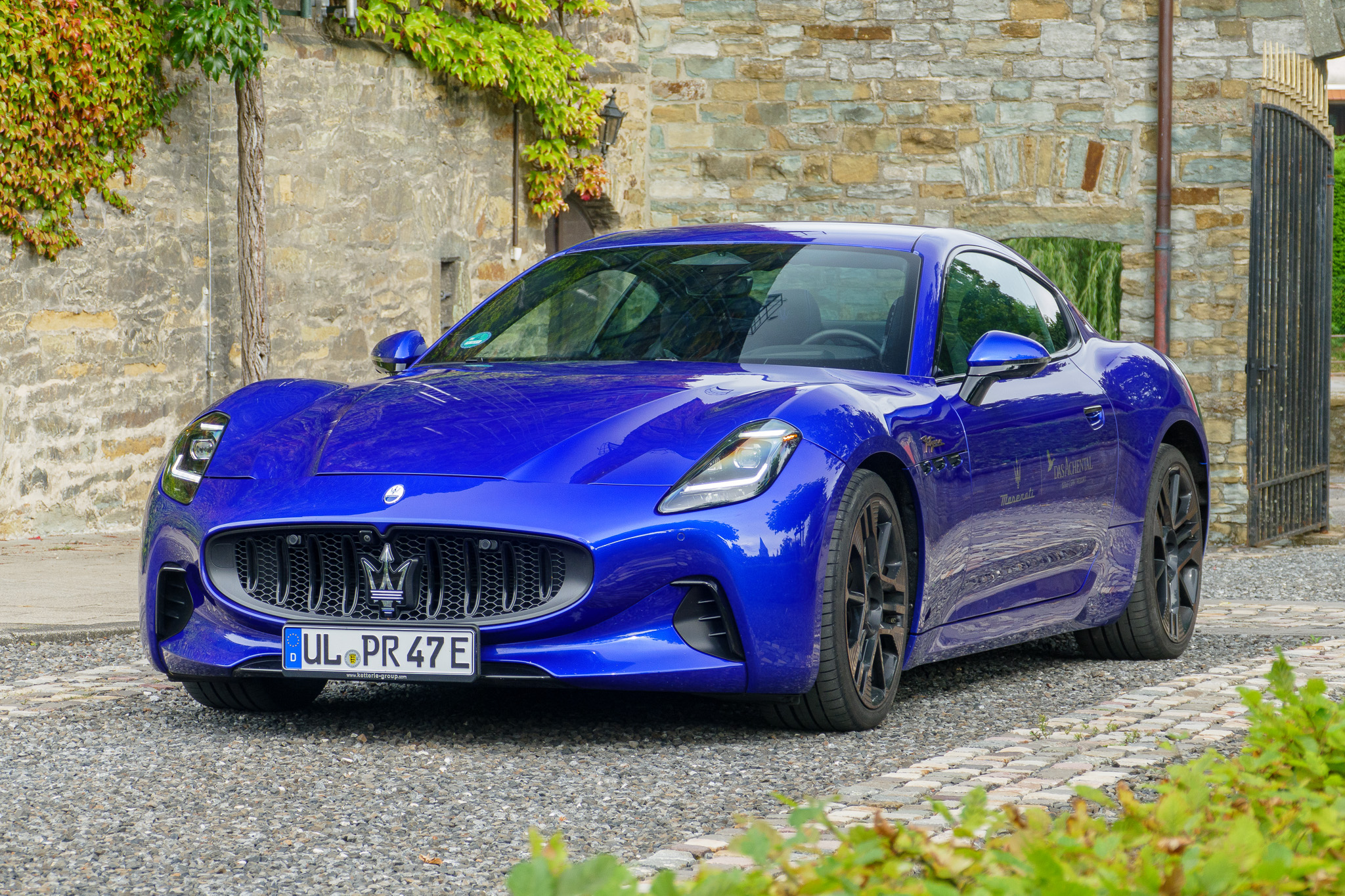
With the Maserati GT Folgore, the Italian sports car icon is launching its first high-performance electric sports car. We were fortunate enough to spend a week immersed in the unique and special dream of driving a GranTurismo purely on electric power for everyday use and long journeys. Here are our experiences and why we believe Maserati has taken a major step forward for this special class of vehicle.
tl;dr: A blue dream on four wheels
The Maserati Gran Turismo Folgore This is Maserati's first major step into the electric age, and it's not doing it half-heartedly. Three motors with a combined 761 hp, 1.350 Nm of torque, 0-100 km/h in 2,7 seconds, and a top speed of 325 km/h make it an absolute performance leader at the forefront of electric cars. Add to that Italian design, a refined and sustainable interior, and 800-volt technology with up to 261 kW charging capacity. The range? Up to 455 km according to WLTP, realistically around 350-400 km. At over €200.000, it remains a luxury item for the few, but one that perfectly combines the emotions often lamented as lacking with electric propulsion.
Design: Classic beauty with a modern touch
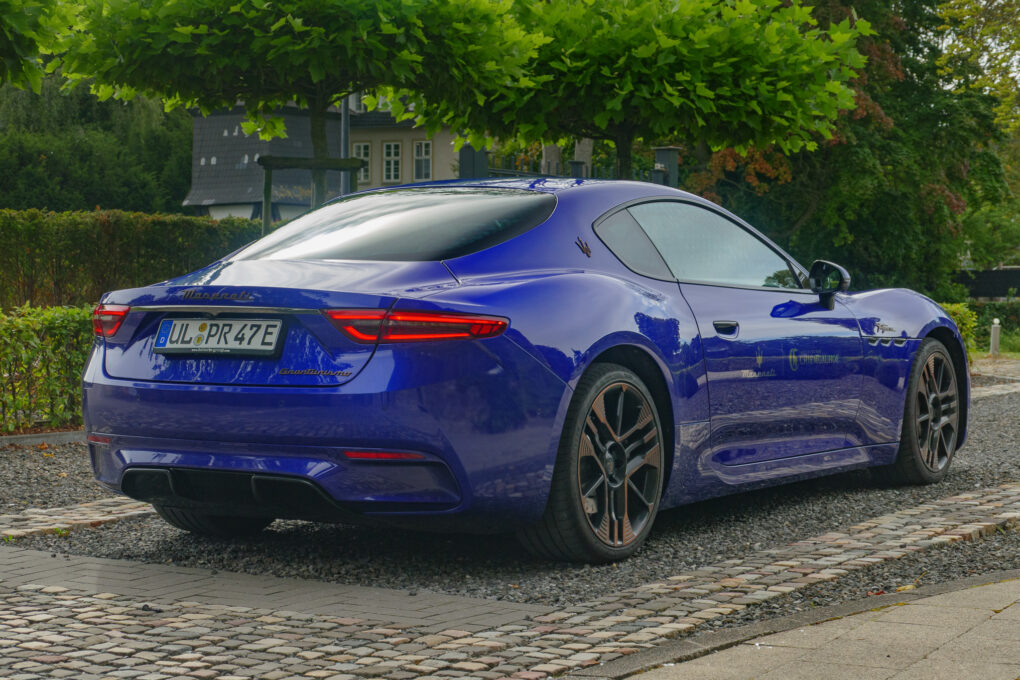
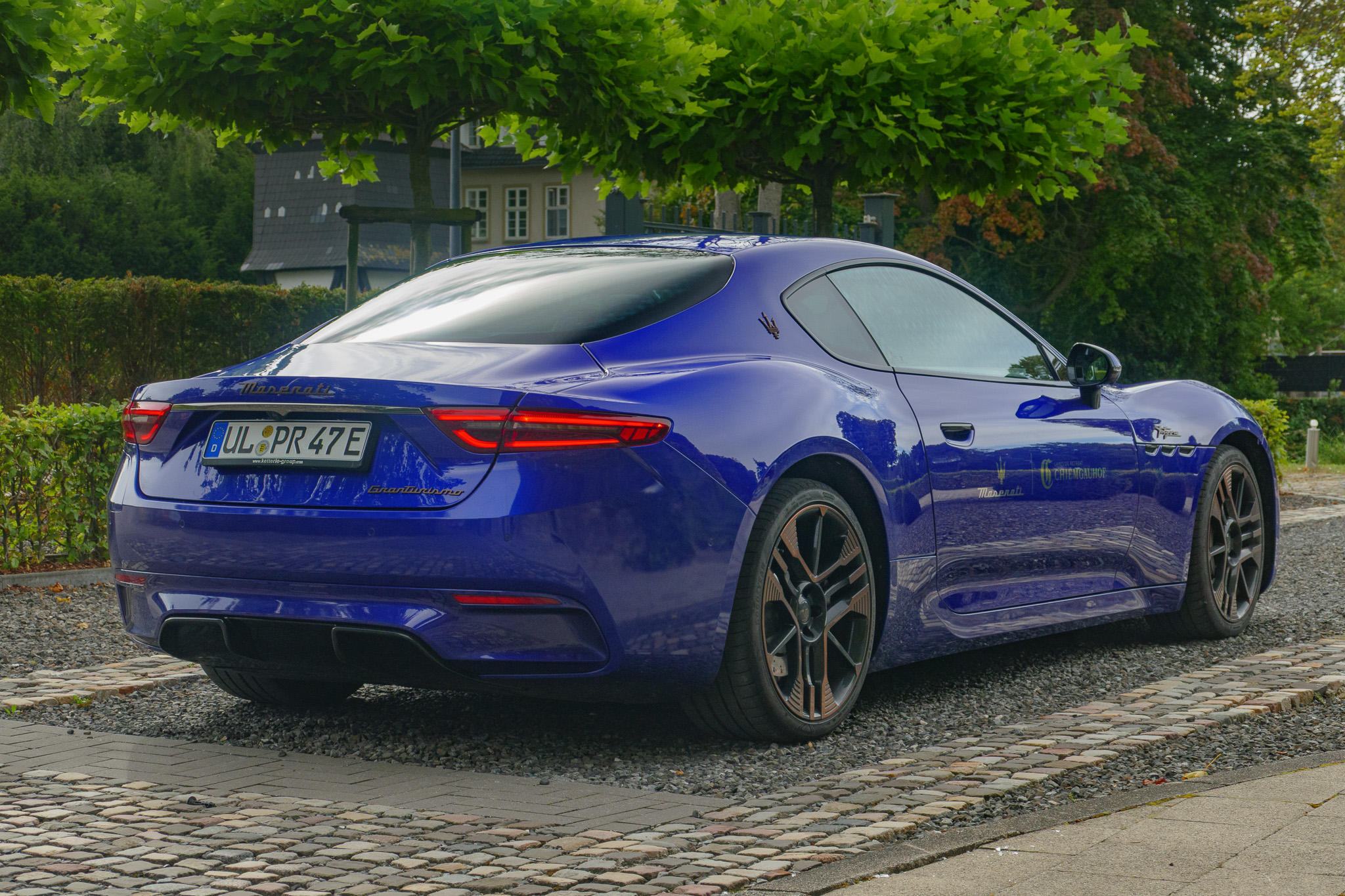
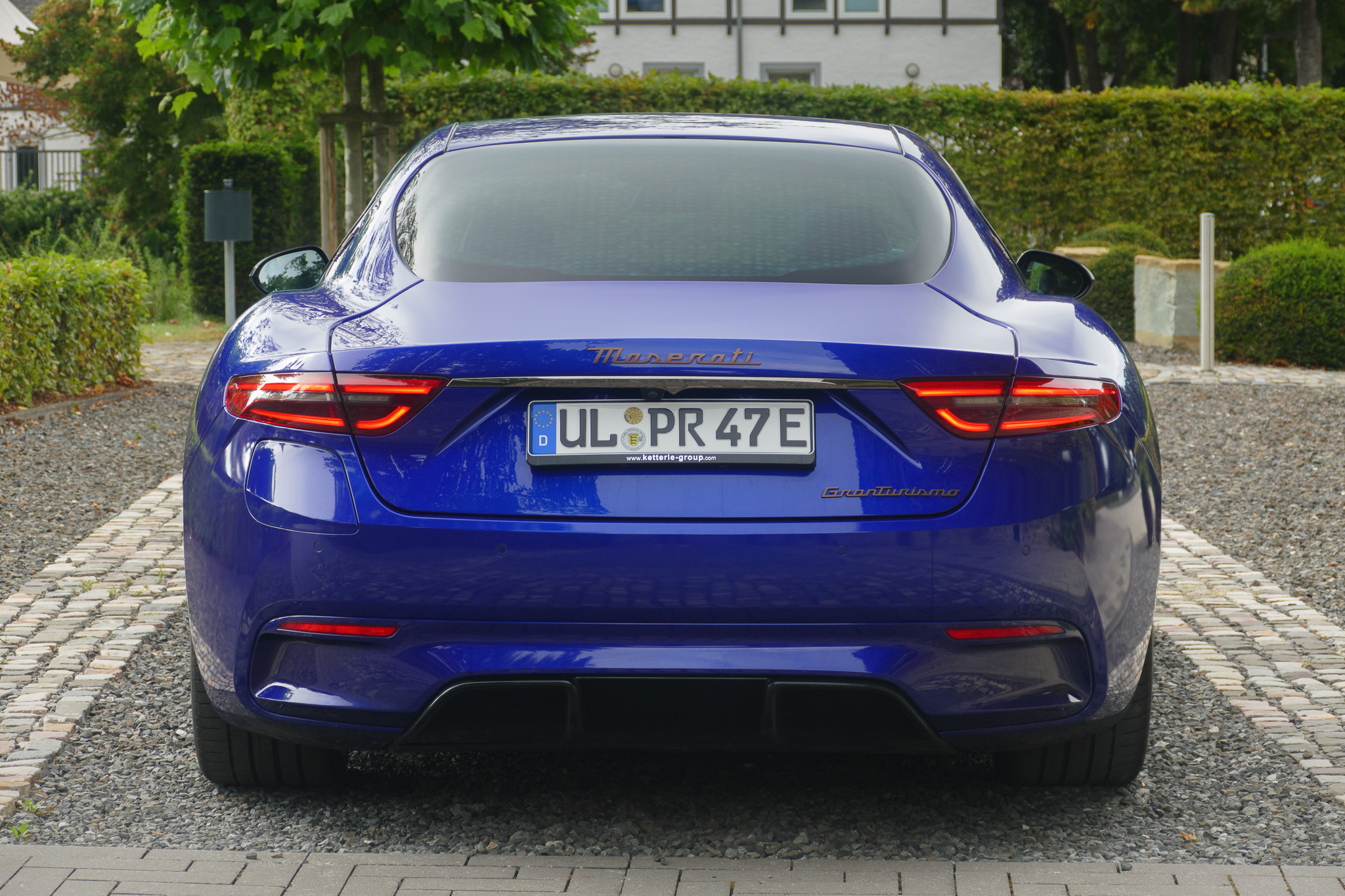
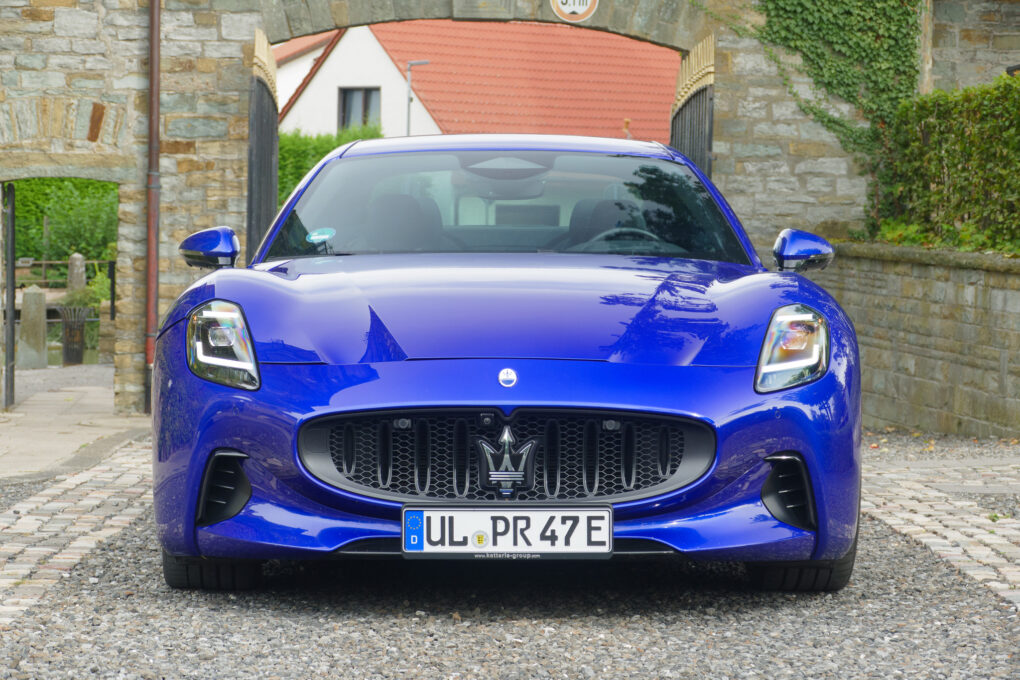
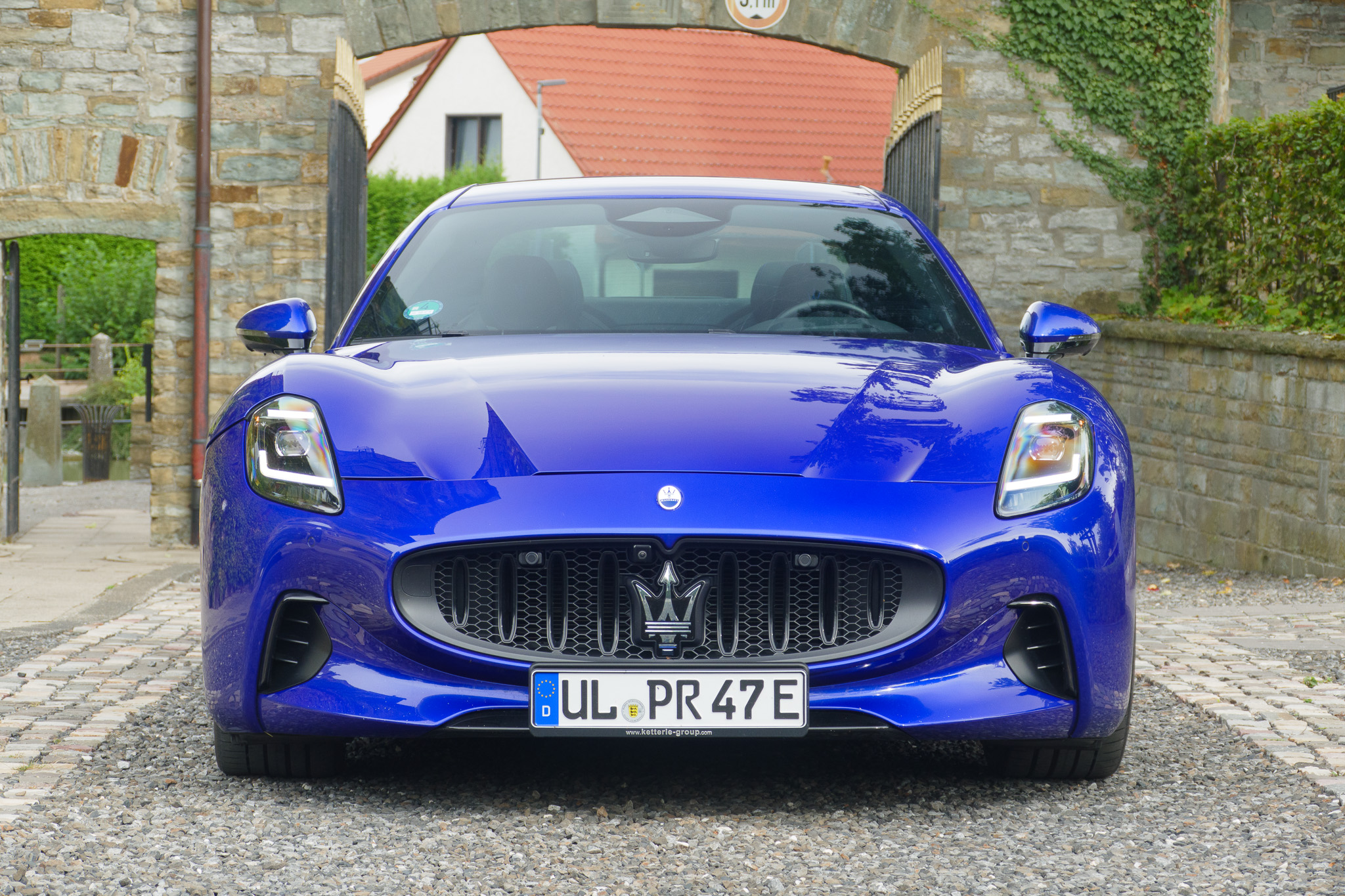
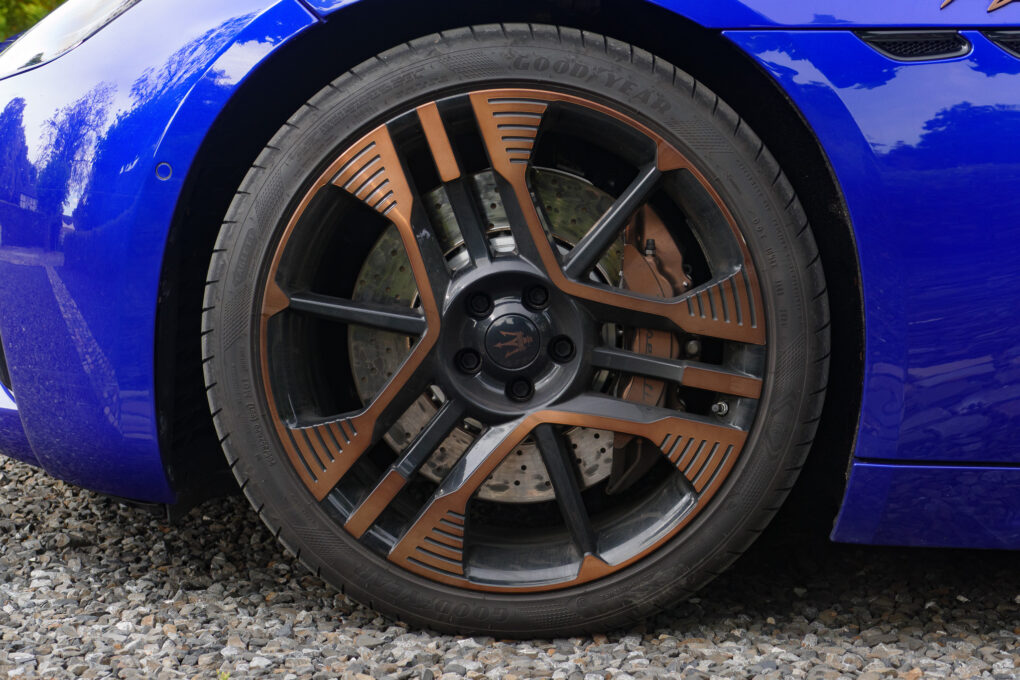
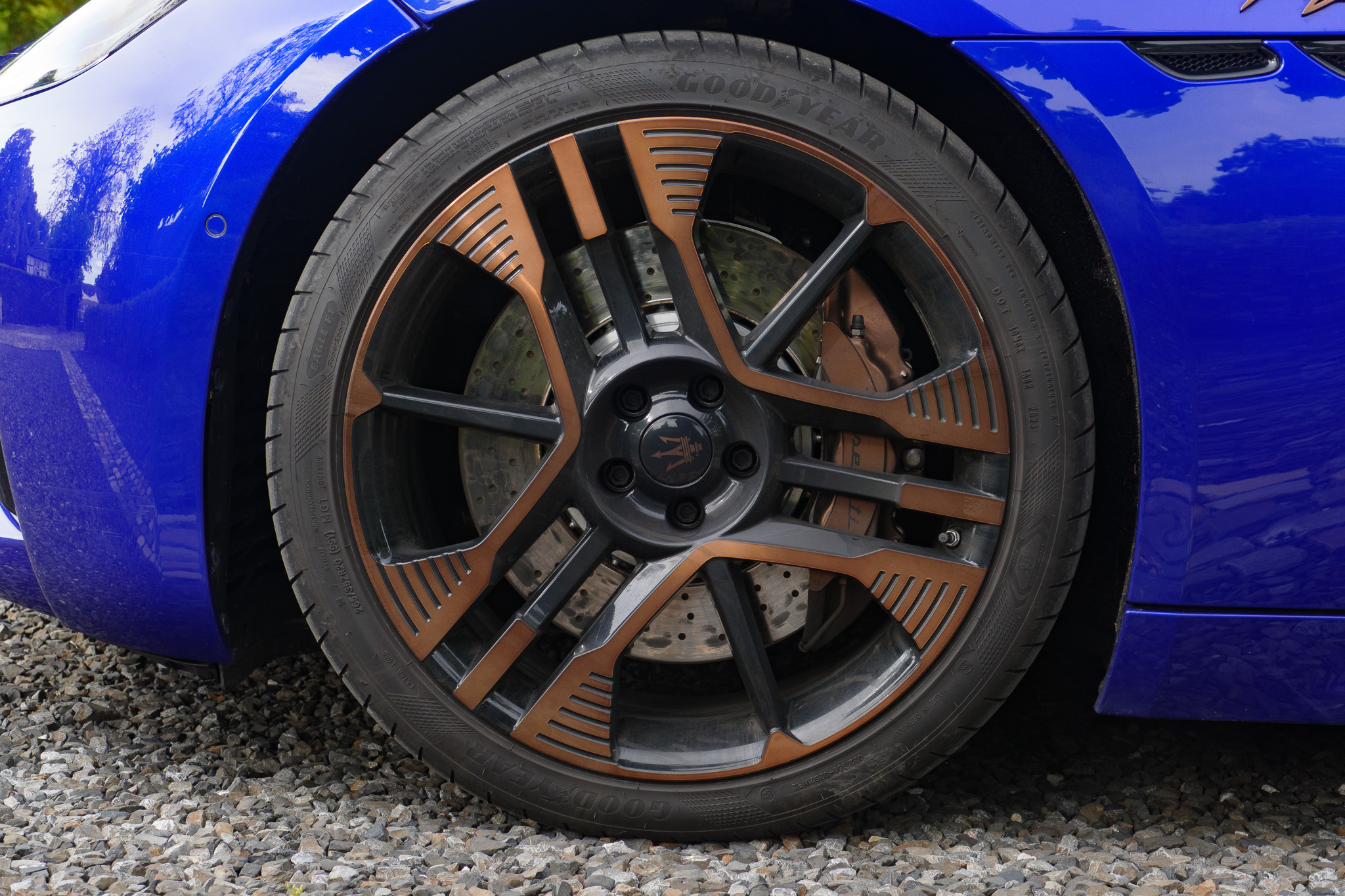
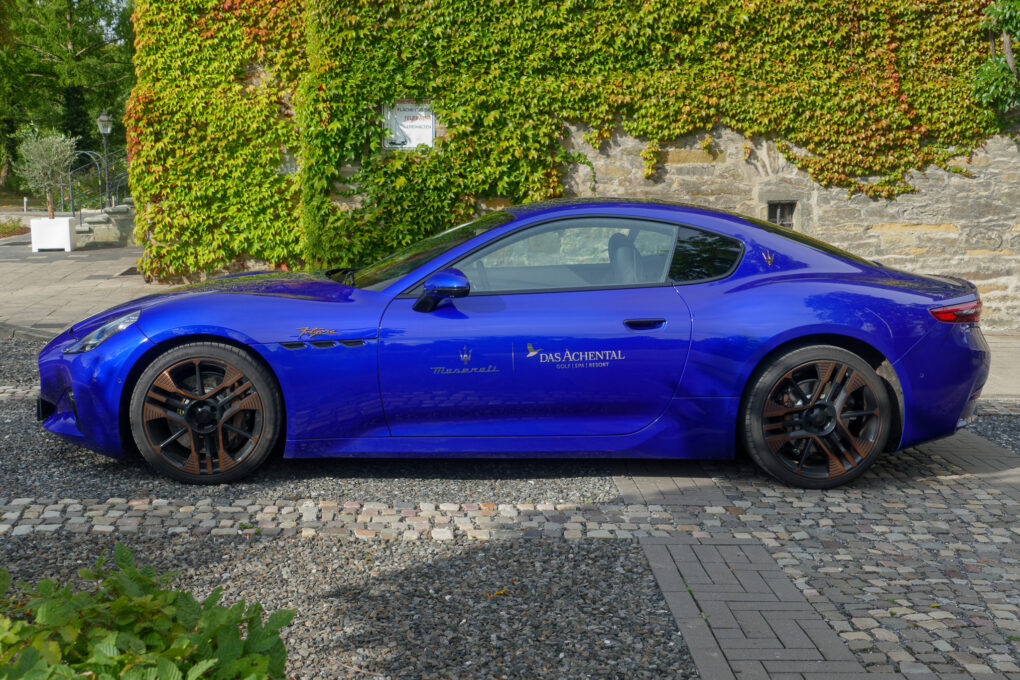
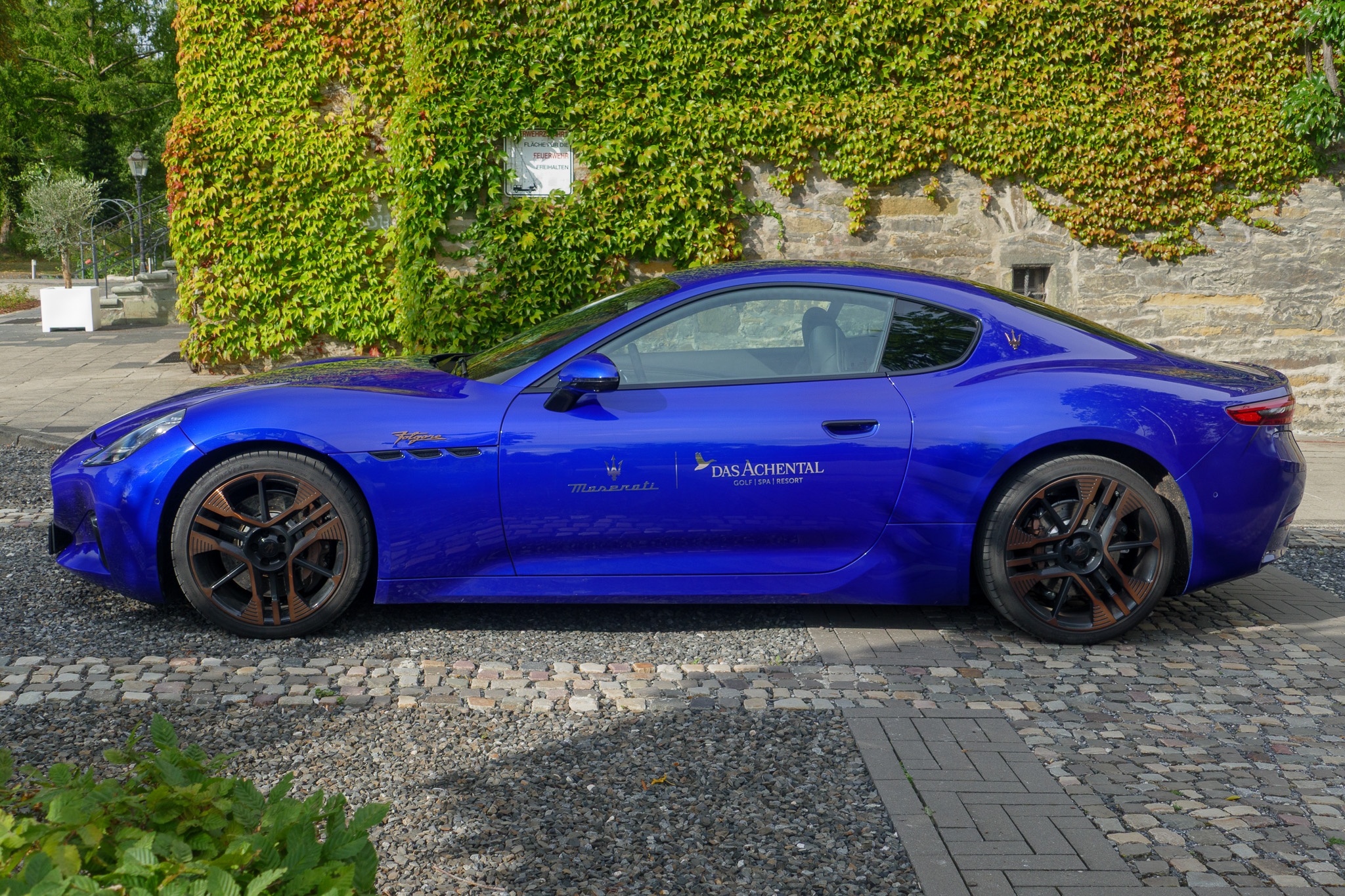
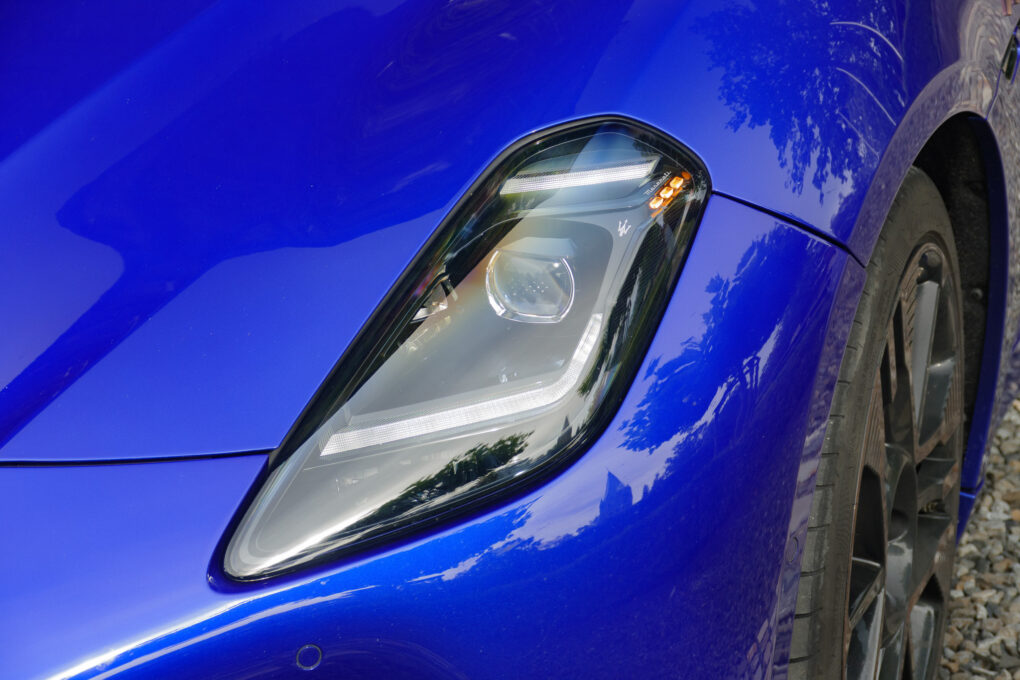
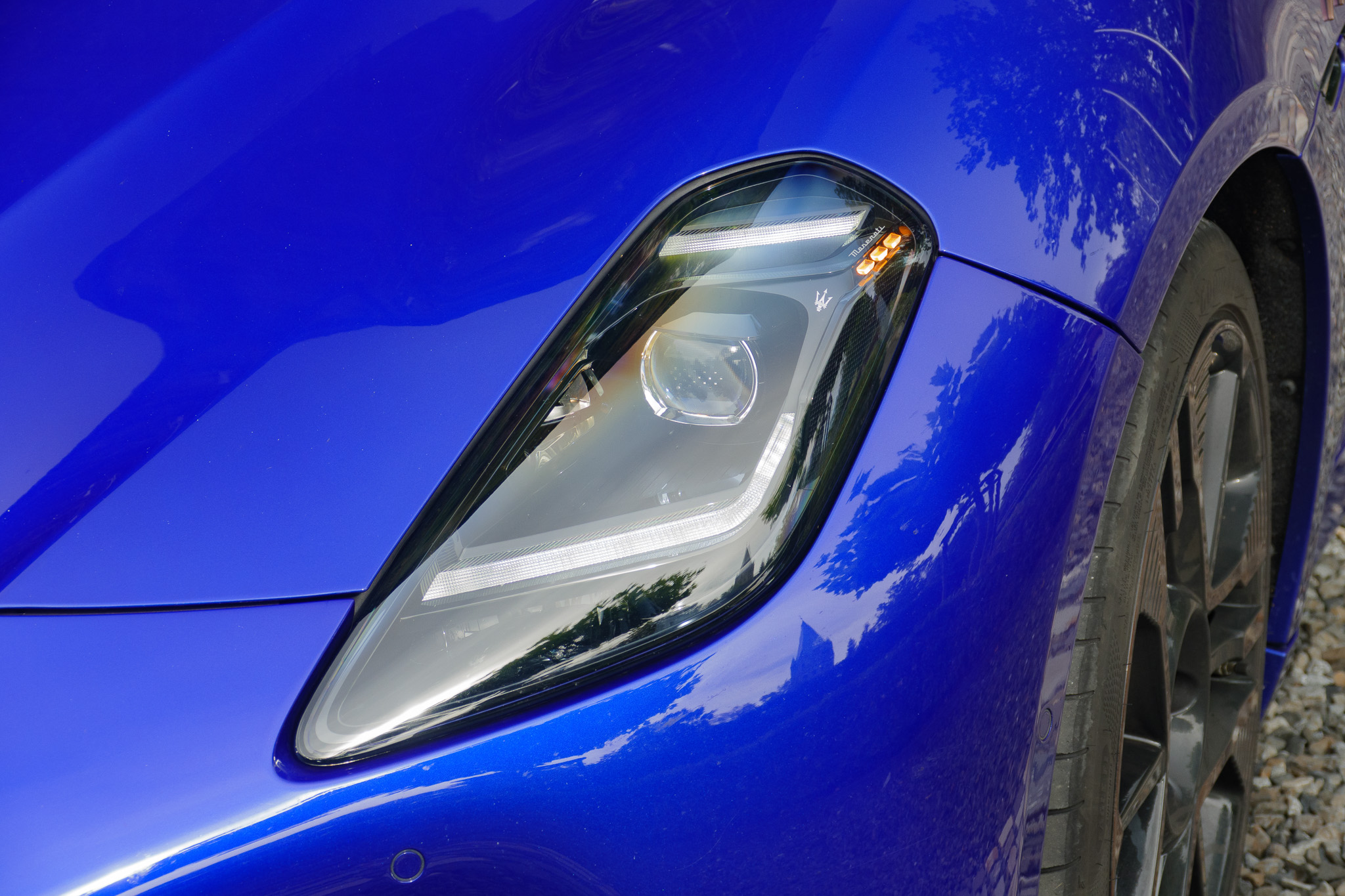
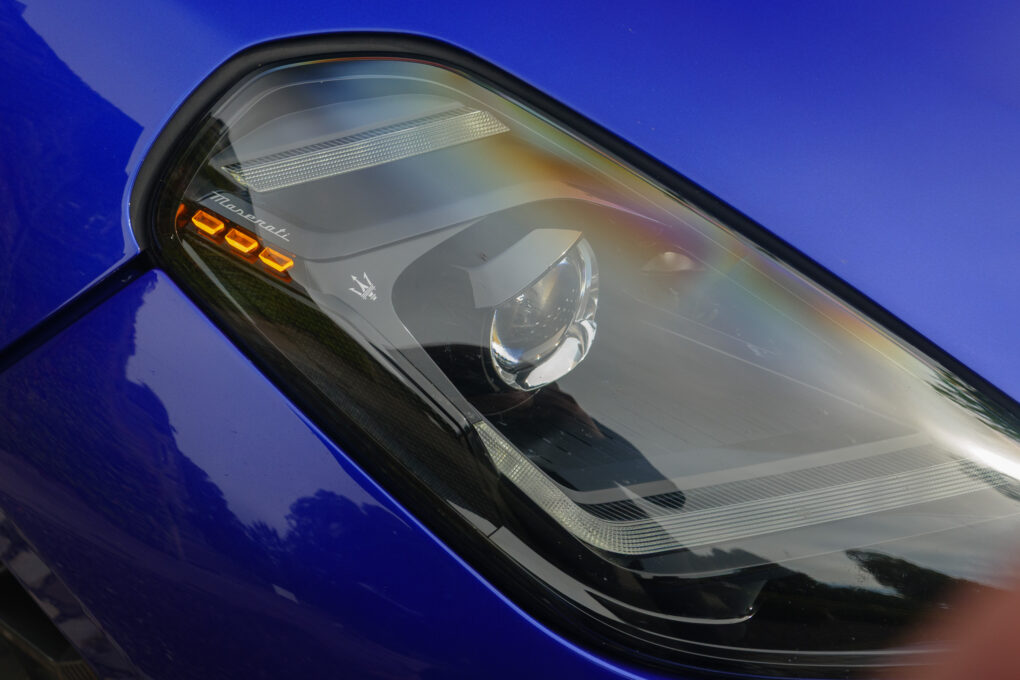
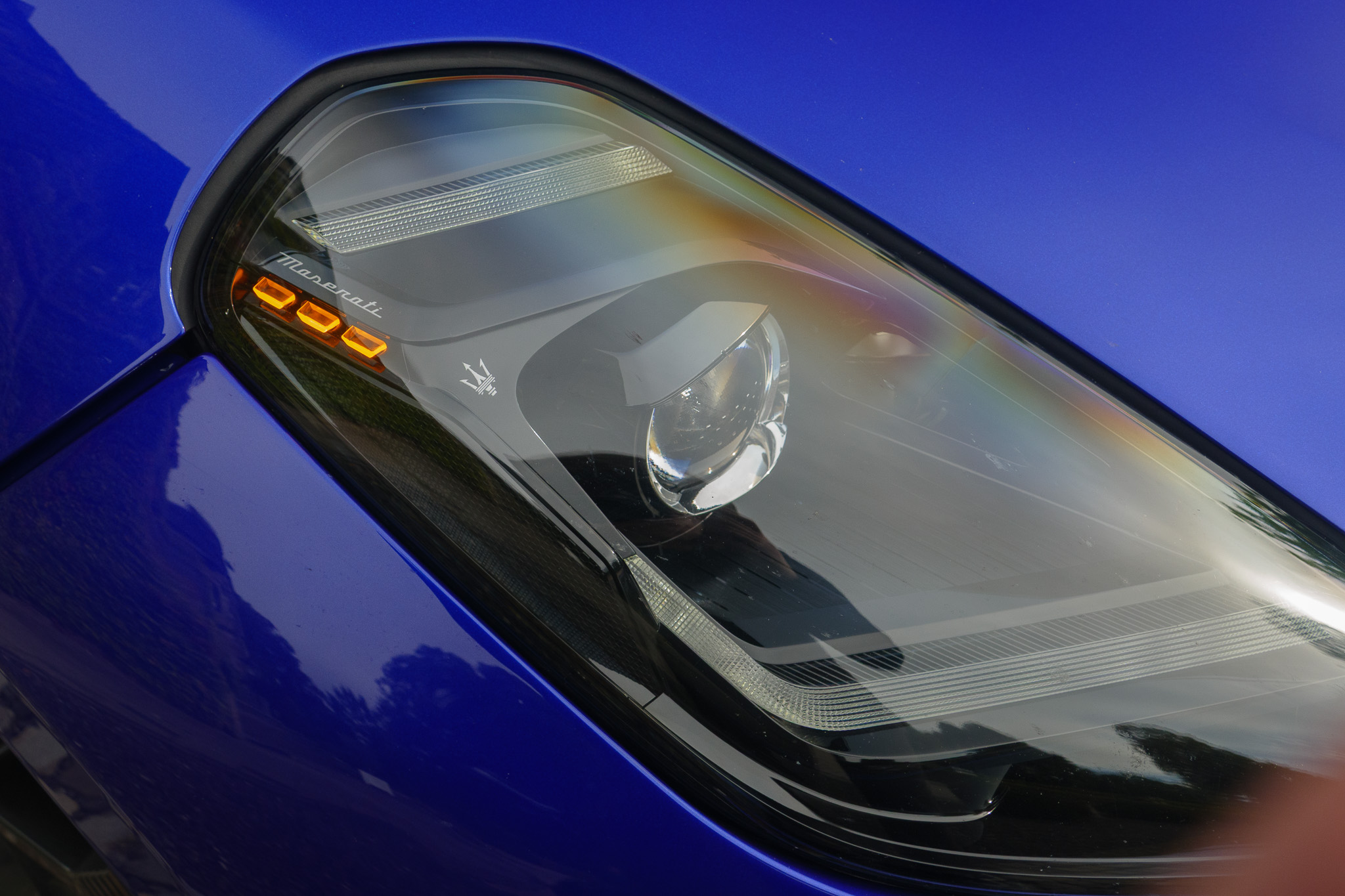
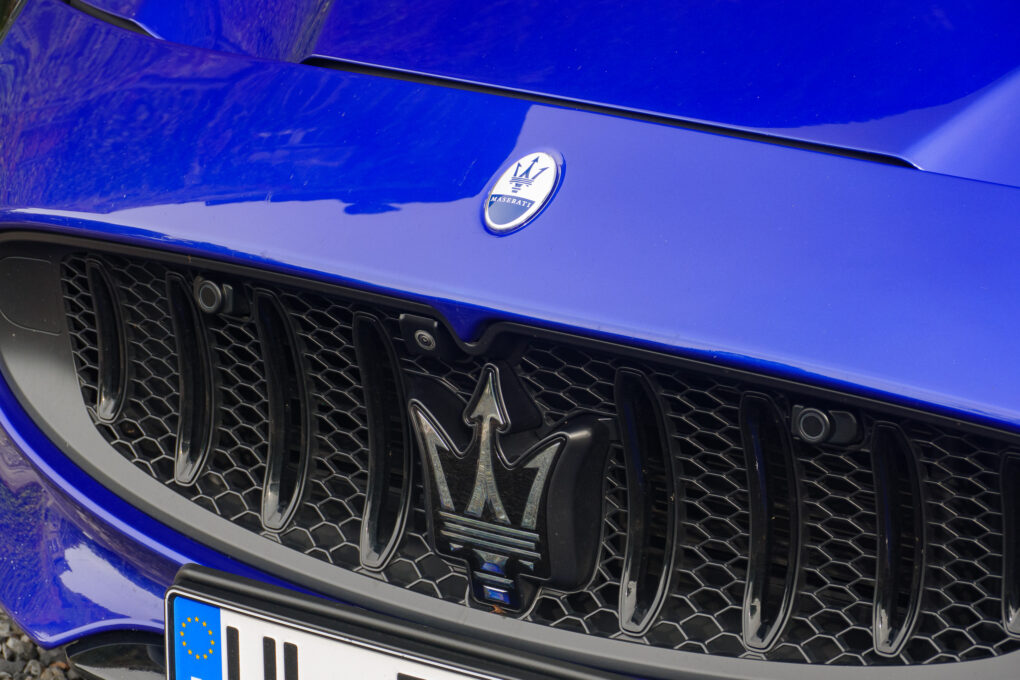
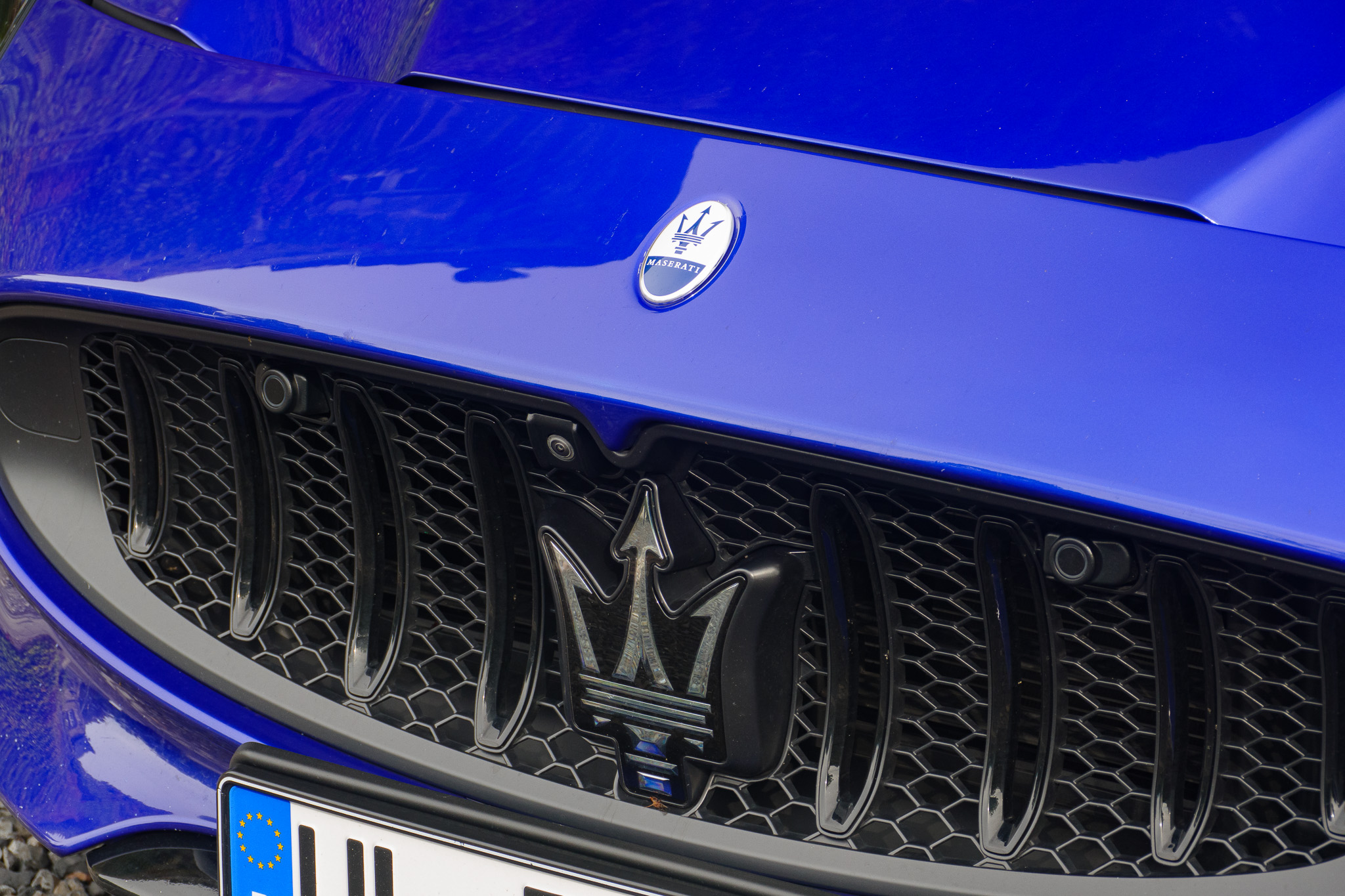
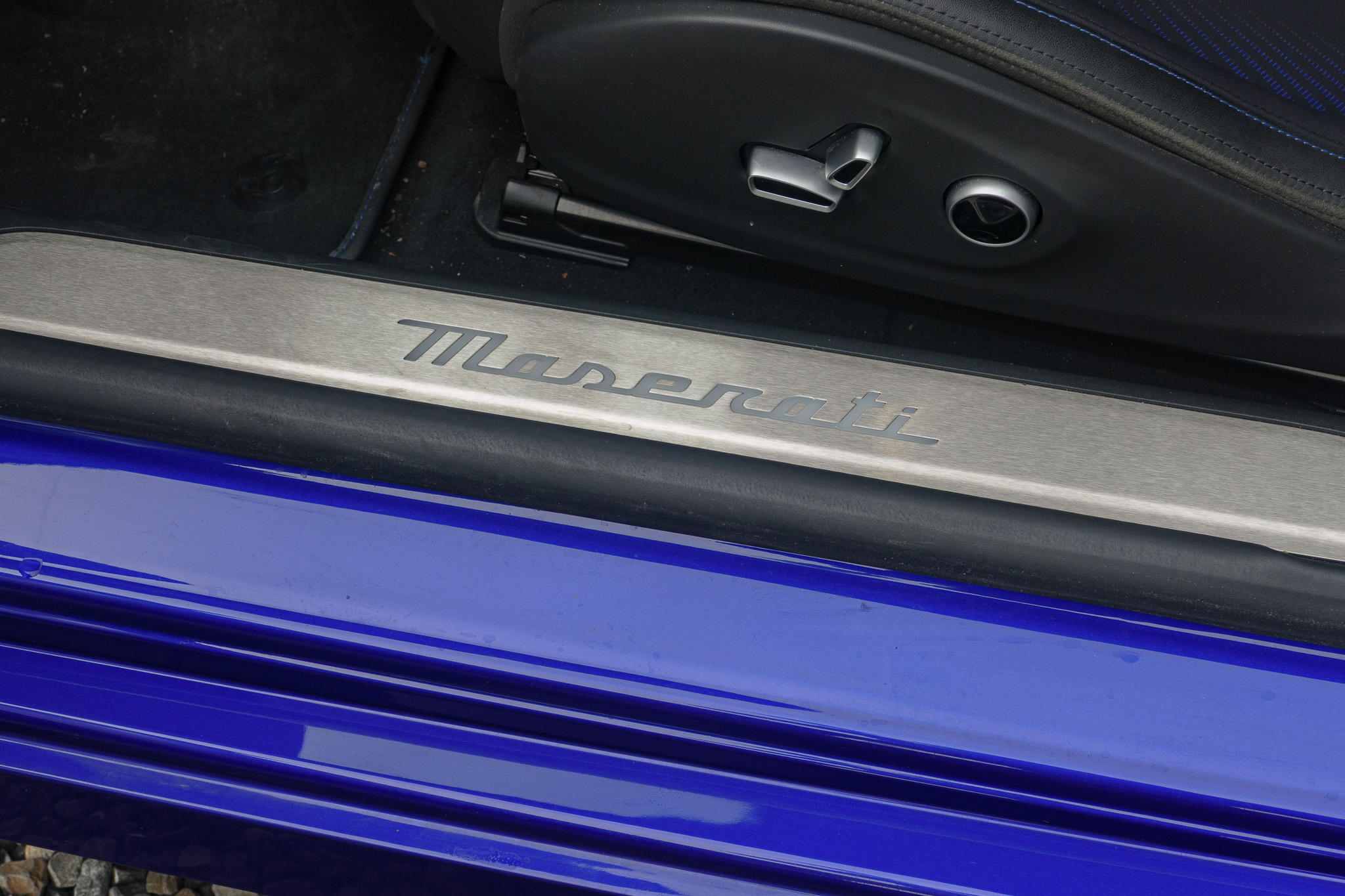
Many electric cars look futuristic, some even a bit too eager to do so. Maserati takes a different approach with the GranTurismo Folgore: it looks like a classic combustion-engine GranTurismo, and that's exactly how it should be. The proportions are perfect, as befits a true GT: long hood, muscular flanks, coupé-like roofline. It looks sporty, but never over the top. The large grille with the trident logo dominates the front, behind which are slim LED headlights. The Italians themselves would probably call it a work of art, especially with the Ultramarine-inspired blue paintwork on our test car, which has a beautiful shimmering effect. This paint, by the way, costs a hefty €20.000 extra, presumably because it's strictly limited.
-
- Picture: TechnikNews
-
- Picture: TechnikNews
-
- Picture: TechnikNews
-
- Picture: TechnikNews
-
- Picture: TechnikNews
What represents an interesting development is the one that is considered T-Bone Battery The well-known high-voltage battery is installed in the vehicle. As the name suggests, it is T-shaped, ensuring a good weight distribution and, most importantly, allowing the driver to sit just as low in the GT Folgore as in its sister model with a V6 engine.
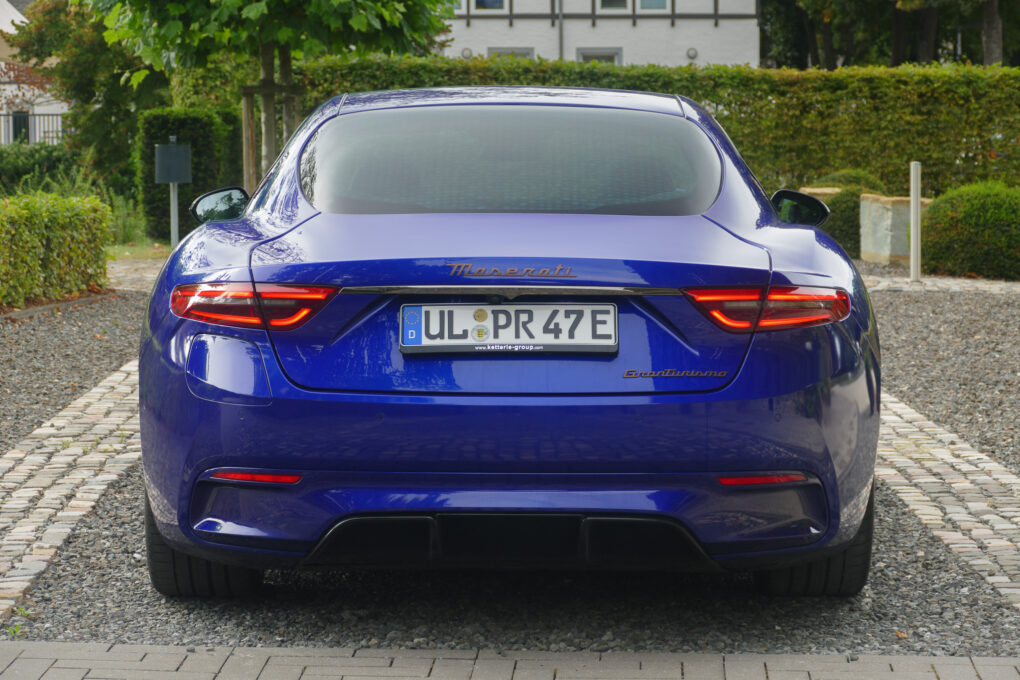
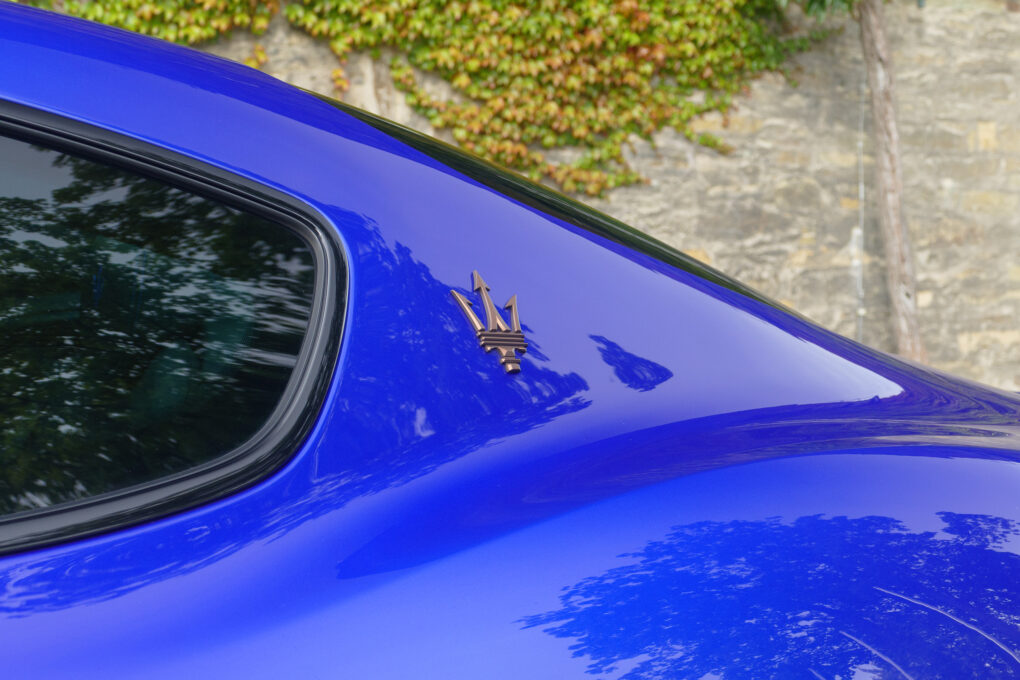
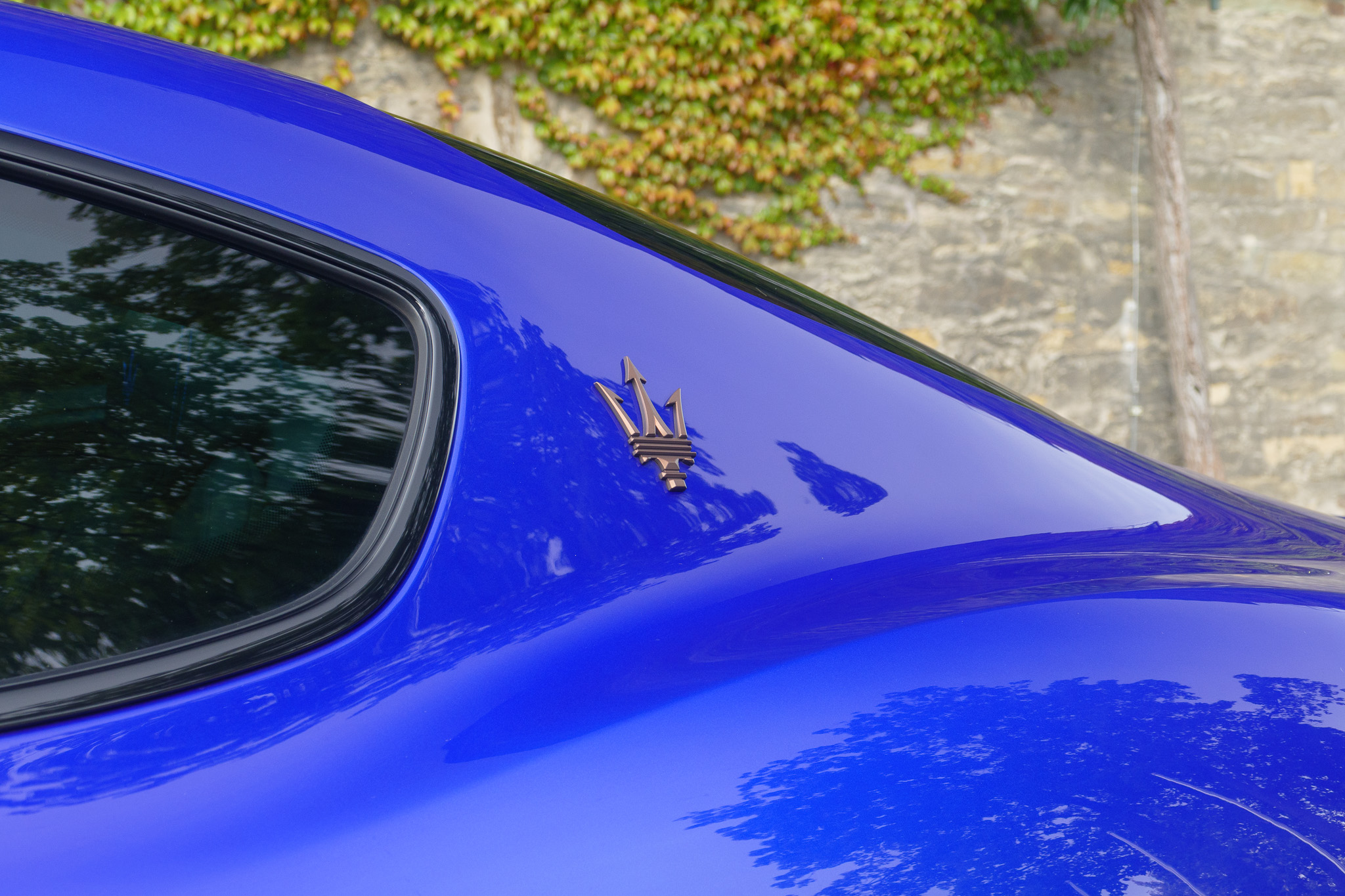
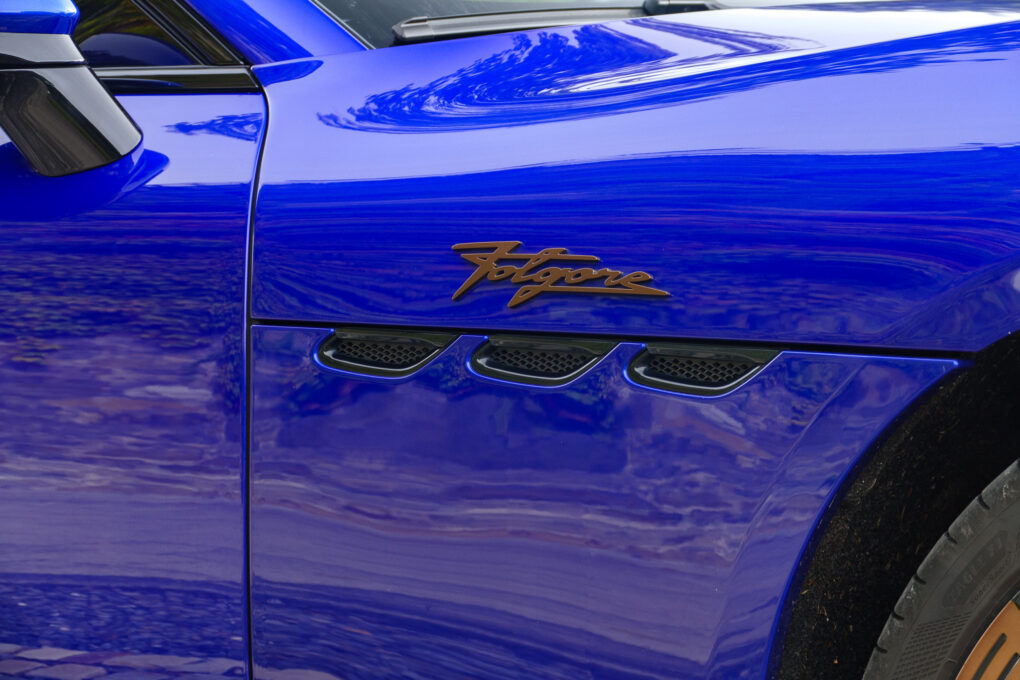
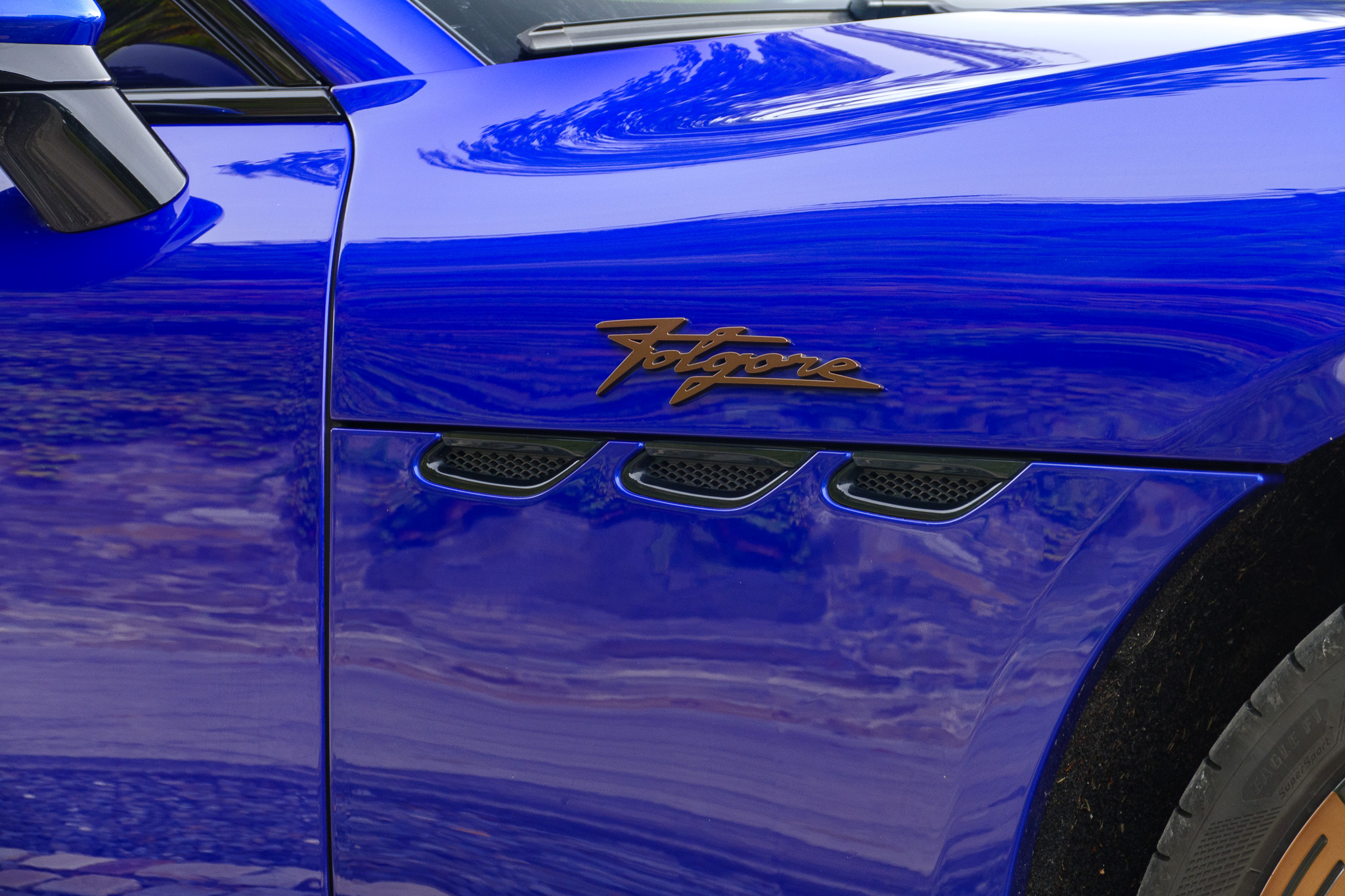
At the rear, instead of a delicate LED strip spanning the entire width, there are two separate, curved taillights. I find Maserati's approach to aerodynamics fascinating: the drag coefficient is 0,26, remarkable for a coupé almost five meters long. The airflow is discreetly integrated, almost invisibly. Only small "Folgore" badges reveal that this isn't a V6, but an electric vehicle.
Interior: Italian luxury
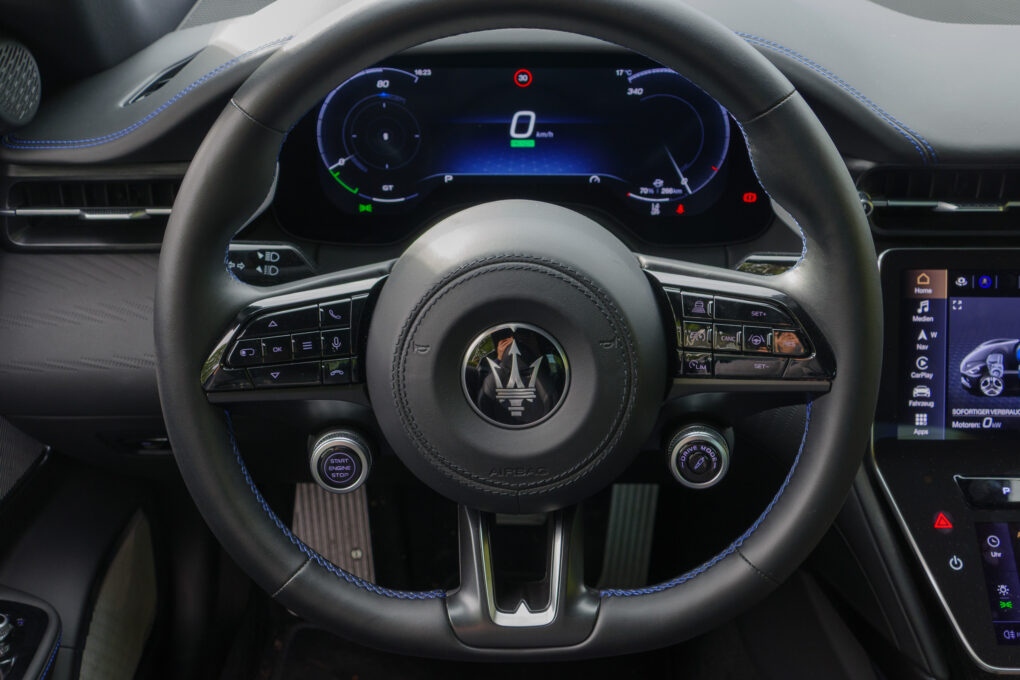
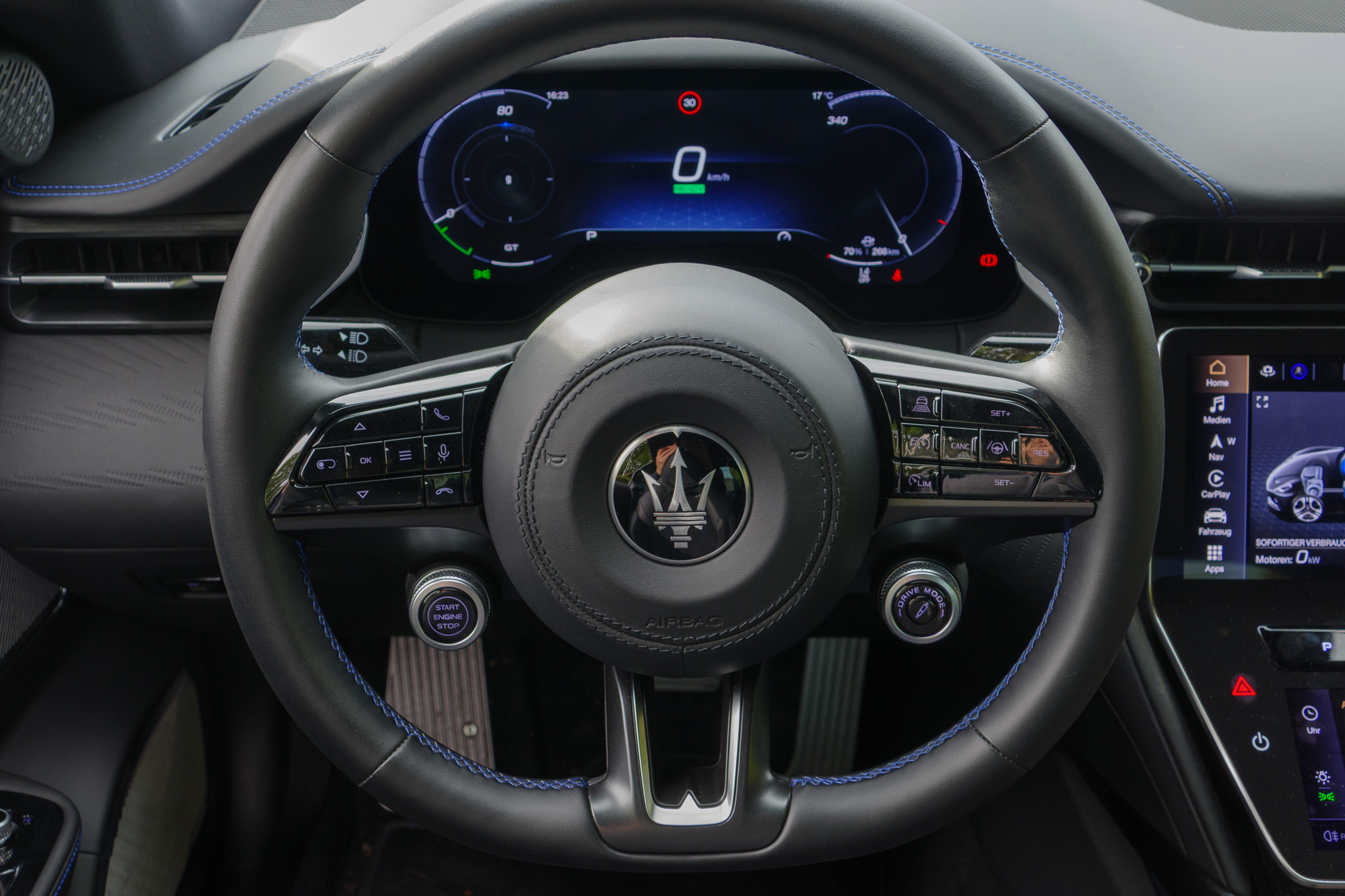
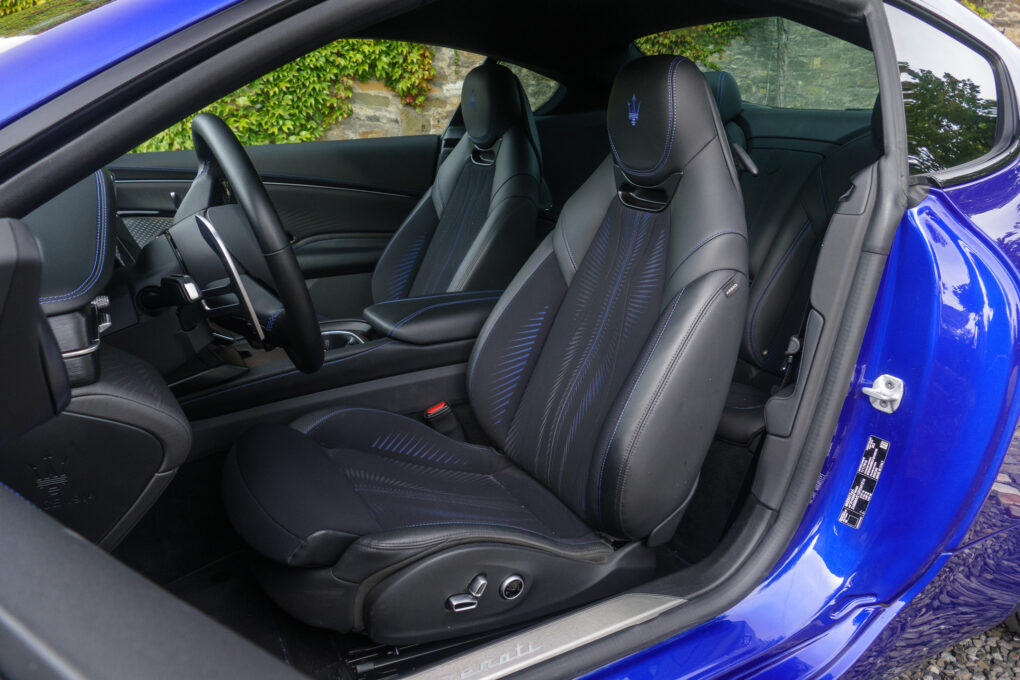
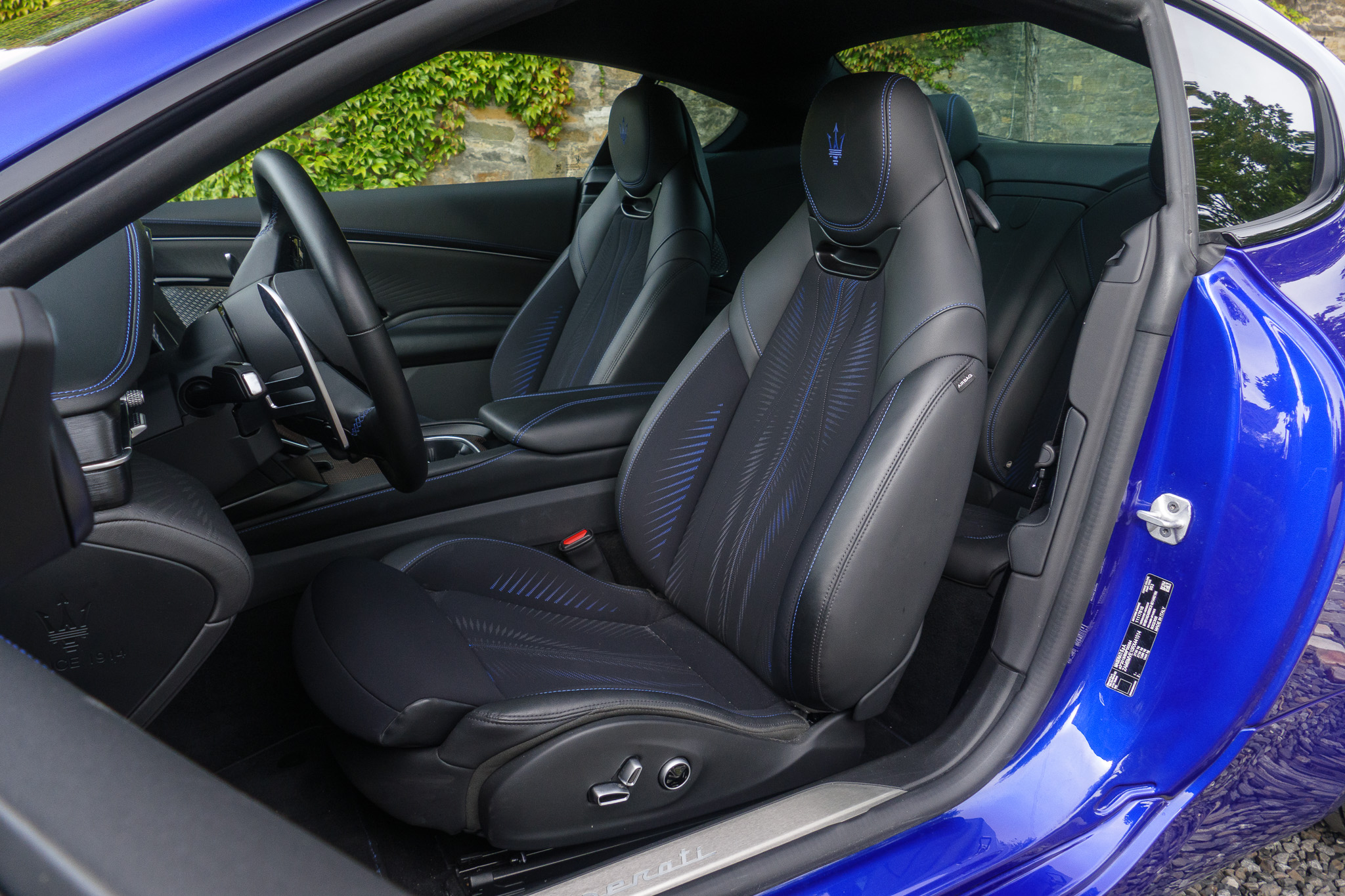
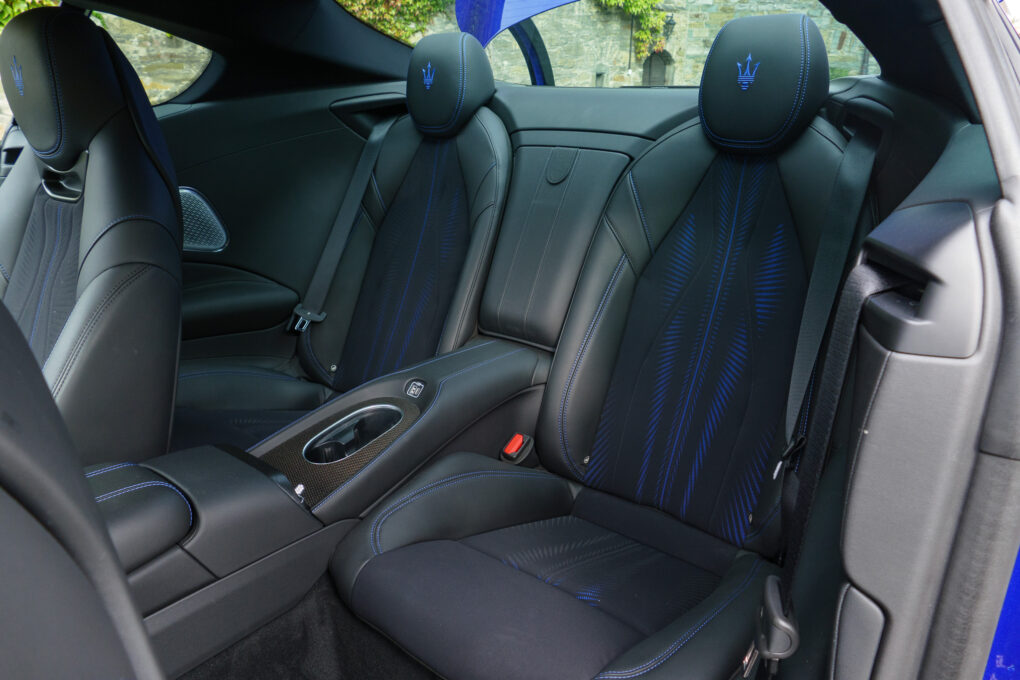
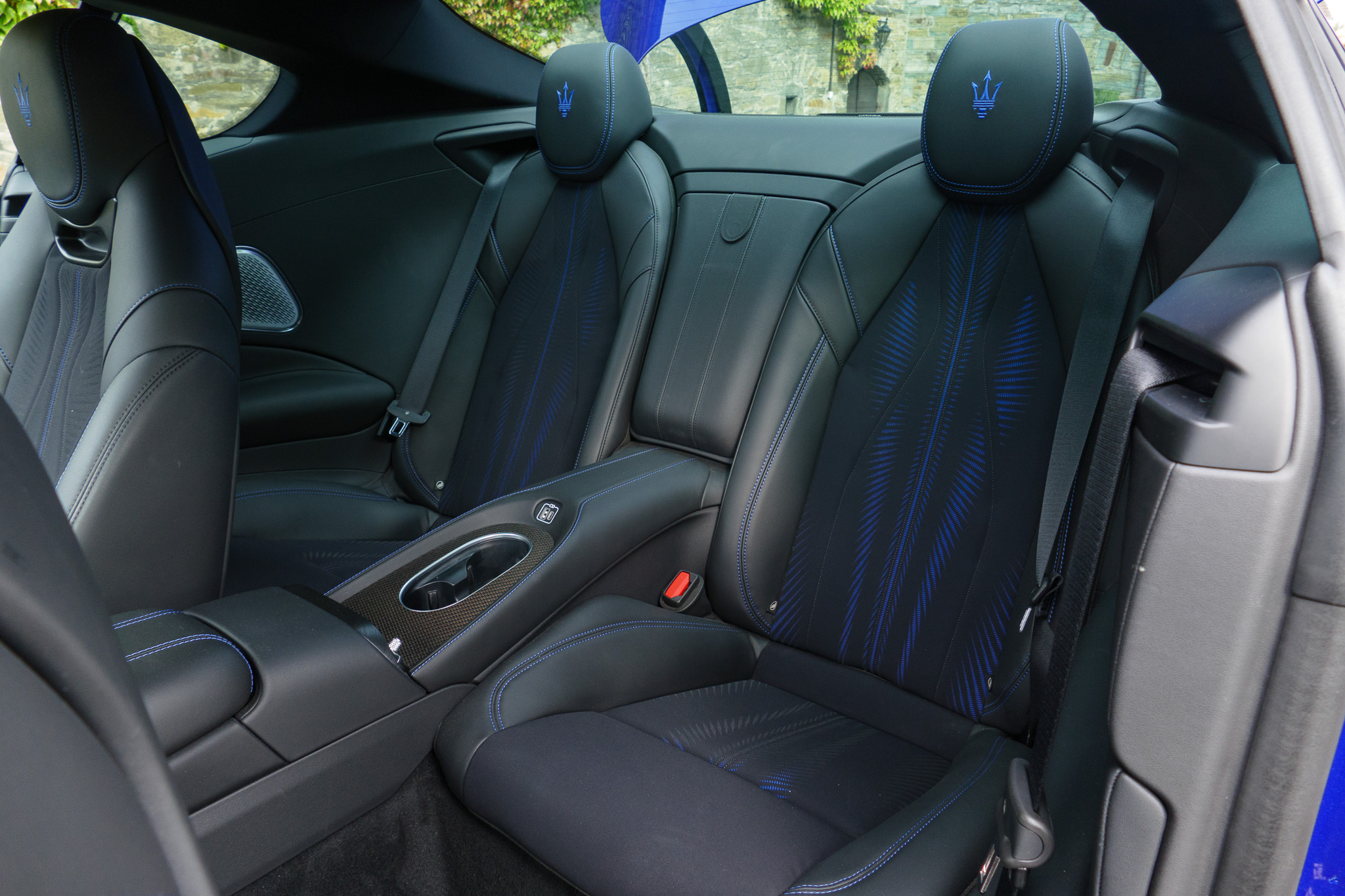
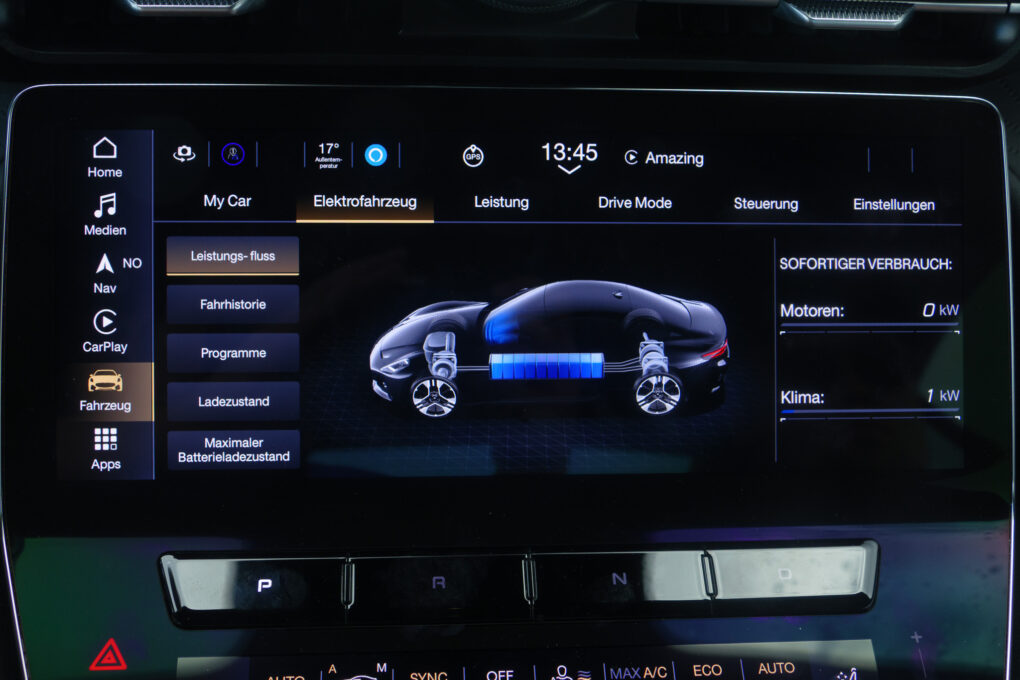
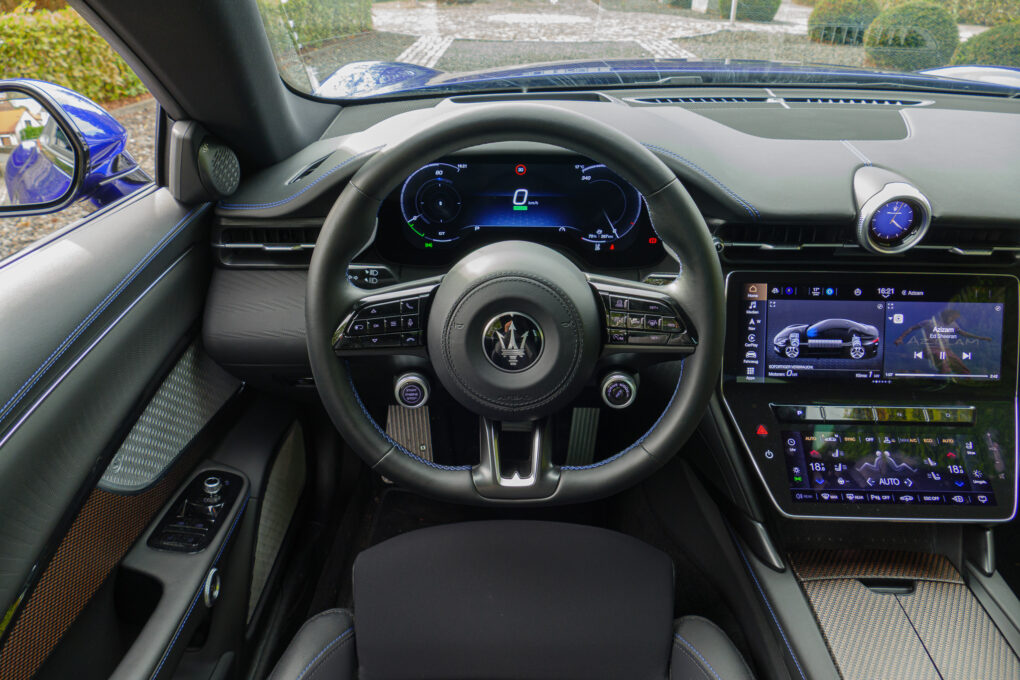
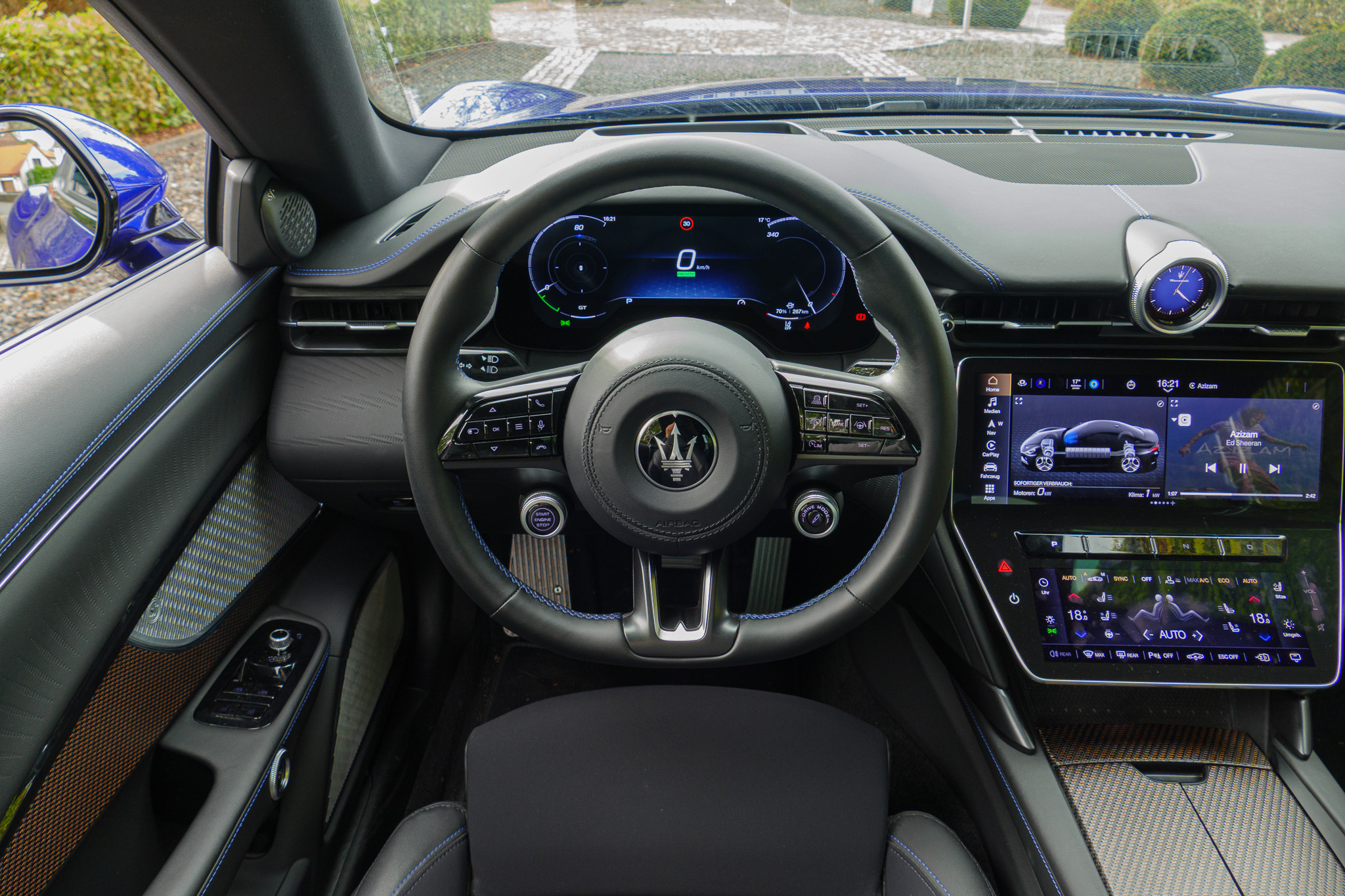
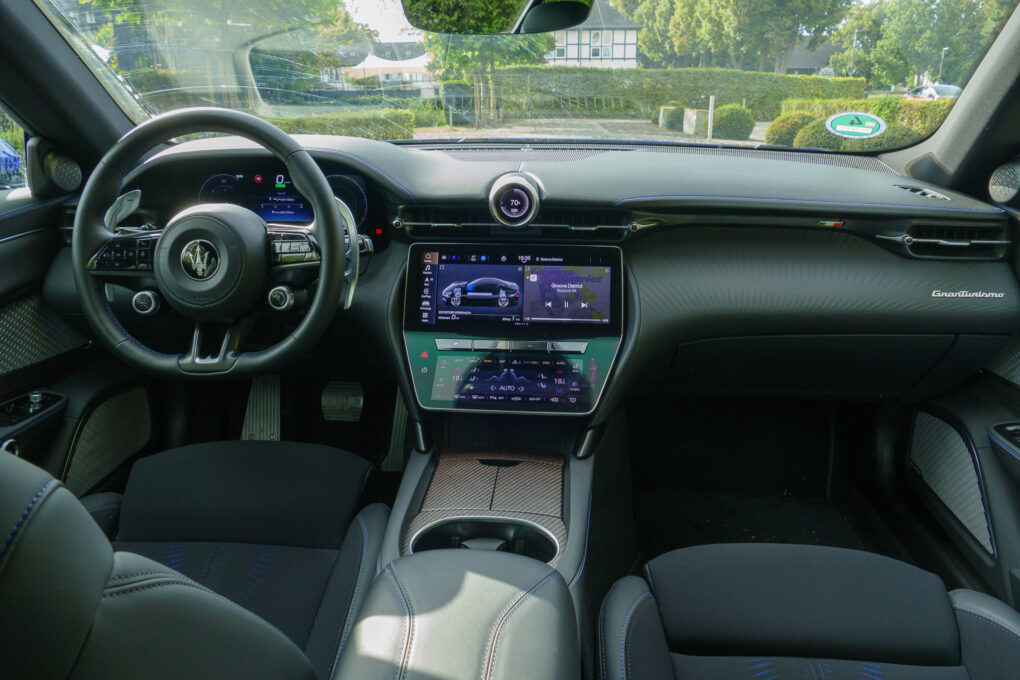
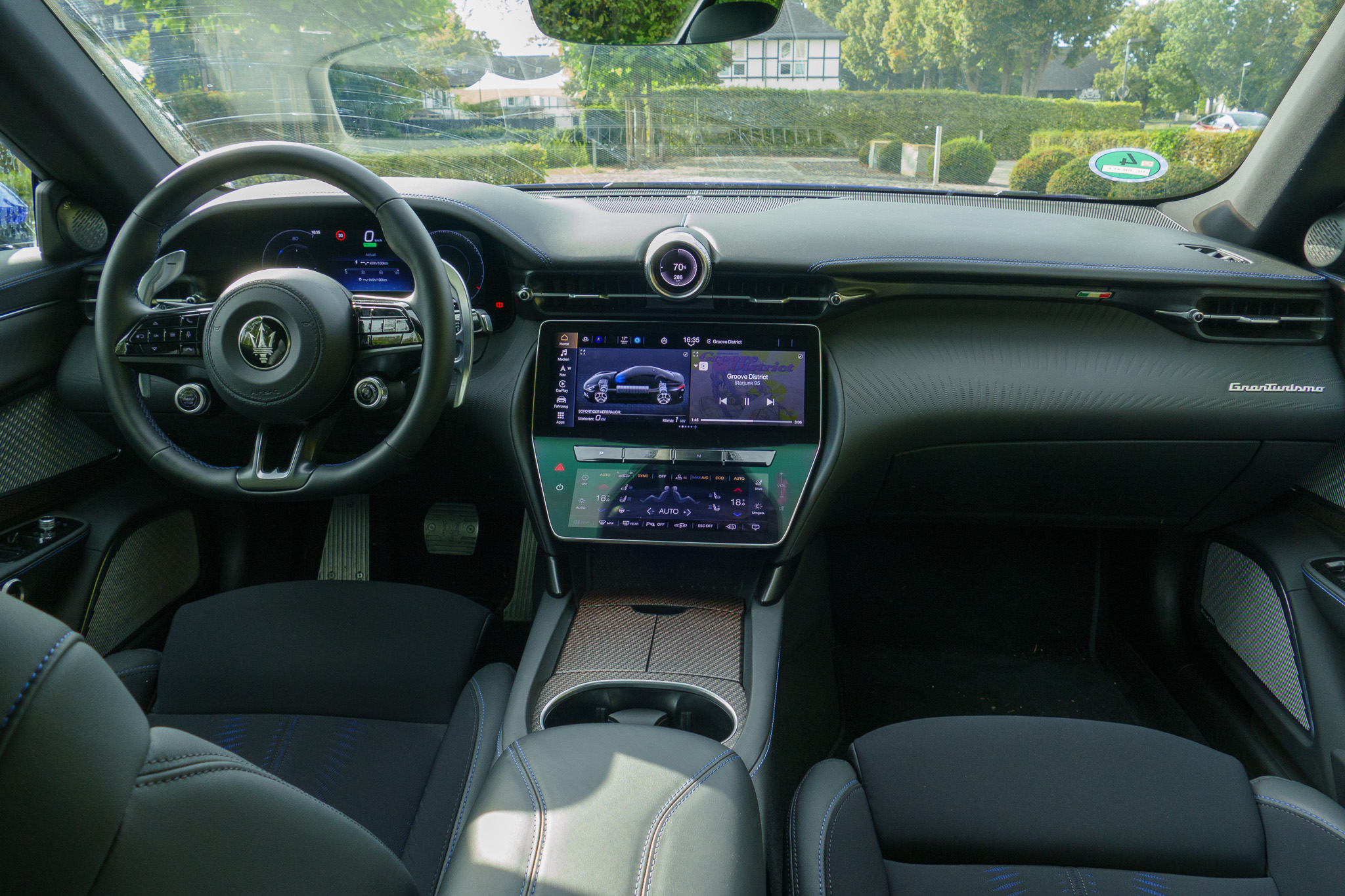
You immediately feel welcome in the cockpit. Maserati relies on a blend of sustainable craftsmanship and high technology. Fine synthetic leather, ECONYL®, and a touch of carbon fiber, combined with clean lines and refined details throughout. It feels less cold than some German premium brands, possessing that Italian charm: stylish, almost homey. This is also reflected in the prominently displayed Italian flag on the dashboard. In front of the driver is a fully digital instrument cluster, next to a large infotainment system. Based on Android Automotive, it runs quickly and looks more modern than much of what Maserati has offered in the past. Below it is a second display for climate control and comfort functions, practically and aesthetically integrated.
-
- Picture: TechnikNews
-
- Picture: TechnikNews
-
- Picture: TechnikNews
-
- Picture: TechnikNews
-
- Picture: TechnikNews
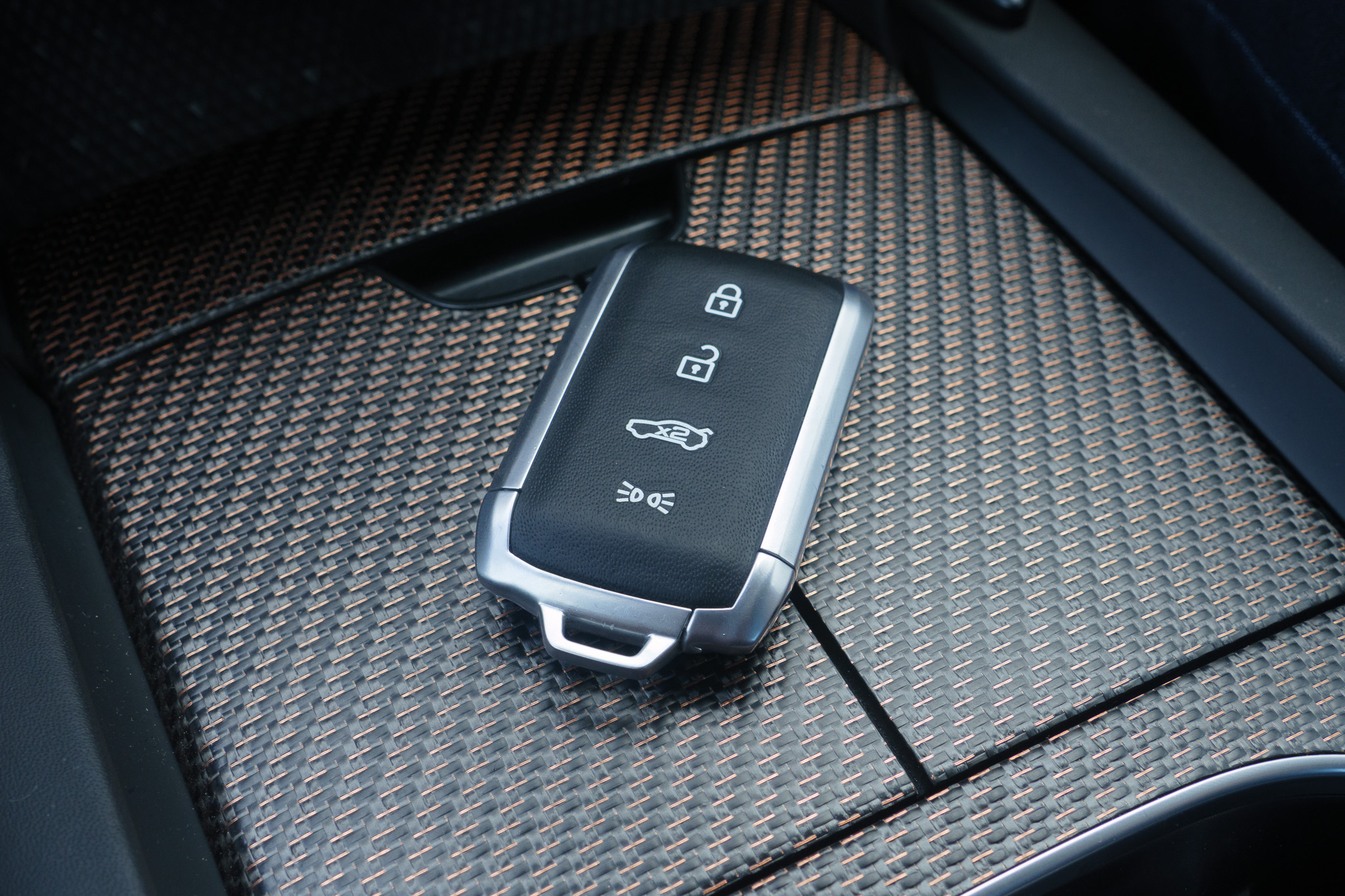
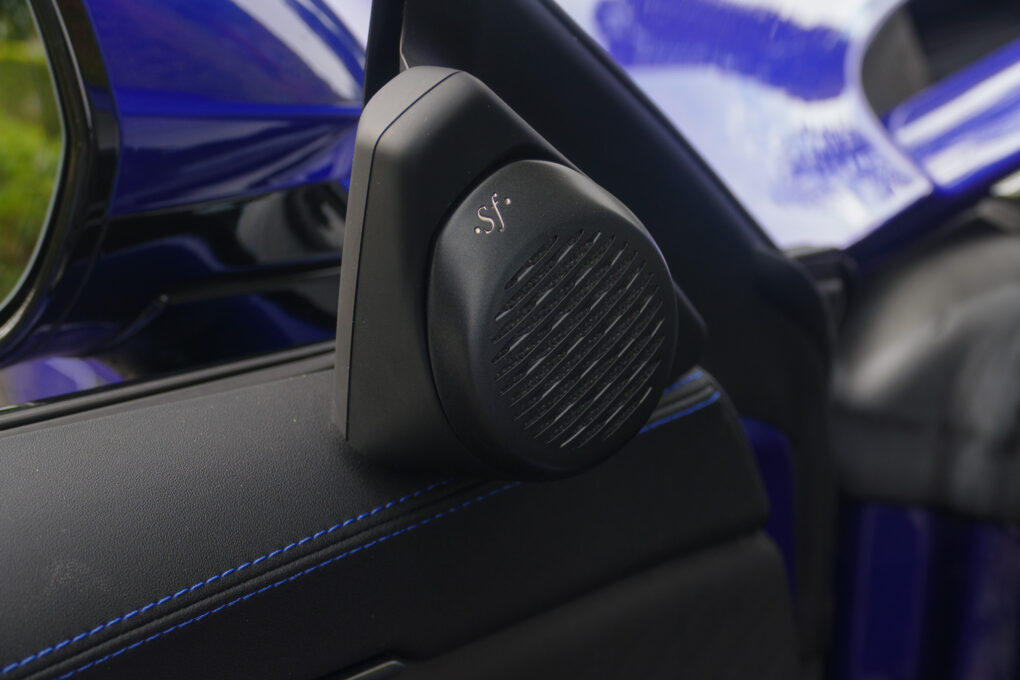
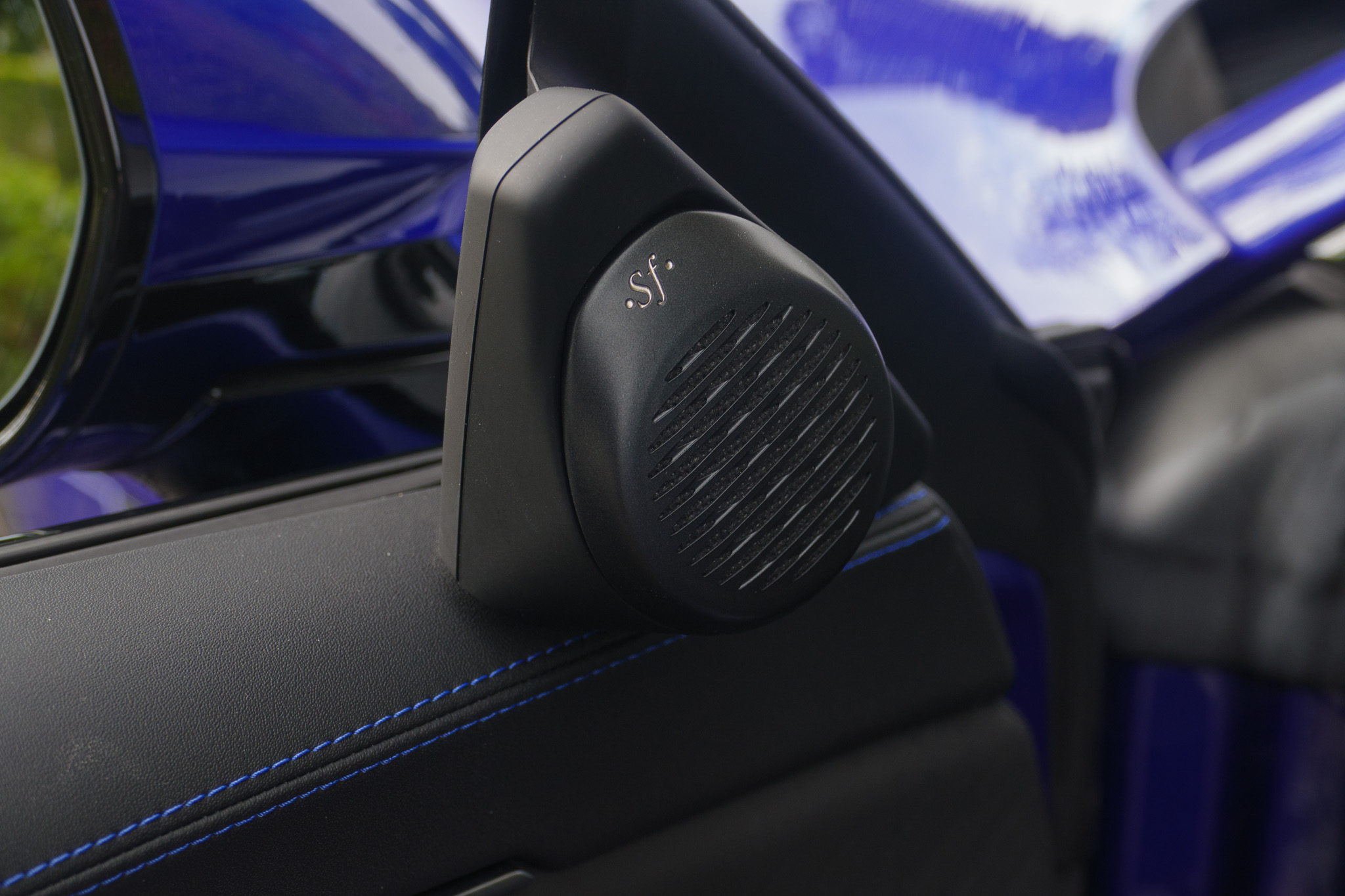
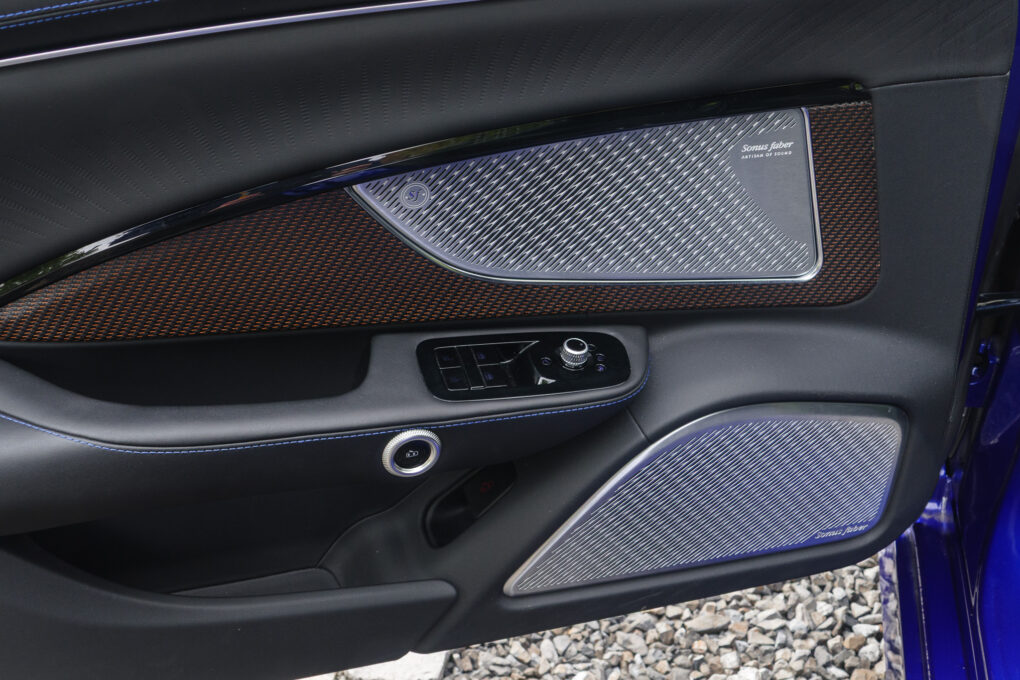
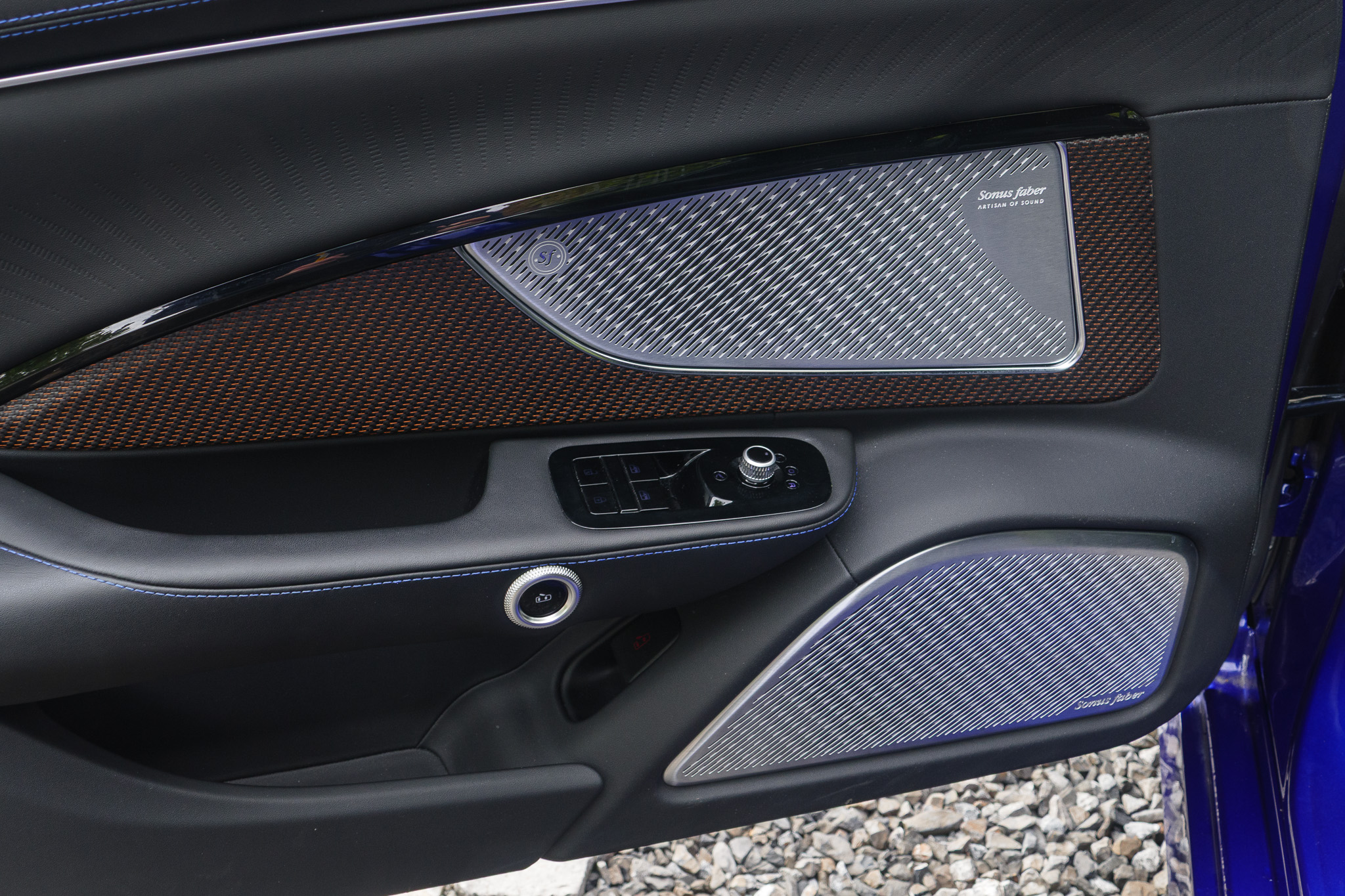
One highlight is the optional Sonus faber sound system With 19 speakers and over 1.100 watts, the sound is magnificent and detailed, transforming the interior into something almost like a concert hall. The seats are sportily designed yet comfortable enough for long journeys. There are two rear seats, but for adults, they're more of a last resort than a permanent solution. The trunk offers 270 liters of space – enough for a weekend's worth of luggage, but not much more.
Drive & Performance: Brutal power, elegantly packaged
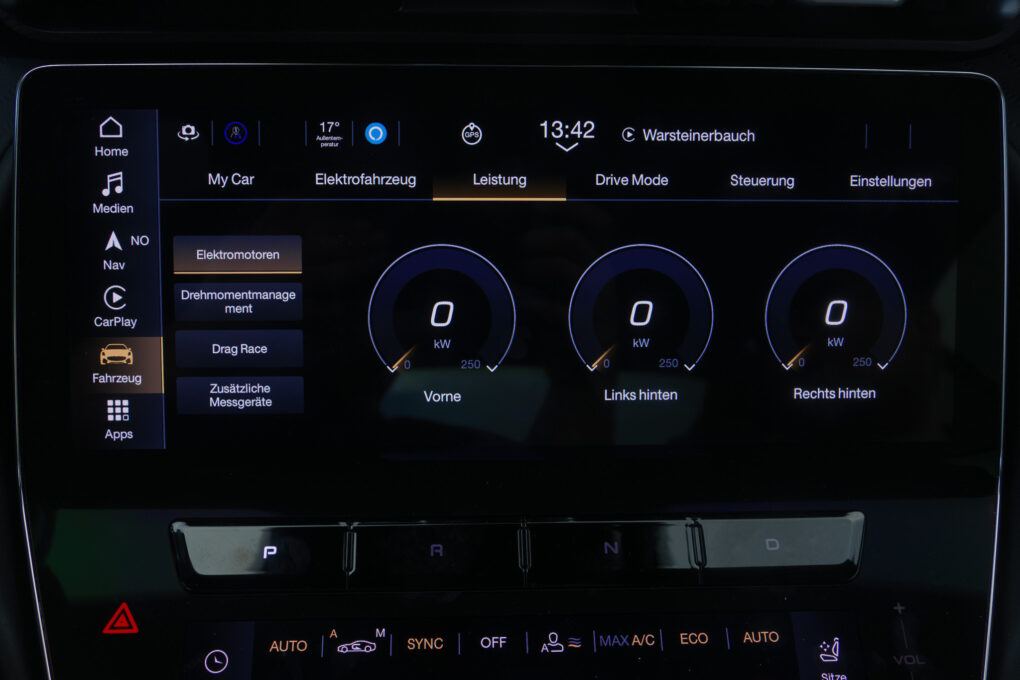
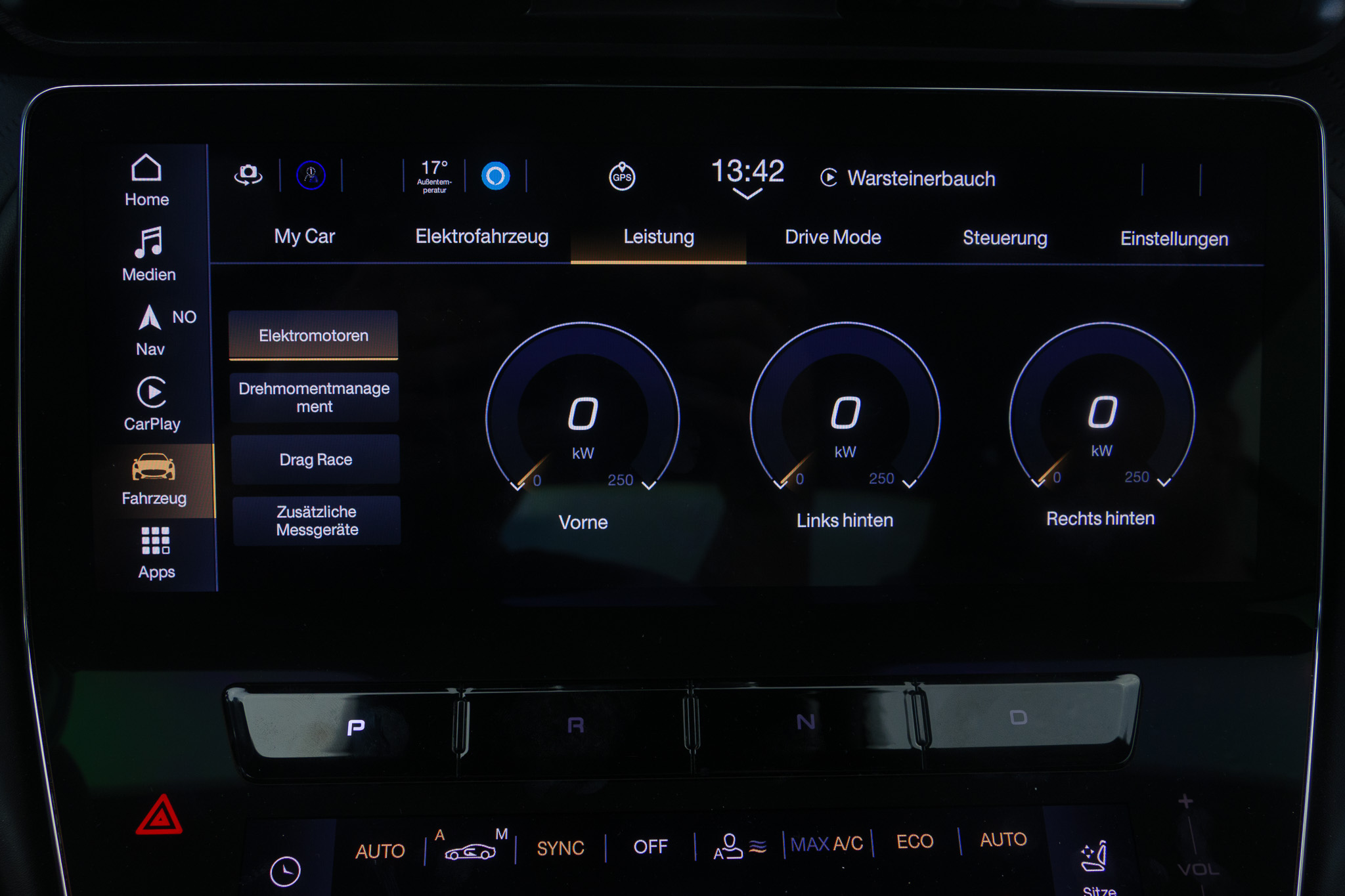
The heart of the Maserati GT Folgore is its three electric motors: one at the front, two at the rear. Together they deliver 560 kW. so 761 hp, and deliver up to 1.350 Nm torque.
The result: 0-100 km/h in 2,7 seconds. Anyone who's experienced this knows: there's no hesitation, no shift delay, just pure, instantaneous acceleration. The top speed is an impressive 325 km/h, a figure few electric cars achieve, and one that's even harder to reach fully on German autobahns. But the driving experience is even more thrilling. Thanks to the two motors on the rear axle, Maserati can distribute torque between the wheels in a flash. This is known as... Torque vectoring This ensures that the car practically clings to the curves. Despite its high weight of 2.335 kg, it feels surprisingly agile.
-
- Picture: TechnikNews
-
- Picture: TechnikNews
-
- Picture: TechnikNews
-
- Picture: TechnikNews
-
- Picture: TechnikNews
Of course, you feel the weight, especially during abrupt changes of direction. But Maserati has tuned the adaptive air suspension so that you never feel like you're driving an immobile behemoth. Instead, it drives like a true GranTurismo: composed, sporty, and even in its electric version, deeply emotional.
Battery & Range: Large, but not endless
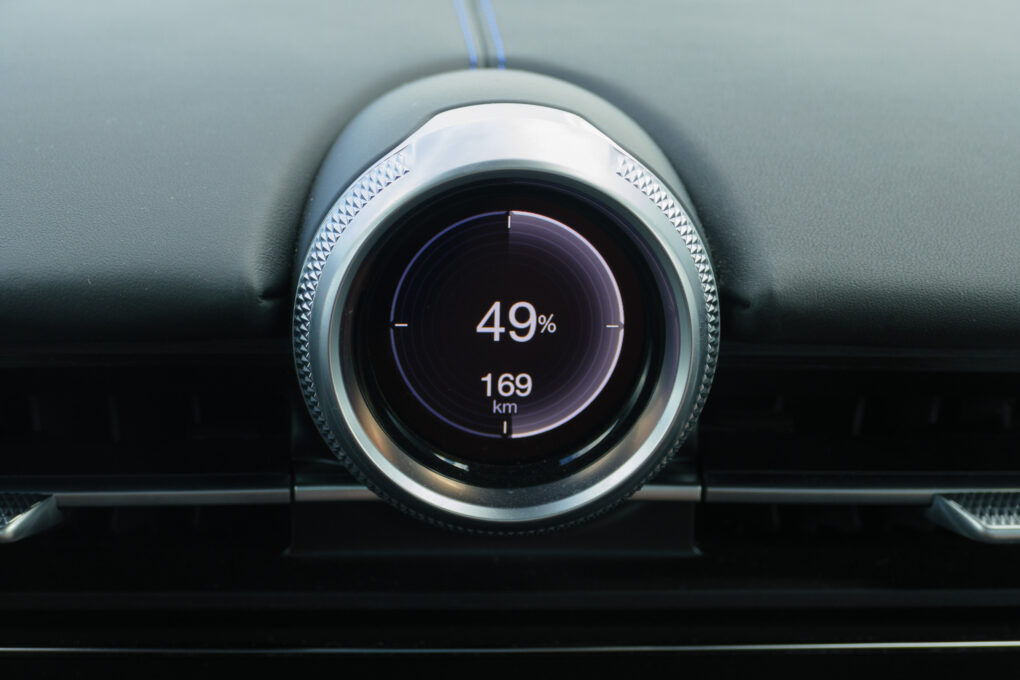
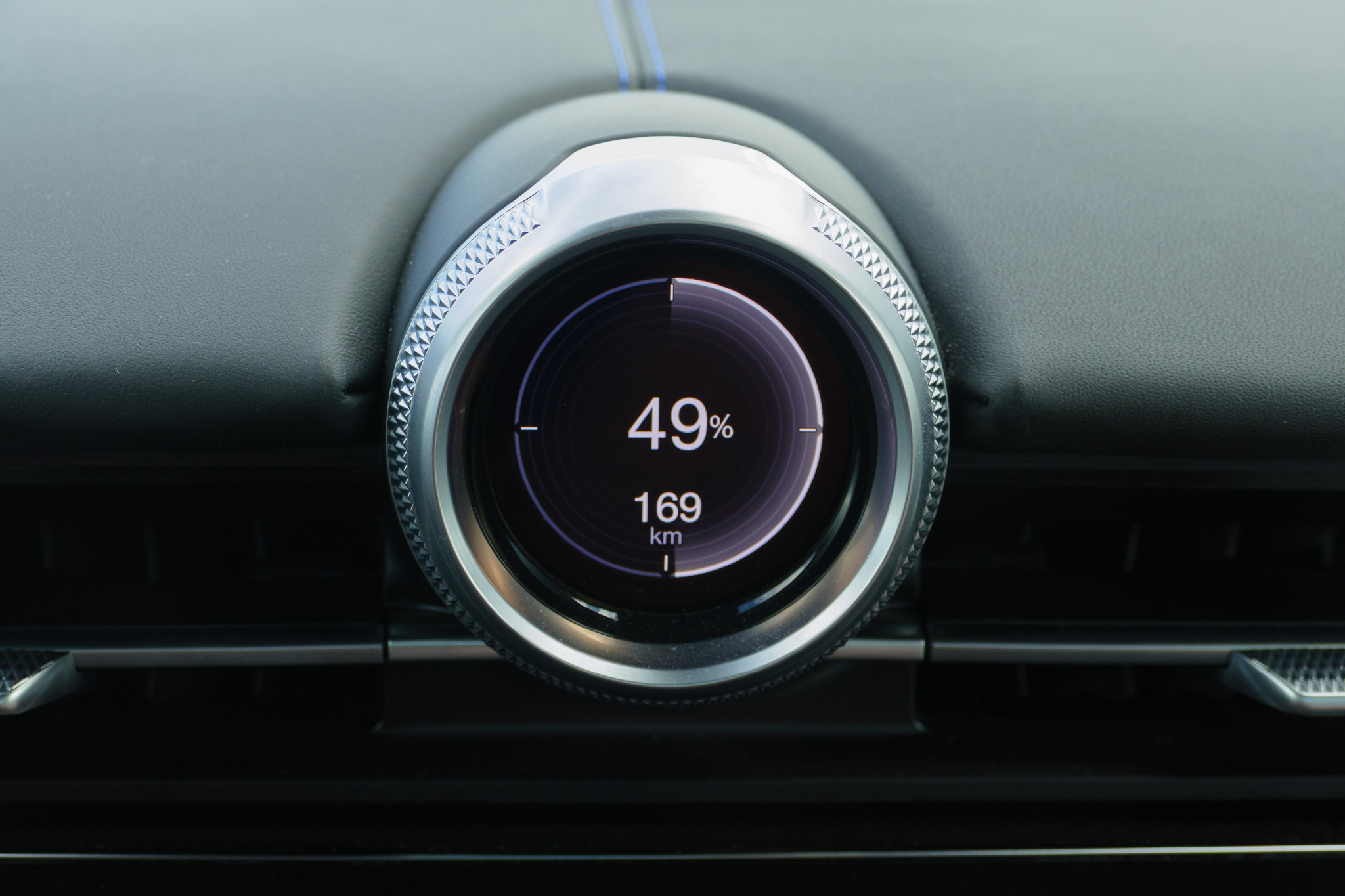
The battery has a gross capacity of 92,5 kWh, with a usable capacity of 83 kWh. According to WLTP, this is sufficient for a range of 455 km. In practice, one must be realistic: those who drive leisurely can achieve 400 km. Those who frequently demand full power will likely end up with a range of 280–330 km.
According to EV-Database, the consumption is 221 Wh/km in the standard cycle. Sure, with a curb weight of 2,3 tons and this performance, it's not exactly an economical car, but compared to a Porsche Taycan or Audi RS e-tron GT, the Maserati doesn't fare much worse.
Charging: Ready again quickly
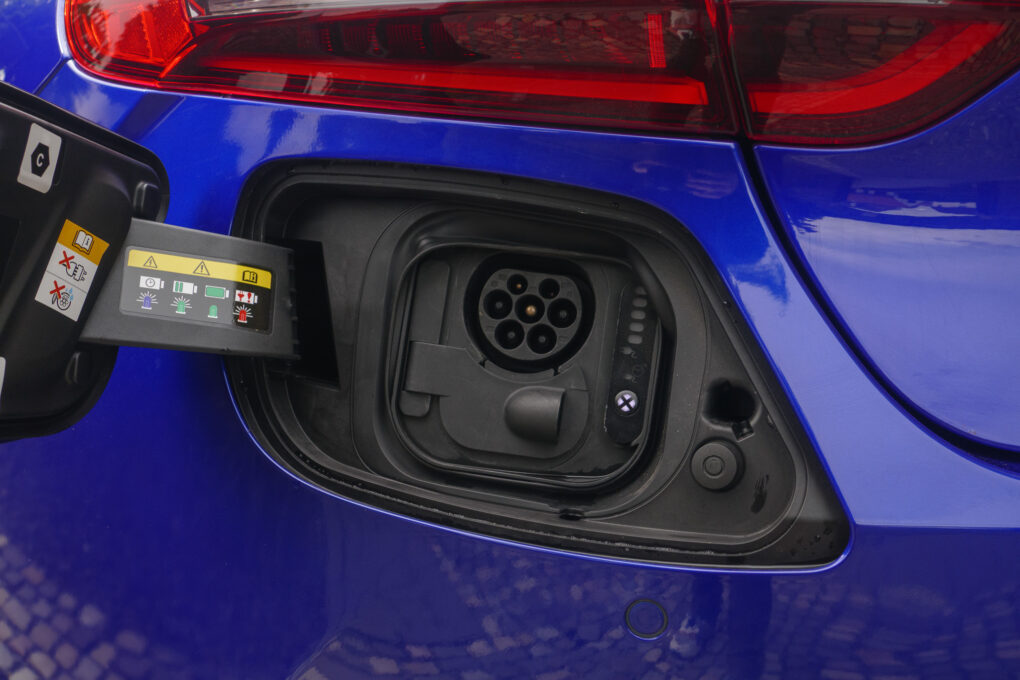
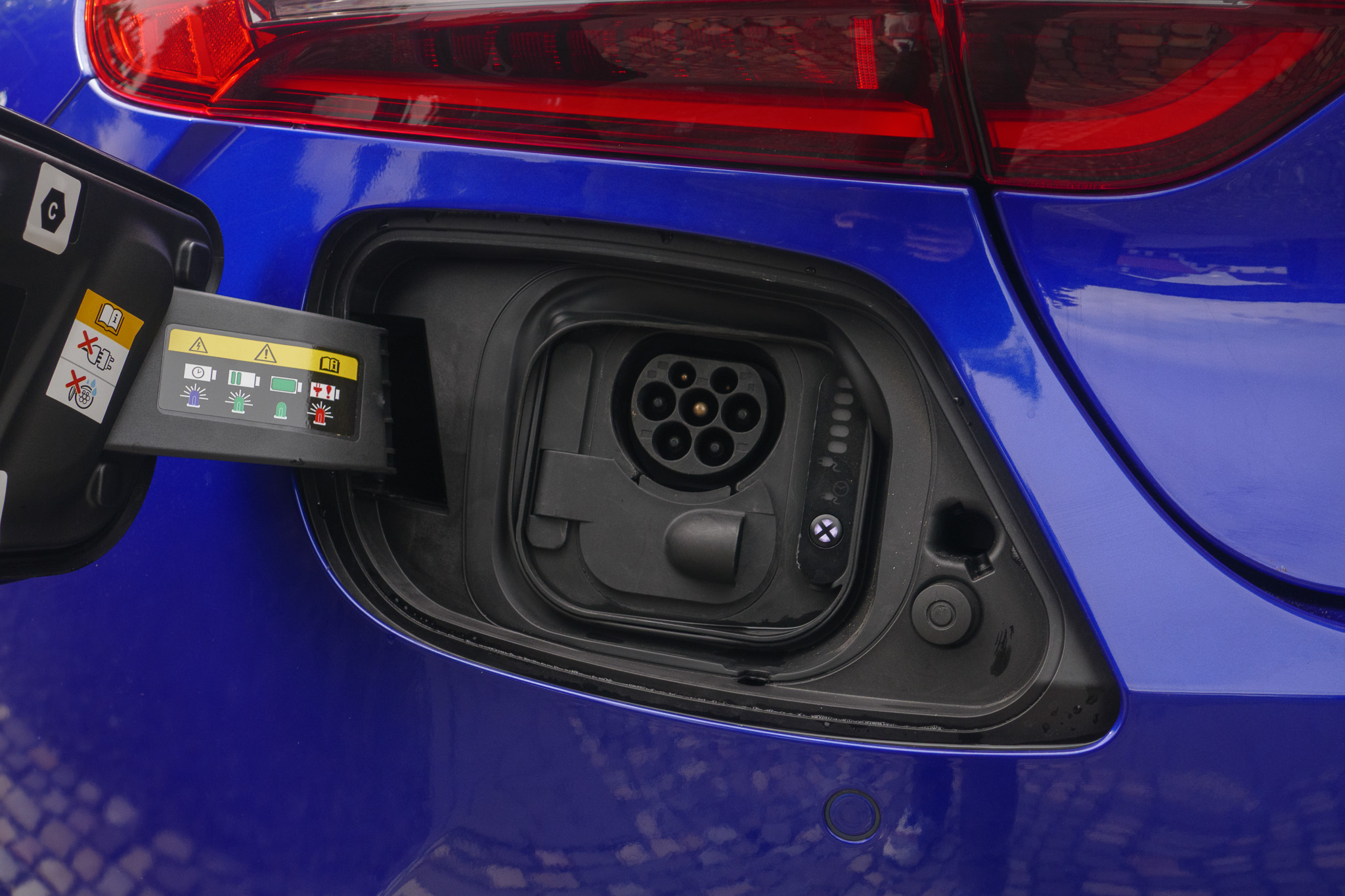
Maserati uses an 800-volt architecture. A maximum charging capacity of 261 kW is possible. Charging from 10% to 80% takes a respectable 17 minutes, making it perfectly suitable for long journeys. Convenient for everyday use: AC charging is standard at up to 22 kW. Those with a compatible wallbox at home can therefore fully charge the battery in just under 5 hours.
-
- Picture: TechnikNews
-
- Picture: TechnikNews
-
- Picture: TechnikNews
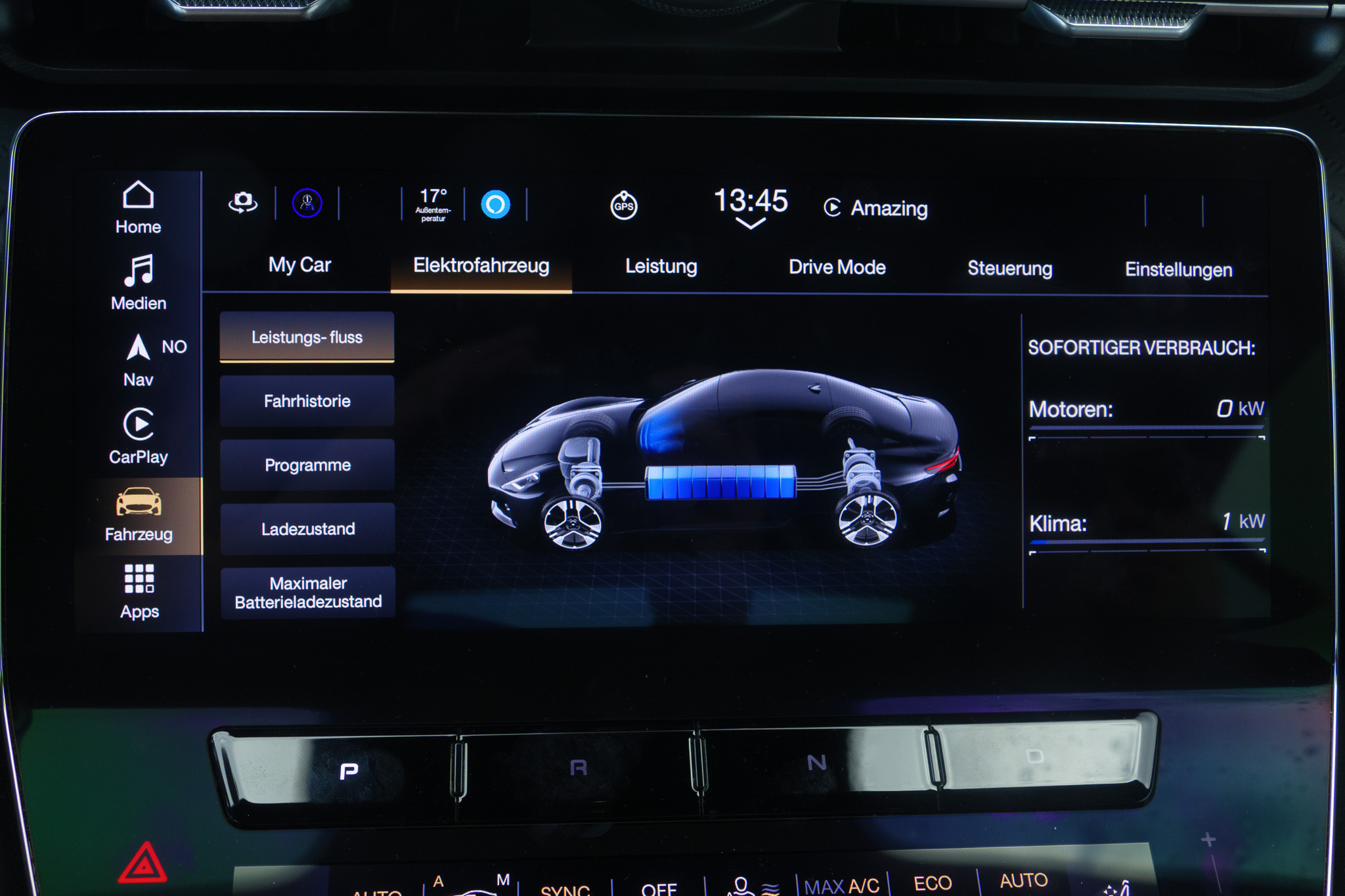
The only drawback: Charging performance naturally depends on the infrastructure. It reaches its full potential at modern 350 kW charging stations, but charging is significantly slower at older chargers or 400-volt systems. However, this applies to almost all vehicles in this class. Standard battery preconditioning is active in Corsa mode; otherwise, it only activates when a charging stop is planned using the onboard navigation system. This system is a component also used in other Stellantis Group vehicles. While it features its own special Maserati GT Folgore graphics and attractive instruments, the navigation system unfortunately suffers from Stellantis' software curse.
Driving dynamics: Does a Maserati still remain a Maserati?
Whether cruising comfortably on a country road or pushing the limits on the motorway, the Folgore feels like a true Maserati. This isn't just due to its performance, but also to the small details. In GT mode, it glides along quietly, almost imperceptibly. In Sport or Corsa mode, it transforms into a beast: more direct steering, a firmer suspension, and more brutal throttle response. It's clear that Maserati didn't just want to build an electric car, but a genuine driver's car with a certain "supercar" edge. Besides the dampers, you can also adjust the suspension, and handy rotary switches on the steering wheel allow you to select from four different driving modes: Eco, GT, Sport, and Corsa. The latter deactivates all driver assistance systems, and optionally the ESP, for a direct track-focused experience.
-
- Picture: TechnikNews
-
- Picture: TechnikNews
-
- Picture: TechnikNews
-
- Picture: TechnikNews
-
- Picture: TechnikNews
One particularly interesting detail is the artificially generated engine sound. Maserati didn't want to completely eliminate the typical V8/V6 feel. A synthetic sound is played through the speakers, accompanying the driver even at high speeds. Whether you like it is a matter of taste. I think it sounds better than in some other manufacturers' cars. Nevertheless, I would still rank Porsche's Electric Sports Sound higher.
Infotainment: Nice, but not well thought out
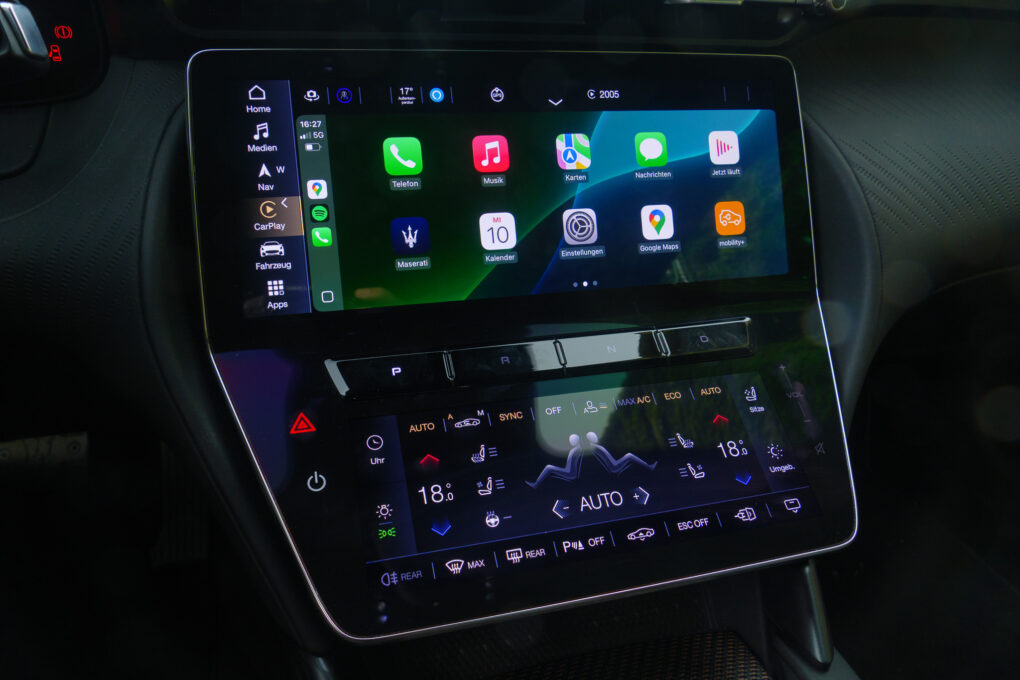
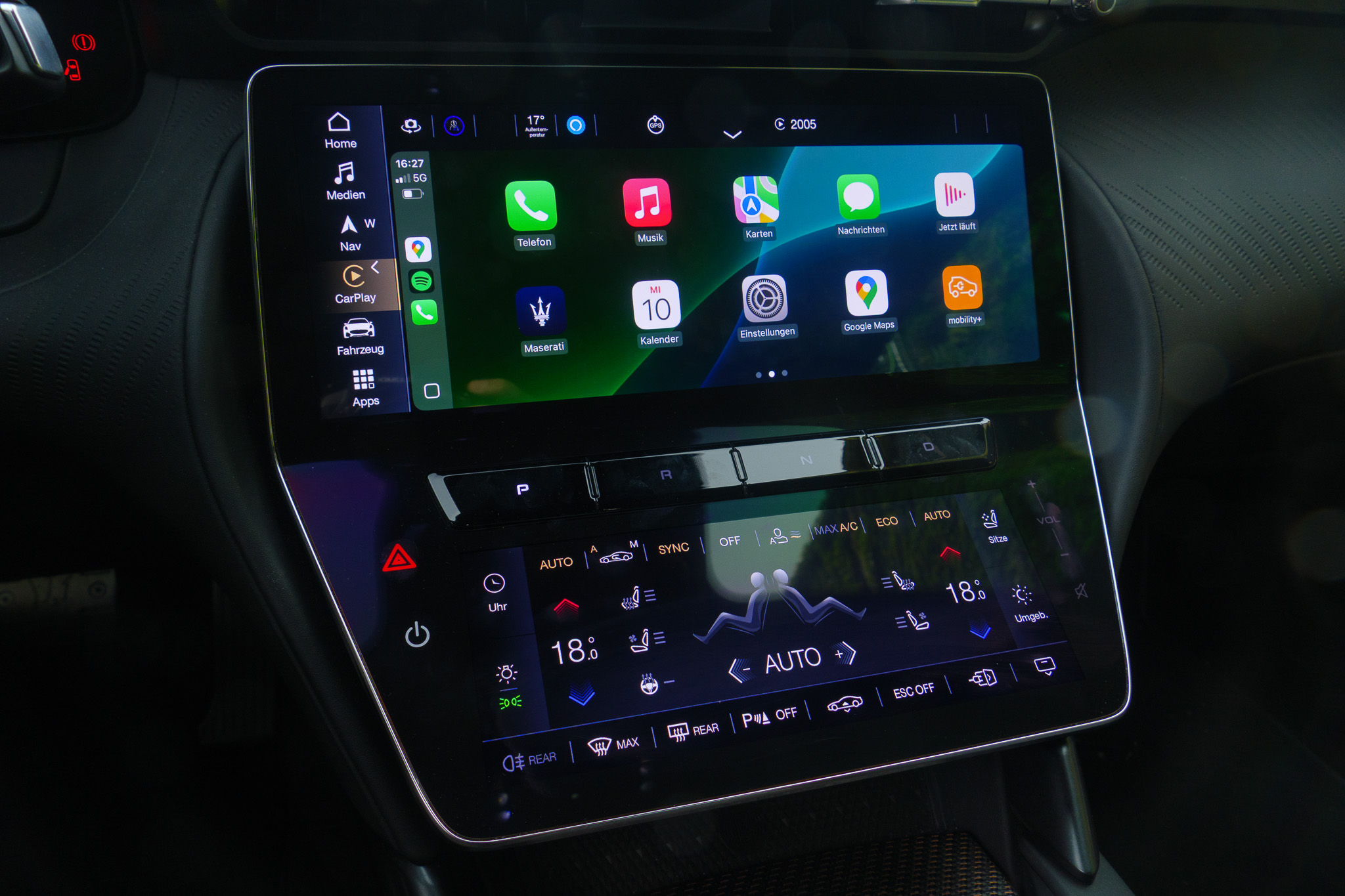
The infotainment system looks good at first glance: a large display with smooth animations, and wireless Apple CarPlay and Android Auto run smoothly and are nicely integrated. However, the weaknesses quickly become apparent. The system itself is sometimes jerky, and inputs take noticeably longer than in a Tesla or Porsche. Navigation is particularly frustrating: charging planning? Forget it. The Maserati only shows charging stations in the immediate vicinity, but none along the route. For long journeys, you're therefore forced to plan using CarPlay or external apps, which could be better. But will the target audience actually do that? I highly doubt it.
-
- Picture: TechnikNews
-
- Picture: TechnikNews
-
- Picture: TechnikNews
-
- Picture: TechnikNews
-
- Picture: TechnikNews
Truly something special.
The Maserati GranTurismo Folgore is not a rational car. It's heavy, expensive, and not the most efficient electric car. But it is one of the most emotional.
Maserati has successfully transferred the GranTurismo DNA into the electric age. Elegant design, a luxurious interior, incredible performance, and that feeling of driving something special. Add to that a practical range, fast charging, and state-of-the-art technology.
For most, it remains a dream on four wheels. But that's precisely what makes it so fascinating: It's a Maserati, and Maseratis were never intended for the masses, but rather for those seeking something special, and of course, those with the necessary funds. Those who can afford it will get a first-class GT in the Folgore, albeit one plagued by a few minor teething problems (software issues). But for the vast majority, it will undoubtedly fulfill the dream of owning a Maserati with brutal acceleration.