
Range Rover Evoque P270e (2026) review: Compact hybrid SUV with character
A TEST REPORT from Kasimir Hupe  on August 09, 2026, 10:00 pm | Write a comment
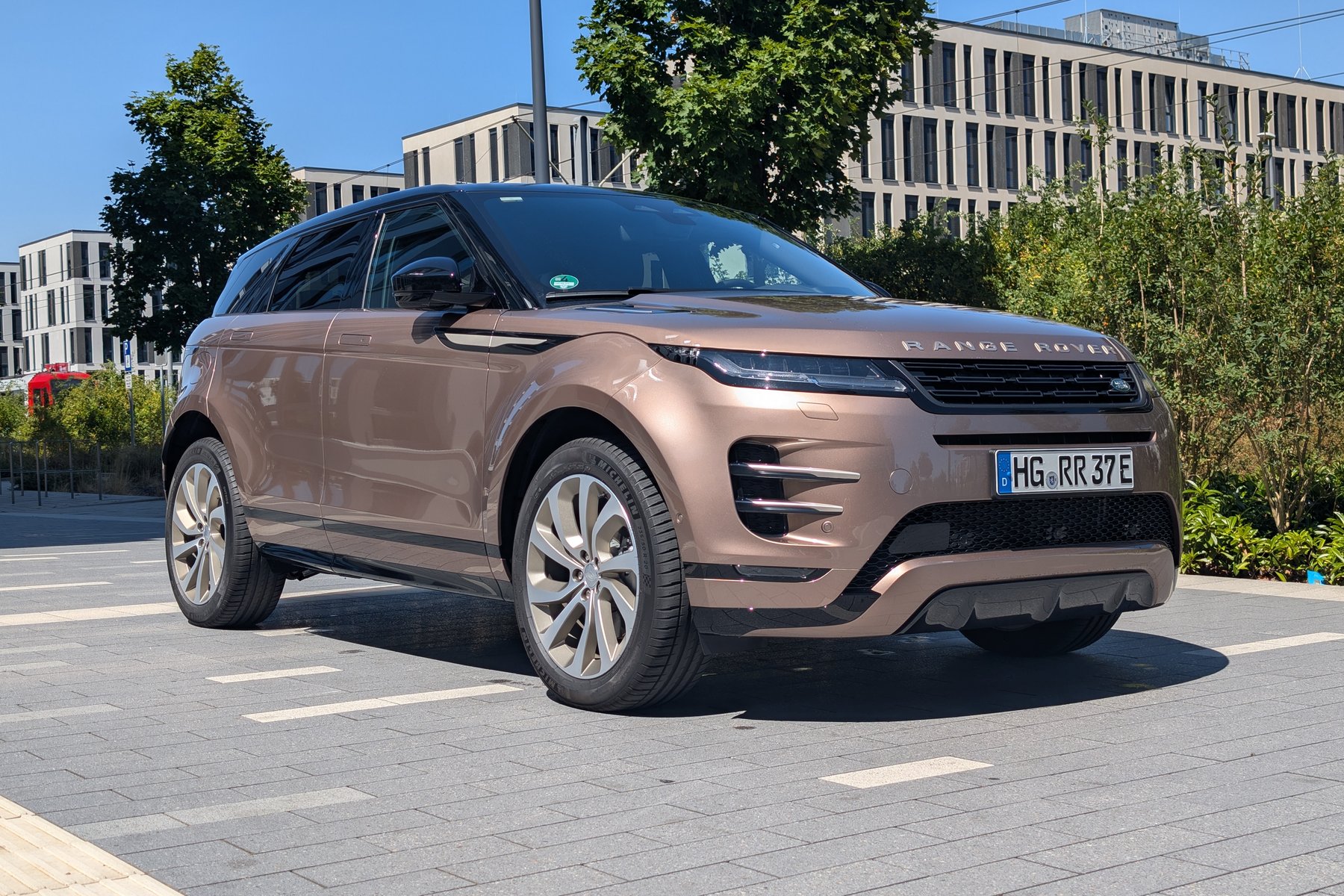
The Range Rover Evoque invented an entire segment in 2011 and still looks better than almost all models that have come onto the market since. As a plug-in hybrid, it's now called the P270e and unfortunately has lost some power compared to its predecessor, the P300e. We tested it for two weeks in everyday driving: in the city, on the motorway, and on country roads.
When Land Rover unveiled the new model at the Detroit Motor Show in January 2008... LRX study presentedMany considered the flat, angular vehicle a mere design exercise. But three years later, the almost unchanged Range Rover Evoque was at dealerships, built in Halewood near Liverpool, advertised with Victoria Beckham as design consultant, and selling nearly 88.000 units in its first year. It was available as a three-door, a five-door, and, from 2016, even as a convertible. Above all, it invented a new vehicle class: the compact premium SUV, sold on style and practicality.
The second generation arrived in 2019, featuring a completely new technology and a deliberately subtle visual evolution. A facelift followed in February 2024, bringing pixel LED headlights, a curved touchscreen, and a redesigned center console. The plug-in hybrid has been available since 2020, initially as the P300e with 309 hp, now as the P270e with 269 hp. Our test vehicle is the Hoxton Edition of the Evoque, named after the London creative district, and has been the successor to the Dynamic SE trim level since early 2026. We drove it for two weeks in rush hour traffic, on the motorway, and on country roads. Here is our driving report.
Conclusion on the Range Rover Evoque P270e: Elegance comes at a price
The Range Rover Evoque P270e is a car you buy for the wrong reasons and yet don't regret. Rationally, it hardly wins any comparison: the battery is too small, the electric range is less than half that of a current Audi Q3 e-tron, and it's slower than its own predecessor. this plug-in hybrid Choosing solely based on data will not result in the best value for money.
Emotionally, however, the picture changes completely. Hardly any competitor looks as good, hardly any drives as smoothly, and details like the steering wheel-mounted button for the driver assistance systems or the automatic sunshade demonstrate more practicality than some competitors' ten-year strategies. Add to that genuine off-road capabilities, a decent-sized trunk despite the battery, and the rare option of charging on the go with DC fast charging. For those with a wallbox, who drive short distances, and who prioritize style over spec sheets, the Range Rover Evoque offers a very distinctive and elegant vehicle.
Strengths and weaknesses of the Range Rover Evoque P270e
✅ Strengths
- A design that still looks modern and distinctive after seven years
- Boot capacity without any loss compared to the combustion engine version: 472 liters
- DC fast charging at up to 32 kilowatts, still rare in this segment
- The steering wheel button instantly adjusts all assistants and warning messages accordingly.
- Android Auto connects exceptionally quickly and reliably.
- Serious off-road specifications: 21 centimeters ground clearance, 52 centimeters wading depth
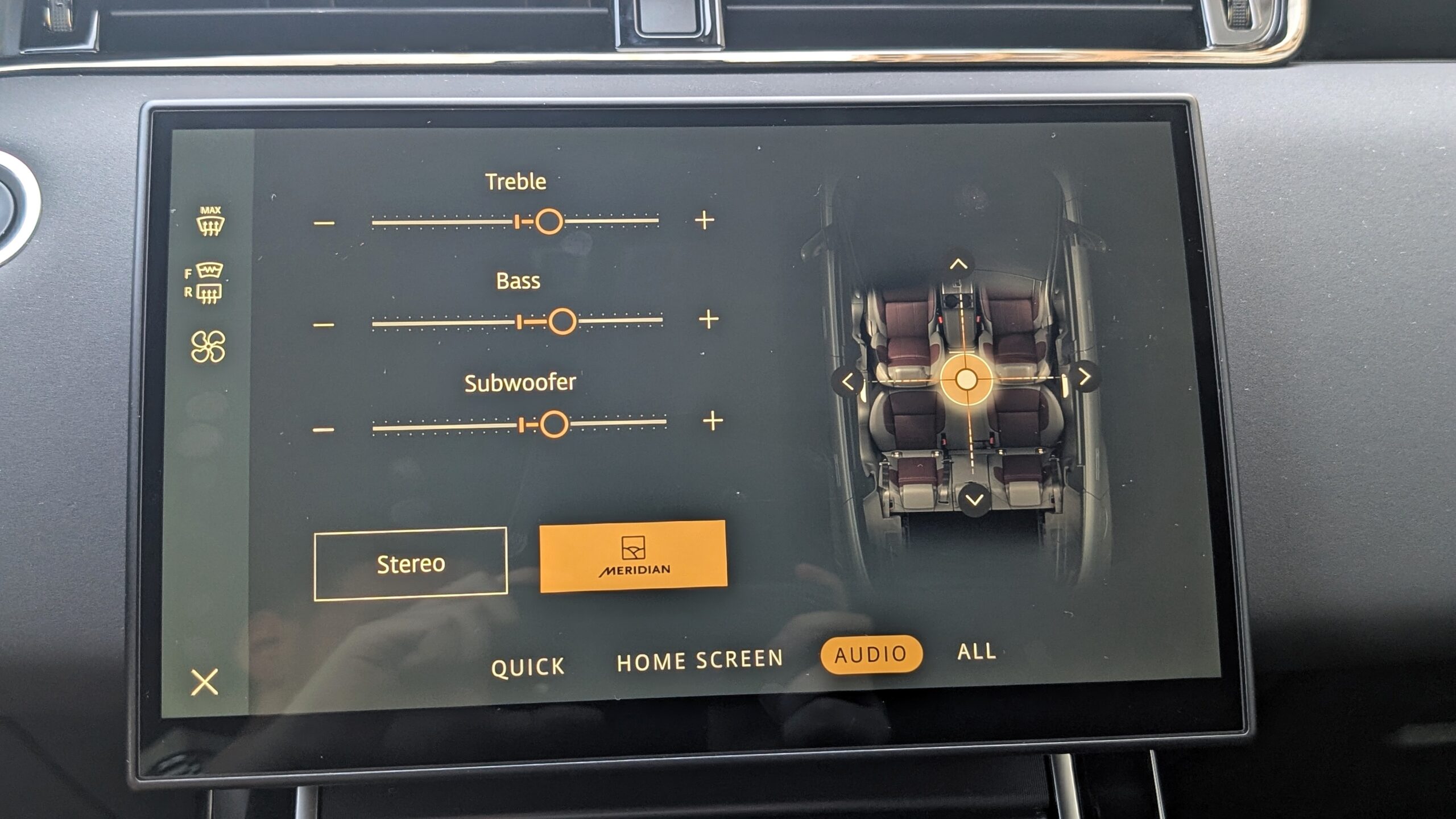
- Meridian Surround Sound with 650 watts sounds great and powerful.
❌ Weaknesses
- Electric range: real maximum 47 kilometers
- Recuperation is neither adjustable nor strong enough
- 40 hp and 23 km/h less top speed than its predecessor, the P300e
- High starting price of 61.500 euros
-
- Picture: TechnikNews
-
- Picture: TechnikNews
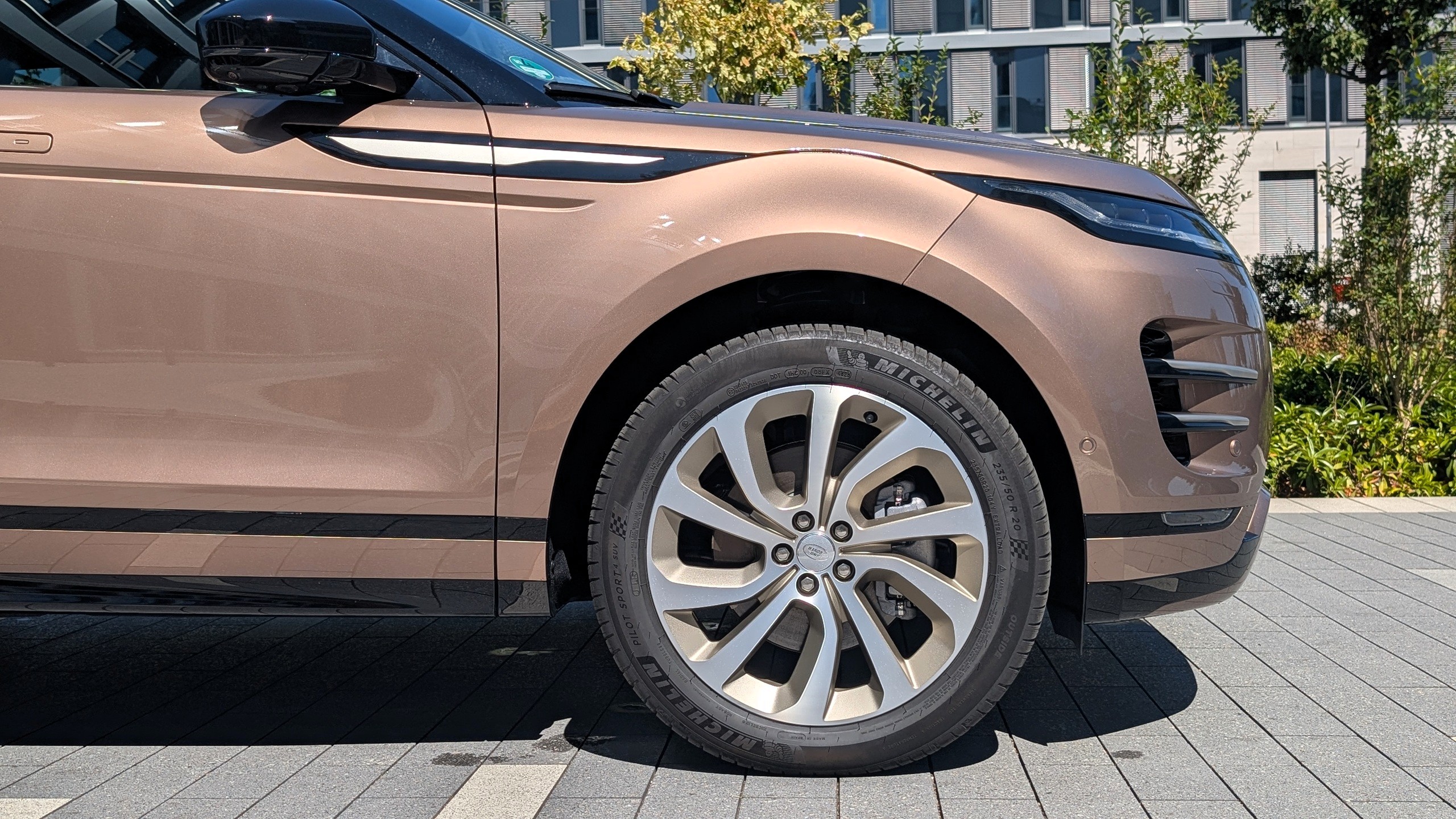
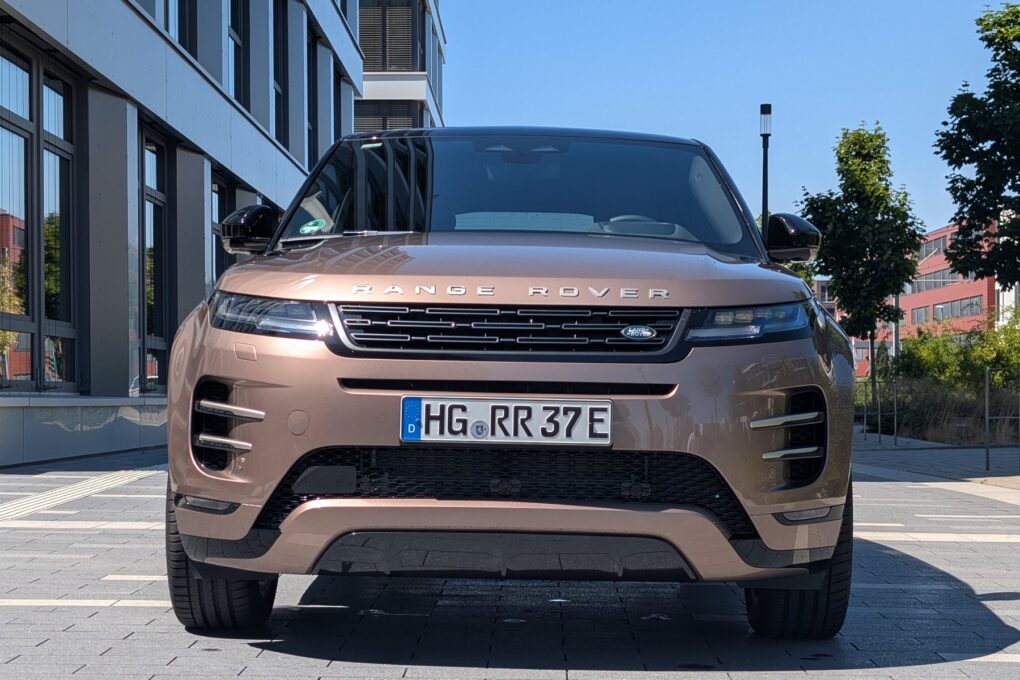
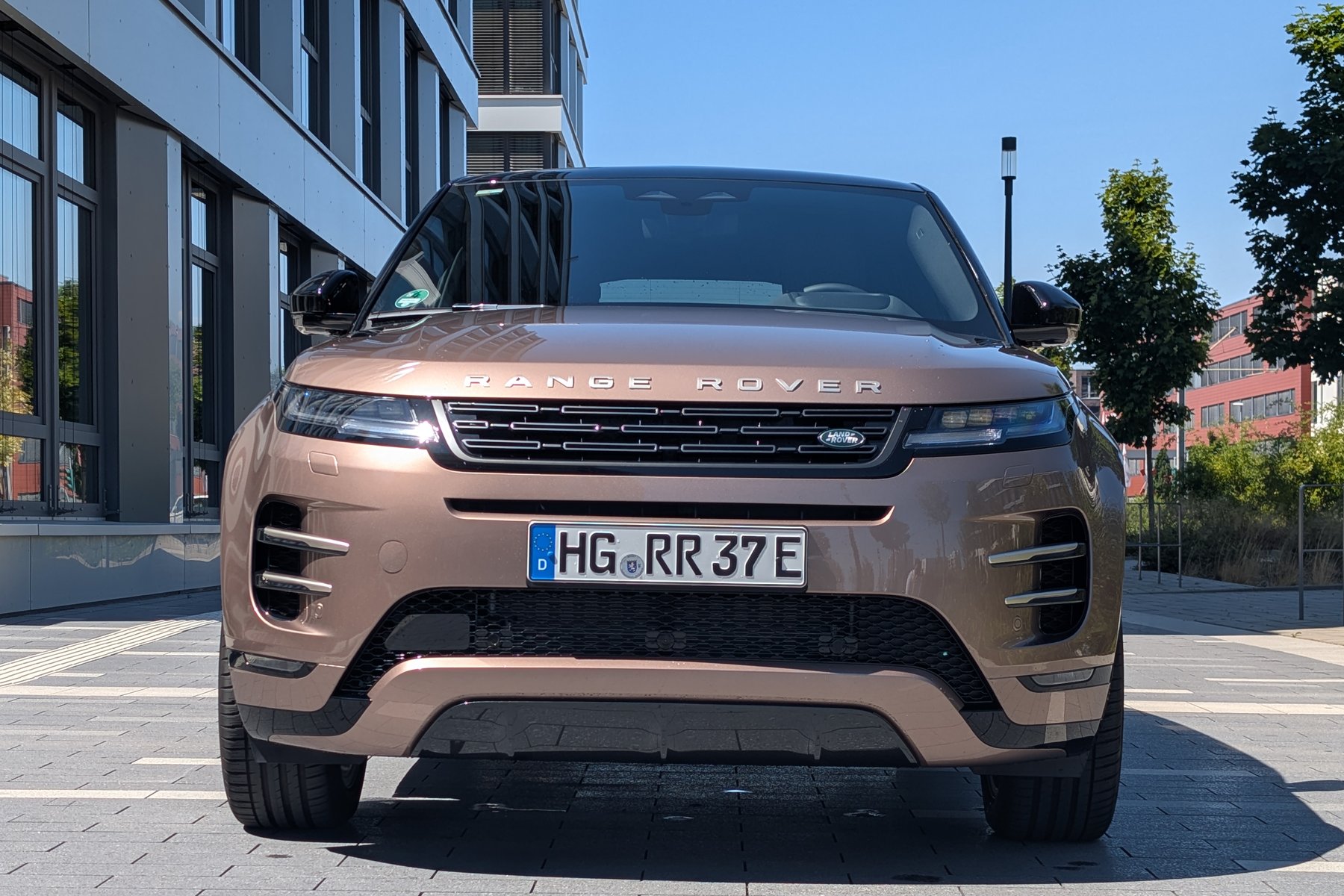
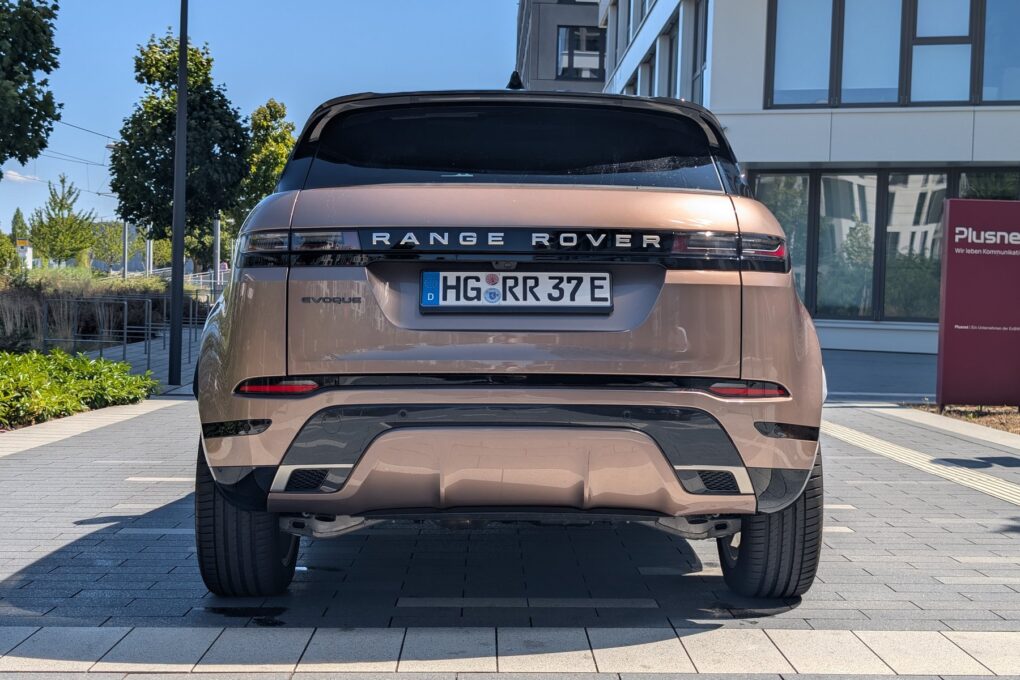
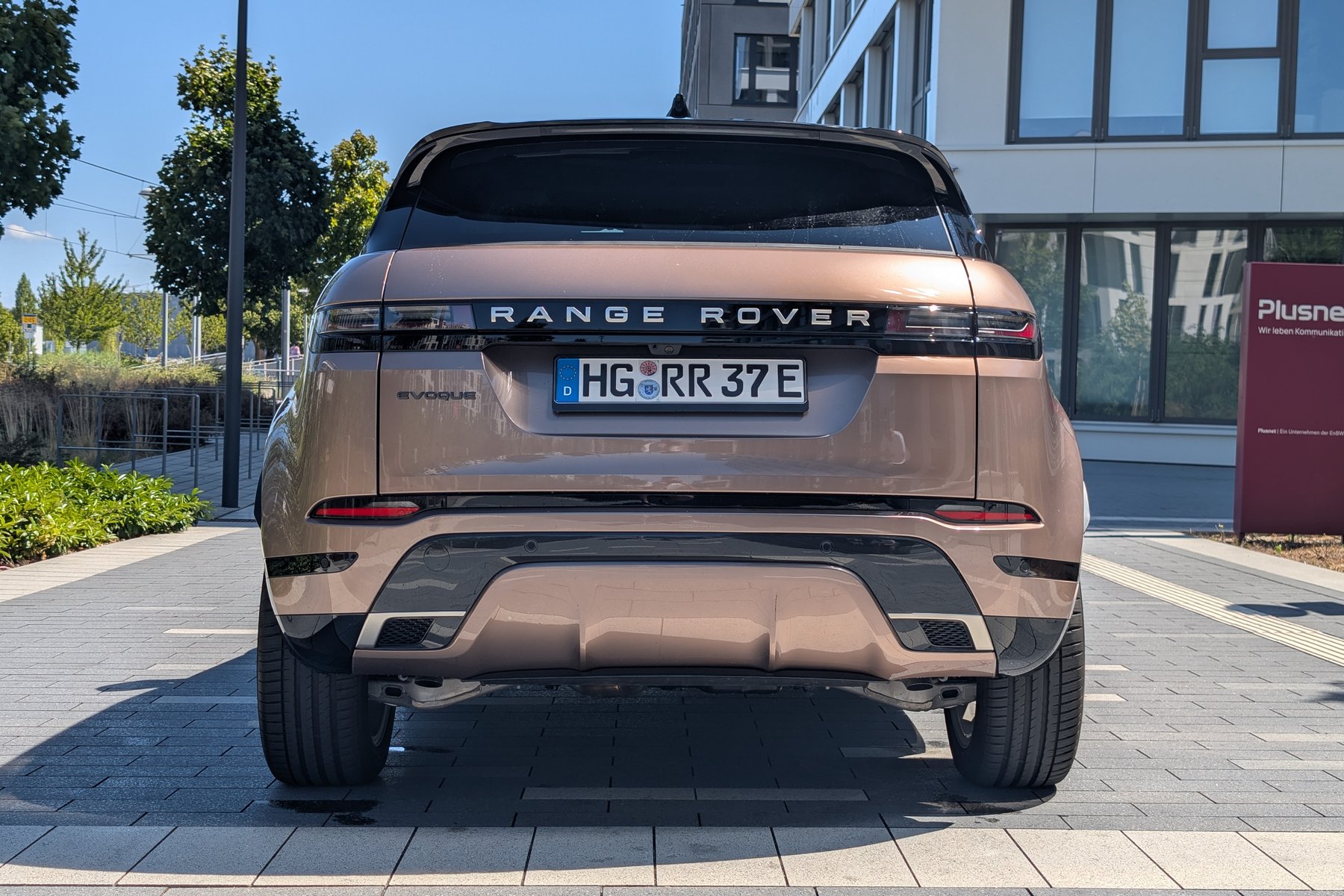
Design and exterior of the Range Rover Evoque: A seven-year-old design that still catches the eye.
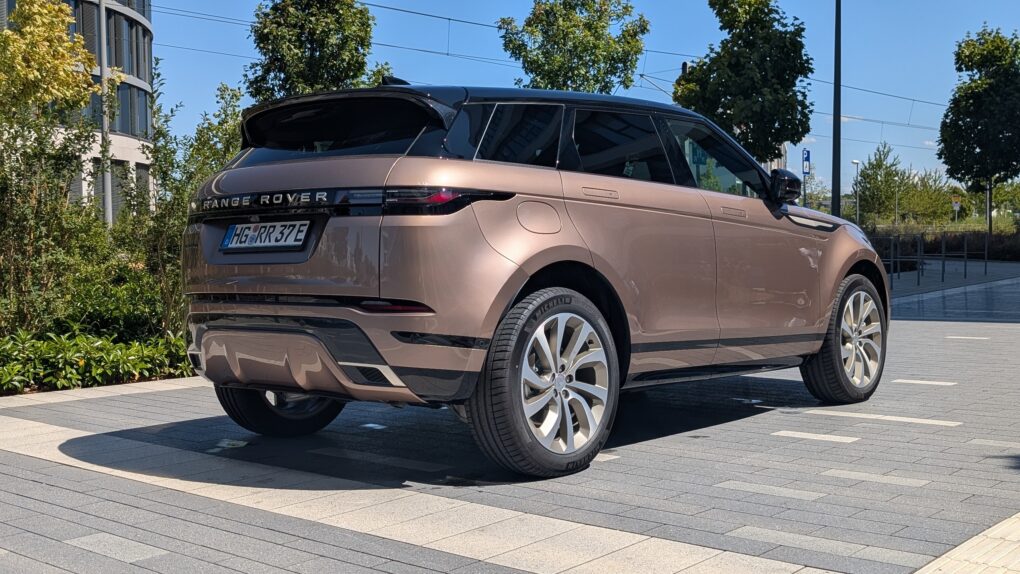
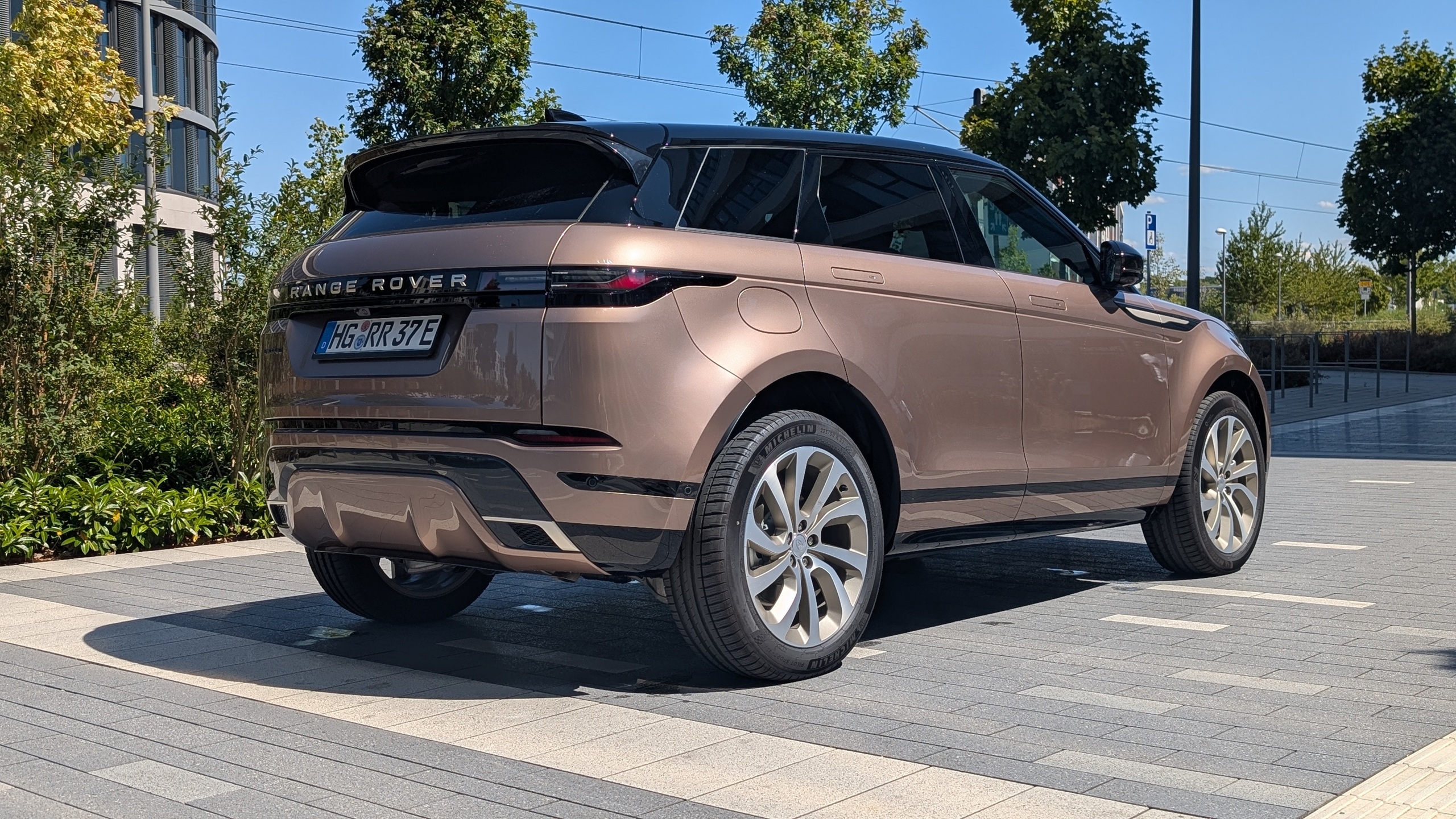
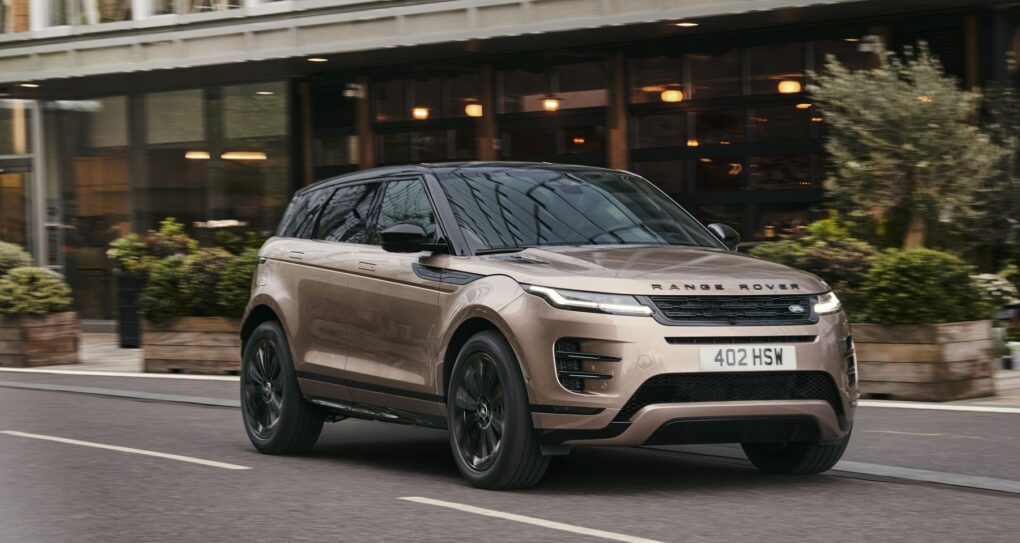
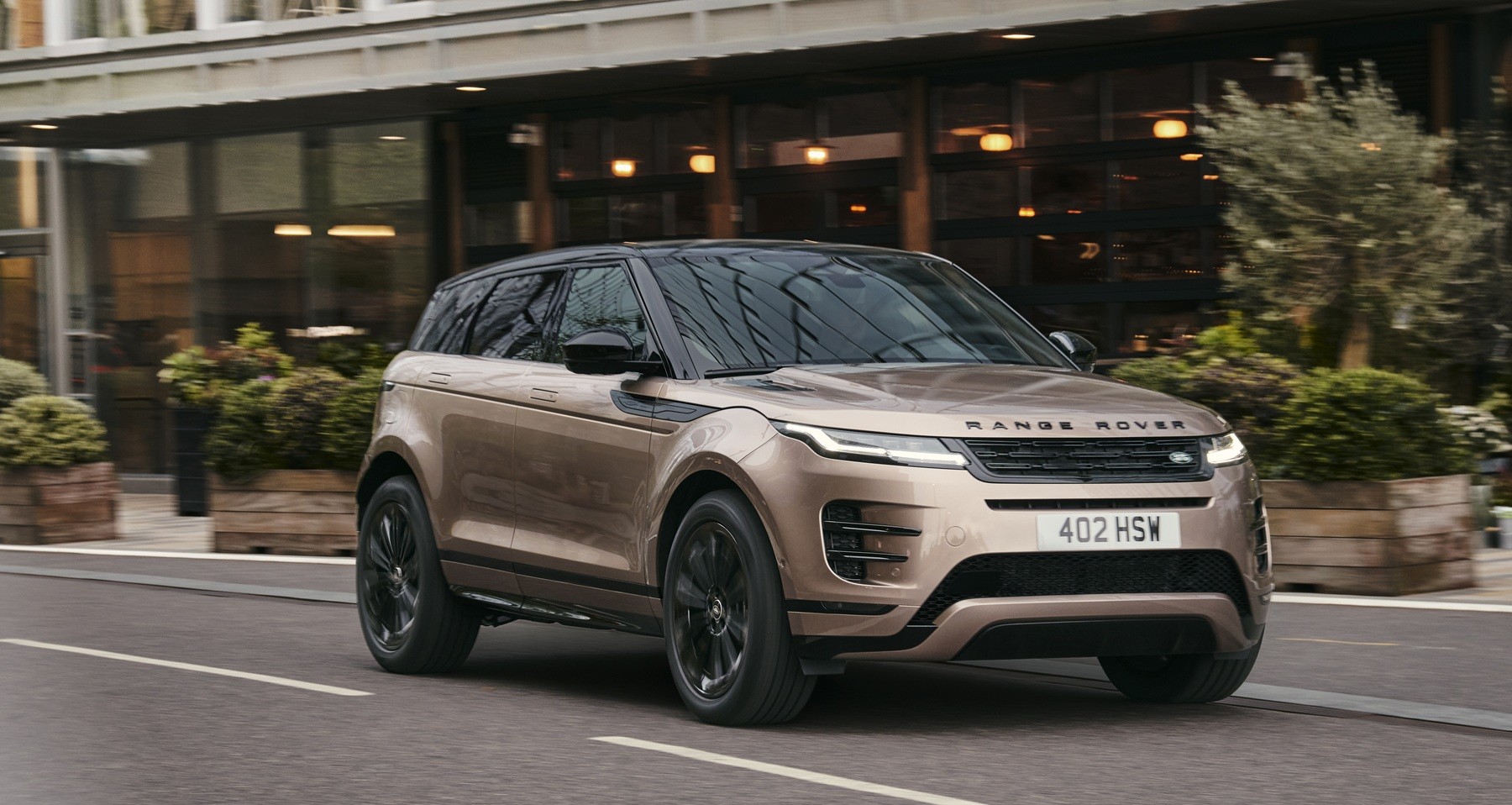
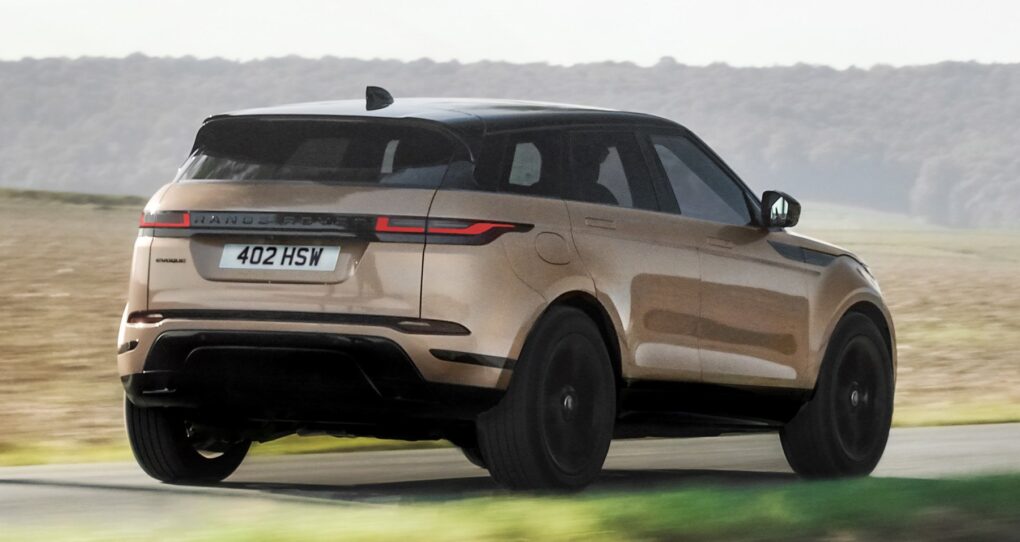
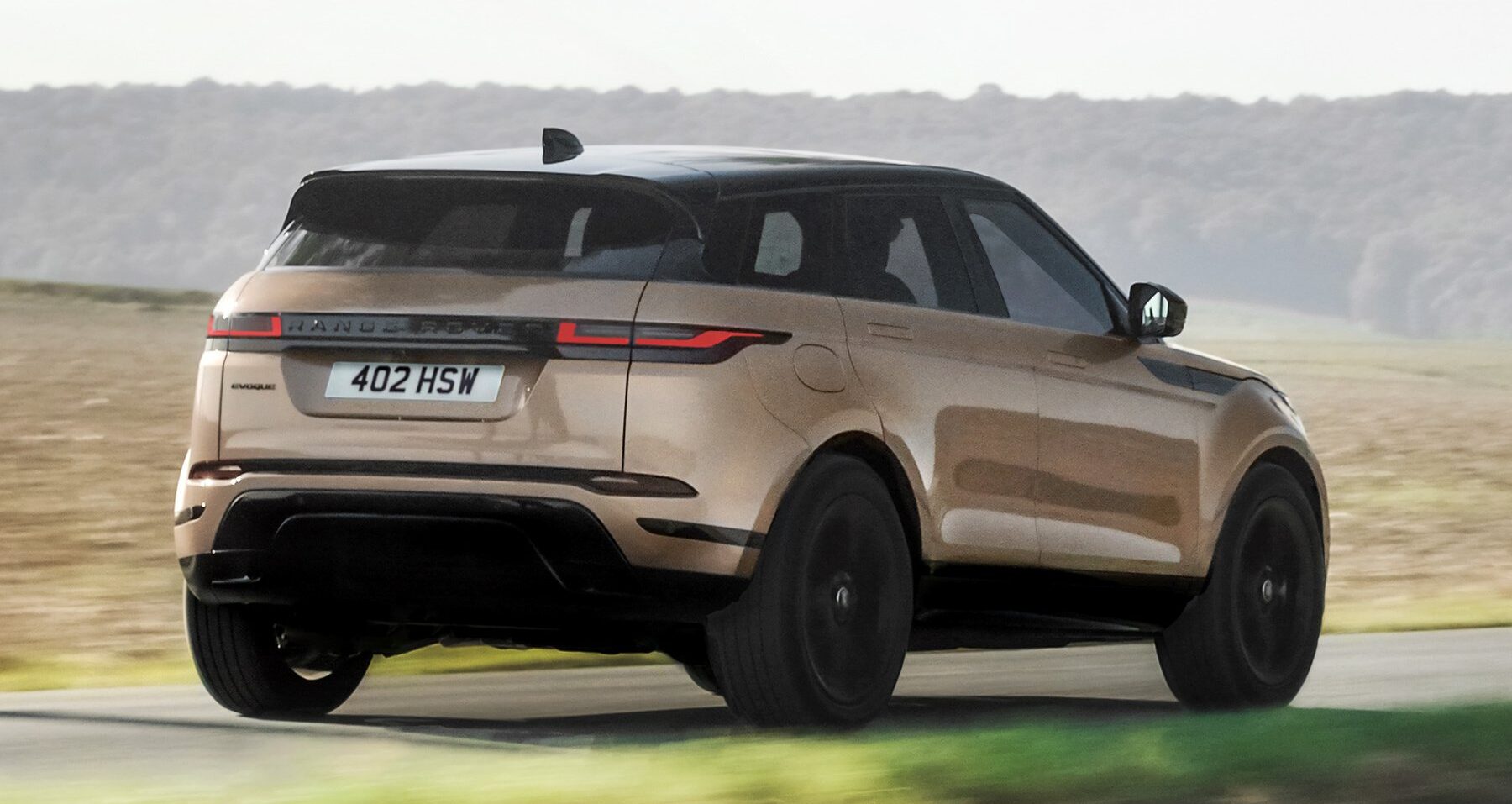
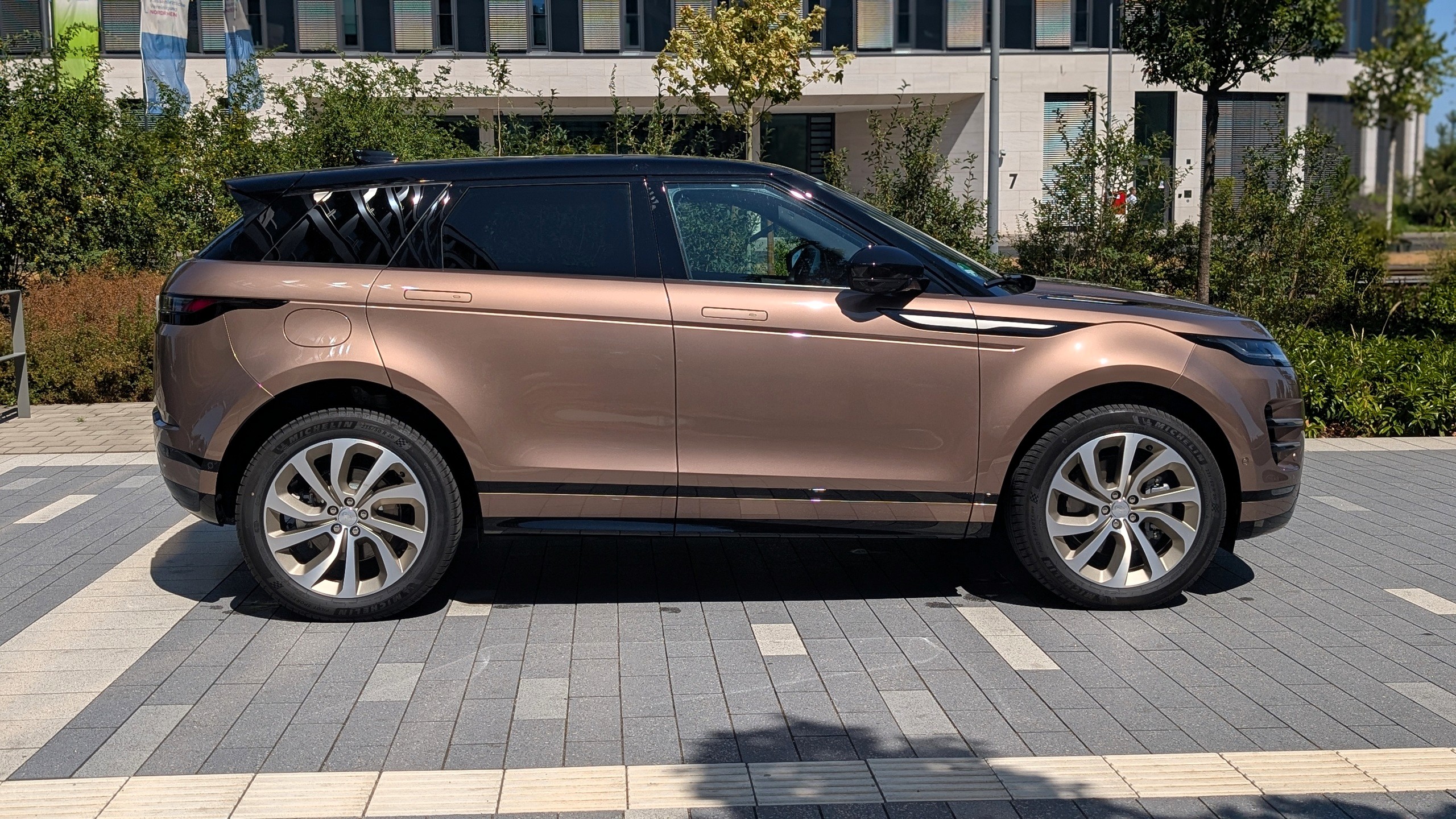
The basic shape has remained unchanged since 2019 – and that's precisely the point. The coupé-like sloping roofline, the rising window line, the visually floating roof, and the recessed door handles still work. At 4,37 meters long, 1,99 meters wide (excluding mirrors), and 1,65 meters high, the Range Rover Evoque is significantly more compact than a BMW X1, which now measures over 4,50 meters. Nevertheless, it appears larger because the surfaces are smooth and the overhangs are short.
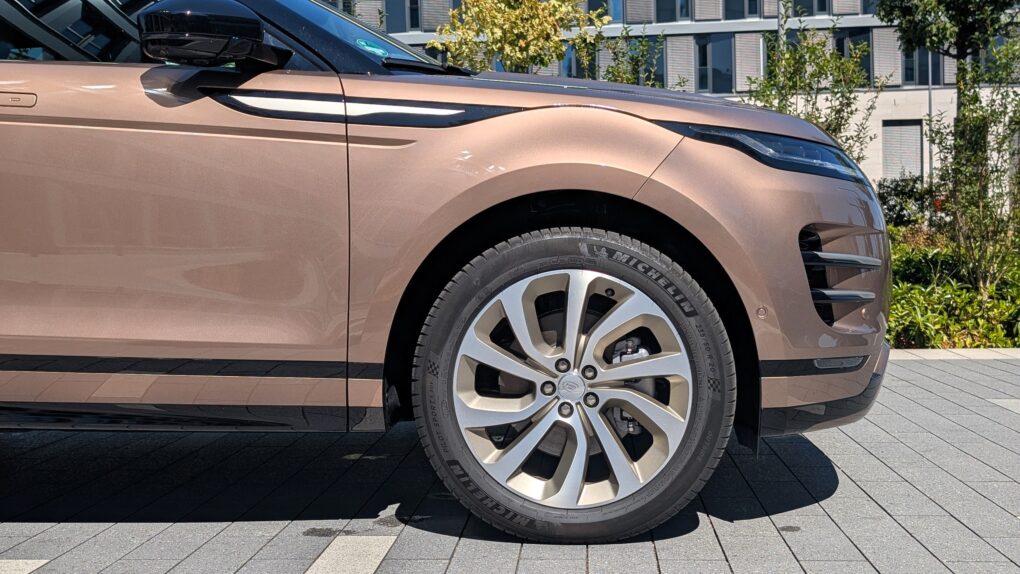
The Hoxton Edition adds its own distinctive touches: 20-inch wheels in satin gold with a diamond-turned contrast surface, trim elements in platinum atlas, illuminated door sills with lettering, and a Hoxton projection in the ambient lighting when exiting the vehicle. Those who order the pixel LED headlights receive four modules with 67 individually controllable LEDs. pro That's three times as many as in a matrix headlight. The high beam then reaches half a kilometer and selectively masks up to four objects. You notice the difference immediately at night on a country road.
-
- Picture: TechnikNews
-
- Picture: TechnikNews
Space: Generous in the front, a question of height in the back
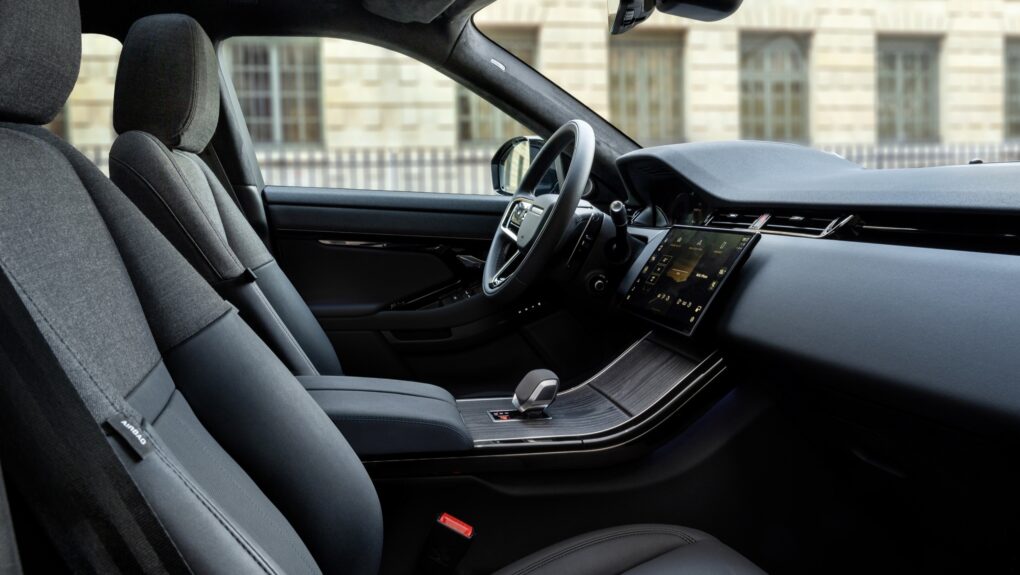
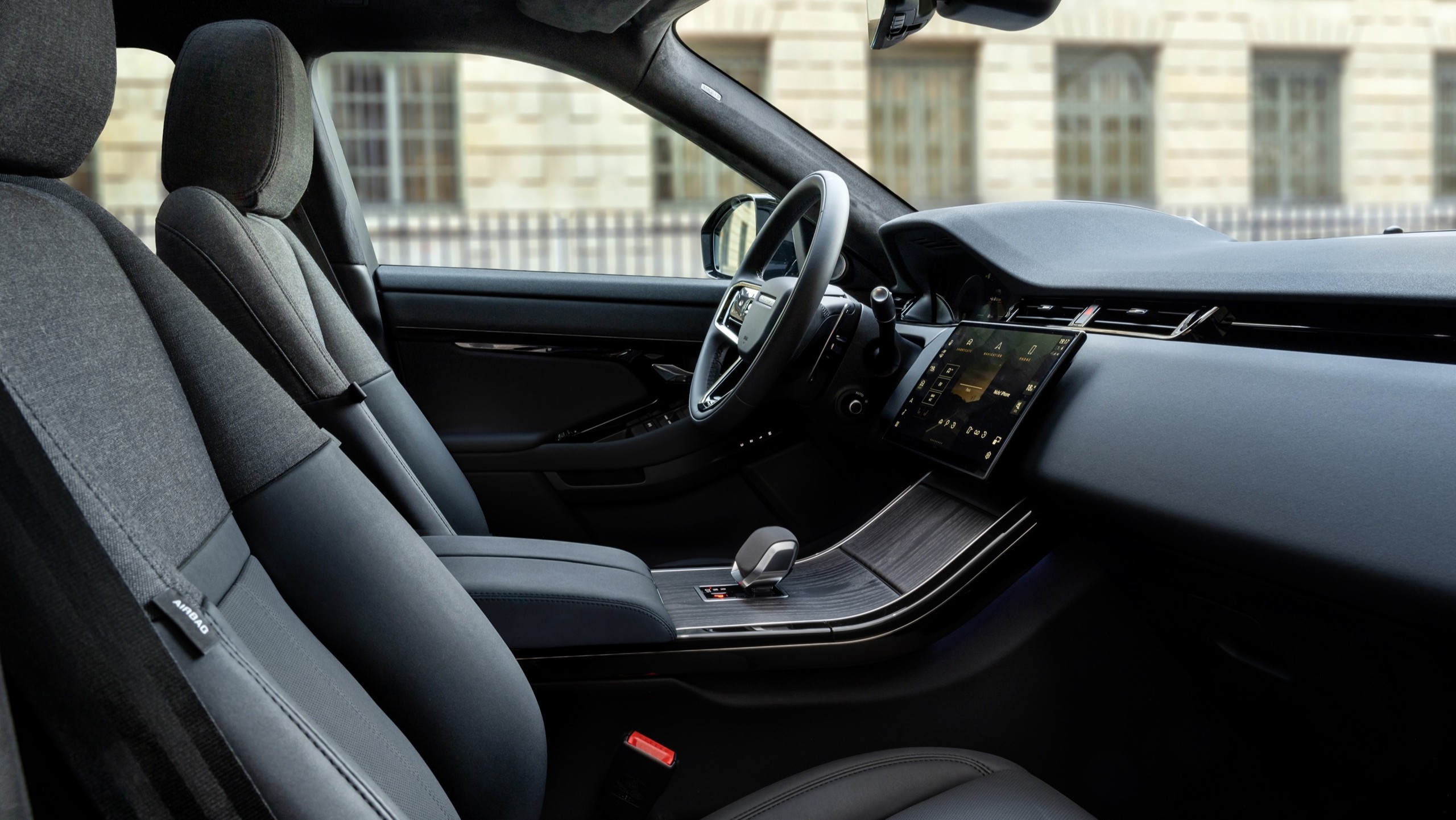
Up front, you sit high and comfortably with 1,01 meters of legroom, in a seating position more commonly found in much larger cars. Our test vehicle had the panoramic glass roof, which reduces headroom by 39 millimeters: 950 millimeters instead of 989. Taller drivers will notice this, but it's not uncomfortable. Forward visibility is good, while the rear view is slightly restricted by the shallow rear window and wide roof pillars. However, the rear-view cameras are excellent.
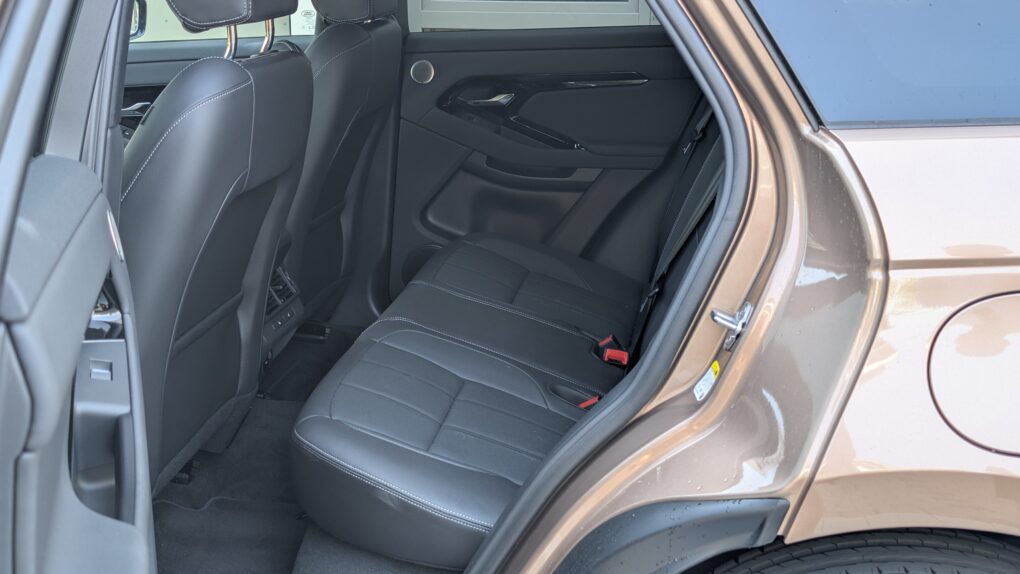
The rear seats are more cramped than the exterior dimensions would suggest. With a wheelbase of 2.681 millimeters, 86 centimeters of legroom is simply the limit of what's physically possible. Anyone around 1,85 meters tall will find their knees bent, making the middle seat a last resort. An Audi Q3 or a BMW X1 offer noticeably more space here, as their roofs don't slope down so steeply. The Evoque is a car for two adults and children, but not for four fully grown passengers on long journeys.
-
- Image: Range Rover
-
- Picture: TechnikNews
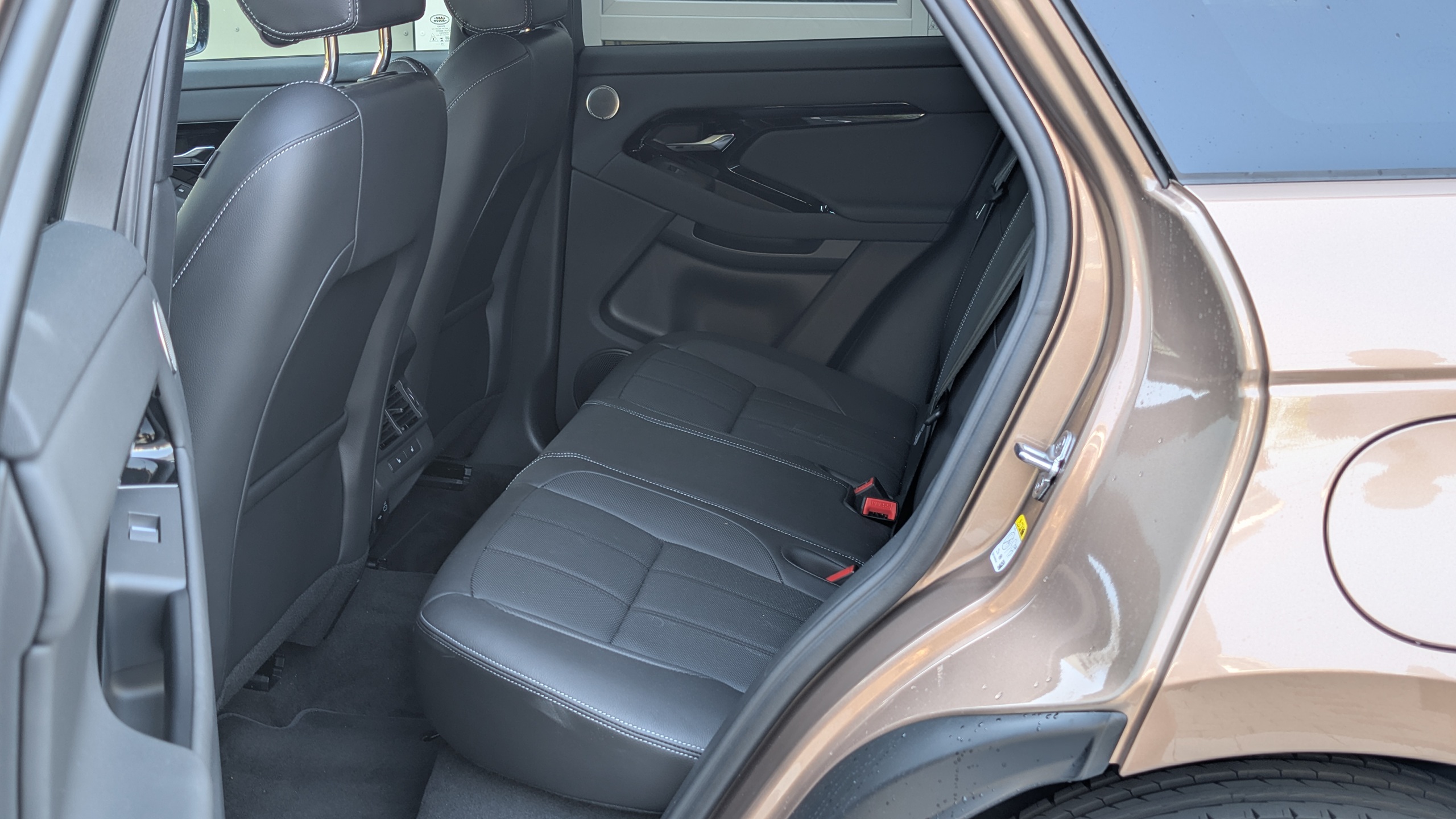
Boot space: 472 liters at the expense of fuel tank capacity
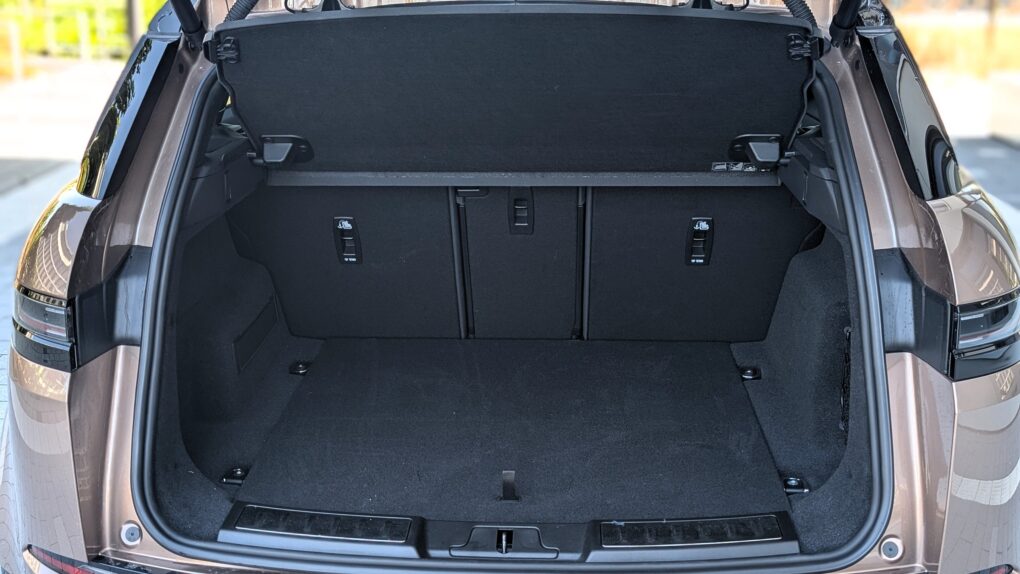
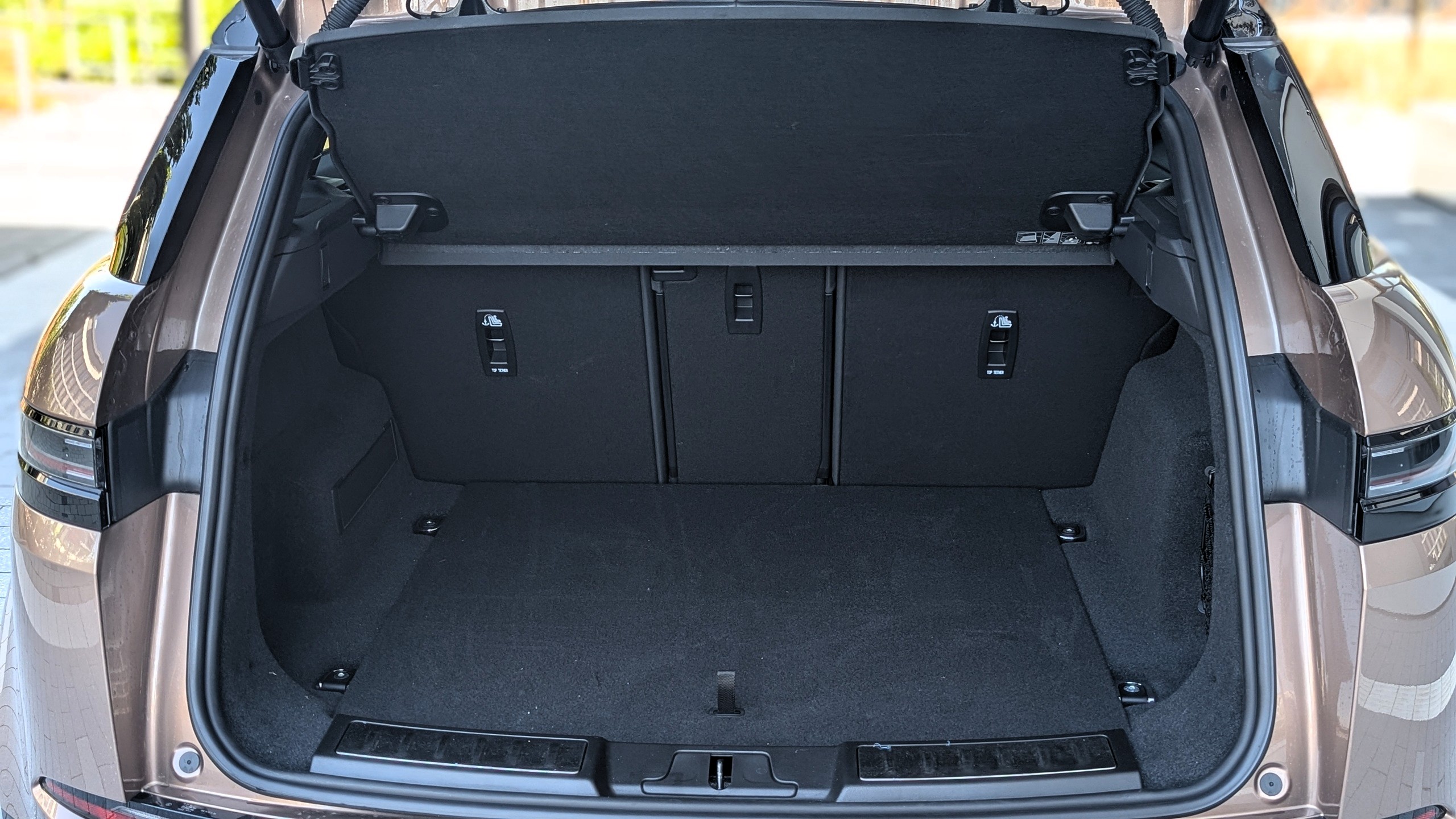
The P270e has a trunk capacity of 472 liters according to the VDA (German Association of the Automotive Industry) measurement method, and 1.156 liters with the rear seats folded down. These are exactly the same figures as the diesel version of the Evoque. This is possible because the battery is located under the rear seats and not in the cargo floor. However, this comes at a price: the gasoline tank shrinks from 65 to 56,5 liters. For comparison, a BMW X1 plug-in hybrid loses around 90 liters of trunk space compared to the combustion engine model.
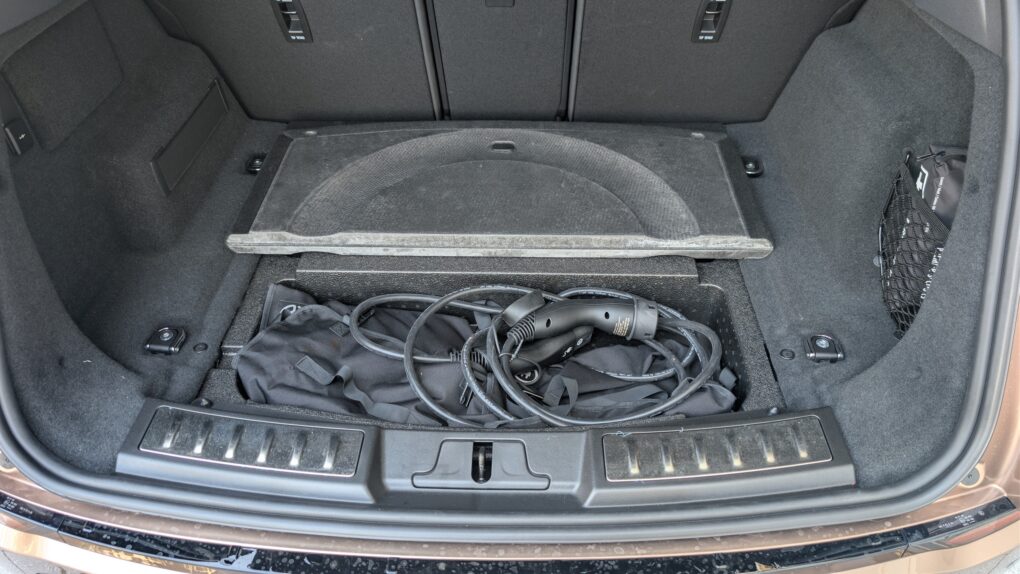
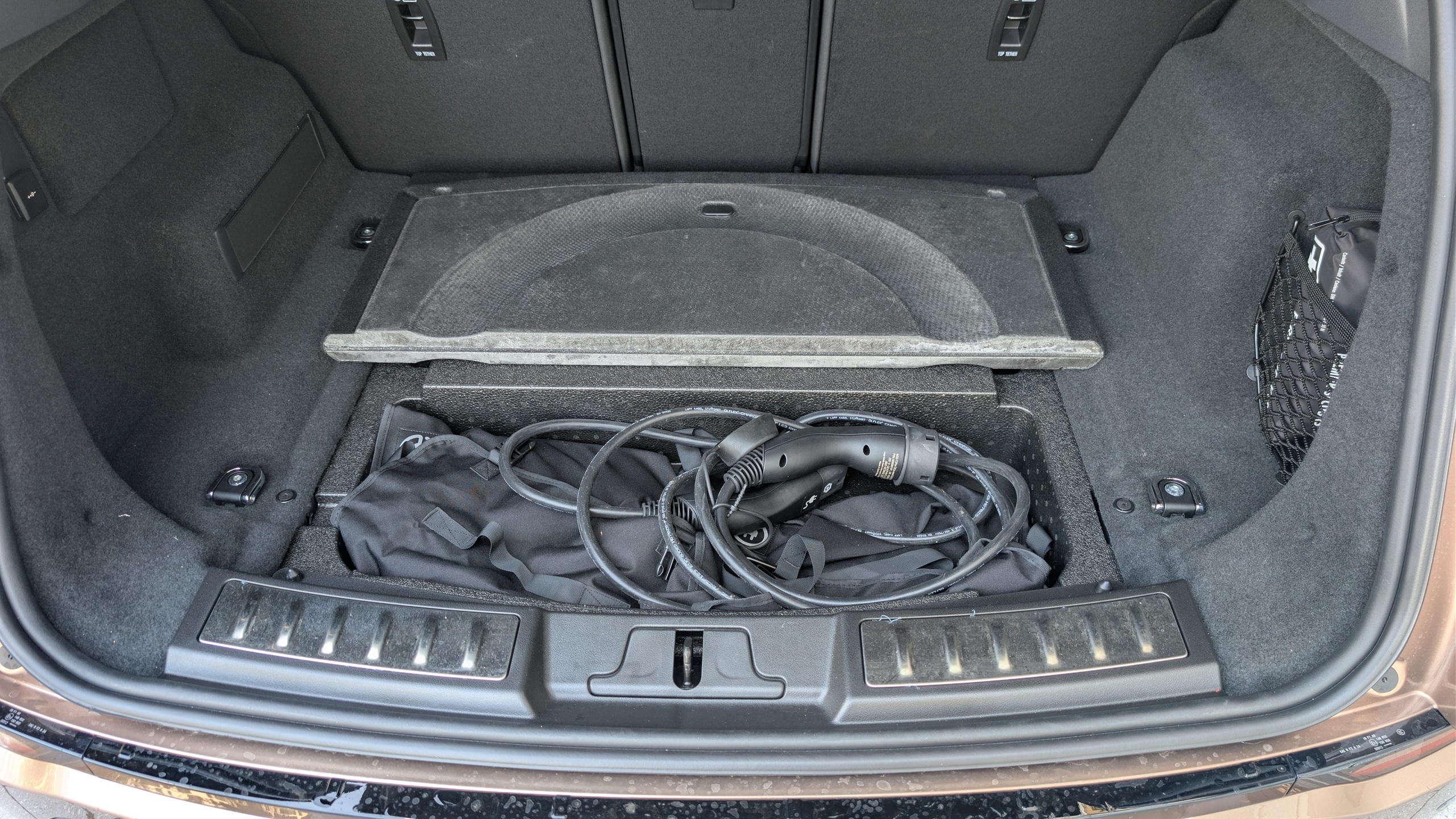
Practical features of the Range Rover Evoque include the 40:20:40 split-folding rear seats, the power tailgate, and the 1,30-meter load width. Less practical are the high load sill and the steeply raked rear window, which reduce vertical cargo space. While two large suitcases and two weekend bags fit... proA stroller with a bassinet fits in without any problems, requiring patience.proThe charging cables, on the other hand, can be transported very conveniently in the underbody of the trunk.
-
- Picture: TechnikNews
-
- Picture: TechnikNews
Interior of the Range Rover Evoque: Tidy to the point of being painfully uncluttered
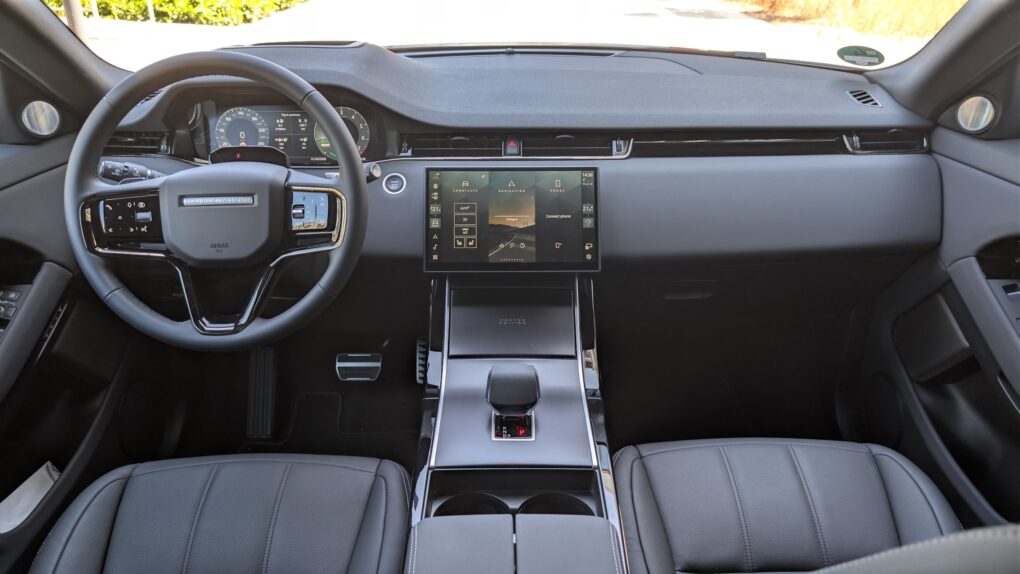
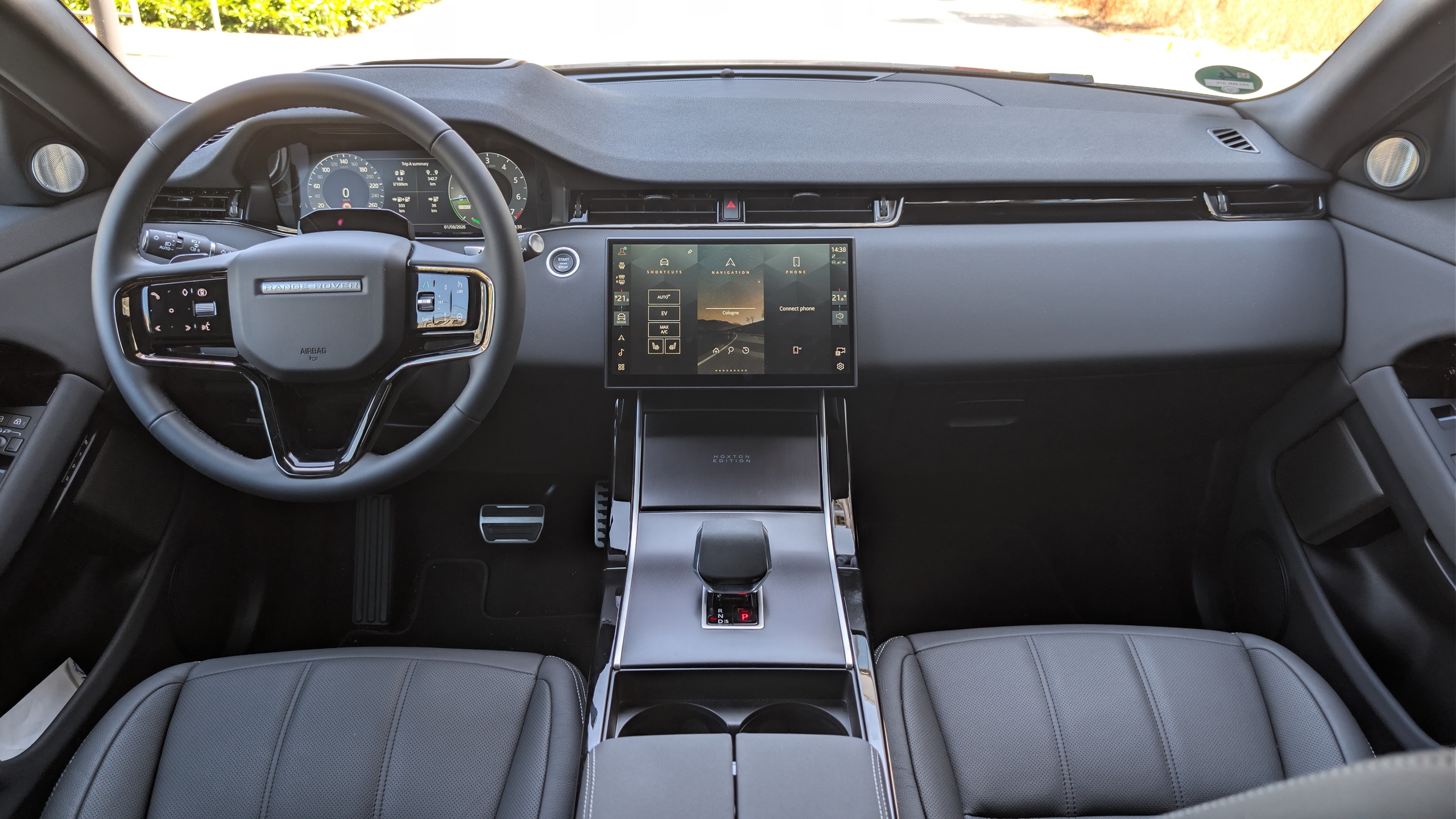
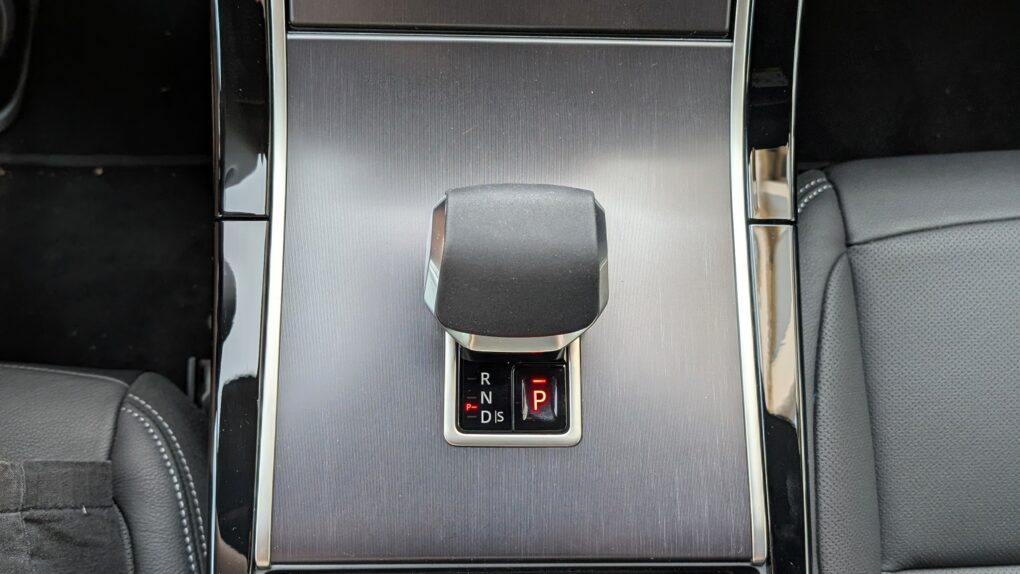
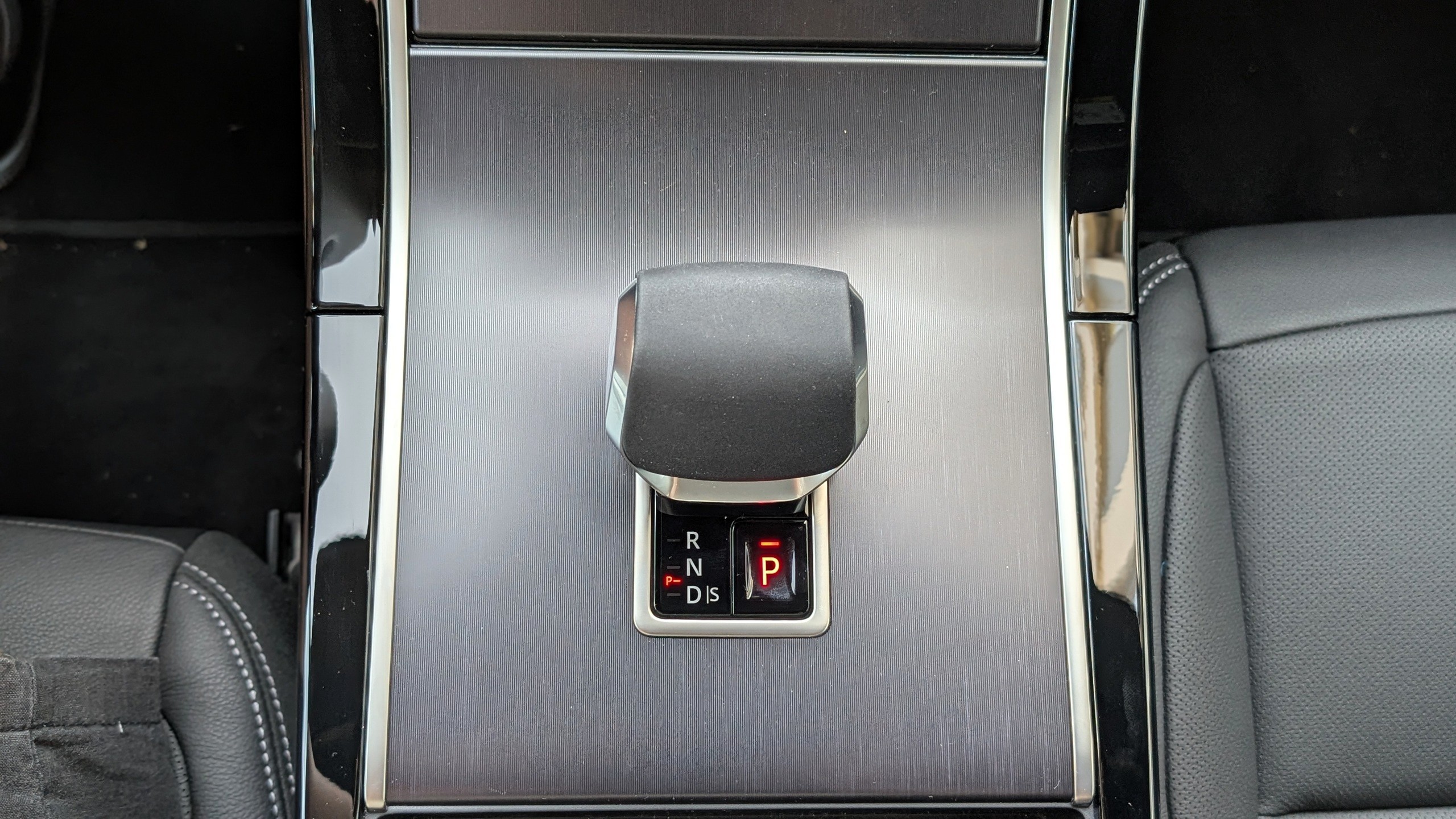
The Range Rover Evoque's interior is understated, and that suits it well. There's grained leather with contrasting stitching, brushed black aluminum trim, a cleanly crafted gear selector, and an illuminated Hoxton Edition badge on the center console. The material quality is excellent. But one detail delighted me every day for the past two weeks: the panoramic sunshade closes automatically when the car is locked and reopens when you get in, provided it was open previously. Every car should have that feature.
The operating concept itself is well thought out. The bars to the left and right of the screen permanently display climate, seat, and volume settings; the menu structure is simple and easy to navigate. What's missing are physical buttons for the most important functions. Temperature, fan speed, and seat heating are controlled via touch surfaces and sliders, which are difficult to operate by feel while driving. Two rotary knobs, like those found in the... Range Rover Velar In its early years, [something] would be more helpful here than another screen interface.
-
- Picture: TechnikNews
-
- Picture: TechnikNews
Infotainment and connectivity: Pivi Pro and the quick handshake
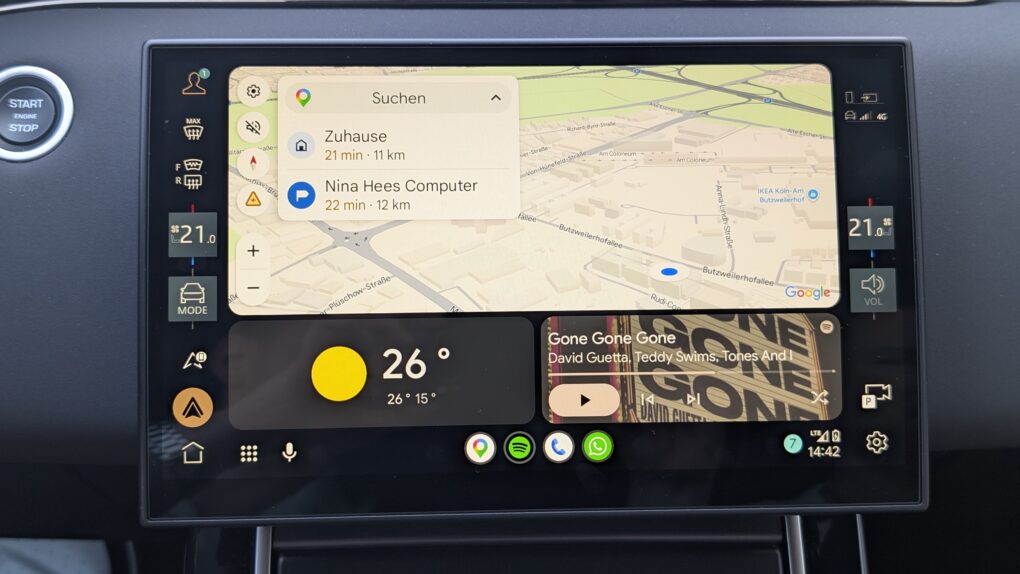
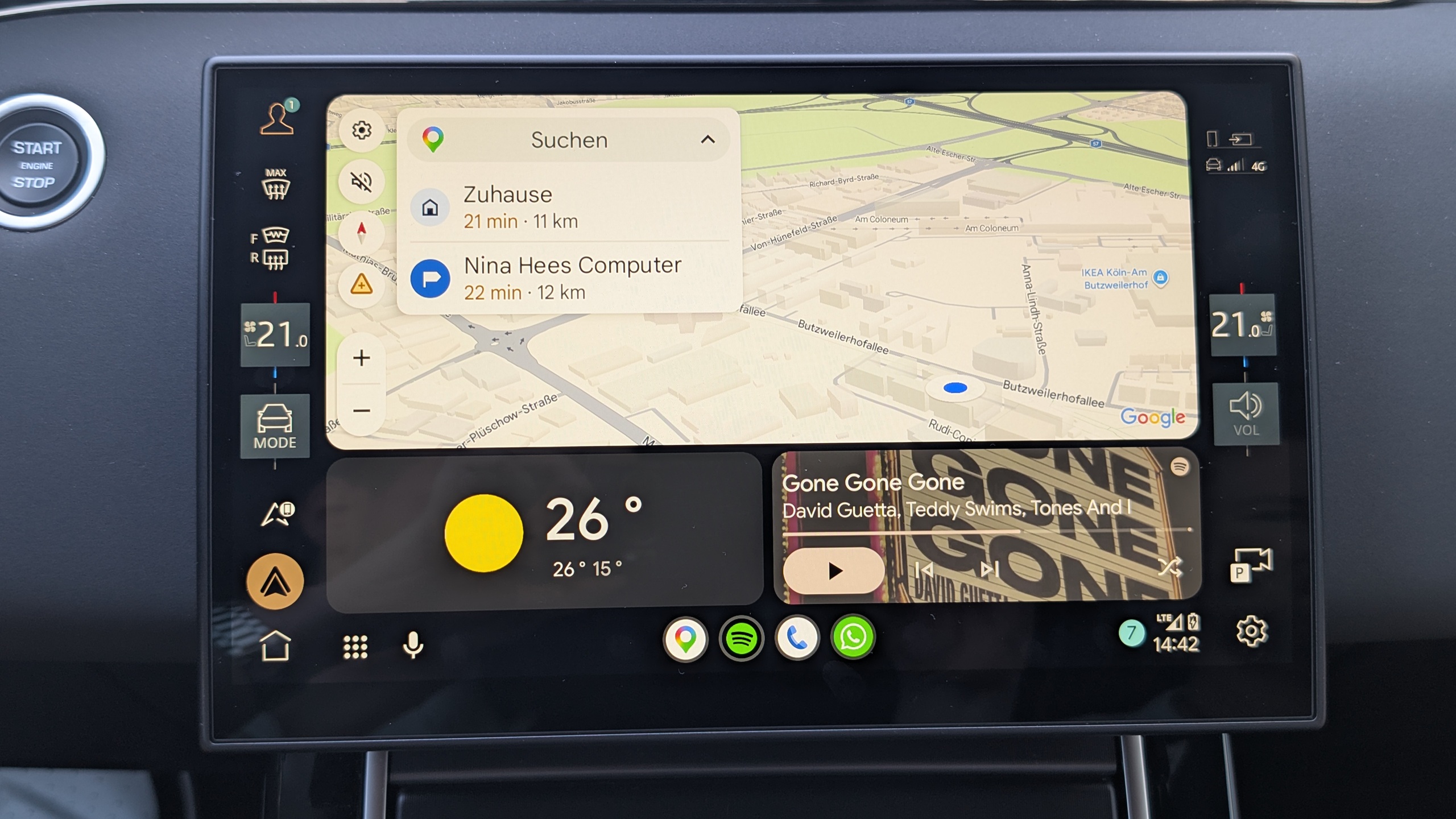
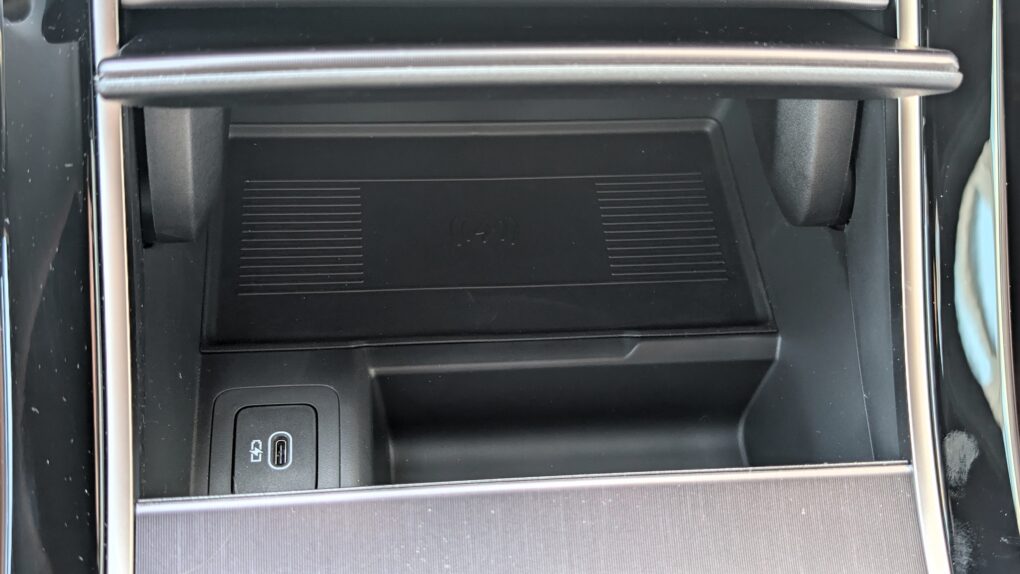
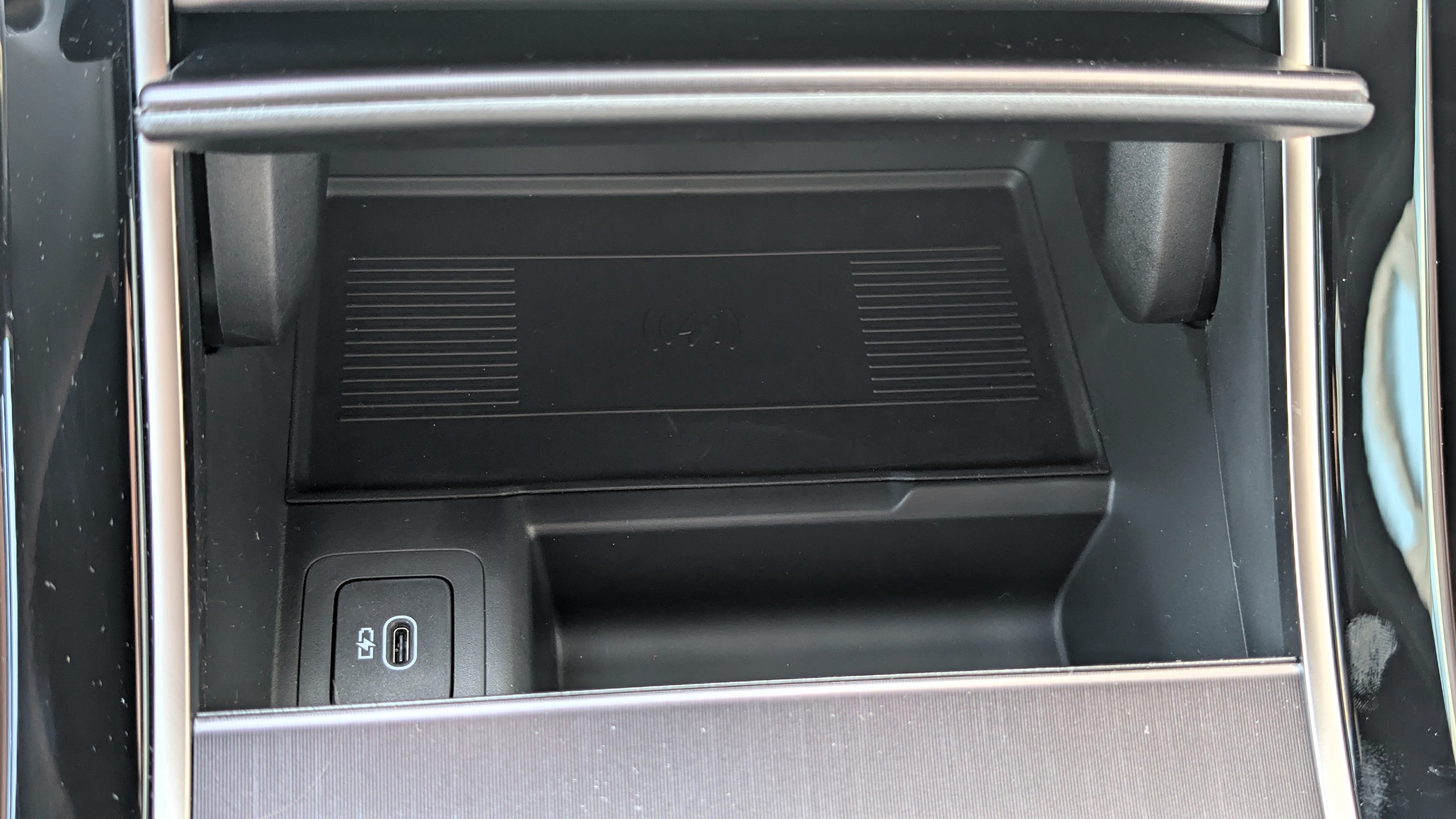
The 11,4-inch touchscreen A curved glass panel appears to float above the console. Behind it, the latest version of Pivi Pro operates with two permanently installed SIM cards and updates via mobile network. Additional features include a 12,3-inch digital instrument cluster, Amazon Alexa, inductive charging for smartphones, and, review vehicle, the head-up display from the technology package. Response times are short, the system runs smoothly, and the navigation calculates routes quickly. Charging stations are displayed effectively.
The practical highlight is both simple and rare. Android Auto connects wirelessly so quickly that the interface appears before you've even fastened your seatbelt. Anyone who's ever waited half a minute for that hand gesture in a German premium SUV knows how valuable that is in everyday life. Apple CarPlay also works wirelessly. The voice control reliably understands naturally formulated sentences, as long as they relate to navigation, phone, and climate control.
-
- Picture: TechnikNews
-
- Picture: TechnikNews
Sound system: 650 watts from Meridian that you won't regret.
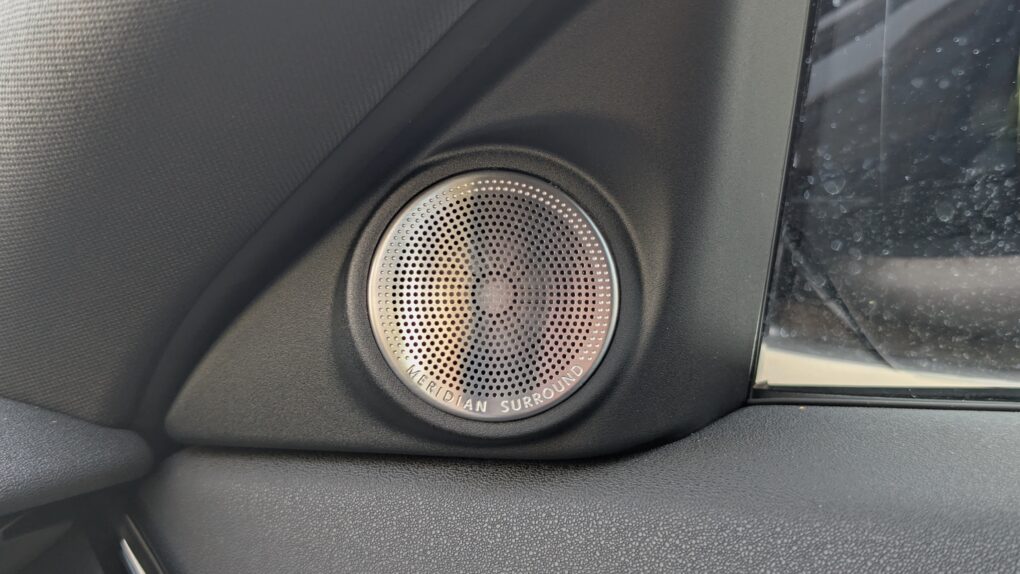
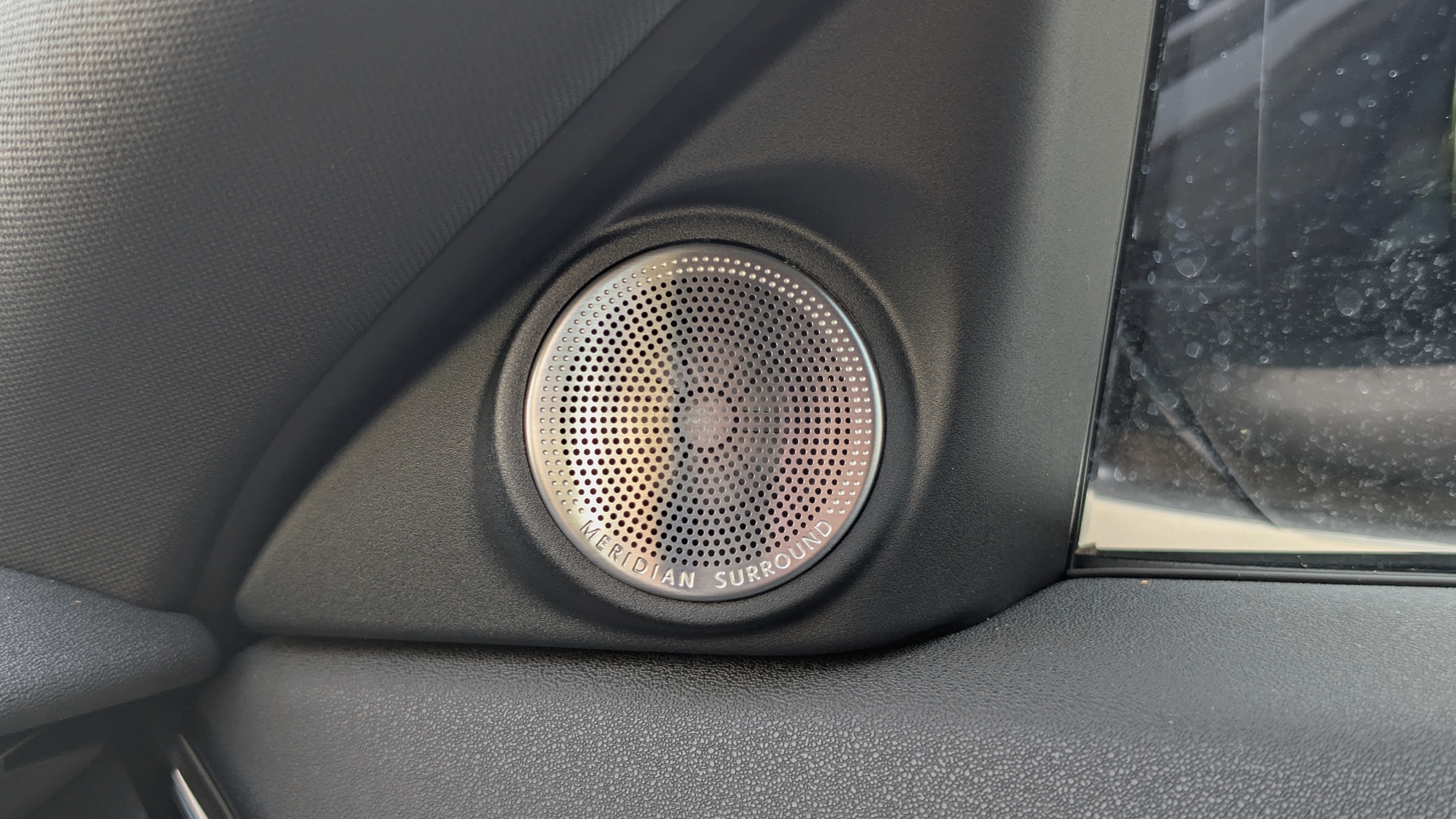
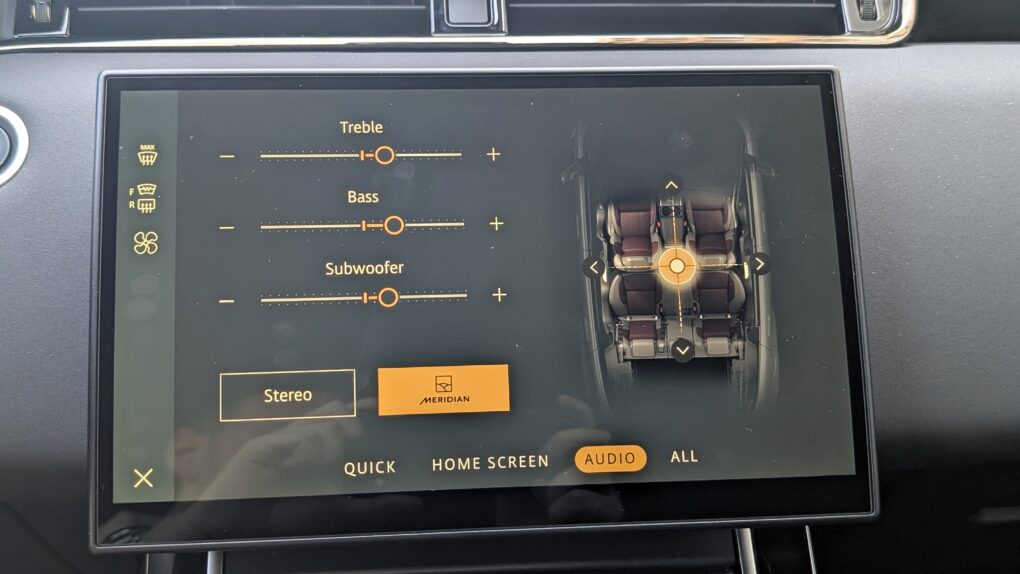
The Range Rover Evoque comes standard with a six-speaker, 140-watt sound system. From the Hoxton Edition upwards, a Meridian system with twelve speakers and 400 watts, including a subwoofer, is included. Our test vehicle featured the top-of-the-line Meridian surround sound system with 14 speakers and 650 watts, which is otherwise only standard equipment in the Autobiography trim.
The sound is broad and expansive, the bass is cleanly defined and pleasantly free of any artificiality. The treble remains clear and crisp even at high volumes. The midrange sounds a touch subdued, and vocals could be more present. The system truly shines when operating purely electrically, with no engine noise interfering. Bowers & Wilkins system in the Volvo It loses narrowly, but wins decisively against most production systems of this class.
-
- Picture: TechnikNews
-
- Picture: TechnikNews
Range Rover Evoque safety: Five stars from 2019 and larger brakes
Euro NCAP (European New Car Assessment Program) rated the Evoque with five stars in 201994 percent for adult protection and 87 percent for child protection. At the time, this was a top score, better than the Range Rover Velar and Discovery models. However, it's only fair to say that the testing criteria have become significantly stricter since then, so a current test would likely yield different results. This doesn't change the substance of the test, but it probably does affect the significance of the 2019 star rating.
Of more practical relevance is the additional hardware the plug-in hybrid comes with. Due to its curb weight of 2.082 kilograms according to DIN (German Institute for Standardization), it features rear ventilated brake discs with a diameter of 325 millimeters instead of 300 millimeters, compared to the 2019 model; the front discs measure 349 millimeters. In testing, the Range Rover Evoque remained stable even after several fast downhill runs. The transition between recuperation and friction braking is smooth, without the typical abruptness in the brake pedal feel that many hybrid cars exhibit.
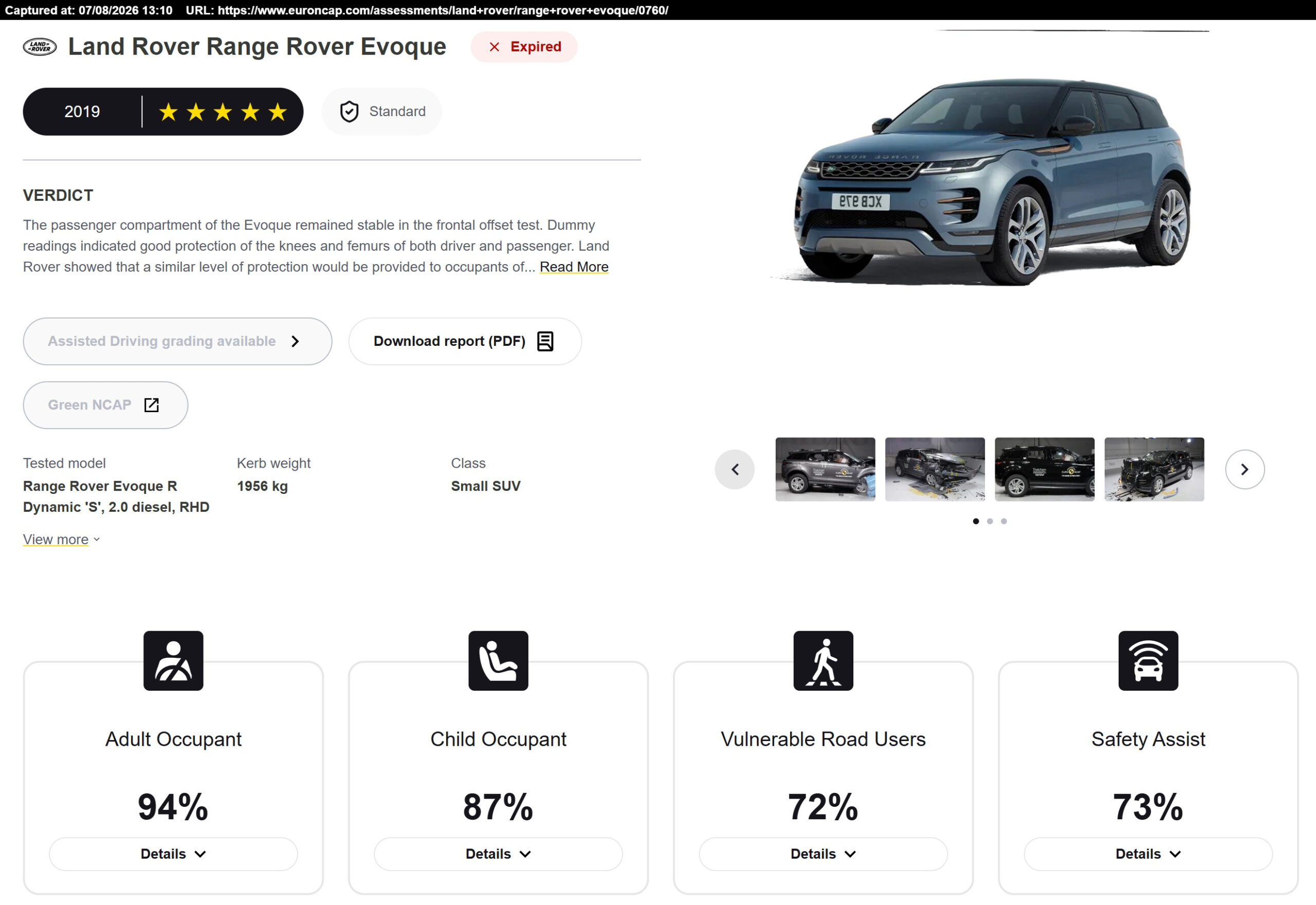
Image: Screenshot EuroNCAP
Driver assistance systems: A button every manufacturer should have
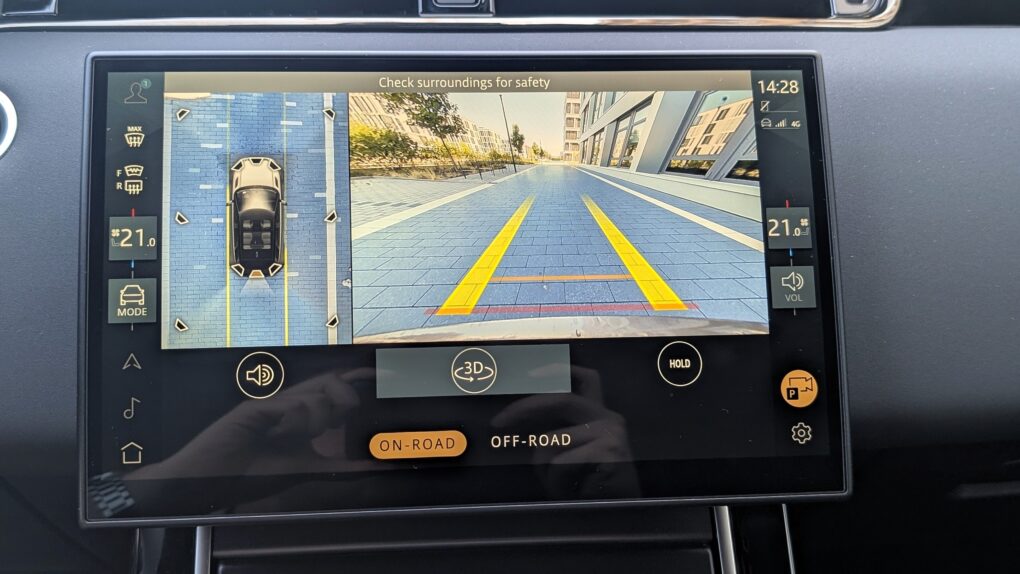
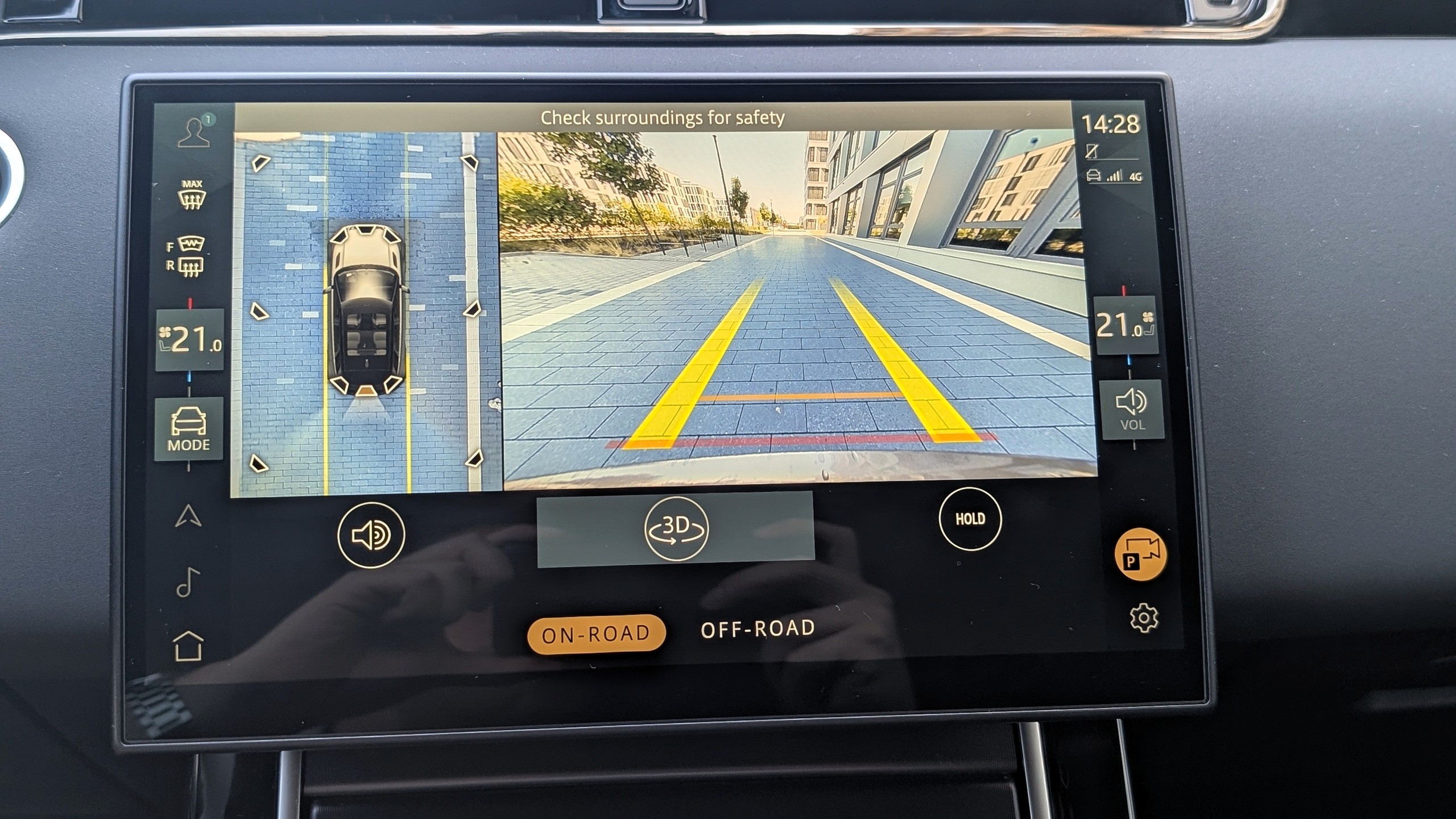
On board is everything that's now mandatory: adaptive cruise control with stop-and-go functionality, autonomous emergency braking, lane keeping assist, driver attention warning, and traffic sign recognition with audible alerts. The test vehicle also featured a 3D surround-view camera system and a rearview mirror with integrated camera image. The adaptive cruise control operates smoothly and doesn't brake abruptly, the lane keeping assist doesn't jerk the steering wheel, and the cameras deliver a clear, lag-free image.
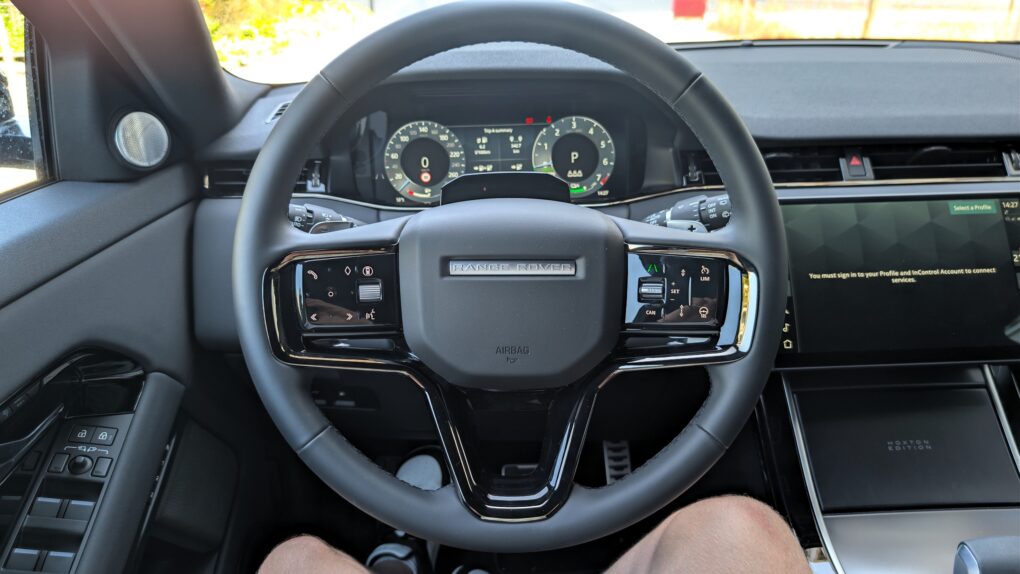
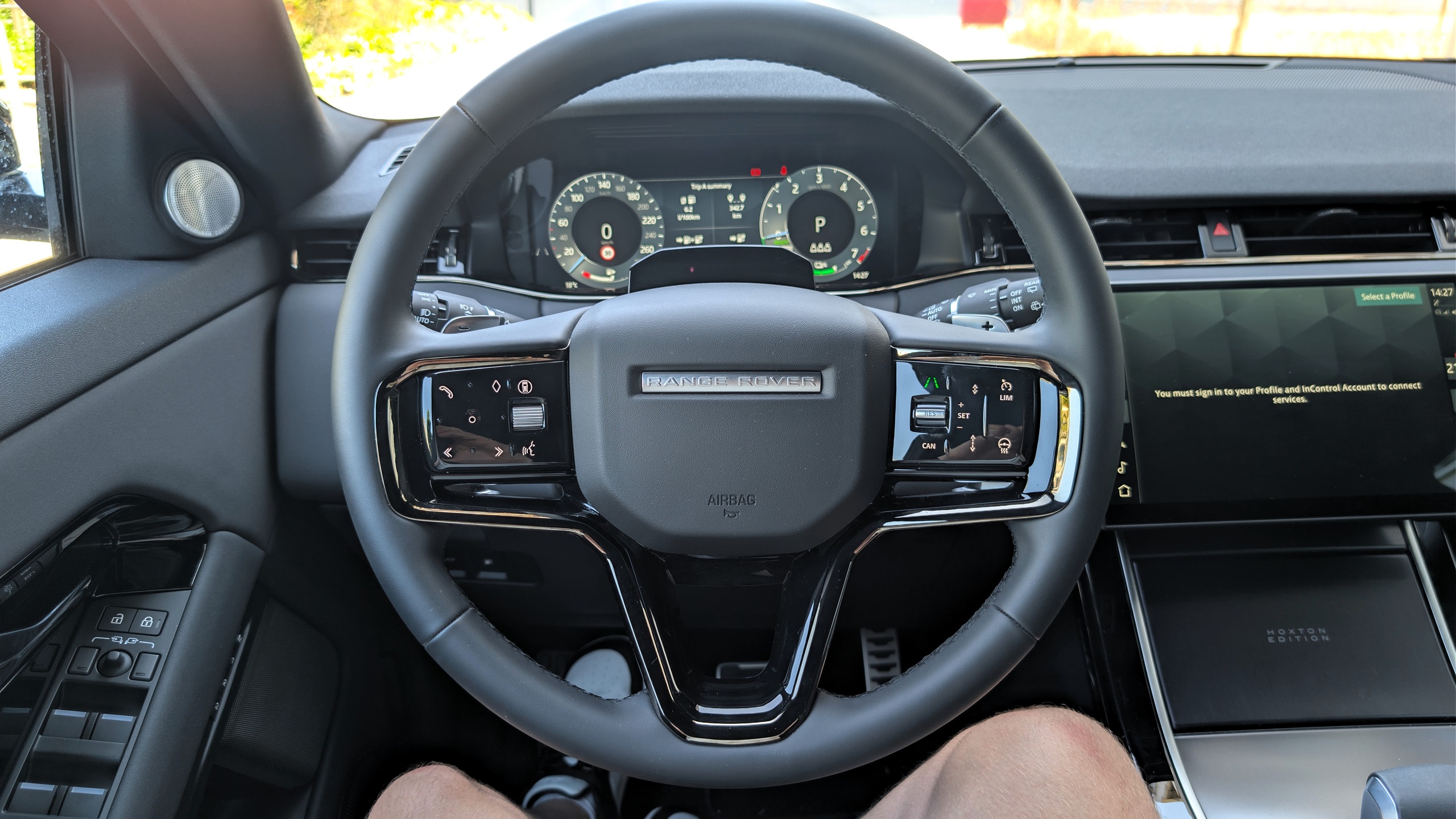
The best part of the whole car is a single button on the steering wheel. One press is all it takes to deactivate all legally required warning messages, and the driver assistance systems are instantly configured exactly as you want them. Get in, start the engine, press the button, and drive off. That's how it should be. Many competing models require navigating three menu levels – and doing so every single time you start the car, because regulations demand it. Land Rover didn't just ignore this problem, they solved it. That's how it should be in every car.
-
- Picture: TechnikNews
-
- Picture: TechnikNews
Off-road and outdoor: Off-road technology in a car that hardly anyone takes off-road.
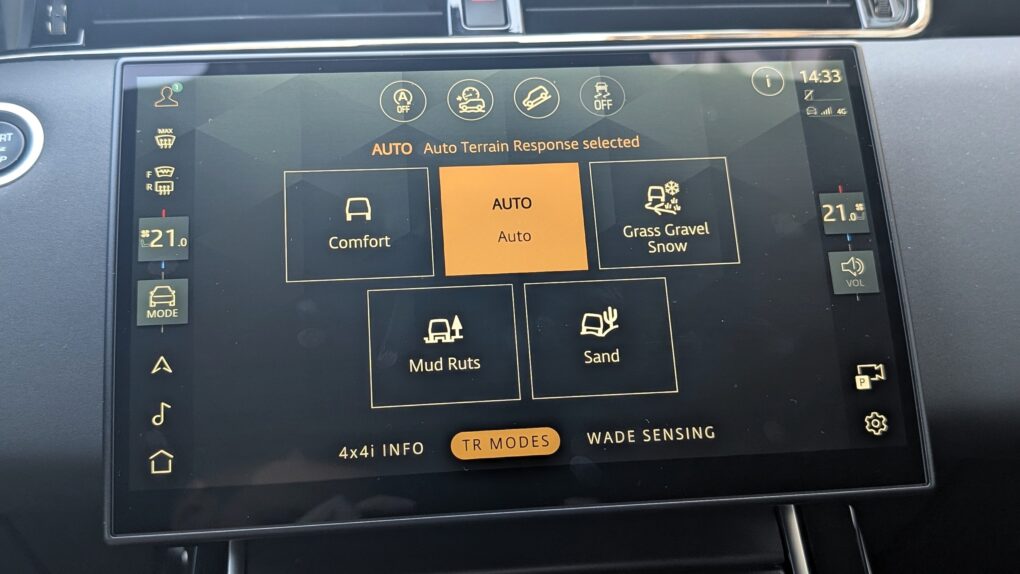
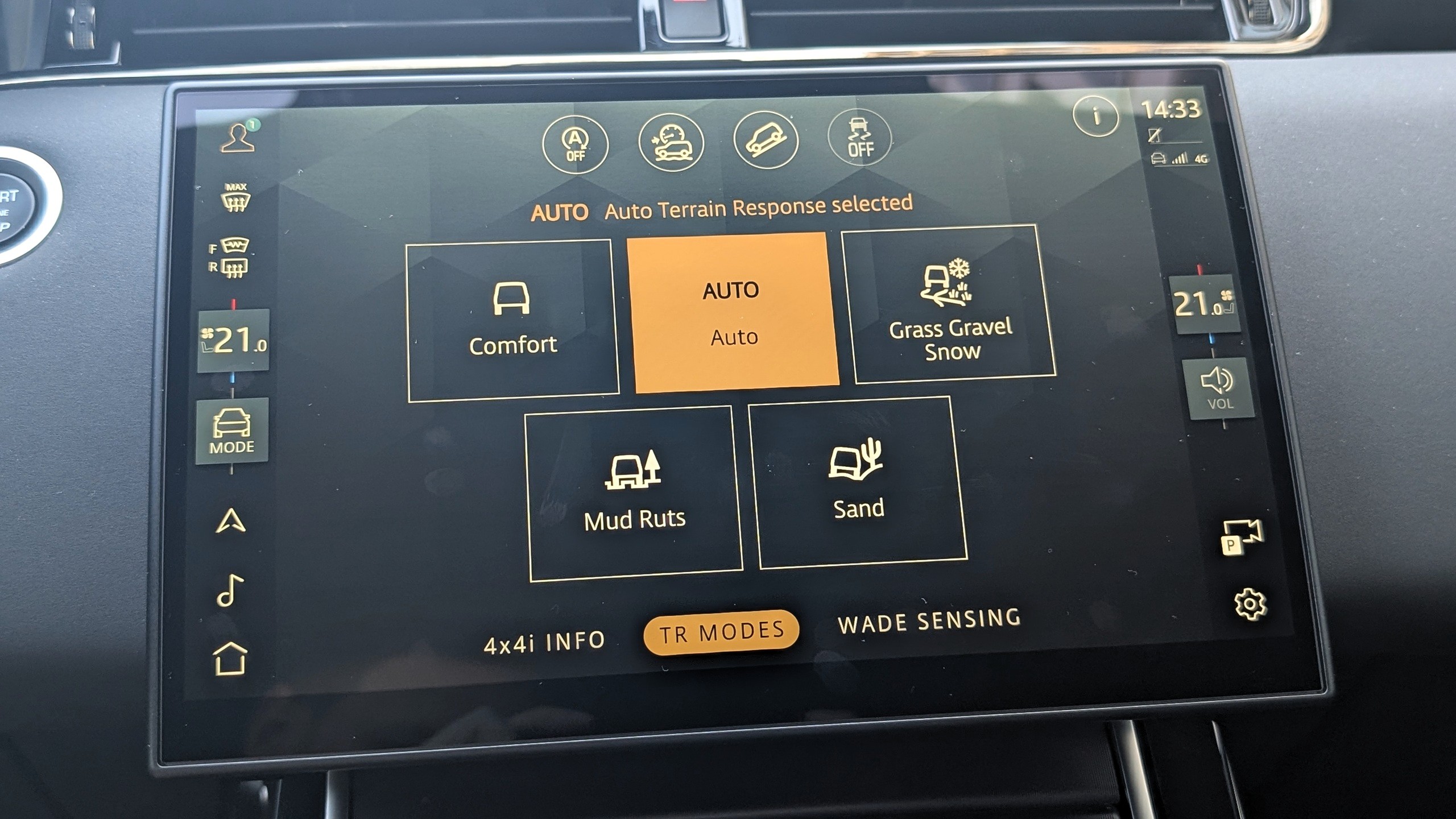
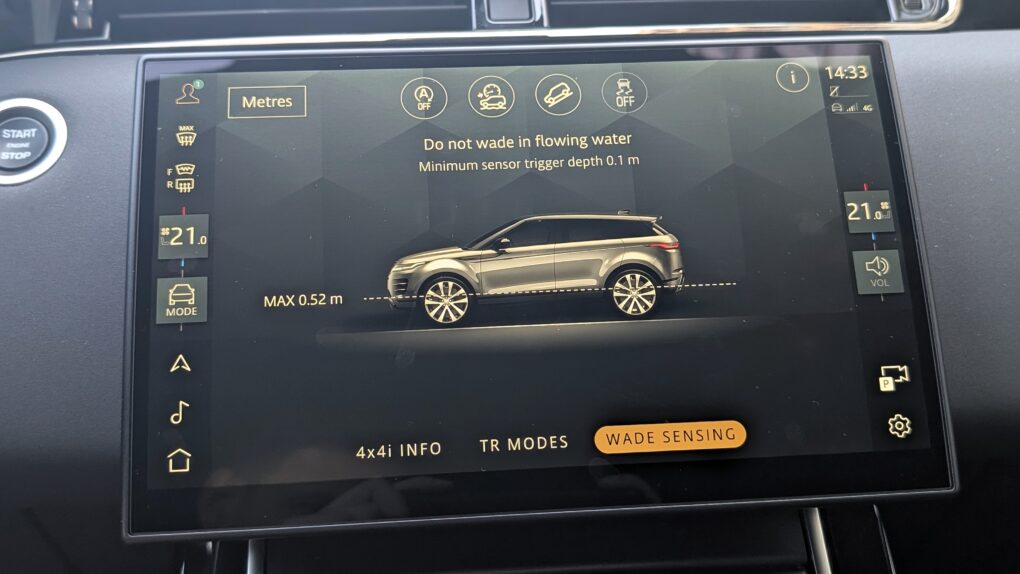
The Evoque's off-road capabilities are serious business. The Terrain Response 2 system offers programs for various surfaces such as grass, mud, and sand. It also features hill descent control, All Terrain Progress Control (a kind of off-road cruise control), and a wading depth gauge. With 21 centimeters of ground clearance, a wading depth of 52 centimeters, and approach and departure angles of 25,0 degrees and 30,6 degrees respectively, the Evoque achieves figures that neither a BMW X1 nor an Audi Q3 can even come close to matching. This isn't a marketing ploy; this is hardware.
The reality, however, is quite different. Very few people will actually take the Evoque off-road. It has evolved more into a stylish city car. Furthermore, the all-wheel drive in the P270e works fundamentally differently than in the diesel: there is no driveshaft, and the rear axle is driven exclusively by the electric motor. As long as the battery is charged, this works superbly and very smoothly. However, if the battery is depleted and the combustion engine has to recharge, the all-wheel drive system's functionality is limited. The towing capacity of 1.600 kilograms is also somewhat lower compared to the diesel's 2.000 kilograms.
-
- Picture: TechnikNews
-
- Picture: TechnikNews
The Range Rover Evoque's powertrain: three-cylinder engine at the front, electric motor at the rear, less power than before.
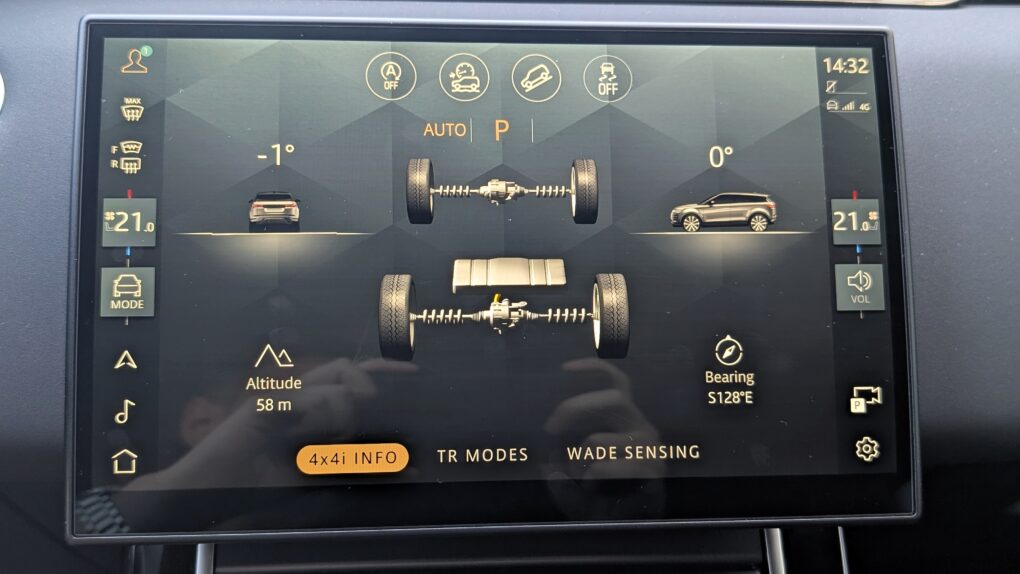
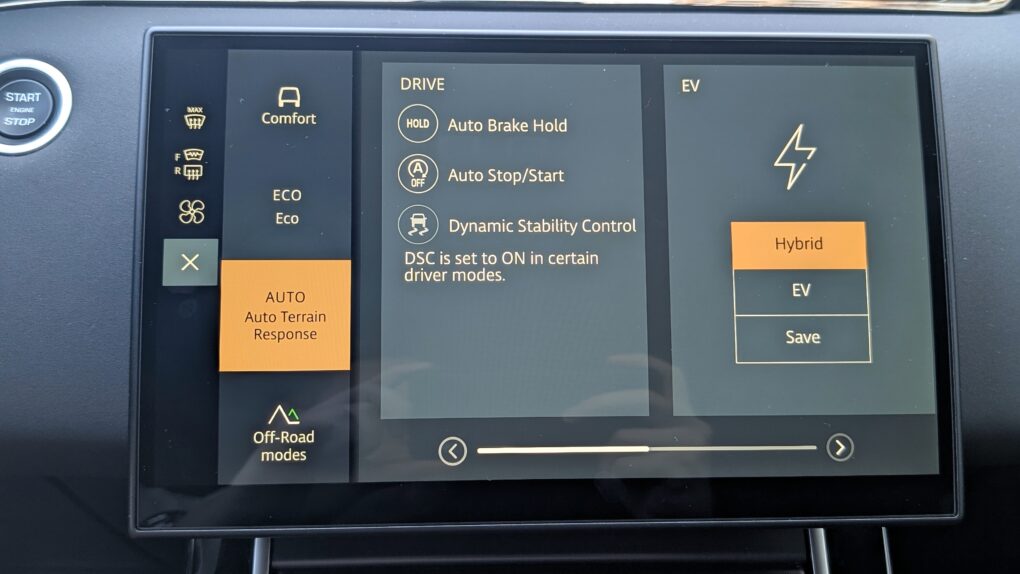
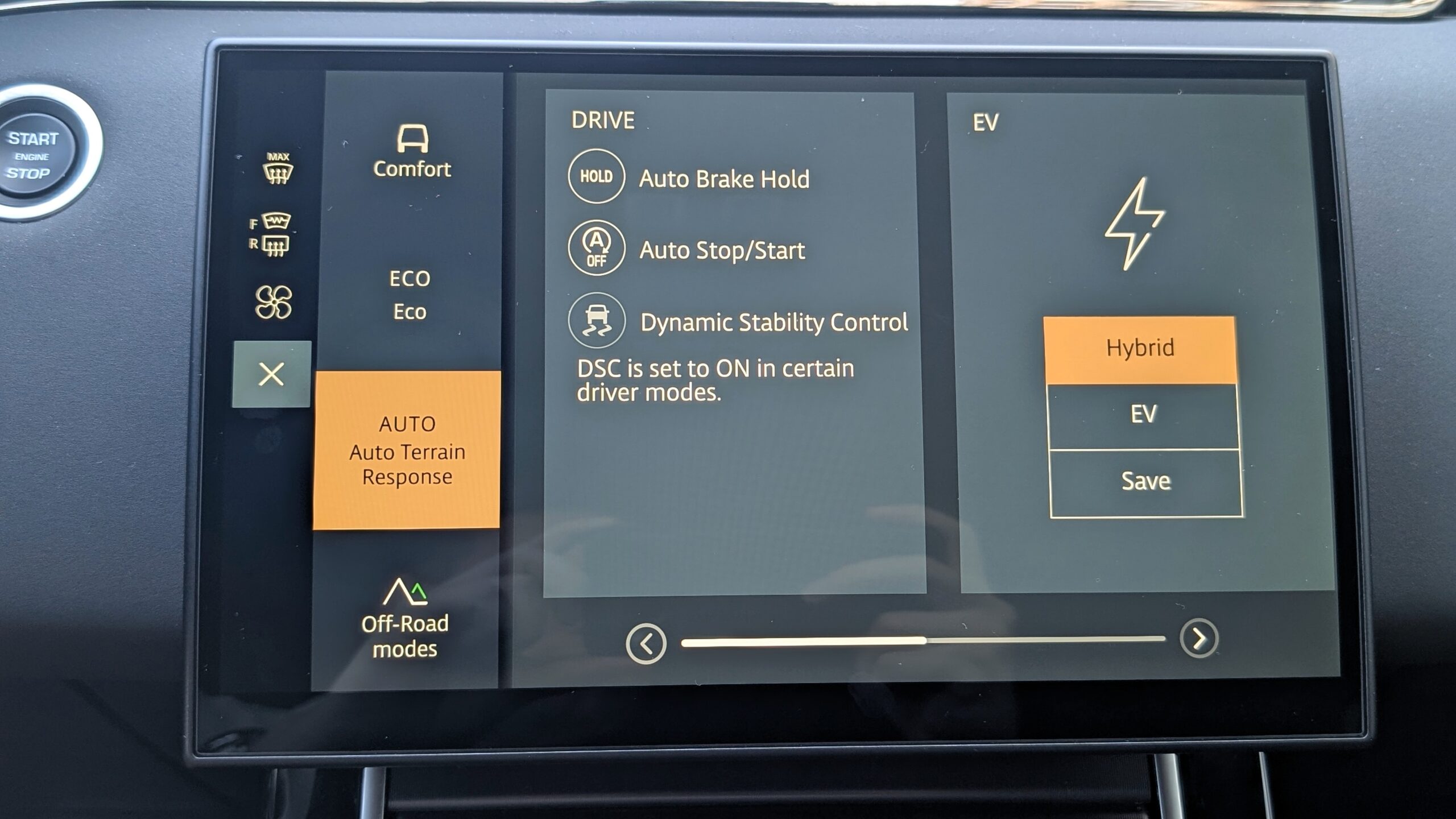
Up front, a 1,5-liter three-cylinder turbocharged gasoline engine with 200 hp drives the front wheels via an eight-speed automatic transmission. A 109 hp electric motor powers the rear axle. Together, this results in a system output of 269 hp and a maximum torque of 540 Nm. The Evoque accelerates from 0 to 100 km/h in 7,2 seconds, but its top speed is electronically limited to 190 km/h, or 135 km/h in all-electric mode. This is sufficient for everyday driving and, thanks to the instantly available torque, feels more responsive than the figures would suggest.
The comparison with its predecessor is still unpleasant. The P300e It produced 309 hp, sprinted to 100 km/h in 6,4 seconds, and had a top speed of 213 km/h. The stricter emissions standards have thus cost the engine 40 hp and 23 km/h of top speed. Two further points of criticism: Regenerative braking cannot be adjusted via paddle shifters or in the menu and is somewhat weak for a car with this battery size. Under full load, the three-cylinder engine also sounds rather rough, which seems out of place in a Range Rover.
-
- Picture: TechnikNews
-
- Picture: TechnikNews
Battery: 11,5 usable kilowatt hours under the rear seat
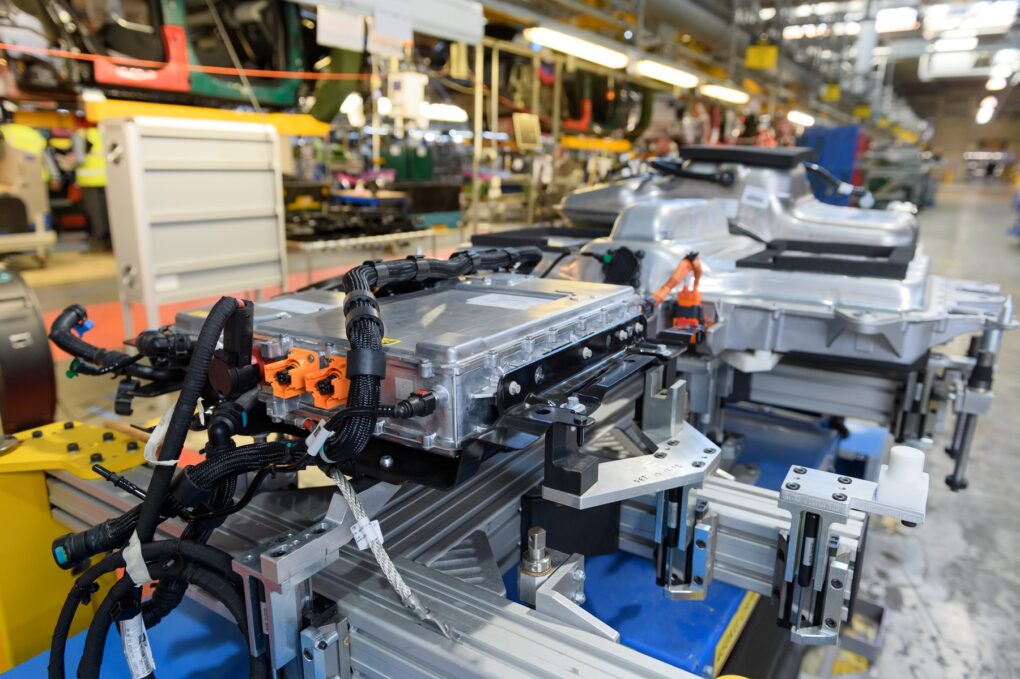
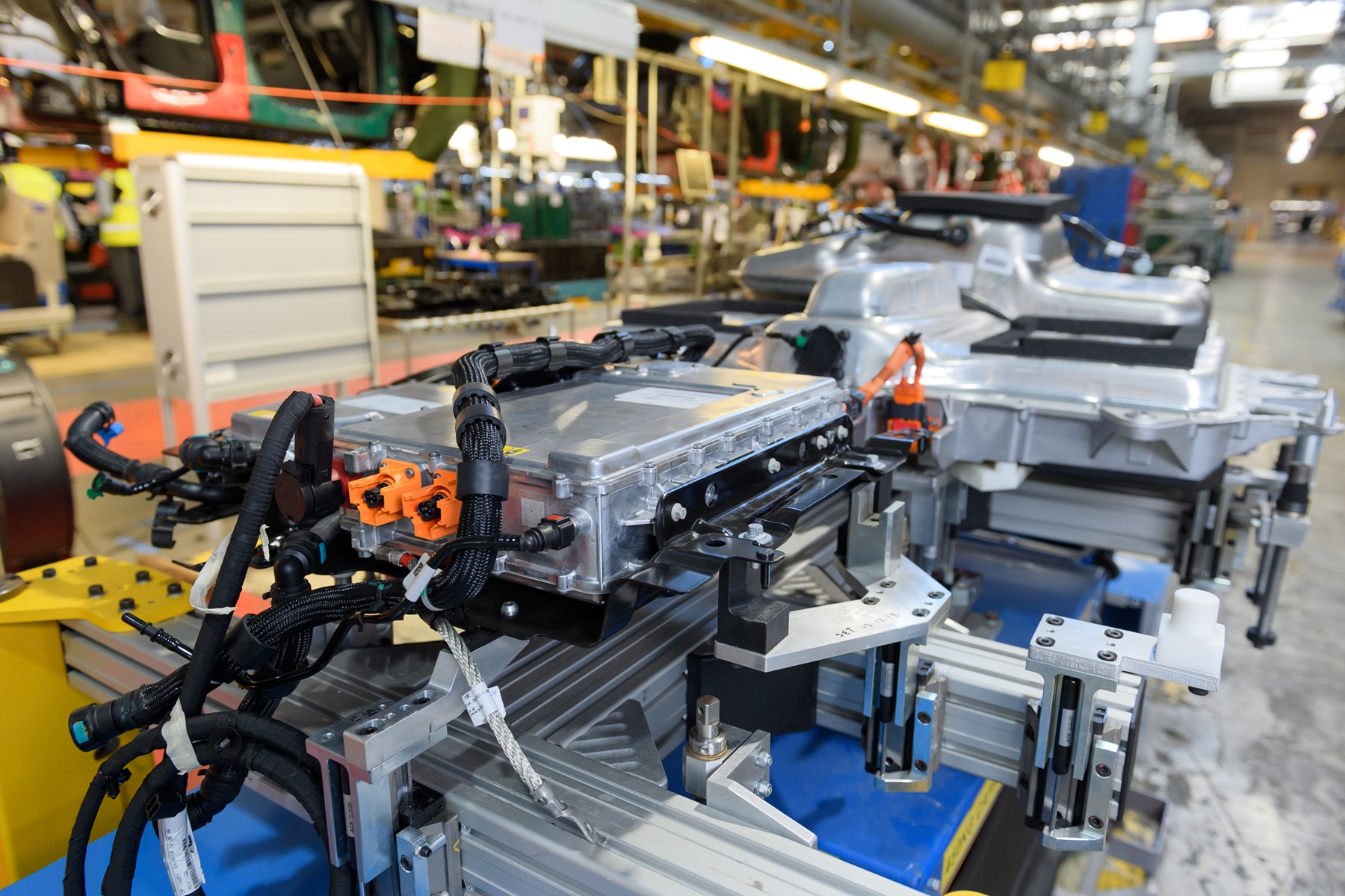
The lithium-ion battery has a gross capacity of 14,9 kilowatt-hours, of which 11,5 kilowatt-hours are usable. Its placement under the rear seats is an elegant solution in the compact SUV segment, as it doesn't compromise trunk space or headroom, and the center of gravity remains low. Land Rover offers a six-year or 100.000-kilometer warranty and will intervene if the total capacity falls below 70 percent of its original value. This is a fair arrangement.
In terms of battery capacity, however, the competition is ahead of Range Rover. A BMW X1 xDrive30e, for example, stores 17,2 kilowatt-hours, while the new Audi Q3 e-hybrid even boasts 25,7 kilowatt-hours gross or 19,7 kilowatt-hours net. Even its predecessor, the P300e, was rated at 12,17 usable kilowatt-hours, thus offering a slightly higher capacity. Anyone buying a plug-in hybrid in 2026 will get double the battery capacity from the competition for a similar price. This is the Evoque's real weakness, not its engine power.
-
- Image: Range Rover
-
- Image: Range Rover
Driving dynamics and handling: Confident rather than sporty
The two-ton curb weight is undeniable, but the Range Rover Evoque handles it cleverly. The steering is precise enough without feeling artificially heavy. With a turning circle of 11,6 meters, it's surprisingly agile for an all-wheel-drive SUV. In electric mode, the rear axle provides power, resulting in pleasant acceleration out of tight corners. Body roll is controlled, and the handling remains predictable even in situations where this car is rarely driven anyway.
The suspension, review vehicle equipped with passive damping (adaptive dampers are an optional extra), smoothly irons out long undulations, while short bumps are transmitted through the 20-inch wheels. On the motorway, the Evoque is quiet and stable, but noticeably firm on poor country roads. It's not sporty, and it doesn't even try to be. A BMW X1 xDrive30e with 326 hp is slightly faster in every respect. The Evoque compensates with quietness and ride comfort.
-
- Image: Range Rover
-
- Image: Range Rover
Fuel consumption and range of the Range Rover Evoque: 6,2 liters per 100 kilometers
According to Range Rover, the P270e consumes 3,7 to 4,0 liters of fuel and an additional 12,2 to 12,4 kilowatt-hours per 100 kilometers. Carbon dioxide emissions are between 85 and 90 grams. pro Kilometers and efficiency class B. Land Rover states 7,7 liters per 100 km with an empty battery. pro 100 kilometers and efficiency class F. The predecessor, the P300e, was rated at 2,1 liters and 44 grams. However, this difference is not due to the car itself, but to the now more realistic calculation for Plug-in hybrids, which assumes a significantly lower proportion of electric driving.
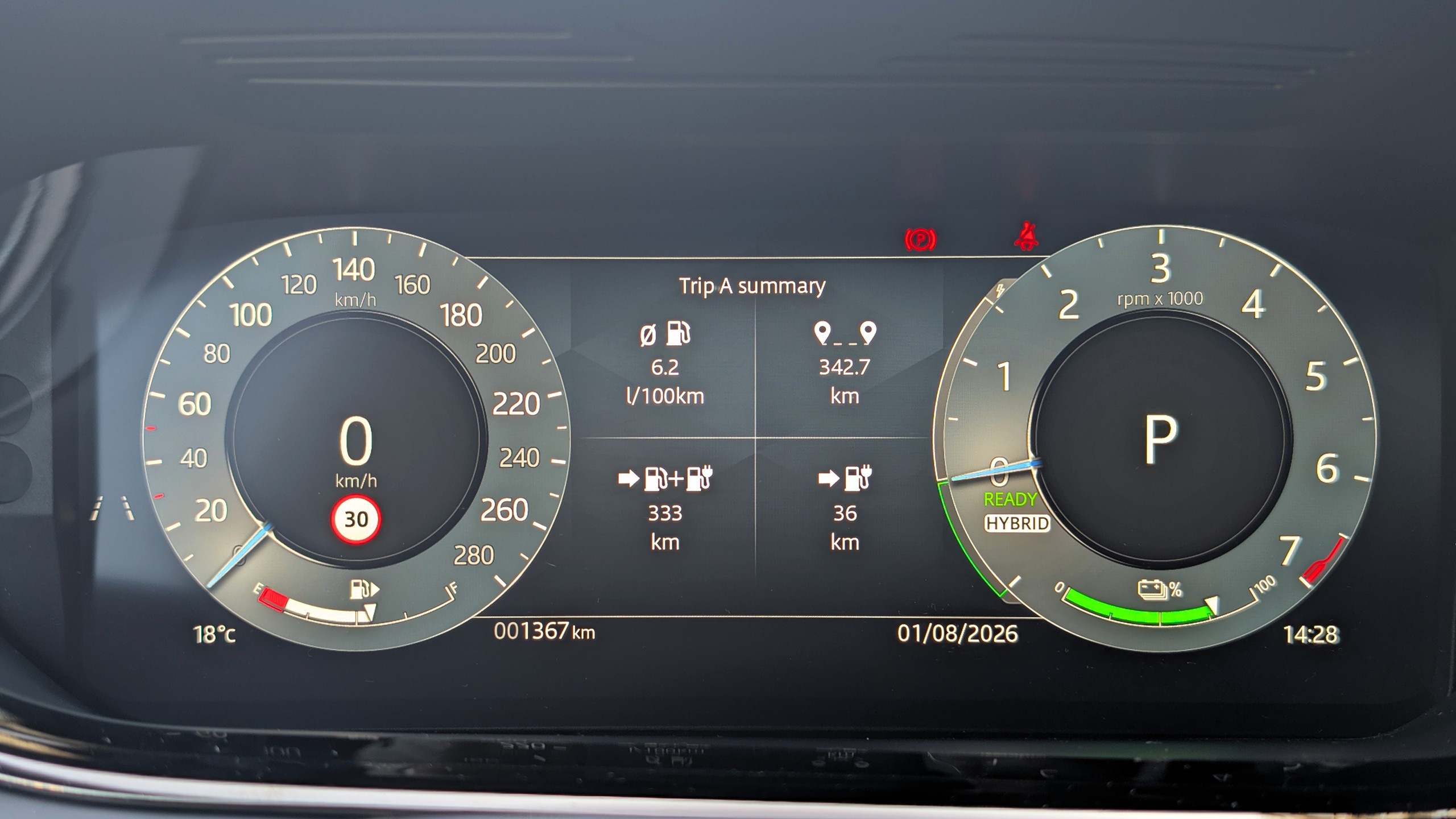
During our two weeks with the Evoque, the driver display showed a fuel consumption of 6,2 liters per 100 kilometers, and that was with rather irregular battery charging. For a two-ton all-wheel-drive SUV, that's a good figure, demonstrating that the hybrid system operates efficiently even with an empty battery. Those who charge daily and drive short distances can realistically achieve three to four liters per 100 kilometers. However, those who receive the vehicle as a company car and never plug it in will likely see fuel consumption of around eight liters per 100 kilometers with the added weight of the three-cylinder engine.
Picture: TechnikNews
Range: 47 electric kilometers is the maximum.
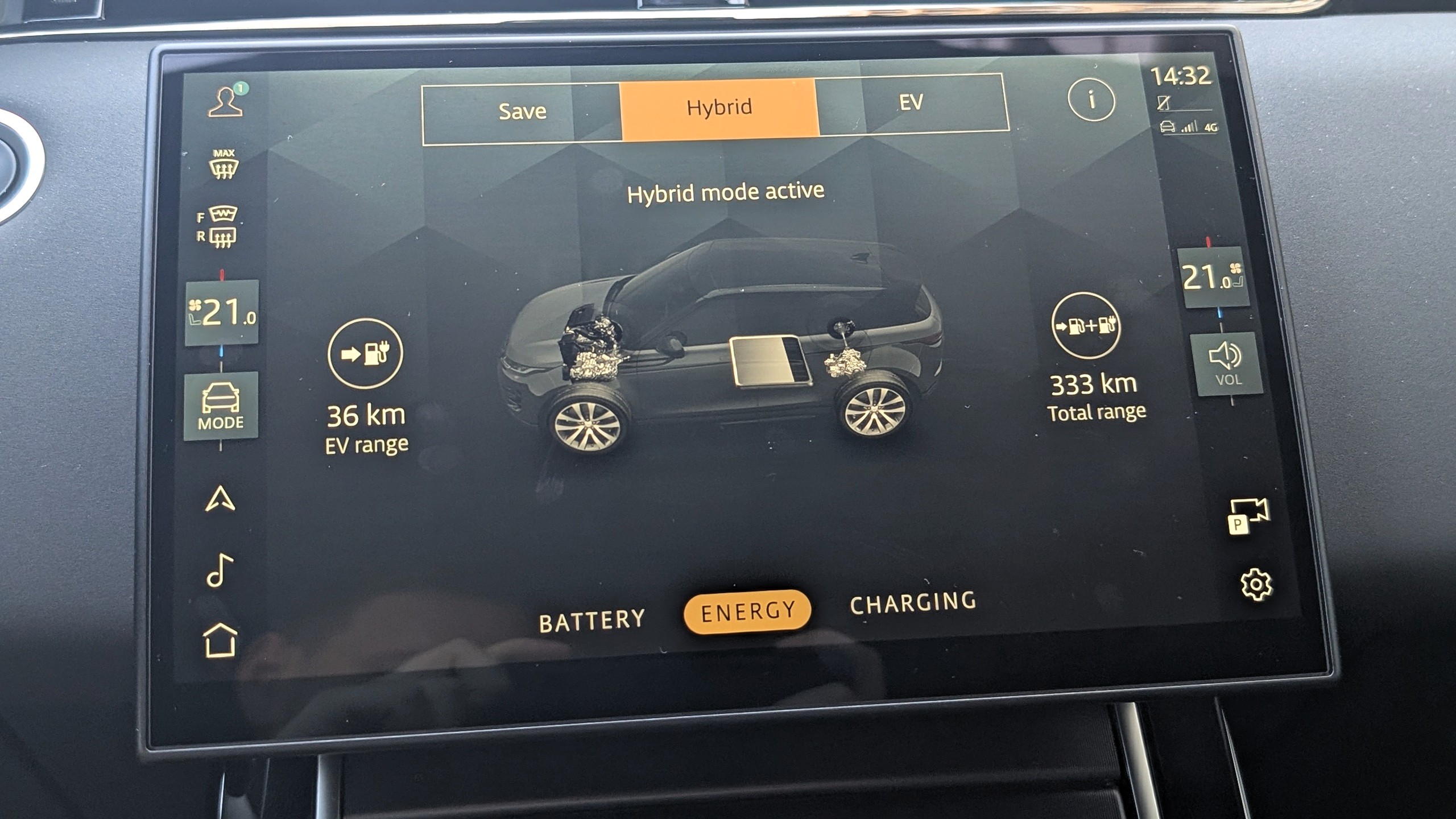
Land Rover quotes a range of 58 to 60 kilometers according to WLTP (Worldwide Harmonised Light Vehicles Test Procedure) in the combined cycle and 71 to 74 kilometers in the urban cycle. In our test, with summer temperatures and a restrained driving style, a maximum of 47 kilometers was achievable in both urban and rural driving. At highway speeds and with the air conditioning running, this figure quickly drops to below 30 kilometers.
For commuters with short trips of up to about 40 kilometers, this is sufficient, but not for everyone else. And here the comparison is painful: The Audi Q3 e-hybrid achieves up to 119 WLTP kilometers and the BMW X1 xDrive30e up to 89 WLTP kilometers. The Evoque is thus almost a generation behind. However, the overall range is impressive: With 56,5 liters of gasoline and a fully charged battery, a good 700 kilometers are possible without having to think about charging or refueling along the way.
Picture: TechnikNews
Charging: 32 kilowatt DC charging, a rarity in this class.
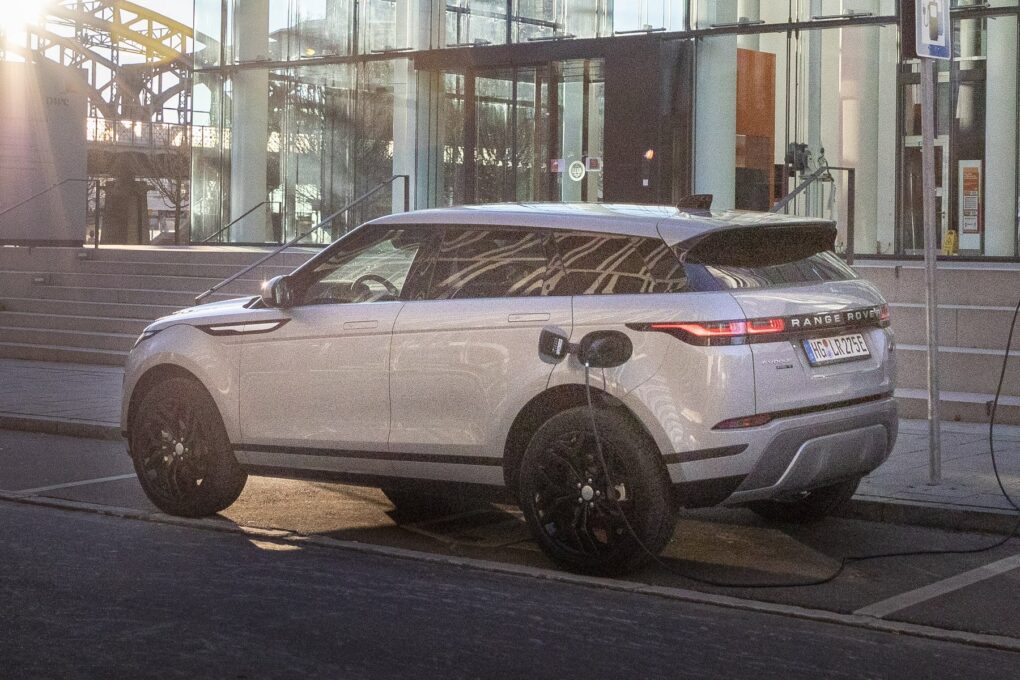
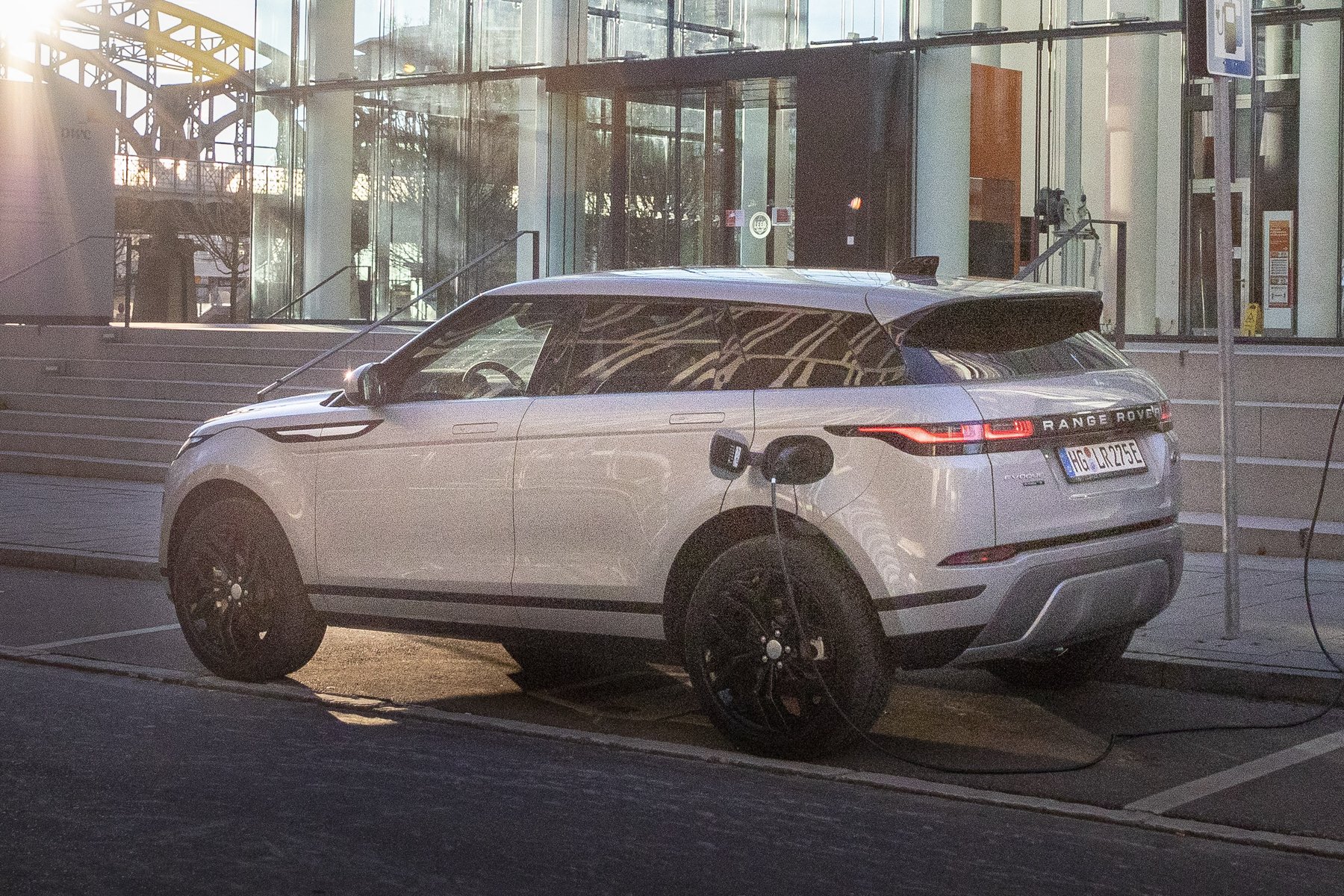
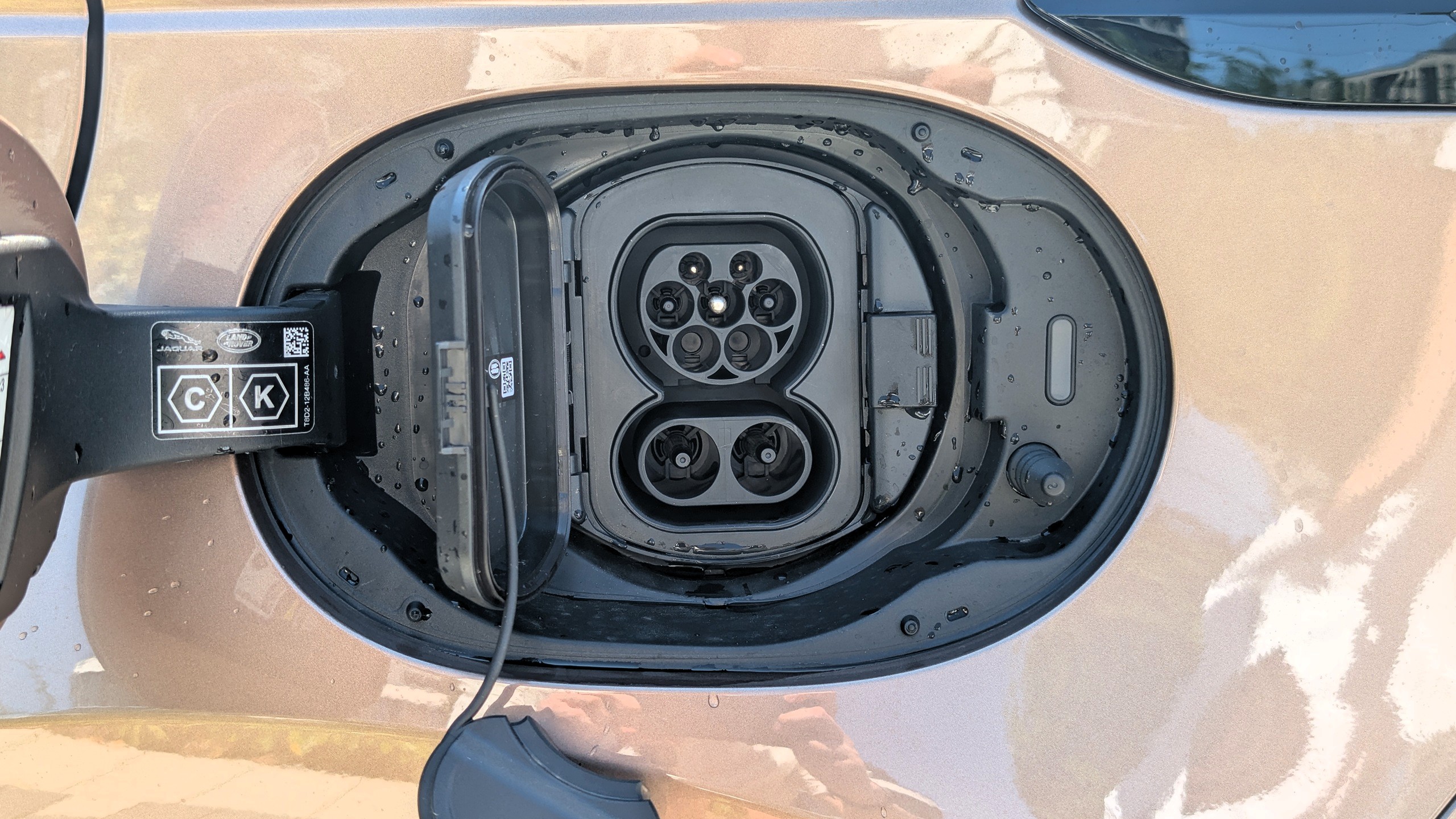
The Range Rover Evoque charges using single-phase AC power at a maximum of 7 kilowatts. This translates to roughly two hours at a home wallbox. More interesting on the Evoque is the standard CCS (Combined Charging System) connector: with up to 32 kilowatts of DC power, the battery can be charged from 0 to 80 percent in about 30 minutes. In our test, we exclusively used public charging stations, including fast chargers, and this worked flawlessly over the two weeks without a single interruption and always within the timeframe specified by Range Rover.
For a long time, DC charging capability was a unique selling point. The BMW X1 and the Mercedes GLA PHEV, for example, still only charge with alternating current. However, the new Audi Q3 e-hybrid has caught up and can even achieve 50 kilowatts at a DC charger. In practical terms, this means that with the Evoque, you can go shopping and then continue your journey with a full battery. However, you still have to do the math. At a fast charger, a kilowatt-hour costs many times more than household electricity, and with such a small battery, charging losses are significant. proThe P270e is proportionally more important. Economically, it's more likely to be used with a dedicated wallbox or a cheap AC charging tariff.
Picture: TechnikNews
Price and warranty of the Range Rover Evoque: €61.500 starting price
The P270e in the S trim level starts at 61.500 EuroThe Hoxton Edition we tested costs €69.600, and the top-of-the-line Autobiography trim costs €75.600. Our test vehicle, equipped with a panoramic glass roof, technology package, and a premium Meridian sound system, came in well over €70.000. For comparison, the Audi Q3 e-tron starts at around €55.000 and offers twice the electric range. The Range Rover Evoque, therefore, doesn't sell on practicality, but rather on appearance, materials, and the name on the hood.
Land Rover has significantly improved its warranty offering. A five-year or 150.000-kilometer vehicle warranty is remarkable in this class. This is complemented by a six-year or 100.000-kilometer warranty for the drive battery, a six-year anti-corrosion warranty, and a three-year Europe-wide roadside assistance guarantee. This mitigates the biggest drawback, at least for the first few years: the concern about expensive repairs to complex hybrid technology. Residual value remains a gamble that each buyer must take. (All prices in this article are as of August 2026 and include 19% VAT.)
Picture: TechnikNews
Many thanks to Range Rover Germany for providing the Range Rover Evoque P270e for this test report. This did not influence our opinion!