
Xpeng G9 Performance (2026) review: 12 minutes of charging for €72.600
A TEST REPORT from Kasimir Hupe  on September 28, 2026, 11:33 | Write a comment
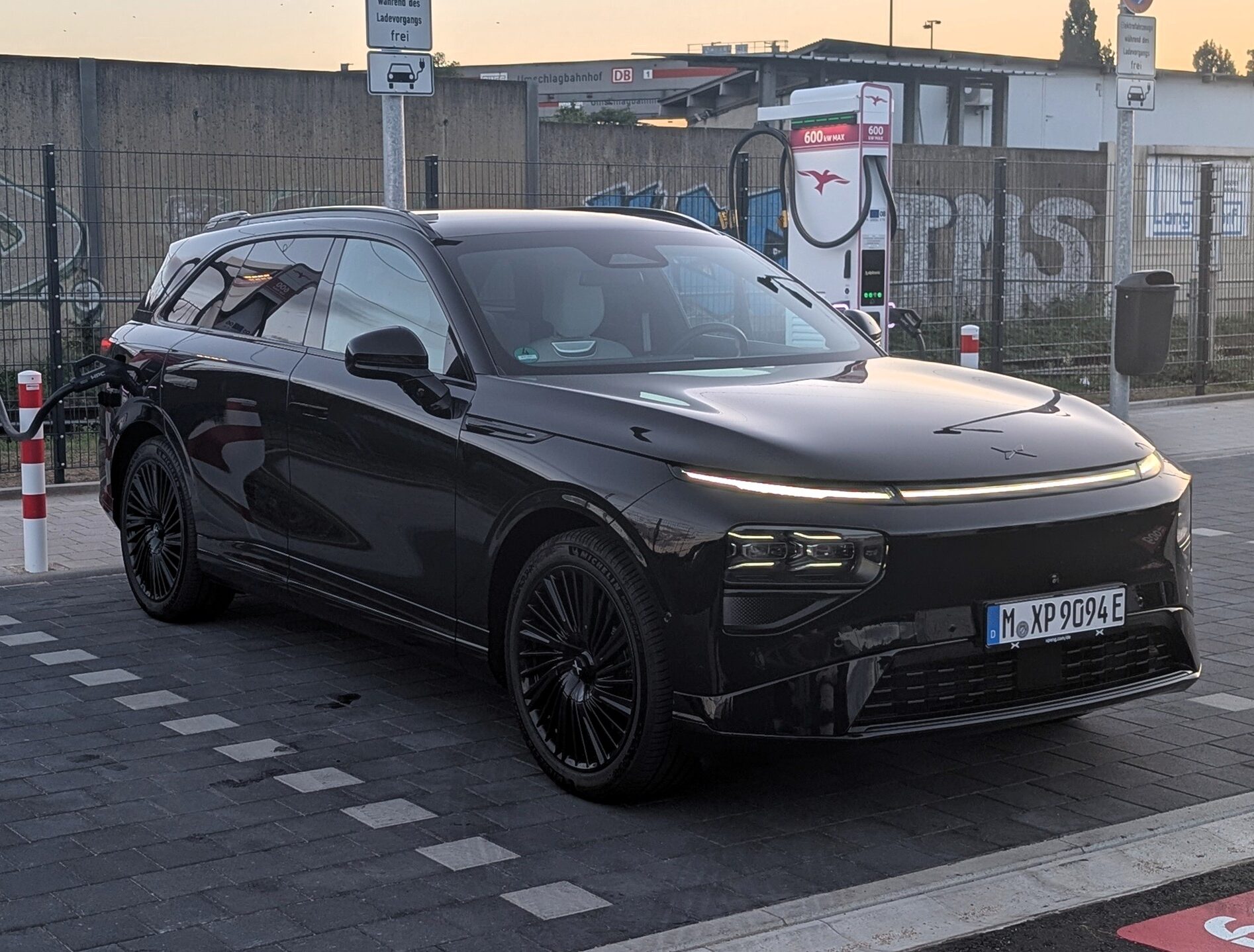
With a charging capacity of 525 kW, 575 hp, and a base price lower than its predecessor, the new Xpeng G9 Performance charges its battery from 10 to 80 percent in just twelve minutes, making it one of the fastest-charging production cars available in Germany. Two weeks of everyday use have revealed in which areas the Chinese SUV, now produced by Magna in Graz, outperforms the competition and where minor weaknesses still exist.
When Xpeng unveiled the G9 in the fall of 2022, it was a risk. Until then, the Guangzhou-based brand was known for its affordable sedans, but suddenly it presented a 4,89-meter-long flagship with an 800-volt architecture, intended to compete with European luxury cars. The first models arrived in Norway, Denmark, and the Netherlands in 2023, followed by Germany in 2024. That same year, Xpeng reduced the number of variants, lowered prices, and launched the Xpeng G9 in a new configuration. which we have already tested extensively. Our verdict at the time: a lot of car for the money with the best charging curve in its class.
Since the end of 2025, the second major update has been available at dealerships. Xpeng has equipped the G9 with a fast-charging LFP (lithium iron phosphate) battery, making it the first vehicle in its class to do so. They've increased the charging capacity from a measured 320 kW to up to 525 kW, while still lowering the price. There's also a change not mentioned in the specifications: the Xpeng G9 is no longer an import. Since September 2025, the G9 and G6 have been assembled for Europe at Magna Steyr in Graz, Austria. The P7+ was added in early 2026, and a fourth model has already been approved. This shortens delivery times and avoids EU tariffs on electric cars from China. For two weeks, an Xpeng G9 Performance Black Edition with a premium package and swiveling tow hitch was parked at our doorstep. The list price is €79.320. The question is simple: Is the charging advantage enough to compete against Volvo, Zeekr, and other German rivals?
Conclusion (tl;dr) on the Xpeng G9 Performance: Fast charging and comfortable driving
The Xpeng G9 no longer needs to clamor for attention with its features. It's a thoroughly developed premium SUV that excels in the areas that matter most on long journeys. Its air suspension and noise insulation are among the best in its price range, and its charging performance is unrivaled. A twelve-minute charge from ten to 80 percent will change your route planning more than any additional kilowatt-hour in the battery. Moreover, the standard equipment is very comprehensive.
Of course, it's not perfect. The climate control outlets can only be adjusted via the menu, the massage function is a bit too short, the charging process can't be stopped using the key, and the "mere" 11 kW AC charging capacity, while minor, is noticeable in everyday use. Update to XOS 5.9.5 in August 2026 This has shown that Xpeng is catching up in such areas: the ventilation system now also responds to the voice assistant. Anyone willing to spend around €70.000 on an electric SUV and who doesn't need a third row of seats will find here the most comprehensive and sophisticated offering currently available on the market.
Strengths and weaknesses of the Xpeng G9 Performance:
✅ Power
- Charging power of up to 525 kW and a strong charging curve
- Dual-chamber air suspension with excellent tuning and numerous individual adjustment options
- Dynaudio Xopera with 22 speakers and 2.150 watts
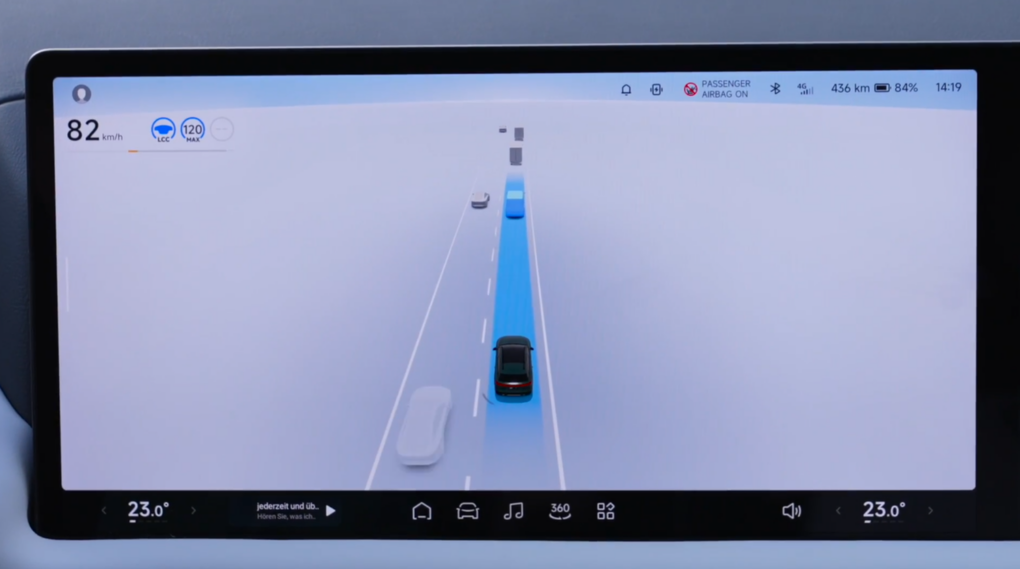
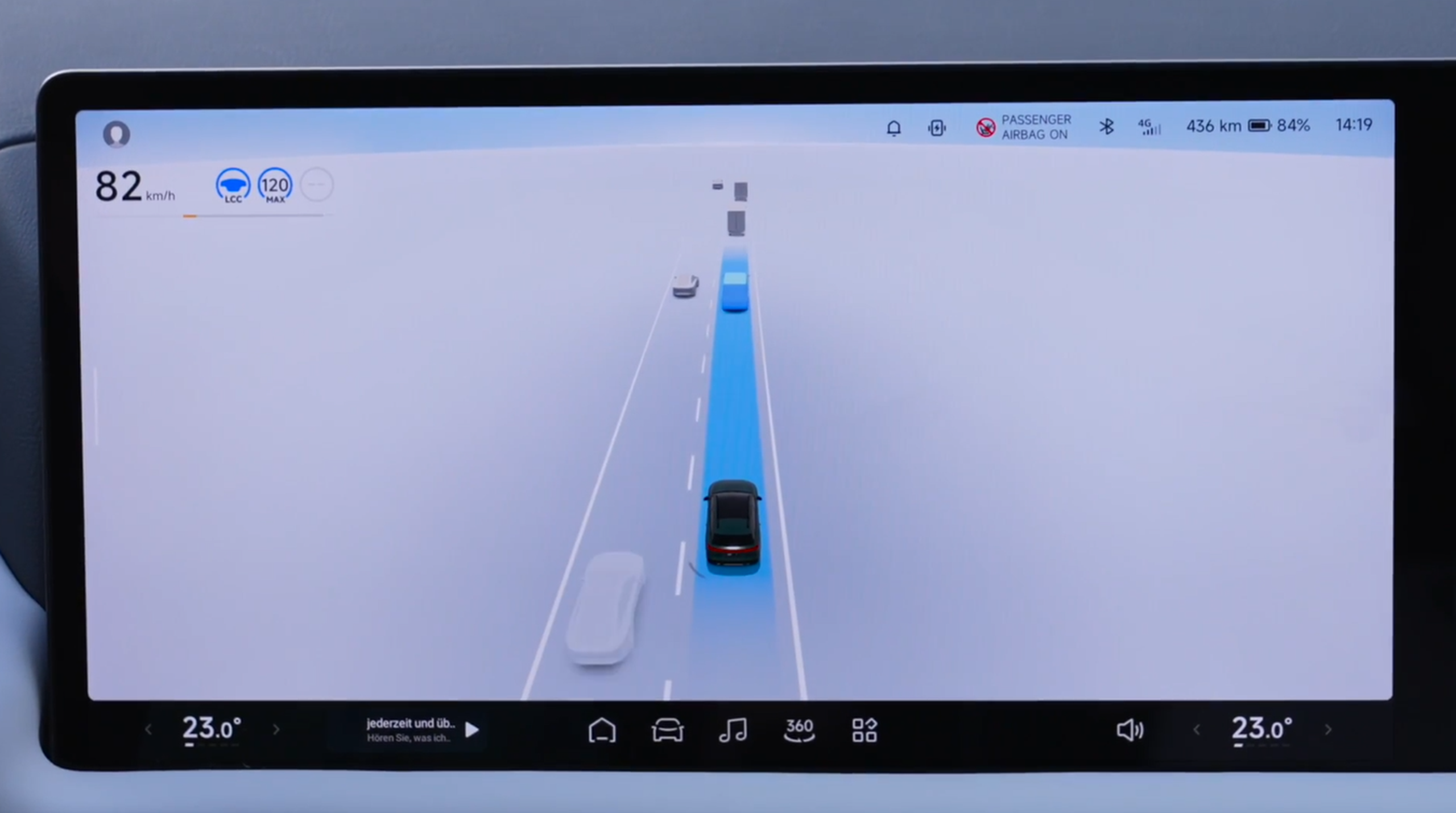
- Lane Keeping Assist (LCC) works quickly, precisely, and without oscillation.
- Noise level up to 160 km/h is on par with upper class.
- Extentious standard equipment, short list of optional extras, seven-year vehicle warranty
- 660 liters of trunk space plus 71 liters of frunk
❌ weaknesses
- Air vents controlled only via display or voice command; no louvers to touch.
- AC charging only at 11 kW instead of 22 kW
- A payload of 515 kilograms is barely sufficient.
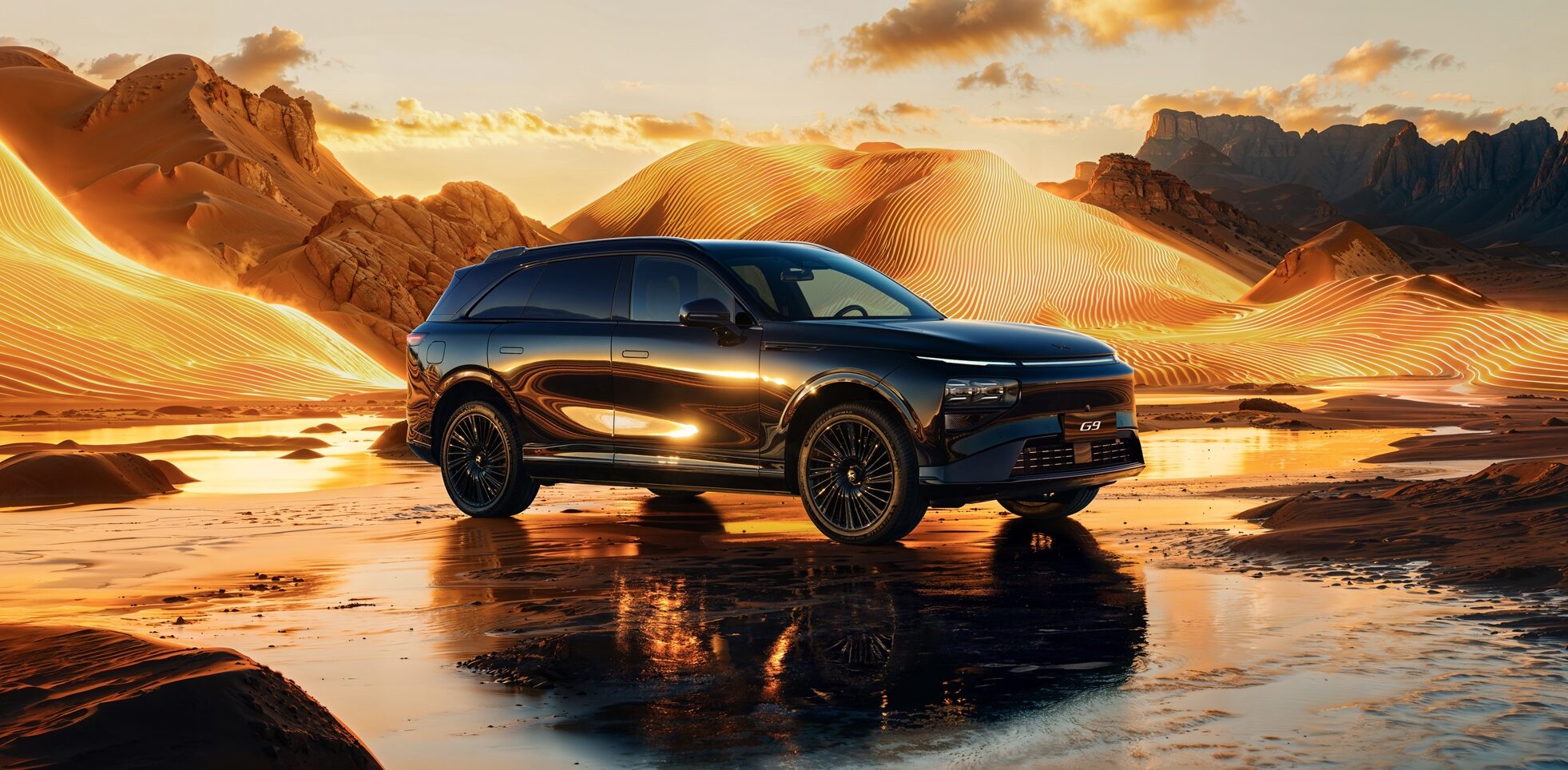
Design and exterior of the Xpeng G9 Performance: Black on black
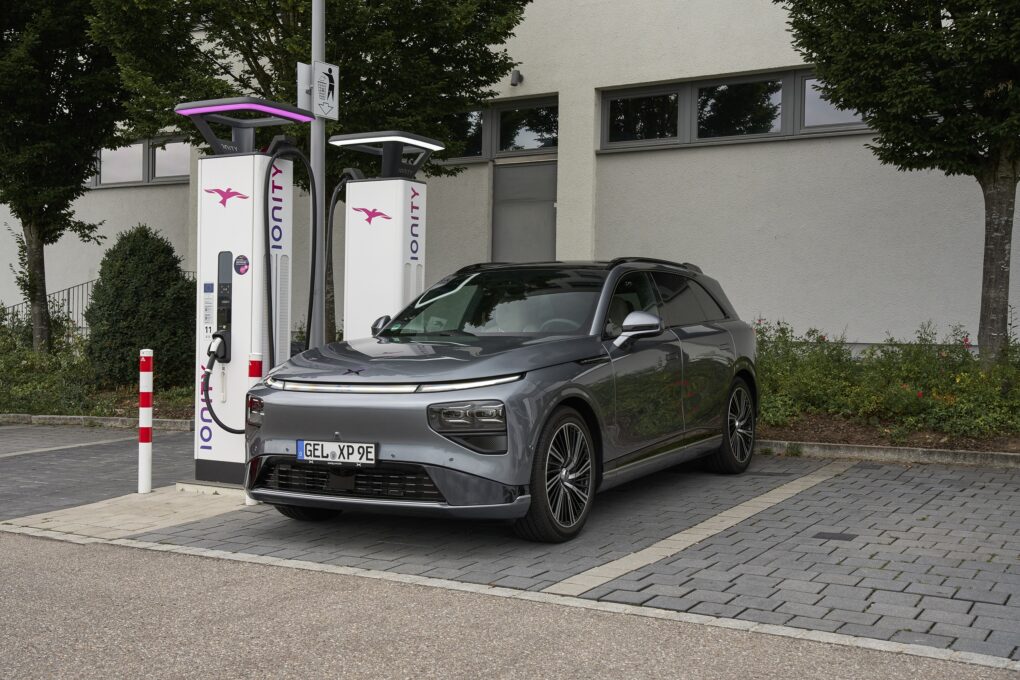
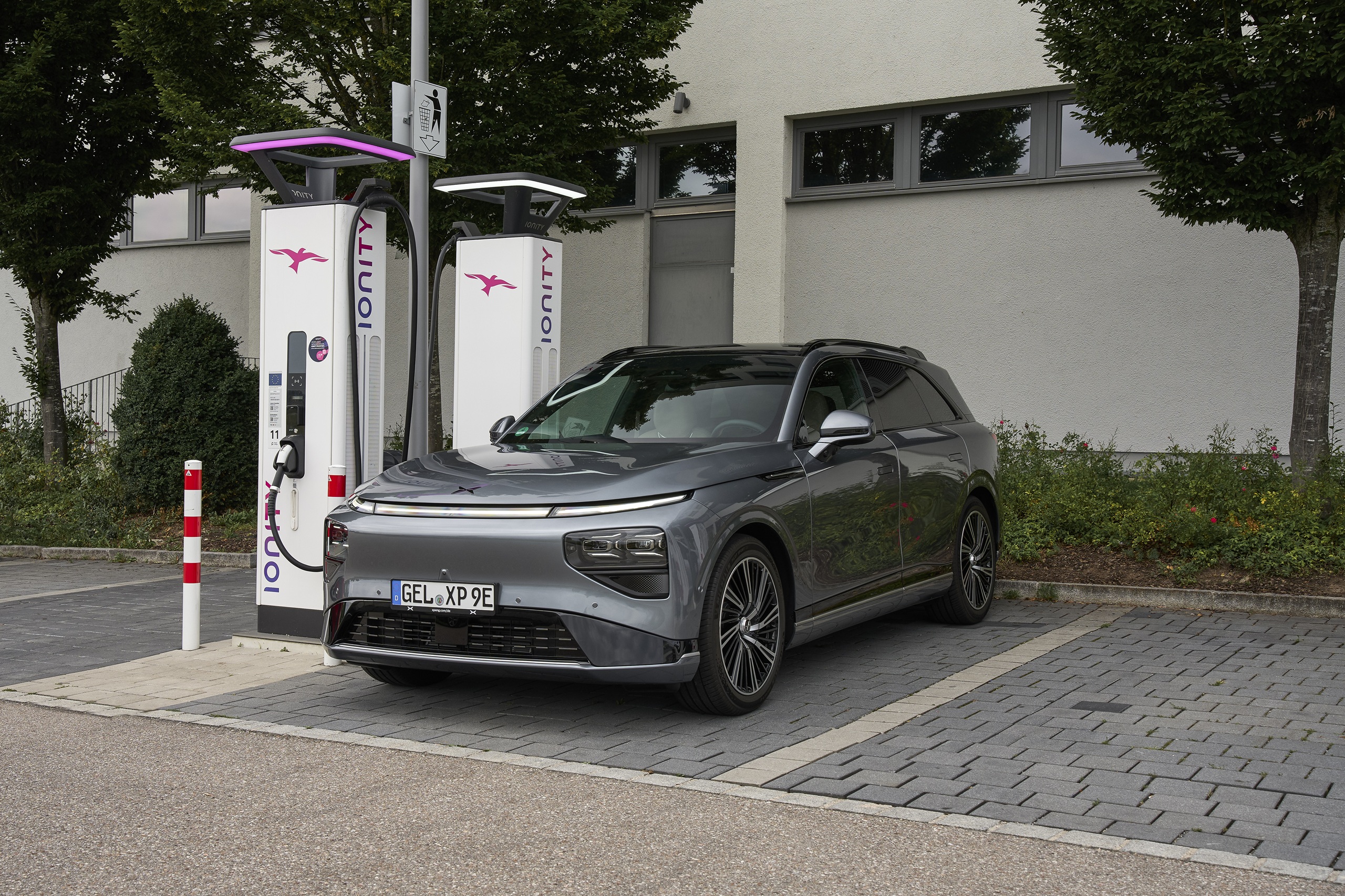
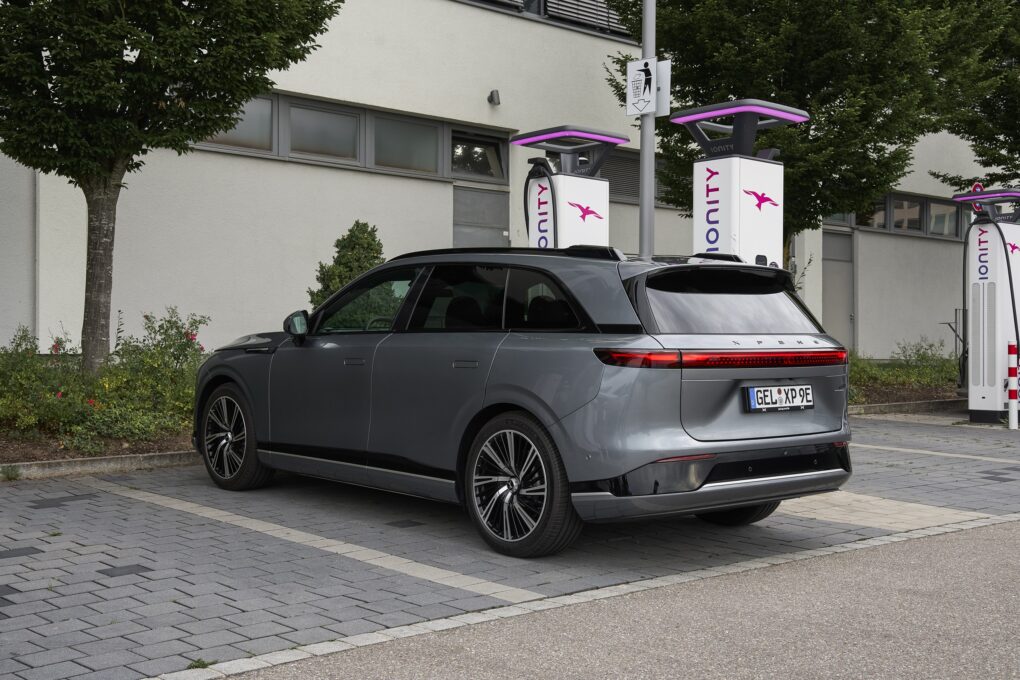
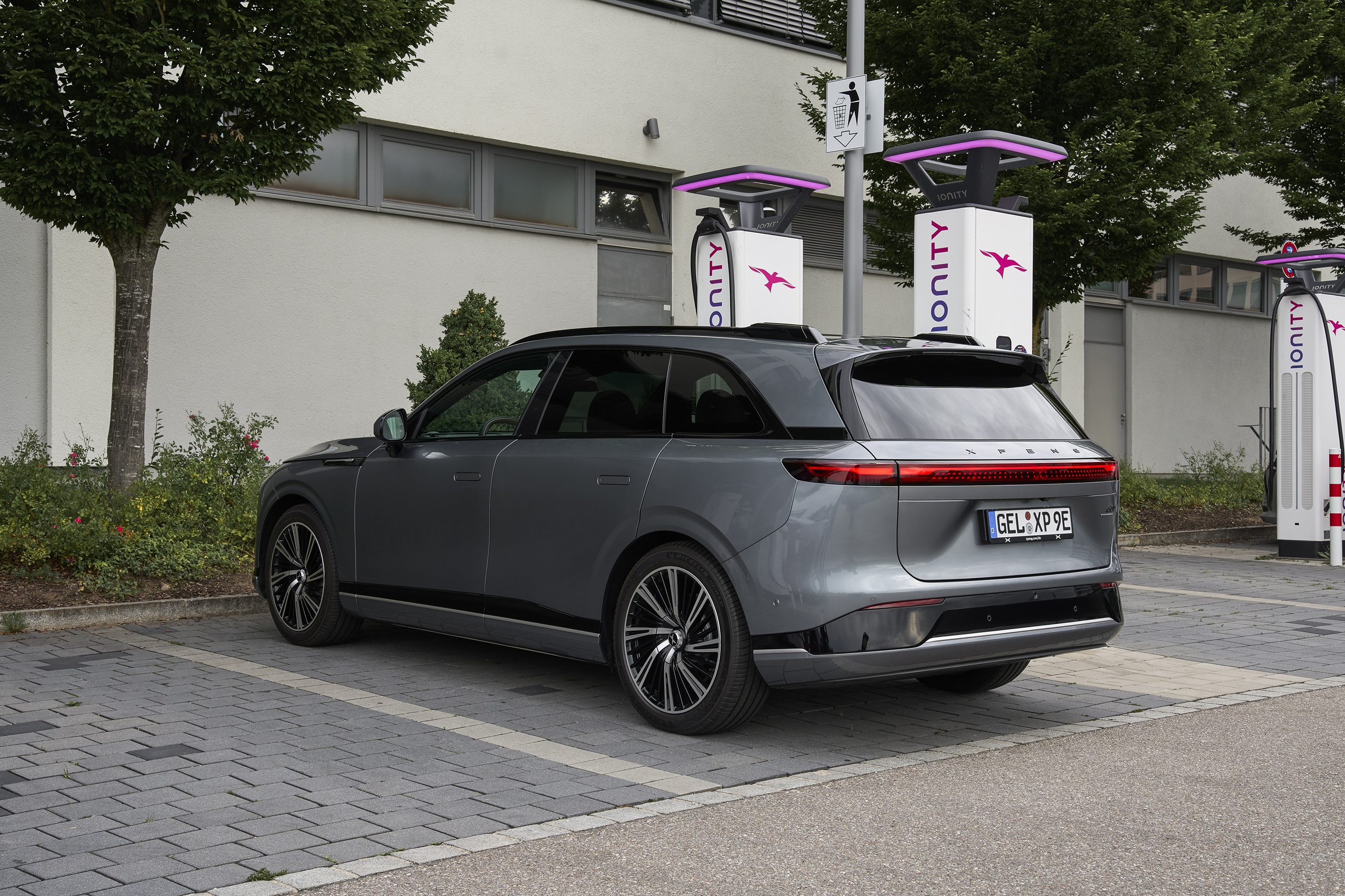
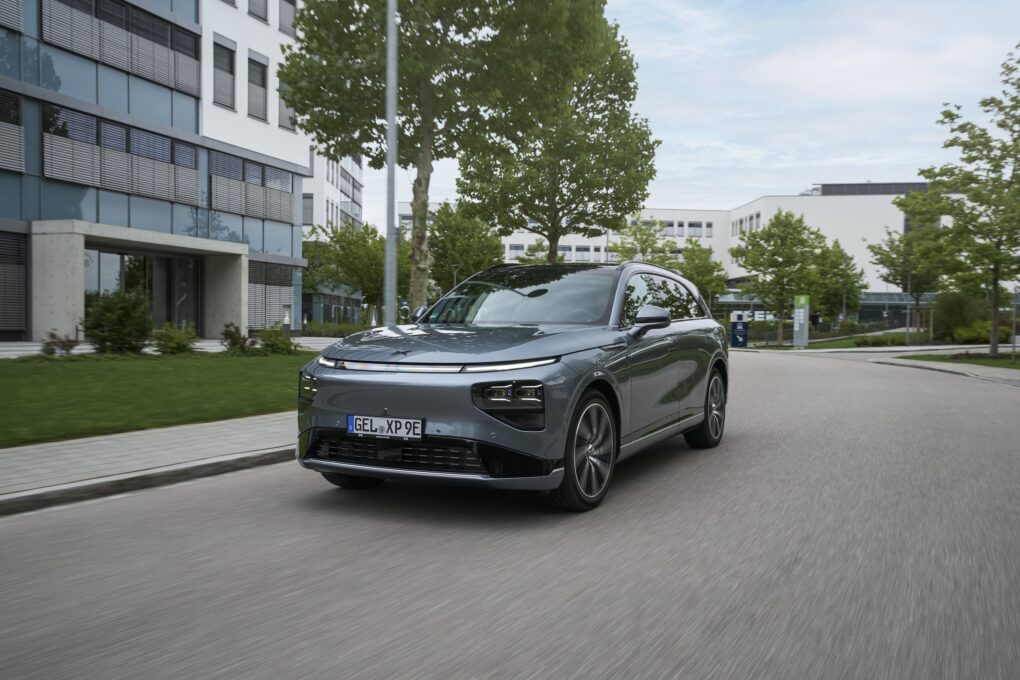
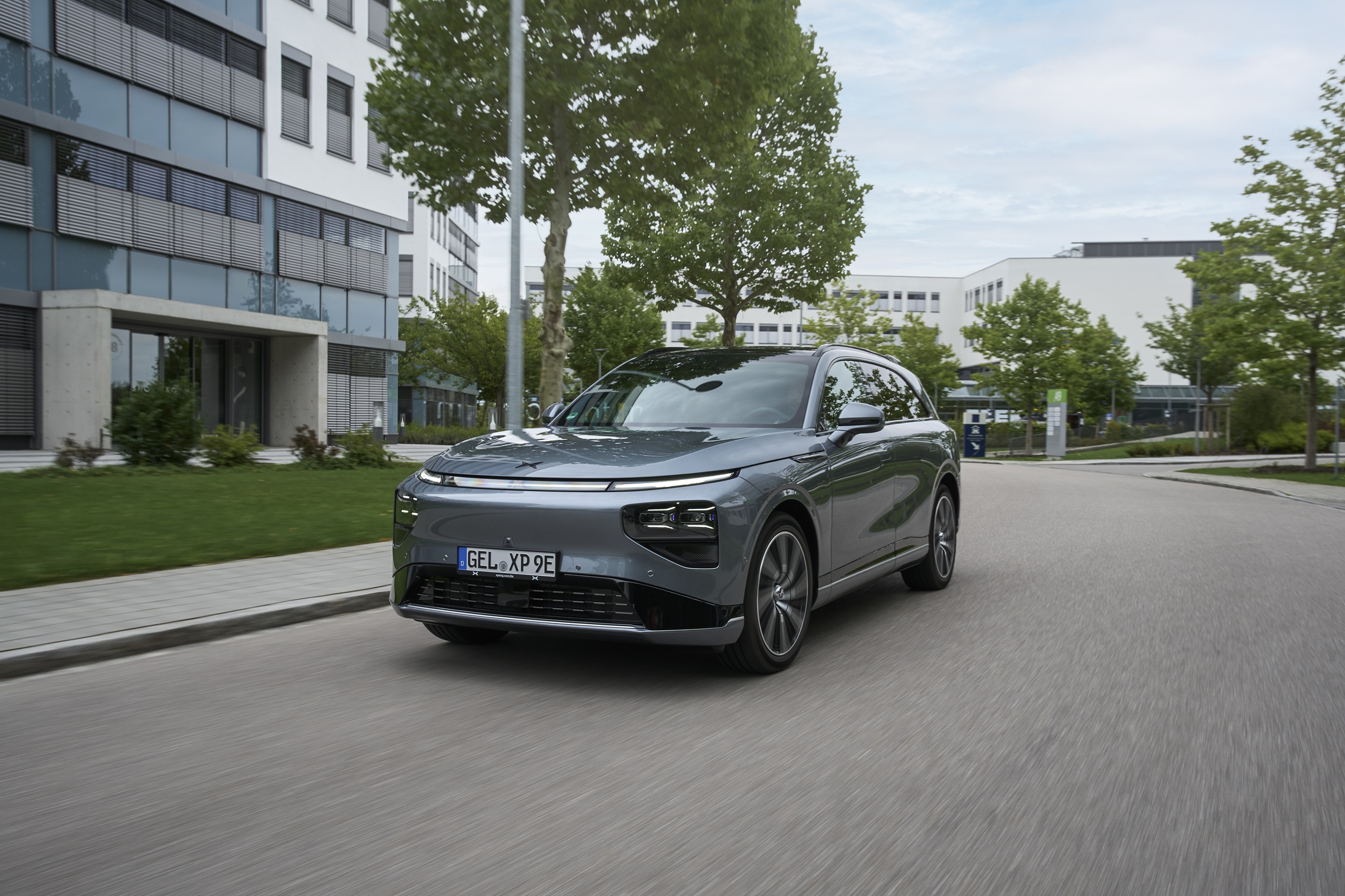
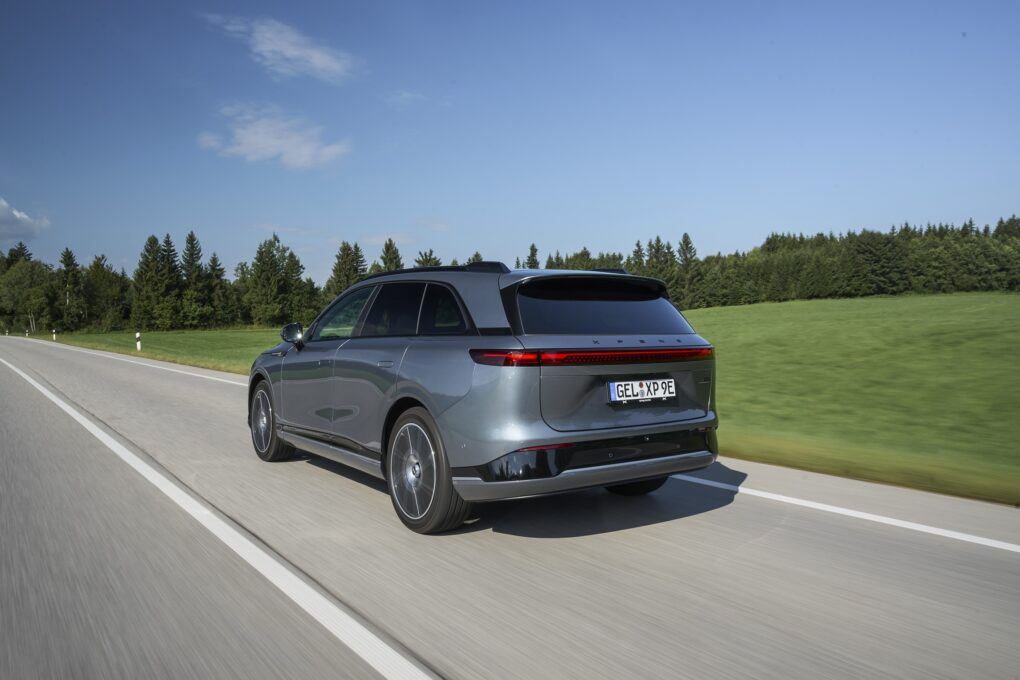
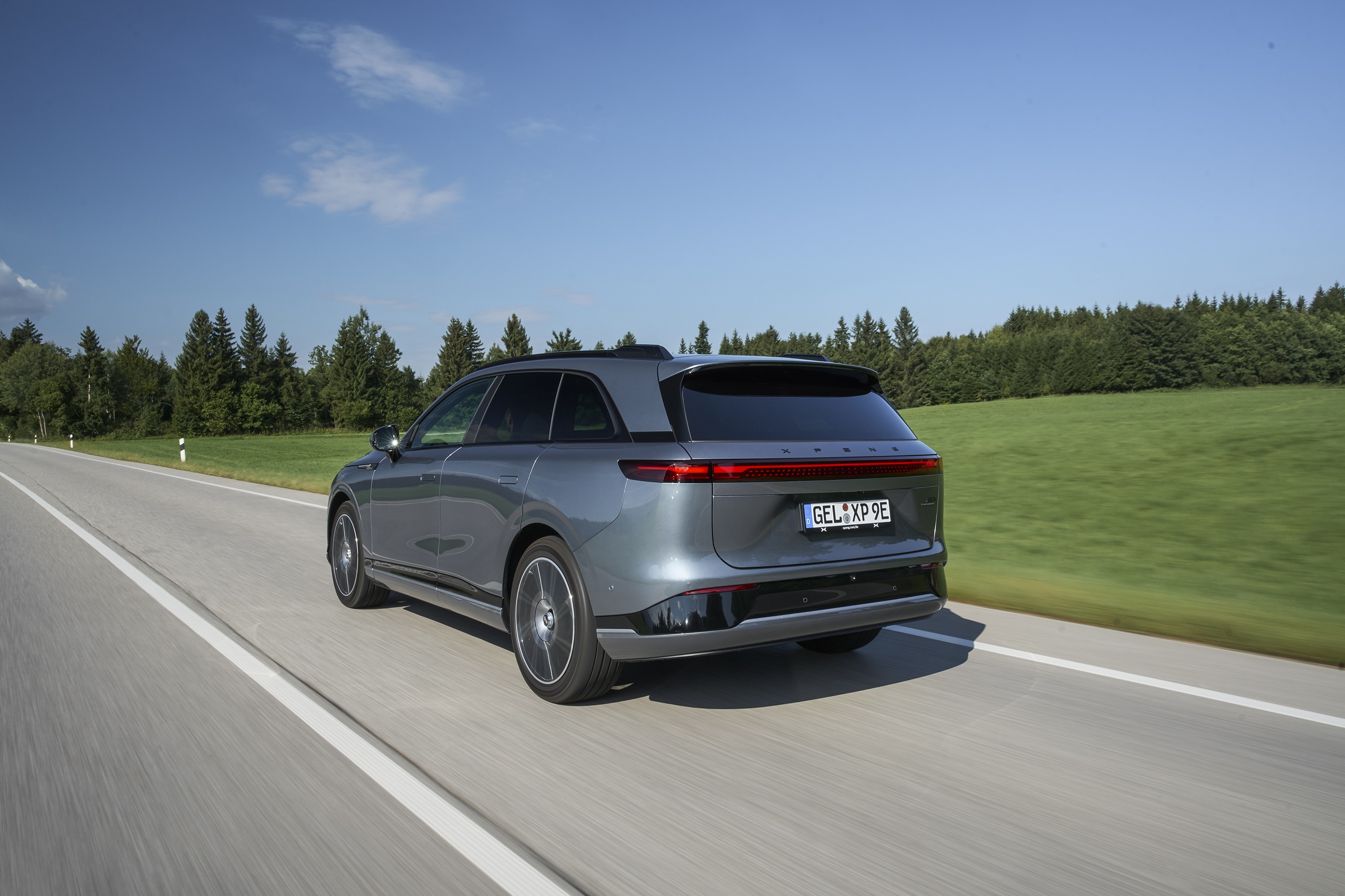
The new version has a cleaner look without sacrificing any of its stature. The front is dominated by a geometrically patterned panel, behind which the 3D millimeter-wave radar disappears. Measuring 4,89 meters long, 1,94 meters wide, and 1,67 meters high with active air suspension, the Xpeng G9 has a solid stance on the road. Its drag coefficient of 0,27 is good for this frontal area. Frameless doors, recessed handles, and soft-close mechanisms are standard, which is not a given in this price range.
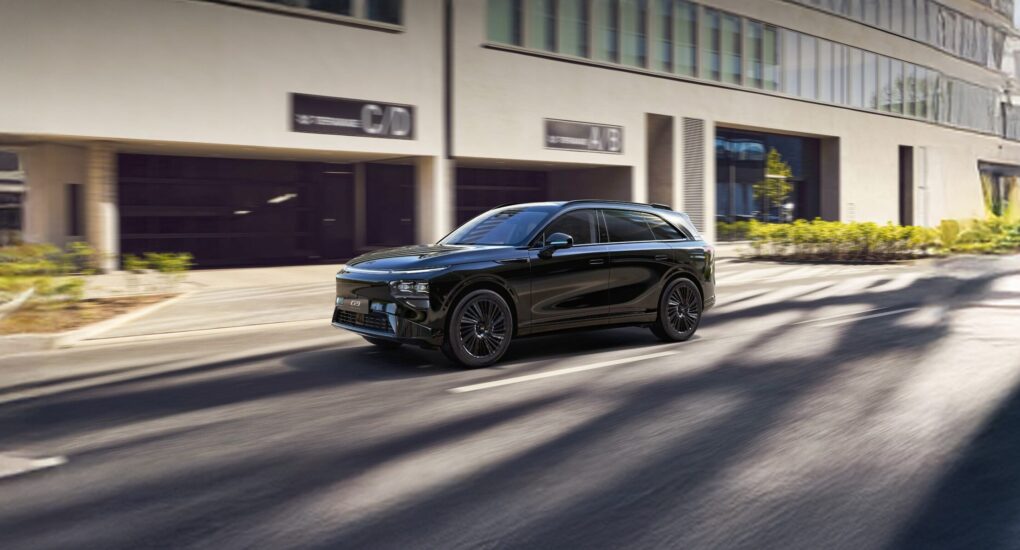
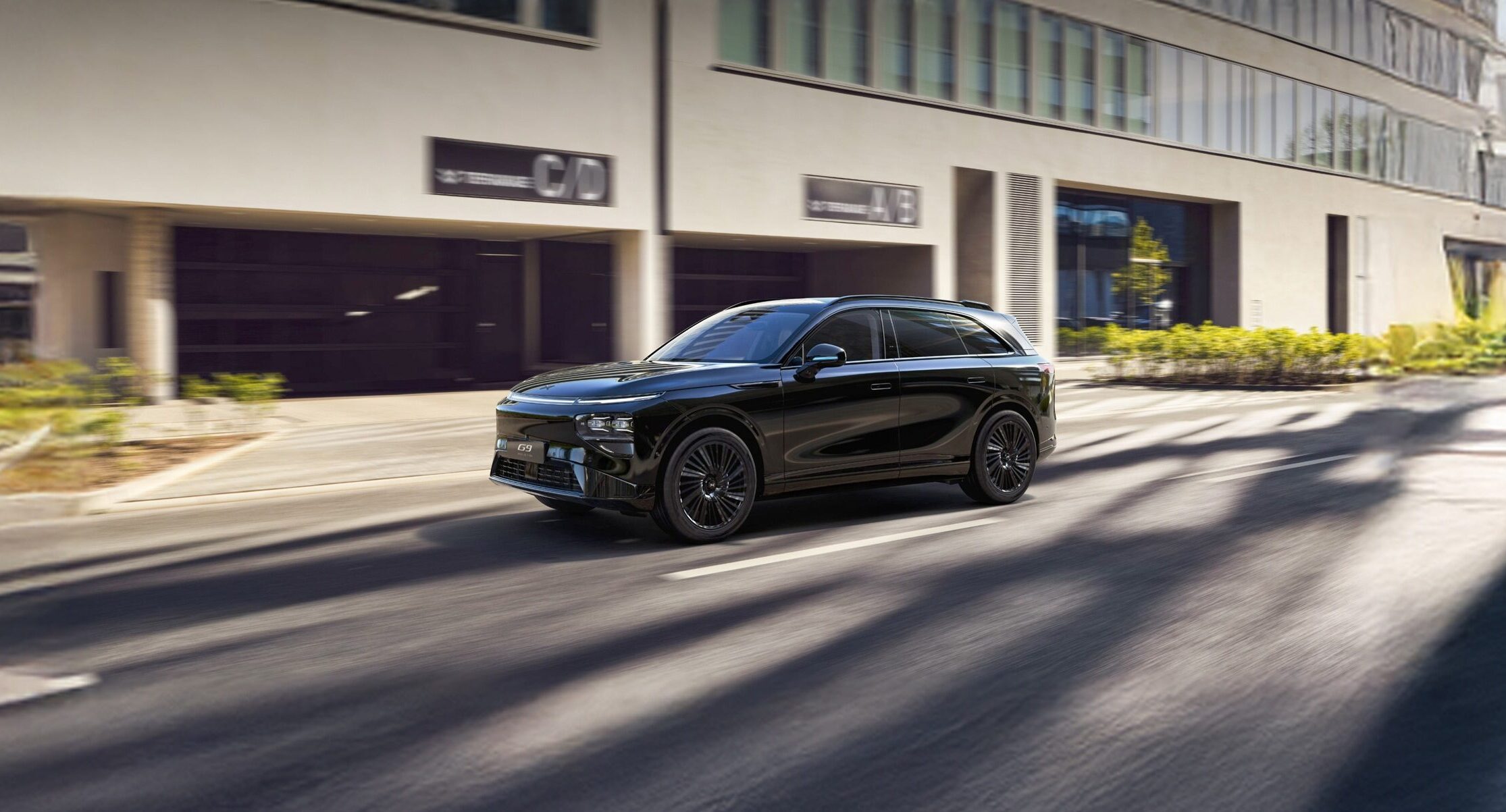
The Black Edition It's available exclusively for the Performance trim and costs an extra €1.500, making the car significantly more eye-catching. It features a Midnight Black paint finish, black trim and a black logo, as well as dark 21-inch wheels with Michelin tires, behind which orange brake calipers peek out. It looks fantastic in the sun, but in everyday use, it's an invitation to pollen and fingerprints.
-
- Image: Xpeng
-
- Image: Xpeng
Space: A wheelbase of almost three meters pays off.
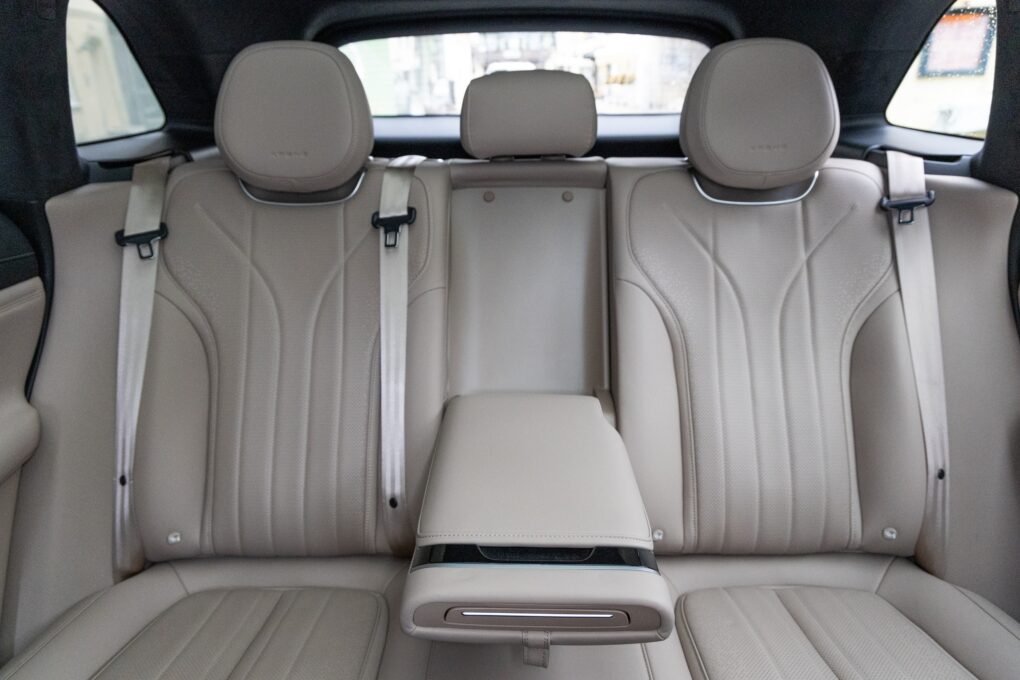
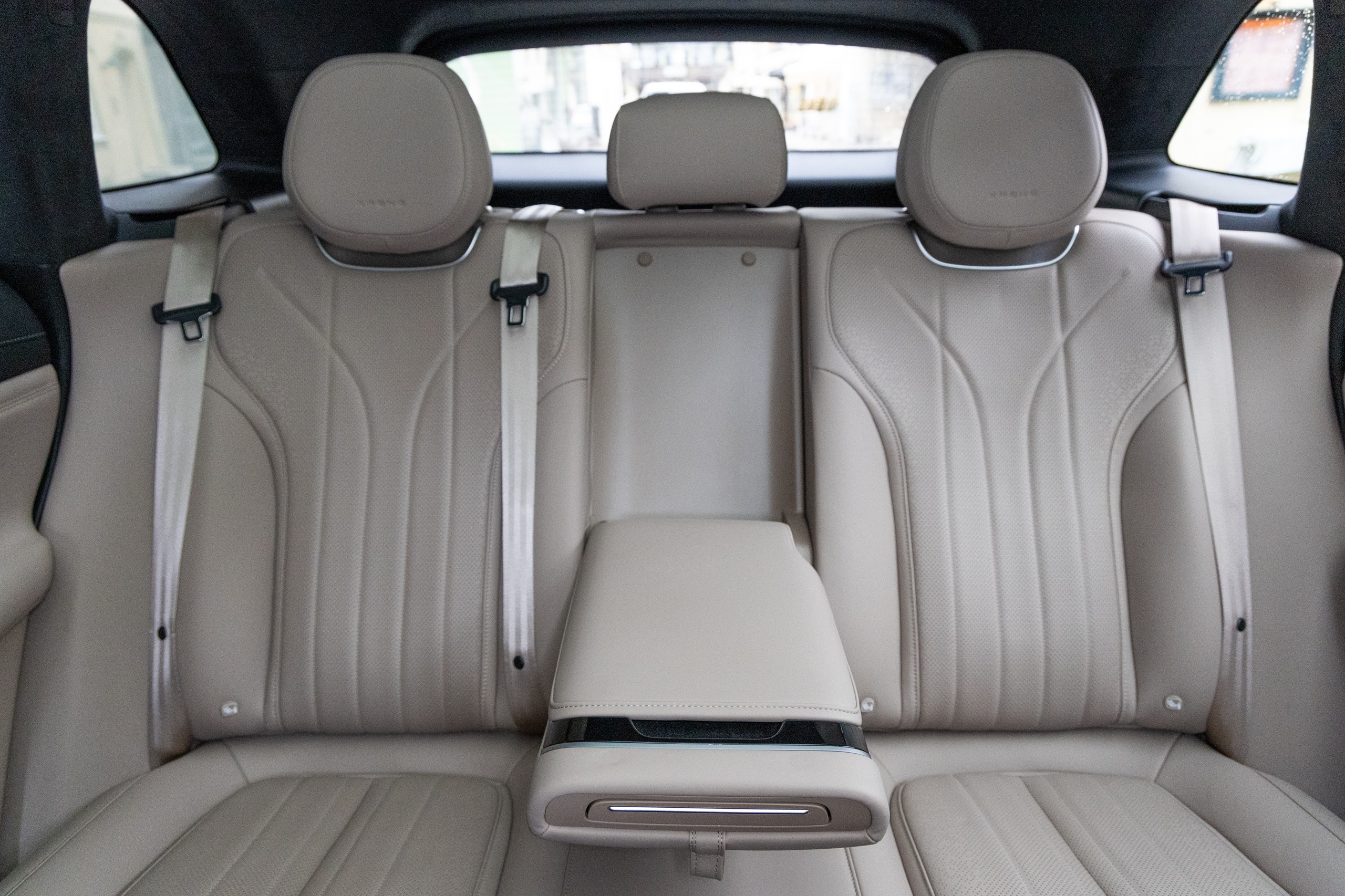
In this class, the wheelbase determines the feeling of spaciousness, and the Xpeng G9 makes good use of its 2,99 meters. Two adults over 1,90 meters tall can comfortably fit in the rear without needing a seatbelt.proThere's plenty of space, but your knees and head have room. The rear seatbacks can be electrically reclined by ten degrees, which makes more of a difference on long journeys than you might think.
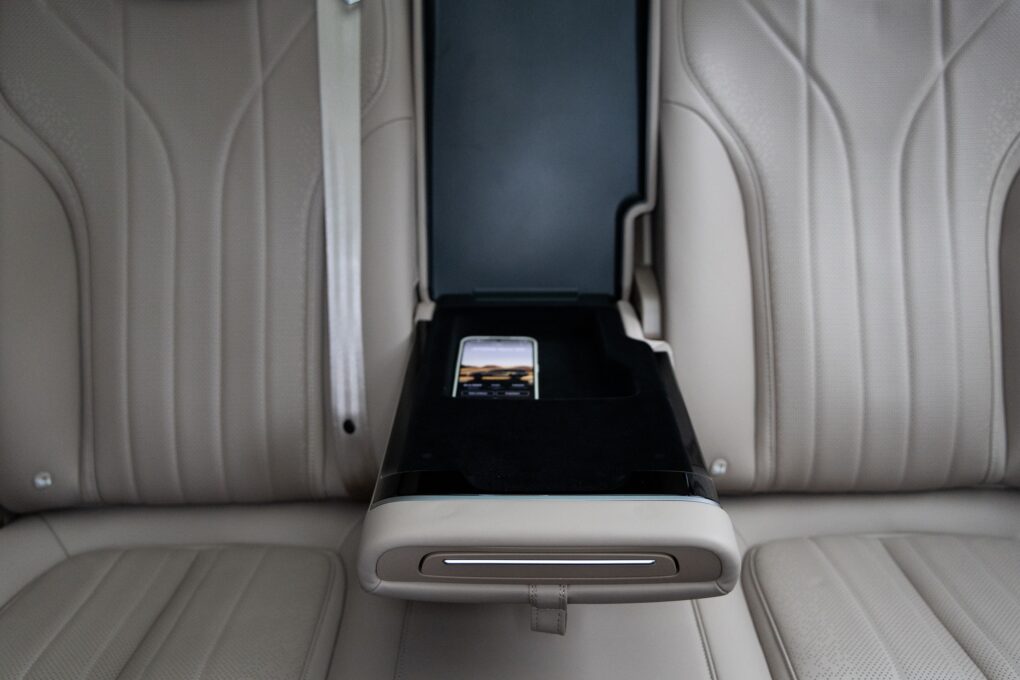
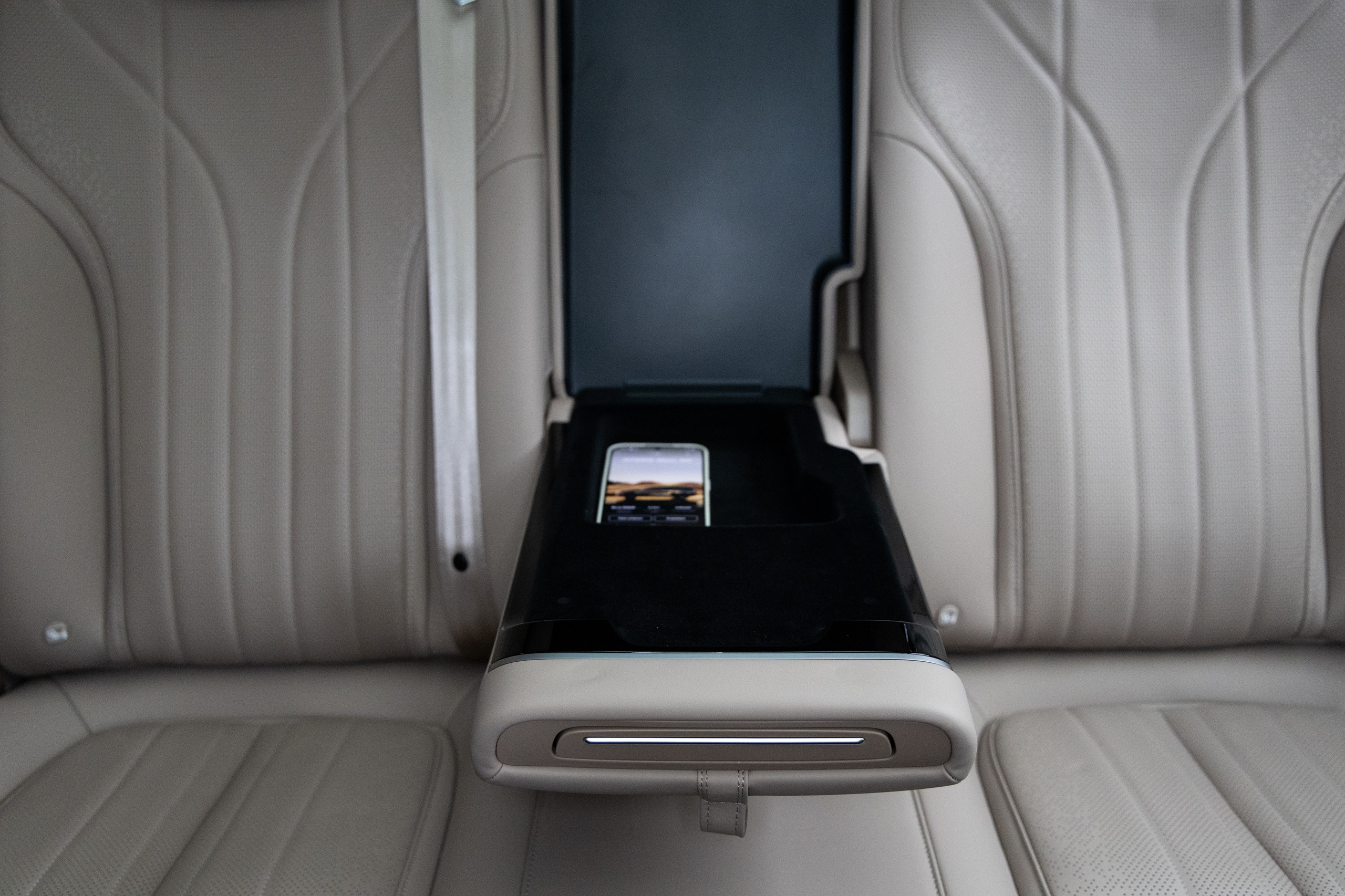
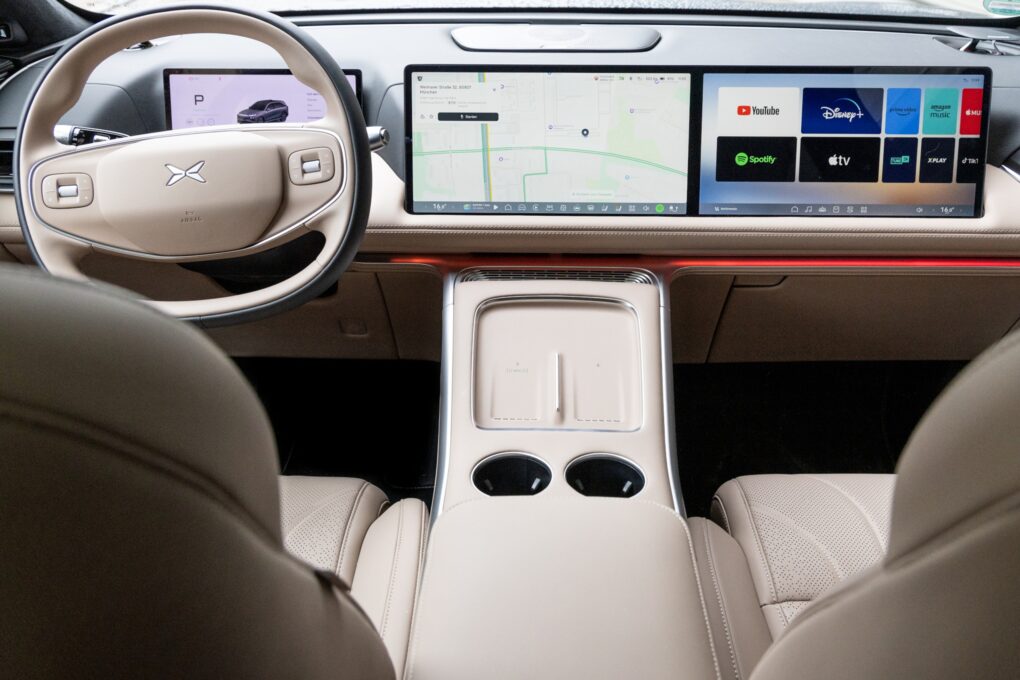
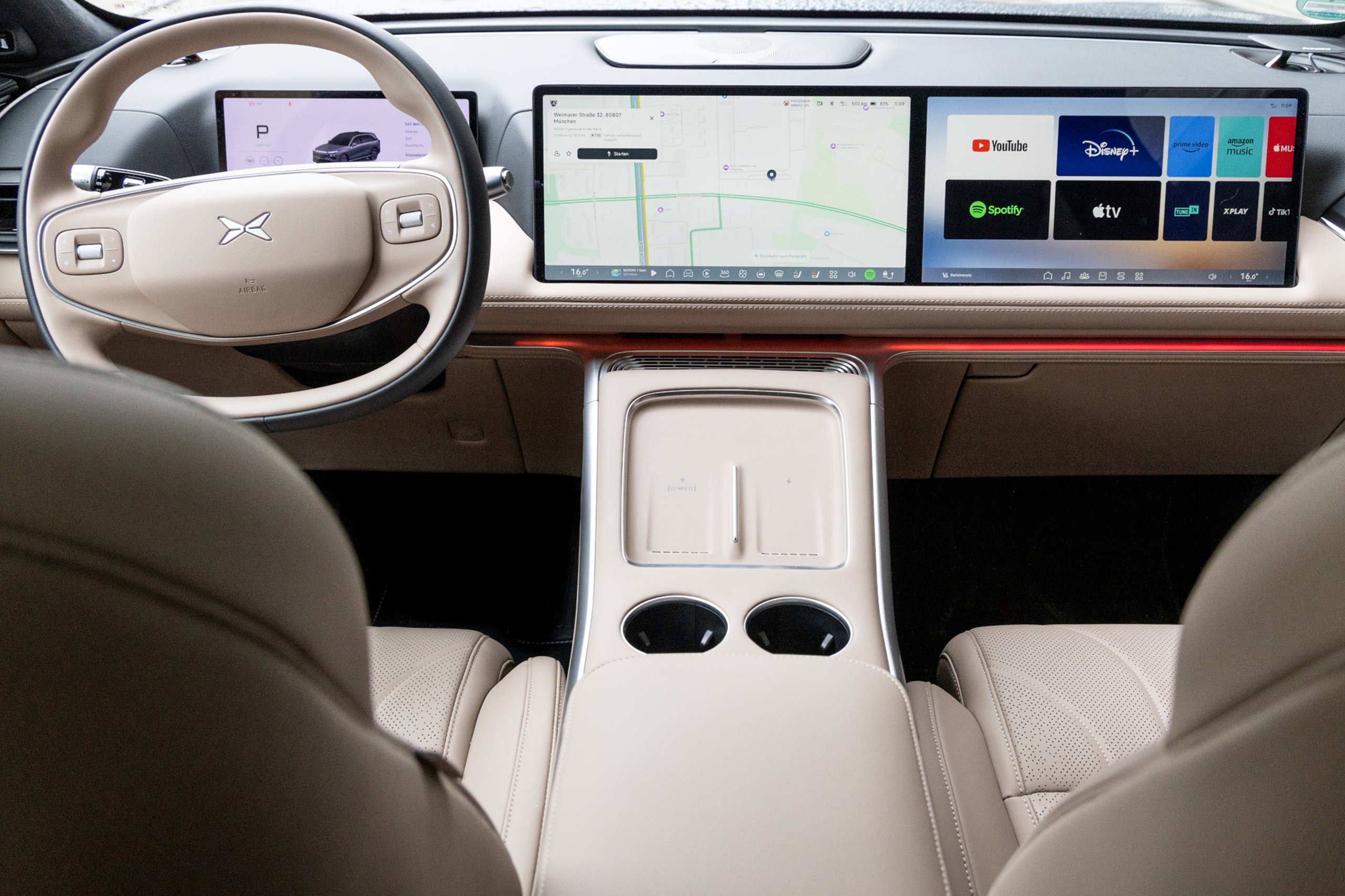
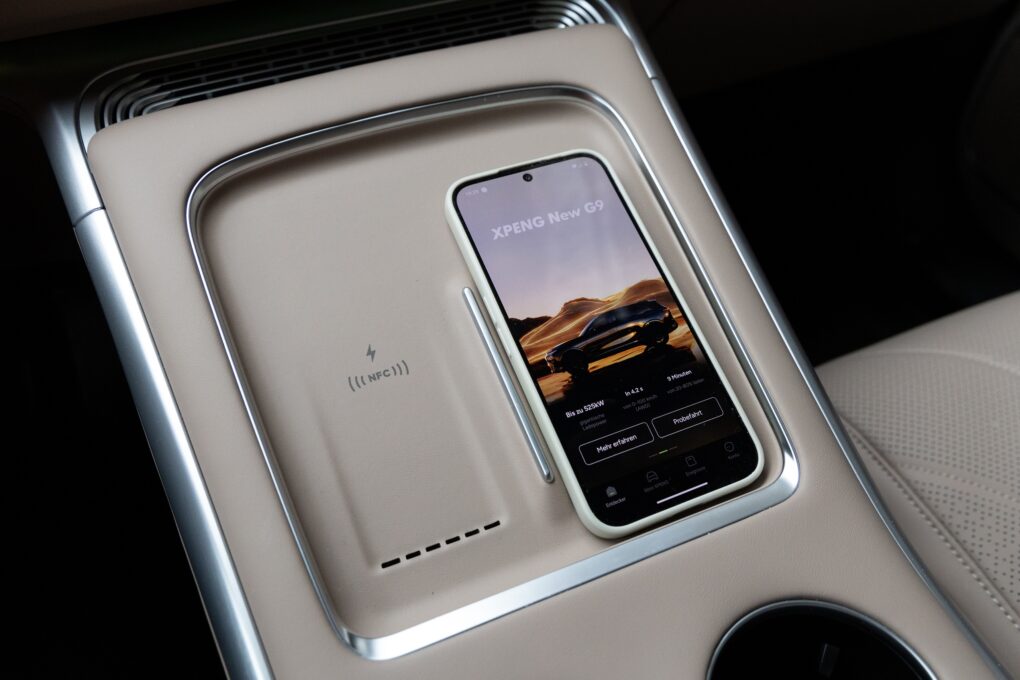
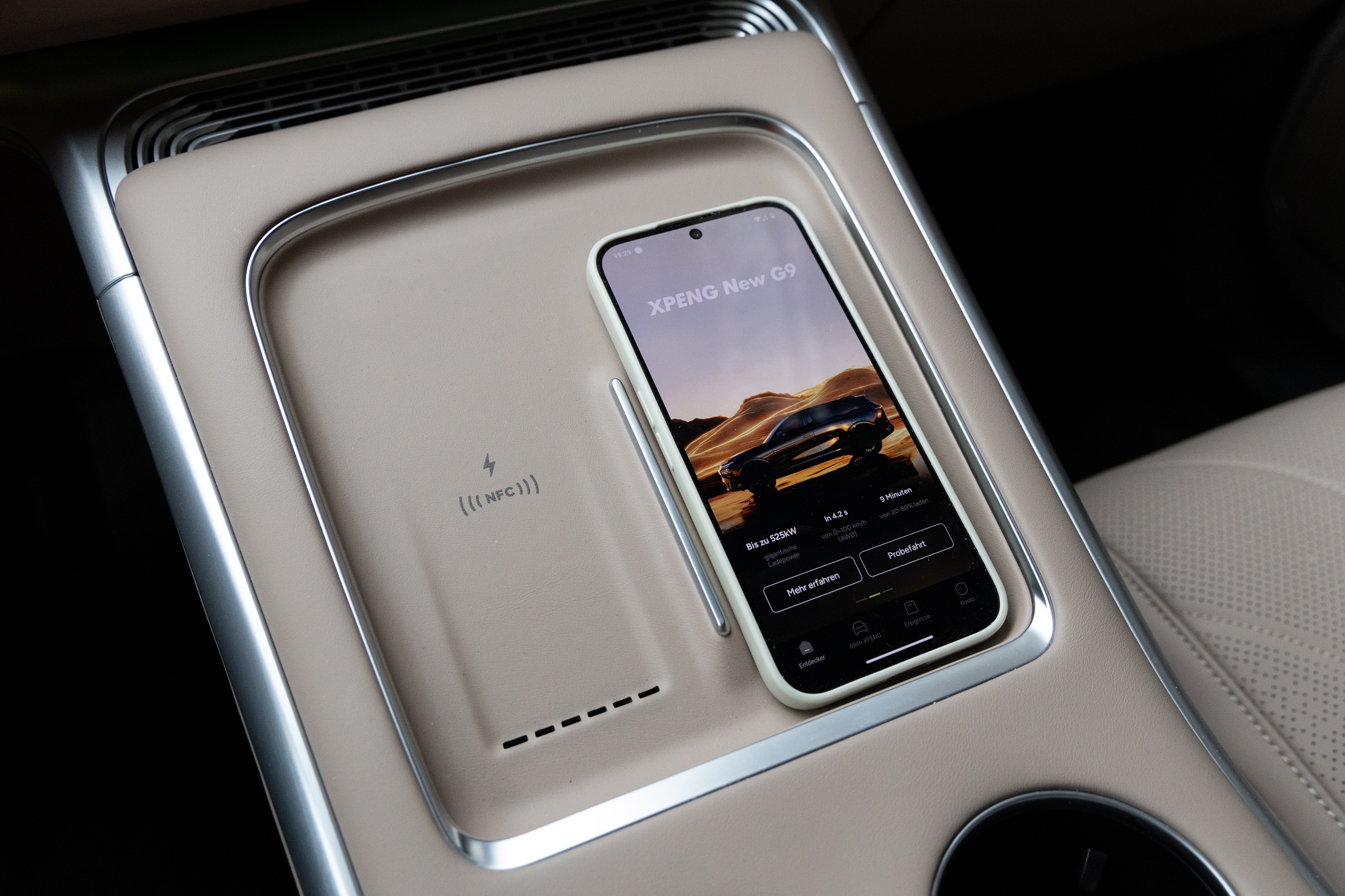
There are five seats. For those who need a third row of seats, the Volvo EX90 The right choice. The space is well laid out: the center console is surprisingly compact, and the two 50-watt inductive charging pads are actively ventilated. In summer, this can mean the difference between a charged phone and an overheated one.
-
- Image: Xpeng
-
- Image: Xpeng
Boot space: 660 liters and a large frunk
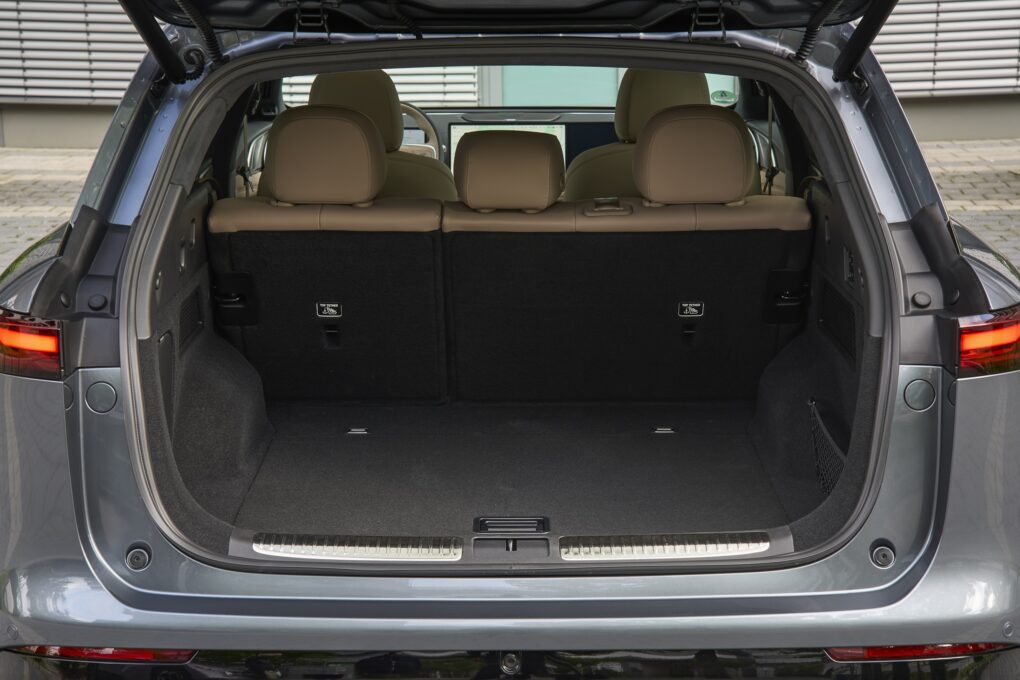
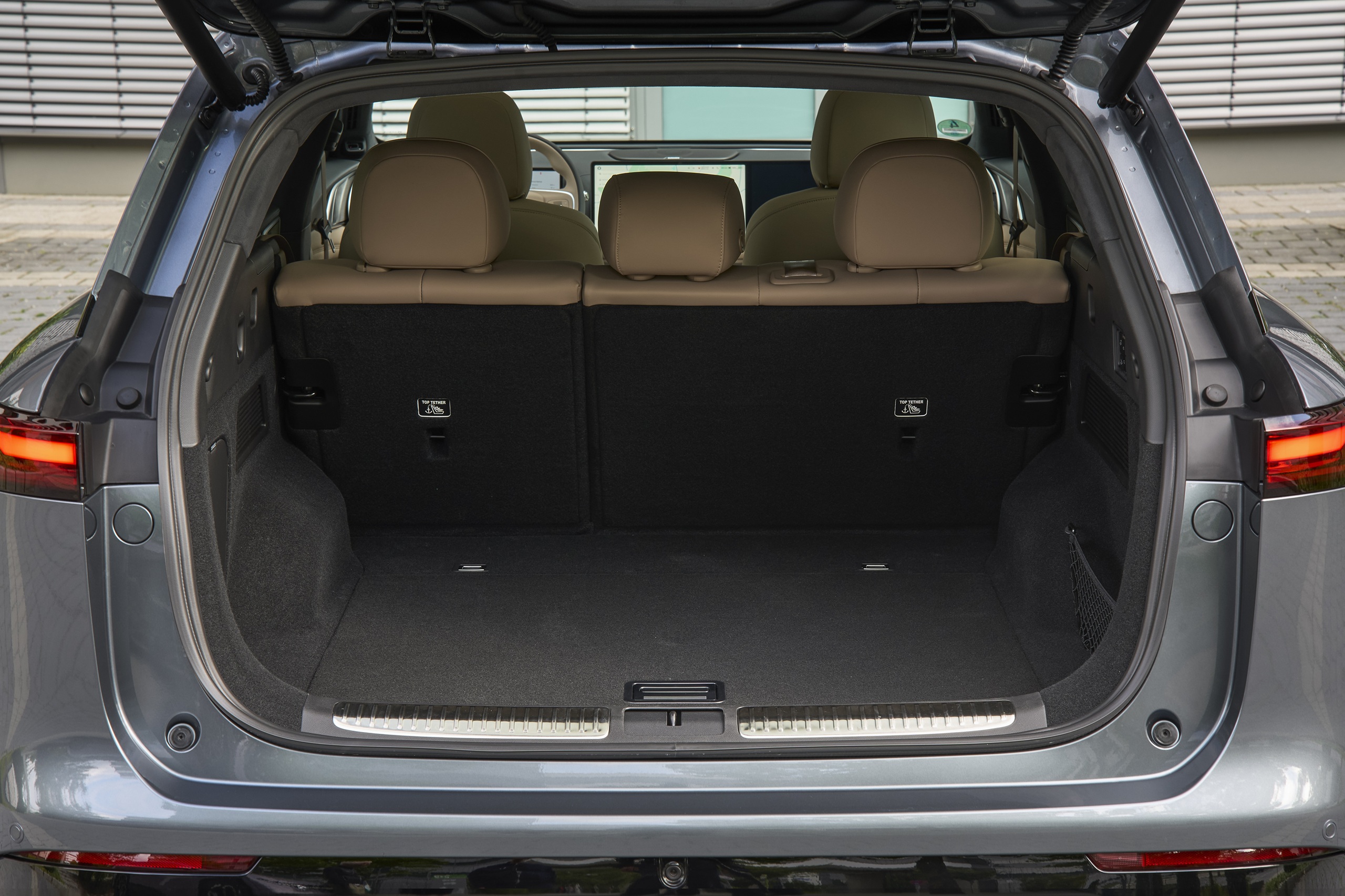
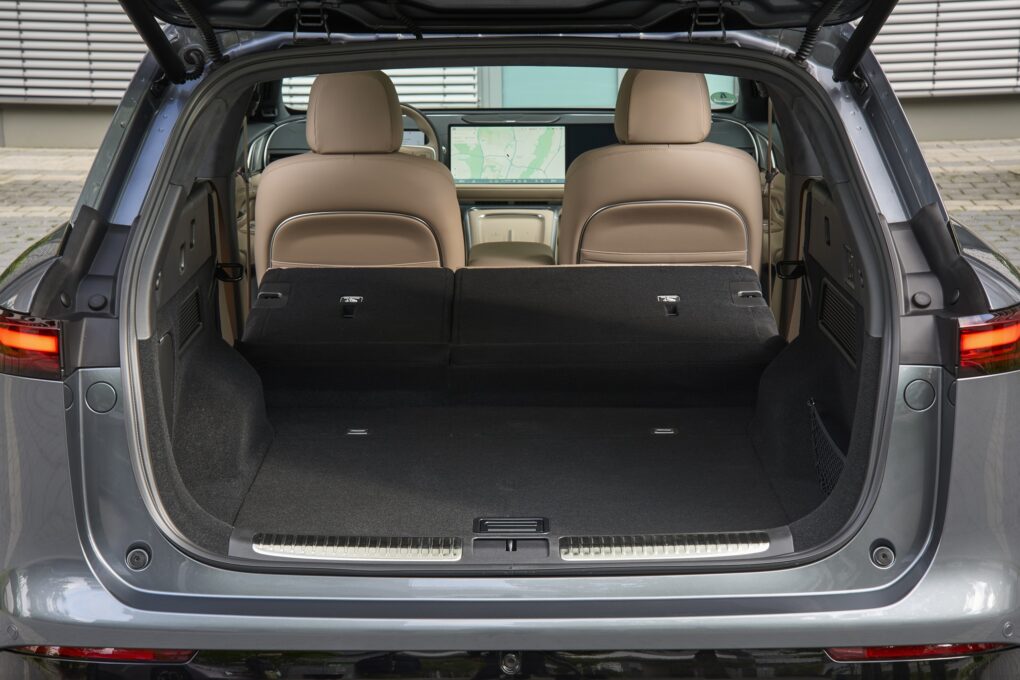
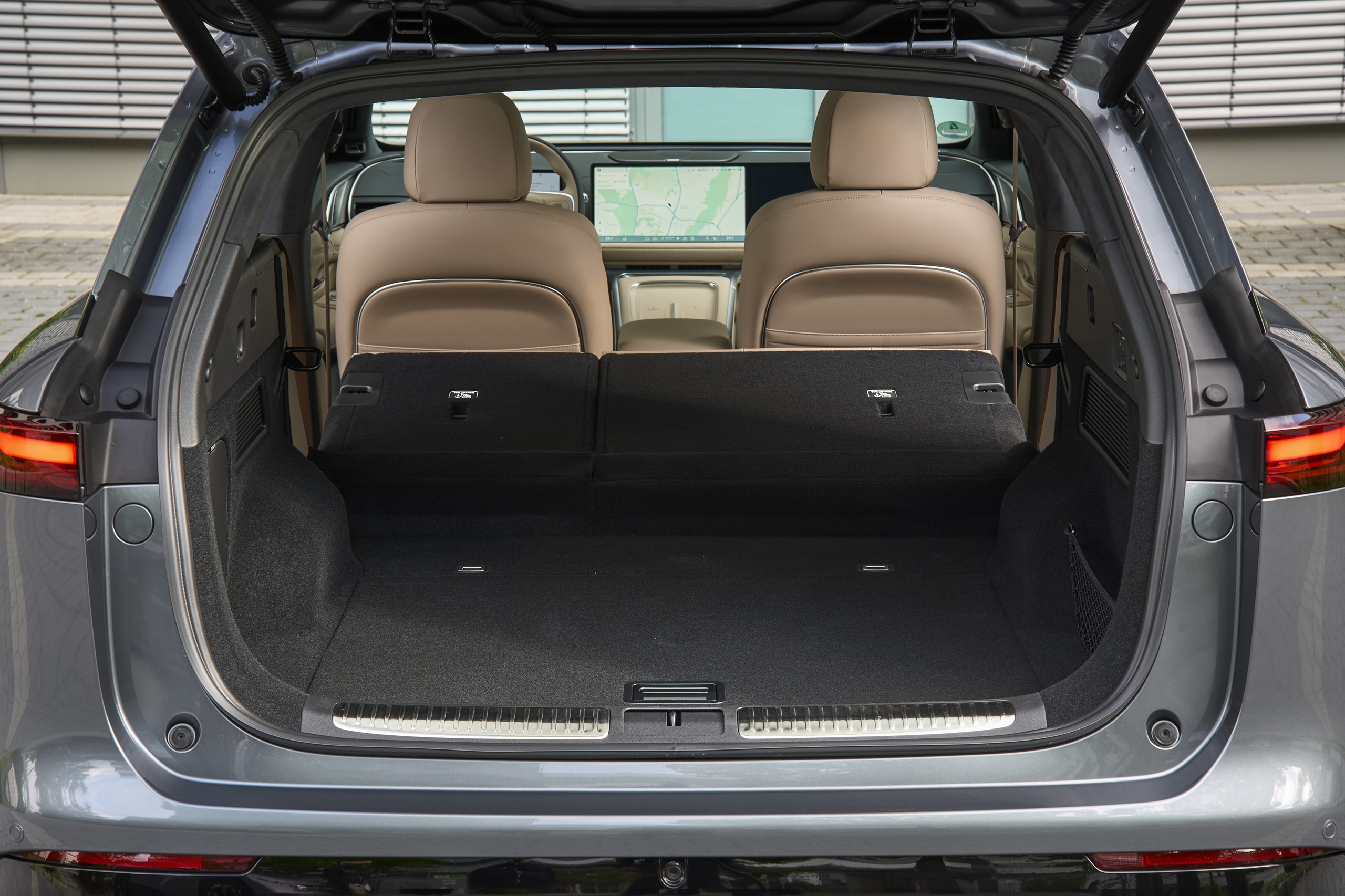
In its normal configuration, the luggage compartment holds 660 liters; with the rear seats folded down in a 60/40 split, this increases to 1.576 liters. The tailgate opens electrically and, optionally, with sensor control. The loading sill is low and the floor is flat. Two large suitcases, a stroller, and the usual weekend gear will fit. proGo in without any problems.
The SUV has a 71-liter frunk at the front, large enough for charging cables and additional tools. The roof rails can support 75 kilograms, and the braked towing capacity is 1.500 kilograms. However, there is a drawback: the payload is only 515 kilograms. Five adults plus luggage thus theoretically push the Xpeng G9 to its limits. This is due to its curb weight of 2.420 kilograms.
-
- Image: Xpeng
-
- Image: Xpeng
Interior of the Xpeng G9 Performance: Nappa leather in Light Grey
Ninety-five percent of the surfaces are covered in soft material, even in areas where others cut corners. The lower door panels and behind the door handles are all padded. Our test vehicle was equipped with light grey Nappa leather from the premium package and featured a suede-look headliner. The seats are padded with 2,6 centimeters of slow-rebound foam and have a twelve-layer construction. This feels significantly more comfortable after three hours on the highway. The triple-silvered panoramic glass roof is supposed to block 99,99 percent of UV radiation and keep the interior up to eight degrees cooler in direct sunlight. We didn't measure this, but it certainly feels that way.
The quietness on board is impressive. Up to 160 km/h, you hear practically nothing from outside; only above that speed do wind noises creep past the mirrors into your awareness. This is unusual for an SUV with 21-inch wheels. Less successful is the duration of the massage function. Ten points, developed in collaboration with orthopedists, pleasant pressure – and then the fun unfortunately ends after about 15 minutes. On a long journey, you don't want to reactivate the massage every few kilometers. A long run or interval training session...proGramm would remedy this.
-
- Image: Xpeng
-
- Image: Xpeng
Infotainment and connectivity: Fast and comprehensive
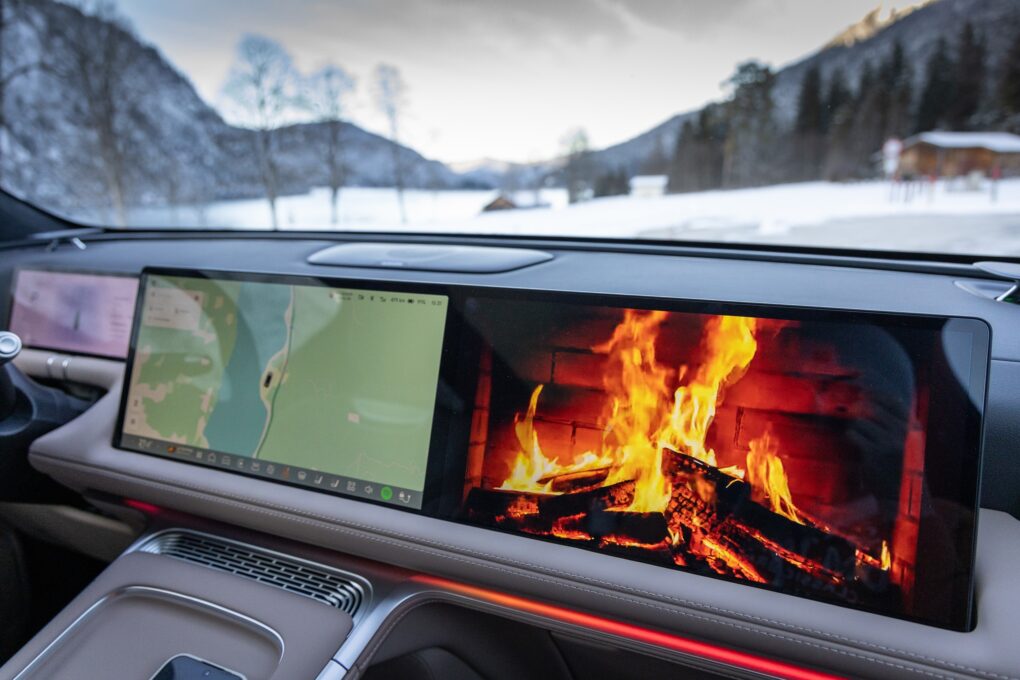
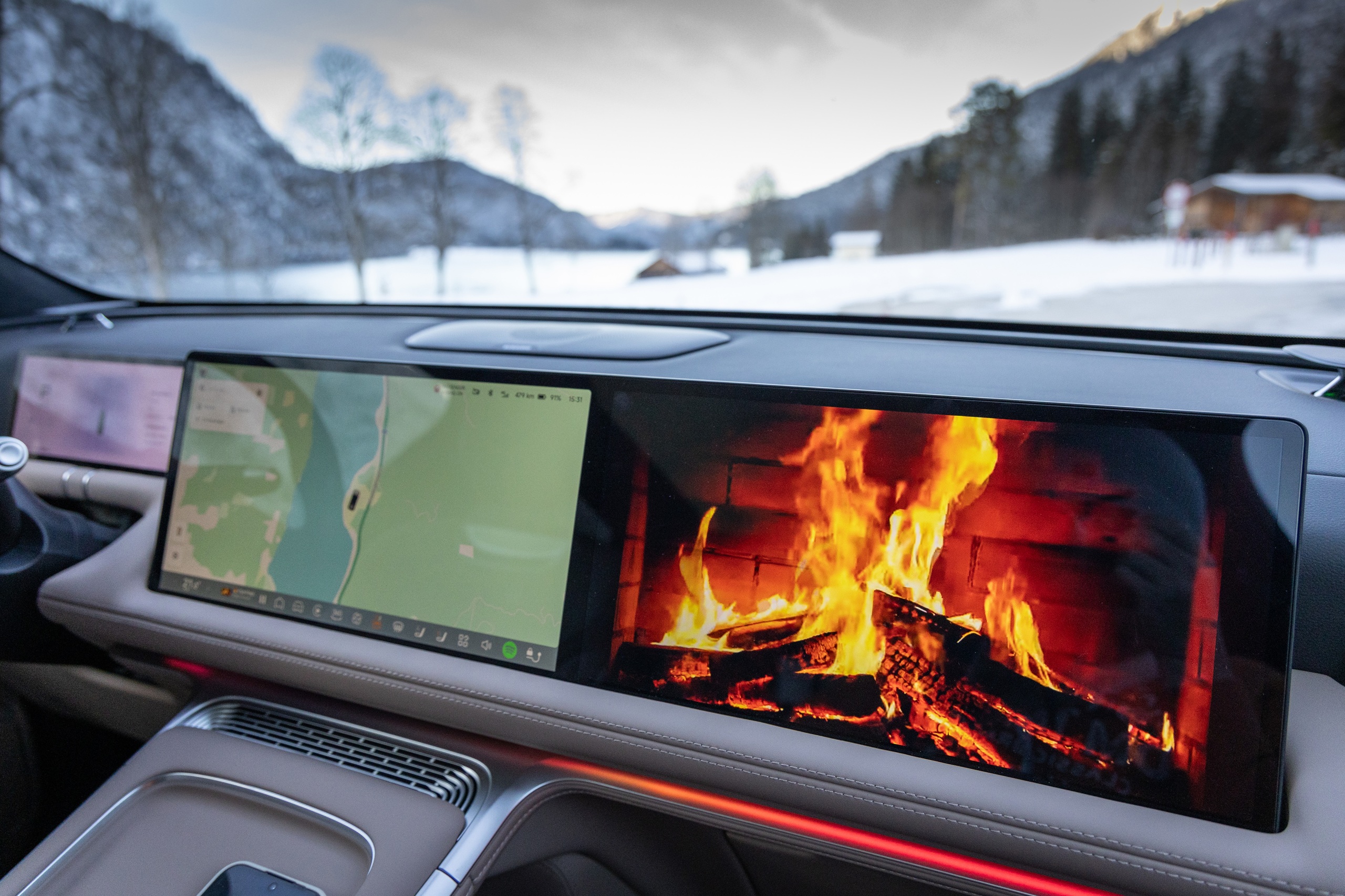
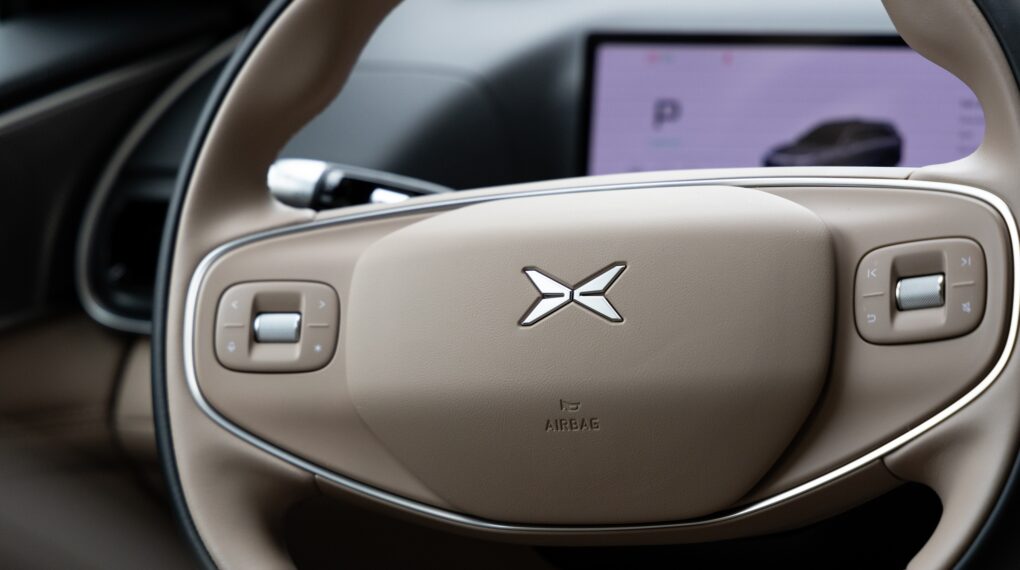
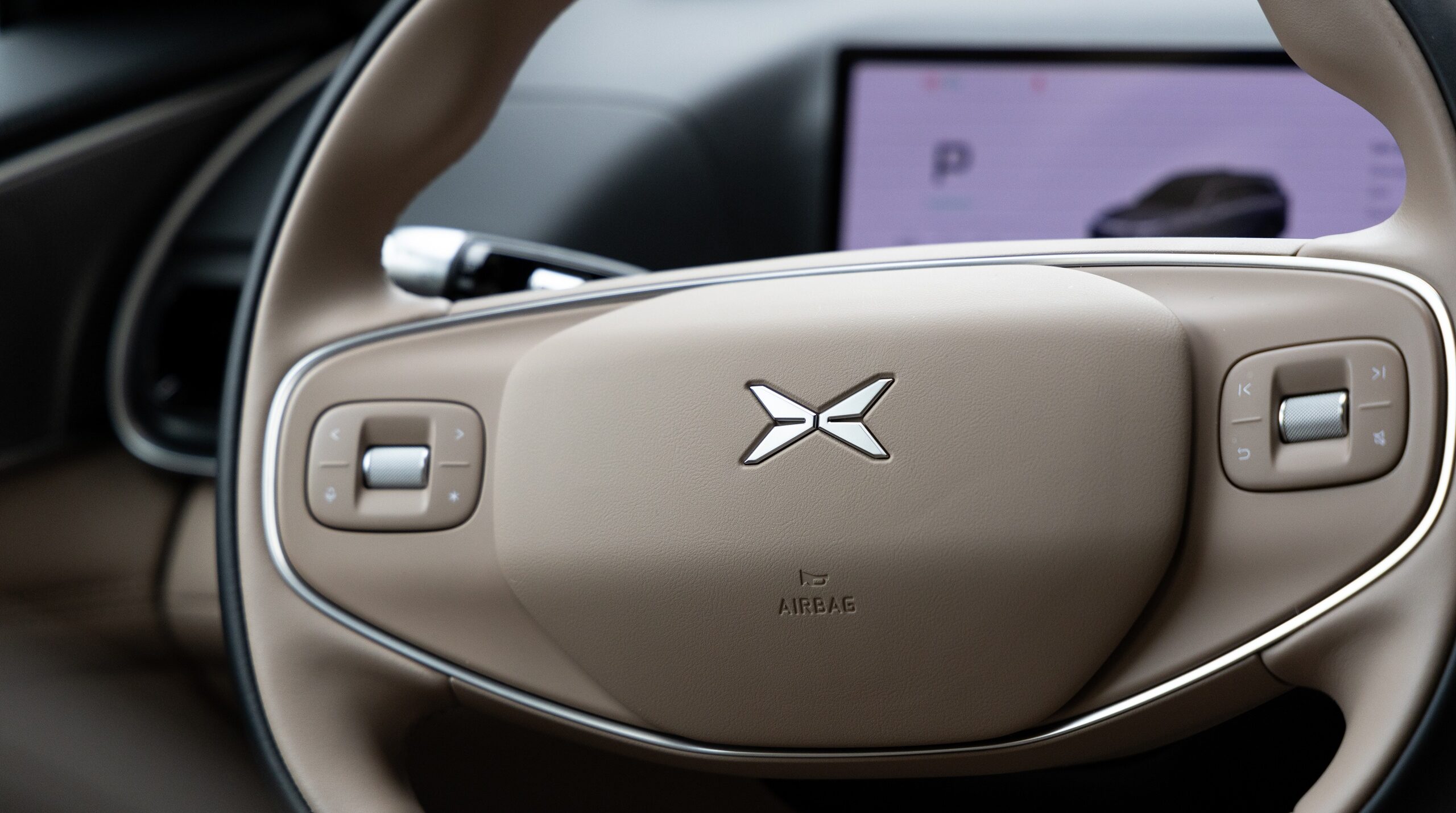
The Qualcomm Snapdragon 8295 chip ensures that Xmart OS runs flawlessly. Two 14,96-inch screens and a 10,25-inch display behind the steering wheel – all sharp and smooth. The navigation system plans charging stops, including battery preconditioning. CarPlay, Android Auto, and DAB+ are all on board, and the voice assistant even understands German. Access is via UWB (Ultra Wideband) key, smartphone, or NFC card. The app allows for remote control of many functions, including parking. The XOS 5.9.5 update, released in August, added a split-screen view for CarPlay and Android Auto, as well as Google search functionality within the navigation system.
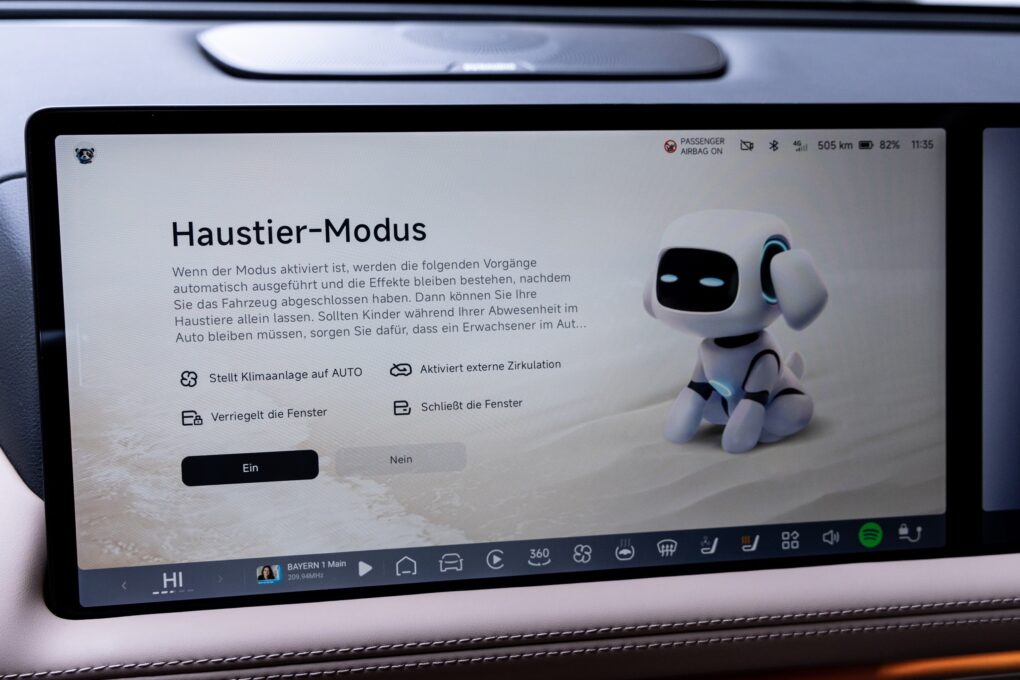
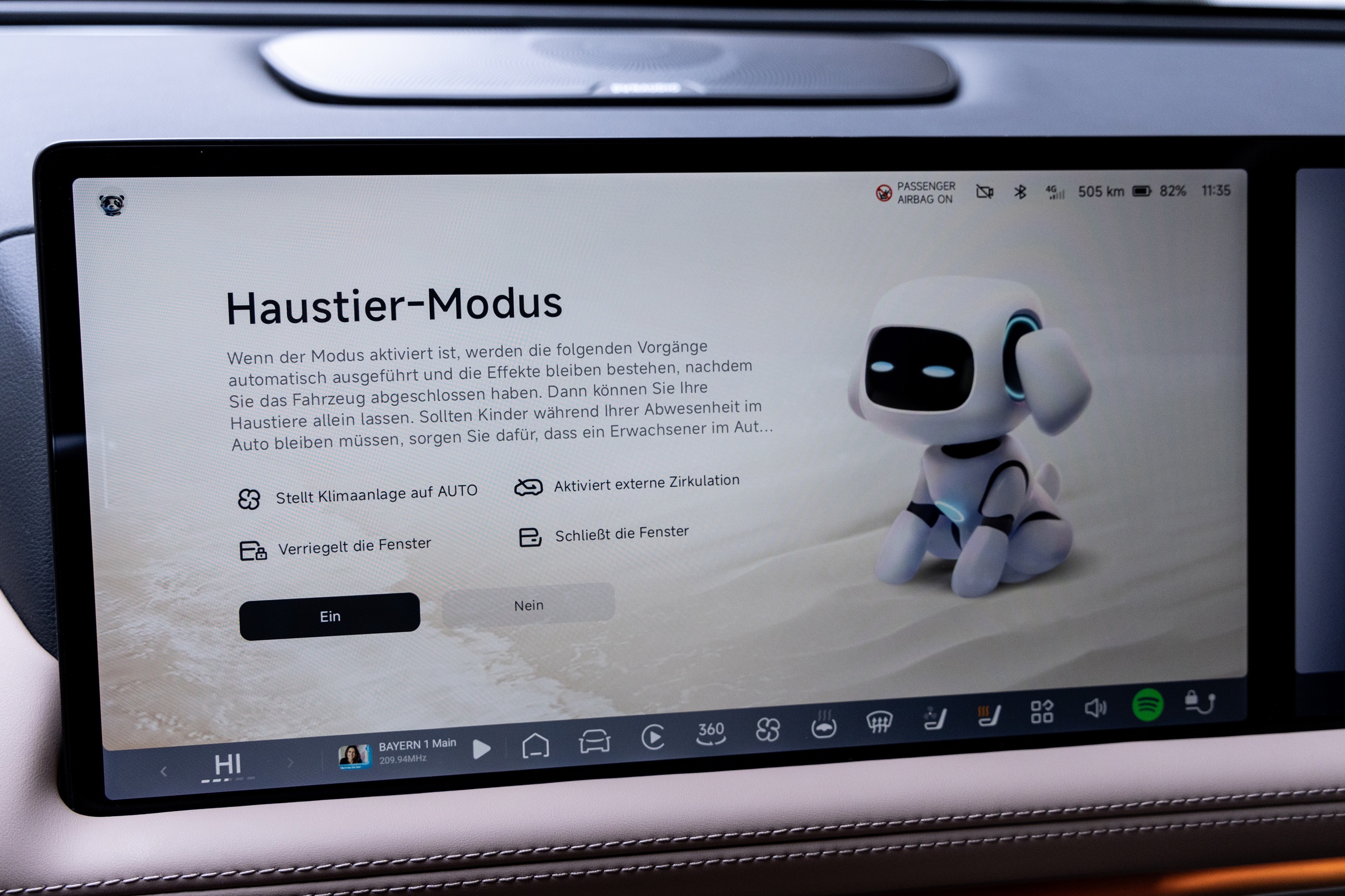
Unfortunately, the air vents can only be adjusted via the display. There are no dials or louvers to touch. If you want to quickly direct the airflow away from your face in winter, you have to swipe through a submenu instead of simply tapping with two fingers. Here, Xpeng has prioritized aesthetics over usability. Since XOS 5.9.5, the ventilation at least also responds to the voice assistant, which can now be activated without the "Hey Xpeng" command. This alleviates some of the frustration, but it still doesn't replace the feel of louvers that you can turn with two fingers.
-
- Image: Xpeng
-
- Image: Xpeng
Sound system: The Dynaudio Xopera plays in the top league
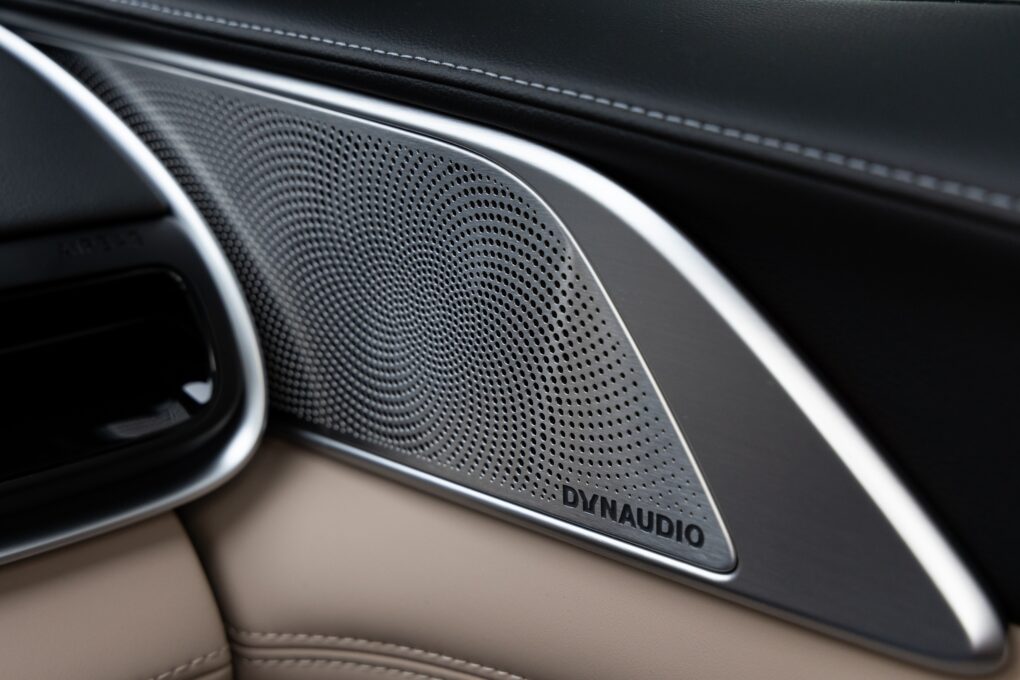
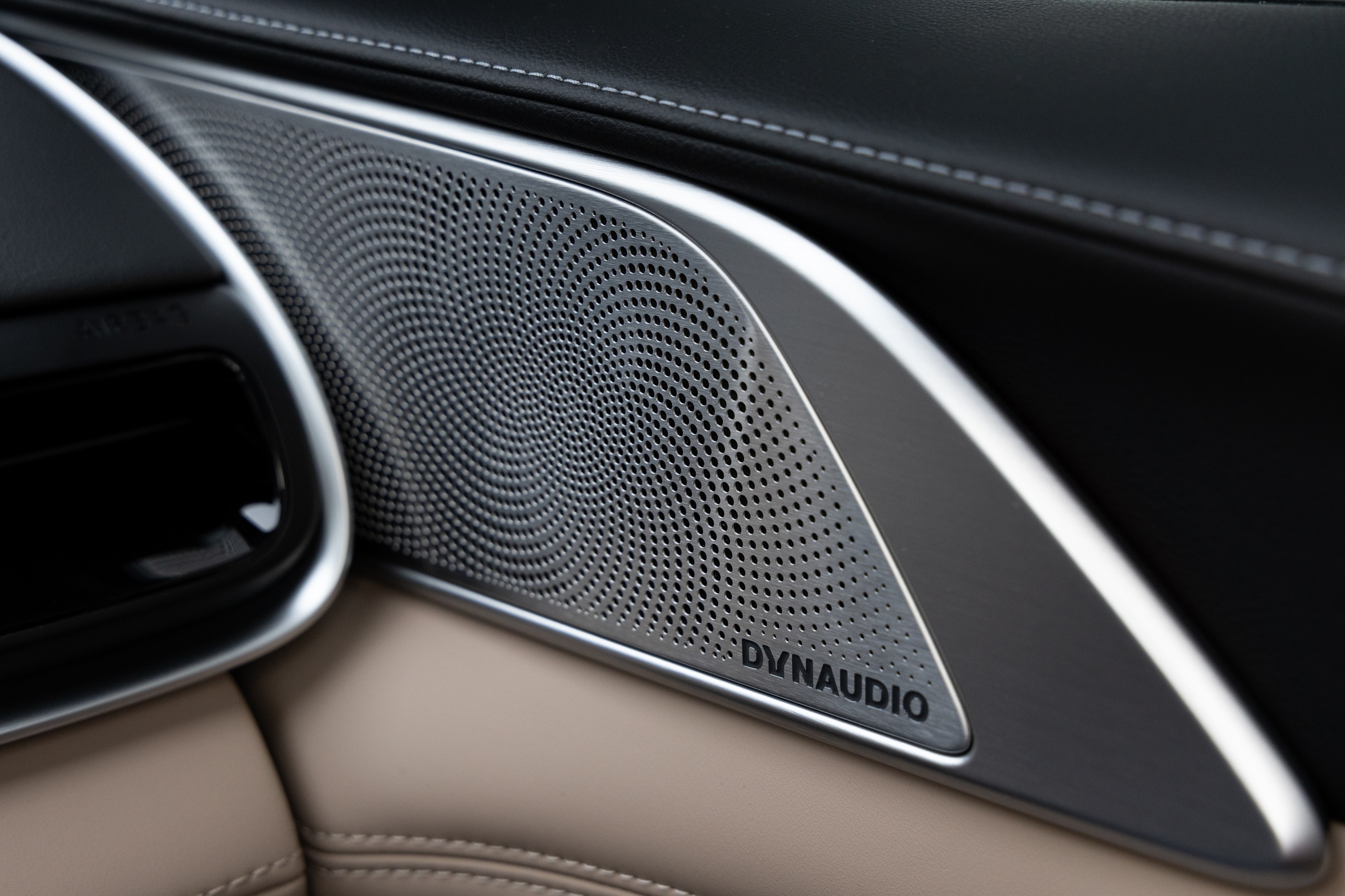
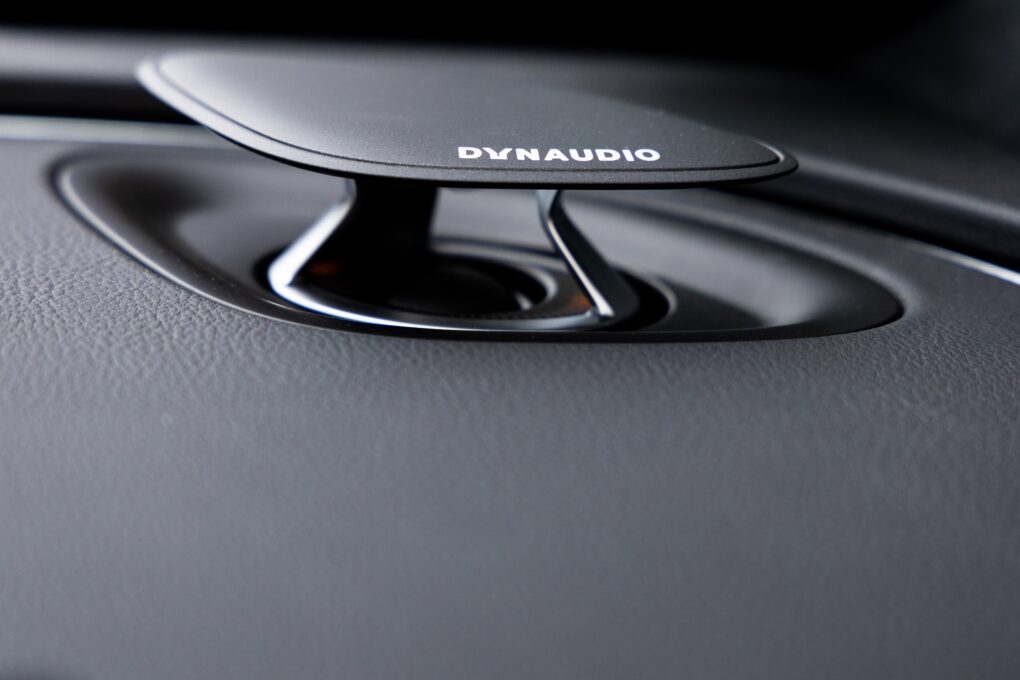
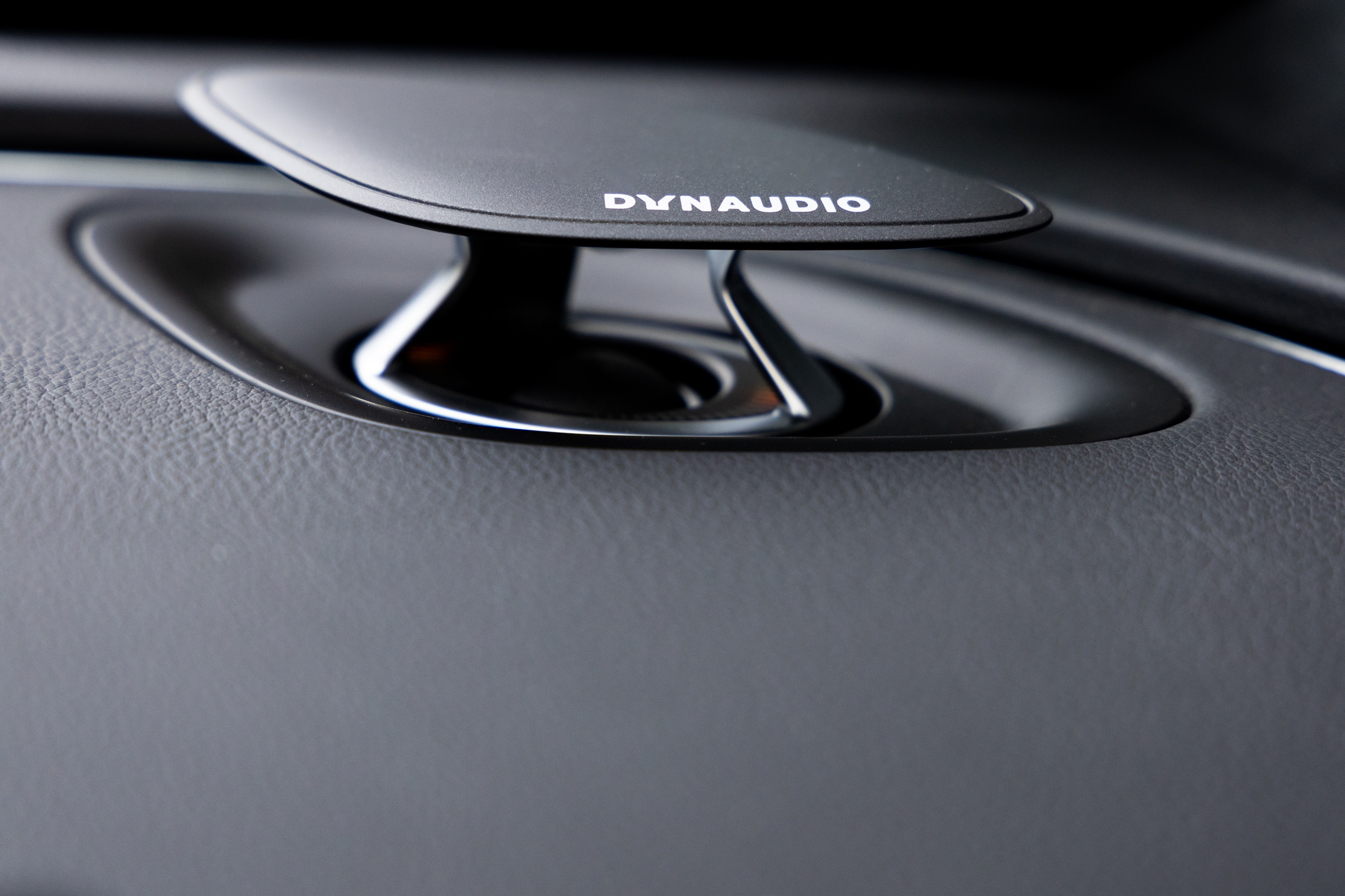
A proprietary surround sound system is included as standard, delivering solid and unobtrusive performance. The premium package, however, includes... Dynaudio Xopera system It features Dolby Atmos. 22 speakers with 2.150 watts of power are distributed throughout the interior. One of them is located in the driver's headrest and plays navigation instructions and phone calls directly into the driver's ear. What sounds like a gimmick proves to be practical in everyday use, as the music continues to play in the rest of the car.
The system is truly impressive – and it's loud. Loud with plenty of headroom. Even at levels where most factory systems would distort, the Xopera remains clean and well-defined. The soundstage is wide in front of the windshield, vocals are centered, and the bass has more substance than its predecessor, which was precisely what we felt was lacking. One of the best systems in its price range.
-
- Image: Xpeng
-
- Image: Xpeng
Xpeng G9 Performance's driver assistance systems: The lane keeping assist is capable of handling some issues
The center sits the Nvidia Drive AGX Orion processor, which calculates the entire XPILOT package. According to the manufacturer, the binocular front camera recognizes 49 types of obstacles. In practice, the Lane Centering Control (LCC) lane keeping assist is particularly noticeable. It reacts very quickly and accurately, keeping the Xpeng G9 centered in its lane and compensating for any corrections before they become noticeable as wobbling. On country roads with varying lane widths, it works so effectively that you eventually just leave it switched on.
The adaptive cruise control (ACC) maintains a very good distance to the vehicle in front and avoids the abrupt braking interventions that bothered us in stop-and-go traffic with the previous model. Nevertheless, there is something to criticize. Even in level 1, the shortest of the distance settings, the Xpeng G9 still lags too far behind. On slow-moving highway journeys, this is an open invitation to anyone trying to cut in. Parking, however, is where the Xpeng shines: It features a 360-degree camera, a transparent chassis, automatic parking, and remote control via key and app. With XOS 5.9.5, Xpeng has further refined the distance control and lane keeping assist and made the cornering assist manually deactivatable. This is helpful if you dislike the automatic braking before curves.
Safety: A braking distance of 33,9 meters is really good.
The braking distance from 100 km/h is 33,9 meters – and that's with a weight of 2,4 tons. Many sports cars don't brake any faster. This is thanks to the internally ventilated discs all around and Bosch's IPB braking system, which is electronically controlled instead of hydraulically. The pedal feel remains remarkably natural, and the transition between recuperation and mechanical braking is seamless, without the rubbery effect often found in such systems.
Passive safety features include front, side, and curtain airbags for both rows as standard, along with ISOFIX in the rear and eCall. Active safety systems include emergency braking, blind spot monitoring, rear cross-traffic alert, emergency lane keeping assist, and driver responsiveness monitoring. A particularly welcome feature is the door opening warning system, which alerts the driver to approaching cyclists before someone opens the door. The predecessor model achieved this in 2023. Euro NCAP five stars and the basic structure was retained.
-
- Image: Xpeng
-
- Image: Xpeng
The Xpeng G9 Performance's engine: 575 hp, yet still somewhat slower than before.
Up front, an asynchronous motor with 165 kW (224 hp) powers the car, while a permanent magnet synchronous motor with 258 kW (351 hp) drives the rear. Together, they produce 423 kW (575 hp) and 695 Nm of torque, distributed as 287 Nm at the front and 430 Nm at the rear. The sprint from 0 to 100 km/h takes 4,2 seconds, and the top speed is electronically limited to 200 km/h. The combination is clever: the front motor operates with virtually no loss under partial load, and the Xpeng G9 typically functions as a fuel-efficient rear-wheel-drive vehicle.
It's worth taking a look back. The old Performance model delivered 405 kW (551 hp) and sprinted to 62 mph in 3,9 seconds. The new version thus boasts higher power output on paper, yet is still three-tenths of a second slower due to the heavier LFP battery. In everyday driving, however, this difference is imperceptible, as the crucial moments for overtaking occur between 60 and 75 mph. At these speeds, the Xpeng G9 accelerates so vehemently that passengers will be scrambling for the grab handle. For those seeking maximum acceleration, there's even a launch mode; otherwise, the Comfort mode suffices.
-
- Image: Xpeng
-
- Image: Xpeng
Driving dynamics and handling: The air suspension is the highlight.
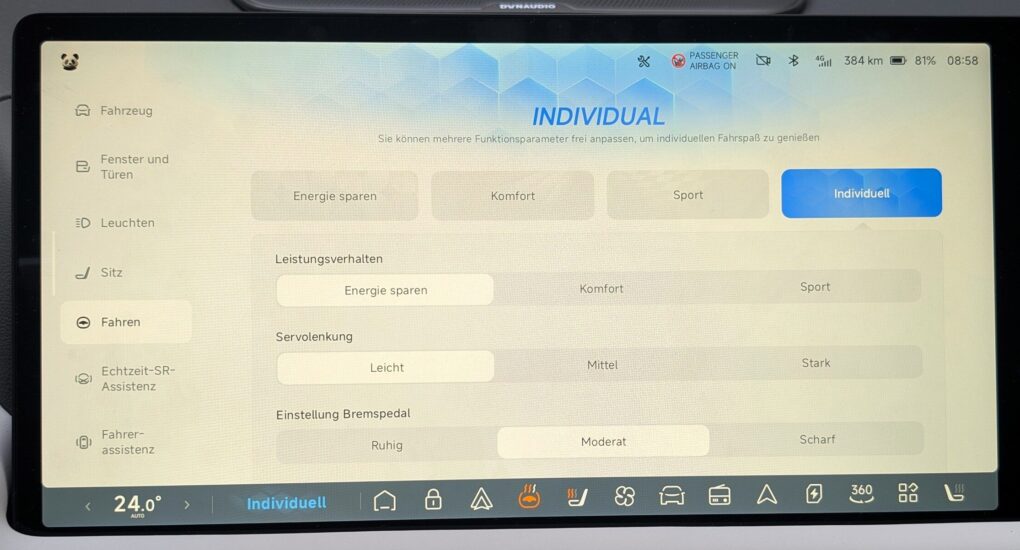
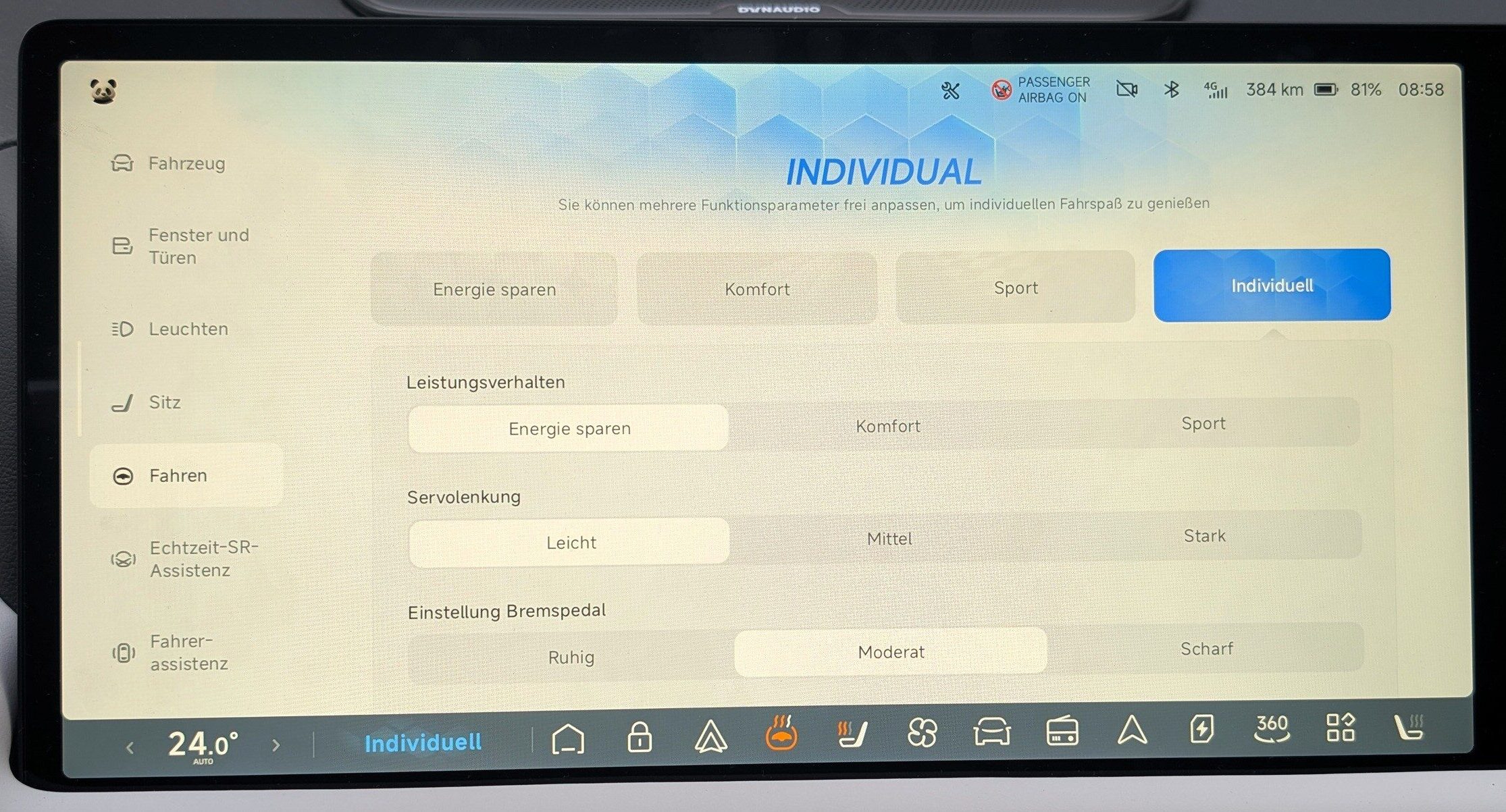
Only the Performance version features a dual-chamber air suspension with electromagnetically adjustable dampers, double wishbones at the front, and a multi-link axle at the rear. Ground clearance varies by up to ten centimeters. The suspension is the best thing about the entire car. It smooths out transverse joints and manhole covers without becoming overly plush in Comfort mode. Furthermore, it can be adjusted separately in each driving mode. Steering effort, damping, recuperation, and drive characteristics can also be individually adjusted and saved in Individual mode.
There are seven driving modes to choose from, ranging from Eco to Sport. In Sport mode, the body stiffens and remains surprisingly low in fast, sweeping corners. However, you can't cheat physics. 2,4 tons is simply a lot of weight. On a narrow mountain road, you feel the mass when turning, and the steering offers precision rather than feedback. The Xpeng G9 is a composed long-distance cruiser with sporty reserves, but it's not a cornering machine. The turning circle of 11,80 meters is really good for the long wheelbase.
-
- Image: Xpeng
-
- Picture: TechnikNews
Battery: LFP for the first time in this vehicle class
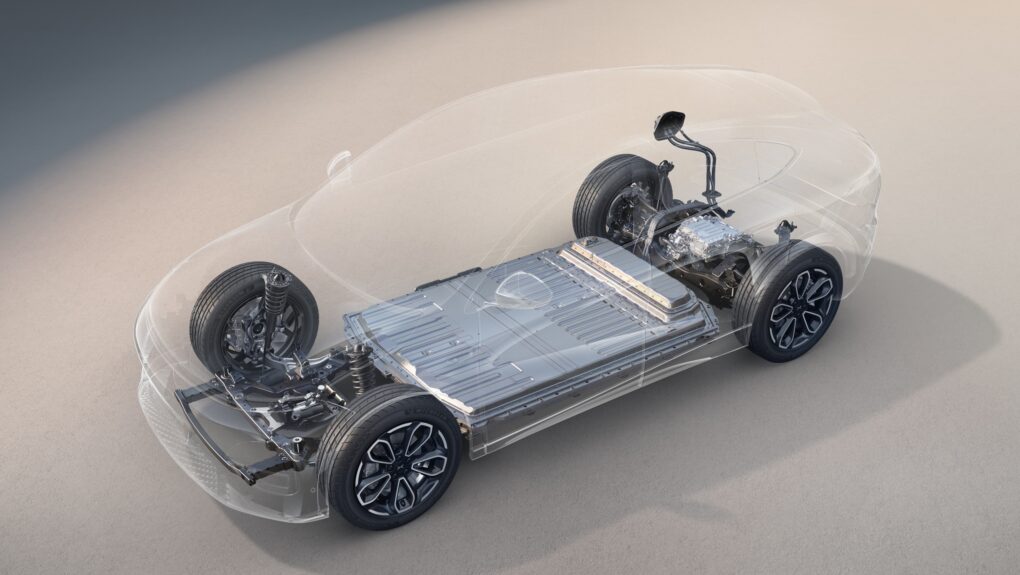
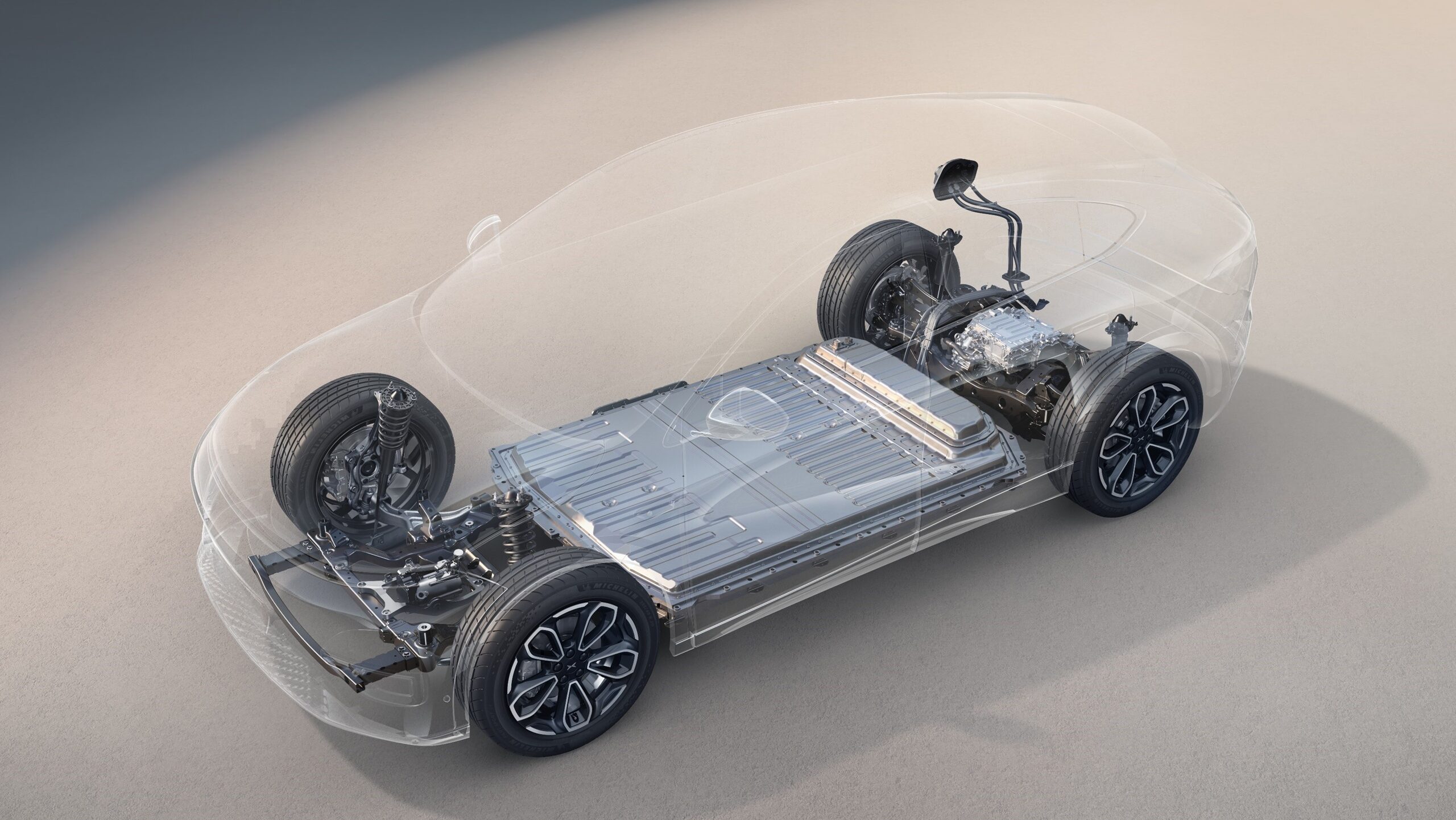
The Xpeng G9 boasts a gross battery capacity of 93,1 kWh or a net capacity of 92,2 kWh. The lithium iron phosphate (LFP) battery is free of cobalt, manganese, and nickel. This makes it cheaper to purchase and the supply chain cleaner. But for the owner, other factors are more important. They can regularly charge the battery to 100 percent without affecting its lifespan, and the cell is more thermally stable. The real technological leap with this car, however, is that Xpeng has optimized this chemistry for 5C charging, meaning it can be charged at five times its capacity.
The price for this is weight. LFP stores pro The LFP battery pack contains kilograms less energy than the NMC cell of the previous model, which had a capacity of 94 kWh and was lighter. Furthermore, LFP batteries are more sensitive to cold temperatures, making preconditioning via the navigation system essential in winter. The thermal management system with a heat pump handles this automatically as soon as a charging stop is scheduled. XOS 5.9.5 has also further improved charging performance and battery temperature control in cold weather. Don't be surprised by lower charging performance during a spontaneous stop without a destination entered into the navigation system in winter.
-
- Image: Xpeng
-
- Picture: TechnikNews
Xpeng G9 Performance energy consumption: 22 to 23 kWh
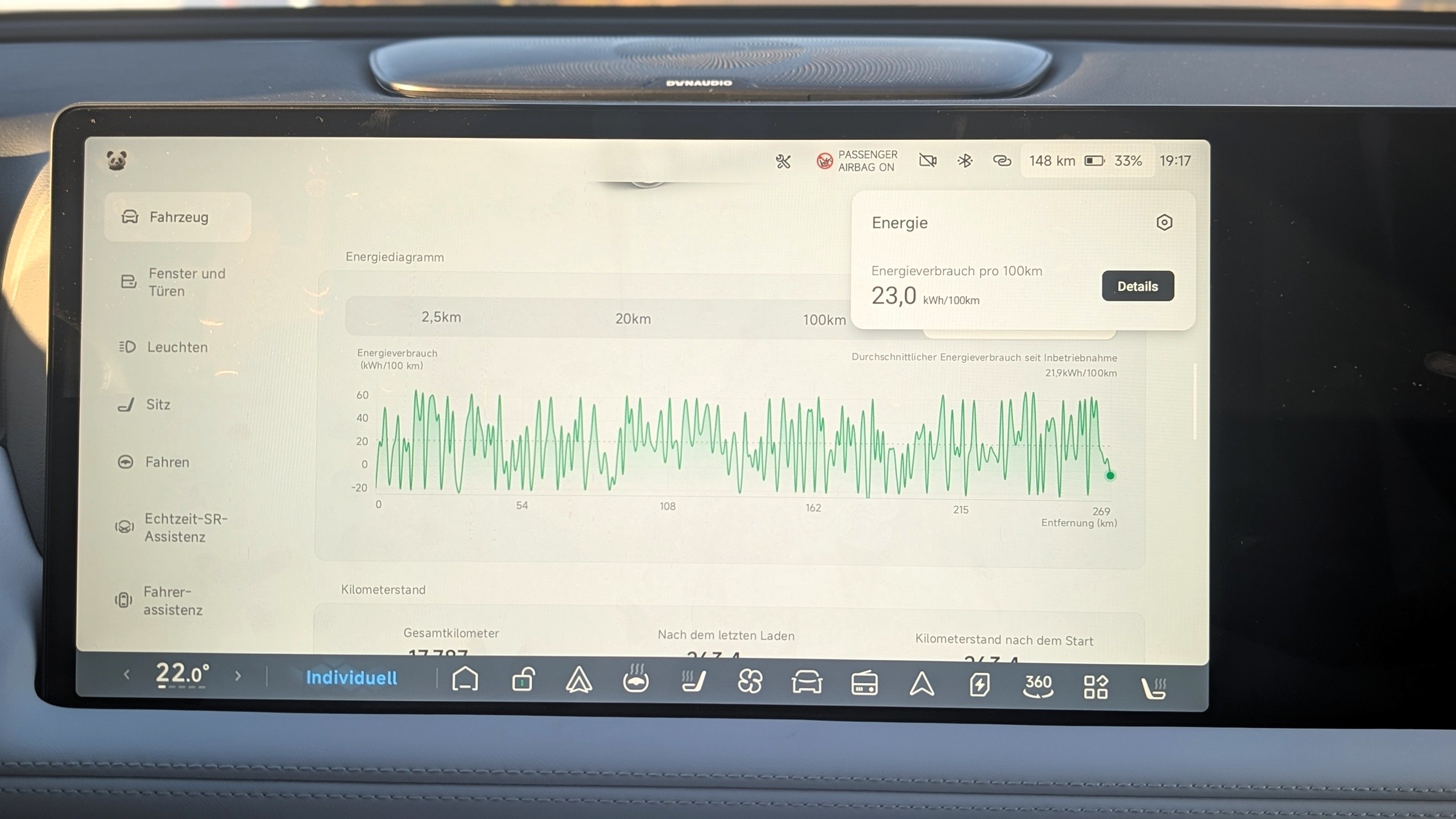
The WLTP (Worldwide Harmonised Light Vehicles Test Procedure) value is 20,1 kWh per 100 kilometers and takes into account potential charging losses. During our two weeks of driving with a mixed profile of country roads and highways up to 130 km/h, the on-board computer settled at 22 to 23 kWh.
On the motorway at a constant 130 km/h, consumption was between 25 and 26 kWh. These are quite good figures for a 2,4-ton SUV with 21-inch wheels and exactly the same as its predecessor, although the heavier LFP battery could have made a difference.
Picture: TechnikNews
Range: Approximately 400 kilometers on the motorway
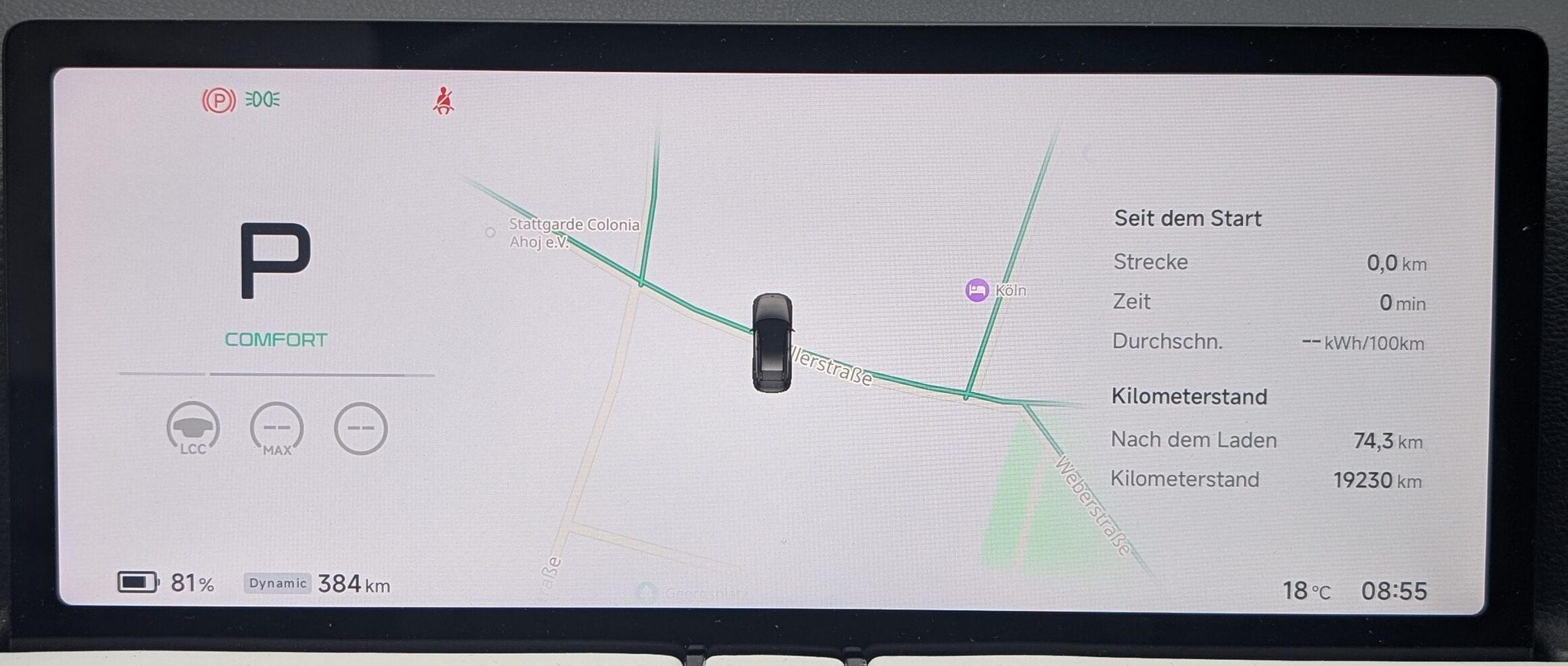
According to WLTP, the Performance model achieves 540 kilometers. Realistically, you can expect 450 to 470 kilometers in mixed driving conditions. On the highway at a constant 130 km/h, you can expect around 380 to 400 kilometers. In winter, with winter tires and the heater running, you should deduct another 10 percent. The remaining rangesproSince XOS 5.9.5, gnose's calculations have become even more accurate. This was rightly criticized previously.
That's not top-of-the-line performance, but it's solid and exactly what 92 usable kilowatt-hours in this format can deliver. For maximum range, the Performance model is the wrong choice anyway: the RWD Long Range achieves 585 kilometers and costs 9.000 euros less. Besides, range becomes less important when charging is this fast.
Picture: TechnikNews
Store: Here the G9 is the champion
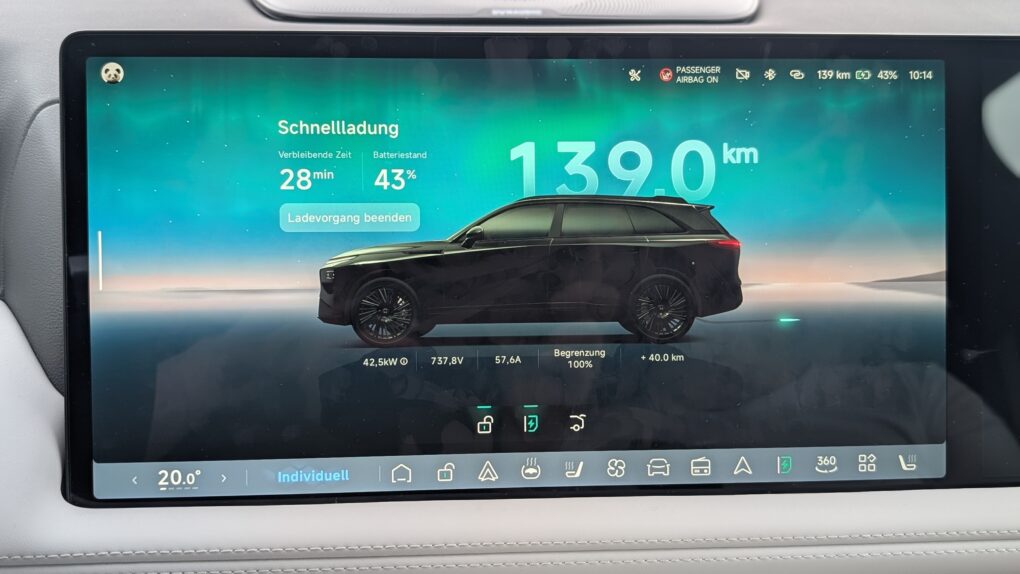
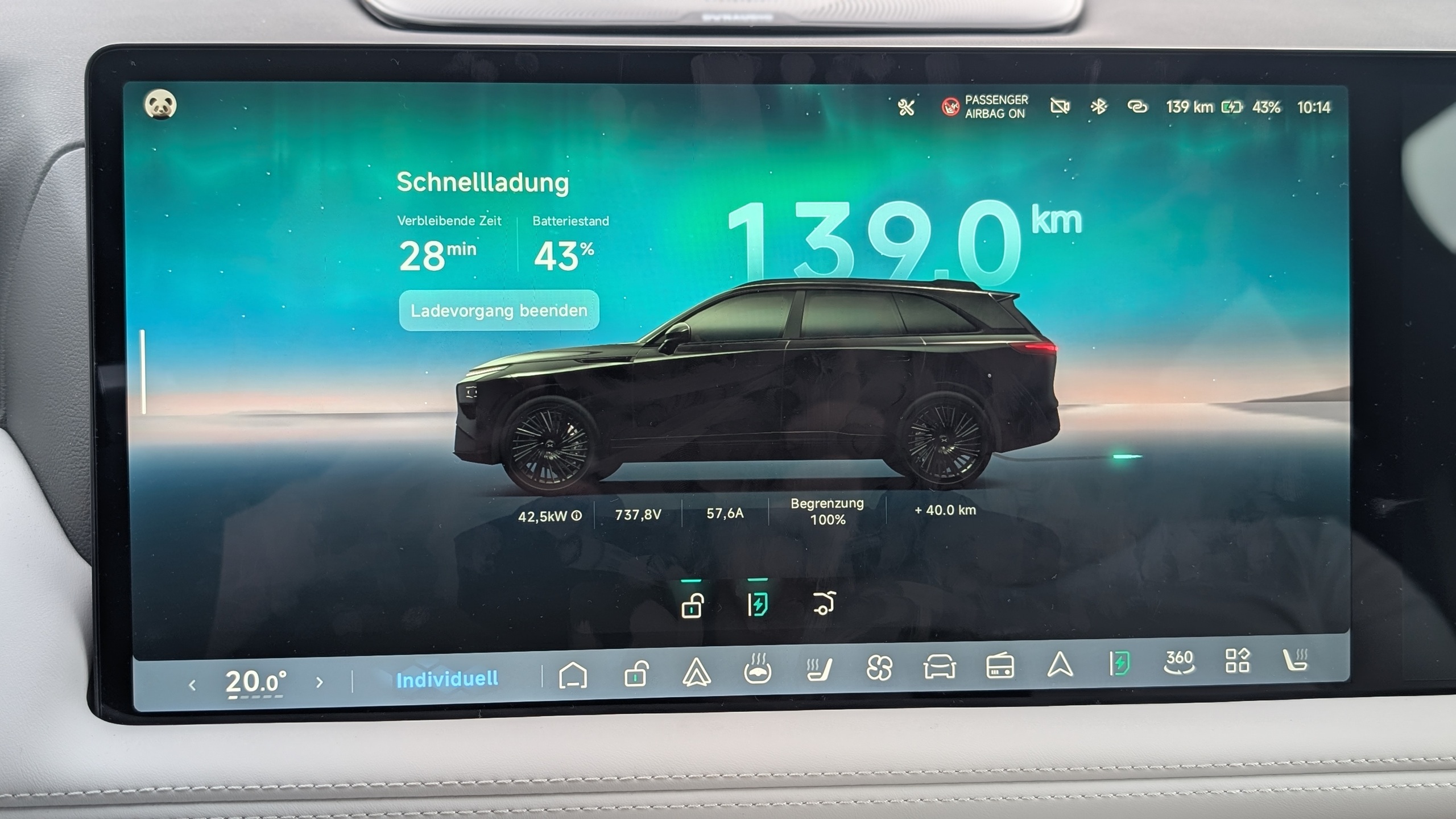
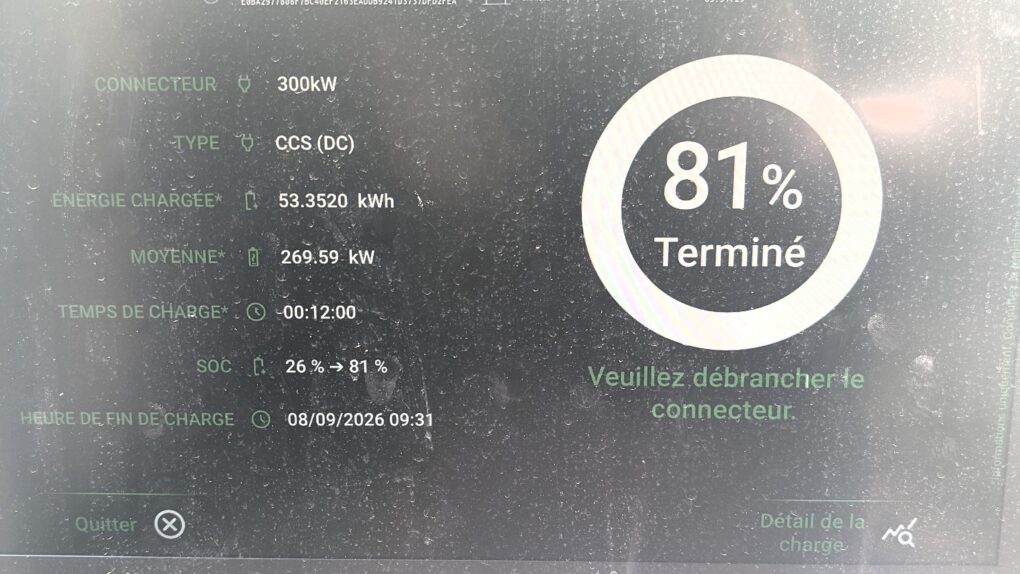
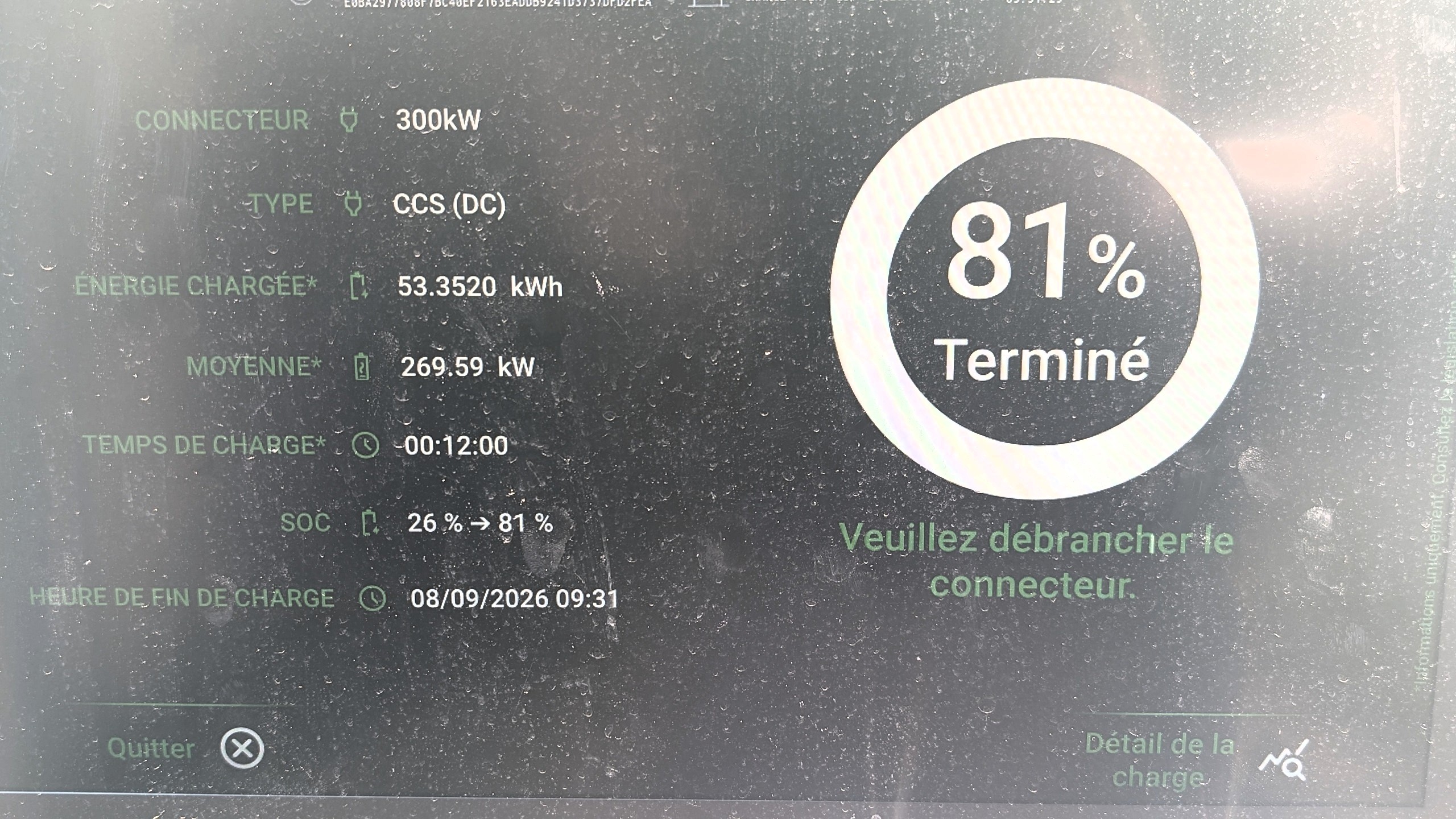
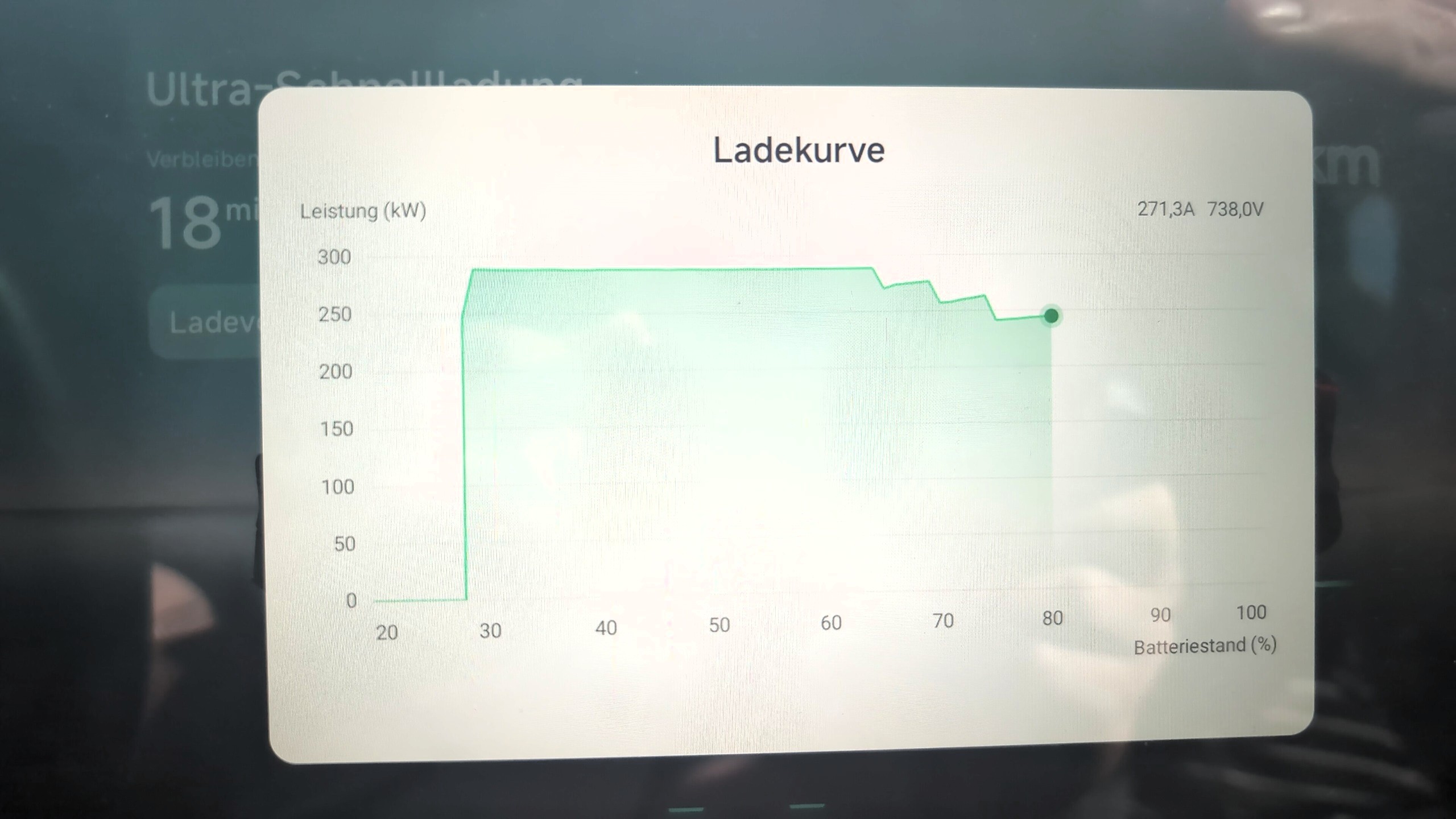
The maximum charging power is listed as 525 kW. Charging from 10 to 80 percent takes just twelve minutes. According to Xpeng, ten minutes is enough for more than 450 additional kilometers of range. No other production vehicle in Germany currently offers this. The catch, however, lies with the infrastructure, not the car itself. 525 kW charging stations are the exception in Germany. Since XOS 5.9.5, however, the Xpeng G9 also charges more reliably at Tesla Superchargers version 3 and 4. At a standard 300 kW charging station, the Xpeng G9 draws all available power and maintains full power across an unusually wide range of the charge level. Charging from 8 to 80 percent takes around 14 minutes, and even beyond 60 percent, it still delivers over 300 kW. The difference lies in the charging curve, not the peak value listed in the brochure.
Two things are still annoying. First, the Xpeng G9 still only charges at 11 kW three-phase on the AC side, which means it takes a good ten and a half hours to charge from 5 to 100 percent. For a car that breaks records with DC charging, 22 kW wouldn't be unreasonable. Second, there's a small detail with a big impact on everyday use. The charging process can't be stopped using the car key. You need your phone or have to get in the car and stop it via the display. A button on the key would have been the obvious solution, but even XOS 5.9.5 didn't add this feature. At least V2L (Vehicle-to-Load) charging at 6 kW is standard.
-
- Picture: TechnikNews
-
- Picture: TechnikNews
The Xpeng G9 AWD Performance is from € 72.600 Available, the Black Edition costs €1.500 more, and the swiveling tow bar is available for €1.260. That leaves the Premium Package for €3.960 – the recommendation here is clear: it's a must-have. For that price, you get Nappa leather, massage function on all four seats, ventilated rear seats, a suede-look headliner, and the Dynaudio Xero system. Any German manufacturer would charge a four-figure sum for the audio system alone. Our test vehicle thus came to €79.320, and that concludes the list of optional extras.
However, nobody is currently paying this price: Xpeng is offering a tech bonus until September 30, 2026. Starting at €5.000, the premium package is included at no extra cost with the Long Range and Performance options, and private customers can finance the vehicle at 0,0% interest starting at €423 per month. This would bring the price of our test vehicle to around €70.400. In addition, there is the potential government subsidy of €1.500 to €6.000. The predecessor, similarly equipped, cost €75.560 – with less charging capacity and weaker driver assistance systems.
The warranty covers seven years or 160.000 kilometers for the vehicle and eight years or 160.000 kilometers for the battery – significantly more than European manufacturers offer in this class. Furthermore, the insurance classifications of 22, 27, and 30 for third-party liability, partial, and comprehensive coverage are moderate for a 575 hp vehicle.
Comparison with the competition: A close race
The Volvo EX90 Twin Engine Performance It has the biggest name. It boasts 500 kW (680 hp), 102 usable kilowatt-hours, seven seats, and since the 2026 model year, it's finally equipped with 800 volts and 350 kW charging. The problem is the price, as the Performance variant starts at a hefty €101.000. It charges from 10 to 80 percent in about 23 minutes – almost twice as long as the Xpeng. Moreover, at 2,7 tons, it weighs significantly more. In return, you get a third row of seats, even better sound insulation, and a brand name that helps with resale value.
The Zeekr 7X Privilege AWD takes a different approach: 475 kW (646 hp), 97 usable kilowatt-hours, 480 kW charging capacity, from 10 to 80 percent in 16 minutes – all for €65.950. It remains the only one within striking distance when charging, but at 4,787 meters, it's shorter. Its trunk only holds 539 liters, and air suspension is not available.
The most disruptive factor is the Volvo EX60 P12 AWD The maps are new. It has 500 kW (680 hp), 112 usable kilowatt-hours, a range of up to 810 kilometers according to WLTP, and a starting price of 71.990 euros, practically the same price as the Xpeng G9. It charges from 10 to 80 percent in about 20 minutes at 370 kW. That's significantly slower, but its range means charging stops are needed less often.
The bottom line is: If you need seven seats, go for the EX90 and pay almost €29.000 more – and with the current Xpeng promotions, even over €30.000. If you want maximum range and can wait, wait for the EX60. If you primarily want to save money, take a look at the Zeekr 7X. And if you're looking for the best balance of price, features, and charging speed, the Xpeng G9 is the right choice. (All prices in this article are as of September 2026 and include 19% VAT.)
Image: Xpeng
Many thanks to Xpeng Germany for providing the Xpeng G9 Performance Black Edition for this review. This did not influence our opinion!