
Camera comparison: Apple iPhone 12 Pro Max vs. Google Pixel 5
A TEST REPORT from Jacob Kluge  on May 22, 2021, 20:45 pm | 2 comments
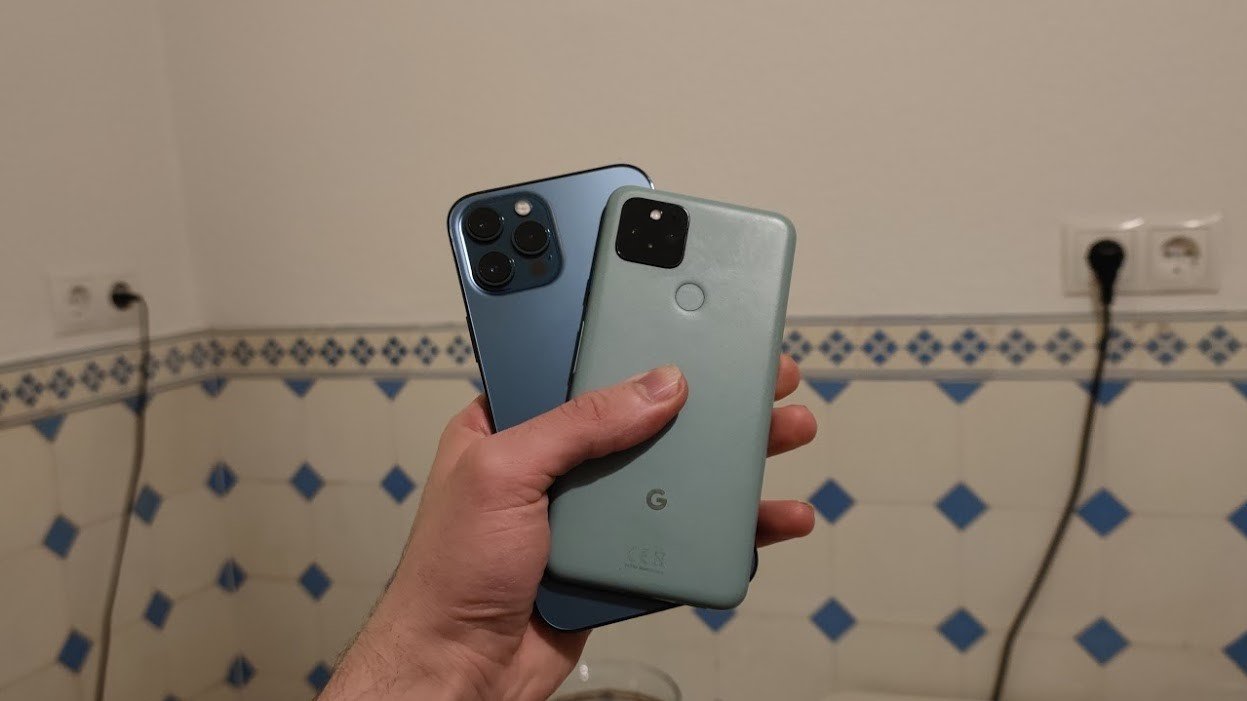
For many, Apple or Google smartphones have always been the first choice when it comes to photos. They are considered unbeatable, especially in the point-and-shoot area. But how do the top models from the respective manufacturers, the Apple iPhone 12 Pro Max and Google Pixel 5, compare? Is the new sensor in the iPhone really so good that it can justify the extra cost?
Important: This test is all about the cameras. If you are interested in smartphones in general, we recommend our detailed reviews:
- Google Pixel 5 review: less high-end, more better smartphone
- Apple iPhone 12 Pro Max review: A smartphone, but nothing more
The hardware
First of all, let's take a closer look at the camera hardware of both smartphones. At least on paper, Apple is clearly ahead here.
Apple iPhone 12 Pro Max
As with its predecessor, Apple has installed a total of three sensors on the back, all of which have a resolution of 12 megapixels. A new addition is the so-called Lidar sensor. Compared to the other iPhone 12 models, however, the Pro Max has received a new, larger camera sensor for the wide-angle camera. As with the other current iPhones, this has a resolution of 12 megapixels and offers a bright f/1.6 aperture. However, the sensor is an impressive 47 percent larger than that in the smaller brother, the iPhone 12 Pro. Unfortunately, there is no information on the exact sensor size anywhere. However, we do know that the pixels are 1,7 µm in size. Also new and exclusive to the 12 Pro Max is a new stabilization. Not OIS like the other iPhone 12 models, but Sensor shift. This means that not the lens but the entire sensor is stabilized. In theory, this should provide better nighttime pictures and more stable videos.
All iPhone 12 models use the same ultra-wide angle. 12 megapixels with an aperture of f / 2.4 and a field of view of 120 °. This corresponds to a 13 mm lens.
What's new is that the Pro Max has been given a better telephoto lens. 65 mm, i.e. 2,5x optical. However, the aperture at f/2.2 is a bit less bright than the f/2.0 aperture in the iPhone 12 Pro. However, the latter only offers a 2x optical zoom. All cameras can record videos in 4K at 24, 30 or 60 FPS. At 1.080p, 30, 60, 120 or even 240 frames are possible.
The front camera in the iPhone also uses 12 megapixels. Thus, the front camera also enables videos in 4K with up to 60 FPS.
Google Pixel 5
Google has given the Pixel 5 two lenses on the back, like its predecessor. The telephoto camera has been replaced by an ultra-wide angle, which I and many colleagues find really good. The main sensor is still the Sony IMX 363. This has a resolution of 12,2 megapixels and comes with a bright aperture of f / 1.7. The sensor has a size of 1 / 2.55 ″ and is one of the smaller in the flagship segment by today's standards. Sure, he's already had a few years under his belt. We already know the sensor from Pixel 3, Pixel 4 or Pixel 4a, for example.
The ultra-wide angle has a resolution of 16 megapixels. At f / 2.2, however, the aperture is not as bright as that of the main camera. In addition, the pixels at 1,0 µm are smaller than the 1,4 µm on the main camera. Furthermore, the field of view of 107˚ is not as wide as with the iPhone. Videos can be recorded with either camera in 4K at either 30 or 60 FPS. Videos with 1.080, 30, 60 or even 120 FPS are possible in 240p.
Of course, the front camera is also included. The Pixel has a resolution of 8 megapixels. The sensor measures 1/4.0″ and is therefore smaller than the one in the iPhone 12 Pro Max.
The software
Of course, you shouldn't neglect the software and here too both the iPhone 12 Pro Max and the Pixel 5 have a lot to offer.
Apple iPhone 12 Pro Max
With the iPhone 11, Apple Deep fusion introduced. This technique is intended to provide better images in difficult lighting conditions. The iPhone takes nine pictures with one click of the shutter button. The neural engine analyzes the images and then searches for the best pixels from the respective image.
Google Pixel 5
Software has always been Google's strength. There is also a detailed one about this Message.
Pictures by day
Let's start with what is probably the most important category, namely pictures by day.
Wide angle camera
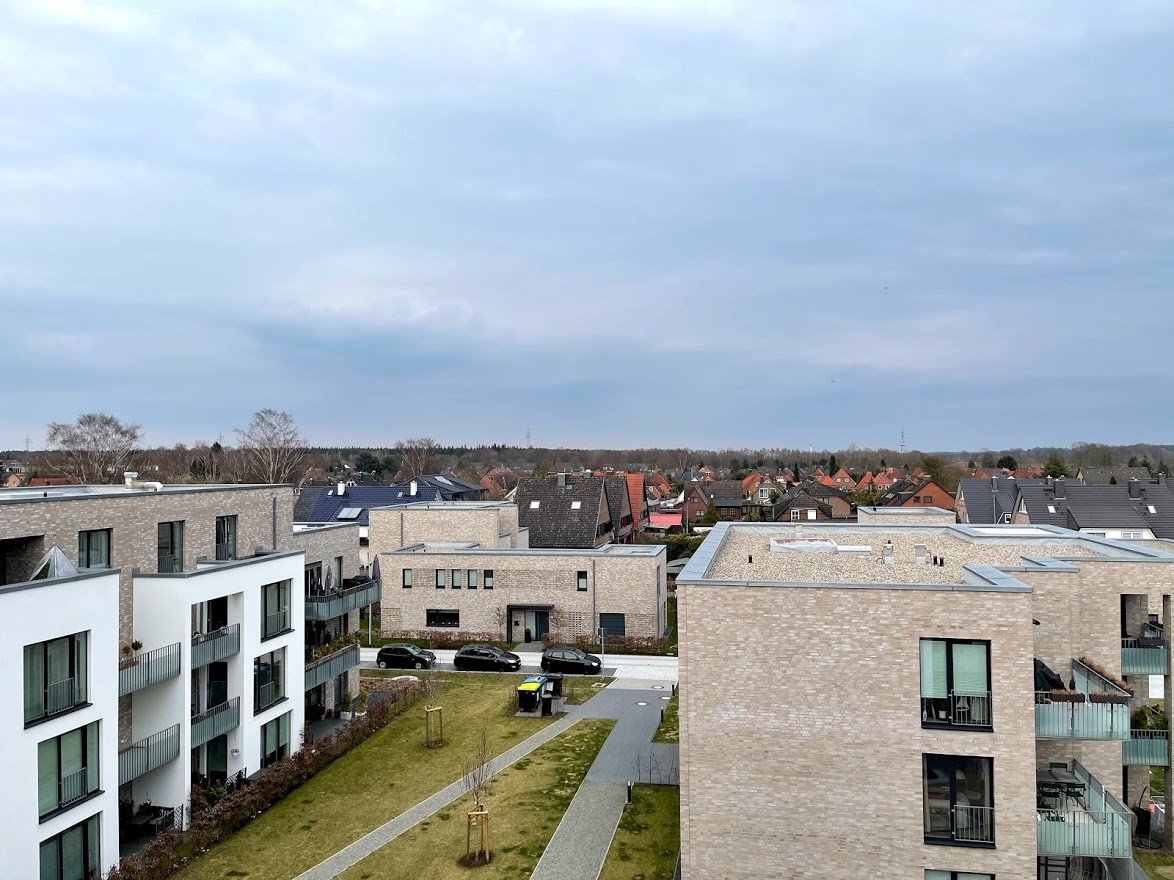
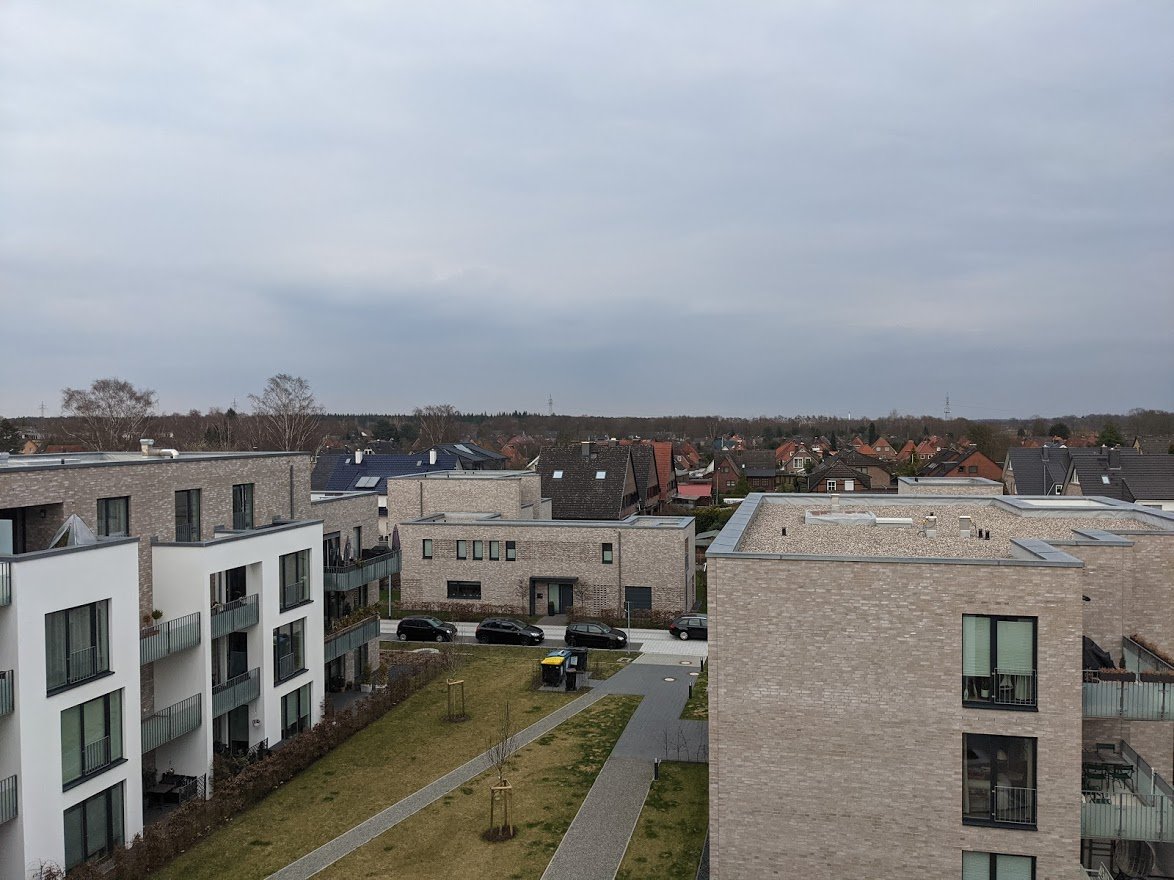
Let's first take a look at the main camera, which is almost certainly the one that users will use the most. What immediately catches the eye in the following images are the slightly stronger colors of the 12 Pro Max.
Apple iPhone 12 Pro Max
-

- Like every camera, the iPhone also knows how to impress during the day (Image: TechnikNews)

-
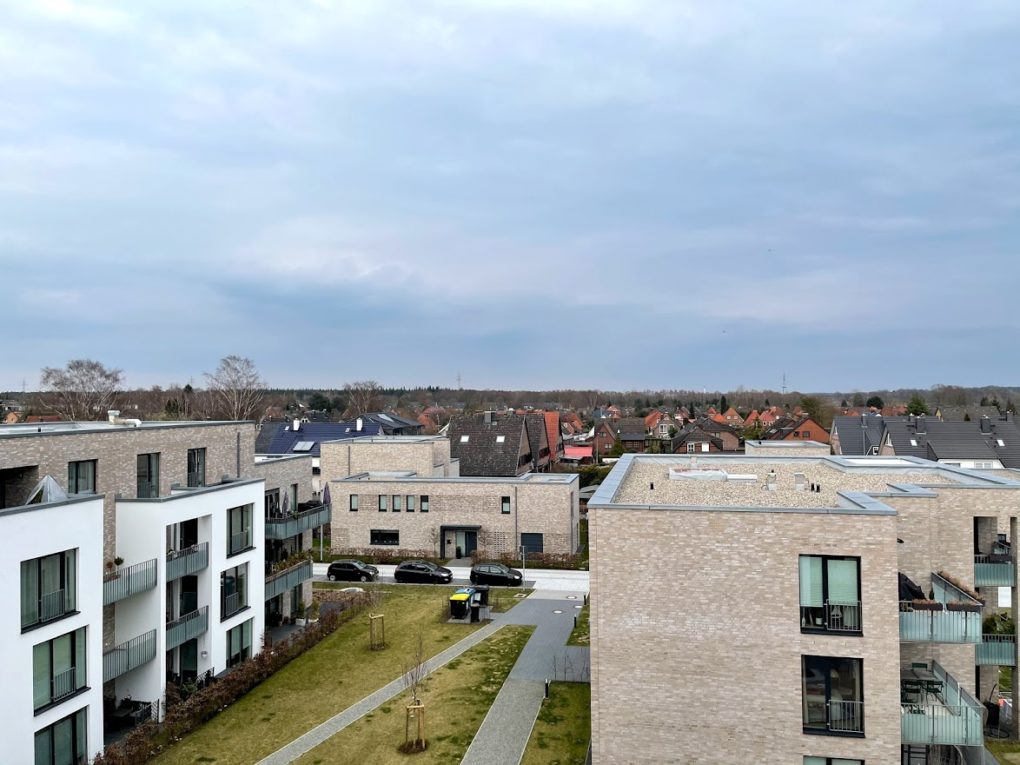
- The colors of the iPhone are a bit warmer, but I really like them. (Image: TechnikNews)
Google Pixel 5
-

- The pictures can definitely score. (Picture: TechnikNews)

-
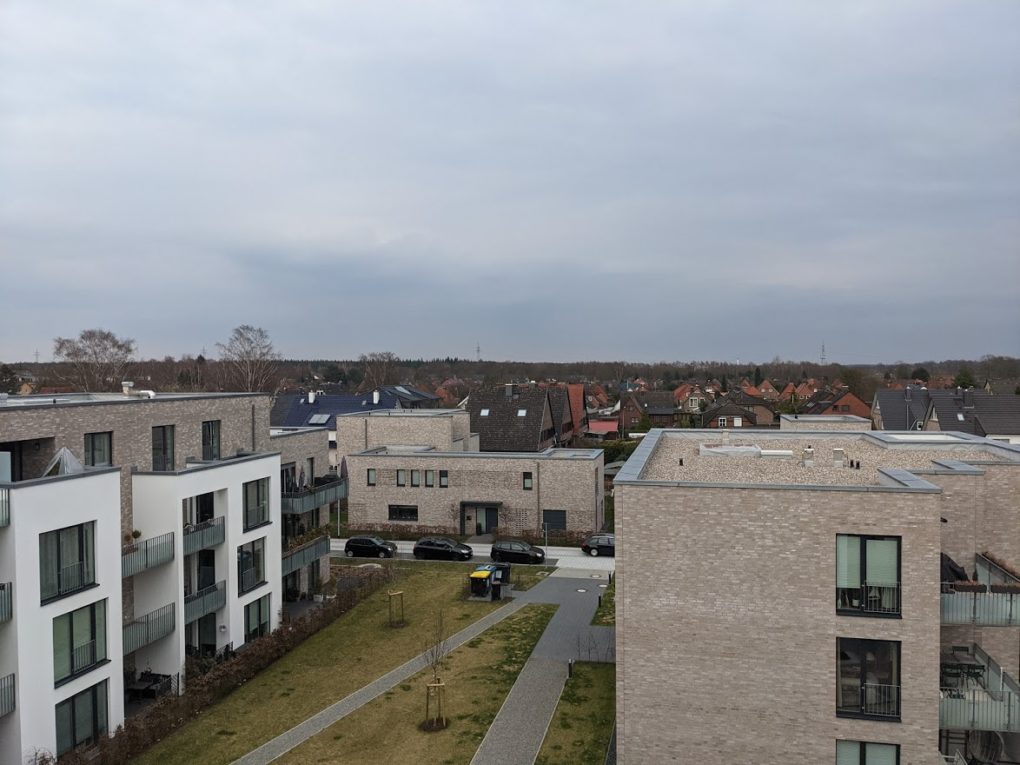
- The sensor of the Pixel 5 is significantly smaller than that of the 12 Pro Max. (Image: TechnikNews)
Ultra wide angle camera
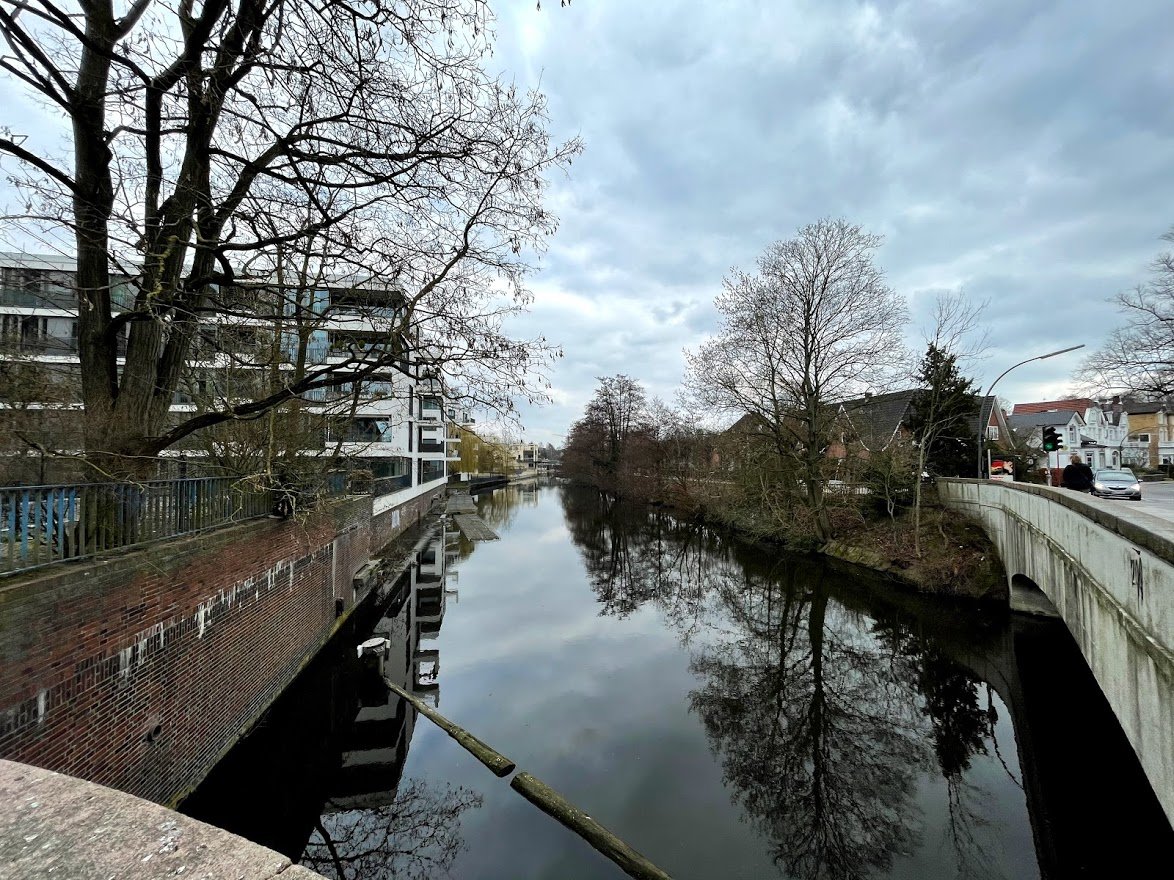
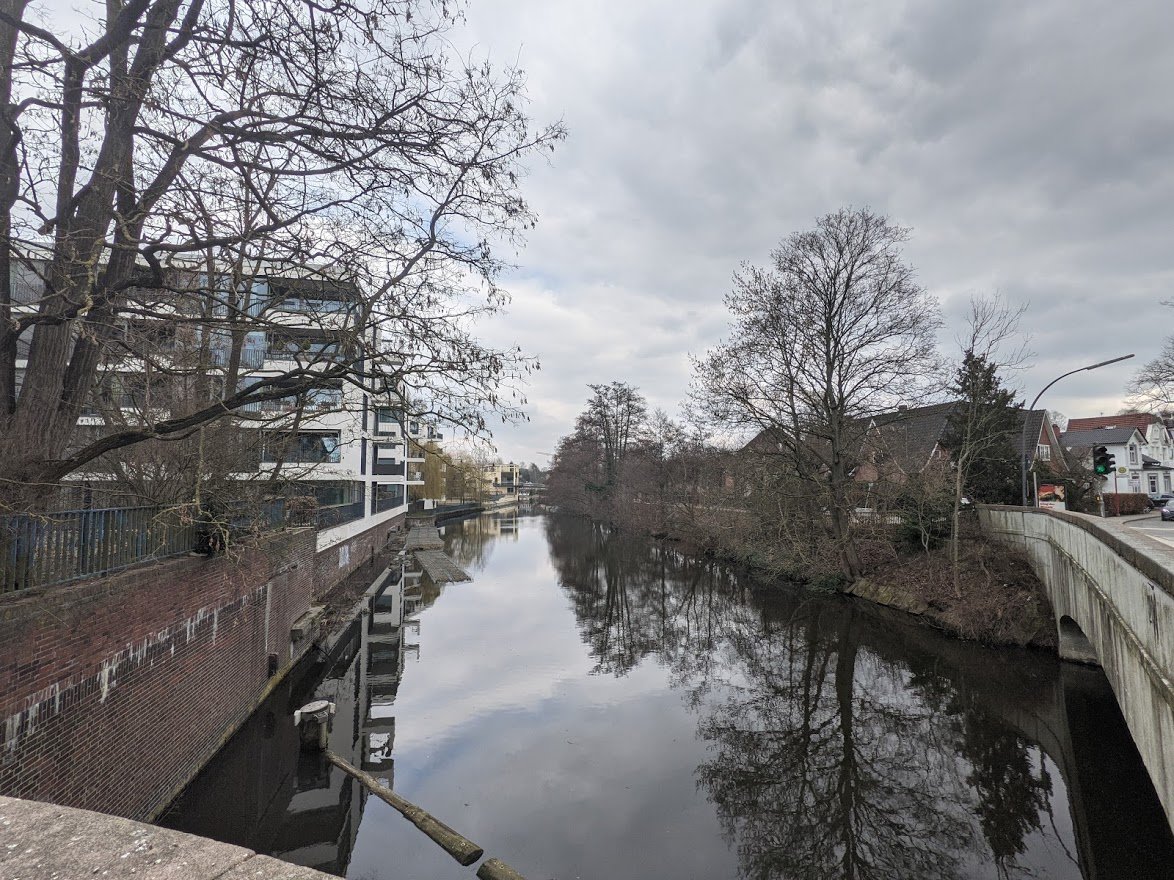
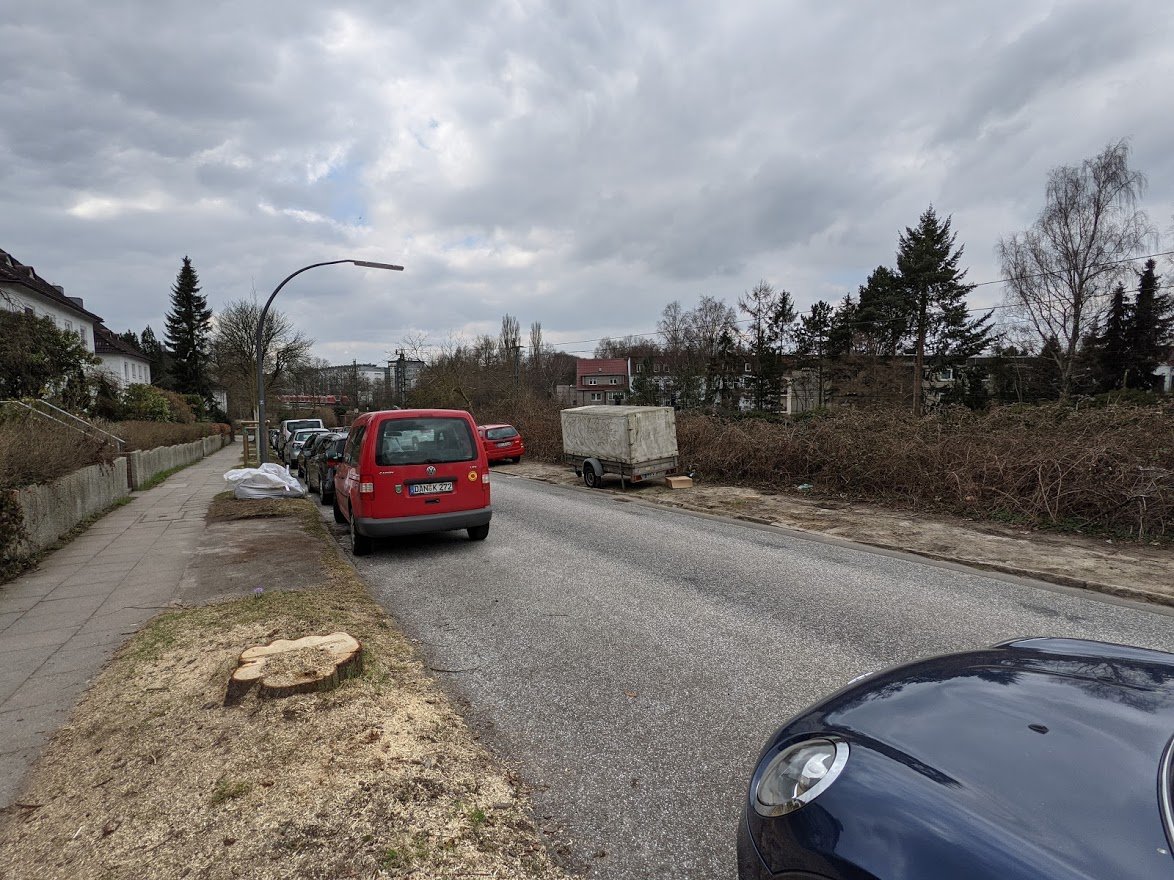
The slightly warmer and stronger colors of the iPhone are also noticeable with the ultra-wide-angle camera.
Apple iPhone 12 Pro Max
-
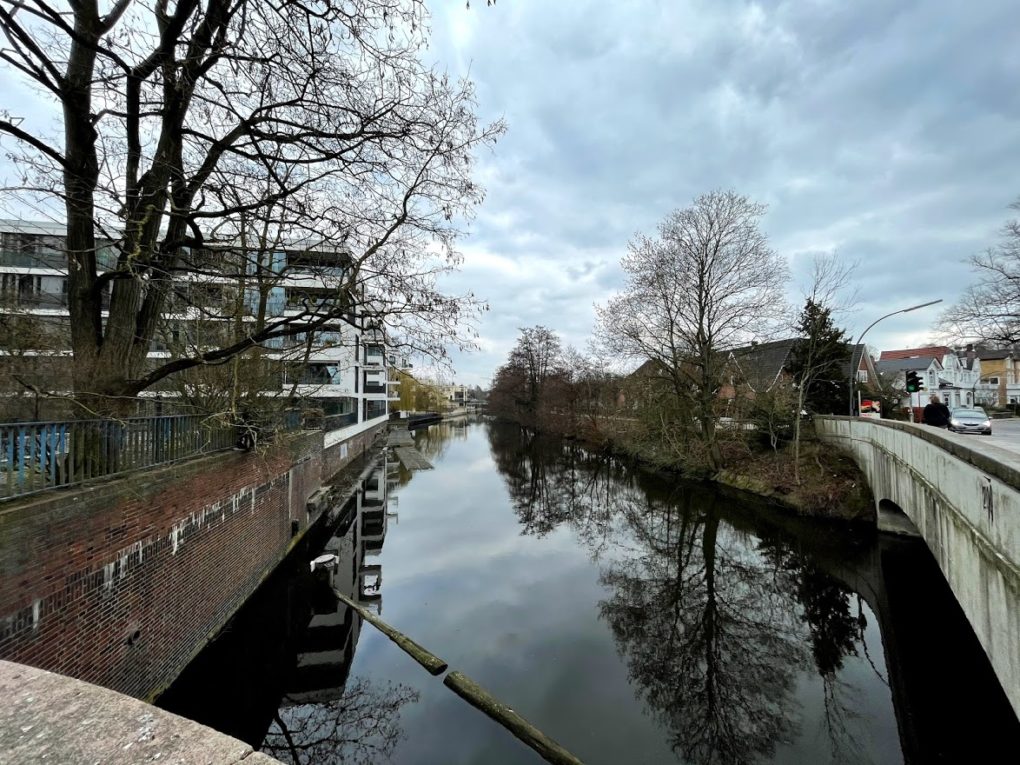
- Ultra wide angle shot of the iPhone 12 Pro Max. (Image: TechnikNews
-

- The iPhone displays the colors quite warm. (Image: TechnikNews)

-

- The ultra-wide-angle camera of the iPhone knows how to impress with its large field of view. (Image: TechnikNews)
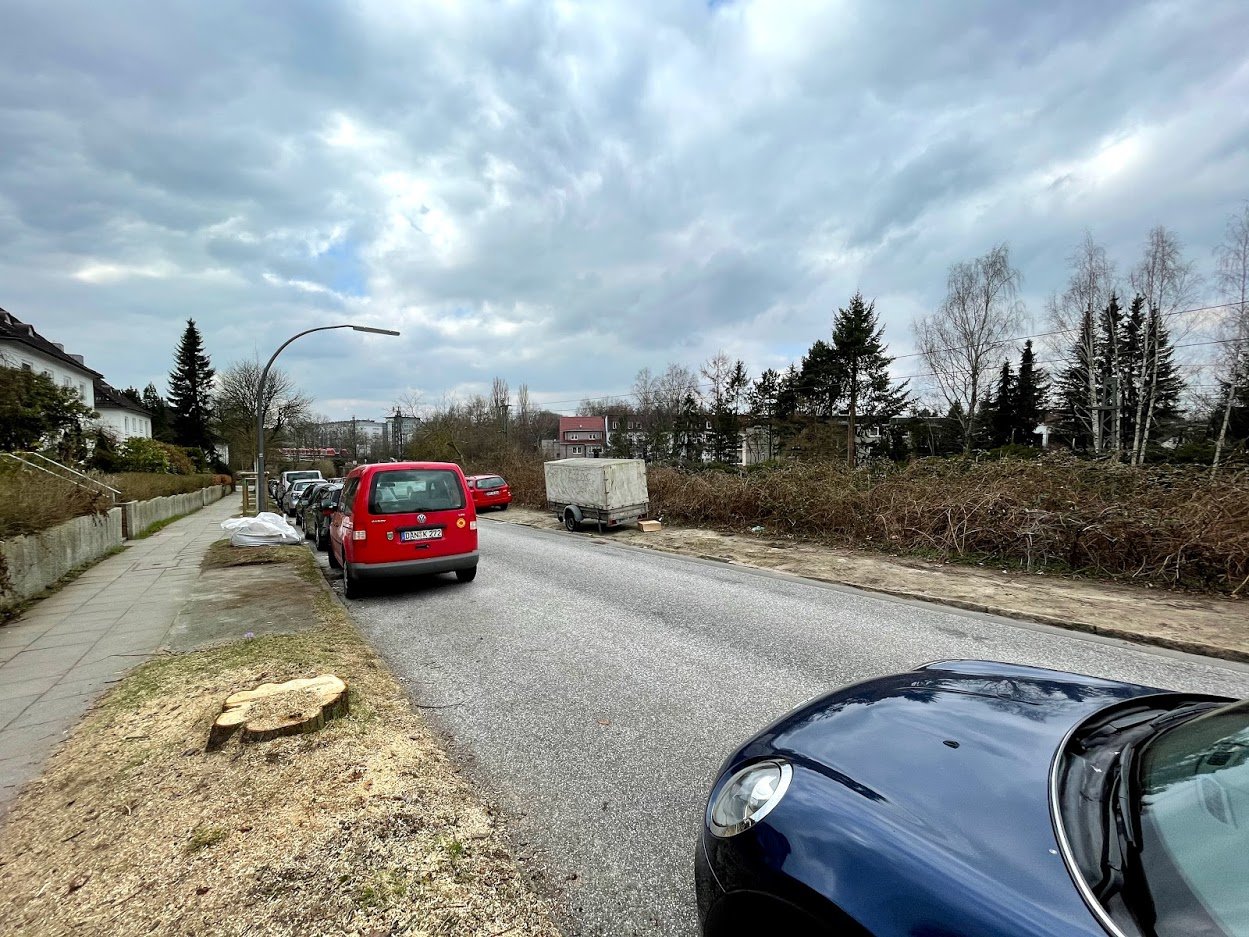
Google Pixel 5
-
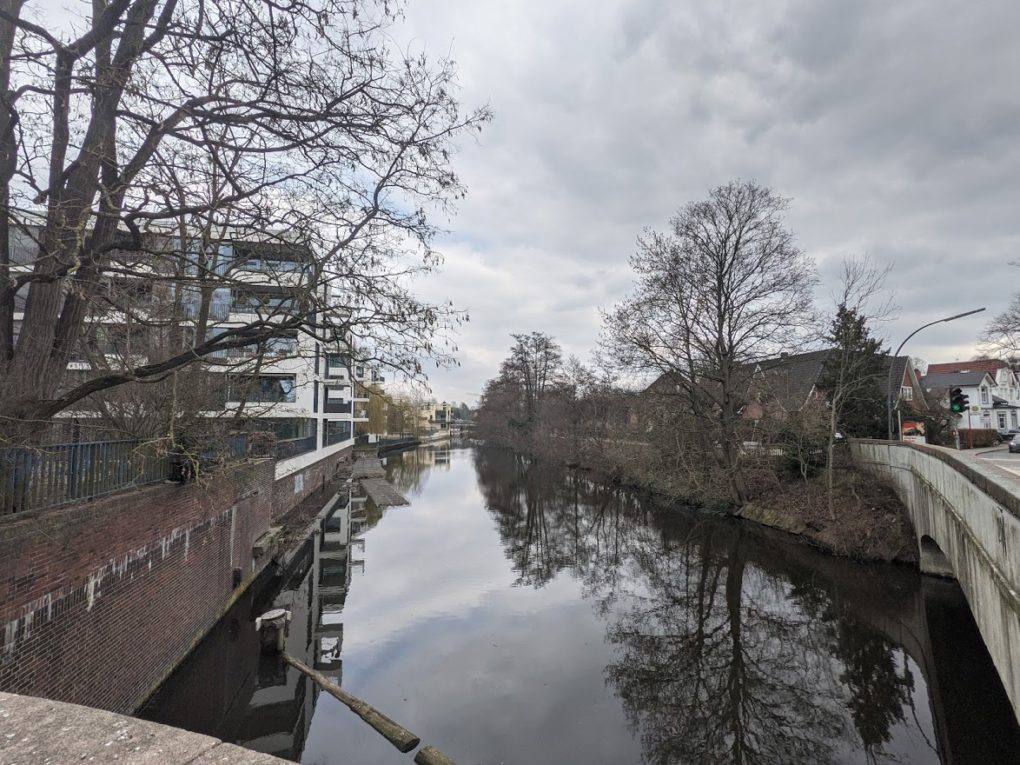
- A slight red tinge can be seen here. (Picture: TechnikNews)
-
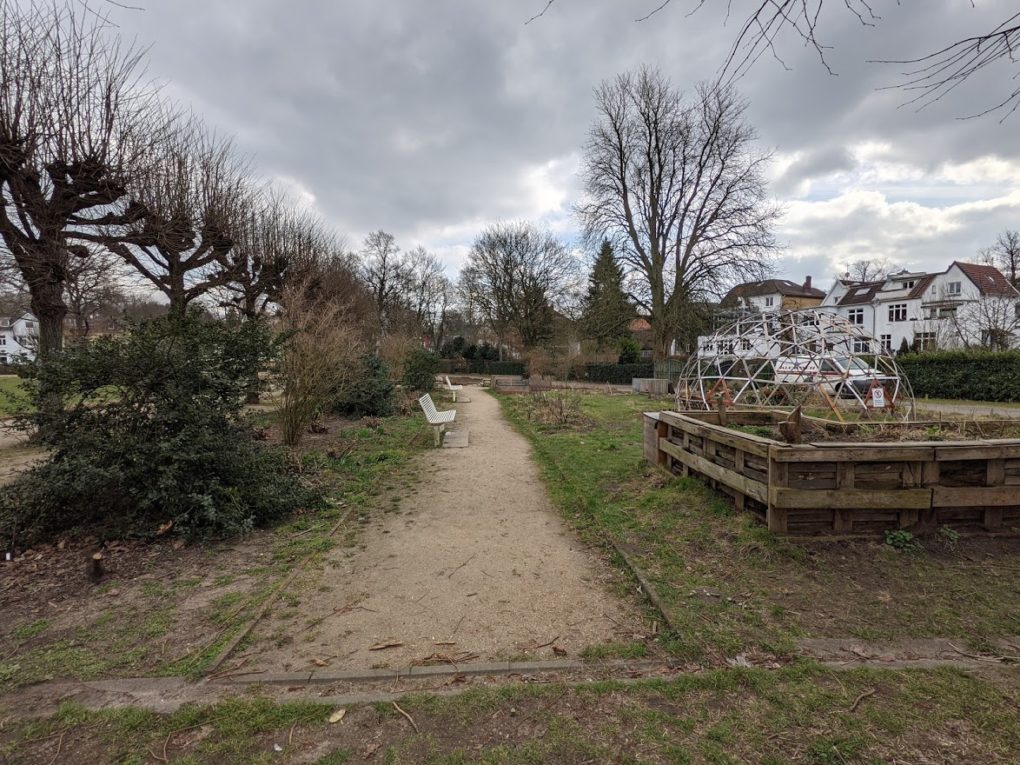
- The colors look more natural. (Picture: TechnikNews)
-
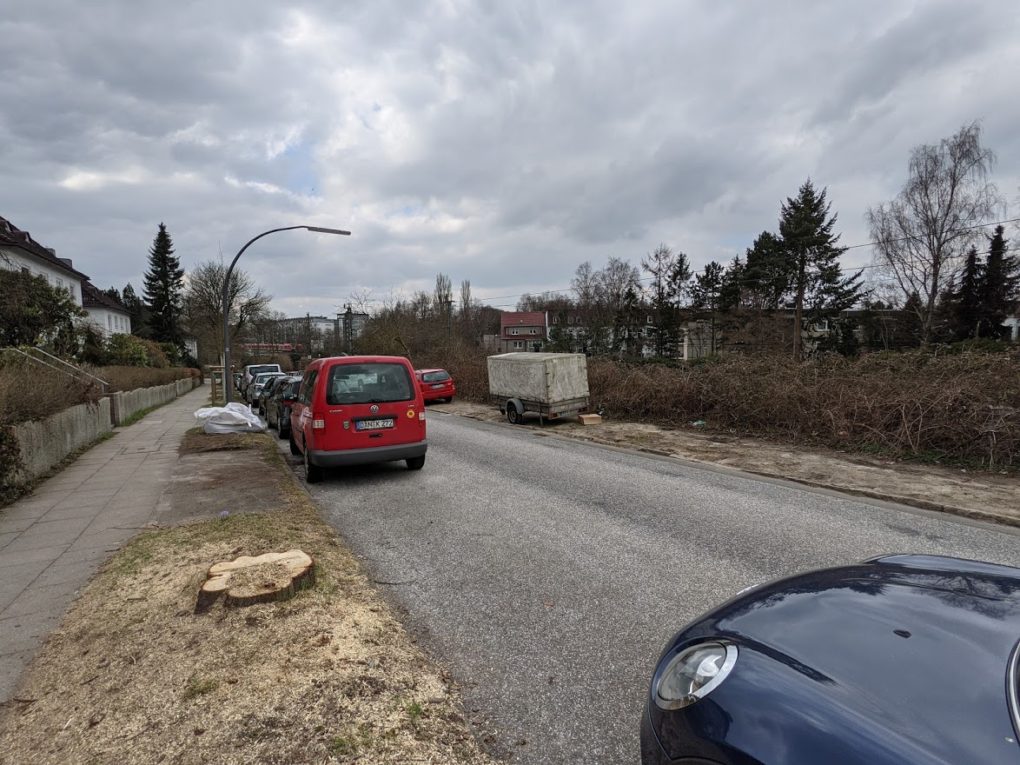
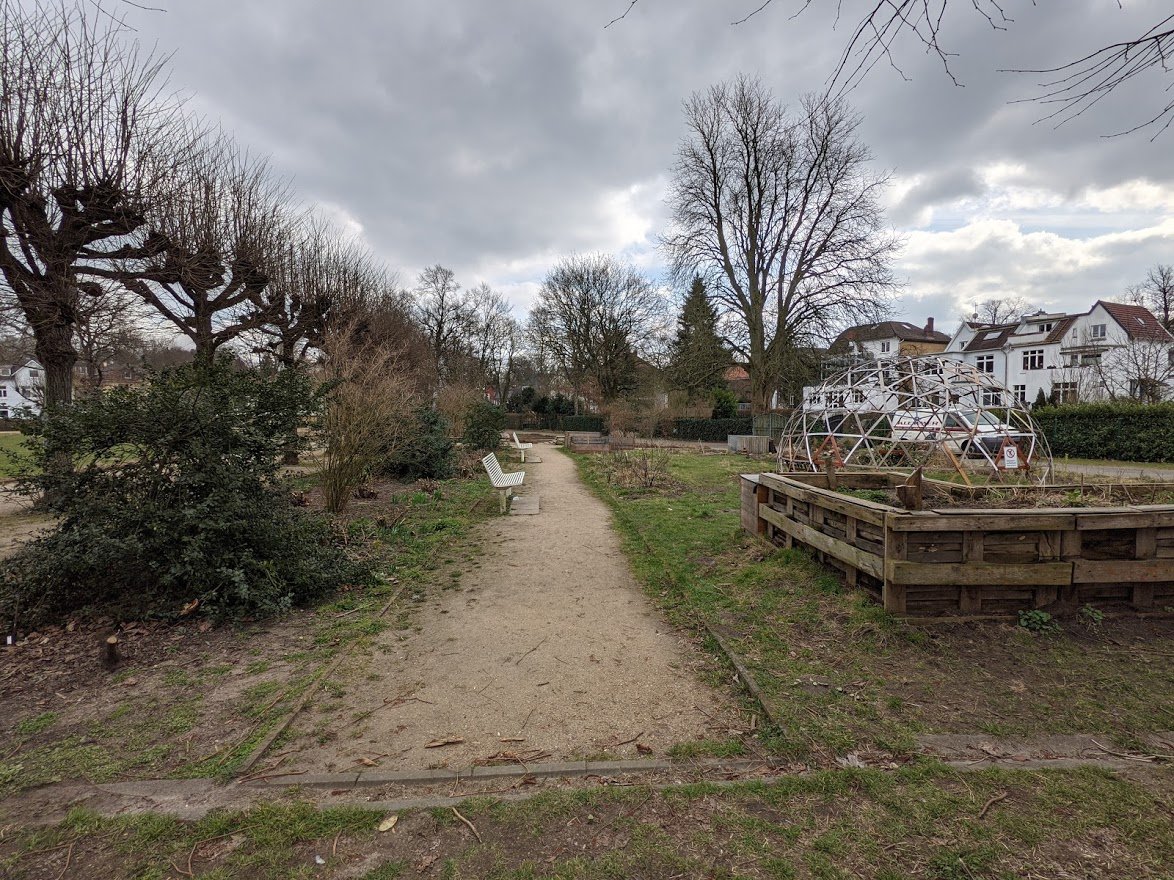
- The Pixel 5's field of view is not that large. (Image: TechnikNews)
Telecamera
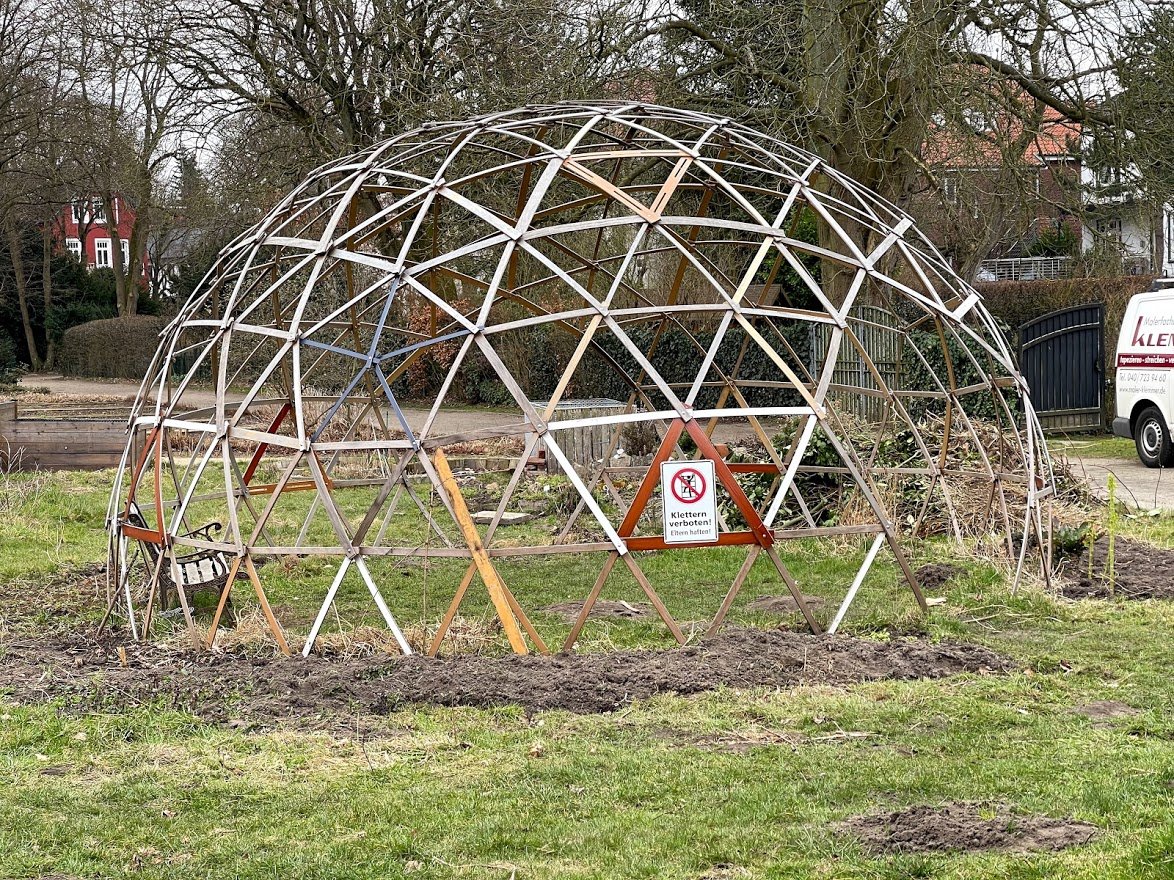
Since the Pixel 5 doesn't have a telephoto camera, I decided to zoom in 2,5x and thus get the same focal length that the iPhone 12 Pro Max uses.
Apple iPhone 12 Pro Max
-

- However, 2,5x is a factor that can also be achieved with the main camera and digital crop. (Picture: TechnikNews)

-
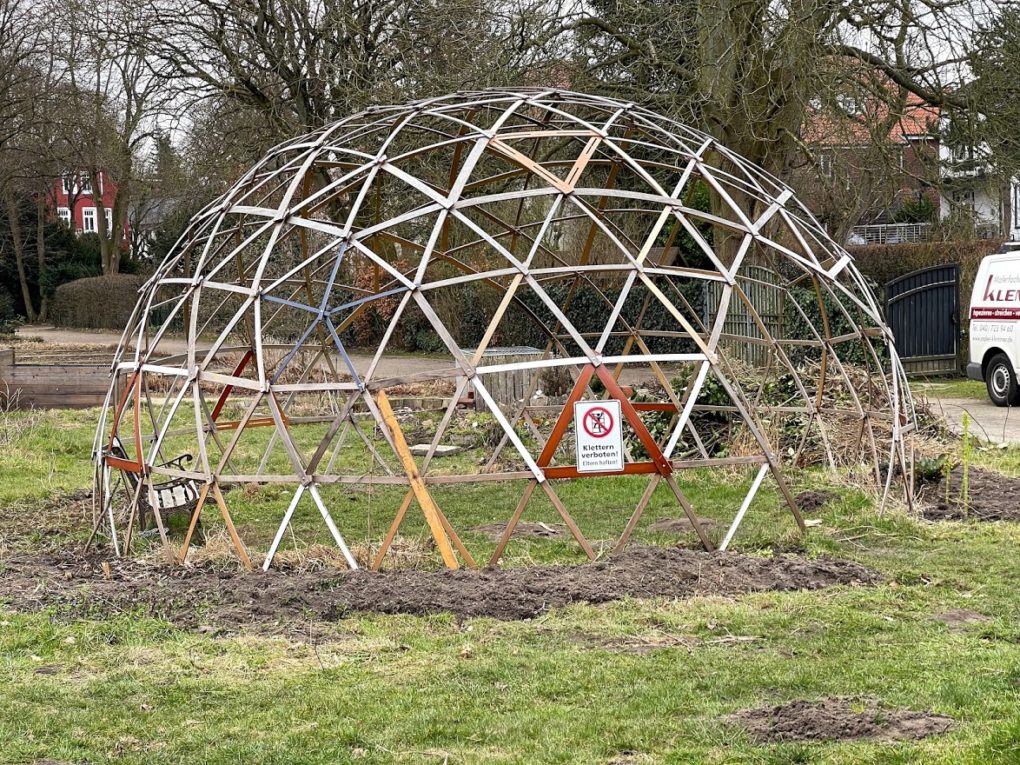
- The color coordination between the three cameras works great. (Picture: TechnikNews)
Google Pixel 5
-

- When zooming, the quality of the pixel quickly deteriorates. (Picture: TechnikNews)

-

- You can tell that the Pixel 5 lacks a telecamera. (Image: TechnikNews)

Maximum zoom
Of course, it doesn't stop at 2,5x magnification. For the first time, the iPhone manages up to 12 times, the Pixel unfortunately only up to 7 times. But it should be clear to everyone that the closer you zoom in digitally, the noisier the picture becomes.
Apple iPhone 12 Pro Max
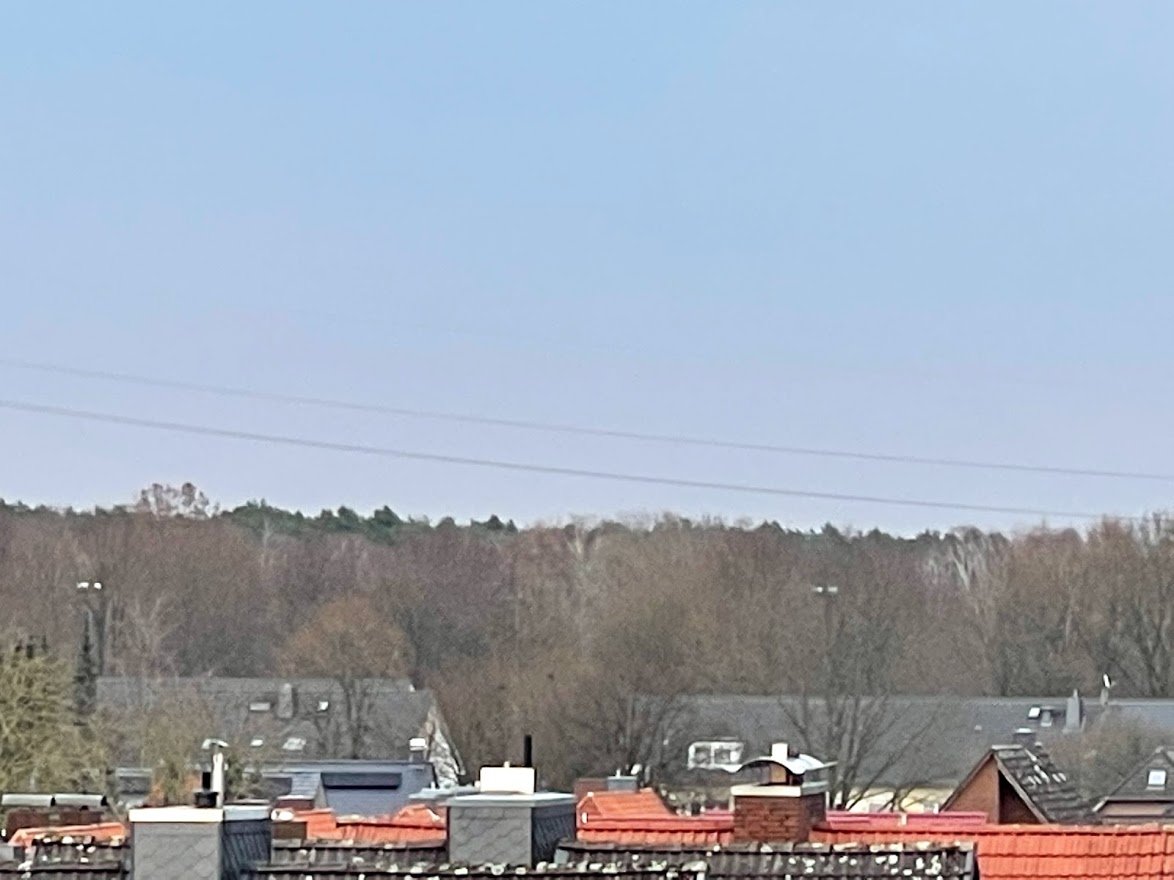
The iPhone can digitally zoom in up to 12x. The Android competition just laughs at that. (Image: TechnikNews)
Google Pixel 5
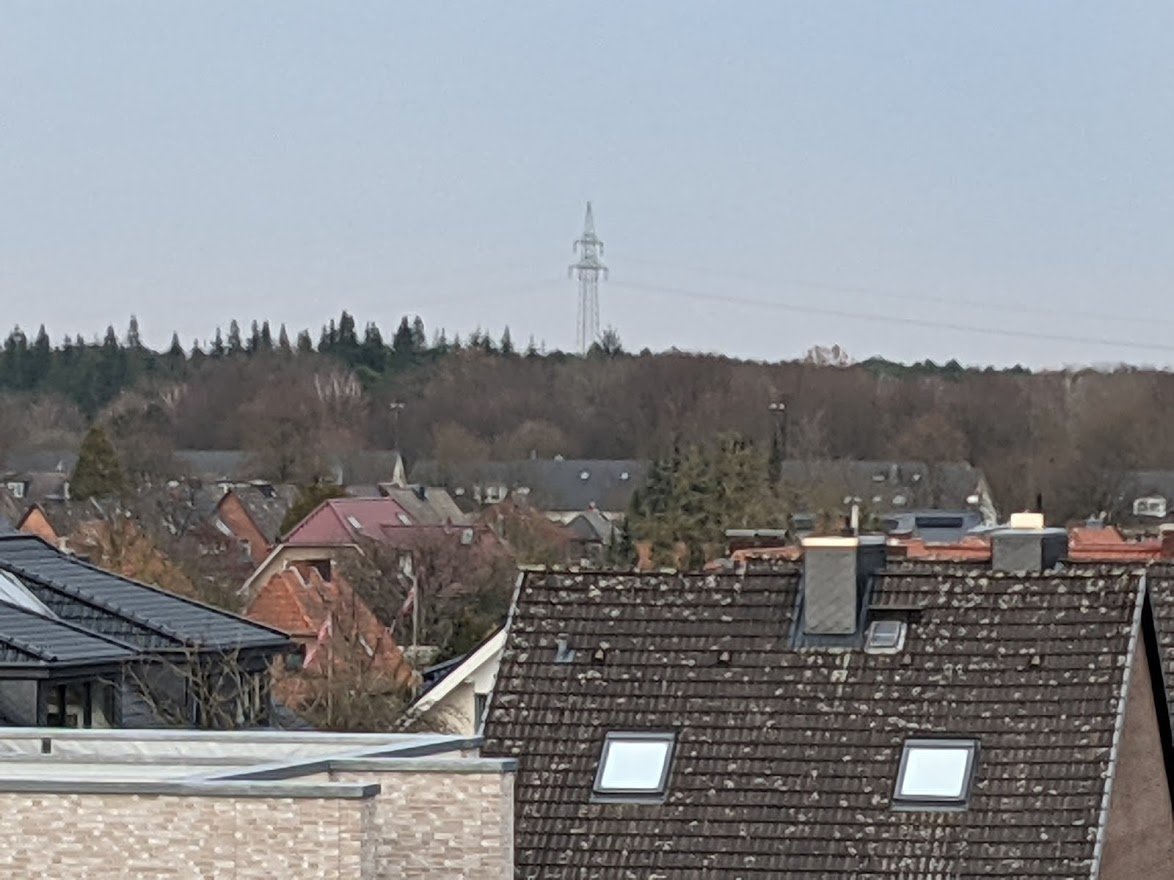
Unfortunately, the Pixel only manages 7x and the quality is a bit worse than the iPhone. (Image: TechnikNews)
Portrait shots
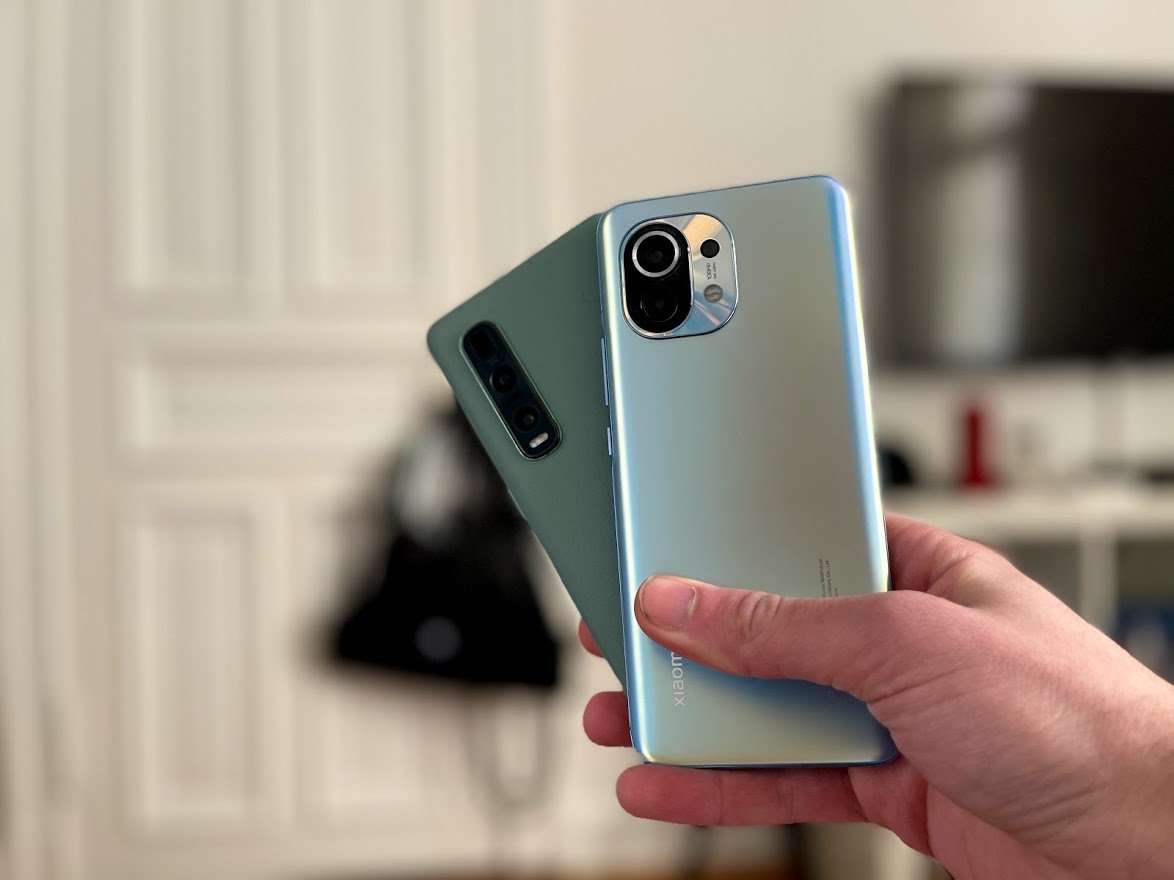
It continues with portraits. Google has been at the forefront here for years and the iPhone should also provide good photos due to the lidar technology.
Apple iPhone 12 Pro Max
-

- The iPhone has slight weaknesses here. (Image: TechnikNews)

-

- The colors look a little livelier and warmer. (Picture: TechnikNews)

-
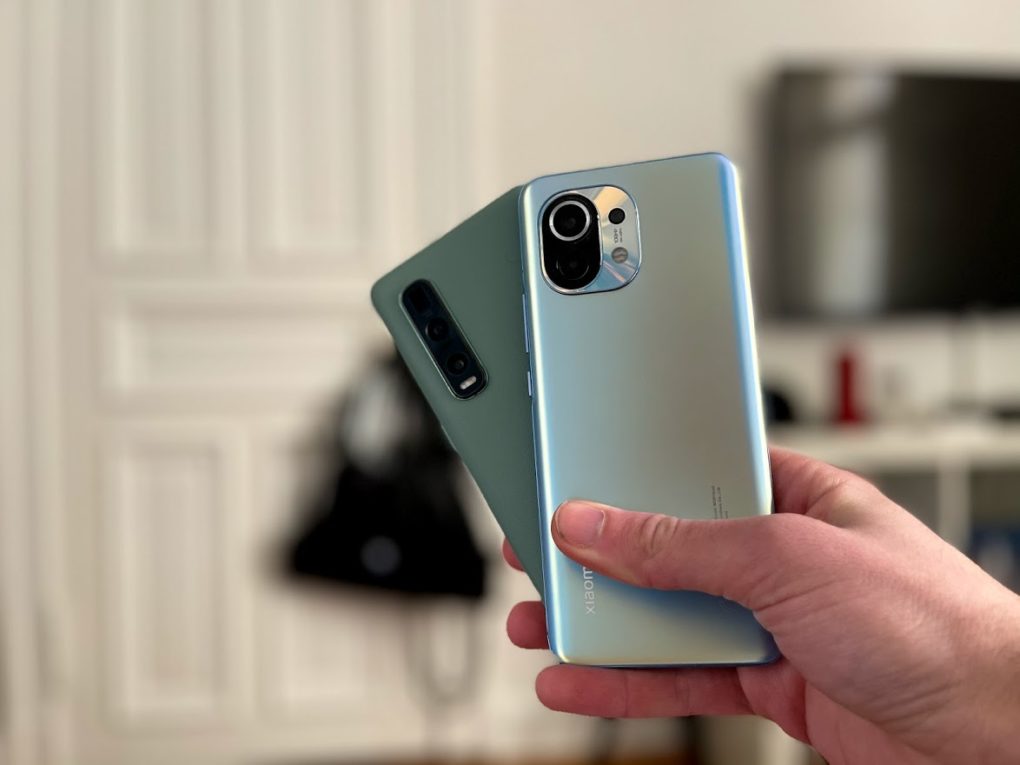
- The 65 mm focal length is very useful for portraits. (Picture: TechnikNews)
Google Pixel 5
-

- The edge detection of the pixel is arguably the best on the market. (Picture: TechnikNews)

-

- Animals are also nicely separated from the background. (Picture: TechnikNews)

-
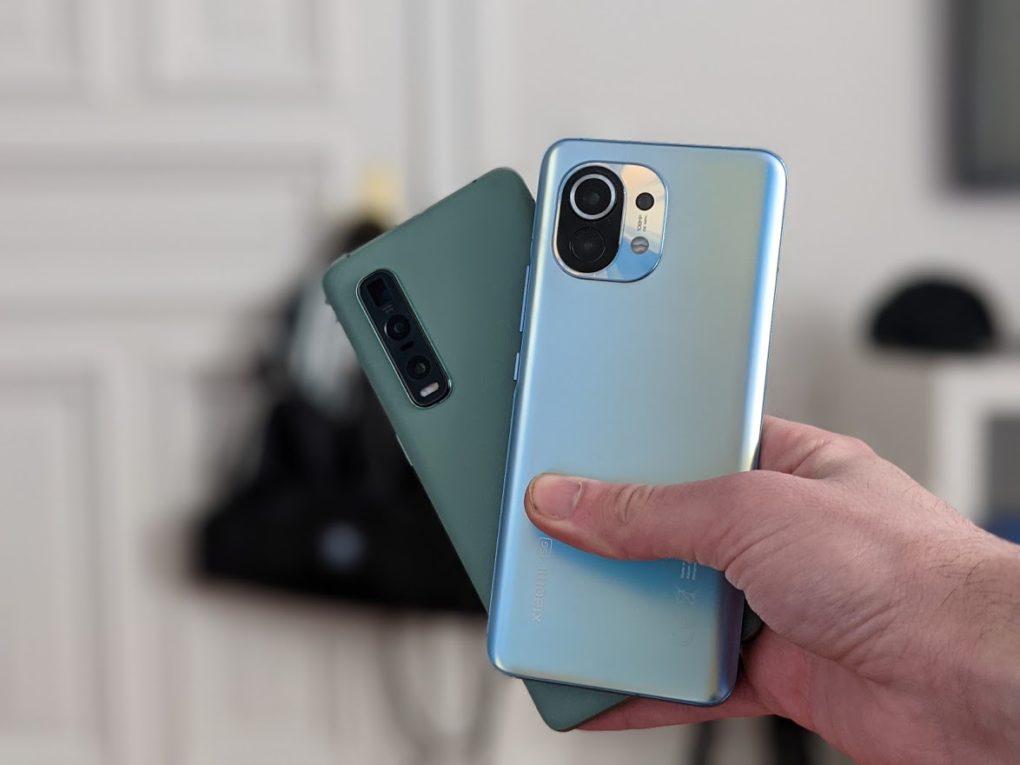
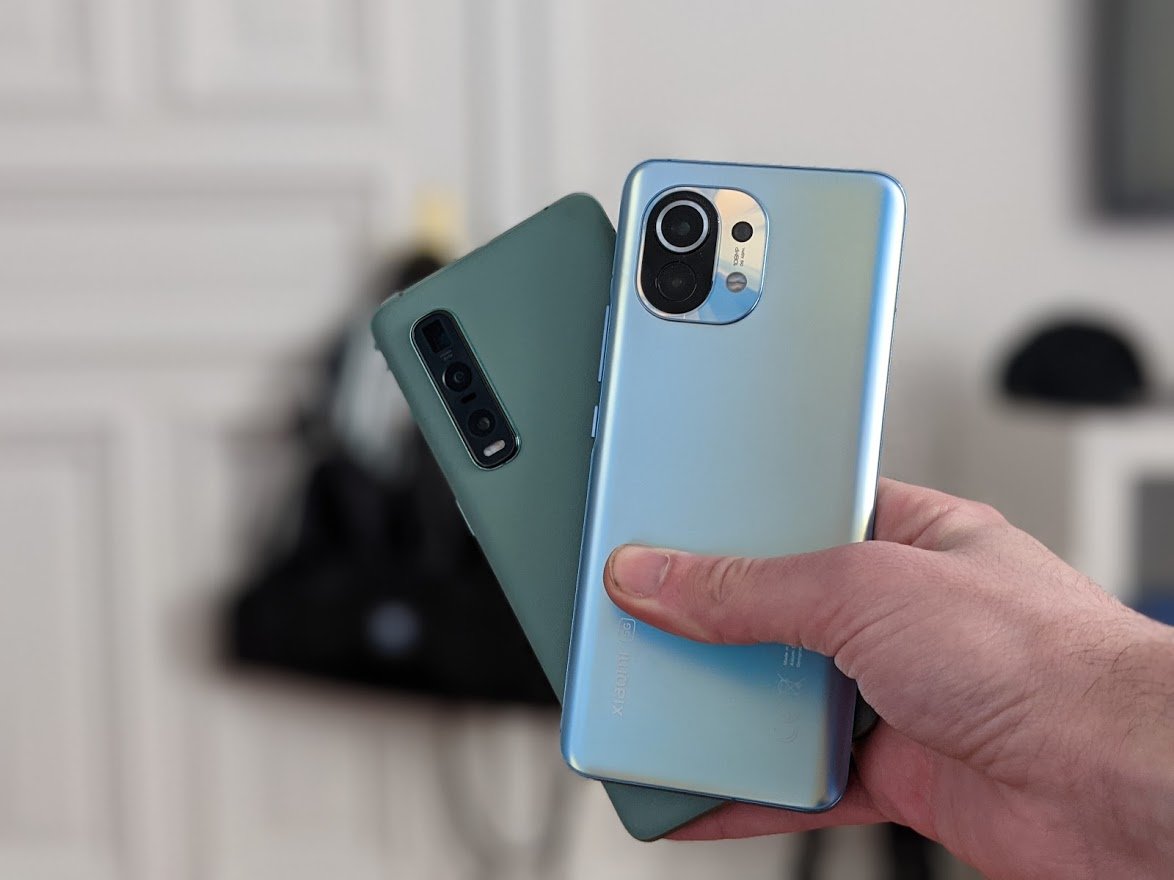
- Portrait image of an OPPO Find X2 Pro and Xiaomi Mi 11. (Image: TechnikNews)
Front camera
The only thing missing is the front camera during the day before we take a closer look at the lowlight performance of both smartphones.
Apple iPhone 12 Pro Max

Image from the front camera of the iPhone 12 Pro Max. (Image: TechnikNews)
Google Pixel 5

Front camera of the Google Pixel 5. (Image: TechnikNews)
Portrait shots with the front camera
Both smartphones can also take portraits with the front camera. Here, too, Google has been ahead of the game in recent years.
Apple iPhone 12 Pro Max

Portrait mode of the front camera of the iPhone 12 Pro Max. (Image: TechnikNews)
Google Pixel 5

The Pixel 5 also makes handsome portraits. (Image: TechnikNews)
Night pictures
Next, let's look at night pictures.
Wide angle camera
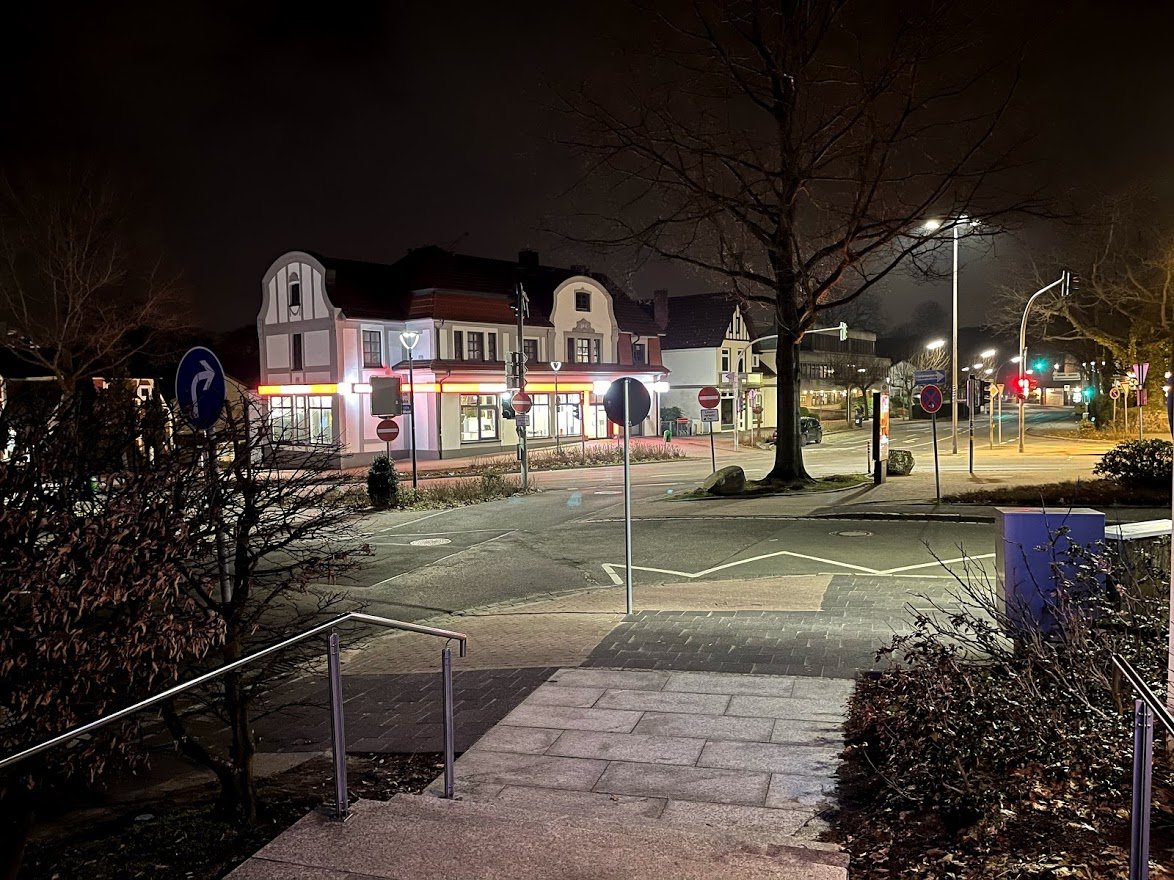
Let's start with the main camera, which of course delivers the best quality results with Lowlight.
Apple iPhone 12 Pro Max
-
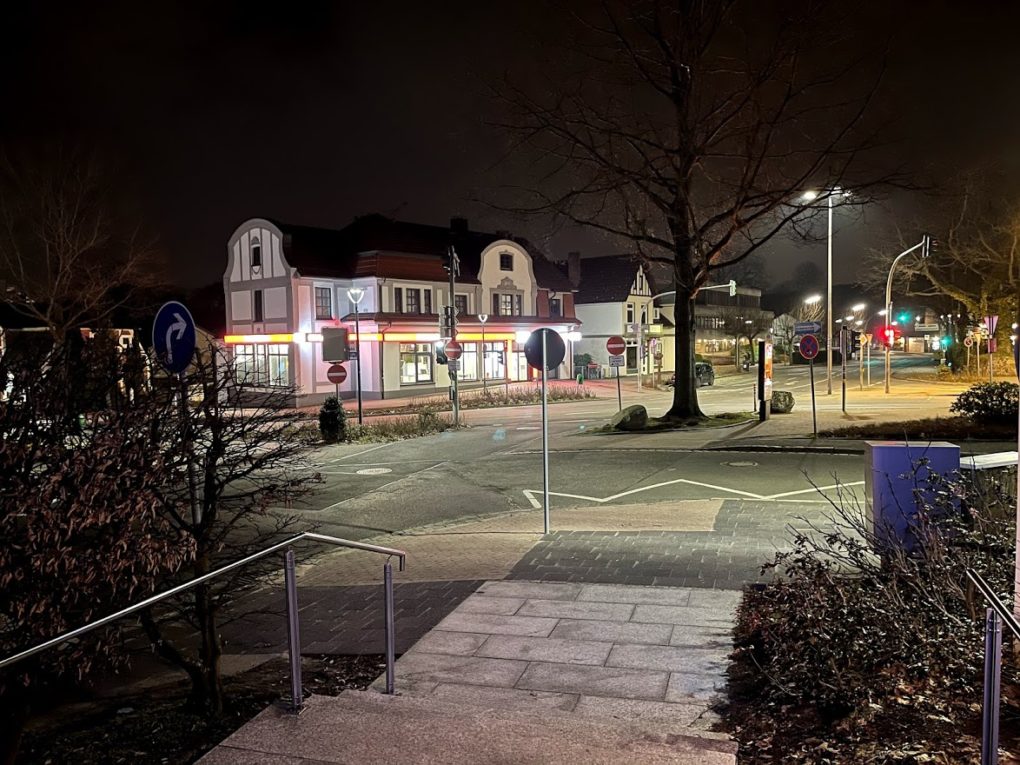
- Pictures at night can definitely convince. (Image: TechnikNews)
-
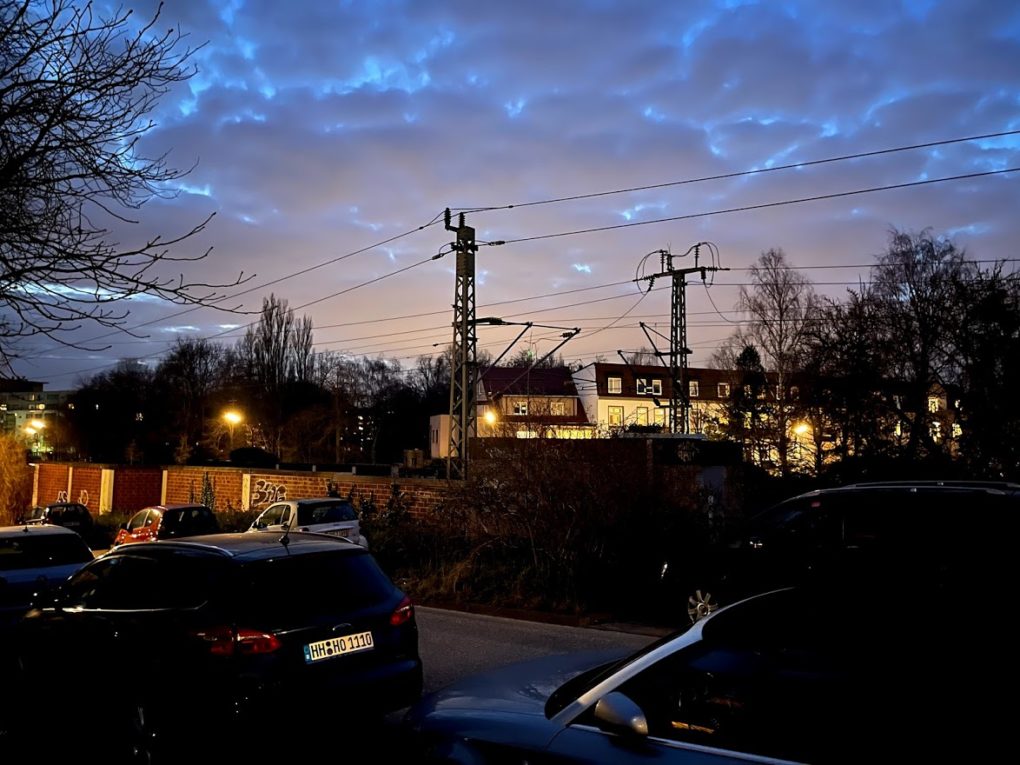
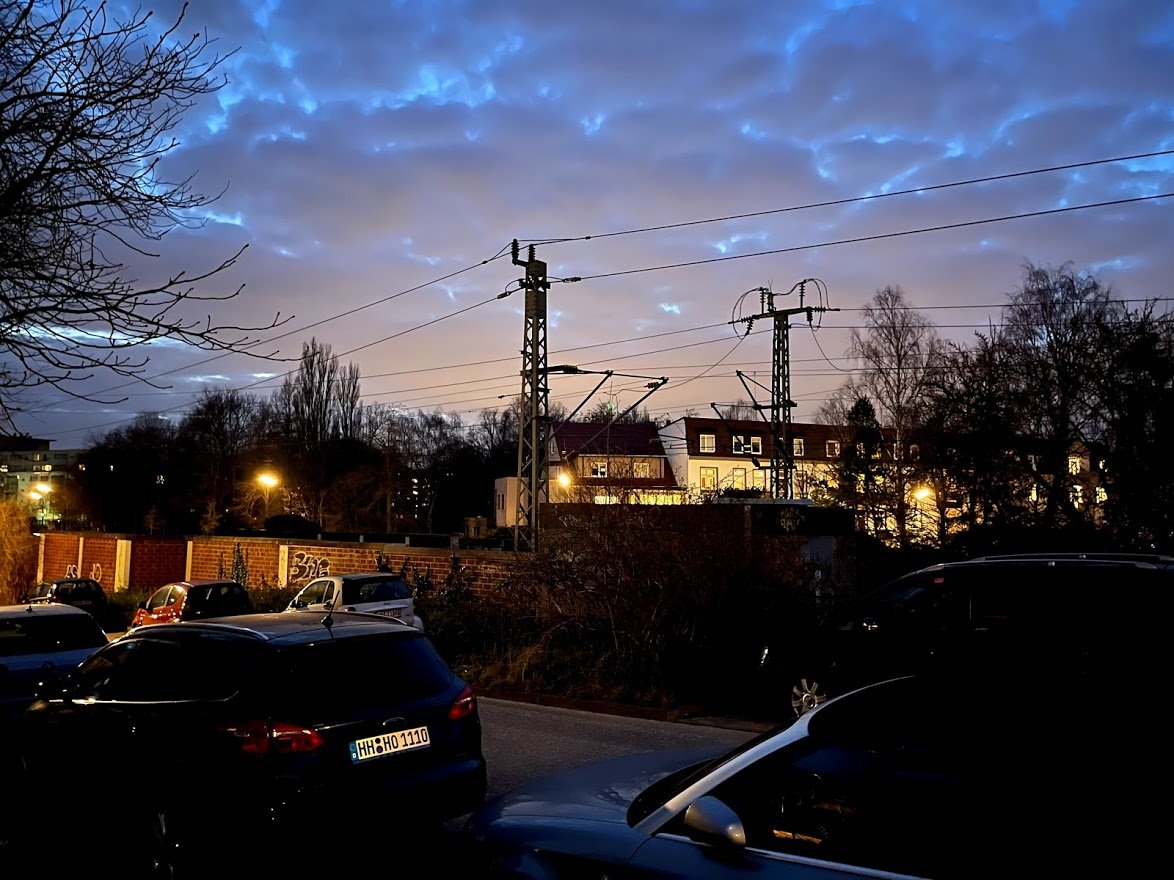
- The bright f / 1.6 aperture helps in low light. (Image: TechnikNews)
-
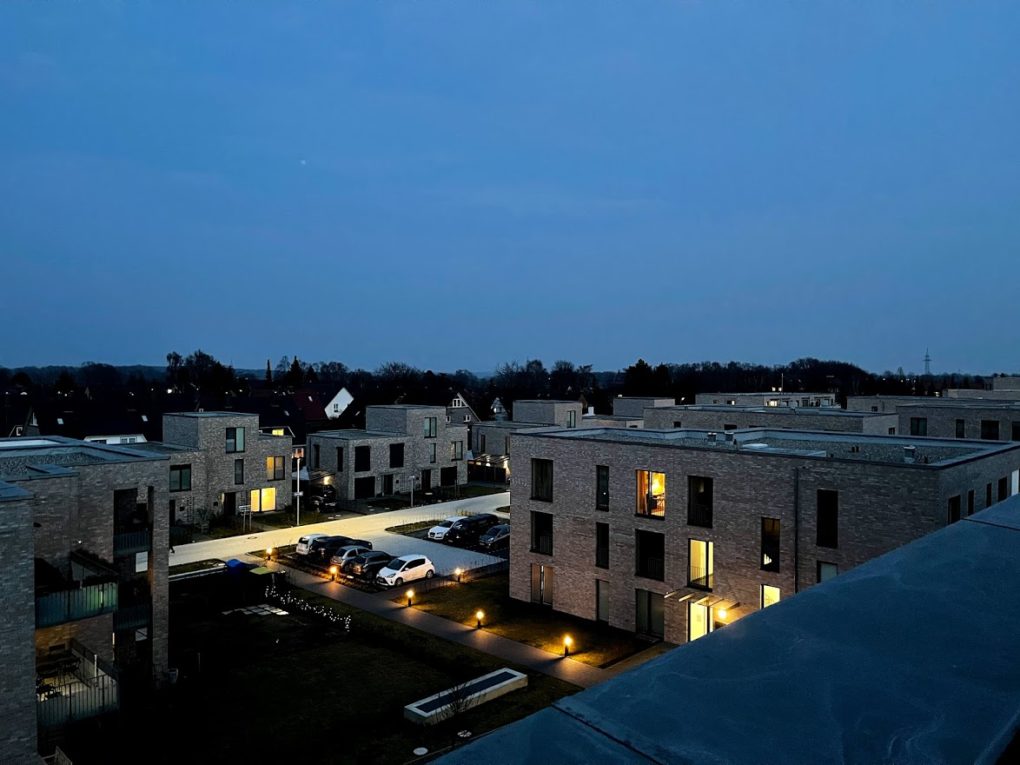
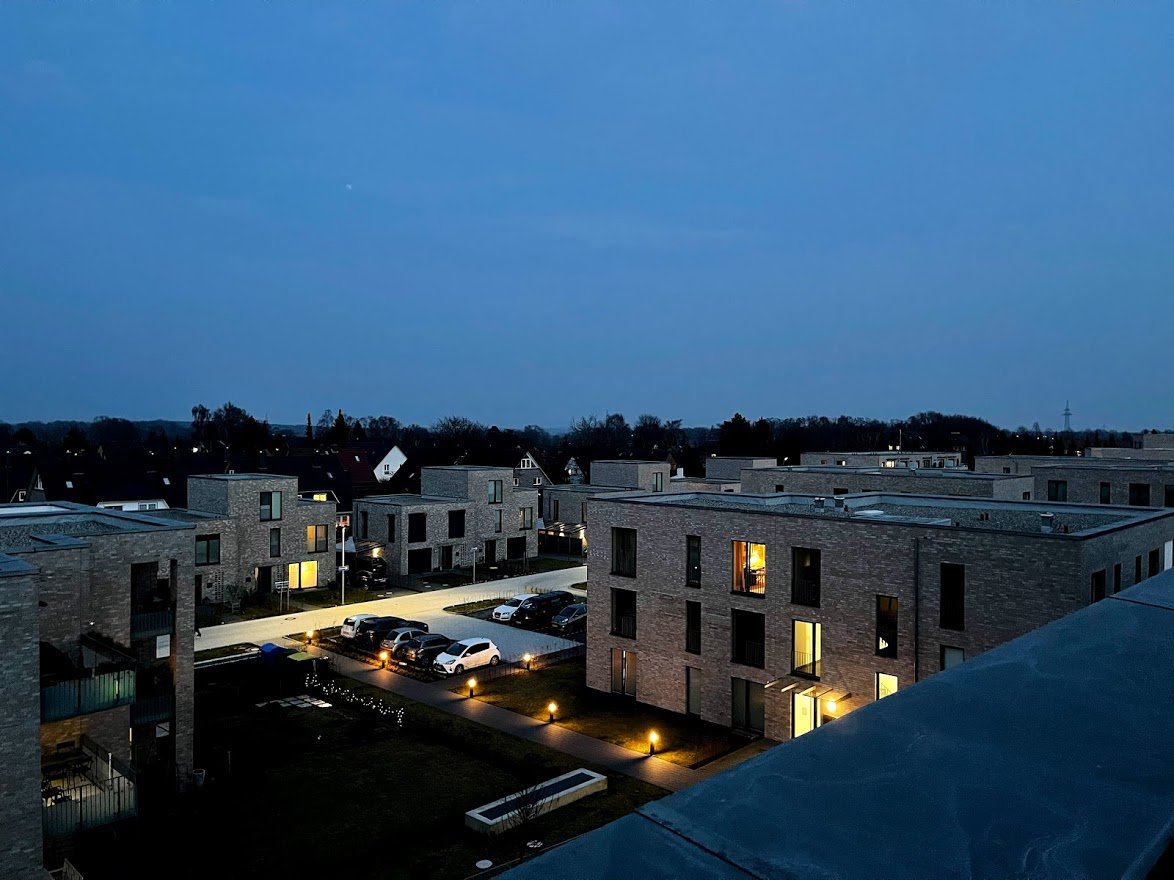
- The iPhone tries to represent the scene as realistically as possible. (Picture: TechnikNews)
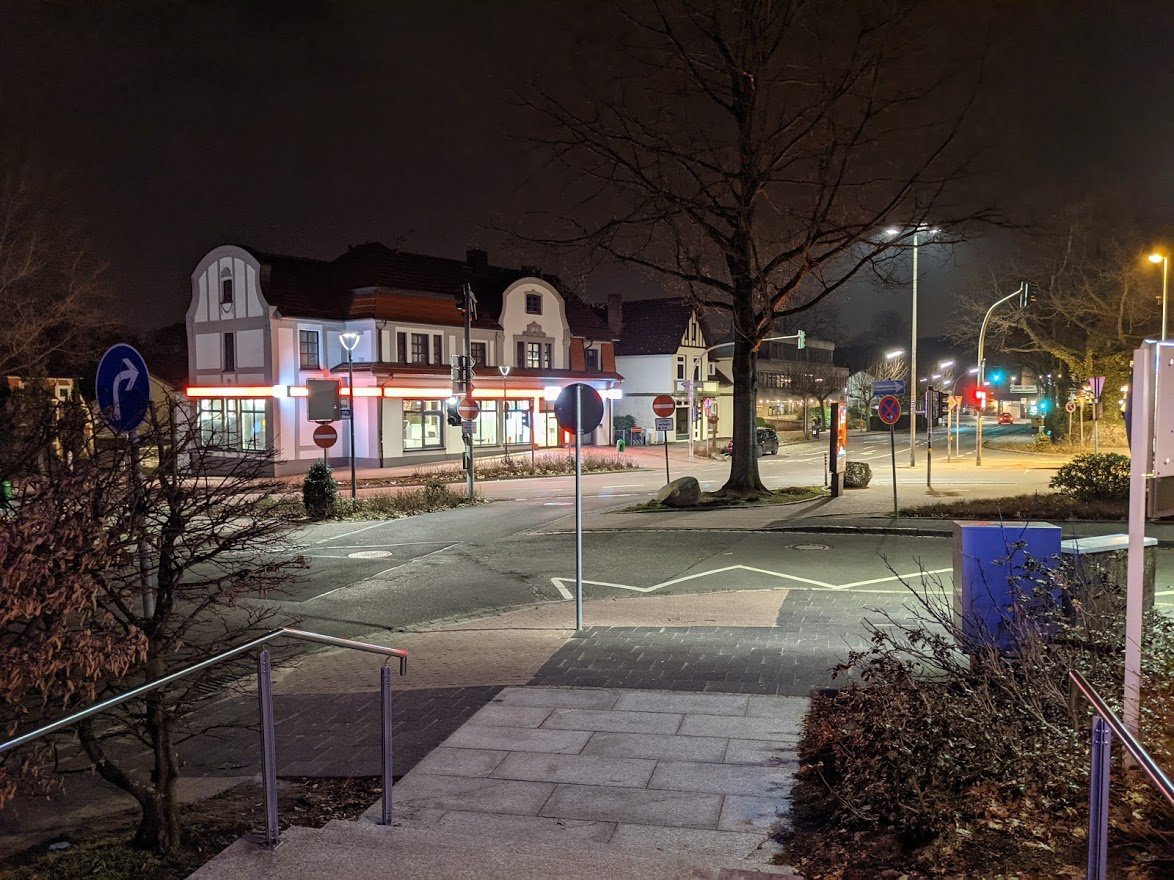
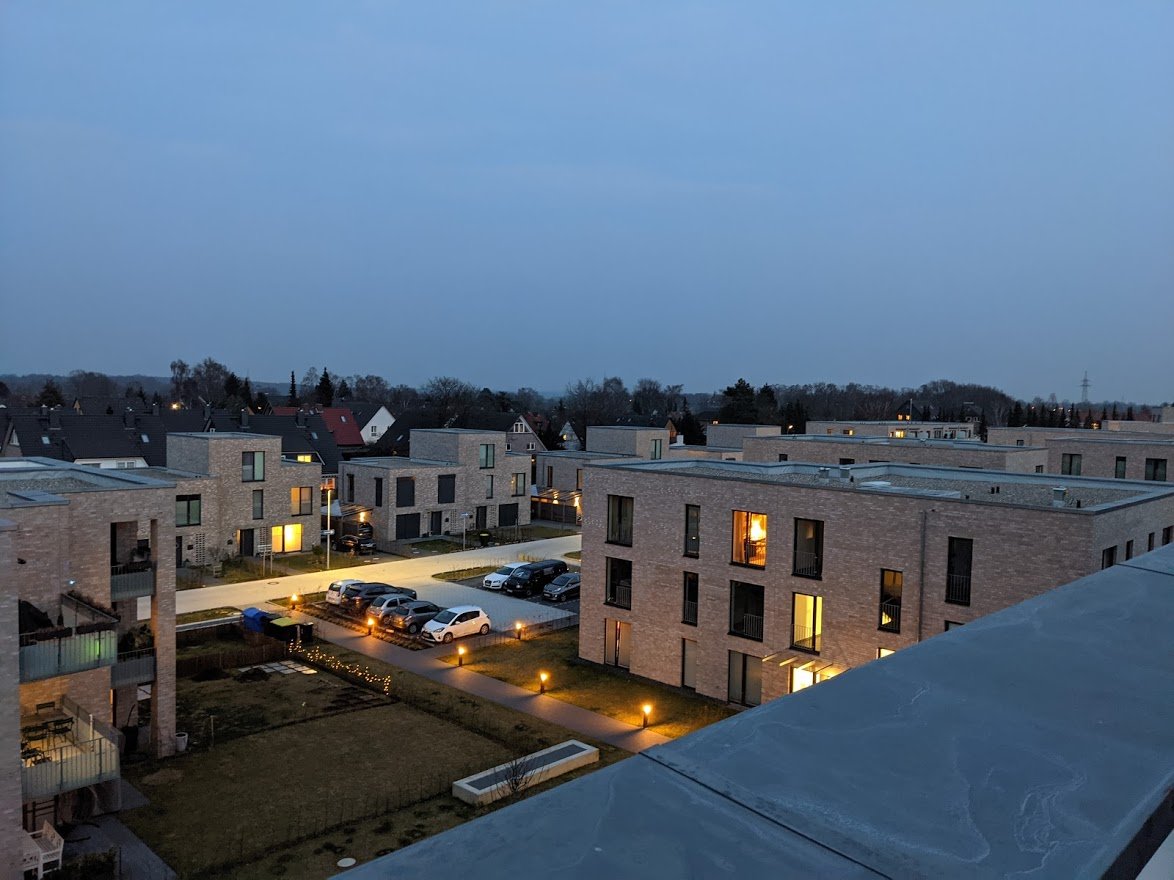
Google Pixel 5
-
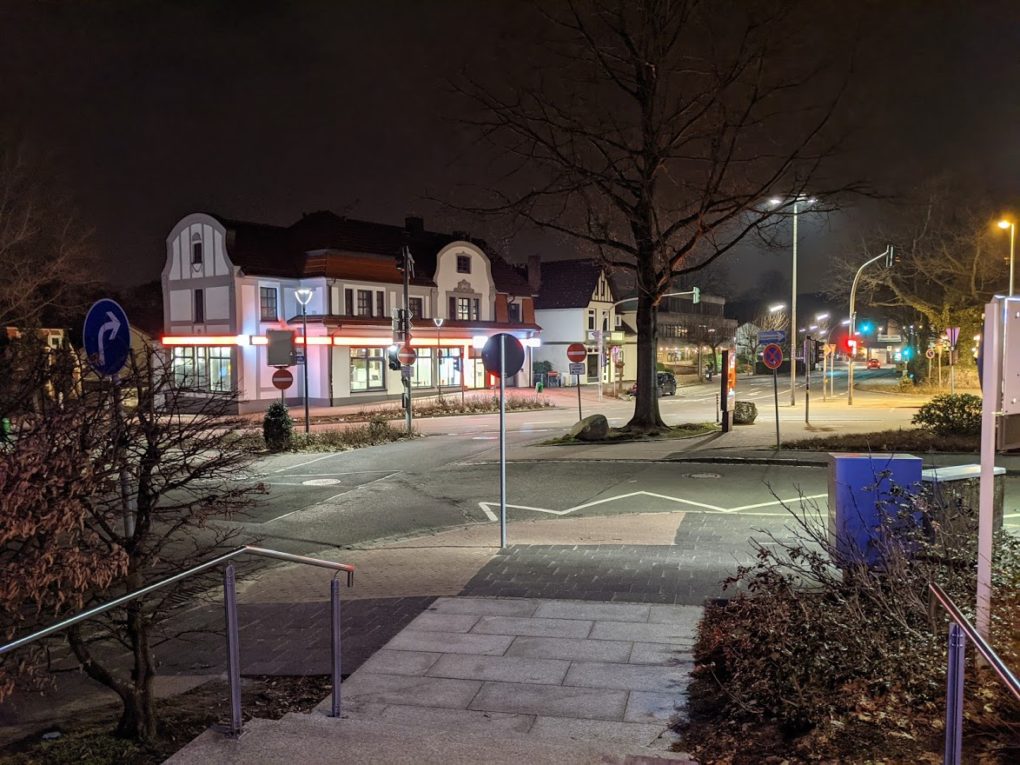
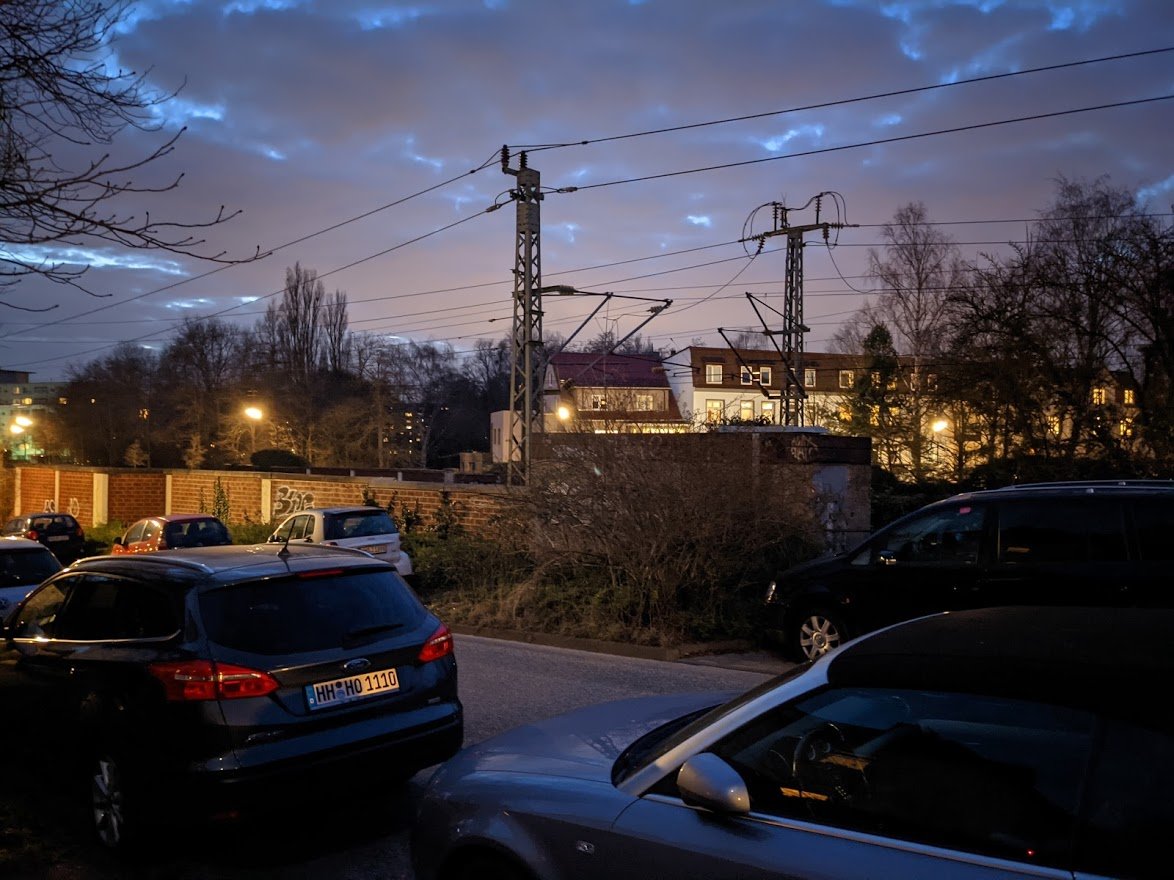
- The Pixel 5's low-light shots are also impressive. (Picture: TechnikNews)
-
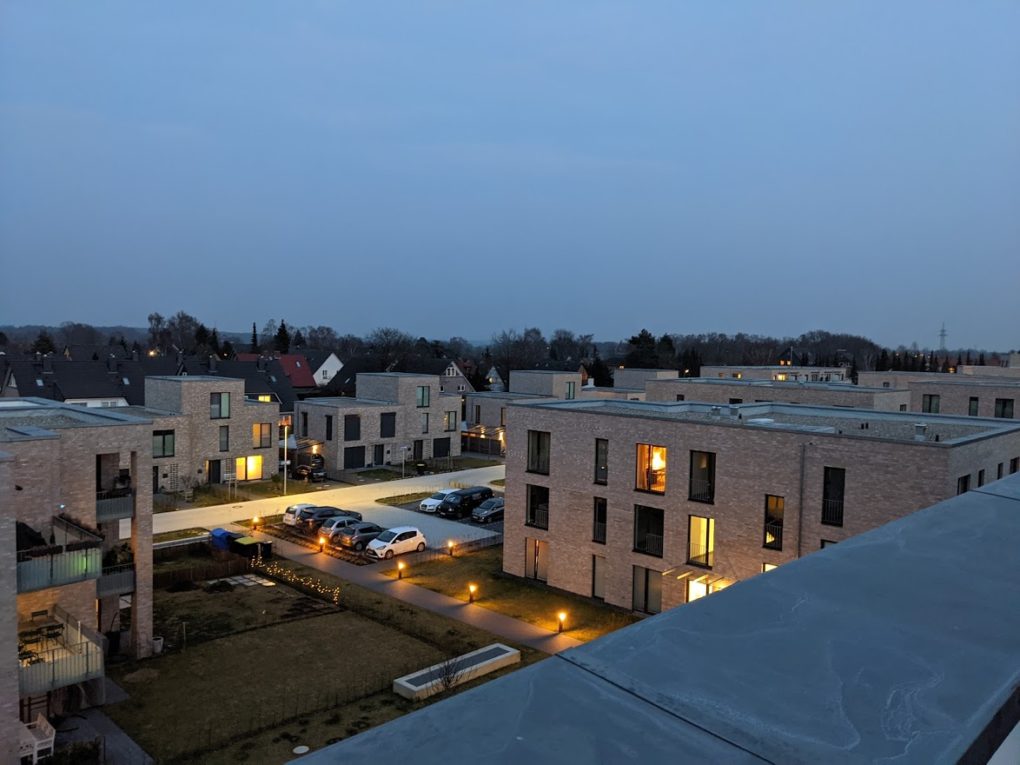
- The images are bright, which is why many areas are easy to see. (Picture: TechnikNews)
-
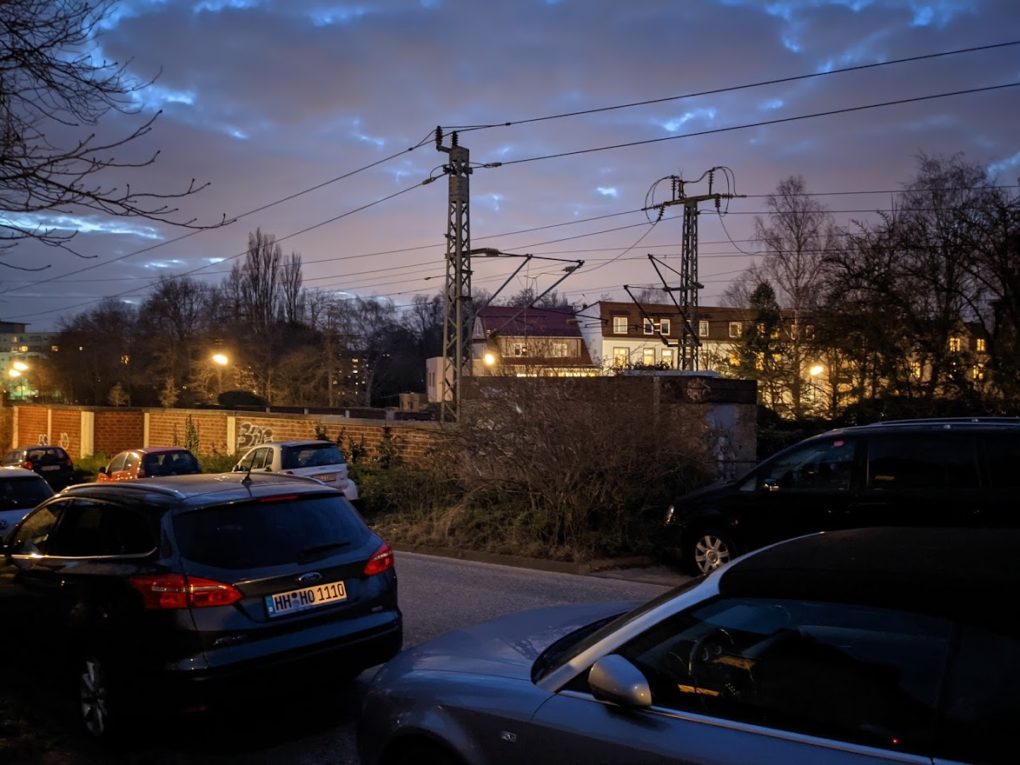
- The sensor of the Pixel 5 quickly reaches its limits. (Image: TechnikNews)
Ultra wide angle camera
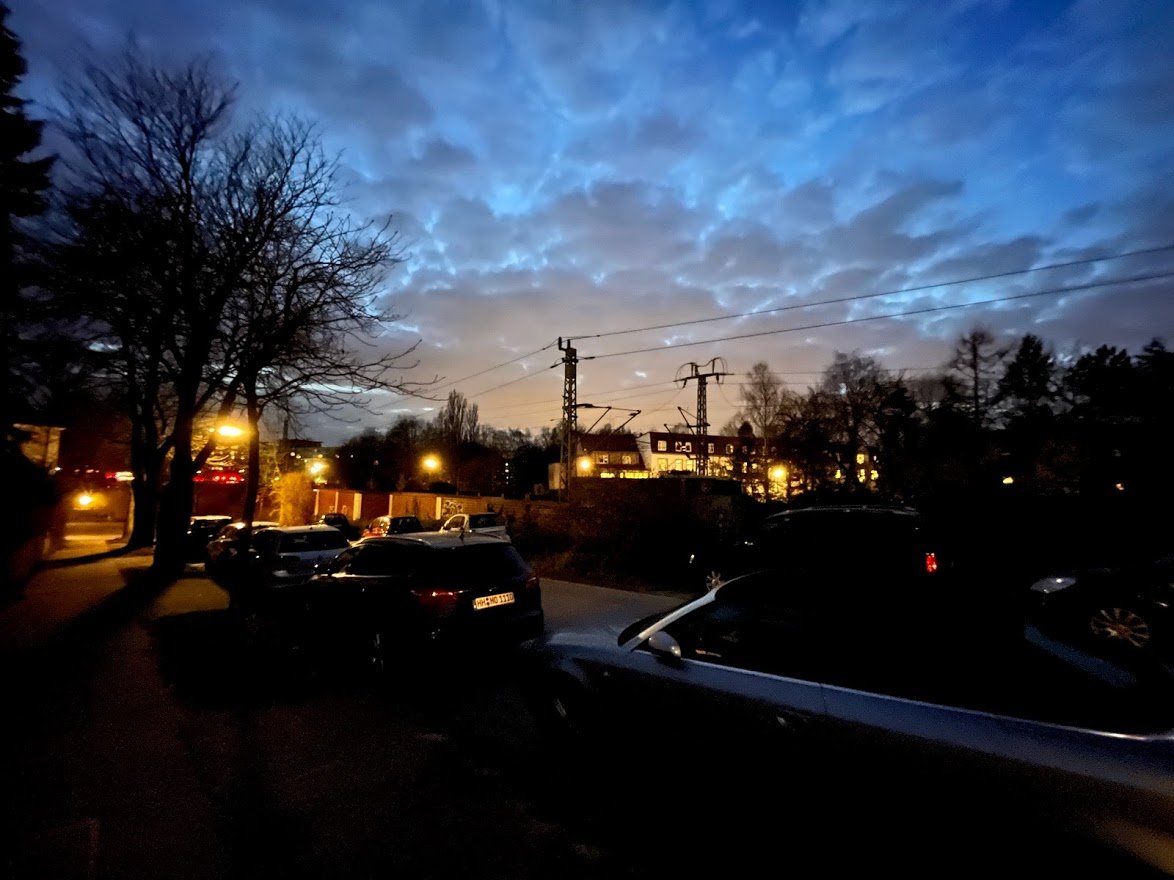
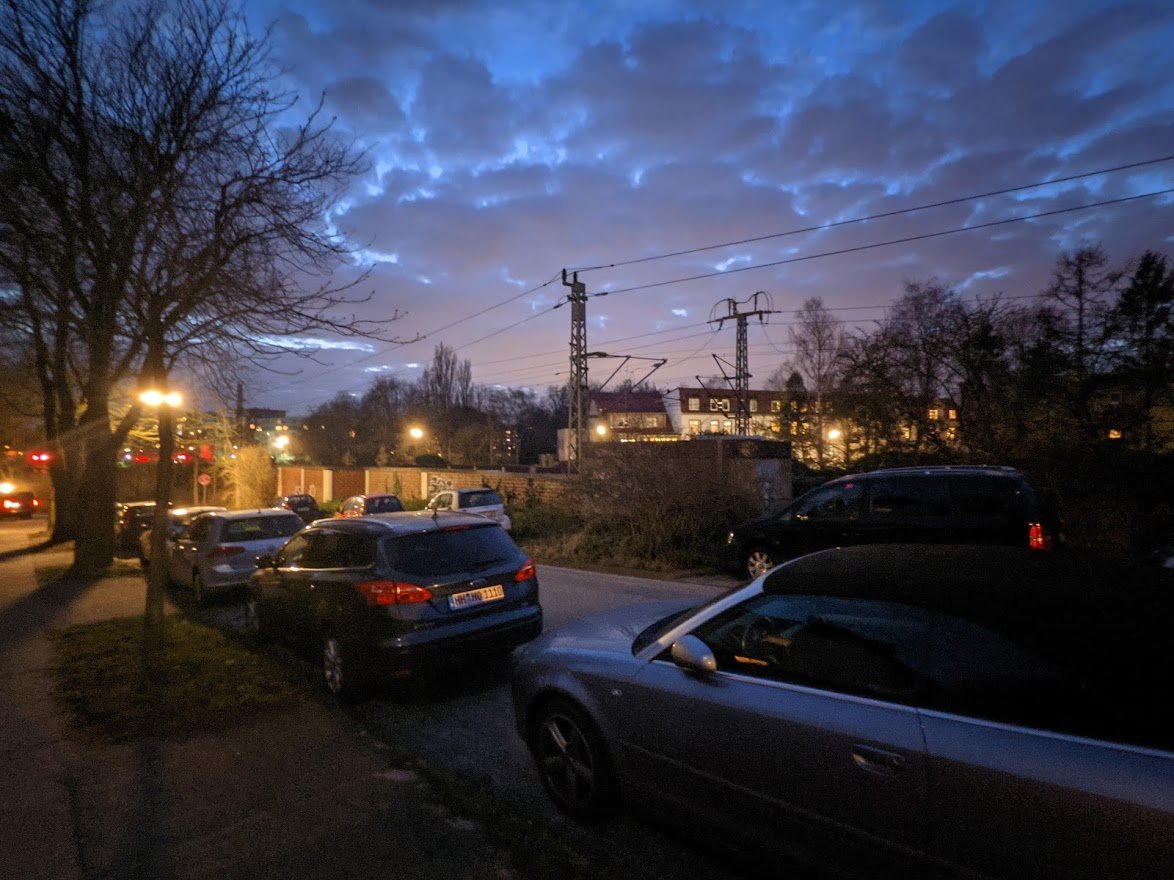
The ultra-wide-angle cameras take the visibly poorer pictures with Lowlight due to the small sensor size.
Apple iPhone 12 Pro Max
-
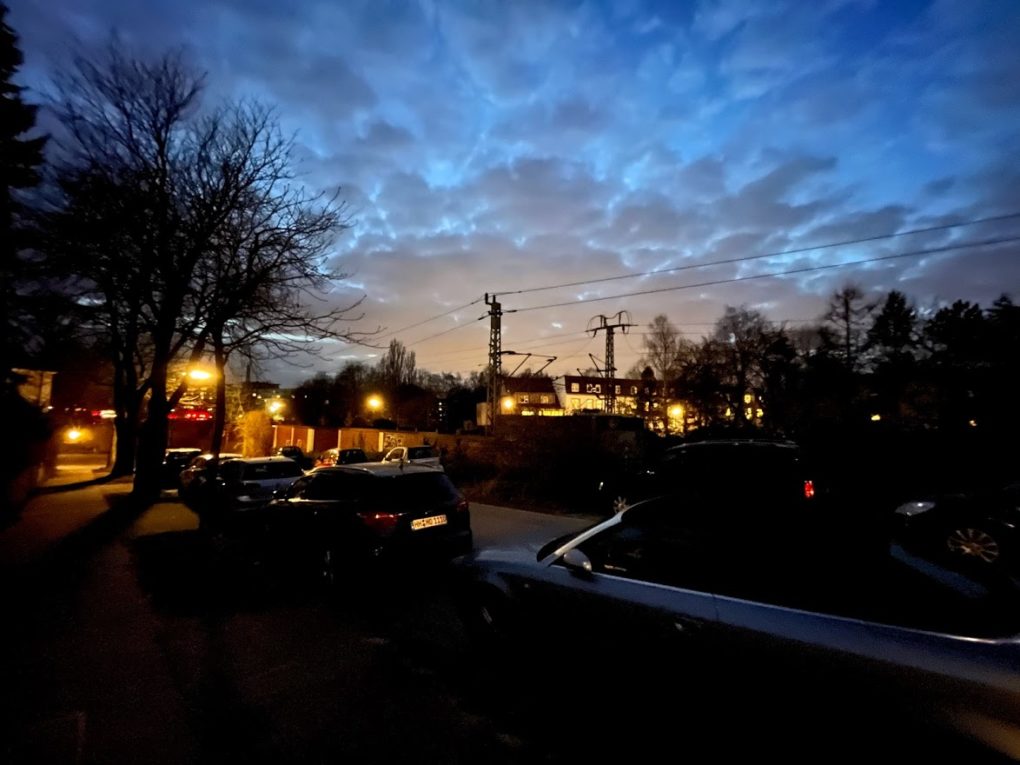
- The ultra-wide-angle camera on the iPhone wears off quickly in poor light. (Picture: TechnikNews)
-

- The iPhone 12 Pro Max also has a night mode for the ultra-wide angle. (Image: TechnikNews)

Google Pixel 5
-
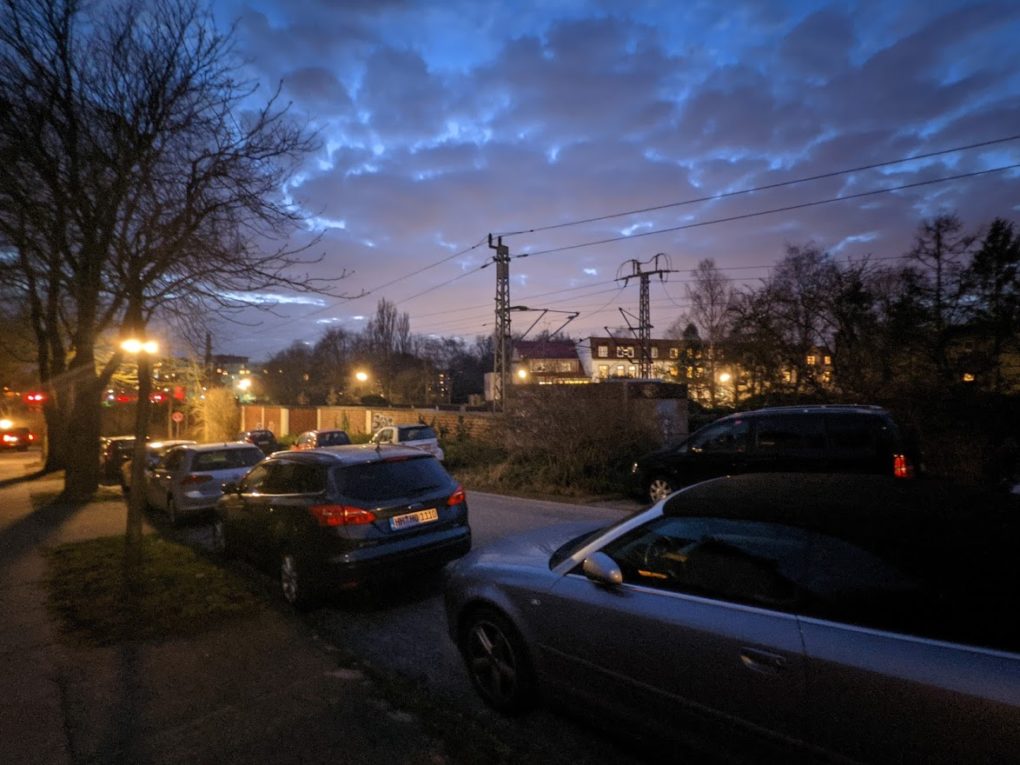
- Pictures are bright but noisy. (Picture: TechnikNews)
-

- The pictures of the pixel can really not be seen. (Image: TechnikNews)

Telecamera
The quality of the telecamera also deteriorates very quickly with lowlight.
Apple iPhone 12 Pro Max
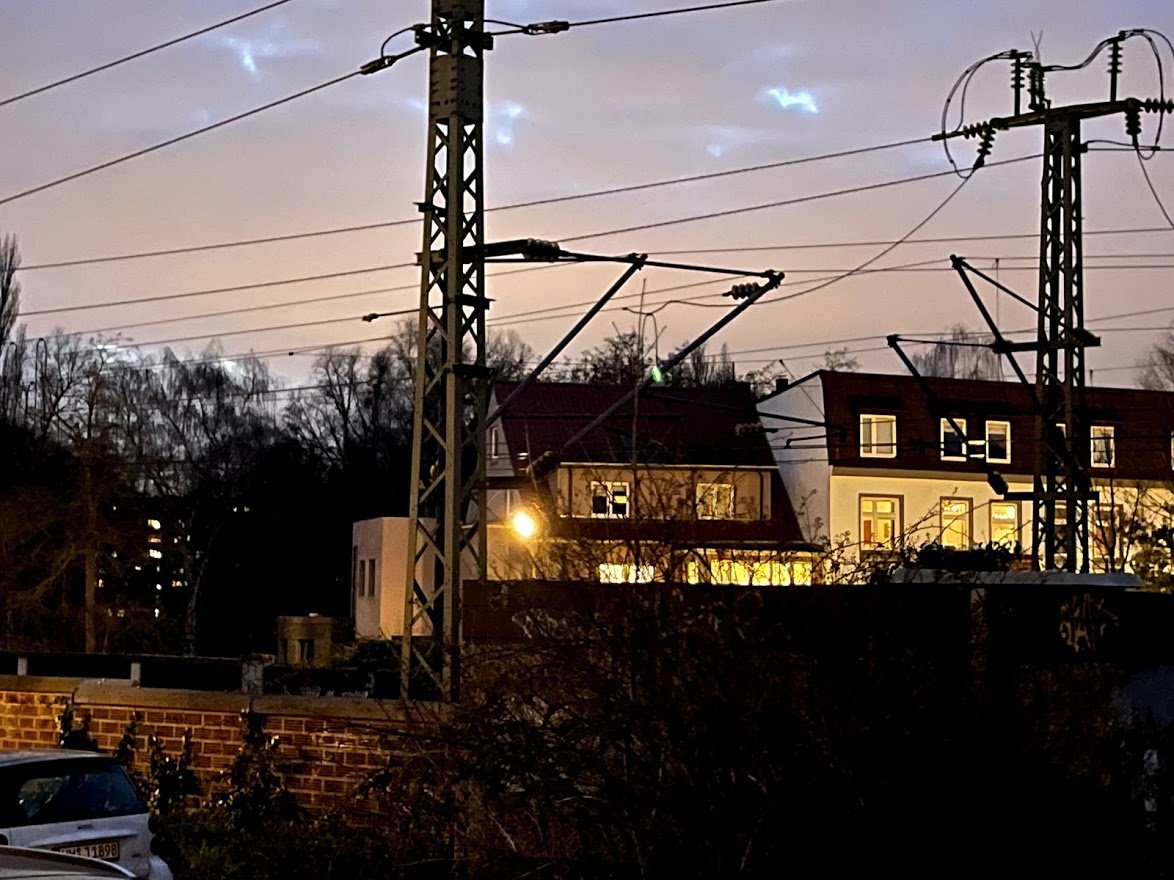
The lowlight zoom is no longer really useful. (Image: TechnikNews)
Google Pixel 5
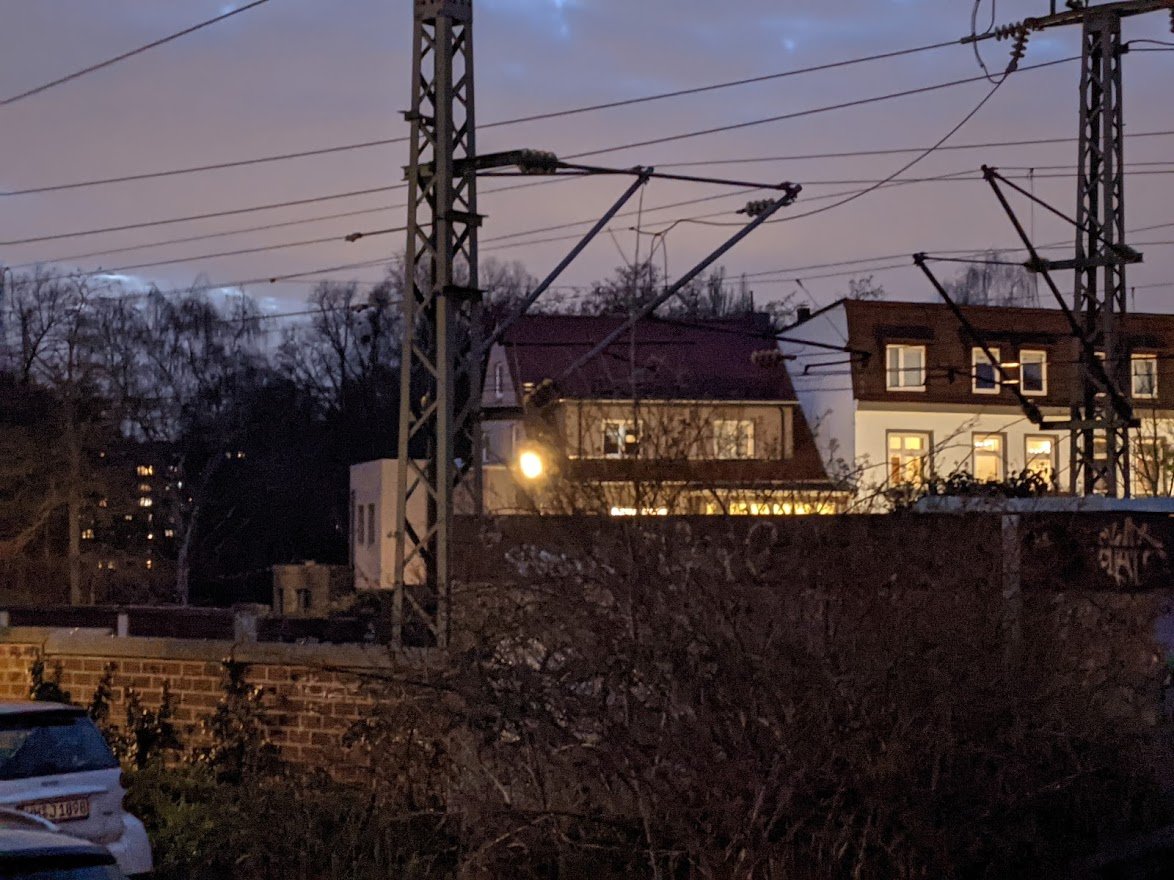
The lack of a telecamera means that digital zooming is also necessary at night. (Image: TechnikNews)
Front camera
Last but not least, we take another look at the front cameras and see if they can still be reasonably convincing in low light.
Apple iPhone 12 Pro Max

With Lowlight, the quality of the front camera deteriorates quickly. (Image: TechnikNews)
Google Pixel 5

Night mode of the front camera of the Google Pixel 5. (Image: TechnikNews)
Conclusion
Well, what can I say? As you can see, I didn't write too much about the pictures because I want you to decide for yourself which pictures appeal to you more. For example, which colors do you like better? Sure, the pictures are different, but I have to be honest and say that in my opinion the difference between the two devices does not reflect the high price premium of the iPhone 12 Pro Max. The iPhone takes excellent pictures without question, but if you're looking for a good camera, you don't have to spend 1.000 euros or more. However, you should be aware that the cameras in the more expensive smartphones are usually better. This is where the wheat is separated from the chaff, as the saying goes.
Top. I was looking for just such an article and made my choice for the Pixel 5. More please!
That's nice to hear. Have fun with the Pixel 5 🙂