
Camera comparison: iPhone 14 Pro vs. Vivo X80 Pro
A TEST REPORT from Fabian Menzel  on October 31, 2022, 8:00 am | 2 comments
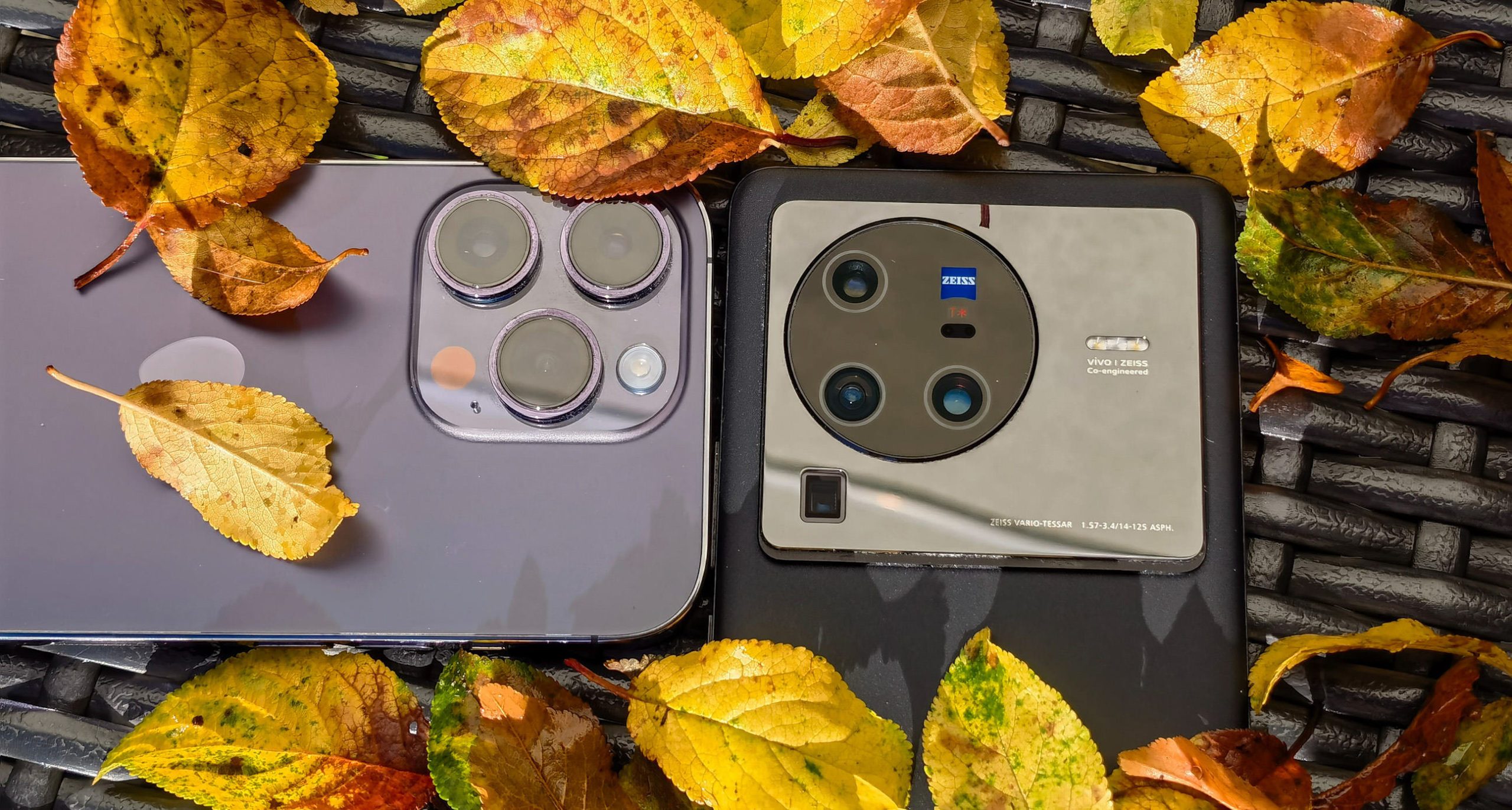
Did you know that Apple used 12 megapixels as the resolution for the main camera of the iPhones for seven years? From year to year, the sensors got bigger and the aperture got brighter, but Apple always stayed true to itself when it came to resolution. This year, however, there was an innovation in terms of resolution with the iPhone 14 Pro.
The main sensor now has a resolution of 48 megapixels, which is four times as much as the iPhone 13 Pro This naturally raises expectations, but is the new camera really that good? To answer this question, we will compare the iPhone 14 Pro in a detailed camera comparison with the Vivo X80 Pro – which for some testers is the number 1 in smartphone photography.
Camera data of the iPhone 14 Pro
Apple has installed a triple camera on the back, which is also supported by a LIDAR sensor. On paper, the main camera has received a major update compared to last year. It now has a resolution of 48 megapixels and, at 1/1.28 inches, is significantly larger than the 13 Pro.
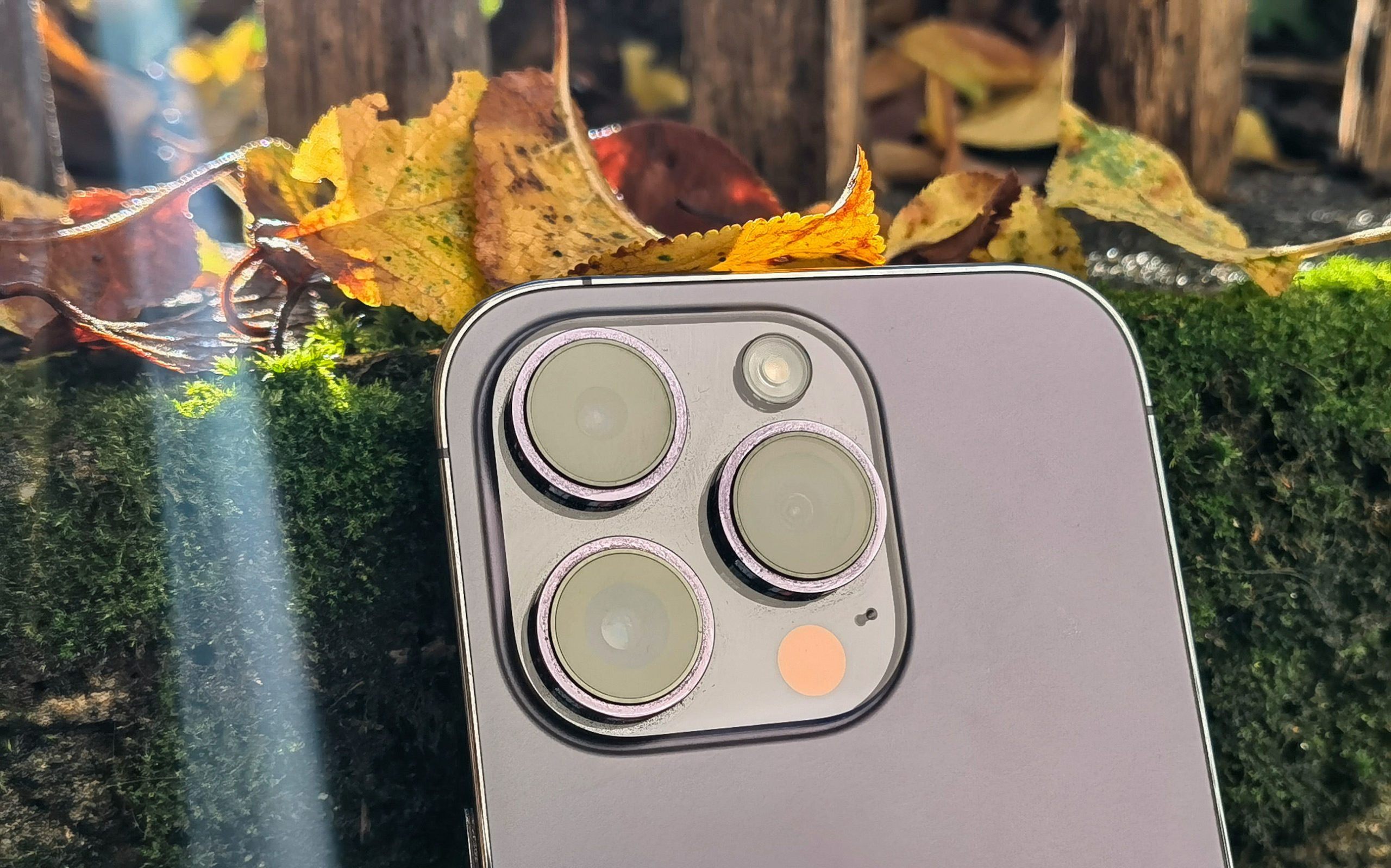
The triple camera of the iPhone 14 Pro. (Image: TechnikNews)
There is also an ultra-wide-angle camera with a resolution of 12 megapixels and a sensor size of 1/2.55 inches. The third camera is a 12 megapixel telephoto camera with 3x optical magnification. Digital can be zoomed up to 15x.
Camera data of the Vivo X80 Pro
The Vivo X80 Pro even has a quad camera, which was developed in collaboration with Zeiss. The main camera is a 50 megapixel sensor with a fast aperture of f/1.57. At 1/1.3 inches, it is quite large, which together with the fast aperture gives hope for good shots in low light. There is also a 48 megapixel ultra-wide-angle camera, which is significantly larger than the iPhone 14 Pro.
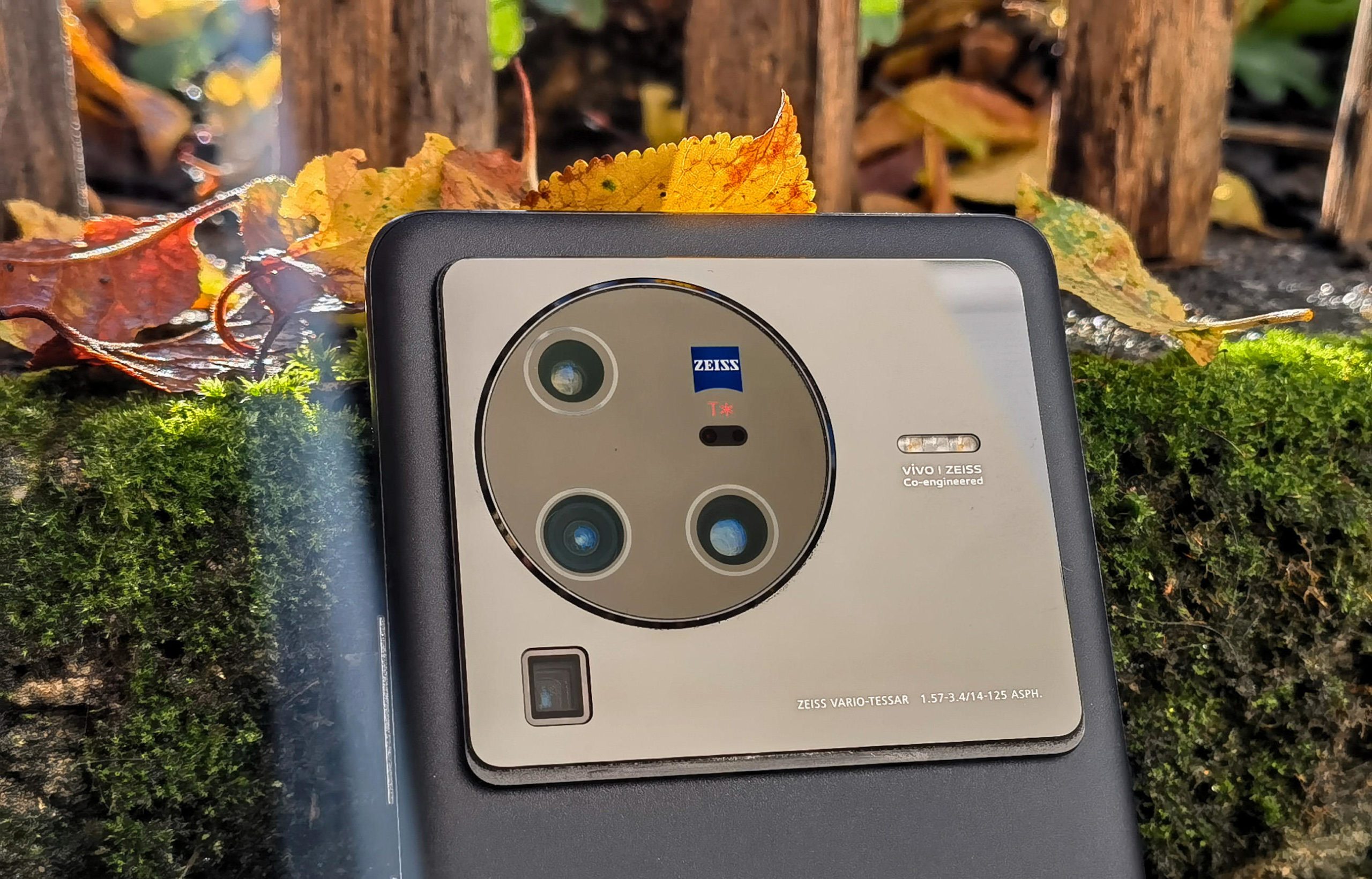
The quad camera of the Vivo X80 Pro. (Image: TechnikNews)
The Chinese manufacturer also installs two zoom cameras with different focal lengths. The first of the two has a resolution of 12 megapixels and enables a 2x optical zoom. It also comes with gimbal stabilization, which is particularly advantageous for videos. The second lens is an 8 megapixel periscope sensor that enables a 5x optical zoom. Digital can be zoomed up to 60x.
Camera data of both smartphones at a glance
| iPhone 14 Pro | Vivo X80 Pro |
| 48 MP wide-angle camera -IMX 803 -1/1.28 inch -f / 1.8 -OIS | 50 MP wide-angle camera -Samsung GN5 -1/1.3 inch -f / 1.57 -OIS |
| 12 MP ultra wide angle camera -IMX 633 -1/2.55 inch -f / 2.2 -13mm | 48 MP ultra wide angle camera -IMX 598 -1/2 inch -f / 2.2 -14mm |
| 12 MP telephoto camera -IMX 714 -1/3.5 inch -f / 2.8 -77mm (triple) | 12 MP telephoto camera -IMX 663 -1/2.93 inch -f / 1.85 -50mm (triple) -Gimbal stabilization |
| LIDAR scanner -IMX 590 | 8 MP periscope camera -(unfortunately unknown sensor) -(Unfortunately unknown size) -f / 3.4 -125mm (triple) |
The following link will take you to all of the following images in their original resolution.
Original – Camera comparison iPhone 14 Pro vs. Vivo X80 Pro
Important notes: The following camera comparison only deals with photos without filters, additional settings and activated AI. The ratings are based on the original recordings (see above). Please be sure to compare the original photos so that you can decide for yourself which smartphone takes the better photos. Videos and selfies are not included in this camera comparison.
main camera
-
- Picture: TechnikNews
-

- Picture: TechnikNews

-
- Picture: TechnikNews
-

- Picture: TechnikNews

-
- Picture: TechnikNews
-
- Picture: TechnikNews
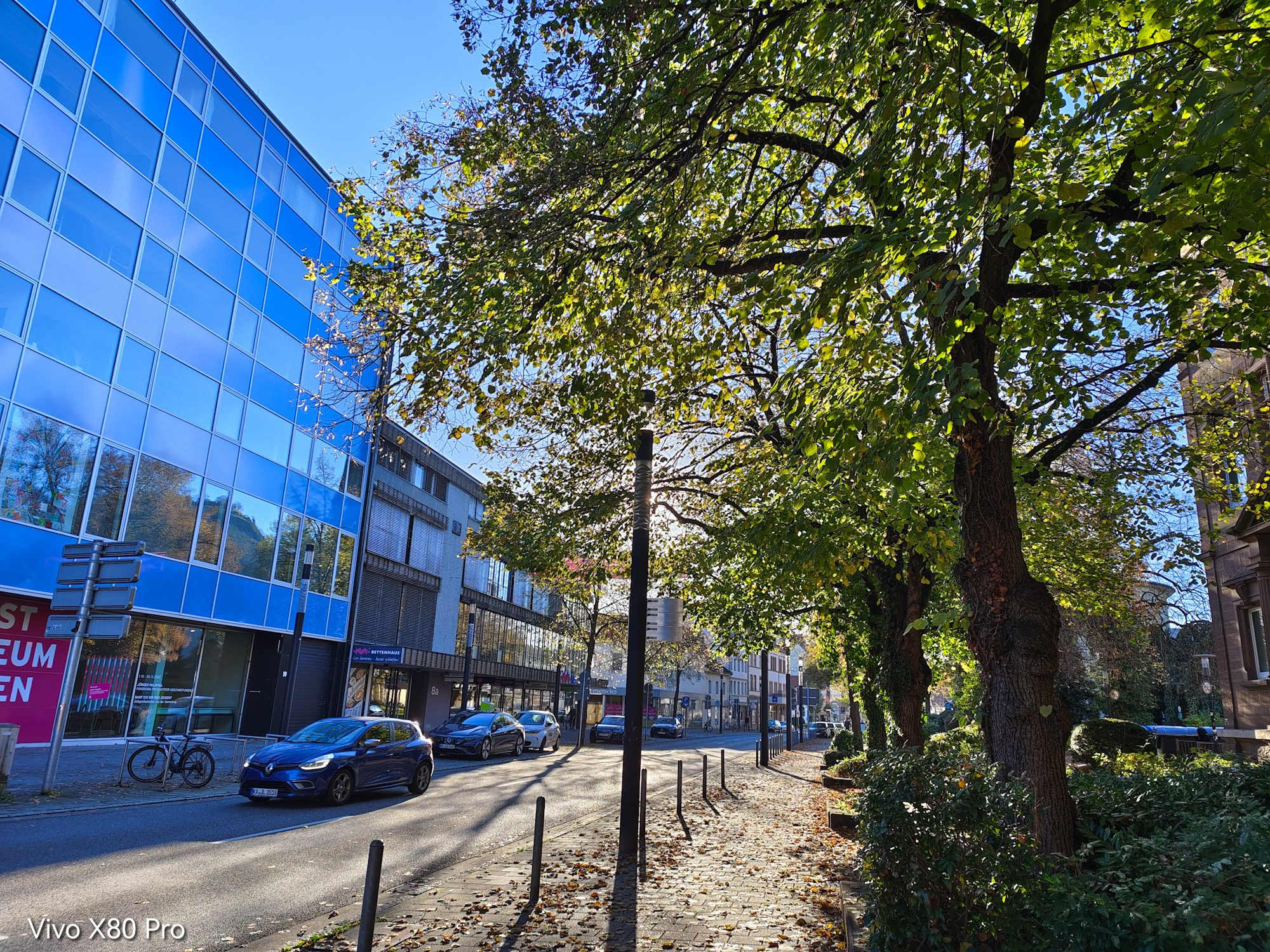
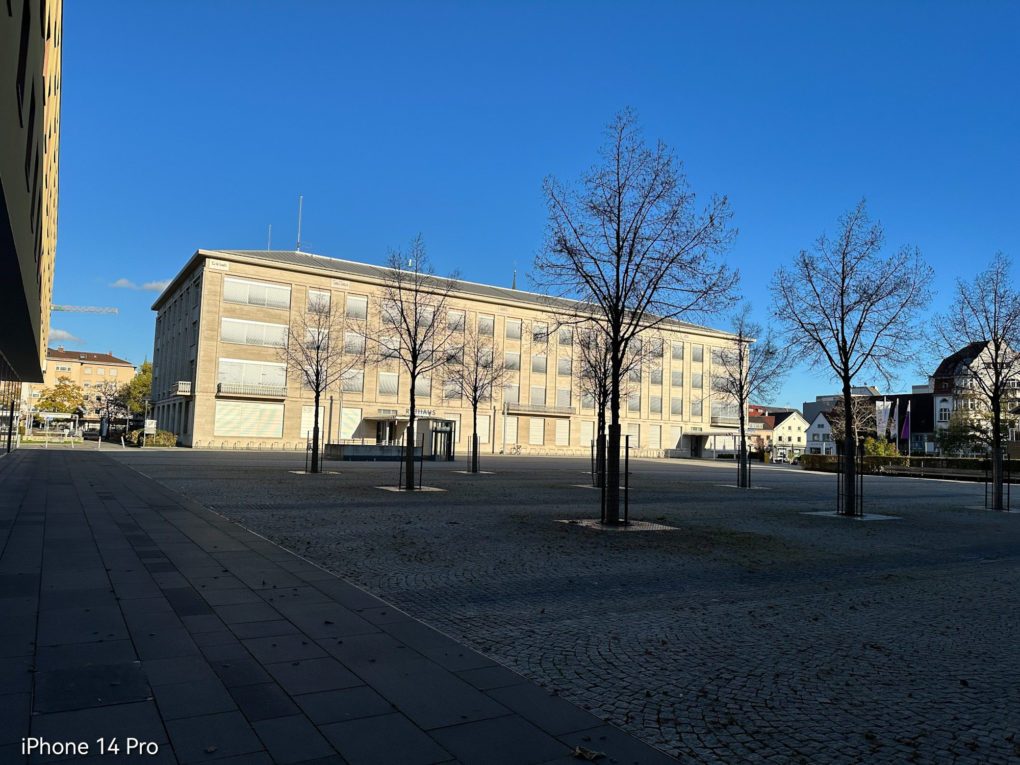
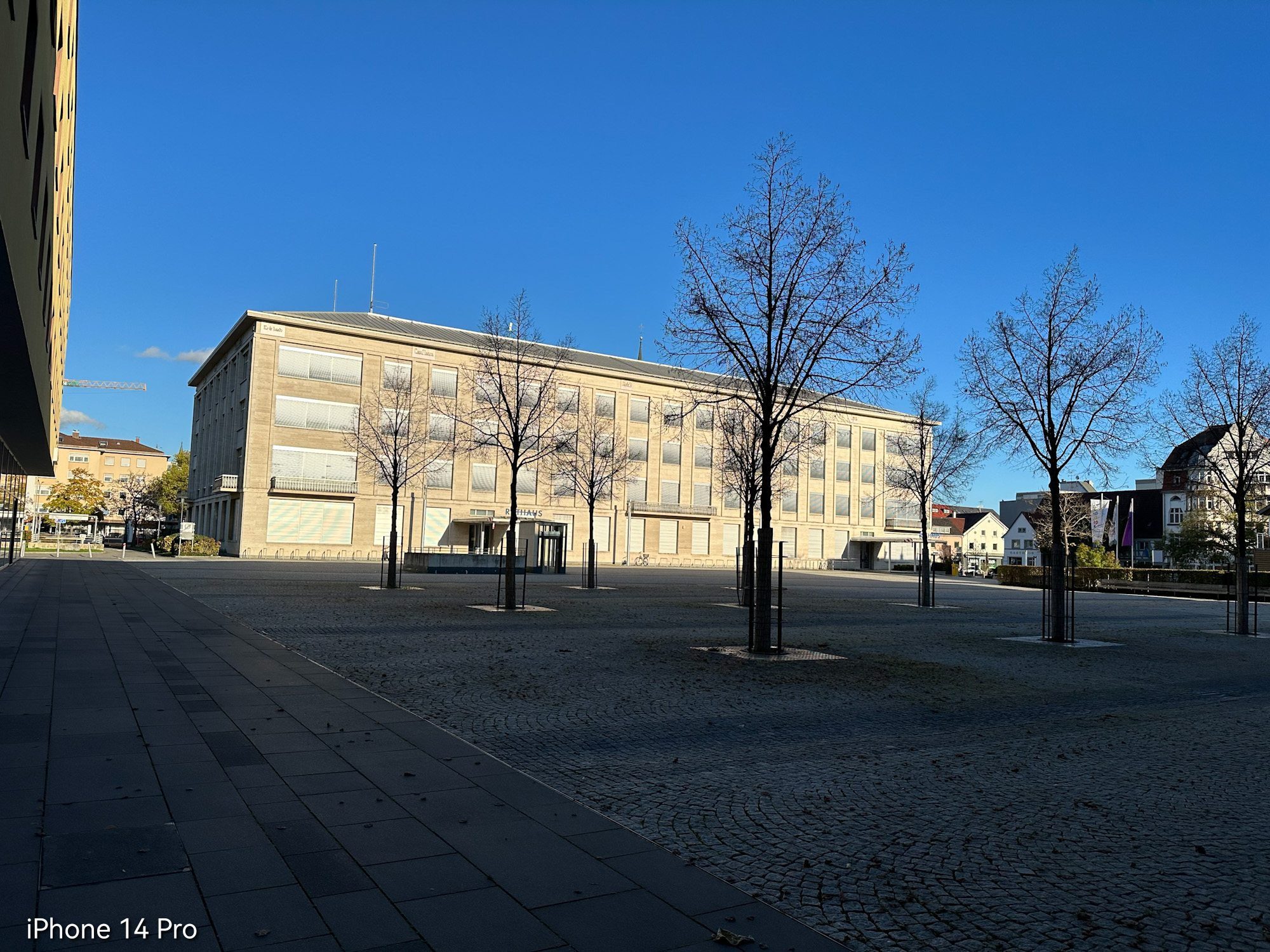
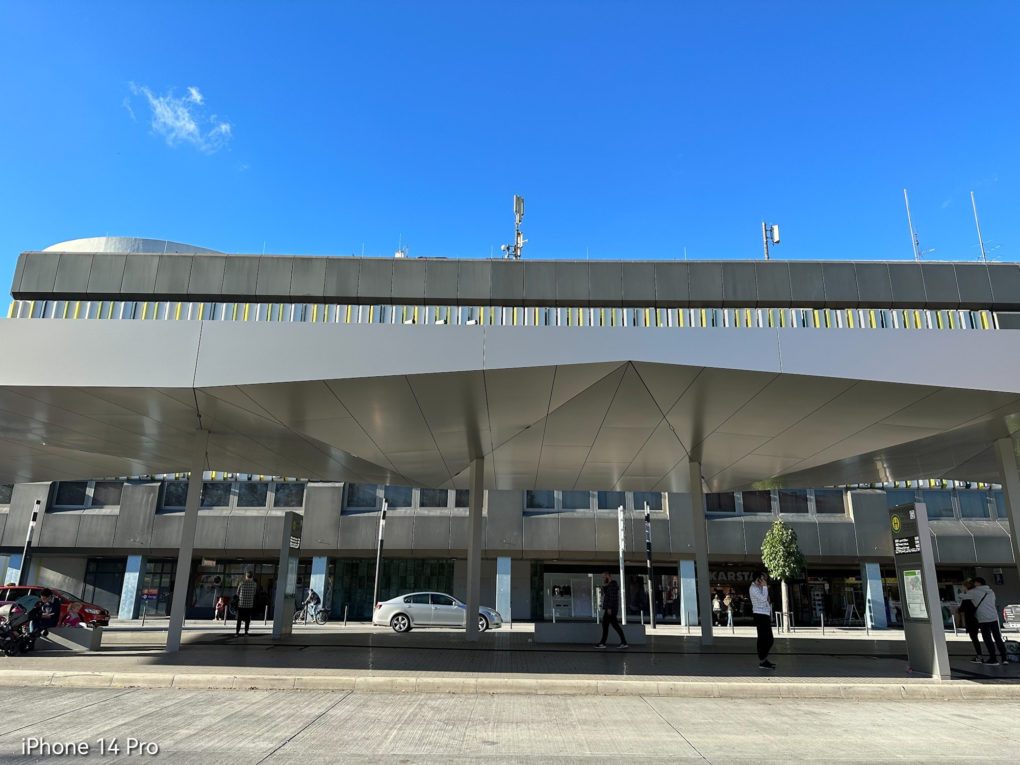
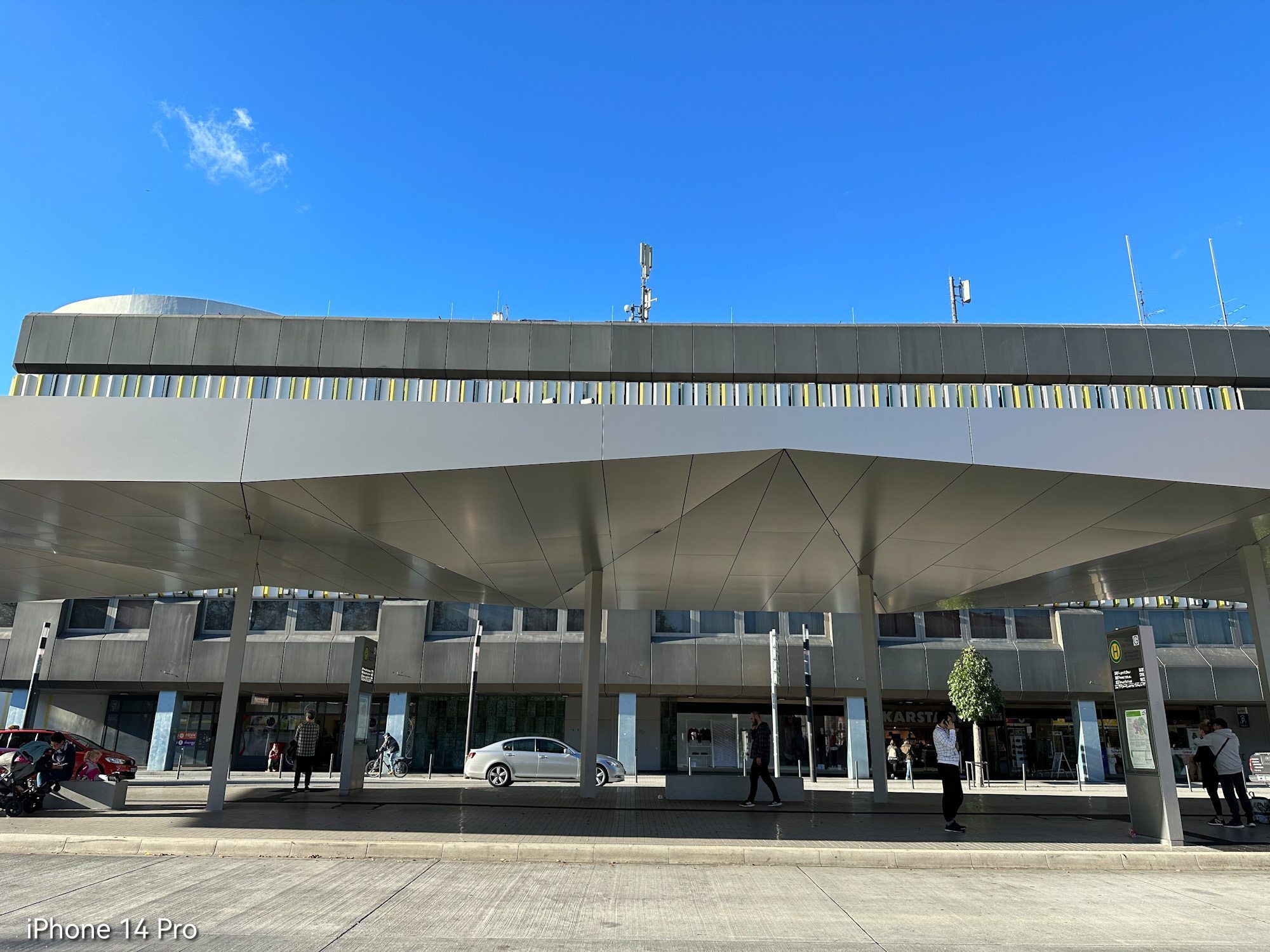
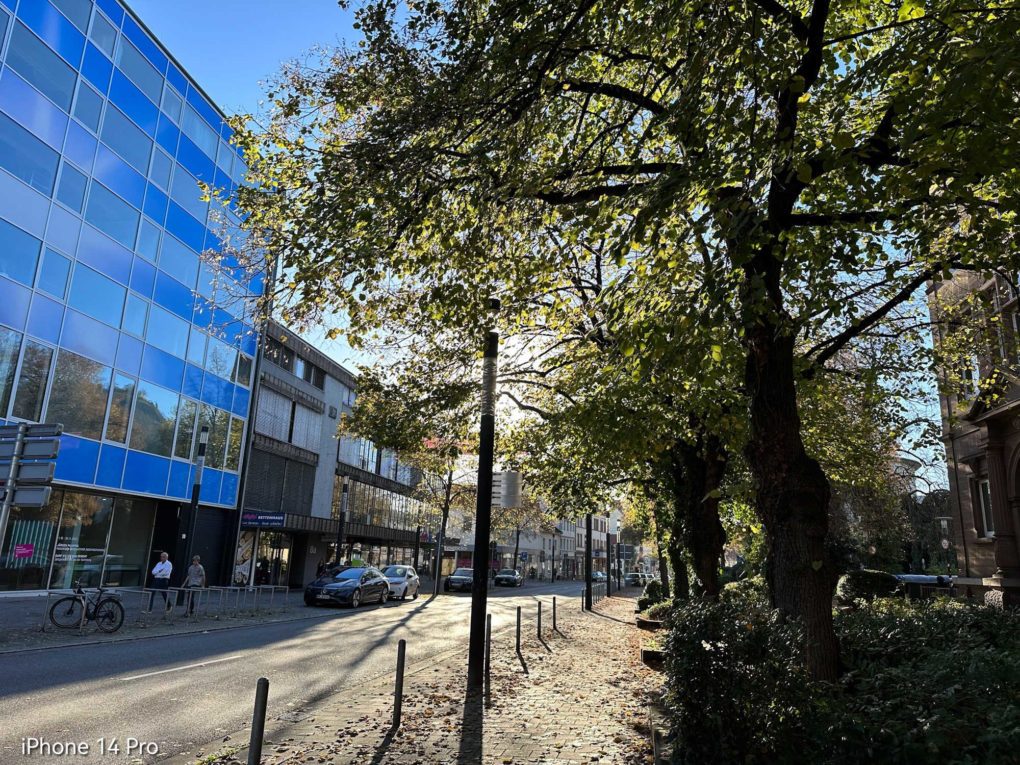
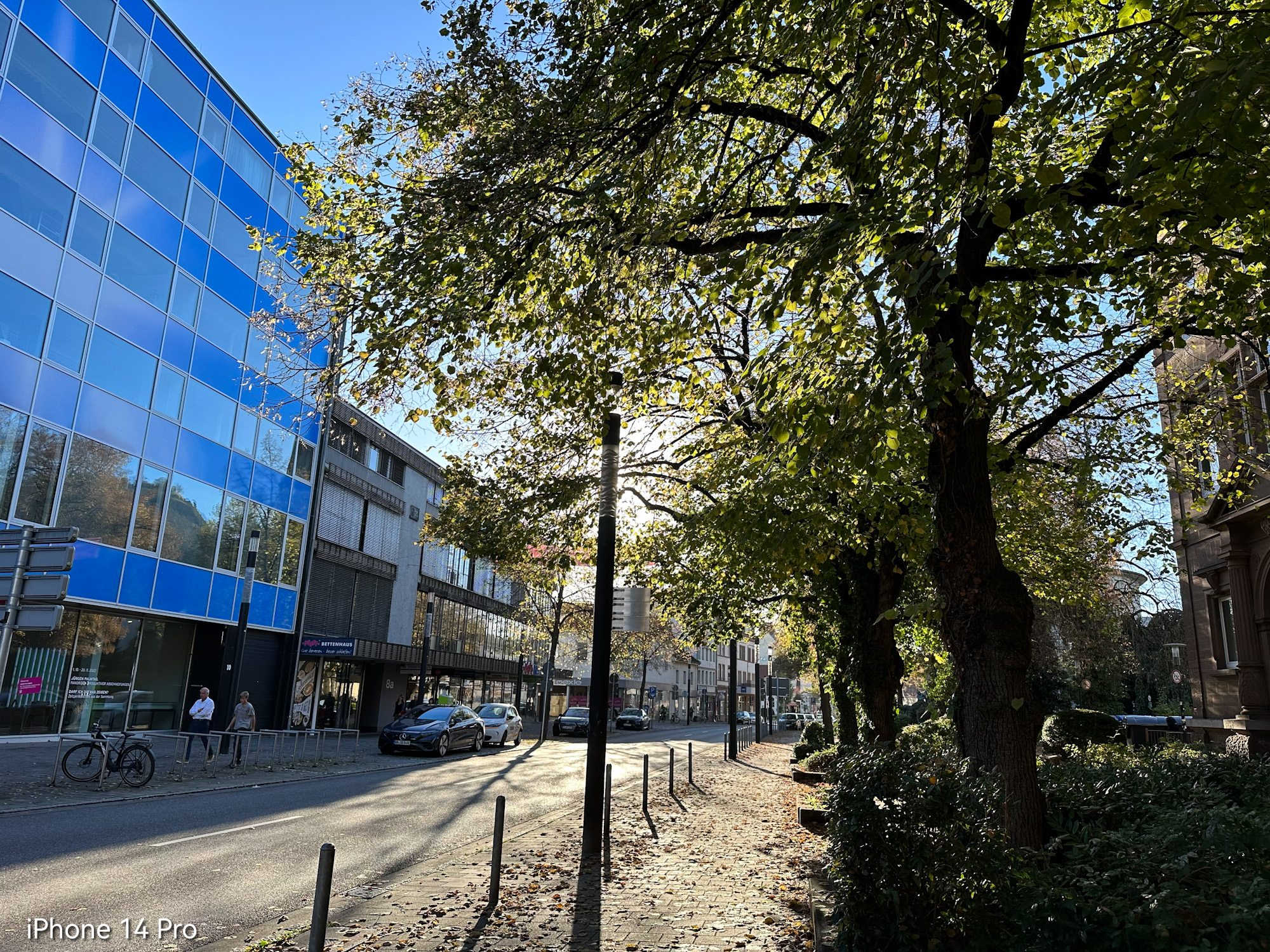
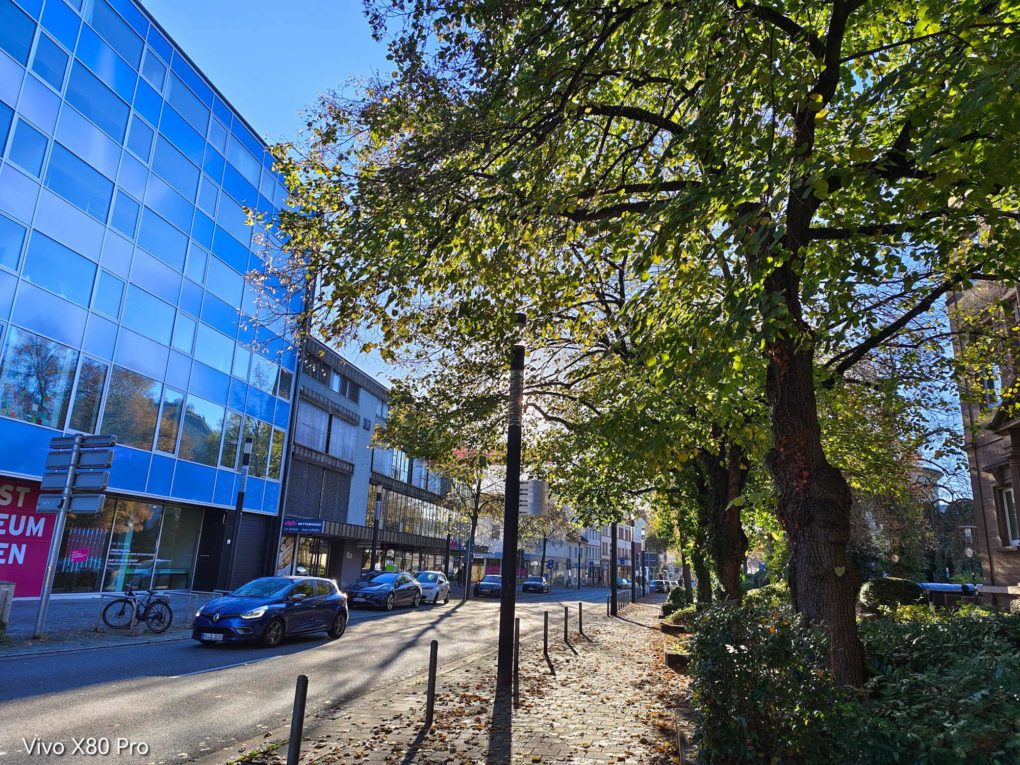
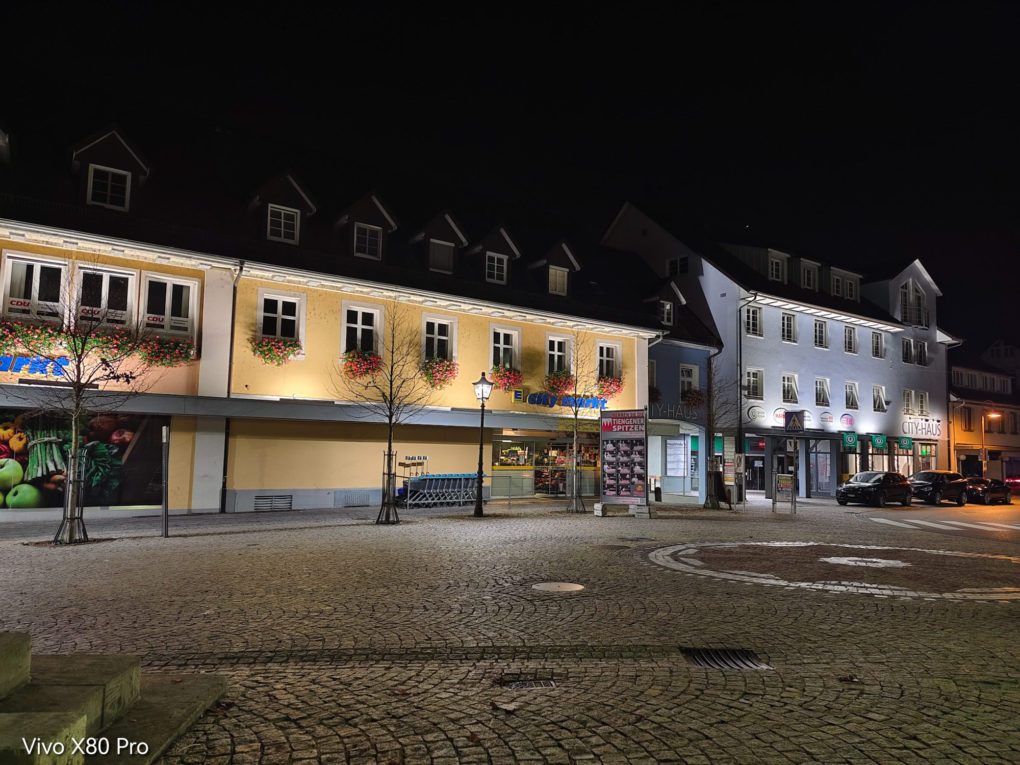
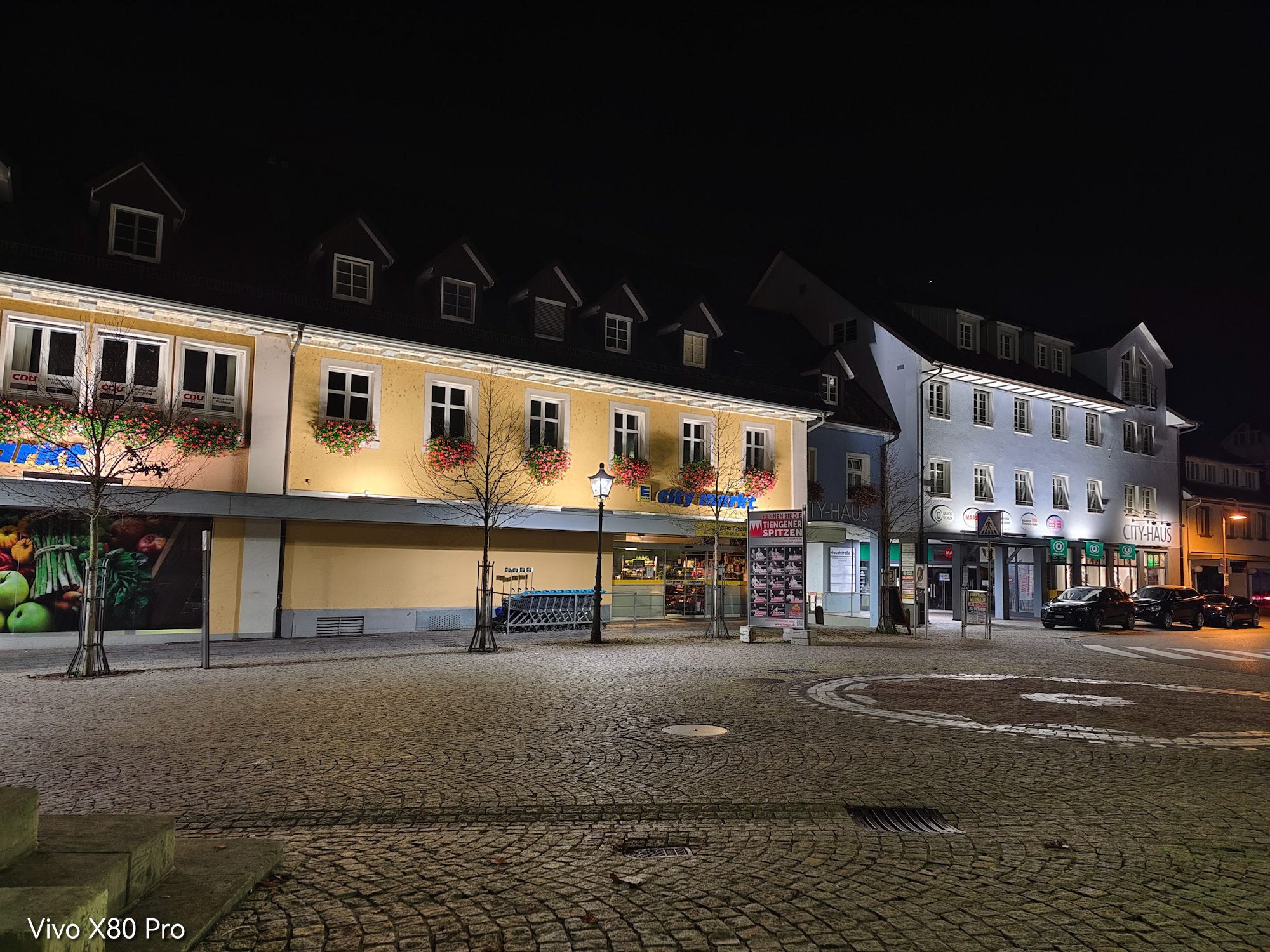
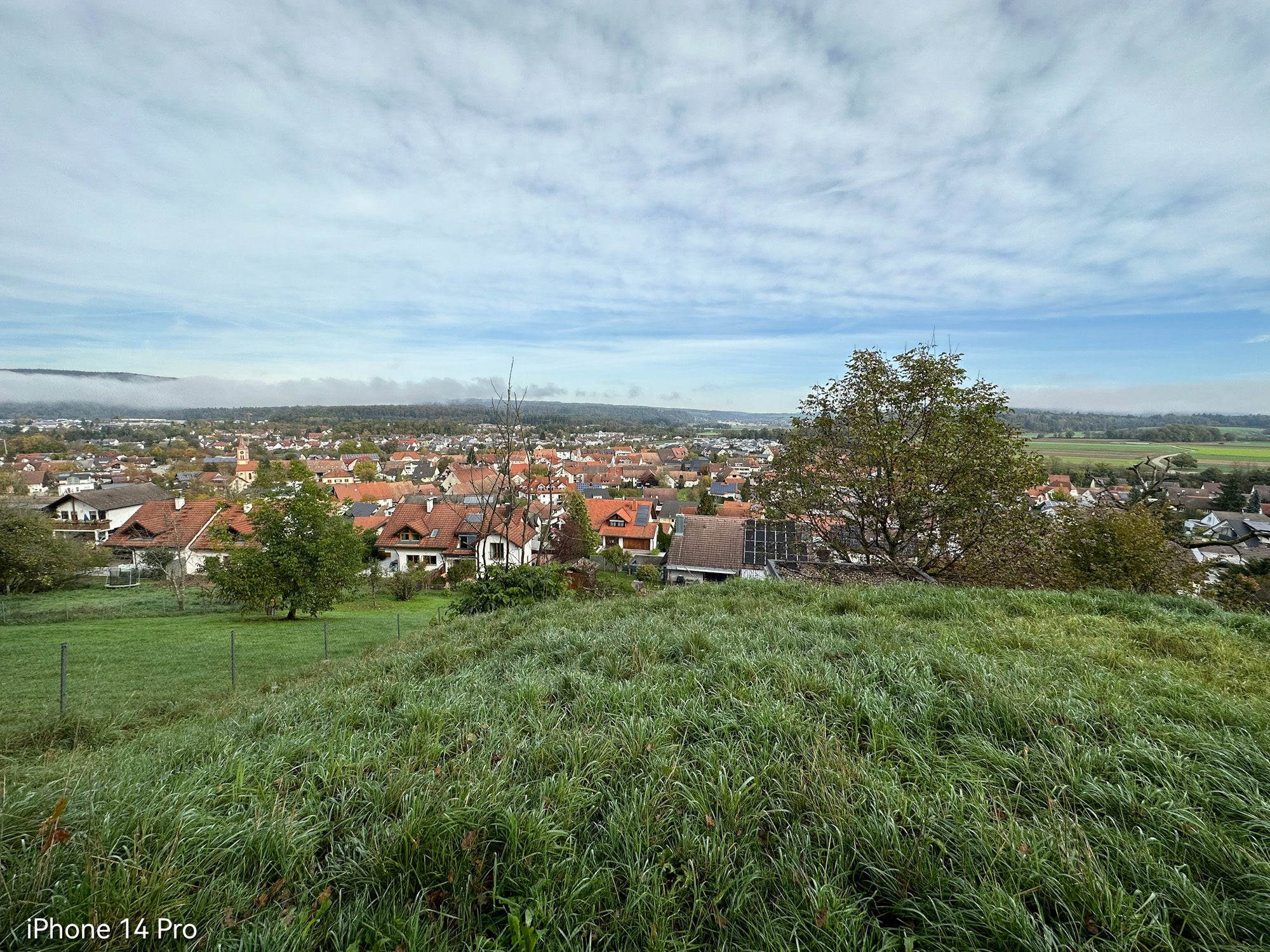
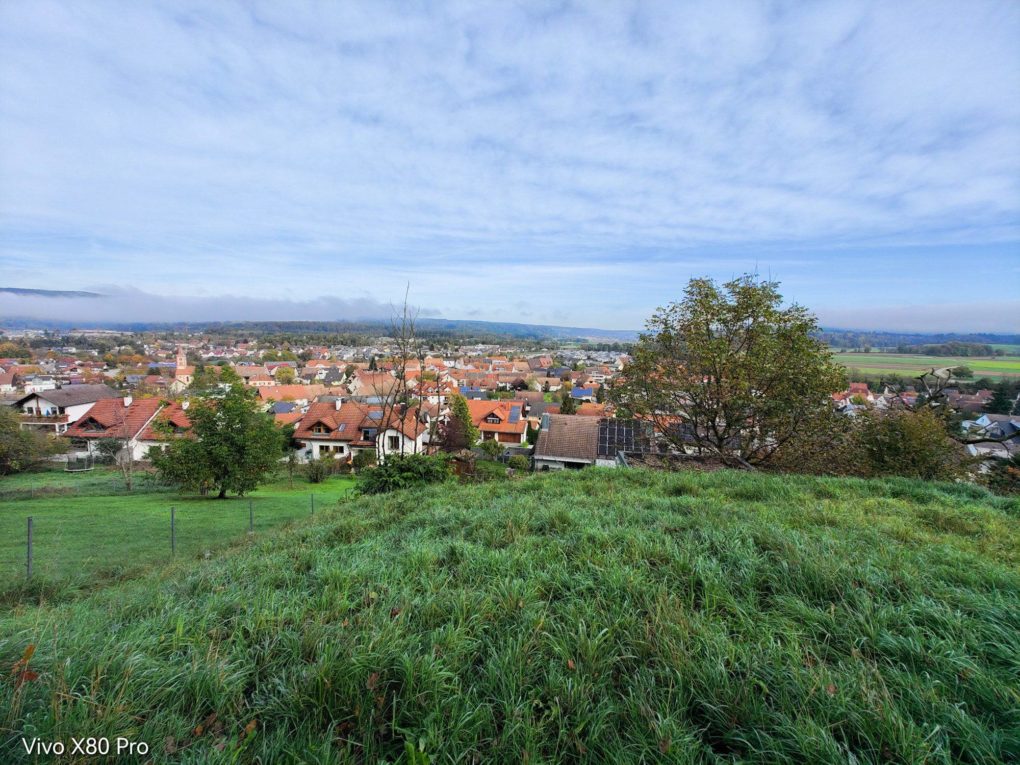
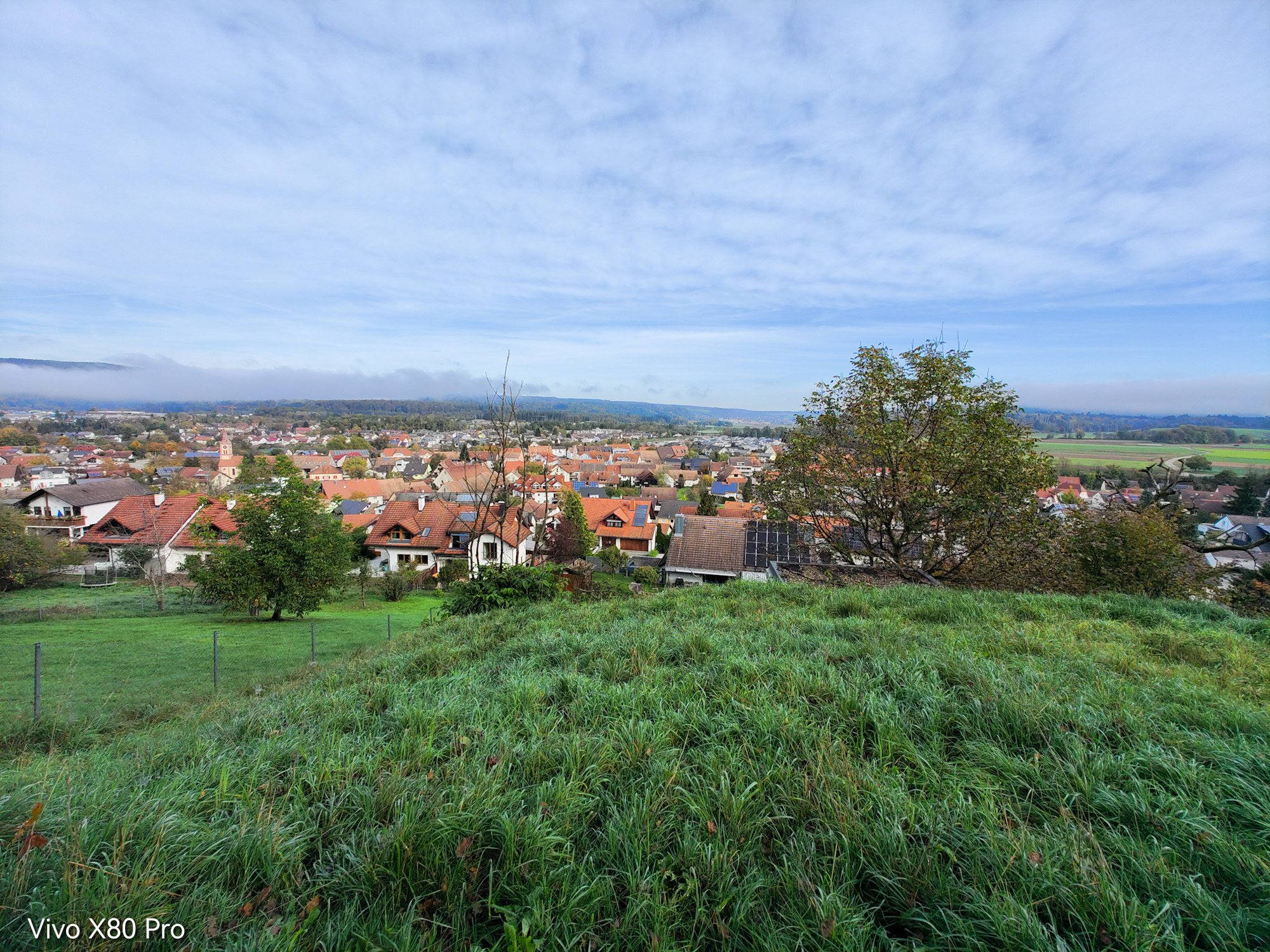
Both smartphones deliver great results with the main camera in good lighting conditions, which are very similar. It is noticeable that the iPhone 14 Pro tends to produce more natural colors compared to the X80 Pro, which I personally like a little better. The iPhone does not always reproduce colors perfectly either, but it has the edge in this regard, especially in the first comparison. The Vivo exaggerates it a bit with the colors and due to the (too) aggressive dynamic range, fewer details are retained on the ground than with the iPhone 14 Pro. However, the last comparison shows quite well that the dynamic range of the X80 Pro is better in most cases.
There are minimal differences in the Android smartphone's favor when it comes to sharpness. While the iPhone retains slightly more details in the first comparison, the X80 Pro produces a slightly sharper photo in the second and third comparisons.
-
- Picture: TechnikNews
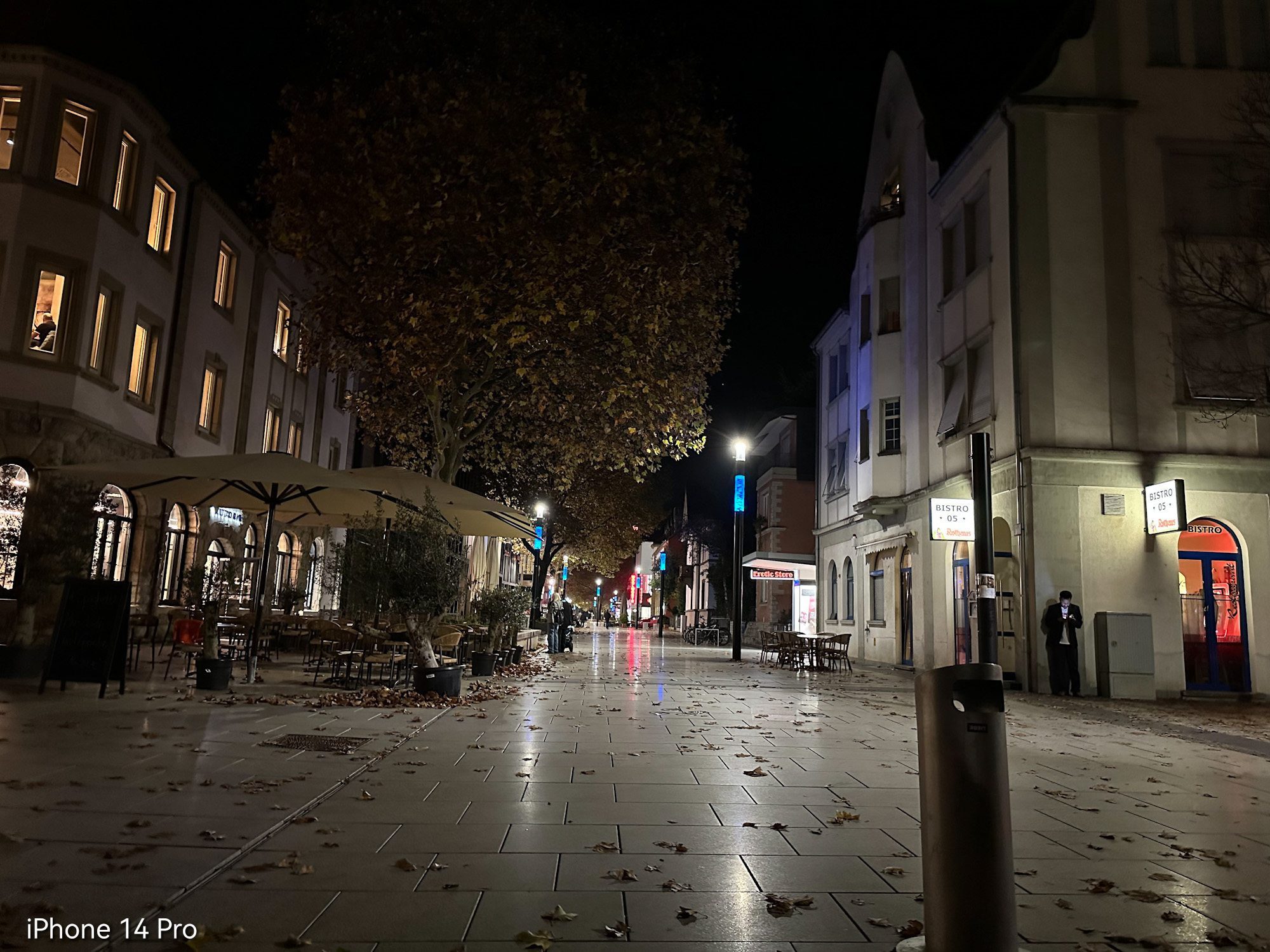
-
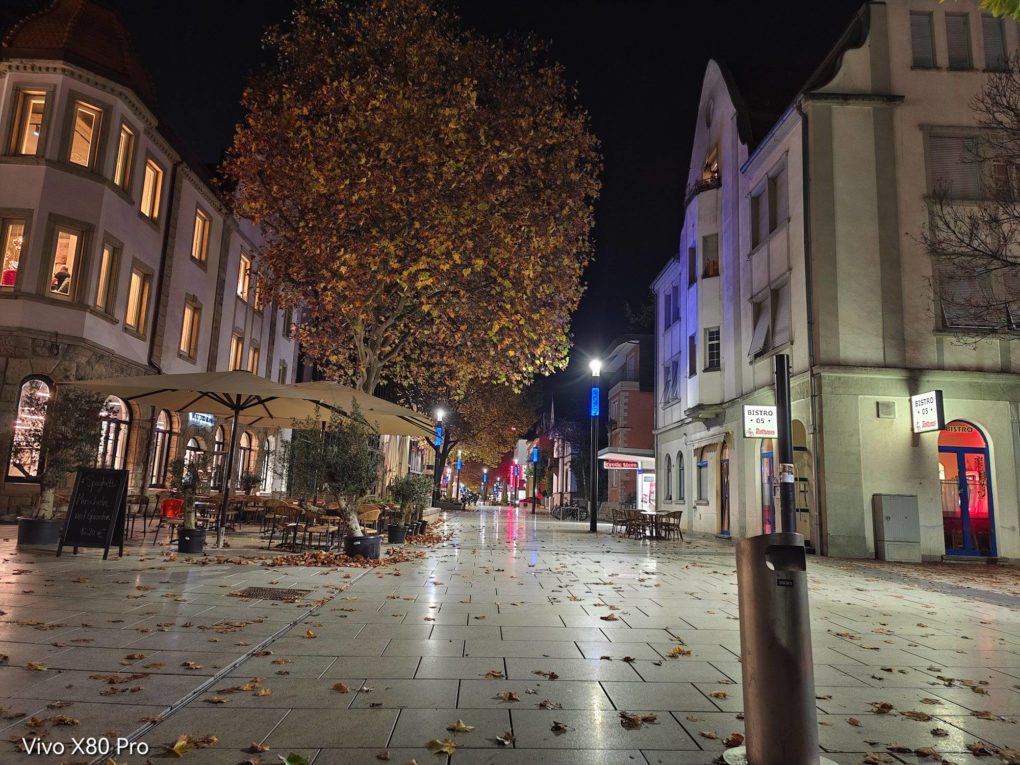
- Picture: TechnikNews

-
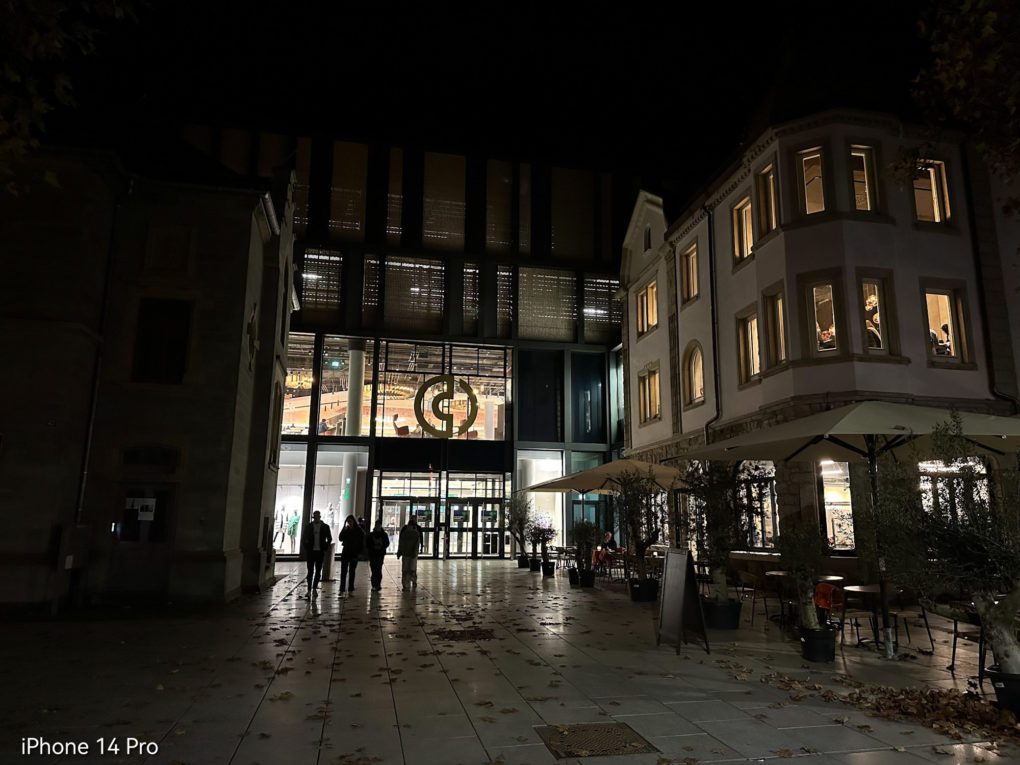
- Picture: TechnikNews
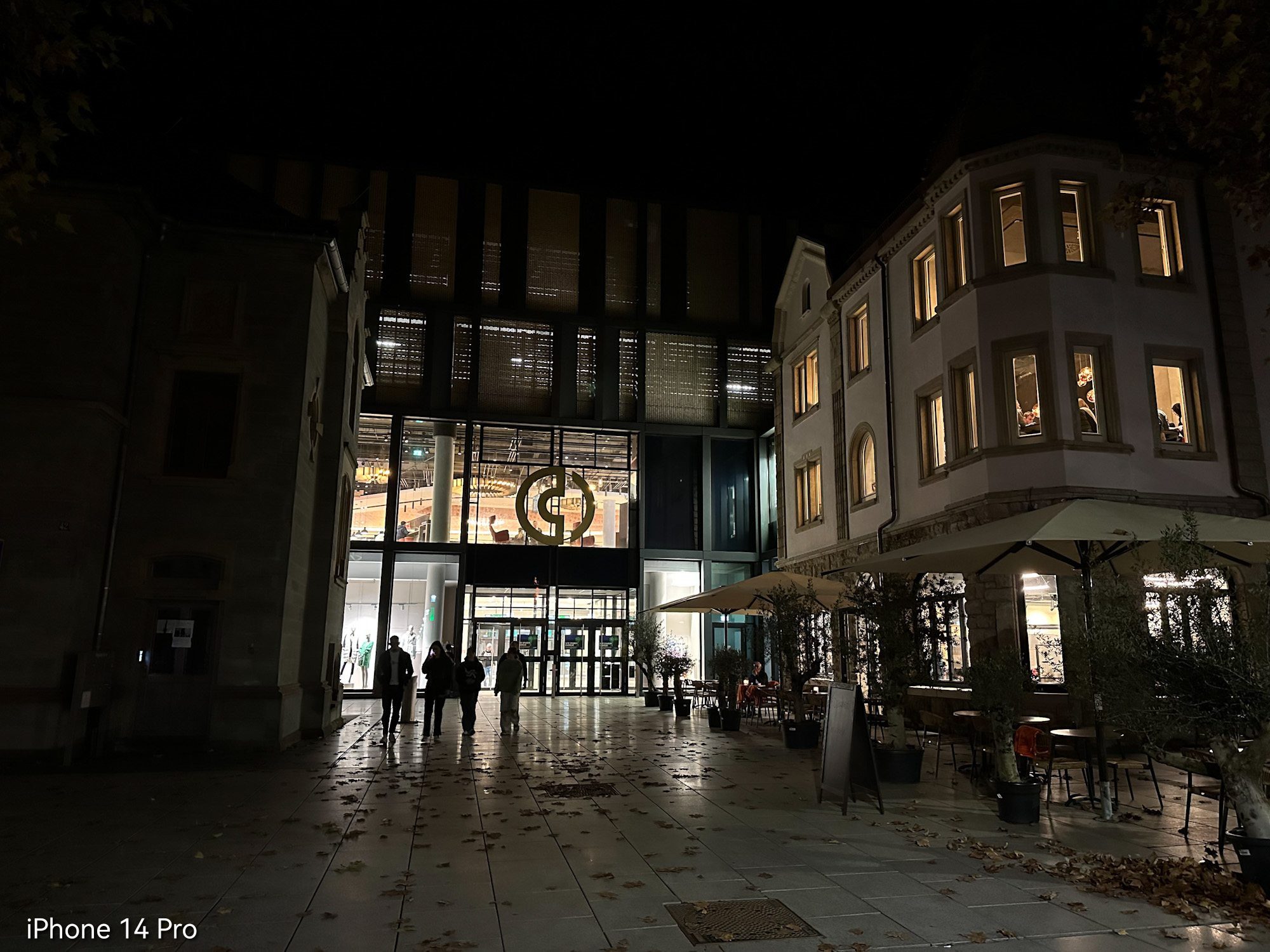
-
- Picture: TechnikNews
-
- Picture: TechnikNews
-
- Picture: TechnikNews
-

- Picture: TechnikNews
-

- Picture: TechnikNews

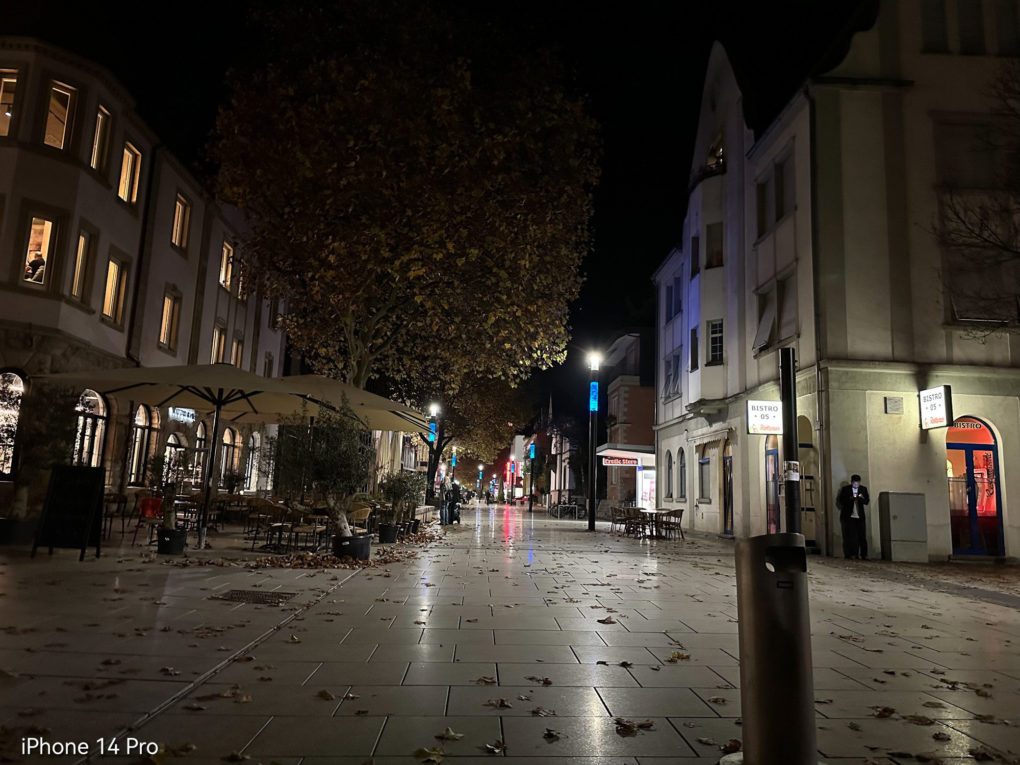
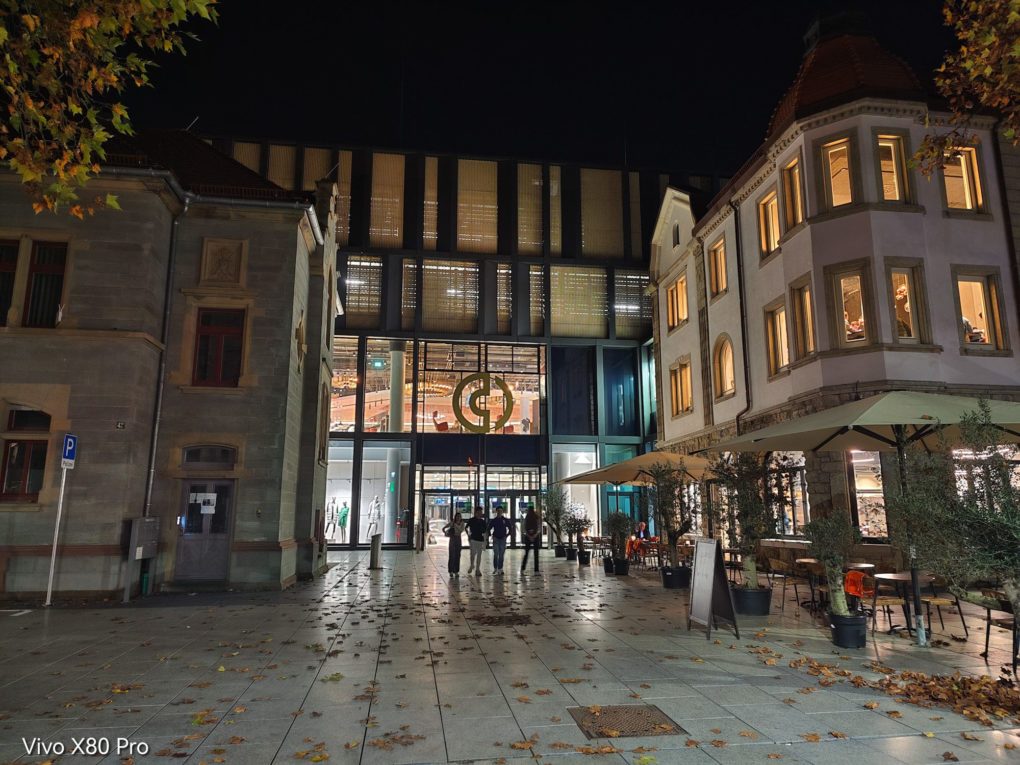
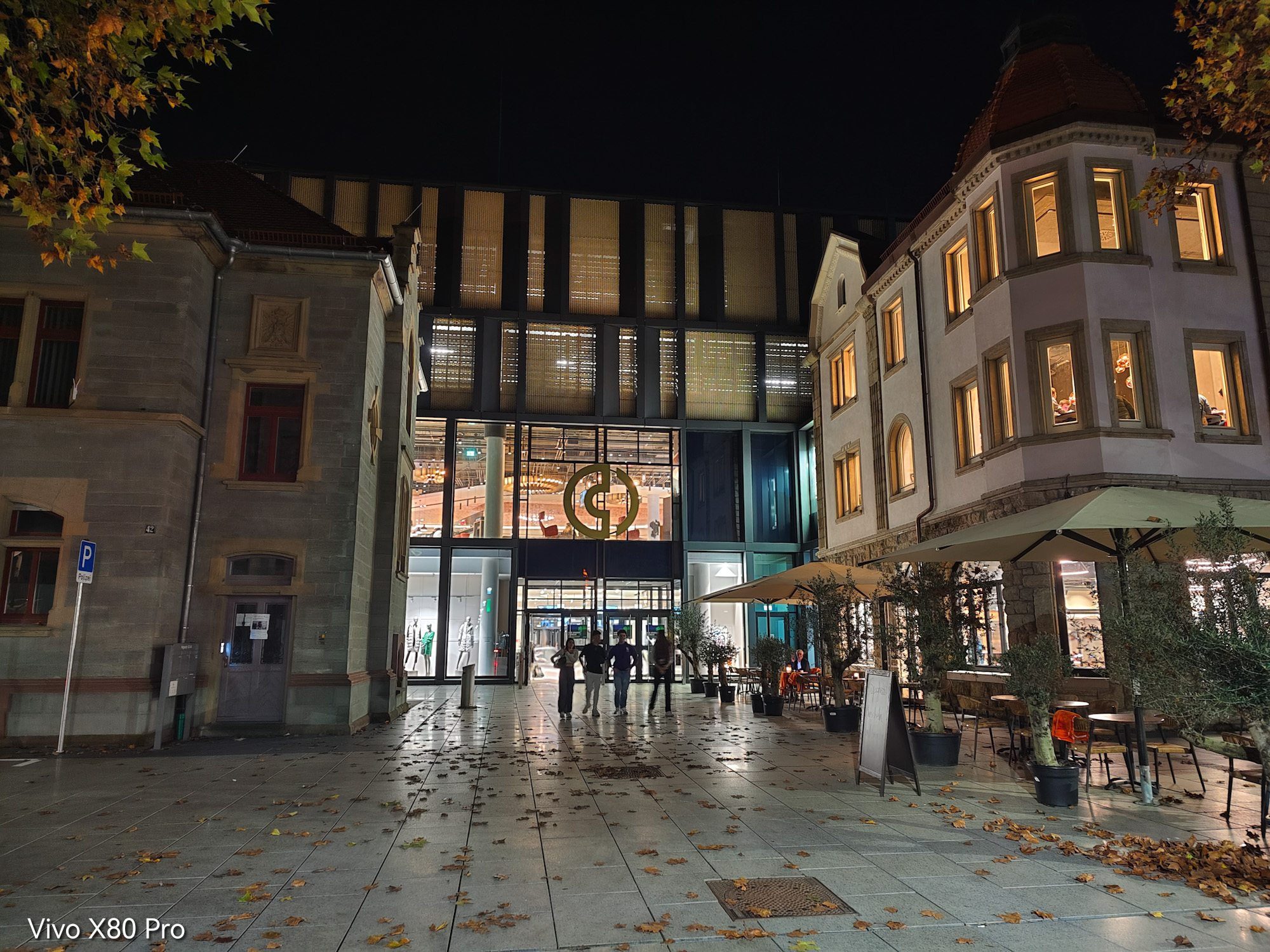
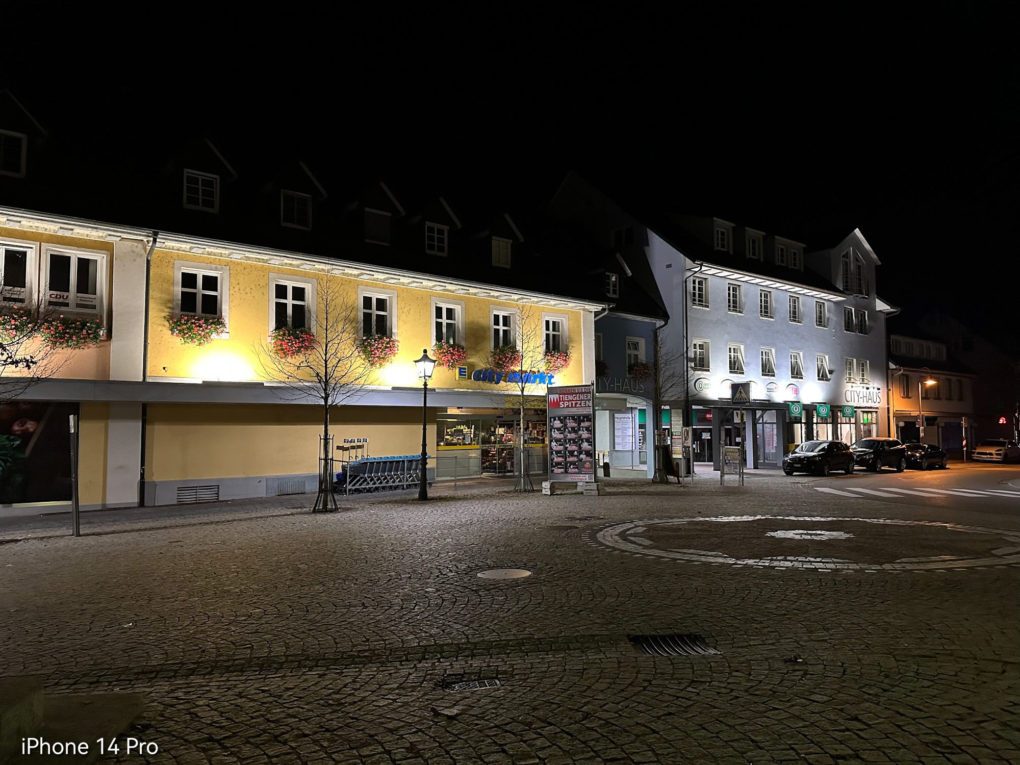
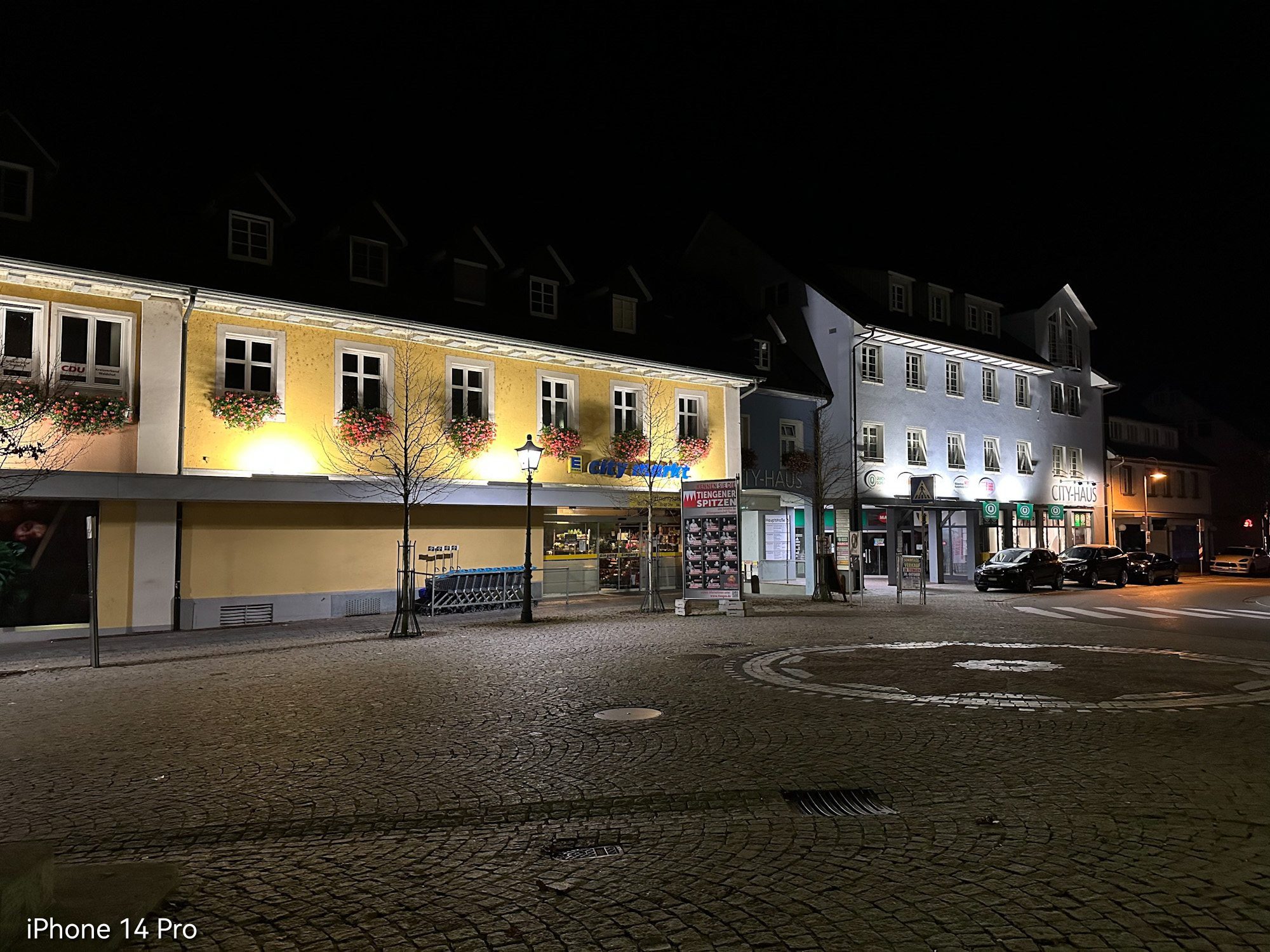
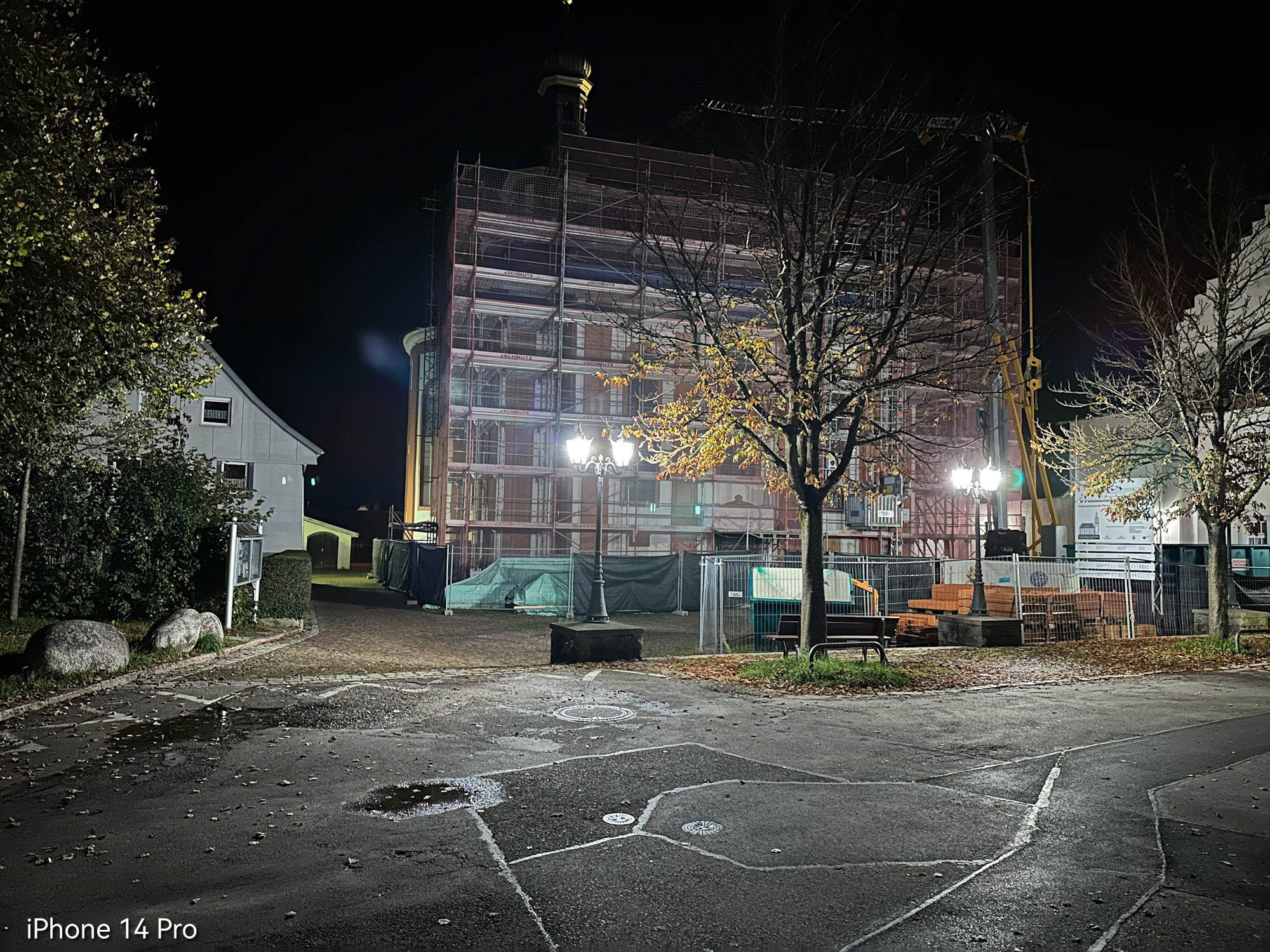
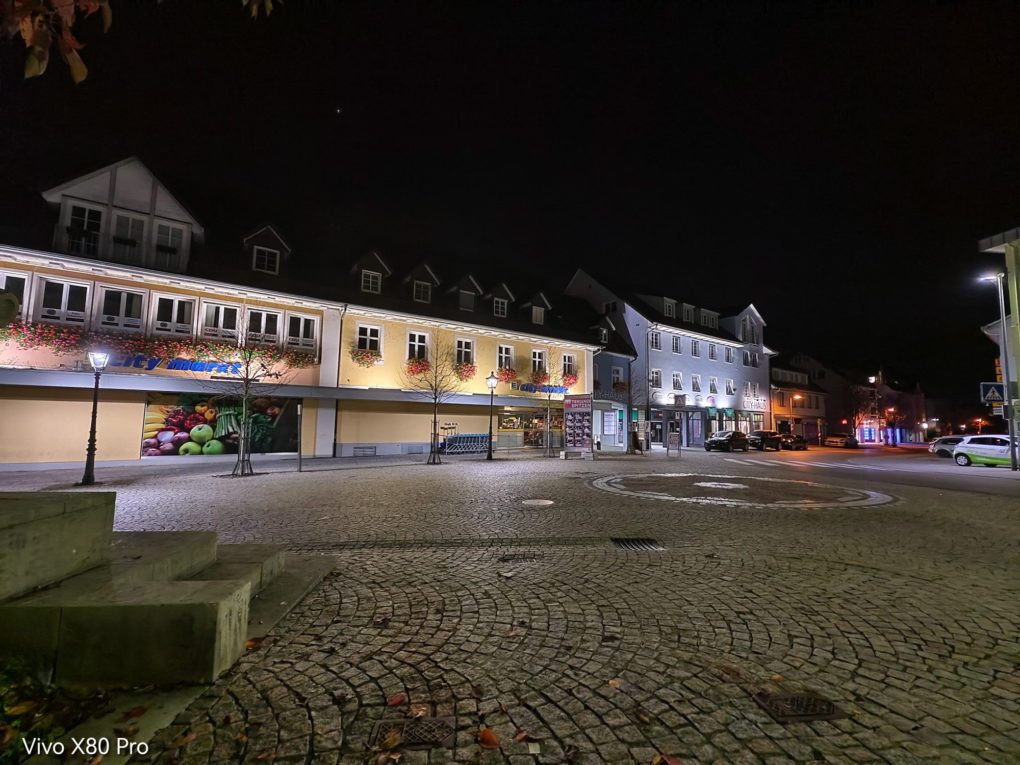
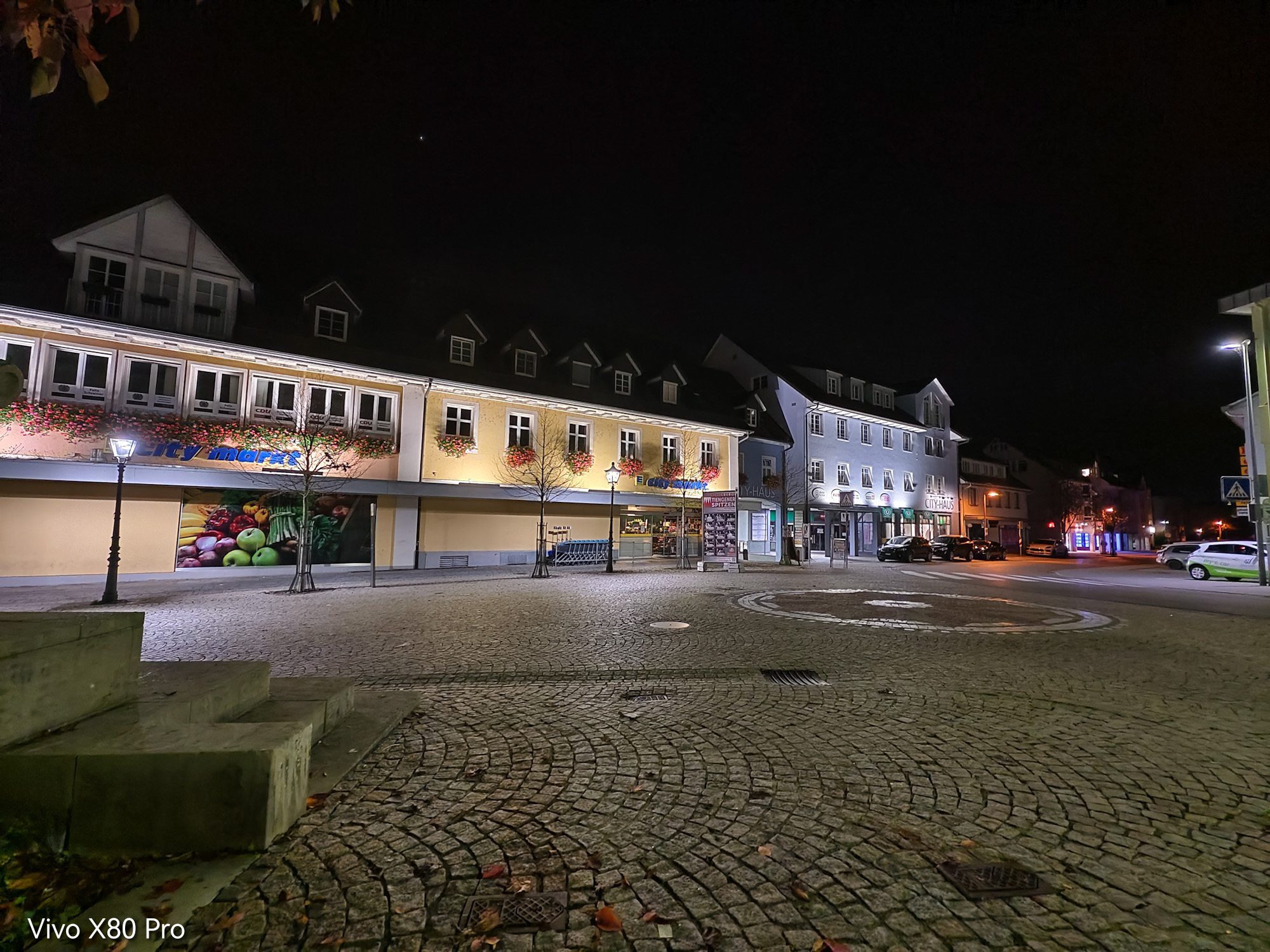
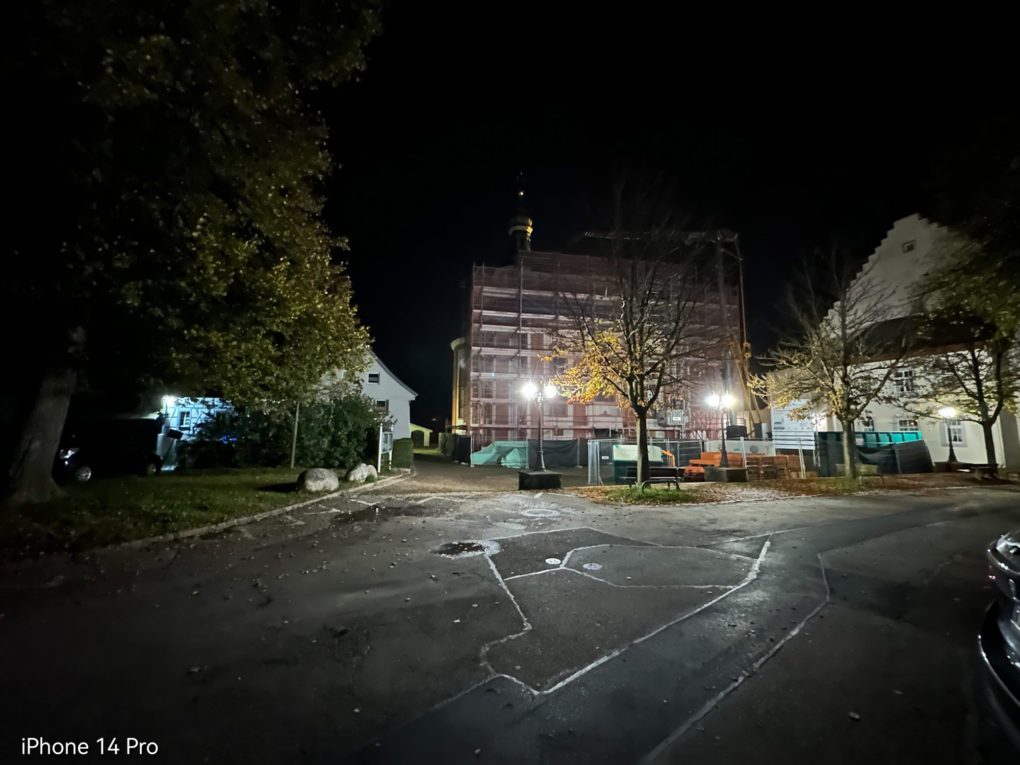
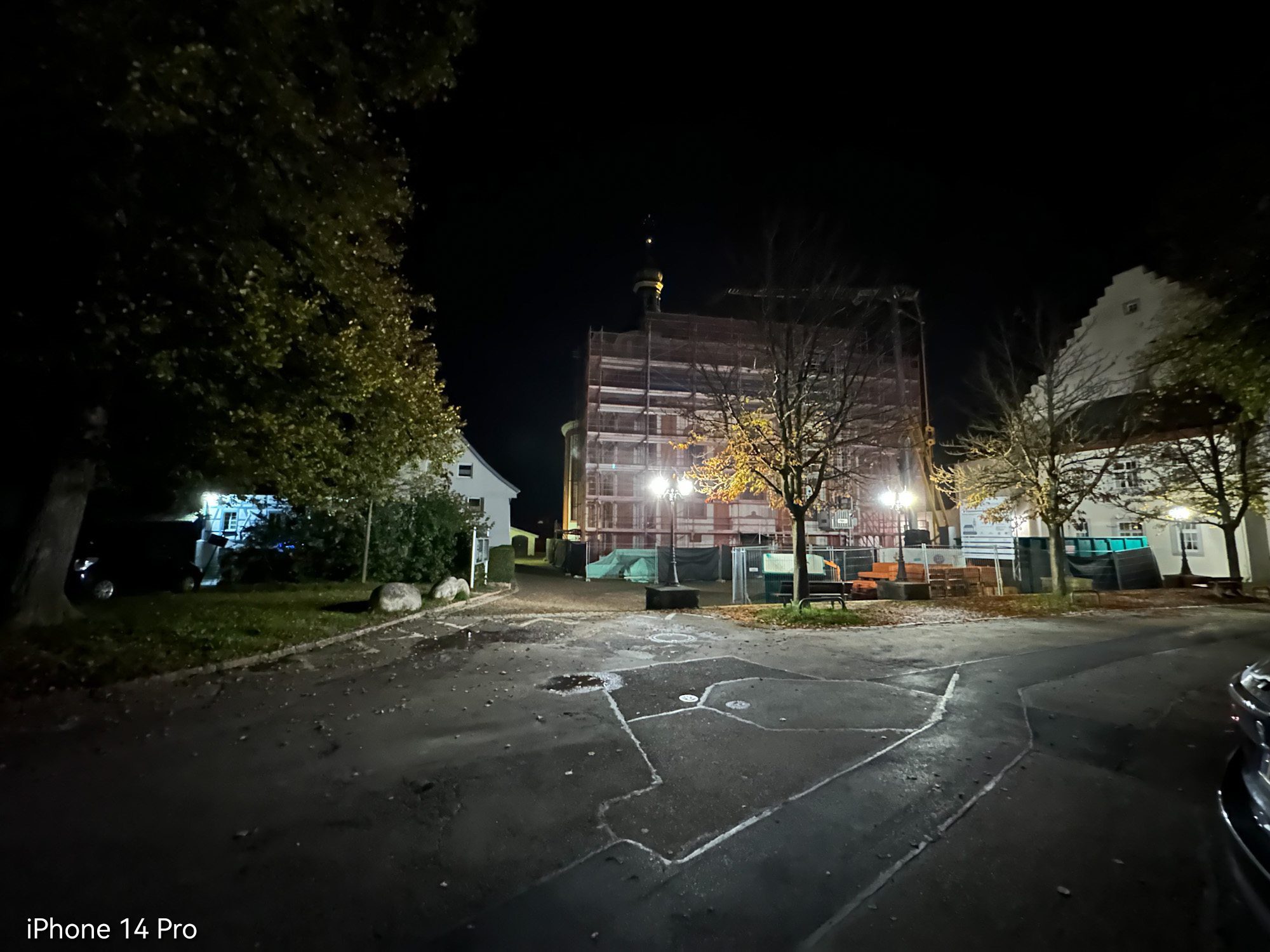
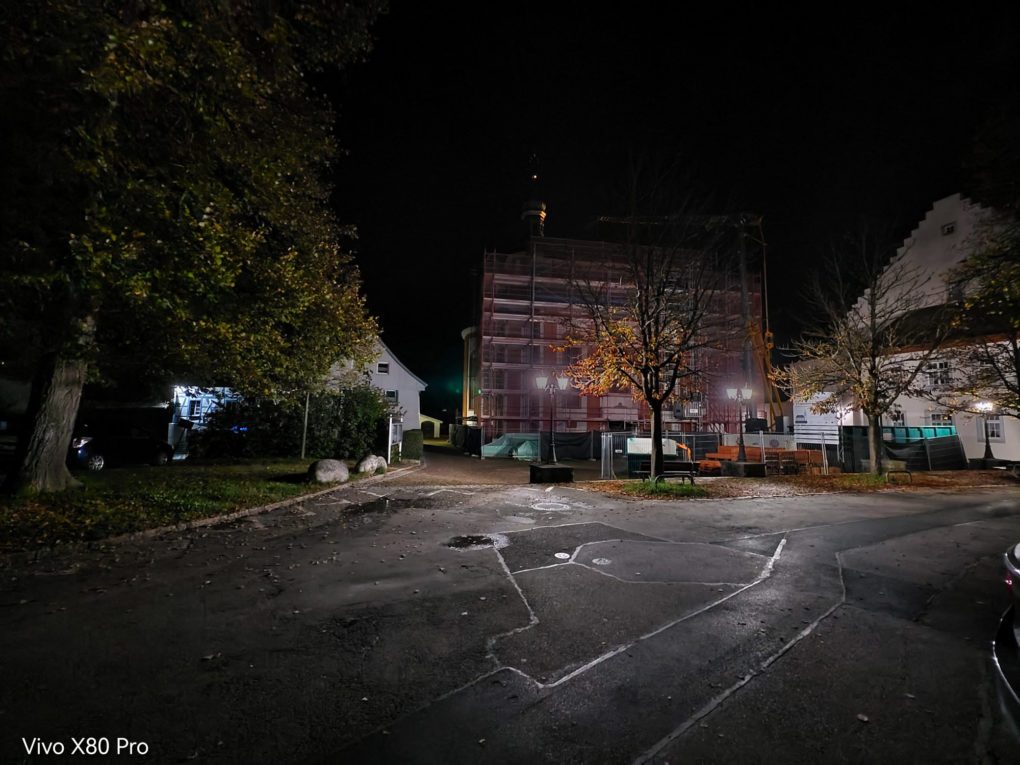
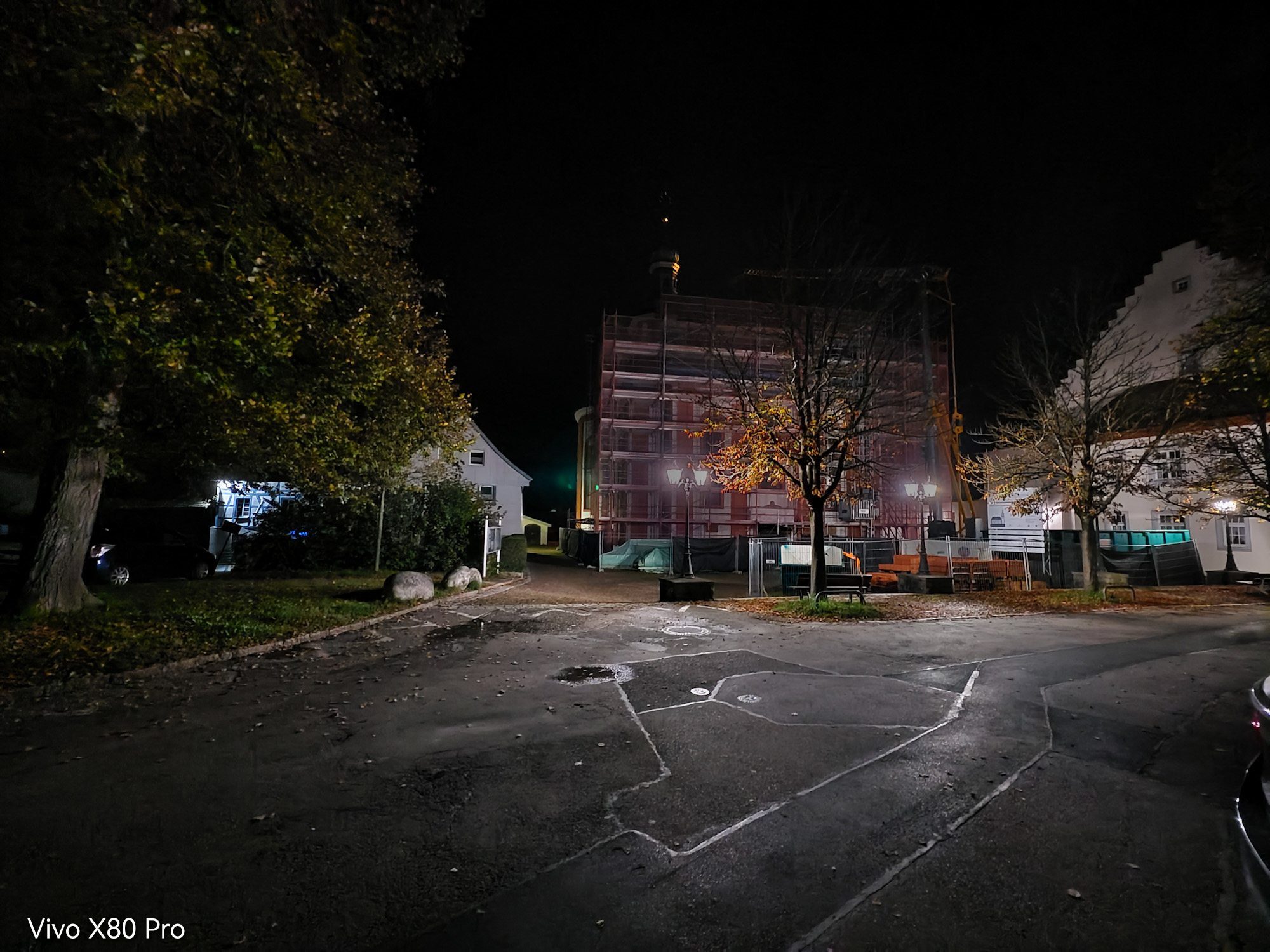
As soon as the lighting conditions get worse, the Vivo X80 Pro is impressive across the board. The iPhone 14 Pro also takes very good pictures, but the Vivo is in a different league.
Ultra wide angle camera
-
- Picture: TechnikNews
-
- Picture: TechnikNews
-
- Picture: TechnikNews
-
- Picture: TechnikNews
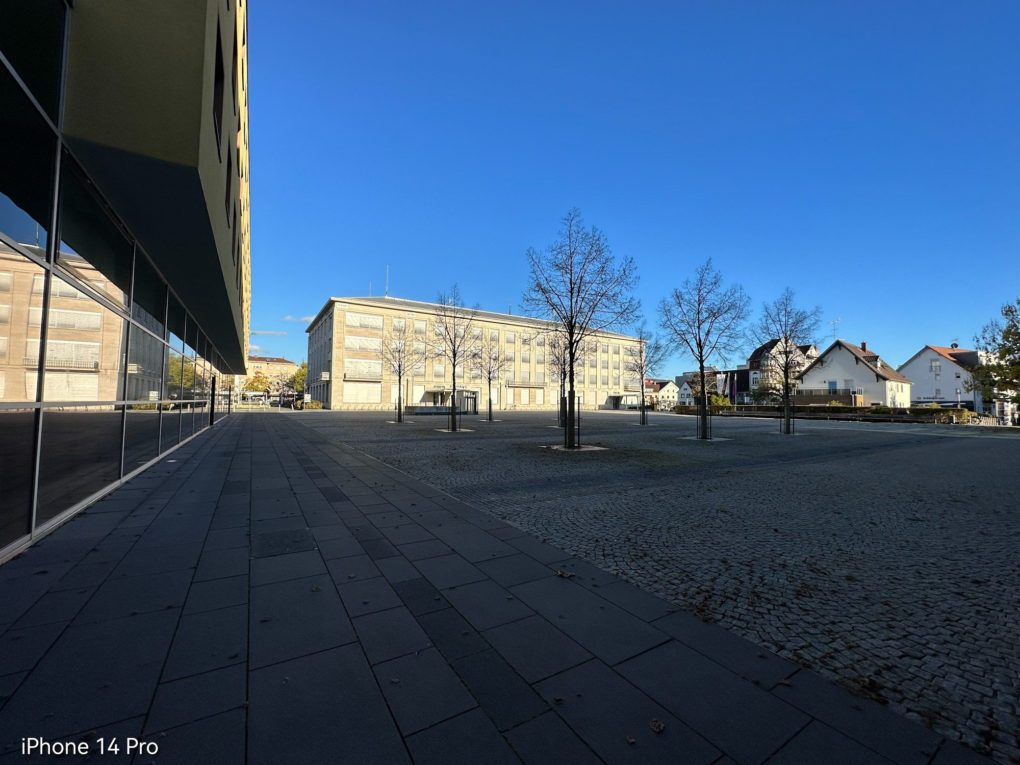
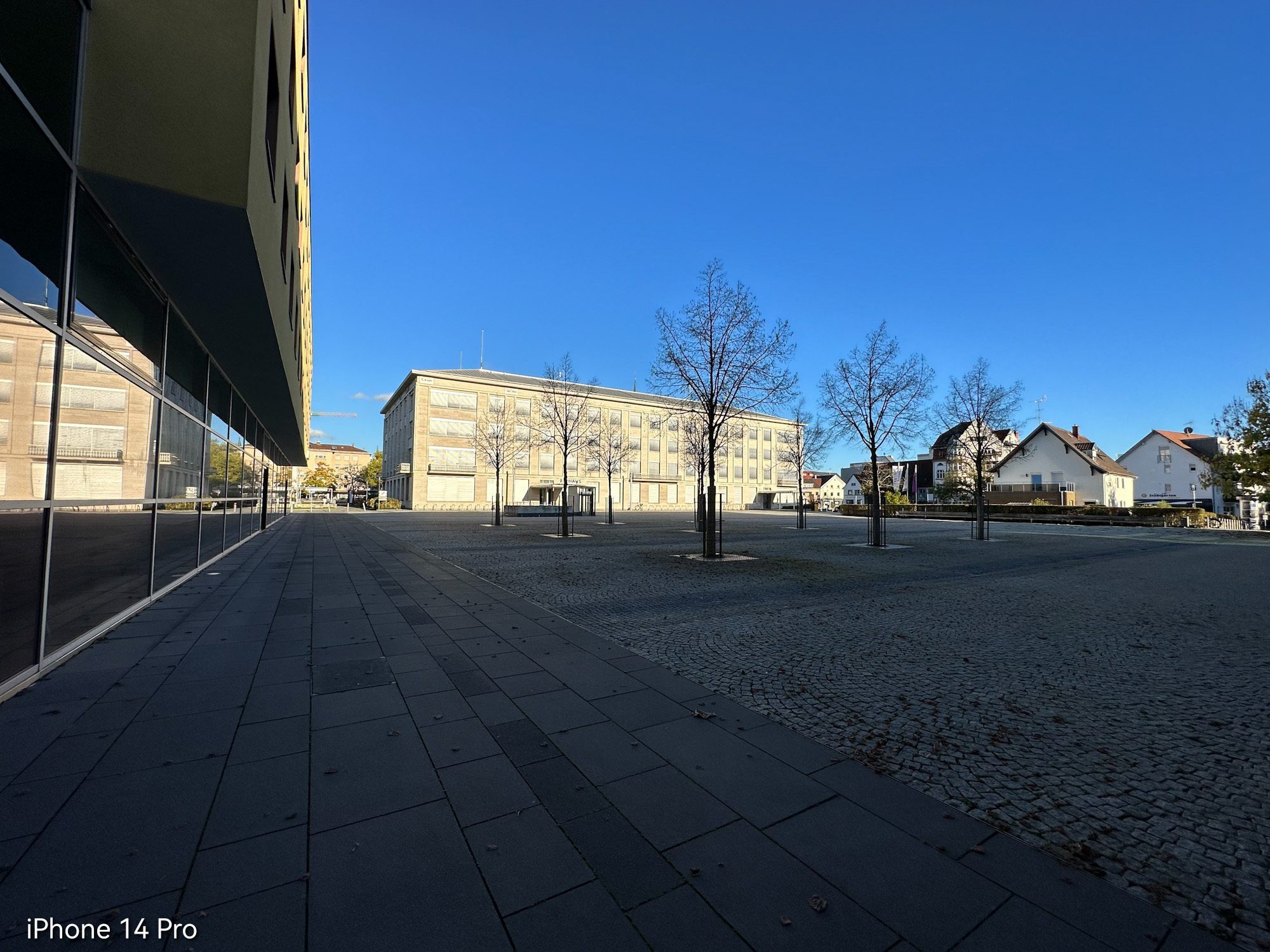
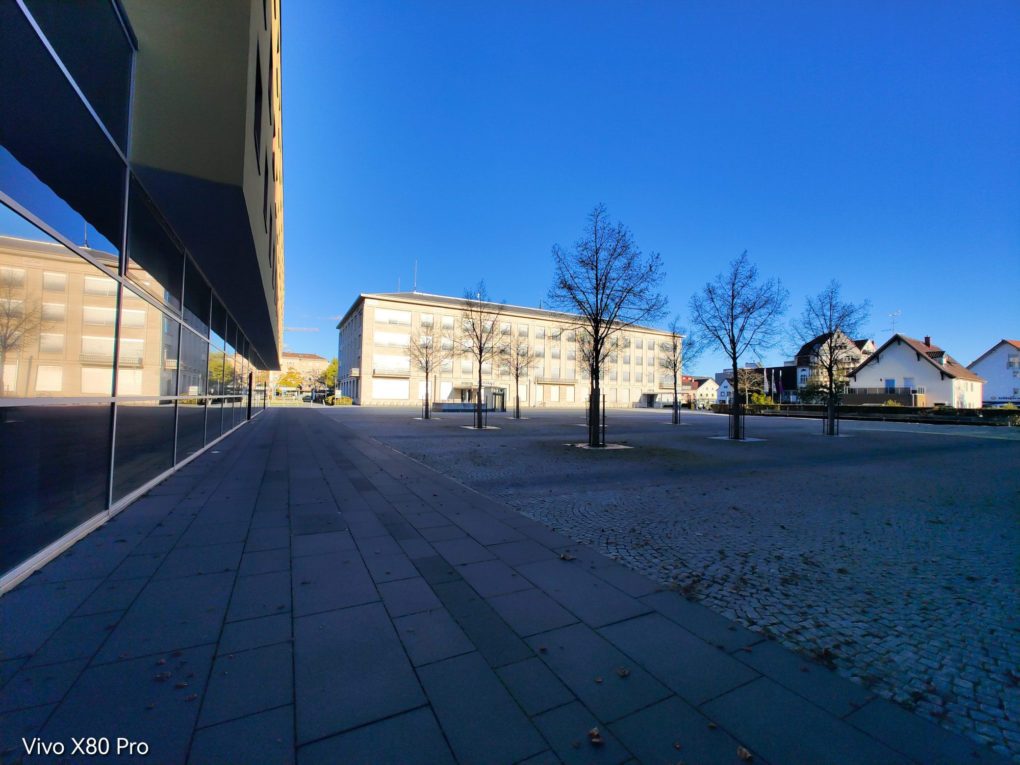
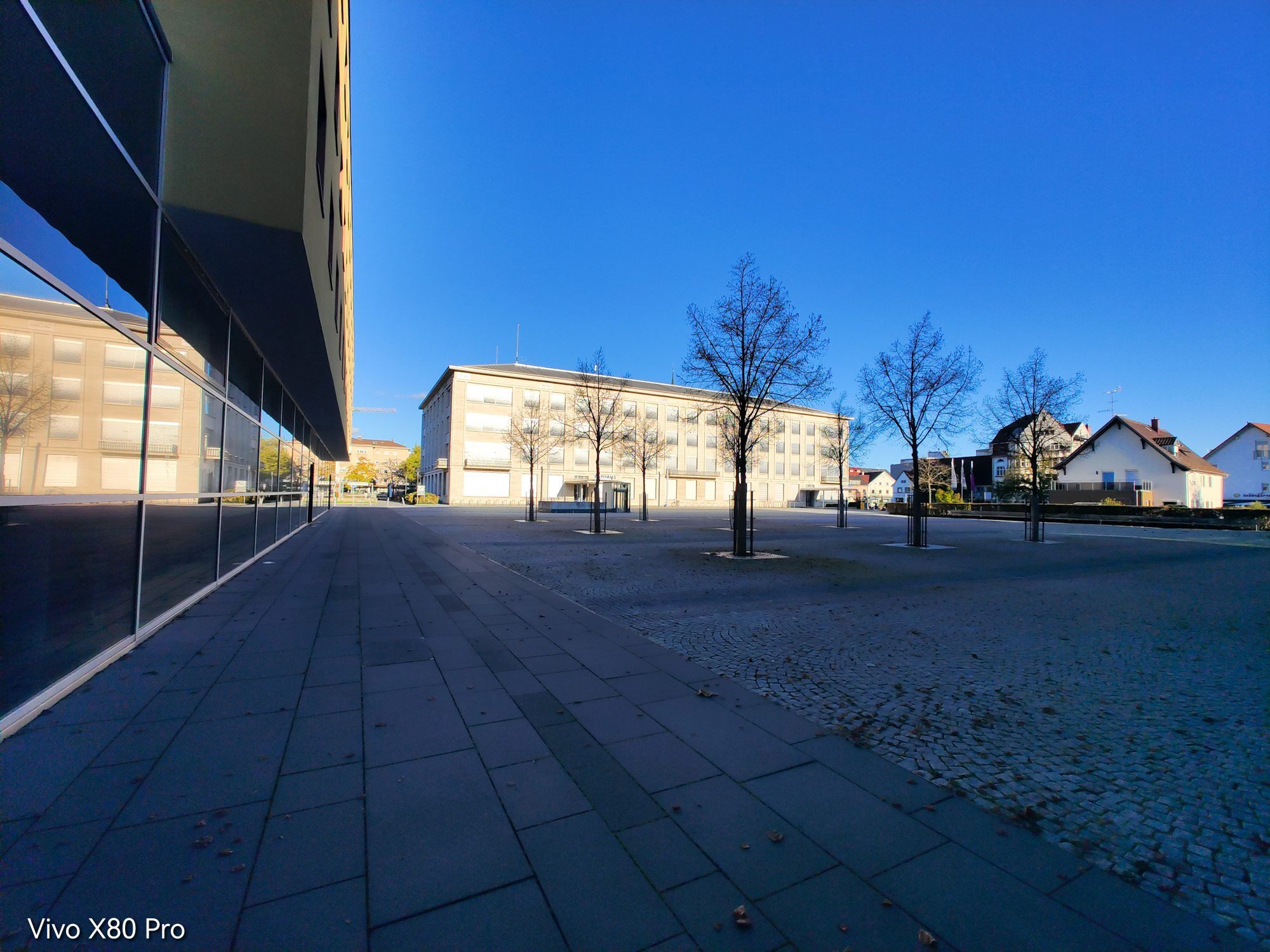
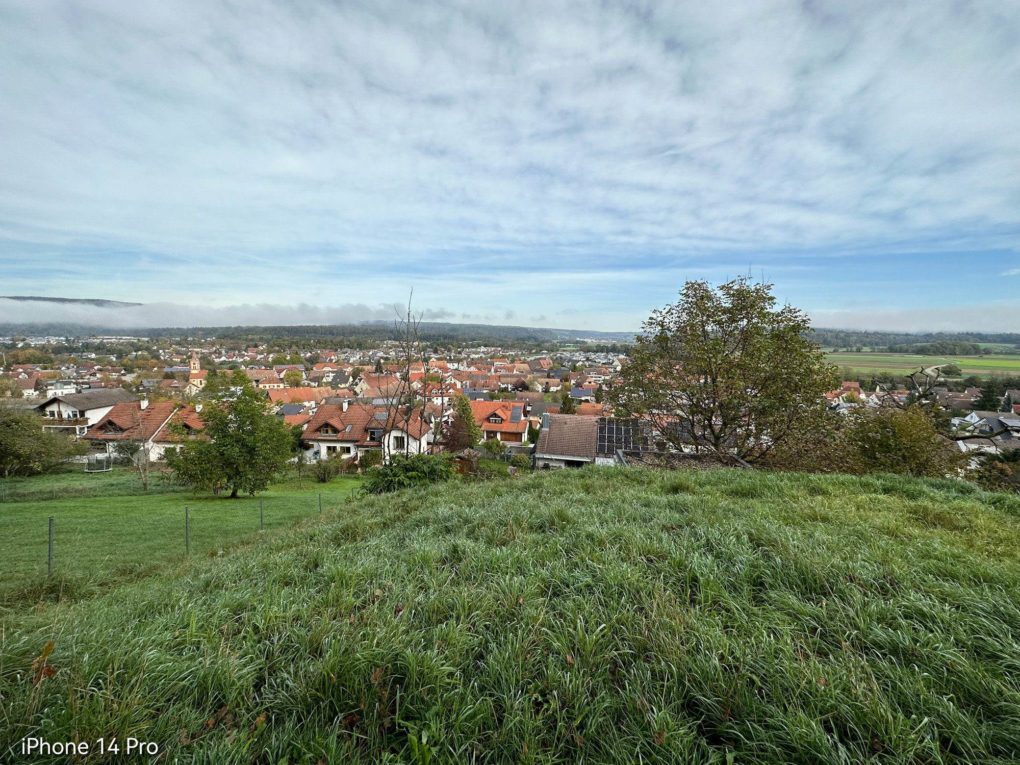
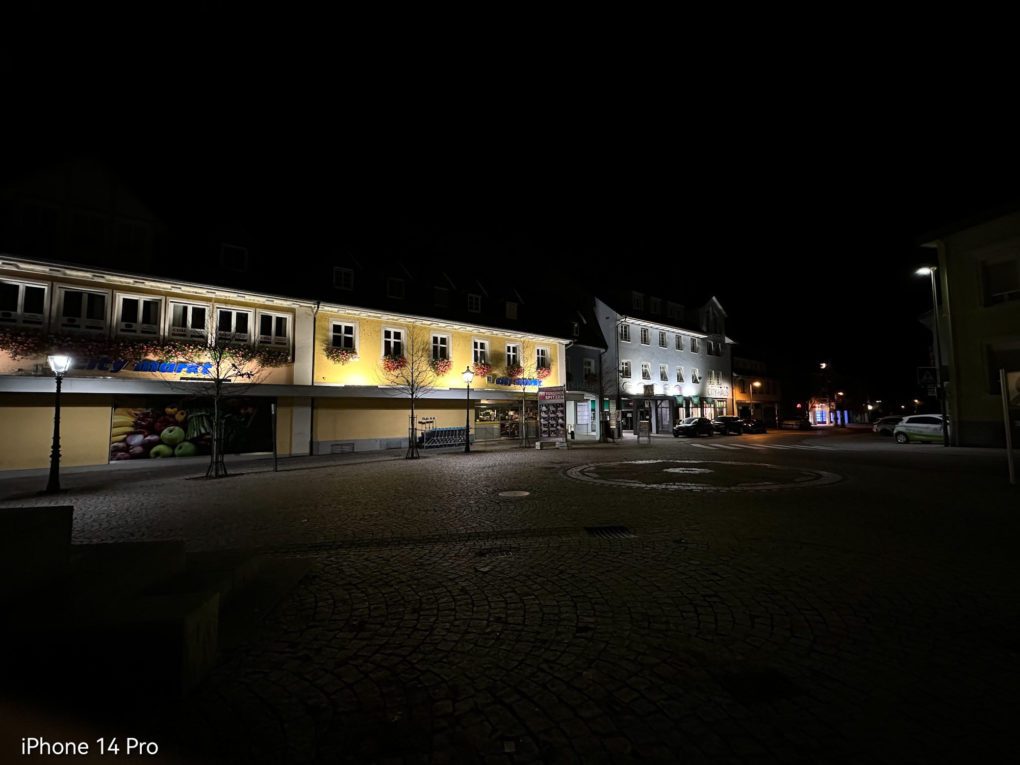
I'm actually a little disappointed with the ultra-wide-angle camera on the Vivo X80 Pro in good lighting conditions, because I would have expected more from such a large 48-megapixel sensor. The iPhone 14 Pro also takes slightly more natural photos here, which are sharper and better exposed (see first comparison). The building on the Vivo is overexposed and the floor also looks terrible. It looks pink/red and you look in vain for details.
-
- Picture: TechnikNews

-
- Picture: TechnikNews
-
- Picture: TechnikNews
-
- Picture: TechnikNews
Zoom
-
- Picture: TechnikNews
-
- Picture: TechnikNews
-
- Picture: TechnikNews
-
- Picture: TechnikNews
-
- Picture: TechnikNews
-
- Picture: TechnikNews
-

- Picture: TechnikNews

-

- Picture: TechnikNews

-

- Picture: TechnikNews

-

- Picture: TechnikNews

-
- Picture: TechnikNews
-
- Picture: TechnikNews
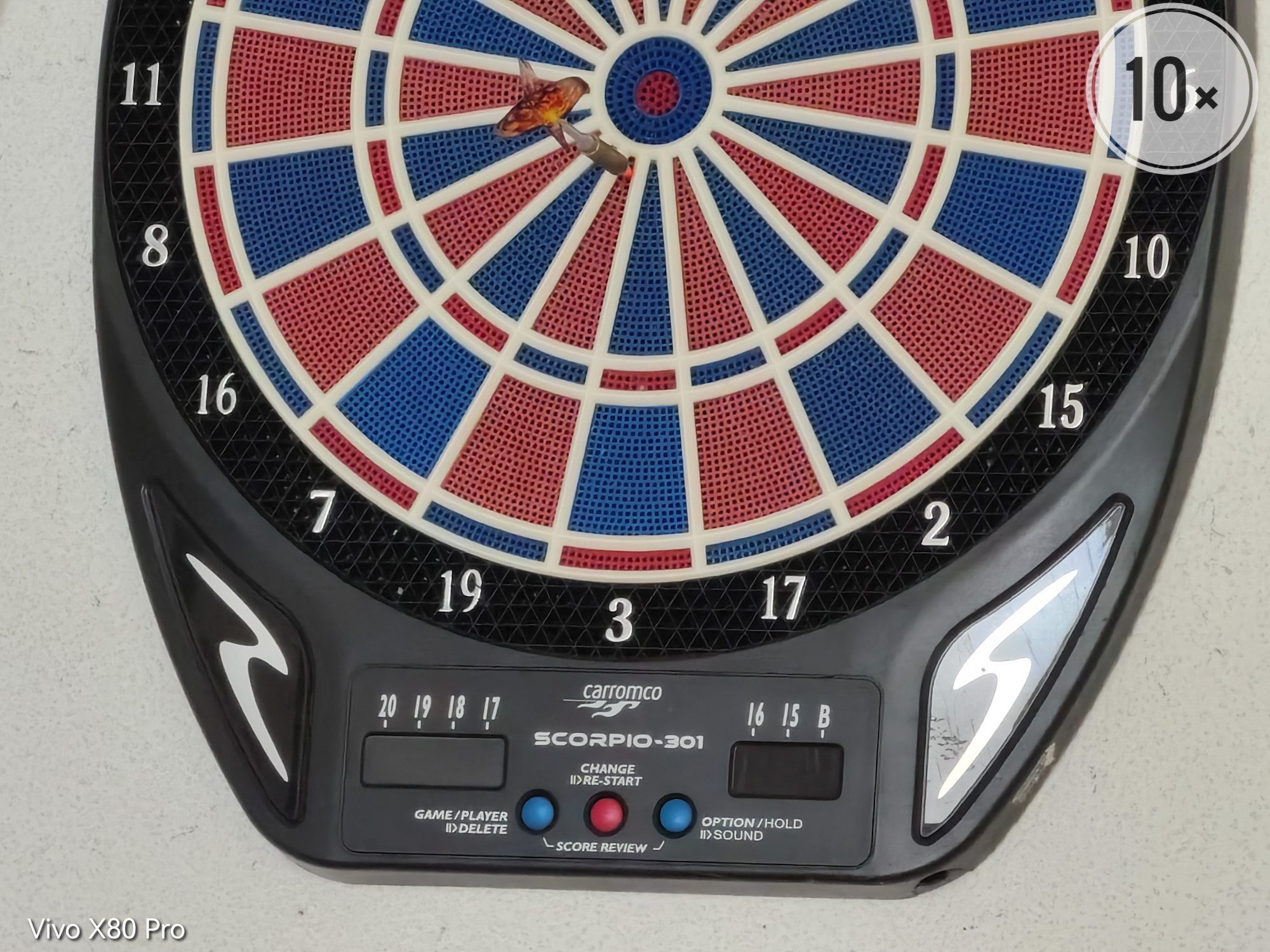
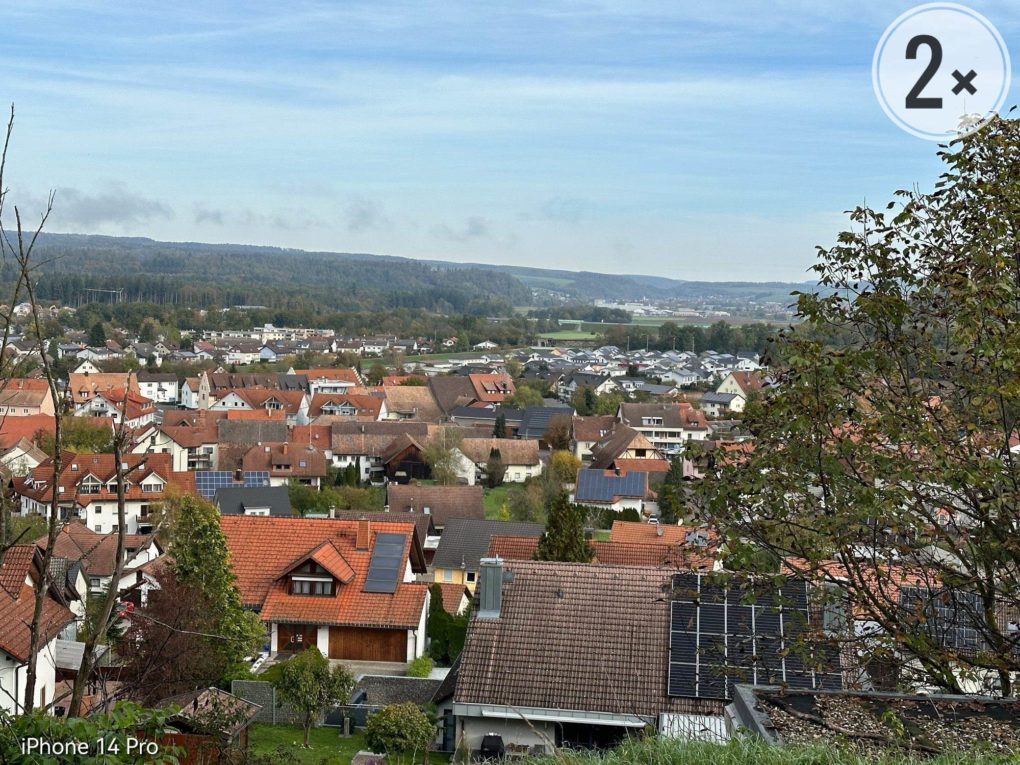
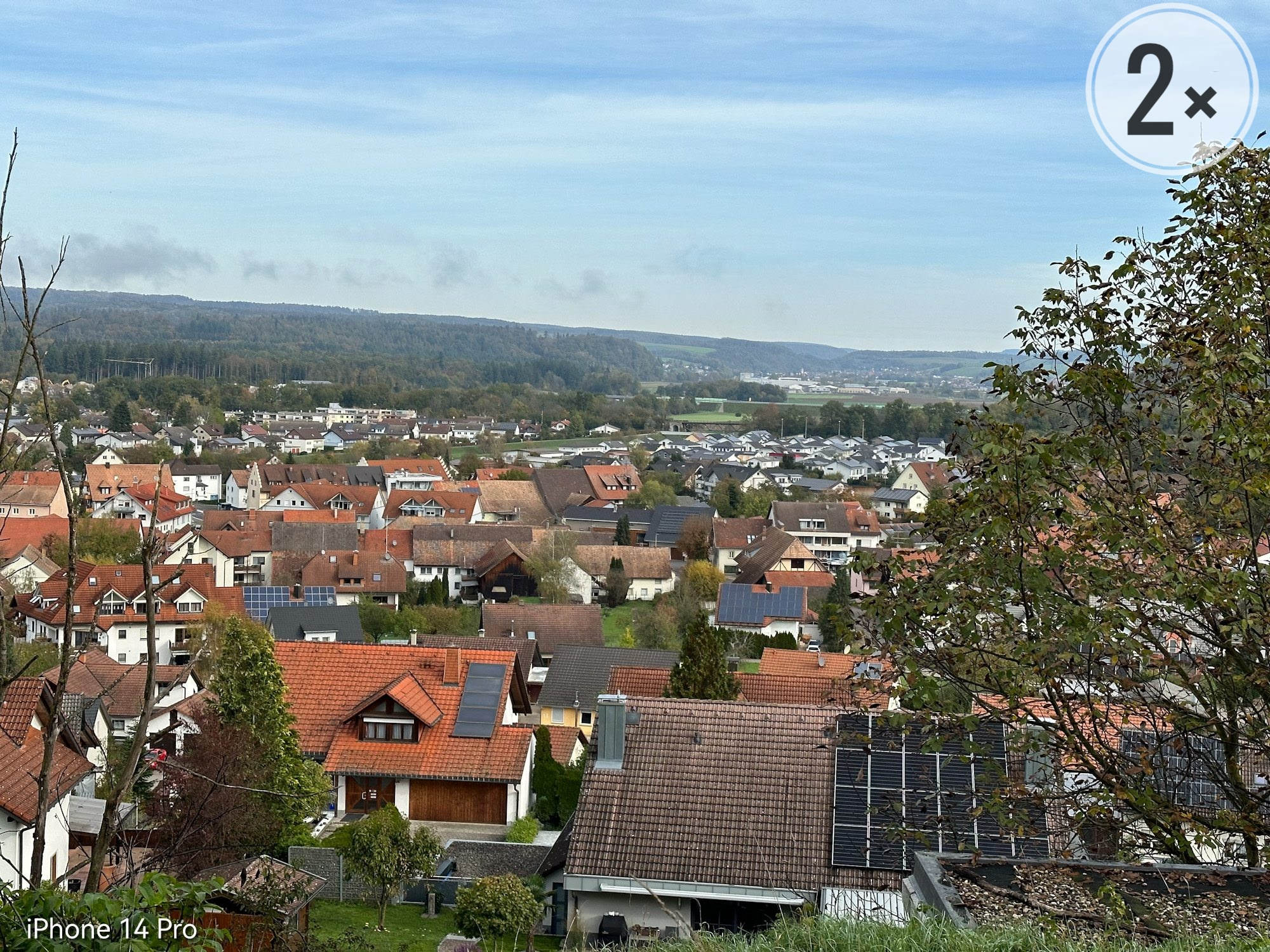
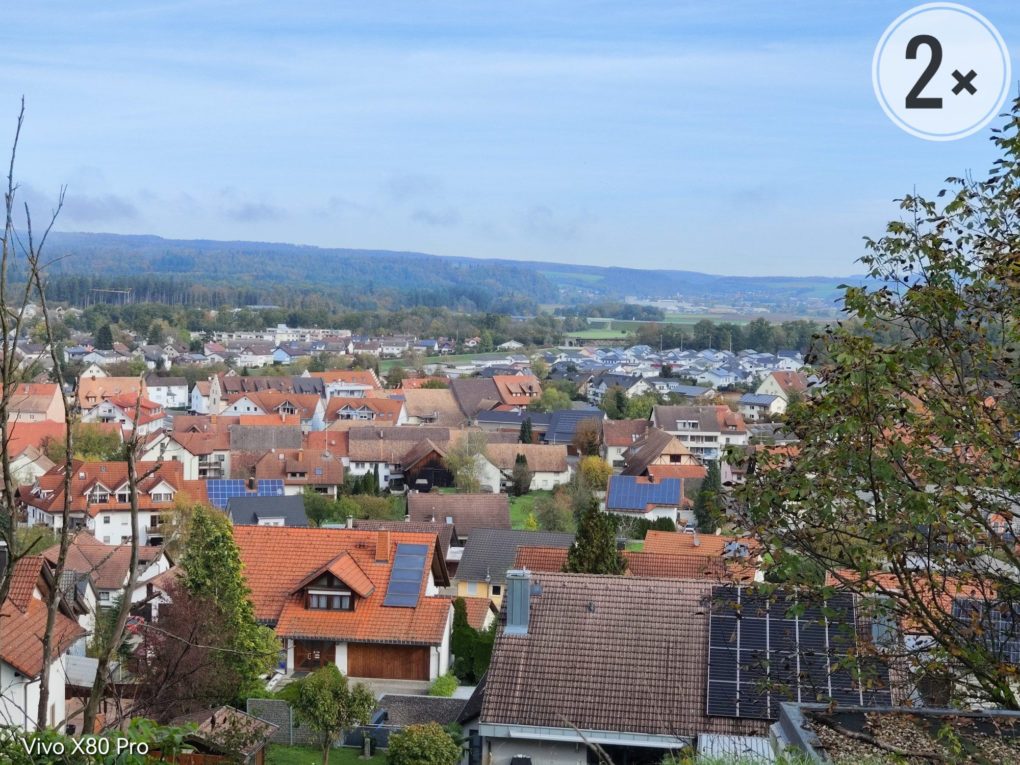
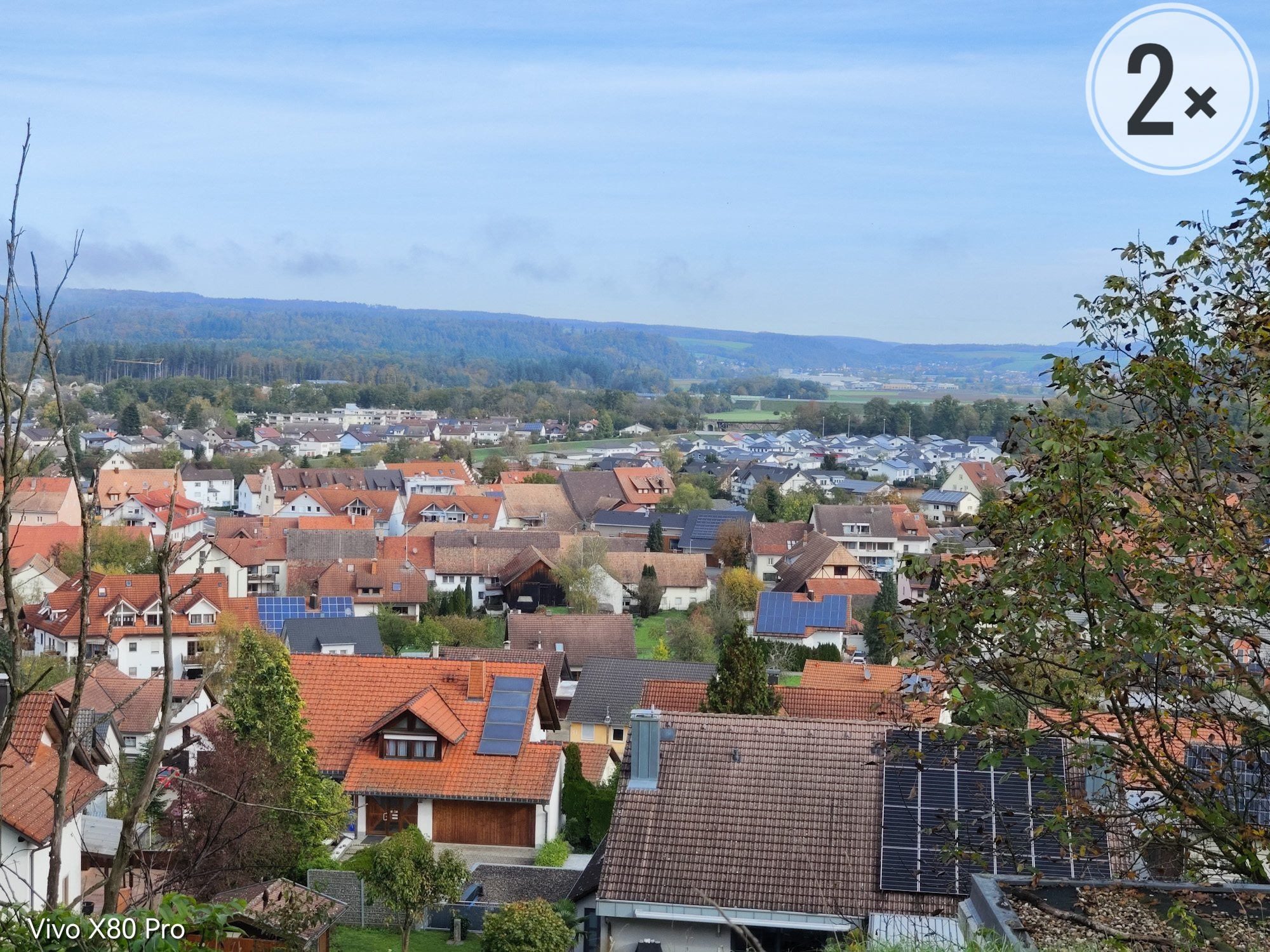
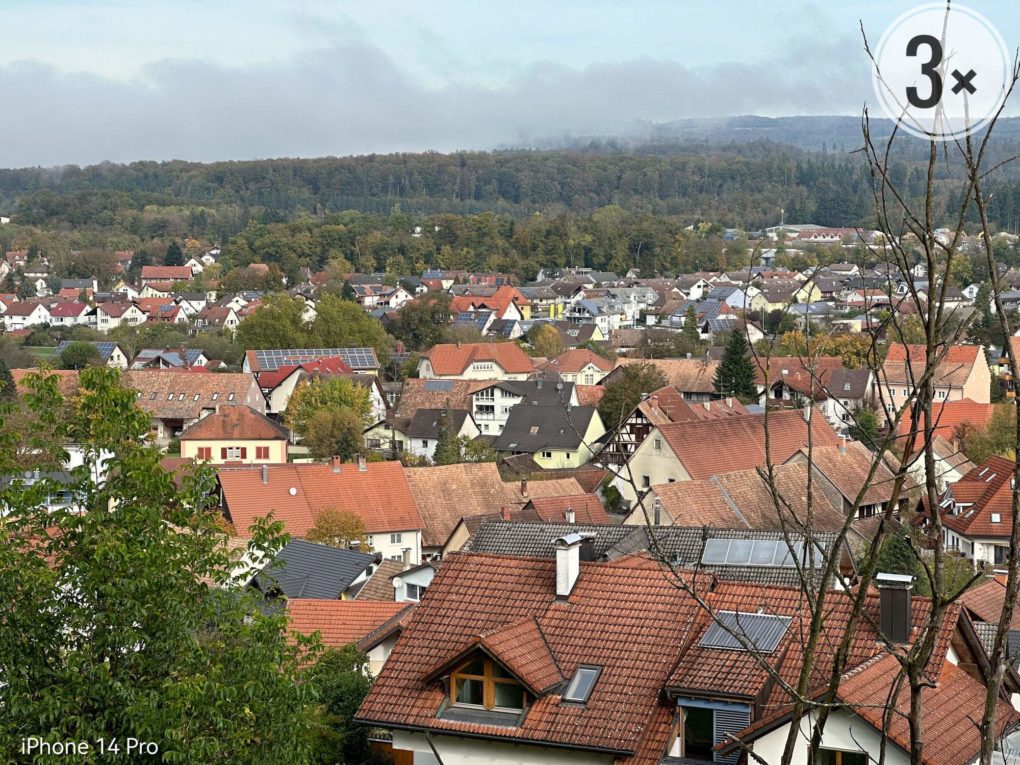
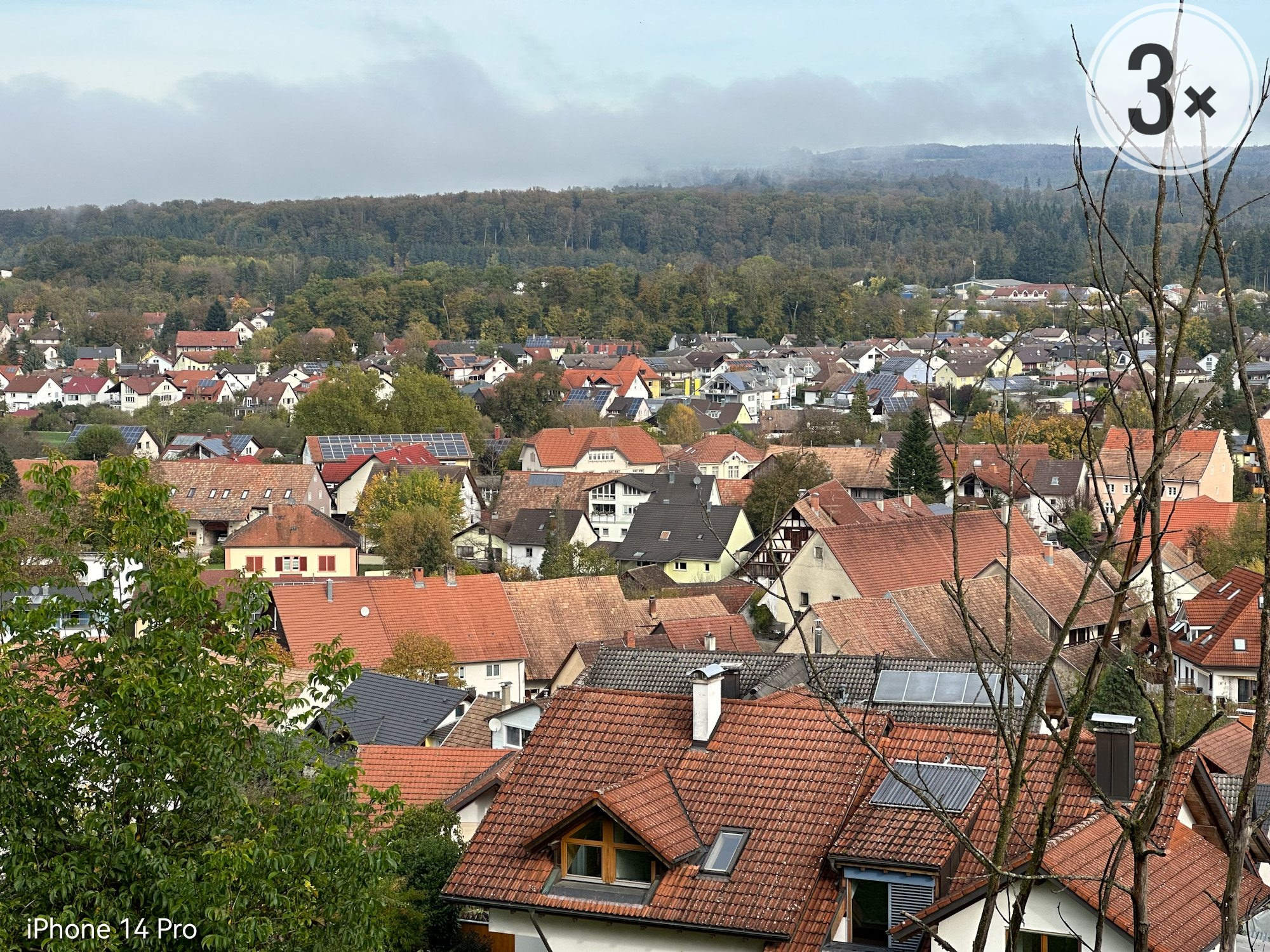
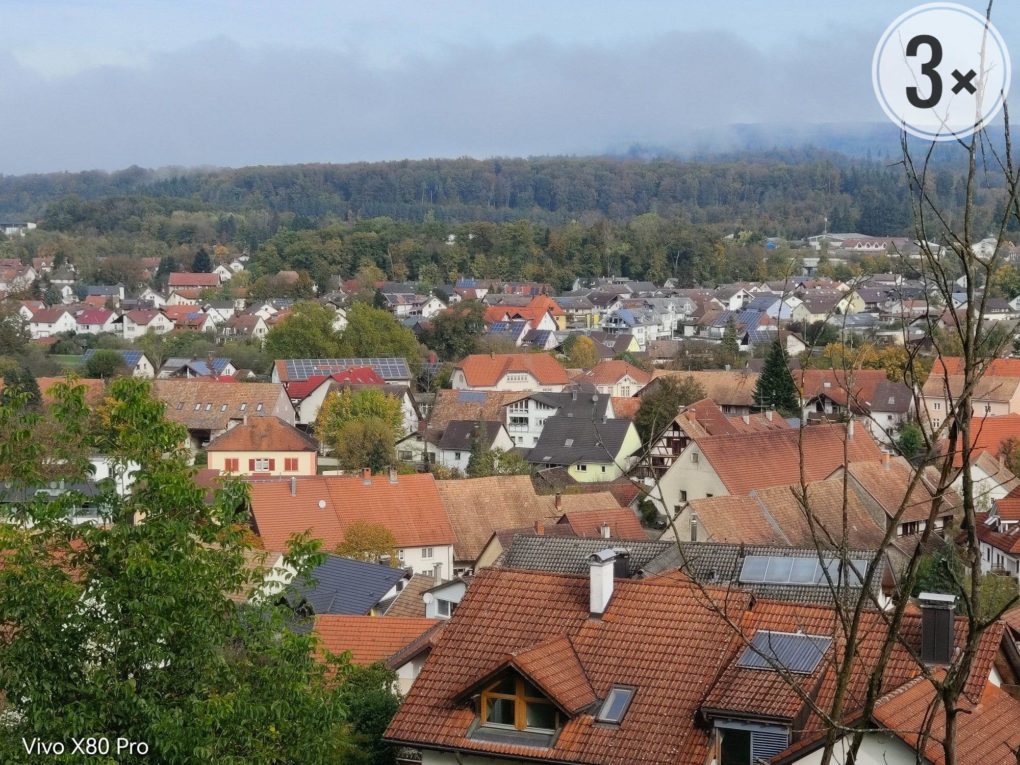
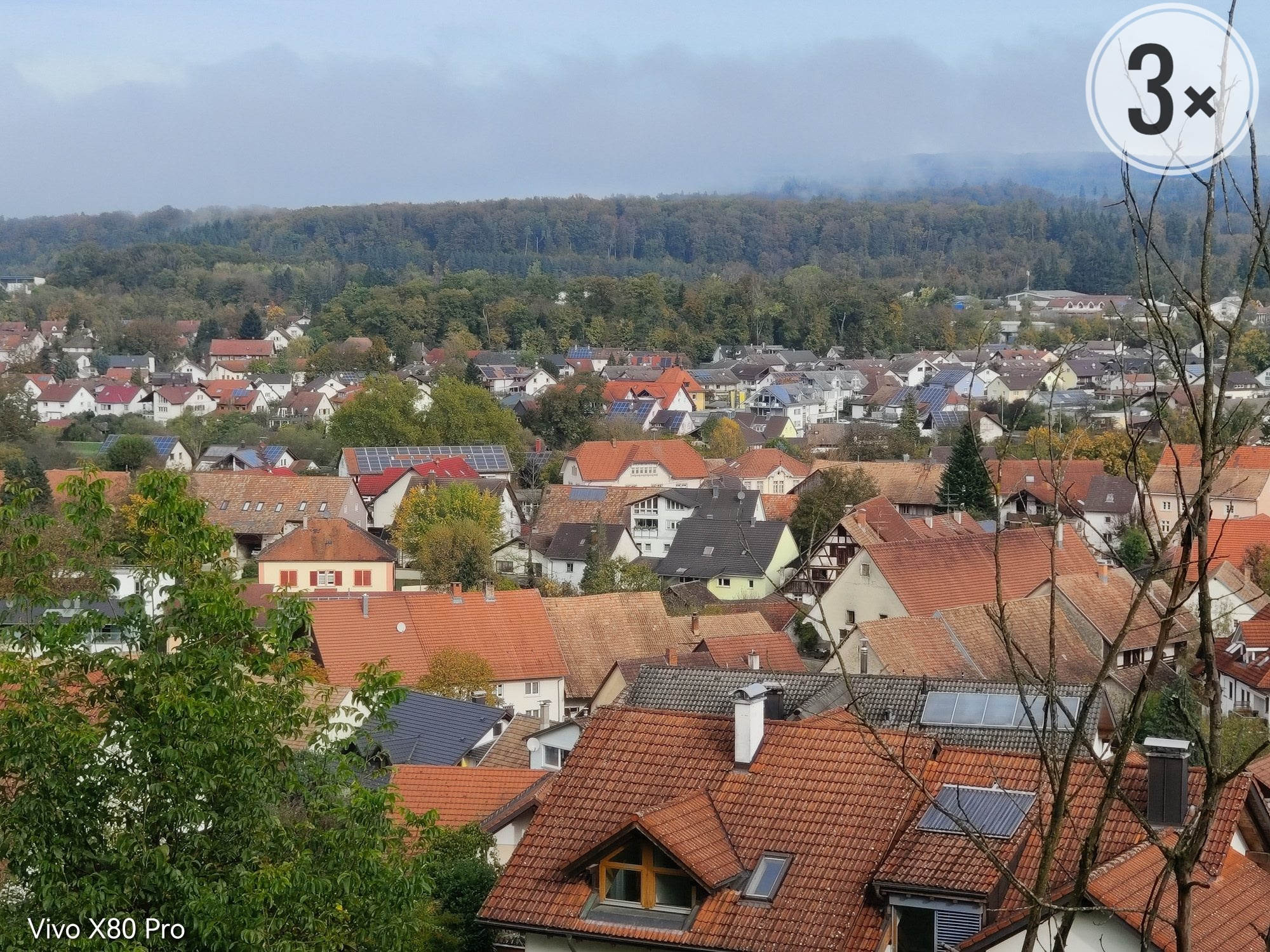
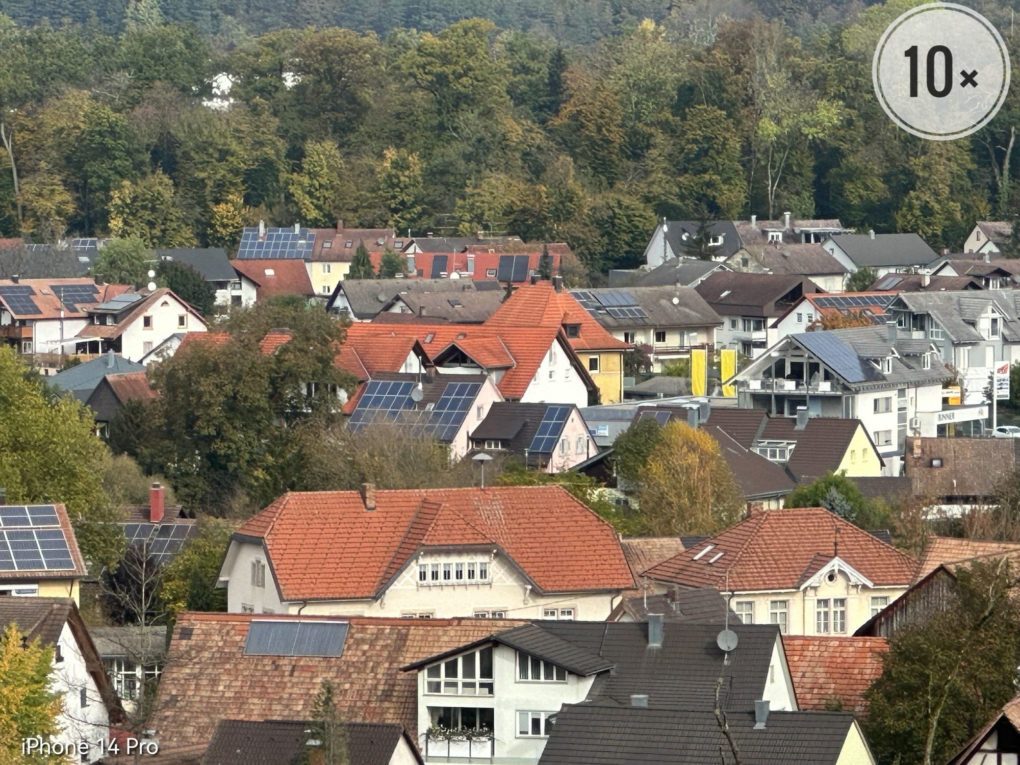
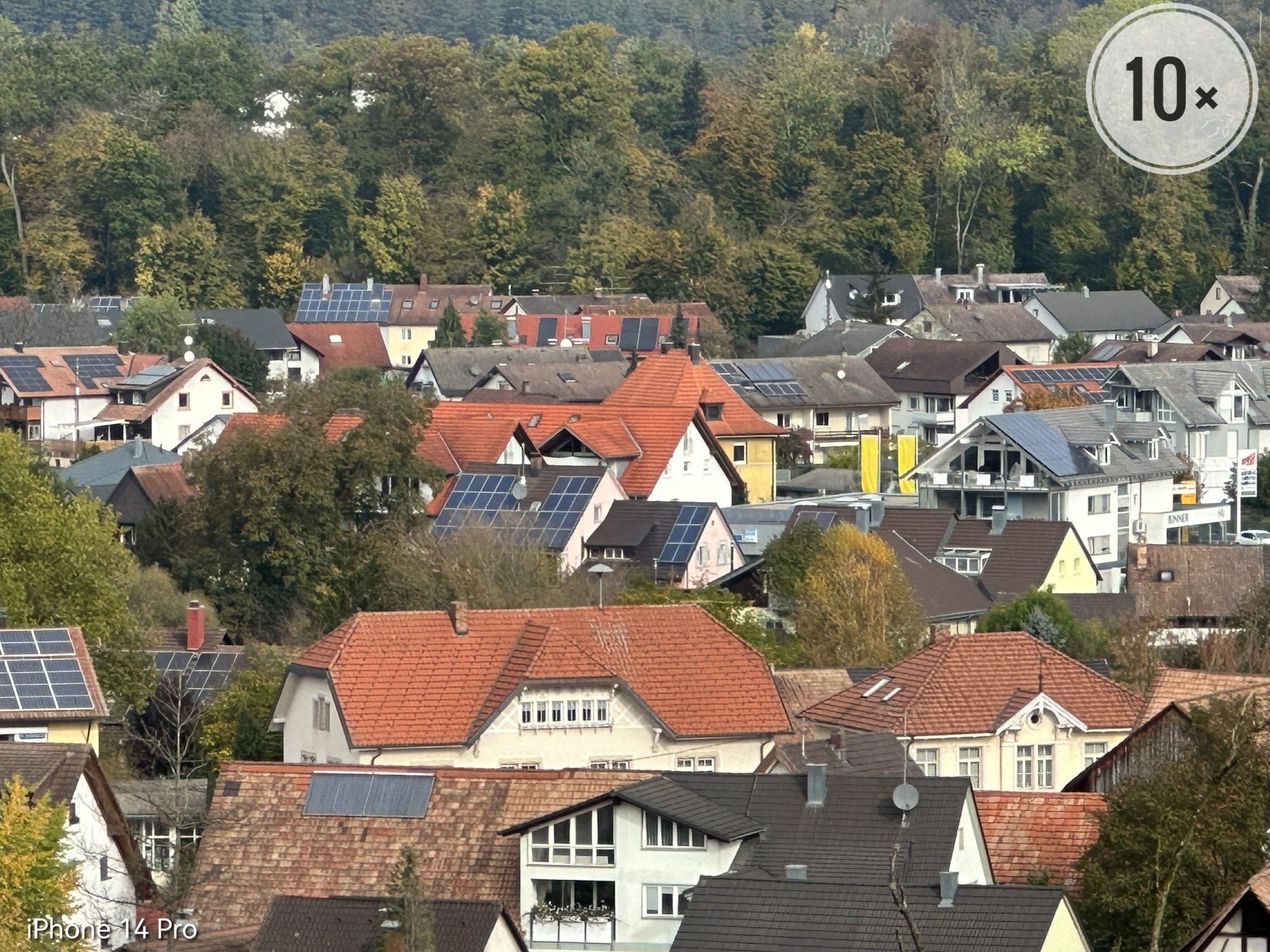
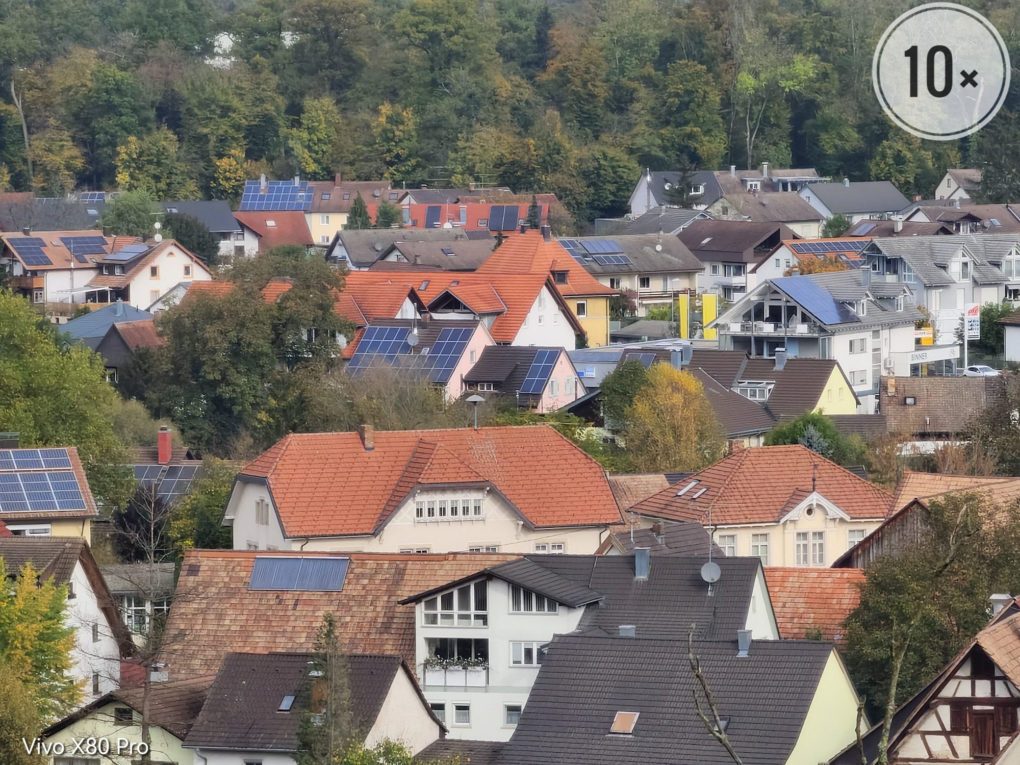
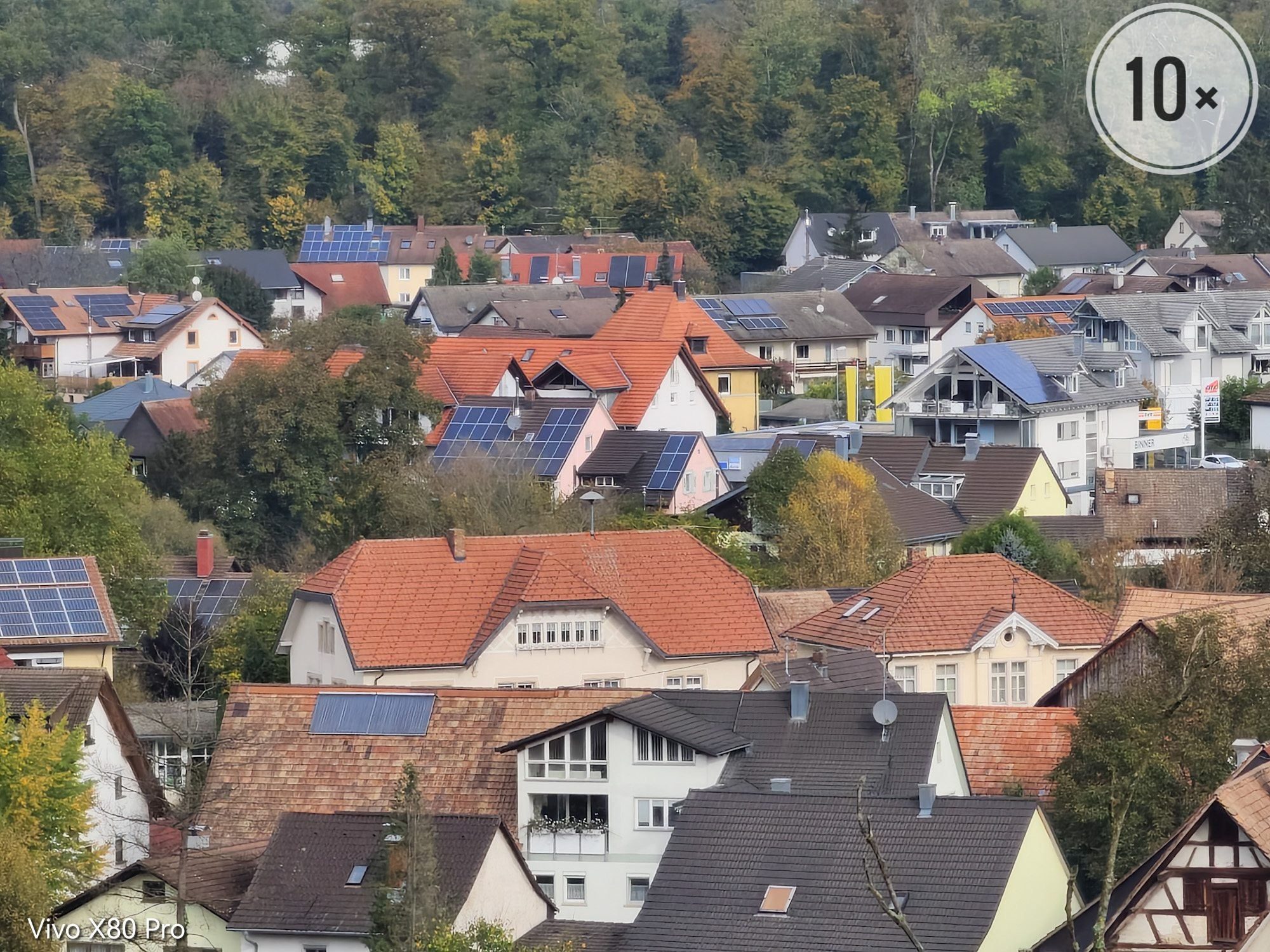
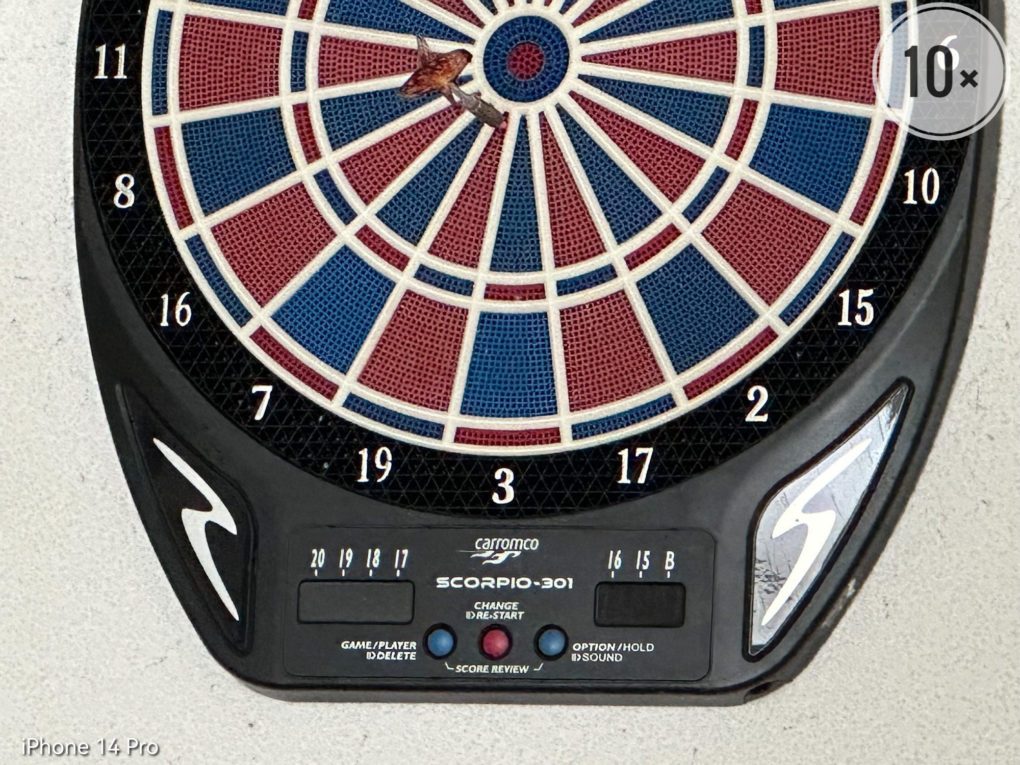
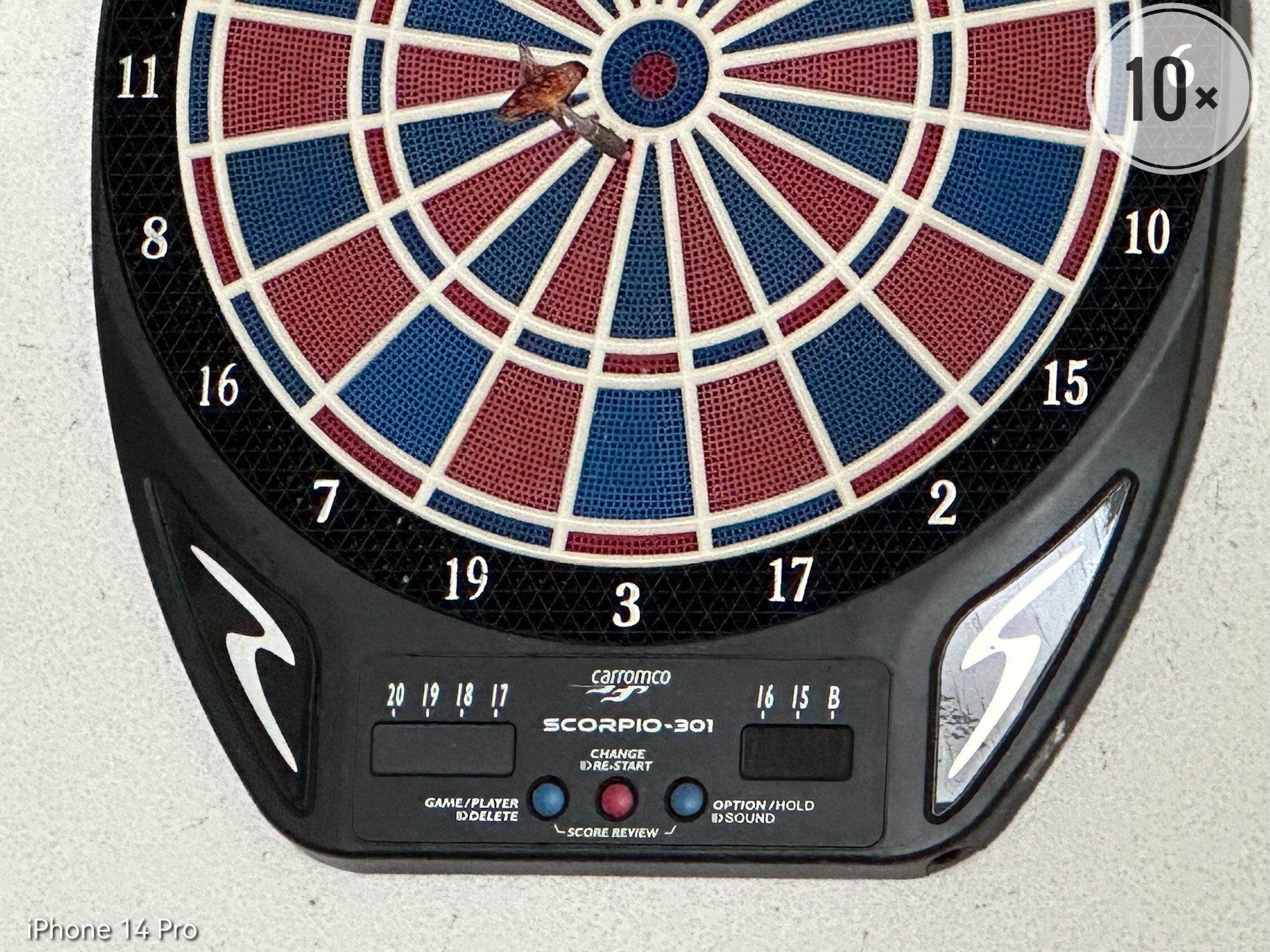
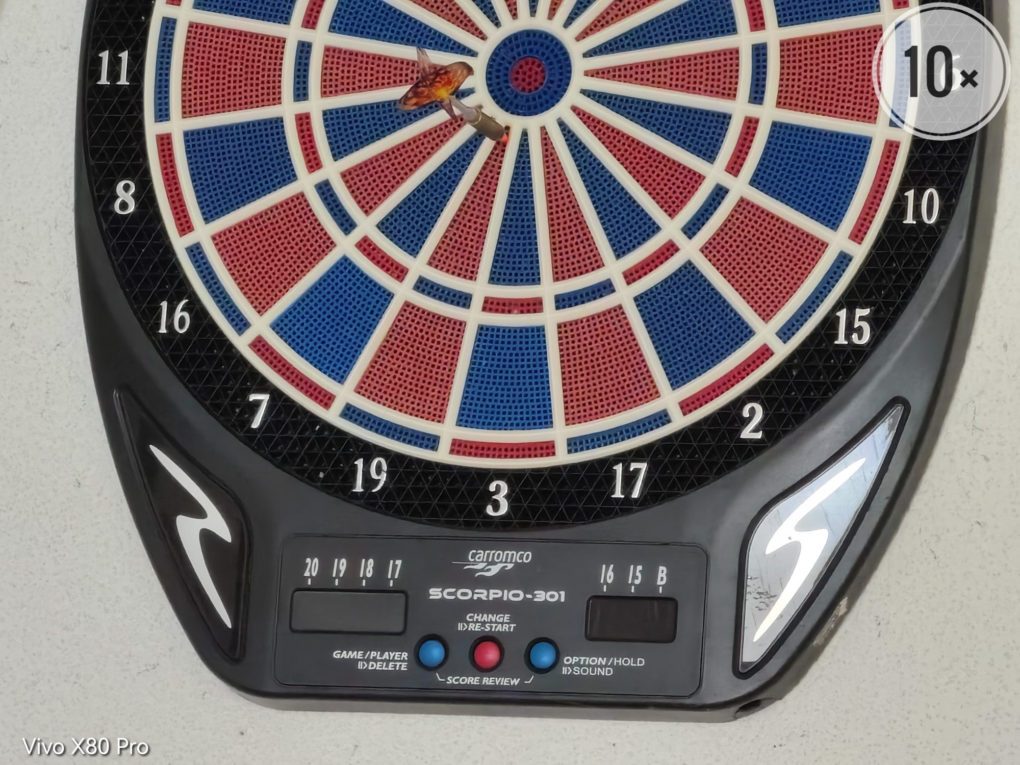
Let's start with 2x zoom shots. In my opinion, the iPhone 14 Pro delivers slightly nicer colors here, whereas the Vivo retains more details. If we zoom in a little closer, Apple wins because the telephoto camera is used from 3x magnification. The X80 Pro has to resort to a digital zoom at 3x magnification.
However, if you want to zoom in even closer to objects, the Vivo X80 Pro is a clear winner. The images are visibly sharper and do not start to become noisy as quickly in low light.
Conclusion
The new 48 megapixel main camera of the iPhone 14 Pro takes excellent pictures without question, but I have to honestly say that the differences to last year's iPhone 13 Pro are very limited. I would have expected a little more in terms of sharpness, especially in comparison to the Vivo X80 Pro, because the latter takes (slightly) sharper pictures. In addition, the Android flagship has a better dynamic range and outclasses the iPhone in poor lighting conditions. So in my opinion the point for the main camera goes to the Vivo X80 Pro, even if I noticeably like the iPhone colors better in good lighting conditions.
The ultra wide-angle cameras of both smartphones could hardly be more different. While the iPhone takes great photos with decent colors and decent sharpness in daylight produbbed, Vivo overdoes it with the colors and swallows some details. However, if the lighting conditions are worse, the Vivo clearly wins over the iPhone with brighter and sharper images. So for me there is no clear winner when it comes to the ultra-wide-angle camera.
If you place a lot of value on your smartphone's zoom capability, there's really no way around the iPhone 14 Pro. 3x zoom shots look better, but the X80 Pro is more flexible when it comes to zooming thanks to its two telephoto cameras. There's no clear winner for me between 2x and 2,9x magnification, because Apple displays colors more accurately and Vivo provides more details, but from 5x magnification onwards the X80 Pro is clearly ahead. So the Vivo wins the zoom comparison.
In conclusion, it can be said that I personally tend to Vivo X80 Pro because I attach great importance to the low light performance and the zoom. However, I would like Vivo to get a little more out of the ultra-wide-angle camera and make the color reproduction a little more realistic.
How do you see it? In your opinion, which smartphone delivers the nicer or better photos? Please let us know.
could it be that night mode was turned off on the iphone?
Hi
the night mode on the iPhone cannot be selected manually. When it's dark enough, night mode turns on automatically. With the test photos, it was always the case that it was dark enough, which is why night mode was always activated automatically.
Best regards,
Fabian Menzel from TechnikNews