In August, Google unveiled its new Pixel generation. We used the Pixel 11 Pro XL extensively in everyday life for two weeks and determined whether the larger Pro model is worth the €100 price difference compared to its predecessor.
Design and workmanship
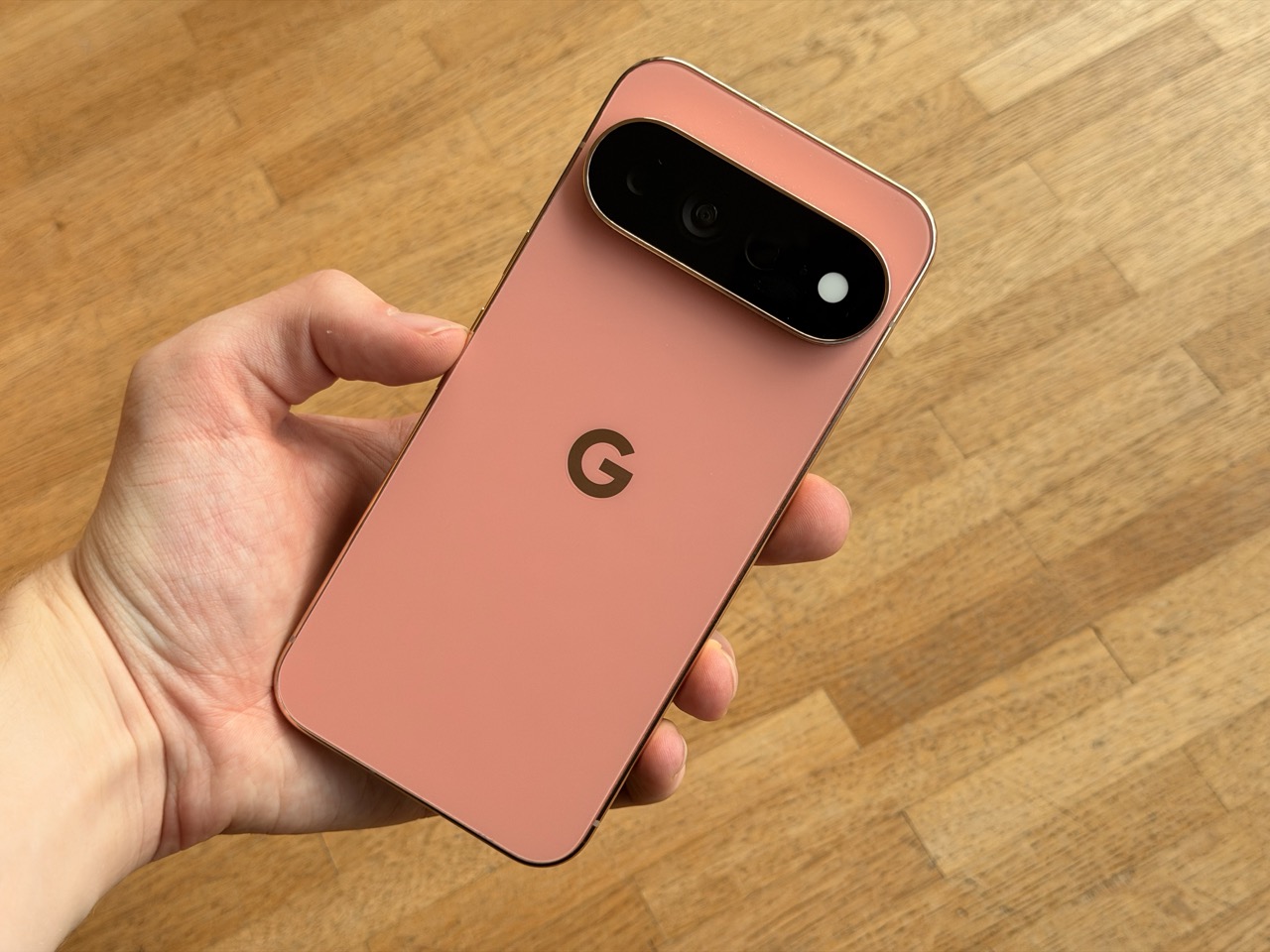
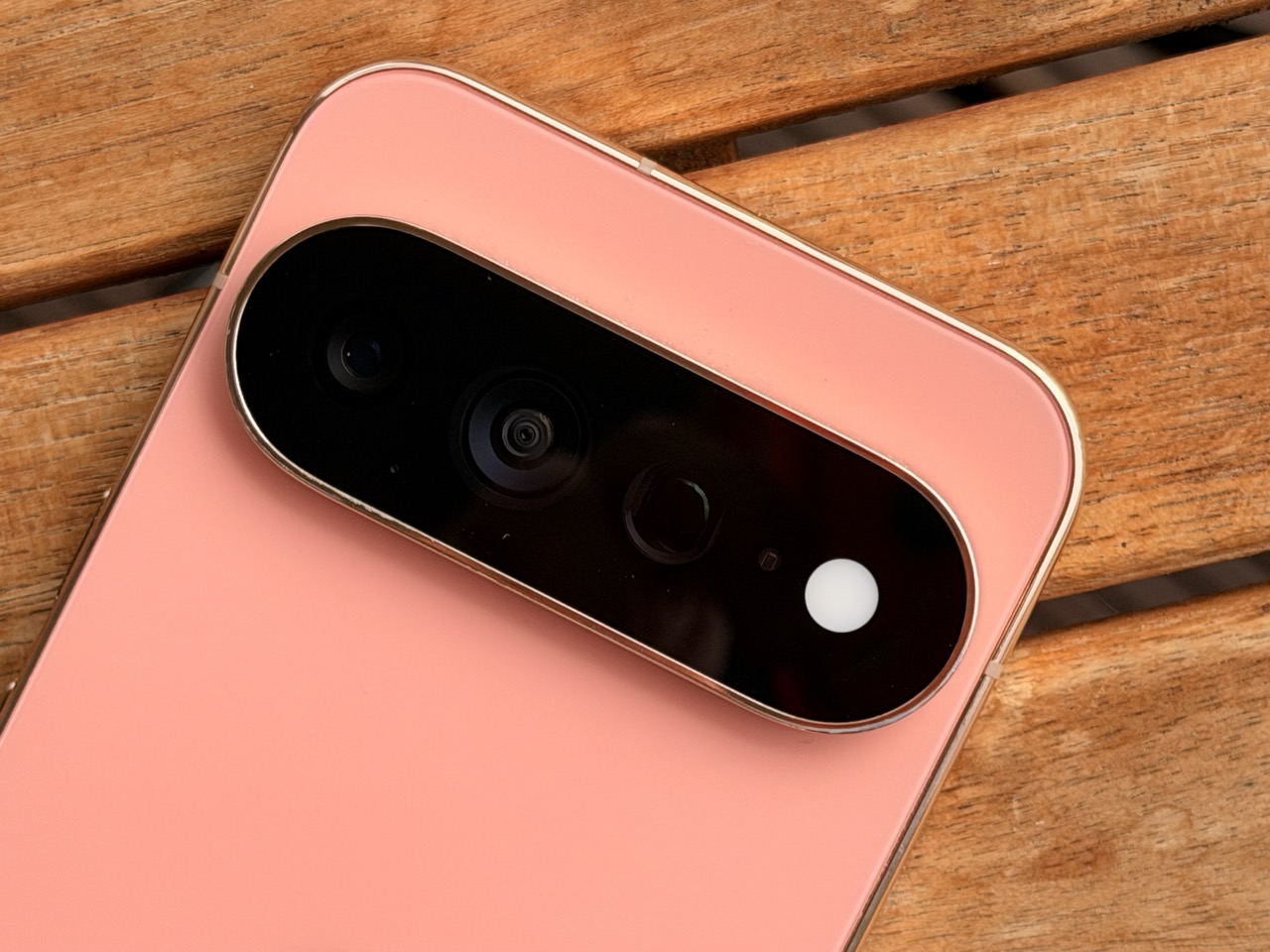
Externally, almost nothing has changed. The continuous camera bar remains the series' distinguishing feature; the only new aspect is that it's now completely enclosed under glass. Anyone familiar with a Pixel from previous generations won't be able to distinguish the 11 Pro XL at first glance. Nevertheless, my Canyon model with its polished aluminum frame and satin-finish back is one of the most attractive smartphones of the year, and the build quality is impeccable. The device is IP68-rated for dust and water resistance, and both the front and back are protected by Gorilla Glass Victus 2.
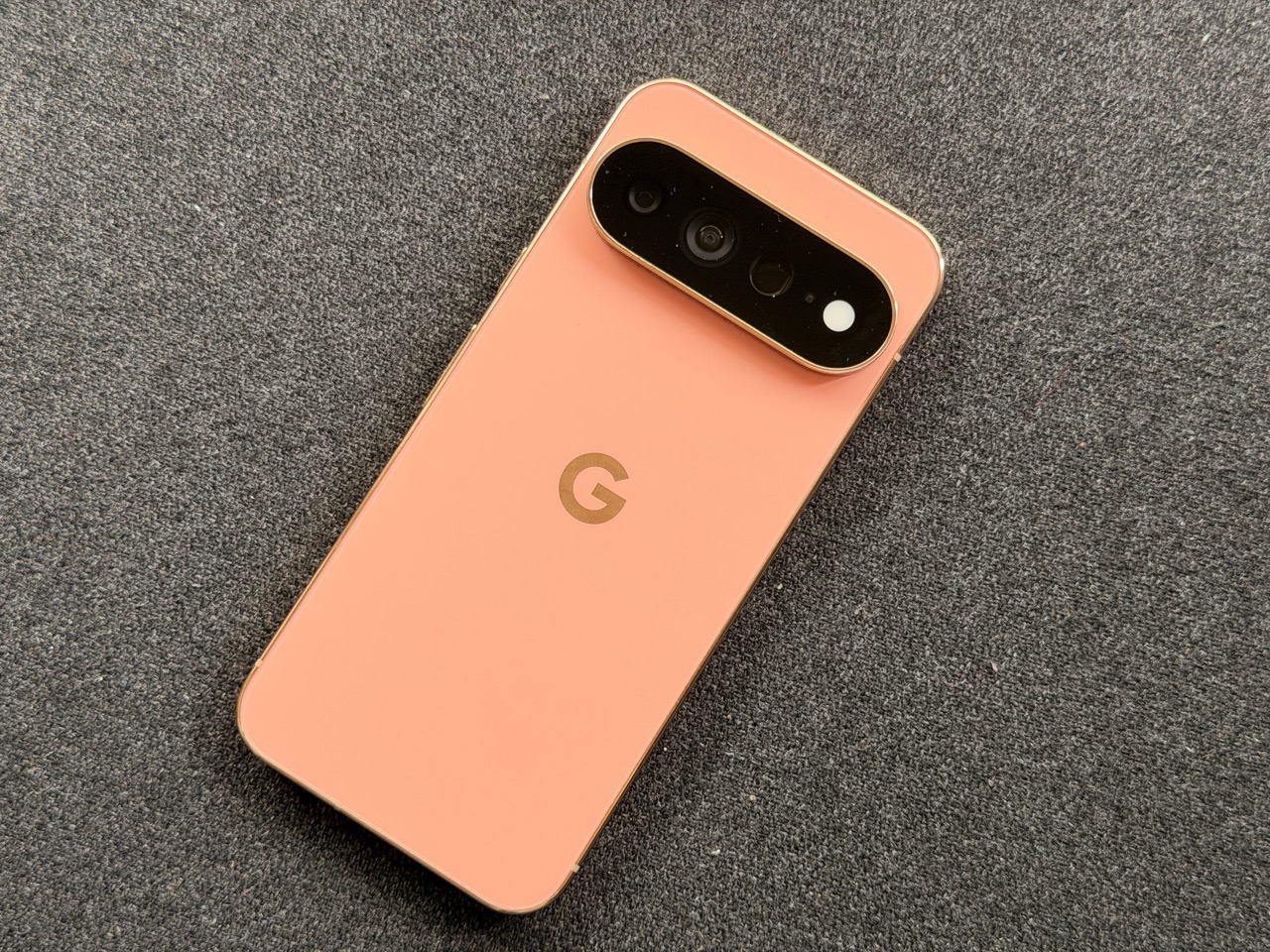
At 226 grams, the XL remains quite bulky. Google has shaved off a few grams, but it's not noticeable. After a day in your pocket, you definitely notice the difference compared to a more compact device, but that's to be expected with a 6,8-inch smartphone.
One change is noticeable on the back, and it's not a step backward. The temperature sensor that Google has included since the Pixel 8 Pro is gone. It's been replaced by "HiLight," a multi-colored LED in the camera bar. It lights up when you launch Gemini via voice command or when a pre-defined contact calls – and not at any other time. It can't be set up as a notification LED for any app, and it's only visible when the phone is lying face down on a table anyway.
I haven't used it once in two weeks, even though you could do so many cool things with it. I prefer talking to the Gemini while facing the display, and I'm looking at the screen anyway when I'm on a call. The temperature sensor was a gimmick that wasn't really developed. The LED, which is also there, has significantly more potential. Unfortunately, it's yet another feature that Google hasn't fully developed.
the display
The 6,8-inch screen is the device's most understated strength – understated in the sense that you never really think about it. Content is razor-sharp, the refresh rate adjusts dynamically, and the brightness is the real selling point. Google claims a peak brightness of 3.600 nits, a figure that, as always, should be taken with a grain of salt, as it applies to tiny sections of the screen under laboratory conditions. In everyday use, however, the real question is: Can the display be read in direct sunlight without having to cover it with your hand? This is easily possible, even after extended outdoor use.
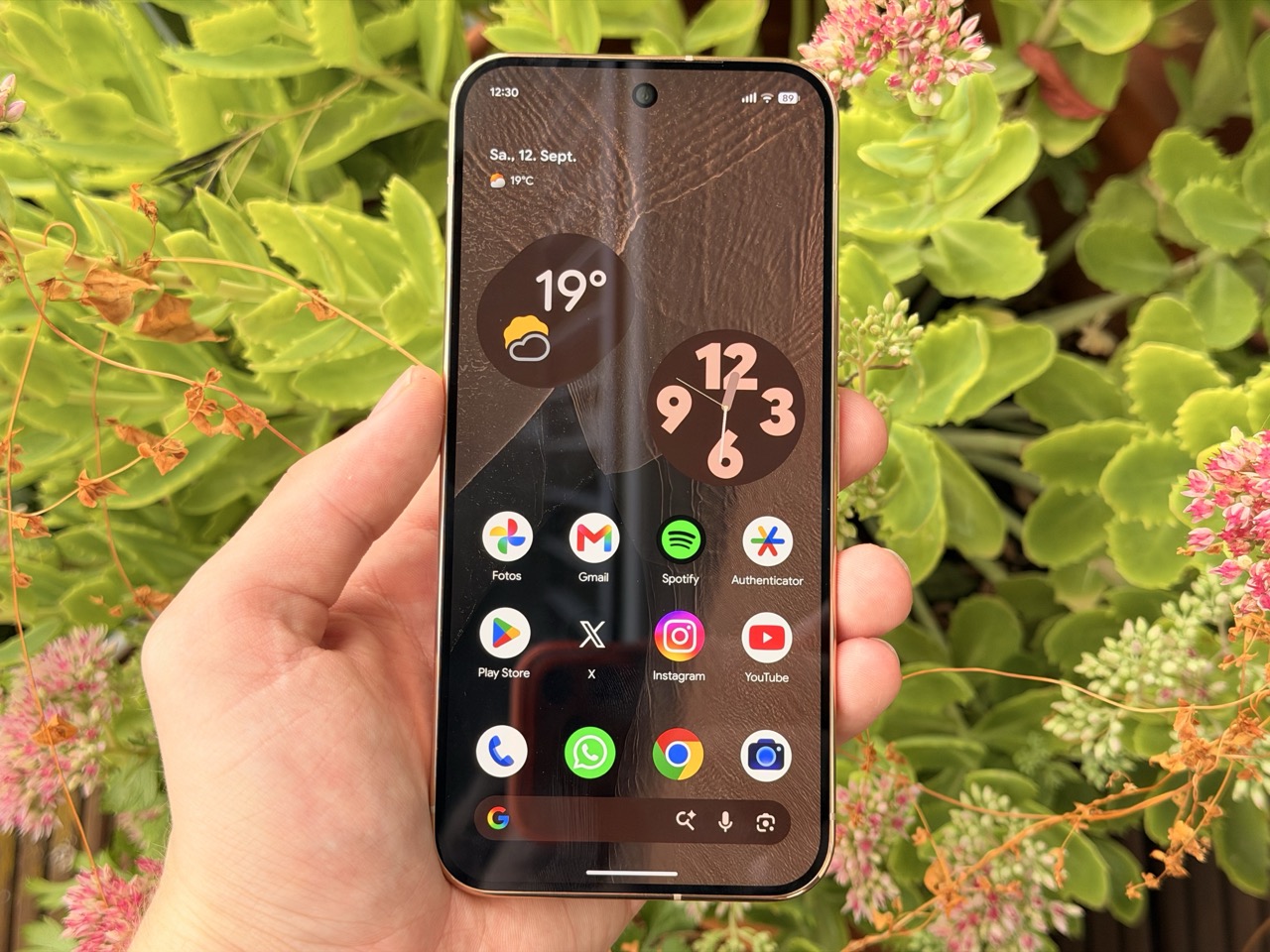
The bezels around the screen are narrow, but not as narrow as those of current competitors. Unlocking is done via an in-display fingerprint sensor or facial recognition, which is also enabled for banking apps. Both methods work quickly and reliably, even with wet fingers.
Google Pixel 11 Pro XL: Performance
The Pixel 11 Pro XL is powered by Google's new Tensor G6 processor, and it's the weak point of this generation. However, in everyday use, there's nothing to complain about. Apps open quickly, the system runs smoothly, and I didn't experience any stuttering in two weeks. Anyone who uses their smartphone for messaging, social media, navigation, and photos—basically, for what you use a smartphone for—will never feel like anything is missing.
The problem starts with the price. For a device costing over €1.300, Google delivers performance more in line with last year's flagship models. Current Android competitors are noticeably faster, and Google's graphics performance, in particular, has stagnated for generations. This is noticeable when playing demanding games and editing videos. It's not that the device is failing – it just doesn't feel like what you'd expect at this price.
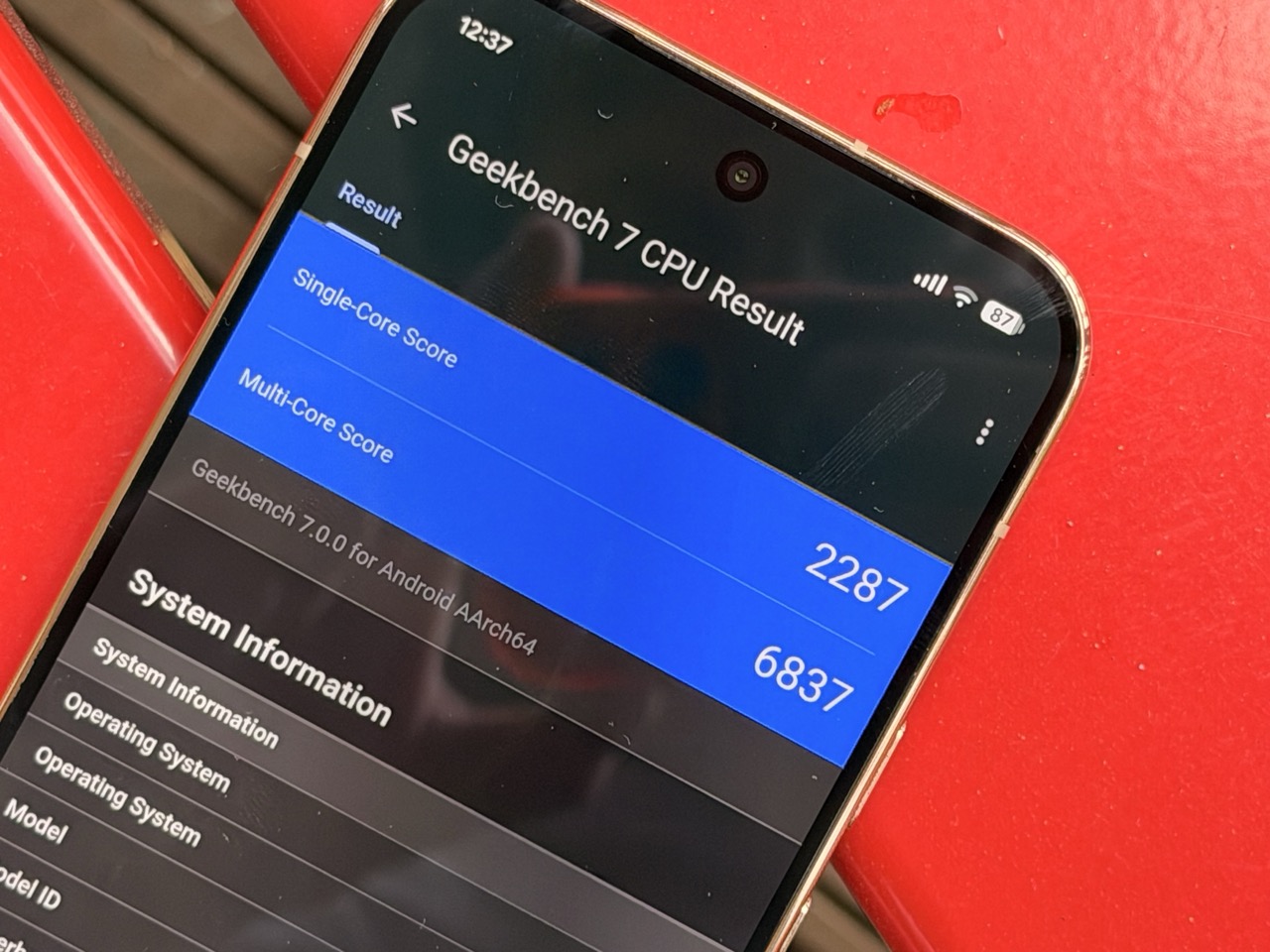
In addition, there's the heat generation. During longer video recordings and navigation over several kilometers, my test device became noticeably warm. It never got uncomfortably hot, and it didn't throttle its performance, but you could feel that the chip was working.
Fantastic haptic feedback – once again!
One detail that stood out to me and isn't mentioned in any spec sheet is the haptic feedback. The vibration motor works extremely precisely, and Google has integrated the subtle feedback so seamlessly into the system that typing and scrolling simply feel premium. This was already a strength of previous Pixel phones, and it remains one of the things that shows someone has put thought into the details.
Incidentally, Google has cut corners on RAM due to the current RAM shortage: The base model with 256 gigabytes now only comes with 12 gigabytes instead of 16. The full 16 gigabytes are only available starting with 512 gigabytes of storage – an unfortunate change at these prices. Google has switched to a new supplier for the mobile modem, but I didn't notice any difference in everyday use: Reception was just as good or mediocre as with the predecessor.
Battery and charging
The battery is slightly smaller than its predecessor, but lasts longer – the more efficient chip pays off here. I typically used five to six hours of screen time, which reliably got me through the day, usually with some charge left in the evening. That's good, but not record-breaking: there are Android smartphones that get significantly more out of it with larger batteries and more modern battery technology. Google is sticking with classic technology here, while the competition has long since moved on.
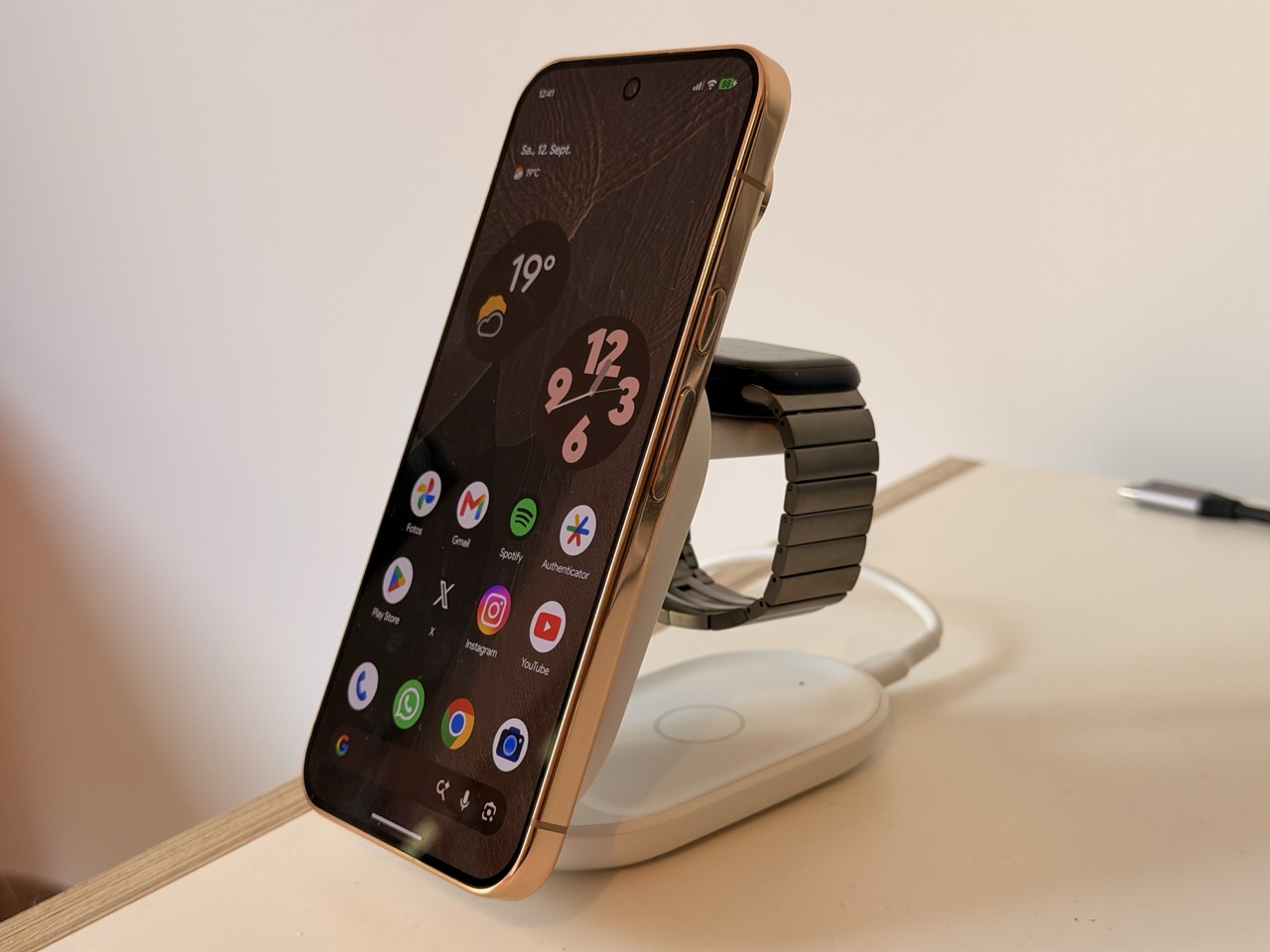
Charging is done via cable at up to 45 watts; a power adapter is not included. It takes about an hour and a half to charge from empty to full, with the last few percent charging deliberately slow. Wireless charging is also available for the XL at up to 25 watts and – this is the real convenience – it uses magnets. iPhone users can continue to use their MagSafe accessories, and this is still a rarity in the Android world. Charging pads, stands, car mounts: everything works without having to aim.
The camera
The camera is the main reason people choose this device. Google has included a 50-megapixel main camera, a telephoto camera with 5x optical zoom, and an ultrawide camera with autofocus and macro functionality. The typical Pixel look is retained: a cool color palette with a subtle HDR effect, sharp without artificial oversharpening. The device is excellent for quick snapshots on the go – just take out your phone, press the shutter button, and you're done; the result is almost always great.
What impressed me most was the telephoto camera. The 5x zoom produces images that don't look like zoom shots, and even at 10x magnification, the results remain usable. Furthermore, the camera uses artificial intelligence to process the image and goes up to 120x magnification. While this is impressive to look at, it has little to do with traditional photography, and fine details quickly become blurry. At least Google saves both versions—the unprocessed original and the AI-generated image—and records the manipulation in the image information. This is a fair approach to a technology that otherwise quickly becomes mere invention.
We've taken some more test photos with the Pixel 11 Pro XL for you, which you can here You can retrieve it.
At night, the camera works significantly faster than before, so you no longer have to hold still for seconds. The colors remain natural, and I like the results in most situations. However, the Pixel still struggles with point light sources – streetlights, neon signs – and the glass over the camera bar... proThis occasionally produces slight reflections.
The device records video up to 8K, and in 4K at 60 frames per second. pro The second is over. Professional formats are still lacking. However, the stabilization is excellent: even when walking on cobblestones, the footage remains steady.
Software and AI
On the software side, Google remains true to its approach, and that's a good thing: virtually unmodified Android 17 without any added interface, plus seven years of feature and security updates. Anyone planning to keep their smartphone for a long time will find this to be one of the best deals on the market – theoretically, this device will remain current until the early 2030s.
Of the new AI features, one has actually found its way into my everyday life: the dictation function, which is also called "Rambler" in German. It writes GesproChenes not only includes filler words, "uhms," and discarded sentence beginnings, but also removes them automatically. This works surprisingly reliably in German and actually saves time when writing longer messages. However, it does require an internet connection.
The rest is nice, but not crucial. The new image styles in the camera app, the generated app icons, the enhanced live translation: I've used all of that.proBeer and then not reopened. In any case, we in Europe don't get the full range of functions – the features where Gemini independently performs tasks in the background are not available here.
Conclusion
The Google Pixel 11 Pro XL is a very good smartphone, but it doesn't easily justify its price. The camera is among the best you can currently buy, especially when zooming. The display is bright enough for any situation, the battery reliably lasts all day, magnetic charging is a real convenience, and seven years of updates is an argument that's hard to beat.
However, there are two things that really bothered me during the two weeks. The HiLight LED replaces a useful sensor with a gimmick that (currently) does almost nothing. And the processor simply isn't what you'd expect in this price range – you don't notice it in everyday use, but you do on the bill.
For those who take a lot of photos and plan to keep their smartphone for a long time, this is a well-rounded device that will provide years of satisfaction. However, those upgrading from the Pixel 10 Pro XL have no reason to switch. And for those willing to wait a little longer, it's worth checking street prices: they're already significantly lower than the manufacturer's suggested retail price.