
Suzuki Swace review: Positive summary after three months
A TEST REPORT from Benedict Behring  on November 22, 2024, 8:30 | Write a comment
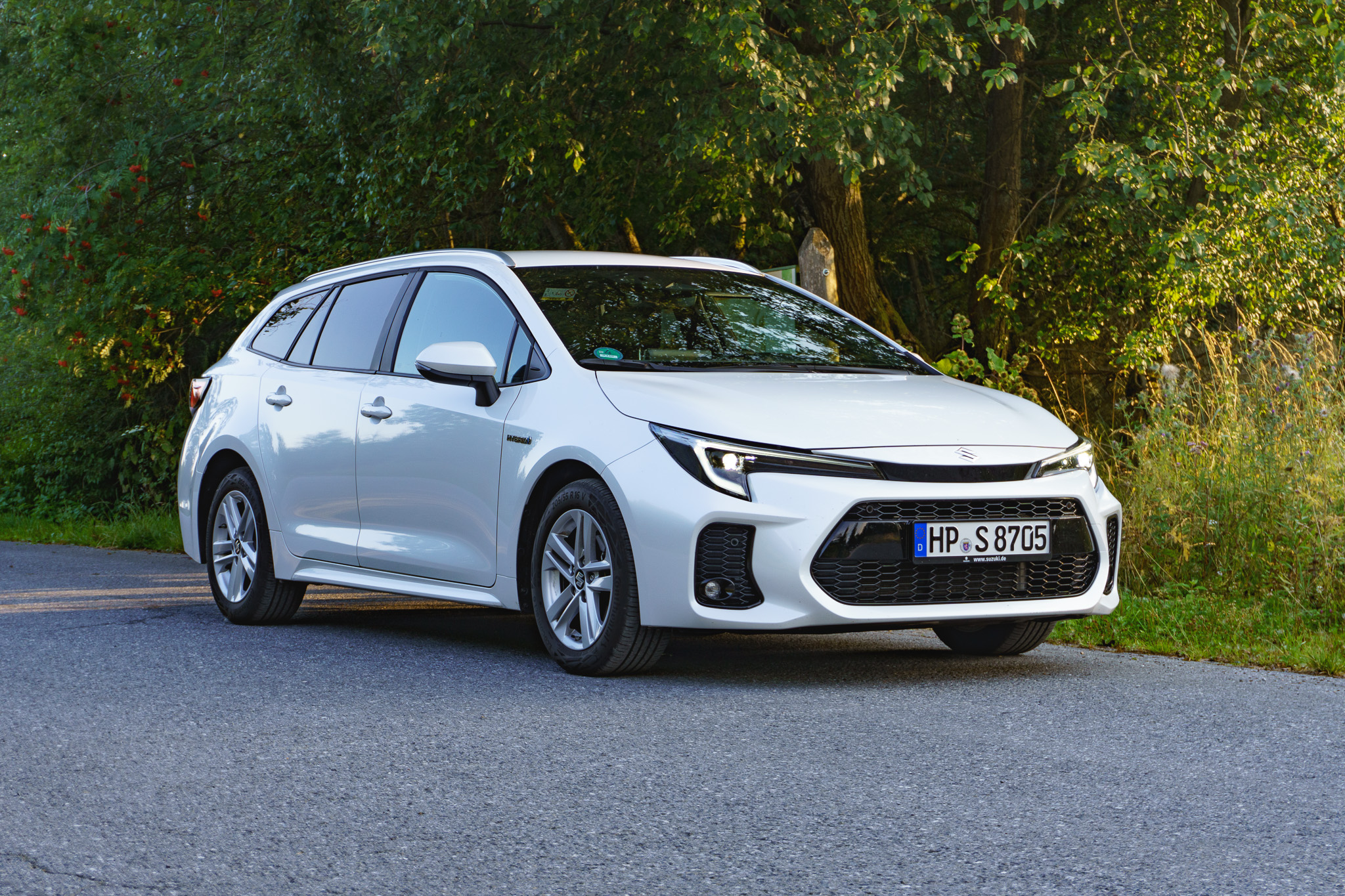
As with the already tested Suzuki across As was the case, the Swace was also created through a cooperation with Toyota. To be precise, the Suzuki Swace the Toyota Corolla Touring, with small, mainly visual changes. The biggest changes are a redesign of the front and the badge. The following test report, however, is about the Suzuki.
We were allowed to drive the full hybrid through everyday life for three months. Enough time to evaluate its strengths and weaknesses and to give you an idea of how you could manage your everyday life with it.
tl;dr: Positive conclusion after three months with the Suzuki Swace
After three months with the Swace, I can recommend it with a clear conscience. It is not exciting, but it is not boring either. With a consumption of less than 5 liters and a maximum load volume of 1.606 liters, it is perfect for families. The CVT transmission drives the front wheels without noticeable gear changes, but is quite loud when accelerating from 80 km/h to the maximum speed of 180 km/h. To be fair, however, it must be said that as soon as a speed is maintained, the volume drops significantly again. Overall, the Swace looks modern and aerodynamic without being particularly extravagant. The design is rather conservative and functional, which suits its target group well: buyers who value efficiency and space without wanting to forego an attractive design. With a price of €37.190,00 (including 19% VAT), the Swace belongs to the mid-price segment, but scores bonus points for its low fuel consumption and ease of use.
Design: strikingly simple
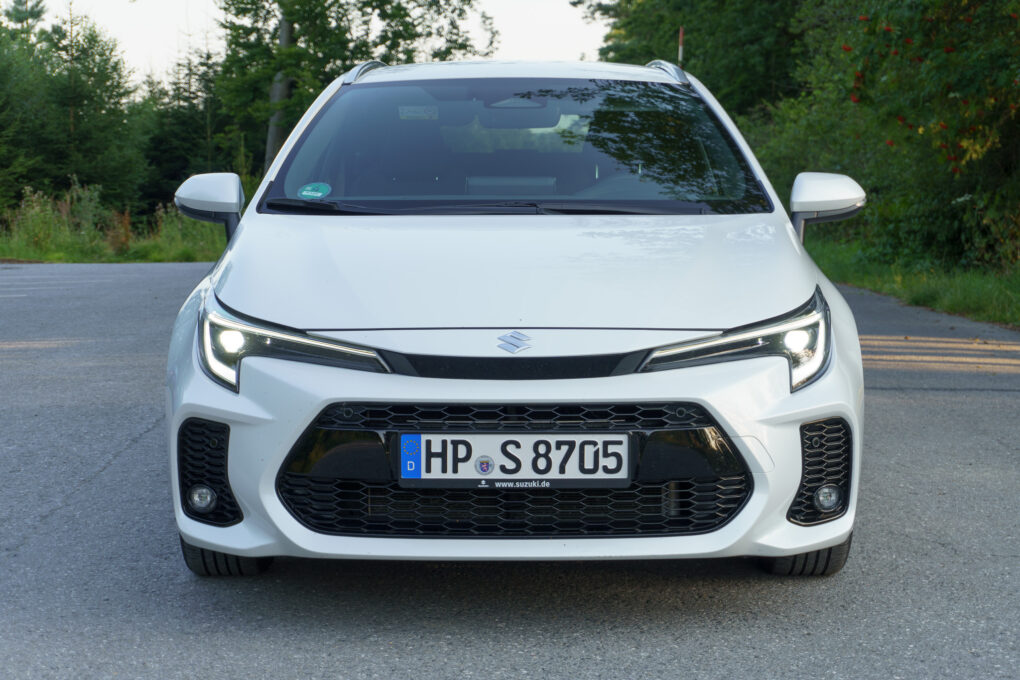
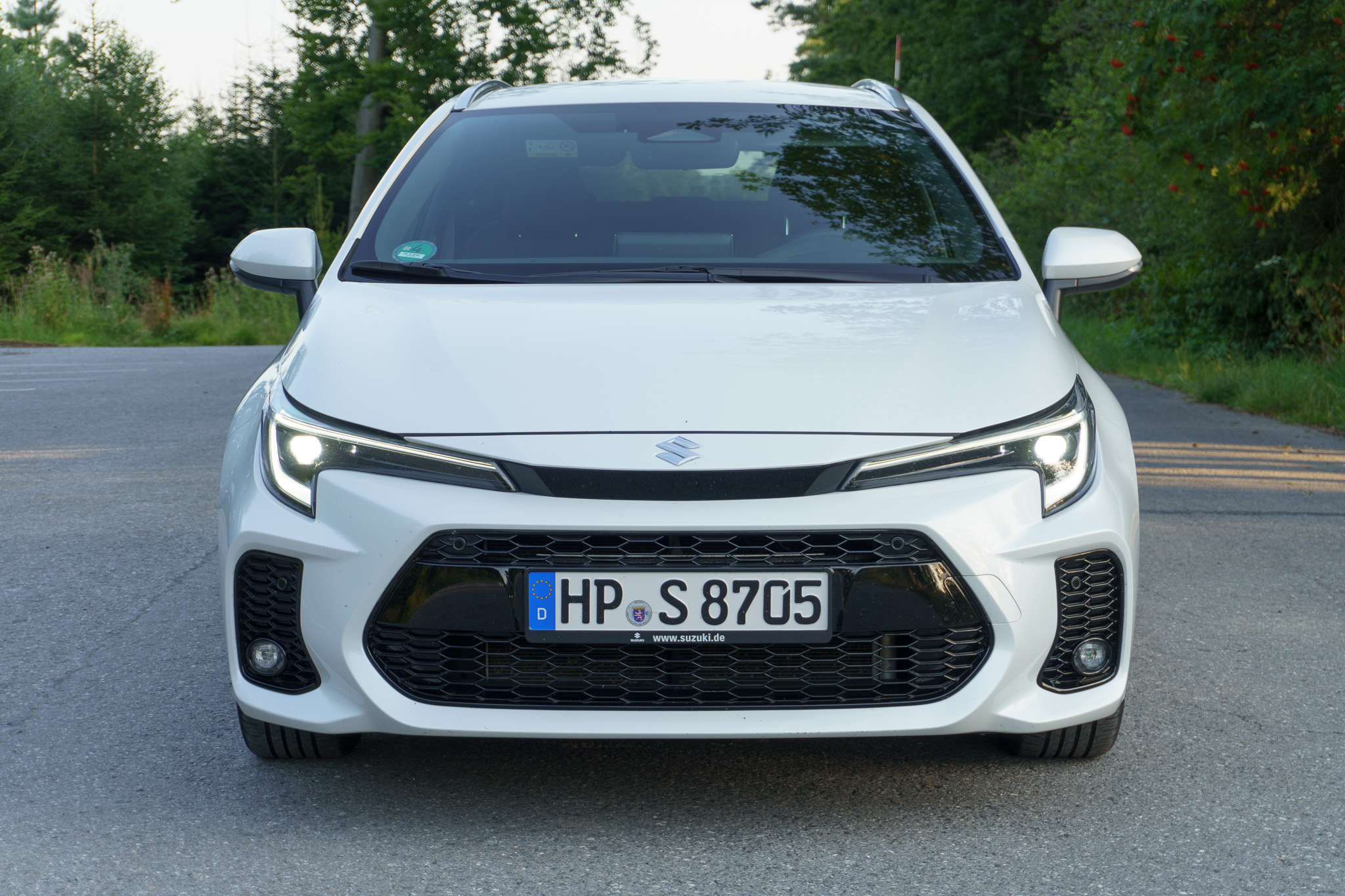
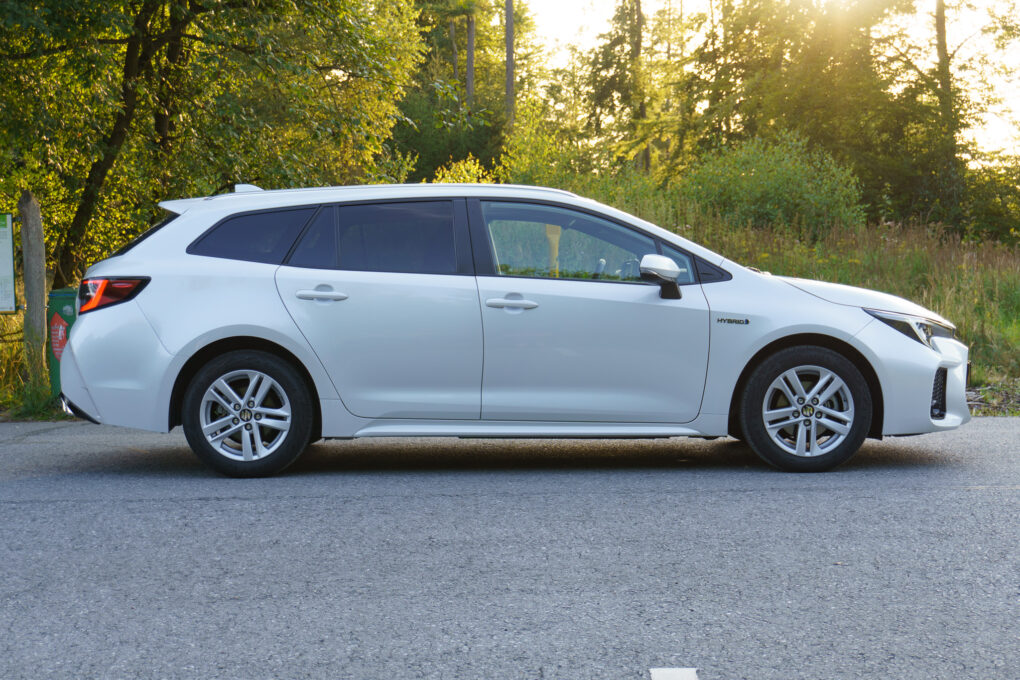
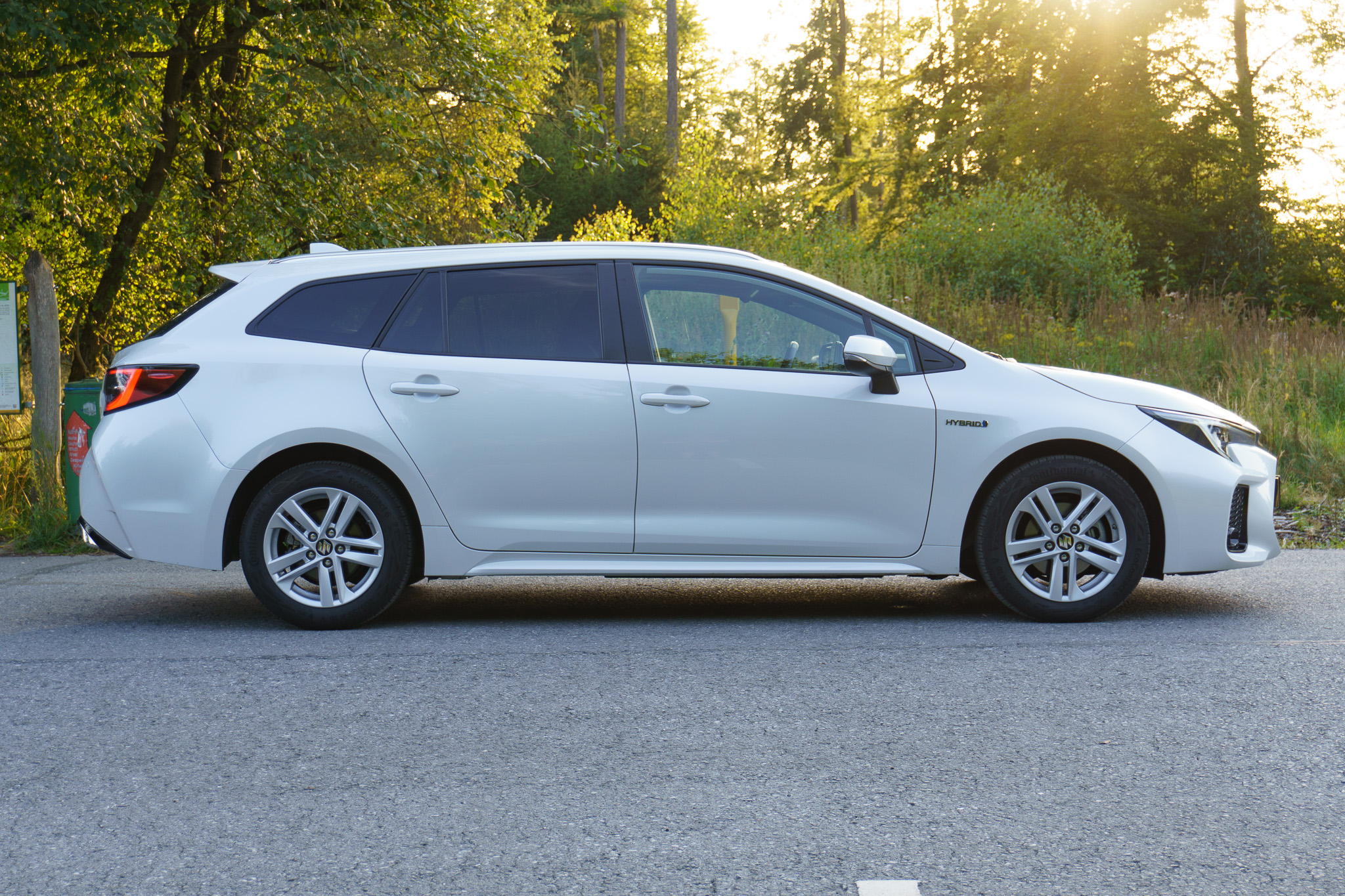
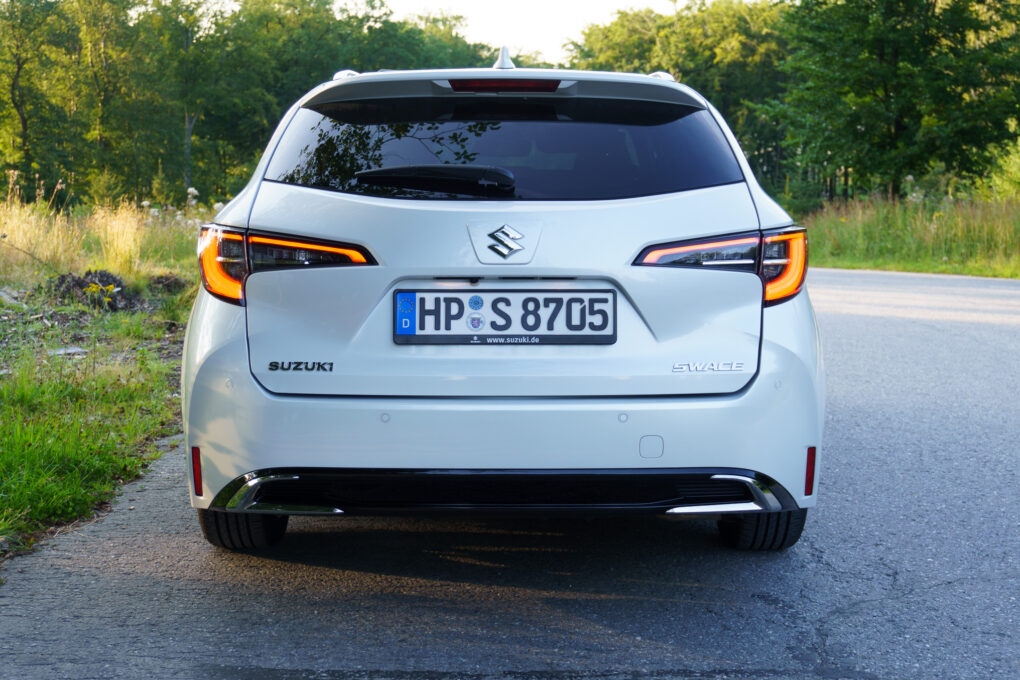
As already mentioned above, the Swace is basically a Toyota Corolla Touring with minor changes, but what does that mean? In general, the vehicle has few edges, but all the more flowing lines. From the subtle roof spoiler, there is a minimal incline - bulge - to the windscreen and then at a steep angle to the Suzuki badge. The headlights with the same sleek light signature at the front and rear ensure a wide look, as they are not embedded in the body, but are installed slightly protruding. Unlike many cars, the front of the Swace is more interesting than the rear. Around the thin daytime running lights we have several air inlets with a honeycomb pattern, which give the deep engine compartment even more sportiness. Overall, the vehicle has a length of 4,66 meters, making it 2 centimeters longer than the Across, Suzuki's largest SUV. The rear windows are darkened, but do not have their own sun blinds.
-
- Picture: TechnikNews
-
- Picture: TechnikNews
-
- Picture: TechnikNews

Interior: Comfortable and functional
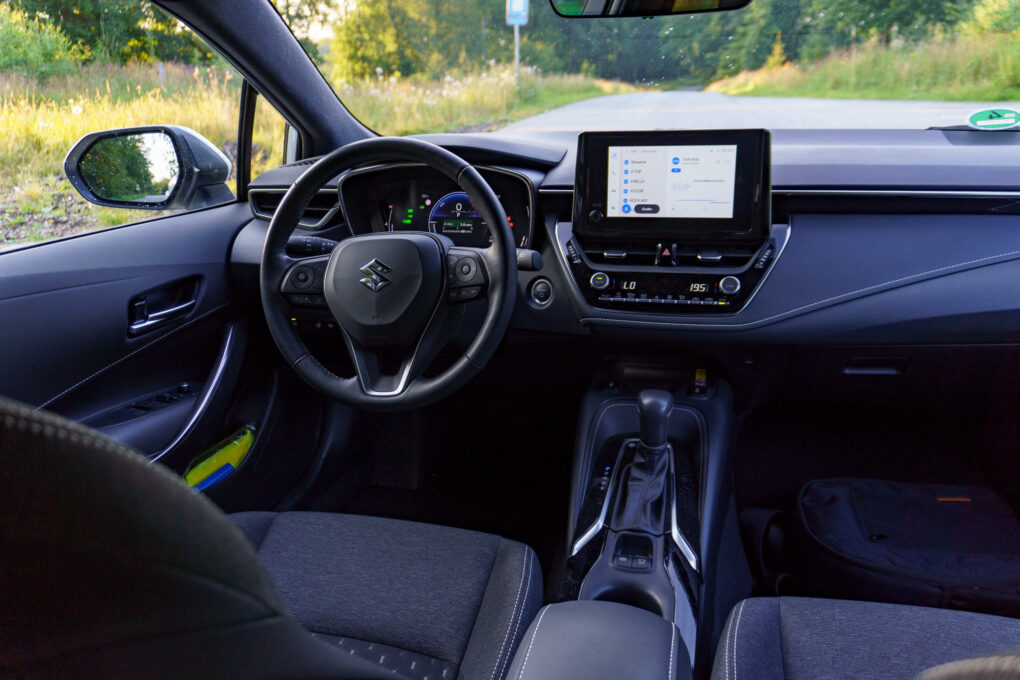
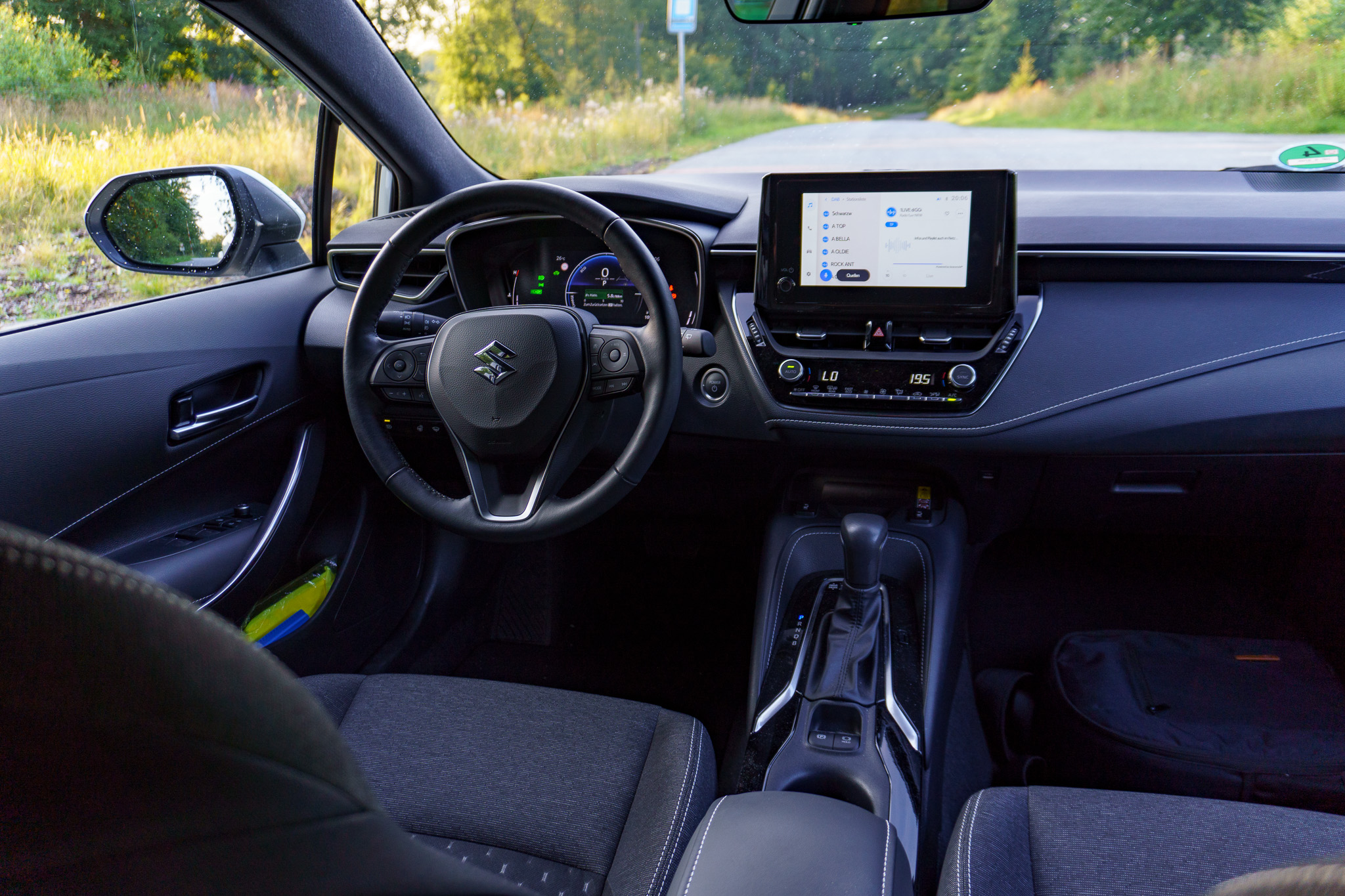
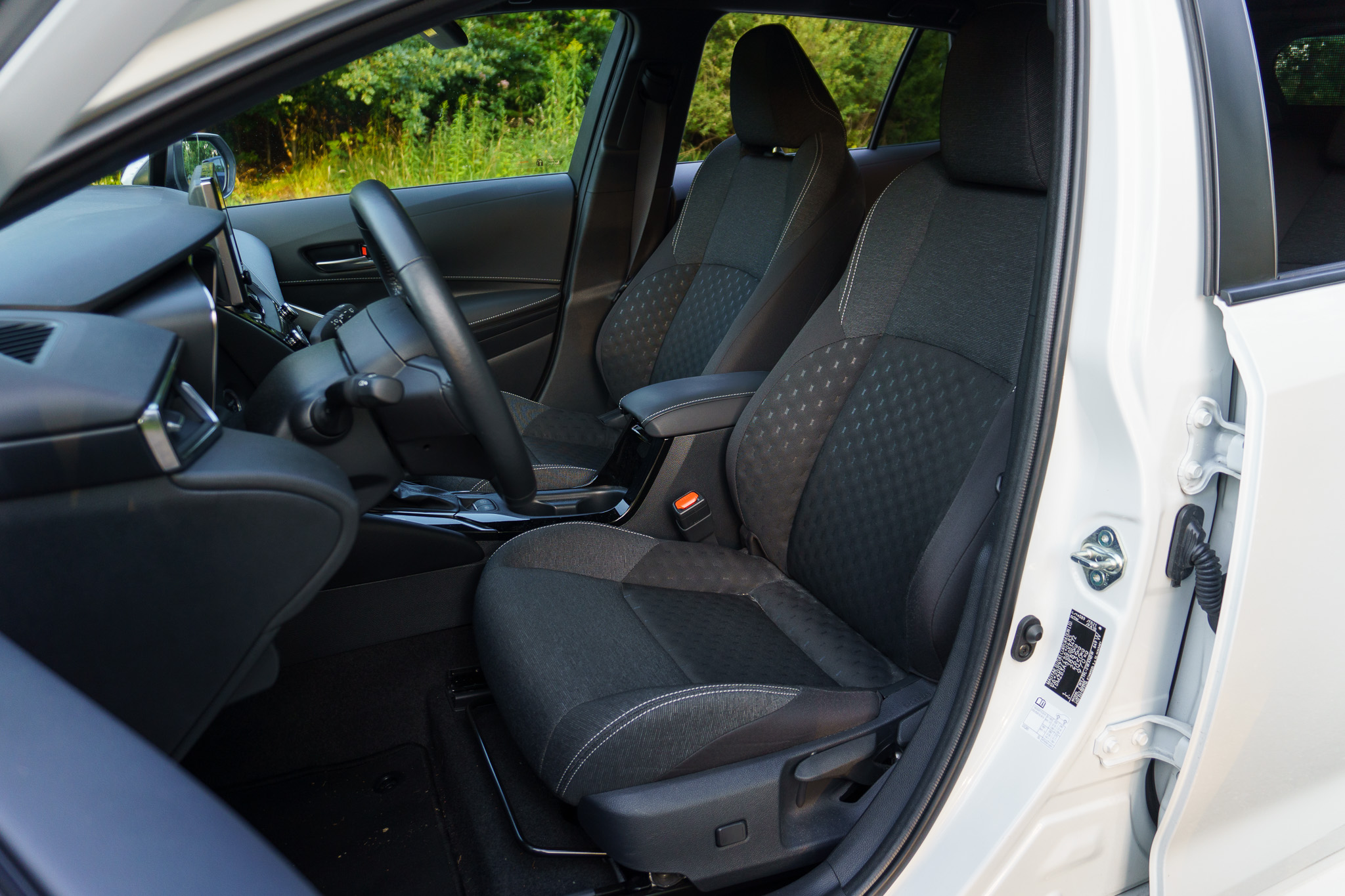
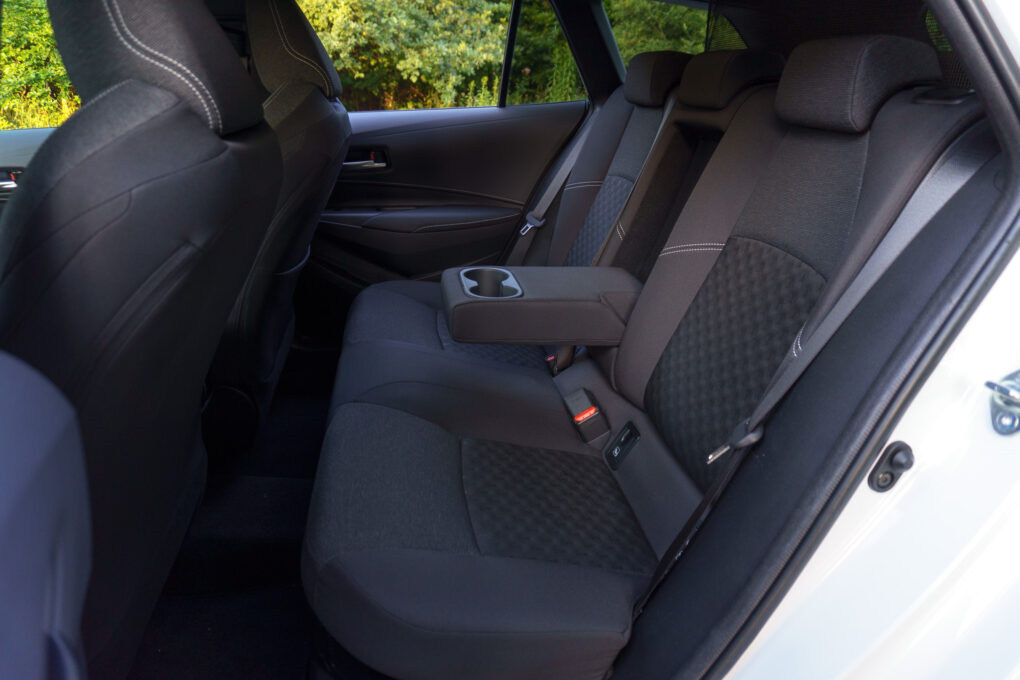
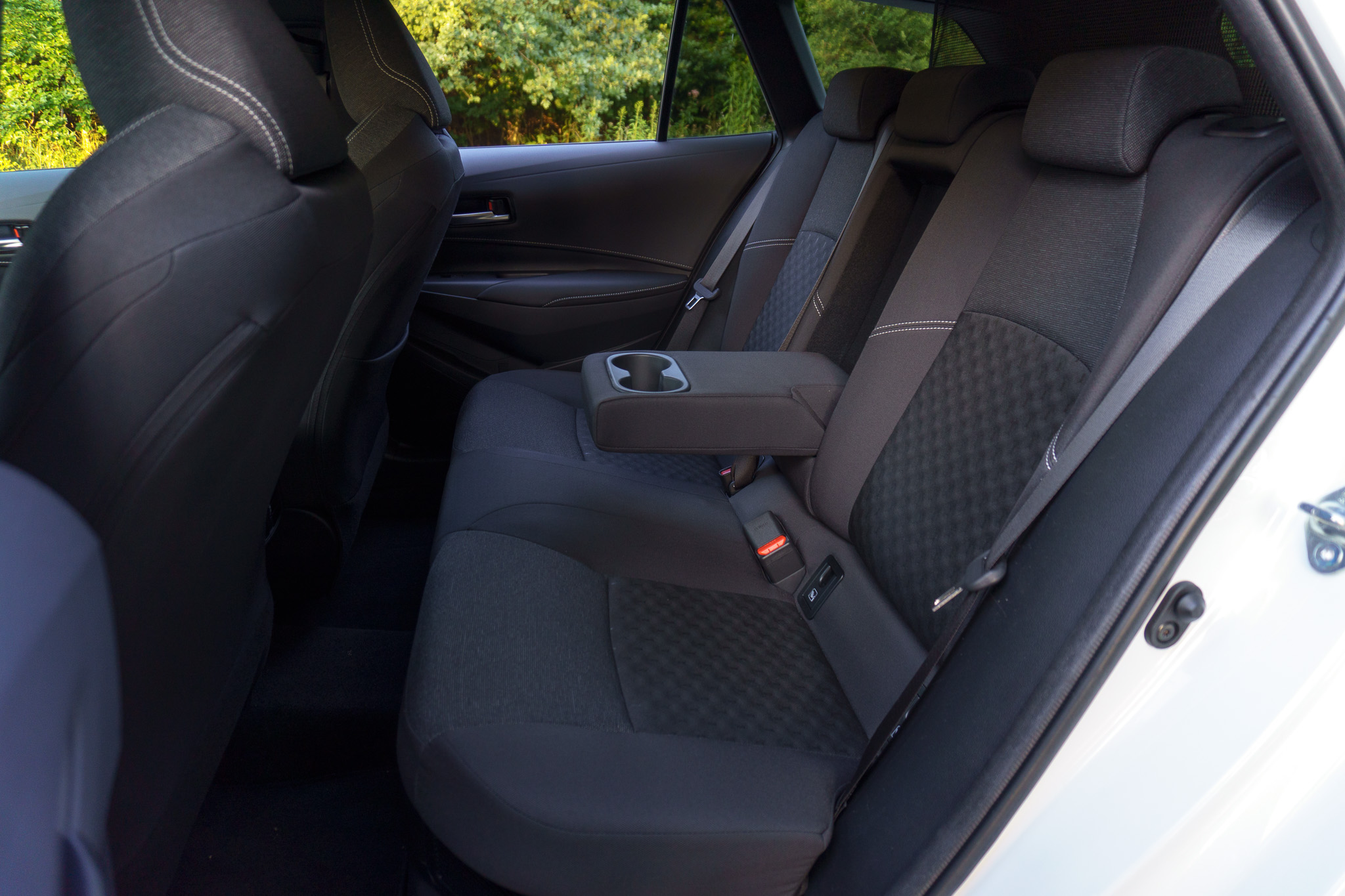
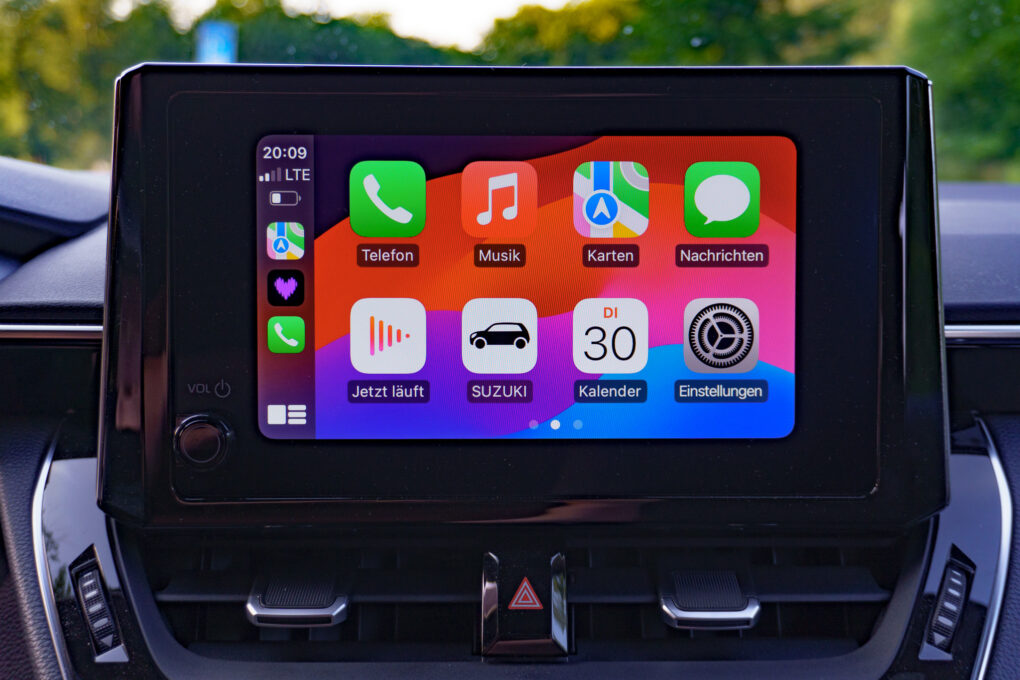
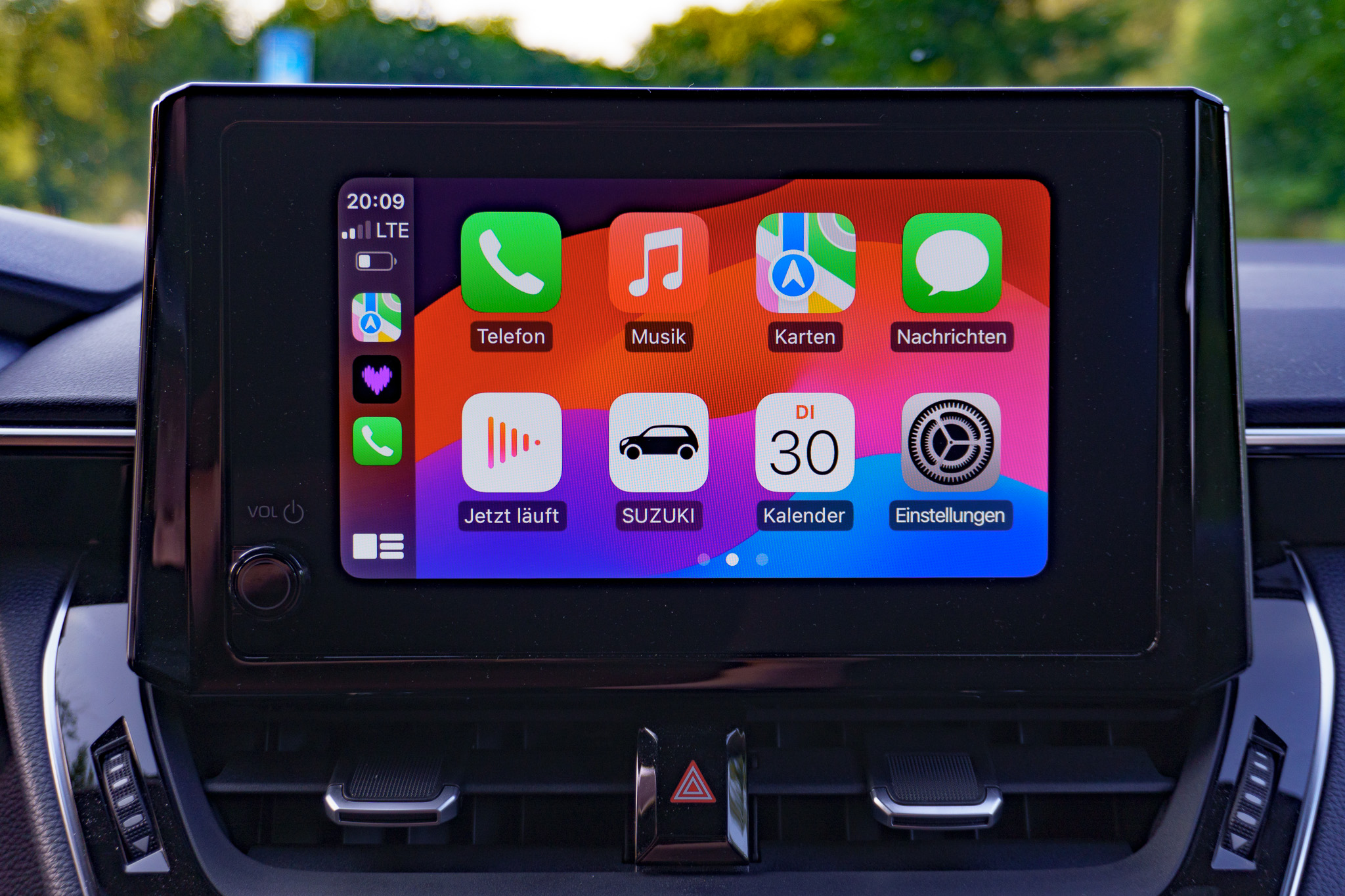
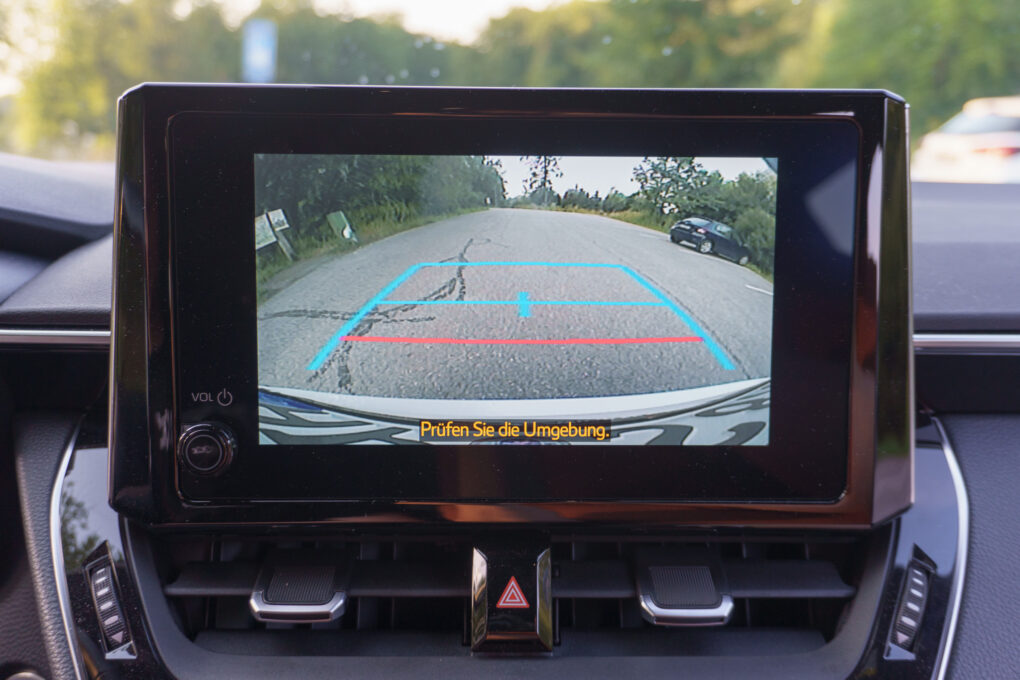
The interior seems very slow-paced. As is typical for Suzuki, there is only one equipment line for the Swace, here it is called Comfort+. This means there is no panoramic or sliding roof, no electric tailgate and no head-up display. Instead, for €37.190,00 (including 19% VAT), we have adaptive cruise control (ACC), heated steering wheel and front seats and keyless entry and start. With the otherwise comfortable fabric seats, only the lumbar support is electric. You also get a fully digital instrument cluster and a simply constructed 10,5-inch infotainment touch display on which both Apple CarPlay and Android Auto run wirelessly and smoothly. The rear view camera, however, offers a rather mediocre image. The passengers in the rear have plenty of space for both their knees and their heads. There are also air vents, but no separate climate zone.
-
- Picture: TechnikNews
-

- Picture: TechnikNews
-
- Picture: TechnikNews
Below the infotainment we have the 2-zone climate control and then the Qi charging pad for wirelessly charging your cell phone. The toggle switches for the seat heating are also located in this area. I find these very convenient because the car always implements the position of the switch after starting. In the cold season you can simply set it to level 1 or 2 and you will get a warm seat as standard after starting the engine. The same applies to the steering wheel heating. The gear selector lever for the CVT transmission is quite large by today's standards, but fits quite well to form a line with the sliding center armrest. Under the latter there is a 12 volt connection and, just like on the passenger side, a USB-C port.
-
- Picture: TechnikNews
-
- Picture: TechnikNews
-
- Picture: TechnikNews

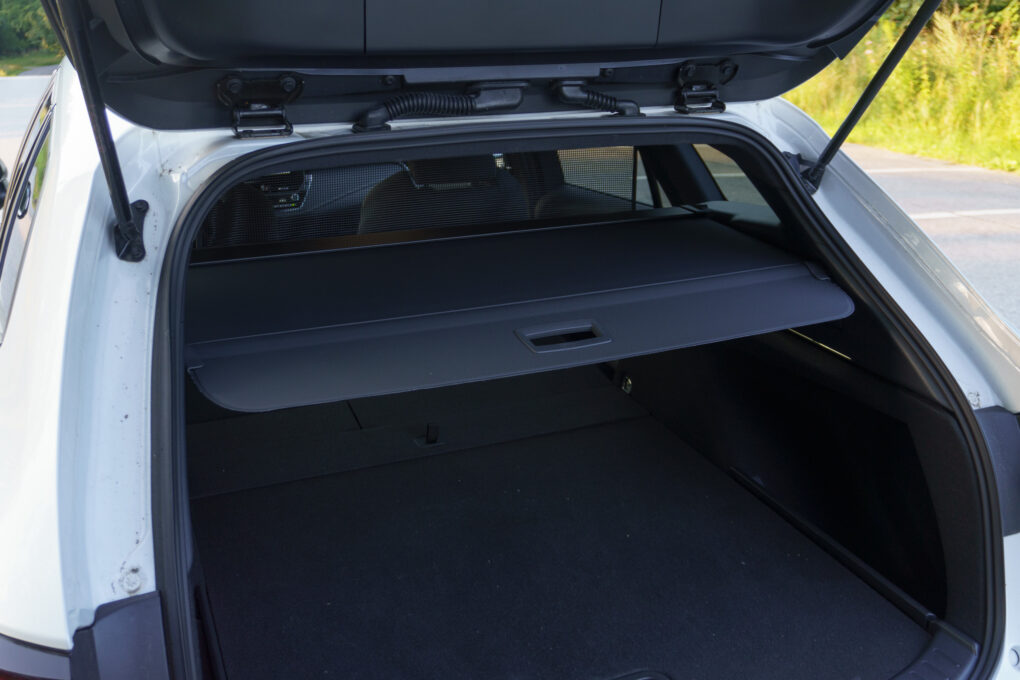
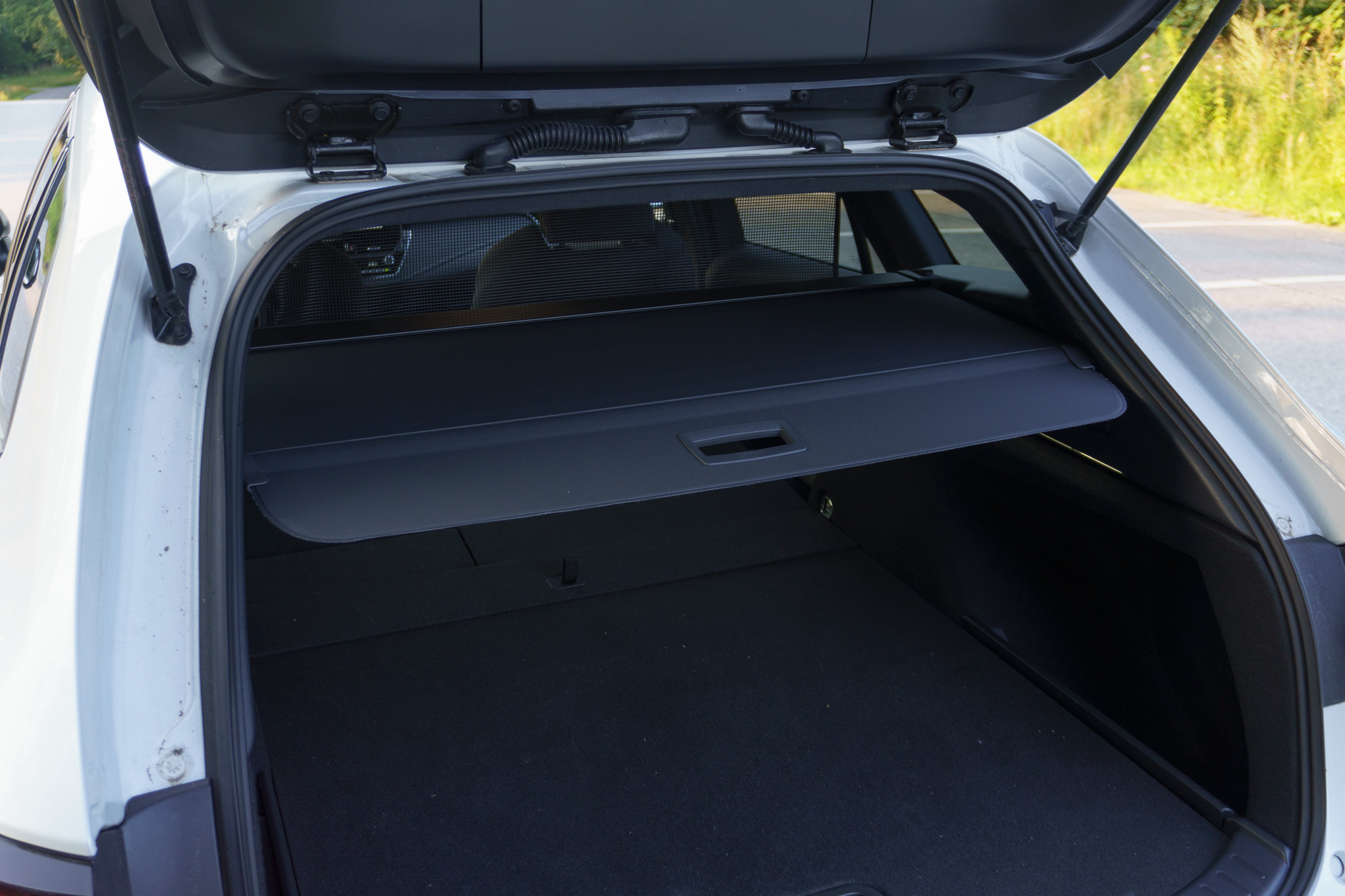
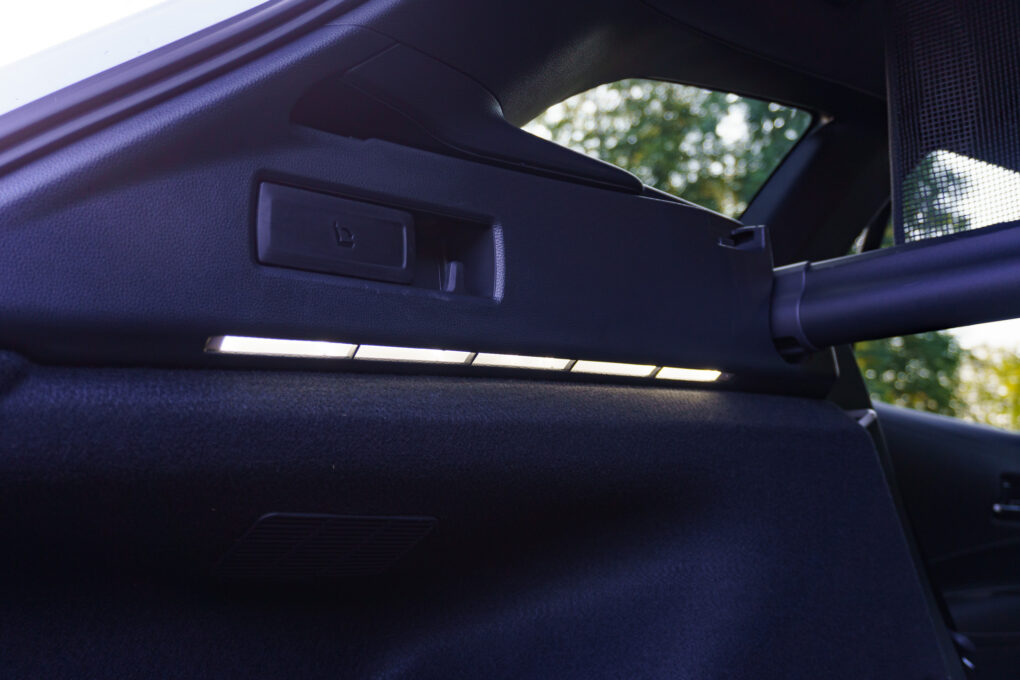
The trunk has a capacity of 596 liters, and with the rear seat folded down and the loading area flat, it can be expanded to 1.606 liters. There is a manual parcel shelf and a pull-out net to separate it from the passenger area.
-
- Picture: TechnikNews
-

- Picture: TechnikNews

-
- Picture: TechnikNews

After three months of daily use, you know the strengths and weaknesses of a vehicle very well. The peculiarities also stay in your head. One peculiarity of the Suzuki is that you press the start-stop button, wait a second for a short beep and only then can you put the car into gear. I also noticed that the side sills are quite wide and when I get out I have to take a further step out than usual to avoid stepping on them.
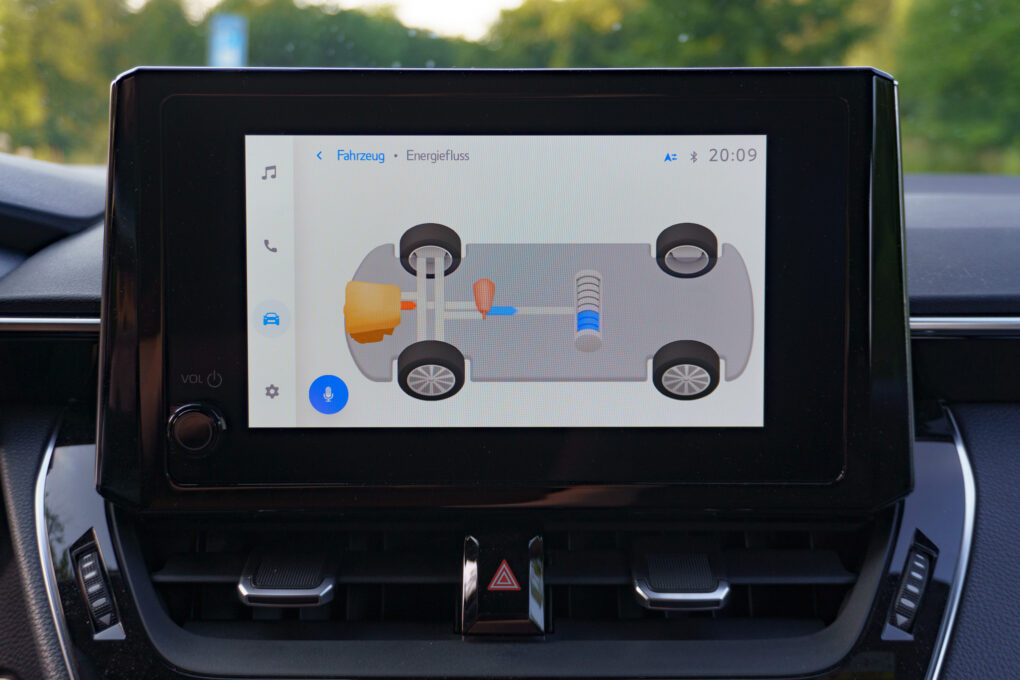
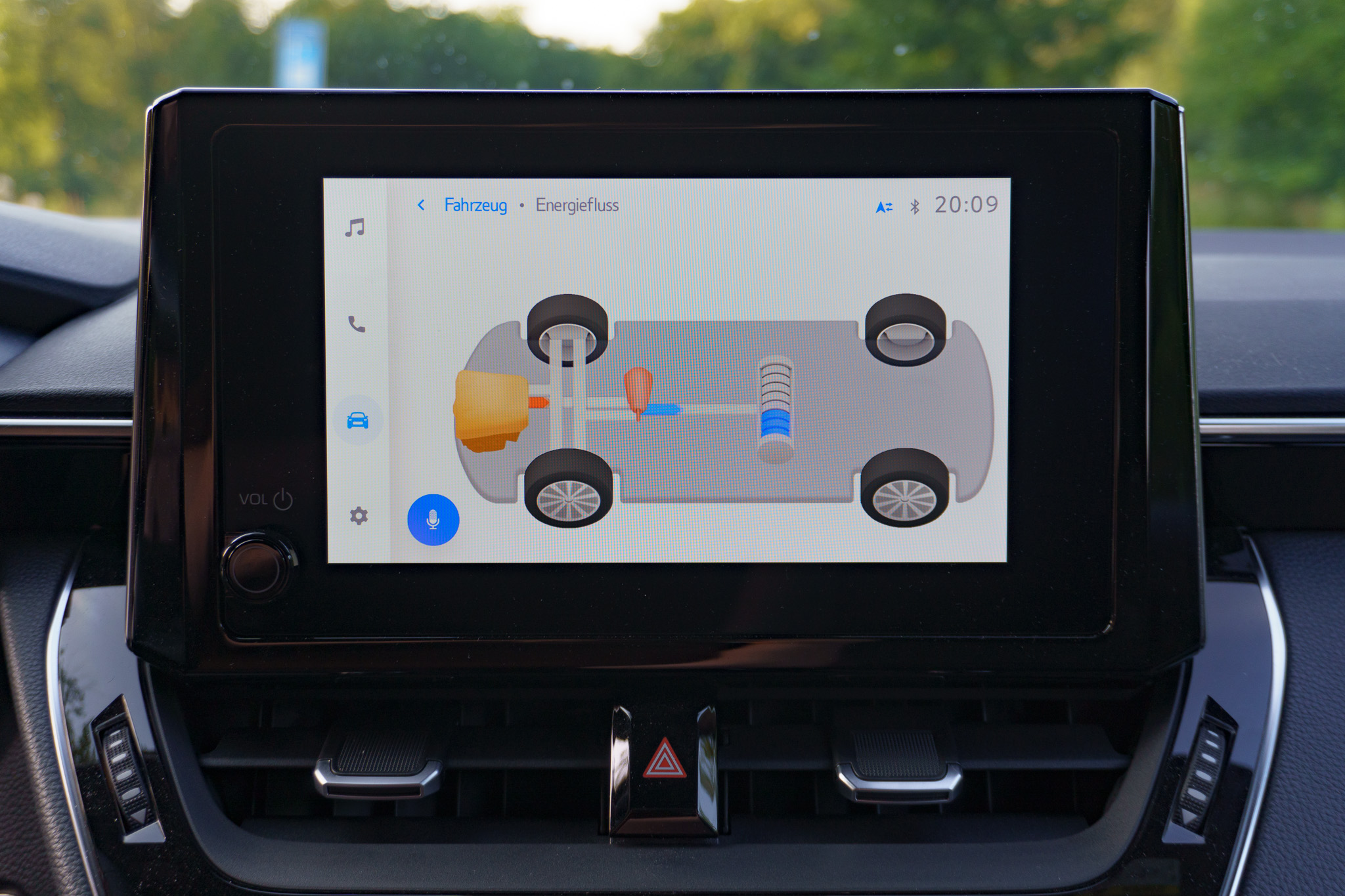
There are two gears to move the Suzuki forward. Firstly, there is the normal drive gear and secondly the gear for stronger recuperation, which is particularly well-known in electric cars. The gear with the B on the gear lever is particularly helpful in the city. Here the brakes are relieved of the constant stop & go and fuel consumption is also reduced through the increased generation of electricity. Electricity is an important keyword, because the Swace is a full hybrid. This means that we do not have to actively charge it with a cable to gain many more kilometers; on the contrary, the recuperation charges the small battery to support the combustion engine or to cover very short distances at a maximum of 60 km/h purely electrically at the push of a button. In addition to saving fuel and protecting the brakes, you also have the advantage of having direct power with which you can get off the ground quickly. And this works quite well with the system output of 140 hp. 98 hp come from the 1,8-liter gasoline engine.
In addition to the purely electric mode (with a range of around one kilometer), we have three driving modes to choose from:
- Normal, with the perfect balance between performance and efficiency.
- Eco, where the throttle response is noticeably less direct and the air conditioning reduces its performance.
- Sport, which gets the most out of the Swace with the most aggressive throttle response.
The Swace is not lacking in driver assistance systems. The lane departure warning system even does its job in construction zones on the motorway and doesn't beep unnecessarily because there are several lane lines at once. It also keeps the road in heavy rain and the adaptive cruise control brakes automatically before larger bends - sometimes too hard, though. On the other hand, the pre-collision system (emergency braking assistant) complains to me that it is a bit too fast, but it does recognize vehicles and pedestrians. I would particularly like to highlight the rear traffic assistant. It recognized crossing traffic before I could even see it and, if necessary, initiated an emergency stop while reversing, sometimes a bit too cocky. The sign recognition also recognizes multi-part signs and shows them in the driver display. The other systems such as the blind spot warning system, the automatic high beam and the exit assistant all do a solid job.
Consumption and range: convincing efficiency in daily operation
Even when the battery is empty, the Suzuki is always able to start on electric power. This means that values of around 4,5 l per 100 km are realistic for a commuter mix of city and country. If you drive a little faster and include the motorway in your journey, we get a realistic value of around 7,5 l per 100 km. So if you fill up with E10 at a price of 1,65 pro Liter, you pay between €100 and €7,43 for 12,38 km. We also found this surprisingly economical.
Thanks to Suzuki Germany for providing the Swace for this review.