
Toyota GR Supra 2.0 review: driving fun despite high consumption?
A TEST REPORT from Dominic Lux  on July 29, 2024, 12:00 pm | Write a comment
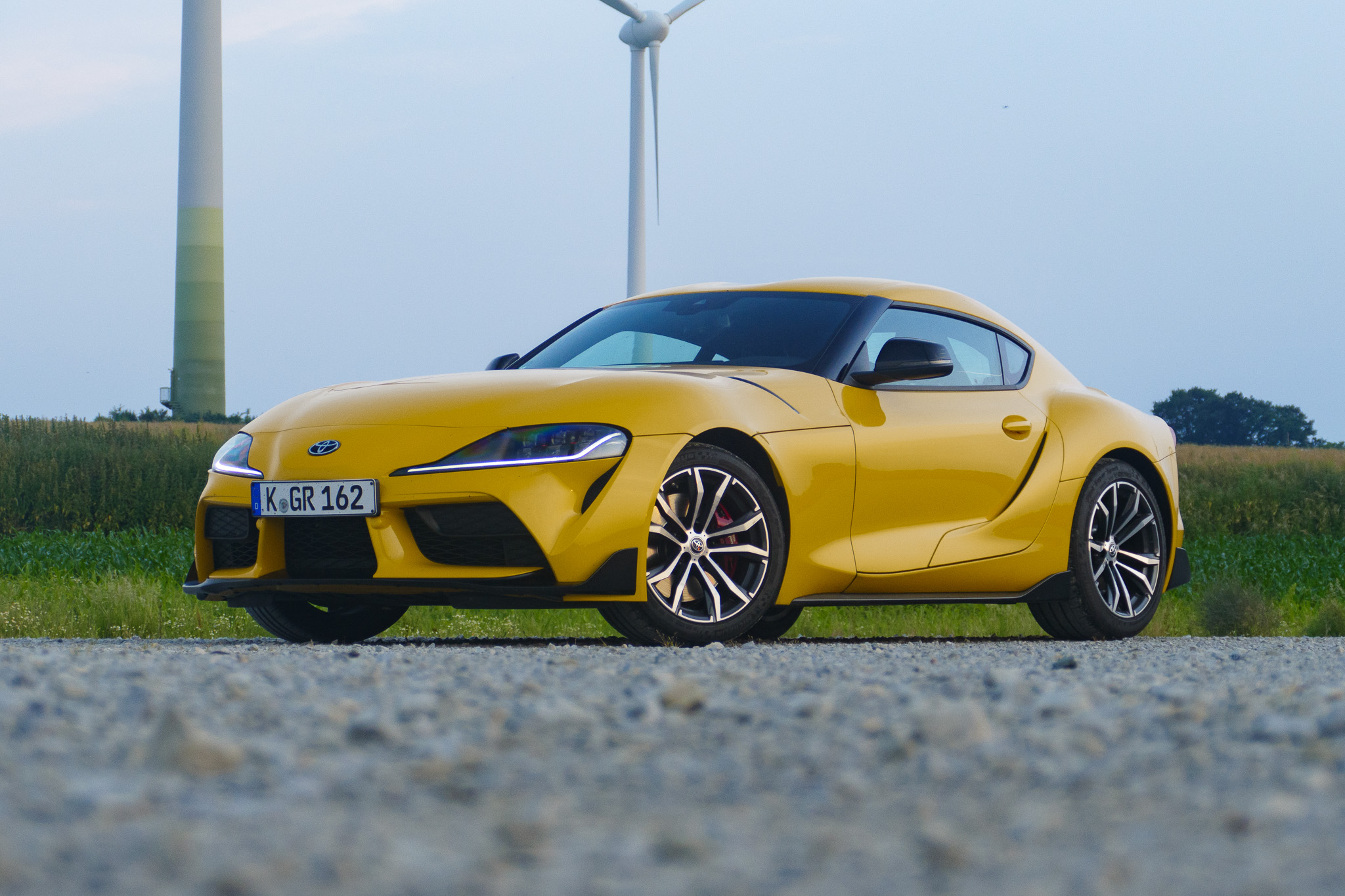
After around 20 years of absence, a new generation of the iconic GR Supra saw the light of day in 2019. Unfortunately, it was introduced at the end of 2019 / beginning of 2020, during the Corona pandemic many people refrained from buying a car, which did not do the sales figures of the new Supra any good. Just 1640 examples have been registered in Germany since 2019.
tl;dr: What makes the Supra so special?
It makes is Supra is a real rarity in public, so during our two-week test with the 2.0-liter model I often received a thumbs up as a gesture from passers-by. Perhaps the very striking "Racing Yellow" color made it stand out a little more than other vehicles that are gray on gray. In any case, during our test we liked a lot about the vehicle, but also had a lot to complain about. But let's start with the good things.
Design: Sporty as ever
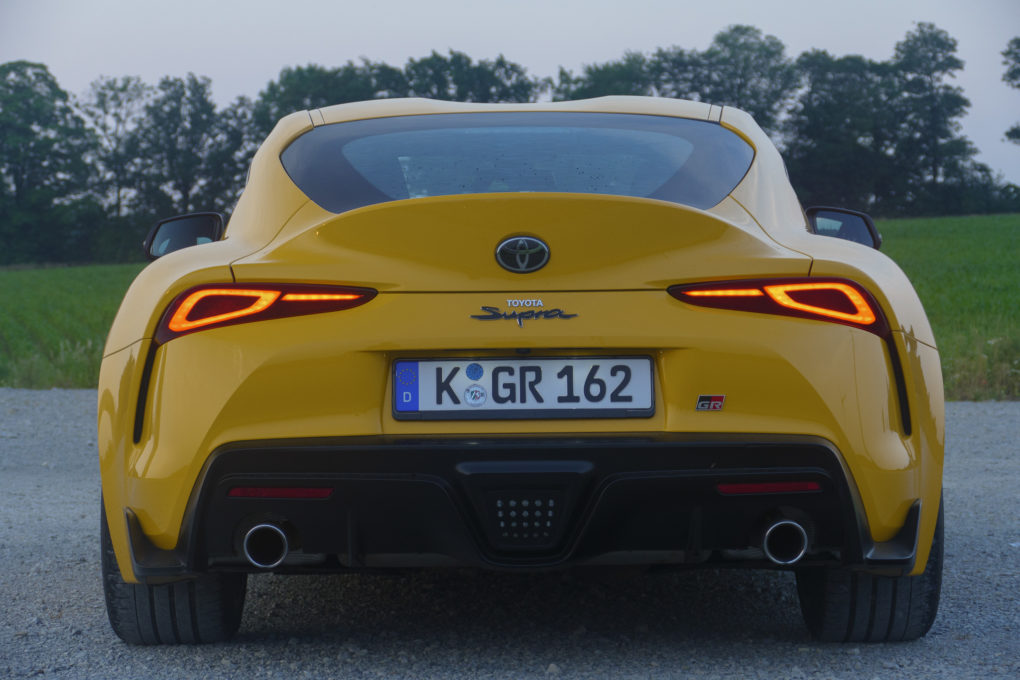
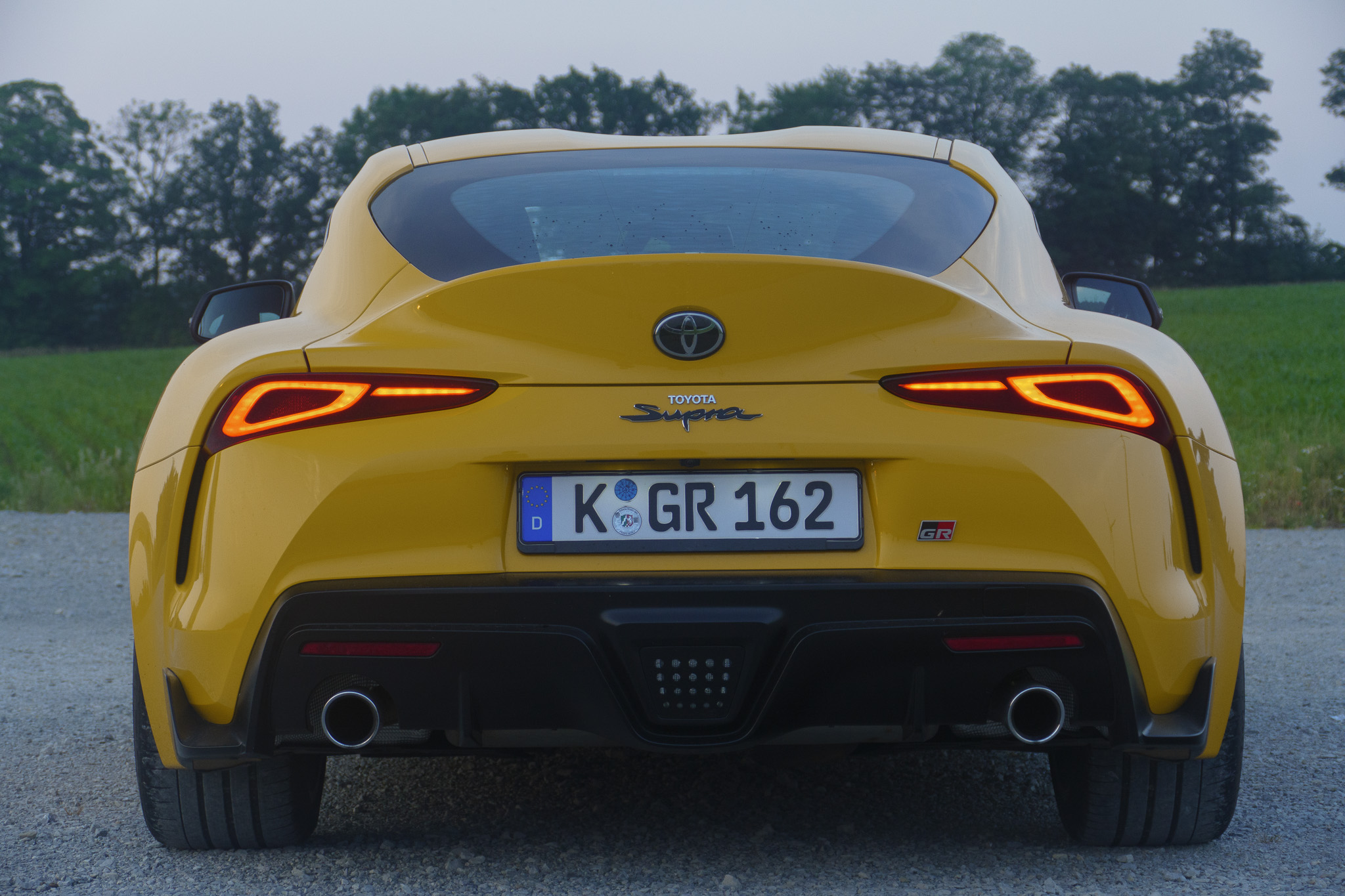
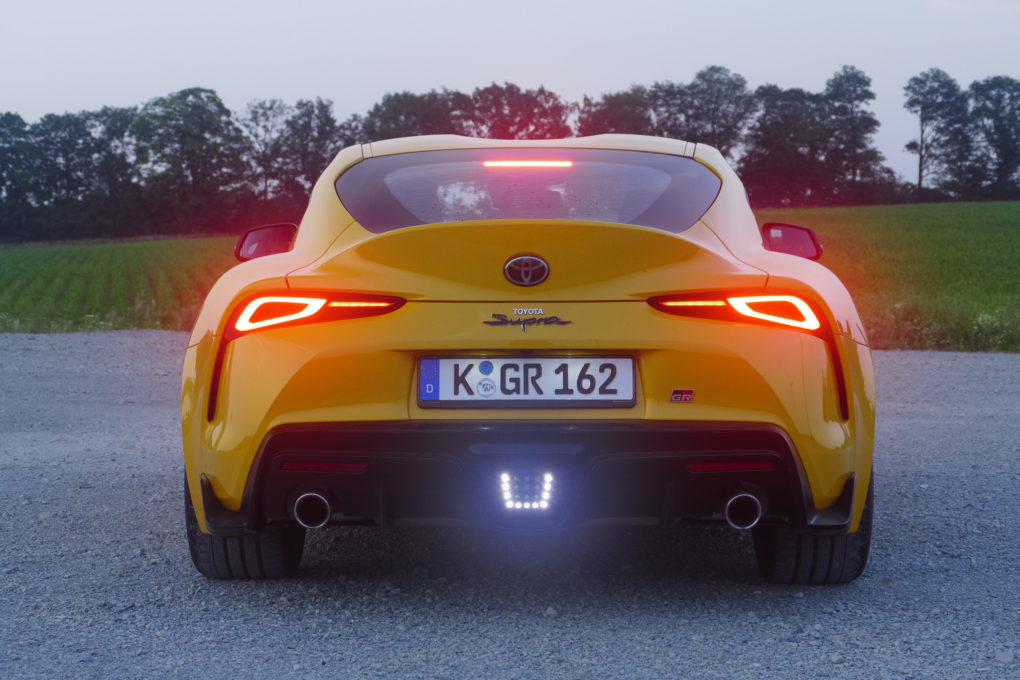
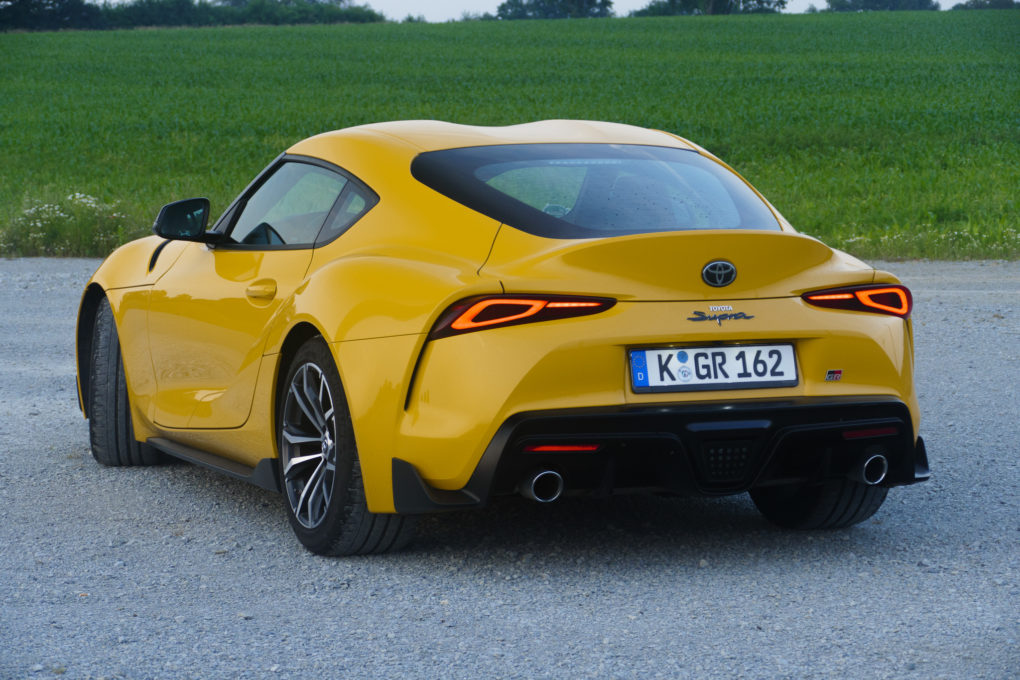
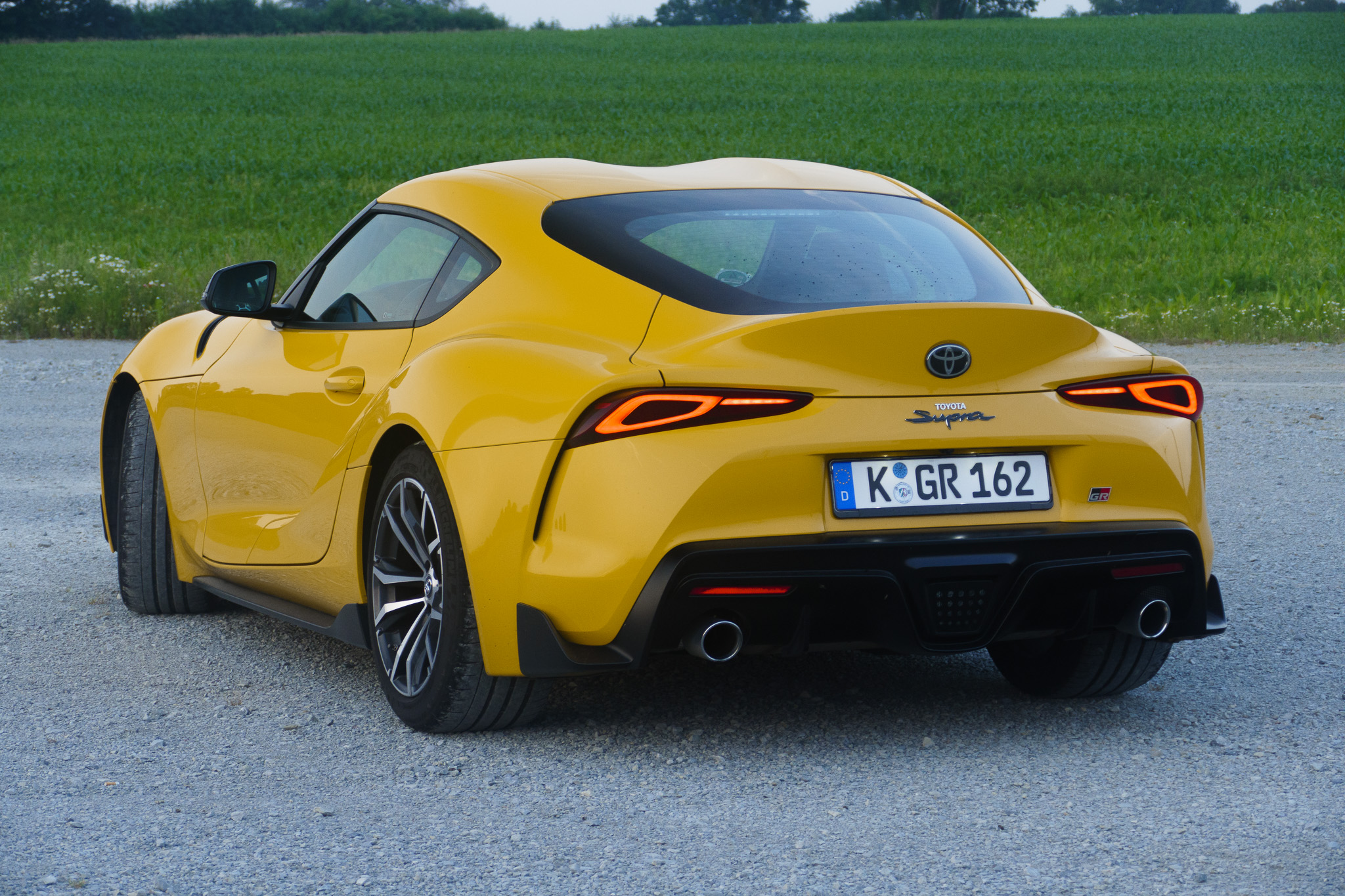
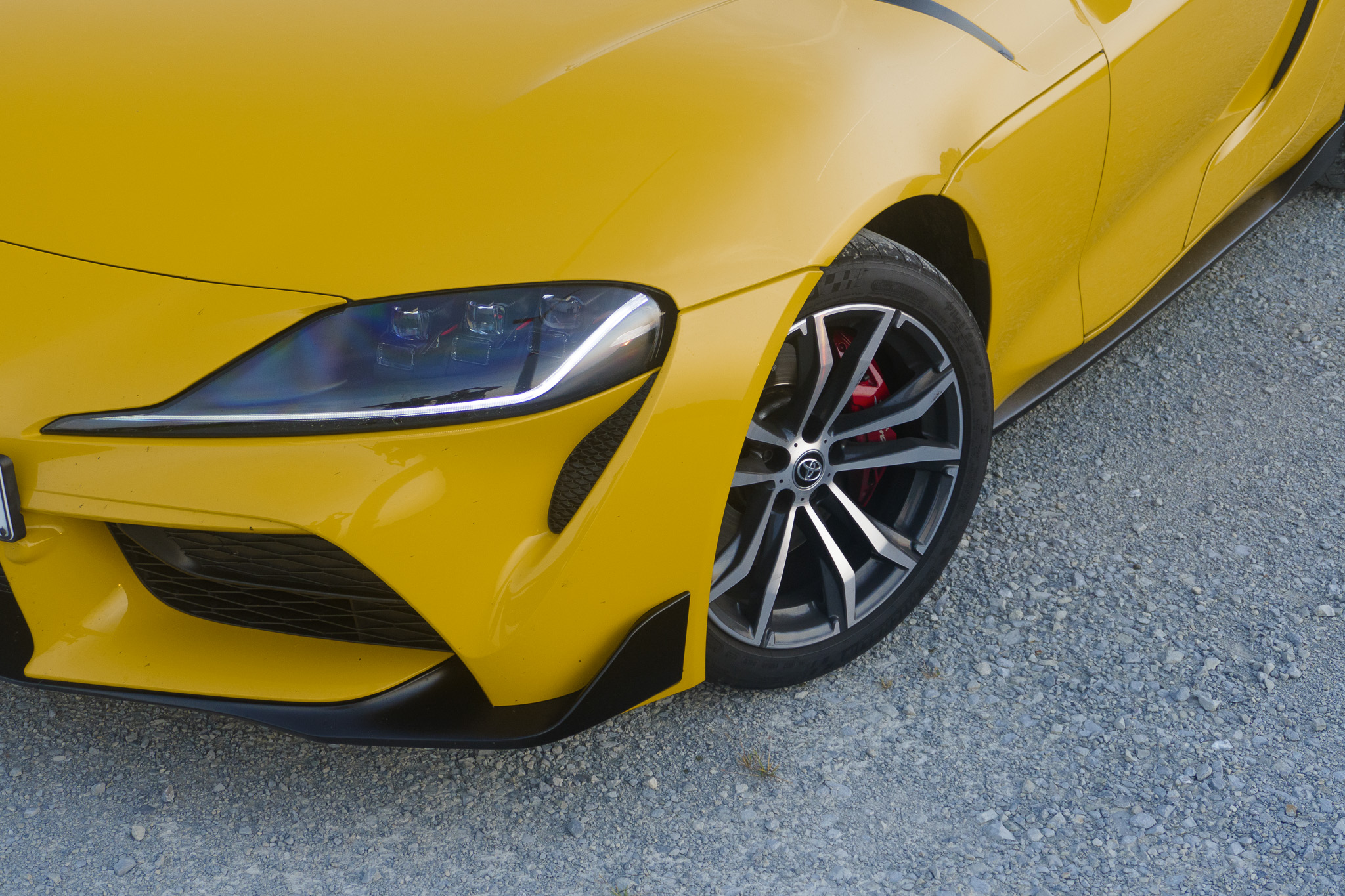
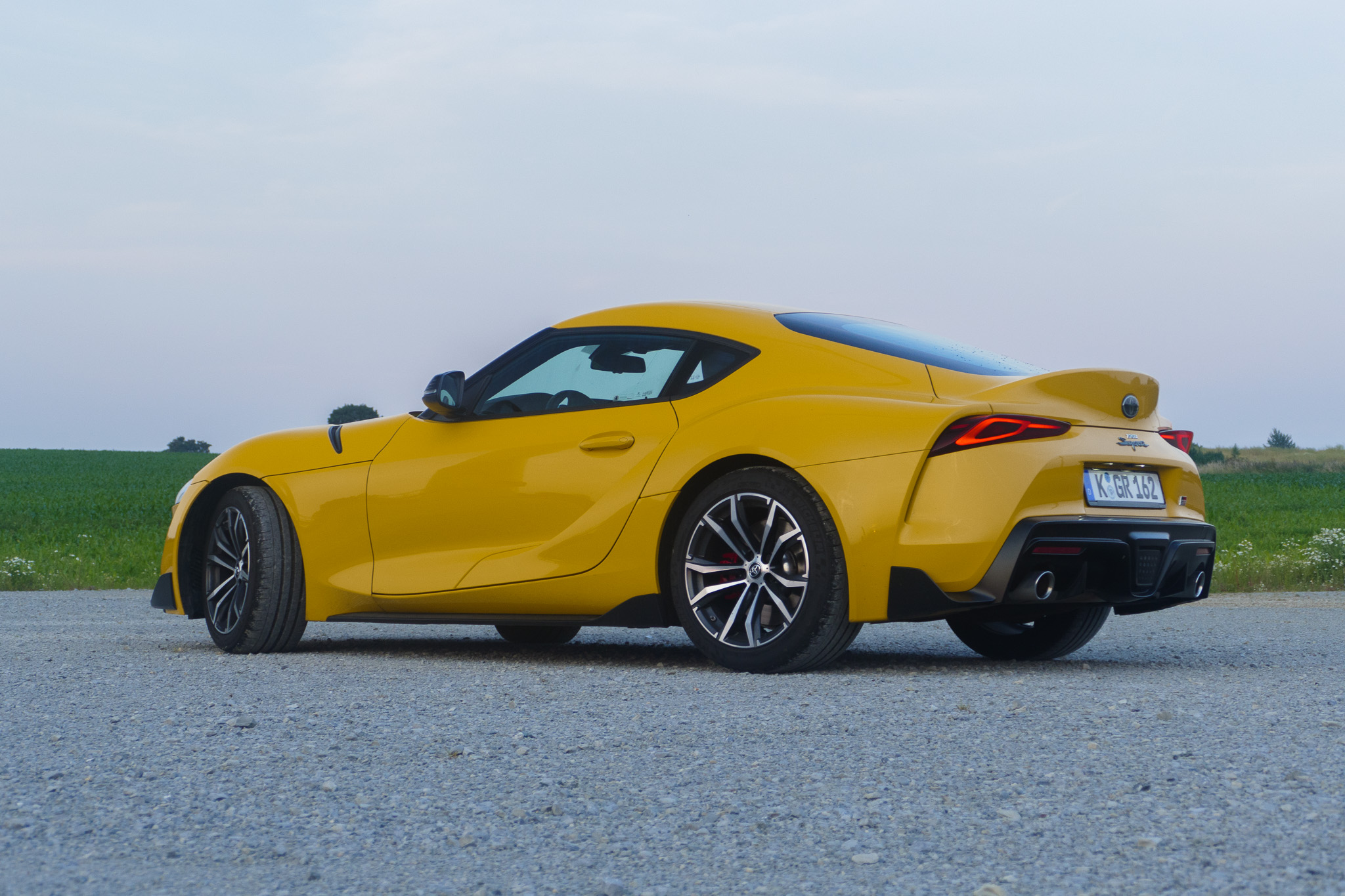
No matter where you look, the new GR Supra radiates sportiness at every corner. Be it the thick "cheeks" when you look out of the exterior mirrors or the double-pipe exhaust system, whose pipes are not exactly small, or the massively long bonnet. Personally, I really like the visual design, even if it would be more of a second car due to the space inside. But more on that later.
-
- Picture: TechnikNews
-
- Picture: TechnikNews
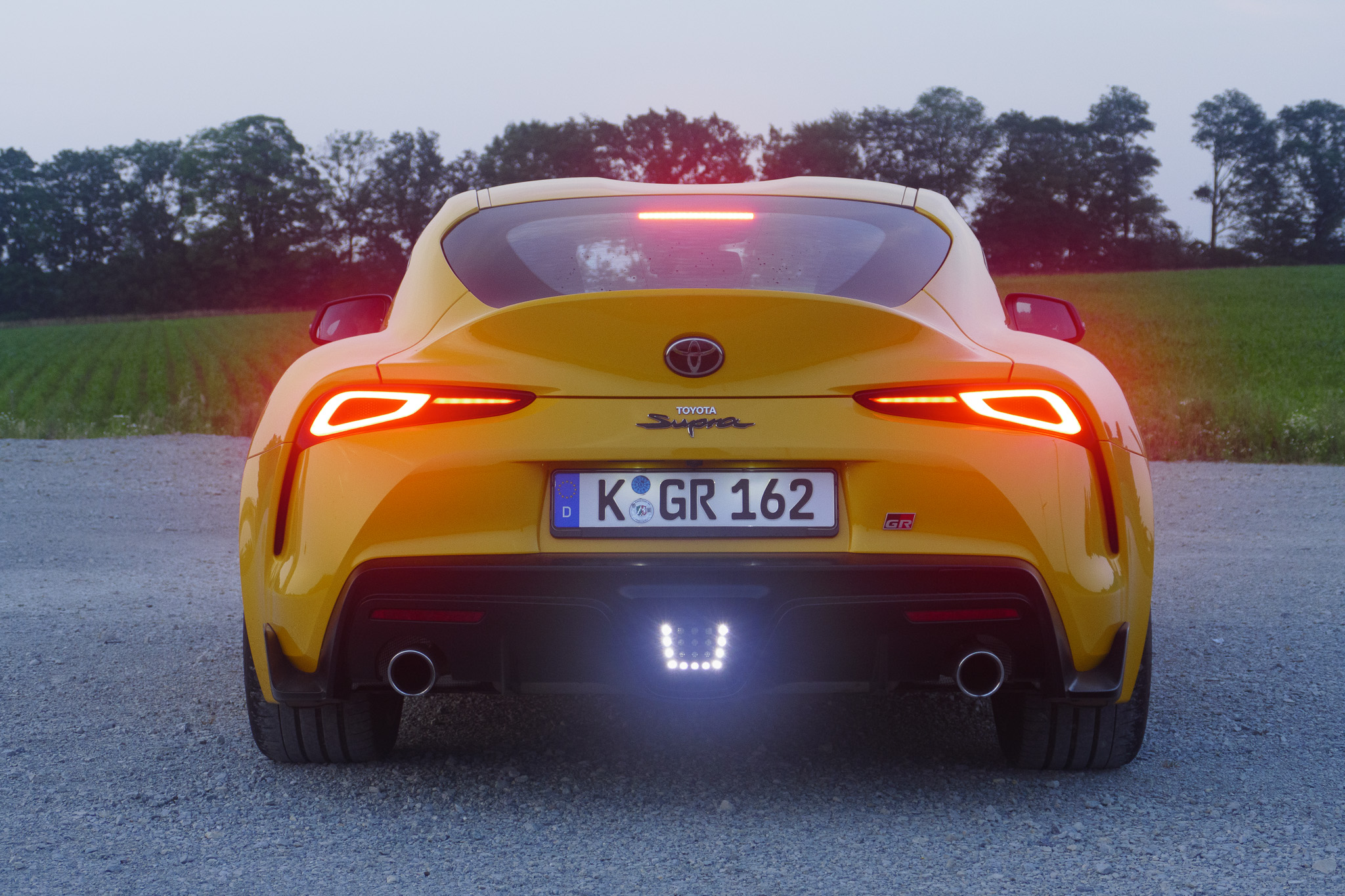
Let's get to the elephant in the room. Once you sit in the new GR Supra, you'll immediately notice something. It's the same platform that BMW uses for the current Z4. This means that the GR Supra is actually a "nicer" BMW, at least in our eyes. Compared to the large inline 6-cylinder version, the inline 4-cylinder offers a little less equipment, at least visually not much has changed, except that the rims are 1 inch (2,54 cm) smaller and the exhaust pipes have a shiny chrome look instead of matt chrome.
Technology: Like every BMW?
You might think so, but the GR Supra still seems unique, at least from the outside. A standard BMW steering wheel has been installed in the interior and the controls should be very familiar to every BMW driver. However, BMW keeps some things to itself, including Toyota only getting the "old" infotainment system, which does not support Android Auto. But Apple CarPlay is even wireless, so you almost feel like you've been transported back to 2015, because that's the year this infotainment software comes from.
At least you have a good navigation system, the display is relatively small but offers good clarity and can be operated either by touch or with the iDrive controller. We just think it's a shame that there wasn't enough time for a more up-to-date system or that Toyota took matters into its own hands.
In any case, the GR Supra is a rear-wheel drive car, with the 2.0-liter 4-cylinder version we tested producing 258 hp, which is more than enough. Even if we would have been a little interested in the performance of the 3.0-liter in everyday use. I would objectively say that these days you no longer need a 3.0-liter to get away from the traffic lights quickly.
Differences 4-cylinder vs. 6-cylinder
As mentioned above, in addition to the two optical elements, there is also a lot of technology that has been reserved for the large 6-cylinder 3.0-liter model. Among other things, there is no adaptive cruise control for the 4-cylinder 2.0-liter engine, just a "dumb" simple cruise control. At least there is an emergency brake assistant, which is mandatory.
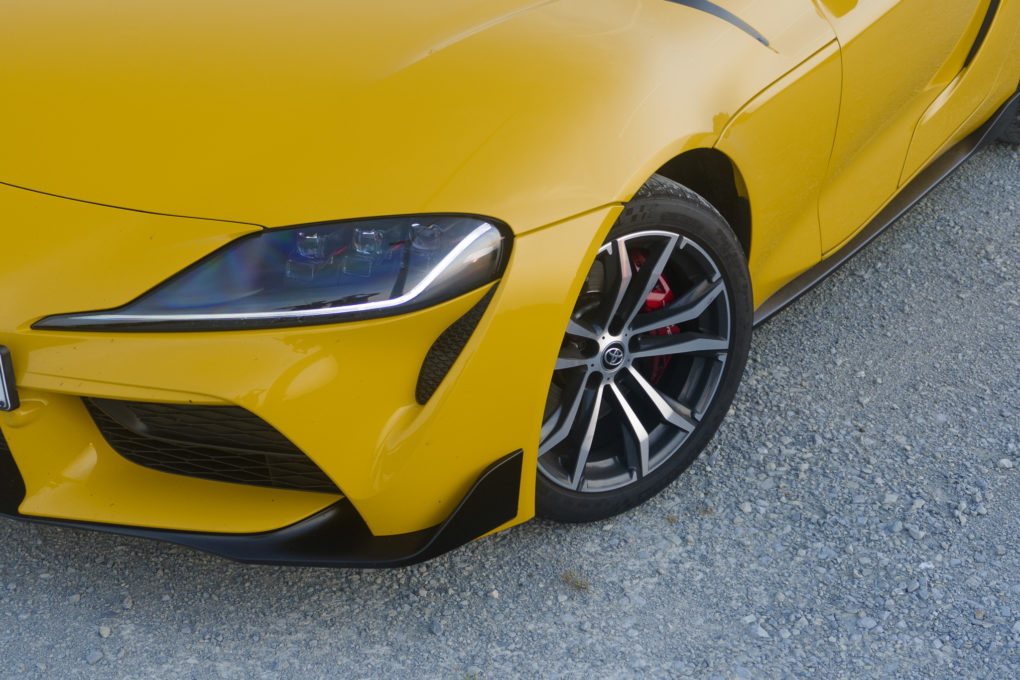
Furthermore, most of the equipment is only available in the Plus package, which means that you can get the sports brakes and the adaptive chassis including roll stabilization for extra money. However, you don't get the essential driving assistants that you're used to in other modern vehicles. We think that's a bit of a shame.
Driving: Sporty and elegant
Sporty and elegant actually sums up driving the GR Supra 2.0 very well. It really drives extremely well through tight corners and can definitely be used as a "corner robber". You really do retain grip in almost every situation, which is probably due in no small part to the thick "Super Sport" tires. Nevertheless, it masters everyday driving perfectly.
The adaptive chassis and the 8-speed automatic from ZF deliver the harmony you'd expect from BMW. In sport mode, things get loud, even the 2.0 4-cylinder causes slight misfires and exhaust clatter. So howling at the traffic lights is no problem at all. In normal mode, however, it is much quieter, which we can approve of.
-
- Picture: TechnikNews
-
- Picture: TechnikNews
-

- Picture: TechnikNews
If there weren't another major criticism, but it is unavoidable if you want to own a sporty combustion engine vehicle. In our test laps we achieved an average consumption of 10 liters per 100 km. Toyota states 6,8 liters per 100 km for the 2.0-liter engine as the factory specification. Unfortunately, we couldn't even achieve that when rolling downhill. The consumption of the large 6-cylinder model should then settle at an average of 13 liters per 100 km.
If you own a GR Supra, you're probably less likely to fill the tank with Super E10. You're more likely to fill it with Super E5 or Super Plus. However, after more than two years of pure electric mobility in everyday life, I was shocked at how quickly a tank of fuel can cost over 2 euros. That's why I'm perhaps a little more critical of this than others. There are definitely other ways to be cheap in terms of maintenance, and everyone should be aware of that.
According to the on-board computer, the range with a full tank was a good 500 kilometers. But this quickly drops once you find the sport mode button.
Operation in the interior: simple and understandable
As already mentioned, you should immediately feel at home if you have ever driven a BMW from 2016 onwards. Everything in the interior is just like a BMW, but that also means that the quality definitely lives up to the price. Although the piano lacquer problem still haunts us in the 2.0-liter. Using a button in the large and very wide center console, you can quickly deactivate the ESC and switch to sport mode, which opens the flaps and releases all the power from the engine.
The controls are very classic and easy to understand in the GR Supra. However, as already mentioned above, it is a shame to have a car in 2024 that cannot use Android Auto, not even wirelessly. This urgently needs to be improved.
Price: too expensive?
The starting price of the new GR Supra is 52.850 euros including 19% VAT, which is a considerable sum. We tested the "Dynamic" version with the Plus package, which had a total price of 61.040 euros including 19% VAT. Other models offer similar performance and better acceleration values. But in terms of design, very few can keep up with the GR Supra. A legend remains a legend.
We would like to thank Toyota Germany for the opportunity to test the GR Supra 2.0 in detail!