

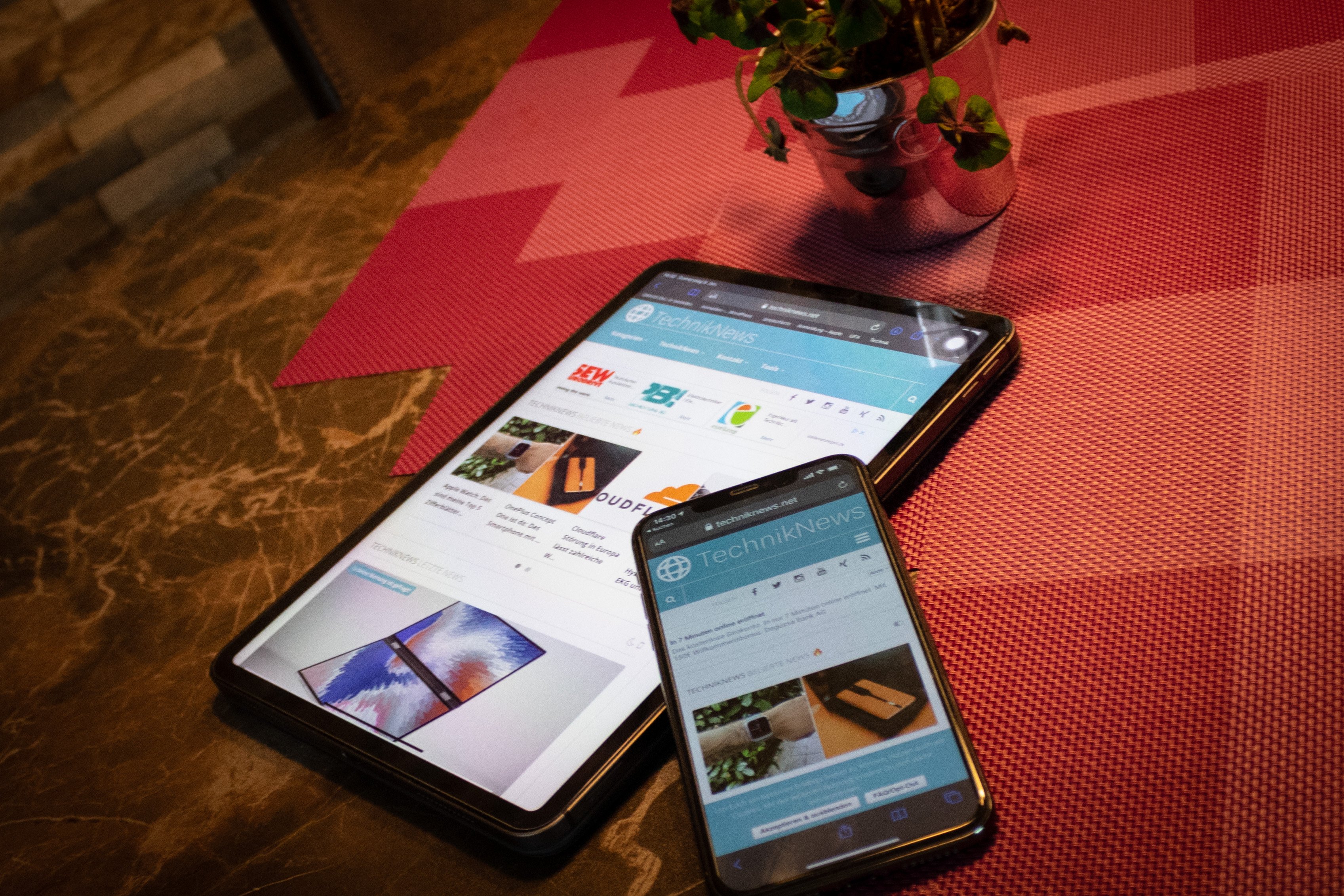
The different sizes of the iPads and iPhones now differ only marginally. In my column, I explain why the iPad Pro 2018 is actually the better iPhone 11.
For years, the iPad was more like a larger iPhone for watching films and communicating in company via FaceTime or reading e-books. But over the years, not only did the size of the iPads increase and with it the range of products, but new variations also came onto the market. The reputation of the iPad increased enormously in society within just a few years. But why is the iPhone losing out to the iPad? I would like to get to the bottom of this very theory in this report.
iOS is not just iOS
For years, the iPhone was the trademark for Apple products worldwide. The update guarantee of a good four to five years for iPhones and the like was enough to convince buyers straight away. The iPad, despite having the same software, was more of a background product. This was fine for a few years, as the digital world was not yet so mobile and iPads were not designed for work. But then iPadOS came along.
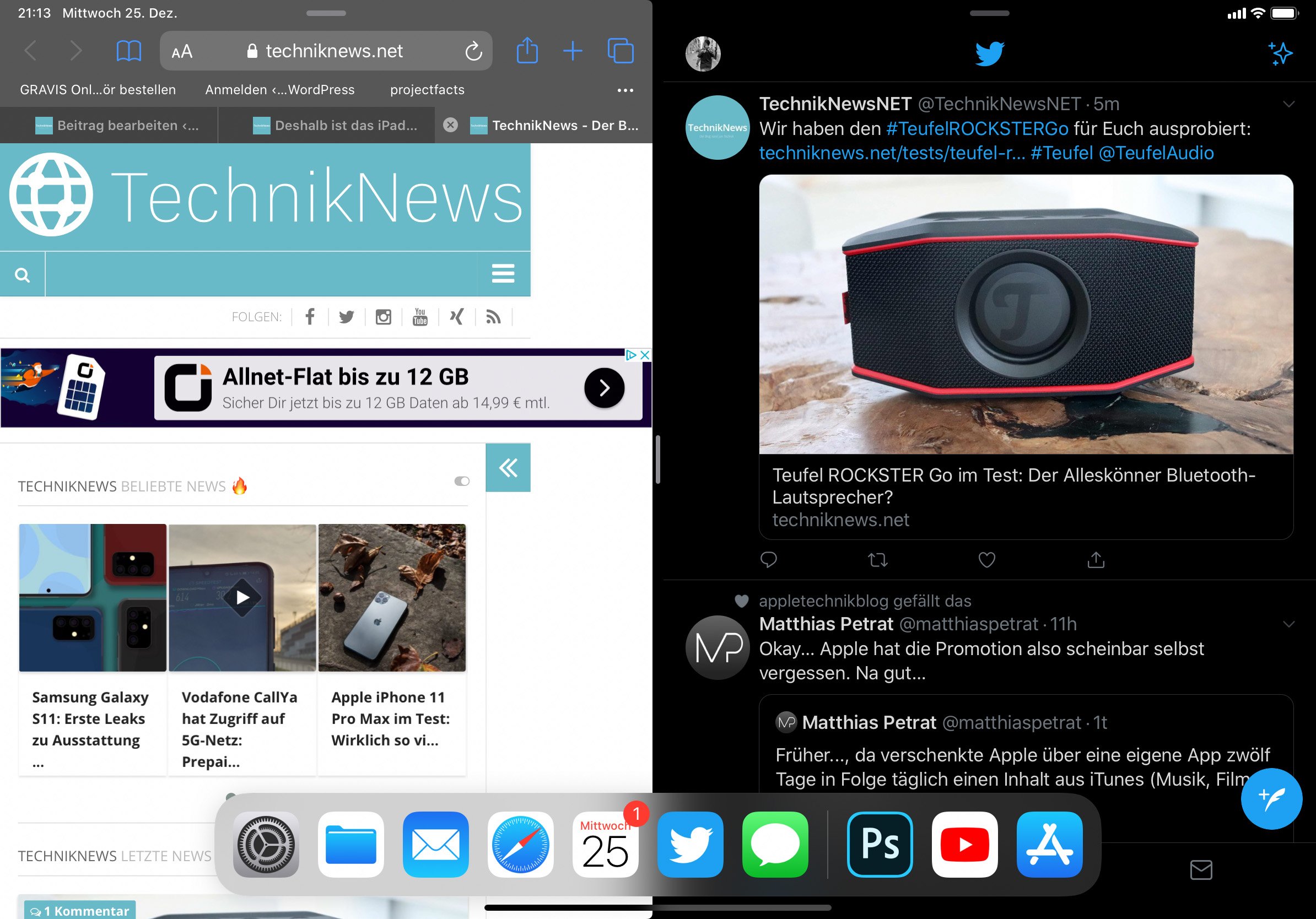
But that changed more and more year after year, as the iPad got more and more practical functions, such as the split screen to run two apps side by side at the same time. The iPhone still lacks this function today. And that's a real shame, as Apple has recently started marketing all of its products with the suffix "Pro". The new iPad Pros from 2018 are now adopting functions such as FaceID from the new iPhones. But iOS offers simple and innovative operation and, since iOS 13, even more freedom for the user through file sharing with external media than in years past.
The iPad takes over software features of the iPhone
Anyone who owns an iPad knows exactly how innovative and simple the Apple software is to use. The basic structure of the system is clear within 24 hours. But now I see some heads shaking. Both devices, the iPhone and the iPad, offer similar software at the core of the system, but despite the steadily increasing display size of the iPhones, some software features are withheld compared to the iPad.
On the other hand, if you look at the Android competition, you immediately notice that things like a split screen run smoothly on smartphones with four inches. Despite this knowledge, Apple only implements these functions in their iPads, although the new iPhones have now become so large that this feature could easily be built in as well. In addition, the developers from Cupertino would not even have to make major changes to the code for this. That would easily grab the iPhone with all its CPU power and handle such operations with ease. Yes, the iPad has the larger display in contrast to the iPhone, but it also has relatively poorer CPUs. And you can see: hardly anyone can hold a candle to CPUs at the moment.
The iPhone 11 Pro is an innovative but limited smartphone
You now get the feeling that Apple is no longer taking the iPhone so seriously and is putting more effort into the iPad. Yes, the "Pro" in the new devices is intended to attract pro users. But the system impresses only a few pros, as you still don't have access to manual camera settings on the iPhone. The iPad, on the other hand, uses its camera more for document collection and as a replacement for the scanner, where you hardly need any individual settings. Who changes the ISO value when scanning a document? The gestures on iPhones and iPads are identical, which is why you get used to it in no time.
The iPhone offers a lot of what a Pro needs, such as the enormous CPU power. Nevertheless, an iPad offers more practical functions. Be it the split screen or "Slide-Over", where you can open the calendar, Safari or similar. These functions are also good for everyday use on an iPhone, but only the iPads have them.
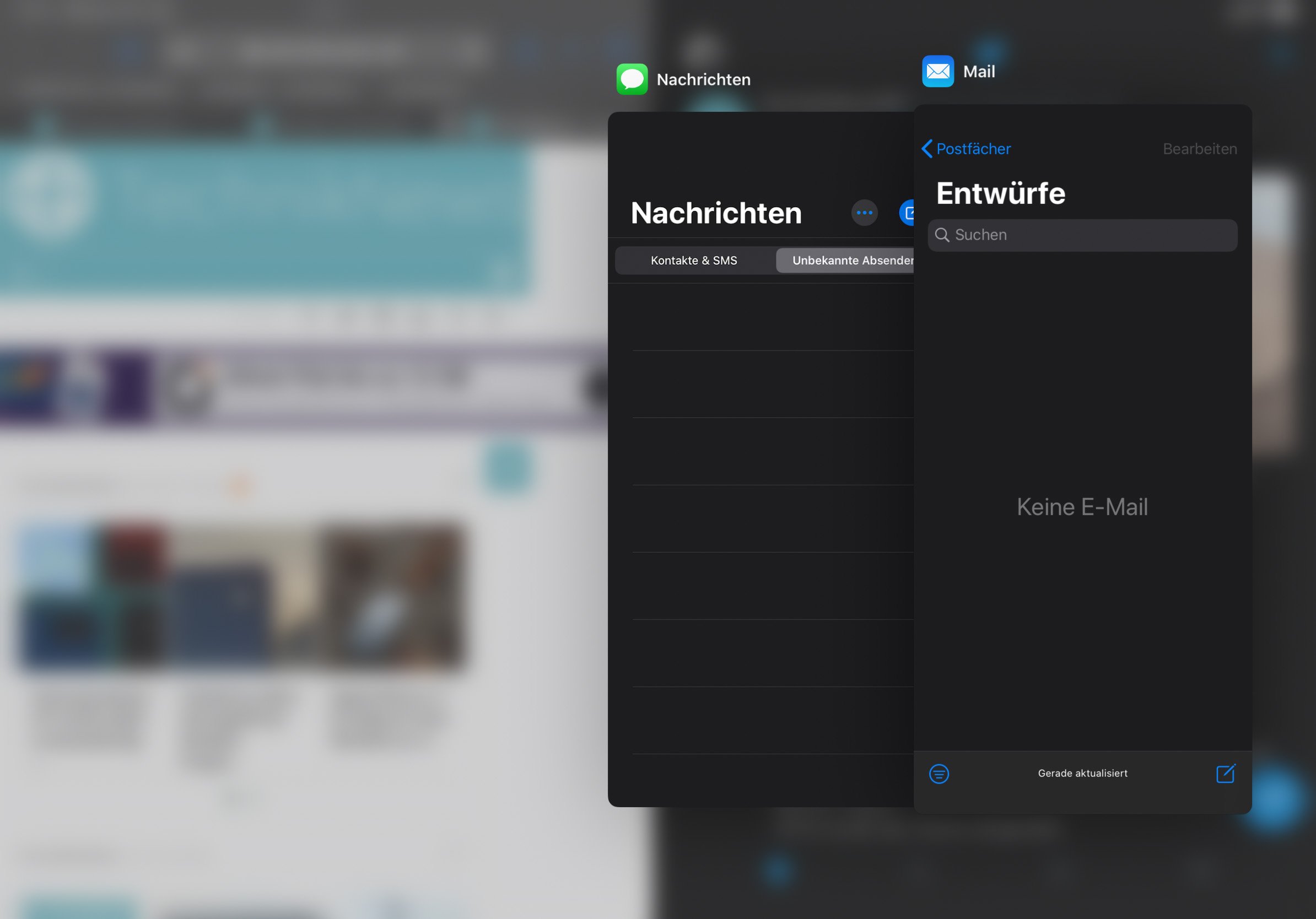
Customizable app bar on the iPad
Anyone who owns an iPad can understand what I mean. The iPad can accommodate a variable number of apps in the bar. The iPhone has always only been a maximum of four. With the iPad, you can also see the last used apps, among other things, and these are also displayed in the bar. This would be insanely handy for multitasking on iPhone.
Imagine sending an email and having the Files app or Photos app open in the app bar, you could simply add the photo or document using drag and drop without having to click through menus. To this day, this function is still not available on the iPad. And it doesn't matter whether it's a small iPad Mini or iPad Pro.
Face ID should adapt to every posture
If you have an iPad Pro, you can lie comfortably on the couch, position it sideways, and hold the iPad however you feel like holding it. You can hold the iPad upside down, sideways, or straight. This is no obstacle to Face ID. And that's exactly where you get frustrated as an iPhone user. Because you have to hold the iPhone upright in front of your face to unlock it. Especially with the iPhone, which you always have with you and use in almost every situation in life, this function, which works on the iPad, should also be available on the iPhone.
Connectivity options that the iPhone lacks
Anyone who knows a lot of people who own an iPhone is probably in luck. But the majority of the circle of friends already have USB-C for charging, even with cheap Android devices. As an iPhone user, you're in a bad position. With the iPad, on the other hand, Apple has taken the right step and installed USB-C, albeit without Thunderbolt 3. With this, Apple has done a lot towards the future.
The conclusion
Both devices are very similar. This is to be expected, as both use the same basic system with iOS. Apple's tablet has developed more and more over the years and has functions that the iPhone lacks. It offers a spin-off from iOS with iPadOS. And that is partly a good thing, as an iPad will stand for more productivity in the future and will also be used more and more in the education sector.
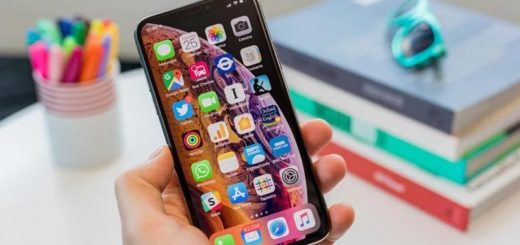
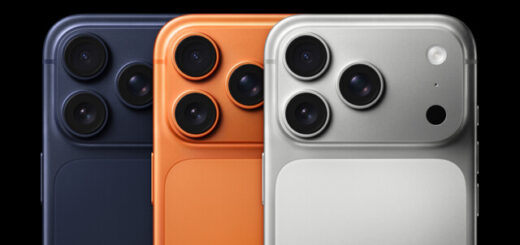
The different sizes of iPads and iPhones only differ marginally today. LOL
In addition, how should a tablet and a cell phone be compared? So the title doesn't make a lot of sense, because why should I only buy the iPad instead of the iPhone?
Hey, thank you for your interest first. It's more about the fact that iOS, as used in the iPad, would be much more practical for an iPhone. You shouldn't buy an iPad instead of an iPhone.