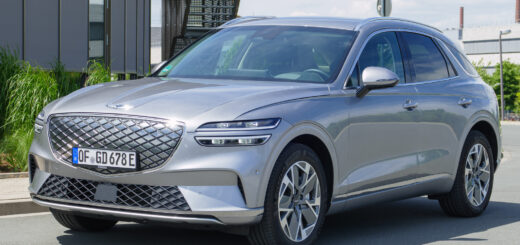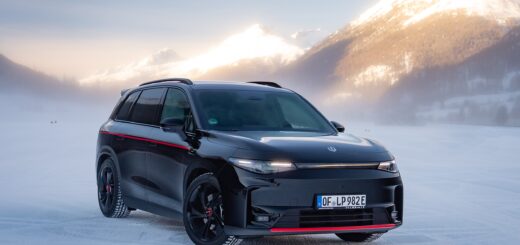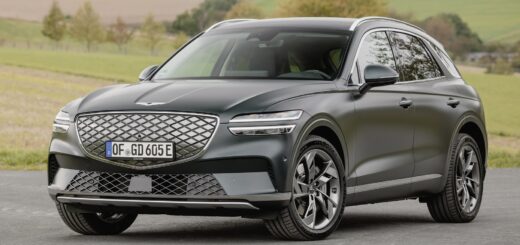

With the IONIQ 5 N, Hyundai its first high-performance electric car onto the road – and with impressive performance that not only thrills e-car fans, but also puts a broad grin on the faces of die-hard petrolheads. We were allowed to put it through its paces for two weeks to find out if it can do the job.proreally delivers that race track feeling.
tl;dr: Really a masterpiece?
The Hyundai IONIQ 5 N is an electric performance crossover that will delight not only electric car fans but also petrolheads. 650 hp in N Grin Boostto 0–100 km/h time of 3,4 seconds and impressive driving dynamics, it brings a real racetrack feeling to the road. Thanks to features such as N e-Shift and N Active Sound+ It even offers a driving experience reminiscent of classic combustion engines. But can it really be considered a worthy successor to the i30 N? After all, the combustion engine N models are no longer sold in the EU due to CO₂ fleet targets. Since our test of the BMW i4 M50 At least no other vehicle has impressed me as much as the IONIQ 5 N.
We think the IONIQ 5 N is definitely a true N model, and we look forward to the further development of fully electric N models. The IONIQ 5 N starts at around 76.000 euros (including 19 percent VAT), which isn't exactly a bargain, but seems entirely justified given the performance and technology offered. It's worth noting that you're already getting virtually the full range of options here. Only the Alcantara seats, the ventilation and seat heating functions, and a glass roof are available as options.
Video report:
Design & Exterior: Dynamic, striking, unique.
Even at first glance, it's clear that the IONIQ 5 N is no ordinary electric crossover. Hyundai has significantly sharpened its design and given it a more aggressive look. The front end features large air intakes that not only underscore the sporty design but also help cool the engine. Striking N-specific details, such as the red accent stripes at the front and rear, make it unmistakably clear that this is a vehicle from Hyundai's performance department. The 21-inch forged wheels reinforce the athletic appearance, while the large rear diffuser ensures improved aerodynamics. Despite the sporty appearance, efficiency remains high because Hyundai specifically tuned the design for good aerodynamics.


The IONIQ 0,31 N has a drag coefficient of 5. By no means a top value, but still quite good for its angular proportions. At the rear, you'll also find the typical third N brake light, integrated as a triangle in the roof spoiler. If you want to stand out, you should definitely go for the Performance Blue Matte color. You'll get a lot of stares when driving the IONIQ 5 N. Almost as often as in the Toyota Suprathat we tested last year.
Interior & technology: Not so tidy anymore.
Inside, Hyundai relies on a successful combination of sporty functionality and state-of-the-art technology. The N sport seats offer excellent lateral support and ensure a secure and comfortable ride, even during fast cornering. The steering wheel, with its distinctive N buttons, allows for quick adjustment of driving modes, while the 12,3-inch infotainment system offers a user interface specifically tuned for performance.
The fully digital cockpit is customizable and displays different information depending on the selected driving mode. Particularly interesting is the head-up display, which, in track mode, brings specific performance data directly into the driver's field of vision. proThe ambient lighting creates a pleasant atmosphere in the interior, while Android Auto and Apple CarPlay provide the necessary connectivity – now also wireless and with excellent stability. Naturally, the IONIQ 5N also features all the assistance systems offered by the standard IONIQ 5. Such as HDA 2.0, which automatically adopts speed limits (on the highway) and keeps you in the center of the lane. This works very well, and automatic lane changing also works smoothly. So you don't have to forgo modern amenities to enjoy an electric and sporty drive.


The interior is designed somewhat differently than the standard IONIQ 5. We find a large center console with numerous storage compartments and a large number of USB Type-C ports in the front area. The sliding center console from the old model is somewhat missed. Nevertheless, the new interior is understated and aims for sportiness, without sacrificing much storage space. The materials are well-crafted and feel high-quality; thankfully, the piano lacquer finish has been kept to a minimum.
Performance & Drive: An engineering masterpiece?
The IONIQ 5 N is powered by two powerful electric motors that deliver impressive performance. The system output is 609 hp, which is N Grin Boost for ten seconds 650 PS With a maximum torque of 770 Nm The electric hot hatch catapults itself in just 3,4 seconds from 0 to 100 km / hThe maximum speed is considerable 260 km/h, which is exceptional for an electric car in this class.
Special features such as the N Grin Boost, which provides a short-term performance boost, or N e-Shift, which offers simulated gear shifts, takes the driving experience to a new level. Added to this is N Active Sound+, an artificial soundscape reminiscent of classic combustion engines, providing a more immersive driving experience. The Drift Optimizer helps enable controlled drifts, making the IONIQ 5 N a real joy on closed tracks.


The N e-Shift The entire editorial team rated it as very good. It's truly a lot of fun to be able to drive it without feeling guilty, just like with a combustion engine. The simulation is extremely well done and truly replicates an 1-speed DSG transmission 1:8, with all its advantages and disadvantages. High praise to the engineers behind these features, which make the IONIQ 5 N perhaps the best, sportiest electric car for under 100.000 euros. If you have the opportunity to drive the IONIQ 5 N, we recommend setting the N-ActiveSound+ to Ignition and level 12; in our experience, this was the most realistic.
Chassis & Handling: Brakes could be better.
Hyundai has comprehensively redesigned the chassis of the IONIQ 5 N to ensure an optimal balance between track capability and everyday usability. Adaptive Damper Control ensures dynamic suspension tuning, while the stiffer body provides even better control. An electronically controlled limited-slip differential optimizes traction and intelligently distributes torque between the front and rear axles. This enables, among other things, true left-foot braking, as seen in motorsport.
The braking system was designed for sporty use and features large, 400 mm brake discs on the front axle with powerful four-piston calipers. The system guarantees excellent deceleration, even under repeated, heavy braking. Thanks to N Torque Distribution, the power distribution between the axles can be individually adjusted, while Launch Control ensures optimal starts from a standstill. However, at least on one winding road, we noticed that the brakes didn't have a completely noticeable braking point. This may have been due to the activated recuperation at that moment. Other tests online have at least shown optimal braking values on race tracks, so we'll write this off as an isolated incident. It didn't really bother us at all in everyday use; the brakes were almost too powerful.
Even at high speeds beyond 200 km/h, the IONIQ 5 N offers a safe and, above all, stable driving experience. At no point did it feel unsafe or uncontrollable. This is where the N engineers' racing experience truly pays off.
Range & charging: This topic is not neglected.
Despite its impressive performance, the IONIQ 5 N remains an electric car suitable for everyday use. The battery has a capacity of 84 kWh, which has a range of about 450 kilometers according to WLTP possible – depending on the driving style. Thanks to the 800 volt technology The vehicle can be charged at fast charging stations in just 18 Minutes from 10 to 80 percent. This makes it ideal for long journeys, as charging breaks can be minimized. Regenerative braking can be adjusted to several levels and enables efficient energy recovery, further optimizing the range.


As always, consumption is highly dependent on driving style, so if you drive the IONIQ 5 N as it allows, you'll likely find yourself in the range of 25 to 28 kWh per 100 kilometers. On a longer, normal highway trip of 320 kilometers, the average consumption was a normal 22 kWh per 100 kilometers, which is quite good for this class.
In our tests, we achieved a good 10 realistic kilometers in mixed driving conditions in winter temperatures of a maximum of 350 degrees Celsius. Thanks to manual and automatic battery heating, however, it charges very quickly even at lower temperatures. The 265 kW were often maintained for extended periods at the rapid charging station.