
Leapmotor i C10 Irmscher review: 598 hp and visual upgrade
A TEST REPORT from Kasimir Hupe  on October 21, 2026, 11:09 am | Write a comment
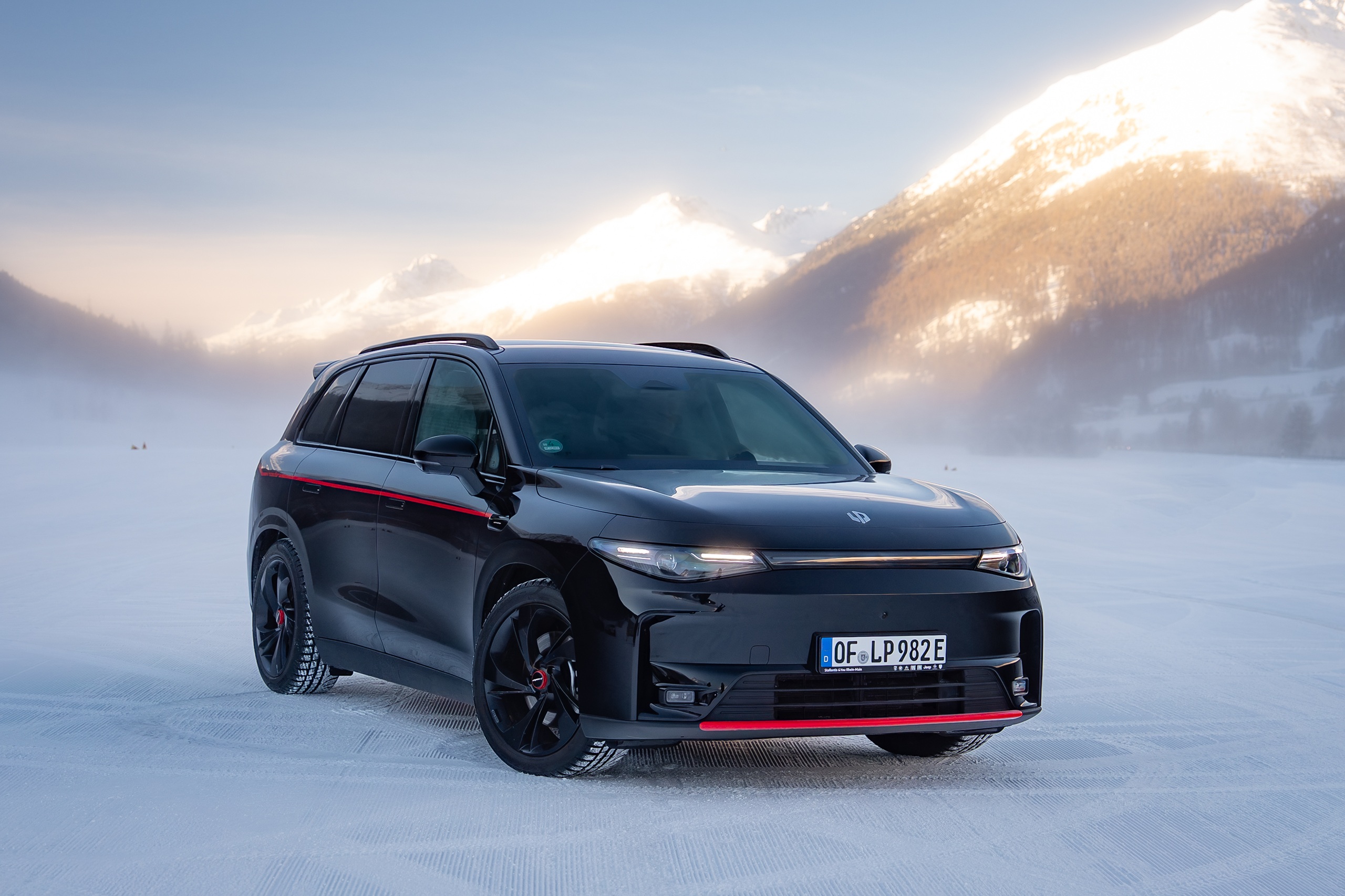
440 kW (598 hp), all-wheel drive, and a head-turning appearance: The Leapmotor i C10 Irmscher costs €49.900 and is limited to just 250 units. We tested the Chinese-made vehicle in everyday use for two weeks. While its fuel consumption, performance, and interior space are impressive, it falls short in terms of charging capabilities and software.
Three years ago, mentioning the name Leapmotor in Germany usually elicited a shrug. That has changed dramatically. In July 2026 alone, nearly 2.750 new Leapmotor vehicles were registered. This gave the company its first market share of over one percent and secured it the top spot among Chinese electric car brands in new registrations. The path to this success led through Stellantis: The conglomerate invested in the manufacturer, founded in Hangzhou in 2015, in 2023 and has been selling the cars through their joint venture, Leapmotor International, since 2024.
The C10 was the key to unlocking the door. The mid-size SUV celebrated its world premiere at the IAA Mobility show in Munich in September 2023 and arrived in 2024 as the brand's first model designed from the ground up for the global market. At that time, it was only available with rear-wheel drive and 160 kW (218 hp). It was then presented at the 2024 Paris Motor Show alongside... the smaller B10, whose premiere we reported on at the time.
Since autumn 2025, the C10 has been available in a second, significantly more powerful version: an 800-volt architecture, an 81,9 kWh battery, two motors, and 440 kW (598 hp). The i C10, developed jointly with Irmscher by Leapmotor, is based on this platform. The tuner from Remshalden near Stuttgart has been known for decades, primarily for its high-performance Opels – so the connection via Stellantis is a natural one. The result is a special edition limited to 250 units, priced at €49.900, featuring a lowered and stiffer suspension, a custom body kit, and 20-inch wheels. Our test vehicle, in black with red accents, was with us for two weeks. The question we kept asking ourselves was: Is a touch of Swabian finesse enough to transform a sensible family SUV into a car you absolutely have to have?
Conclusion on the Leapmotor i C10 (tl;dr): A lot of car for the money, with compromises on long journeys.
The Leapmotor iC10 Irmscher is what the regular C10 never was: a car that turns heads. Irmscher has sharpened the look and tightened the suspension – both of which suit the car well. Add to that 440 kW (598 hp), remarkably low fuel consumption, and generous rear legroom, which is especially advantageous for families. For €49.900, you get performance and features for which German brands charge significantly more.
The drawbacks, however, lie where they hurt most in everyday use with electric cars: long-distance charging and software. The lack of Apple CarPlay and Android Auto, combined with a navigation system that frequently goes its own way, is hardly excusable in 2026. For those who primarily charge at home, are looking for plenty of power and a striking appearance, the Leapmotor i C10 is a very attractive option. Those who frequently drive long distances should either opt for the more expensive competition or wait for the revised C10.
Strengths and weaknesses of the Leapmotor i C10:
✅ Strengths:
• A distinctive, sporty appearance that stands out
• 440 kW (598 hp) and 0-100 km/h in 4,0 seconds for only €49.900
• Low consumption, review: 18 kWh according to the on-board computer
• Plenty of space in the back
• Almost complete standard equipment including heat pump and 360° camera
• Steering wheel button: All driver assistance systems can be set to your own preferences with a single press.
• Bright ambient lighting with many colors
❌ Weaknesses:
• No Android Auto or Apple CarPlay yet
• Navigation system sometimes suggests nonsensical routes
• Only 180 kW charging power despite 800-volt system
• Access via NFC card is cumbersome
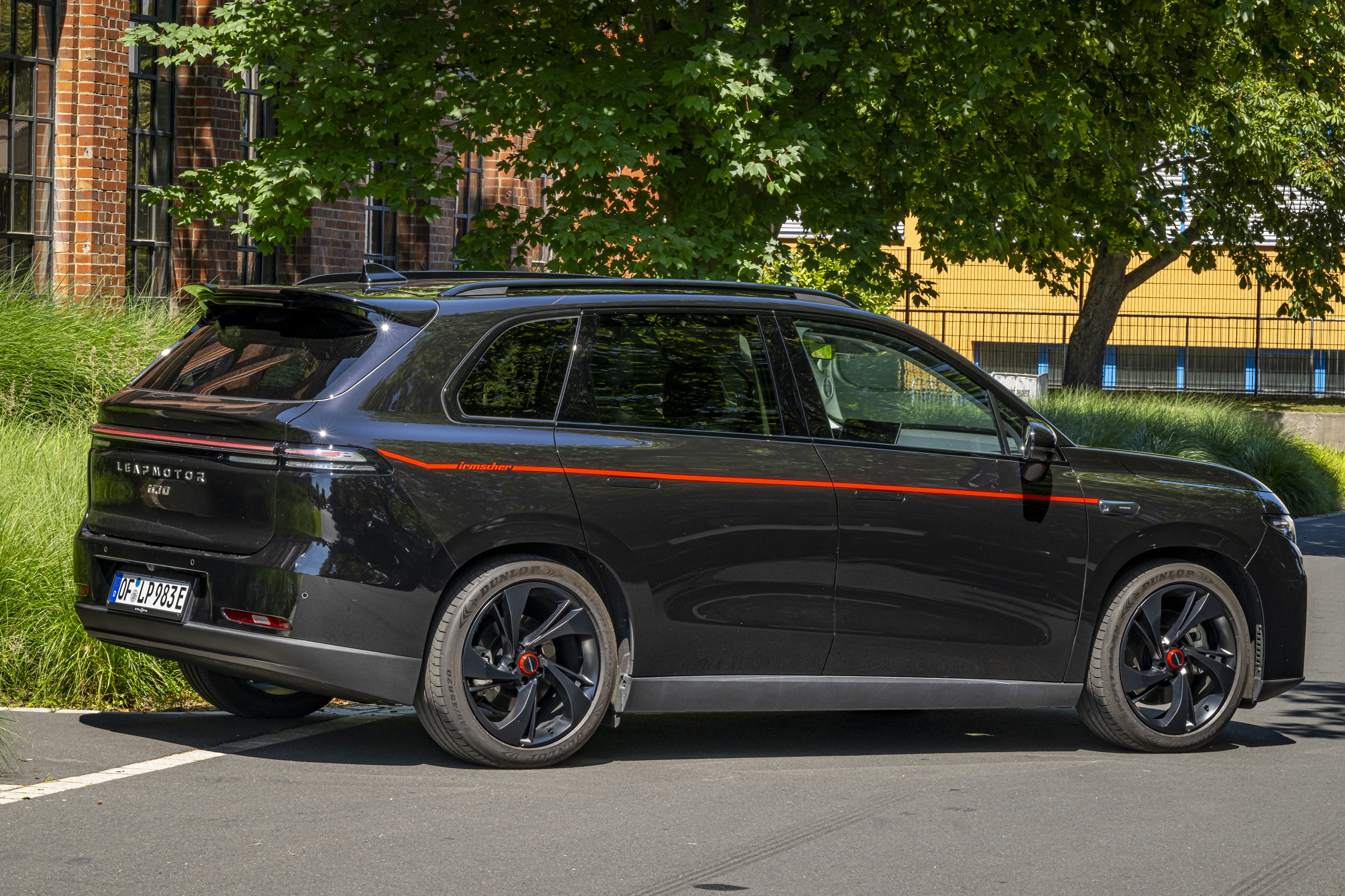
Image: Leapmotor
Design and exterior of the i C10: Black, red and a touch of rebellion
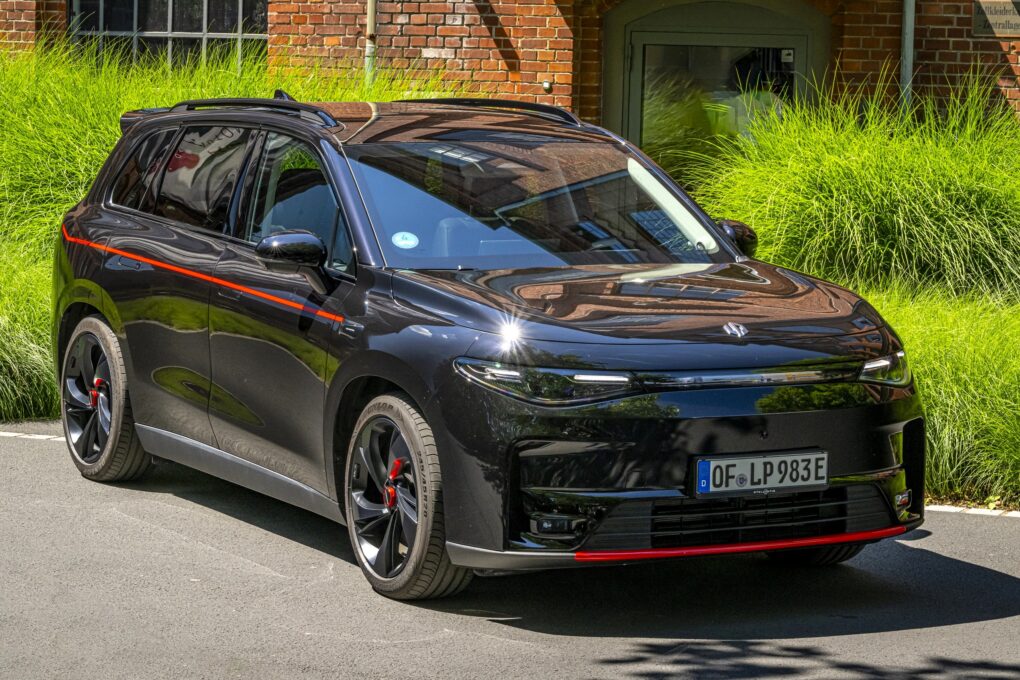
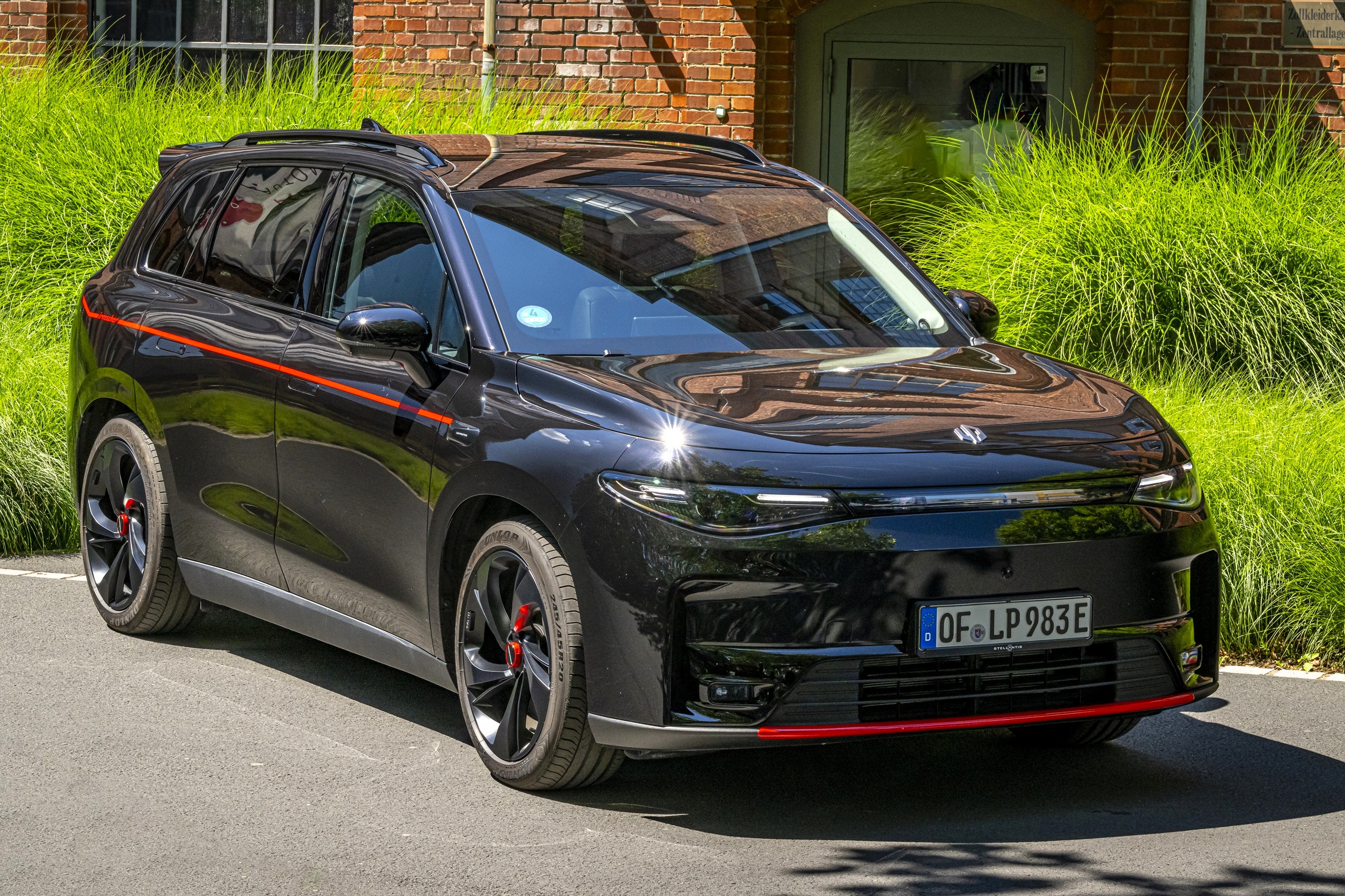
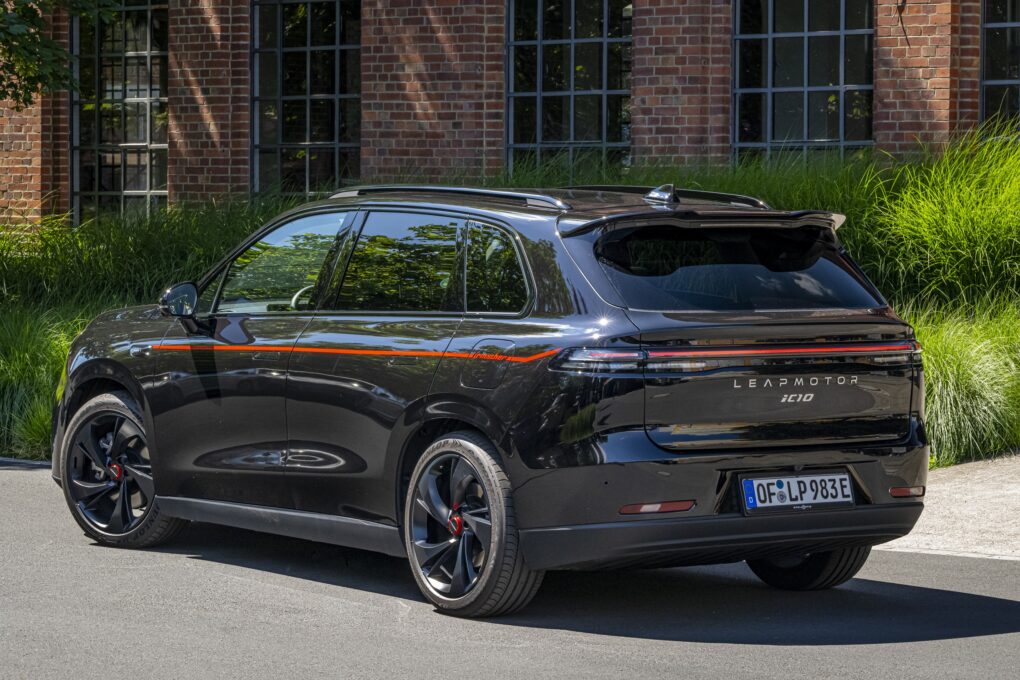
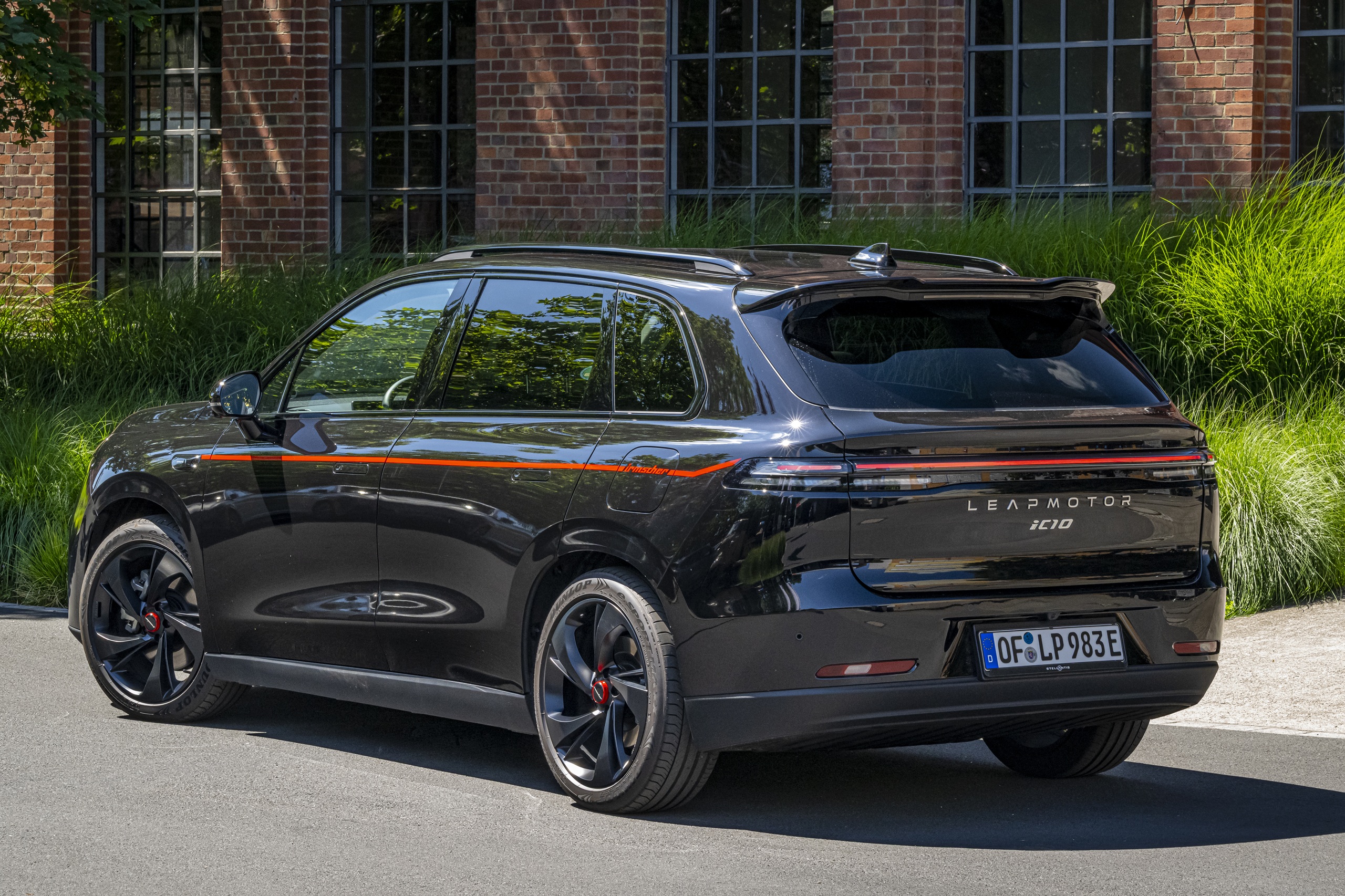
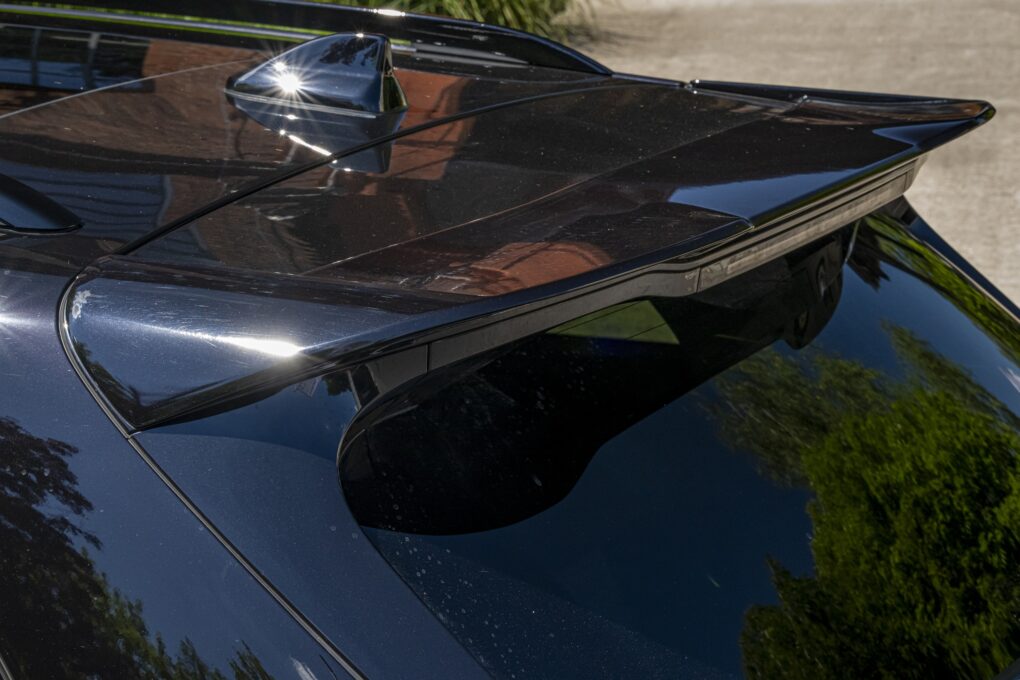
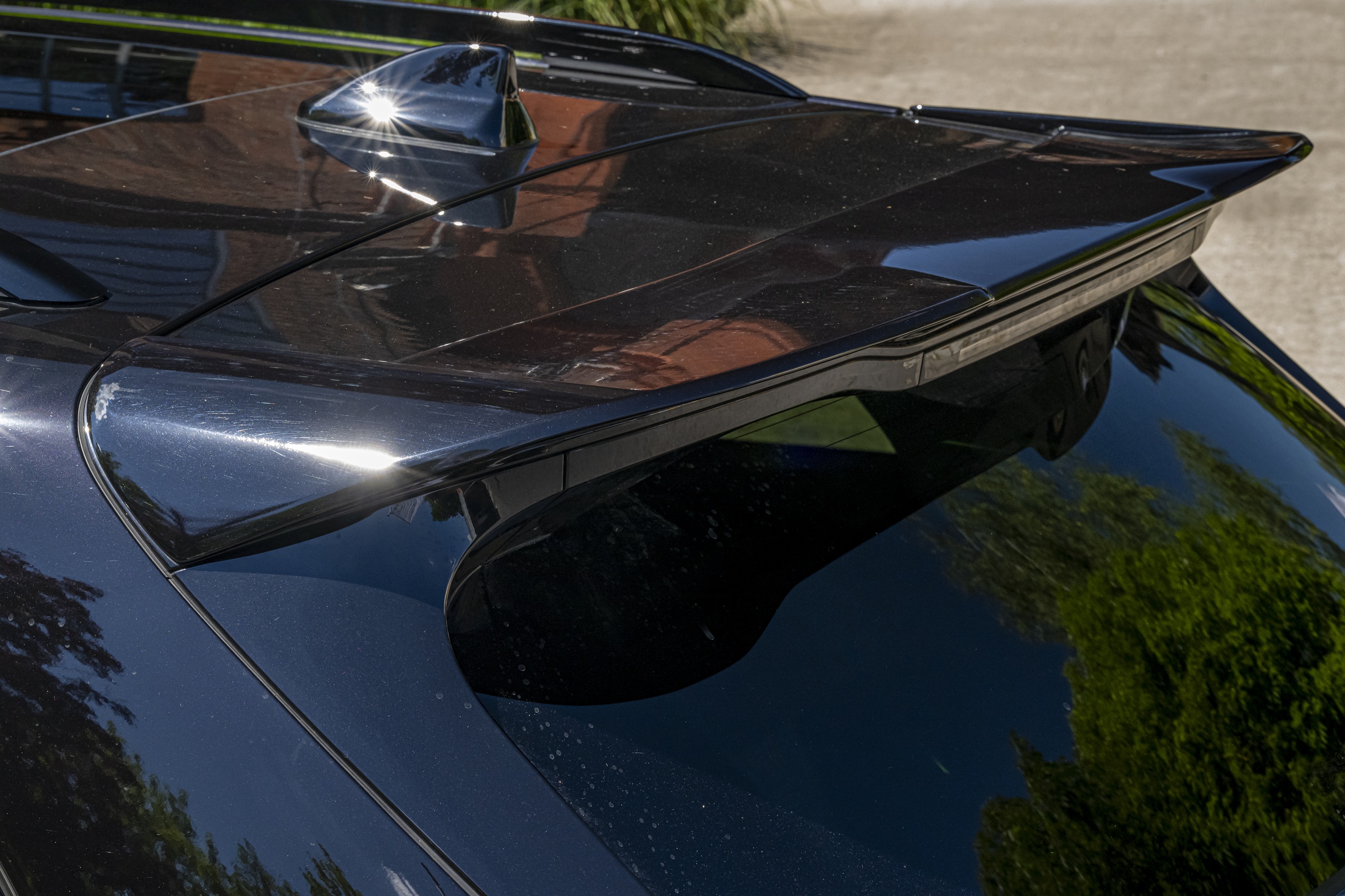
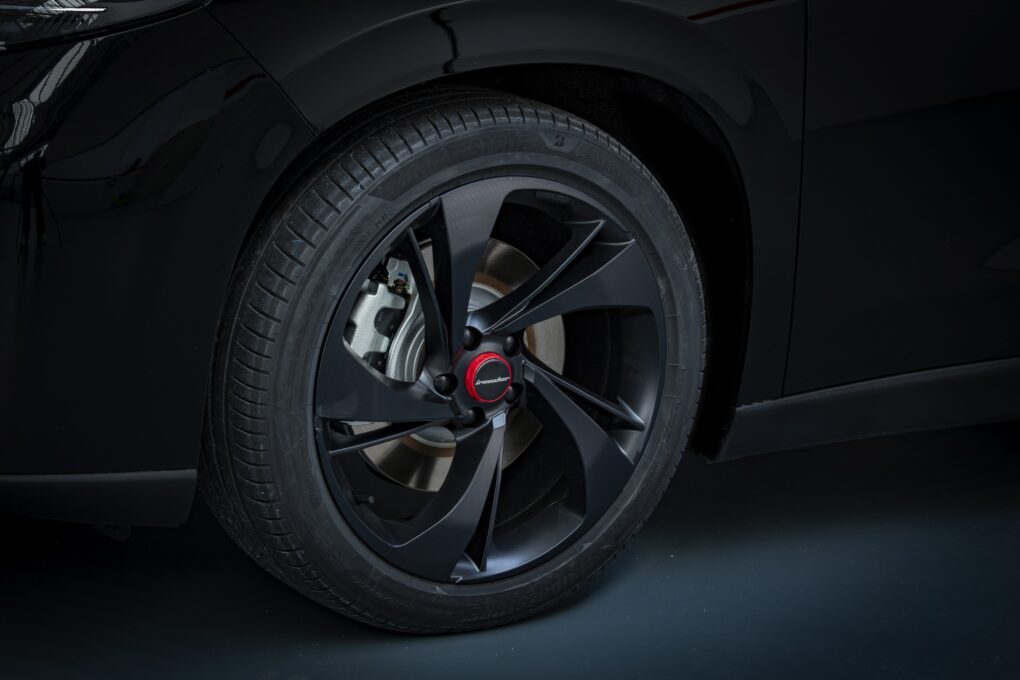
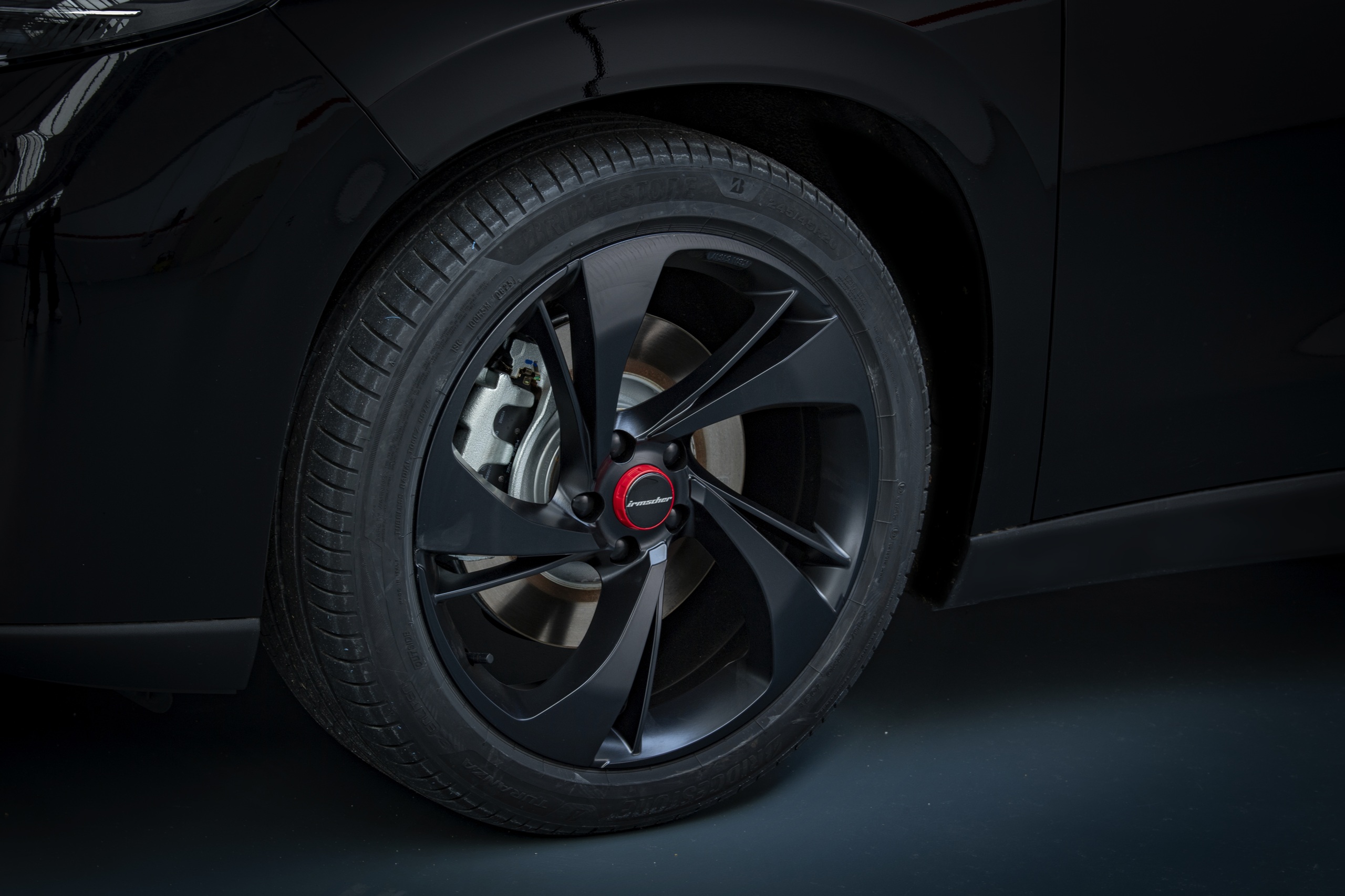
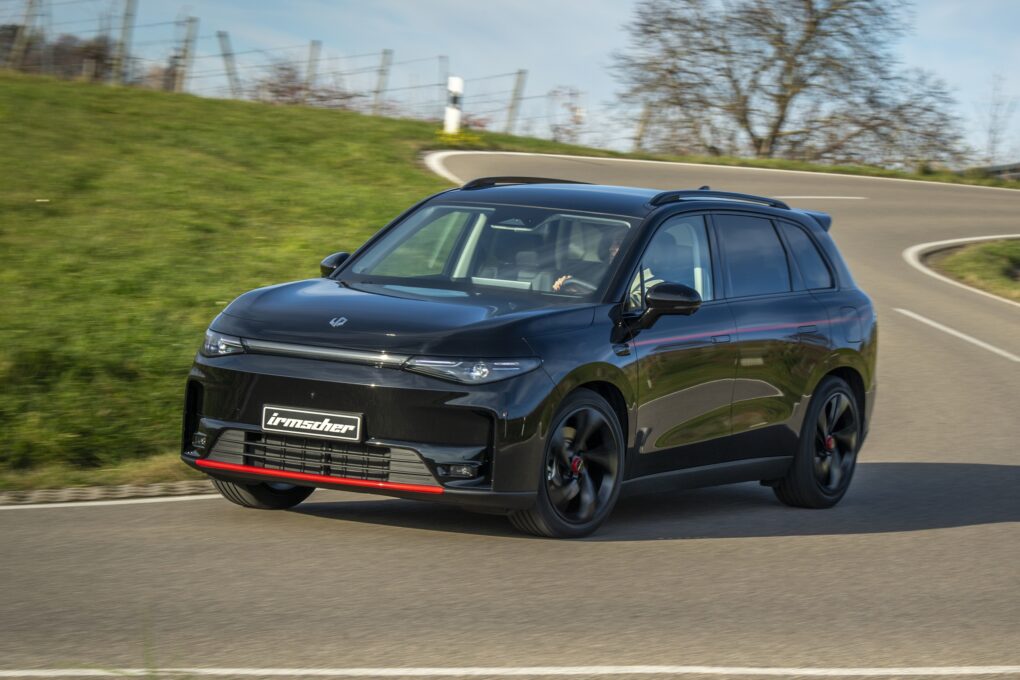
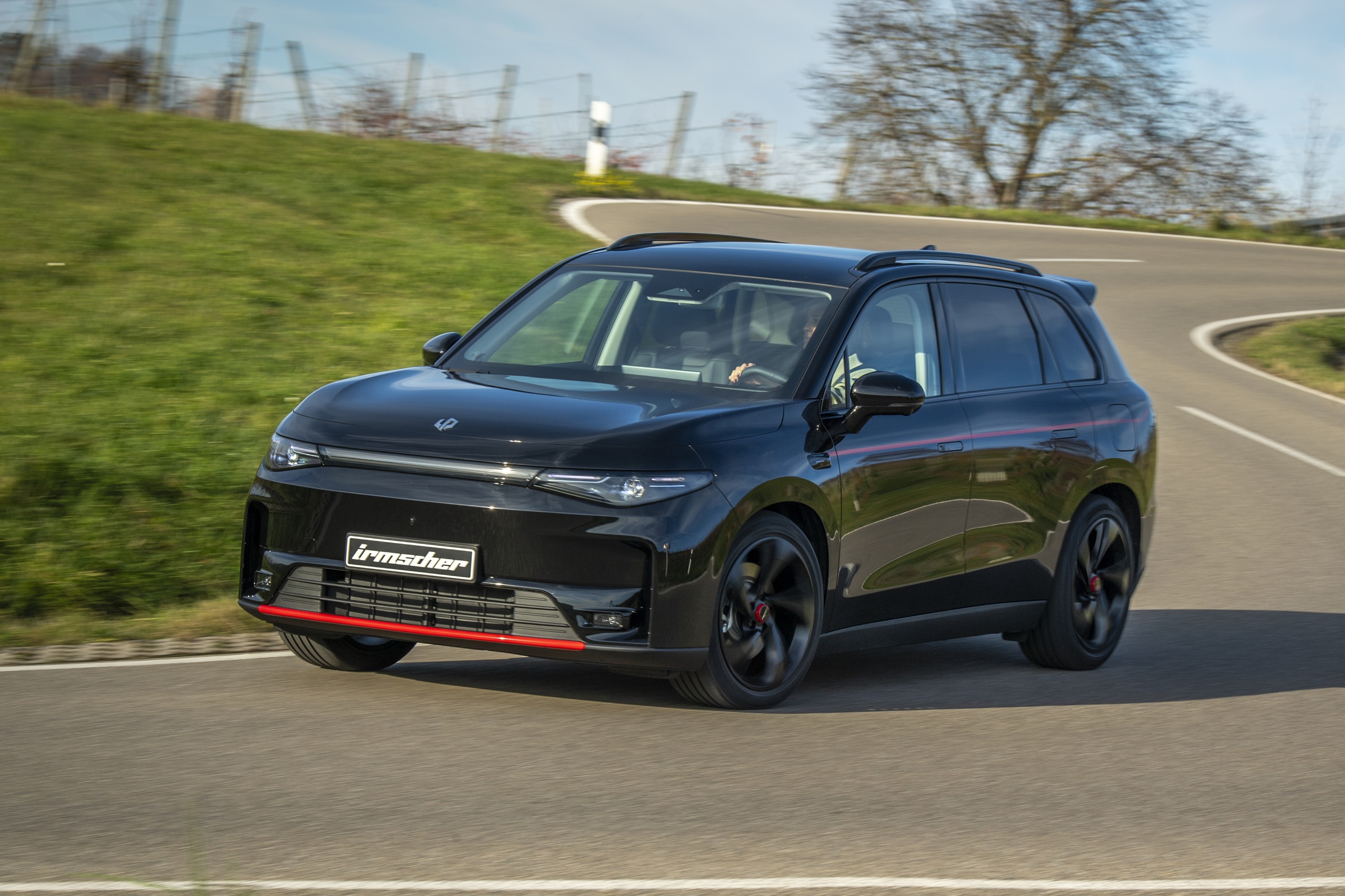
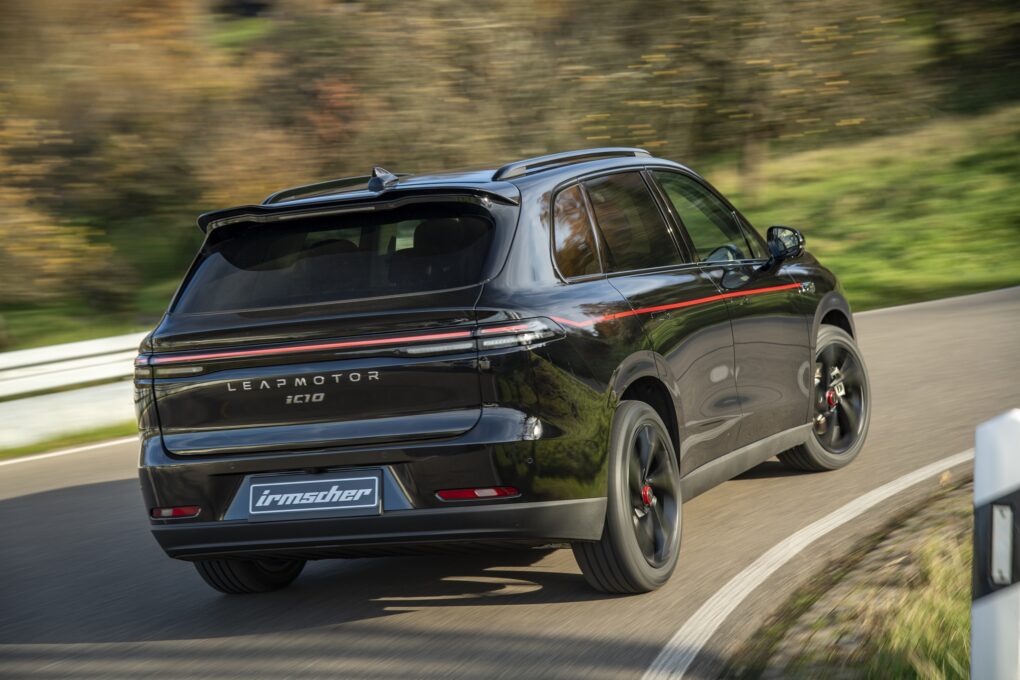
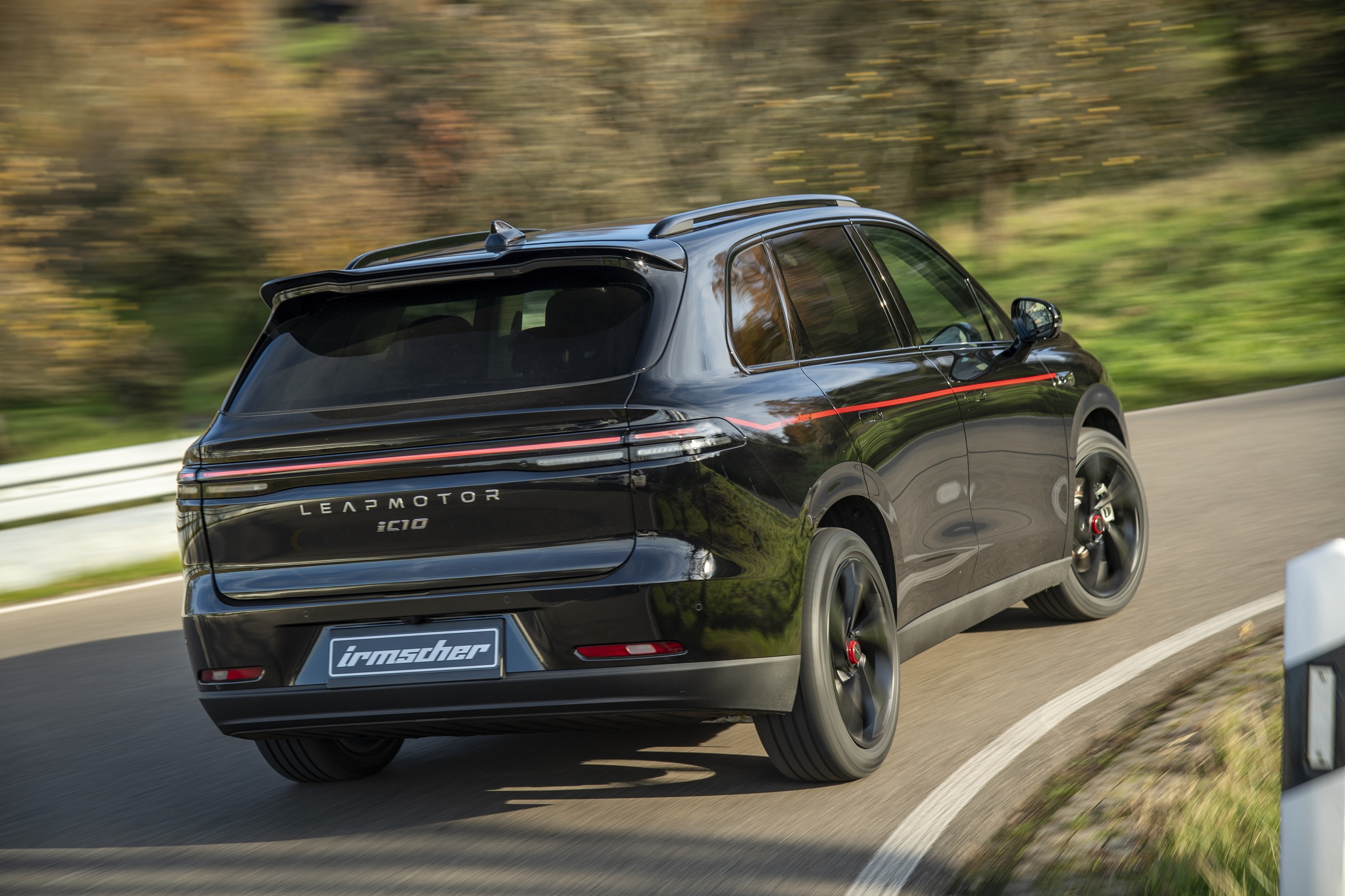
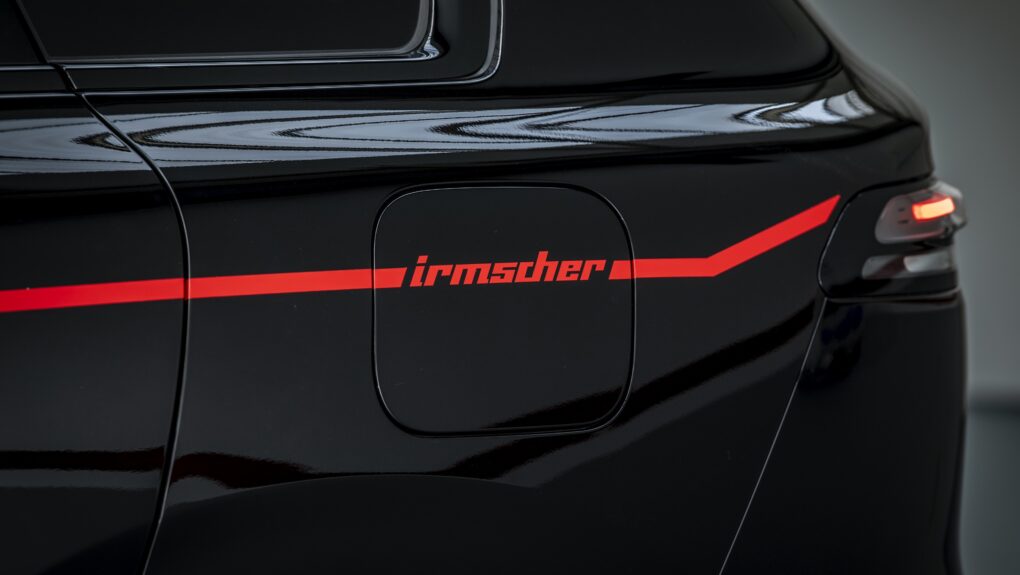
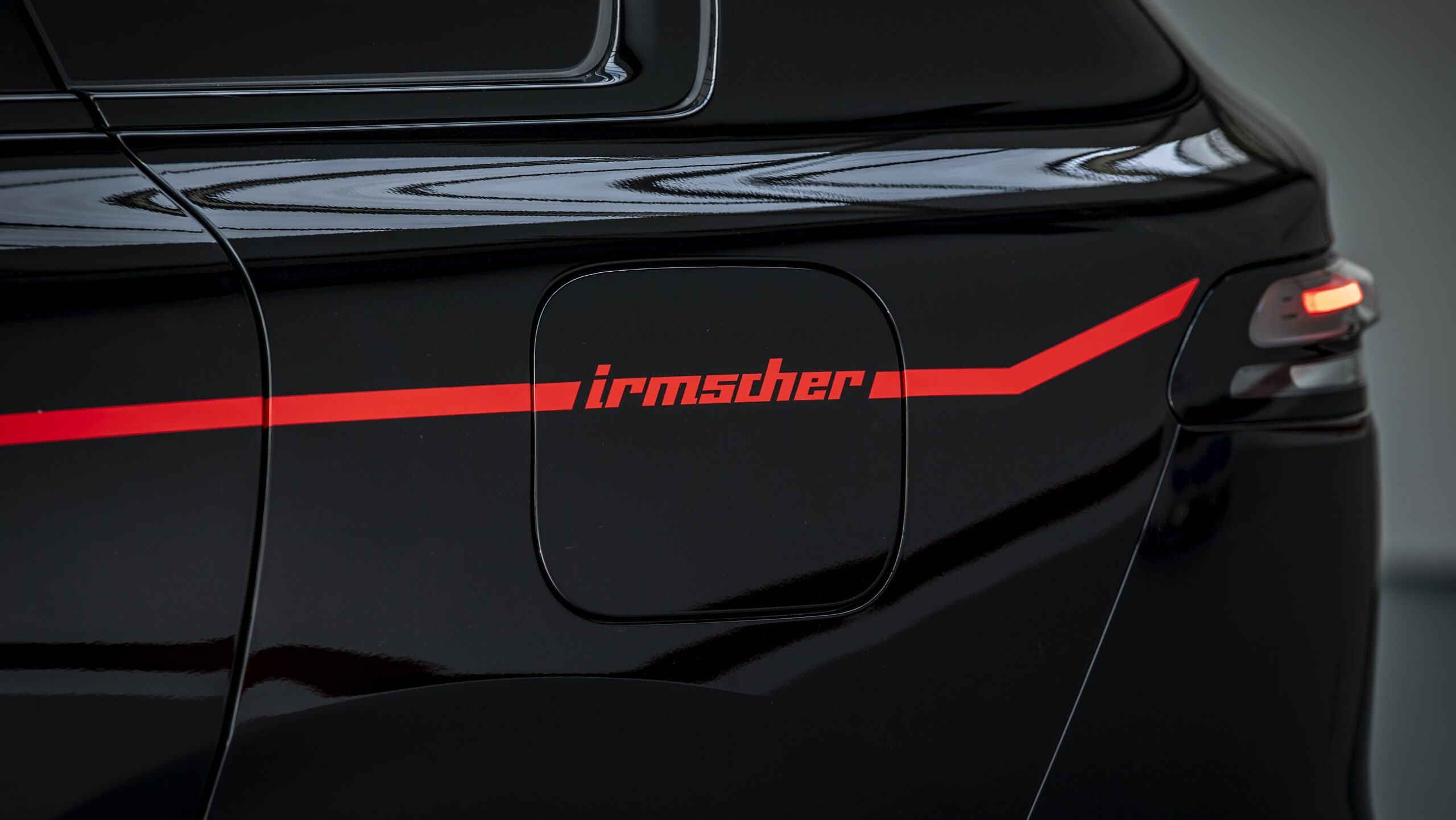
The standard C10 is a sleek, friendly SUV with a continuous light strip across the front, recessed door handles, and clean surfaces. Irmscher picks up precisely where this calmness veers into the ordinary. The new front bumper features colored elements, a unique spoiler sharpens the roofline at the rear, and there's a custom logo. A design wrap connects the individual components with red lines on black paint. The lowered suspension and new 245/45 R20 wheels fill the wheel arches significantly better than the standard model, giving the car a more planted stance on the road.
The result is a sportier look, and it works. The Leapmotor i C10 is a real head-turner, something you wouldn't necessarily expect from a mid-size Chinese SUV. Yet its proportions remain family-friendly: 4,74 meters long, 1,90 meters wide (2,14 meters including mirrors), 1,68 meters high, and a wheelbase of 2,83 meters. This makes it about 15 centimeters shorter than the XPeng G9 Performance, which we have already tested extensively, and fits more easily into parking garages and tight parking spaces.
-
- Image: Leapmotor
-
- Image: Leapmotor
Space: Generous, especially in the back
Up front, you sit in wide, comfortable seats upholstered in synthetic leather, which can be heated and ventilated. Even on long journeys, there are no discomforts. However, there is hardly any lateral support. Since Irmscher hasn't modified the seats, you slide around a bit during spirited cornering, which doesn't quite fit with the sporty character. The wide center console offers plenty of storage space, but taller drivers might find their right knee touching it.
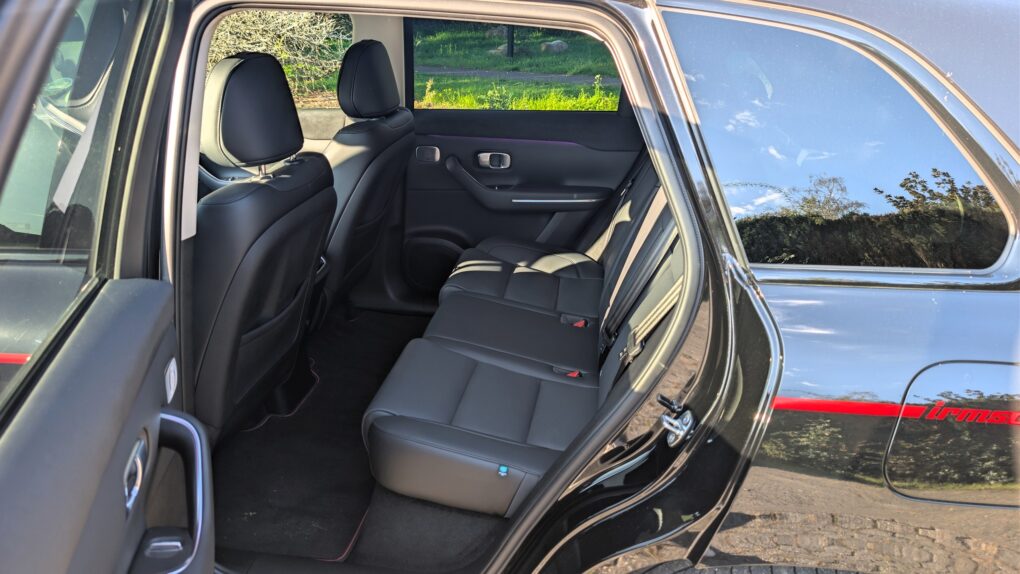
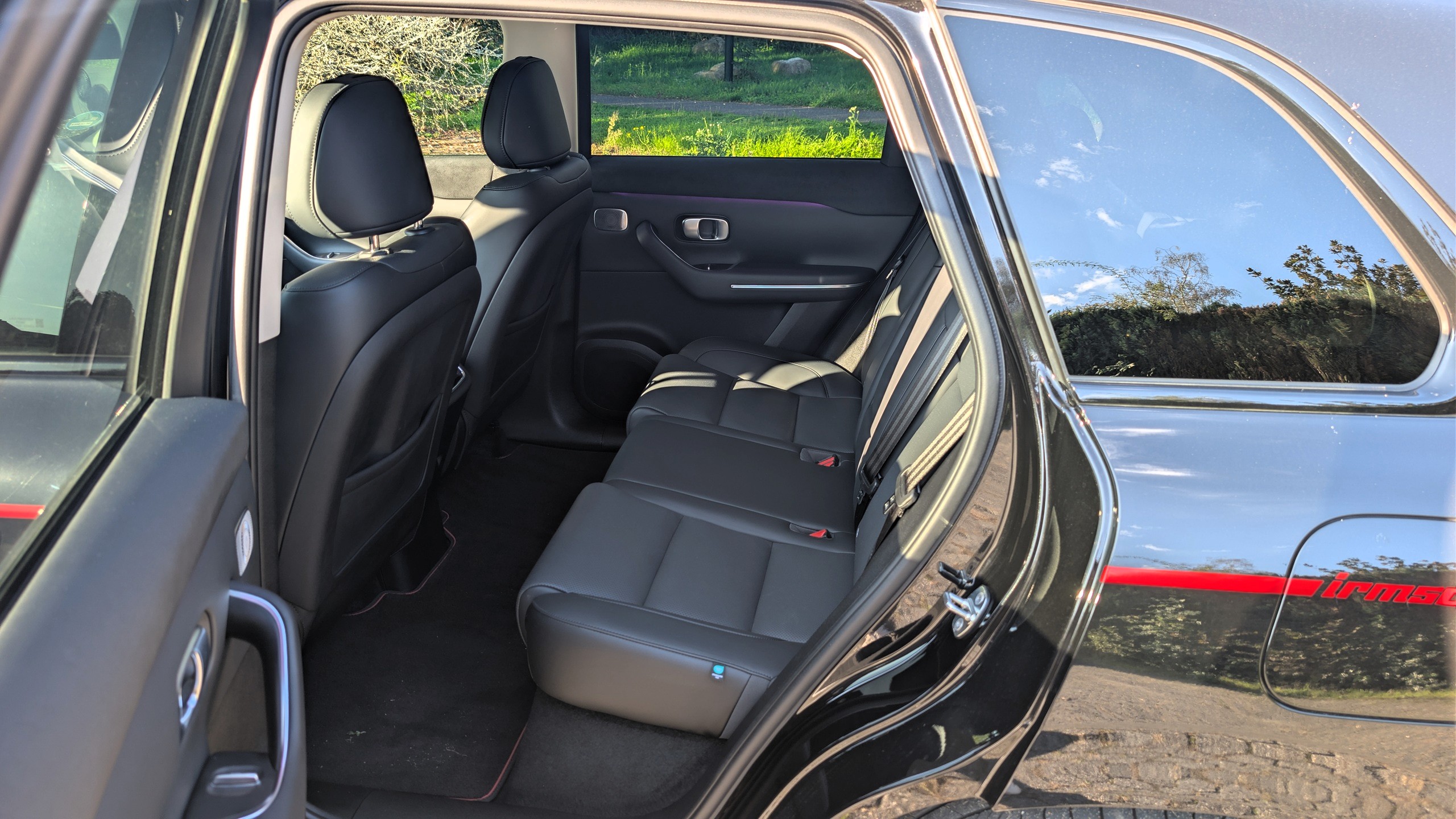
At the rear, the long wheelbase really shines. The floor is flat, there's plenty of legroom even behind tall passengers, and the panoramic glass roof makes the interior feel bright and airy. Drawbacks include the difficult-to-access Isofix child seat anchors and the awkwardly placed rear cupholders.
-
- Picture: TechnikNews
-
- Picture: TechnikNews
Trunk: Small and with a hidden button
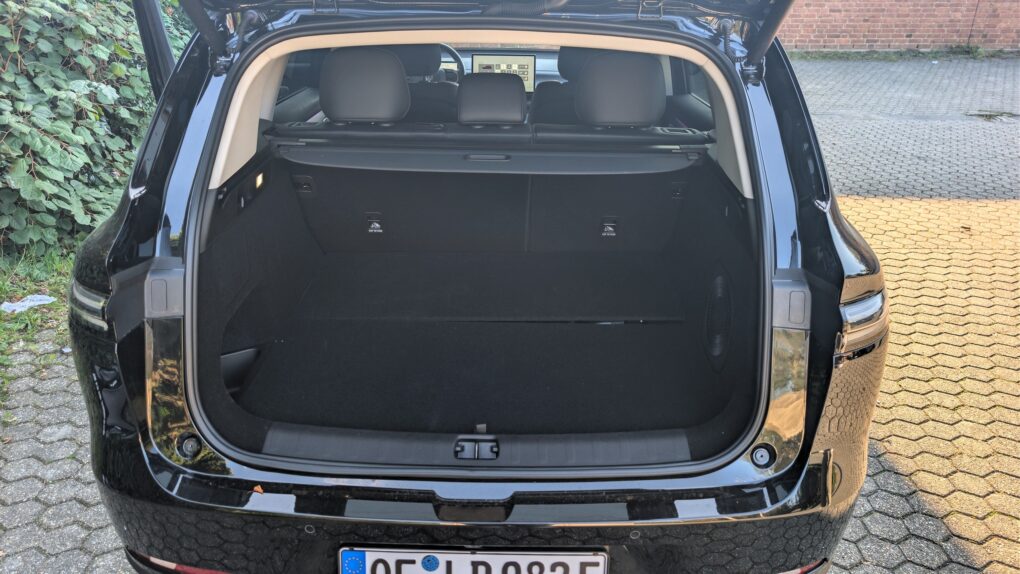
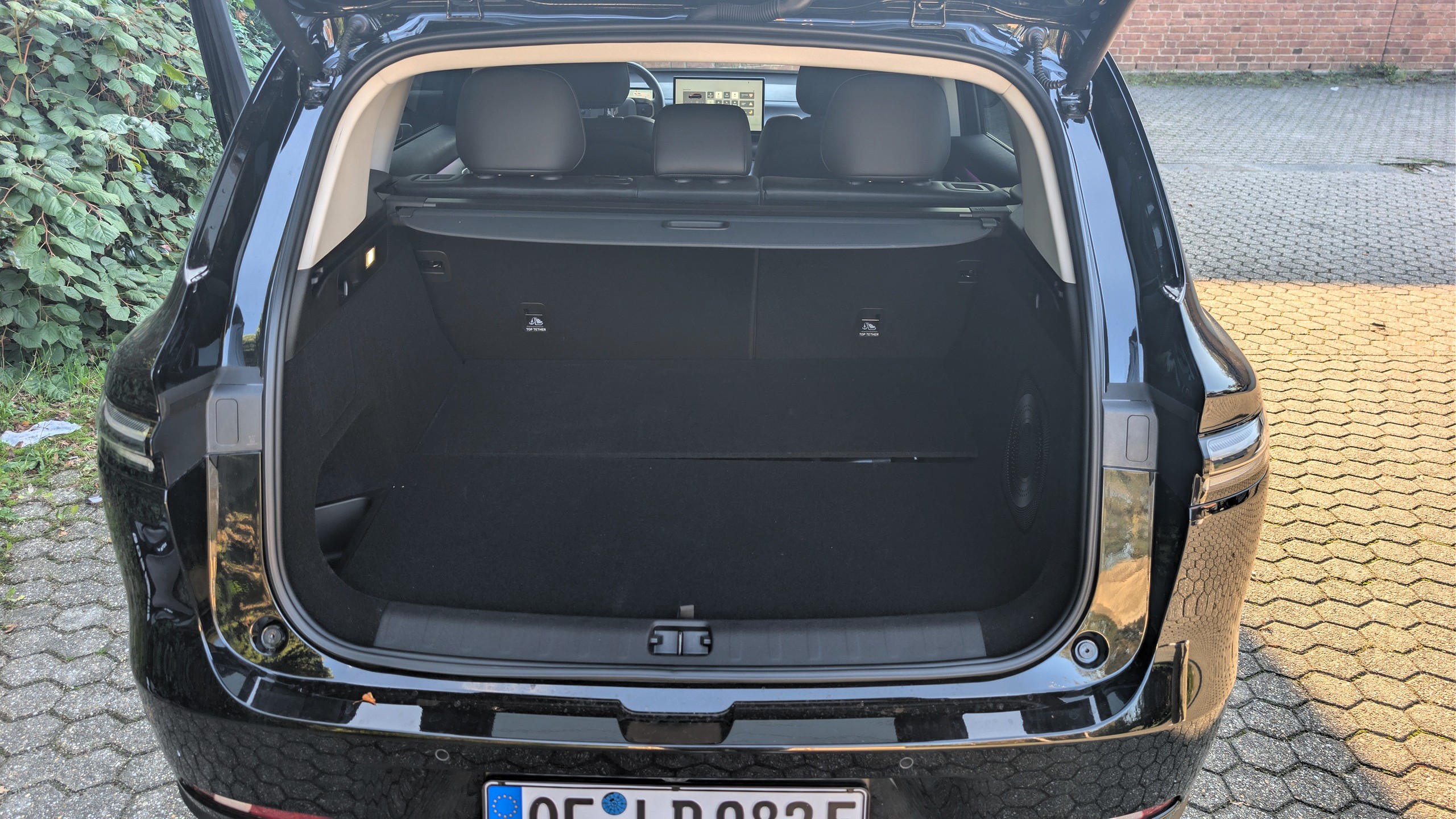
Herein lies a real weakness. The Leapmotor i C10's trunk holds 435 liters, expanding to 1.410 liters with the rear seats folded down. Up front, under the hood, there's a 32-liter frunk, just big enough for the charging cable. For comparison: The XPeng G9 In our test, it swallowed 660 liters plus 71 liters at the front, a Smart # 5 It offers 630 liters of cargo space. The rear seatbacks cannot be unlocked from the trunk, and there's no pass-through for skis or similar items. Payload is also important for vacation trips: The curb weight of 2,264 kg already includes 75 kg for the driver according to European standards. This leaves 401 kg for passengers and luggage up to the permissible gross vehicle weight of 2,665 kg. With three additional adults at 85 kg each, that leaves approximately 145 kg for luggage. That's sufficient, but it's not a huge cushion.
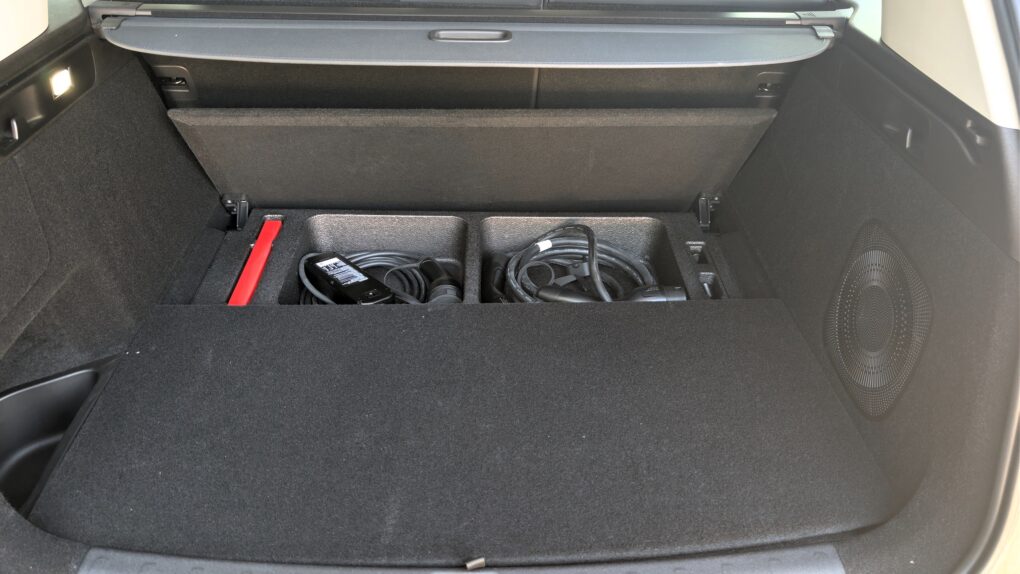
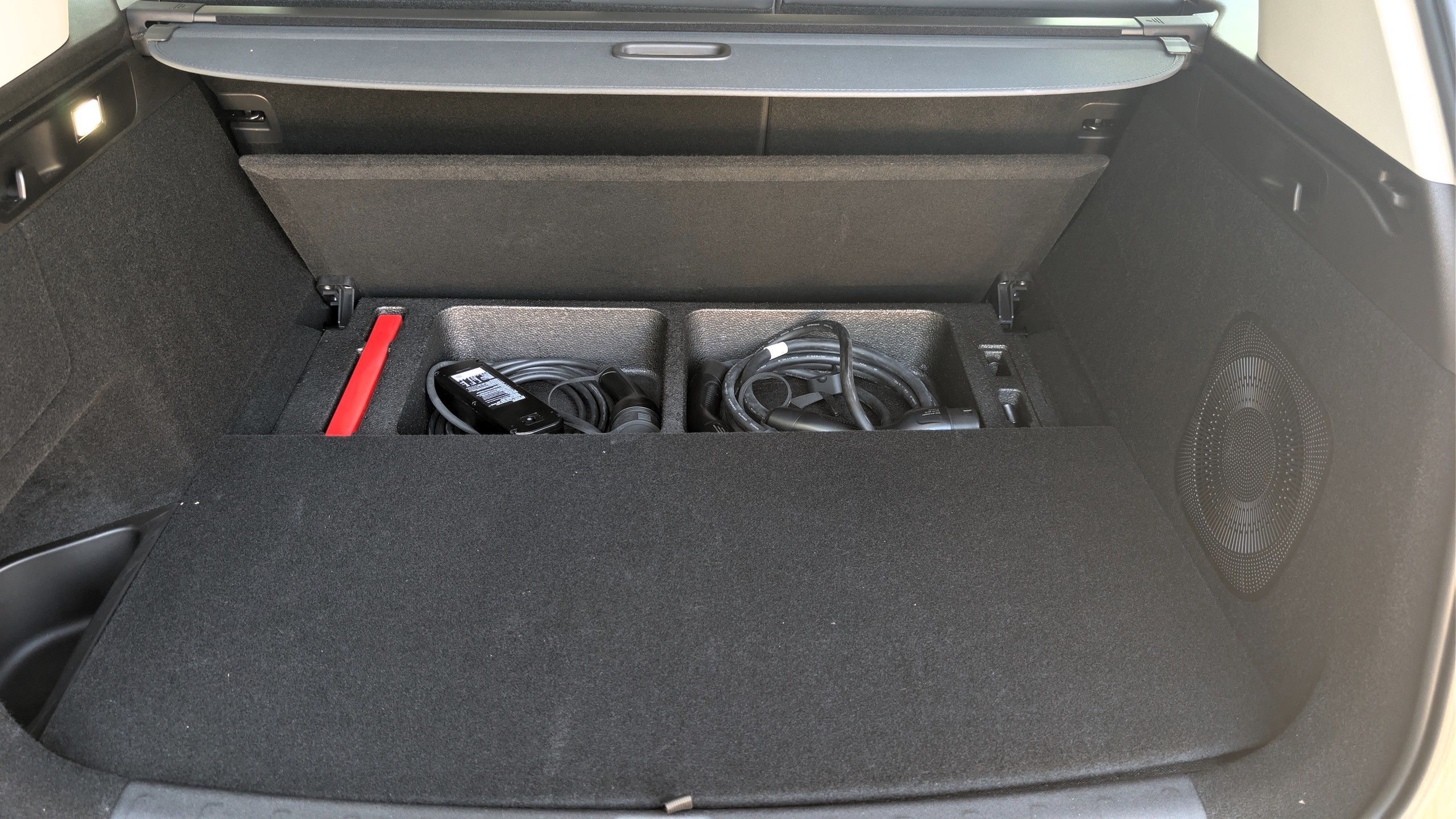
There's one small but annoying thing to consider: the tailgate release is hard to find. Anyone loading the car for the first time will have to feel around the tailgate before finally locating the button. On the plus side, the C10 can tow up to 1.500 kilograms (braked) with a maximum tongue weight of 60 kilograms. The storage compartment under the main floor is also ideal for stowing charging cables.
-
- Picture: TechnikNews
-
- Picture: TechnikNews
Interior of the Leapmotor i C10: Tidyed and with subtle traces of Irmscher
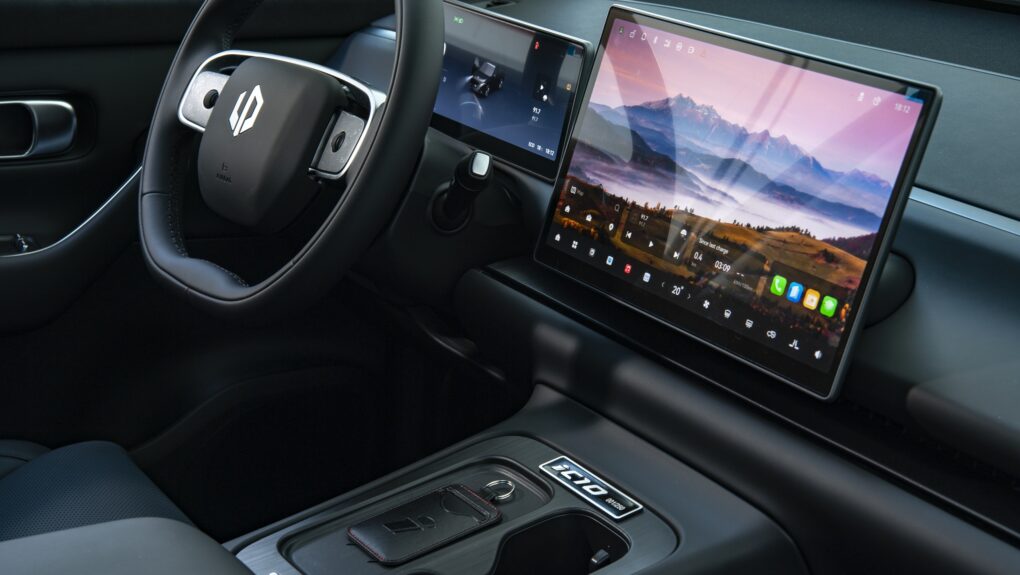
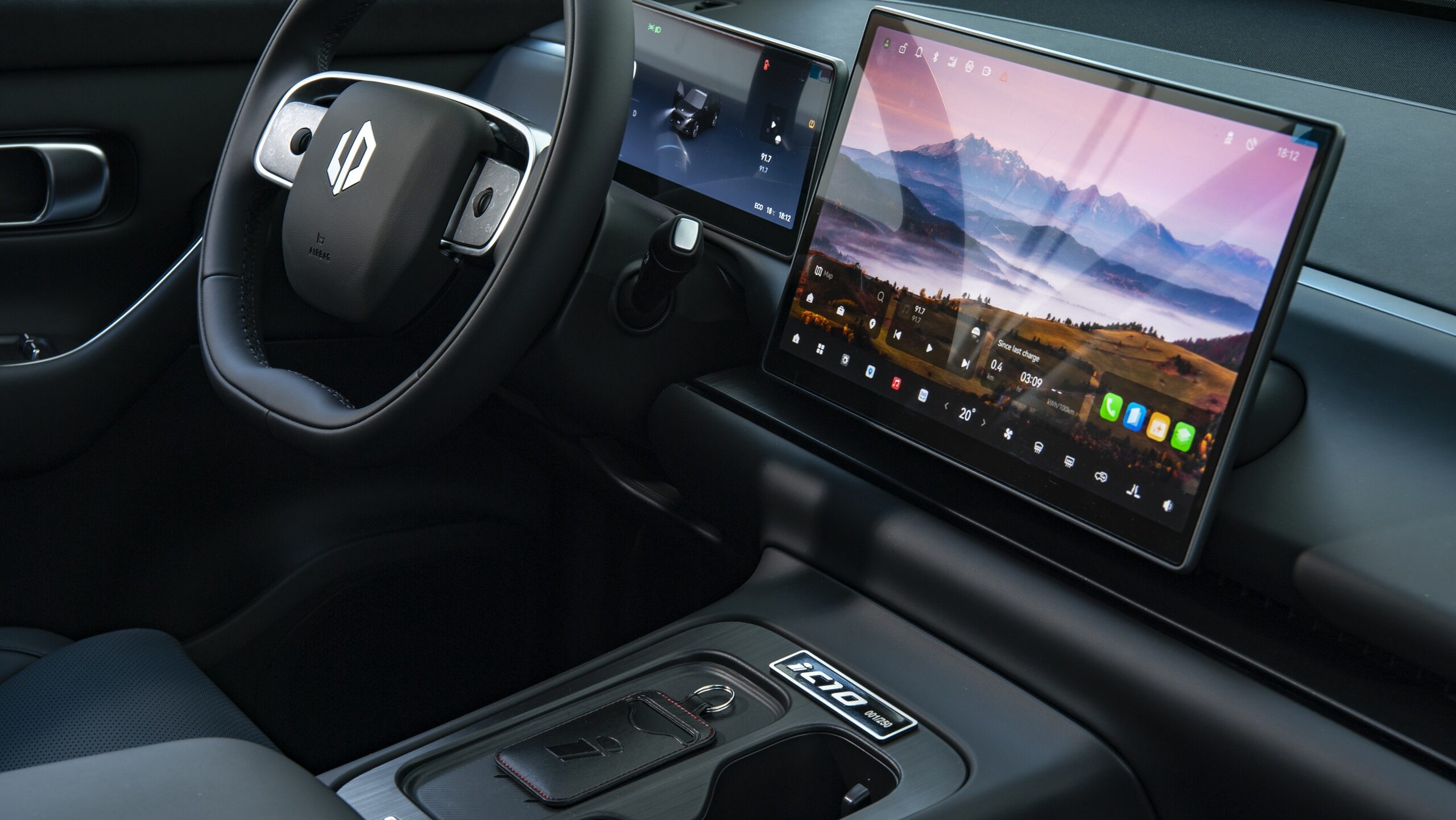
Before you can take a seat, you have to get in, and review car, this is done via a card with NFC (Near Field Communication). The card has to be held against the reader on the driver's side mirror. Only then does the car unlock. It works, but it's awkward with your hands full. Irmscher includes a leather case for the card, which makes it look nicer, but doesn't solve the problem. We would prefer a classic key fob that stays in your pocket and can also be used to open the trunk. Leapmotor wants you to do all of this via their app.
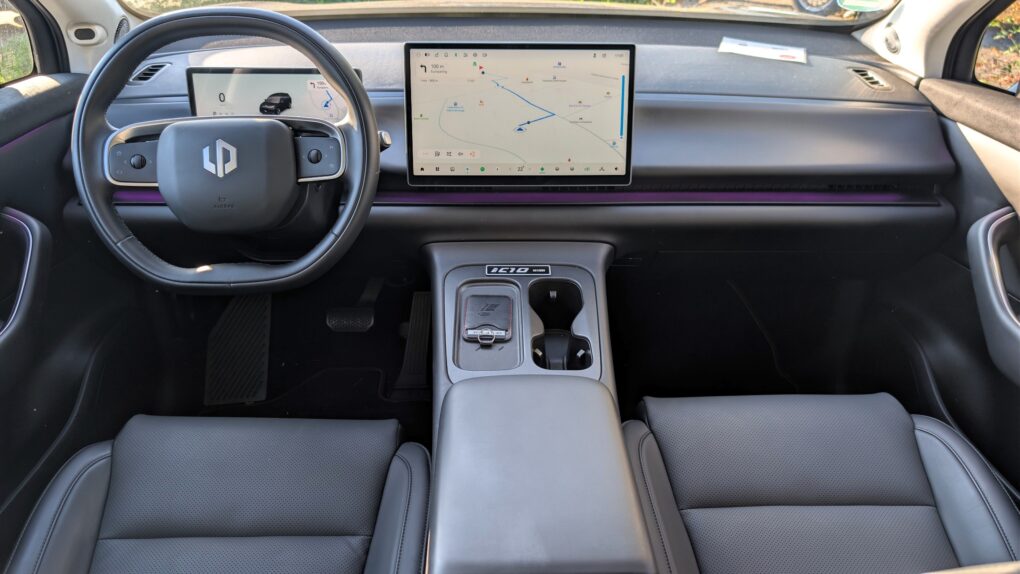
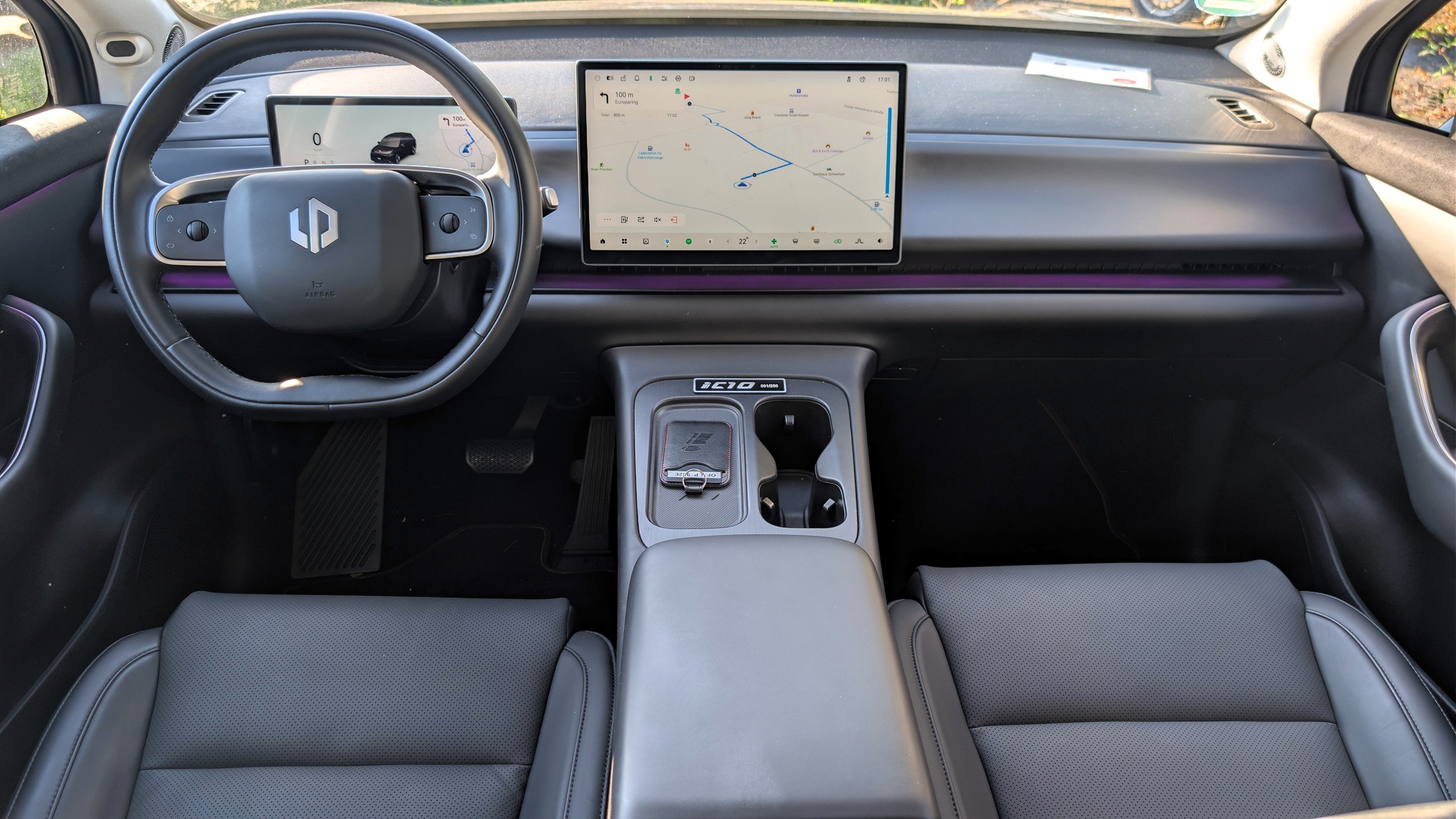
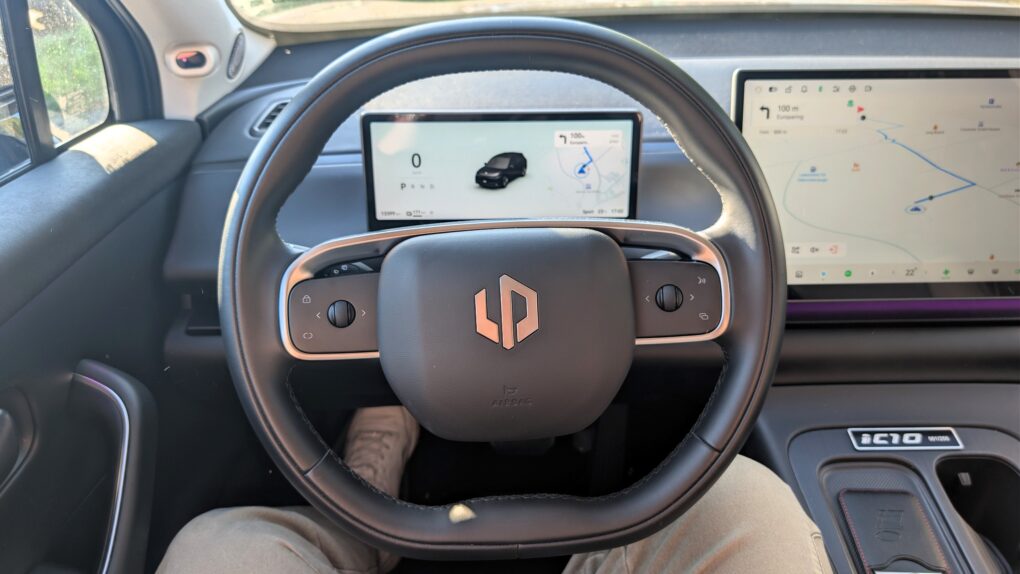
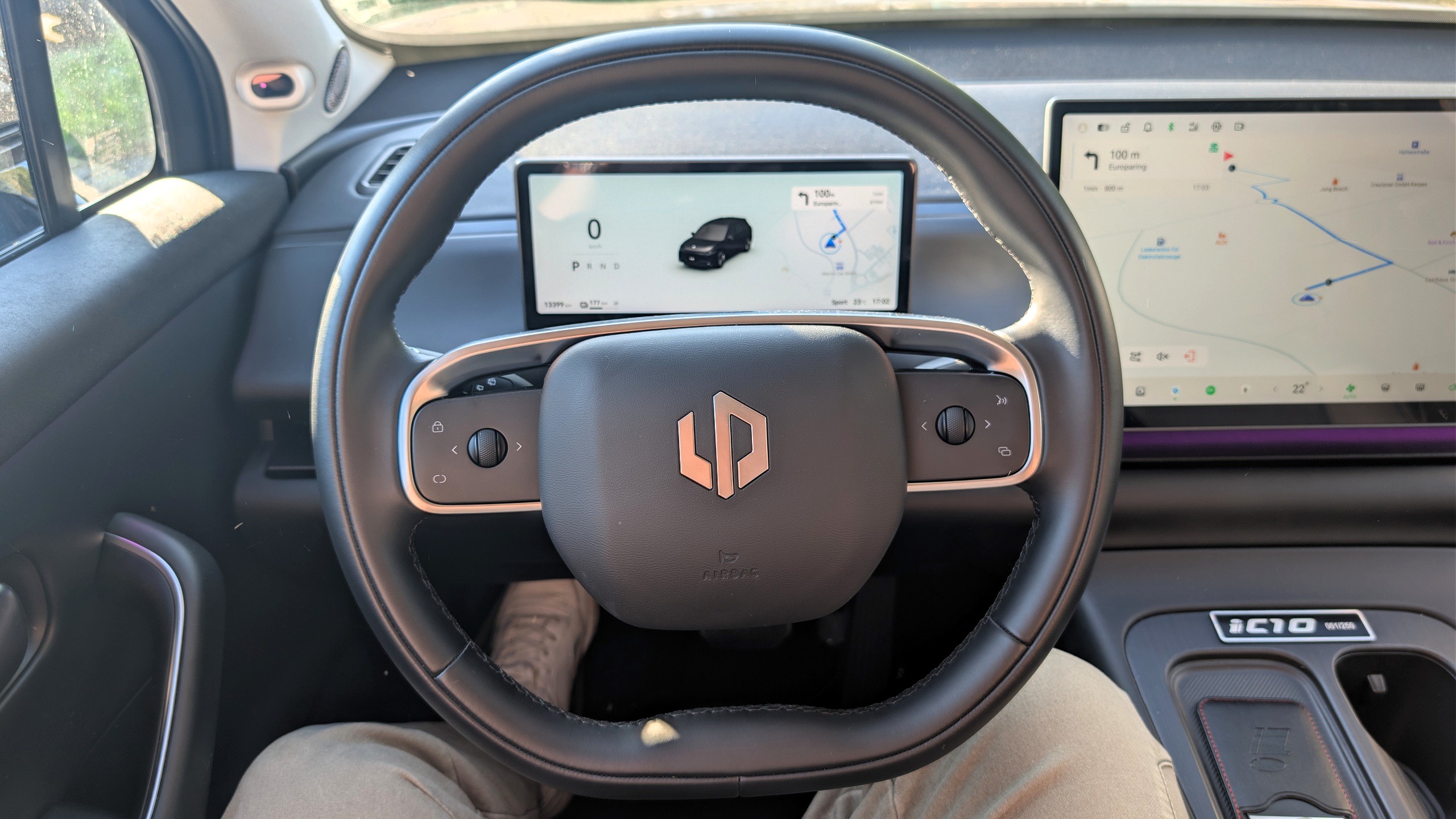
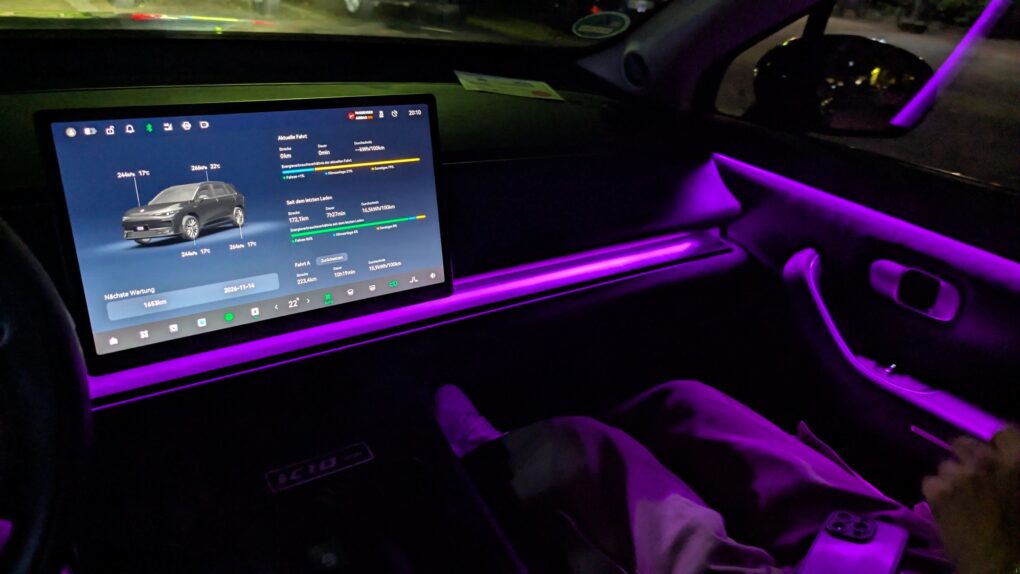
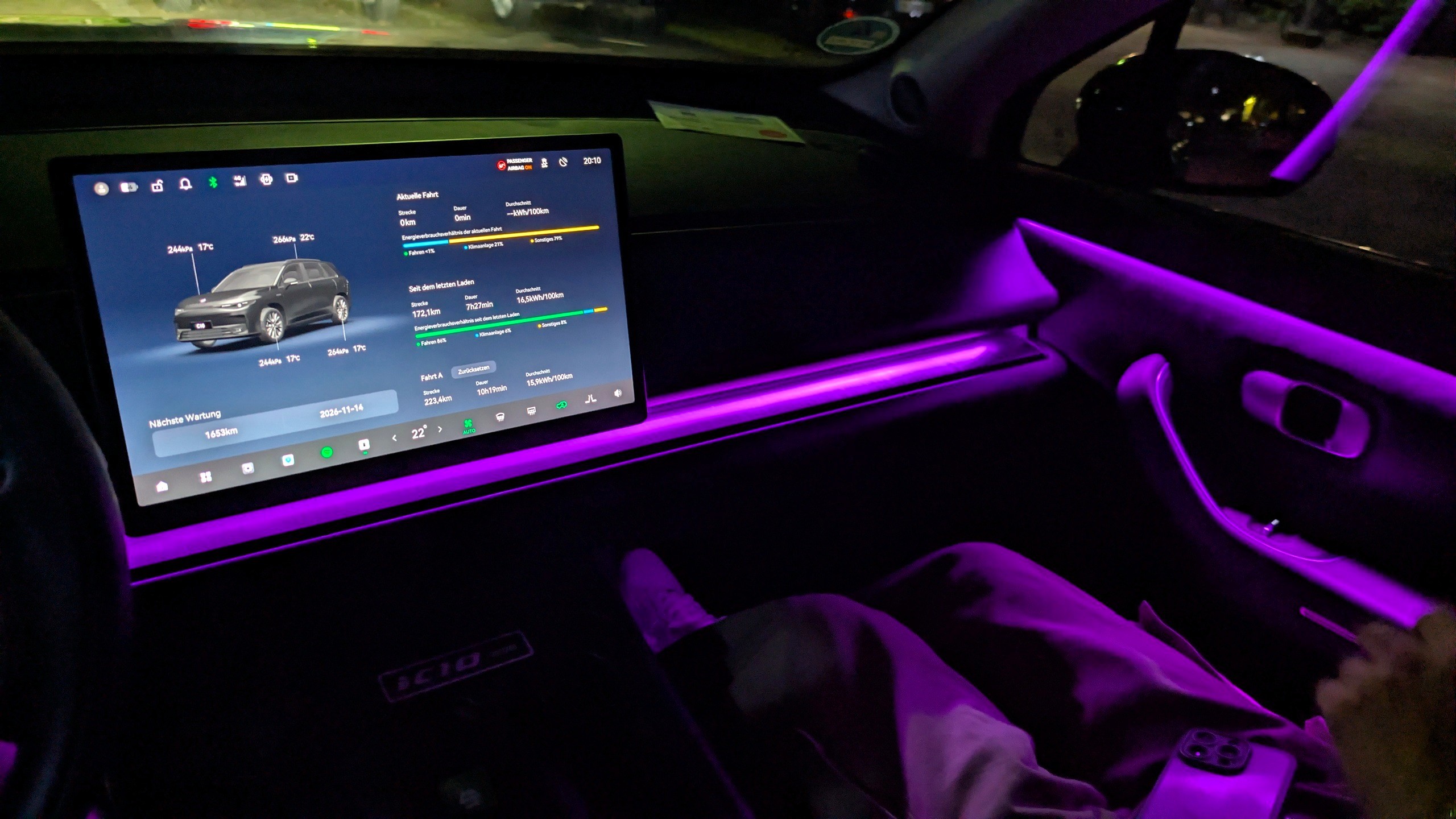
Inside, the cockpit is reminiscent of Tesla: a large 14,6-inch screen in the center and a smaller 10,25-inch display behind the steering wheel, along with few physical buttons. The materials are decent: plenty of soft synthetic leather, little piano black trim. The only Irmscher touches in the interior are the velour floor mats with red accents and a numbered aluminum plaque. The ambient lighting is bright, offers a wide range of colors, and can be adjusted to match the red accents. The window controls are also unusual: pushing raises, pulling lowers. A heated steering wheel and an inductive charging pad are standard. The front seats can also be adjusted to a near-horizontal position for charging breaks.
-
- Image: Leapmotor
-
- Picture: TechnikNews
Infotainment and connectivity: Fast, but headstrong
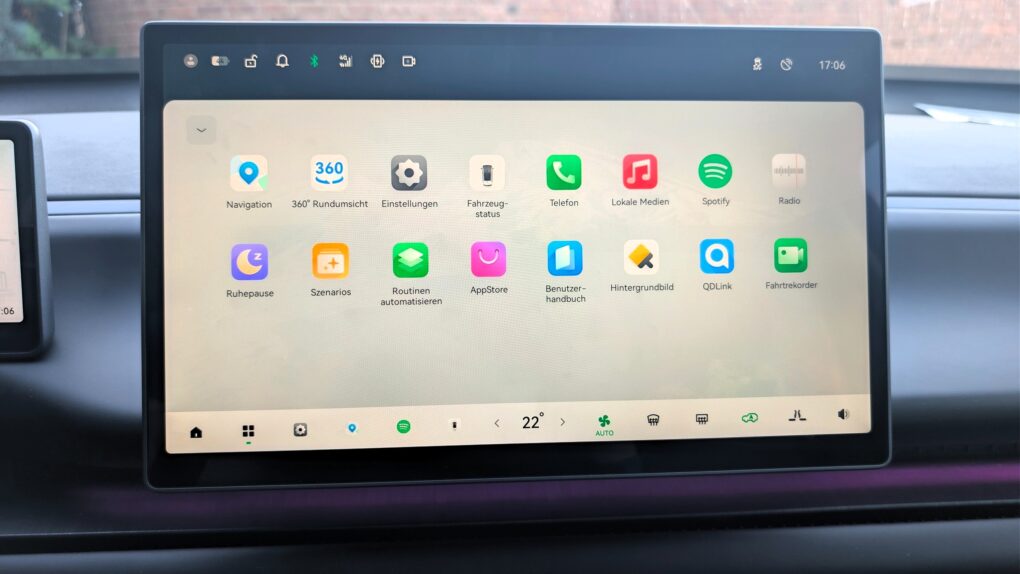
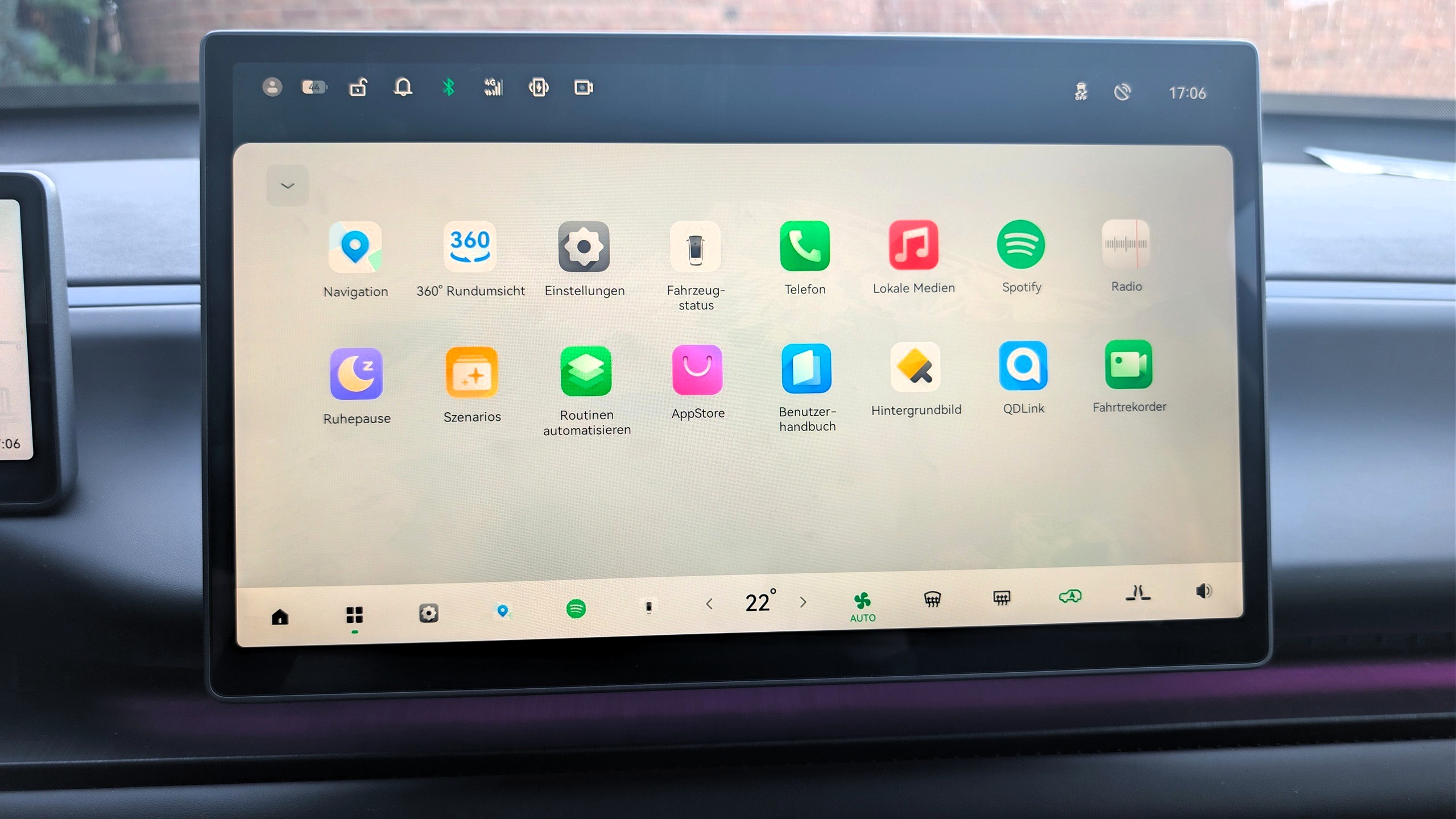
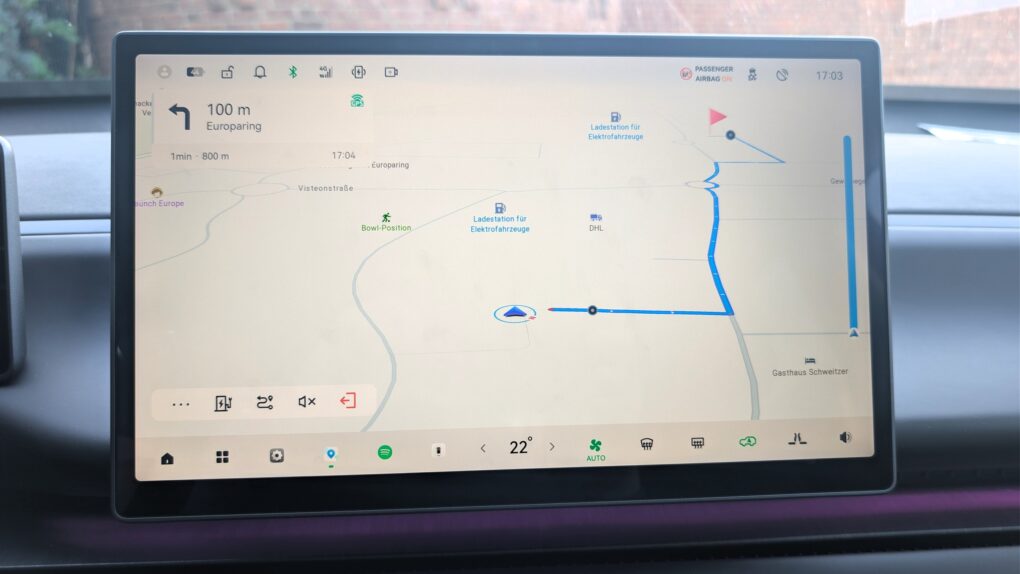
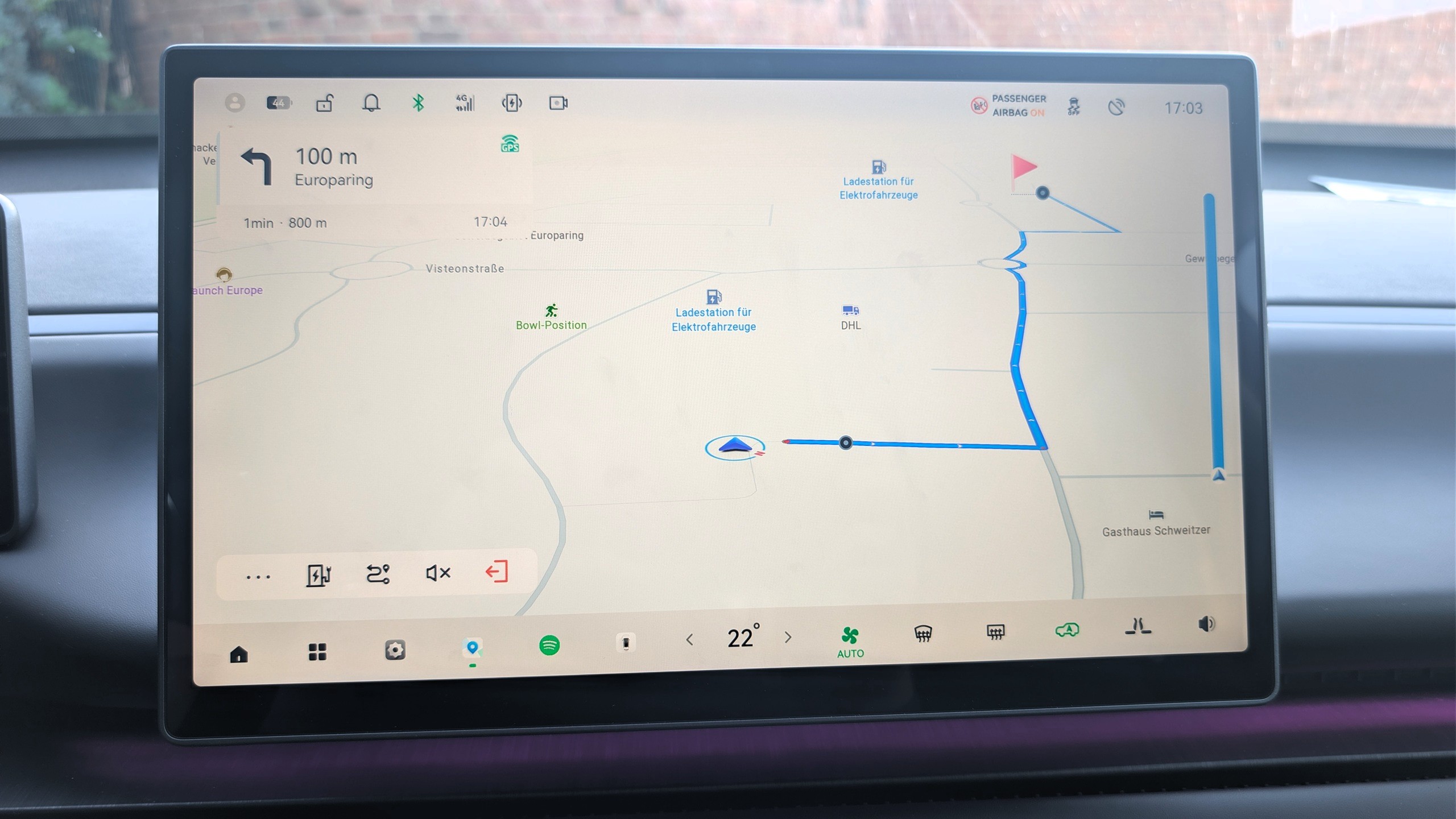
The operating system runs smoothly on the central screen, and the menus open instantly. Over-the-air (OTA) updates have improved several things in recent months, including quick access options and the climate control system. However, over two weeks, the navigation system repeatedly suggested routes that made no sense, with detours that saved neither time nor mileage. Those unfamiliar with the area should definitely use a second source of information.
That's precisely where the problem lies, because the test vehicle lacks both Android Auto and Apple CarPlay. This means the smartphone can't be mirrored on the large screen, and Google Maps or Apple Maps can only be used on the phone itself, mounted in a holder. Both worked wirelessly with the XPeng G9, and Leapmotor has already announced this feature for the new B03 and the revised C10. However, this doesn't help with the current Leapmotor i C10. Anyone who relies on their usual apps should factor this into their decision before buying.
-
- Picture: TechnikNews
-
- Picture: TechnikNews
Sound system: High wattage, no brand name
Leapmotor has installed twelve speakers with a combined 840 watts. There is no known audio partner. The XPeng G9 or BYD Sealion 7 For example, the C10 uses a Dynaudio sound system with Dolby Atmos compatibility – it doesn't go that far. The speakers are distributed around the interior, and the sound settings are accessible via the central screen.
For radio, podcasts, and streaming, it's more than sufficient. However, audiophiles will miss some refinements in a direct comparison with the premium systems of more expensive competitors. For a car under €50.000, though, the level of performance is decent, and the system is included at no extra cost.
-
- Picture: TechnikNews
-
- Picture: TechnikNews
Driver assistance systems in the Leapmotor i C10: A button to silence the beeping
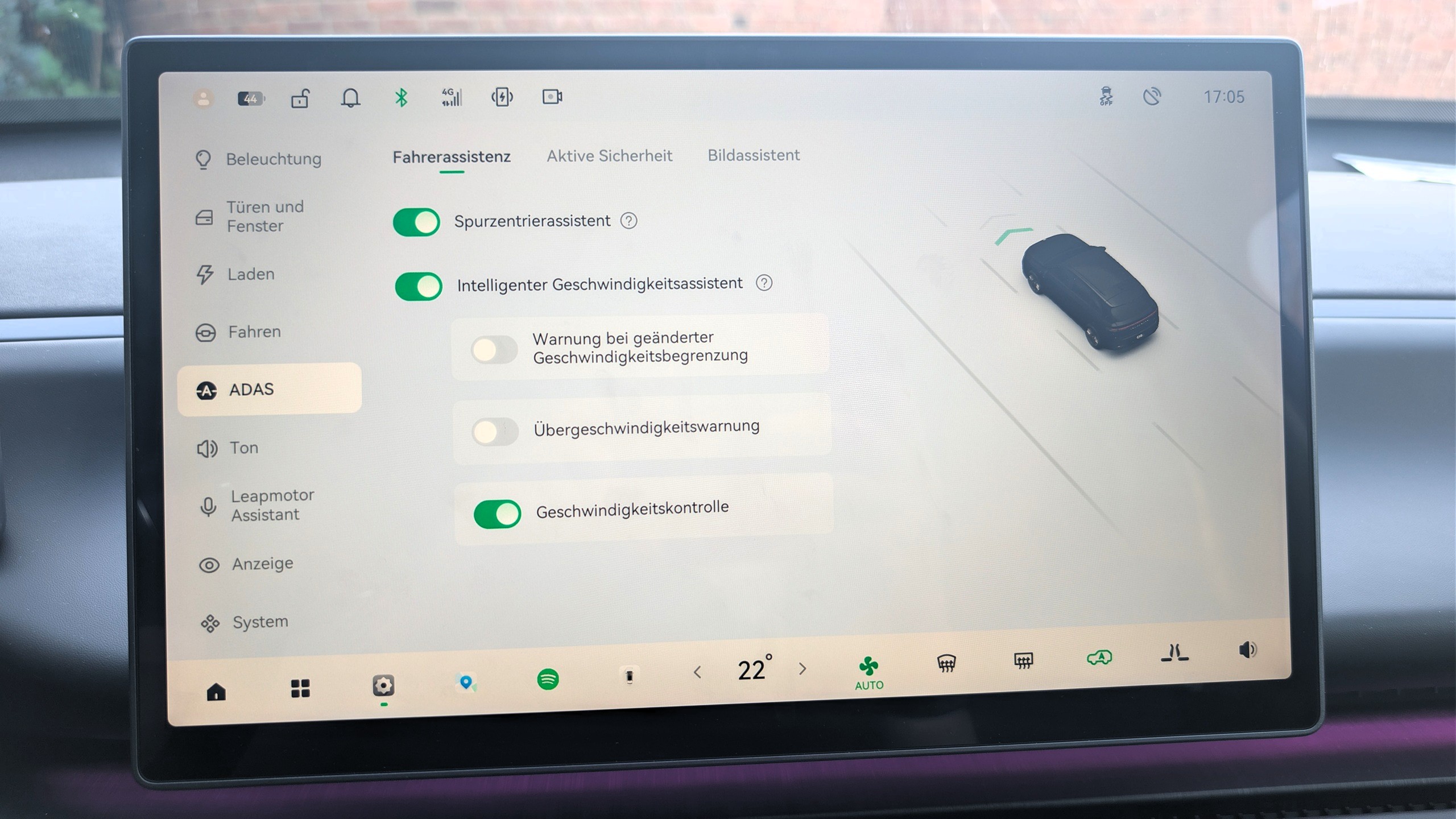
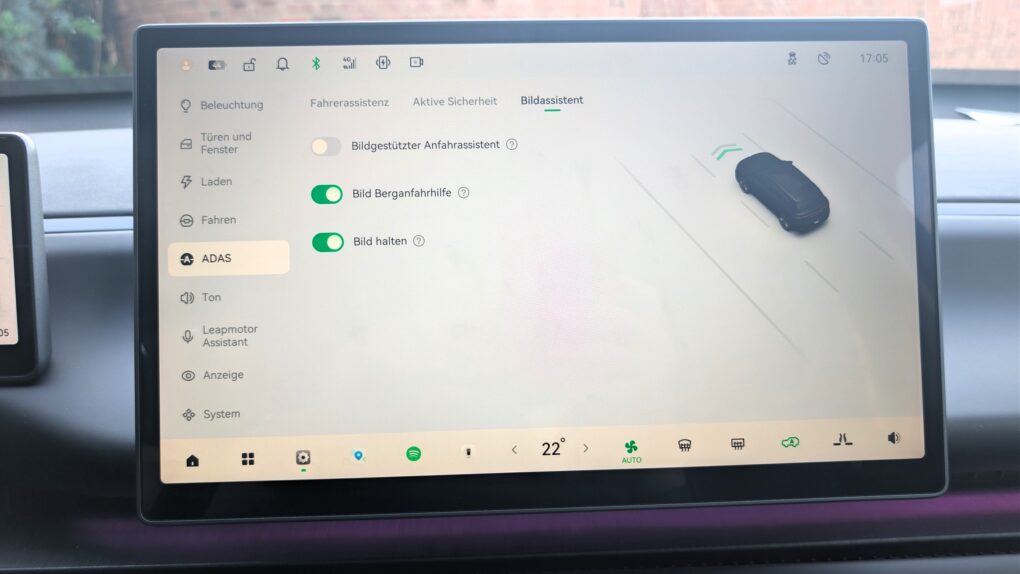
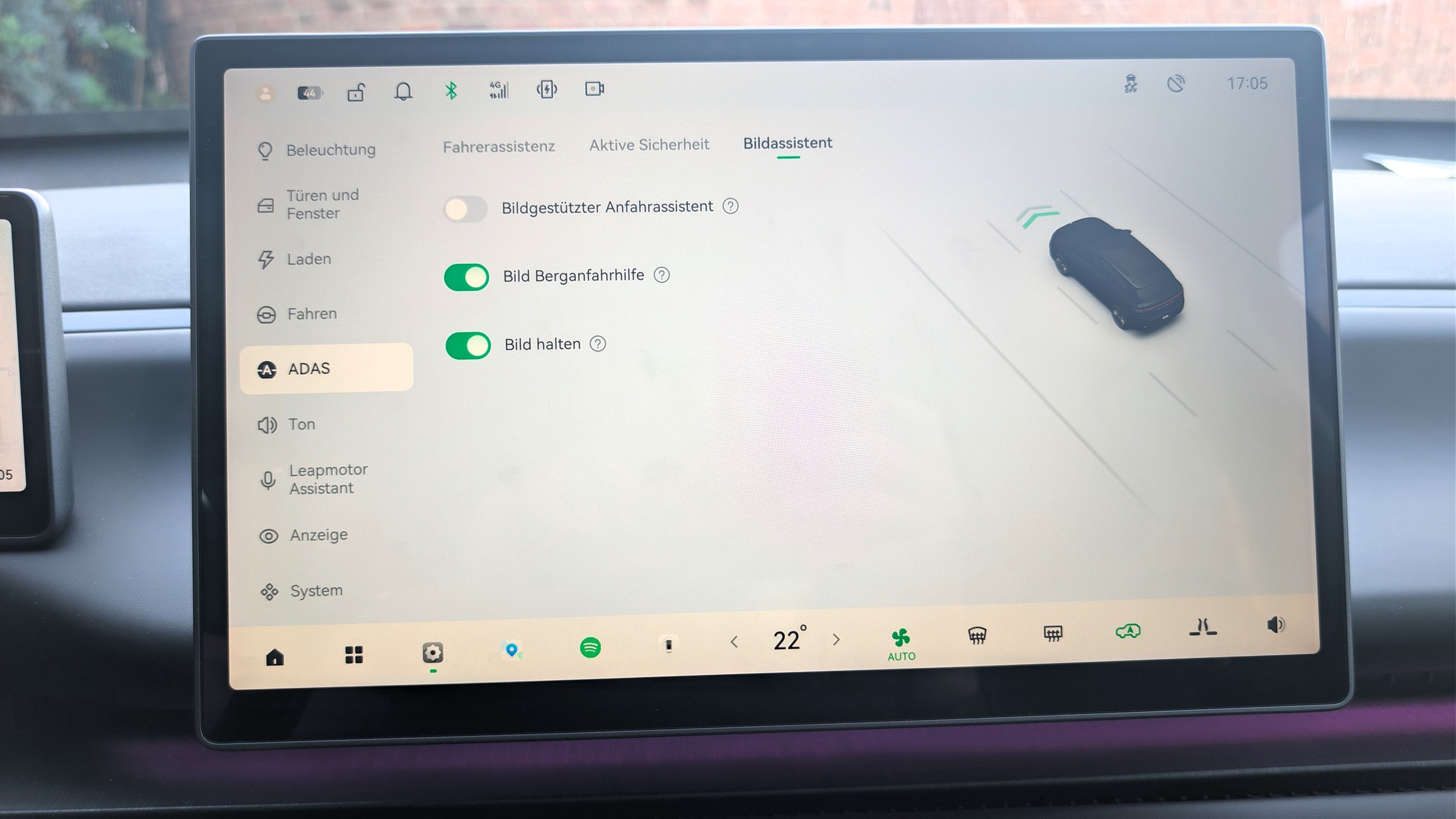
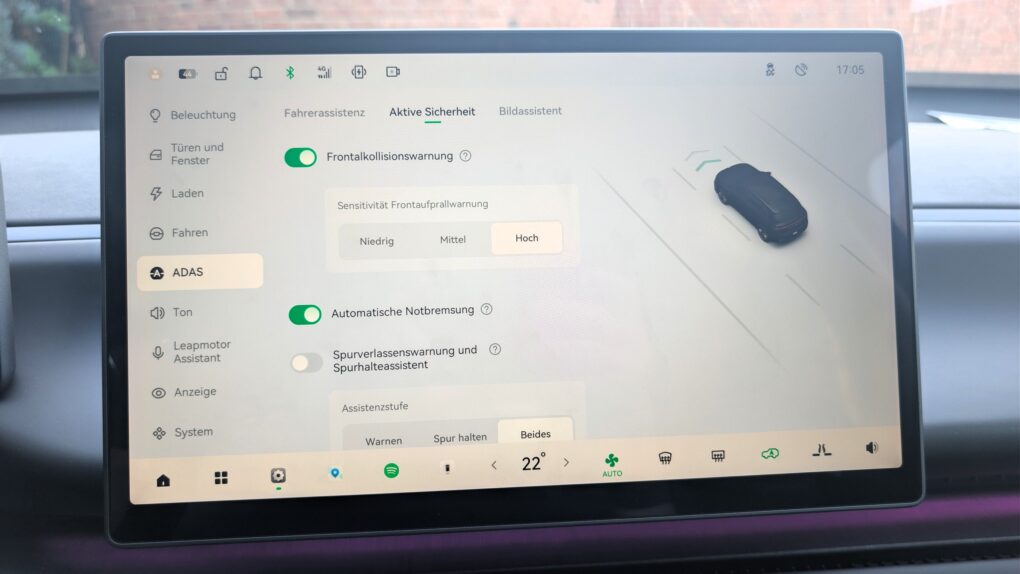
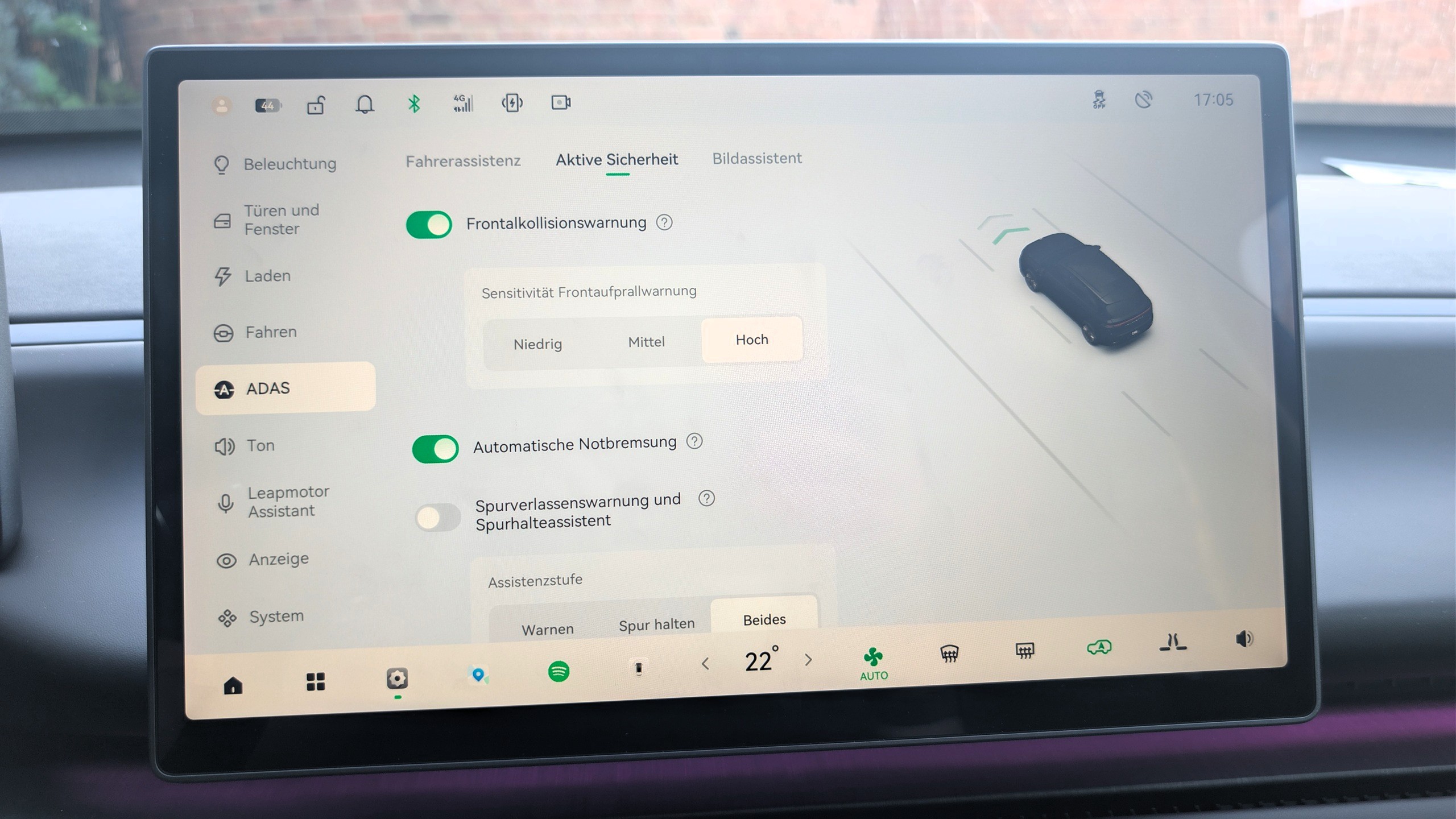
The equipment is comprehensive and includes adaptive cruise control, lane keeping assist, traffic jam assist, blind spot monitoring, exit warning, rear cross traffic alert, and driver drowsiness detection. The best part is an inconspicuous button on the steering wheel. Since July 2024, certain driver assistance systems, most notably the speed warning system, have been required by European Union regulations to be reactivated every time the car is started. In the C10, you can configure your preferred settings for each system once. After that, a single press of this button after each start restores everything to those settings. This eliminates the need to navigate through submenus daily. Other manufacturers should definitely take note.
The adaptive cruise control (ACC) is less successful. It jerks slightly while maintaining speed, briefly cutting the throttle and then accelerating again, as if a hesitant learner driver were at the pedal. This isn't dangerous, but it's noticeable on long highway stretches. The 360-degree surround-view camera is very helpful when maneuvering, but the resolution is mediocre and the wide-angle lens makes obstacles appear closer than they actually are. Fortunately, there's also a distance warning system that displays the distance down to the centimeter.
-
- Picture: TechnikNews
-
- Picture: TechnikNews
Safety: Five stars in Euro NCAP
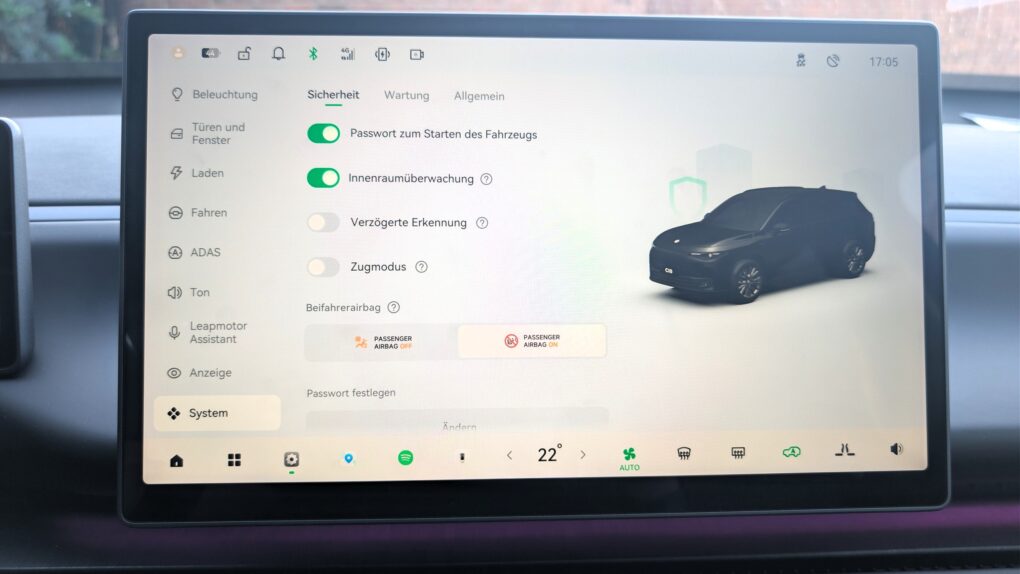
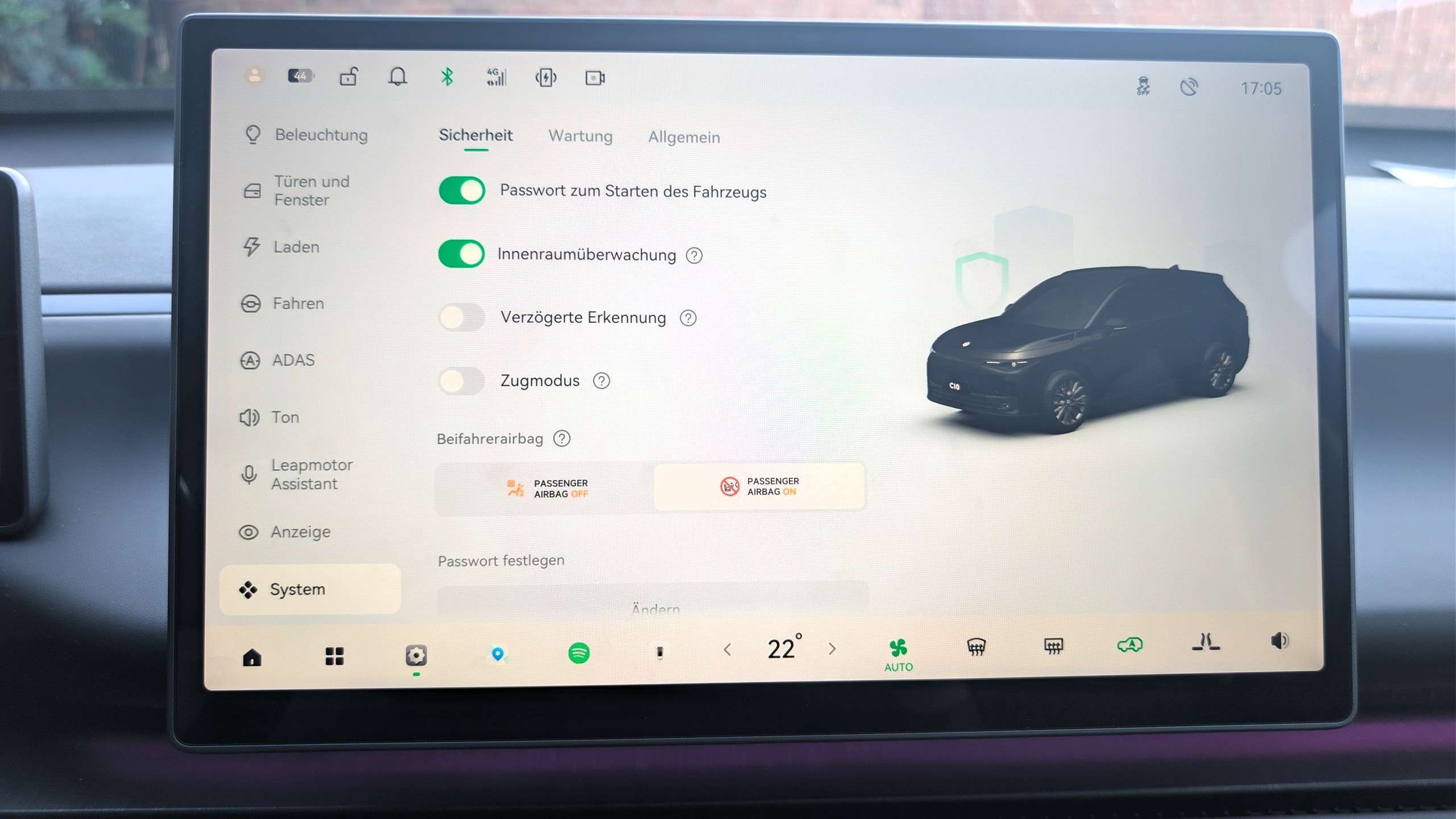
The C10 received the following rating from Euro NCAP (European New Car Assessment Programme) at the end of 2024. Maximum rating of five stars. In detail: 89 percent for adult protection, 85 percent for children, 77 percent for vulnerable road users, and 76 percent for the driver assistance systems. The rear-wheel-drive version was tested; however, the rating applies to the entire model range. In addition to front, side, and head airbags, there is a center airbag between the front seats. This separates the driver and front passenger in a side impact.
A safety advantage also lies in the battery. Lithium iron phosphate (LFP) cells are considered significantly more thermally stable than the nickel, manganese, and cobalt (NMC) cells used in many competitors' vehicles. They are less likely to overheat uncontrollably if damaged. The brakes, however, do not appear in Irmscher's list of changes, and this unfortunately has a noticeable impact on driving performance; more on that later.
-
- Picture: TechnikNews
-
- Picture: TechnikNews
Leapmotor i C10 drive system: 440 kW (598 hp) all-wheel drive
Two electric motors, each producing 220 kW (299 hp) and 360 Nm of torque, power the front and rear axles. Together, they deliver 440 kW (598 hp) and 720 Nm. Leapmotor claims a 0-100 km/h sprint time of 4,0 seconds, but unfortunately, the top speed is limited to 190 km/h. A real shame for such a sporty car. The XPeng G9 Performance, with 405 kW (551 hp) and a 0-100 km/h time of 3,9 seconds, was almost as fast, but it's also significantly more expensive. So, you definitely get more performance for your money here.
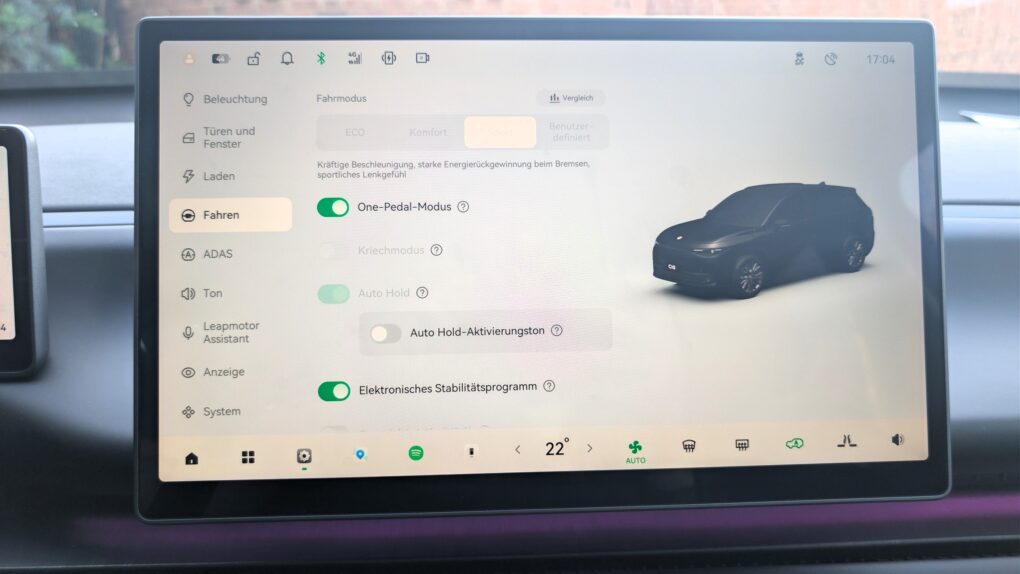
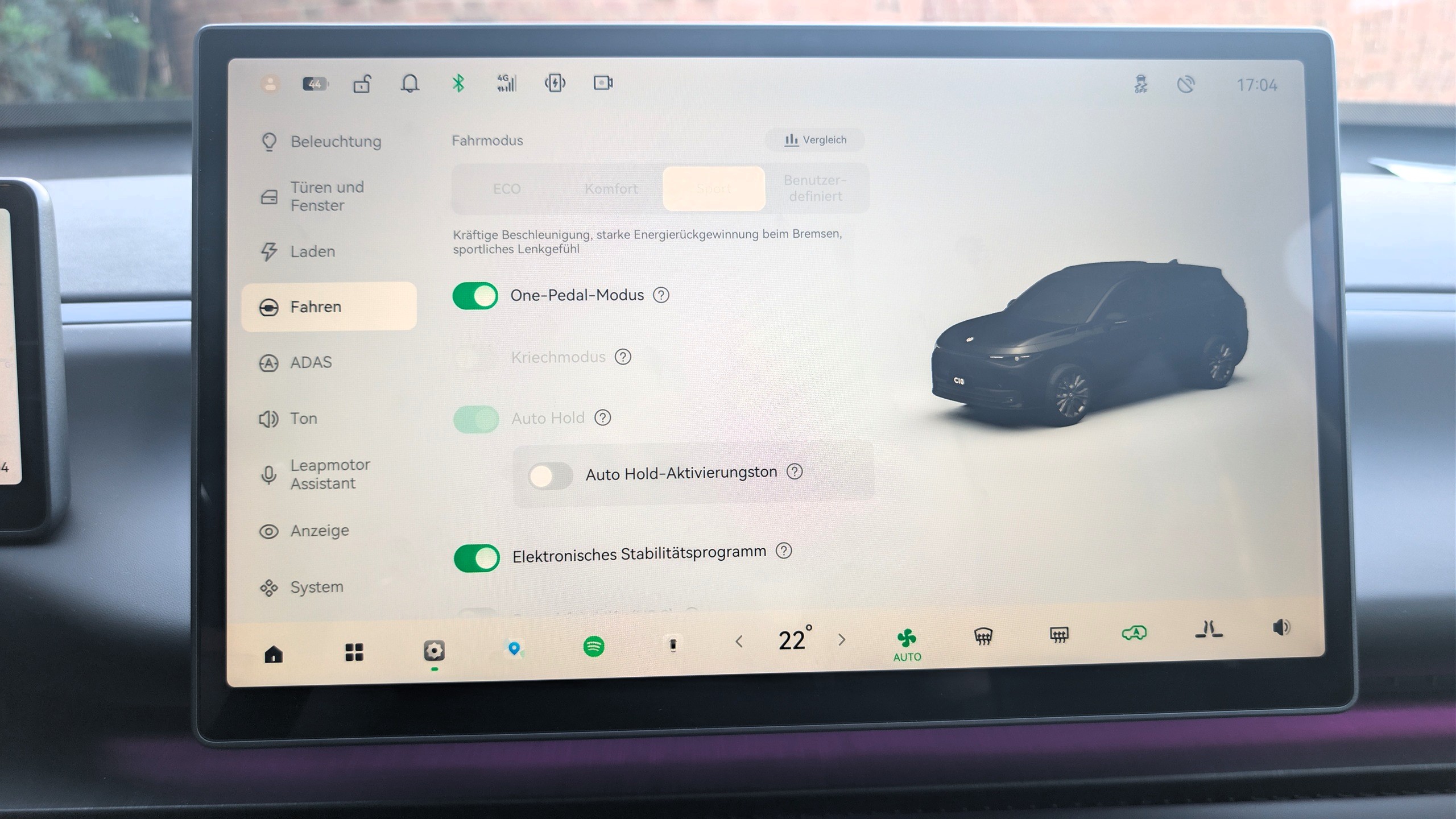
In Sport mode, the Leapmotor i C10 accelerates so vehemently that it's best to warn passengers in advance. Even the intermediate sprint from 70 to 100 km/h on country roads is a matter of mere moments. However, there's one trick you should know. Once the one-pedal mode is activated, you can no longer change the driving modes. The sequence is therefore: first select the driving mode, and then activate one-pedal driving. It's not exactly intuitive, but it's good that a one-pedal mode exists.
-
- Image: Leapmotor
-
- Image: Leapmotor
Driving dynamics and handling: Stiffer, but still a heavy SUV
The standard Leapmotor C10 has a soft suspension setup, tends to roll in corners, and exhibits noticeable rebound. Irmscher has lowered and stiffened the suspension, which greatly benefits the car. The Leapmotor i C10 exhibits less body roll in fast corners, is more stable at high speeds, and inspires greater confidence when driven briskly on country roads. The trade-off is a slightly harsher ride over small bumps and manhole covers. Naturally, the Leapmotor doesn't offer the comfort of an XPeng G9's air suspension. The 2.264 kilograms are still noticeable during rapid changes of direction. Unfortunately, even with the lowered suspension, this family SUV doesn't transform into a sports car.
The steering is light, but rather numb in comfort mode. In sport mode, it becomes firmer, but remains somewhat indirect. The brakes could also be significantly more responsive. The pedal requires considerable pressure before the deceleration really kicks in. Especially after driving at high speeds, you wish for more bite. For a car with 440 kW (598 hp) and weighing over two tons, a complete overhaul by Irmscher would have been more sensible than a wrap.
Battery: Could be bigger
The vehicle's underbody houses a lithium iron phosphate battery with a usable capacity of 81,9 kWh. This chemistry requires no cobalt, is less expensive, and can withstand many charging cycles. In everyday use, this means the battery can be regularly charged to 100 percent without noticeably accelerating its aging. This increases the usable range on long journeys. Disadvantages include the lower energy density, and therefore the higher weight. pro kilowatt hour, as well as the charging power, which drops more sharply in cold weather than with NMC cells.
This chemistry is at least partially responsible for the fact that the C10, despite its high 800-volt voltage, doesn't achieve the charging performance of its competitors. A heat pump is included as standard equipment and helps reduce consumption in winter. Leapmotor guarantees at least 80 percent remaining battery capacity for eight years or 160.000 kilometers.
-
- Image: Leapmotor
-
- Image: Leapmotor
Fuel consumption and range of the Leapmotor i C10: More economical than expected
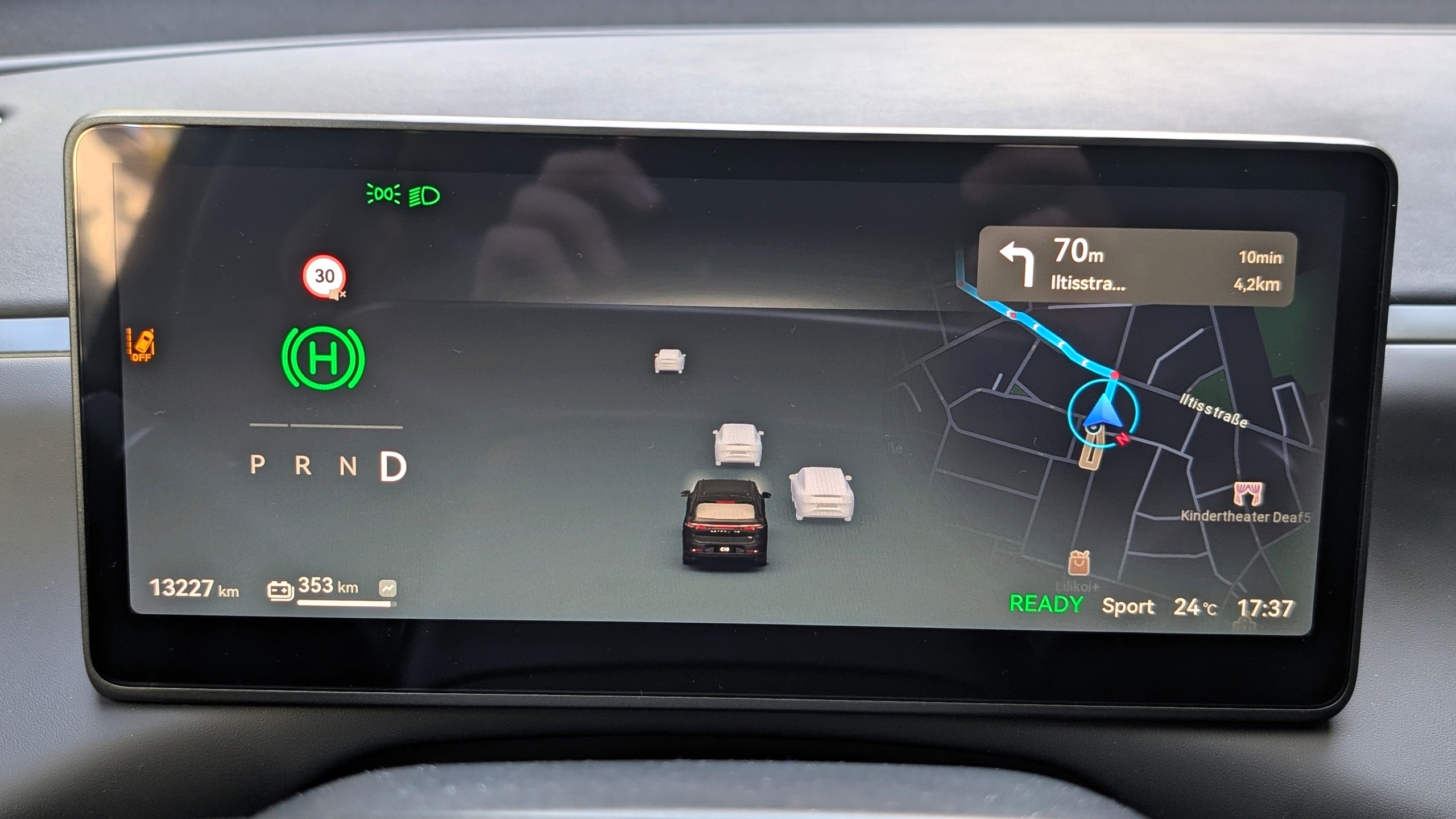
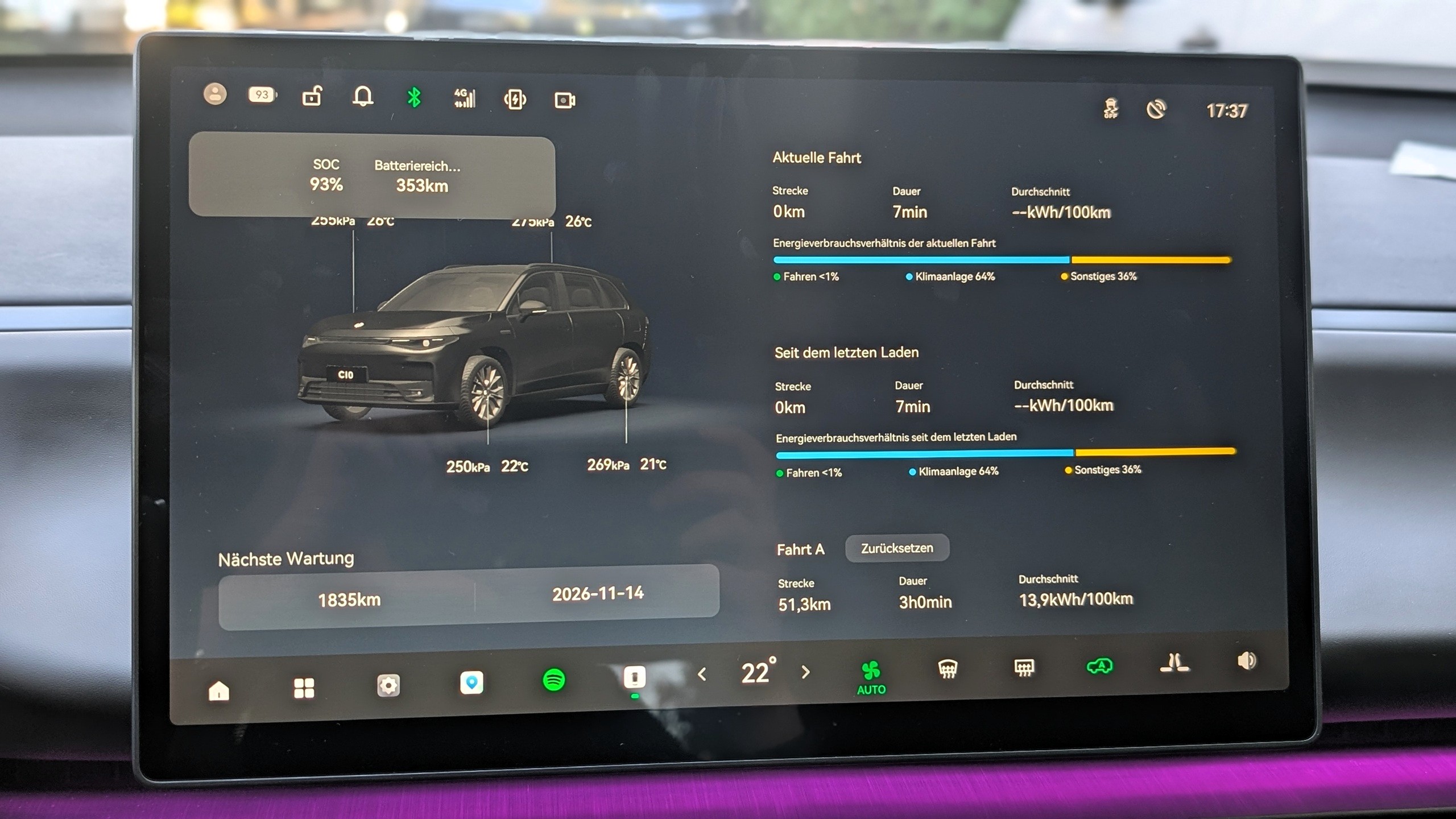
After more than two weeks of driving in a varied mix of city, country, and highway conditions, the on-board computer displayed an average consumption of 18 kWh per 100 kilometers. This is a good figure for an SUV with all-wheel drive, 440 kW (598 hp), and a weight of over 2,2 tons. It's important to note that the on-board computer only records the energy drawn from the battery. Charging losses—around ten percent, depending on the charging method—must be factored in, so the actual consumption from a wall socket or charging station is closer to 20 kWh per 100 kilometers. The official standard value according to WLTP (Worldwide Harmonised Light Vehicles Test Procedure) of 20,9 kWh is not directly comparable to the on-board computer's reading, as the standard incorporates charging losses and is determined under standardized conditions.
On the motorway, sometimes at a top speed of 190 km/h, consumption rose to around 23 kWh. For an SUV that's 1,68 meters high, that's also a respectable figure. The XPeng G9 averaged 22 to 23 kWh in our test, according to the on-board computer; the Leap motor is therefore noticeably more economical. At 35 cents pro A kilowatt-hour of electricity from a wallbox at home costs around 6,70 euros for a journey of over 100 kilometers.
Range: Up to 450 kilometers
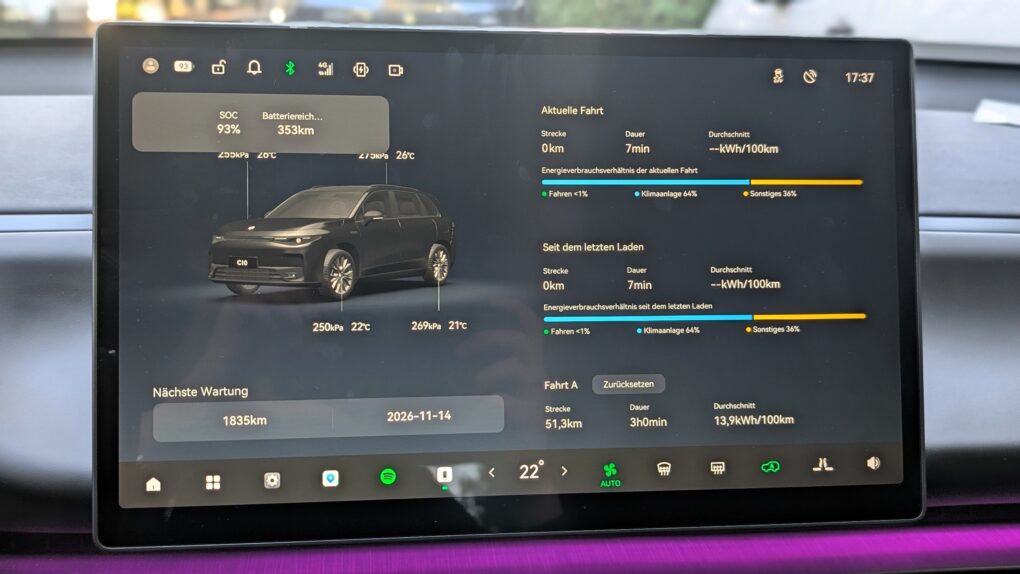
According to the WLTP test procedure, the Leapmotor i C10 should have a range of up to 437 kilometers, and even 602 kilometers in pure city driving. With a 93 percent charge, our test vehicle displayed a range of 353 kilometers. Extrapolated to a full battery, that's around 380 kilometers. So the display is rather conservative.
With an average consumption of 18 kWh, a theoretical range of almost 450 kilometers would be possible if the battery were completely depleted, which nobody actually does. On the highway, the range drops to around 350 kilometers with a consumption of 23 kWh. Within the typical range of 10 to 80 percent charge, this equates to about 250 kilometers between charging stops. Competitors with 100 kWh batteries all claim more than 540 kilometers according to WLTP. Leap Motor has already announced 479 kilometers for the revised all-wheel-drive version. We'll see if there will also be an Irmscher version available.
-
- Picture: TechnikNews
-
- Picture: TechnikNews
Charging: 800 volts, but only 180 kW charging power
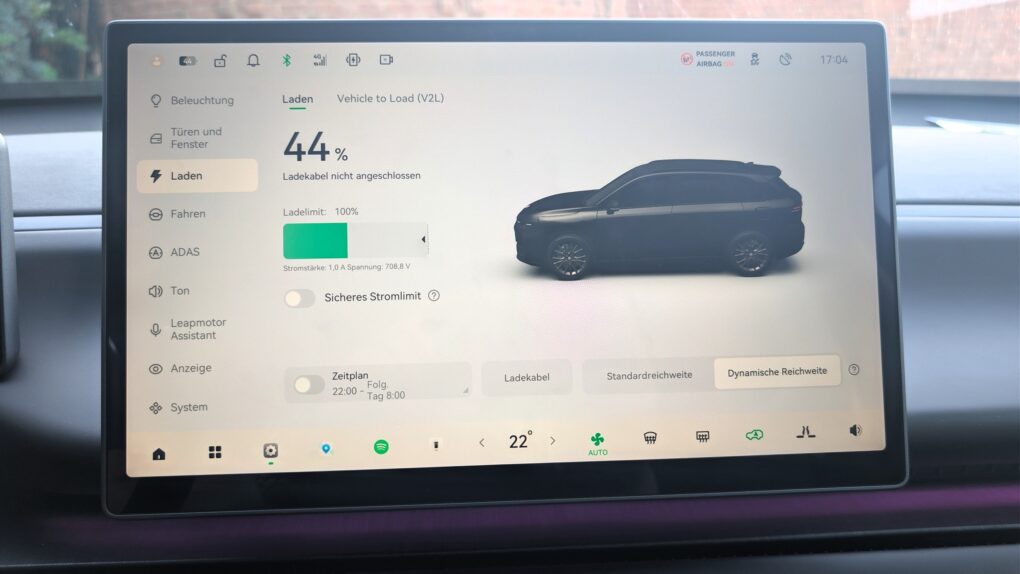
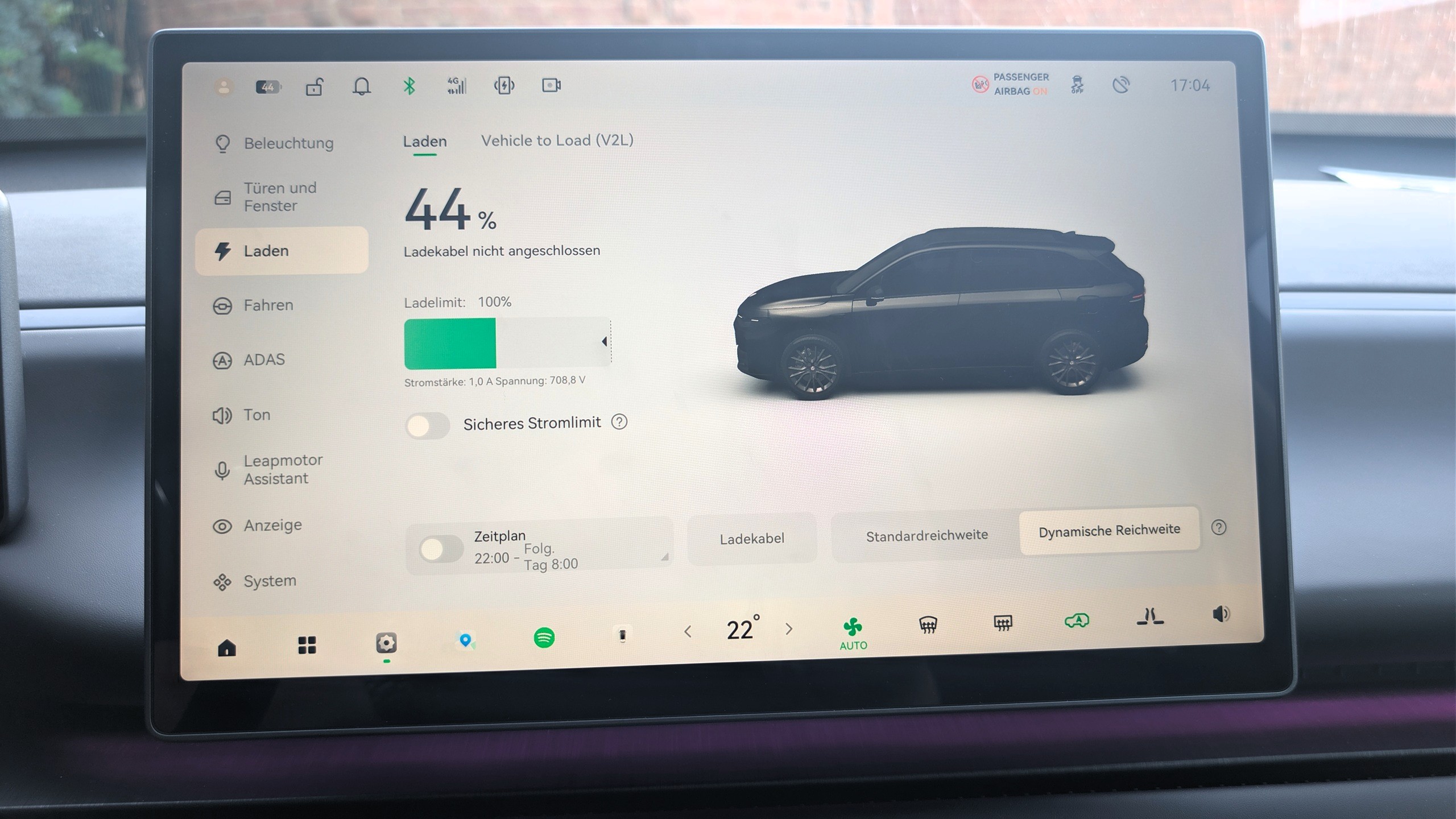
At a DC fast-charging station, the Leapmotor i C10 charges at a maximum of 180 kW. Leapmotor specifies a charging time of 22 minutes for the 30 to 80 percent range. A word of caution when comparing: most manufacturers quote the time from 10 to 80 percent. The first 20 percentage points are therefore missing from the i C10's calculation. In our test, the Leapmotor i C10 took approximately 30 minutes to charge from 10 to 80 percent. The competition is significantly faster: the Zeekr 7X charges from 10 to 80 percent in 16 minutes with up to 480 kW, the Smart #5 Brabus in 18 minutes with 400 kW, and the MG IM6 in 17 minutes with 396 kW. We measured 12 minutes for the XPeng G9 in our test. The 800 volts in the C10 thus promise more than the iron-phosphate battery ultimately delivers.
The Leapmotor i C10 charges at 11 kW using alternating current (AC). A completely empty battery is fully charged at a wallbox in approximately eight to nine hours, making overnight charging no problem. The standard V2L (Vehicle to Load) function is particularly useful, allowing external devices – from an e-bike battery to a coffee maker at a campsite – to be powered via an adapter. Leapmotor customers also gain access to the Free2move Charge network, which boasts over one million charging points across Europe.
-
- Picture: TechnikNews
-
- Image: Leapmotor
Price and warranty of the Leapmotor i C10: 5.000 euros for appearance and chassis
The Leapmotor i C10 costs €49.900. The technically identical Leapmotor C10 ProMax The all-wheel-drive version launched at €44.900. The special edition therefore costs €5.000 more. The standard equipment is virtually identical: panoramic sunroof, heated and ventilated seats, surround-view camera, heat pump, sound system, and ambient lighting are all included. At launch, Leapmotor offered a lease for €449 per month, with no down payment, a 48-month term, and an annual mileage allowance of 10.000 kilometers.
The warranty covers four years or 100.000 kilometers for the vehicle, eight years for rust perforation, and eight years or 160.000 kilometers for the battery. Service and spare parts are handled through the Stellantis dealer network, which eliminates concerns about owning a rare vehicle without a workshop. The residual value is more difficult to assess, especially since Leapmotor... has already prepared the C10 for an update with greater range and smartphone connectivity. The limitation to 250 units could, however, help the Leapmotor C10 with regard to its residual value.
The Leapmotor i C10 compared to the competition: Cheap, but slow at the charging station
The Smart #5 Brabus and Zeekr 7X Privilege Both vehicles originate from the Geely Group and share the same technical platform. They both deliver 475 kW (646 hp) and 710 Nm of torque, accelerate from 0 to 100 km/h in 3,8 seconds, and reach a top speed of 210 km/h. Their 100 kWh batteries provide a WLTP range of 540 and 543 kilometers, respectively. At fast-charging stations, they can draw 400 kW and 480 kW. The Smart offers significantly more trunk space at 630 liters compared to the Zeekr's 539 liters. The Smart costs €60.900, while the Zeekr costs €65.950, which is €11.000 to €16.000 more than the Leapmotor.
The MG IM6 Premium AWD It boasts 553 kW (752 hp), 802 Newton meters of torque, a 0-100 km/h time of 3,5 seconds, and a top speed of 240 km/h.proThe Leapmotor i C10 is the top contender. It charges at 396 kW, has a WLTP range of 545 kilometers, and boasts the largest trunk at 665 liters. Price: €60.990. While the Leapmotor i C10 can keep up in terms of driving performance, it lags significantly behind in range, charging speed, and cargo space. Its main selling point is price. For those who primarily charge at home and rarely drive long distances, the Leapmotor offers nearly the same performance for around €11.000 less. (All prices in this article are as of September 2026 and include 19% VAT.)
Image: Leapmotor
Many thanks to Leapmotor Germany for providing the Leapmotor i C10 for this review. This did not influence our opinion!