
Vivo V70 review: A good smartphone with few weaknesses
A TEST REPORT from Fabian Menzel  on March 01, 2026, 9:46 | Write a comment
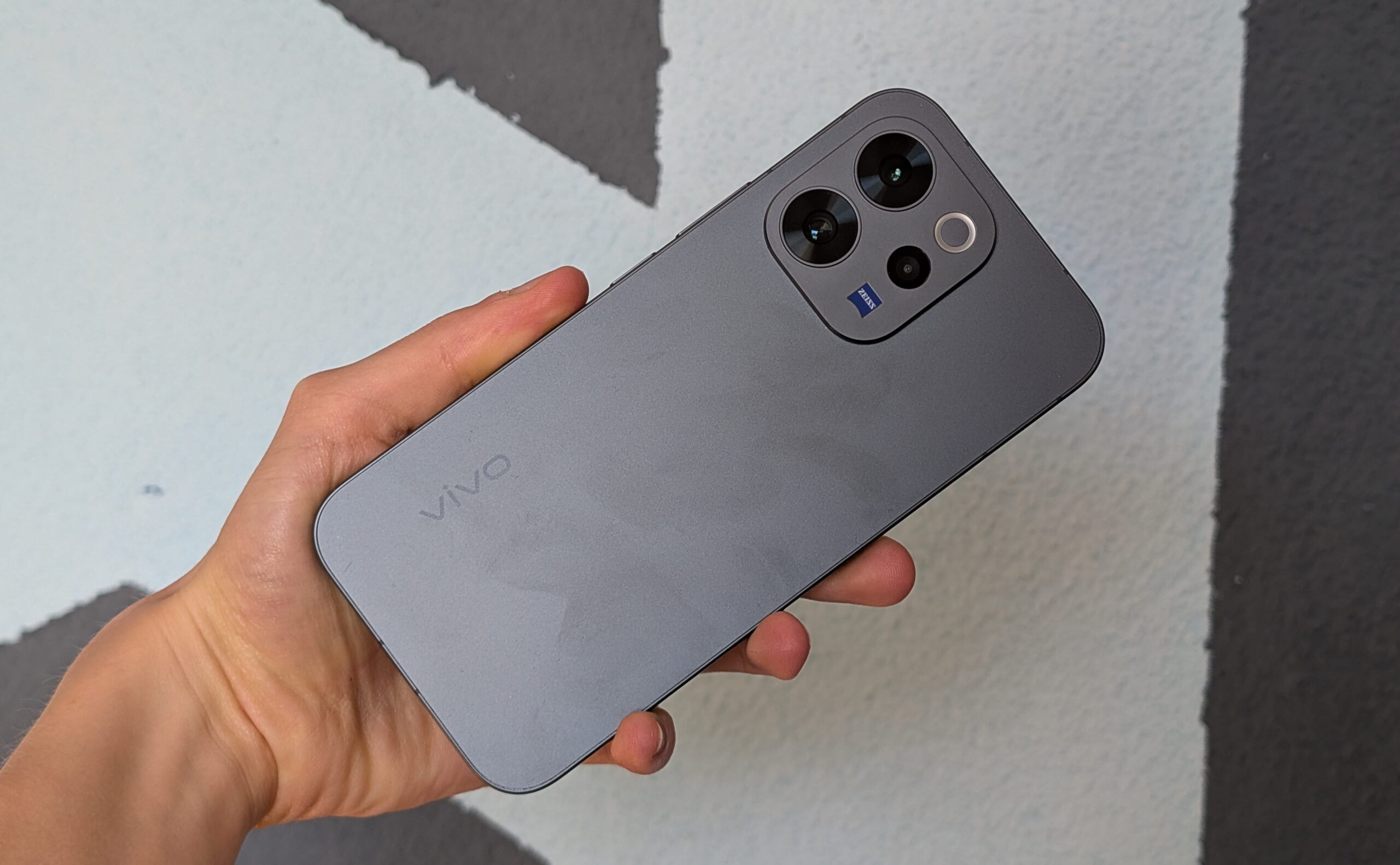
The Vivo V70 is a smartphone that, at first glance, gets a lot right: slim design, ZEISS camera, impressive display – all for €599. Sounds good, right? I've been using the V70 extensively in everyday life for the past few weeks and can say: it's indeed a good device, but not a perfect one. You can find out where Vivo excels, where it falls short, and whether it's ultimately worth buying in my review.
Conclusion on the Vivo V70
The Vivo V70 is a solid mid-range smartphone with some real strengths. The display is excellent, the main camera with ZEISS optics delivers good results, and the design appears significantly more premium than is typical in this price range. However, it also has some real weaknesses. The Snapdragon 7 Gen 4 is too weak for the asking price of €599, the ultrawide camera is disappointing, and the vibration motor feels cheap. For those looking for a good everyday device with a strong camera and a nice display, and who don't prioritize performance above all else, this is a recommendable device – but not one without limitations.
Design & Haptics
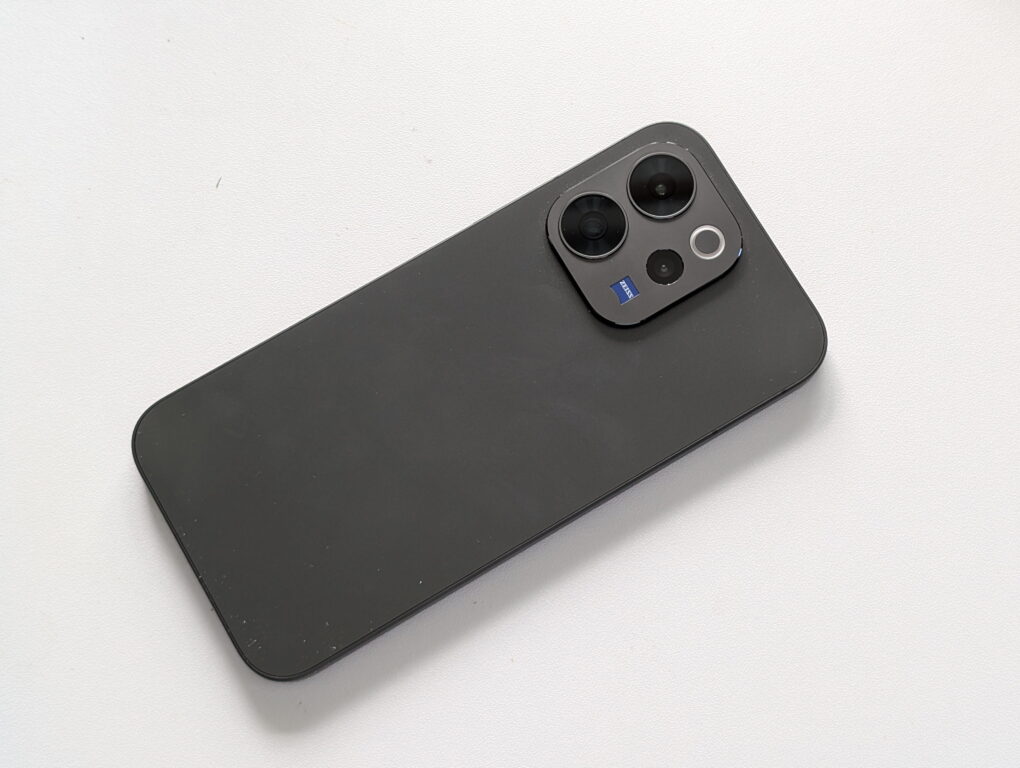
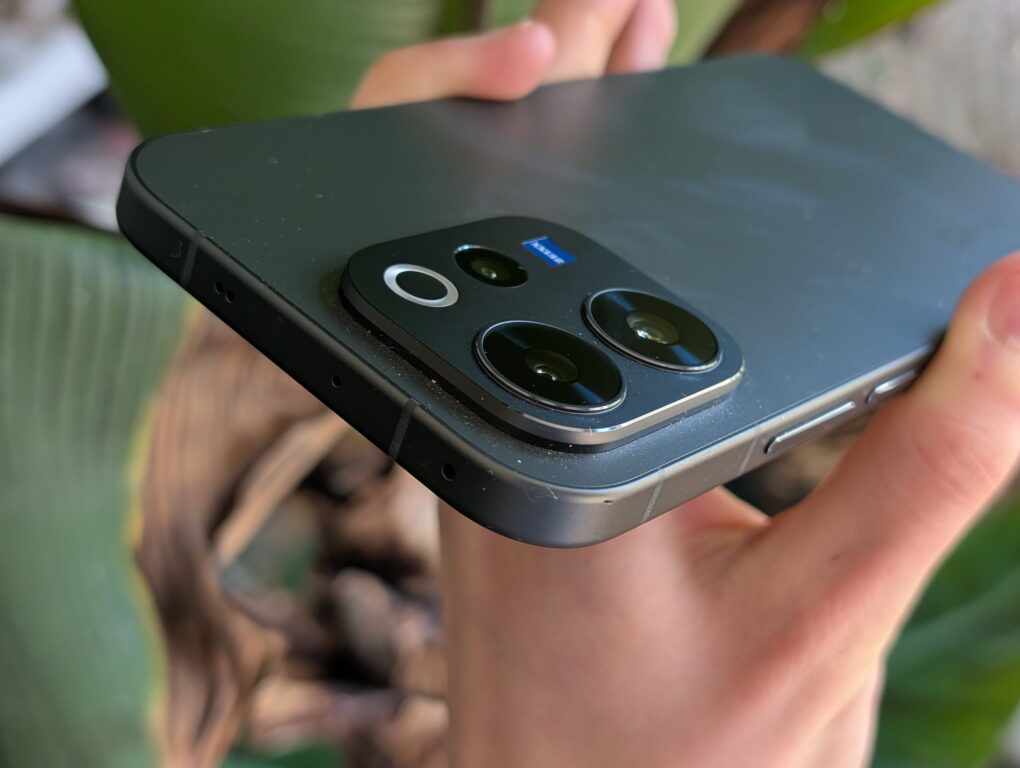
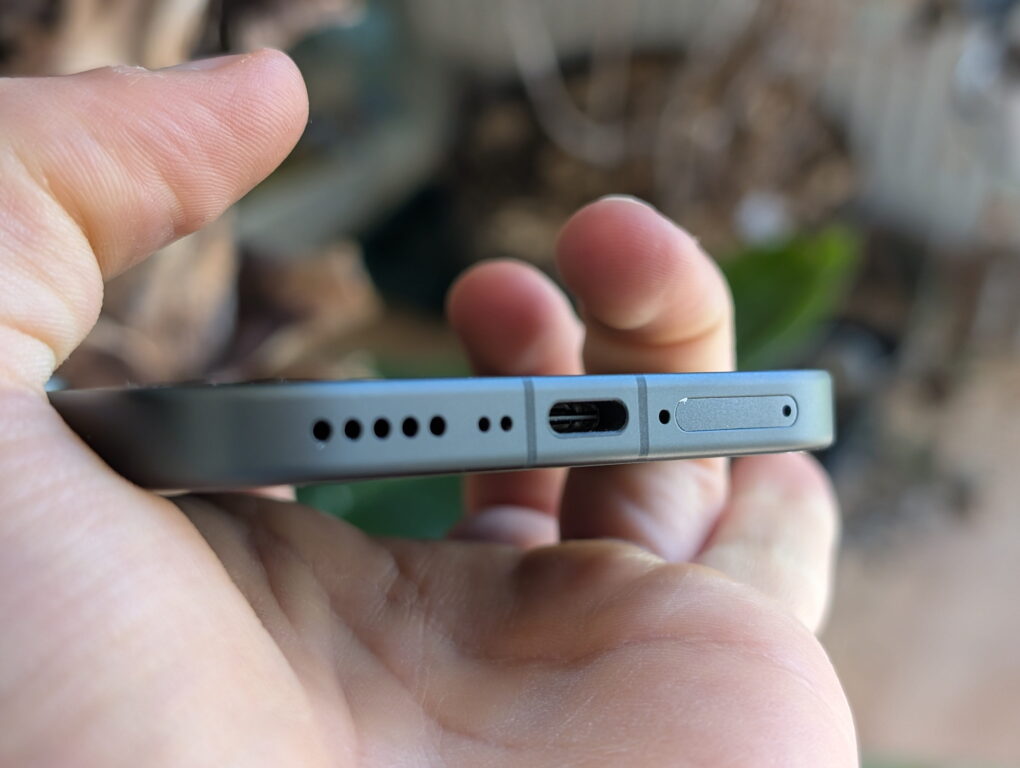
When I take the Vivo V70 out of my pocket, people usually glance at it. And that says a lot. At just 7,4 mm thick, it's astonishingly slim, and despite the large battery, it weighs only 187 grams. You notice that immediately when you pick it up – it feels almost too light for what's inside. The aluminum frame replaces the plastic of its predecessor, and that definitely makes a difference in handling: angular, solid, and high-quality.
-
- Picture: TechnikNews

-
- Picture: TechnikNews

-
- Picture: TechnikNews

Unfortunately, the back is still made of plastic, but it's well-finished and doesn't look cheap. You can choose between black and gray – understated yet timeless. The device is IP68 and IP69 certified, which isn't standard in this class and provides peace of mind in everyday use.
Display
Vivo simply knows how to make displays – that's nothing new, and the V70 confirms it once again. The 6,59-inch AMOLED panel has a resolution of 1.260 x 2.750 pixels, which corresponds to a pixel density of around 459 ppi. The 120 Hz refresh rate ensures smooth animations, even though it's technically just an LTPS panel that switches between 60, 90, and 120 Hz. But what impressed me most is the brightness. In Auto mode, content on the screen remains legible even in direct sunlight. proEasily readable. Colors are reproduced beautifully and naturally depending on the selected mode, which I personally find very appealing.
Software
The V70 holds Origin OS 6 For the first time, Vivo's FuntouchOS has entered the international mid-range market – and that's a real step forward. The animations feel significantly more responsive than the old FuntouchOS, with subtle bounce effects and movements closely synchronized with gesture speed. While that might sound like marketing hype, it's genuinely noticeable in everyday use. Vivo promises four major Android updates plus two years of security updates – not a record for the mid-range market, but perfectly acceptable. Unfortunately, there are quite a few pre-installed apps, not all of which can be uninstalled. This is a long-standing annoyance that Vivo still hasn't addressed.
Performance
Under the hood, the V70 is powered by Qualcomm's Snapdragon 7 Gen 4 processor. It also comes with 8 GB of RAM and 256 GB of internal storage. In everyday use, the V70 runs smoothly without any noticeable lag. Apps open quickly, and multitasking works flawlessly. proNo problems. Under high CPU load, the device shows no thermal throttling – however, it loses a noticeable portion of its graphics performance during GPU stress tests. This is noticeable during intensive gaming, but hardly in everyday use. For the asking price of €599, I would have expected more. Xiaomi, POCO, and Redmi offer significantly more raw performance in this price range. This is a real point of criticism that I don't want to downplay.
Battery
Battery life is definitely one of the V70's strengths. The 5.400 mAh battery can be fast-charged at up to 90 watts – from 0 to 70 percent in about 30 to 35 minutes, and fully charged in approximately 60 to 70 minutes. With an average screen-on time of four hours, I still have around 65 percent battery left at the end of the day. Unfortunately, the power adapter isn't included – which is really hard to justify for a €599 device. Wireless charging is not supported.
camera
On the back there is a triple camera, arranged as follows:
- 50 megapixel main camera – f/1.9
- 8 megapixel ultra-wide-angle camera – f/2.2
- 50 megapixel telephoto camera – f/2.7

Picture: TechnikNews
The main camera takes very good photos that have genuinely surprised me in many situations. Good contrast, reliable white balance, and that typical Vivo look with a pleasing color pop, without appearing overdone. The 3x zoom is remarkably good for a mid-range device. Unfortunately, I'm quite disappointed with the ultrawide camera. While it's occasionally usable in good lighting conditions, even then, the low sharpness and high noise level are noticeable. As soon as it gets darker, it becomes completely unusable. Selfies, on the other hand, look very appealing.
Other
The ultrasonic fingerprint sensor is a real highlight – this technology was previously reserved mostly for flagship phones and offers faster and more reliable unlocking than optical sensors in this price range. I was pleasantly surprised by how well it works even with damp fingers.
The speakers sound decent and loud enough for everyday use, but noticeably lack depth in the bass – for music with substance, I prefer headphones. The vibration motor is, unfortunately – as is typical for Vivo in this price range – a disappointment. The feedback feels cheap and imprecise, which simply shouldn't be the case with a €600 device. The competition from Xiaomi or Google is significantly ahead in this regard.