
Vivo X300 Ultra review: The best smartphone for 2.000 euros?!
A TEST REPORT from Fabian Menzel  on April 21, 2026, 14:38 am | Write a comment
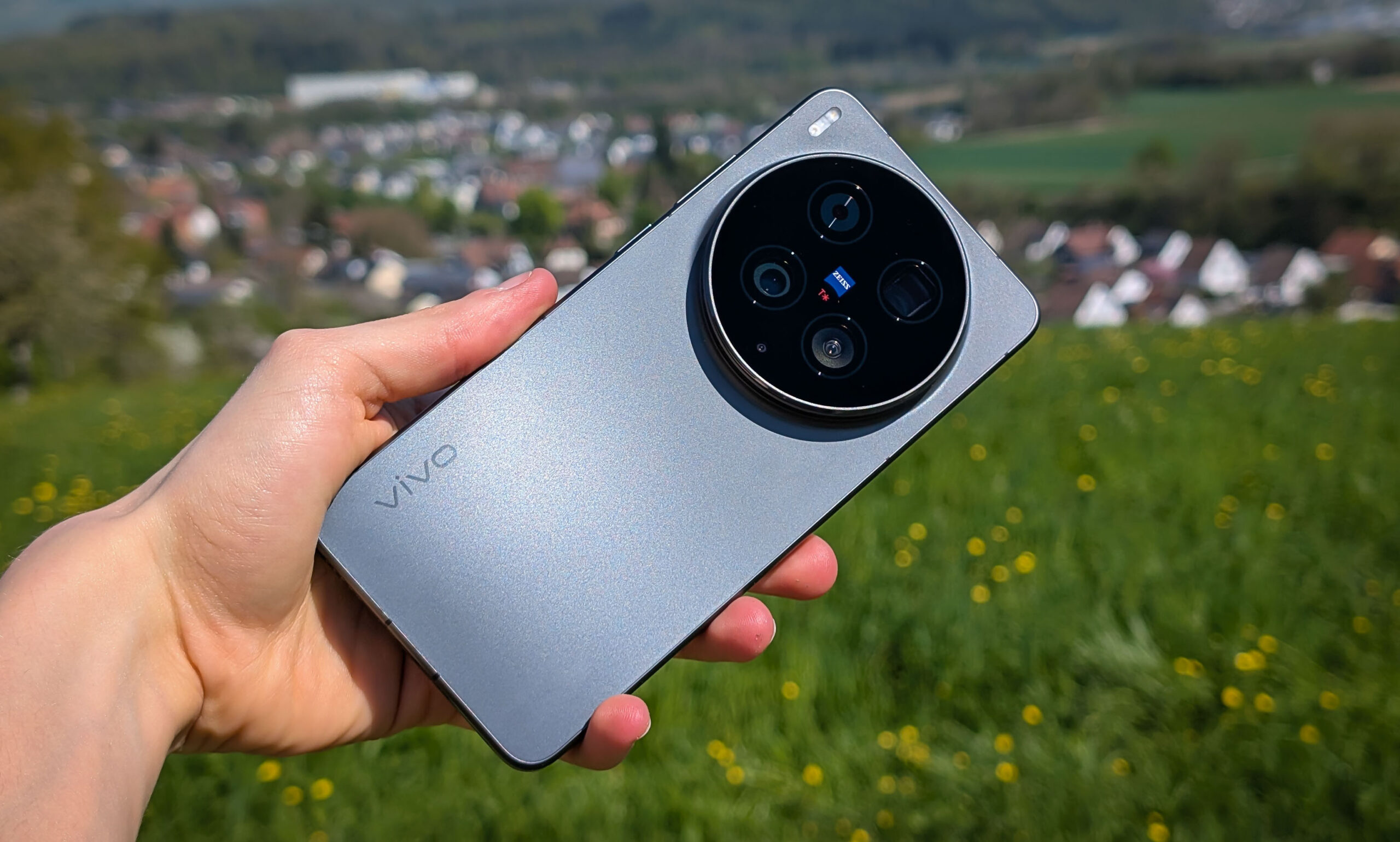
When I first read the rumors about the Vivo X300 Ultra a few months ago, I honestly wasn't particularly hyped. Even that X300 Pro It impressed us across the board in our review – especially the display, performance, and battery life, which remain among the best on the market to this day. Therefore, I could hardly imagine that the Ultra could make a truly noticeable difference.
Compared to the Pro model, the Ultra offers a slightly larger display with a higher resolution and an even smoother 144Hz refresh rate. While the device is also a bit larger and slightly heavier, it comes with a significantly larger battery. In addition, it boasts a much larger ultra-wide-angle camera, a slightly improved main camera, and even faster charging speeds of up to 100 watts. On paper, this makes it arguably the best smartphone on the market. However, this comes at a very high MSRP of €1.999. Whether this price is justified, whether Vivo has perhaps set it too high, or whether you should opt for the X300 Pro instead, you'll find out in this review.
Conclusion on the Vivo X300 Ultra
In summary, I believe the Vivo X300 Ultra is currently the best smartphone on the market. With a recommended retail price of €1.999, that's to be expected, but it's still impressive to see a smartphone virtually without weaknesses. From the outstanding 144Hz OLED display and the fast and extremely smooth performance to the long battery life with 100W fast charging, an excellent camera, and a reliable fingerprint sensor – everything just works… well, almost! The €1.999 recommended retail price is, of course, very high and can only be partially justified by the strong overall package. While one could argue that the price is due to the 16GB of RAM and 1TB of storage, even then the smartphone remains very expensive. A cheaper 512GB version would probably have been perfectly adequate for most users.
Given the high MSRP, I find it difficult to wholeheartedly recommend this otherwise excellent smartphone. Currently, I would either opt for the Vivo X300 Pro or wait until the X300 Ultra drops to around €1.500 to €1.600. While that's still a lot of money, it seems much fairer considering the outstanding features and compared to the competition.
We would like to thank Vivo Austria for providing the Vivo X300 Ultra!
Design and workmanship
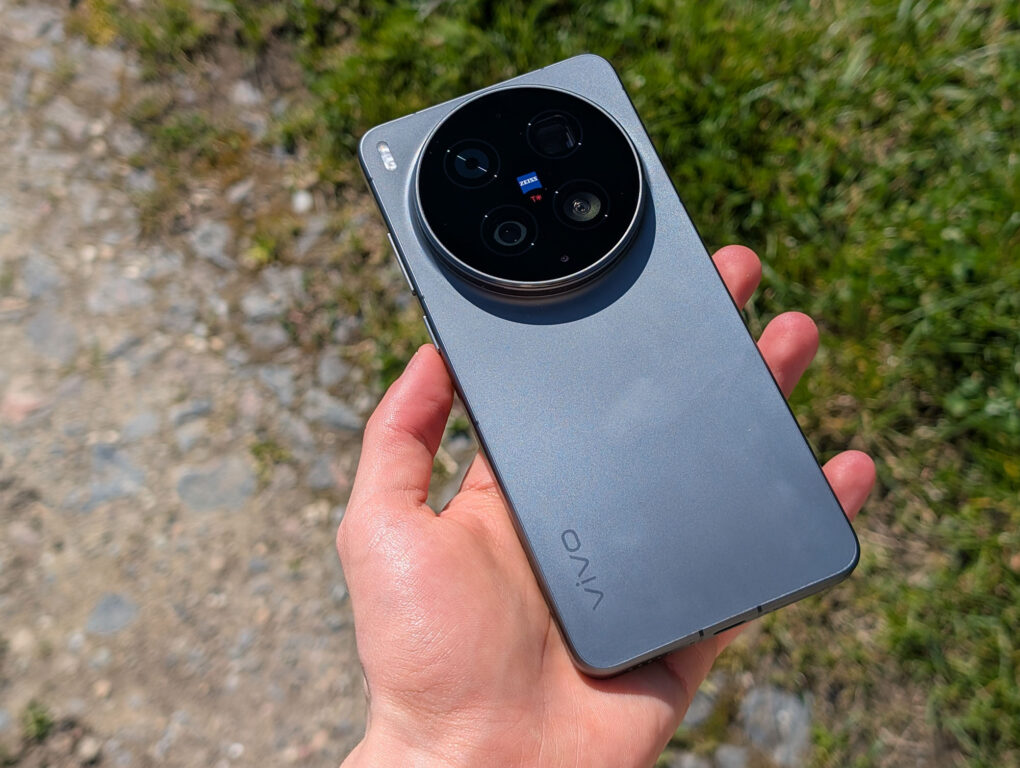
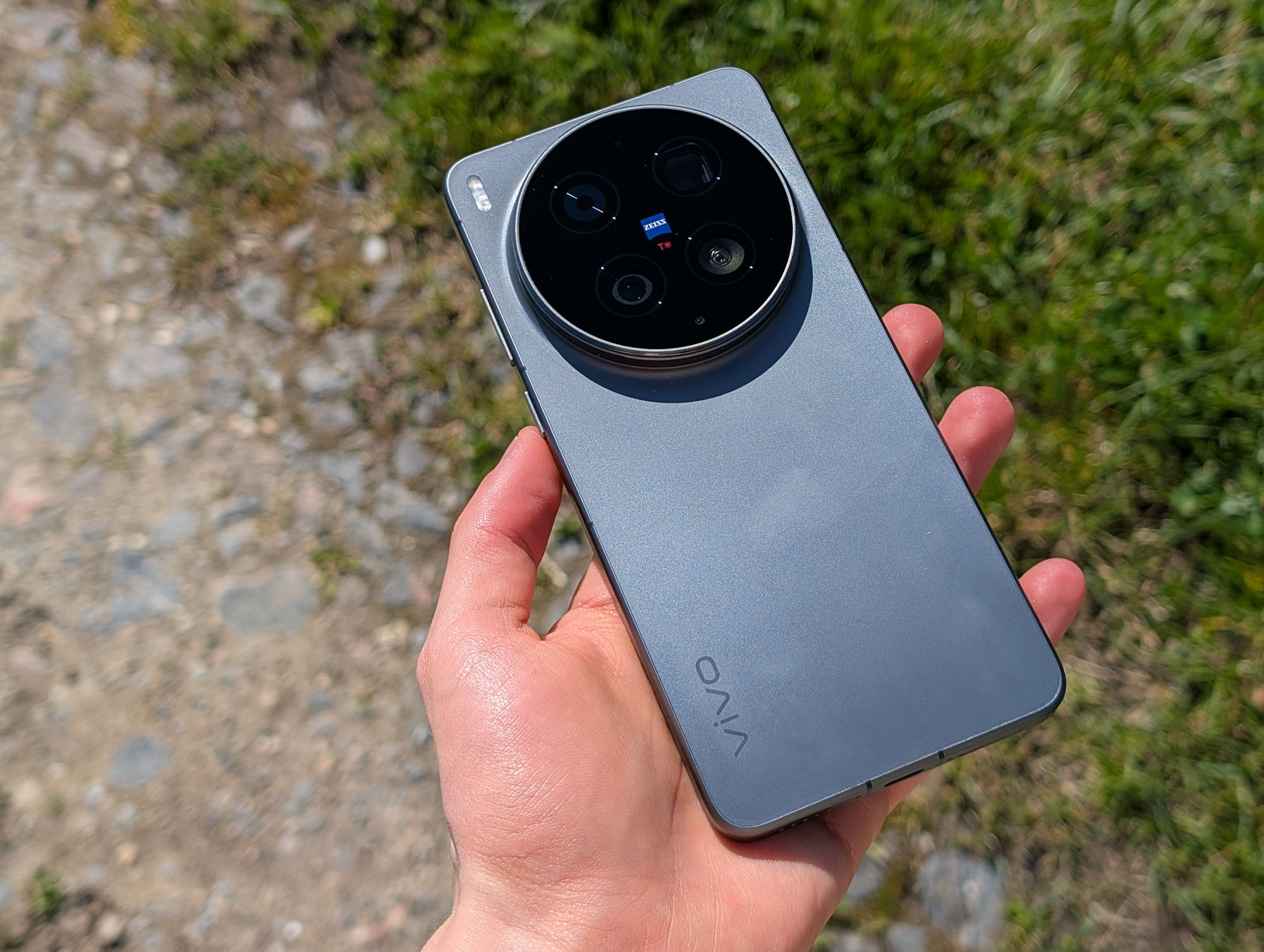
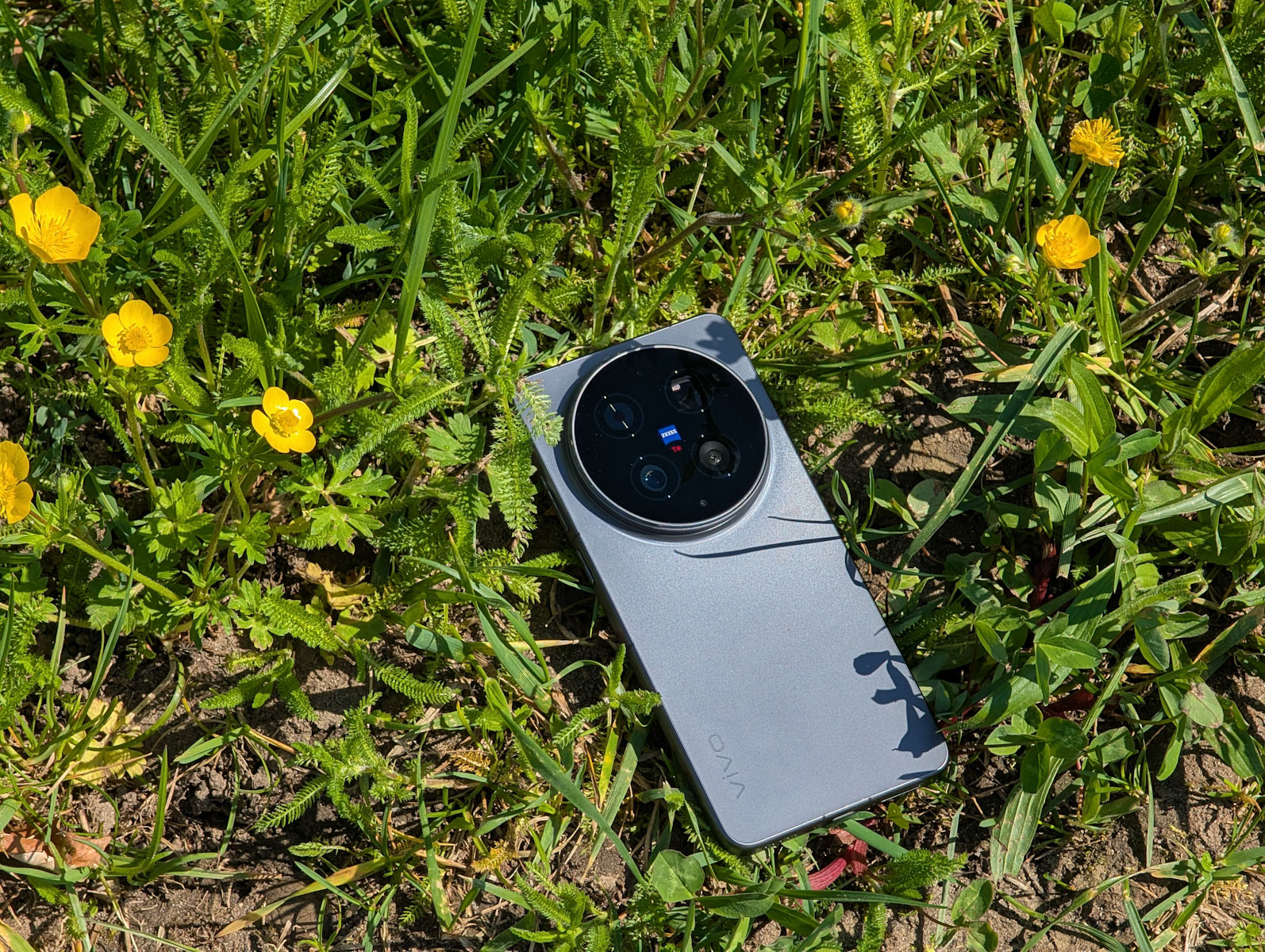
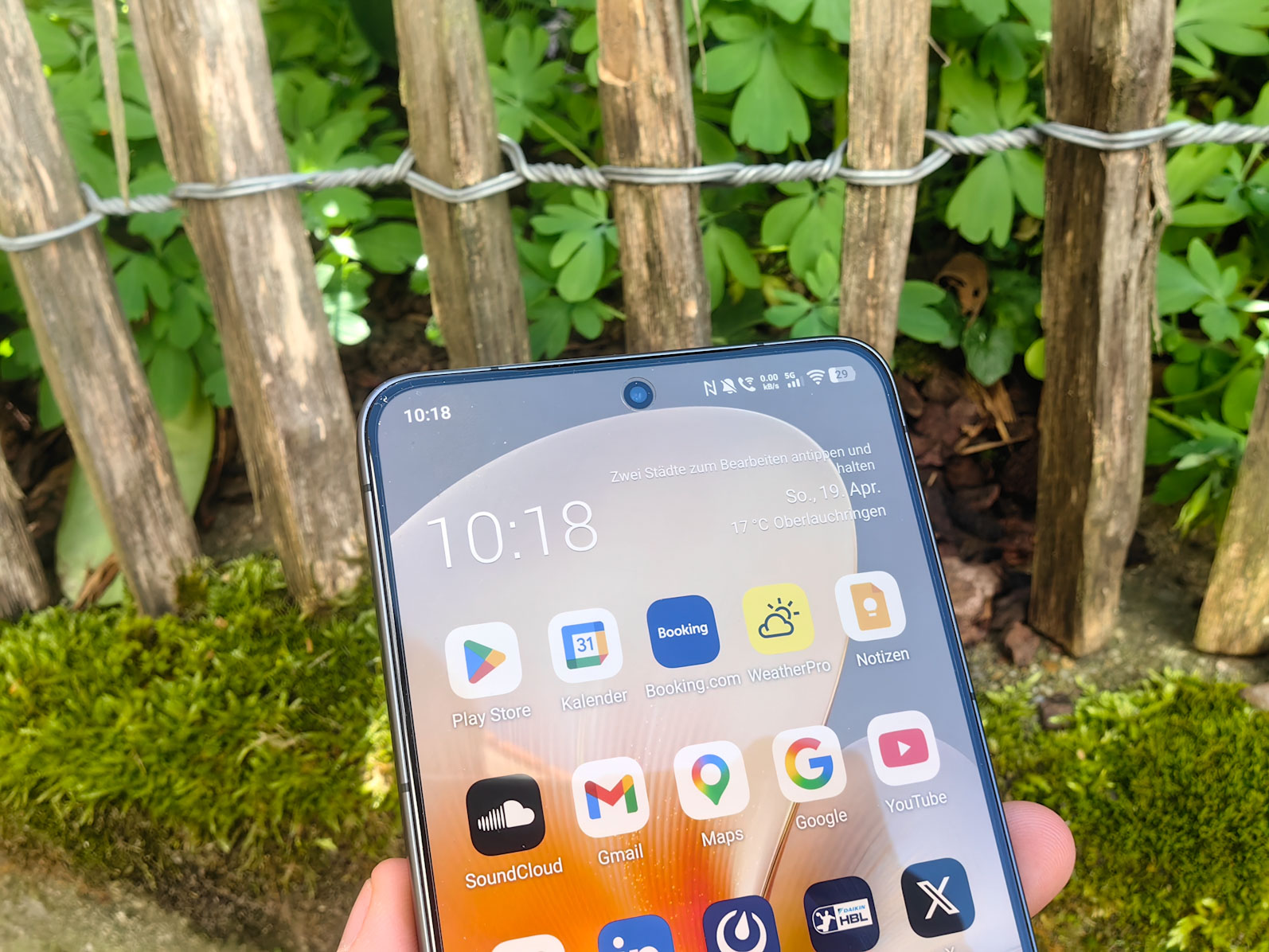
The large battery and extensive camera technology significantly impact the phone's size. The Vivo X300 Ultra is a very large smartphone that is difficult to carry around in most situations. proIt can be operated effortlessly with one hand. It measures 163 mm in height and 76,8 mm in width. With a thickness of 8,2 or 8,5 mm, it's also one of the thicker smartphones. The weight of 232 or 237 g is also clearly noticeable in everyday use. Overall, the smartphone appears very large and somewhat bulky, which also negatively impacts its ergonomics. The massive camera bump in the upper third also makes it noticeably top-heavy. Those who prefer large and heavy smartphones will definitely find this one to their liking. However, those looking for more compact, light, and handy devices should probably avoid the X300 Ultra. Compared to the Pro model, the Ultra takes things a step further in terms of size and weight.
-
- Picture: TechnikNews
-
- Picture: TechnikNews
-
- Picture: TechnikNews
-
- Picture: TechnikNews
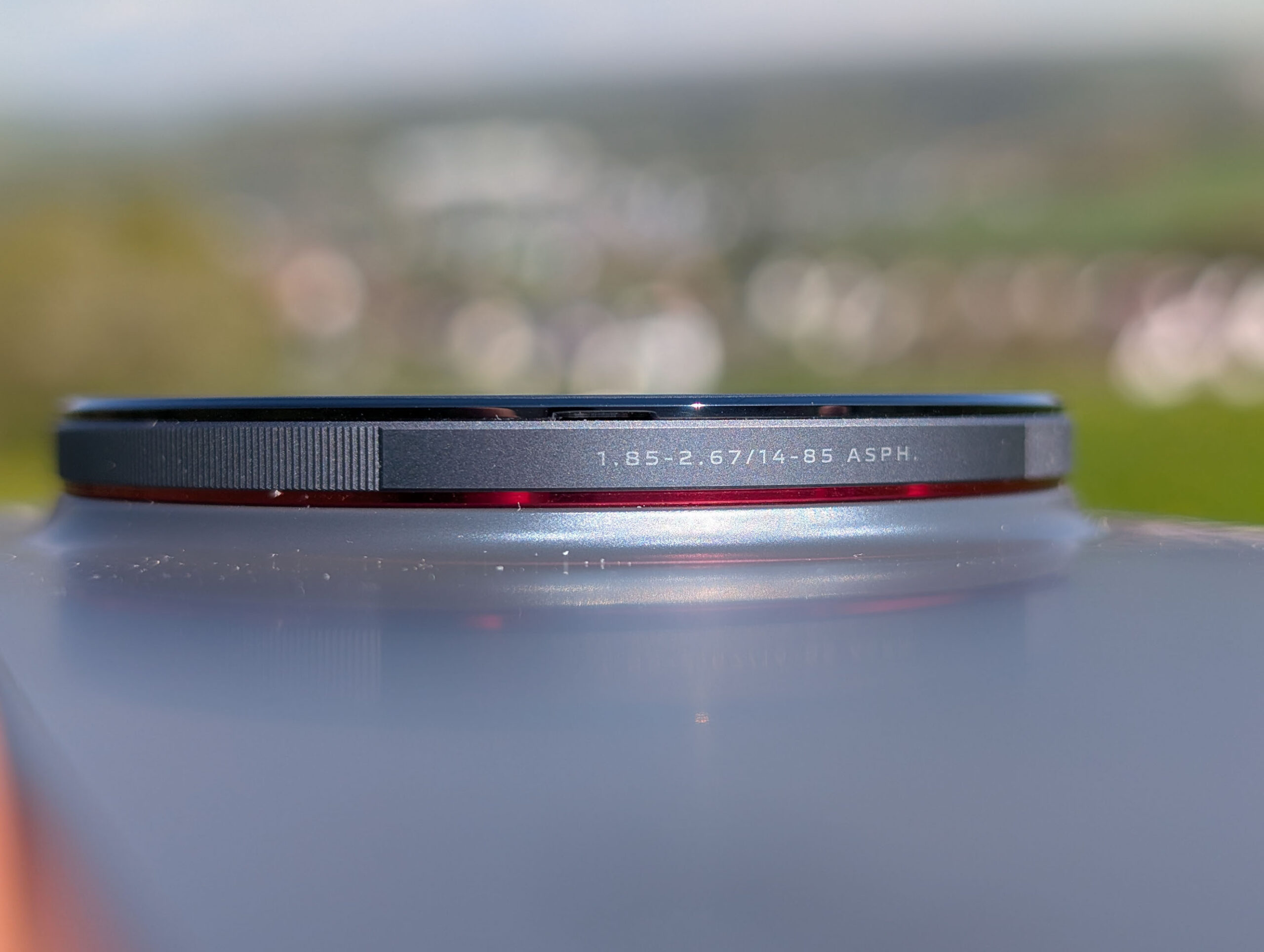
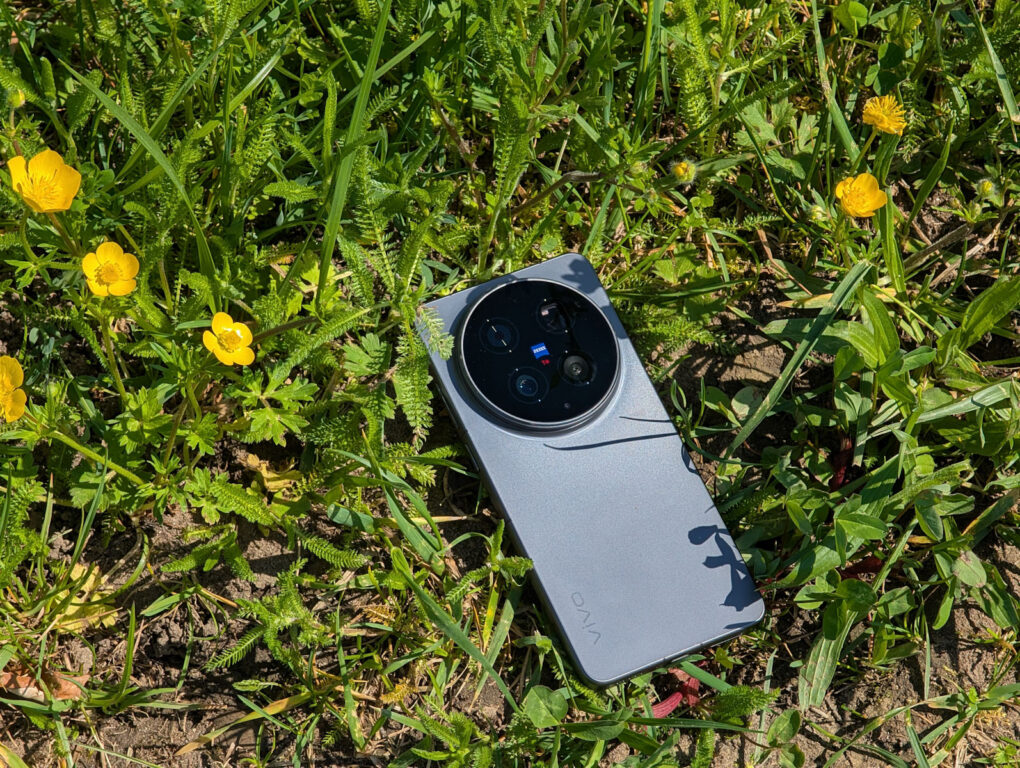
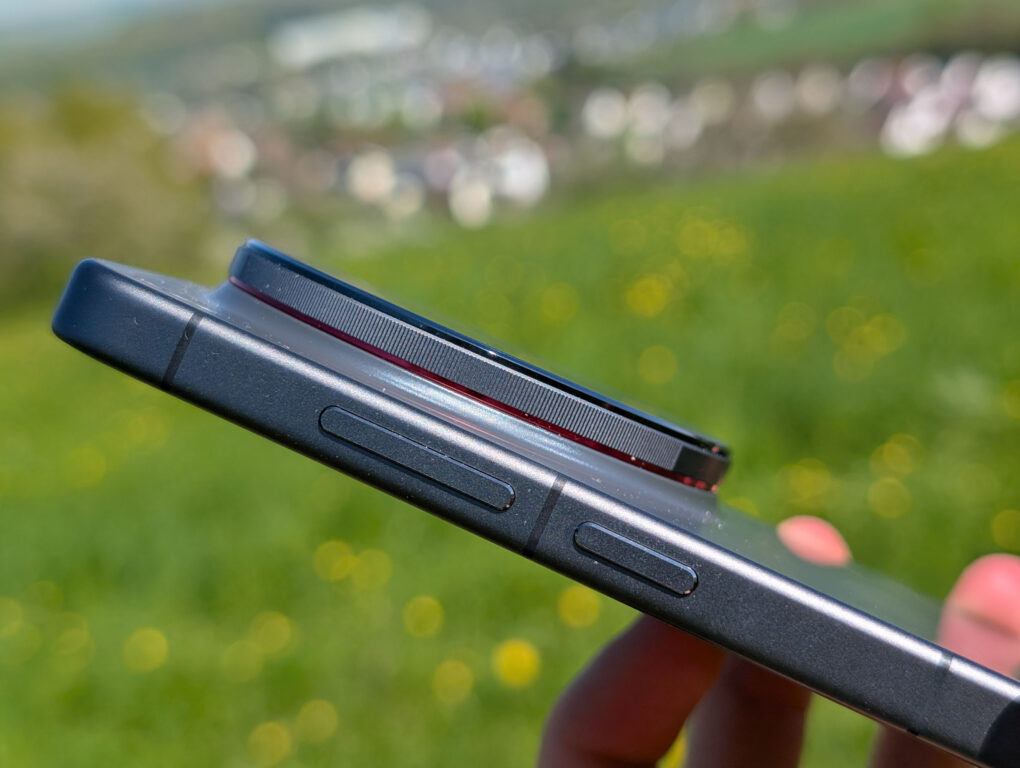
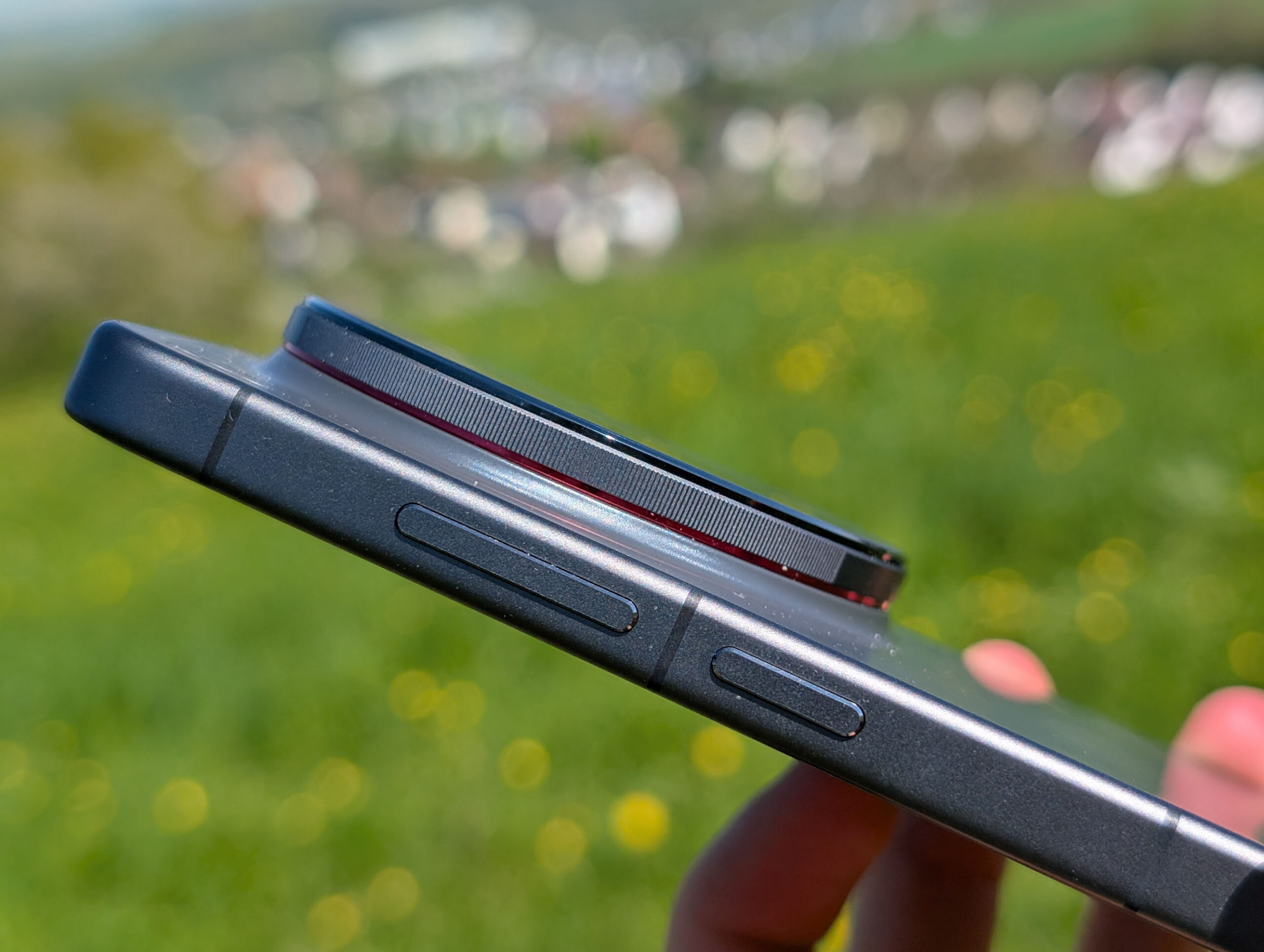
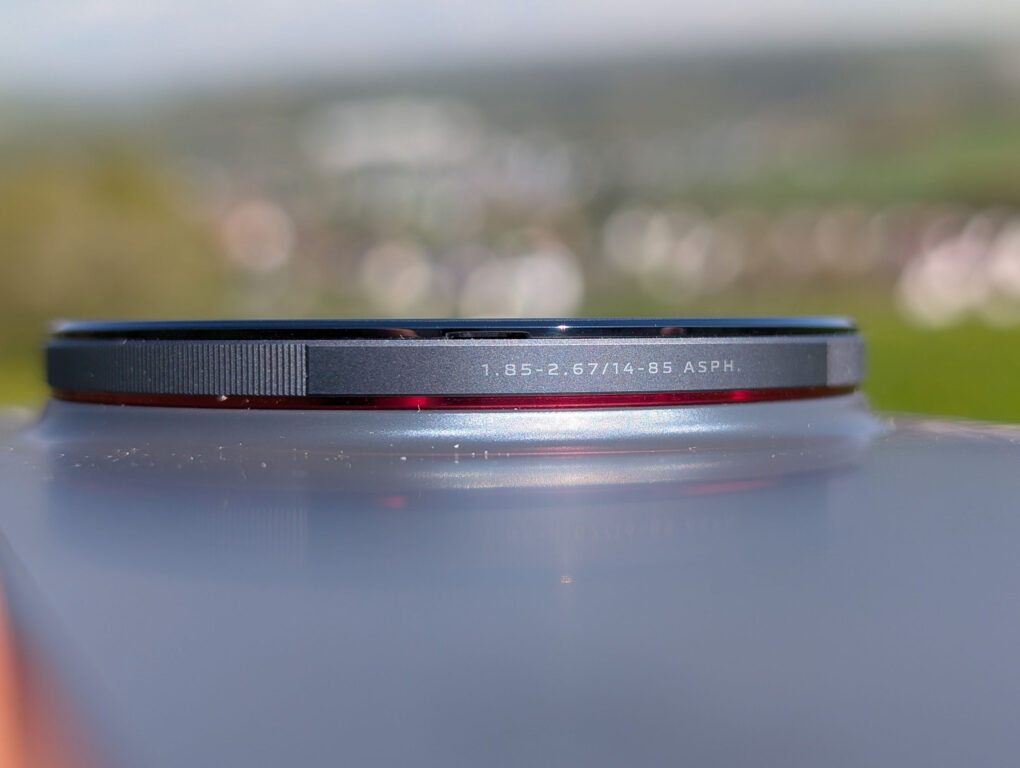
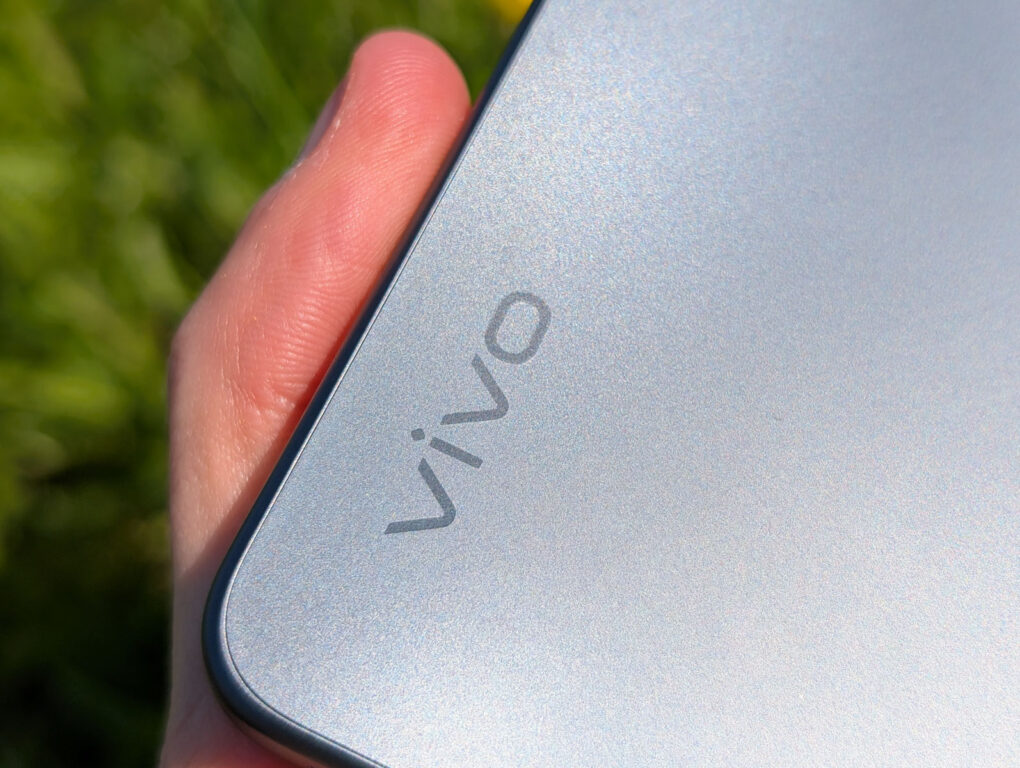
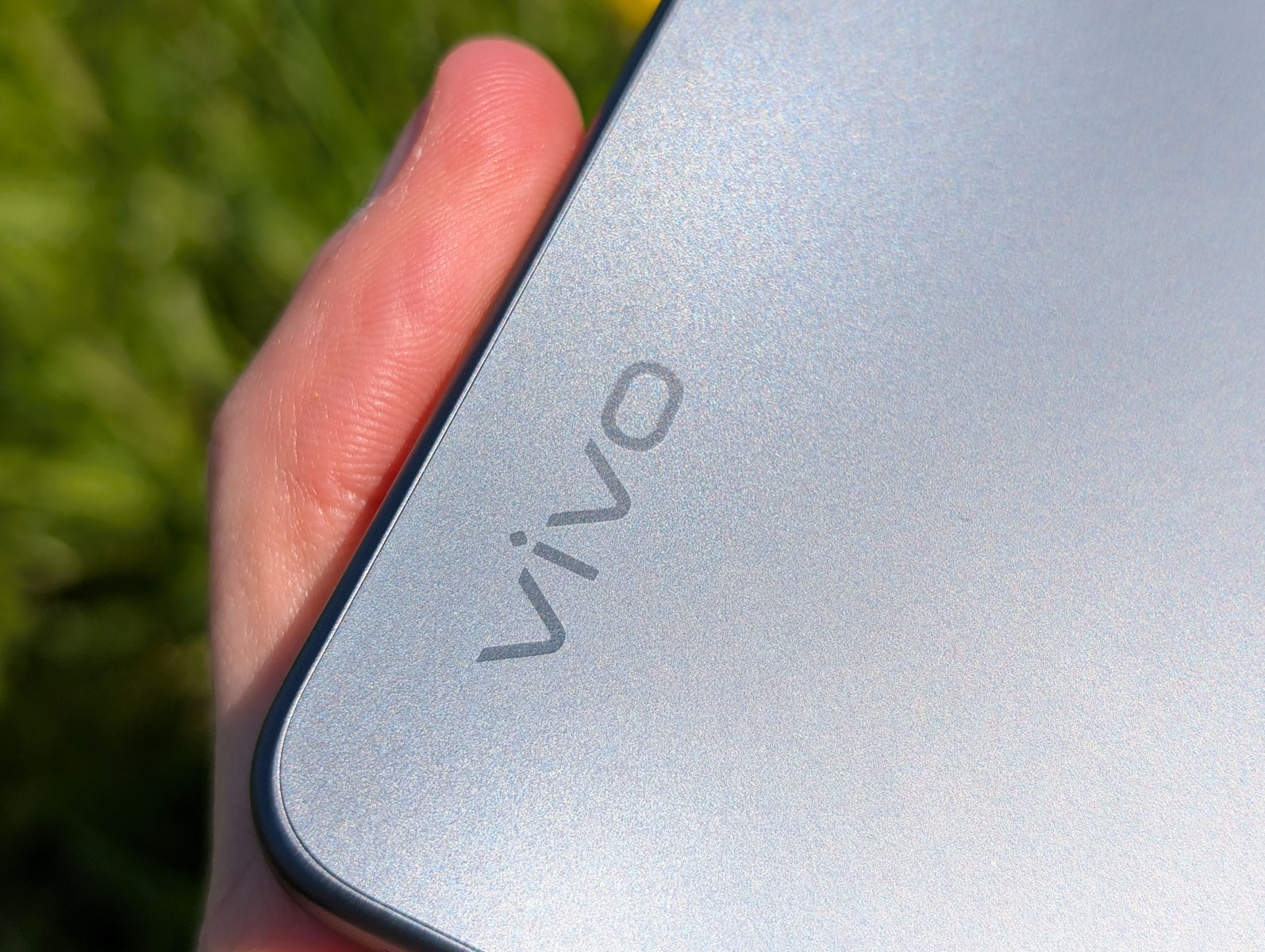
This is even more noticeable with the camera bump. It protrudes extremely far from the casing, making it nearly impossible to lay the smartphone flat on a surface. While the wobbling is surprisingly minimal when typing on a table, due to the prominent camera bump, it becomes significantly more pronounced when using the upper third of the screen and can become annoying over time. The round camera design is, of course, a matter of taste, but in my opinion, it looks very high-quality and visually appealing – even if it's anything but inconspicuous. Unfortunately, the back is made of plastic, but it feels considerably more premium than, for example, the... HONOR Magic 8 Pro or Xiaomi 17 Ultra. It's definitely one of the best plastic backs I've ever handled, even if it's a slight step backward compared to the glass back of the Pro model. The frame is made of matte aluminum and feels very high-quality and pleasant to the touch.
-
- Picture: TechnikNews
-
- Picture: TechnikNews
-
- Picture: TechnikNews
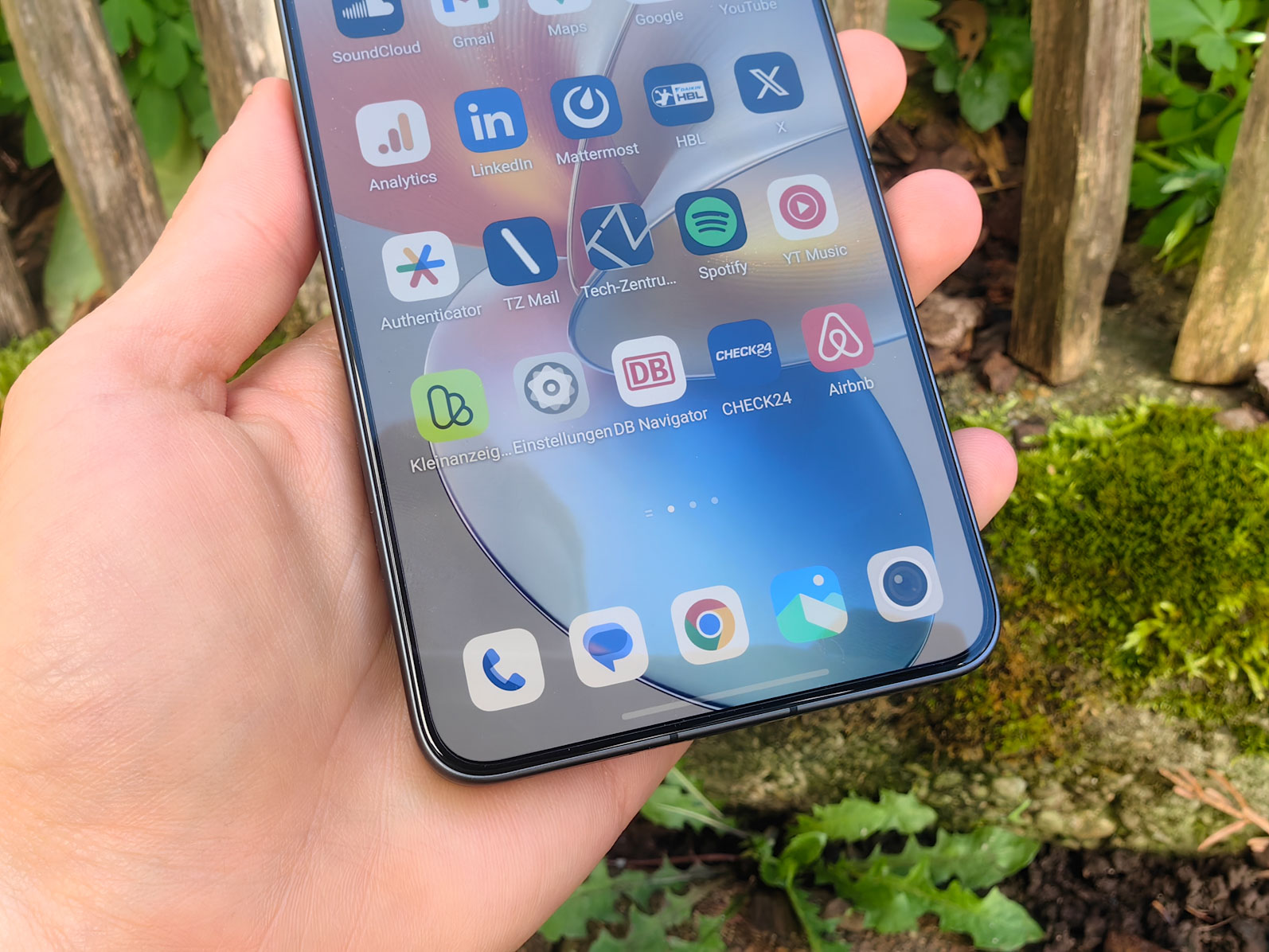
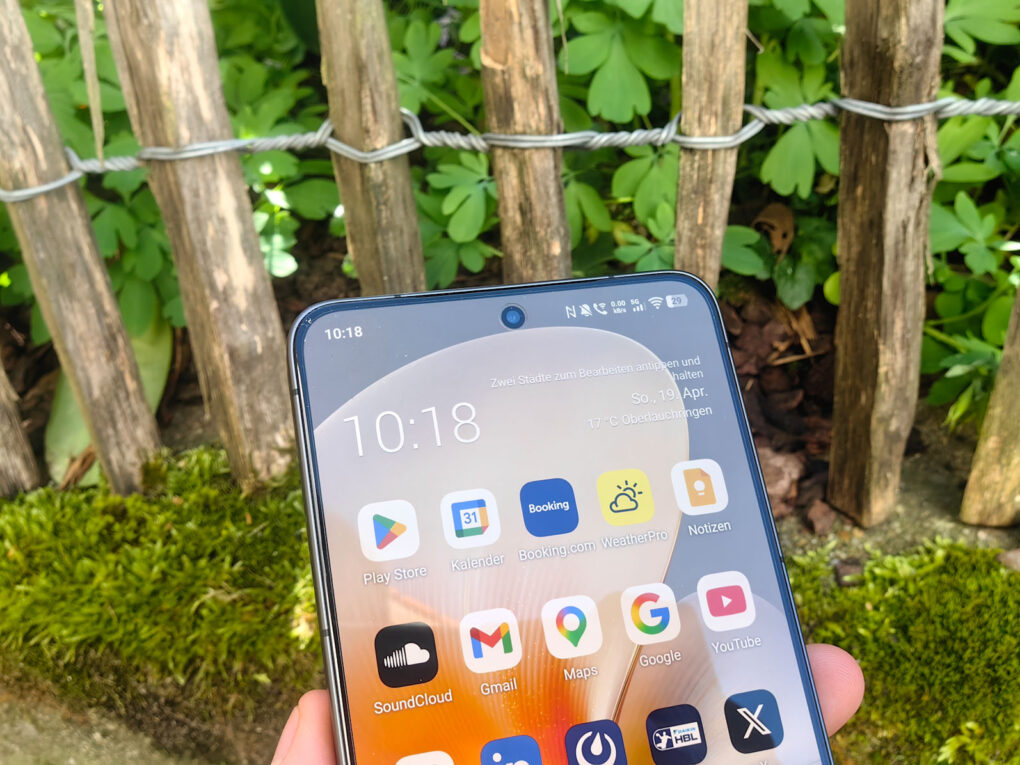
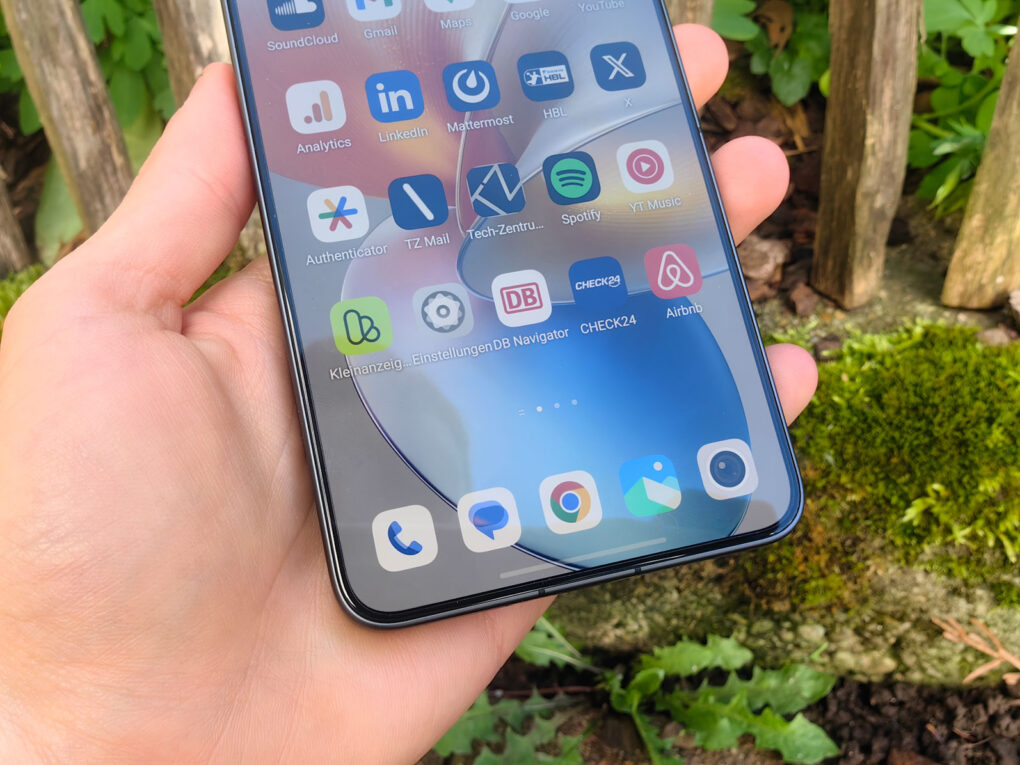
The front is dominated by a huge OLED display with very narrow bezels, which I find extremely appealing. The overall build quality is very high – nothing creaks or wobbles, and the buttons are firmly in place and offer good tactile feedback. The X300 Ultra is available in black and green. I tested the black model, which in practice looks more like a subtle gray. I personally like this a lot, as it looks both understated and stylish. Furthermore, fingerprints are hardly attracted thanks to the matte surface.
Display
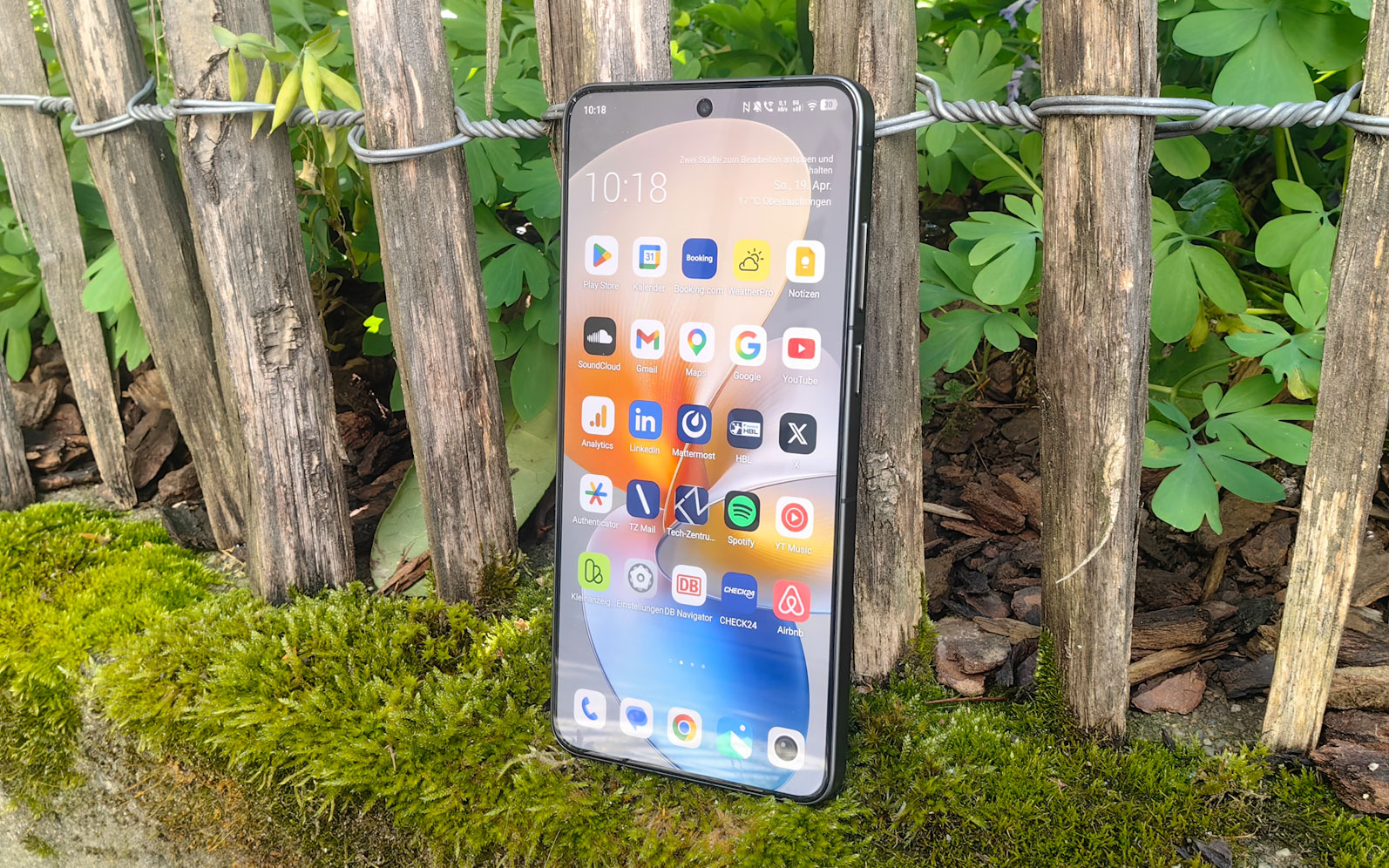
The display measures 6,82 inches and boasts a razor-sharp resolution of 3.168 x 1.440 pixels. It also supports a smooth 144Hz refresh rate, which definitely makes a noticeable difference in everyday use. I can actually perceive a minimal difference compared to the standard 120Hz refresh rate, but it's certainly not significant.
Picture: TechnikNews
Colors are reproduced with the intensity typical of OLED displays, yet with a pleasingly natural feel. Black levels and contrast are excellent, and even the white balance is superb. Viewing angle stability is also first-rate. In terms of brightness, there are no differences compared to the Pro model – which is by no means a negative, as the latter was already among the best on the market. Even in direct sunlight, I never experienced any readability issues. Overall, the Vivo X300 Ultra offers one of the best displays on the market – if not the best.
Software
The X300 Ultra runs OriginOS 6 based on Android 16. Vivo promises seven years of security updates and five major Android versions – a strong update commitment on par with Samsung, Apple, and Google.
In everyday use, the software impresses above all with its exceptional fluidity. Animations run extremely smoothly and consistently; stuttering or delays are nowhere to be found. The entire system feels fast and responsive at all times – in this respect, the X300 Ultra definitely belongs to the absolute top class.
I've also come to really like OriginOS, both visually and functionally. The interface is clear, modern, and offers many appealing animations without appearing cluttered or gimmicky. The combined control panel and notification bar are well-implemented, and the settings are clearly structured. The home screen looks uncluttered, with an app drawer and the Google News feed on the left.
In addition, there are numerous extra features that Vivo has been consistently developing for years. For example, animations for the fingerprint sensor or unlocking can be customized, as can gesture controls. The ability to minimize apps into floating windows for using multiple applications simultaneously is also very practical. A new and particularly noteworthy feature is a kind of "Dynamic Island," similar to Apple's, which displays additional information in a compact format in certain situations—such as when timers are running or media is playing—and proves surprisingly useful in everyday use. The gallery app also remains very well-designed, offering features such as extracting text from images or exporting directly as a PDF.
Performance
Under the hood, the first major difference compared to the X300 Pro is found. Instead of the MediaTek Dimensity 9500, this model uses the Qualcomm Snapdragon 8 Elite Gen 5. Manufactured using a 3-nanometer process, it performs virtually identically to the Dimensity 9500 in most benchmarks. Both processors are currently among the best on the market, so you'll hardly notice any difference in everyday use. You also get 16 GB of RAM and 1 TB of internal storage.
Just like the Pro model, the performance of the Vivo X300 Ultra is simply outstanding – exactly what you'd expect from such an expensive smartphone. Apps launch and close incredibly fast, and I didn't experience a single stutter or lag during the entire testing period. The operating speed is first-rate, and I find it impressive how smoothly and consistently the smartphone runs. The X300 Ultra handles even demanding tasks with ease. Heat dissipation is also good and significantly better than the Xiaomi 17 Ultra.
Battery
Inside is a 6.600 mAh battery that can be charged via cable at up to 100 watts. The X300 Pro has "only" a 5.440 mAh battery and 90 watts of charging power. Wireless charging is possible at up to 40 watts.
Compared to the Pro model, the Vivo X300 Ultra lasts considerably longer. I manage proEasily two full days, and sometimes even three. Even heavy users should have no problem getting through a full day. With a screen-on time of 3,5 to 4,5 hours, I usually still have between 70 and 76 percent battery left at the end of the day, which is outstanding. Even the Xiaomi 17 Ultra and HONOR Magic 8 Pro can't quite keep up. Kudos to Vivo!
camera
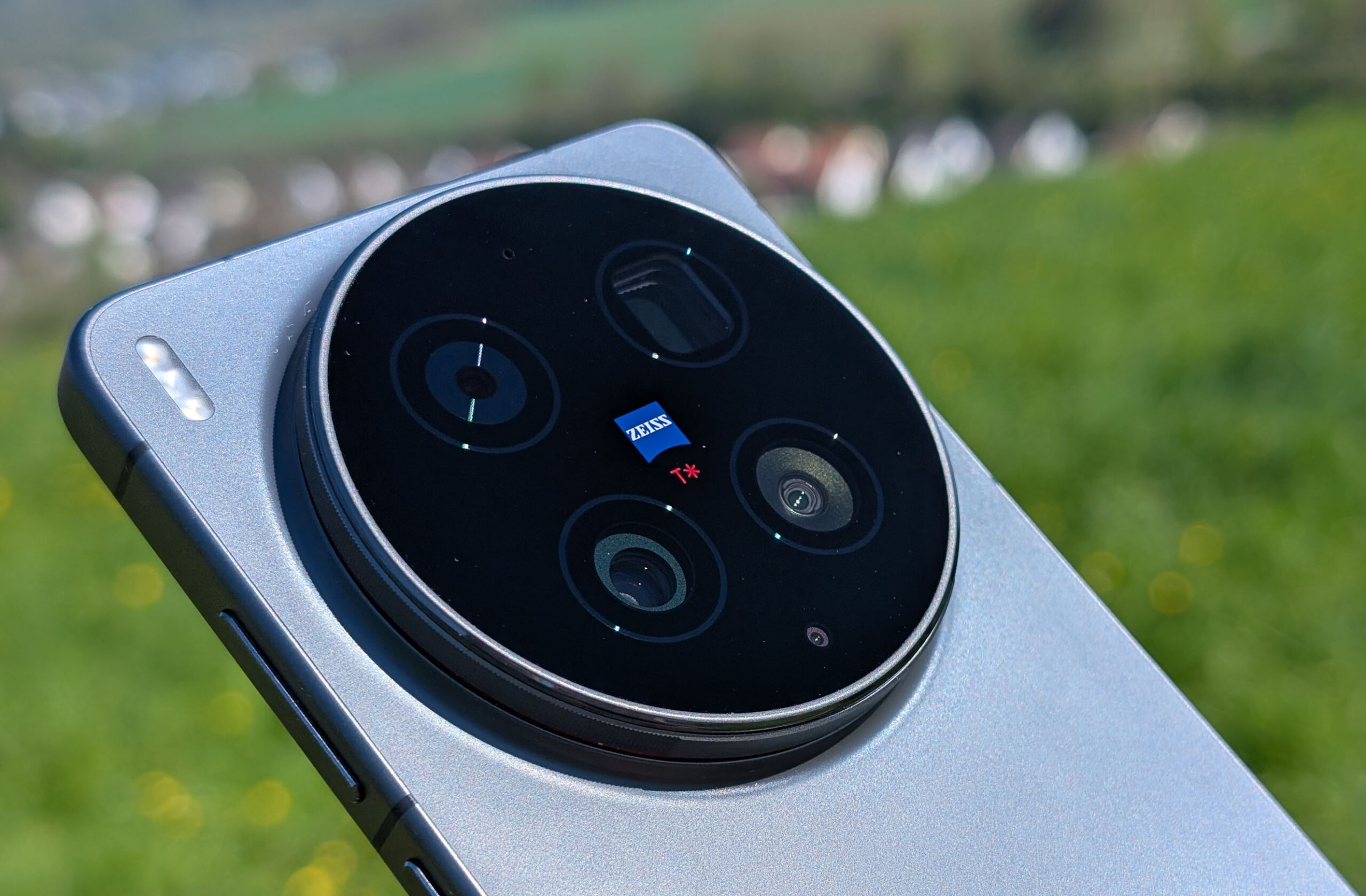
On the back is a triple camera with focal lengths of 85 mm, 35 mm and 14 mm, developed in collaboration with ZEISS:
- 200 megapixel main camera – 1/1.12 inch – f/1.85 – 35 mm
- 50 megapixel ultra-wide-angle camera – 1/1.28 inch – f/2.0 – 14 mm
- 200 megapixel zoom camera – 1/1.4 inch – f/2.67 – 85 mm
What particularly appealed to me before the testproThe most striking feature is the enormous sensor size of the ultrawide camera. The sensor is not only significantly larger than that of the X300 Pro, but also larger than those of its competitors. For comparison, both the Xiaomi 17 Ultra and the OPPO Find X9 Ultra only use 1/2,76-inch and 1/2,75-inch sensors, respectively. Accordingly, my expectations were high – not only for the ultrawide camera, but also for the main and zoom cameras, which are also very large. The main sensor is slightly larger than that of the X300 Pro, but somewhat smaller than that of the Xiaomi 17 Ultra.
Picture: TechnikNews
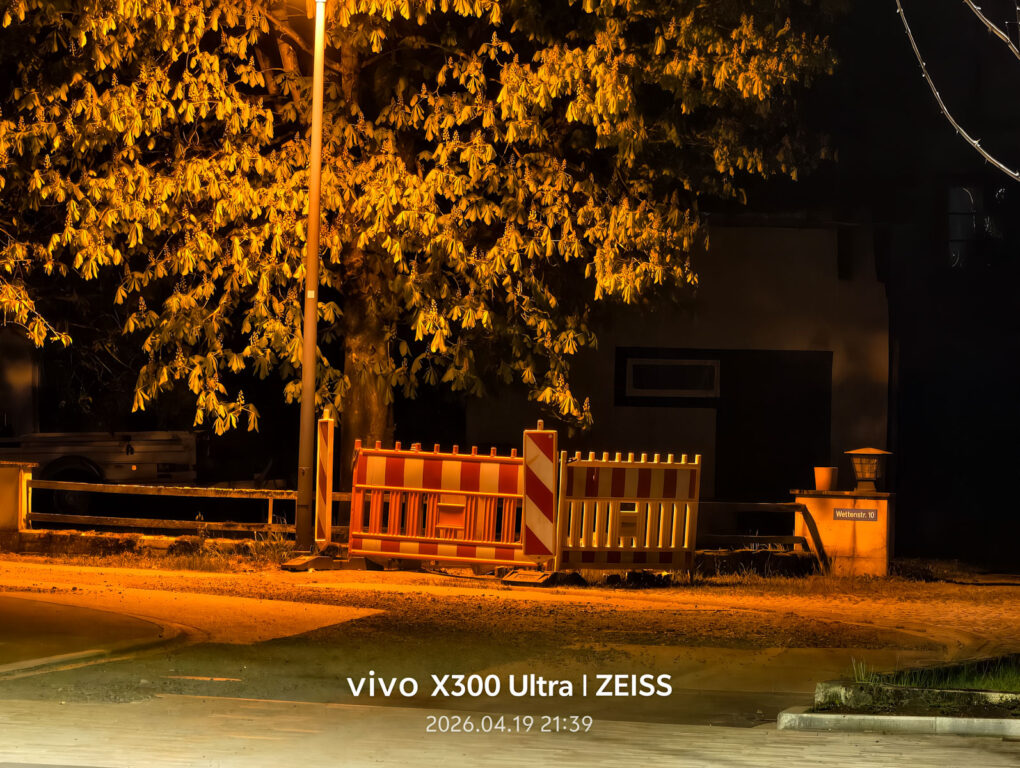
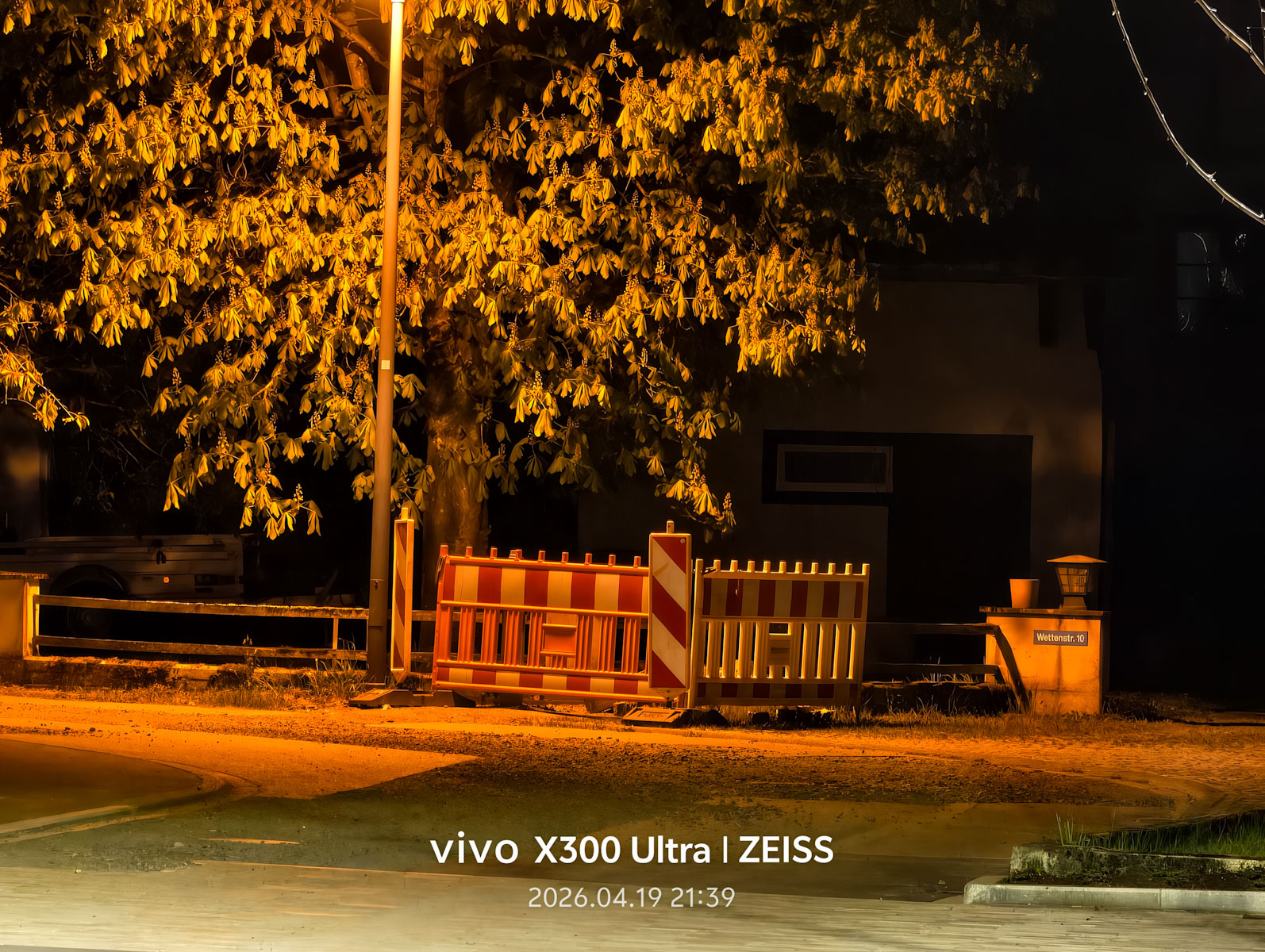
The main camera takes beautiful photos in ZEISS color mode with realistic color reproduction. Contrasts are captured very well, and the dynamic range is excellent, as is typical for Vivo. Sharpness is extremely high, and even at the edges or in darker areas, a great deal of detail is preserved. The 35mm focal length is definitely noticeable in everyday use and takes some getting used to at first. After a few days, however, you'll be accustomed to it and won't want to go back. It's also well-suited for portrait photography. The X300 Ultra also performs exceptionally well in low light. The results are beautifully bright without looking unnatural, and color reproduction remains realistic. Very bright light sources (such as streetlights) are not overexposed, and the sharpness is unparalleled. Occasionally, however, Vivo overdoes it with the artificial sharpening.
The ultra-wide-angle camera isn't just theoretically superior to the one in the Vivo X300 Pro; it performs significantly better in everyday use. Even in good lighting conditions, the noticeably sharper images are striking – especially at the edges. Noise reduction is even more effective, and color reproduction is excellent. The dynamic range is also impressive. Even in low light, the ultra-wide-angle camera takes very good photos. The results are surprisingly bright, very sharp, and color-accurate. For me, this is definitely the best ultra-wide-angle camera on the market.
In terms of zoom, there are no differences compared to the X300 Pro, which was to be expected, as the Pro model was already completely convincing in this area. The images are nicely sharp and the colors are largely accurate. Occasionally, however, a slight red tint is noticeable. Furthermore, the noise reduction is sometimes too strong for my taste, resulting in a loss of some detail. The image appears "smoothed over." HUAWEI and Xiaomi perform very well in this regard and are sometimes even slightly better. However, Vivo remains number one in low-light performance. No other smartphone takes such sharp, clear, and low-noise low-light zoom shots as the Vivo X300 Ultra.
Portraits, videos and selfies
The Vivo X300 Ultra is also among the best smartphones on the market for portrait photography. The bokeh effect is very realistic, and the edge detection works extremely reliably. I particularly like the natural-looking skin tones. Videos can be recorded with the main camera in 8K at up to 30 fps and in 4K at up to 120 fps. The sharpness is good, as is the color reproduction, and the stabilization is also at a solid level.
Overall, the selfie camera delivers convincing results: skin tones appear natural, sharpness is decent, and the dynamic range is also good.
Comparison with the Xiaomi 17 Ultra
Picture: TechnikNews
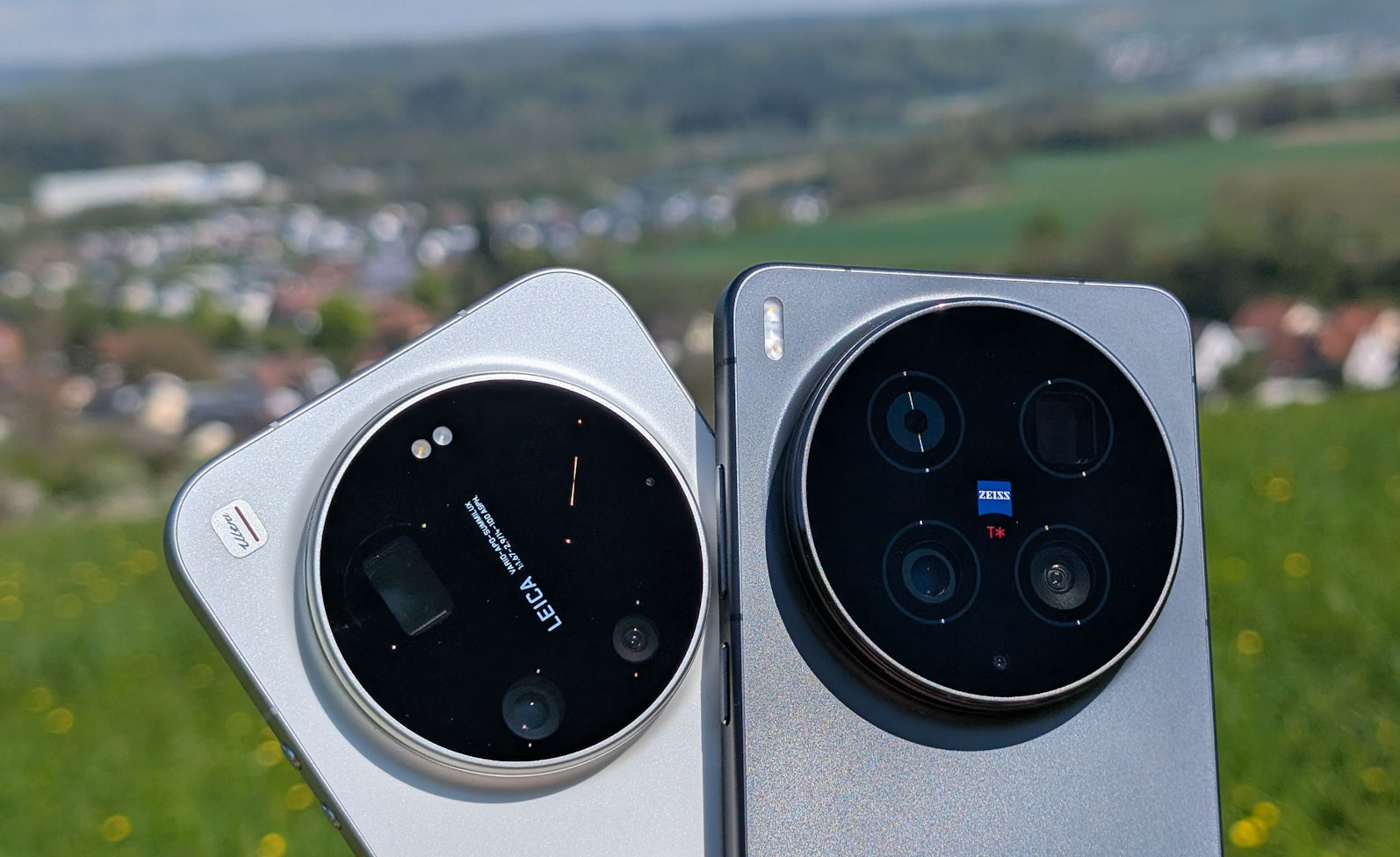
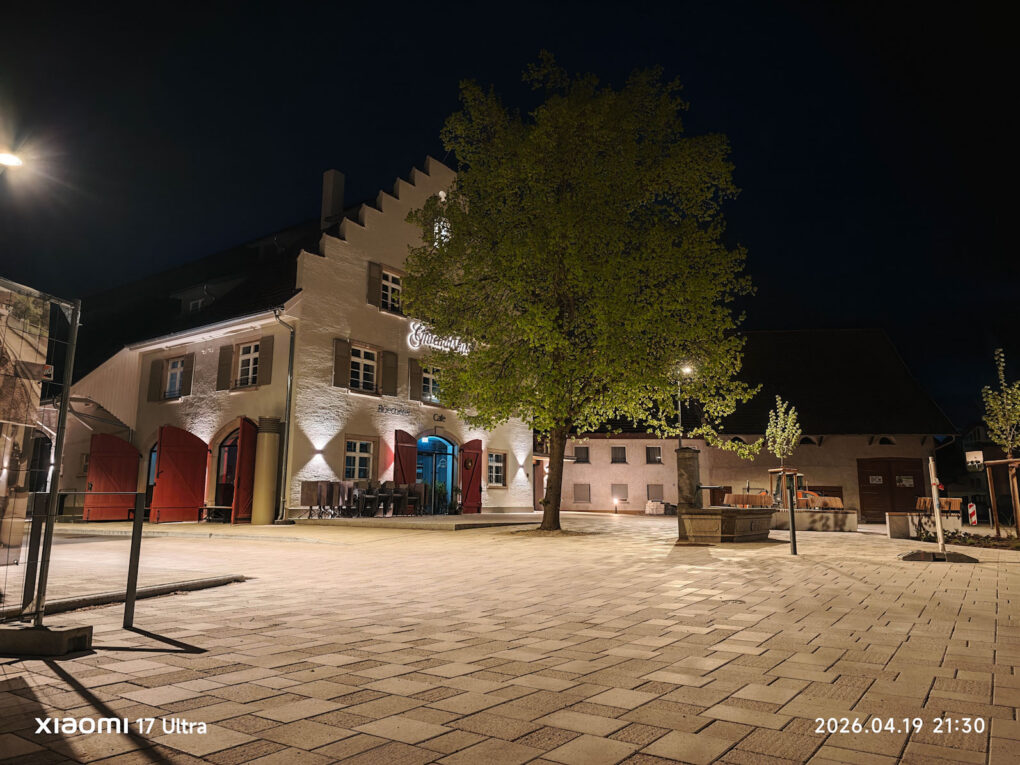
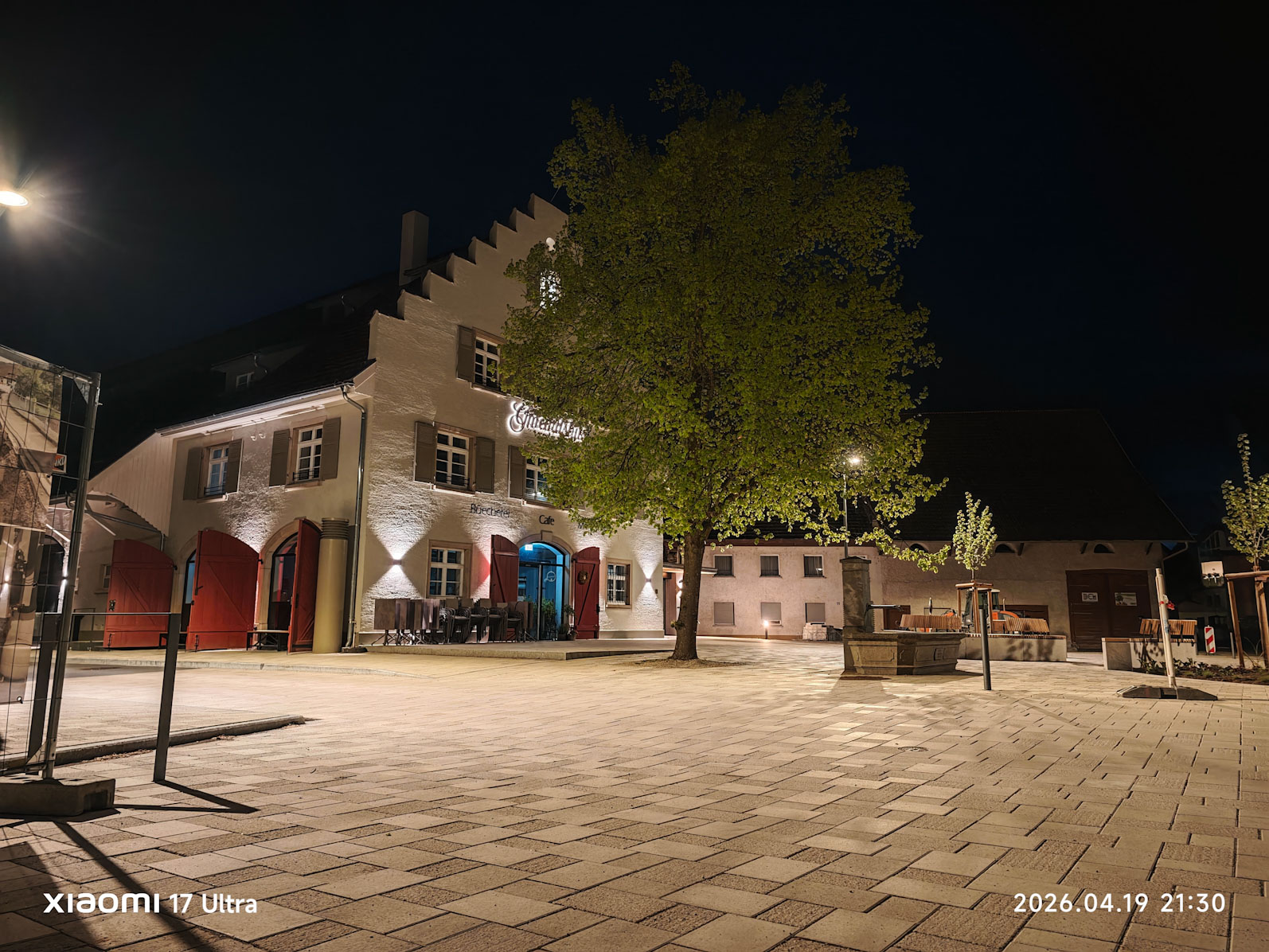
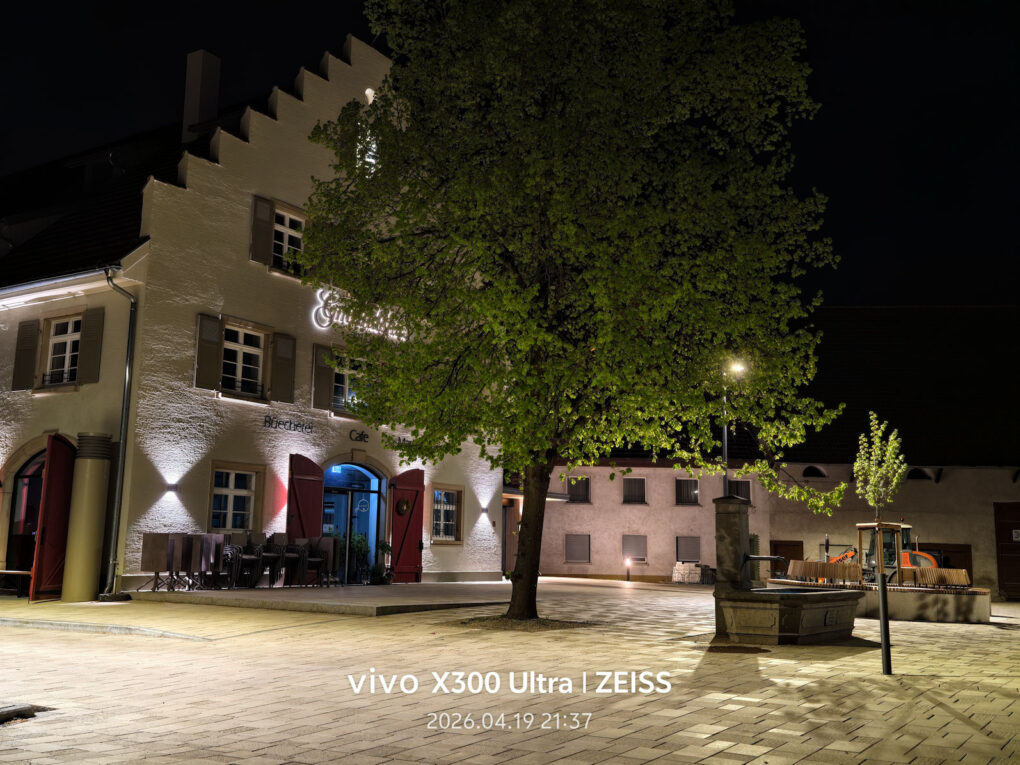
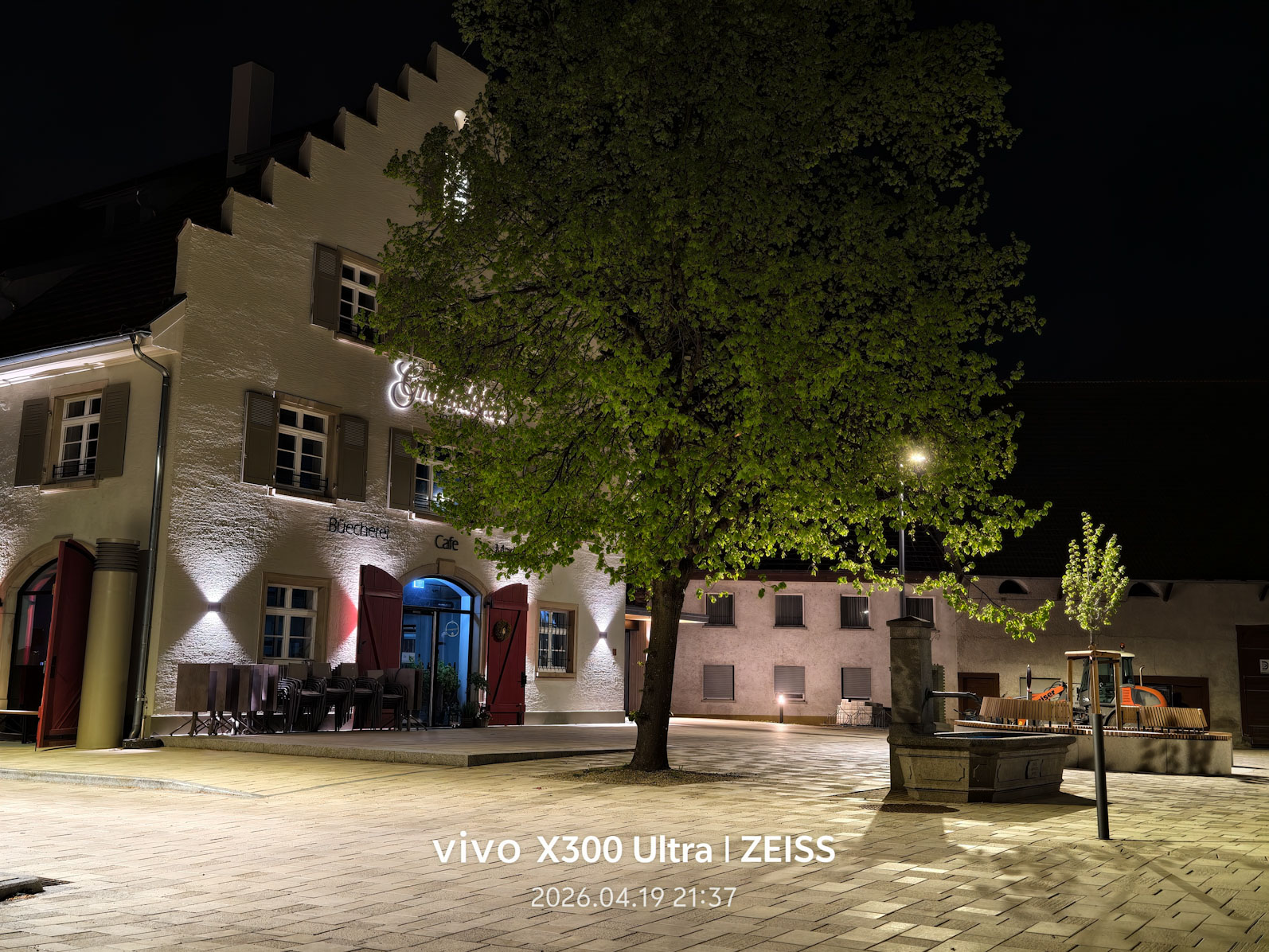
One thing I can say right off the bat: For me, the Vivo X300 Ultra and Xiaomi 17 Ultra, along with the HUAWEI Pura 80 Ultra, have the best smartphone camera. There are differences, but they are minor.
The following images are completely unedited, but losslessly compressed to keep loading times and storage consumption of the website low.
-

- Picture: TechnikNews

-

- Picture: TechnikNews

-

- Picture: TechnikNews

-

- Picture: TechnikNews

-

- Picture: TechnikNews

-

- Picture: TechnikNews

-

- Picture: TechnikNews

-

- Picture: TechnikNews

-

- Picture: TechnikNews

-
- Picture: TechnikNews
-
- Picture: TechnikNews
-
- Picture: TechnikNews
-

- Picture: TechnikNews

-

- Picture: TechnikNews

Starting with the main cameras: I have to say that both smartphones deliver very appealing color reproduction in natural color mode. Personally, I prefer the Vivo slightly here, as the colors appear marginally more natural. The photos also appear a bit more contrasty without looking overdone. In terms of sharpness, the X300 Ultra has a slight edge in good lighting conditions, and it's also usually a bit sharper in low light. Furthermore, it retains more detail in very dark areas. Overall, the Vivo takes a narrow lead for me in the main camera category.
Macro shots look excellent on both smartphones, but the X300 Ultra allows you to get significantly closer to objects. Vivo uses its telephoto camera for this, while Xiaomi uses its main camera. As a result, the bokeh on the X300 Ultra appears much more natural, the main subject is sharper, and overall, macro photography is simply more enjoyable with the Vivo. So, the point clearly goes to Vivo here.
The differences are most noticeable with the ultra-wide-angle camera. The X300 Ultra delivers not only more natural-looking but also significantly sharper images with better noise reduction – especially in low light. Here, Vivo clearly wins.
What I found most interesting were the differences in zoom performance. In good lighting conditions, I slightly prefer the shots from the Xiaomi 17 Ultra, as they exhibit more natural sharpness. The Vivo tends to over-sharpen, resulting in some loss of detail. Color reproduction also appears somewhat more realistic on the Xiaomi, while the X300 Ultra shows a slight red tint. However, as soon as it gets darker, the picture changes: then the Vivo delivers slightly sharper and less noisy results. Therefore, there's no clear winner for me when it comes to zoom – both have their respective strengths and weaknesses.
Other
Since the X80 Pro, Vivo has been a leader in in-display fingerprint sensors, and with the Vivo X300 Ultra, they are, in my opinion, the best. The fingerprint sensor is excellently positioned, so I... proIt can be easily reached with the thumb. Reliability is very high – even a brief tap of the sensor area is enough to reliably unlock the smartphone. Setup is also incredibly quick and easy.
Vivo has equipped the X300 Ultra with stereo speakers that get extremely loud and sound very good. Especially at volume levels up to 70 percent, the sound quality is exceptionally high. The sound is balanced and full. The HUAWEI Pura 80 Ultra delivers slightly more bass, but the bass of the Vivo X300 Ultra is also among the best currently available.
As with the X200 Pro and X300 Pro, the built-in vibration motor is impressive across the board. It delivers an exceptionally smooth and natural feel.proIt feels high-quality in the hand and sounds anything but annoying. Vivo has integrated the vibrations very well into the system, which significantly improves the user experience. Along with the Xiaomi 17 Ultra, this is, in my opinion, currently the best vibration motor in a smartphone.
Finally, I would like to highlight the positive aspect that the Vivo X300 Ultra after IP68/IP69 – protected against the ingress of water and dust.