
Xiaomi 12X review: just missing is also over?
A TEST REPORT from Nils Ahrensmeier  on April 23, 2022, 14:00 am | 2 comments
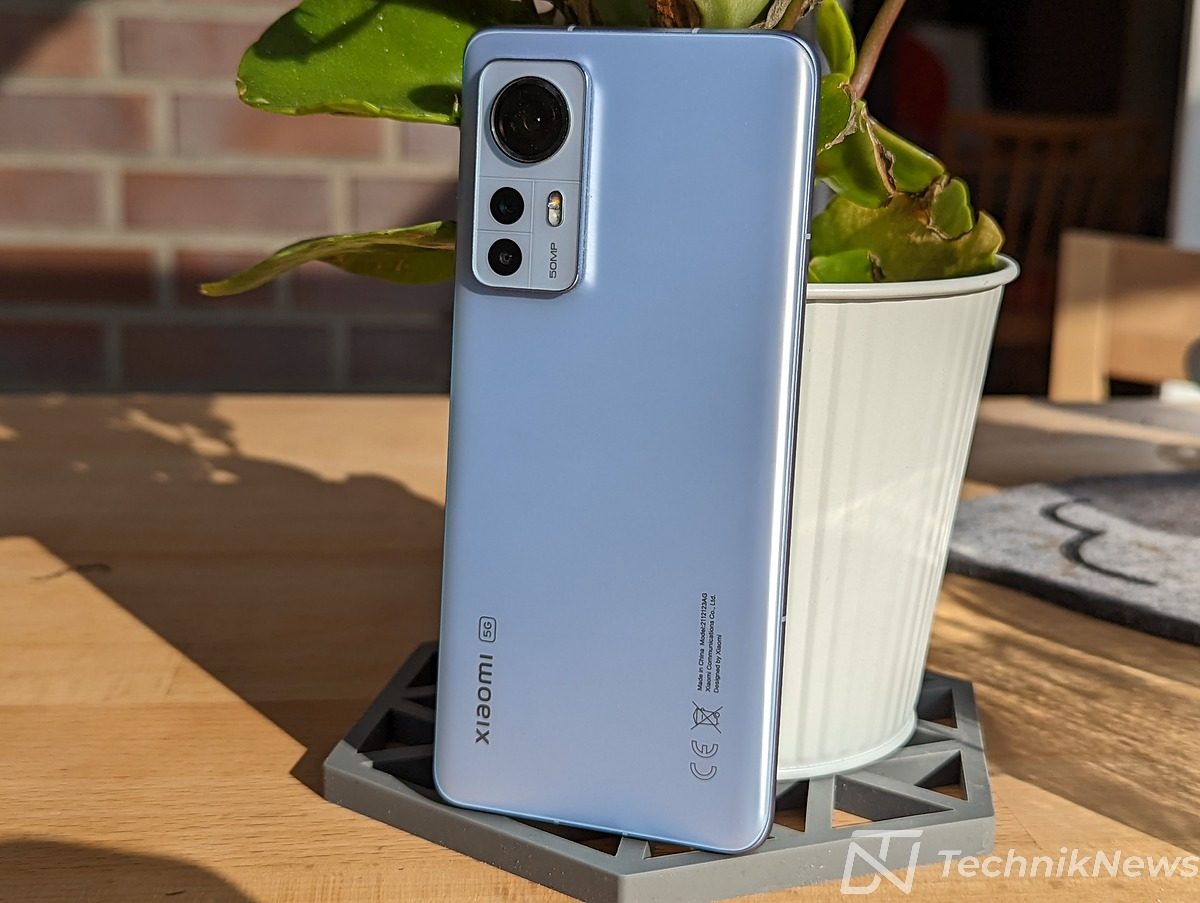
With the Xiaomi 12X, the company from Beijing has brought the cheapest phone of the 12 series onto the market. TechnikNews examined the device.
Scope of delivery of the Xiaomi 12X
In addition to the device, the Xiaomi 12X also comes with a quick-charging power adapter, as well as a TPU case and a SIM tool. A detailed unboxing can be found here.
Design and workmanship
The device is based on the Xiaomi 12 series. It is built 1:1 like the Xiaomi 12, but a few grams lighter due to missing components such as wireless charging. The display is a little curved, but at 6,28″ it is very handy. This could be the best feature of the device for many, because small devices are becoming a rarity. MIUI is now also well adapted to one-handed use, so little hand movement is necessary.
-
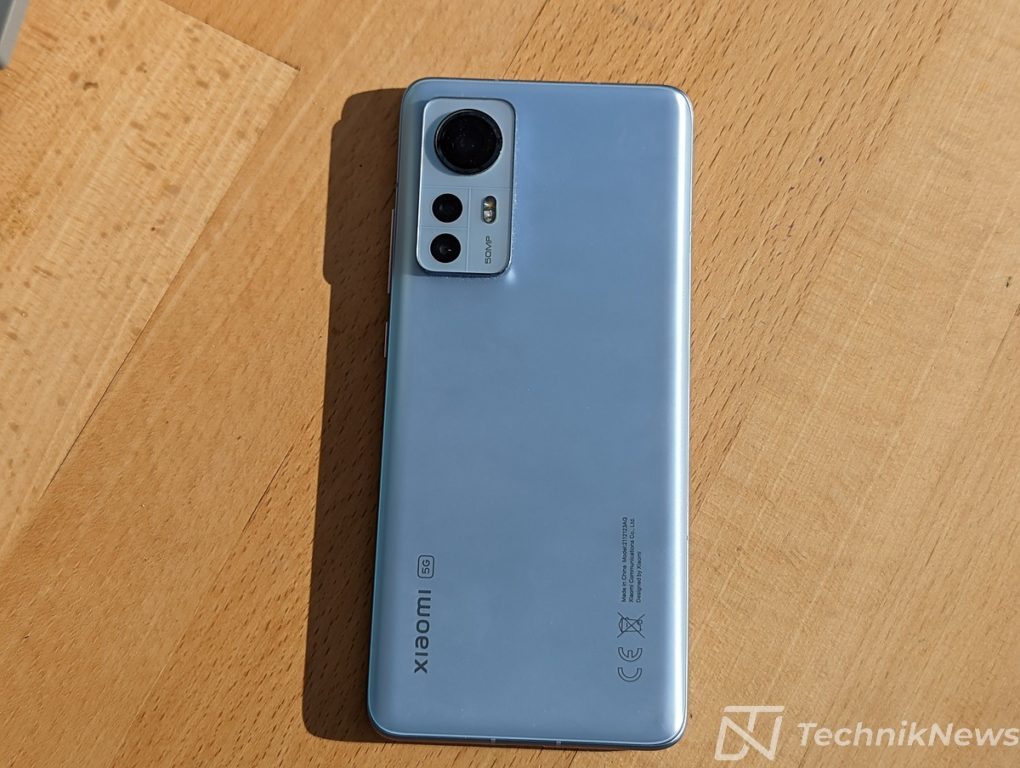
- The Xiaomi 12X looks like the Xiaomi 12.
-
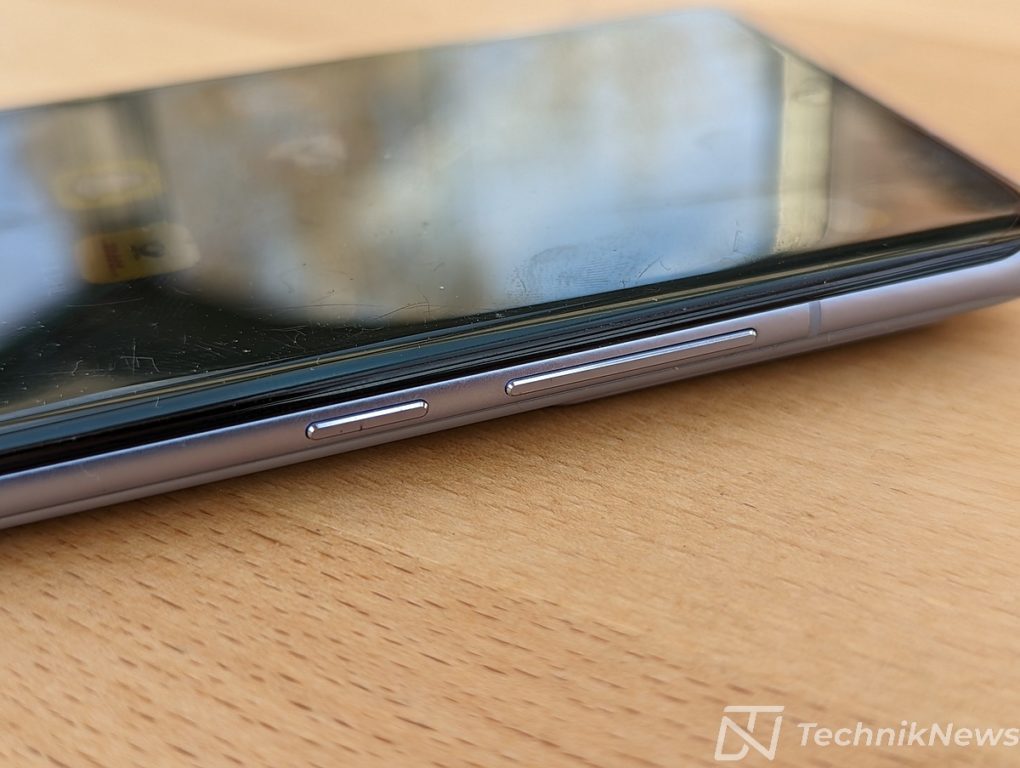
- The display is curved on the side
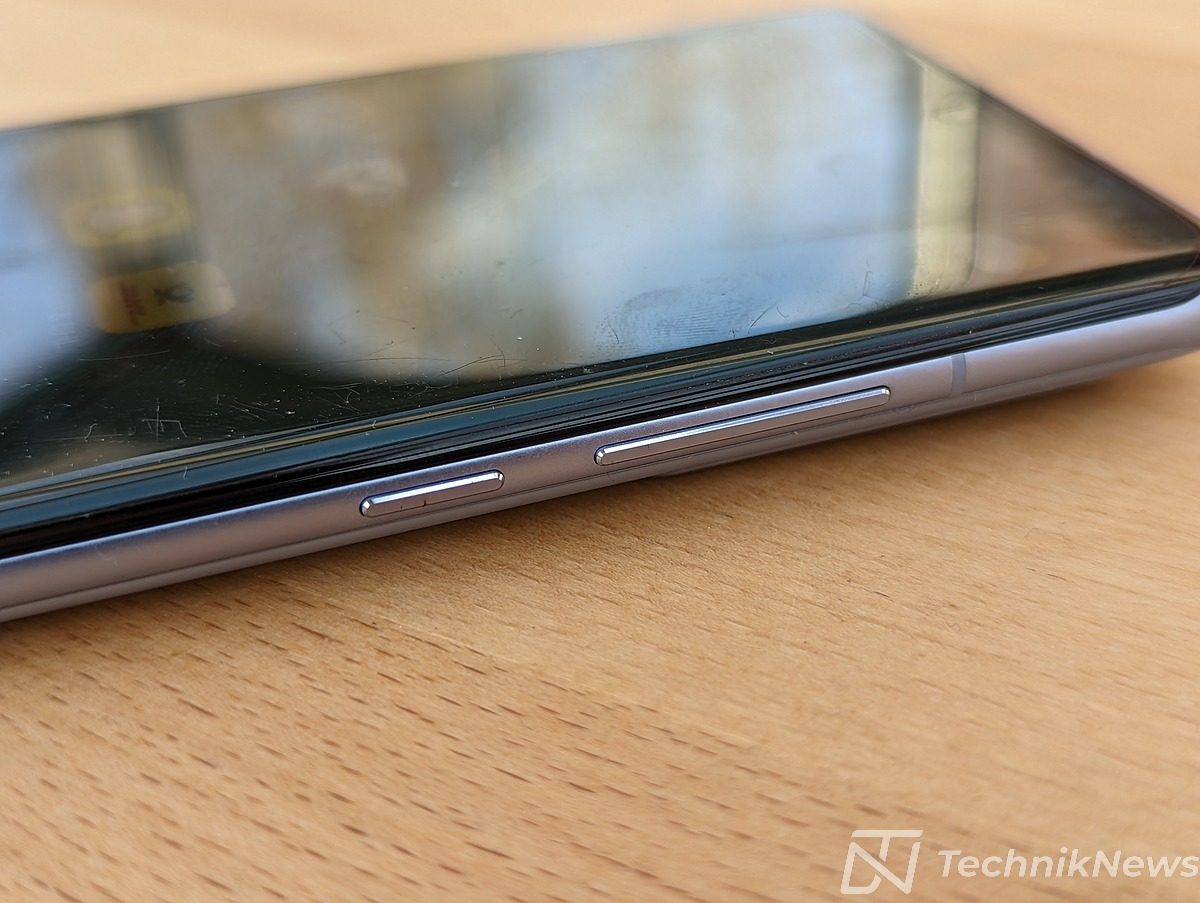
-
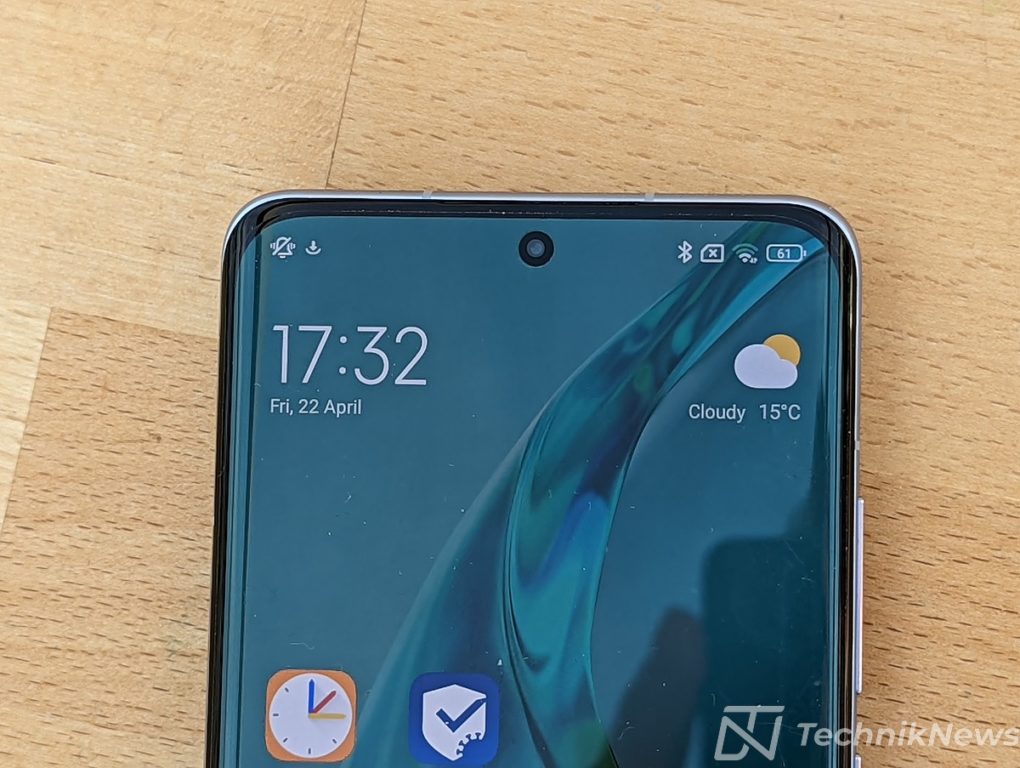
- The front camera is in the center of the display.
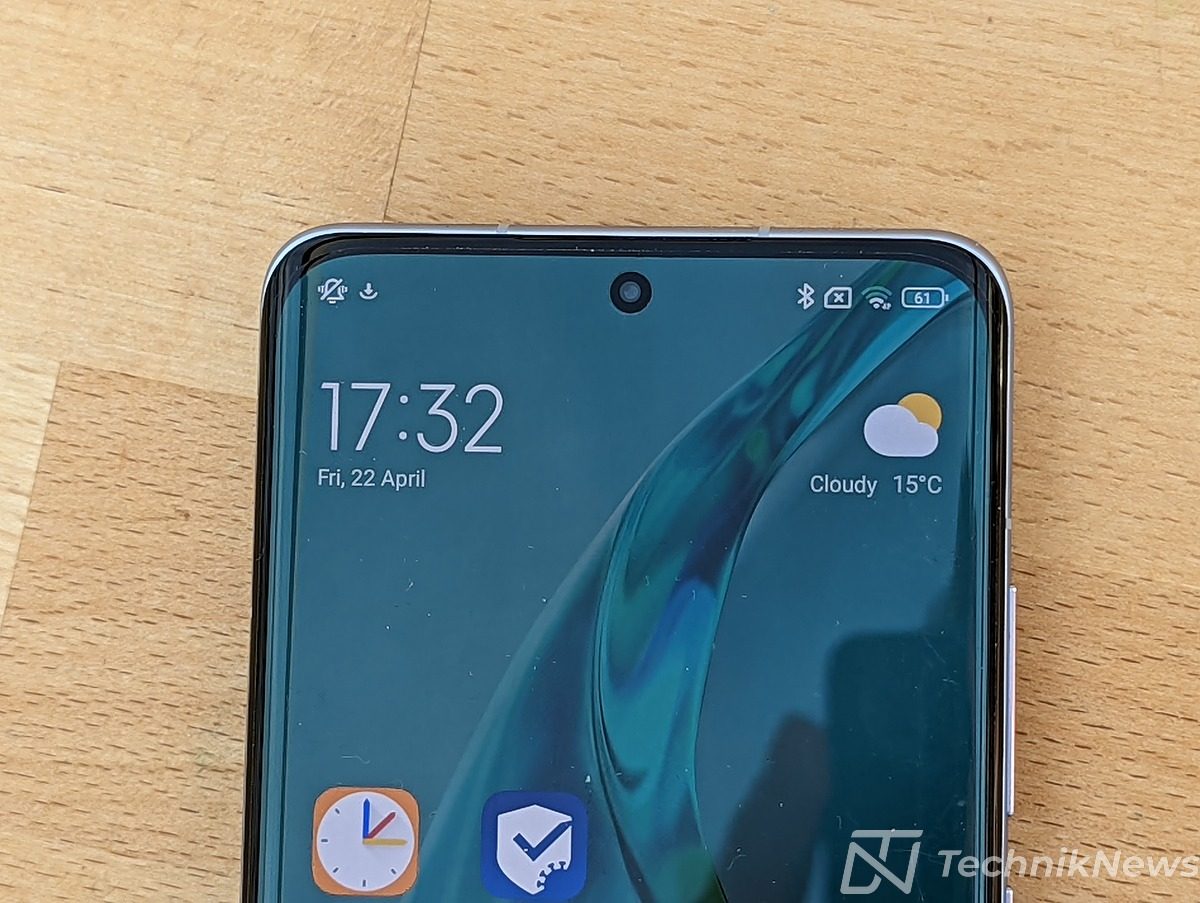
-
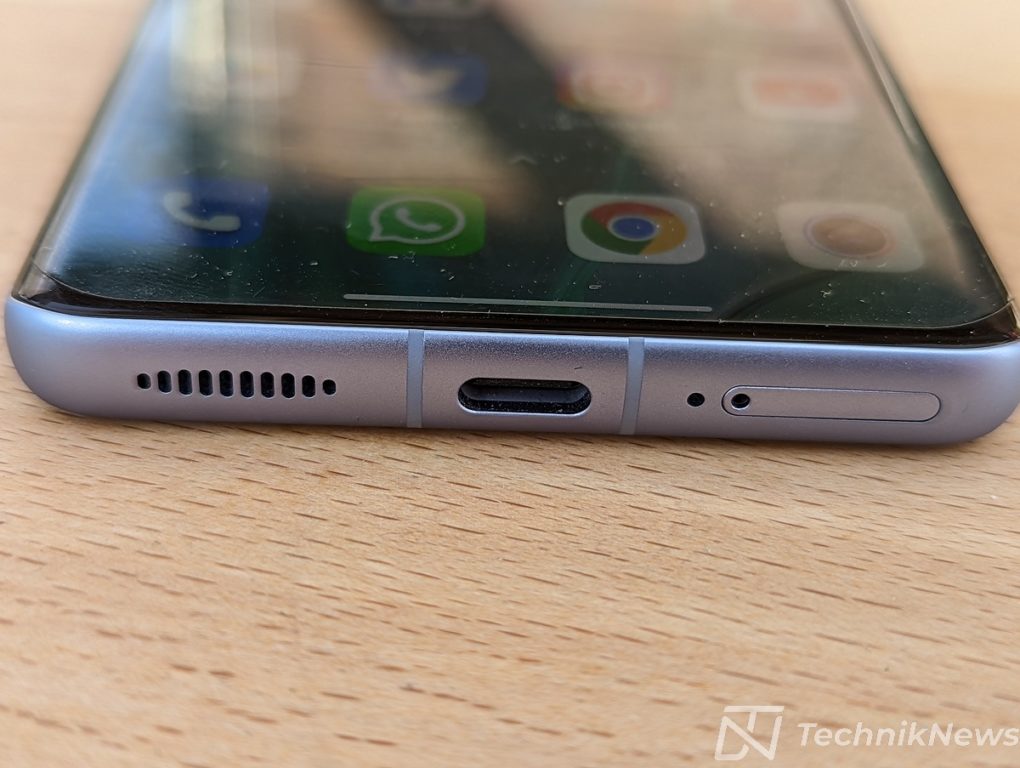
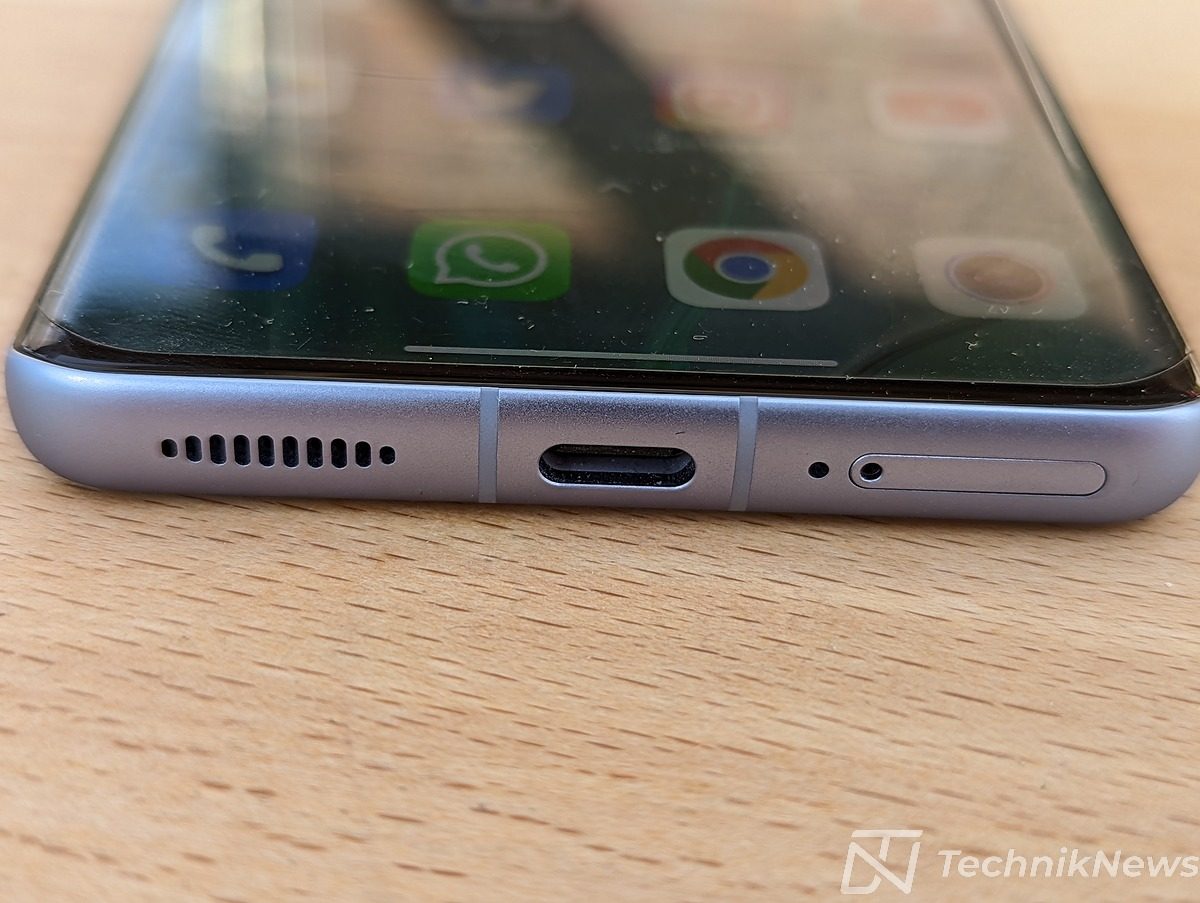
- On the bottom is a speaker and the USB-C port.
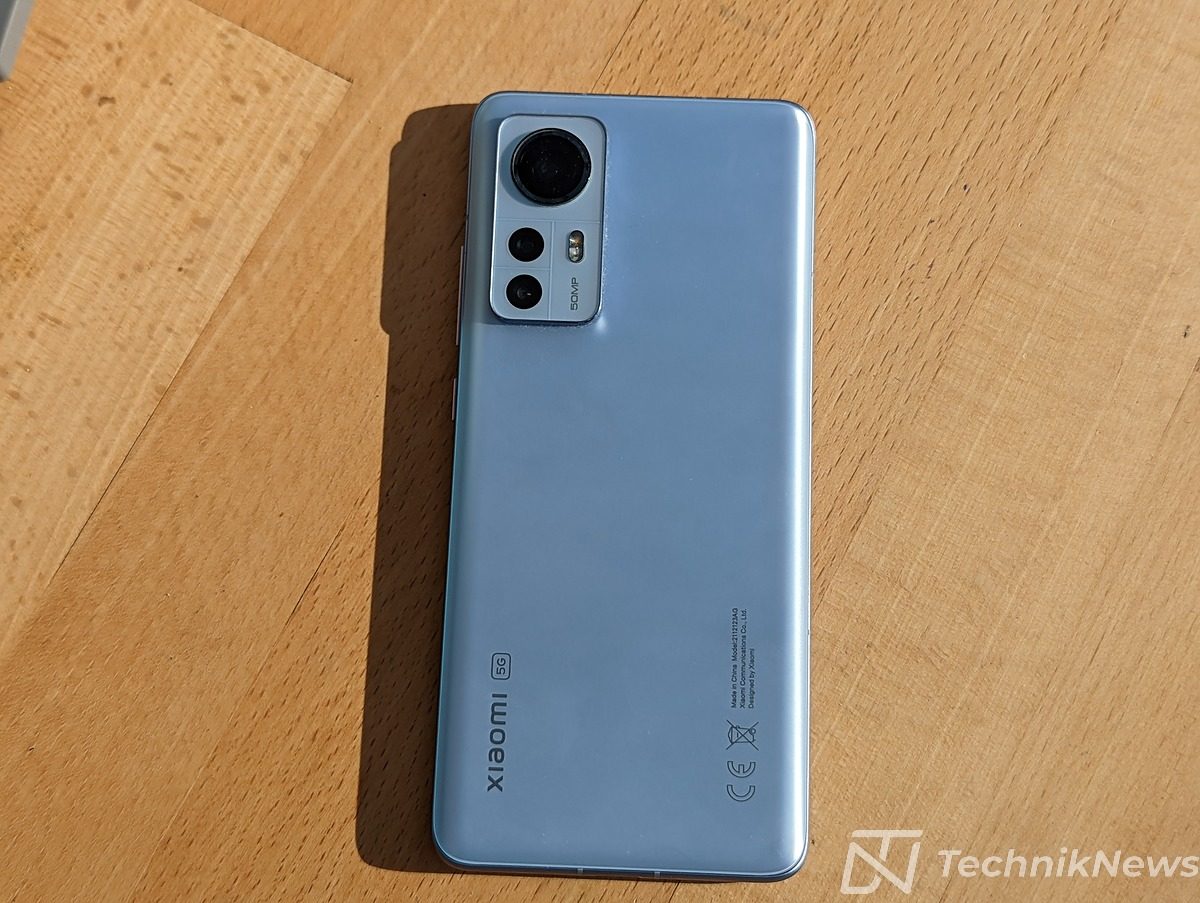
On the back we find the usual Xiaomi 12 camera design. A large main camera, including two more sensors on the left. Next to these is a flash and the "50 megapixel" lettering. The workmanship is typically Xiaomi high quality, the device looks like it was made of one piece. The edges feel good, the buttons click well. You can choose between black, purple or the blue that we borrowed from Xiaomi.
Display
The display of the Xiaomi 12X has a Full HD+ resolution, which ensures sharp content on a 6.28″ display with 419 ppi. The refresh rate is up to 120 Hertz, whereby LTPO technology has been dispensed with. 12-bit (i.e. up to 68 billion colors) AMOLED technology is also part of the equipment, the sides are slightly curved. I would have preferred a flat display as the difference between the 12 and 12X, because many are a little annoyed by the rounded edges. However, this did not bother me much review.
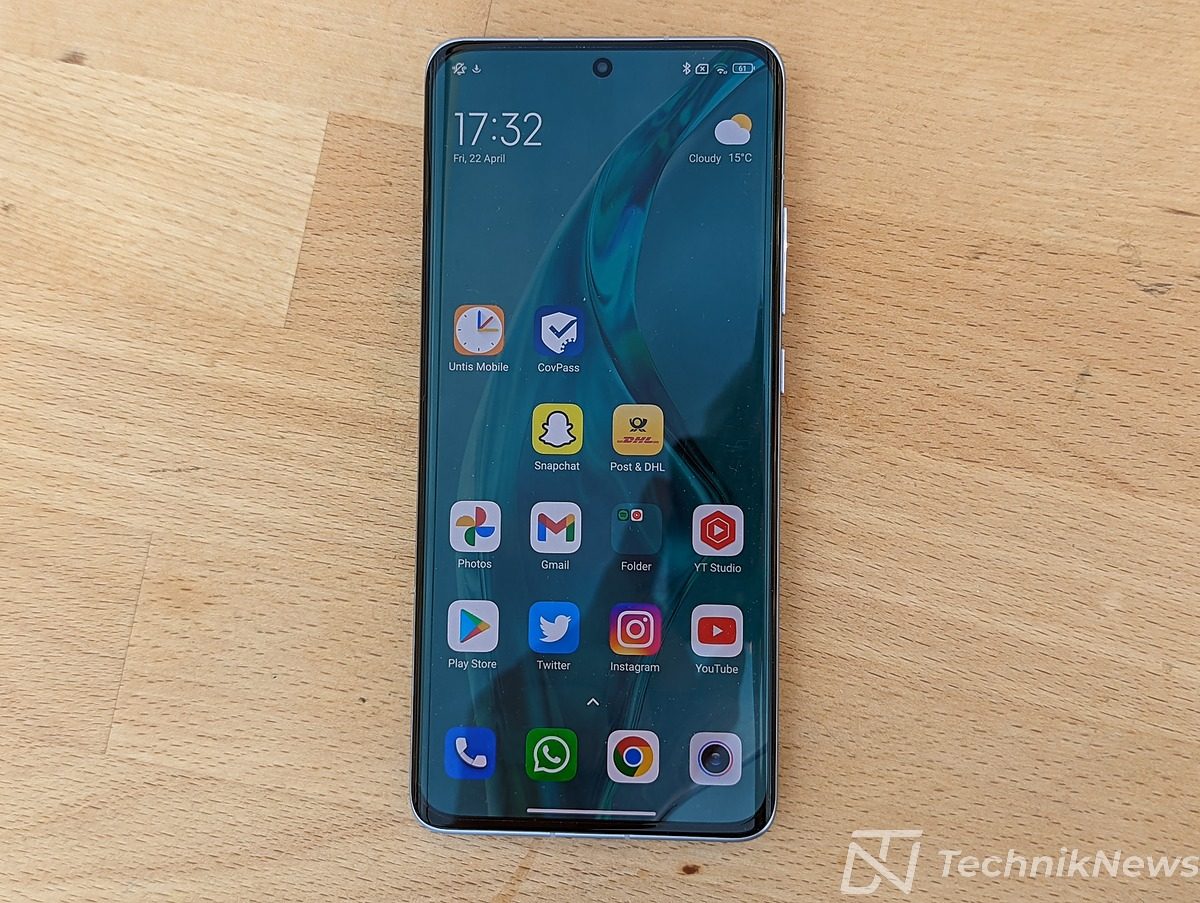
The display of the Xiaomi 12X has a FullHD+ resolution.
The display really impressed me in everyday use. The details, color reproduction and brightness are really good in everyday use, the only difference to expensive flagships is the slightly higher resolution of WQHD+, which is rarely available for the price. The competition from Realme already uses LTPO in the GT 2 Pro, which would have been very nice. One more sentence about the fingerprint sensor, which is located under the display and works quickly and reliably.
Hardware
The Snapdragon 870 is used as the processor, a two-year-old SoC. This SoC can now be found in many inexpensive smartphones, and Xiaomi itself is already using it in the POCO F3, which my colleague Yinan tested last year. has tested. What does Xiaomi use to make up for this? Well, the device only comes with 256 gigabytes of storage and 8 GB of RAM.
But how does the device run in everyday life? Well, MIUI has been optimized a lot better over the years, so the interface itself is not a problem. The apps and games also run really well. Not at the Snapdragon 888 or 8 Gen 1 level, but without any problems. But why does this choice of processor still annoy me so much? There are two reasons for this, which can also be very important for the end consumer.
First, you buy a flagship device so that you get a lot of performance for years to come. The SoC is absolutely sufficient for all apps now, but in 1-2 years the processor will be much less optimized for apps, and games in particular will become more and more power-hungry (at least the graphics-intensive ones). A current SoC would then be 4-1 years old instead of 2 years old. The second reason could be even more important for many: updates. The Snapdragon 870 was co-developed for Android 10/11, which will also be the reason why the 12X is the only device to be delivered with Android 11 and *no* update promised. But more on that later.
So I would have wished for at least a Snapdragon 888, or why not a MediaTek SoC? Dimension 8100? 1300? Well, too bad.
Xiaomi 12X: speakers
Normally, I usually briefly talk about the speakers of a smartphone, but with Xiaomi these are always a highlight. These are again made in cooperation with Harman-Kardon and sit on the top and bottom left side. The sound is again above average, the speakers are particularly strong in the bass range. But they are placed a bit unfavorably, since they can be quickly covered with the hands. There is also an IR blaster next to the speakers, which can be used to control the TV. A very useful feature that gives Xiaomi a unique selling point.
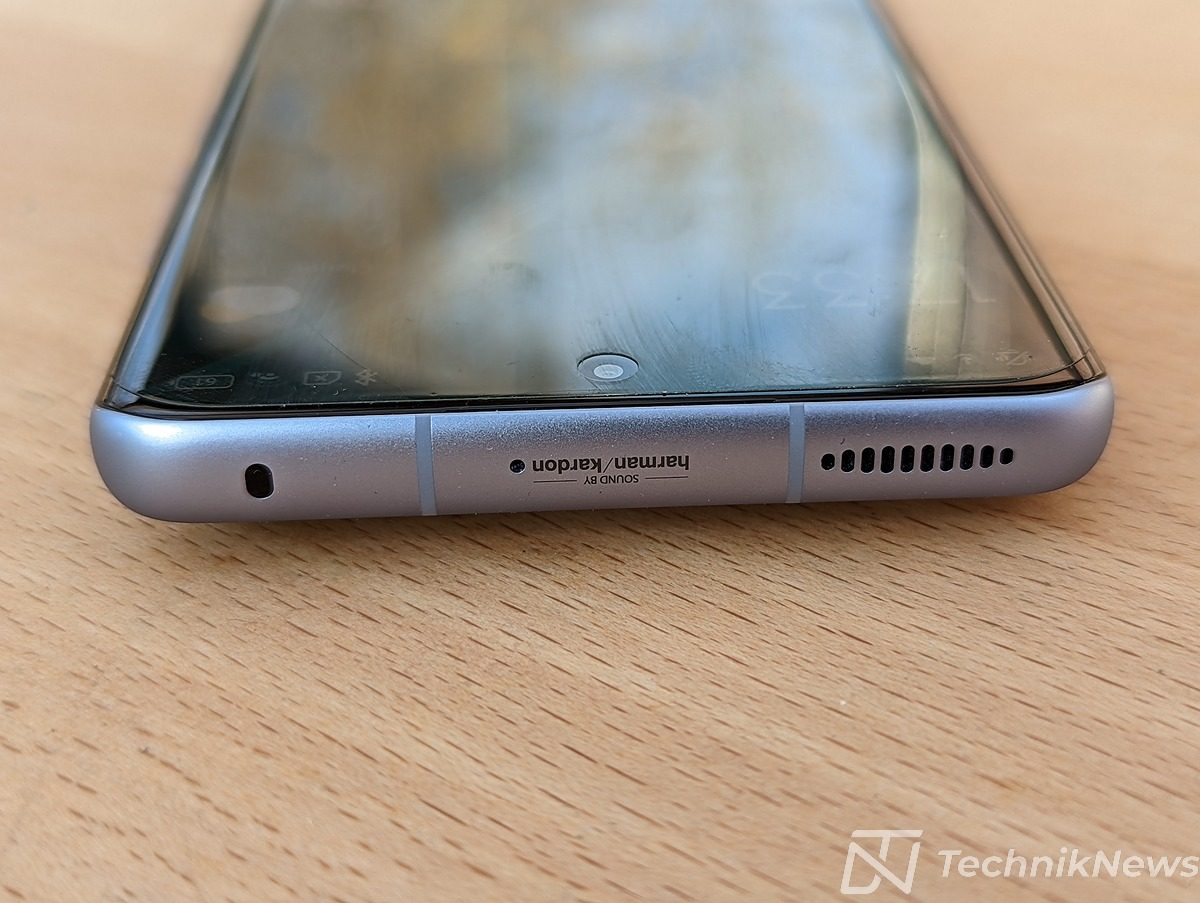
The Xiaomi 12X has terrific speakers.
camera
The Xiaomi 12X has three cameras on the back and a 32-megapixel front camera in the center of the display. The camera setup is therefore identical to the Xiaomi 12. A 50 megapixel IMX766 sensor for wide-angle photos, a 13 megapixel camera from OmniVision for ultra wide-angle shots and a 5MP telemacro camera from Samsung with 2x optical zoom.
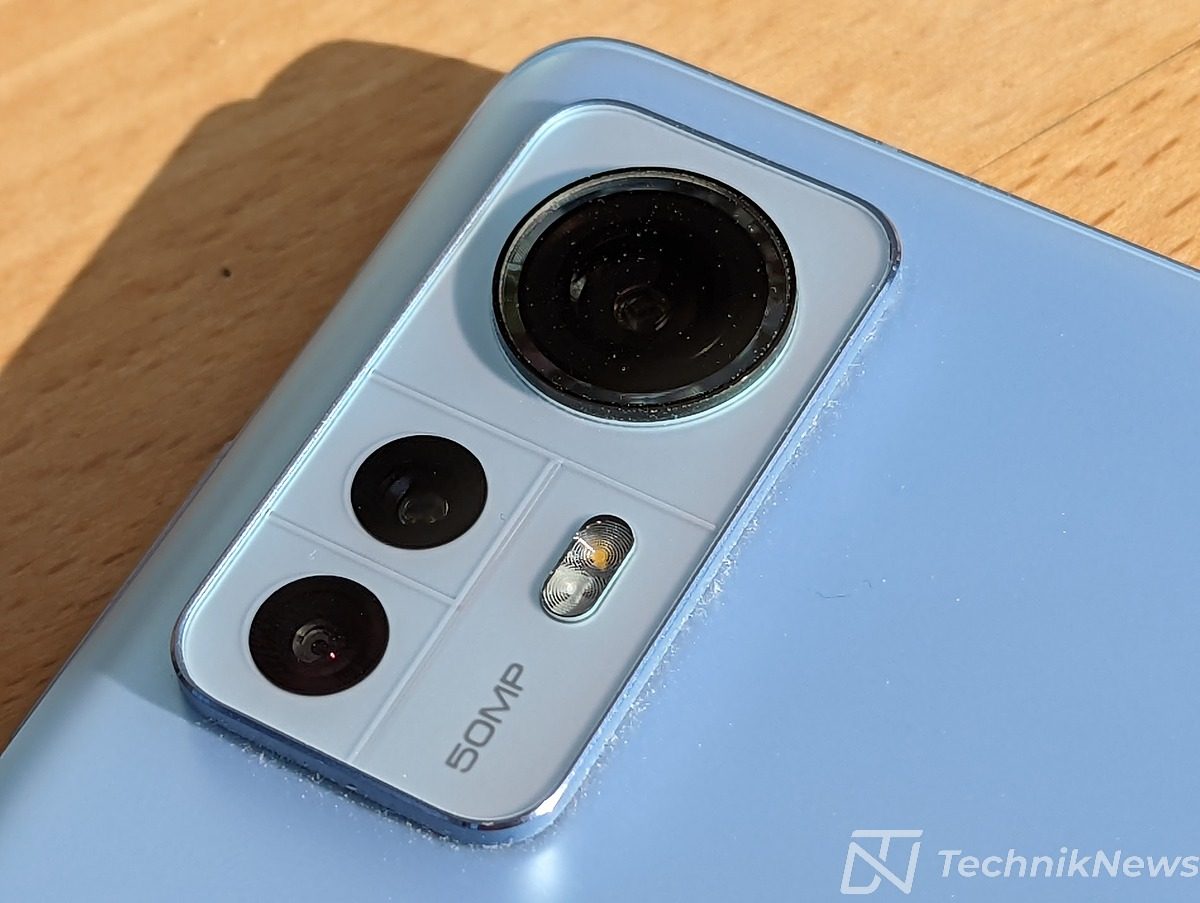
The Xiaomi 12X has the same cameras as the Xiaomi 12.
The main camera takes good, sharp photos with lots of details in daylight. The AI also ensures good color adjustments and good dynamics.



The same applies to the ultra-wide-angle camera, which also takes good color photos. The photos are also sufficiently sharp, even at the edges of the photos, where many ultra-wide-angle sensors usually fail.


Then there is the tele-macro sensor, which I like to demonize in cheap devices. With 2x zoom, however, it is still usable, details are clearly visible and sharp.
Overall, the Xiaomi 12X has a good camera setup. Xiaomi convinces with good main camera photos and a nice ultra wide angle. In this price range, there is also competition from Realme, which (currently review) already delivers better recordings. But you definitely won't get bad cameras.
Battery of the Xiaomi 12X
The Xiaomi 12X has a 4500 mAh battery, which can be recharged with a full 67W via cable. Yes, the charger is actually included in the delivery, big praise to Xiaomi for that. The battery is no problem for the small display and the older SoC. Sure, you're not getting a battery monster here, but that's what Xiaomi was never known for with their top models anyway. Compared to the Xiaomi 12, the X-Phone does not have wireless charging, which I find a bit of a shame. Sure, you want to withhold the 50W from the Xiaomi 12, but at least 15-20W would have been nice.
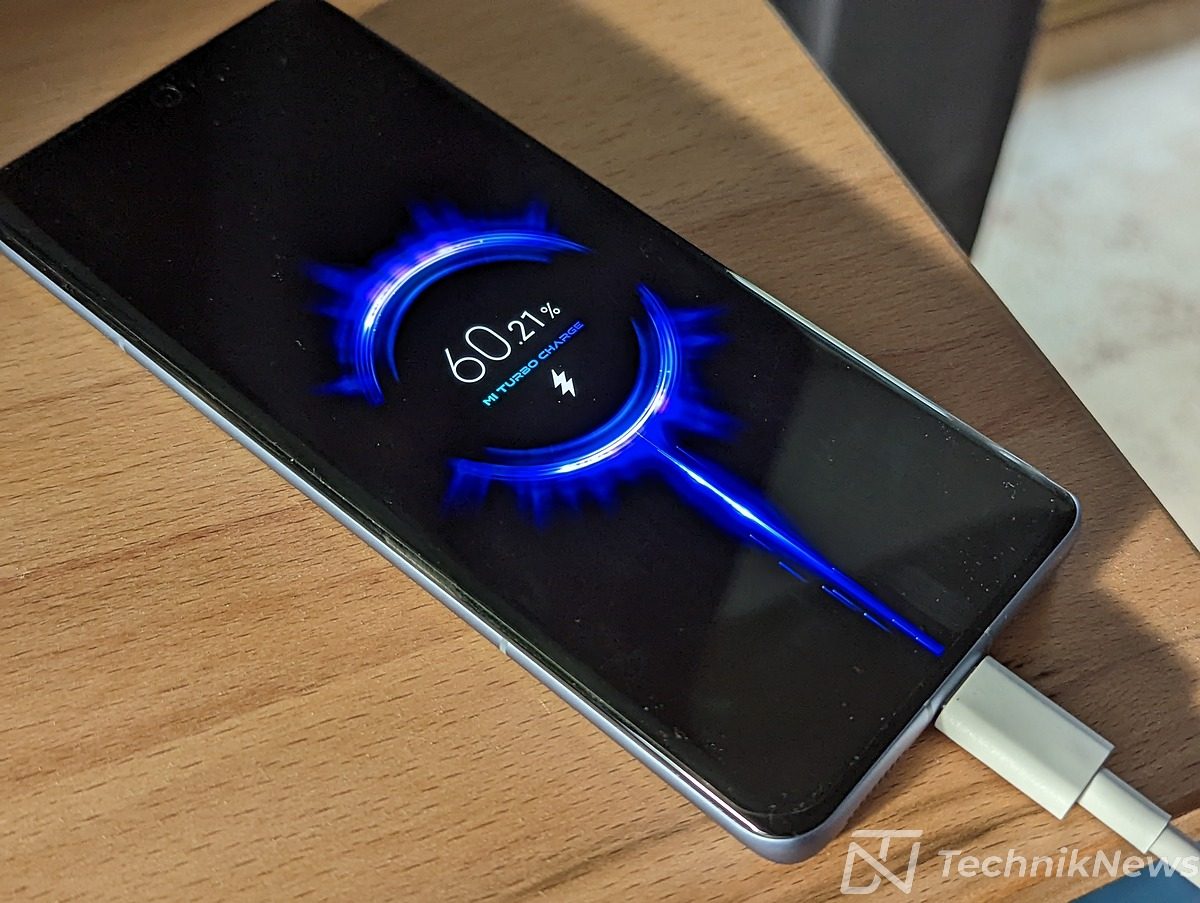
The Xiaomi 12X charges with a fast 67 watts.
The everyday consumption is okay, I always got through the day with the device. But it stays with the day, in the evening I have to charge the device again and again at the latest. If I was out in the evening, I charged in the afternoon. I always think that's a fair comedyproMiss for flagship displays or fast performance, but with LTPO one could certainly have achieved even better runtimes. 5G also draws a lot of power, but you can easily disable it.
Software of the Xiaomi 12X
The software runs Android 11, with MIUI 13 skin on the device. Yes, you read that right. Android 11, in March 2022, in a flagship device. That's a shame, because Xiaomi has always used the latest OS on its flagship devices. It's probably all down to the processor, which is exactly why the two-year-old SoC was the wrong choice in my opinion. Otherwise, MIUI is known to be a somewhat "heavy" interface, but it's pretty clear, especially for ex-iPhone users. Unfortunately, there is bloatware pre-installed, which doesn't have to be the case with flagships. But OPPO and co do it too, unfortunately. While the Xiaomi 12 and 12 Pro get an update promise, the 12X is excluded from it. From the software side, I'm unfortunately very disappointed with the Xiaomi 12X.
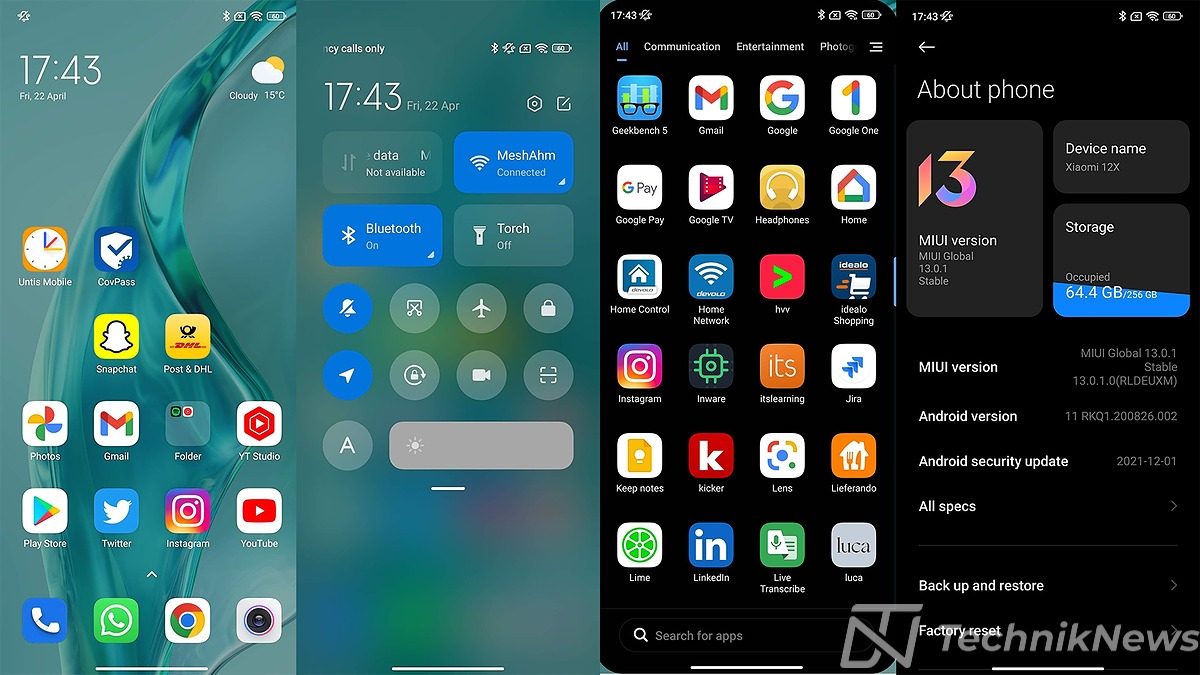
Unfortunately, the Xiaomi 12X still runs Android 11.
If you want to know more about MIUI 13, here you can find more information about the OS.
Conclusion on the Xiaomi 12X
The Xiaomi 12X could have been the best price/performance device in the Xiaomi 12 series. A great display, good cameras, a super fast-charging battery, and the best speakers in the price category ensure a great user experience. But the two-year-old processor turns the device into a Trojan horse. Old Android OS and no promise of a real upgrade could be a disappointment for many who hope for constantly updated software in a flagship device. If that doesn't matter to you, the Xiaomi 12X is a good smartphone for a good price.
As alternatives I see a Realme GT 2 Pro or Pixel 6 for most customers.
What a pointless saying about the 870. The 870 was hailed as a premium-level chipset last year (eg in the Poco F3). The 870 is lightning fast. And it offers better battery life. The 888 and 8 Gen1 both throttle due to heat and are only marginally faster. I had both phones, both the Poco F3 with 870 and the Google Pixel 6. In comparison, the F3 was FASTER in all benchmarks 🙂
Now I have an 11pro what I bought from China for 570 with 256GB 😉
Better an SD 870, which still performs excellently in all tests and gives the 12X a phenomenal battery life, than the SD 888 or SD 8 Gen. 1, which can also be used as a Syndwichmaker.
The 12 and 12 Pro run 1,5 hours less in the battery test and that is a hard-hitting argument for the so-called Trojan horse.