
OnePlus Nord N10 5G review: solid, but the competition offers more
A TEST REPORT from Fabian Menzel  on April 03, 2021, 12:39 am | 🔥 popular | Write a comment
The OnePlus Nord N10 5G has already been in October last year officially presented and cost 349 euros at the market launch, just 50 euros less than the regular one OnePlus North. In the meantime, however, the price has dropped significantly, which means that you can get hold of it for around 250 euros.
In the following lines you can find out what customers are offered in return, how it fares in comparison to the competition and why I cannot recommend the smartphone to others despite the significantly lower price.
Haptics, design and processing
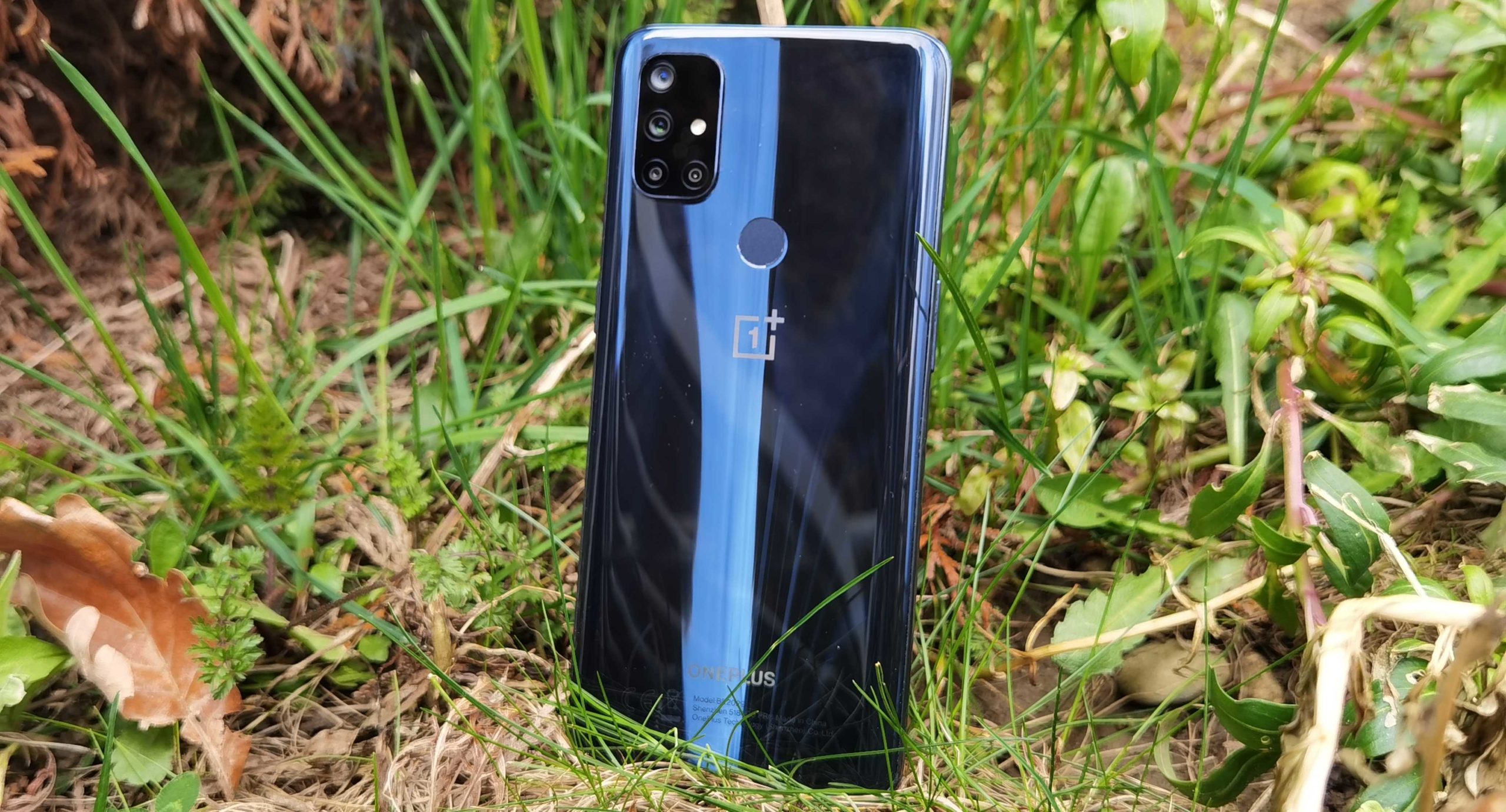
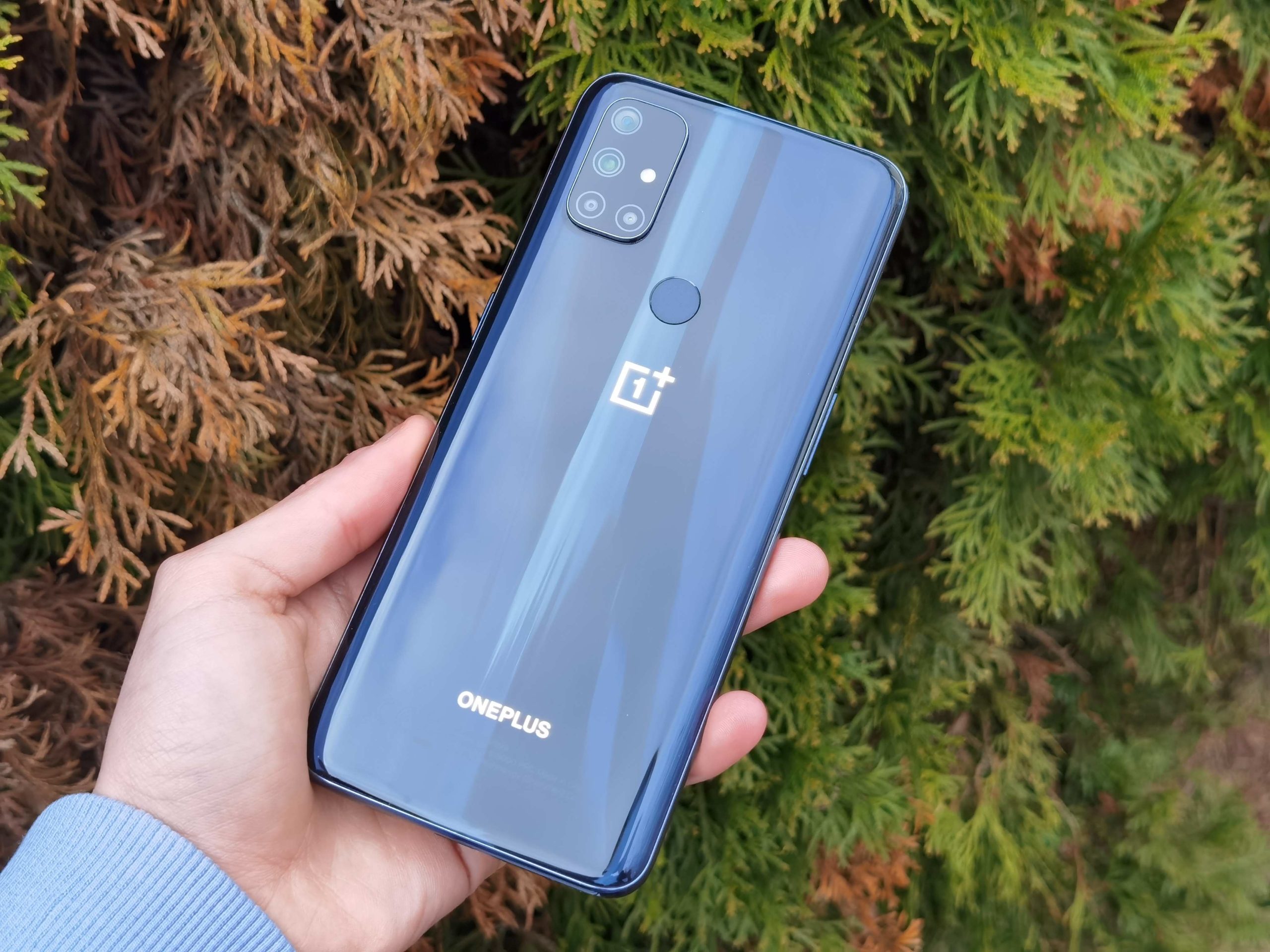
The OnePlus Nord N10 5G is a rather larger smartphone, which the dimensions of 163 x 74,7 x 8,96 mm suggest. At 190 grams it is not noticeably heavy. It lies comfortably in the hand, but could look a bit more supple for my taste, because the edges are not optimally rounded, which gives a slightly sharp feel in the hand.
While the front is made of glass, unfortunately only plastic with a high-gloss finish is used on the back, which is why fingerprints are almost magically attracted. In addition, the plastic feels quite cheap and can even be dented a little. With the colors there is with Midnight Ice also just an option. Depending on the incidence of light, it shimmers slightly bluish. OnePlus positions the fingerprint sensor in the upper third, the quality of which we will look at later. The cameras are located on the top left and protrude slightly from the case, which means that the device wobbles a bit when it is used on the table.
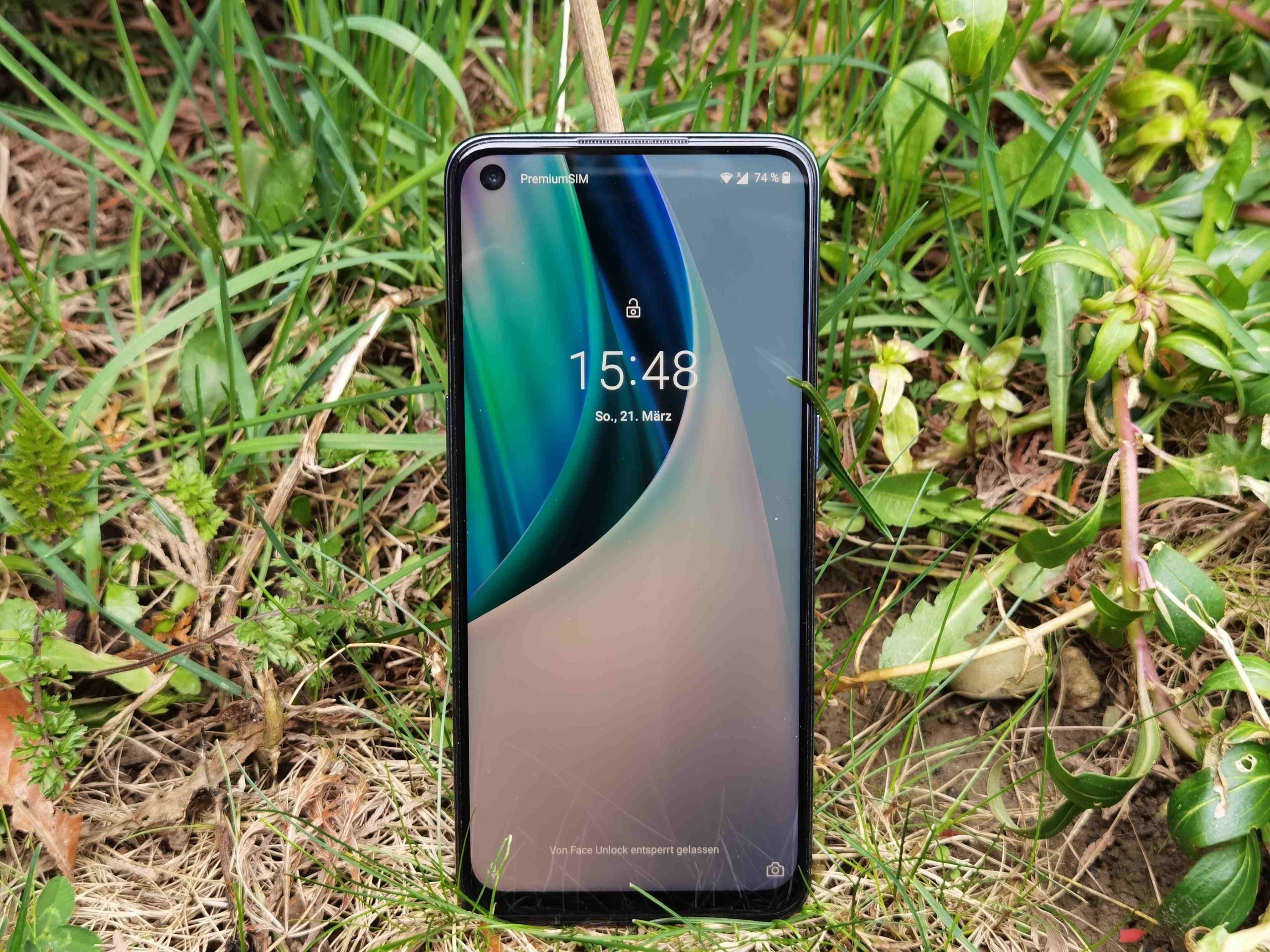
Unfortunately, the frame is also made of plastic with a high-gloss finish, which also doesn't feel high-quality. For an RRP of 349 euros, OnePlus would have liked to think about higher quality materials or at least use matte, well-made plastic. If we turn the smartphone around, we are greeted by a 6,49-inch display, which is only interrupted by a punch hole in which the front camera is located. The edges around the panel could be thinner, especially when compared to other smartphones in this price range or the much cheaper one North N100 compares.
There is still a little room for improvement when it comes to processing. As already mentioned, the back can be easily pressed in and the Nord N10 also creaked occasionally during my test period. At least the buttons are very well made.
-
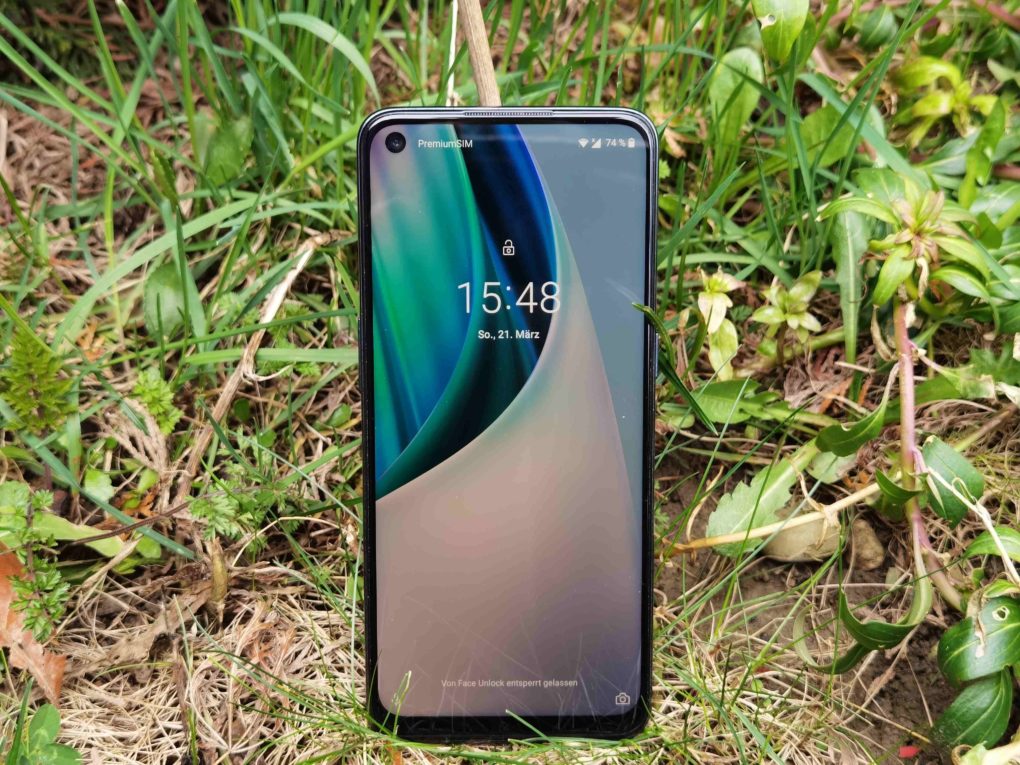
- The lower edge of the screen in particular could be a bit smaller. (Picture: TechnikNews)
-
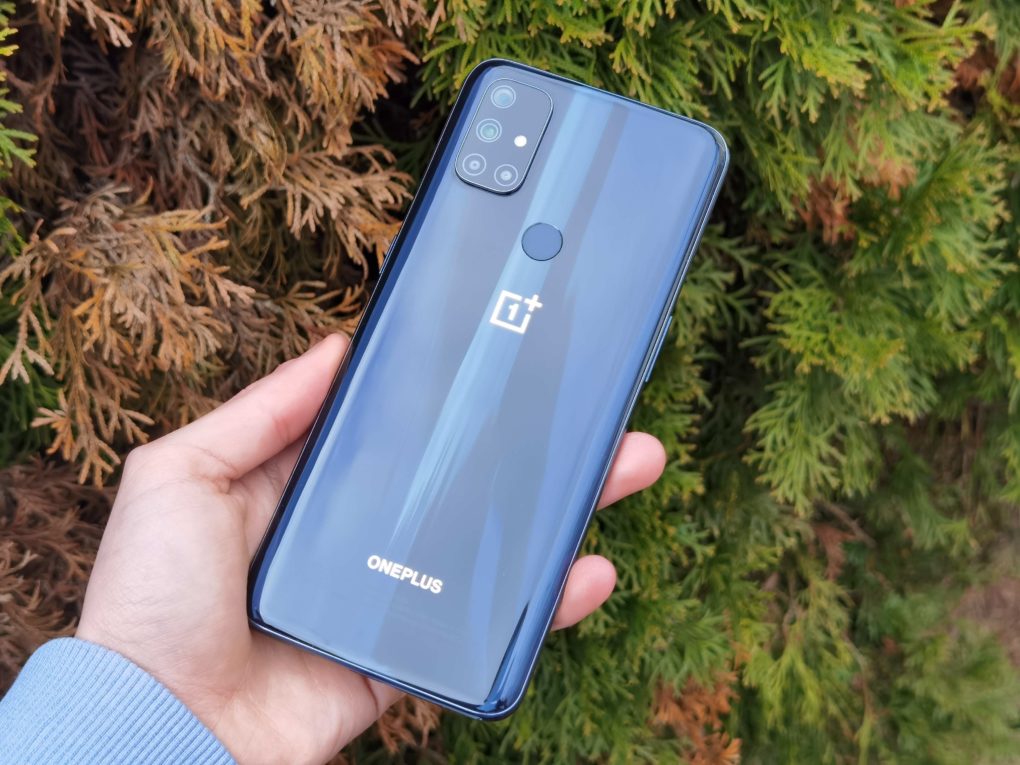
- The color Midnight Ice always looks a little different depending on the incidence of light. Unfortunately, it's shiny, which makes fingerprints almost magical. (Picture: TechnikNews)
Display - solid, but the competition offers more
OnePlus has given the Nord N10 5G a 6,49-inch LC display with a 20: 9 aspect ratio. Thanks to the Full HD + resolution (2.400 x 1.080 pixels), no individual pixels can be recognized in everyday life. In addition, 90 Hertz are on board, i.e. the image is updated up to 90 times in one second. This makes animations look nice and smooth, but the competition mostly uses 120 Hertz IPS screens and some even use OLED panels with a high refresh rate.
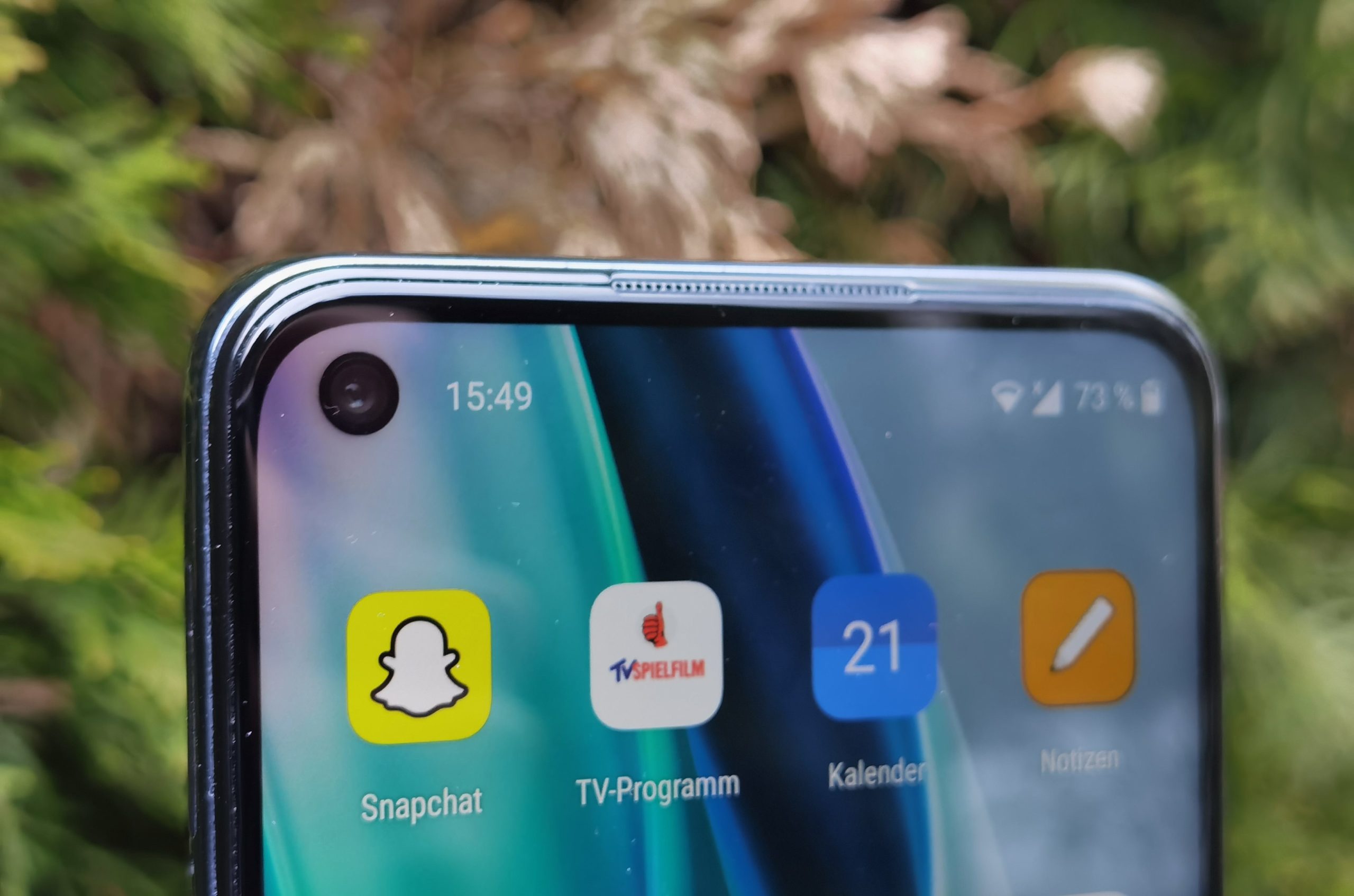
The front camera can be found in a small recess in the display. (Image: TechnikNews)
Unfortunately, the display, similar to the Realm 7 5G, a slight reddish tint, which is particularly noticeable with white content. The viewing angle stability is really good for an IPS panel in this price range and the maximum brightness is also sufficient. I only had problems with readability in direct sunlight. Overall, the display of the Nord N10 is perfectly fine, but many competitors already offer a 120Hz refresh rate, better color reproduction or a slightly higher brightness. In the case of the Notes redmi 10 Pro Customers are even offered a 120Hz OLED display.
Software - not yet Android 11
The in-house user interface OxygenOS, based on Android 10, is used as software. The fact that Android 11 is not yet running here, although the smartphone has been on the market for months, is completely incomprehensible to me. In addition, Android 11 is also said to be the last major software update, which is extremely weak both for the price and for OnePlus.
After all the criticism, there is a lot to praise, because I like the OxygenOS user interface very much, because it is kept very clear on the one hand and is equipped with some useful additional functions on the other.
Performance - average
The 5G-capable Snapdragon 690 from Qualcomm, which is manufactured using the energy-saving 8-nanometer process, works under the hood. It is supported by 6 GB of RAM and 128 GB of internal storage (UFS 2.1). He lets himself proEasily expand via micro SD card and the smartphone can also be operated with two SIM cards. So you don't have to choose between dual SIM and micro SD here.
Apps usually start and close quite quickly, but during my entire test period there were occasional stutters and minor delays. The processor is already reaching its limits now and again and this is unlikely to improve in the future.
Battery - the highlight
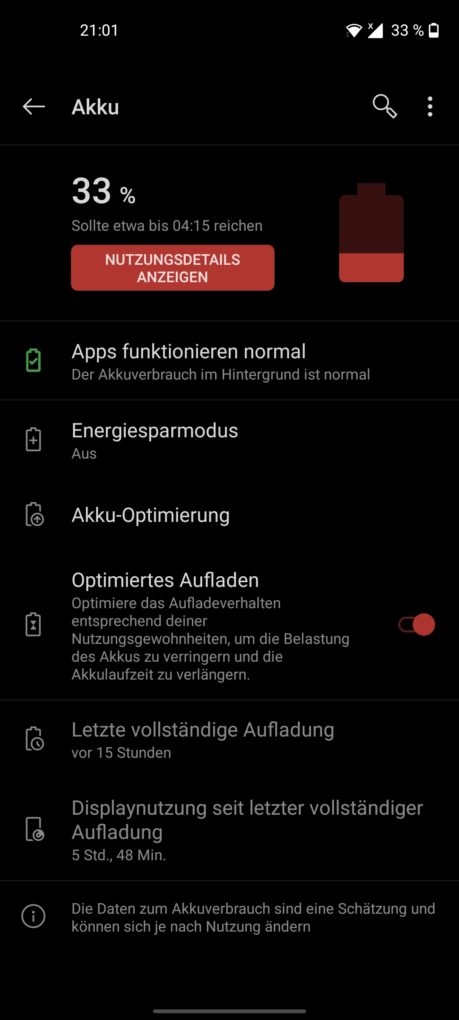
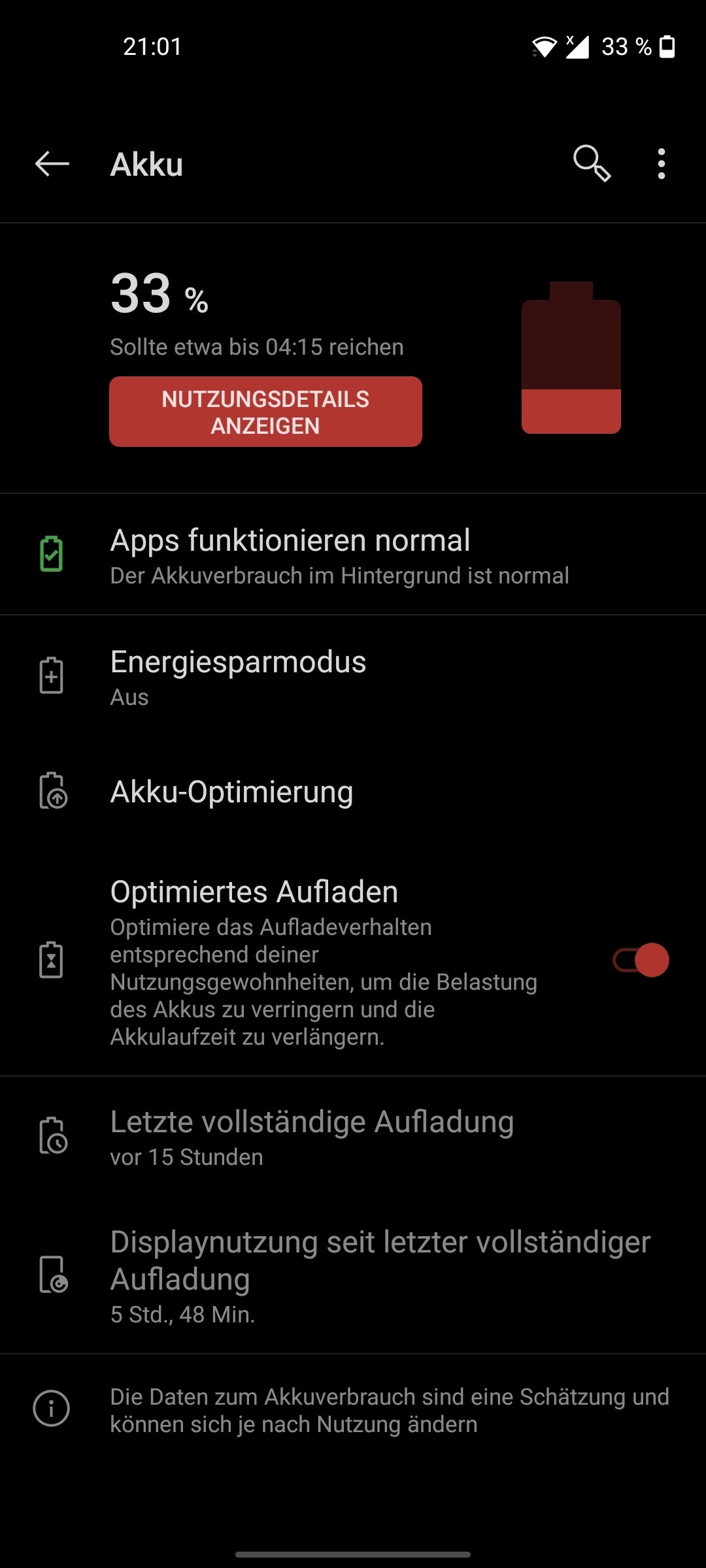
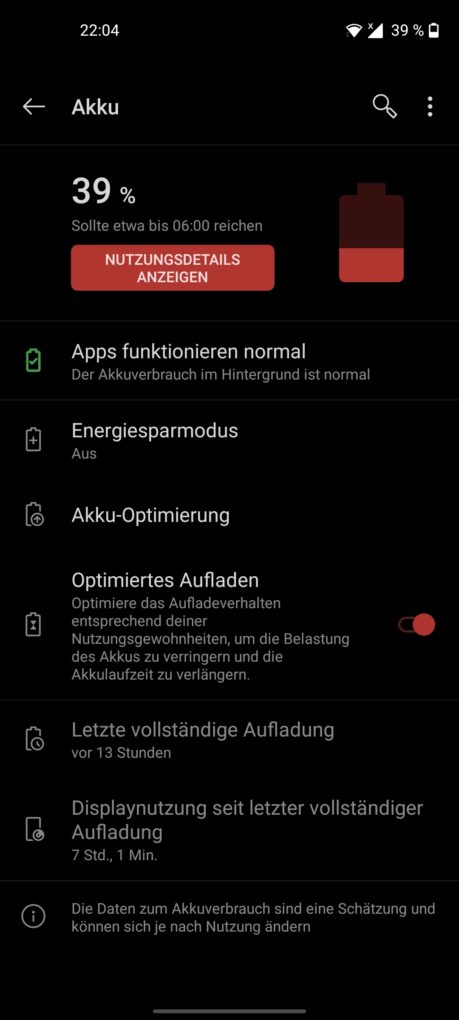
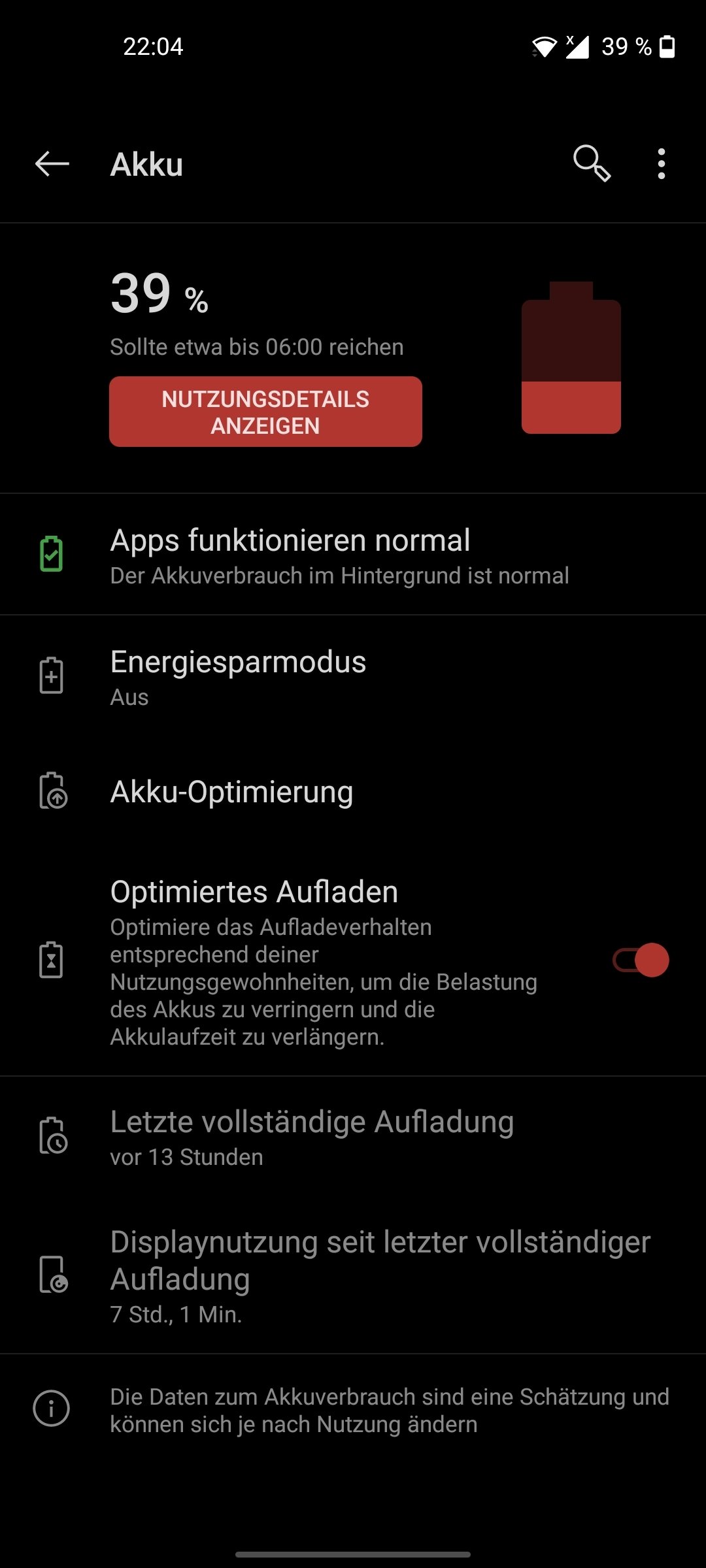
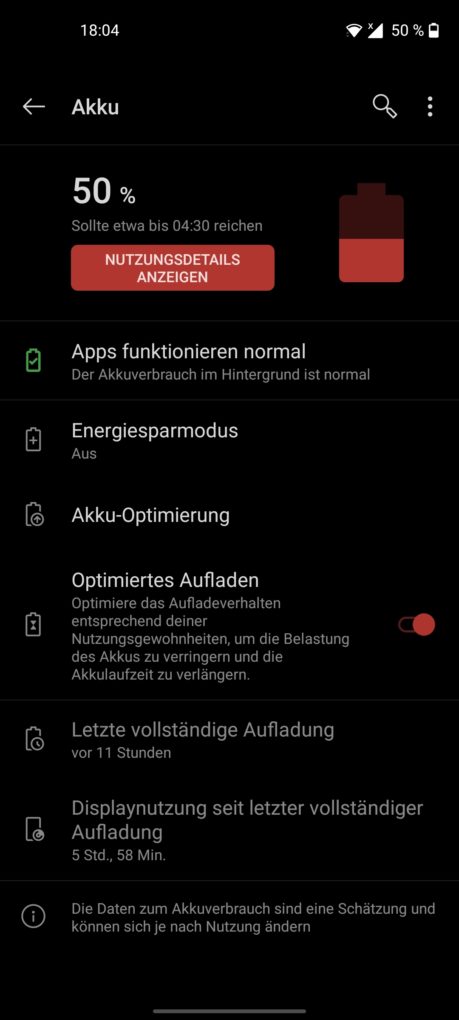
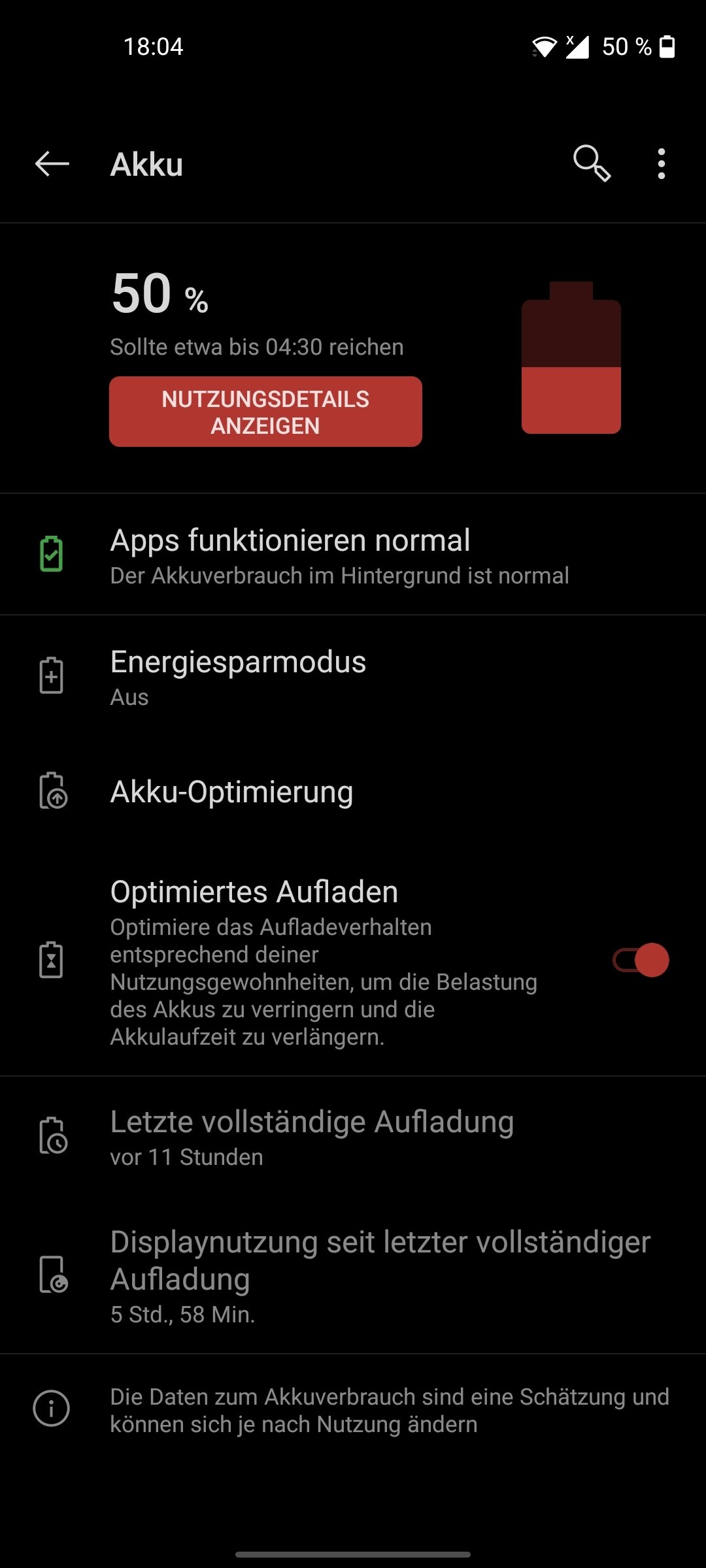
The battery has a capacity of 4.300 mAh and can be quickly charged with the included 30 watt power supply. I always came protrouble-free through a day and even 1,5 days were mostly within the realm of possibility. The screen-on-time with activated 90 Hertz was mostly 11 to 12 hours. I also noticed the standby consumption extremely positively. The battery is definitely the highlight of the N10 5G for me.
-
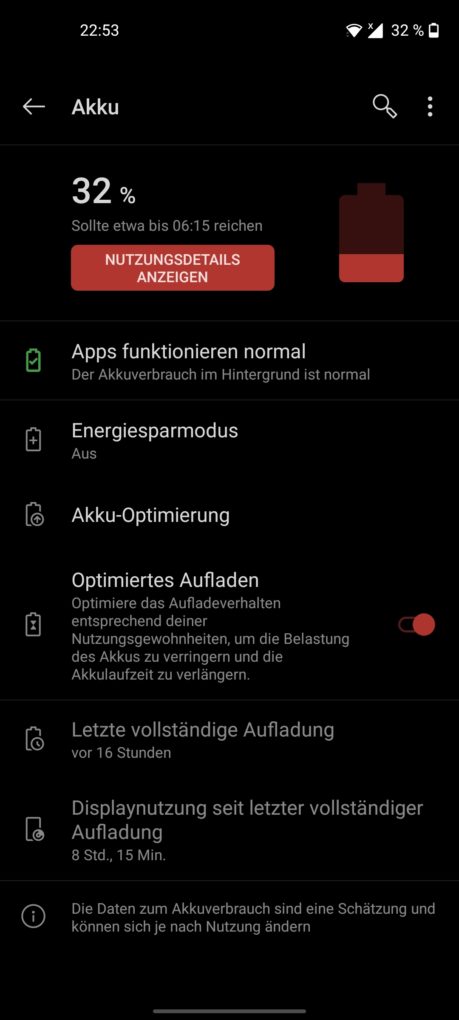
- Screenshot: TechnikNews
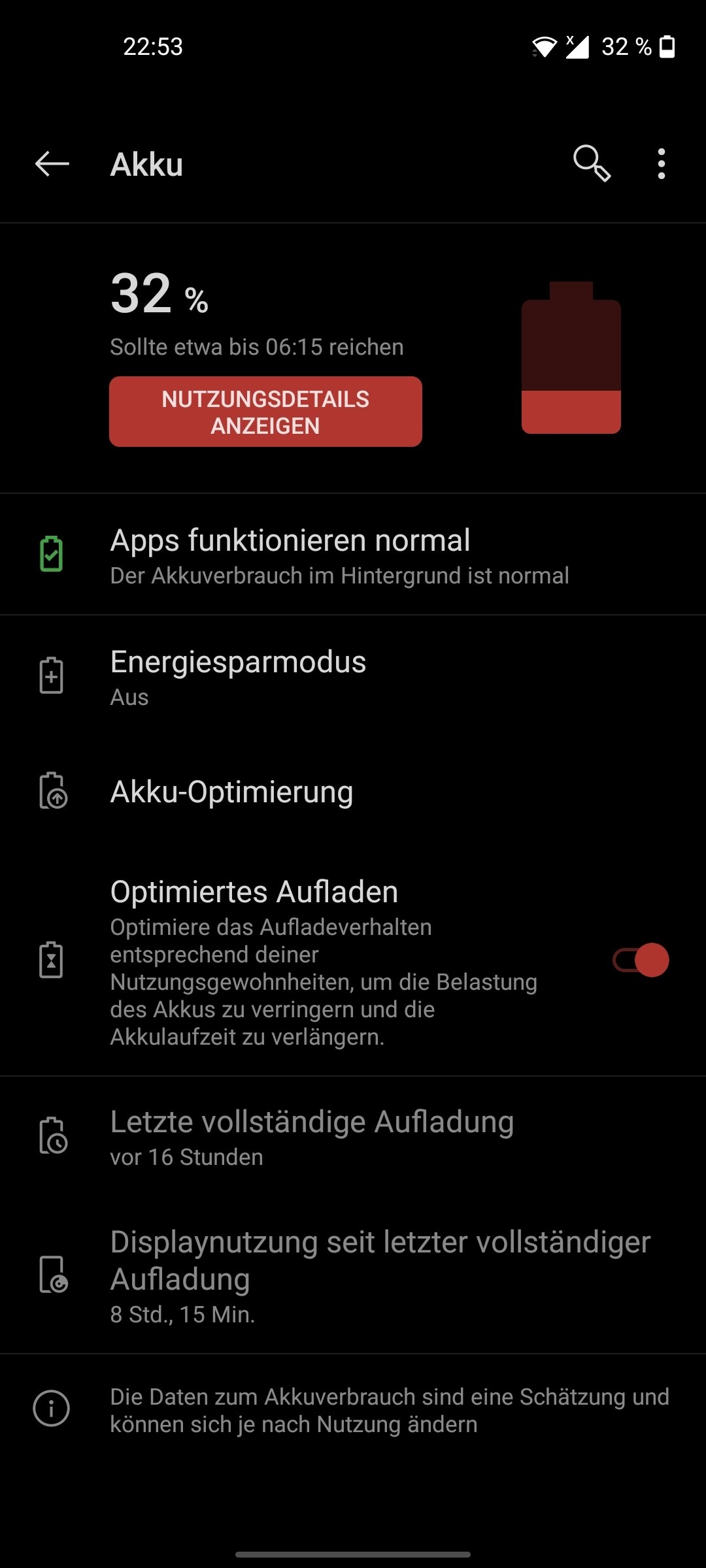
-
- Screenshot: TechnikNews
-
- Screenshot: TechnikNews
-
- Screenshot: TechnikNews
Camera - solid main sensor, but ...
With the cameras, we see a familiar picture from OnePlus. In addition to a 64 megapixel main camera, they also install an ultra-wide-angle camera with 8 megapixels and two additional sensors with 2 megapixels each, which are used for macro shots and depth effects.
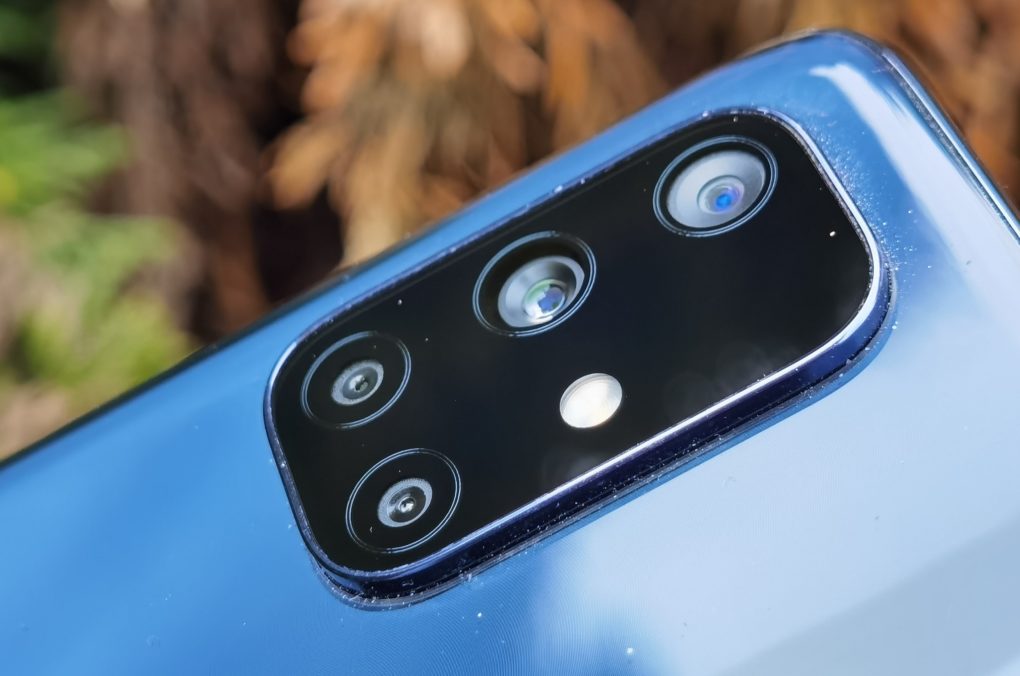
The quad camera of the OnePlus Nord N10 5G protrudes slightly from the case. (Image: TechnikNews)
In good lighting conditions, the main camera takes very good pictures, which are characterized above all by beautiful, realistic color rendering. As is typical for OnePlus, the dynamic range is also convincing and the sharpness is more than appropriate for the price. Unfortunately, the quality decreases visibly in poor lighting conditions. The night mode brings slight improvements, but the pictures are still too dark and lack some details. In view of the current price of 250 euros, this is still completely okay, but you always have to keep in mind that this smartphone cost 350 euros at the market launch and the main camera at Lowlight does not deliver enough for that.
I was rather disappointed with the ultra-wide-angle camera, even in good lighting conditions. The dynamic range can certainly convince here, too, but the colors often appear too saturated and there are glaring weaknesses in terms of sharpness. Almost all of the competition is visibly better here.
If you hoped that at least the macro camera would be convincing, I will unfortunately have to disappoint you. As with the competition, the images are much too blurred and too pale. It is better to use the main camera here and then zoom into the picture. I liked the front camera a lot better. Selfies succeed with decent sharpness and good color rendering.
Test photos
Let's take a look at a few test photos. The following images are absolutely unedited, but compressed without loss in order to keep the memory consumption and the loading times of the website low.
-

- The 2 megapixel macro camera cannot be used. (Picture: TechnikNews)

-

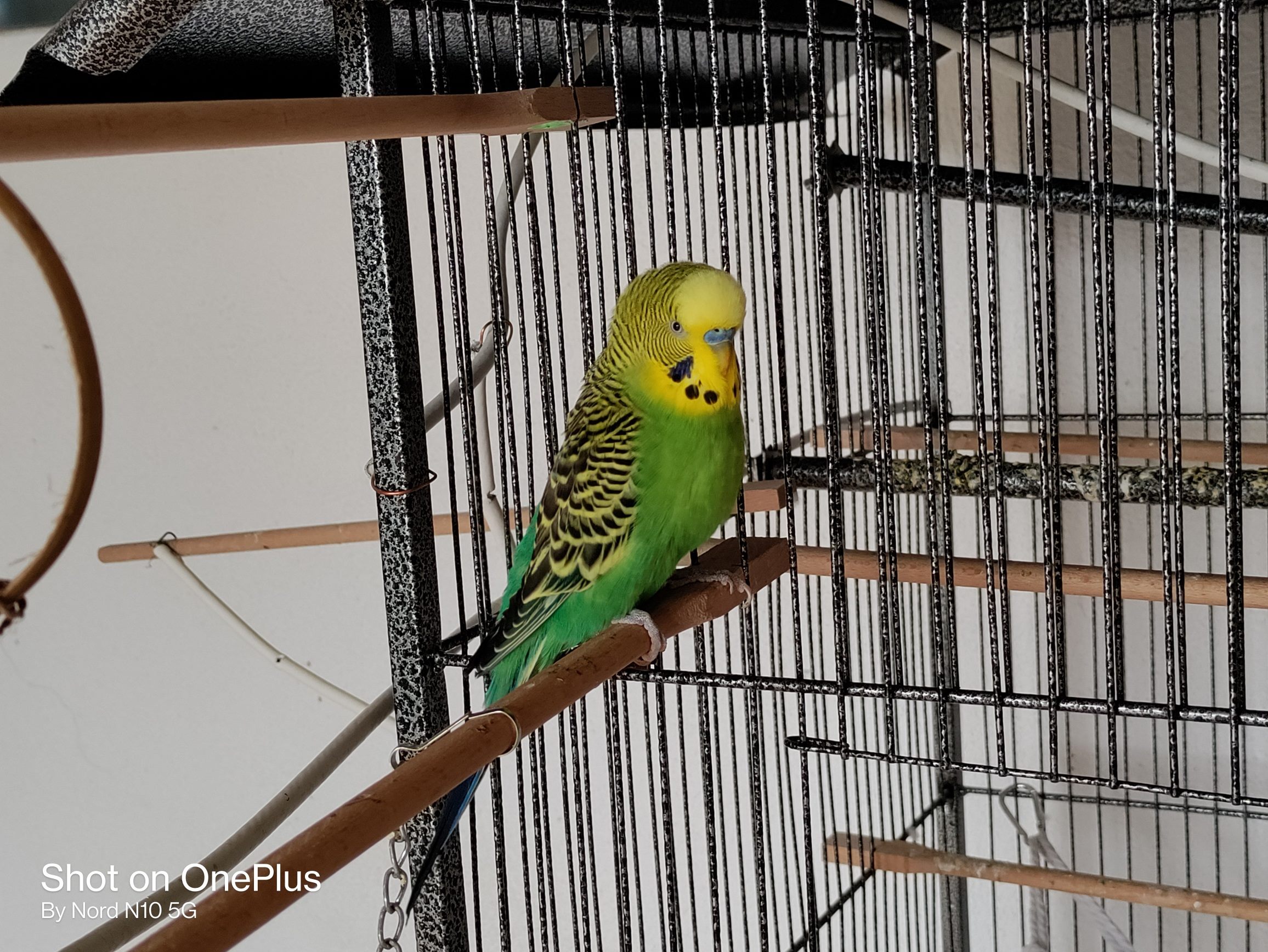
- The main camera takes quite decent pictures for 250 euros. (Picture: TechnikNews)
-

- Nice, realistic color rendering and good sharpness. (Picture: TechnikNews)

-
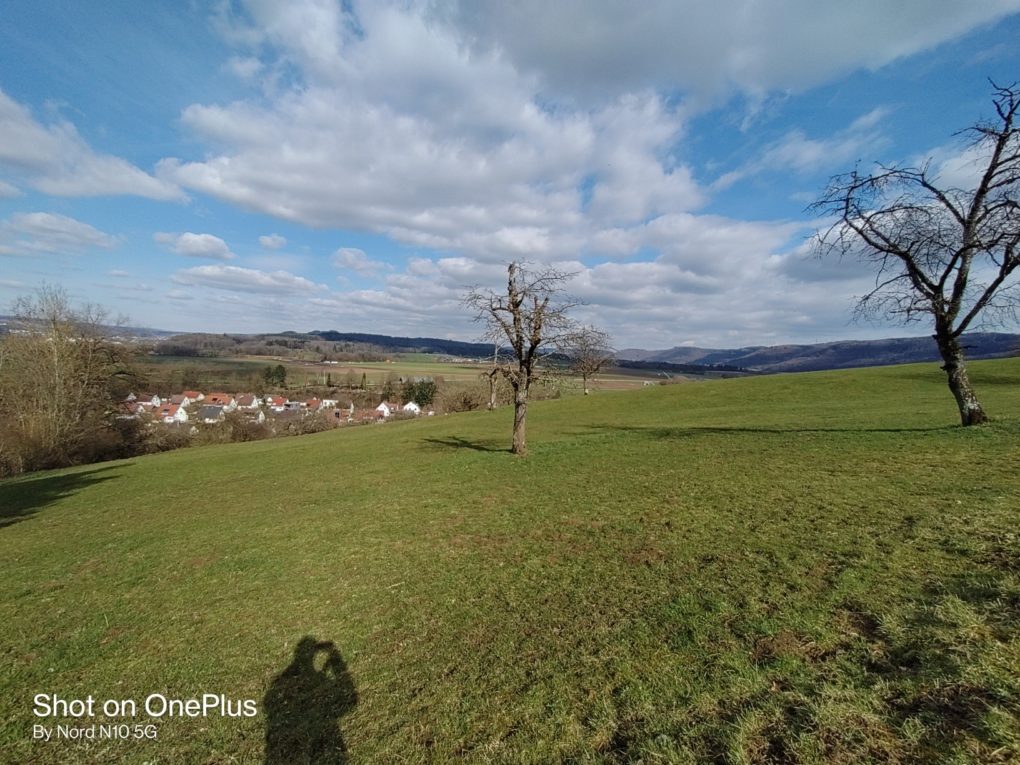
- The ultra-wide-angle camera takes slightly more saturated photos compared to the main camera. In addition, the sharpness is significantly lower. (Picture: TechnikNews)

-

- Great dynamic range and good colors. (Picture: TechnikNews)

-

- There is plenty of room for improvement in terms of sharpness. (Picture: TechnikNews)

-

- Almost everything is right here. (Image: TechnikNews)

-
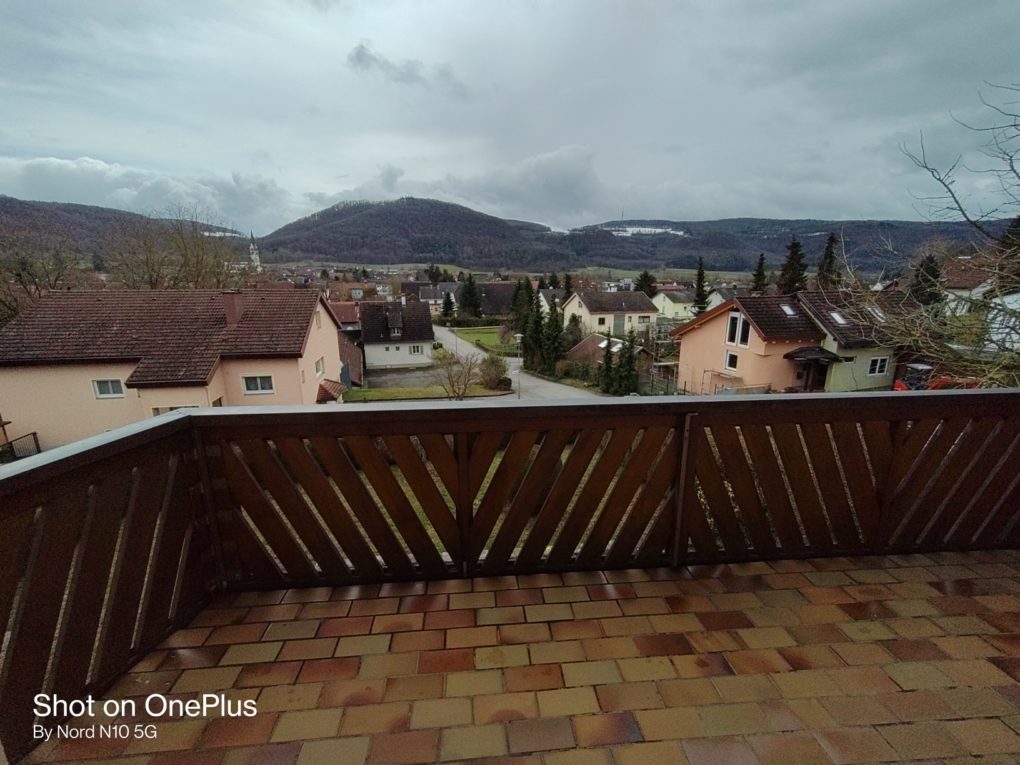
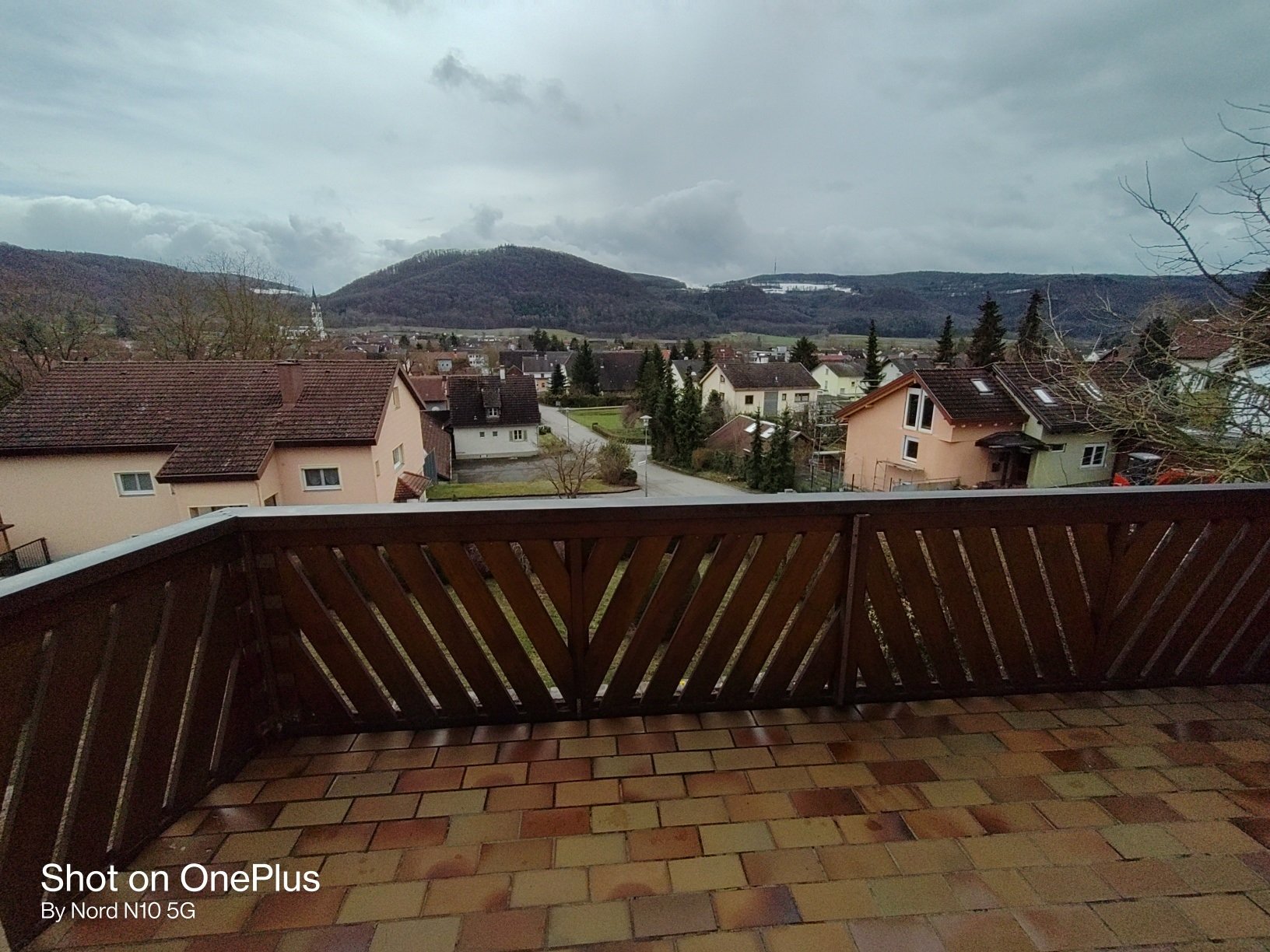
- This time, the ultra-wide-angle camera also impresses with its beautiful colors. Unfortunately, it is extremely noisy at the edge areas. (Picture: TechnikNews)
Comparison with the Poco X3 NFC
Let's compare the camera with the in different situations Little X3 NFC, which is currently offered for less than 200 euros.
-

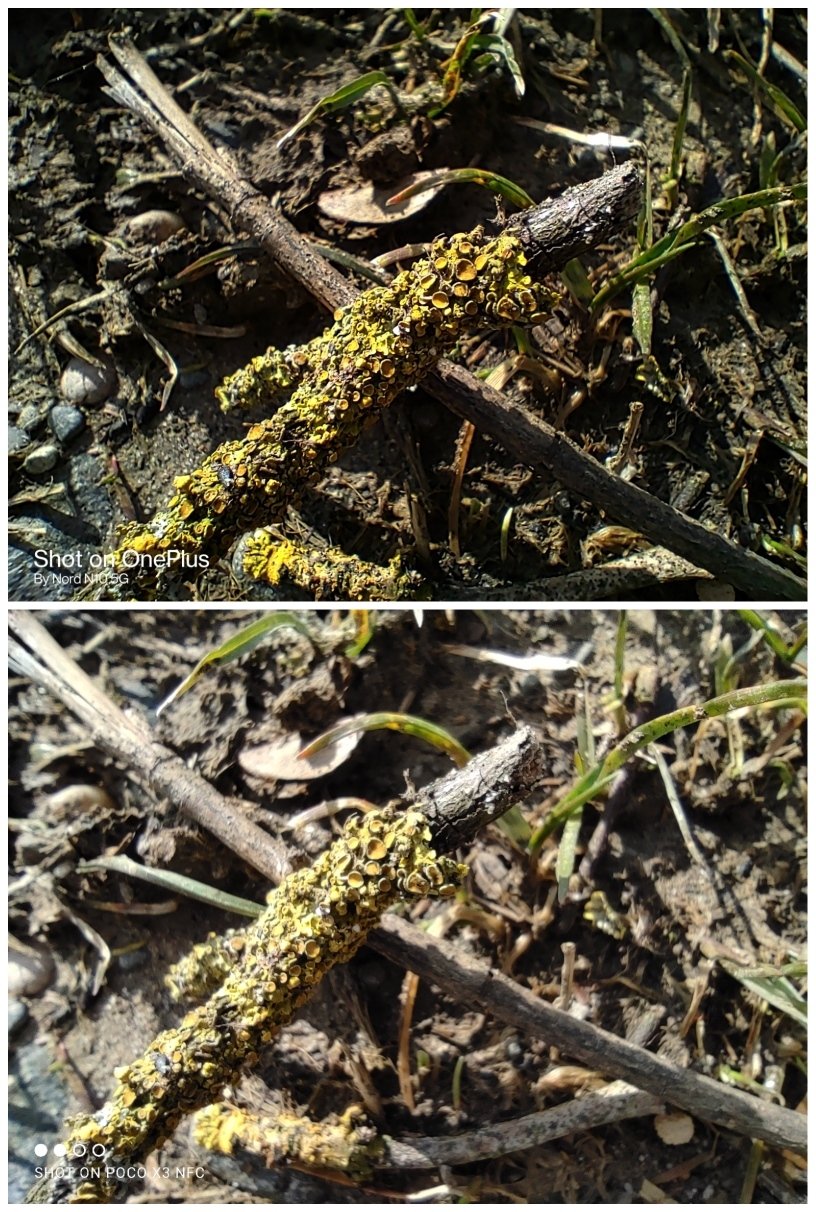
- Macro shots cannot be used on either smartphone. (Image: TechnikNews)
-
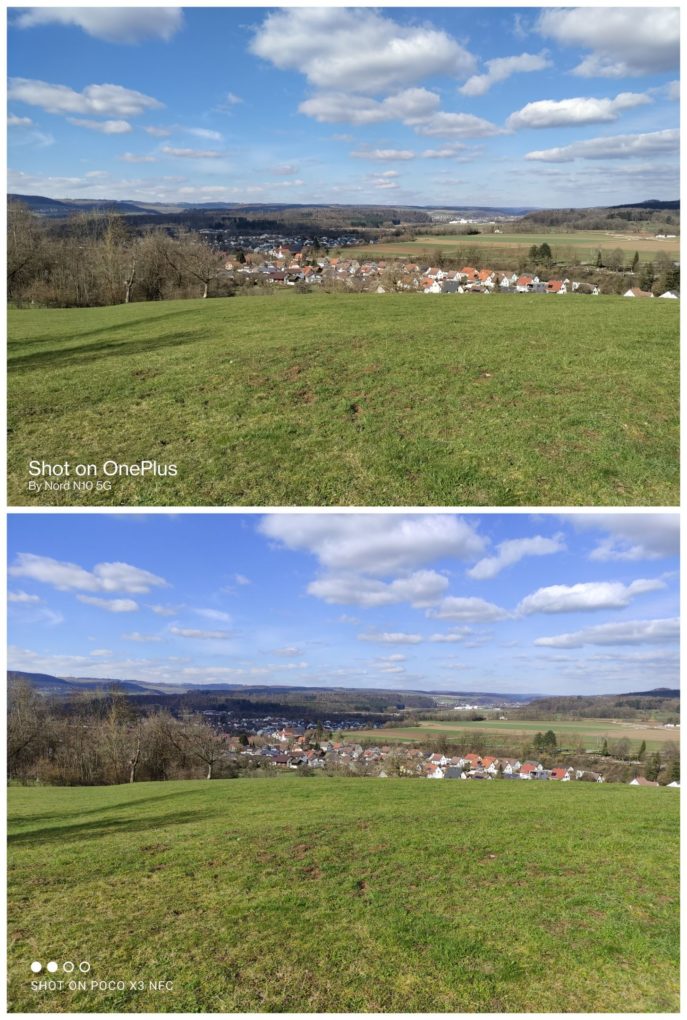
- OnePlus takes the slightly higher contrast picture. Otherwise there are no significant differences. (Picture: TechnikNews)
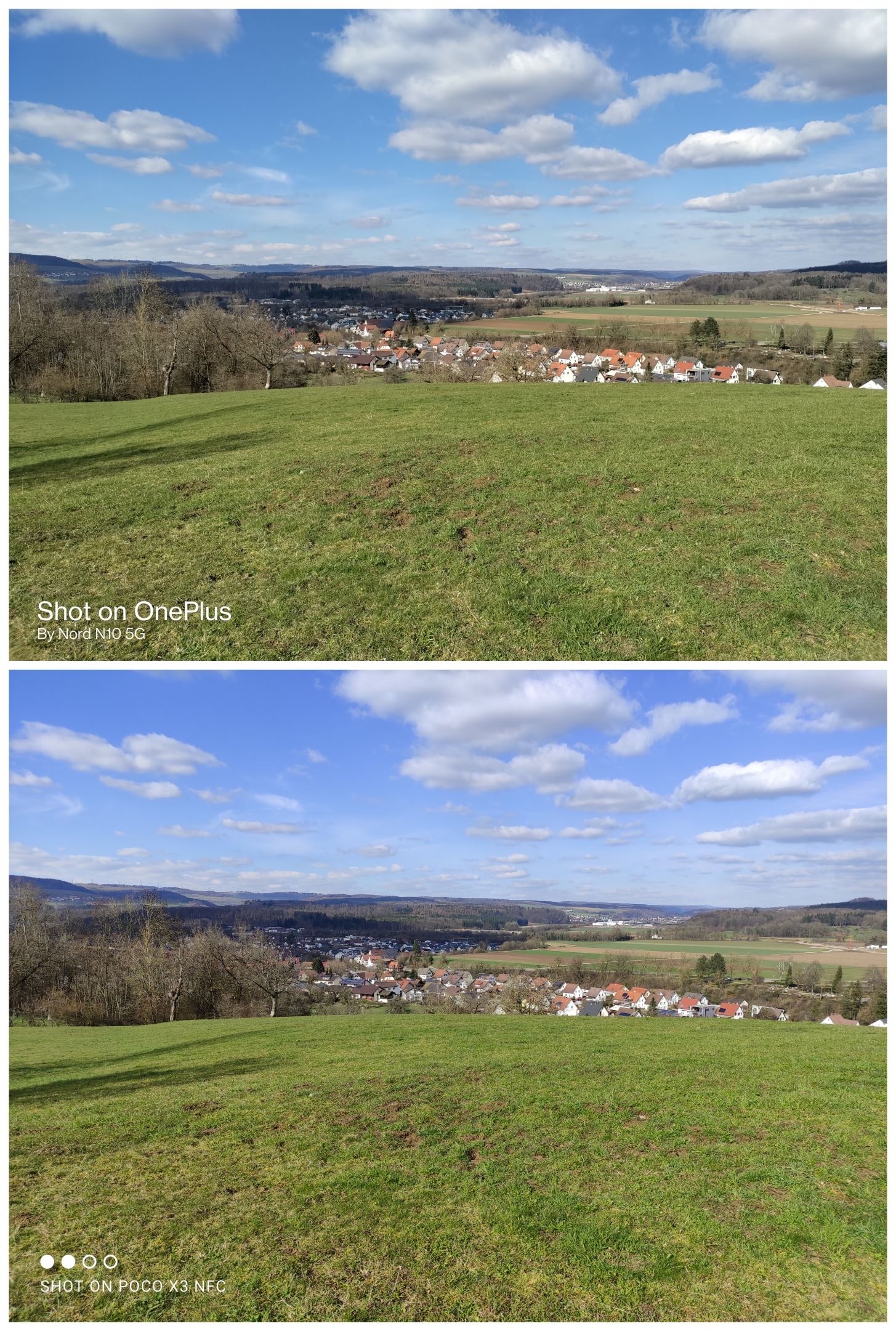
-
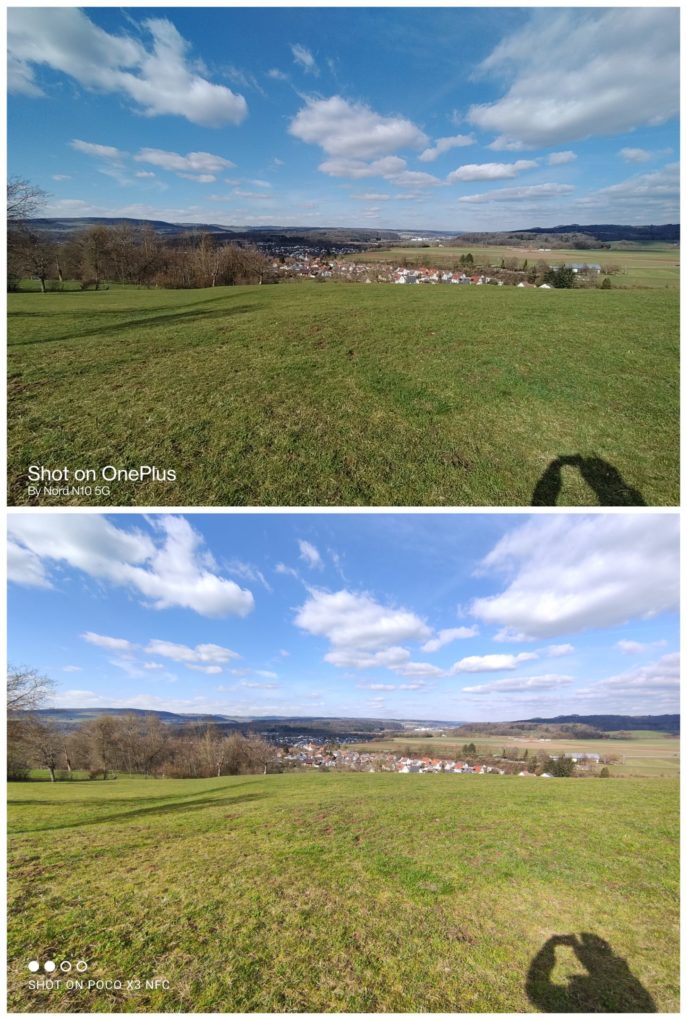
- The Poco X3 NFC takes the sharper picture with the ultra-wide-angle camera. (Picture: TechnikNews)

-
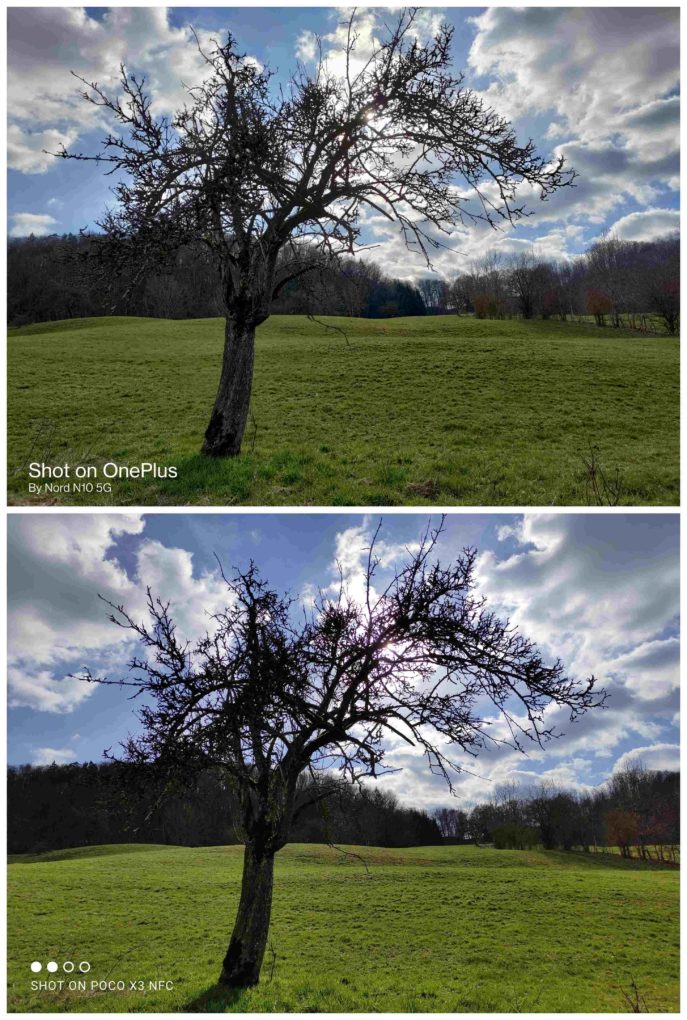
- In terms of dynamic range, OnePlus has a slight edge, but the difference is not great. (Image: TechnikNews)
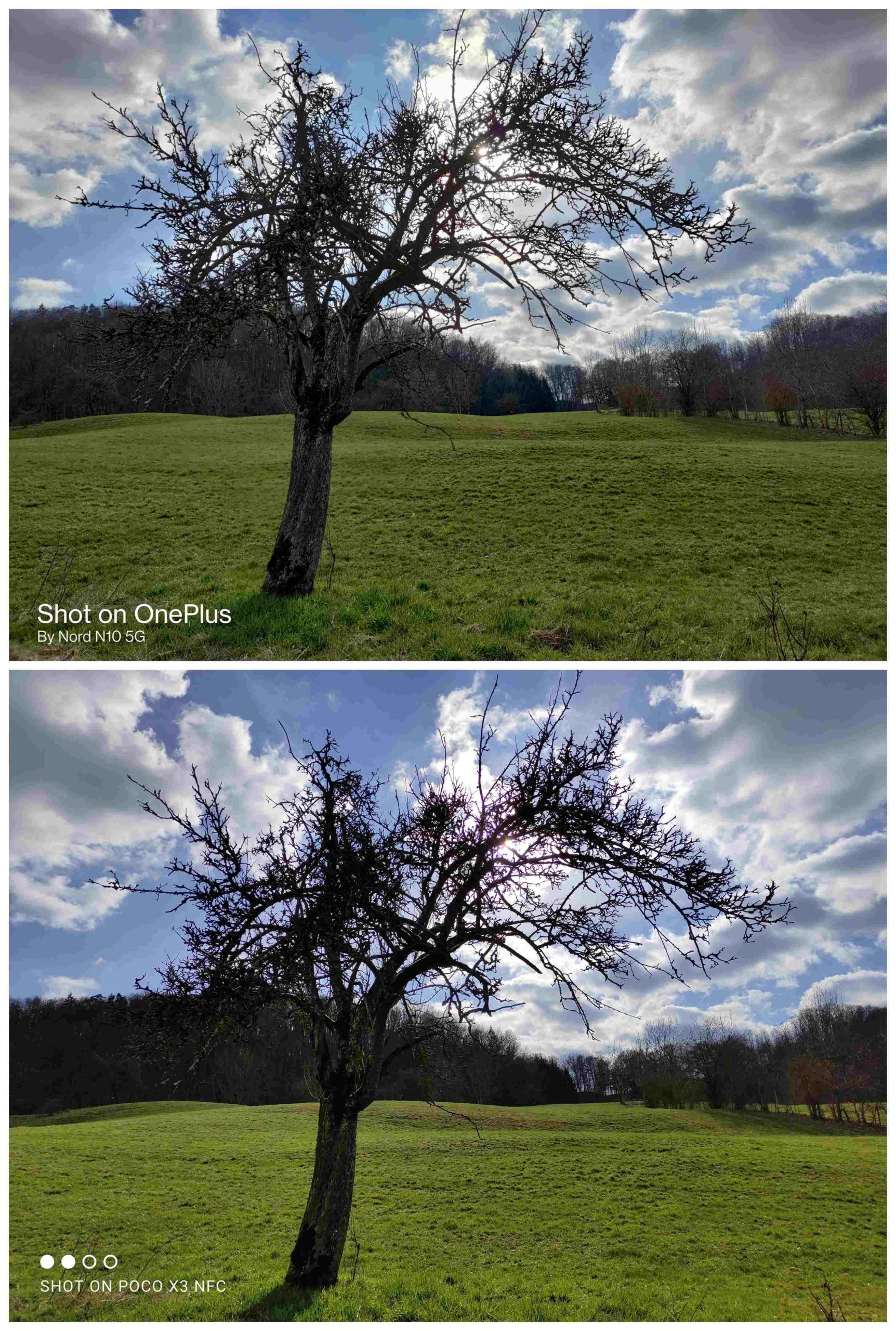
-
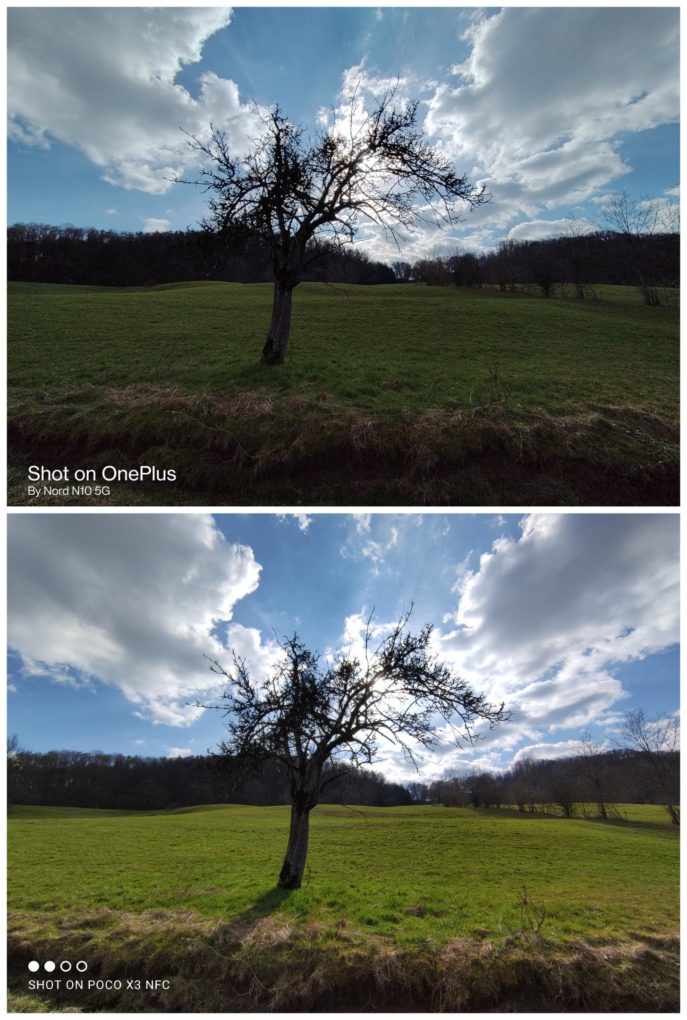
- Here the Poco X3 NFC has a clear lead. The picture is clearly sharper and better exposed. (Picture: TechnikNews)

-
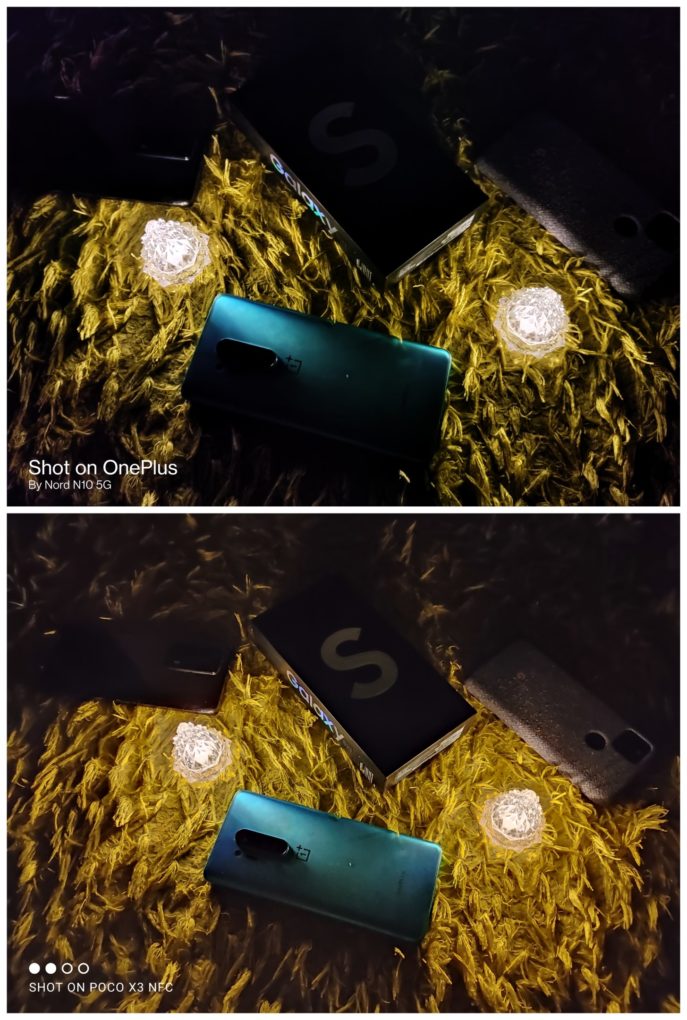
- The Poco takes the slightly brighter photo. (Picture: TechnikNews)
-
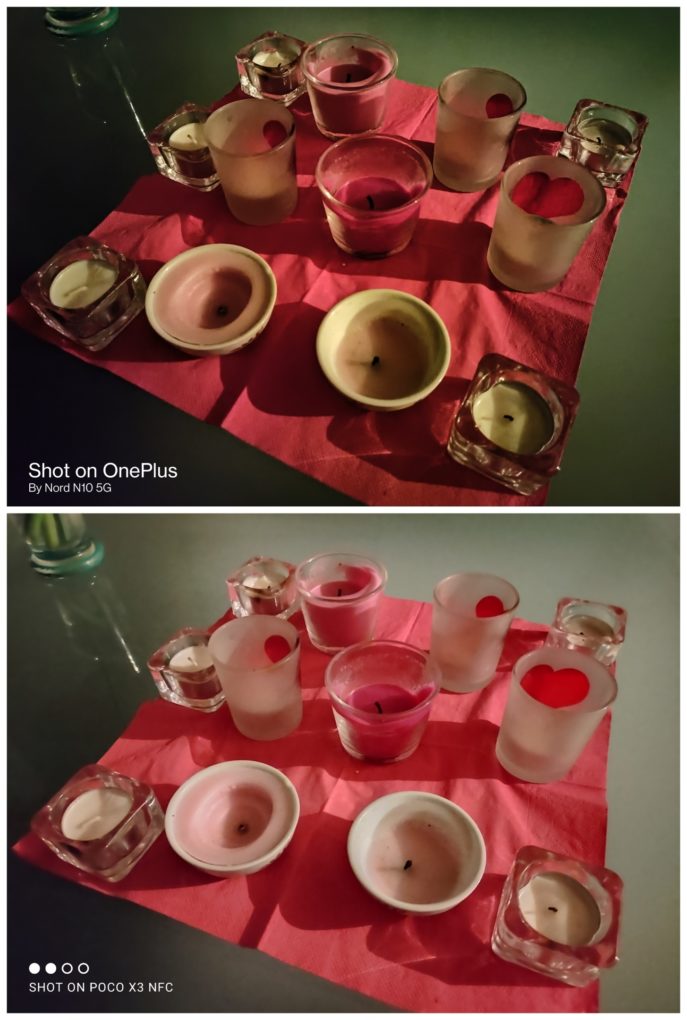
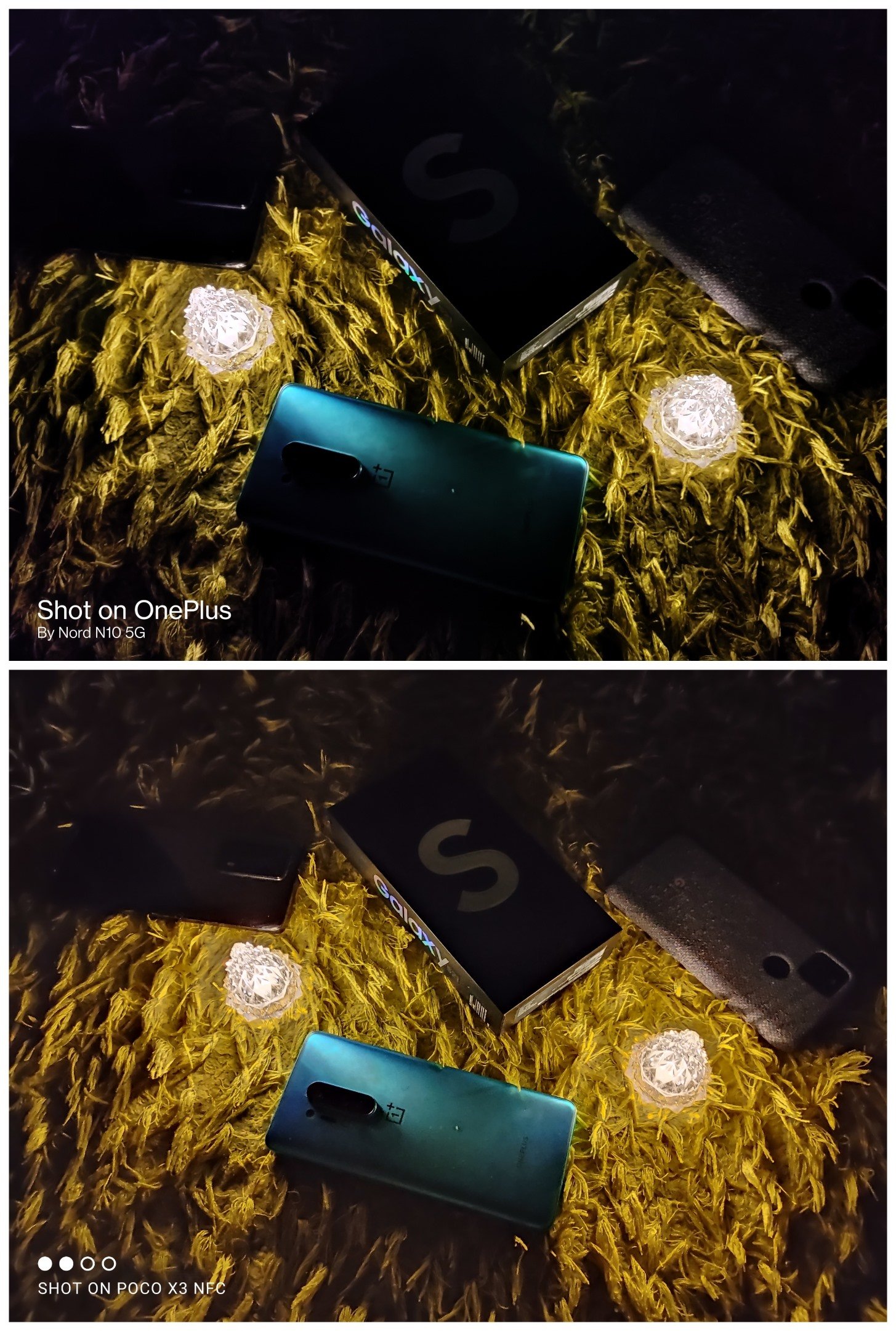
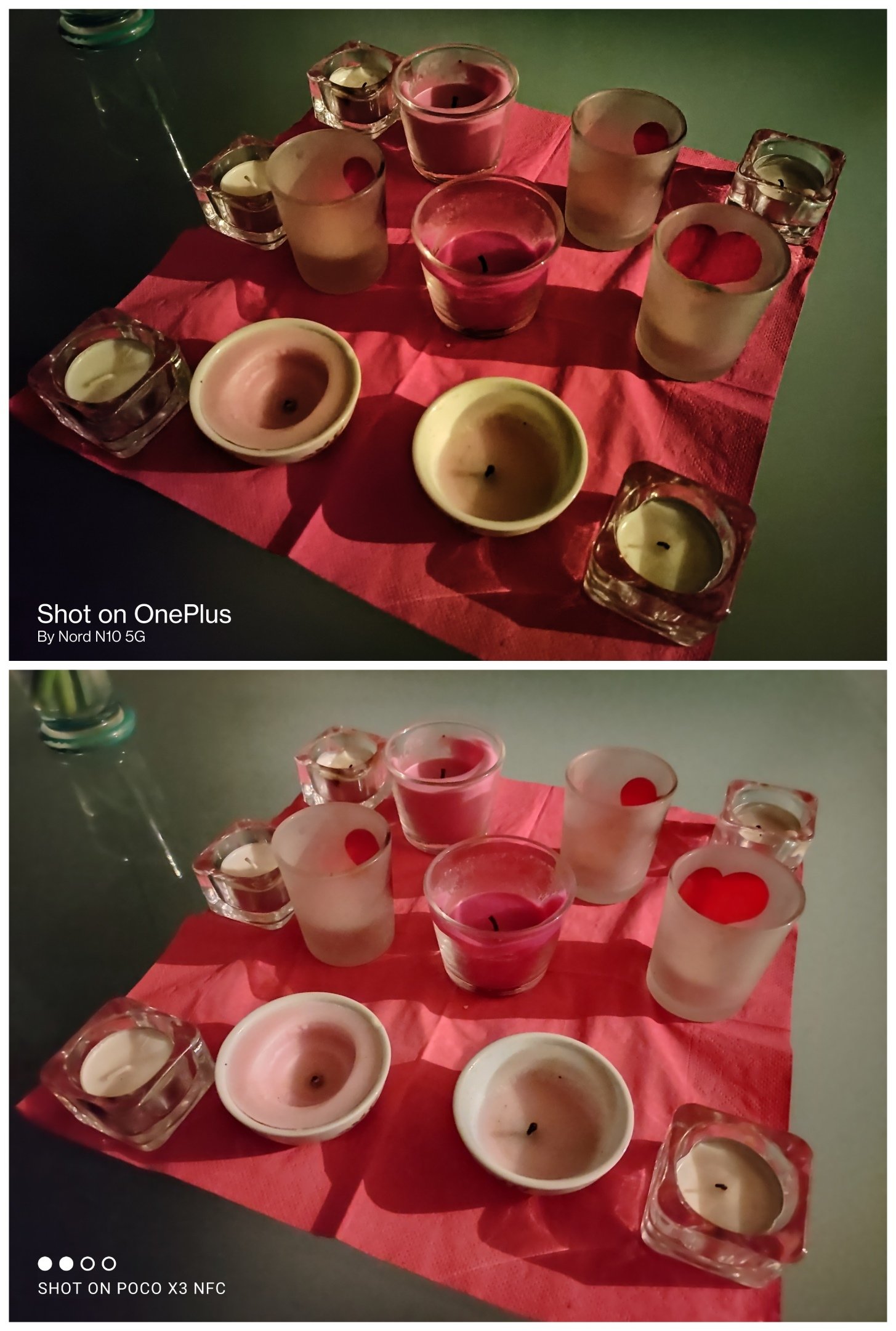
- The colors of the OnePlus Nord N10 5G are reproduced much more naturally. (Image: TechnikNews)
-
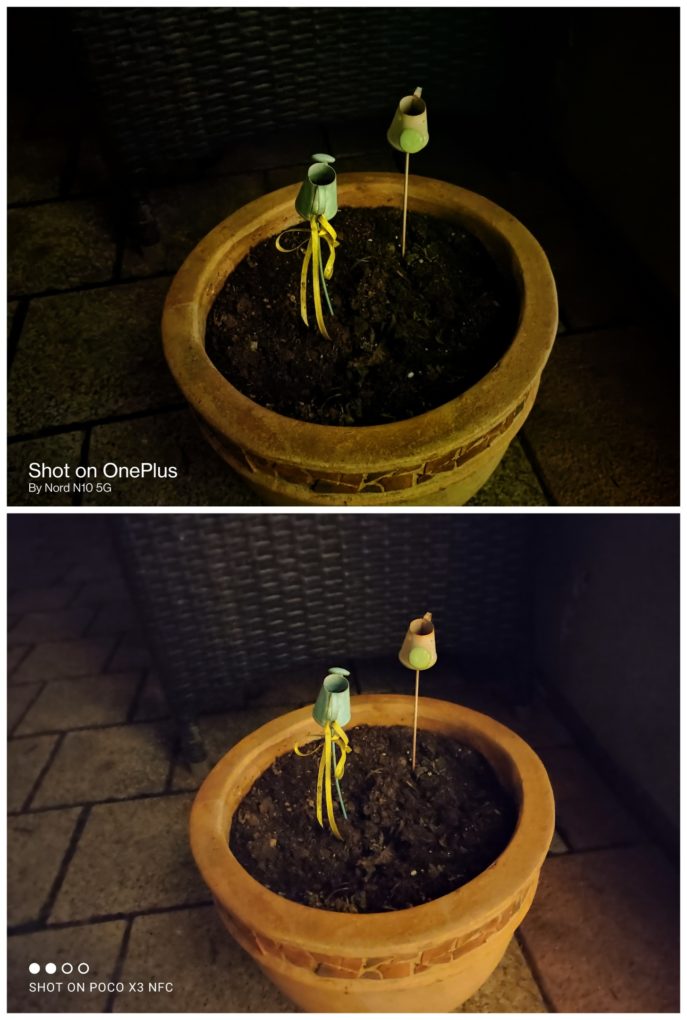
- OnePlus has the edge in terms of sharpness and Poco in terms of brightness. (Picture: TechnikNews)
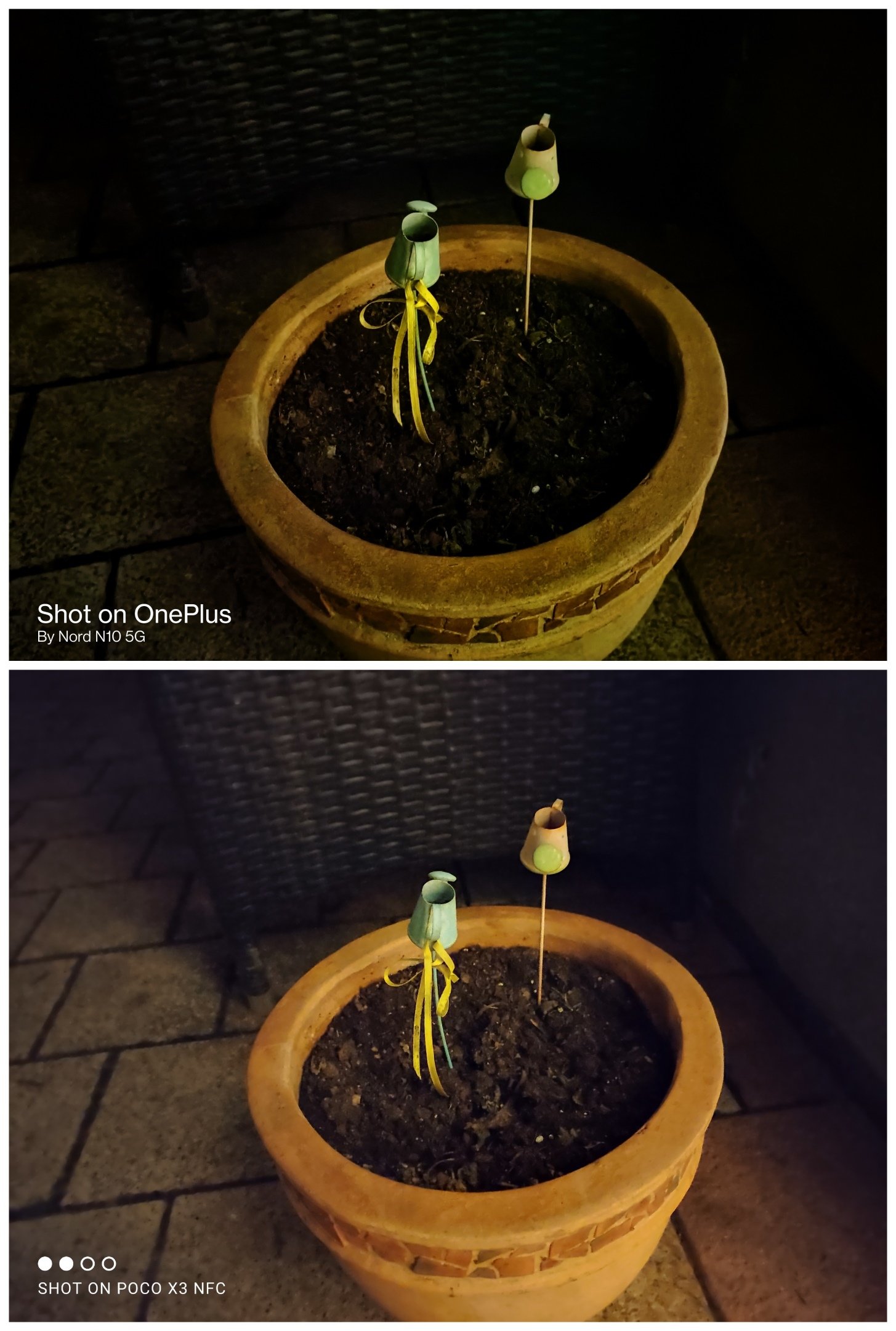
Both smartphones take similarly good pictures with the main camera in daylight, which only differ in nuances, such as the color rendering. As soon as it gets darker, the pictures from both smartphones are no longer really useful. Even with the 2 megapixel macro camera, there are almost no differences. Only with the ultra-wide-angle camera do significant differences in favor of the Poco X3 NFC become apparent. This clearly has the edge in terms of sharpness and exposure.
Other - good stereo speakers
OnePlus has installed stereo speakers that are very loud and offer a nice, clear sound at up to 70 percent volume. For the price, that's more than decent.
On the back there is space for the fingerprint sensor, which could be positioned a little further down for my taste. It reacts pleasantly quickly, but could unlock the smartphone a little more reliably.
Finally, I would like to say a few words about the built-in vibration motor. Unfortunately, this doesn't feel particularly high-quality and also sounds rather annoying.
Conclusion
The OnePlus Nord N10 5G is currently a solid smartphone for 250 euros, which scores points above all with its excellent battery life and good stereo speakers. However, customers get less from competitors such as the Poco X3 NFC, Realme 7 5G, Redmi Note 10 Pro or Xiaomi MiNote 10 Lite, mostly more bidding. Not to be neglected is the poor update support and the resulting longevity.
Because of this, I unfortunately cannot recommend the Nord N10 5G to anyone for currently 250 euros. Too bad OnePlus.
We would like to thank OnePlus Germany for providing the OnePlus Nord N10 5G!